
Restoring Safety And Security: A Comprehensive Guide
By Tom Seest
At RackingWorld, we help guide you through selecting warehouse storage systems and racking.
Be sure to read our other related stories at RackingWorld to learn more about warehouse storage systems.
Step-By-Step Guide to Replacing a Broken Beam
When you find yourself staring at a crumbling support beam in your home, your heart may start racing. It’s the kind of moment that puts everything into perspective—your sanctuary isn’t just a roof over your head; it’s a vessel for your dreams and memories. Replacing that beam might feel daunting, but let’s break it down step by step, and do this right.
First, gather your tools. You’ll need plywood, new beams, a saw, some sturdy screws, and a trusty level, alongside safety equipment like gloves and goggles. These items aren’t just tools; they’re your armor as you dive into this mission. There’s something profoundly satisfying about holding a tool designed to create stability. These tools become an extension of you, leading you to that rewarding sense of accomplishment when the job is done.
Next, assess the damage. If that old beam is racking—twisting out of alignment—it’s a clear sign of structural failure, and ignoring it could be detrimental. Your home, after all, deserves the best, and you owe it to yourself to provide it with a solid foundation. With this knowledge, you’re not just a homeowner; you’re the custodian of a space that cradles your life’s most precious moments.
Once you’ve identified the need, it’s time to carefully remove the old beam. This can feel like an emotional farewell; it held up your home and perhaps even your childhood. As you pry it out, imagine the stories it could tell. Afterward, slide in the new beam—it fits snugly, like a missing puzzle piece coming together. This moment is transformative—a blend of heart and manual labor that speaks to the essence of what it means to nurture your home.
Secure that beam using strong screws, making sure it’s level. This isn’t just about doing a job; it’s about taking pride in your work. As you step back to admire your handiwork, there’s a satisfaction in knowing that you’ve woven safety and stability back into your home’s very bones.
Finally, clean up your workspace and reflect on your achievement. You’ve taken on a challenge that many shy away from, showcasing not just skill but grit and determination. In that moment, you don’t just see a beam; you see a testament to resilience. Each step in this journey connects you deeper to your home—your roots, your community, and, ultimately, to yourself. Now, every time you walk beneath that strong new beam, you’ll remember: you built it, and you can build even more.

Step-By-Step Guide to Replacing a Broken Beam
Step-By-Step Guide to Replacing a Broken Beam
- Encountering a crumbling support beam can trigger anxiety and realization about the importance of one’s home.
- Preparation involves gathering necessary tools: plywood, new beams, a saw, screws, a level, gloves, and goggles.
- Assess the damage to determine structural integrity; neglecting repairs can harm the home’s foundation.
- Removing the old beam can be an emotional process, signifying the end of an era while opening doors for renewal.
- Inserting the new beam is a transformative experience, symbolizing the repair and nurturing of your home.
- Secure the beam properly and take pride in the craftsmanship involved in restoring stability to your home.
- Conclude by cleaning the workspace and reflecting on the personal achievement and connection to your home.
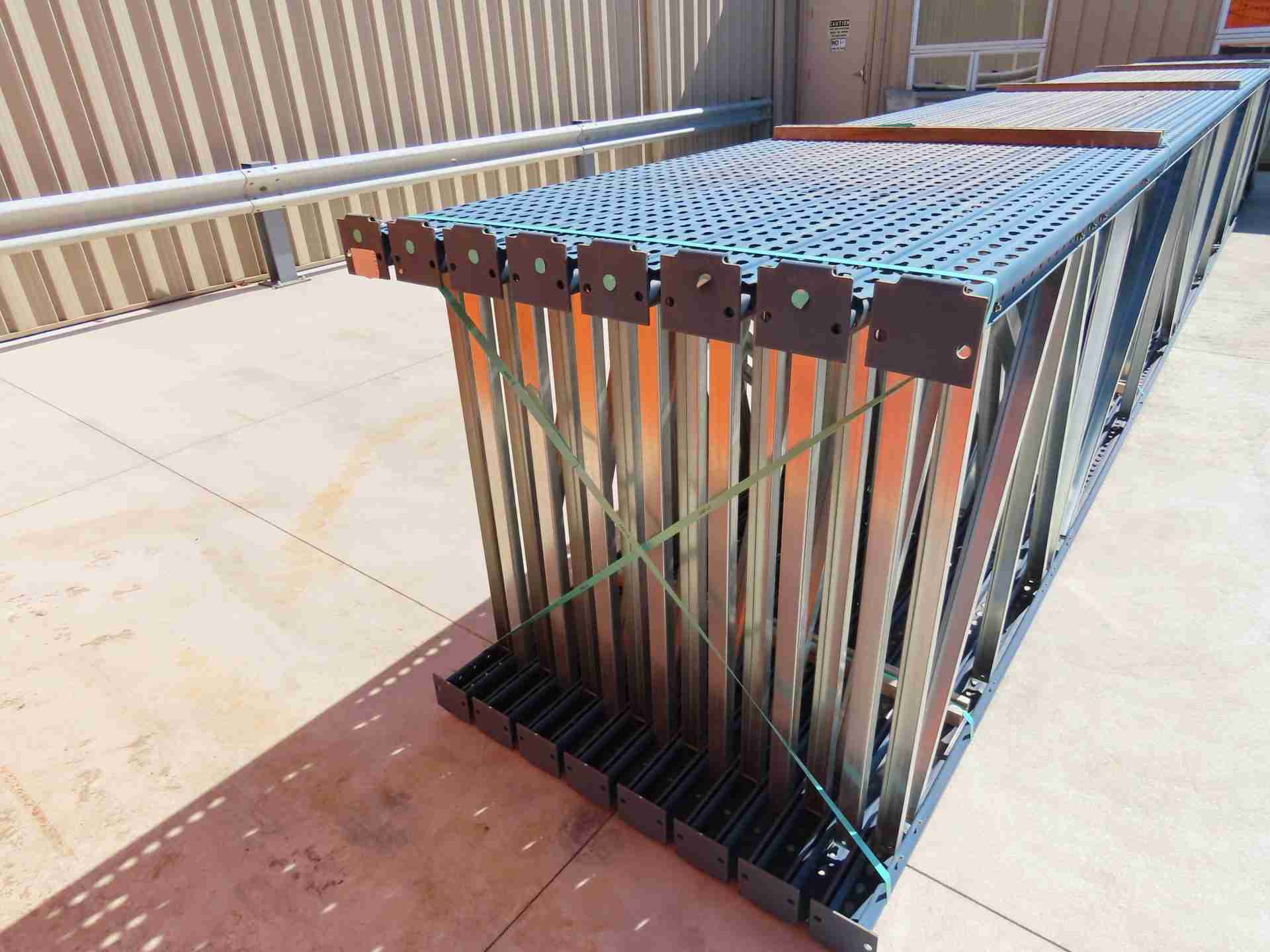
Step-By-Step Guide to Replacing a Broken Beam
Table Of Contents
- Step-By-Step Guide to Replacing a Broken Beam
- What Emotions Does a Broken Beam In Your Home Evoke Within You?
- How Can a Solid Beam Strengthen the Foundation Of Your Home and Life?
- What Steps Can You Take to Restore Safety In Your Living Space?
- Why Is It Crucial to Trust Experts When Replacing Structural Beams?
- How Does Replacing a Beam Impact the Value Of Your Property?
- Conclusion
- Other Resources
- Glossary Of Terms
- Other Questions
- Checklist
What Emotions Does a Broken Beam In Your Home Evoke Within You?
When you stand in your home and gaze up at a broken beam, it can stir a rush of emotions. There’s a haunting sense of vulnerability, as if the very bones of your sanctuary are faltering. The initial shock may evoke a fleeting feeling of fear—what if this signifies greater issues beneath the surface? You can’t help but wonder if a simple oversight led to this racking sign of failure. It’s a jarring reminder that, unlike the sturdy walls surrounding you, things can crack and crumble when we least expect it.
Yet, it’s not just about fear; it’s about the stories that beam holds. Consider the laughter and love framing your memories—every family gathering, every celebration marked beneath its protective arch. The thought of something so integral to your home in disrepair can provoke feelings of loss—loss of safety, stability, and the comforting routines built around it. In recognizing that, you give yourself permission to feel, to connect with the deeper meaning behind your shelter.
In our busy lives, it’s easy to prioritize aesthetics over integrity, forgetting that the physical structures we inhabit mirror our emotional frameworks. Seeing a beam in disarray might compel you to act—not just for the sake of the house, but for the sake of holding together the family bond it represents. From a rational standpoint, you realize that neglecting it could lead to even more significant and expensive repairs down the road. There’s power in addressing the brokenness head-on, making you the steward of your home.
But amid these realizations, there’s an ethical component as well. Our homes are more than just wood and nails; they are vessels of our values, sheltering generations. Fixing a broken beam goes beyond repair; it’s about honoring the commitment we make to ourselves and our families to maintain a safe and nurturing environment.
Embracing the narrative of restoration fosters a sense of community. Sharing your story with neighbors could inspire others to take a closer look at their own homes. We are all in this together, navigating the complexities of life and the spaces we’ve built. Every action matters, and every repair reinforces not just wood and nails, but the connections that anchor us to one another. Let that broken beam become a catalyst for change and a testament to resilience—yours, and that of the people you love.

What Emotions Does a Broken Beam In Your Home Evoke Within You?
What Emotions Does a Broken Beam In Your Home Evoke Within You?
- A broken beam in your home evokes a rush of emotions, highlighting vulnerability.
- Initial feelings may include fear of larger issues beneath the surface and the potential for failure.
- The beam symbolizes memories of laughter and love during family gatherings and celebrations.
- Recognizing feelings of loss connects you to the deeper meaning of your home and safety.
- Addressing structural issues reflects the need to maintain emotional integrity and family bonds.
- Homes embody values and repairing them honors the commitment to a safe environment.
- Sharing stories of home repair can inspire community and reinforce connections among neighbors.

What Emotions Does a Broken Beam In Your Home Evoke Within You?
How Can a Solid Beam Strengthen the Foundation Of Your Home and Life?
When you think about a solid beam, you might picture lumber and metal, muscles flexing under strain, or even a sturdy bridge connecting two shores. But that beam represents so much more than mere construction materials. It embodies strength, resilience, and stability—a lifeline for your home and, by extension, your life. It’s the unsung hero, quietly doing its job while you go about the hustle and bustle, unbothered by the world. It withstands racking forces—those unpredictable pushes and pulls that can test even the hardiest of structures.
Imagine your life as a structure. Each day, you face challenges that threaten to rock your foundation—work stress, family responsibilities, and financial pressures can all weigh heavily on our beams. When you build a strong foundation for your home, you’re also investing in the structure of your life. A solid beam can absorb the shocks, giving you the space to breathe, to dream, and to thrive. Just like you wouldn’t choose a flimsy support for your home, don’t settle for less in your life. Surround yourself with solid relationships and self-belief that can withstand the storms.
This isn’t just about carpentry; it’s about cultivating an unwavering core. Think back to a time when a strong support helped you navigate a tough patch. Maybe it was a friend who lent you a hand or a mentor who offered a guiding light. These supports shape our lives, just as beams shape our homes. Connecting with your community can enrich your personal structure, adding layers of support that hold you steady.
Ethically, building up that foundation becomes a responsibility. When you create a safe space for yourself and your family, you also contribute to a neighborhood that fosters growth. Solid beams can inspire us to uplift those around us. It weaves a social fabric that connects lives, encourages resilience, and fortifies our shared spaces.
Ultimately, it’s about trust, in both the material and the relationships we forge. Cultivating that confidence allows you to take risks, explore new paths, and truly live. So let your life beam, just as the strong beams in your home do—embrace the connection, celebrate the strength, and ensure that every day starts from solid ground. You deserve to stand tall and weather any storm life throws your way.

How Can a Solid Beam Strengthen the Foundation Of Your Home and Life?
How Can a Solid Beam Strengthen the Foundation Of Your Home and Life?
- A solid beam symbolizes strength, resilience, and stability in both construction and life.
- Life’s challenges, such as work stress and financial pressures, can test your foundational strength.
- Building a strong foundation at home parallels investing in the structure of your life.
- Surrounding yourself with strong relationships and self-belief is essential for weathering life’s storms.
- A strong support system, whether from friends or mentors, helps navigate tough times.
- Ethically, creating a safe environment fosters community growth and resilience.
- Trust and confidence in both materials and relationships enable exploration and risk-taking in life.

How Can a Solid Beam Strengthen the Foundation Of Your Home and Life?
What Steps Can You Take to Restore Safety In Your Living Space?
When it comes to restoring safety in your living space, it starts with something as fundamental as racking your mind around the idea that your home should be a sanctuary—not just a place to hang your hat. We’ve all felt that comforting weight of home, but when safety is compromised, that comfort can quickly morph into a creeping unease. So how do you reclaim that space?
First, evaluate your environment. Look around—what’s lurking in those corners or behind those doors? You know your home better than anyone. It’s more than a building; it’s your refuge. Call on your instincts here. Trust that little voice that tells you something isn’t quite right. A broken window, a faulty lock—these are red flags waving for your attention.
Next, foster a community connection. Reach out to your neighbors. Share stories and experiences. Strength lies in numbers, and there’s safety in community. You’re part of something bigger, and together, you can cultivate a sense of watchfulness. Take the time to establish a neighborhood watch group or simply host a barbecue. When you forge bonds, you empower one another.
Consider investing in security measures. This isn’t just a matter of practicality; it’s about reclaiming peace of mind. Security systems or even a simple camera can act as a physical deterrent. But remember, it’s not merely about gadgets—these upgrades symbolize your commitment to safety and well-being. It reinforces the idea that your living space is worthy of protection.
Educate yourself and your family about safety protocols. Create a plan for emergencies, whether it’s fire, natural disaster, or worse. Practicing drills transforms fear into preparedness. It’s not just knowledge; it’s confidence. Equip yourself with skills—first aid, self-defense. When you feel capable, you become a pillar of strength not just for yourself, but for those around you.
Lastly, engage with the emotional aspect of safety. Reflect on what home means to you. It’s warmth, love, and the memories you’ve built. Don’t let the fear of the outside world tarnish that. Take action, make improvements, and bolster your defenses. Your home is not just a roof over your head; it’s a treasure trove of your life’s most cherished moments. Stand guard over that treasure—it’s worth every step you take to protect it.

What Steps Can You Take to Restore Safety In Your Living Space?
What Steps Can You Take to Restore Safety In Your Living Space?
- Your home should be a sanctuary, providing comfort and safety.
- Evaluate your living environment for potential safety concerns like broken windows and faulty locks.
- Foster community connections with neighbors for added safety and support.
- Invest in security measures, such as systems and cameras, to enhance your home’s safety.
- Educate yourself and your family on safety protocols and create emergency plans.
- Engage emotionally with the idea of safety by reflecting on the meaning of “home.”.
- Take proactive steps to protect your home and preserve cherished memories.
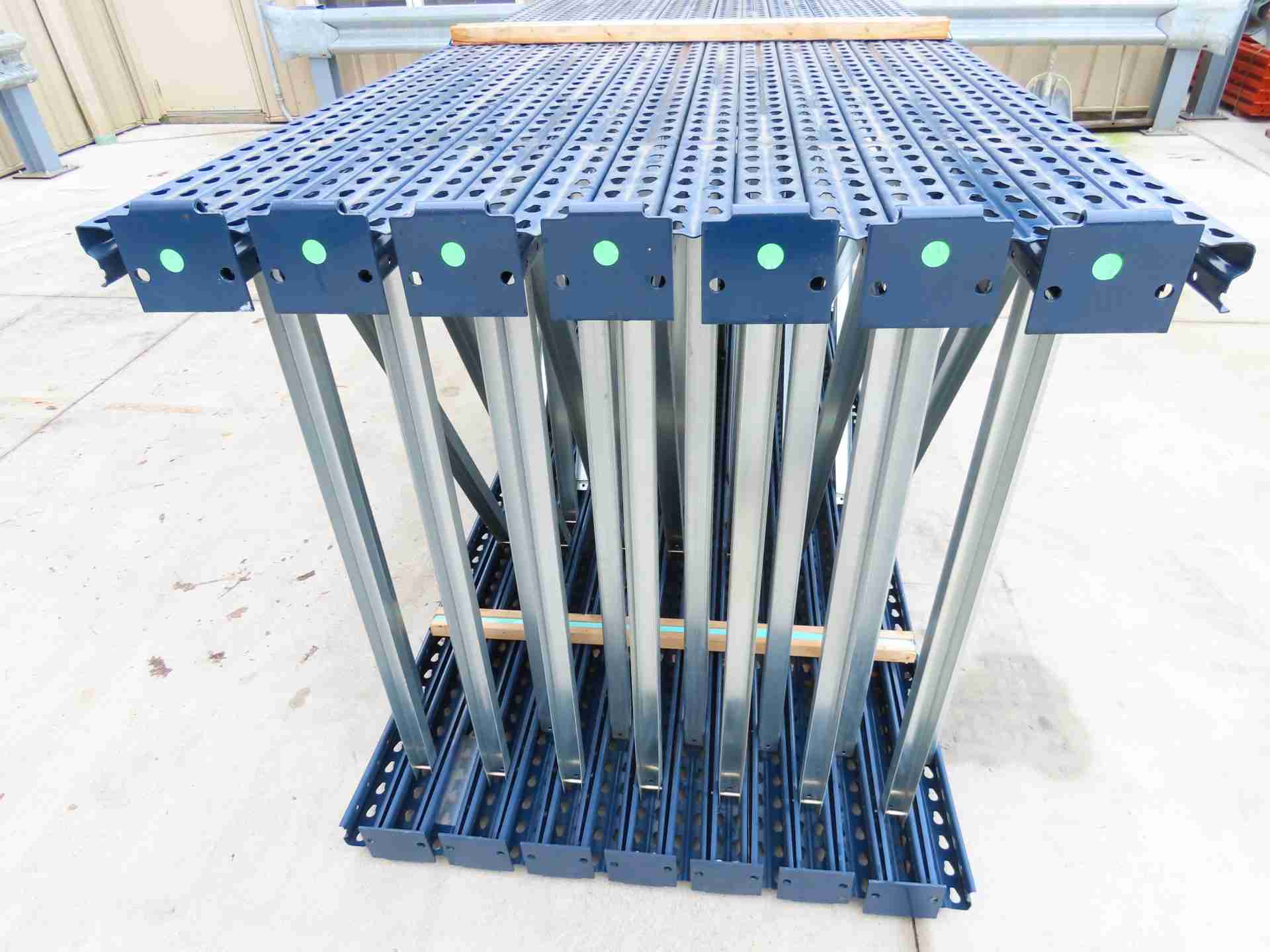
What Steps Can You Take to Restore Safety In Your Living Space?
Why Is It Crucial to Trust Experts When Replacing Structural Beams?
When it comes to replacing structural beams in your home, trusting the right experts isn’t just a choice; it’s a necessity rooted in your safety, well-being, and the very integrity of your dwelling. Racking, a silent intruder in the form of structural misalignment, can compromise your home’s stability in the blink of an eye. Imagine for a moment—your family is gathered for dinner, laughter echoing through the halls, and suddenly, that sense of security is shattered. A beam gives way, and the world crumbles around you. This is not just an exaggeration; it’s a stark reminder of the stakes involved when it comes to structural integrity.
We live in a world that often places a premium on DIY solutions and quick fixes, where social media feeds overflow with flashy “how-to” videos. But maintaining the safety of your home requires more than just enthusiasm; it demands knowledge, experience, and a nuanced understanding of engineering principles. Trusted experts have spent years honing their craft, navigating complex building codes, and mastering the materials that hold your home together. Their authority in the field is not just an impressive title; it’s a badge of honor earned through hard work and commitment to the craft.
Ethically speaking, there’s a responsibility that comes with the territory. Would you risk your family’s safety on shaky assumptions or half-baked ideas? Think of your home as a vessel, one that carries not just your belongings but your dreams, your memories, and a future you’ve built brick by brick. The decision to hire a knowledgeable professional to replace structural beams is not merely a financial transaction; it’s an investment in your peace of mind and the resilience of your family’s foundational space.
Connecting with experts also invokes a sense of community. Trusting those who serve in our neighborhoods strengthens the bonds between us. It says, “I believe in you, and your craft creates a safer world for all of us.” Let’s be real—it’s not just about getting the job done; it’s about ensuring that our homes remain the sanctuaries they are meant to be. So, when contemplating structural repairs, consider the profound impact of those beams. Reach out to a trusted expert, and start a dialogue that could very well fortify not just your home, but the sense of security that keeps you grounded.

Why Is It Crucial to Trust Experts When Replacing Structural Beams?
Why Is It Crucial to Trust Experts When Replacing Structural Beams?
- Replacing structural beams requires trust in knowledgeable experts for safety and home integrity.
- Racking can cause structural misalignment, posing risks to home stability in critical moments.
- DIY solutions and quick fixes often lack the necessary knowledge and experience for safety.
- Trusted experts navigate complex building codes and materials essential for structural integrity.
- Hiring professionals is an investment in safety, peace of mind, and the resilience of your home.
- Connecting with local experts fosters community trust and strengthens neighborhood bonds.
- Consider the crucial role of structural repairs in maintaining a safe and secure living space.

Why Is It Crucial to Trust Experts When Replacing Structural Beams?
How Does Replacing a Beam Impact the Value Of Your Property?
When it comes to replacing a beam in your home, you’re not just hoisting up a chunk of wood; you’re lifting the entire potential of your property. Think of that beam as the backbone, the silent support holding up years of memories, laughter, and maybe some late-night heart-to-hearts. Every racking moment—whether doors are out of line or floors aren’t quite level—is a sign that the foundation might need some TLC. Paying close attention to these signs and taking action can mean the difference between a cozy haven and a house that feels like it’s on the verge of giving in.
Investing in structural repairs like a beam replacement isn’t just about fixing a problem. It’s about enhancing your home’s safety and stability, which translates into added value in your property. This isn’t just a technical upgrade; it’s an ethical responsibility. You owe it to your family, your loved ones, and even yourself to provide a space that feels secure and sound. A home shouldn’t just be where you live; it should be a fortress, a sanctuary—somewhere you can breathe easy, knowing it stands strong.
Now, let’s get real. The financial return on a beam replacement can be substantial, especially if you’re looking to sell. A potential buyer walks through your door, beams (pun intended) at the sight of an inviting space that tells a story of care and diligence. Alternatively, if they spot any telltale signs of neglect—like uneven flooring or cracks—doubt creeps in. Trust is vital in real estate; every fault, no matter how minor, can quietly chip away at your property’s value.
But beyond dollars and cents, it’s about connection. Every family has a story etched into their walls, and a solid beam helps preserve that narrative. When you take the initiative to repair and, in doing so, express love for your space, you’re creating an environment where memories can continue to flourish. Imagine your kids running through the living room, friends gathering for celebrations, or quiet moments spent in reflection. A well-maintained home is more than market value; it’s the heart of those experiences.
So, if you find yourself staring at that old beam, consider this: your decision to replace it resonates far beyond the physical realm. You’re not just fixing a structural issue, you’re investing in the future—your future. And that, my friend, is what homeownership is all about.

How Does Replacing a Beam Impact the Value Of Your Property?
How Does Replacing a Beam Impact the Value Of Your Property?
- Replacing a beam is crucial for maintaining the structural integrity of your home.
- Signs like misaligned doors and uneven floors indicate a need for foundation care.
- Investing in beam replacement enhances safety, stability, and property value.
- A home should be a secure sanctuary for you and your loved ones.
- Proper maintenance can significantly increase your home’s market appeal to potential buyers.
- A strong beam preserves family memories and adds emotional value to your space.
- Replacing a beam is an investment in the future of your home and family.

How Does Replacing a Beam Impact the Value Of Your Property?
Conclusion
When you confront a broken beam in your home, it’s more than just a structural issue—it’s a call to action that brings to light the heart of what home represents. It’s about safety, stability, and the cherished memories that those walls harbor. The task may initially feel overwhelming. Your sanctuary is now seemingly compromised, and your mind races with questions about hidden problems lurking beneath the surface. But here’s the beauty of it: the journey from worry to resolution is a rite of passage that can transform you into a custodian of your own dreams and aspirations.
Equipping yourself with basic tools—those tangible extensions of your will—empowers you. Embracing that moment where you assess the damage, carefully pry out the old beam, and replace it with a new one, strikes at the emotional core of homeownership. It speaks to resilience, not only for the structure but in your very spirit. Each hammering moment is a declaration: “I care about my space; I am invested in my family’s safety.” What might seem like a chore becomes an act of love that fortifies the bonds of connection had within those walls.
Trusting experts in this process adds another layer of integrity. It’s not just about handing over a dollar; it’s about ensuring your family’s sanctuary is built on a foundation of knowledge and craftsmanship. Experts are your allies, transforming complex repairs into secure havens. Their involvement is a reminder that we rely on one another; in a world that often champions the DIY ethos, it’s essential to know when to call in the cavalry.
When you address a broken beam, you’re also making an ethical commitment to your family, to yourself, and to your community. It’s a recognition of the values instilled within those four walls—ideas of safety, nurturing, and love. In restoring that structural integrity, you bolster not only property value but the emotional richness that defines home. Your efforts inevitably speak to those around you, creating a ripple effect that encourages neighborly watchfulness and care.
Ultimately, every repair is a declaration of your intent to foster a safe and enduring space for memories yet to be made. Replacing thatbroken beam is not merely a task; it’s a defining moment in the narrative of your life, one that echoes outwards, ensuring that the foundation of not just your home, but your life, stands resilient against whatever storms may arise. Take that leap, and trust that your home, just like your life, is worth every step you take to safeguard it.

Conclusion
Conclusion:
- Addressing a broken beam highlights the importance of safety and stability in the home.
- The repair process can feel daunting but offers a transformative journey from worry to resolution.
- Using basic tools empowers homeowners and connects them emotionally to their space.
- Repairing a beam becomes an act of love and a symbol of investment in family safety and wellbeing.
- Trusting experts in home repairs ensures quality craftsmanship and reinforces community reliance.
- Repairing structural issues affirms ethical commitments to family, community, and the values of home.
- Every repair signifies intent to create a safe, enduring space for future memories, contributing to a resilient life foundation.

Conclusion
Other Resources

Other Resources
Here is a list of other resources you can review online to learn more:
- Cantilever Rack Guide: Ordering Cantilever Racking
- Selective Racking
- New Cantilever Racks and Racking Kits
- Warehouse Racks, Warehouse Racking in Stock – ULINE
- RMI
- International Warehouse Logistics Association
- Material Handling Safety
- Teardrop Industrial Shelving Rack
- SEMA
- National Safety Council
- Cantilever Racking Specialists – Get the Right Racks
- Teardrop Racks – Pallet Rack World
- Total Warehouse
- Selective Racking
- Rack Manufacturers Institute
- Warehouse Storage Racking in Illinois
- Iowa Illinois Warehouse Racking
- Pallet Racking systems in Illinois and Great Lakes
- Teardrop Industrial Shelving Rack
- Pallet Racking systems in Illinois and Great Lakes
Use This Prompt To Get More Resources With Your Favorite Online AI Tool: Please provide me with a list of online articles with their URLs in a bulleted list that I can read regarding Step-By-Step Guide to Replacing a Broken Beam

Other Resources
Glossary Terms
Step-By-Step Guide to Replacing a Broken Beam – Glossary Of Terms
1. Beam: A horizontal structural element that supports loads and transfers weight to vertical supports.
2. Load: The weight or force that a structure must support, including live loads (people, furniture) and dead loads (building materials).
3. Inspection: The process of examining a beam and surrounding structures for signs of damage or deterioration.
4. Support: A structural element (such as a column or wall) that bears the weight of a beam and the loads it carries.
5. Replacement: The act of removing a damaged beam and installing a new one.
6. Tools: Equipment needed for the replacement process, including saws, drills, and safety gear.
7. Safety Gear: Protective equipment such as gloves, goggles, and hard hats worn during construction tasks.
8. Shoring: Temporary supports used to stabilize a structure while a damaged beam is being replaced.
9. Demolition: The process of removing the broken beam and any adjacent materials that may obstruct the replacement.
10. Measurements: Assessments taken to ensure the new beam fits properly and aligns with existing structures.
11. Material: The substance from which the beam is made, commonly wood, steel, or concrete.
12. Joist: A smaller beam that supports the floor or ceiling above and often runs perpendicular to the main beam.
13. Nails: Fasteners used to join wood beams together or to attach beams to support structures.
14. Screws: Threaded fasteners often used for stronger connections than nails, particularly in wood constructions.
15. Bracket: A metal support used to reinforce the connection between beams and other structural elements.
16. Level: A tool used to ensure that the new beam is installed horizontally or vertically as required.
17. Framing: The process of constructing the skeletal structure of a building, including the placement of beams.
18. Moisture Damage: Degradation of a beam due to exposure to water or high humidity, leading to rot or mold.
19. Dry Rot: A specific type of decay in wood caused by fungi, weakening the structure of beams.
20. Load-Bearing: Describes a beam that supports structural weight, as opposed to non-load-bearing elements.
21. Structural Engineer: A professional who designs and analyzes structural systems to ensure safety and compliance with building codes.
22. Building Codes: Local regulations governing construction standards, safety, and structural integrity.
23. Caulking: A sealant used to fill gaps around beams and other structural joints to prevent moisture intrusion.
24. Fastening: The process of securely joining structural elements with hardware, such as nails or bolts.
25. Alignment: Ensuring that the new beam is positioned correctly with respect to other structural components.
26. Finishing: The final touches applied to the new beam, which may include paint, stain, or protective coatings.
27. Permits: Official documents required for certain construction projects to ensure compliance with local regulations.
28. Vibration: Oscillation that can occur when heavy loads are applied to beams, which can affect structural integrity if excessive.
29. Reinforcement: Additional support added to a beam or structure to enhance strength and stability.
30. Cutting Plan: A detailed outline indicating where and how to cut the old beam and shape the new one for installation.

Glossary Of Terms
Other Questions
Step-By-Step Guide to Replacing a Broken Beam – Other Questions
If you wish to explore and discover more, consider looking for answers to these questions:
- What are the common signs of a broken beam that homeowners should look for?
- How can I assess whether a broken beam is a serious issue that requires immediate attention?
- What are the specific tools and materials needed for replacing a beam?
- Is it safe to replace a beam myself, or should I hire a professional?
- What are the potential risks of ignoring a broken or damaged beam?
- How long does the beam replacement process typically take?
- What are the costs associated with replacing a structural beam?
- Can a beam replacement affect my home insurance?
- What steps should I take to maintain the structural integrity of my home after replacing a beam?
- How does the process of replacing a beam differ between old and new homes?
- What safety precautions should I take when working on structural repairs?

Other Questions
Checklist
Step-By-Step Guide to Replacing a Broken Beam – A Checklist
Checklist for Replacing a Broken Beam: Restoring Safety and Building Connections
Emotional Appeals:
_____ Reflect on what home means to you and your family. List memories or milestones that have occurred under the support of your beam.
_____ Consider how fixing the beam will restore your sense of safety and security.
_____ Write down any feelings or fears that arise when you see the broken beam.
Rational Appeals:
_____ Assess the current condition of the beam. Document any signs of damage such as racking, twisting, or cracking.
_____ Create a checklist of tools and materials needed for the replacement (e. g. , plywood, new beams, screws).
_____ Research best practices for beam replacement to ensure structural integrity.
Ethical Appeals:
_____ Commit to honoring your responsibility as a homeowner. List the values you want your home to represent (e. g. , safety, stability).
_____ Reflect on the impact of your home on future generations. What legacy do you want to create?
Authority Appeals:
_____ Identify local experts or contractors specialized in structural repairs. Research their credentials and customer reviews.
_____ Schedule a consultation with a professional to discuss your beam replacement. Write down questions to ask about their experience and approach.
Narrative Appeals:
_____ Write a short narrative about the journey of replacing your beam. Include your motivations, challenges faced, and the ultimate satisfaction of completion.
_____ Document the stories that the old beam holds—what it has witnessed throughout its time.
Social Appeals:
_____ Engage your community. Reach out to neighbors to share your project and encourage them to assess their own homes.
_____ Invite friends or family to assist in the replacement process, strengthening bonds while working on a practical project together.
_____ Consider documenting the process on social media to inspire others and foster a sense of solidarity within your community.
Each of these steps not only addresses the physical necessity of replacing a beam but also nurtures the emotional, ethical, and social connections that make a house truly feel like home.

Checklist
At RackingWorld, we help guide you through selecting warehouse storage systems and racking.
Be sure to read our other related stories at RackingWorld to learn more about warehouse storage systems.
0 Comments