
Choosing The Perfect Arm Length: A Practical And Ethical Guide
By Tom Seest
At RackingWorld, we help guide you through selecting warehouse storage systems and racking.
Be sure to read our other related stories at RackingWorld to learn more about warehouse storage systems.
How to Select the Right Arm Length for Your Load
Selecting the right arm length for your load is a balancing act, much like threading a needle in dim light. It’s not merely a technical decision; it’s a reflection of our respect for the task at hand. We all know that the right racking can mean the difference between a job well done and a disaster waiting to unfold.
Consider the heart for a moment. Picture yourself on a job site, the sun peeking through the clouds, shining on your team working together, each person moving with purpose. You’ve chosen the right equipment—strong, reliable, and precisely the right size for the load. This isn’t just about lifting; it’s about ensuring safety for yourself and your colleagues. That feeling of having made the right choice, of protecting those you care about, is what makes our work meaningful.
Now, let’s engage the head. Think practically: the dimensions of your load, the environment, and the equipment’s specifications are all crucial. Too short, and you risk straining your back or causing instability. Too long, and maneuverability goes out the window, which can strain both the load and the laborers. When you take the time to evaluate these factors, you not only protect your investment but also enhance your efficiency. It’s simple math, folks—using the right tools saves time, money, and, most importantly, lives.
Yet, we can’t forget the ethical dimension. Choosing the right arm length isn’t solely about practicality; it’s a commitment to doing things right. It’s about being responsible, ensuring that you’re not cutting corners for the sake of convenience. Our industry thrives on trust and integrity. When you prioritize safety in your decisions, you’re not just looking out for your own well-being but also fostering a culture of care and accountability across your team.
And here’s where the narrative comes into play. Think of the stories of those who faced challenges because they didn’t invest the time in selecting the right equipment. No one likes to be the punchline of a tale about a poorly chosen tool. By equipping yourself with the right knowledge and making informed decisions, you become part of a community that values quality and safety.
Think of this not just as a task but as an opportunity to lead by example. Make the right choice in your arm length, and you won’t just lift a load—you’ll lift the standard for everyone around you. Trust yourself, take action, and watch as your confidence grows, inspiring those you work with to follow suit.

How to Select the Right Arm Length for Your Load
How to Select the Right Arm Length for Your Load
- Selecting the right arm length for a load is a crucial decision that reflects respect for the task.
- The right equipment enhances safety and ensures a job well done, protecting both oneself and colleagues.
- Practical considerations include load dimensions, environment, and equipment specifications, impacting safety and efficiency.
- Using suitable tools saves time, money, and lives, emphasizing the importance of informed choices.
- Choosing the correct arm length is also an ethical commitment to responsibility and integrity in the work environment.
- Stories of past mistakes highlight the importance of investing time in selecting the right equipment to avoid negative outcomes.
- Making the right decision fosters a culture of care and sets a standard for others, promoting leadership and confidence.
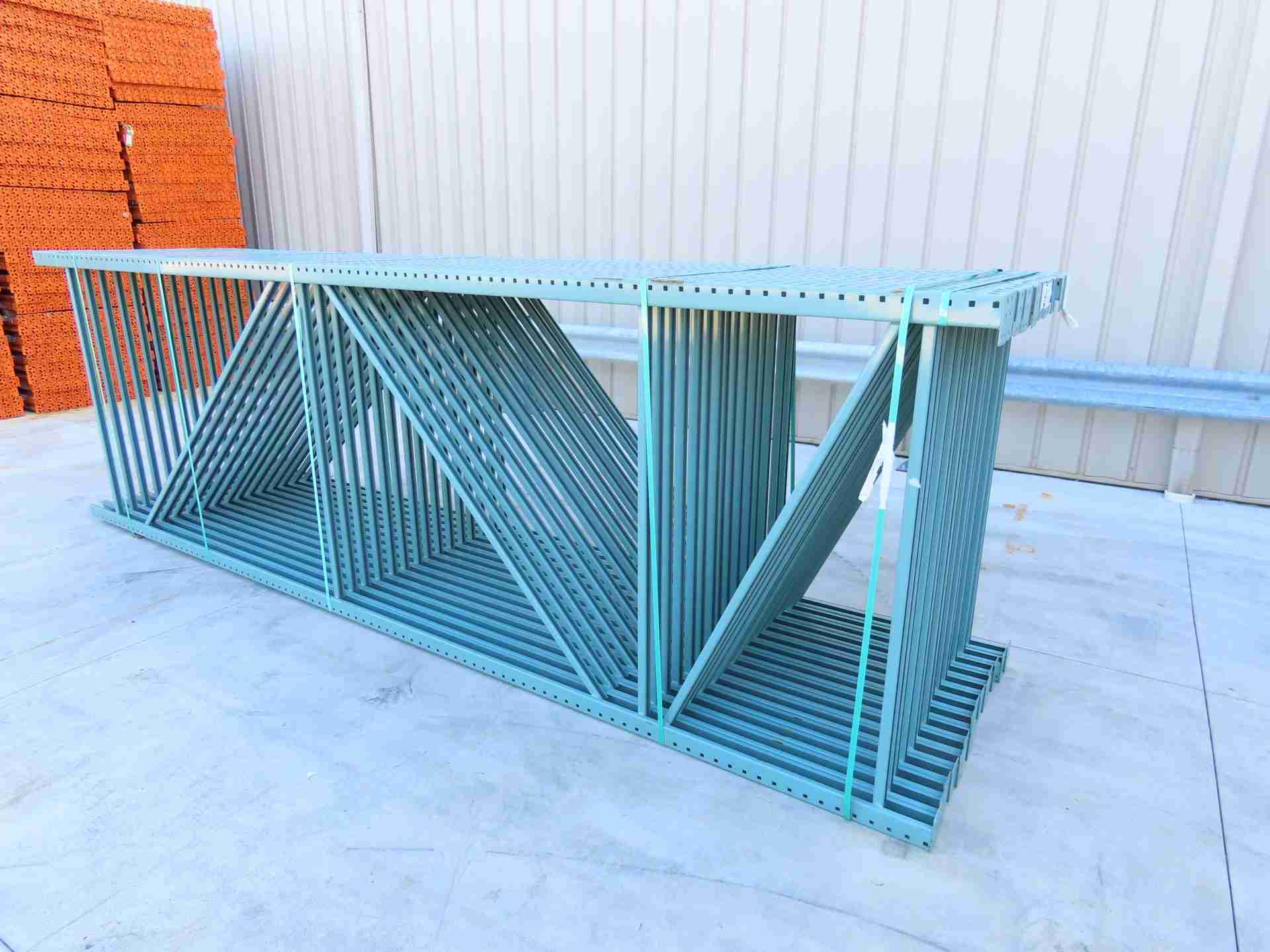
How to Select the Right Arm Length for Your Load
Table Of Contents
- How to Select the Right Arm Length for Your Load
- How Can the Right Arm Length Improve Your Workflow Efficiency?
- What Factors Should Guide Your Choice Of Arm Length for Safety?
- How Does the Right Arm Length Reduce Physical Strain on Your Body?
- Why Is Understanding Load Dynamics Crucial for Arm Length Selection?
- How Can Testimonials From Experts Influence Your Selection Process?
- Conclusion
- Other Resources
- Glossary Of Terms
- Other Questions
- Checklist
How Can the Right Arm Length Improve Your Workflow Efficiency?
When we think about workflow efficiency, it’s easy to get lost in the numbers, the tools, and the methodologies. But at the end of the day, it boils down to a simple truth: It’s about how we maneuver through our day-to-day tasks, and sometimes, that includes something as basic as the length of our arms.
Picture this: you’re in a workshop or an office, surrounded by tools, materials, or paperwork, and each item is strategically placed—a carefully racked assembly of resources just waiting for you to put them to use. Now, imagine your right arm—depending on its length, it could be a game-changer. Whether reaching for that tool off the rack or swiping a screen to bring up essential data, every inch matters. A lengthy reach means fewer interruptions and a smoother workflow, allowing you to maximize every moment we dedicate to our jobs.
But let’s connect the dots—it’s not just about the arm, it’s about what that arm represents: our hustle, our ingenuity, our very ability to connect with the task at hand. When you harness that leverage, you’re not just working harder, you’re working smarter. You feel the satisfaction when you effortlessly pull that heavy box off the shelf or dive into that pile of paperwork without the awkward stretching or contorting. It’s liberating, and it fosters a deeper trust in your own capabilities—a feeling that resonates through every aspect of life.
Now, ethically speaking, we have an obligation to utilize our physicality effectively in our work environments. Adopting practices that promote ergonomic efficiency respects our bodies. Why stress our joints or compromise our safety when a simple adjustment could lead to improved performance? This isn’t just about improving workflow; it’s about protecting our well-being and fostering a healthy relationship with our roles.
As you navigate your day, think about the unseen impact your arm length has on your productivity. Observe how the right reach can lead to achieving that one objective you’ve been striving for. It has a ripple effect—the more efficient you are, the more your colleagues notice, creating a culture of excellence. Imagine walking into a space where everyone shares that swagger of confidence in their movements. You become part of a collective that values efficiency and well-being, elevating the overall atmosphere and teamwork.
So, the next time you’re racking up supplies or tackling your tasks, consider your body and how it functions alongside your work. Embrace the advantages your arm length brings, not just as a physical attribute, but as a vital contributor to achieving not only your goals but the shared vision of your team’s success. Let’s leverage every capability, arm included, to create a future where we thrive.

How Can the Right Arm Length Improve Your Workflow Efficiency?
How Can the Right Arm Length Improve Your Workflow Efficiency?
- Workflow efficiency revolves around daily task management and physical capabilities.
- Arm length can significantly impact productivity and ease of movement in work environments.
- A longer reach minimizes interruptions and enhances overall workflow efficiency.
- Using our physical attributes wisely fosters confidence and promotes smarter working habits.
- Ergonomic practices are essential for protecting our well-being and enhancing performance.
- Efficiency can create a positive ripple effect, encouraging a culture of excellence within teams.
- Recognizing the importance of physicality in tasks can contribute to personal and team success.

How Can the Right Arm Length Improve Your Workflow Efficiency?
What Factors Should Guide Your Choice Of Arm Length for Safety?
When weighing your choice of arm length for safety, it’s essential to consider a blend of practical and emotional factors that resonate deeply with your values and experiences. Imagine for a moment the satisfaction of working with a tool that fits your body and your task perfectly—a feeling that goes beyond mere utility. The right arm length can be the difference between a racking mishap and a seamless operation, lending both confidence and ease to your efforts.
Every individual’s physicality is unique, and that should guide your decision. If you’ve ever wrestled with equipment too long or short, you know the frustration it brings. A tool that feels like an extension of yourself allows you to work smarter, not just harder. Think of it as a partnership: when your arm length works harmoniously with your actions, you create a rhythm that enhances safety and fosters efficiency.
Safety isn’t just a checkbox—it’s a responsibility we bear for ourselves and those around us. As you consider your options, let ethics guide you. Choosing the appropriate arm length isn’t only about personal comfort; it’s about setting a standard in your workplace or community. When you prioritize safety, you set an example for others. You say, “I care enough to think about my well-being and yours too.”
Tap into your intuition. Ask yourself: When was the last time you felt fully in control during a task? That sense of ownership is rooted in knowing your equipment fits your needs perfectly. The connection runs even deeper when you think about the legacy you’re establishing. Passing down lessons learned about safety, efficiency, and mindful practices can resonate within families and communities, creating a culture that values the human element in work.
This is about fostering a sense of social responsibility as well. Engage with those around you, share experiences, and discuss the impact of arm length on your work—because safety thrives in conversations. When we collectively embrace the ideal tools that suit our physicality, we not only enhance our safety but also strengthen our camaraderie. So, next time you think about that arm length, consider the bigger picture: it’s about you, about us, and the environment we create together. Equip yourself wisely, and you empower those around you.

What Factors Should Guide Your Choice Of Arm Length for Safety?
What Factors Should Guide Your Choice Of Arm Length for Safety?
- Choose arm length based on both practical and emotional factors that reflect your values.
- The right arm length enhances confidence and ease during operations, reducing the risk of mishaps.
- Individual physicality should guide your decision-making process to ensure comfort and efficiency.
- A tool that fits well acts as an extension of yourself, promoting smarter work practices.
- Prioritizing safety sets a positive example for others and underscores collective responsibility.
- Engage in conversations about arm length and safety to foster a supportive community culture.
- Equip yourself wisely to empower yourself and those around you, considering the larger impact on your environment.

What Factors Should Guide Your Choice Of Arm Length for Safety?
How Does the Right Arm Length Reduce Physical Strain on Your Body?
When it comes to reducing physical strain on your body, the length of your right arm may not seem like the most thrilling subject. But think about it for a second: your arms are like bridges linking your mind’s intentions to your body’s actions. A properly proportioned right arm can greatly diminish the repetitive stress we put on our joints and muscles, especially during tasks that require precision, like racking tee shots on a golf course or reaching for that high shelf in your kitchen.
The science is clear: ergonomics plays a vital role in our daily lives. If your arm is just the right length, you’re naturally positioned to avoid awkward postures that can lead to discomfort and injury. Logically speaking, these little adjustments can make a huge difference over time, especially for those of us engaged in labor-intensive jobs or hobbies. When I think of all the hardworking folks out there—be it in construction, healthcare, or even caring for family—having the right arm length to tackle your day’s work can mean the difference between efficiency and pain.
But let’s dig a little deeper. The ethical implications are tremendous. We live in a world where many of us push through physical discomfort because we feel that’s what’s expected of us. But why should we settle for suffering when a simple acknowledgment of body mechanics can lead to better health? By valuing our bodies and adopting better practices, we send a powerful message: that we respect ourselves enough to take care of our well-being.
Then there’s the communal aspect. Picture a group of friends at a campsite, racking up firewood for a cozy evening. When everyone is working in harmony, respecting their individual strengths—like arm length—it reinforces teamwork and boosts morale. Imagine the stories shared and the bonds forged as each person finds their rhythm, reducing strain collectively rather than struggling alone.
Trust me when I say, understanding how your body operates, arm length included, invites a certain freedom. You’re not just surviving the day; you’re thriving, capable of engaging in the activities you love without the fear of tomorrow’s aches. So, whether you’re lifting, reaching, or simply enjoying life, consider how the subtleties in your body shape your actions. Taking a moment to reflect could be the key to not just surviving, but living fully.

How Does the Right Arm Length Reduce Physical Strain on Your Body?
How Does the Right Arm Length Reduce Physical Strain on Your Body?
- Properly proportioned arms help reduce repetitive strain on joints and muscles.
- Ergonomics are crucial for preventing discomfort and injury during daily tasks.
- The right arm length can influence efficiency and reduce pain in labor-intensive jobs.
- Ethical implications exist, as many endure discomfort due to societal expectations.
- Valuing body mechanics can promote better health and self-care practices.
- Teamwork and morale improve when individuals respect their strengths, such as arm length.
- Understanding body mechanics allows for more fulfilling engagement in daily activities.

How Does the Right Arm Length Reduce Physical Strain on Your Body?
Why Is Understanding Load Dynamics Crucial for Arm Length Selection?
Understanding load dynamics is not just a technical necessity; it is a profound aspect of choosing the right arm length for racking systems that can change everything. Think about it: the very structure that holds your dreams, your hard work, and your future must be able to bear the weight of your ambitions. Every time you step into a warehouse or stockroom, you’re not just looking at shelves; you’re gazing at the backbone of your operation, a silent sentinel standing strong against the ebb and flow of daily demands.
Digging into load dynamics means understanding how weight interacts with the materials and space around it. Imagine the feeling when you load that shelf with boxes—there’s a mix of hope and anxiety. Will it hold? Will it buckle under pressure? It’s not just about numbers on a chart; it’s about the very real consequences of your choices. Getting it right means safety for your team and longevity for your investments. This is where understanding is not just crucial; it’s ethical. It’s about making decisions that prioritize people first, ensuring that those who rely on your racking systems come home safe at the end of the day.
Moreover, consider the authority that comes with mastering this knowledge. When you confidently select the proper arm length, you don’t just look good on paper; you command respect in your field. Colleagues will turn to you as the go-to expert, and your choices will inspire those around you to think differently about the systems they rely on. It’s not just about wielding power; it’s about fostering a culture of trust and reliability.
The narrative of load dynamics is one of responsibility. You are crafting a story where safety, efficiency, and efficacy intertwine. Every arm length chosen is a chapter, each rack a verse in a larger poem of practicality and hope. With each decision you make, you’re laying down the foundation for others to build upon, nurturing a community built on shared success.
Finally, let’s not forget the social aspect. When your peers see that you’ve mastered the intricate dance of load dynamics, they’ll want to know your secret. It creates an inviting atmosphere where collaboration thrives. Together, you can elevate your environment—one rack, one arm length at a time. It’s this connection, combined with knowledge, that will inspire action and lead to innovations that drive the industry forward.

Why Is Understanding Load Dynamics Crucial for Arm Length Selection?
Why Is Understanding Load Dynamics Crucial for Arm Length Selection?
- Understanding load dynamics is essential for selecting the right arm length in racking systems, impacting overall operational success.
- The racking system symbolizes the foundation of your success, needing to support the aspirations and hard work of your team.
- Loading shelves invokes feelings of hope and anxiety, highlighting the importance of making informed decisions regarding weight capacity and safety.
- Focusing on load dynamics promotes safety for workers and ensures investments are long-lasting, emphasizing ethical decision-making.
- Mastering load dynamics enhances credibility and authority, making you a respected expert in your field and inspiring peers.
- Decisions on arm lengths create a narrative intertwining safety, efficiency, and community success, fostering a culture of trust.
- Collaboration thrives among peers when you share knowledge about load dynamics, driving innovation within the industry.

Why Is Understanding Load Dynamics Crucial for Arm Length Selection?
How Can Testimonials From Experts Influence Your Selection Process?
When it comes to making big decisions, we often find ourselves racking our brains, trying to sort through the noise of opinions, facts, and flashy advertising. What can cut through that confusion? Expert testimonials. These endorsements aren’t just shiny badges of credibility; they’re a bridge from uncertainty to clarity, connecting your gut instincts to rational thought.
Let’s face it, when a trusted voice in the field sings the praises of a product, their words serve as a trusted guide. This isn’t just about authority; it’s about sharing a journey filled with trials, errors, and ultimately success. Experts don’t just throw their names around lightly. Their testimonies are often grounded in hard-earned experience, and when they back something, it’s more than a recommendation—it’s a lifeline. That moment of recognition, when you realize someone who has walked this path before wholeheartedly believes in something, ignites a spark of confidence. It’s like having a seasoned navigator on a stormy sea, steering you toward safe shores.
But let’s also peel back the layers on the emotional side of things. We’re wired for stories. When an expert shares their personal experience with a product or service—how it solved their problems or transformed their approach—we listen. We can relate. We see ourselves in those narratives, and suddenly, that thing they’re touting isn’t just another item on a long list; it’s potential, a chance to write our own stories of success.
There’s also an ethical thread woven through expert testimonials. When industry leaders put their reputation on the line, they’re putting their money where their mouth is. This act fosters a sense of responsibility, not just to you, the consumer, but also to their profession. They’re vouching for something that they believe in, and that sense of integrity can be contagious. It challenges us to ask whether we align with those values.
Moreover, as we share these informed recommendations with peers, we build a community of confidants. We’re not just consumers; we’re part of a movement, hand-in-hand with others seeking the best choices. With every testimonial, we gain both knowledge and camaraderie—an invitation to navigate the sometimes murky waters of choice together.
Acknowledging the impact experts can have on your selection process is about more than trust; it’s about forging a connection that empowers you to take action with confidence. Your choices don’t just shape your world; they shape the community around you.

How Can Testimonials From Experts Influence Your Selection Process?
How Can Testimonials From Experts Influence Your Selection Process?
- Expert testimonials help cut through confusion when making big decisions.
- Endorsements from trusted voices guide consumers from uncertainty to clarity.
- Experts share their experiences, enhancing credibility and fostering a sense of trust.
- Personal stories from experts resonate with consumers, transforming products into opportunities for success.
- Industry leaders demonstrate ethical responsibility by vouching for their recommendations.
- Sharing informed recommendations builds a community of like-minded consumers seeking the best choices.
- Recognizing the impact of experts empowers consumers to make confident, informed decisions.

How Can Testimonials From Experts Influence Your Selection Process?
Conclusion
Choosing the right arm length for your load is more than just a technical task; it’s a responsibility that reflects our commitment to safety, efficiency, and teamwork. It’s about creating a workspace where each of us can thrive without hesitation or fear. Picture this: the sun shining down as you and your colleagues work in sync, confident that each tool fits not just the job, but your very selves. When you select the appropriate arm length, you’re not just making a choice; you’re actively ensuring the safety of everyone on your team, infusing every lift and move with purpose and care.
Let’s think practically for a moment. The dimensions of your load and the specifications of your equipment are crucial. An arm that’s too short can lead to strain and instability, while one that’s too long can hinder maneuverability. Every inch counts as it directly ties back to efficiency and your bottom line. Selecting the right equipment isn’t just about doing the job; it’s about protecting your investment and enhancing your overall workflow. In this game, the math is simple: using the right tools saves time, money, and most importantly, lives.
Ethically, opting for the correct arm length is about accountability— it’s about refusing to cut corners for convenience. When you prioritize safety, you foster an environment of trust and integrity where everyone feels valued. Sharing stories from those who have faced challenges due to dimly-lit decisions emphasizes this point further. Nobody wants to be on the receiving end of a lesson learned the hard way. By making informed choices, you become a beacon of knowledge and support in your community and a leader who raises the bar for all.
This is where the narrative connects with the emotional; your arm length represents your hustle and determination. When you harness that leverage and respect your limits, you not only enhance your performance but also inspire those around you. As you engage in this task, consider the unseen impacts – how the right reach transforms your workspace into a well-oiled machine, filled with camaraderie and mutual respect.
Understanding the dynamics of load, the practicalities of arm length, and the ethics behind your decisions come together to create a culture of care and excellence. This isn’t just about lifting—it’s about lifting everyone’s standards and spirit. Your choices shape not only your work but contribute to a communal ethos of safety and efficiency, where everyone can flourish. In this journey, let’s empower ourselves and our teams to carry the weight responsibly—one confidently calculated arm length at a time.

Conclusion
Conclusion:
- Choosing the right arm length reflects a commitment to safety, efficiency, and teamwork.
- An appropriate arm length ensures a workspace where everyone can thrive without fear.
- Dimensions of the load and equipment specs are crucial; improper sizing can lead to strain or hinder movement.
- Using the right tools enhances efficiency, saves resources, and is essential for safety.
- Opting for the correct arm length fosters accountability and integrity in the workplace.
- Your arm length choice symbolizes your determination and can inspire those around you.
- Understanding arm length impacts creates a culture of care and excellence for all team members.

Conclusion
Other Resources

Other Resources
Here is a list of other resources you can review online to learn more:
- American Society of Safety Professionals
- NSC
- Pallet Racking 101: A Comprehensive Guide & Options Explained
- Illinois
- Storage Equipment Manufacturers Association
- Warehouse Automation
- Arrow Industrial Sales
- Used Pallet Rack for Sale in Illinois – American Surplus
- What is Selective Pallet Racking
- Logic Material Handling
- Selective Racking
- Iowa Illinois Warehouse Racking
- Crane Manufacturers Association Of America Inc.
- Selective Rack – Raymond West
- Used Teardrop Pallet Rack – American Surplus
- Warehouse Storage Racks
- Warehouse Racks, Warehouse Racking in Stock – ULINE
- MHI
- Storage Equipment Manufacturers’ Association
- BMH
Use This Prompt To Get More Resources With Your Favorite Online AI Tool: Please provide me with a list of online articles with their URLs in a bulleted list that I can read regarding How to Select the Right Arm Length for Your Load

Other Resources
Glossary Terms
How to Select the Right Arm Length for Your Load – Glossary Of Terms
1. Arm Length: The distance from the pivot point to the load attachment point in a lifting system.
2. Load: The weight or mass that needs to be lifted or moved by equipment.
3. Stability: The ability of a system to maintain balance while lifting a load.
4. Center of Gravity: The point where the weight of the load is evenly distributed in all directions.
5. Torque: A rotational force that causes an object to rotate around an axis, influenced by arm length and load weight.
6. Lifting Capacity: The maximum weight that a lifting device can safely manage.
7. Reach: The maximum distance from the pivot point to which a load can be effectively lifted.
8. Safety Margin: An additional buffer or capacity to ensure the lifting operation remains safe under various conditions.
9. Leverage: The mechanical advantage gained by using a longer arm to lift a load more easily.
10. Load Distribution: The manner in which weight is spread across a support structure or system.
11. Dynamic Load: A load that can change due to motion or external forces, requiring careful arm length consideration.
12. Static Load: A load that remains constant, requiring less adjustment of arm length.
13. Mechanical Advantage: The factor by which a mechanism multiplies the force applied to it, aiding in load lifting.
14. Bending Moment: The internal moment that results from forces acting on a load, affecting arm selection.
15. Weight Ratio: The comparison between the weight of the load and the lifting capacity of the equipment.
16. Centerline: The imaginary line that runs through the center of both the load and the lifting device.
17. Overload: Exceeding the lifting capacity, which poses safety hazards.
18. Pivot Point: The fixed point around which the arm rotates when lifting a load.
19. Condition Assessment: Evaluation of the equipment’s ability to handle different arm lengths and loads safely.
20. Safety Guidelines: Protocols established to ensure safe lifting operations.
21. Rigging: The system of ropes, pulleys, or cables used to lift and move loads.
22. Adjustment Mechanism: Features allowing the arm length to be modified for different loads.
23. Material Strength: The ability of the lifting arm to withstand forces without failing.
24. Stiffness: The resistance of a structure to bending under load, influencing arm length selection.
25. Work Envelope: The three-dimensional space in which a lifting device can operate efficiently.
26. Wind Load: The force exerted by wind on an elevated load, potentially affecting stability.
27. Vertical Reach: The height the load can be lifted vertically, determined by arm length.
28. Horizontal Reach: The distance the load can extend horizontally from the pivot point.
29. Operation Angle: The angle at which the arm is positioned to lift the load, impacting leverage and stability.
30. Load Chart: A graphical representation showing the relationships between arm length, load weight, and equipment capacity.

Glossary Of Terms
Other Questions
How to Select the Right Arm Length for Your Load – Other Questions
If you wish to explore and discover more, consider looking for answers to these questions:
- What are the key dimensions to consider when selecting an arm length?
- How can improper arm length choices impact safety and efficiency?
- What specific tools or equipment require special consideration for arm length?
- How do various work environments influence the choice of arm length?
- What are some common misconceptions about arm length in the workplace?
- How can ergonomic principles be applied to arm length selection?
- What role does training play in ensuring the correct arm length is selected?
- Can arm length selection affect team dynamics or collaboration?
- What types of injuries can arise from improper arm length choices?
- How can technology assist in selecting the appropriate arm length?
- What best practices exist for evaluating arm length on job sites?
- How do personal experiences shape perceptions of arm length utility?
- What are the long-term benefits of correctly selecting arm length for workers?

Other Questions
Checklist
How to Select the Right Arm Length for Your Load – A Checklist
Checklist for Selecting the Right Arm Length for Your Load
Emotional Appeals
_____ Visualize your team working safely and efficiently—how does the right arm length enhance this vision?
_____ Reflect on how the right equipment choice can protect not just you, but also your colleagues.
Rational Appeals
_____ Evaluate the dimensions of your load, environment, and equipment specifications before making a decision.
_____ Analyze how the proper arm length can boost efficiency and save time, money, and lives.
Ethical Appeals
_____ Assess your choice of arm length as a commitment to safety and responsibility in your work environment.
_____ Prioritize quality and integrity in your equipment selections—are you cutting corners for convenience?
Authority Appeals
_____ Seek out expert testimonials and recommendations when selecting equipment to ensure informed decisions.
_____ Share knowledge and experiences with colleagues to establish trust and a culture of safety.
Narrative Appeals
_____ Consider past stories of mishaps due to improper equipment choices—what lessons can be learned?
_____ Write your own success story by choosing the right tools—how can this inspire others?
Social Appeals
_____ Foster a culture of care and accountability by discussing the importance of arm length selection with your team.
_____ Engage in conversations about safe practices and collective decision-making to enhance workplace dynamics.
Additional Considerations
_____ Test and familiarize yourself with the equipment before use—does it feel comfortable and effective?
_____ Reflect on the ripple effect of your choices—how can a commitment to safety influence your community?

Checklist
At RackingWorld, we help guide you through selecting warehouse storage systems and racking.
Be sure to read our other related stories at RackingWorld to learn more about warehouse storage systems.
0 Comments