
Unlocking Potential: Smart Rack Designs For Tomorrow’s Growth
By Tom Seest
At RackingWorld, we help guide you through selecting warehouse storage systems and racking.
Be sure to read our other related stories at RackingWorld to learn more about warehouse storage systems.
Future Expansion Zones In Rack Layout
When it comes to designing effective racking systems, the future isn’t just a question of what fits today; it revolves around what will work tomorrow. Picture yourself standing in a warehouse where every inch is crafted with intention, each shelf telling a story of growth, efficiency, and potential. Future expansion zones are akin to the stitches in a well-worn quilt—the unseen threads that keep everything together, allowing for flexibility and adaptability as the business evolves.
Imagine a workforce that thrives within an organized system where racking doesn’t merely support goods but anticipates changes in demand patterns. These zones aren’t just empty spaces on the floor; they are strategic areas where you can add more racking systems without a hitch. It’s about foresight—knowing that today’s small operation can transform into tomorrow’s bustling hub. This forward-thinking approach taps into the gut instinct of anyone who has worked in the trenches: the desire to streamline processes and reduce chaos.
From a rational perspective, placing expansion zones strategically provides the kind of agility that modern businesses live or die by. It’s not just about stacking boxes; it’s about creating a cohesive environment that allows staff to work efficiently without constantly battling the constraints of their surroundings. When everything has its place and there’s room to grow, it fosters a sense of pride among workers. They see that the company is committed to their progress, and that builds loyalty.
Ethically, it speaks volumes to your workforce. By investing in a well-thought-out layout that includes expansion zones, you’re showing that every team member’s effort is valued. You’re not just making a space; you’re making a commitment to their future. It builds trust, and when employees feel valued, they work harder and take more ownership of their tasks.
In this tale of racking systems and future possibilities, it’s the relatable stories of everyday challenges faced by workers that bind it all together. Perhaps it’s the long nights spent reorganizing shelves or the frustrations of navigating crammed aisles that resonate. But with the right layout, those hassles flip to triumphs. Imagine rolling out new racking effortlessly, watching as fulfillment rates soar, and knowing it all began with a vision that thought beyond the immediate—beyond the walls you already have.
Future expansion zones in rack layout aren’t just a logistical decision; they’re a declaration of intent. They represent a richer narrative of a company not just surviving but thriving, ready to embrace every opportunity that comes its way.

Future Expansion Zones In Rack Layout
Future Expansion Zones In Rack Layout
- Effective racking system design anticipates future needs, not just current requirements.
- Future expansion zones allow for flexibility and adaptation as the business evolves.
- Strategically placed zones enable smooth addition of racking systems in response to demand changes.
- Creating an organized work environment fosters employee efficiency and pride in their workspace.
- Investing in a well-designed layout shows commitment to employees and builds trust and loyalty.
- Overcoming everyday challenges, such as crammed aisles, can lead to increased fulfillment rates.
- Future expansion zones symbolize a company’s intent to thrive and capitalize on opportunities.

Future Expansion Zones In Rack Layout
Table Of Contents
- Future Expansion Zones In Rack Layout
- How Can We Design for Unforeseen Future Needs Effectively?
- What Are the Most Common Mistakes In Planning Future Expansion Zones?
- How Do We Balance Current Needs with Future Rack Expansions?
- What Role Do Industry Standards Play In Future Rack Layouts?
- How Do We Assess the Potential for Growth In Our Current Space?
- What Technologies Can Enhance Future Rack Layout Adaptability?
- Conclusion
- Other Resources
- Glossary Of Terms
- Other Questions
- Checklist
How Can We Design for Unforeseen Future Needs Effectively?
Designing for unforeseen future needs isn’t just a technical challenge; it’s about crafting solutions that resonate on a human level. Take a moment to consider the various racking systems we use in warehouses and storage facilities. These systems aren’t merely metal beams and shelves; they represent a lifeline for businesses and communities. The right design can increase efficiency, enhance safety, and ease the everyday burdens of countless workers who rely on them.
When we set out to design, we must think beyond current trends and anticipate the changes that lie ahead. Whether it’s the rise of e-commerce driving the need for flexible storage or the shift toward sustainability leaning into eco-friendly materials, understanding these shifts is crucial. It’s about listening to the people who’ll use these systems—the warehouse workers, inventory managers, and delivery drivers. They face the reality of cramped spaces and overflowing inventories every day. Their experiences should guide our designs.
Remember that each racking system is a story—a narrative built on the shoulders of those who use it. Designing with them in mind fosters trust. Workers get a sense of empowerment when they know their thoughts shape their environment. This connection energizes them, inspiring a sense of pride in their work as they maneuver through thoughtfully designed systems that ease their tasks.
Rationally, we can’t ignore the economic implications, either. Designing for adaptability means fewer costly overhauls down the line. Think of the success stories from companies that took proactive steps to future-proof their facilities. These lessons show that our designs need to be both sturdy and versatile, capable of evolving as the needs of businesses change.
At the same time, ethical considerations come into play. It’s our responsibility to ensure these systems are safe, user-friendly, and built to last. Investing time in thoughtful design translates into fewer accidents, happier workers, and ultimately, a more successful operation. Creating an environment where safety measures collaborate seamlessly with daily workflow not only protects lives but also enhances livelihoods.
Designing for the unforeseen is about embracing uncertainty while staying grounded in the needs of real people. Racking systems can be a powerful connector in this mission, serving as the backbone of efficiency and productivity. Embracing this approach means not just anticipating what’s next, but genuinely caring about the individuals who will navigate the future we create together.

How Can We Design for Unforeseen Future Needs Effectively?
How Can We Design for Unforeseen Future Needs Effectively?
- Designing for future needs involves creating solutions that resonate with users on a human level.
- Racking systems in warehouses are vital for efficiency, safety, and relieving worker burdens.
- Design must anticipate changes, like the rise of e-commerce and sustainable materials.
- Engagement with users, such as warehouse workers and inventory managers, is essential for effective design.
- Each racking system’s design should empower users, fostering trust and pride in their environment.
- Adaptable designs reduce future costs and allow for evolution in response to business needs.
- Ethical design ensures safety, user-friendliness, and longevity, resulting in happier, more successful operations.

How Can We Design for Unforeseen Future Needs Effectively?
What Are the Most Common Mistakes In Planning Future Expansion Zones?
Planning for future expansion zones can often feel like standing at the edge of a vast field, knowing that growth is right around the corner, yet unsure of the best path to take. Mistakes in this phase can derail even the most promising ventures. One common pitfall lies in overlooking the specifics of infrastructure needs, such as Racking Systems. An inadequate understanding of these systems can lead to inefficient use of space and a chaotic workflow. Think about it: you wouldn’t load a truck without knowing what fits and how. Spaces designed without proper planning can quickly become a tangle of unorganized materials, wasting both time and money.
Then there’s the tendency to ignore community input. If you’re not listening to the voices in your own backyard, you’re bound to miss some golden nuggets of local wisdom. The folks who live and work in the area have a finger on the pulse of what’s needed. Engaging with them fosters trust and builds relationships, strengthening your foundation for growth. When people feel heard, they’re more likely to support your efforts, turning potential critics into allies.
Another error is underestimating the timeline for development. Rushing into expansion without a realistic schedule might give a false sense of urgency but can lead to poor decision-making. Every phase takes longer than you expect, and cutting corners often leads to increased costs down the line. Patience paired with meticulous planning is key. Expanding is like planting a tree; it requires a little time and care before you can reap the rewards.
Furthermore, failing to conduct thorough market research can lead to miscalculations about potential demand. Understanding your customer base isn’t just a checkbox; it’s essential. With reliable data, you can make informed decisions, ensuring that your expansion aligns with the community’s needs.
Finally, ignoring the ethical implications of your expansion can damage your reputation. Being mindful of environmental impact, equitable hiring practices, and community welfare isn’t just good morals; it’s smart business. People want to support companies that care.
Mistakes in planning expansion zones can cost resources and goodwill, but learning from others’ missteps can pave a path forward. By prioritizing infrastructure needs, community involvement, realistic timelines, thorough market research, and ethical considerations, you set yourself up for sustainable success. Trust in the process, respect your community, and watch the fruits of your labor grow.

What Are the Most Common Mistakes In Planning Future Expansion Zones?
What Are the Most Common Mistakes In Planning Future Expansion Zones?
- Expansion planning involves careful consideration of growth paths to avoid costly mistakes.
- Neglecting infrastructure specifics, such as Racking Systems, can lead to inefficiencies and workflow chaos.
- Community input is crucial; engaging locals builds trust and may convert critics into allies.
- Underestimating development timelines can result in rushed decisions and increased costs.
- Thorough market research is essential for understanding customer demand and aligning expansion efforts.
- Ethical implications, including environmental and community impacts, should not be overlooked.
- Learning from past mistakes and prioritizing key areas fosters sustainable success in expansion efforts.

What Are the Most Common Mistakes In Planning Future Expansion Zones?
How Do We Balance Current Needs with Future Rack Expansions?
Balancing current needs with future rack expansions is no small feat in today’s high-stakes environments. When you’re knee-deep in operations, it’s easy to get caught up in the urgency of immediate demands. You have clients pounding on the door for faster deliveries, and your team is putting in the hours to keep up. Here’s where a solid plan for your racking systems can make all the difference.
Picture this: You’ve invested time and resources into a racking system that barely meets today’s needs. It’s serving its purpose, but you know it’s only a band-aid solution. Imagine the frustration down the line when you have to scramble to upgrade and expand your system when demand spikes. That kind of chaos hits your gut. It leaves you feeling vulnerable, like you’re always a step behind, and in a fast-paced world, that’s a risk you don’t want to take.
Let’s not forget the ethical side of this balancing act. Every time you cut corners for an immediate fix, you’re impacting your team and your customers. Your workers deserve a system that supports them, a layout that makes their jobs easier and safer, turning frustration into efficiency. It’s not just about the racking systems; it’s about the human element that keeps these systems running smoothly.
A measured approach considers future growth. Think about the stories of companies that refused to adapt—they’re cautionary tales, a reminder of what can happen when we ignore the signs of change. They faced stagnation, lost clients, or worse, their reputation took a hit. This isn’t just another box you need to check; it’s about constructing a foundation for success.
Besides, there’s something gratifying about getting it right the first time. When your racking structures are properly aligned with future needs, you’re not just reacting to the present, you’re paving the way for seamless growth. It builds trust within your team and confidence among your clients. They see that you’re prepared, and that level of assurance has a way of translating into loyalty.
So, as you consider your racking systems, remember to take a step back. The goal is simple: be ready for tomorrow while you’re tackling today. Crafting a forward-thinking strategy today ensures you’re not just a player in the game; you’re a formidable contender, ready to face whatever challenges lie ahead.

How Do We Balance Current Needs with Future Rack Expansions?
How Do We Balance Current Needs with Future Rack Expansions?
- Balancing current needs with future rack expansions is challenging in high-stakes environments.
- Immediate demands can distract from the importance of a strategic plan for racking systems.
- Investing in a racking system that only meets present needs can lead to future chaos and vulnerability.
- Cutting corners for quick fixes negatively impacts team efficiency and customer satisfaction.
- A measured approach anticipates future growth, avoiding the pitfalls of stagnation and reputation loss.
- Proper alignment of racking structures with future needs fosters trust within teams and confidence from clients.
- Creating a forward-thinking strategy ensures readiness for future challenges while addressing current demands.

How Do We Balance Current Needs with Future Rack Expansions?
What Role Do Industry Standards Play In Future Rack Layouts?
When it comes to racking systems, industry standards aren’t just lines on a page; they’re the backbone of safety, efficiency, and productivity in any warehouse or storage facility. Picture a bustling warehouse where every square foot is utilized to its fullest. The trust we place in standards means that every rack is designed to bear its load, keeping our goods secure and our workers safe. The heart of the operation beats with the rhythm of well-organized racking systems, ensuring that products don’t just sit idly but move efficiently through the supply chain.
Standards help us navigate the complex landscape of design and layout. When businesses adopt these guidelines, they aren’t just checking off boxes; they’re making a commitment to quality and reliability. Think about it: a poorly designed rack can lead to accidents, leading to injuries or even loss of life. That’s a heavy weight to carry. But with standards in place, we can design future racks that contribute to a safer work environment, allowing workers to focus on their tasks instead of worrying about hazards.
Yet, it’s not just safety that’s at stake. There’s a rational aspect to how industry standards affect future rack layouts. They streamline processes and improve functionality, ultimately affecting the bottom line. A well-structured racking system maximizes storage capacity and improves access to goods, speeding up operations. If a truck can be loaded efficiently, money is saved, and profits grow. That’s a conversation we should all care about, whether you’re a small business owner or part of a larger enterprise.
Moreover, the ethical dimension cannot be overlooked. Adhering to industry standards reflects a commitment to fair practices and respect for workers’ rights. When businesses prioritize safe working conditions by following these guidelines, they set a precedent that fosters a culture of care and responsibility. It’s about more than just profit; it’s about paving the way for a community where workers feel valued and protected.
There’s also a narrative here—a story we can all relate to. Many have faced the daunting task of racking systems that failed to meet expectations. We’ve seen the frustration of disarray, the chaos of stock not fitting, or the danger of a rack collapsing under improper load. These experiences shape our perspective on what’s at stake. By grounding our future layouts in industry standards, we forge a path forward, building a legacy of safe and effective operations that can be trusted for years to come.
The role of industry standards is clear. They aren’t just a regulation; they’re an invitation to work smarter, cleaner, and safer. By embracing these standards, we lay the groundwork for racking systems that stand the test of time, reflecting both our pride in workmanship and our responsibility to those who rely on us every day.

What Role Do Industry Standards Play In Future Rack Layouts?
What Role Do Industry Standards Play In Future Rack Layouts?
- Industry standards are essential for safety, efficiency, and productivity in warehouses.
- Well-designed racking systems ensure secure storage and safe working conditions.
- Compliance with standards contributes to accident prevention and improved worker focus.
- Standards streamline processes, maximize storage capacity, and enhance operational efficiency.
- Following industry standards upholds fair practices and respects workers’ rights.
- Shared experiences highlight the importance of reliable racking systems to avoid chaos and danger.
- Embracing standards fosters a commitment to quality and creates a culture of care in the workplace.

What Role Do Industry Standards Play In Future Rack Layouts?
How Do We Assess the Potential for Growth In Our Current Space?
When you step into a warehouse filled with Racking Systems, it’s not just about inventory; it’s a landscape of opportunity. Assessing growth potential means looking beyond the shelves and pallets, diving into what could be. We need to roll up our sleeves and take a hard look at what we’ve built and where we can stretch further.
First, it’s about heart. The folks working alongside you know the ins and outs of the operation. Their insights are golden; they understand the rhythm of daily tasks and the hurdles that need jumping. By engaging with them, you tap into a wellspring of ideas. When employees feel seen and heard, they become part of the solution. That genuine ownership is the heartbeat of any thriving workspace.
Next, we bring in the head. This is where numbers and analytics come into play. Evaluate how effectively your Racking Systems support your operations. Dig into data—where are sales growing? Which products fly off the shelves? Maybe there’s a need for better layout designs or additional storage capabilities. Rational thought combined with hands-on knowledge can help sculpt a plan. Look to industry benchmarks and trends; what are competitors doing right? Learning from success stories around you can illuminate the path forward.
Then we turn to the gut. Trust your instincts. If something feels off about your current setup, don’t ignore that sensation. Maybe your space feels cramped or inefficient—trust that feeling and investigate. You’ve spent years building your space, and that intuition often comes from experience. Listen to it.
Ethically, we owe it to every team member to create an environment conducive to growth. If we’re looking to expand, we must be mindful of the impacts on our people. Will changes bring more stress or streamline their work? Communicating changes transparently fosters trust. You’re not just making decisions in a vacuum; you’re steering a ship, and the crew needs to know where it’s going.
Finally, let’s not forget the power of narrative. Each racking system has a story, just as your company does. How can we tell those stories—internally and externally—to spark interest and engagement? People relate to stories, and by sharing experiences, we create a sense of community around growth.
By blending heart, head, and gut with a dash of humility, we pave a solid road forward, ready to assess and embrace the potential that lies in our current space.

How Do We Assess the Potential for Growth In Our Current Space?
How Do We Assess the Potential for Growth In Our Current Space?
- Warehouse racking systems represent more than just inventory; they offer growth opportunities.
- Employee insights are invaluable for understanding operations and fostering engagement.
- Data analysis is crucial for evaluating racking systems and identifying areas for improvement.
- Instincts about inefficiencies in the setup should be trusted and explored.
- Creating a growth-conducive environment involves transparent communication about changes.
- Storytelling around racking systems can enhance engagement and community feelings.
- Combining heart, head, and gut instincts with humility paves the way for future growth.

How Do We Assess the Potential for Growth In Our Current Space?
What Technologies Can Enhance Future Rack Layout Adaptability?
In the ever-evolving landscape of warehousing and logistics, racking systems play a pivotal role in the efficiency of operations. But the future isn’t just about stacking goods high; it’s about flexibility and adaptability. Let’s take a dive into technologies that can elevate the adaptability of rack layouts, ensuring that they meet the demands of tomorrow.
First up, consider the impact of smart inventory management systems. These systems provide real-time data, allowing managers to make informed decisions on rack configurations. Imagine standing on the warehouse floor, looking up at a rack filled to the brim, and knowing exactly what’s in there without even going near it. This kind of clarity leads to quicker responses and less wasted time—a grim reality for those who’ve spent hours hunting down misplaced products.
Automated guided vehicles (AGVs) are another game-changer. These little workhorses can maneuver through tight aisles, navigating complex racking systems with ease. Picture a team of workers feeling secure that heavy items can be transported without risking their safety. AGVs not only enhance productivity but also represent a commitment to a safer working environment. They basically do the heavy lifting, allowing human workers to focus on tasks that require a deft hand or a strategic mind.
Let’s not forget the role of modular racking systems. These systems offer the ability to reconfigure as needs change, much like a solid pair of work boots that adapt to any job site. This flexibility means businesses can respond to market shifts without the lengthy downtime associated with traditional racking renovations. The ability to quickly and affordably adjust rack layouts ensures that you stay competitive and ready for whatever comes next.
On the tech front, integrating IoT devices into racking systems can transform the way we monitor stock levels. Sensors that alert managers when shelves are running low can prevent a chaotic scramble before a big order. This proactive approach nurtures dependability among team members and builds customer trust; after all, nobody likes to hear “sorry, we’re out of stock” when they’re counting on timely service.
By embracing these technologies, warehouses can turn challenges into opportunities, breathing new life into operations while building a strong community of workers who feel appreciated and secure. Future-ready racking systems not only promise efficiency but also foster an environment where people can thrive, creating a win-win for everyone involved.
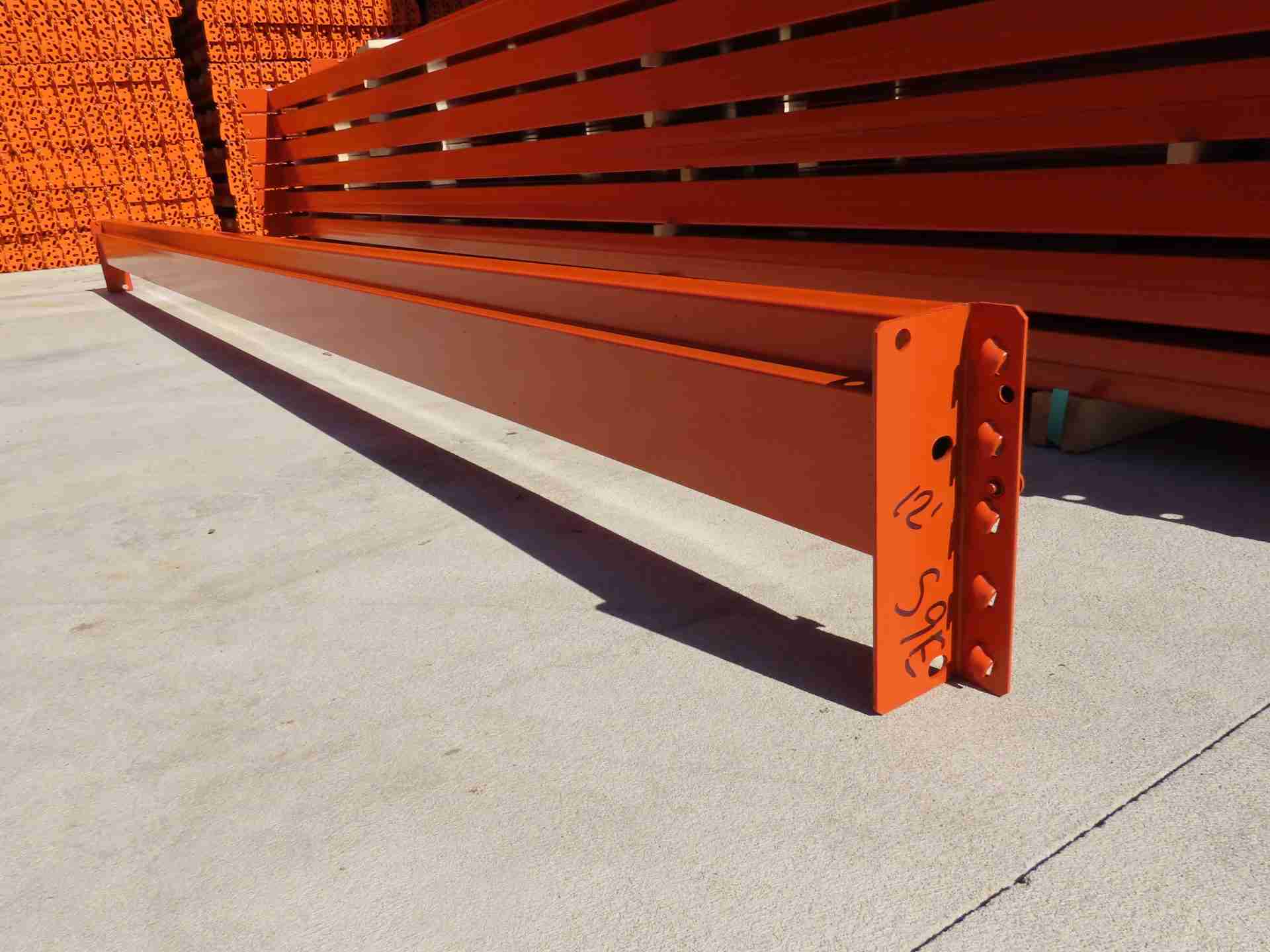
What Technologies Can Enhance Future Rack Layout Adaptability?
What Technologies Can Enhance Future Rack Layout Adaptability?
- Racking systems are crucial for operational efficiency in warehousing and logistics.
- Future advancements emphasize flexibility and adaptability in rack layouts.
- Smart inventory management systems provide real-time data for informed decisions.
- Automated guided vehicles (AGVs) enhance productivity and safety in transporting heavy items.
- Modular racking systems allow for reconfiguration in response to changing needs.
- Integration of IoT devices facilitates proactive stock level monitoring and management.
- Embracing these technologies fosters a supportive work environment and enhances competitive readiness.

What Technologies Can Enhance Future Rack Layout Adaptability?
Conclusion
Designing racking systems with future expansion zones isn’t merely a logistical consideration; it’s a testament to foresight and a commitment to growth. In a warehouse, every rack can symbolize the potential for transformation, allowing businesses to anticipate and adapt to changing demands. The core idea underscores that these zones are not just vacant spaces but vital adaptations that facilitate seamless additions as operations expand.
Strategically placing future expansion zones provides the agility necessary for modern businesses to thrive in a landscape where efficiency can determine survival. Workers benefit directly from designs that consider their needs, fostering an environment of pride and loyalty as they witness tangible investments in their workspace and future. When employees feel valued through thoughtful design, productivity flourishes.
Moreover, ethical considerations come into play; investing in a layout that includes future expansion options demonstrates a commitment to workforce well-being. Engagement with employees often brings invaluable insights, harnessing their experiences to shape a more streamlined, user-friendly workspace. This not only enhances safety but also builds trust, ensuring that everyone feels their input matters.
Common planning mistakes can hinder growth potential. Ignoring infrastructure specifics, dismissing community feedback, and underestimating timelines often lead businesses astray. Thorough market research complements ethical planning, ensuring that expansions align with genuine community needs. Protecting the environment and adopting sustainable practices isn’t just commendable; it’s a smart business strategy that cultivates customer and employee loyalty.
Balancing current operational needs with future expansion requires a careful, measured approach. Rushing through solutions may only escalate frustrations down the line, leading to costly adjustments. Understanding that a robust racking system today lays the groundwork for efficient responses to future demands can yield dividends far beyond initial investments.
Industry standards play a crucial role in ensuring safe, reliable, and optimized racking systems. They provide frameworks that not only enhance safety and efficiency but also reinforce a culture of care and responsibility. Committing to these benchmarks is about creating an environment where workers feel secure and valued, translating into better morale and performance.
By embracing adaptability through modern technologies, businesses can increase the effectiveness of their racking systems. Solutions such as smart inventory management, automated guided vehicles, and modular designs provide the flexibility to maneuver through challenges effortlessly. These innovations enable operations that are not just efficient but also foster safe environments for workers.
Ultimately, defining future-racking strategies is a multi-faceted effort that weaves together the emotional, rational, and ethical threads of a business’s narrative. By investing in thoughtful design and fostering community engagement, companies set themselves on a path not just of survival, but of sustainable, thriving growth.

Conclusion
Conclusion:
- Designing racking systems with future expansion zones reflects foresight and a commitment to growth.
- Strategic placement of these zones enhances agility and efficiency in modern business operations.
- Thoughtful design fosters employee pride and loyalty, leading to increased productivity.
- Ethically designed layouts promote workforce well-being and harness employee insights.
- Avoiding common planning mistakes protects growth potential and aligns expansion with community needs.
- Industry standards ensure safe and optimized racking systems, enhancing employee morale and performance.
- Embracing modern technologies increases racking system effectiveness and operational flexibility.

Conclusion
Other Resources

Other Resources
Here is a list of other resources you can review online to learn more:
- Teardrop Pallet Rack – Ridg-U-Rak
- Warehouse Storage Racks
- Teardrop Industrial Shelving Rack
- Total Warehouse
- Warehouse Racking Layout: The Ultimate Guide – Conger
- Selective Rack – Raymond West
- RMI
- Illinois Pallet Racking – WPRP
- Illinois Pallet Racking – Storage Solutions
- CMMA
- Intro to Warehouse Racks & Warehouse Racking Systems – ShipBob
- Cantilever Rack Configuration & Installation: A Comprehensive Guide – BMH
- Selective Pallet Racking Systems – Container Systems
- Racking World
- Used Pallet Rack for Sale in Illinois – American Surplus
- Warehouse Racking Chicago, IL
- Interlake
- Illinois
- Material Handling Industry
- Mustang Material Handling
Use This Prompt To Get More Resources With Your Favorite Online AI Tool: Please provide me with a list of online articles with their URLs in a bulleted list that I can read regarding Future Expansion Zones In Rack Layout

Other Resources
Glossary Terms
Future Expansion Zones In Rack Layout – Glossary Of Terms
1. Future Expansion Zone: Areas designated in a rack layout for potential future equipment or storage growth.
2. Rack Layout: The arrangement of equipment within a framework designed to optimize space and accessibility.
3. Scalability: The capability of a system to grow and accommodate increasing amounts of work or additional equipment.
4. Modular Design: A design approach that uses modular components, allowing for easy additions or adjustments.
5. Density: The amount of equipment or storage capacity within a given area of the rack layout.
6. Access Aisles: Clear pathways between racks to facilitate easy access to equipment and maintenance.
7. Vertical Space: Utilizing the height of a storage area, maximizing the available cubic footage in the rack layout.
8. Load Capacity: The maximum weight or volume that a rack can support while remaining structurally sound.
9. Floor Space Optimization: Efficient use of the floor area to enhance productivity and accessibility.
10. Infrastructure: The underlying framework and support systems necessary for storing and managing equipment.
11. Configuration: The arrangement and organization of equipment within the rack layout.
12. Ergonomics: The study of designing workspaces to fit the user’s needs for comfort and efficiency.
13. Clearance: The designated vertical space above and around equipment to ensure proper operation and accessibility.
14. Utility Connections: Electrical and data connections routed to support equipment housed in the rack.
15. Asset Management: Strategies for monitoring and managing physical assets within the rack layout.
16. Compliance Standards: Regulatory requirements that must be met in the design and layout of storage systems.
17. Inventory Control: The process of managing stock levels and ensuring the availability of equipment.
18. Retrieval Efficiency: The speed and ease of accessing stored equipment within a rack layout.
19. Safety Protocols: Guidelines established to ensure safe handling and operation of equipment in the rack.
20. Heat Dissipation: Methods used to manage and reduce heat generated by equipment in the rack layout.
21. Modular Shelving: Shelving units designed to be easily adjusted or expanded as needed.
22. System Integration: The process of combining different systems to work together seamlessly within the rack layout.
23. Redundancy: The inclusion of backup systems or components to ensure continuous operation.
24. Space Allocation: The method of assigning areas within the rack layout based on equipment needs and future plans.
25. Load Balancing: Distributing weight evenly across racks to prevent strain or damage.
26. Real-time Monitoring: Tools and systems used to track equipment status and performance continuously.
27. Maintenance Accessibility: The ease with which equipment can be serviced or repaired within the rack layout.
28. Inventory Turnover: The rate at which inventory is used or replaced in the storage system.
29. Technology Upgrades: Improvements or enhancements made to the technology utilized within the rack layout.
30. Projected Growth: Anticipated increases in storage needs or equipment quantity over time.
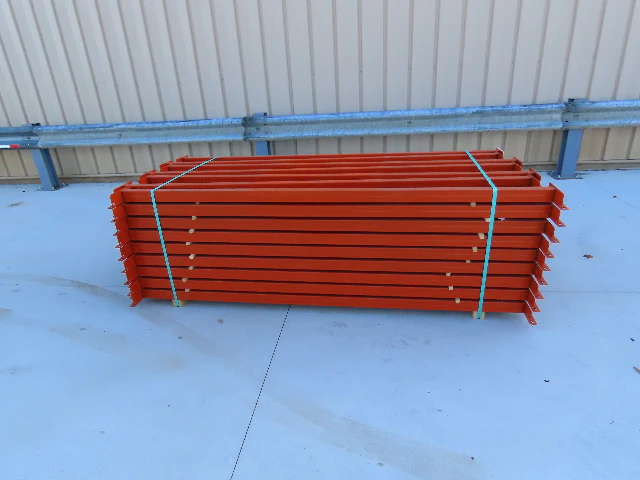
Glossary Of Terms
Other Questions
Future Expansion Zones In Rack Layout – Other Questions
If you wish to explore and discover more, consider looking for answers to these questions:
- How much additional floor space should be reserved for future expansion zones?
- What types of racking systems are easiest to expand or reconfigure later?
- How do you calculate load capacity and floor load limits for expansion areas?
- What are the estimated costs of installing expansion-ready racking versus retrofitting later?
- How long does it typically take to add new racks to a pre-planned expansion zone?
- How do expansion zones affect aisle widths, forklift maneuverability, and traffic flow?
- What safety standards and codes must be considered when planning expansion zones?
- How do sprinkler systems, fire suppression, and egress requirements change with taller or denser racking?
- What permits or inspections are required for major racking expansions?
- How should expansion planning account for seismic or wind-load requirements in different regions?
- What metrics should be monitored to know when it’s time to expand (e.g., occupancy, pick time)?
- How can modular racking systems reduce downtime during expansion?
- Which technologies (WMS, IoT sensors, digital twins) best support scalable rack layouts?
- How do you integrate automated equipment (AGVs, conveyors, robots) with future rack additions?
- What are the best practices for labeling, signage, and inventory mapping in expandable layouts?
- How should lighting and power distribution be planned for future higher-density racking?
- What training and certification do staff need to work safely in changing racking environments?
- How often should racking be inspected and load-tested, especially after modifications?
- How do expansion zones impact emergency response plans and evacuation routes?
- What are common retrofit challenges when adding racks to an existing facility?
- How can layout simulations or 3D modeling help validate expansion plans before installation?
- How does expansion planning differ for different industries (e.g., cold storage, retail, manufacturing)?
- What environmental and sustainability considerations apply to choosing racking materials?
- Are there tax incentives, grants, or financing options for warehouse expansion projects?
- How should planners account for seasonal demand spikes versus long-term growth?
- What ROI and payback timelines should be expected from building expansion-ready rack zones?
- How do you balance maximum storage density with pick efficiency and worker ergonomics?
- What minimum clearances should be preserved to enable future reconfiguration or equipment upgrades?
- How do different pallet sizes and load types affect expansion zone design?
- What logistics or supply-chain impacts occur during a rack expansion project?
- How should inventory categories be reorganized when expanding to minimize disruption?
- What maintenance schedules are recommended for modular or adjustable racking systems?
- How can small businesses phase expansions to spread costs and minimize operational impact?
- What are the pros and cons of leasing versus buying expandable racking equipment?
- How do insurance requirements or premiums change after increasing storage capacity?
- What vendor selection criteria should be used for long-term expandable racking solutions?
- How can community engagement and local stakeholders be involved in expansion planning?
- What case studies or examples illustrate successful expansion zone implementations?
- How do returns processing, cross-docking, and reverse logistics fit into expansion planning?
- What future technologies (drones, AR picking, AI optimization) should be anticipated in layout design?
- How do you document and version-control layout changes to maintain operational clarity?
- What contingency plans should be in place if expansion timelines slip or budgets overrun?
- How should expansion zones be prioritized within a multi-site or regional network?

Other Questions
Checklist
Future Expansion Zones In Rack Layout – A Checklist
Vision and Scenarios
✅______ Define 3–5-year growth scenarios (base, high, peak season) with SKU counts, order lines, and cube.
✅______ Set capacity headroom targets: storage 15–20%, throughput 15–20%, labor 10–15%.
✅______ Identify trigger points for each expansion phase (e.g., >85% sustained slot utilization for 90 days).
Space and Layout Fundamentals
✅______ Document building constraints: clear height, column grid, slab capacity, docks, and egress routes.
✅______ Verify aisle widths by MHE type and load length; protect minimum widths for future phases.
✅______ Reserve cross-aisles and fire aisles that can extend through future expansions.
✅______ Map vertical cube and define maximum pick height by safety, reach equipment, and ergonomics.
Future Expansion Zones (Core)
✅______ Reserve 5–10% of floor area as clearly marked no-build expansion zones.
✅______ Preplan add-on rack bay locations, end-of-aisle extensions, and future cross-aisle breaks.
✅______ Stub utilities (power, data, sprinklers) to expansion zone boundaries.
✅______ Extend location numbering/WMS ranges into future zones to avoid renumbering later.
✅______ Maintain access and travel paths into expansion zones for easy activation.
✅______ Keep at least 10–15% empty pallet positions during normal operations to enable reslotting.
Racking Design and Selection
✅______ Select modular, bolt-together racks with add-on bays and adjustable beam locations.
✅______ Match rack types to velocity and handling: selective, double-deep, push-back, pallet flow, carton flow, cantilever.
✅______ Specify load plaques with beam levels, load per level, and total bay load.
✅______ Plan rack protection: end-of-aisle guards, post protectors, and rack-end barriers.
✅______ Validate pallet specifications (size, condition, entry) and decking (wire, solid, fire-code compliant).
Codes, Standards, and Safety
✅______ Design to RMI/ANSI MH16.x rack standards and local building/seismic codes.
✅______ Confirm NFPA/local fire code compliance: commodity class, sprinklers, and in-rack needs.
✅______ Maintain flue spaces (e.g., 6 in transverse, 3 in longitudinal, or per AHJ).
✅______ Verify egress distances, exit signage, and emergency access through future phases.
✅______ Schedule routine rack inspections and a damage-repair protocol.
Infrastructure and Utilities
✅______ Verify slab flatness/tolerance per equipment (e.g., turret trucks require F-min).
✅______ Provide spare power/data capacity (20–30%) for future devices and automation.
✅______ Plan forklift charging or battery rooms with a 20% expansion allowance.
✅______ Size docks, levelers, and staging with 15–20% throughput headroom.
✅______ Confirm HVAC, lighting (LED), and fire protection coverage for future rack height.
Operations and Workflow
✅______ Complete time-and-motion and travel-path analysis; minimize future congestion points.
✅______ Define fast-, medium-, and slow-velocity zones and reserve adjacent space for growth.
✅______ Build replenishment and putaway lanes that scale with order volume.
✅______ Standardize labeling, signage, and color-coding for quick future extensions.
Data and Demand Planning
✅______ Classify SKUs by cube, velocity, and handling method; refresh quarterly.
✅______ Forecast inbound/outbound peaks and promotional lifts; align with slotting plans.
✅______ Track utilization by zone, level, and pick face; alert at 80% and 85% thresholds.
Technology and Automation Readiness
✅______ Integrate WMS with real-time location control; reserve location IDs for new zones.
✅______ Prepare AGV/AMR lanes, charging, and safety beacons; map routes into future zones.
✅______ Deploy IoT sensors for stock levels, rack impacts, and environmental monitoring.
✅______ Ensure barcode/RFID coverage, Wi‑Fi density, and network redundancy in future zones.
People and Change
✅______ Involve operators, inventory, safety, and maintenance teams in design reviews.
✅______ Train on new slotting, travel paths, and equipment before each phase go-live.
✅______ Provide ergonomic picking heights and aids; review as racks expand.
✅______ Communicate expansion timelines and impacts; post updated floor maps.
Budget, Timeline, and Procurement
✅______ Build a phased CAPEX plan with unit costs per bay/foot and contingency (10–15%).
✅______ Prequalify rack vendors and installers; validate lead times and spares strategy.
✅______ Align permits, inspections, and AHJ approvals with phase gates.
✅______ Stage materials and kitting plans for rapid, low-disruption installations.
Risk, Maintenance, and Continuous Improvement
✅______ Document a rack-damage escalation and repair workflow.
✅______ Maintain spare uprights, beams, and connectors (2–5% of installed).
✅______ Conduct monthly safety walks; perform annual third-party audits.
✅______ Perform a post-implementation review after each phase with measurable outcomes.
Sustainability and Ethics
✅______ Specify recycled-content steel and low-VOC coatings where feasible.
✅______ Optimize lighting, charging schedules, and HVAC for energy efficiency.
✅______ Plan waste, recycling, and packaging flows alongside expansion.
✅______ Address accessibility, noise, and community considerations.
Activation Playbook for Expansion Zones
✅______ Prebuilt cut sheets: bill of materials, anchor plans, and rack drawings.
✅______ Weekend/overnight install plan with labor, MHE, and safety coverage.
✅______ WMS location go-live script; preload master data and labels.
✅______ Verification checklist: load test, flue space, sprinkler clearance, and signage.
Key KPIs to Monitor
✅______ Storage utilization: target 80–85% average.
✅______ Throughput headroom: ≥15% on docks, picks, and replenishment.
✅______ Travel per pick: trend down or flat post-expansion.
✅______ Order cycle time and on-time ship rate: maintain or improve post-expansion.
✅______ Rack incidents per 10,000 pallet moves: declining trend.
✅______ Labor productivity (lines/hour) and cost per line: stable or improving.
Sign-Offs
✅______ Operations leader approval
✅______ Safety/compliance approval
✅______ Facilities/engineering approval
✅______ IT/WMS approval
✅______ Finance approval
✅______ AHJ/fire marshal permit and inspection complete
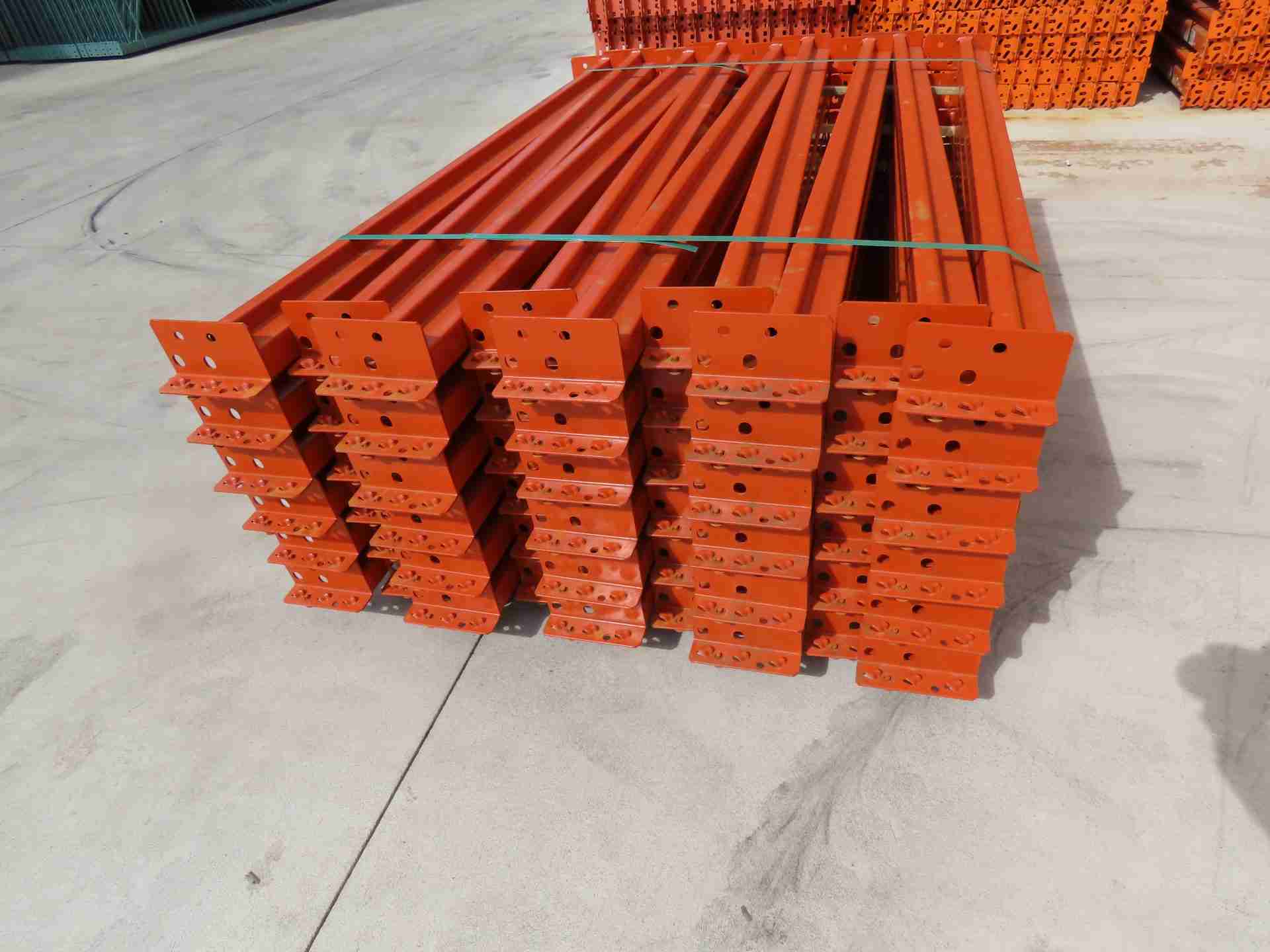
Checklist
At RackingWorld, we help guide you through selecting warehouse storage systems and racking.
Be sure to read our other related stories at RackingWorld to learn more about warehouse storage systems.
0 Comments