
Transforming Culture: Cultivating Storage Discipline For Lasting Impact
By Tom Seest
At RackingWorld, we help guide you through selecting warehouse storage systems and racking.
Be sure to read our other related stories at RackingWorld to learn more about warehouse storage systems.
Building Storage Discipline Into Your Culture
In the heart of any operation lies a commitment to how we handle our resources. Building storage discipline isn’t just about neat rows of racking systems; it’s about instilling a mindset that values every item and every inch of space. It’s like keeping your toolbox organized; you wouldn’t waste time digging through chaos when a simple structure can save you minutes—or even hours—every day. When everyone understands the importance of this discipline, the whole operation runs smoother, just as a well-oiled machine should.
Think about the last time you walked into a place where everything was in its right place. There’s a sense of calm and purpose. You feel it in your gut—this is a place where people care, where they know that their actions matter. That’s the emotional aspect we’re tapping into. By promoting storage discipline, you’re fostering a culture of respect—respect for the materials, the time, and ultimately each other. Every time someone returns a tool or puts a product back in the right spot, that’s a step toward a stronger, more connected team.
Now let’s get to the nuts and bolts of it. Rationally, effective storage means eliminating waste. Think of time spent searching for things that could’ve been used on the job instead. With proper systems in place, like racking systems that maximize space and efficiency, you’re not just saving time; you’re enhancing productivity. It’s simple math: more organization equals more output, and that brings in the bottom line.
Ethically, when you promote a culture of storage discipline, you’re also advocating for sustainability. Resources are precious, and carelessly disregarding them leads to wastefulness that no one can afford. When teams internalize these practices, they begin to take pride in their work environment, recognizing that every effort counts.
Narratively, think of the seasoned worker who remembers the days of messy storage. Their stories carry a weight of experience—lessons learned the hard way. By sharing these tales, you cultivate a consensus around the value of discipline. It’s not just about rules; it’s about legacy.
In building this culture, you not only improve efficiency but also inspire trust and confidence. Each individual becomes a steward of the space, embracing the belief that together, they are stronger. Storage discipline becomes a point of pride, creating a ripple effect that strengthens the bond within the team and ensures everyone is pulling in the same direction. This camaraderie—rooted in shared values—can’t be underestimated. It’s about crafting a legacy for future hands, guided by grounded common sense.

Building Storage Discipline Into Your Culture
Building Storage Discipline Into Your Culture
- Storage discipline emphasizes managing resources efficiently, beyond just organization.
- Promoting this discipline fosters a culture of respect for materials and teamwork.
- Effective storage helps eliminate waste and enhances productivity.
- Organized systems lead to time savings, translating to improved output.
- Cultivating storage discipline advocates for sustainability and responsible resource use.
- Sharing experiences reinforces the value of storage discipline as part of a legacy.
- This culture inspires trust and camaraderie, strengthening team bonds and effectiveness.
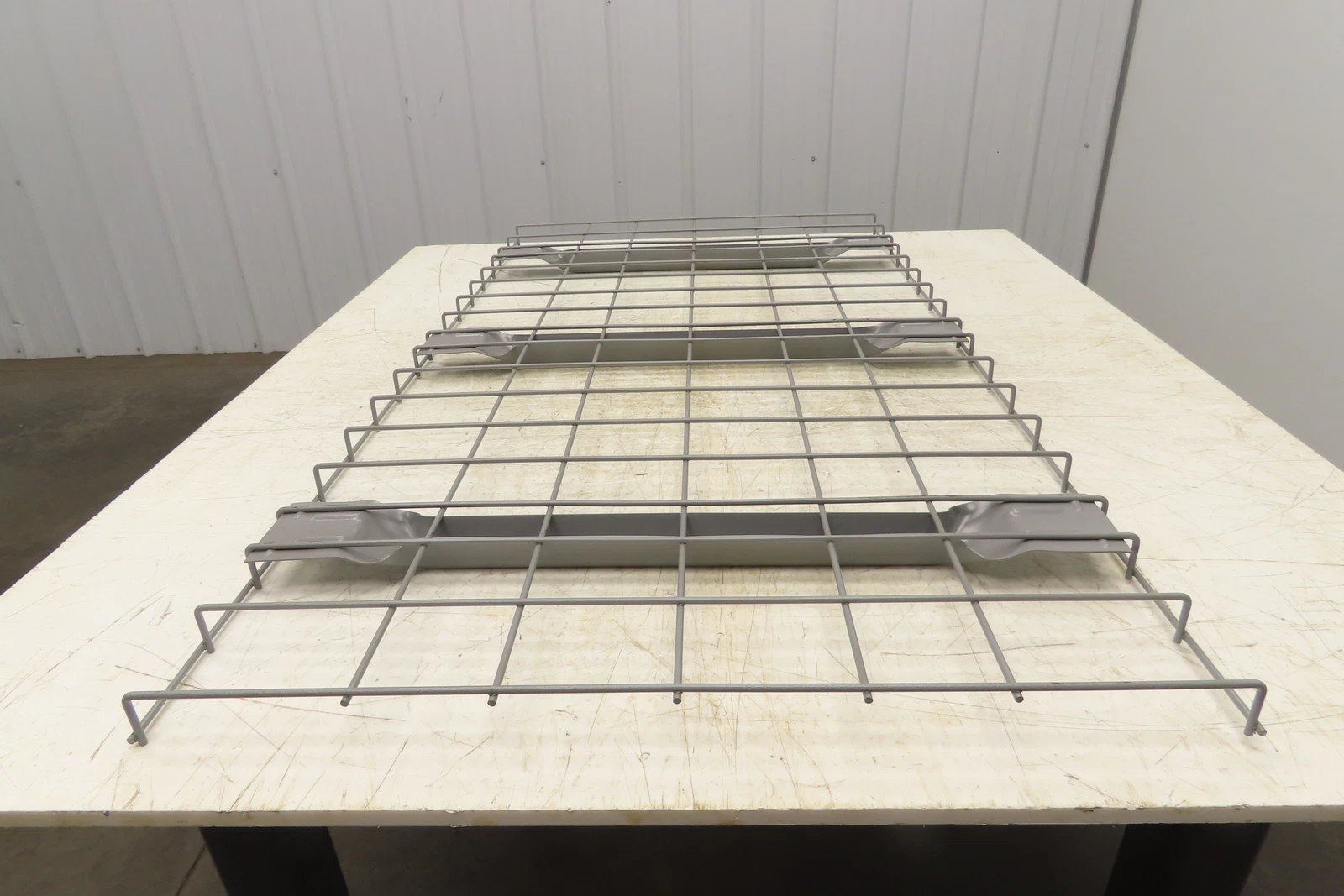
Building Storage Discipline Into Your Culture
Table Of Contents
- Building Storage Discipline Into Your Culture
- How Can We Create a Culture Of Accountability In Storage?
- What Are the Consequences Of Neglecting Storage Discipline?
- What Benefits Arise From Having a Disciplined Storage System?
- How Can We Motivate Our Team to Prioritize Storage Discipline?
- What Role Does Leadership Play In Fostering Storage Discipline?
- How Does Storage Discipline Affect Our Operational Efficiency?
- Conclusion
- Other Resources
- Glossary Of Terms
- Other Questions
- Checklist
How Can We Create a Culture Of Accountability In Storage?
Creating a culture of accountability in storage isn’t just about protocols and checklists; it’s about fostering a sense of pride and responsibility among each team member. When you walk into a storage facility and see a well-organized space where racking systems are utilized to their full potential, it tells a story of care and diligence. It’s like walking into a clean workshop; you can feel the commitment in the air, and it sets a tone that resonates with everyone. Each piece of equipment, every shelf, and every box tells us something about how we work together and how we value the resources we manage.
Accountability begins with understanding the ‘why’ behind our actions. It’s not just about moving boxes or stacking goods; it’s about ensuring that every item has its place and purpose. When staff recognize that their work safeguards the supply chain, it becomes personal. Connecting this responsibility to larger goals—like improving efficiency, cutting down waste, and enhancing customer satisfaction—fuels motivation. It’s more than merely a job; it becomes a mission that individuals can rally behind.
Now, let’s get down to brass tacks. Setting clear, measurable expectations for how we handle racking systems is one way we can cultivate this culture. Regular training helps reinforce these standards and gives people the tools they need to take ownership of their roles. When employees see the tangible benefits of their hard work—whether it’s faster retrieval times or fewer losses—their commitment strengthens. They start looking out for each other; the culture of accountability spreads like a well-greased machine.
To build trust, leaders need to model the behavior they expect. It’s vital to recognize not just the end results but also the efforts involved in reaching those goals. A simple acknowledgment of someone’s diligence can go a long way in creating a supportive environment. When a team feels valued, they’re more likely to step up when needed and hold each other accountable in a positive, constructive manner.
At the end of the day, it’s about connection. Encouraging open communication about challenges and successes surrounding racking system operations builds a sense of community. When people share their experiences, it creates a bond that strengthens collective accountability. A blue-collar workspace thrives on teamwork, and when each member feels they are part of something bigger, they’re motivated to keep that culture growing. This is how real change happens—by cultivating a culture where everyone feels responsible, respected, and ready to make a difference.

How Can We Create a Culture Of Accountability In Storage?
How Can We Create a Culture Of Accountability In Storage?
- Creating a culture of accountability in storage involves fostering pride and responsibility among team members.
- A well-organized storage facility reflects care and diligence, setting a positive tone for the team.
- Understanding the purpose behind actions is crucial for accountability beyond mere task completion.
- Linking individual responsibilities to broader goals enhances motivation and commitment.
- Establishing clear, measurable expectations and providing regular training promotes ownership of roles.
- Leaders should model expected behaviors and recognize team efforts to build trust and support.
- Open communication about challenges and successes strengthens community and collective accountability.
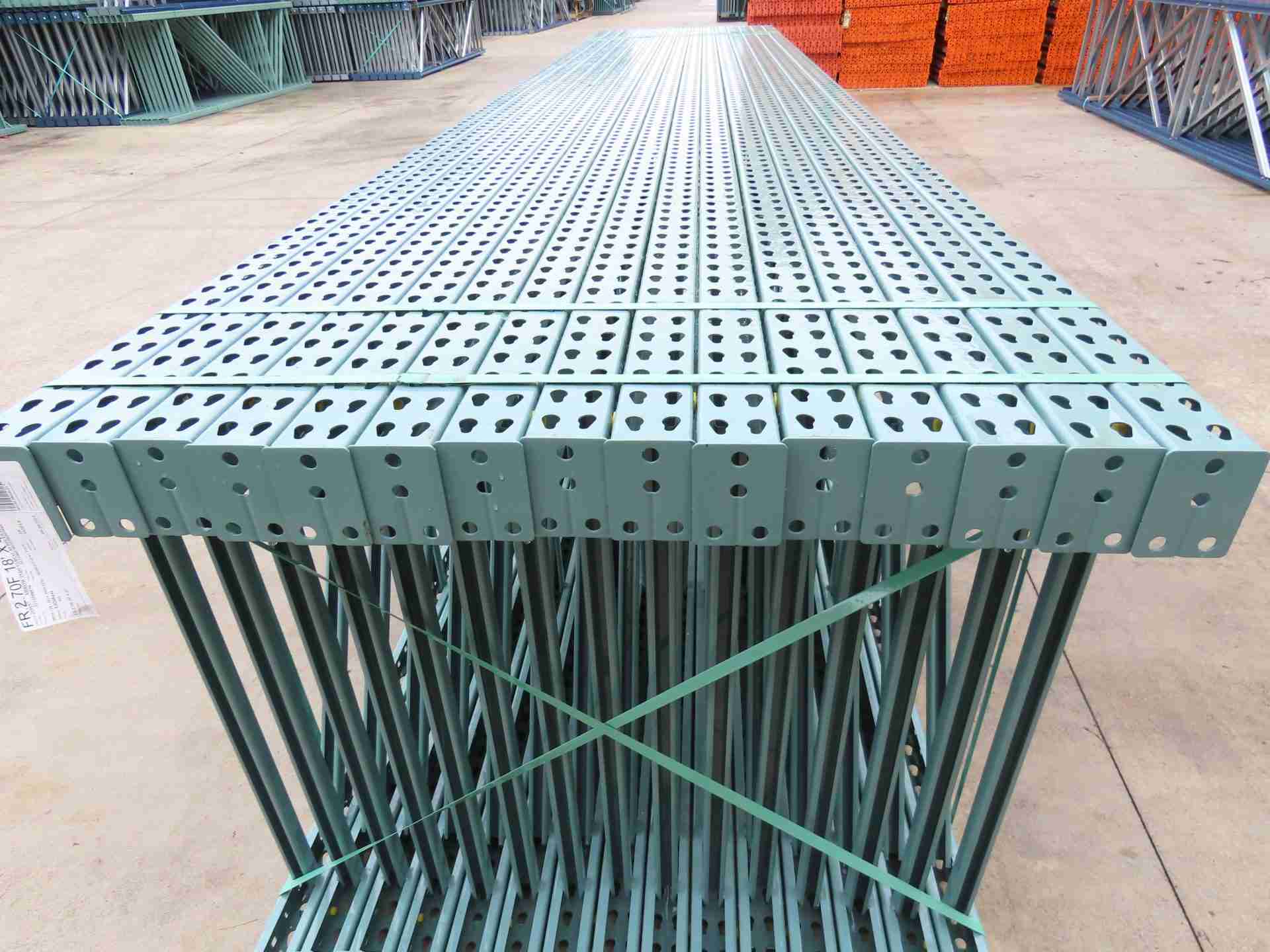
How Can We Create a Culture Of Accountability In Storage?
What Are the Consequences Of Neglecting Storage Discipline?
Neglecting storage discipline can have serious repercussions that ripple through every part of a business, impacting not just the bottom line but the very people who keep it running. Let’s take a moment to think about what happens when we ignore the proper organization of our Racking Systems. Imagine a warehouse filled to the brim, where products are stacked haphazardly, key items lost in the maze of disarray. This isn’t just a headache for inventory management; it’s frustration for everyone involved, especially the workers who have to navigate this chaos daily.
From an emotional standpoint, the clutter can lead to stress and burnout. Employees thrive in environments where they can work efficiently, but when storage discipline is lacking, chaos reigns. Confidence erodes as they struggle to find what they need, leading to mistakes that could have been avoided. We often forget that behind every box and shelf is a person, feeling the weight of disorganization.
Now, rationally speaking, the implications stretch beyond the day-to-day operations. Poor storage practices can lead to increased costs. When inventory isn’t tracked accurately, over-ordering occurs, wasting precious resources. Valuable time slips through fingers as employees spend hours searching for items or attempting to figure out where they belong in that messy racking system.
Ethically, we owe it to our teams to maintain a safe and organized workspace. Neglecting storage discipline can lead to accidents, as improperly stored materials pose a danger. It’s our responsibility to provide a safe environment where people can do their jobs effectively.
Authority figures in the industry agree; streamlined operations hinge on good storage practices. The stories of companies that turned around their fortunes through improved organization serve as a testament to its importance. They faced challenges, but those who embraced discipline saw not just efficiency but morale lift.
On a social level, a disorganized environment can harm a company’s reputation. Clients and partners notice when inventory isn’t managed well, leading to mistrust. On the flip side, those who practice storage discipline foster a culture of respect and reliability—traits that resonate deeply with partners and customers alike.
In short, neglecting storage discipline doesn’t just cost money; it costs morale, safety, and trust. Emphasizing organized Racking Systems is more than a logistics strategy; it’s about building a workplace where everyone can thrive.

What Are the Consequences Of Neglecting Storage Discipline?
What Are the Consequences Of Neglecting Storage Discipline?
- Neglecting storage discipline negatively impacts business operations and employee morale.
- Disorganization in warehouses leads to frustration for workers and inefficient inventory management.
- Emotional effects of clutter include increased stress and burnout among employees.
- Poor storage practices result in higher costs due to over-ordering and lost time searching for items.
- Maintaining an organized workspace is essential for employee safety and accident prevention.
- Streamlined operations and improved organization can enhance company reputation and trust with clients.
- Emphasizing organized racking systems fosters a productive environment where employees can thrive.
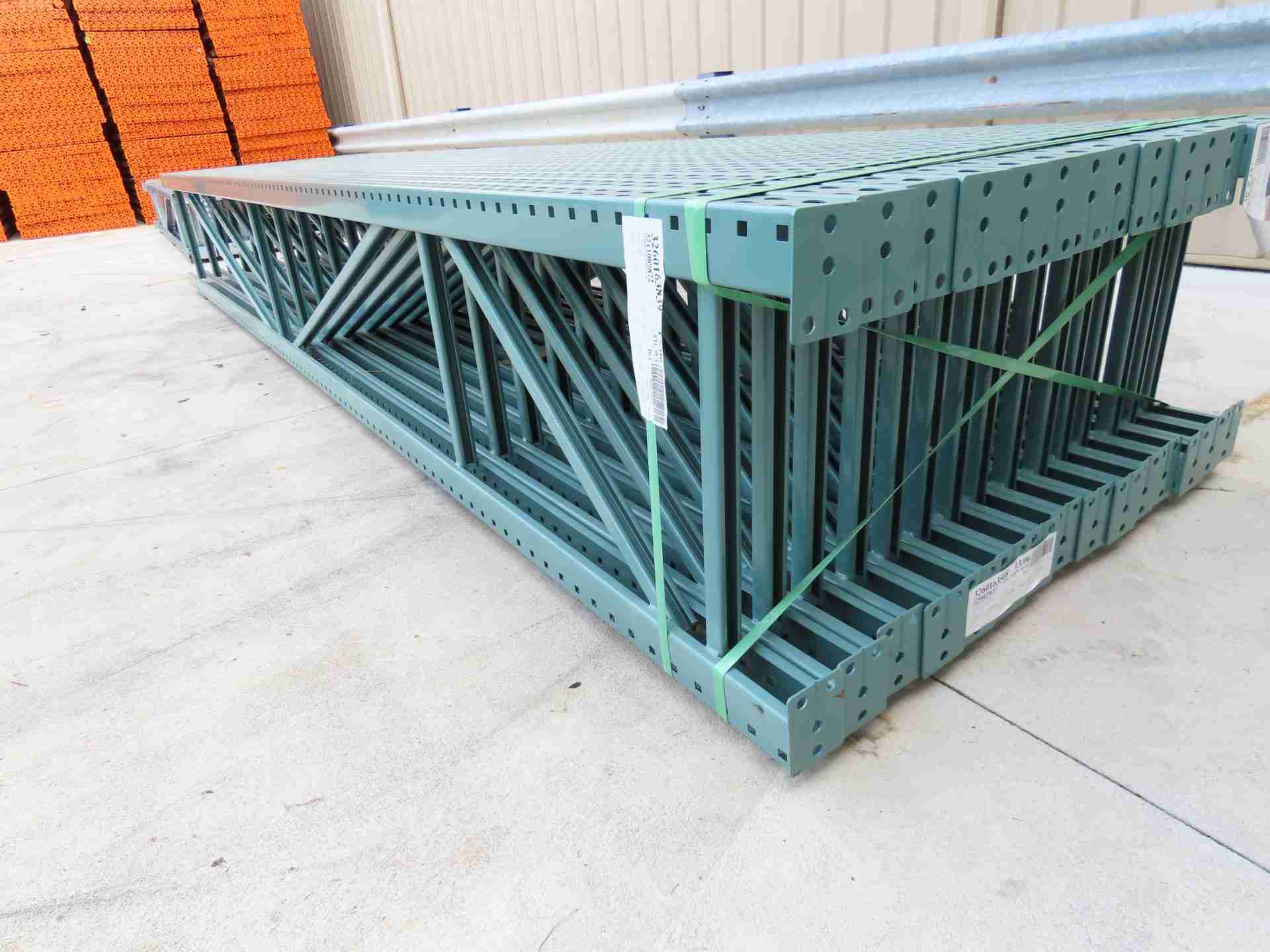
What Are the Consequences Of Neglecting Storage Discipline?
What Benefits Arise From Having a Disciplined Storage System?
A disciplined storage system doesn’t just tidy up your space; it changes the way you live and work. Imagine walking into your workshop, your tools hanging neatly on racking systems, each one easy to find. You pick up what you need without rummaging through boxes or stumbling over clutter. It’s a small win, but it sets the tone for the entire day. A little organization creates a ripple effect of productivity, boosting morale and making every project seem more achievable.
From a practical standpoint, a well-organized system helps save time and money. Think about it: when everything has its place, you’re not wasting hours looking for that one wrench or drill. You can get straight to work, tackle tasks efficiently, and finish jobs faster. Economically, that efficiency matters. Time is money, and reducing wasted hours translates directly into savings. A disciplined approach to storage allows for smarter resource management, ensuring that tools and materials last longer because they’re used properly and stored appropriately.
On an emotional level, the satisfaction of seeing everything orderly is hard to beat. It fosters a sense of control and calm in a world that often feels chaotic. When your environment is organized, your mind can be too. It provides a clear space to think, innovate, and create. Furthermore, it instills a sense of pride in your work area, making it a place where you enjoy spending time. This emotional connection can spark creativity and inspire new ideas, leading to better outcomes, whether you’re tackling a home improvement project or chasing a career goal.
Ethically, there’s also a sense of responsibility to ourselves and our communities to maintain order. An organized space is not just about personal gain; it reflects respect for our resources and our relationships with others. When friends or colleagues see a tidy workspace, they feel welcomed and valued, fostering a collaborative spirit that benefits everyone involved.
Sharing tips and success stories about effective storage can create community bonds, creating an atmosphere of support and shared expertise. People gravitate towards those who can help make their lives easier, and a disciplined approach positions you as a reliable source of knowledge and assistance.
A disciplined storage system offers a blend of practicality, emotional uplift, and ethical standards, making life just a bit simpler and a lot more rewarding. Embrace the order, and watch how it transforms your approach to work and life.
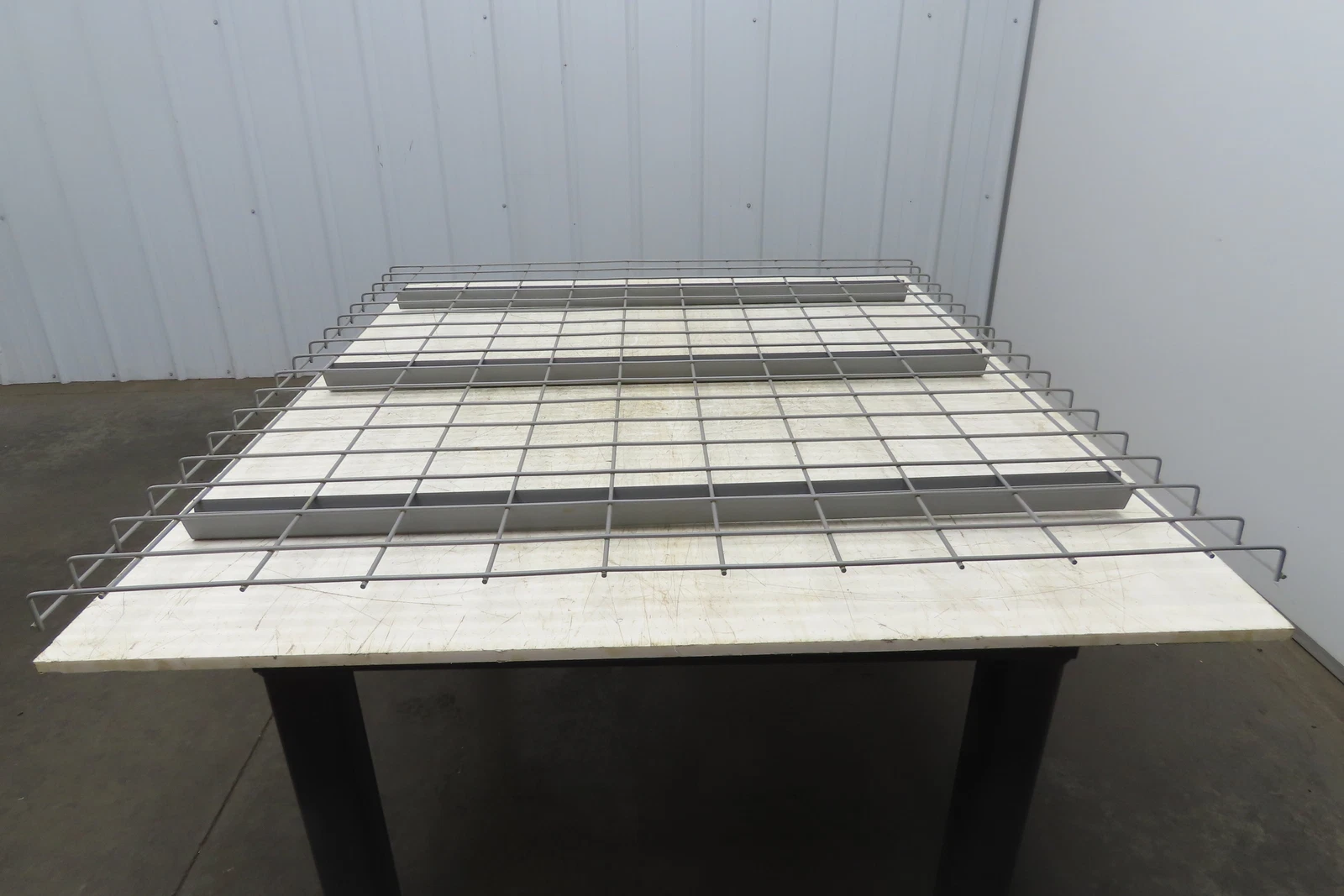
What Benefits Arise From Having a Disciplined Storage System?
What Benefits Arise From Having a Disciplined Storage System?
- A disciplined storage system enhances productivity and organization in living and working spaces.
- Well-organized systems save time and money by preventing the loss of tools and materials.
- Efficiency in tasks results in quicker job completion, positively impacting economic factors.
- An orderly environment fosters emotional well-being, providing control and calm in chaotic surroundings.
- Organized spaces can inspire creativity and innovation, leading to improved outcomes in various projects.
- Maintaining order reflects respect for resources and strengthens community relationships.
- Sharing organizational strategies promotes collaboration and positions individuals as reliable sources of support.
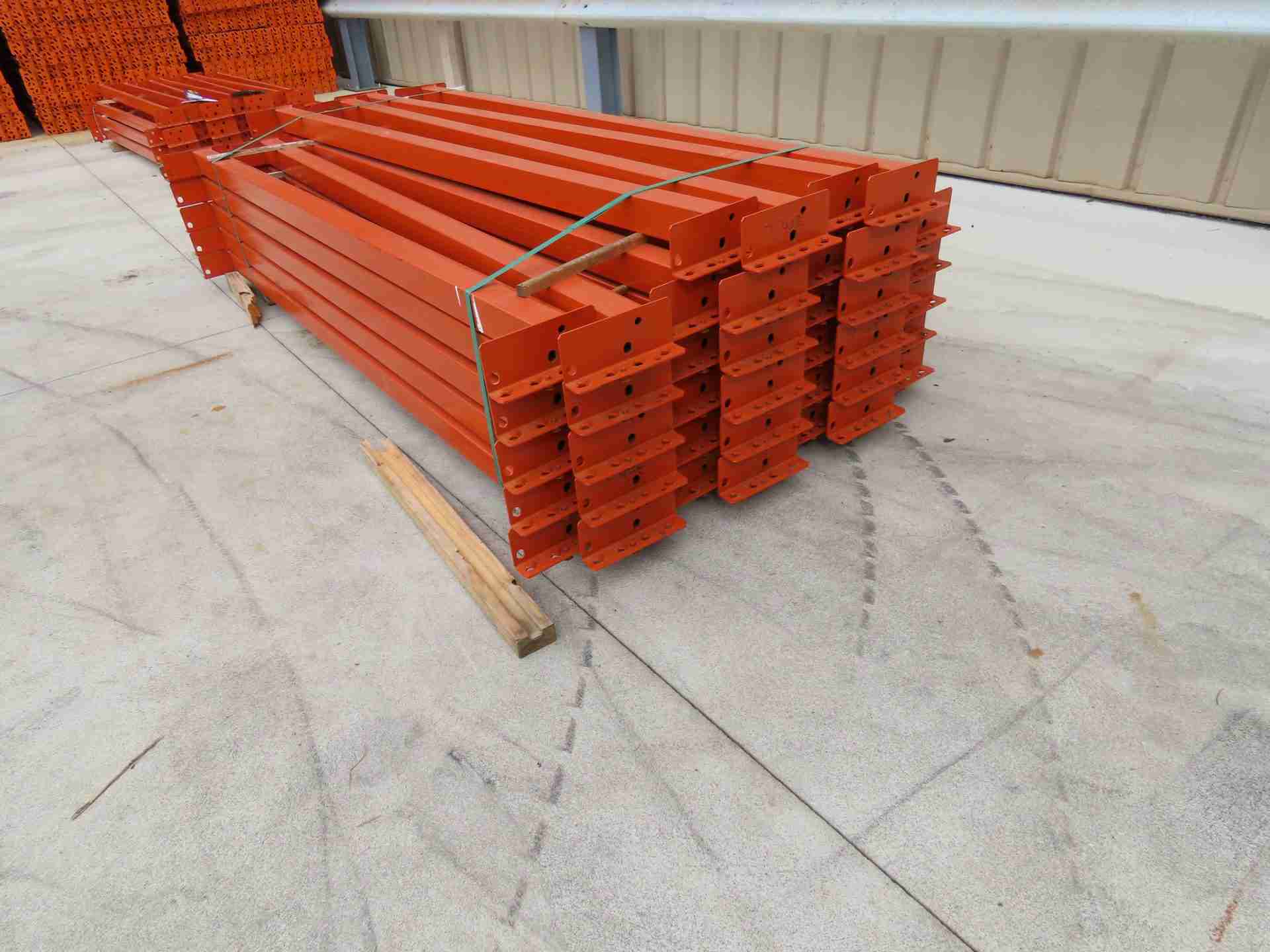
What Benefits Arise From Having a Disciplined Storage System?
How Can We Motivate Our Team to Prioritize Storage Discipline?
To motivate our team to prioritize storage discipline, we need to tap into what speaks to us as individuals and as a cohesive unit. Picture a warehouse bustling with activity; every item has a place, and every person knows it. Imagine how smooth it is when we operate like that, with well-organized racking systems guiding us to success. It feels good to know where things are and that we can find them when needed.
Now, let’s get practical. The truth is, a chaotic workspace can lead to wasted time and resources. When we allow clutter to take over, we’re not just losing efficiency—we’re losing money. Rationality demands that we adopt a system of organization, one that supports our efficiency instead of dragging us down. Each of us plays a crucial role in this. By prioritizing storage discipline, we’re not only making our jobs easier but also enhancing our team’s overall output.
This isn’t just about following rules; it’s about creating a culture of accountability. We must recognize the ethical responsibility we carry. Maintaining organized storage isn’t solely for our benefit; it’s about showing respect for our colleagues and the team’s collective efforts. When we take pride in our workspace, we show our commitment to the team and the goals we strive to achieve—success tastes sweeter when it’s hard-earned together.
Narrative has its power, and sharing stories of our daily wins can forge bonds. When someone shares how a simple shift in storage discipline helped them save a project, it becomes a lesson we all can relate to. We build trust through these tales, connecting as we celebrate the wins and learn from the stumbles. This shared experience strengthens our resolve and reinforces our commitment.
Social dynamics play a huge role in the workplace as well. We look to each other for cues; when one of us takes the initiative to organize their racking systems or keep track of inventory, it inspires others. We want to be part of a team that values discipline. Trust isn’t just given; it’s built day by day in every careful decision and every effort to keep our workspace in tip-top shape.
Let’s make storage discipline a core part of our identity. Together, we can foster a work environment that values organization, encourages shared responsibility, and leads us all towards achieving our full potential.
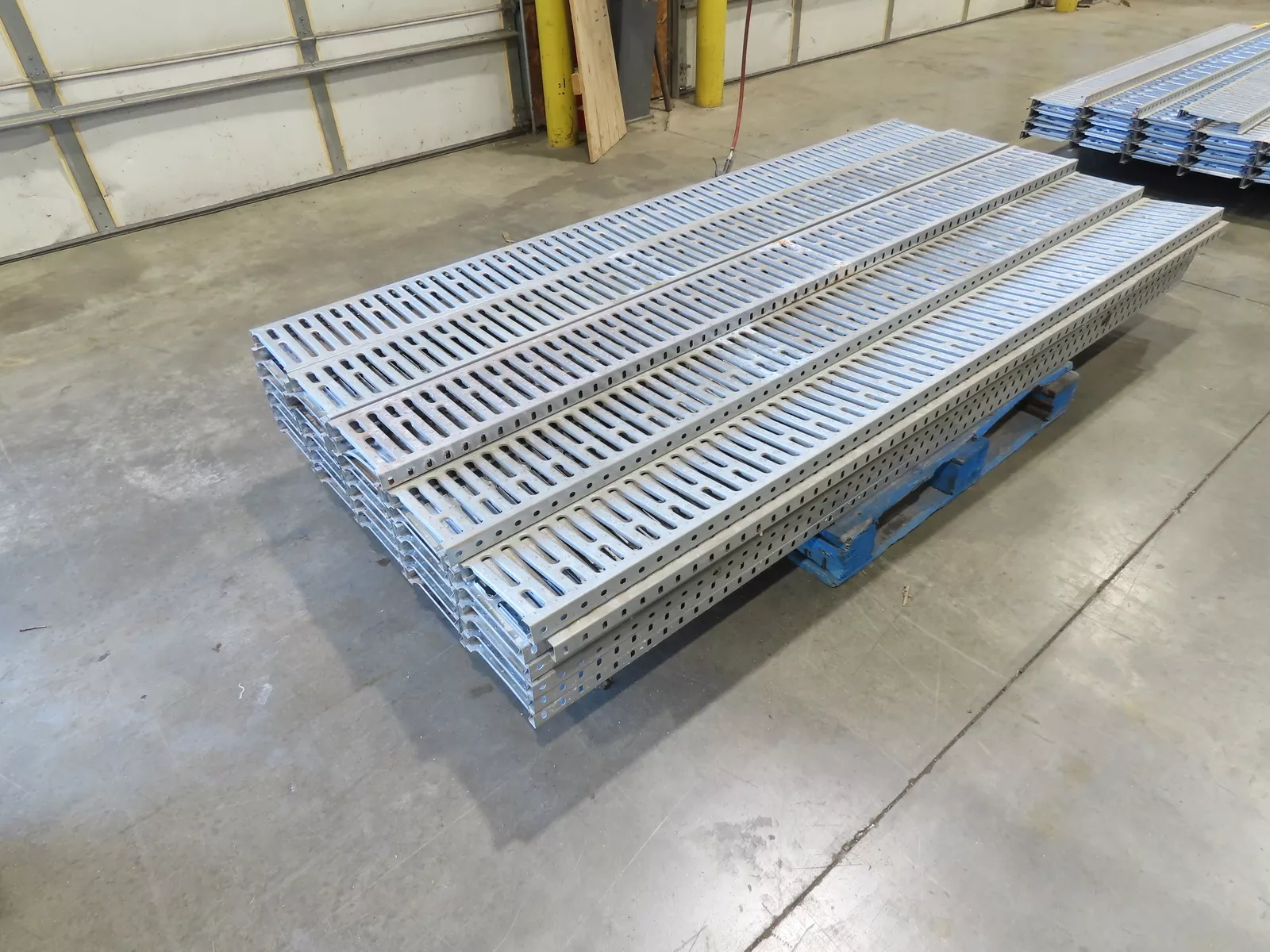
How Can We Motivate Our Team to Prioritize Storage Discipline?
How Can We Motivate Our Team to Prioritize Storage Discipline?
- Prioritizing storage discipline enhances individual and team efficiency.
- A chaotic workspace leads to wasted time and resources, impacting overall performance.
- Storage organization creates a culture of accountability and respect among colleagues.
- Sharing success stories reinforces teamwork and collective learning.
- Social dynamics influence workplace behavior; organized efforts inspire others.
- Trust is built daily through consistent organizational practices.
- Making storage discipline a core value fosters a productive work environment.
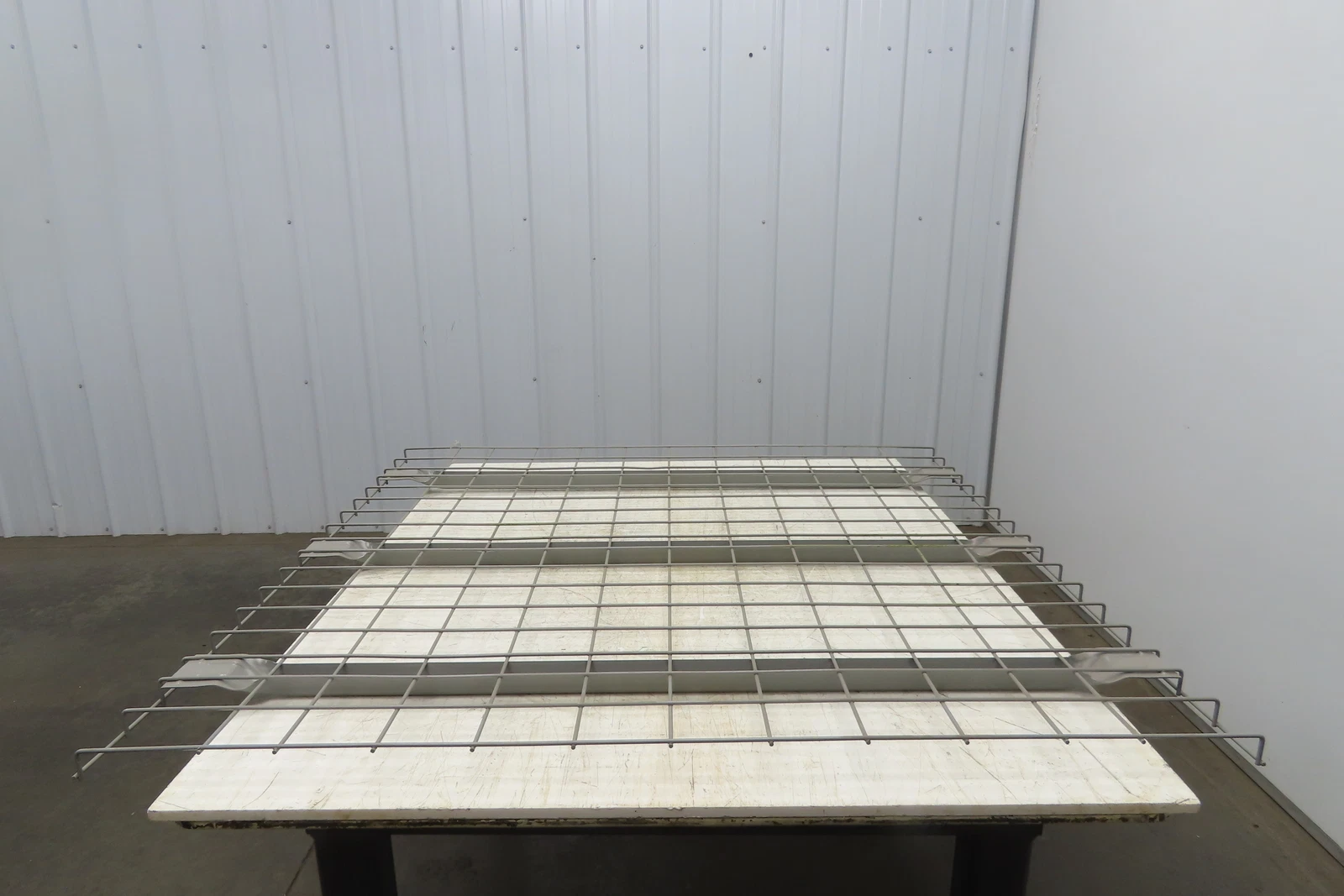
How Can We Motivate Our Team to Prioritize Storage Discipline?
What Role Does Leadership Play In Fostering Storage Discipline?
Leadership plays a pivotal role in fostering storage discipline—a concept essential to maintaining order and efficiency in any operation that relies on effective inventory management. It’s not just about stacking boxes or fitting items into Racking Systems; it’s about instilling a culture that respects organization and promotes accountability.
Imagine a warehouse bustling with activity, where every team member knows their role and the layout of the space like the back of their hand. This doesn’t happen by accident; it’s cultivated. Strong leaders set the tone by demonstrating firsthand the importance of proper storage techniques. They lead by example, ensuring that every tool, every commodity, is stored exactly where it should be. This reliability fosters a sense of pride among crew members, making them more likely to adopt similar habits.
But there’s more to it. Effective leadership also engages the mind. Rational appeals come into play when leaders communicate the clear benefits of storage discipline, such as reduced waste and improved efficiency. Team members who understand the why behind every process are more likely to buy into the system. Leaders can share stories of past successes where disciplined storage led to incredible feats—whether it’s saving time during a critical project or avoiding costly mistakes in shipping. These narratives don’t just fill a void; they resonate deeply, linking the emotional and rational components of change.
Ethically, leaders have a responsibility to create an environment that prioritizes safety and order. A disorganized workspace can lead to accidents, frustrations, and a sense of chaos. By taking charge, leaders show they care not only about productivity but also about the well-being of their team. Encouraging open dialogues about storage practices gives employees a voice, creating a sense of community and shared responsibility.
The gut instinct can’t be underestimated. When workers sense that their leaders genuinely value storage discipline, it cultivates trust. Every time a leader acknowledges a job well done or points out how storage choices have made workflow smoother, it strengthens the bond between them and their team.
In the grander scheme, fostering storage discipline is about building a culture where everyone feels connected to the mission. It’s less about the Racking Systems and more about weaving a common thread of order and respect for the craft. A hand-in-hand approach—where leaders and team members work shoulder to shoulder—creates an environment where storage discipline is not just an expectation but a way of life.

What Role Does Leadership Play In Fostering Storage Discipline?
What Role Does Leadership Play In Fostering Storage Discipline?
- Leadership is crucial for fostering storage discipline, essential for effective inventory management.
- Creating a culture of organization and accountability ensures every team member understands their role.
- Strong leaders demonstrate proper storage techniques, instilling pride and emulating good habits in their teams.
- Effective communication of the benefits of storage discipline enhances understanding and buy-in among team members.
- Leaders share success stories to connect emotionally and rationally with their teams regarding storage practices.
- Creating a safe and organized environment is an ethical responsibility of leaders, promoting well-being and community.
- Fostering storage discipline builds a culture of connection, where it becomes a shared expectation and lifestyle.

What Role Does Leadership Play In Fostering Storage Discipline?
How Does Storage Discipline Affect Our Operational Efficiency?
When you step into a well-organized warehouse, the first thing that strikes you is the clarity of purpose. Racking systems are set up in a way that tells a story: every item has its place, and every place serves a purpose. This kind of order doesn’t just happen; it’s rooted in storage discipline—the unsung hero of operational efficiency. It’s the difference between chaos and clarity, between frustration and flow.
Picture this: a team trying to find a critical component amid an unruly pile of boxes. It’s not just a waste of time; it’s an emotional drain. Each moment spent hunting for lost items chips away at morale. But with a disciplined storage system, those headaches fade away. Workers know where to look and what to expect, allowing them to focus on their tasks instead of playing hide-and-seek with inventory. That’s where racking systems come into play. When designed and implemented correctly, they streamline processes and boost productivity, turning a daunting task into a straightforward one.
People often underestimate the ethical dimension of storage discipline. It’s not just about efficiency; it’s about respect for everyone’s time and efforts. In a world where every second counts, ensuring that your team has what they need at their fingertips shows that you value their hard work. It inspires a sense of teamwork and accountability. Effective racking systems serve as a promise to your workforce: we trust you to do your job, and we’ll support you in every way possible.
Moreover, stories from those who have experienced the transformation firsthand can paint a vivid picture. Consider a small manufacturing company that struggled with delays due to disorganized storage practices. After implementing a racking system and emphasizing storage discipline, they saw a dramatic reduction in downtime. Orders were filled faster, and customer satisfaction soared. The ripple effect was undeniable—higher efficiency led to happier employees, and happier employees created loyal customers.
Lastly, think about the social implications of storage discipline. A well-organized workspace fosters a sense of pride. Teams take ownership when they see the tangible results of their efforts. It becomes a shared mission, fostering collaboration and ultimately leading to a culture built on trust and respect. After all, when operational efficiency thrives, it allows companies to invest back into the community, creating a cycle of goodwill.
Storage discipline isn’t just a technical necessity; it’s the backbone of efficient operations that uplifts everyone involved.
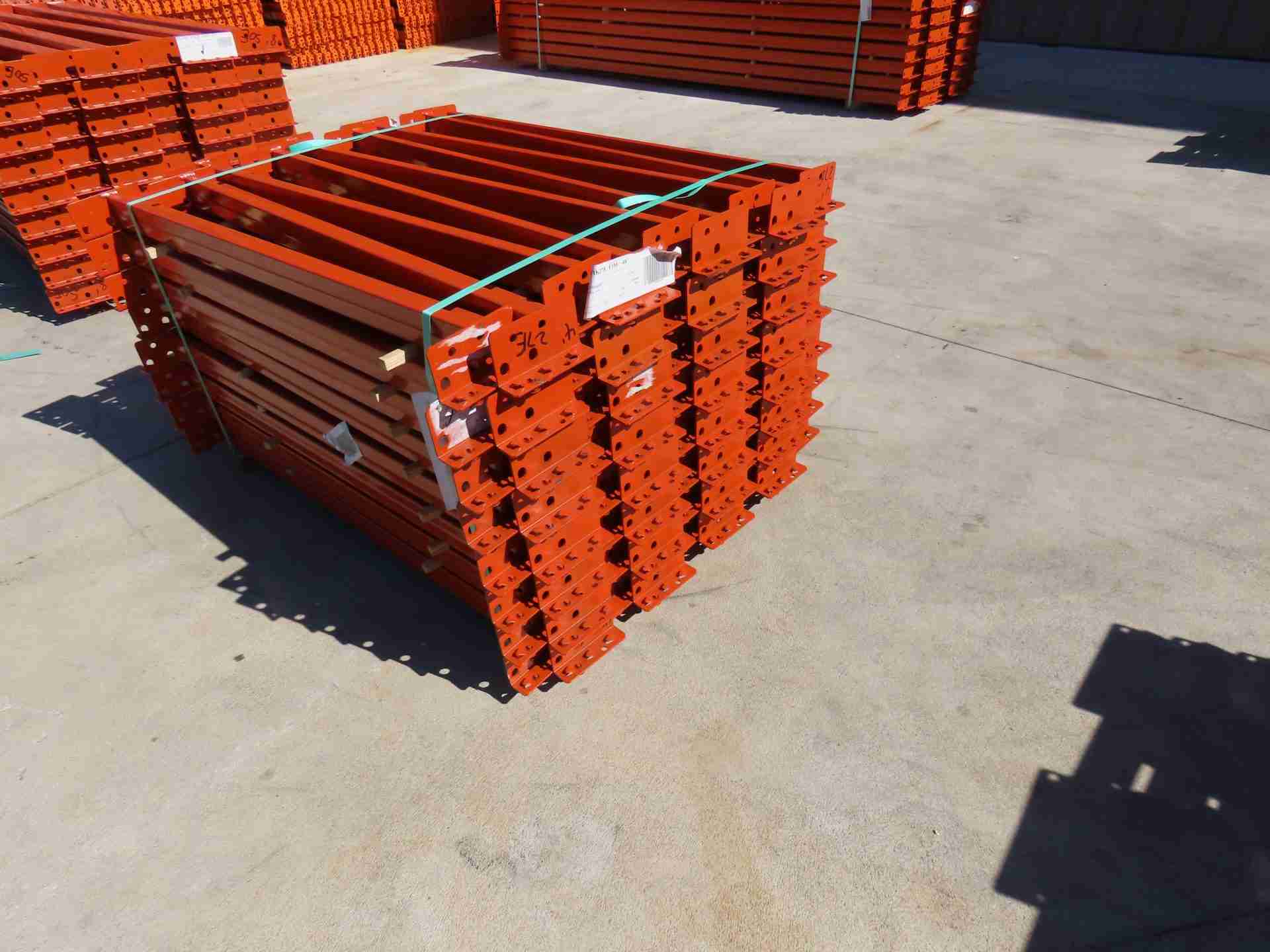
How Does Storage Discipline Affect Our Operational Efficiency?
How Does Storage Discipline Affect Our Operational Efficiency?
- Well-organized warehouses exhibit clarity of purpose, with racking systems ensuring every item has its designated place.
- Storage discipline enhances operational efficiency, contrasting chaos with clarity and frustration with flow.
- A disciplined storage system reduces time wasted searching for items, improving worker morale and productivity.
- Storage discipline reflects respect for employees’ time, fostering teamwork and accountability.
- Implementing effective racking systems can significantly reduce downtime and improve customer satisfaction.
- A well-organized workspace promotes team pride and ownership, fostering collaboration and trust.
- Storage discipline acts as a technical necessity and a backbone for efficient operations, benefitting the entire organization.

How Does Storage Discipline Affect Our Operational Efficiency?
Conclusion
Establishing a culture of storage discipline within any organization transcends merely the physical arrangement of items; it embodies a collective commitment that positively impacts every facet of operations. At its core, storage discipline represents respect—respect for materials, time, and the people who rely on these resources. When every team member embraces this mindset, the workspace transforms into a well-functioning ecosystem where productivity flourishes, and morale soars.
Picture entering a workspace where everything is in its place. That calm atmosphere fosters a sense of pride and responsibility among workers. Each well-organized shelf tells the story of diligence, reducing chaos and allowing employees to focus on their tasks instead of searching for misplaced items. This organization should be inherently tied to rational thinking—the less time spent rummaging through clutter, the more time available to innovate and tackle challenges head-on. The math is simple: streamlined systems result in lower costs and increased efficiency, reinforcing the financial soundness of storage discipline.
Ethically, fostering such a culture speaks to sustainability. When teams take care to manage their resources properly, waste diminishes, and a greater responsibility emerges towards both the workplace and the environment. It’s no longer just about the day-to-day operations but about leaving a lasting legacy for future generations.
Narratively, the stories shared by seasoned workers echo the trials of disorganization and celebrate the triumphs of embracing structure. These tales connect employees, forging bonds that enhance teamwork and collaboration. The challenges faced and overcome in past environments resonate deeply, instilling a collective resolve that motivates everyone to share responsibility.
Socially, promoting storage discipline cultivates trust within the organization. As employees witness their leaders embody the principles of organization, a sense of accountability blooms. Each interaction around storage practices becomes an opportunity to reinforce the culture, allowing team members to thrive individually and collectively. Recognition of efforts toward maintaining order encourages a supportive environment where everyone plays their part.
In totality, storage discipline is about collaboration, respect, and shared experience. It’s not merely a set of procedures but a way of life that has the power to uplift an entire organization. It shapes how people interact with their work and with each other, creating a community built on trust, efficiency, and pride. When we invest in establishing this discipline, we’re not just enhancing our operations; we’re enriching the very fabric of our workplace culture.

Conclusion
Conclusion:
- Storage discipline is a collective commitment impacting all operations within an organization.
- It embodies respect for materials, time, and people reliant on resources.
- A well-organized workspace enhances productivity and boosts morale.
- Reduced chaos allows employees to focus on tasks rather than searching for items.
- Proper resource management leads to sustainability and reduced waste.
- Sharing stories of organization fosters teamwork and motivation among employees.
- Promoting discipline creates a culture of trust, accountability, and recognition.

Conclusion
Other Resources
Other Resources
Here is a list of other resources you can review online to learn more:
- Cantilever Rack Guide: Ordering Cantilever Racking
- Warehousing Education and Research Council: https://www.werc.org/
- Selective Pallet Racking Systems – Container Systems
- MHI
- NSC
- Pallet Racks, Pallet Racking, Pallet Shelves in Stock – ULINE
- CMMA
- New Cantilever Racks and Racking Kits
- Selective Racking
- Cantilever Racking Specialists – Get the Right Racks
- What is Cantilever Racking? – AK Material Handling Systems
- Iowa Illinois Warehouse Racking
- Warehouse Storage Racking in Illinois
- Crane Manufacturers Association Of America Inc.
- Warehouse Racking Systems: Beginner’s Guide to Rack Systems
- Illinois
- Warehouse Racking Layout: The Ultimate Guide – Conger
- Warehousing and Fulfillment
- Interlake Mecalux
- American Society of Safety Professionals
Use This Prompt To Get More Resources With Your Favorite Online AI Tool: Please provide me with a list of online articles with their URLs in a bulleted list that I can read regarding Building Storage Discipline Into Your Culture
Other Resources
Glossary Terms
Building Storage Discipline Into Your Culture – Glossary Of Terms
1. Accountability: The obligation of individuals to report, explain, and be responsible for the outcomes of their actions regarding storage practices.
2. Audit: A systematic examination of storage processes and inventory to ensure compliance with established guidelines.
3. Best Practices: The most efficient and effective methods to manage storage, designed to optimize space and resources.
4. Compliance: Adherence to rules, regulations, and standards related to storage and inventory management.
5. Culture: The shared values, behaviors, and practices that shape organization-wide attitudes towards storage discipline.
6. Data Management: The process of organizing and maintaining storage information to ensure accuracy and accessibility.
7. Efficiency: The ability to achieve maximum productivity with minimal wasted effort or expense in storage operations.
8. Inventory Control: The methods used to track and manage stock levels, ensuring that supply meets demand.
9. Organization: The systematic arrangement of items in storage to facilitate easy retrieval and efficient use of space.
10. Policies: Formal guidelines established to direct storage practices and ensure accountability within an organization.
11. Inventory Turnover: A ratio that measures how often inventory is sold and replaced over a period, indicating storage efficiency.
12. Space Optimization: Techniques used to maximize available storage space, reducing clutter and increasing accessibility.
13. Standard Operating Procedures (SOPs): Established procedures that provide detailed instructions on storage practices and protocols.
14. Training: Programs designed to educate employees on effective storage practices and the importance of maintaining discipline.
15. Waste Reduction: Strategies aimed at minimizing excess inventory and inefficient storage practices, contributing to sustainability.
16. Visibility: The ability to track and locate stored items easily, essential for efficient inventory management.
17. Sustainability: Practices focused on minimizing environmental impact while optimizing storage operations.
18. Risk Management: The identification and mitigation of potential issues related to storage and inventory processes.
19. Collaboration: Team efforts to share insights and strategies to enhance storage discipline across departments.
20. Technology Integration: The use of software and hardware solutions to improve storage management and streamline operations.
21. Measurement: The process of quantifying storage effectiveness, often using metrics to evaluate performance.
22. Continuous Improvement: Ongoing efforts to enhance storage processes through feedback and iterative changes.
23. Communication: The exchange of information regarding storage procedures, expectations, and performance among team members.
24. Resource Allocation: The strategic distribution of assets and inventory to meet organizational storage needs effectively.
25. Lean Principles: Techniques aimed at minimizing waste and maximizing value in storage processes.
26. Leadership: Guidance and direction provided by management to foster a culture of storage discipline.
27. Performance Metrics: Measurements used to assess the effectiveness and efficiency of storage practices.
28. Engagement: Involving employees in the process of improving storage discipline and fostering ownership of practices.
29. Transparency: Openness in processes and reporting related to storage practices, promoting trust and accountability.
30. Adaptability: The ability to adjust storage practices in response to changing needs and circumstances within the organization.

Glossary Of Terms
Other Questions
Building Storage Discipline Into Your Culture – Other Questions
If you wish to explore and discover more, consider looking for answers to these questions:
- What specific steps should we take to implement storage discipline in our facility?
- How do we measure whether storage discipline is improving over time?
- Which key performance indicators (KPIs) best reflect storage discipline and racking system effectiveness?
- What is the typical ROI and payback period for investing in racking systems and storage upgrades?
- How much does it cost to redesign or install an optimized racking system?
- What training programs or materials work best to teach storage discipline to frontline staff?
- How often should refresher training and audits occur to sustain discipline?
- Who should be accountable for storage discipline at each level of the organization?
- How can leaders model storage discipline without micromanaging teams?
- What incentives or recognition programs effectively motivate staff to maintain organized storage?
- How do we handle resistance to new storage practices and change management challenges?
- What are the most common safety risks related to poor storage and how can they be mitigated?
- How should hazardous or regulated materials be stored differently within the system?
- Which technologies (WMS, barcode, RFID, sensors) best support disciplined storage and inventory accuracy?
- How do we integrate storage discipline practices with procurement and inventory replenishment processes?
- What audit checklists or inspection routines should we use for racking systems and storage areas?
- How do we quantify time savings and productivity gains from improved storage discipline?
- What are quick wins we can implement in a week or month to show immediate improvement?
- How do small businesses or startups implement storage discipline on a limited budget?
- What layout and space-optimization strategies maximize capacity without sacrificing accessibility?
- How often should racking and storage equipment be inspected and maintained?
- What are best practices for labeling, signage, and visual management in storage areas?
- How can we ensure storage discipline is sustained across multiple shifts and seasonal staff?
- What metrics indicate improved morale and reduced stress as a result of better storage?
- How should storage discipline be included in onboarding and new-hire orientation?
- What are real-world case studies of companies that transformed operations through storage discipline?
- Which regulatory or industry standards relate to storage and racking systems we must follow?
- How do we handle obsolete, damaged, or excess inventory within a disciplined storage program?
- What role do suppliers and partners play in supporting our storage discipline goals?
- How can we build a continuous improvement loop around storage practices and feedback?

Other Questions
Checklist
Building Storage Discipline Into Your Culture – A Checklist
Leadership & Vision
✅______ Leadership has a clear, written purpose for storage discipline (time, cost, safety, morale).
✅______ Leaders model correct behaviors (return-to-home, labeling, tidy zones).
✅______ Storage discipline is included in goals and performance reviews.
Roles & Accountability
✅______ Each storage zone has an owner with defined responsibilities.
✅______ Standards for put-away, picking, returns, and exceptions are documented and posted at point of use.
✅______ Consequences and recognition are defined and applied consistently.
Storage Design & Racking
✅______ Layout and flow minimize travel and searching.
✅______ Racking is correctly rated, installed, and inspected on a set schedule.
✅______ Fast movers are positioned for quick access; heavy or bulky items are stored safely.
✅______ Aisle widths, clearances, and egress routes are defined and kept clear.
Identification & Labeling
✅______ Every storage location has a unique, durable label and appears on a current map.
✅______ Every item or bin is labeled with description, ID, quantity, and unit.
✅______ Signage and color-coding are consistent and readable at working distance.
✅______ The return-to-home rule is enforced (nothing is stored without a labeled home).
Inventory Control & Flow
✅______ Standard put-away and pick paths are defined and followed.
✅______ Inventory counts are accurate; cycle counts occur on a set schedule.
✅______ Damaged or obsolete items have a quarantine and disposition process.
✅______ Triggers prevent overordering and stockouts.
Daily Practices (5S)
✅______ Start- and end-of-shift reset restores each zone to standard.
✅______ Visual standards (photos/diagrams of “good”) are posted at the workstation.
✅______ Tools and consumables are stored at point of use.
✅______ Weekly 5S and housekeeping checks are completed and posted.
Training & Communication
✅______ New hires are trained on storage standards before independent work.
✅______ Refresher training occurs at defined intervals or after changes.
✅______ Daily or weekly huddles surface storage issues and fixes.
✅______ Wins and lessons learned are shared to reinforce norms.
Safety & Well-Being
✅______ Loads are secured; weight limits and stacking heights are followed.
✅______ Trip hazards, protrusions, and crush zones are eliminated.
✅______ PPE and ergonomic aids are available and used.
✅______ Incidents and near misses update storage standards.
Recognition & Motivation
✅______ Individuals and teams are recognized for disciplined storage behaviors.
✅______ Visual shout-outs or leaderboards make progress visible.
✅______ Improvement ideas are captured, acted on, and feedback is provided.
Audits, Metrics & Improvement
✅______ Regular audits check compliance and effectiveness.
✅______ Key metrics are tracked and posted (average retrieval time, location accuracy %, inventory accuracy %, space utilization %, lost/damaged items, near misses/incidents).
✅______ Gaps have owners, due dates, and verified countermeasures.
✅______ Layout and standards are reviewed after demand or mix changes.
Customer & Reputation
✅______ Order accuracy and on-time performance reflect disciplined storage.
✅______ Visitors and customers see a clean, organized, professional space.
✅______ Returns and rework are minimized and analyzed to root cause.
Sustainability & Waste
✅______ Reusable packaging and materials are identified and used where feasible.
✅______ Excess stock and obsolete items are reduced responsibly.
✅______ Energy and space are conserved through efficient storage practices.

Checklist
At RackingWorld, we help guide you through selecting warehouse storage systems and racking.
Be sure to read our other related stories at RackingWorld to learn more about warehouse storage systems.
0 Comments