
Mastering Layout Choices: Unlock Growth By Dodging Scalability Pitfalls
By Tom Seest
At RackingWorld, we help guide you through selecting warehouse storage systems and racking.
Be sure to read our other related stories at RackingWorld to learn more about warehouse storage systems.
Avoiding Scalability Traps In Early Layout Decisions
When it comes to designing our workspaces, whether it’s a bustling warehouse or a small shop, the decisions we make early on can seal our fate. Many of us have learned the hard way that quick fixes often lead to lengthy headaches. Picture this: you’ve set up your racking systems, everything looks neat and tidy, but before you know it, you’re boxed in. What felt like smart layout decisions soon turn into a maze of inefficiency.
Emotionally, we invest our energy and passion into our projects. You’ve poured hours into crafting a dream workspace, ensuring it feels just right. But when growth knocks on the door, and you suddenly find your layout limiting, disappointment creeps in. It’s essential to visualize the future. Instead of just reacting to current needs, think of that space as a living entity that evolves. If you want your operation to thrive, lay the groundwork for scalability right from the start.
Rationally, the figures speak loud and clear. Companies grappling with scalability issues waste precious resources, and often, time. The cost of not planning your layout for the long term can skyrocket, leading to frustration among your team and lost opportunities. Investing time upfront, despite the initial discomfort of change, pays dividends. You’ll save on retrofits, avoid the chaos of reorganization, and foster a smoother workflow.
Ethically, it’s about doing right by your team. A well-planned workspace that considers growth supports employee morale. When folks aren’t scrambling to adapt to a cluttered setup, they can focus on delivering their best work. A balanced approach to layout not only boosts productivity but also shows your commitment to your team’s well-being.
Our community thrives on shared experiences, and many of us carry stories of layout mishaps and successes. Each tale we tell reinforces learning. So, lean into those narratives. Talk to someone who’s walked this road before. Ask how they dodged scalability traps and forged a path to streamlined operations.
At the end of the day, it’s about taking action. Don’t just accept the status quo. Understand that flexibility in your layout can be your best friend. Embrace the challenge. By anticipating growth and planning your racking systems with foresight, you’ll pave the way for success, leaving behind traps and frustrations as mere stepping stones on your journey.

Avoiding Scalability Traps In Early Layout Decisions
Avoiding Scalability Traps In Early Layout Decisions
- Early design decisions in workspaces can significantly impact future operations.
- Quick fixes often lead to inefficiencies and complications down the line.
- Visualizing future growth is essential for creating adaptable layouts.
- Not planning for scalability can waste resources and time, leading to frustration.
- A well-planned workspace enhances employee morale and productivity.
- Sharing experiences within the community can provide valuable insights for effective layout planning.
- Flexibility in workspace design is crucial for navigating growth challenges successfully.

Avoiding Scalability Traps In Early Layout Decisions
Table Of Contents
- Avoiding Scalability Traps In Early Layout Decisions
- What Layout Decisions Can Foster Long-Term Growth?
- How Can Design Impact Scalability?
- Are You Prioritizing User Experience Over Functionality?
- What Common Layout Mistakes Hinder Future Scalability?
- How Do Early Decisions Shape User Engagement Later?
- What Role Does Flexibility Play In Layout Planning?
- Conclusion
- Other Resources
- Glossary Of Terms
- Other Questions
- Checklist
What Layout Decisions Can Foster Long-Term Growth?
When it comes to layout decisions in a business, the focus often drifts to aesthetics or immediate efficiency, but the real magic lies in creating an environment that promotes long-term growth. It’s not just about fitting more into a space; it’s about fitting a vision for what could be. Consider your racking systems, for instance. These aren’t mere storage solutions; they’re the backbone of your operation. Properly designed racking systems can maximize space, streamline workflow, and keep your team engaged and motivated.
Picture this: each item in your warehouse has its place, easily accessible, organized by need—not just shoved into a corner because there was room. This kind of intentional layout fosters a sense of pride among workers. Suddenly, they’re not just clocking in and out; they’re part of something bigger, contributing to a smooth-running operation. It’s a change you can see in their attitude. When employees feel valued and empowered through practical design, they’re more likely to stick around, reducing turnover and the chaos that comes with it.
On a rational level, a thoughtfully arranged layout saves time, which is money. Think about the hours lost searching for products or navigating cramped aisles. In a well-organized space, those minutes add up to hours that boost productivity. For managers and owners, this means tangible benefits on the bottom line. Fewer mistakes and less wasted time translate to better customer satisfaction and increased profitability.
Ethically, investing in a layout that prioritizes safety and accessibility establishes trust. A safe working environment reflects a company that cares, nurturing loyalty among employees and customers alike. When workers feel secure and respected, they’re more likely to advocate for your business outside those walls, creating a ripple effect in the community.
Narrative plays a powerful role here. Share stories of how strategic layout decisions transformed a struggling operation into a thriving one. Let employees relate their journeys through the organization to inspire a sense of belonging and commitment. Invite them to contribute ideas in redesigns or refurbishments, amplifying voices that matter.
Finally, leverage social appeal by fostering teamwork. Collaborative spaces—areas where people can gather to share ideas or tackle problems together—can breed innovation. When layout encourages interaction, it fosters an organic growth mindset, shaping a culture that values collaboration and supports continuous improvement.
Thoughtful layout decisions that enhance functionality, safety, and community spirit will set the stage for long-term growth, proving that every inch of space can lead to monumental leaps in success.

What Layout Decisions Can Foster Long-Term Growth?
What Layout Decisions Can Foster Long-Term Growth?
- Focus on creating an environment that promotes long-term growth, not just aesthetics or immediate efficiency.
- Properly designed racking systems maximize space, streamline workflow, and engage employees.
- Intentional layouts foster worker pride, reducing turnover and improving morale.
- A well-organized layout saves time, increasing productivity and profitability.
- Investing in safety and accessibility builds trust and loyalty among employees and customers.
- Sharing success stories enhances employee commitment and encourages input in design changes.
- Collaborative spaces promote teamwork and innovation, supporting a culture of continuous improvement.

What Layout Decisions Can Foster Long-Term Growth?
How Can Design Impact Scalability?
Design doesn’t just shape the way things look; it lays a foundation for how they work and grow. When we think about scalability, we can’t ignore the role of design—after all, a well-crafted workspace or a structured process can mean the difference between success and stagnation. Take Racking Systems, for instance. They’re not just metal frames in a warehouse; they represent an underlying philosophy of efficiency and order.
Imagine the local family-owned business that started in a garage. Their racking system wasn’t just an afterthought; it was carefully considered to maximize every inch of space. They knew the value of designing a layout that wasn’t just functional today but could adapt as they expanded. As the business grew, so did their system of storage. Each rack was placed strategically to ensure that products could be accessed quickly, minimizing waste and boosting morale. This thoughtful integration of design and usability appeals to the gut—it just feels right and fosters a sense of ownership among employees.
But let’s consider the head for a moment. Scalable design involves up-front planning and data-driven decisions. Proper racking systems account for weight distribution and accessibility, allowing businesses to switch gears easily as demand fluctuates. This rational approach ensures that when it’s time to expand, the groundwork laid by thoughtful design minimizes headaches. Decision-makers can see clearly how their existing systems can support new growth, convincing stakeholders to invest in future developments.
Ethically, businesses owe it to their employees and customers to create environments that are safe and efficient. Those racking systems should meet the highest standards, reducing the risk of injury and ensuring product integrity. Good design respects the people it impacts—whether it’s the worker on the floor or the customer picking up their order.
Moreover, there’s authority in experience. Look to the warehouses that have thrived and note their design choices. They didn’t gamble on cheap solutions; they invested in smart, adaptable systems. It’s a lesson for all of us: design with an eye on the horizon, knowing that what you create today must carry you into tomorrow.
Every part of a design can weave a narrative. Customers notice when businesses have thought about their space. They trust a brand that looks organized; it signals reliability. Good design fosters that connection, making it easier for everyone to engage with the work being done. The right racking systems reflect passion, commitment, and a clear vision of the future—qualities that resonate in any heart.

How Can Design Impact Scalability?
How Can Design Impact Scalability?
- Design influences not just appearance but functionality and scalability.
- Racking systems represent efficiency and order, crucial for business growth.
- Strategic design maximizes space and adapts to business changes over time.
- Upfront planning and data-driven decisions are key for scalable design.
- Ethical considerations in design enhance safety and efficiency for employees and customers.
- Successful warehouses invest in adaptable systems rather than cheap solutions.
- Good design builds customer trust and fosters a positive brand connection.

How Can Design Impact Scalability?
Are You Prioritizing User Experience Over Functionality?
In the world of design, there’s a persistent tug-of-war between user experience and functionality. A well-oiled machine is like a good racking system; it’s not just about having the right tools, but also understanding how to organize and use them effectively. Picture a worker in a bustling warehouse, struggling to find a tool which should be right at hand. Frustration mounts, productivity falters, and the user experience falls flat.
From the ground up, when we talk about usability, we’re diving into something that goes beyond screens and buttons. People are creatures of habit, much like anything that’s been racked and stacked for quick access. You need to understand that every experience shapes perceptions. It’s not just about looking pretty; it’s about feeling in control, productive, and even a little empowered. When a system is intuitive, it speaks to us; it becomes a tool we trust. You don’t just want people to use your product; you want them to feel good about it. That’s the heart of it.
Now, let’s engage the head a bit. Functionality is the backbone of any operation. Are you equipping users with the tools they need to get the job done right? Think of a racking system designed with efficiency in mind, offering easy access, clear layouts, and thoughtful organization. This isn’t merely about aesthetics; it’s about practical usability. When folks understand a system, they’ll stick with it, saving time and energy. Nobody wants to waste hours figuring out how to make something work. Simplicity paired with effectiveness equals loyalty.
Ethically, building a user experience that prioritizes functionality can’t be overlooked. We’re accountable to our users. They trust us to deliver not just what they want but also what they need. This connection goes beyond transactions; it breeds relationships. When you prioritize their experience, you build a community around your brand. An engaged user isn’t just a number; they’re part of something larger.
Lastly, consider the social aspect. Word of mouth travels fast. If users are dissatisfied, they’ll share their frustrations as quickly as they’ll share their triumphs. Invest in a solid user experience, coupled with uncompromising functionality, and you’ll find yourself not only gaining trust but also encouraging others to take a look. A seamless experience converts skeptics into champions. This is your chance to reframe the narrative and create an environment where both users and functionality thrive together, just like a well-structured racking system that serves its purpose beautifully.
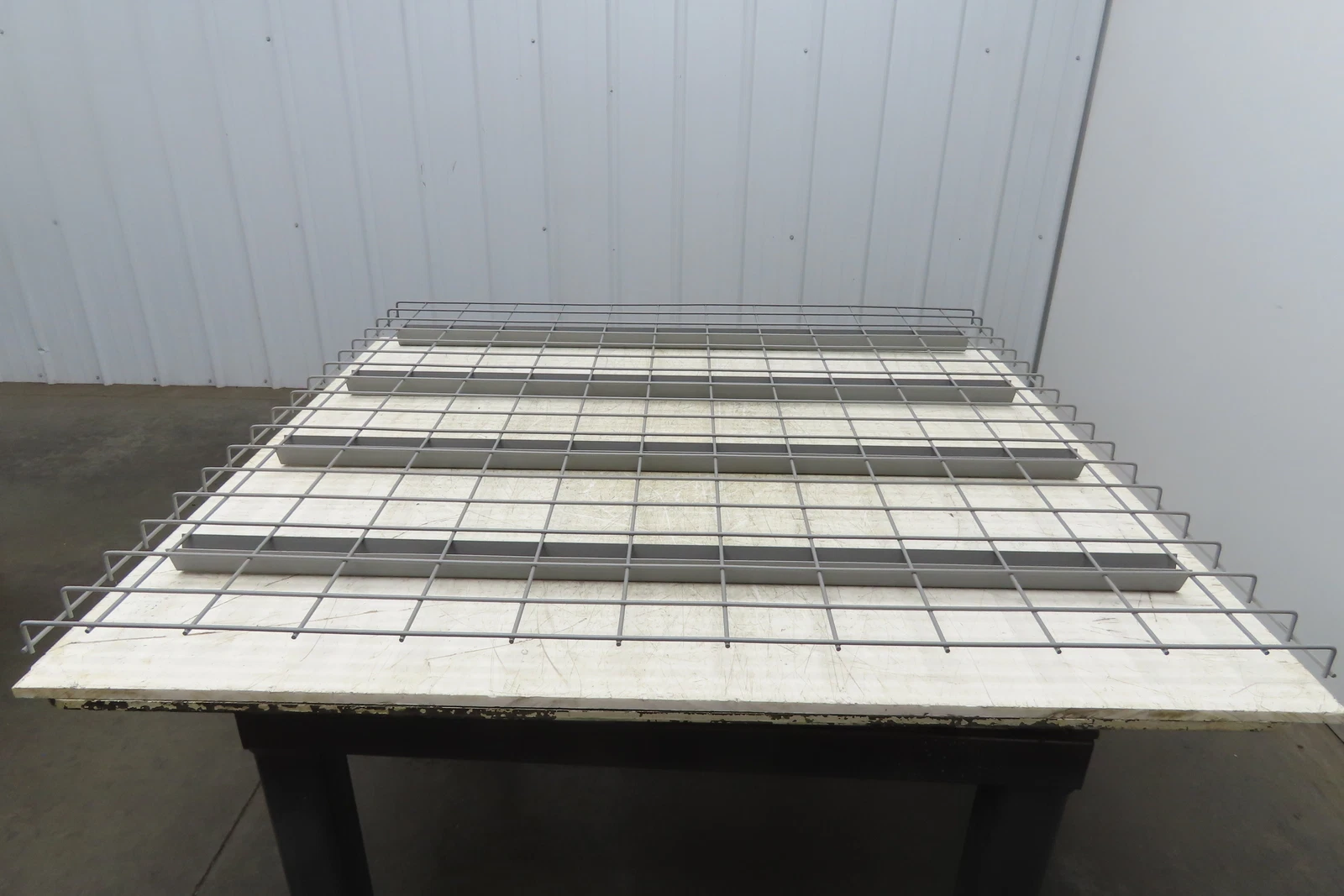
Are You Prioritizing User Experience Over Functionality?
Are You Prioritizing User Experience Over Functionality?
- The balance between user experience and functionality is crucial in design.
- Usability extends beyond aesthetics, influencing user perceptions and feelings of control.
- An intuitive system fosters user trust, encouraging them to engage positively with products.
- Functionality is essential, providing users with the necessary tools for efficient operation.
- Effective organization and simplicity enhance user loyalty and productivity.
- Building a user experience demands ethical accountability and fosters brand relationships.
- A positive user experience encourages word-of-mouth promotion, converting skeptics into advocates.

Are You Prioritizing User Experience Over Functionality?
What Common Layout Mistakes Hinder Future Scalability?
In the thick of operations, the layout of your workspace can feel like an inconsequential detail, but it’s the bedrock on which your future scalability rests. When businesses neglect the fundamentals, they stumble into pitfalls that can stifle growth. Picture a warehouse with racking systems jammed together, leaving barely enough room for a forklift to squeeze through. This isn’t just a hassle; it’s a recipe for disaster. The clumsiness of a cramped layout not only slows down the team but also raises the risk of accidents, leading to costly downtime and, in turn, a weakened bottom line.
Let’s talk about the human factor. Your workforce deserves an environment that promotes efficiency and safety. When employees feel cramped and overworked due to poor design, it chips away at morale. A poorly thought-out layout that doesn’t consider workflow can turn capable staff into frustrated individuals wondering why they can’t seem to keep up. The heart wants to succeed and contribute, but when the layout holds them back, it stifles potential and fosters resentment. The simple act of rethinking space can ignite enthusiasm, making every team member feel valued and empowered.
Rationally, scalability hinges on adaptability. Without a layout that can evolve with your business, you’re painting yourself into a corner. Future demands require foresight; if your racking systems are rigidly fixed, what happens when you need to expand? The loss of opportunity is costly—not just financially but ethically, as it puts a damper on growth and innovation. A flexible layout invites change, engaging not just your operations but your entire team, creating a culture that embraces progress over stagnation.
And then there’s the narrative of your brand. A well-thought-out space tells a story, one that resonates with clients and partners who value agility and efficiency. It’s not just about moving goods; it’s about moving hearts and minds, building trust with a reputation for reliability. A space that works seamlessly demonstrates commitment to the craft and respect for everyone involved.
Finally, consider the social aspect: a layout that encourages collaboration and open communication transforms the workplace into a thriving community. When people can connect easily, innovative ideas flow, and productivity surges blossom from these interactions. In every nook and cranny, your layout can either foster or hinder that spirit. Investing time in thoughtful design is what sets the stage for a thriving future.

What Common Layout Mistakes Hinder Future Scalability?
What Common Layout Mistakes Hinder Future Scalability?
- The layout of a workspace is crucial for future scalability.
- A cramped setup can lead to operational inefficiencies and increase accident risks.
- Employee morale suffers in poorly designed environments, impacting productivity.
- Adaptable layouts are essential for accommodating future growth and innovation.
- A thoughtful design reflects a brand’s commitment to agility and reliability.
- A layout encouraging collaboration fosters a thriving workplace community.
- Investing in workspace design is vital for long-term success and engagement.

What Common Layout Mistakes Hinder Future Scalability?
How Do Early Decisions Shape User Engagement Later?
In the bustling world of business, early decisions act like the foundation of a sturdy house, setting the stage for what’s to come. When crafting user engagement strategies, these choices shape experiences much like racking systems structure a warehouse, dictating flow and efficiency. Picture this: a company faces the crossroads of deploying a flashy marketing campaign or building genuine relationships with its users from day one. The initial approach affects how users perceive value. By prioritizing authenticity, businesses create a solid rapport, inviting customers to connect on a human level.
Think about it. When companies lean into transparency and integrity, users notice. They can spot a gimmick from a mile away, but sincerity resonates deep. Your audience isn’t just data points; they’re individuals with hopes and grievances. Making them feel valued and understood can send ripples across their engagement. This is where those early decisions morph into lasting bonds. When a brand shows that it cares by listening and responding thoughtfully, it cultivates trust, leading to loyal customers who will champion the brand—a ripple effect that starts with decisions made in the early days.
Consider the practical side of things. When a business chooses to invest time in crafting a user-friendly interface or developing robust support systems, it speaks volumes. Each decision made with the head, rooted in rational thought, also aligns with the heart’s desire for kindness and respect. This combination doesn’t just make users feel good; it cultivates an environment where they stick around. The compelling narrative of a brand that grows alongside its users creates a connection that transcends transactions.
Furthermore, there’s a social aspect that often gets overlooked. Early adopters who feel a sense of belonging are likely to share their experiences, influencing their peers. Word of mouth is a powerful tool, much like the racking systems that organize a warehouse efficiently; it organizes perceptions, building community around shared values.
Every decision made early on crafts the roadmap for how users engage later. It’s a humbling reminder that the roots we plant today dictate the branches we’ll harvest tomorrow. By making informed, ethical choices, businesses not only inspire action but build a resilient network of supporters, paving the way for a thriving future.

How Do Early Decisions Shape User Engagement Later?
How Do Early Decisions Shape User Engagement Later?
- Early business decisions are foundational, shaping future user engagement strategies.
- Choosing authenticity over flashy marketing fosters genuine user relationships and perception of value.
- Transparency and integrity attract users, who value sincerity over gimmicks.
- Listening and responding thoughtfully cultivates trust and loyalty among customers.
- Investing in user-friendly interfaces and support systems enhances user satisfaction and retention.
- Early adopters who feel connected are likely to share their experiences, influencing others.
- Informed, ethical decisions today create a strong foundation for future business success.

How Do Early Decisions Shape User Engagement Later?
What Role Does Flexibility Play In Layout Planning?
Flexibility in layout planning isn’t just a perk; it’s the backbone of a well-oiled operation. Think of it like racking systems in a warehouse. You install them, not just for the present, but with an eye on future changes. Equipment, product lines, and workforce dynamics evolve. If your layout can’t keep pace, you’re left scrambling, losing time and cash—like trying to fit a square peg in a round hole, day in and day out.
When we talk about planning a workspace, we’re not just mapping out lines on a floor. We’re crafting a living, breathing environment that adapts to our needs. Imagine coming into work every day and feeling like your space belongs to you, not the other way around. A flexible layout invites creativity and adaptability. It creates room for innovation, whether that means shifting the racking systems to accommodate new inventory or reorganizing team spaces for better collaboration.
The rational side of it? A flexible layout can significantly improve efficiency. Moving racking systems around leads to optimized workflows, which means less time hunting for supplies and more time getting down to business. It’s about the bottom line, sure, but it also feels good when everything flows smoothly. Teams are more productive; morale grows because people appreciate the thought put into their environment. When you give your team the tools they need to thrive, you inspire them to rise to the occasion.
Ethically, accommodating the diverse needs of your workforce is crucial. A layout that embraces flexibility allows for varied work styles, whether it’s quiet zones for Focused workers or open spaces for those who thrive in collaboration. It’s a matter of respect—acknowledging that we all operate differently and deserve a workspace that reflects that.
The narrative of flexibility also stitches together community. When team members can easily adjust their surroundings, whether it’s swapping out racking systems to better position what they need, they feel a connection to their environment. They see their input matters. It’s about fostering a culture where everyone feels they play a part.
In a nutshell, flexibility in layout planning isn’t just a strategic tool; it’s a commitment to doing right by everyone in the workplace. Just like ensuring your racking systems are up to snuff, it’s about building a foundation where organizations can grow, adapt, and thrive. So, embrace flexibility. After all, a little room to breathe can go a long way in keeping the gears turning.

What Role Does Flexibility Play In Layout Planning?
What Role Does Flexibility Play In Layout Planning?
- Flexibility in layout planning is essential for efficient operations, akin to racking systems in a warehouse.
- Workspaces should adapt to evolving equipment, product lines, and workforce dynamics to avoid operational challenges.
- A flexible layout enhances creativity and innovation, allowing for adjustments to inventory and team collaboration.
- Improved efficiency arises from optimized workflows, leading to increased productivity and morale among teams.
- Accommodating diverse work styles through flexibility fosters respect and reflects individual needs in the workspace.
- Community is strengthened when team members can adjust their environments, reinforcing their sense of contribution.
- Embracing flexibility is a strategic commitment to nurturing a dynamic workplace that supports organizational growth and adaptation.

What Role Does Flexibility Play In Layout Planning?
Conclusion
Early layout decisions are more than just practical choices; they set the stage for a business’s growth and efficiency. Whether you’re organizing a warehouse or a small shop, the initial design affects how smoothly operations run down the line. Many of us have felt the frustration of tight, poorly planned spaces that seem manageable at first but soon become cramped and chaotic. It’s vital to approach layout design not as a one-time task but as an evolving foundation for future scalability.
Emotional investment in our workspaces is real. When we dedicate time and energy to create a functional environment, it should reflect our aspirations. A thoughtfully designed layout allows for adaptations, fostering a sense of ownership among employees. This not only boosts their morale but also nurtures productivity. Rationally, planning for the long term saves resources. Companies that neglect this often face a steep cost in retrofits and chaos during reorganizations. A bit of upfront effort ensures a smoother transition as business needs evolve.
Ethically, a considerate layout enhances employee experience, demonstrating management’s commitment to their well-being. A safe and organized environment inspires confidence, encouraging workers to contribute their best efforts. A workplace designed with scalability in mind builds trust and loyalty, strengthening the company’s culture.
Narratives of success and failure in layout decisions abound. Learning from those who navigated this path can provide invaluable insights. Each story reinforces the importance of proactive planning and flexibility, which are key to avoiding scalability traps. Encouragement to collaborate on layout ideas also fosters a sense of community and belonging within the team.
Ultimately, flexibility in layout choices is essential. Environments that allow for adjustments can respond to changing demands, keeping operations agile. When layout promotes teamwork and communication, it drives innovation and enhances performance. Taking these factors into account transforms not only the physical space but also the operations and spirit of the workplace.
In essence, well-planned layouts serve as the backbone of successful business models. By anticipating growth and prioritizing design that supports flexibility, organizations can pivot confidently, creating robust systems poised for the challenges of tomorrow. Investing in thoughtful layout decisions today lays the groundwork for a thriving future, turning potential pitfalls into opportunities for success.

Conclusion
Conclusion:
- Early layout decisions impact a business’s growth and efficiency.
- A well-designed workspace reflects aspirations and fosters employee ownership.
- Long-term planning saves resources and smooths transitions during reorganizations.
- A considerate layout enhances employee experience and demonstrates management’s commitment.
- Learning from success and failure in layout decisions informs better planning and flexibility.
- Flexibility in layout promotes agility and enhances teamwork and communication.
- Investing in thoughtful layout decisions today prepares organizations for future challenges and opportunities.
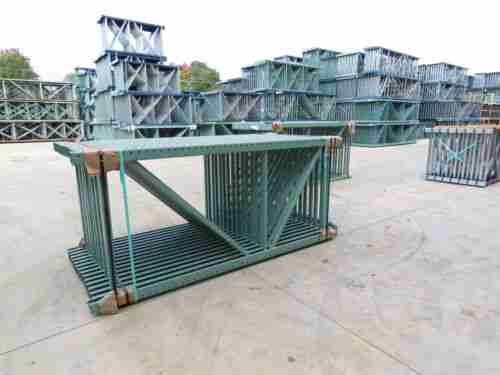
Conclusion
Other Resources
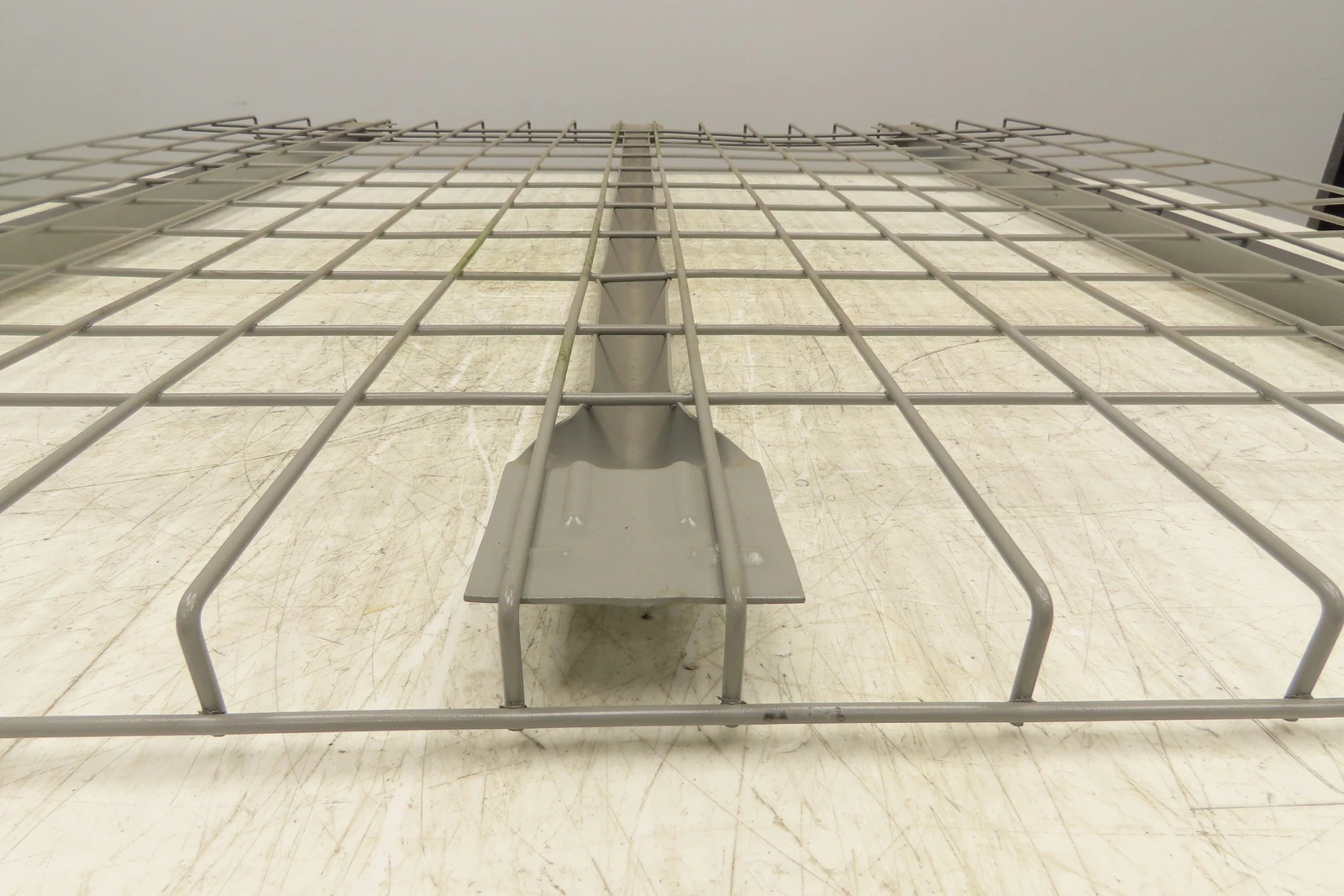
Other Resources
Here is a list of other resources you can review online to learn more:
- Illinois
- Illinois Pallet Racking – Storage Solutions
- Rack Manufacturers Institute
- Warehouse Automation
- Teardrop Pallet Rack – Ridg-U-Rak
- Storage Equipment Manufacturers’ Association
- Cantilever Racks Chicago
- Selective Racking
- Teardrop Pallet Rack – Ridg-U-Rak
- Mustang Material Handling
- What is Cantilever Racking? – AK Material Handling Systems
- Warehouse Racks, Warehouse Racking in Stock – ULINE
- The Complete Pallet Rack Guide – Simply Rack
- Pallet Rack Systems – New and Used Pallet Racking and Shelving Experts
- Interlake
- International Warehouse Logistics Association
- Total Warehouse
- What is Selective Racking: Understanding Benefits & Options
- Chicago Pallet Racking
Use This Prompt To Get More Resources With Your Favorite Online AI Tool: Please provide me with a list of online articles with their URLs in a bulleted list that I can read regarding Avoiding Scalability Traps In Early Layout Decisions

Other Resources
Glossary Terms
Avoiding Scalability Traps In Early Layout Decisions – Glossary Of Terms
1. Scalability: The ability of a system to handle increased workload or its potential to accommodate growth.
2. Trap: A situation where decisions made can lead to constraints or limitations in future development.
3. Architecture: The structured design and organization of a system’s components and their interactions.
4. Layout: The arrangement and organization of elements within a system or interface.
5. Flexibility: The capacity of a design to adapt to various requirements or changes without significant rework.
6. Modularity: The design principle of creating systems in separate, interchangeable components.
7. Performance: How efficiently a system operates under different conditions, often measured by speed and resource usage.
8. Throughput: The amount of processing a system can handle over a specific period.
9. Latency: The delay before a transfer of data begins following an instruction for its transfer.
10. Load Balancing: The distribution of workloads across multiple computing resources to optimize performance.
11. Bottleneck: A point in a process that restricts throughput due to limited capacity.
12. Redundancy: The inclusion of extra components to ensure reliability and continuity in system performance.
13. Optimization: The process of making a system as effective as possible in using resources.
14. Deployment: The act of making a system available for use in a specific environment.
15. Resource Allocation: The distribution of available resources among various tasks or processes.
16. Decision Point: A moment in the development process where choices can significantly impact scalability.
17. Prototyping: Creating a preliminary model of a system to test concepts and gather feedback.
18. Feedback Loop: A process where outputs of a system are used as inputs to improve future performance.
19. Scalability Testing: Evaluating a system’s ability to scale by simulating increased loads.
20. Constraints: Limitations imposed on a system’s design or performance due to early decisions.
21. Efficiency: The effectiveness of a system in utilizing its resources to achieve maximum output.
22. Standards: Established norms or criteria that guide design and implementation processes.
23. Integration: The process of combining different systems or components to work together as a cohesive unit.
24. Iteration: The repeated process of refinement and development based on feedback and testing.
25. Compatibility: The ability of different systems or components to work together without issues.
26. Version Control: The management of changes to documents, code, or systems over time.
27. Legacy System: An outdated computing system that remains in use but may hinder scalability.
28. Agile Development: A methodology that focuses on iterative progress and flexibility in software development.
29. Cloud Computing: The delivery of computing services over the internet for scalability and flexibility.
30. Technical Debt: The implied cost of future rework caused by choosing an easy solution now instead of a better approach that would take longer.

Glossary Of Terms
Other Questions
Avoiding Scalability Traps In Early Layout Decisions – Other Questions
If you wish to explore and discover more, consider looking for answers to these questions:
- What are the key indicators that my current layout is already limiting future scalability?
- How do I forecast future space and throughput needs based on growth projections?
- Which types of racking systems offer the best balance of modularity, cost, and expandability?
- What is the typical cost and ROI comparison between designing for scalability up front versus retrofitting later?
- How do I calculate optimal aisle widths for safety, equipment clearances, and efficiency?
- What safety standards, codes, and regulatory requirements apply to racking and warehouse layouts in my region?
- How can I measure current space utilization and identify underused or wasted areas?
- Which software tools or simulation methods are most effective for testing layout scenarios before implementation?
- When is it better to redesign the layout entirely versus incrementally optimizing existing workflows?
- How should inventory management strategies (e.g., FIFO, LIFO, ABC analysis) influence racking placement and layout?
- How do automation technologies (conveyors, AGVs, robots) change layout requirements and scalability planning?
- What KPIs should I track to monitor layout performance, scalability, and user experience over time?
- How can I involve employees in layout planning to improve usability and adoption?
- What common retrofit solutions increase capacity without expanding the facility footprint?
- How do load limits, weight distribution, and pallet sizes influence racking and layout design?
- What maintenance and lifecycle costs should I expect for different racking systems?
- How do I design flexibility into the layout to handle seasonal or product-mix fluctuations?
- What low-cost ways exist to prototype or pilot layout changes before full rollout?
- How long do layout redesigns or retrofits typically take, and how can downtime be minimized?
- How should I budget and schedule a major layout upgrade or scalability project?
- What metrics or signals indicate it’s time to invest in a layout overhaul?
- How do layout decisions impact employee safety, ergonomics, and morale in measurable ways?
- How do lighting, signage, and wayfinding contribute to efficiency and user experience in scalable layouts?
- What legal, insurance, and liability considerations arise when changing warehouse layouts or racking systems?
- How do sustainability goals (energy, materials, waste) affect layout and racking choices?
- How can small businesses or startups apply scalability-first layout principles on a limited budget?
- What trade-offs exist between aesthetics, brand presentation, and pure functionality in workspace layouts?
- How do I select reliable vendors and partners for modular or scalable racking solutions?
- Are there industry-specific layout best practices (e.g., cold storage, e-commerce, manufacturing) I should follow?
- Can you provide case studies or examples of companies that avoided scalability traps and how they did it?

Other Questions
Checklist
Avoiding Scalability Traps In Early Layout Decisions – A Checklist
Vision and Forecasting
✅______ Multi-year growth scenarios defined (volume, SKU mix, service levels)
✅______ Peak demand and seasonality modeled
✅______ Capacity thresholds and expansion triggers documented
✅______ Future product lines and handling methods considered
✅______ Budget and timeline allowances for staged expansion set
Space and Flow
✅______ Aisle widths sized for current and future equipment
✅______ Clear, conflict-free travel lanes with one-way flows where possible
✅______ Receiving, staging, and returns areas sized separately
✅______ Dock-to-storage and storage-to-pack paths optimized
✅______ Minimal backtracking and cross-traffic at intersections
Racking and Storage
✅______ Adjustable, modular racking specified
✅______ Load ratings verified with safety margin and certification on file
✅______ Vertical space utilization planned to code and sprinkler clearances
✅______ Fast/medium/slow movers slotted by velocity (A/B/C)
✅______ Forward pick vs. reserve storage strategy defined
✅______ Hardware/spares on hand for quick reconfiguration
Safety and Compliance
✅______ Egress routes, fire codes, and signage compliant
✅______ Rack anchoring, guarding, and impact protection installed
✅______ Sprinkler clearance, flue spaces, and pallet overhang maintained
✅______ Ergonomic reach, lift, and workstation heights validated
✅______ Adequate lighting, ventilation, and noise control provided
Equipment and Material Handling
✅______ Equipment matched to aisle widths, lift heights, and loads
✅______ Turn radii and meeting points accounted for
✅______ Charging/refueling/maintenance zones planned with utilities
✅______ Battery changing and PPE provisions in place
✅______ Preventive maintenance access and paths protected
Flexibility and Modularity
✅______ Standardized bay sizes and repeatable layout modules used
✅______ Mobile or quick-release shelving where practical
✅______ Workstations knock-down/adjustable for task changes
✅______ Utility drops (power/air/data) placed on a grid for moves
✅______ Floor markings, signage, and labels designed for easy updates
Process and User Experience
✅______ Pick/pack stations designed for one-piece flow and right-hand reach
✅______ Error-proofing and clear visual cues at points of use
✅______ Waste/recycling at the point of generation to reduce travel
✅______ Noise/distraction controls for focus-critical tasks
✅______ Wayfinding and standardized visuals across the floor
Technology and Data
✅______ WMS/WCS locations mapped 1:1 to physical slots
✅______ Barcode/RFID strategy and label specs standardized
✅______ Reliable Wi‑Fi/mesh coverage and power redundancy validated
✅______ Real-time dashboards for throughput, dwell, and errors
✅______ Data capture for travel time, pick rate, and slot accuracy
People and Collaboration
✅______ Team huddle/communication zones near work areas
✅______ Quiet focus areas and collaborative spaces balanced
✅______ Training area embedded close to actual workflows
✅______ Employee input gathered before layout lock-in
✅______ Amenities placed to minimize nonproductive travel
Scalability Paths and Triggers
✅______ Phased expansion plan (add bays, extend aisles, add shifts) documented
✅______ Reserved growth zones or knockout panels identified
✅______ Racks and utilities positioned to allow clean extensions
✅______ Mezzanine load paths and future columns planned
✅______ Overflow/3PL contingencies prequalified
Cost and Total Ownership
✅______ Upfront vs. retrofit cost comparison completed
✅______ Standard parts list, vendors, and lead times secured
✅______ Decommission, reuse, and resale plans defined
✅______ Permitting/inspections scheduled into timeline
✅______ Energy and maintenance costs modeled
Continuous Improvement
✅______ PDCA/Kaizen cadence and ownership set
✅______ Layout change log and revision control maintained
✅______ Safety, near-miss, and congestion audits scheduled
✅______ KPI targets (travel time, pick rate, error rate) defined
✅______ Pilot test area validated before full rollout

Checklist
At RackingWorld, we help guide you through selecting warehouse storage systems and racking.
Be sure to read our other related stories at RackingWorld to learn more about warehouse storage systems.
0 Comments