
Transform Your Design With Simple Enhancements That Resonate Deeply
By Tom Seest
At RackingWorld, we help guide you through selecting warehouse storage systems and racking.
Be sure to read our other related stories at RackingWorld to learn more about warehouse storage systems.
Adding Pick Faces Without Redesigning Everything
In the world of warehousing and supply chain management, adding pick faces can feel like a daunting task, especially when redesigning everything seems like the only solution. But here’s the truth: you don’t have to tear down the whole house to fix a leaky roof. Sometimes, a few smart adjustments to your racking systems can make a world of difference without the overwhelm of a complete redesign.
Imagine walking through a bustling warehouse, where every inch of space is a treasure trove waiting to be optimized. You’ve put in long hours, dealt with tricky inventory issues, and built a system that largely works. Yet, the need for more pick faces keeps gnawing at your mind. It’s not just about efficiency; it’s about the satisfaction of knowing your team can find what they need when they need it. That feeling of conquering chaos? Priceless.
The rationale behind adding pick faces is clear. More pick faces mean quicker access to products, which leads to faster order fulfillment. On paper, it’s straightforward. But let’s get real: it’s not just numbers and graphs driving this change. It’s about your people—the folks sweating it out to meet deadlines. By making these calculated adjustments, you’re not only streamlining operations, you’re telling your team that their time and effort matter. That’s the kind of leadership that breeds loyalty and motivation.
Ethically speaking, it’s about responsibility. You owe it to your crew to provide them with the resources that make their jobs easier. Fostering a workspace where frustration is minimized and productivity is maximized is the sign of a strong leader. You’re investing in their success, and in turn, they’ll invest their best into the work.
Let’s be honest, though; adding pick faces doesn’t have to be a grandiose project. With the right strategy, little tweaks to your racking systems can yield big results. Look at your existing setup and identify underutilized areas. Could a few additional shelves here or a clever reorganization there help? Each modest change can foster a more efficient flow without reinventing the wheel.
The next time you’re considering a redesign, remember that sometimes smaller steps lead to greater gains. You don’t need to overhaul your entire system to enhance productivity. By building on what you already have, you create a sense of continuity while also making strides toward improvement. The heart of the matter is about connecting with your team, fostering trust, and rallying around a common goal: getting the job done right and on time.

Adding Pick Faces Without Redesigning Everything
Adding Pick Faces Without Redesigning Everything
- Adding pick faces can enhance efficiency without the need for a complete redesign.
- Small adjustments to racking systems can significantly improve warehouse operations.
- Increased pick faces lead to quicker access to products and faster order fulfillment.
- Team morale and motivation improve when their time and effort are recognized.
- Strong leadership involves providing resources that minimize frustration and maximize productivity.
- Evaluating underutilized areas can identify opportunities for improvement.
- Gradual enhancements maintain continuity while promoting operational effectiveness.
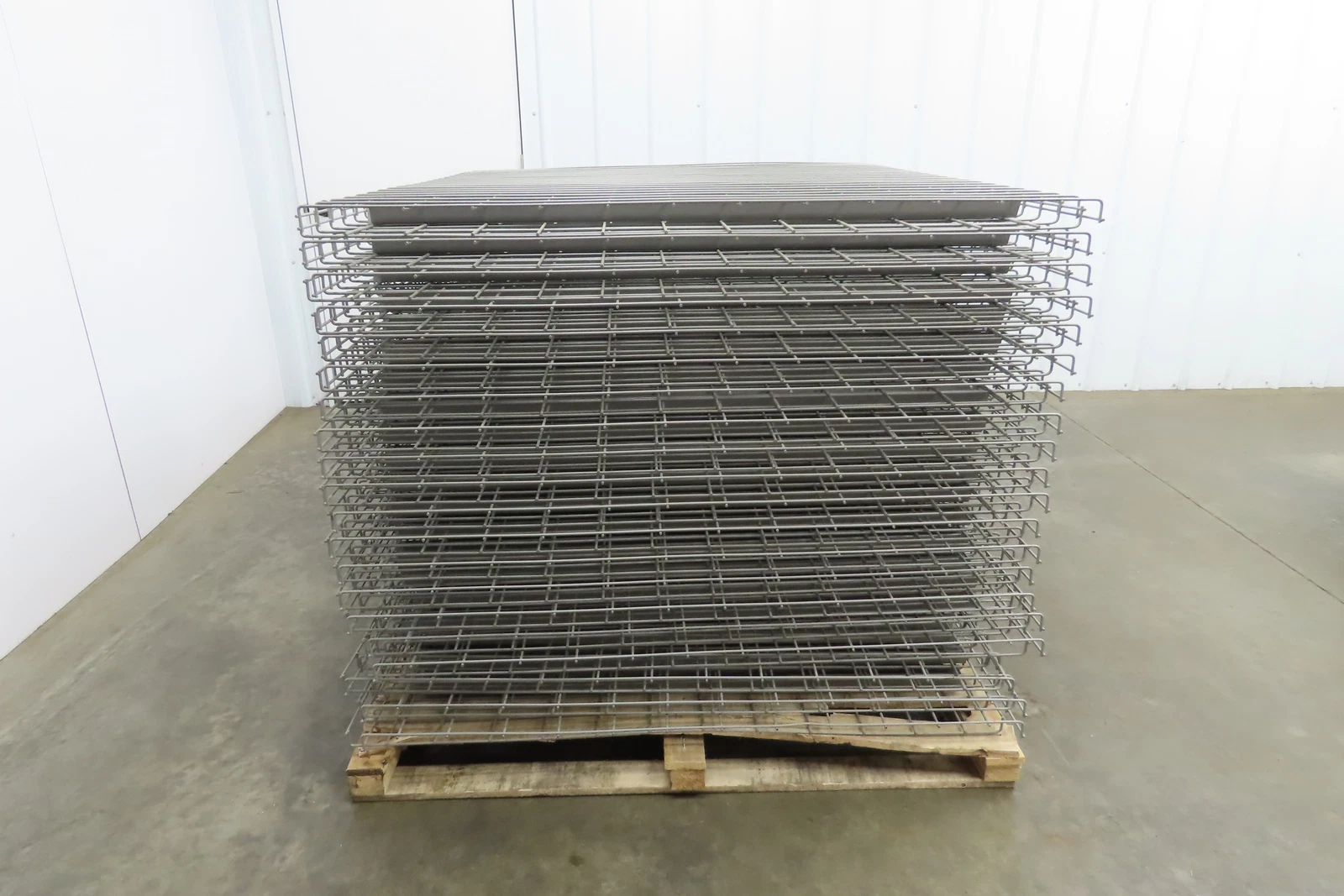
Adding Pick Faces Without Redesigning Everything
Table Of Contents
- Adding Pick Faces Without Redesigning Everything
- What If You Could Refresh Your Design Effortlessly?
- How Can Small Updates Enhance User Engagement?
- Are Current Designs Hindering Customer Experience?
- Could a Fresh Look Attract More Attention?
- How Do Faces Influence Brand Perception?
- What Stories Do Faces Tell About Your Brand?
- Conclusion
- Other Resources
- Glossary Of Terms
- Other Questions
- Checklist
What If You Could Refresh Your Design Effortlessly?
Imagine a design project where your ideas flow like a well-oiled machine, the process as smooth as butter. That’s the beauty of an effective refresh—a chance to breathe new life into stagnant concepts without the heavy lifting. In this bustling world, where every moment counts, think of how much easier it would be to rely on tried-and-true methods while making room for innovation.
Consider the appeal of Racking Systems in your design. These systems aren’t just about storing items; they embody efficiency and organization. Picture a workshop, clutter turned into clear pathways that enable creativity to thrive. The simplicity of a well-designed racking system helps keep your mind focused, freeing you from the chaos that often stifles imagination. Racking systems can serve as a tangible foundation—metaphorically and literally—for building fresh concepts and ideas that speak to both functionality and aesthetics.
Design isn’t just a job; it’s an expression of who we are. When you simplify the process, you create space for authenticity. Think about the stories behind every project, each one an experience shared with a community. Your designs should resonate ethically, appealing to a shared understanding of practicality and ingenuity. This is where true value lies—not just in making things look good, but in creating something that works, day in and day out.
The weight of responsibility comes with the territory. We are all searching for confidence in our decisions, especially when it comes to design. People want to trust that their investment—time, resources, energy—will lead to something worthwhile. An effortless design refresh gives you the authority to lead that charge, inviting others to join you in exploring new dimensions of creativity. When designs reflect authentic experiences, they create a bond; they resonate on a level that goes beyond mere aesthetics.
And let’s not forget the power of community. A design that appeals to the heart often emerges from collaboration and shared insights. This forms connections—between peers, customers, and users alike. When you refresh your design effortlessly, you’re not just creating something for yourself but fostering an environment where innovation meets practicality, where ideals are met with grounded common sense.
So, embrace the idea that refreshing your design can be as easy as organizing your workspace. Trust in the tools and systems that can support your vision and stick to what you know works, gathering the courage to innovate and break new ground without losing sight of what truly matters.

What If You Could Refresh Your Design Effortlessly?
What If You Could Refresh Your Design Effortlessly?
- An effective design refresh revitalizes stagnant ideas without extensive effort.
- Racking systems enhance efficiency and organization, transforming clutter into creativity-friendly spaces.
- A well-designed racking system keeps focus by reducing chaos, fostering imagination.
- Simplifying the design process allows for authenticity and ethical resonance in projects.
- Design reflects responsibility and builds trust in investments of time and resources.
- Collaboration and shared insights strengthen community connections through design.
- Refreshing design can be straightforward, encouraging innovation while maintaining core values.

What If You Could Refresh Your Design Effortlessly?
How Can Small Updates Enhance User Engagement?
In the world of user engagement, small updates can pack a hefty punch, often leaving a lasting impression that resonates far beyond their simplicity. Picture a mechanic tweaking a racking system in a bustling warehouse. At first glance, it may seem mundane—just a few adjustments here and there. But the difference? It’s monumental. Users, like those warehouse employees, thrive on reliability and efficiency. When they see consistent updates, it signals that their experience matters.
Understanding the human element in engagement requires recognizing that folks connect with brands on an emotional level. Just as a guy relies on his tools to get the job done right, users want to feel that a platform or product supports them, adjusting to their needs without a hitch. Small updates, whether they enhance user interface or introduce practical features, nurture that goodwill, creating a bond based on trust.
On a rational level, they ensure the service stays relevant and functional. Every tweak is a nod to user feedback that showcases a company’s commitment to growth. Think about it: a platform that listens and adapts is one that values its community. This makes users feel heard, turning them from casual visitors into loyal patrons. When they witness genuine improvements—be it faster loading times or easier navigation—users are more likely to return, engage, and even advocate for the brand.
From an ethical standpoint, transparency in these updates fosters a deeper relationship. It’s about showing users that their concerns are taken seriously and that their voices carry weight. This builds an authoritative presence, making the company a go-to resource, much like a seasoned worker sharing tricks of the trade.
Narratively, each update tells a story of evolution. Users love to be part of that journey, feeling like they’re part of something bigger. When they see incremental improvements, they can trace their own experiences—akin to the slow maturation of a fine wine. They’re more than just passive recipients; they’re stakeholders in a meaningful narrative.
Lastly, consider the social aspect. Engaging with small updates breeds a community spirit. Users start sharing their experiences, insights, and tips amongst themselves, creating a vibrant dialogue. Whether it’s tweaking a racking system for better storage efficiency or sharing success stories about the latest update, this connection cultivates a sense of belonging.
In a nutshell, fostering that hands-on approach with small updates transforms user engagement from a solitary experience into a shared adventure, encouraging trust, action, and continuous participation.

How Can Small Updates Enhance User Engagement?
How Can Small Updates Enhance User Engagement?
- Small updates significantly impact user engagement by enhancing reliability and efficiency.
- Users connect emotionally with brands, valuing tools and platforms that support their needs.
- Updates serve as evidence of a company’s commitment to user feedback and continuous growth.
- Better performance and navigation foster loyalty, turning casual users into advocates.
- Transparency in updates builds trust and reinforces a company’s authority in its field.
- Incremental improvements create a narrative that engages users as active participants.
- Small updates promote community interaction, encouraging users to share experiences and insights.

How Can Small Updates Enhance User Engagement?
Are Current Designs Hindering Customer Experience?
When you walk into a warehouse or a supply room, the first thing you notice is how the place feels. Racking systems, those metal frameworks that hold everything from pallets to spare parts, can either create a sense of order or chaos. It’s not just about bolts and beams; it’s about how these designs can impact our day-to-day work. A messy, disorganized space with poorly designed racks can frustrate workers, slow down operations, and leave customers hanging when they need something fast.
Consider this: a distribution center with easy-to-navigate racking systems allows employees to find items quickly and efficiently. This translates to shorter wait times for customers and boosts satisfaction. Rationally, it’s simple math; the better organized the racking, the less time wasted searching for products. But there’s a deeper connection here—when workers know their environment is designed for efficiency and clarity, morale rises. People feel valued, their roles affirmed. This trust fosters a sense of belonging and ownership over their work, leading to not only better results but a spirit of teamwork that spills over into customer interactions.
On the flip side, poorly designed racking systems can pose safety risks, leading to injuries and delays. It’s not just an ethical issue; it’s an imperative. We must prioritize safe, efficient designs that take human factors into account. When racking systems fail to consider the well-being of workers, we risk undermining both productivity and trust. Customers notice this too. They can tell when a team is worn down and grumbling versus when they’re energized and ready to serve.
Stories of success in warehouses illustrate the power of good design. Think of the bustling atmosphere of an efficiently run space where workers navigate seamlessly. Each rack tells a story of thoughtfulness; each item easily accessible brings a smile to a customer’s face. The design isn’t merely about utility; it’s about creating an environment that fosters pride and connection.
As the landscape of business changes and demands grow, the question remains: are we setting ourselves up for success or failure with our current designs? Empowering teams with thoughtful, user-centric racking systems can not only elevate customer experience but inspire a culture of commitment and reliability. Don’t settle for a design that hinders; invest in one that connects, engages, and inspires action from the ground up.

Are Current Designs Hindering Customer Experience?
Are Current Designs Hindering Customer Experience?
- Racking systems influence the overall atmosphere of warehouses and supply rooms, impacting efficiency and morale.
- Organized racking systems improve item retrieval speed, leading to shorter customer wait times and increased satisfaction.
- A well-designed environment fosters worker morale, making employees feel valued and increasing their sense of ownership.
- Poorly designed racking can create safety hazards, resulting in injuries and operational delays.
- Customer perception is affected by employee morale; energized teams provide better service compared to worn-down workers.
- Successful warehouse designs contribute to a sense of pride and connection among workers and customers alike.
- Investing in effective, user-centric racking systems is critical for business success and cultivating a reliable work culture.

Are Current Designs Hindering Customer Experience?
Could a Fresh Look Attract More Attention?
Sometimes, it’s the simplest things that escape our notice, like the way cluttered warehouses fail to showcase the potential of their racking systems. Picture this: a working-class family man walks into a storage facility, and instead of feeling overwhelmed, he’s greeted by an organized layout that tells a story—how efficiently items are stored, how easily they can be accessed. That’s the kind of fresh look we need to capture attention and inspire confidence.
Think about a time when you walked into a place, and the air felt different. It was clean, orderly, and you could see how everything had its rightful spot. There’s an emotional connection made in such spaces. A well-organized racking system isn’t just about storing goods; it’s about providing peace of mind. When people feel good in a space, they’re more likely to trust its credibility.
Now, let’s dig into the rational side. Visitors and potential customers are no fools; they recognize inefficiency, which can lead to doubt. An eye-catching, functional setup demonstrates a commitment to quality and accountability. It says, “We care about our operations.” Updating the presentation of racking systems stands as an ethical choice, promoting efficiency and professionalism. The logic of a fresh look is simple: people gravitate toward reliability and ease, not chaos.
But there’s more to this story than just numbers. It’s about community and shared experiences. People love to talk about places that inspire them—where they feel they belong. A fresh look at racking systems doesn’t just attract customers; it creates a hub of activity. The moment you step inside a refreshed setting, you’re drawn into a narrative. It becomes about the hardworking, everyday folks who lift heavy goods and navigate challenges daily.
Finally, we find a sense of authority in a space that exudes confidence. Refreshed racking systems signal that this isn’t just another storage facility; it’s a place where people lay their reputation on the line, ensuring that goods are handled with care. This builds trust, drawing customers in.
So, the next time you think about sprucing things up, remember that a fresh look does more than please the eye—it connects hearts, engages minds, and empowers the spirit of the community. Simply put, it’s about creating a space that reflects hard work and integrity, one racking system at a time.

Could a Fresh Look Attract More Attention?
Could a Fresh Look Attract More Attention?
- Cluttered warehouses fail to showcase the potential of racking systems.
- An organized layout creates a welcoming atmosphere and inspires confidence.
- A well-organized system fosters emotional connections and trust among visitors.
- Functional setups demonstrate quality and accountability, reducing doubt.
- A fresh look promotes efficiency and professionalism, appealing to customers.
- Refreshed settings create community hubs and shared experiences, attracting engagement.
- Confident spaces build trust and reflect hard work and integrity.

Could a Fresh Look Attract More Attention?
How Do Faces Influence Brand Perception?
When we think about brands, it’s important to recognize that faces carry weight. Imagine walking into a store and being greeted by a smiling face. That simple gesture can change your whole experience, tapping into emotions that resonate on a deeper level. It’s not just selling; it’s about connection. Brands that use faces in their advertising often rely on them to show authenticity and approachability, making us feel like we can trust what’s being offered. We see faces that convey warmth and reliability, making us more inclined to engage with their products and services.
From a rational standpoint, there’s a psychological fact at play: we naturally gravitate toward familiar faces. This is where Racking Systems come into play. When a brand showcases real people—those who share their values and experiences—the products feel more relatable. It’s a simple equation: when a face resonates with your life experiences, you’re more likely to trust that brand to meet your needs. You’re not just buying a product; you’re investing in a promise. The connection is more than skin-deep; it’s about shared narratives that build community around a brand.
Ethically speaking, brands have a responsibility to represent diversity in the faces they showcase. When they do, it sends a clear message that they value every customer, fostering an environment where everyone feels included. This practice not only enhances brand perception but strengthens social bonds. People want to feel seen and understood, and when a brand reaches out to different demographics, it resonates with the heart and builds loyalty.
Stories told through faces create a narrative that can inspire action. Think about that hard-working person who uses Racking Systems to make their job easier. Their face reflects determination and resilience, inviting others to envision how this brand could fit into their lives. By sharing these relatable stories, brands encourage us to see ourselves in their narrative, stirring that gut instinct to act, to try, to buy.
The faces within advertising serve as bridges between brand and consumer, establishing a sense of trust that transcends mere transactions. They remind us we are part of a larger story, inviting us to feel, think, and ultimately connect. When a brand gets it right, those faces remain etched in our minds, making them not just a choice but a part of our everyday lives.
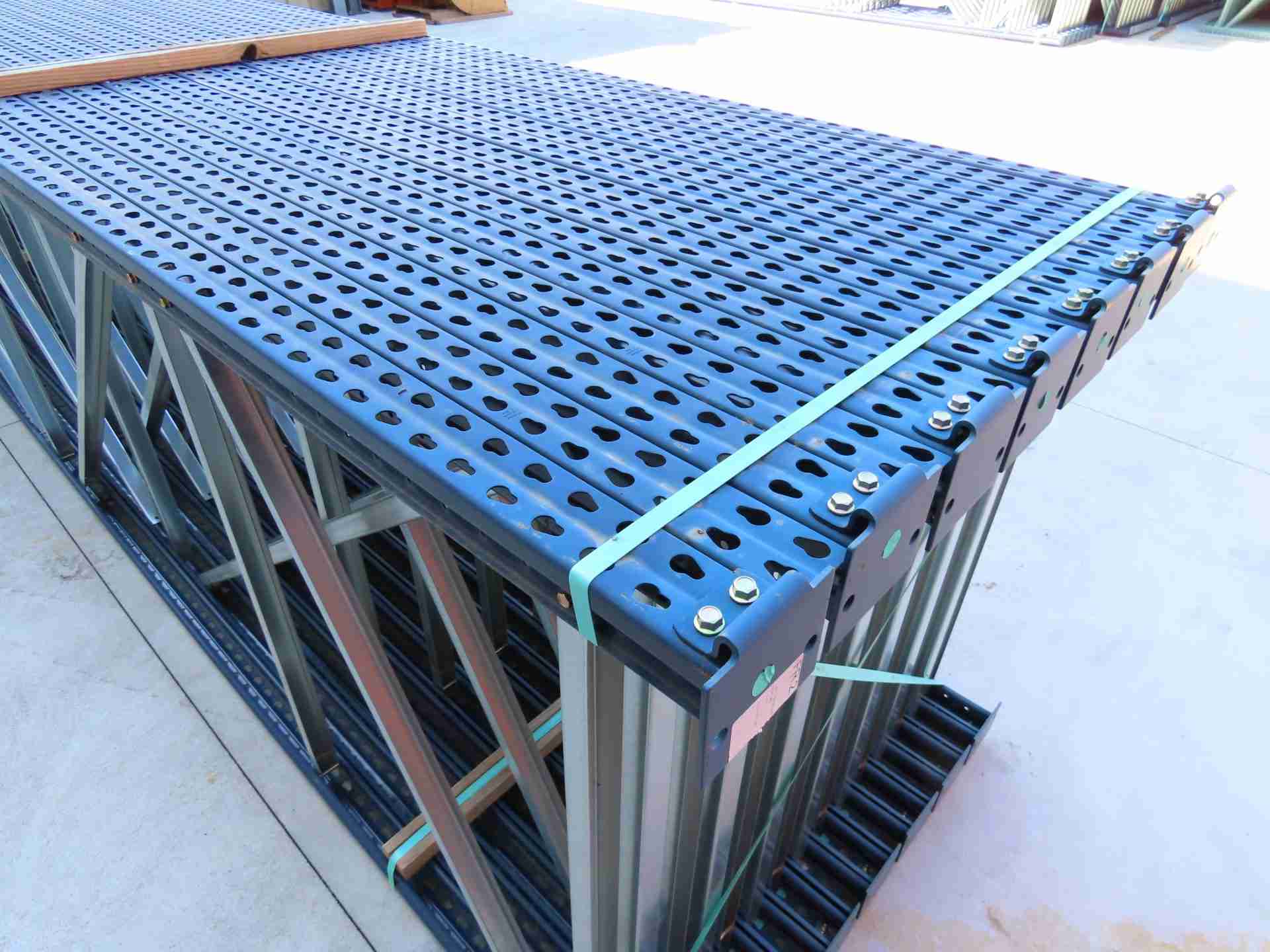
How Do Faces Influence Brand Perception?
How Do Faces Influence Brand Perception?
- Faces in branding significantly enhance consumer experiences by creating emotional connections.
- Using real people in advertising fosters authenticity and trustworthiness in brands.
- Familiar faces resonate with consumers, making products feel more relatable and trustworthy.
- Brands are ethically obligated to showcase diversity, promoting inclusion and strengthening social bonds.
- Stories represented through faces inspire action and encourage consumers to envision the product in their lives.
- Advertising faces serve as bridges between brands and consumers, fostering deeper connections beyond transactions.
- When effectively utilized, brand faces become memorable, influencing consumer choices and loyalty.

How Do Faces Influence Brand Perception?
What Stories Do Faces Tell About Your Brand?
Every time you look into a person’s face, you’re not just seeing skin and features; you’re witnessing a lifetime of stories etched into their features. The same goes for your brand. The faces of your employees, customers, and even the brand itself embody narratives that resonate with people in deep, meaningful ways. When it comes to racking systems, think about the faces that showcase the hard work and dedication behind every product. Those faces tell tales of diligence, problem-solving, and commitment to quality.
Emotional connections drive our purchasing decisions. A well-worn smile or a weary brow can evoke empathy, stirring emotions that lead customers to choose your brand over a competitor. This is especially true in industries like yours, where the practicality and reliability of racking systems are at the forefront. When customers see the faces of those who design, create, and utilize these systems, they relate to the craftsmanship and the sweat that goes into every piece of equipment. It’s about more than just metal and bolts; it’s about the lives impacted and the trust built over time.
Rational aspects matter too. When businesses invest in racking systems, they’re looking for reliable solutions to complex challenges. Showcase real users—warehouse managers or small business owners—who have benefited from your products. Sharing their stories and triumphs can help demystify your offerings while providing concrete evidence of the value you deliver. It’s not just about selling a product; it’s about creating solutions and making life easier for those who rely on your expertise.
On an ethical level, accountability enhances trust. Displaying the diverse faces behind your brand shows your commitment to integrity, transparency, and inclusivity. This matters especially in a time when consumers are becoming more conscious of the companies they support. Highlighting the hardworking individuals who stand behind your racking systems fosters a sense of community and makes your brand relatable. It’s as much about the people as it is about the product.
Lastly, the narrative you construct through faces cultivates connection. The stories of resolve, innovation, and teamwork resonate with your audience. They don’t just buy for need; they buy because they believe in what your brand represents. Foster that relationship. Make them feel part of something greater. This is how your brand becomes a trusted partner in their journey. When people trust the faces behind your racking systems, they’re not just purchasing; they’re investing in a shared story.

What Stories Do Faces Tell About Your Brand?
What Stories Do Faces Tell About Your Brand?
- Faces reflect a lifetime of stories and narratives that connect deeply with people.
- The hard work and dedication behind products, such as racking systems, are embodied in employee and customer faces.
- Emotional connections, evoked by expressions, influence purchasing decisions, especially in practical industries.
- Showcasing real users, like warehouse managers, provides concrete evidence of product value.
- Accountability and transparency enhance trust, highlighting the brand’s commitment to integrity and inclusivity.
- Building a narrative through diverse faces fosters community and relatability for the brand.
- Trust in the faces behind the brand leads to investments in shared stories rather than mere transactions.

What Stories Do Faces Tell About Your Brand?
Conclusion
In the complex realm of warehousing and supply chain management, the quest for efficiency often feels overwhelming, with the instinct to overhaul entire systems looming large. However, the truth lies in recognizing that small, thoughtful enhancements can drive significant improvements without the headache of extensive redesigns. By adding pick faces to existing racking systems, you not only streamline operations but also show your team that their hard work is appreciated. These adjustments enable quicker access to products, prompting faster order fulfillment and reinforcing the value of every individual’s contribution.
From a rational perspective, more pick faces equate to a more efficient workflow. This isn’t merely about numbers; it’s about cultivating a culture where employees feel valued, trusted, and motivated. Ethically, providing these enhancements demonstrates a commitment to your team’s well-being and productivity. When you create an environment that minimizes frustration, you invest not only in operational success but also in fostering a thriving workplace culture.
Success doesn’t hinge on large changes; often, it’s about identifying underutilized spaces and making strategic tweaks. This approach reinforces a sense of continuity and stability even as you evolve toward greater productivity. The emotional payoff of conquering chaos in the workplace is immeasurable, transforming stress into satisfaction and a shared sense of accomplishment.
The narrative extends to user engagement as well. Small updates that enhance functionality or user experience signal a brand’s responsiveness to its community. When users see these reasonable adjustments, it solidifies their trust, turning them from casual users into loyal advocates. Such engagement is grounded in a community spirit where shared experiences foster connections, enhancing both brand loyalty and personal investment.
Lastly, design plays a pivotal role in how customers perceive your brand. A fresh look, whether through organized racking systems or engaging narratives, instills confidence and asserts authenticity. Faces associated with your brand—the hardworking individuals who embody it—tell powerful stories that resonate with consumers, highlighting the shared values of dedication and reliability. These narratives, rich in authenticity, inspire action and connection, inviting users and customers to feel like part of something larger than themselves.
In conclusion, the journey of effective warehousing is about incremental steps that prioritize people behind the processes. By focusing on small, impactful changes and the stories told through faces, organizations not only enhance efficiency but also cultivate loyalty, trust, and a profound sense of community. Each adjustment and narrative builds a bridge, connecting the hearts, heads, and guts of everyone involved, ensuring that every task is a step toward a shared success.

Conclusion
Conclusion:
- Small enhancements in warehousing can lead to significant efficiency improvements.
- Adding pick faces to racking systems streamlines operations and shows appreciation for team effort.
- More pick faces create a more efficient workflow and cultivate a positive workplace culture.
- Strategic tweaks rather than large changes help utilize underused spaces effectively.
- Small updates enhance user engagement and foster brand loyalty through community connection.
- Design and organizational systems influence customer perception, instilling confidence and authenticity.
- Incremental changes prioritize people, enhancing efficiency and cultivating loyalty and community.

Conclusion
Other Resources

Other Resources
Here is a list of other resources you can review online to learn more:
- Mustang Material Handling
- Warehouse Racking System: Powerful Guide to Optimise, 2024
- Pallet Racking systems in Illinois and Great Lakes
- IWLA
- Iowa Illinois Warehouse Racking
- Cantilever Rack Guide: Ordering Cantilever Racking
- American Surplus
- Warehouse Storage Racks
- Pallet Racks, Pallet Racking, Pallet Shelves in Stock – ULINE
- Pallet Racking systems in Illinois and Great Lakes
- Logic Material Handling
- CMMA
- Illinois Pallet Racking – Storage Solutions
- Chicago Pallet Racking
- Storage Equipment Manufacturers’ Association
- Rack Manufacturers Institute
- IIWS Inc. Rack Installation Illinois & Rack Repairs Illinois
- Selective Racking
- New Cantilever Racks and Racking Kits
- Teardrop Pallet Rack – Ridg-U-Rak
Use This Prompt To Get More Resources With Your Favorite Online AI Tool: Please provide me with a list of online articles with their URLs in a bulleted list that I can read regarding Adding Pick Faces Without Redesigning Everything
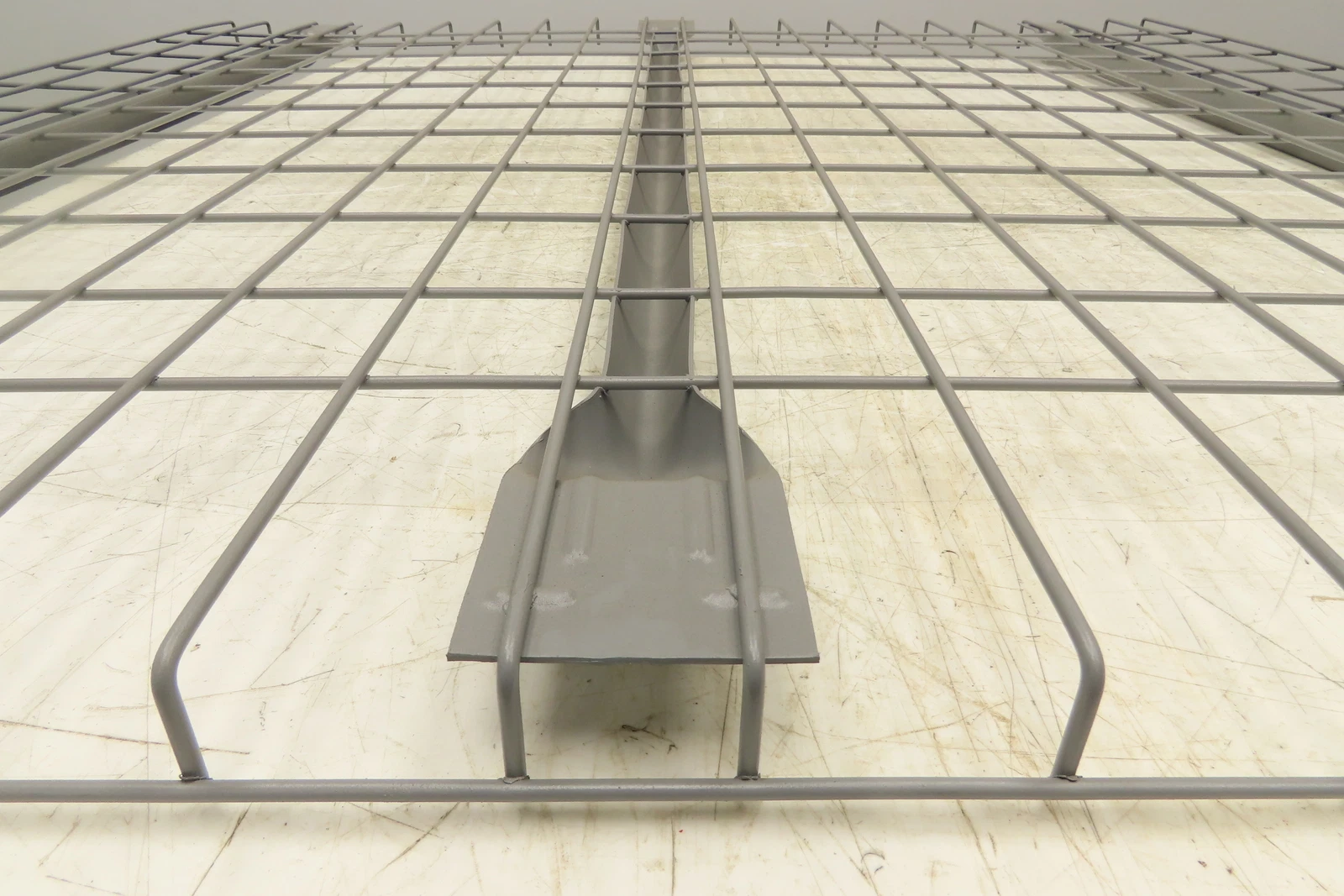
Other Resources
Glossary Terms
Adding Pick Faces Without Redesigning Everything – Glossary Of Terms
1. Adaptation: The process of adjusting existing designs or elements to meet new requirements without overhauling the entire structure.
2. Continuity: The maintenance of a consistent style and branding throughout various design elements.
3. Flexibility: The ability to modify elements quickly while preserving the core design integrity.
4. Modular Design: A design approach that creates reusable components that can be easily rearranged or replaced.
5. User-Centered Design: Focusing on the needs and preferences of users during the design process.
6. Hierarchy: The arrangement of elements to signify importance; often used in layouts to guide viewer attention.
7. Aesthetics: The visual appeal of a design, including color, form, and texture, which contributes to the overall experience.
8. Usability: The ease with which users can interact with a design, indicating its effectiveness and efficiency.
9. Brand Consistency: Maintaining uniformity across all branding elements, including logos, typography, and color schemes.
10. Iteration: The repeated process of refining and improving a design based on feedback and testing.
11. Visual Identity: The visual elements that represent a brand, including logos, colors, and typography.
12. Accessibility: Designing products to be usable by people of diverse abilities and disabilities.
13. Style Guide: A document that outlines design standards, including fonts, colors, and layout specifications.
14. Scalability: The capacity for a design to grow and adapt as it evolves or as user demands change.
15. Interface Design: The creation of interfaces in software or machines, focusing on user interaction and experience.
16. Wireframe: A blueprint or schematic representation of a design, illustrating its structure and layout.
17. Prototyping: The creation of preliminary models or samples to test concepts before final production.
18. Color Theory: A set of principles governing the use of color combinations and their psychological effects.
19. Typography: The art of arranging type to make written language legible, readable, and visually appealing.
20. Feedback Loop: The ongoing process of gathering user input to improve design iteratively.
21. Visual Hierarchy: The arrangement of elements to show their importance through size, color, or placement.
22. Design Thinking: A problem-solving approach that prioritizes user needs and involves iterative development and prototyping.
23. Digital Asset: Any content created for digital use, such as images, videos, and graphics.
24. Brand Experience: The overall interaction a customer has with a brand, encompassing every touchpoint.
25. Cohesion: The quality of elements working together harmoniously in a design.
26. Interaction Design: The creation of engaging interfaces with well-thought-out behaviors and actions.
27. Design Language: A set of design principles and styles used consistently across various products and platforms.
28. User Experience (UX): The overall experience a user has when interacting with a product, influenced by usability, accessibility, and pleasure.
29. Design System: A collection of reusable components and guidelines that ensure consistency across a product ecosystem.
30. Responsive Design: An approach that ensures a design adapts smoothly to different screen sizes and orientations.

Glossary Of Terms
Other Questions
Adding Pick Faces Without Redesigning Everything – Other Questions
If you wish to explore and discover more, consider looking for answers to these questions:
- What specific small racking adjustments deliver the largest increase in pick faces?
- How do I calculate how many additional pick faces my facility actually needs?
- What is the typical cost per added pick face or per shelf modification?
- What is the expected ROI and payback period for adding pick faces?
- How much operational downtime or disruption should I expect during installation?
- Can pick-face additions be implemented without major structural redesign or engineering sign-off?
- What safety standards and regulations apply when modifying racking systems?
- How will added pick faces affect rack load capacity and weight distribution?
- Do changes to pick faces require adjustments to aisle widths, forklift clearances, or fire codes?
- How should I prioritize which SKUs or product families receive additional pick faces?
- How will added pick faces integrate with my WMS, slotting logic, and picking algorithms?
- Can I combine pick-face additions with technologies like pick-to-light, voice picking, or automated sorting?
- What best practices exist for labeling, signage, and visual cues after reconfiguring pick faces?
- How do I train pickers and floor staff quickly and effectively on the new layout?
- Which KPIs should I track to measure the impact of added pick faces (e.g., picks per hour, travel time, error rate)?
- Are there simple pilot tests or A/B experiments I can run to validate changes before full roll-out?
- How do I link improvements in pick-face layout to measurable gains in customer experience and delivery times?
- Will adding pick faces improve inventory accuracy or mainly reduce retrieval time?
- How should seasonal volume and peak periods influence the choice between temporary and permanent pick faces?
- What ongoing maintenance and inspection routines change after modifying racking systems?
- Can these incremental changes be standardized and scaled across multiple warehouses?
- How do I budget for capital expenses versus operational expenses when refreshing racking?
- Which suppliers or retrofit kits are reliable for adding pick faces without full replacements?
- How can I ensure improved ergonomics and reduce injury risk when repositioning pick faces?
- What legal or insurance considerations should be addressed before altering racking layouts?
- How do I choose and use faces (people) in marketing ethically and legally?
- Do I need model releases or consent forms to feature employees or customers in promotional materials?
- How do I select authentic, diverse faces that resonate with my target audience?
- What measurable impact do human faces in branding have on trust, engagement, and conversions?
- Should I use real customer/employee stories, staged photography, or a mix for brand storytelling?
- How should I update website, sales collateral, and facility tours to reflect a refreshed racking design?
- What internal communication and change-management plans work best to get staff buy-in?
- What common pitfalls do organizations encounter when adding pick faces without full redesigns?
- Are there sustainability or environmental trade-offs when reconfiguring racks versus replacing them?
- How long does a typical design refresh or retrofit project take from planning through full implementation?
- What metrics and user feedback channels will tell me if the refresh truly improved engagement and employee satisfaction?

Other Questions
Checklist
Adding Pick Faces Without Redesigning Everything – A Checklist
Define Goals and Scope
✅______ Clarify why more pick faces are needed (speed, accuracy, volume, seasonality)
✅______ Set measurable targets (e.g., +20% lines per hour, -15% travel time, -30% stockouts)
✅______ Identify constraints (budget, downtime windows, codes, material lead times)
Baseline and Data Pull
✅______ Export 90–180 days of order lines, SKU velocity, cube, weight, and affinity data
✅______ Map the current pick path, travel distances, and congestion points
✅______ Capture current KPIs (pick rate, error rate, OTIF, replenishment frequency, injuries, utilization)
Find Quick Wins First (No-Tools Pass)
✅______ Remove dead or obsolete stock from prime pick zones
✅______ Consolidate partials and clean returns/MTO areas
✅______ Apply 5S in pick zones (Sort, Set in Order, Shine, Standardize, Sustain)
✅______ Relabel faded locations; fix mismatched barcodes/SKUs
Identify SKUs Needing More Pick Faces
✅______ Run ABC/velocity by order lines (not just units)
✅______ Flag SKUs with frequent stockouts at the pick face
✅______ Flag heavy or fast movers placed outside the golden zone (knee to shoulder)
✅______ Group SKUs with high order affinity for adjacency
Slotting and Layout Tweaks (No Full Redesign)
✅______ Re-slot the top 20% of lines into the golden zone
✅______ Create family/affinity clusters to reduce cross-aisle travel
✅______ Shorten pick paths with U-flow or serpentine routing in each zone
✅______ Balance zones to prevent bottlenecks; cap zone line counts
Low-Cost Racking Modifications
✅______ Add intermediate beams to create more shelf levels
✅______ Install carton flow lanes for A/fast movers (gravity-fed)
✅______ Add dividers, bin boxes, or totes to split pallet positions safely
✅______ Convert low-utilization pallet bays to shelving for each-pick SKUs
✅______ Adjust beam heights to match SKU cube (reduce wasted air)
✅______ Add end-of-aisle pick faces for top movers where safe
✅______ Verify rack load ratings, anchors, and row spacers after changes
Storage Media Right-Sizing
✅______ Match SKU to storage medium (pallet, case flow, shelf, bin/tote, small-parts drawers)
✅______ Standardize bin sizes to simplify replenishment and labeling
✅______ Place heavy items lower; place fragile items in protected faces
Labeling and Visual Management
✅______ Maintain a consistent location schema and scannable labels on every face
✅______ Use large, legible signage for aisles, zones, and families
✅______ Color-code zones or product families
✅______ Use floor tape and guardrails to define pick lanes and no-storage areas
Replenishment Controls
✅______ Set min/max per pick face; size to cover pick waves without mid-wave replenishment
✅______ Use Kanban or system triggers for replenishment; avoid emergency top-ups
✅______ Separate replenishment windows from peak picking where possible
✅______ Stage replenishment stock near zones; standardize totes and pallet quality
Workflow Improvements
✅______ Move from single-order to batch/cluster or cart picking for small orders
✅______ Consider zone picking with handoffs for large sites
✅______ Optimize pick cart layout and put-to-light/put walls where applicable
✅______ Standardize bag/box sizes and pack stations to reduce double handling
Safety and Compliance
✅______ Confirm clear aisle widths and egress; maintain sprinkler clearances
✅______ Install back mesh/anti-fall where needed
✅______ Train on new slotting, ergonomics, and safe lifting
✅______ Document changes; update rack inspections and permits if required
Pilot, Then Scale
✅______ Pilot changes in one aisle/zone and compare KPIs versus control
✅______ Gather picker feedback after 1–2 weeks; fix pain points
✅______ Roll out in waves; maintain a change log and updated maps
Customer Experience Linkage
✅______ Track impact on cut-off times, ship speed, and order accuracy
✅______ Communicate improvements to Sales and Customer Service (CS) to set confident promises
✅______ Monitor Net Promoter Score (NPS) and Customer Satisfaction (CSAT) for correlated gains post-implementation
Design Refresh Touches (Fast Engagement Wins)
✅______ Post before-and-after visuals on boards to show progress
✅______ Maintain consistent brand signage and a clean, orderly presentation
✅______ Post daily targets and wins at shift huddles
Faces and Stories That Build Trust
✅______ Feature real team members on signage and training screens
✅______ Share short stories of improvements led by pickers
✅______ Capture customer testimonials tied to faster, error-free orders
✅______ Ensure diverse representation across internal and external visuals
Metrics to Validate Success
✅______ Lines per labor hour (LPLH) target achieved
✅______ Average pick path distance/time reduced
✅______ Order cycle time and on-time ship rate improved
✅______ Pick error rate and returns reduced
✅______ Replenishment touches per week optimized
✅______ Aisle congestion incidents and injuries reduced
✅______ Storage utilization (cube and face coverage) improved
Sustain and Iterate
✅______ Monthly re-slotting of top movers and seasonal SKUs
✅______ Quarterly audit of labels, signage, and bin integrity
✅______ Kaizen board for picker suggestions; implement top three monthly
✅______ Refresh training for new layouts and processes
Budget and Timeline Guardrails
✅______ Prioritize changes with payback < 6 months
✅______ Bundle purchases (beams, bins, dividers) to reduce freight and lead times
✅______ Schedule work during low-volume shifts; publish a cutover plan
Handoff Package
✅______ Updated slotting map and location master
✅______ Revised SOPs for picking and replenishment
✅______ Safety signoffs and rack inspection records
✅______ KPI dashboard with pre- and post-implementation benchmarks and review cadence

Checklist
At RackingWorld, we help guide you through selecting warehouse storage systems and racking.
Be sure to read our other related stories at RackingWorld to learn more about warehouse storage systems.
0 Comments