
Uncover Your Pallet Rack Supplier’s True Stability
By Tom Seest
At RackingWorld, we help guide you through selecting warehouse storage systems and racking.
Be sure to read our other related stories at RackingWorld to learn more about warehouse storage systems.
How Stable Is Your Local Pallet Rack Supplier?
In the fast-paced world of warehouse logistics, the stability of your local pallet rack supplier isn’t just a detail—it’s the linchpin of your operational success. When your entire inventory rests on a well-structured pallet racking system, choosing a reliable supplier can mean the difference between smooth sailing and costly disruptions.
Consider the recent fluctuations in the global supply chain. With events like the pandemic and geopolitical tensions causing chaos in availability and pricing, many businesses found themselves scrambling to secure the necessary equipment to keep their operations running. If your pallet rack supplier didn’t have a robust history and clear communication channels, you may have faced delays and, in worst-case scenarios, full halt on operations.
So, how do you evaluate the stability of your supplier? Start by scrutinizing their track record. A seasoned supplier with years in the industry knows the ins and outs of pallet racking like the back of their hand. For example, if you’re in the retail sector and rely heavily on adjustable pallet racking for seasonal fluctuations, having a supplier with a solid inventory management system can save you time and money during peak seasons, ensuring you get the right systems when demand surges.
Next, examine their adaptability. The latter half of 2023 saw a surge in online retail, shifting the landscape of logistics. If your supplier could pivot quickly to provide you with the latest innovations in pallet racking designed for e-commerce, that’s a clear sign of stability. Imagine having a supplier who can not only deliver standard pallet systems but can also customize solutions based on your unique needs during a sudden market shift. This adaptability shows they’re not just surviving—they’re thriving.
Don’t neglect their financial health. A stable supplier should exhibit strong financial metrics, ensuring they can weather economic storms and continue to serve you over the long term. Look for suppliers with positive reviews and testimonials from businesses like yours; these endorsements are invaluable.
Finally, prioritize communication. In an industry where timely information can make or break deals, a supplier who is open, responsive, and proactive about updates can be your best ally. Having someone at the other end of the phone when unexpected issues arise will not only calm your nerves but also ensure that your operations continue to run without a hitch.
In short, a stable local pallet rack supplier isn’t just nice to have; they’re essential. When you choose wisely, you’re not merely purchasing equipment; you’re investing in a partnership that stands firm in a shifting landscape.

How Stable Is Your Local Pallet Rack Supplier?
How Stable Is Your Local Pallet Rack Supplier?
- The stability of a local pallet rack supplier is crucial for operational success in warehouse logistics.
- Recent global supply chain fluctuations highlight the importance of choosing a reliable supplier to avoid costly disruptions.
- Evaluate the supplier’s track record to ensure they have industry experience and a solid inventory management system.
- Examine adaptability, especially in response to shifts like the rise of online retail and custom solution offerings.
- Assess the supplier’s financial health for long-term sustainability and resilience during economic challenges.
- Prioritize communication, as responsiveness and proactive updates are key to smooth operations.
- A reliable supplier is an investment in a stable partnership essential for navigating industry changes.

How Stable Is Your Local Pallet Rack Supplier?
Table Of Contents
- How Stable Is Your Local Pallet Rack Supplier?
- How Long Has The Supplier Been In Business?
- What Brands Of Pallet Racks Does The Supplier Offer?
- How Does The Supplier Ensure Product Quality And Safety?
- What Is The Supplier’s Lead Time For Orders?
- Can The Supplier Provide References From Previous Clients?
- What Are The Payment Terms Offered By The Supplier?
- Does The Supplier Offer Installation Services For Racks?
- How Does The Supplier Handle Warranty Claims?
- Conclusion
- Other Resources
- Glossary Of Terms
- Other Questions
- Checklist
How Long Has The Supplier Been In Business?
When it comes to making a purchase, particularly for significant investments like pallet racking systems, one question can trump all others: How long has the supplier been in business? This seemingly simple inquiry holds immense implications for your bottom line, your peace of mind, and ultimately, your operational success.
Think about it—would you trust a supplier with your goods if they’ve only been around for a few months? The answer is likely a resounding no. Longevity in the industry not only signifies experience but also implies a proven track record of delivering quality and reliability. A supplier who has weathered the storm through economic turbulence—like the recent disruptions stemming from global supply chain issues—likely has strategies in place to adapt and overcome. For instance, companies that have specialized in pallet racking for decades have had time to fine-tune their logistics, ensuring that they can provide timely deliveries even when many others falter.
Consider the case of a well-established supplier. If a business has been offering pallet racking solutions for 20 years, it’s a good indicator that they understand the nuances of their marketplace. They have likely built relationships with manufacturers, allowing them to negotiate better prices and provide more competitive rates to their customers. This can translate into significant savings when outfitting warehouses or distribution centers.
Moreover, a seasoned supplier tends to stay ahead of industry innovations and regulatory changes. For example, with heightened concerns about workplace safety and compliance due to an ever-evolving regulatory landscape, a supplier who’s been in the game for years will likely be more attuned to the latest standards for pallet racking systems. They can guide you through the maze of requirements, ensuring that your operation meets local and national guidelines—safeguarding you from potential fines and liabilities.
But it’s not just about longevity on its own; it’s about the reputation built over time. A supplier with years in the game will have a history of satisfied customers and glowing testimonials to back it up. Ask for case studies or references, especially from businesses similar to yours. If a supplier can produce tangible success stories—even in times when the economy is on shaky ground—it’s a telling sign that they are worthy of your trust.
In today’s fast-paced marketplace, where new players pop up and disappear, knowing how long your potential supplier has been in business can make all the difference. Choose wisely, and your pallet racking investment could pay dividends for years to come.

How Long Has The Supplier Been In Business?
How Long Has The Supplier Been In Business?
- Longevity of suppliers is a critical factor in purchasing pallet racking systems.
- Experience and a proven track record indicate reliability and quality.
- Established suppliers are more likely to have strategies for adapting to economic disruptions.
- Long-term suppliers can negotiate better prices and offer competitive rates due to established relationships with manufacturers.
- Seasoned suppliers stay ahead of industry innovations and regulatory changes, enhancing workplace safety compliance.
- A strong reputation built over time includes a history of satisfied customers and valuable testimonials.
- Careful evaluation of supplier longevity can significantly impact the success of your investment in pallet racking systems.
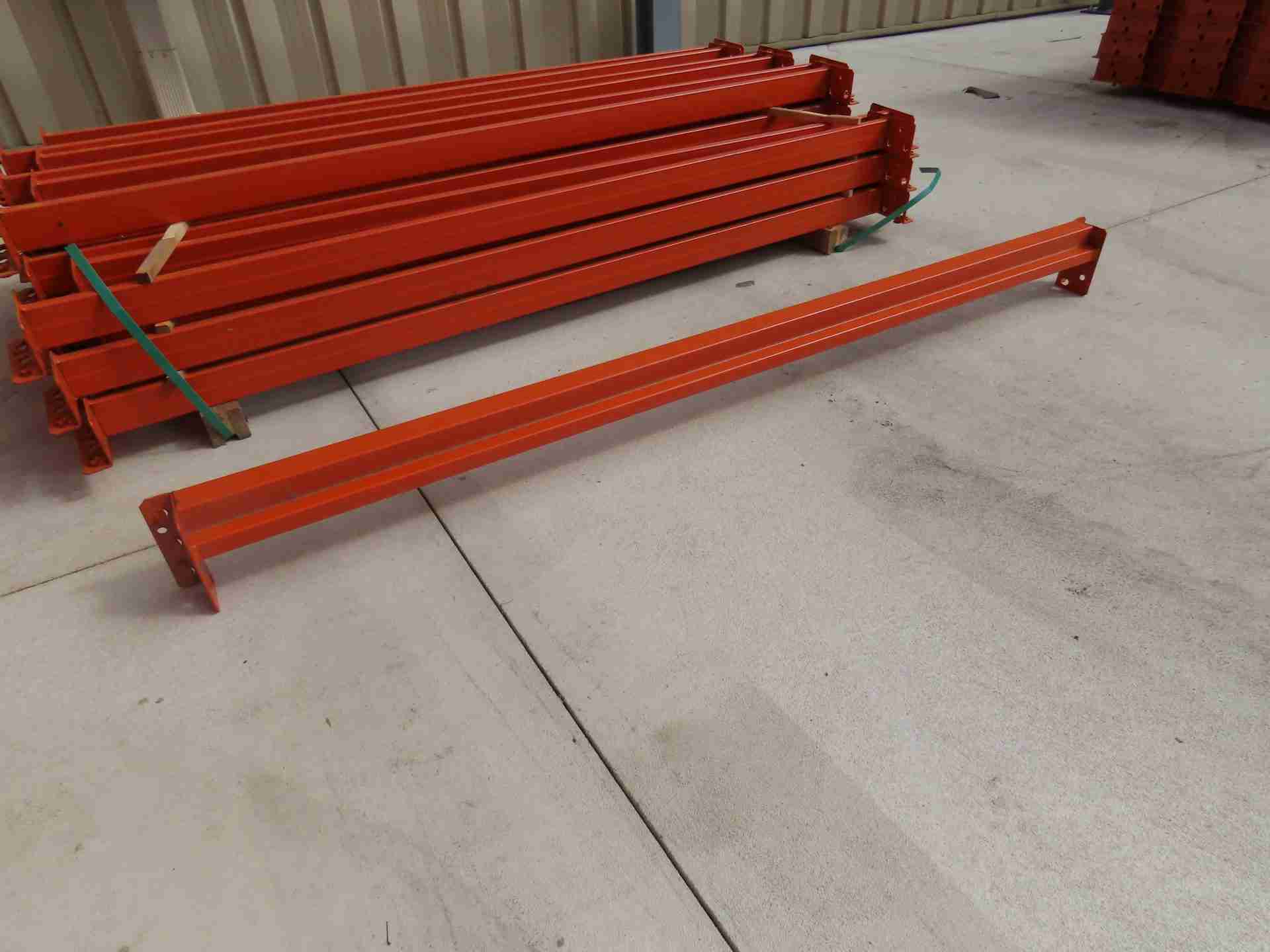
How Long Has The Supplier Been In Business?
What Brands Of Pallet Racks Does The Supplier Offer?
In today’s fast-paced supply chain environment, the importance of choosing the right pallet racking system can’t be overstated. As businesses evolve and adapt to new challenges—including the surge in e-commerce driven by the pandemic—having a dependable, high-quality pallet racking solution is paramount. That’s why savvy operators look not just for any racking system, but for the best brands on the market, offered by reliable suppliers.
Supplying a range of brands ensures that you can find the perfect fit for your operations, whether you run a small warehouse or a sprawling distribution center. One brand that has established itself as a leader in the realm of pallet racking is Interlake Mecalux. Their extensive product line caters to diverse industries, boasting innovative designs that enhance storage capacity while optimizing safety.
Another prominent name you’ll encounter is Steel King. Known for their heavy-duty pallet racks, Steel King stands out for their commitment to quality and durability. Their selective pallet racking is ideal for businesses that require quick access to goods, minimizing downtime in busy distribution operations.
But that’s not all; suppliers also offer Ridg-U-Rak, a brand renowned for its versatility and customization options. Ridg-U-Rak systems can easily adapt to your changing inventory needs, which is increasingly crucial in our rapidly shifting market landscape. With their modular design, you can effortlessly reconfigure your racking as your operations evolve.
Moreover, the modern warehouse landscape is dynamic, driven by current events like the ongoing shift toward automation and robotics. Brands like Nobe offer cutting-edge pallet racking solutions designed to integrate seamlessly with automated systems—ensuring that speed and efficiency remain at the forefront of your operation.
Opting for well-regarded brands is not just about reliability; it’s about investing in your future. As supply chain disruptions become more commonplace, choosing trusted names in pallet racking can provide the peace of mind you need—knowing that your storage solutions can withstand the test of time and any unexpected changes in demand.
Whether you’re considering expanding your existing system or starting fresh, your choice of pallet racking brands can make a world of difference. With expert suppliers ready to guide you, you’ll be well-equipped to make informed decisions that propel your business forward. After all, effective storage solutions today mean increased productivity tomorrow.
Aligning with the right suppliers who offer top-tier brands of pallet racks will set you on a path toward operational excellence and a sustainable competitive edge.

What Brands Of Pallet Racks Does The Supplier Offer?
What Brands Of Pallet Racks Does The Supplier Offer?
- The right pallet racking system is crucial in today’s fast-paced supply chain environment.
- As businesses adapt to evolving challenges like e-commerce growth, reliable and high-quality pallet racking is essential.
- Interlake Mecalux is a leading brand known for innovative designs that enhance storage capacity and safety.
- Steel King offers heavy-duty pallet racks that prioritize quality and provide quick access to goods.
- Ridg-U-Rak is recognized for its versatile and customizable racking systems, adaptable to changing inventory needs.
- Nobe provides advanced pallet racking solutions designed for integration with automation and robotics.
- Investing in reputable pallet racking brands offers reliability and prepares businesses for future supply chain disruptions.
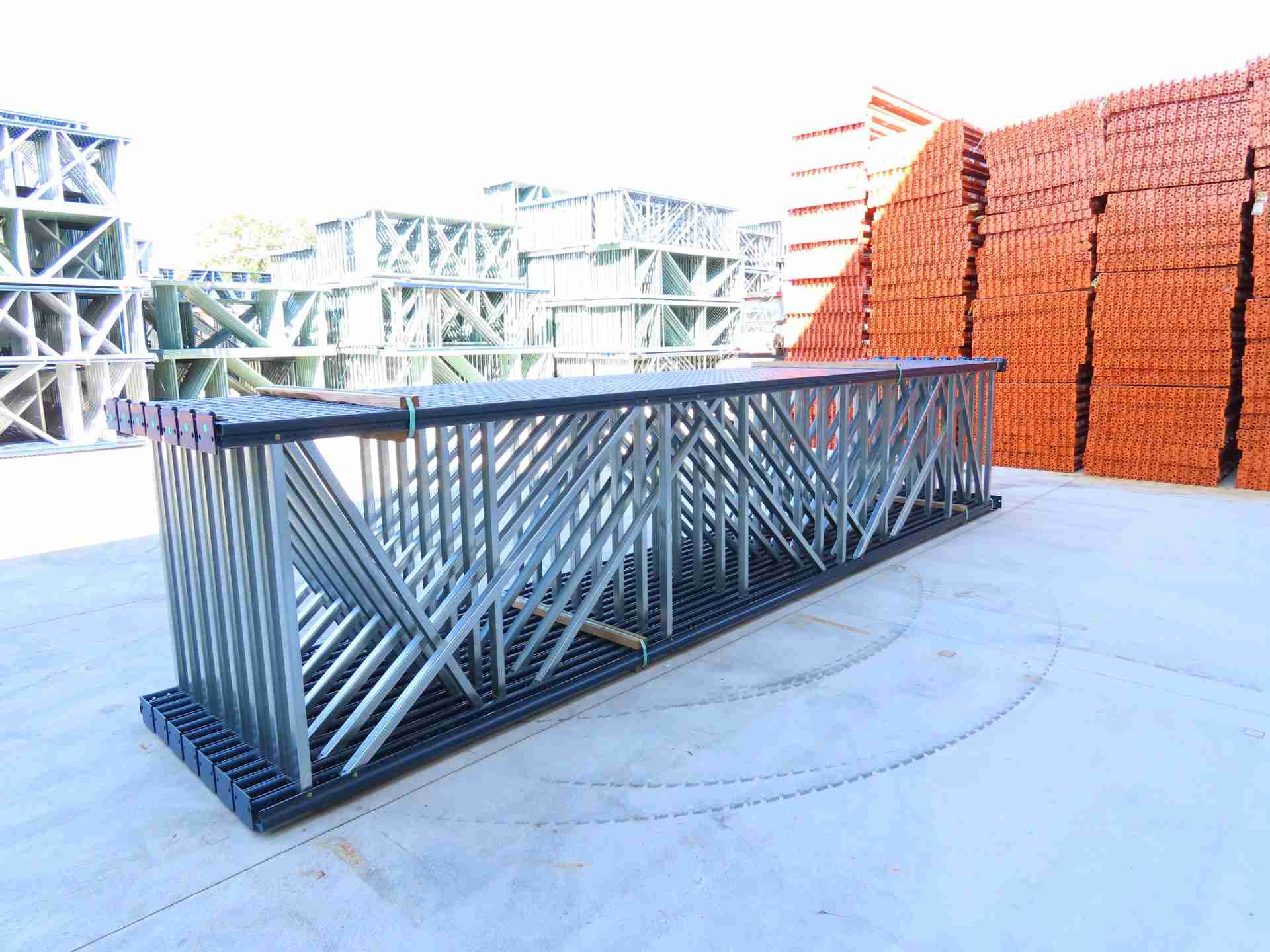
What Brands Of Pallet Racks Does The Supplier Offer?
How Does The Supplier Ensure Product Quality And Safety?
In today’s fast-paced market, product quality and safety remain paramount for suppliers striving to build trust and succeed in their industries. The commitment to maintaining high standards begins with meticulous sourcing and goes through each stage of the supply chain, culminating in the final product reaching the consumer’s hands. A robust quality assurance strategy is not just a nice-to-have—it’s an essential part of a supplier’s reputation.
First, consider the role of quality materials in the production process. Suppliers often engage in rigorous vetting of their vendors, ensuring that every component of their products meets both regulatory and internal quality standards. For instance, in the retail and logistics sectors, manufacturers utilizing pallet racking systems must source materials that not only conform to structural safety guidelines but also endure the rigors of daily use. High-quality steel, reinforced joins, and reliable coatings are crucial for maintaining integrity under heavy loads. Recently, incidents reported in the warehousing industry, where pallet racking systems failed due to substandard materials, have amplified the call for stricter quality controls.
Next comes the implementation of various operational protocols. Many suppliers employ ISO certifications as a benchmark for maintaining product quality. For example, a well-known food manufacturer ensured its operations complied with ISO 22000, focusing on food safety management systems. This proactive stance avoids costly recalls and fosters public confidence in their products. Such standards are not just bureaucratic red tape but a genuine commitment to consumer health and safety.
Additionally, modern technology plays a pivotal role in quality assurance. Suppliers are leveraging AI-driven analytics and IoT devices to monitor supply chains in real time. Imagine a scenario where a defective batch of goods is detected early in the transport phase, preventing it from ever reaching the shelves. This level of vigilance not only safeguards consumers but also protects the supplier’s brand integrity.
Furthermore, suppliers must invest in employee training programs to ensure the workforce is equipped to uphold the highest standards of quality. As seen recently in the automotive industry, a lack of proper training can lead to manufacturing flaws, resulting in costly recalls that impact a company’s bottom line and reputation.
In a landscape where the stakes are higher than ever, suppliers ensure product quality and safety by employing responsible sourcing, adhering to global standards, embracing technology, and fostering a strong culture of awareness and training. By doing so, they not only protect their brand but also contribute to a safer marketplace for all consumers.

How Does The Supplier Ensure Product Quality And Safety?
How Does The Supplier Ensure Product Quality And Safety?
- Product quality and safety are essential for suppliers to build trust and succeed in a fast-paced market.
- The commitment to high standards starts with sourcing and continues through the supply chain to the final product.
- Quality materials are crucial; suppliers rigorously vet vendors to meet regulatory and internal standards.
- Operational protocols, such as ISO certifications, help manufacturers maintain product quality and public confidence.
- Modern technology, including AI-driven analytics and IoT, aids in real-time supply chain monitoring to detect defects early.
- Investing in employee training programs is vital to uphold quality standards and prevent costly manufacturing flaws.
- Suppliers enhance product safety through responsible sourcing, adherence to standards, technological adoption, and workforce training.

How Does The Supplier Ensure Product Quality And Safety?
What Is The Supplier’s Lead Time For Orders?
In the fast-paced world of logistics and supply chain management, understanding the supplier’s lead time for orders is not just business jargon—it’s the lifeblood of your operations. Lead time refers to the total time it takes from placing an order with a supplier to receiving the goods in hand. This period can make or break your inventory strategy, affecting everything from customer satisfaction to cash flow.
Consider the current landscape where businesses face unpredictable disruptions, from natural disasters to supply chain bottlenecks spurred by global events. The COVID-19 pandemic taught us that lead times can extend drastically when freight systems are overwhelmed. For instance, manufacturers of essential goods faced lead times that stretched into months, causing stock shortages and dissatisfaction among customers. Meanwhile, those with proactive suppliers and effective systems managed to pivot, maintaining operations with minimal interruptions.
Take the example of a manufacturer looking to scale operations using pallet racking systems for enhanced storage efficiency. If this manufacturer places an order for pallet racking, the lead time could significantly affect their ability to meet increasing demand. If their supplier offers a lead time of six weeks but another provides three weeks, the savvy business owner recognizes that choosing the shorter lead time could allow them to ramp up production sooner and capture market share.
But it’s crucial to go beyond just the number of days. What factors contribute to a supplier’s lead time? Here are some critical aspects to consider:
1. Production Capability: Is the supplier able to ramp up production quickly if suddenly faced with a large order? A reliable supplier will be transparent about their capabilities and any potential delays.
2. Inventory Levels: Does the supplier maintain a robust inventory of the goods you need, such as pallet racking? Suppliers with higher inventory often have shorter lead times since they can ship products right away.
3. Shipping and Logistics: The time taken for products to reach you from the supplier’s location can vary. Seasonal events, like annual holidays or natural disasters, can lead to logistics hurdles, so it’s essential to understand how these might impact your order.
4. Communication: A supplier that keeps you in the loop about potential delays or impacts on lead time is invaluable. Those proactive communications can allow you to plan and adapt your strategy without disruption.
Ultimately, being informed about your supplier’s lead time helps you make strategic decisions, align your inventory with market needs, and foster stronger relationships with your partners. In today’s competitive environment, neglecting this vital detail is not just risky; it’s a misstep that could cost you dearly.

What Is The Supplier’s Lead Time For Orders?
What Is The Supplier’s Lead Time For Orders?
- Understanding supplier lead time is essential for logistics and supply chain management.
- Lead time is the duration from placing an order to receiving the goods, impacting inventory strategy, customer satisfaction, and cash flow.
- Unpredictable disruptions, like natural disasters and global events, can drastically extend lead times, as seen during the COVID-19 pandemic.
- A shorter lead time can enhance a manufacturer’s ability to meet demand and capture market share.
- Key factors affecting lead time include production capability, inventory levels, shipping logistics, and communication from the supplier.
- Proactive suppliers who communicate potential delays enable better planning and strategy adaptation.
- Being aware of lead times fosters strategic decision-making and strengthens supplier relationships in a competitive market.

What Is The Supplier’s Lead Time For Orders?
Can The Supplier Provide References From Previous Clients?
When considering a supplier for your pallet racking needs, one crucial aspect to scrutinize is their ability to provide references from previous clients. Think about it: if a supplier stands behind their work, they should have no hesitation in offering testimonials from satisfied customers. These references can be a goldmine of insight and should not be overlooked in your decision-making process.
Imagine you’re in a warehouse that desperately needs an upgrade in its storage systems. You’re considering various suppliers of pallet racking options, but the sheer number of choices can be overwhelming. Here, references serve as your compass, helping you navigate toward suppliers with proven track records.
Take, for example, a company that specializes in pallet racking solutions for large-scale distribution centers. You reach out to them, but instead of a list of satisfied customers, you receive vague assurances of quality and efficiency. Alarm bells should ring! A confident and capable supplier will have a portfolio of happy clients who can speak to their reliability, delivery times, and installation efficiency. Without verified references, you’re left to take a leap of faith—an approach that rarely ends well.
In recent events, industries have faced huge challenges—supply chain disruptions and changing demands, to name a few. How did some companies not just survive but thrive? The answer often lies in the relationships they forged with reliable suppliers who could adapt and deliver under pressure. A solid reference will shed light on how a supplier tackled real-life challenges similar to yours. Did they complete a complex pallet racking installation for a client under a tight deadline? Were they efficient in responding to unexpected obstacles? These details will not only give you a sense of reliability but also an understanding of their problem-solving capabilities.
Moreover, there’s the added layer of accountability. When previous clients can vouch for a supplier’s integrity and work ethic, it minimizes your risk. In today’s economy, where every dollar counts, every moment of downtime can translate into lost revenue. A supplier that can provide compelling testimonials demonstrates they understand the stakes and are committed to being a partner in your success.
Don’t just take the supplier’s word for it. Make it a point to ask for references, reach out to previous clients, and get the real story. This step is not just smart—it’s essential. After all, your business deserves the best when it comes to pallet racking solutions, and the right references will help you avoid costly mistakes!

Can The Supplier Provide References From Previous Clients?
Can The Supplier Provide References From Previous Clients?
- Request references from suppliers to verify their credibility and track record.
- References provide insights into a supplier’s reliability, delivery times, and installation efficiency.
- Be cautious of suppliers who offer vague assurances without concrete testimonials from satisfied clients.
- Strong relationships with reliable suppliers contribute to a company’s ability to adapt to challenges.
- Verified references reveal how a supplier has handled real-life challenges similar to your needs.
- Accountability from previous clients reduces risk and enhances confidence in the supplier’s work ethic.
- Always ask for and check references to make informed decisions and avoid costly mistakes.

Can The Supplier Provide References From Previous Clients?
What Are The Payment Terms Offered By The Supplier?
When engaging with a supplier for vital components, such as Pallet Racking systems, understanding the payment terms they offer is crucial. These terms not only dictate the financial flow of your business but can also significantly impact your cash flow, procurement strategy, and even your operational efficiency.
Imagine you’re running a bustling warehouse that hinges on timely deliveries and proper organization. Investing in Pallet Racking is essential, but the supplier’s payment terms can either facilitate or hinder your operational capabilities. Therefore, do not overlook the fine print.
Payment terms typically range from immediate payment upon receipt of goods to extended credit periods. For instance, some suppliers might offer a 30-day window—this means you receive the Pallet Racking system upfront and have a month to manage your cash flow before payment. This approach can alleviate stress during peak business periods, allowing you to monetize the racking system before you need to make that payment.
Conversely, a supplier may request a deposit upfront, followed by a final payment upon delivery or installation. This arrangement can help mitigate their risks but could tie up your capital in the early stages. It’s essential to weigh whether having the racking system quickly is worth the upfront costs.
Now, let’s talk about vendors offering early payment discounts—these are fantastic opportunities to save money. For example, if your Pallet Racking supplier offers a 2% discount for payments made within 10 days, the savings could improve your bottom line significantly! Especially in today’s fluctuating market conditions, such as the worldwide supply chain issues brought on by recent events, every penny counts.
Additionally, being aware of alternative payment plans, such as financing options or leasing arrangements, can provide flexibility. If cash flow is a concern, some vendors might allow you to lease the Pallet Racking, spreading the cost over months rather than requiring a lump sum. This option not only conserves your capital but can also be a strategic move to avoid unexpected financial strain.
When negotiating with a supplier for Pallet Racking or any other crucial inventory, take the time to understand their payment terms. Evaluate multiple suppliers, compare their offers, and consider how their payment structures align with your business objectives. Because, at the end of the day, the right terms can be a game-changer in managing your financial health and driving your business forward.

What Are The Payment Terms Offered By The Supplier?
What Are The Payment Terms Offered By The Supplier?
- Understanding supplier payment terms for Pallet Racking systems is crucial for business financial flow.
- Payment terms can impact cash flow, procurement strategy, and operational efficiency.
- Payment terms range from immediate payment to extended credit periods, affecting cash management.
- Upfront deposits may tie up capital, so weigh the benefits of quick access to the racking system against initial costs.
- Early payment discounts, like 2% for payments within 10 days, can lead to significant savings.
- Alternative payment plans, including financing or leasing, offer flexibility and help preserve cash flow.
- Evaluate multiple suppliers and their payment structures to align terms with business objectives for better financial management.

What Are The Payment Terms Offered By The Supplier?
Does The Supplier Offer Installation Services For Racks?
When planning a storage upgrade, especially one involving pallet racking, it’s crucial to consider not just the products you’re purchasing but also how they will be installed. A seamless installation can mean the difference between a smoothly running warehouse and a chaotic, inefficient space that costs you time and money. So, does your supplier offer installation services for racks? If they don’t, it’s time to rethink your choice.
Picture this: You’ve invested thousands in high-quality pallet racking systems to maximize your warehouse space and efficiency. You also want to ensure that every piece is installed correctly to maintain safety and optimize performance. When suppliers include installation services, they’re offering you a golden opportunity. Not only do they understand the intricacies of their products, but they also bring expertise to the table, ensuring that your racks are set up to meet specific local regulations—something you might overlook.
For example, it’s been widely reported that OSHA recently tightened regulations around warehouse safety. If your supplier offers installation services, they should be well-versed in these standards, safeguarding you from potential fines and ensuring compliance. When you choose a supplier that bundles installation with your purchase, you’re investing in peace of mind along with your new pallet racking.
You might wonder, “What if my supplier doesn’t provide this service?” Well, this is a red flag that could lead to complications down the line. Hiring a third-party contractor may save money in the short term but could result in costly delays or improper setups. Just think about the numerous viral warehouse mishaps that have been circulating on social media—often due to poor installation practices. Who wants to add to that kind of embarrassment?
By working with a supplier that offers installation services, you’re buying more than just racks; you’re securing a partnership that prioritizes your operational success. Not only will you benefit from professional installation, but you’ll also gain access to ongoing support. Should issues arise later, they are already familiar with your setup, making troubleshooting quicker and more efficient.
In a world where logistics and efficiency are paramount, the question isn’t just about whether you need pallet racking—it’s about how you’re going to get it installed properly. Choose wisely. Opt for suppliers who recognize that installation is not just an added service, but a vital part of the overall experience. Your warehouse—and bottom line—will thank you.

Does The Supplier Offer Installation Services For Racks?
Does The Supplier Offer Installation Services For Racks?
- Consider both product purchase and installation when planning a storage upgrade, particularly with pallet racking.
- Seamless installation can significantly impact warehouse efficiency and cost-effectiveness.
- Suppliers offering installation services bring expertise and ensure compliance with local regulations, especially recent OSHA standards.
- A supplier that includes installation services provides peace of mind and protects against potential fines.
- Choosing a supplier without installation services can lead to complications and costly delays, as seen in viral warehouse mishaps.
- Opting for suppliers that offer installation forms a partnership focused on operational success and provides ongoing support.
- Prioritize suppliers that treat installation as a vital part of the overall purchasing experience to enhance warehouse efficiency.

Does The Supplier Offer Installation Services For Racks?
How Does The Supplier Handle Warranty Claims?
When investing in pallet racking systems, businesses naturally seek not only quality but also peace of mind. A robust warranty policy and a seamless claims process are critical elements that can make or break your investment. After all, the last thing you want is to face unnecessary downtime due to faulty equipment. So, how does the supplier handle warranty claims in the world of pallet racking?
First, let’s talk about communication. A supplier with a solid reputation will have a clear, defined process for warranty claims. For instance, take a company like Steel King Industries, known for its outstanding service and responsiveness. When a customer encounters an issue with their pallet racking, they can reach out to a dedicated customer support team that guides them through the claims process. This team should provide a straightforward step-by-step guide, detailing how to submit a claim, required documentation, and estimated timelines for resolution.
Consider a recent scenario involving a manufacturer that experienced damage to their pallet racking during an unexpected storm. Instead of navigating a convoluted bureaucratic maze, they accessed a user-friendly online portal created by their supplier. With a few clicks, they submitted details about the incident and uploaded necessary documents such as photos and purchase receipts. Within 24 hours, they received confirmation that their claim was being processed. That’s the kind of efficiency that instills confidence in buyers.
Then, there’s the importance of being proactive. Leading suppliers often conduct regular quality checks and maintenance services, sometimes even offering extended warranty programs. For example, some companies like Interlake Mecalux provide annual audits on their pallet racking systems to ensure compliance with safety protocols. This can prevent issues before they escalate, minimizing the likelihood of a warranty claim while simultaneously enhancing workplace safety.
Lastly, let’s not forget the power of customer testimonials. A supplier that features customer success stories showcasing efficient handling of warranty claims can enhance its reputation significantly. In a recent survey, companies that promoted their warranty handling as a major selling point saw a noteworthy increase in customer satisfaction, reinforcing the idea that robust support is as crucial as the quality of the products.
When selecting a pallet racking supplier, don’t just focus on the quality of the rack itself; prioritize how they manage warranty claims. An efficient, transparent, and reliable warranty process can save time, money, and frustration, aligning perfectly with the long-term goals of your business.

How Does The Supplier Handle Warranty Claims?
How Does The Supplier Handle Warranty Claims?
- Businesses seek quality and peace of mind when investing in pallet racking systems.
- A robust warranty policy and seamless claims process are essential to avoid downtime.
- A reputable supplier has a defined process for warranty claims, enhancing customer communication.
- Steel King Industries exemplifies good service with a dedicated support team to assist in claims.
- Proactive suppliers conduct regular quality checks and may offer extended warranty programs.
- Customer testimonials about efficient warranty claims can enhance a supplier’s reputation.
- Prioritize how suppliers manage warranty claims when choosing a pallet racking provider.

How Does The Supplier Handle Warranty Claims?
Conclusion
In an era where stability and reliability dictate success in warehouse logistics, the choice of a local pallet rack supplier is a decision that stands as a crucial cornerstone for your operational integrity. With the landscape of supply chains continuously shifting due to global events and market demands, it’s more important than ever to partner with a supplier whose strength and dependability you can count on.
At Arrow Industrial Sales, we understand the pressing concerns businesses face when selecting a pallet rack supplier. A supplier’s longevity, adaptability, financial health, and proactive communication can directly impact your efficiency, safety, and bottom line. As the stakes increase, so does the need to align your operations with a partner who not only excels in providing high-quality pallet racking solutions but also embodies a foundation of exceptional support and service.
We encourage you to scrutinize potential suppliers for their experience level, breadth of offerings, and customer testimonials. The brands we carry—industry leaders like Interlake Mecalux, Steel King, and Ridg-U-Rak—ensure that you receive the very best in quality and innovation to support evolving warehousing needs. The assurance of prompt installations, comprehensive warranty handling, and transparent communication further solidifies our commitment to your success.
But time is of the essence. With supply chain conditions remaining unpredictable, delays can cost your business dearly. This is why we urge you to take action now—don’t leave your operations up to chance. Call Arrow Industrial Sales at (574) 349-6575 today for more information on how we can help you navigate your pallet racking needs expertly.
Choosing Arrow Industrial Sales isn’t merely about acquiring high-quality products; it’s an investment in a partnership poised to weather market changes, enhance operational efficiency, and safeguard your assets. The right tools and support are available to you, but only if you act promptly. Don’t compromise your success—reach out now and secure not just a supplier, but a crucial ally in your journey toward operational excellence!

Conclusion
Conclusion:
- Choosing a local pallet rack supplier is pivotal for operational integrity in warehouse logistics.
- Partner with a dependable supplier like Arrow Industrial Sales to navigate shifting supply chains.
- Evaluate suppliers based on longevity, adaptability, financial health, and communication.
- Arrow Industrial Sales offers high-quality pallet racking solutions and exceptional support.
- Top brands include Interlake Mecalux, Steel King, and Ridg-U-Rak for quality and innovation.
- Act quickly to avoid operational delays that can impact your business negatively.
- Contact Arrow Industrial Sales to secure a partner for enhanced operational efficiency and asset protection.

Conclusion
Other Resources

Other Resources
Here is a list of other resources you can review online to learn more:
- National Safety Council
- Warehouse Racking System: Powerful Guide to Optimise, 2024
- Chicago Pallet Racking
- Logic Material Handling
- Illinois Pallet Racking – WPRP
- Teardrop Racks – Pallet Rack World
- Material Handling Industry
- Chicago Pallet Racking
- BMH
- What is Cantilever Racking? – AK Material Handling Systems
Use This Prompt To Get More Resources With Your Favorite Online AI Tool: Please provide me with a list of online articles with their URLs in a bulleted list that I can read regarding How Stable Is Your Local Pallet Rack Supplier?

Other Resources
Glossary Terms
How Stable Is Your Local Pallet Rack Supplier? – Glossary Of Terms
1. Pallet Rack: A storage system used in warehouses that consists of vertical frames and horizontal beams designed to hold pallets of goods.
2. Supply Chain: The entire network of entities involved in sourcing, manufacturing, and delivering a product, often affecting supplier reliability.
3. Vendor: A business or individual that sells products or services, including pallet racks.
4. Creditworthiness: An evaluation of a supplier’s ability to repay debts and manage financial obligations, indicating their stability.
5. Financial Stability: A measure of a company’s financial health, including profitability, liquidity, and debt levels.
6. Lead Time: The time it takes from placing an order until the delivery of pallet racks, affecting supply chain efficiency.
7. Inventory Management: The supervision of non-capitalized assets related to the ordering, storing, and use of pallet racks.
8. Market Research: The process of gathering information about a supplier’s reputation, customer service, and market trends.
9. Quality Assurance: A systematic process to ensure that products meet required specifications and standards.
10. Customer Reviews: Feedback provided by purchasers that can indicate the reliability and quality of a supplier.
11. Warranty: A guarantee that a product will perform as promised, often indicating the confidence a supplier has in their product’s durability.
12. Service History: Documentation that shows how well a supplier has performed with past clients, including delivery times and customer satisfaction.
13. Compliance: Adherence to industry standards and regulations, indicating a supplier’s reliability and commitment to quality.
14. Reputation: Public perception of a supplier’s reliability and quality, often determined by past performance and customer feedback.
15. Local Supplier: A vendor that operates within a specific geographic area, often providing quicker service and support.
16. Sales Volume: The amount of goods sold by a supplier, which may indicate their market presence and reliability.
17. Business Continuity: Planning that ensures a supplier can continue operations during disruptions, critical for stability.
18. Distribution Network: The system through which products are delivered, impacting the reliability of supply chains.
19. Economic Trends: Patterns in economic activity that can affect a supplier’s financial health and stability.
20. Performance Metrics: Measurements that assess a supplier’s delivery times, product quality, and customer service efficiency.
21. Breach of Contract: A failure to fulfill the terms of an agreement; frequent occurrences could indicate an unstable supplier.
22. Order Fulfillment: The complete process from receiving an order to delivering the product, essential in evaluating supplier reliability.
23. Long-term Relationships: Ongoing partnerships with suppliers that often yield better service and reliability.
24. Risk Assessment: The identification and analysis of potential issues that could affect the reliability of a supplier.
25. Contract Negotiation: The discussion and agreement on the terms of service, impacting future reliability and stability.
26. Financial Audit: A review of a supplier’s financial statements, allowing assessment of their economic health.
27. Supplier Diversity: The inclusion of various suppliers to mitigate risks associated with over-relying on a single source.
28. Sourcing Strategy: A plan for selecting suppliers that meet business needs and stability requirements.
29. Pallet Rack Design: The configuration of racks that can affect storage efficiency and the supplier’s capability to meet varied needs.
30. Customer Support: Assistance provided by the supplier during and after the purchasing process, a key factor in supplier reliability.

Glossary Of Terms
Other Questions
How Stable Is Your Local Pallet Rack Supplier? – Other Questions
If you wish to explore and discover more, consider looking for answers to these questions:
- What factors should I consider when assessing a supplier’s financial health?
- How can I verify a supplier’s track record and experience?
- What metrics or indicators should I look for in supplier reviews?
- How adaptable are suppliers to changes in market demand or technology?
- What are common lead times for different types of pallet racking systems?
- How do suppliers handle disputes or issues related to product quality?
- Are there specific certifications or standards I should look for in a supplier?
- What training programs do suppliers have for their staff regarding safety and quality?
- How can I assess the reputation of a supplier within my specific industry?
- What should I know about the installation services provided by suppliers?
- Are there financing options available for purchasing pallet racking systems?
- How often do suppliers update or innovate their product offerings?
- What are the implications of the supplier’s geographical location on delivery times?
- How can I ensure compliance with local regulations when purchasing racking systems?
- What are the environmental policies or practices of the suppliers I am considering?

Other Questions
Checklist
How Stable Is Your Local Pallet Rack Supplier? – A Checklist
1. Supplier Longevity
_____ How many years has the supplier been in business?
_____ Does the supplier have a proven track record of reliability and quality?
2. Adaptability
_____ Can the supplier adapt to market changes and provide innovative solutions?
_____ Have they successfully pivoted in response to recent industry trends (e. g. , e-commerce growth)?
3. Financial Health
_____ What are the supplier’s financial metrics (e. g. , profitability, solvency)?
_____ Are there positive reviews or testimonials indicating their financial stability?
4. Communication
_____ How proactive and responsive is the supplier in their communication?
_____ Are they transparent about potential delays or issues?
5. Product Range
_____ What brands of pallet racks does the supplier offer?
_____ Do they supply systems compatible with various operational needs and warehouse setups?
6. Product Quality and Safety
_____ What materials does the supplier use in their pallet racks?
_____ Does the supplier have certifications (e. g. , ISO) that reflect their commitment to quality and safety?
7. Lead Time for Orders
_____ What is the average lead time for orders from the supplier?
_____ Are they transparent about factors that could affect lead times?
8. Client References
_____ Can the supplier provide references or case studies from previous clients?
_____ Have past clients had positive experiences with the supplier’s products and services?
9. Payment Terms
_____ What payment terms does the supplier offer (e. g. , upfront payment, credit periods)?
_____ Are there any potential discounts for early payment or flexible financing options?
10. Installation Services
_____ Does the supplier offer installation services for the pallet racks?
_____ Are they knowledgeable about industry regulations related to installation?
11. Warranty Handling
_____ What is the process for filing warranty claims?
_____ Does the supplier have a responsive customer support system to handle warranty issues?
12. Overall Reputation
_____ What do customer testimonials say about the supplier’s reliability and integrity?
_____ Has the supplier maintained a good reputation in the industry over the years?
Notes:
_____ Ensure you have the relevant data and answers to the above questions before making a decision.
_____ A stable and reliable supplier is crucial for maintaining operational efficiency and safeguarding your investments in pallet racking systems.

Checklist
At RackingWorld, we help guide you through selecting warehouse storage systems and racking.
Be sure to read our other related stories at RackingWorld to learn more about warehouse storage systems.
0 Comments