
Revolutionizing Warehouse Storage With Automated Racking
By Tom Seest
At RackingWorld, we help guide you through selecting warehouse storage systems and racking.
Be sure to read our other related stories at RackingWorld to learn more about warehouse storage systems.
Are There Automated Warehouse Racking Systems?
The logistics landscape is shifting at breakneck speed, and the revolution happening in warehouse management is leading the charge. Enter automated warehouse racking systems — the game-changing solution that is no longer confined to the dreams of futurists, but rather a tangible investment for businesses ready to enhance efficiency, reduce costs, and elevate their operational capabilities.
Imagine a warehouse that operates like a well-tuned machine, effortlessly moving products in and out while maximizing space utilization. Automated warehouse racking systems, often integrated with robotic technologies, are doing just that. These systems utilize automated cranes and Automated Guided Vehicles (AGVs) to transport goods to and from storage locations, eliminating the need for labor-intensive manual picking. For example, companies like Amazon and Walmart are at the forefront of adopting automated racking solutions, paving the way for lightning-fast order fulfillment and minimizing human error.
Consider the recent partnership between Dematic and a major retailer aimed at revolutionizing its supply chain. By implementing Dematic’s modular automated storage and retrieval systems, the retailer is set to optimize its warehouse operations, achieving a 50% increase in storage density and a drastic reduction in picking times. This isn’t just about keeping up with the competition; it’s about redefining what efficiency looks like in the age of eCommerce.
Moreover, the ongoing labor shortages and rising operational costs triggered by recent global events have made automated racking systems an essential consideration for logistics operations. Businesses can turn the threat of increased expenses into an opportunity by investing in technology that boosts productivity. According to a recent report by McKinsey & Company, optimized warehouse operations can lead to a 20-30% reduction in operational costs — a compelling incentive for any business to embrace automation.
In today’s fast-paced market, where customers expect faster deliveries and seamless service, the question isn’t whether you should invest in automated racking systems — it’s whether you can afford not to. With the technology rapidly advancing and becoming more accessible, companies that fail to adapt risk being left behind in the dust. Don’t just follow the trend; lead it by integrating automated warehouse solutions.
If you’re looking to elevate your warehousing capabilities, now is the moment to jump on the bandwagon of innovation. Embrace the future with automated racking systems and position your business for unbeatable success in an increasingly competitive landscape.

Are There Automated Warehouse Racking Systems?
Are There Automated Warehouse Racking Systems?
- The logistics landscape is rapidly evolving, with automated warehouse racking systems leading the charge in warehouse management.
- These systems utilize automated cranes and AGVs for efficient product transportation, significantly reducing the need for manual picking.
- Major companies like Amazon and Walmart are implementing automated racking solutions to enhance order fulfillment speed and minimize errors.
- A partnership between Dematic and a retailer is optimizing warehouse operations with a 50% increase in storage density and reduced picking times.
- Labor shortages and rising operational costs have made automated racking systems essential for boosting productivity and reducing expenses.
- Investing in optimized warehouse operations can lead to a 20-30% reduction in operational costs, according to McKinsey & Company.
- Embracing automated racking systems is crucial for businesses to stay competitive and succeed in a fast-paced, customer-driven market.

Are There Automated Warehouse Racking Systems?
Table Of Contents
- Are There Automated Warehouse Racking Systems?
- What Are Automated Warehouse Racking Systems?
- How Do These Systems Work?
- What Are The Benefits Of Automated Racking Systems?
- Are There Different Types Of Automated Racking Systems?
- How Much Do Automated Racking Systems Cost?
- What Industries Use Automated Racking Systems?
- What Factors Should I Consider Before Purchasing?
- How Do Automated Systems Improve Efficiency?
- Are There Any Drawbacks To Automated Racking?
- What Is The Maintenance Required For These Systems?
- How Can I Integrate Automation Into My Existing Warehouse?
- What Technology Is Involved In Automated Racking?
- Are There Success Stories From Companies Using These Systems?
- How Do Safety Features Work In Automated Racking Systems?
- What Is The Roi On Automated Warehouse Systems?
- Conclusion
- Other Resources
- Glossary Of Terms
- Other Questions
- Checklist
What Are Automated Warehouse Racking Systems?
In the rapidly evolving landscape of logistics and supply chain management, one innovation is stealing the spotlight: Automated Warehouse Racking Systems (AWRS). Picture this: A bustling warehouse transforms into a well-oiled machine, where every item is stored and retrieved with remarkable speed and precision. That’s the magic of AWRS—a game changer for businesses looking to enhance efficiency, mitigate errors, and accommodate the increasingly demanding needs of the market.
At its core, an Automated Warehouse Racking System integrates advanced technology, robotics, and innovative design to optimize storage. These systems can range from simple mechanized shelves to high-tech robotic arms that autonomously manage inventory. Imagine a sleek, towering racking system with robotic vehicles gliding seamlessly between aisles—nimbly picking and placing products without human intervention. This is not a scene from a sci-fi movie; it’s happening right now in leading companies across various industries.
Take Amazon, for instance. Their massive fulfillment centers utilize advanced racking systems combined with robotics to store millions of products. This automation allows Amazon to fulfill orders in record time, often shipping items the same day they’re purchased—a feat that is pivotal in today’s “I want it now” economy. Other retailers, like Walmart and Target, are also investing heavily in AWRS to revamp their logistics capabilities, seizing the competitive edge in their respective markets.
But hold on—what’s driving the shift toward automated systems? It boils down to a trifecta of benefits: efficiency, accuracy, and scalability. Businesses can reduce labor costs while minimizing human errors, leading to a smoother operation that can handle greater volumes and more diverse product lines. As e-commerce continues to soar, companies are faced with the challenge of accommodating spikes in demand, particularly during peak seasons like the recent holiday shopping frenzy. Automated systems provide the agility needed to pivot quickly without the stress of labor shortages or warehouse space constraints.
In summary, Automated Warehouse Racking Systems represent the future of logistics, reimagining how businesses store, manage, and retrieve their inventory. By embracing this technology, companies not only enhance their operational efficiency but also position themselves as leaders in a fiercely competitive marketplace. In a world where speed and accuracy are paramount, AWRS stands tall as a crucial ally in the quest for operational excellence. Isn’t it time your business boards this automated revolution?

What Are Automated Warehouse Racking Systems?
What Are Automated Warehouse Racking Systems?
- Automated Warehouse Racking Systems (AWRS) are revolutionizing logistics and supply chain management.
- AWRS utilize advanced technology and robotics to optimize storage and improve efficiency.
- These systems range from mechanized shelves to robotic arms managing inventory autonomously.
- Companies like Amazon use AWRS to fulfill orders rapidly, often shipping items the same day.
- Retailers like Walmart and Target are investing in AWRS to enhance their logistics capabilities.
- The benefits of AWRS include reduced labor costs, minimized errors, and increased scalability.
- Embracing AWRS positions companies as leaders in a competitive marketplace, enhancing operational excellence.

What Are Automated Warehouse Racking Systems?
How Do These Systems Work?
In today’s fast-paced digital landscape, understanding how integrated systems function can be a game changer for your business. At the core, these systems are designed to enhance efficiency, streamline operations, and ultimately drive profit. But let’s break down how these systems operate so you can not only grasp their importance but also leverage them to your advantage.
First off, think of these systems as the nervous system of a business. They gather data, process it, and provide actionable insights. For instance, Customer Relationship Management (CRM) systems, like Salesforce, collect and analyze customer data, allowing businesses to personalize their marketing efforts. Imagine running a campaign targeted at new parents by utilizing insights from past purchases: you gift them parenting products that resonate with their current life stage. This personalized approach leads to higher engagement and, consequently, sales.
Another integral component is automation. Integrating tools such as Zapier allows you to connect different applications, eliminating tedious manual tasks. For example, when a new lead fills out your contact form, Zapier can automatically add them to your email marketing platform, send a personalized welcome email, and schedule a follow-up call—all without lifting a finger! By automating these processes, you free up valuable time to focus on strategic initiatives rather than getting bogged down by routine tasks.
Consider the rise of e-commerce in recent years, especially in light of the global pandemic. Brands leveraging integrated systems fared better, adapting quickly to the changing environment. For instance, companies like Shopify have revolutionized the retail landscape by providing merchants with a comprehensive platform that integrates payment processing, inventory management, and customer engagement—all in one place. This level of integration enables small businesses to compete with major players, empowering them to scale swiftly and efficiently.
Moreover, these systems facilitate real-time reporting. Imagine you could see how your marketing campaigns are performing while they are still running. Tools such as Google Analytics offer instantaneous insights, enabling you to pivot your strategies based on what’s yielding results. This allows businesses to remain agile and responsive, a crucial capability in today’s volatile market.
In summary, understanding how these integrated systems work empowers you to make informed decisions. Whether you’re automating workflows, personalizing marketing campaigns, or capitalizing on real-time data, these tools are not just options—they are necessities. Embrace them, and watch your business transform. The future is here, and it’s integrated!

How Do These Systems Work?
How Do These Systems Work?
- Integrated systems enhance efficiency and streamline operations to drive profit for businesses.
- These systems act as the “nervous system,” gathering data and providing actionable insights.
- CRM systems, like Salesforce, enable personalized marketing efforts through customer data analysis.
- Automation tools, such as Zapier, connect applications to eliminate tedious manual tasks.
- E-commerce brands leveraging integrated systems can adapt quickly to changing environments, improving competitiveness.
- Real-time reporting tools, like Google Analytics, allow businesses to adjust strategies based on current performance.
- Embracing integrated systems is essential for informed decision-making and business transformation in today’s market.

How Do These Systems Work?
What Are The Benefits Of Automated Racking Systems?
In today’s fast-paced market, businesses are constantly seeking ways to enhance efficiency and reduce costs. Enter automated racking systems—an innovative solution that can transform your warehousing operations into a model of streamlined productivity. The question isn’t whether you can afford to implement such technology, but rather whether you can afford not to.
One of the most compelling benefits of automated racking systems is the ability to maximize space. Traditional shelving often leads to significant wasted area due to aisles needed for manual retrieval. Automated systems, on the other hand, can pack goods more tightly, reducing the need for extensive floor space. For example, a logistics center in California recently implemented an automated racking system and reported a 50% increase in storage density. This means more products stored in less square footage—saving on real estate costs, which is critical in today’s competitive marketplace.
Moreover, speed is of the essence. Automated racking systems utilize high-tech machinery that can retrieve items rapidly—often in a fraction of the time it takes human workers. Take the recent shifts in consumer demand spurred by e-commerce growth: businesses are feeling pressure to handle order fulfillment with lightning speed. With an automated system, order pick times can be reduced significantly, leading to faster delivery, improved customer satisfaction, and ultimately, increased sales—all crucial in today’s whirlwind environment.
Additionally, consider the enhanced accuracy these systems bring. Human error in order picking can cost businesses dearly—whether it’s sending the wrong product or mislabeling an item. Automated racking systems utilize advanced robotics and software that ensure items are always correctly identified and retrieved. A notable case is a major beverage distributor on the East Coast that saw a 75% reduction in picking errors after integrating an automated solution. That’s not just a number; it translates directly into higher customer trust and repeat business.
Let’s not overlook the long-term cost savings, either. While the initial investment in an automated racking system can be significant, the return is undeniable. Reduced labor costs, lower error rates, and optimized space utilization all contribute to a stronger bottom line. As supply chain demands continue to evolve, businesses that adopt automation will not only keep pace but will also outshine competitors stuck in traditional methods.
In summary, embracing automated racking systems isn’t just a technological upgrade; it’s a strategic move that positions your business for the future. Increased efficiency, speed, accuracy, and long-term cost savings are just the starting points. Are you ready to revolutionize your operation? Now is the time to act.
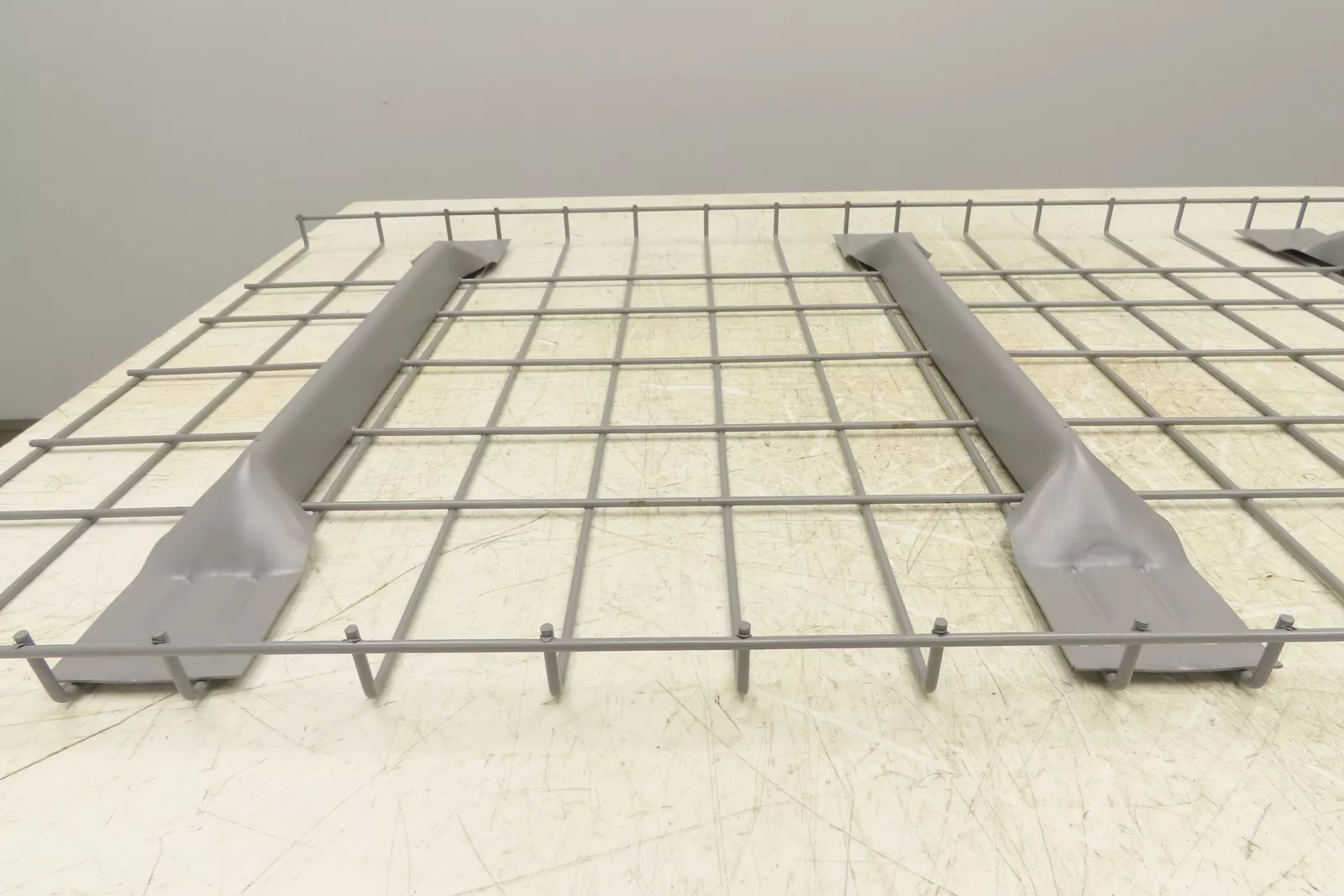
What Are The Benefits Of Automated Racking Systems?
What Are The Benefits Of Automated Racking Systems?
- Automated racking systems enhance efficiency and reduce costs in warehousing operations.
- They maximize space by packing goods more tightly, significantly reducing floor space needed.
- Example: A logistics center in California reported a 50% increase in storage density after implementation.
- Automated systems retrieve items quickly, reducing order pick times and improving customer satisfaction.
- They enhance accuracy by using advanced robotics, leading to a 75% reduction in picking errors in a beverage distribution case.
- Long-term cost savings include reduced labor costs, lower error rates, and optimized space utilization.
- Implementing automated racking systems is a strategic move for businesses to remain competitive in a fast-paced market.

What Are The Benefits Of Automated Racking Systems?
Are There Different Types Of Automated Racking Systems?
In the fast-evolving world of warehousing and logistics, automated racking systems have emerged as a game-changer. These systems not only streamline operations but also enhance efficiency, reduce costs, and maximize space utilization. Dive into the fascinating landscape of automated racking systems and uncover the different types that are transforming the industry today!
1. Automated Storage and Retrieval Systems (ASRS): These are perhaps the most well-known type of automated racking systems. Equipped with sophisticated machinery, ASRS can automatically store and retrieve products from designated locations within the racking system. For instance, companies like Amazon have been leveraging ASRS in their fulfillment centers, allowing them to handle millions of items with remarkable speed while optimizing their inventory management. The recent announcement of Amazon expanding its sortation centers is a testament to the growing reliance on ASRS technology.
2. Mobile Racking Systems: These innovative systems offer the flexibility to move entire rows of racking to create temporary aisles as needed. Ideal for businesses dealing with high-density storage requirements, mobile racking systems allow organizations to increase storage capacity without expanding their facilities. A notable example is the automotive industry, where manufacturers adapt mobile racking to keep pace with fluctuating inventory demands while ensuring easy access to parts.
3. Vertical Lift Modules (VLMs): VLMs consist of a series of trays stored in a compact tower format, allowing for vertical storage of goods. They are highly efficient, reducing the footprint that traditional shelving requires. A current standout would be in the pharmaceutical sector, where companies utilize VLMs for secure, organized storage of medications, drastically minimizing the time spent on procurement processes.
4. Shuttle Racking Systems: These compositional frameworks utilize autonomous shuttles to transport goods within the racking structure. Not only do they speed up order fulfillment, but they also enhance accuracy and reduce labor costs. In recent years, retailers have widely adopted shuttle racking, particularly during peak seasons, to cope with surges in demand without overwhelming their workforce.
5. Pallet Flow Racking Systems: Ideal for first-in-first-out (FIFO) inventory management, pallet flow racking systems use gravity to facilitate the movement of pallets. Each pallet enters from one side and flows down a series of angled rollers, ensuring that the oldest stock is accessed first. This technology is especially prevalent in the food industry, where freshness is paramount, helping companies innovate while adhering to stricter regulations.
In today’s rapidly changing market landscape, choosing the right automated racking system can pave the way for your business’s success. From enhanced efficiency to extraordinary cost savings, these systems are not just a trend—they’re the future of warehousing. As businesses navigate the challenges of a post-pandemic world, the time to invest in automated racking solutions is now!

Are There Different Types Of Automated Racking Systems?
Are There Different Types Of Automated Racking Systems?
- Automated racking systems are revolutionizing warehousing and logistics by streamlining operations and boosting efficiency.
- Types of automated racking systems include Automated Storage and Retrieval Systems (ASRS), mobile racking systems, and Vertical Lift Modules (VLMs).
- ASRS allows for the automatic storage and retrieval of products, significantly enhancing inventory management at companies like Amazon.
- Mobile racking systems provide flexibility in high-density storage, allowing businesses to create temporary aisles as needed.
- Vertical Lift Modules (VLMs) offer compact vertical storage solutions, beneficial for sectors like pharmaceuticals that require organized storage of medications.
- Shuttle racking systems utilize autonomous shuttles for efficient transport within the racking structure, increasing accuracy and reducing labor costs.
- Pallet flow racking systems facilitate FIFO inventory management using gravity, particularly important in the food industry due to freshness concerns.

Are There Different Types Of Automated Racking Systems?
How Much Do Automated Racking Systems Cost?
When considering the investment in an automated racking system, understanding the cost is paramount. The price can fluctuate based on various factors, including the complexity of the system, the size of your warehouse, and the specific requirements of your operations. However, it’s crucial to recognize that this is not merely a line item on your balance sheet; it’s an opportunity to revolutionize your supply chain.
As a ballpark figure, small to mid-size automated racking systems might start around $50,000. For larger or more specialized systems, costs can soar to $500,000 or even exceed $1 million. The investment isn’t just about what you write on your invoice; it’s about what returns you’ll reap from that investment.
Evaluating the Investment
Let’s take an example: consider a mid-sized e-commerce company looking to enhance its storage efficiency. Implementing a basic automated racking solution might seem like a hefty initial cost at $250,000, but think beyond the price tag. With increased storage density and improved retrieval times, the company could potentially boost order fulfillment speed from 24 hours down to 12 hours, significantly enhancing customer satisfaction and driving repeat business.
In the current landscape, which has been shaped by recent global supply chain disruptions, adopting automated systems has become crucial. Companies like Amazon have pioneered automated racking to handle the surging demand for rapid delivery. For them, investing in these systems translates into maintaining competitive advantage amidst fluctuating market conditions.
Long-Term Savings
The benefits extend beyond the immediate returns. When you factor in the reduction in labor costs and the minimized risk of human error, the true cost of an automated racking system becomes clearer. Industry estimates suggest that businesses can save 20-30% in labor costs alone, representing a significant return on investment over time.
Moreover, consider the concept of opportunity cost: what other projects or innovations could you pursue if you weren’t mired in the inefficiency of manual warehousing operations?
Conclusion
While the initial cost of automated racking systems may appear daunting, the transformative potential they hold can lead to immense savings, enhanced productivity, and fortified customer relationships. By positioning yourself ahead of the curve, tapping into automation might just be the leap you need to future-proof your business in an unpredictable economy. Make your investment count; after all, it’s not just about saving dollars today, but about securing your market position tomorrow.

How Much Do Automated Racking Systems Cost?
How Much Do Automated Racking Systems Cost?
- Understanding the cost of an automated racking system is essential for investment decisions.
- Prices for these systems can range from $50,000 for small setups to over $1 million for larger, specialized systems.
- The investment is seen as an opportunity to transform supply chain efficiency, not just a cost entry.
- For example, a mid-sized e-commerce company could reduce order fulfillment time from 24 hours to 12 hours with a $250,000 investment, improving customer satisfaction.
- Adopting automated systems is crucial for maintaining a competitive advantage in a rapidly changing market.
- Long-term benefits include significant labor cost savings (20-30%) and reduced risk of human error.
- The investment in automation helps businesses unlock potential for innovations and projects previously hindered by inefficiencies.

How Much Do Automated Racking Systems Cost?
What Industries Use Automated Racking Systems?
Automated racking systems are transforming warehouse and inventory management across a diverse range of industries. Companies are recognizing the myriad benefits these systems offer, including enhanced efficiency, reduced labor costs, and improved inventory accuracy. Let’s explore the sectors that are effectively harnessing automated racking to drive their operations forward.
1. E-commerce and Retail
In the e-commerce revolution, speed and accuracy are paramount. Companies like Amazon and Alibaba have set the gold standard by integrating sophisticated automated racking systems into their fulfillment centers. These systems optimize space and streamline picking processes, allowing businesses to fulfill orders rapidly and accurately. Current trends show that as online shopping continues to surge, the demand for automated solutions in retail logistics is skyrocketing.
2. Manufacturing
Manufacturers, especially those in the automotive and electronics sectors, utilize automated racking to manage their inventory of parts and components. Systems designed to facilitate Just-In-Time (JIT) production minimize holding costs and ensure that materials are accessible when needed. As manufacturers embrace Industry 4.0 principles, the integration of IoT and automation in racking systems allows for real-time inventory tracking and management. Companies like Tesla are leading the charge, leveraging automation to keep production lines running smoothly.
3. Pharmaceuticals and Biotechnology
In the pharmaceutical industry, precision is non-negotiable. Automated racking systems provide a critical backbone for managing the vast amounts of inventory—from raw materials to finished products. They maintain strict compliance with regulatory standards, ensuring that products are stored under specific conditions. Major pharmaceutical firms like Pfizer and Moderna are investing heavily in these systems to enhance their operational capabilities and maintain their competitive edge, especially in the wake of increased demand driven by the global health crisis.
4. Food and Beverage
The food and beverage industry also benefits significantly from automated racking. Companies such as Coca-Cola and Nestlé utilize these systems to manage high volumes of diverse inventory, ensuring products are stored efficiently and effectively rotated to minimize spoilage. Current trends show a growing focus on sustainability, prompting businesses to incorporate energy-efficient automated solutions into their operations.
5. Automotive
The automotive industry employs automated racking to handle spare parts and components. With brands like Toyota and Ford implementing advanced storage solutions within their supply chains, the result is a leaner, faster process that can react swiftly to changing market demands.
In summary, automated racking systems are not just a trend—they are reshaping how industries operate. As businesses face increasing pressure to optimize their operations, the adaptability of automated racking continues to make it a leading choice across various sectors. Whether facilitating rapid e-commerce fulfillment or ensuring compliance in pharmaceuticals, these systems stand as a testament to the power of innovation in today’s fast-paced world.

What Industries Use Automated Racking Systems?
What Industries Use Automated Racking Systems?
- Automated racking systems are revolutionizing warehouse and inventory management across various industries.
- Key benefits include enhanced efficiency, reduced labor costs, and improved inventory accuracy.
- E-commerce and retail industries leverage automated racking to optimize space and streamline order fulfillment.
- Manufacturers, particularly in automotive and electronics, use these systems for Just-In-Time (JIT) inventory management.
- The pharmaceutical sector relies on automated racking to manage inventory while ensuring regulatory compliance.
- Food and beverage companies implement automated racking to efficiently manage diverse inventories and reduce spoilage.
- Overall, automated racking systems are essential for businesses aiming to optimize operations and respond to market demands.

What Industries Use Automated Racking Systems?
What Factors Should I Consider Before Purchasing?
Before making any purchase, especially a significant one, it’s essential to take a step back and evaluate several critical factors that can influence your decision. Your ability to discern value vs. cost can lead to better satisfaction and fewer buyer’s remorse moments.
1. Assess Your Needs vs. Wants
Understanding what you truly need versus what would be nice to have can save you both money and time. For example, if you’re considering a smartphone, asking yourself whether you require the latest model with cutting-edge features or if last year’s model suffices can guide you in making a more economical choice. During the current economic climate, where inflation is pinching budgets, prioritizing needs over wants can prevent unnecessary overspending.
2. Research and Compare Options
Market research has never been easier, thanks to online reviews and comparison tools. Utilize platforms like Google Shopping, Yelp, or even social media to see real customer experiences. For instance, if you’re eyeing an electric vehicle (EV), compare models like the Tesla Model 3 with the Ford Mach-E. Look beyond just price and consider range, availability of charging stations, and maintenance costs. Remember, the best choice isn’t always the top-rated; it’s the one that meets your specific criteria.
3. Quality vs. Price
There’s an old saying that you get what you pay for. While this can sometimes ring true, especially when it comes to cheap electronics, examining the longevity and warranty of the product is crucial. For instance, when shopping for appliances, a well-known brand may cost more initially but could save you money in the long run due to durability and fewer repairs. And with recent supply chain disruptions affecting various sectors, sometimes spending a little more upfront can ensure you get a product that’s actually available.
4. Consider the Timing
Timing can dramatically affect your purchase. Seasonal sales, like Black Friday or end-of-year clearance events, can bring significant discounts—sometimes as much as 40-60% off. On the other hand, if you’re in the market for a specific item like a home, consider the current interest rates. As of October 2023, rates have seen some fluctuation; locking in a low rate can save you thousands over time.
5. Look for After-Purchase Support
Finally, consider the seller’s customer service and return policy. Can you easily reach them if something goes awry? What’s their return policy like? In the digital age, where transactions can happen with just a click, a supportive customer service can make all the difference if you encounter issues post-purchase.
By being diligent in your assessment and aligning your decisions with your values, you pave the way for smart, satisfying purchases that meet your current lifestyle needs.

What Factors Should I Consider Before Purchasing?
What Factors Should I Consider Before Purchasing?
- Evaluate critical factors before making significant purchases to ensure satisfaction and minimize buyer’s remorse.
- Assess your needs vs. wants to avoid unnecessary spending, especially in an inflationary climate.
- Conduct market research and comparisons using online reviews and tools to make informed choices.
- Examine the balance between quality and price, considering longevity and warranty of products.
- Be aware of timing for purchases, as seasonal sales can offer significant discounts.
- Consider after-purchase support, including customer service and return policies.
- Align purchase decisions with personal values to achieve smarter, more satisfying outcomes.

What Factors Should I Consider Before Purchasing?
How Do Automated Systems Improve Efficiency?
In today’s fast-paced business environment, efficiency is the name of the game, and automated systems are leading the charge to streamline processes and maximize productivity. From manufacturing lines to customer service, automation is transforming how businesses operate, delivering unmistakable benefits that can’t be ignored.
Consider the automotive industry, where robots perform precise tasks with unmatched speed and consistency. Companies like Tesla are not just focusing on cars; they’re innovating on the assembly line itself. By adopting advanced robotics for welding, painting, and assembly, Tesla has reduced production times significantly, not only cutting costs but also eliminating human error that can delay projects and inflate expenses. The automation of these tasks has allowed Tesla to scale production efficiently, responding to market demands without missing a beat.
Now, let’s pivot to customer service, an area where businesses often struggle to maintain a personal touch while handling high volumes of inquiries. Enter chatbots and AI-driven customer interaction systems. These tools can handle thousands of customer queries simultaneously, providing instant responses. For instance, during the global pandemic, companies like Amazon employed sophisticated chatbots to manage an unprecedented surge in online shopping. By automating customer support, they ensured that customers received the help they needed without gridlock, allowing their human agents to focus on more complex issues. This not only improved response time but also significantly enhanced customer satisfaction levels, resulting in repeat business and loyalty in an increasingly competitive market.
Efficiency gains from automation extend far beyond mere cost savings. Consider the healthcare sector, where hospitals are using automated scheduling systems to optimize patient appointments. By analyzing patterns and predicting demand, these systems help organizations fill available slots with maximum efficiency, reducing wait times and increasing patient throughput. With recent pressures on health systems worldwide, as seen during crises like the COVID-19 pandemic, such automation has become crucial not just for financial viability but for the health and well-being of patients, demonstrating the ripple effect of efficiency improvements.
Automated systems aren’t just a passing trend; they represent a paradigm shift in how businesses operate. As companies across all sectors harness the power of automation, they’re experiencing not only increased efficiency but also a repositioning for greater innovation and responsiveness. Embracing automation now could mean the difference between thriving and merely surviving in an increasingly competitive landscape. Don’t just adapt—automate, and watch your efficiency soar.

How Do Automated Systems Improve Efficiency?
How Do Automated Systems Improve Efficiency?
- Automation is transforming business operations across various sectors, enhancing efficiency and productivity.
- The automotive industry, exemplified by Tesla, utilizes advanced robotics to perform tasks like welding and painting, reducing production times and costs.
- Automating tasks in manufacturing helps minimize human error and allows companies to scale production to meet market demands.
- In customer service, chatbots and AI systems manage high volumes of inquiries, providing instant responses and boosting customer satisfaction.
- During the pandemic, companies like Amazon leveraged chatbots to handle increased online traffic, freeing human agents for more complex issues.
- The healthcare sector benefits from automated scheduling systems that optimize patient appointments, reducing wait times and improving throughput.
- Overall, embracing automation is essential for businesses to remain competitive and foster innovation in today’s fast-paced environment.

How Do Automated Systems Improve Efficiency?
Are There Any Drawbacks To Automated Racking?
When it comes to modern warehousing solutions, automated racking systems are often hailed as the panacea for inefficiency. They promise streamlined operations, enhanced accuracy, and increased storage capacities. However, before jumping headfirst into this technological marvel, it’s essential to consider the potential drawbacks that could impact your bottom line.
1. High Initial Investment
One significant drawback of automated racking systems is their high upfront cost. While these systems can lead to long-term savings, the initial outlay for purchasing, installing, and integrating advanced technology can be substantial. For example, a logistics leader recently reported spending over $1 million on an automated racking system, which took years to see a return on investment. Companies must weigh the costs against potential operational efficiencies carefully and consider if their current sales volume justifies this investment.
2. Maintenance Challenges
Automated racking systems require specialized maintenance. Failing to promptly service these systems can lead to downtime, which can halt operations and create financial strain. In an era where every hour matters, a breakdown could result in significant losses. A notable incident recently occurred when a major retailer experienced a two-day outage due to a software glitch in their automated racking system, causing delays in fulfilling online orders and impacting customer satisfaction.
3. Complexity and Training
Implementing sophisticated technologies often necessitates extensive employee training. Your current workforce might require upskilling or, in some cases, a complete overhaul of personnel. Not all employees are tech-savvy, and incorporating automated systems adds complexity to day-to-day operations. As highlighted by industry experts during a recent conference on warehouse automation, there’s a learning curve that cannot be overlooked.
4. Risk of Over-Reliance
With automation, there’s a natural tendency to become overly reliant on technology. During a recent supply chain disruption, a logistics company found that their entire process was too dependent on their automated systems, leading to significant delays as they scrambled to implement manual processes. This highlights a critical need for backup systems and procedures in case technology fails.
5. Limited Flexibility
Automated racking systems can also lack the flexibility required to adapt to changing inventory needs or product types. If your business model is dynamic, with fluctuating SKUs or seasonal demands, you may find your automated system struggling to keep pace. For instance, companies that predominantly relied on automated systems during the pandemic faced challenges in adapting to last-minute changes in inventory needs, resulting in missed opportunities.
In summary, while automated racking offers considerable advantages, it’s vital to approach its implementation with a careful understanding of its potential drawbacks. Weigh these factors against your specific operational needs to make an informed, strategic investment. Don’t let the glimmer of shiny technology blind you to the possible hurdles ahead!

Are There Any Drawbacks To Automated Racking?
Are There Any Drawbacks To Automated Racking?
- Automated racking systems can enhance operational efficiency but come with potential drawbacks.
- High initial investments are required, with significant upfront costs for purchasing and integrating technology.
- Specialized maintenance is necessary to prevent downtime and maintain operational continuity.
- Extensive employee training may be needed, adding complexity to operations.
- Over-reliance on automation can lead to vulnerabilities during supply chain disruptions.
- Limited flexibility of automated systems may hinder adaptability to changing inventory needs.
- Careful consideration of these factors is crucial before investing in automated racking solutions.

Are There Any Drawbacks To Automated Racking?
What Is The Maintenance Required For These Systems?
When investing in advanced systems, understanding their maintenance is crucial to maximizing your return on investment. Just as a luxury car demands regular upkeep, so too do these complex systems. Skipping maintenance is like tossing money out of the window—eventually, the consequences catch up with you.
First off, let’s dive into regular check-ups. A monthly or quarterly review of system performance ensures early detection of issues before they snowball into costly repairs. For example, a company that failed to monitor their automated inventory system recently faced a massive hiccup when they ran out of best-selling products during a peak shopping season. The missed opportunity and customer dissatisfaction could have been prevented with routine maintenance.
Next, think about software updates. Just as you would update your phone or computer, your systems require the latest software updates to fend off vulnerabilities and bugs. A failure to stay current can expose your organization to cybersecurity threats. In fact, a recent breach of a well-known retail chain was due, in part, to outdated security protocols. By implementing a regular update schedule, you not only protect your assets but also ensure that your systems run at optimal efficiency.
Then, consider the hardware elements. Regular inspections and cleaning can dramatically prolong the lifespan of your equipment. For instance, a restaurant that neglected to clean their state-of-the-art kitchen equipment faced costly replacements sooner than anticipated. A simple routine to check for wear and tear would have saved them thousands of dollars and ensured they could serve customers without interruptions.
Furthermore, employee training is a pivotal aspect of maintenance that often gets overlooked. Your staff needs to be well-versed in how to manage and troubleshoot these systems. A recent survey found that companies investing in ongoing training for their employees experienced a 30% increase in productivity. Equip your team with the knowledge to effectively use the systems, and you’ll reap the rewards of their efficiency.
Lastly, establish a well-defined maintenance schedule and stick to it. Whether it’s a weekly system test or an annual health check, having a plan ensures accountability and maintains the integrity of your systems.
Proper maintenance of your advanced systems is not merely an option; it’s a necessity. By committing to regular reviews, software updates, hardware checks, employee training, and a structured maintenance schedule, you not only protect your investment but also position your business for unprecedented growth and success in today’s competitive landscape. Don’t wait for a crisis—take action now!

What Is The Maintenance Required For These Systems?
What Is The Maintenance Required For These Systems?
- Understanding maintenance is essential for maximizing returns on investment in advanced systems.
- Regular check-ups help detect issues early, preventing costly repairs and missed opportunities.
- Keeping software updated protects against cybersecurity threats and ensures optimal system performance.
- Regular inspections and cleaning can prolong the lifespan of hardware and avoid costly replacements.
- Employee training is vital and can lead to increased productivity in managing systems effectively.
- Establishing and adhering to a maintenance schedule ensures accountability and system integrity.
- Proper system maintenance is necessary for protecting investments and fostering business growth.

What Is The Maintenance Required For These Systems?
How Can I Integrate Automation Into My Existing Warehouse?
In an era where efficiency is paramount, integrating automation into your existing warehouse isn’t just an option—it’s a necessity. The world of logistics and warehousing is experiencing a seismic shift, and businesses that cling to outdated manual processes risk being outpaced by their competitors. But how can you seamlessly introduce automation without disrupting your operations? Here’s a roadmap to guide you through this transformative journey.
1. Understand Your Needs:
Before diving headfirst into automation, take a step back and assess the unique requirements of your warehouse. What are the bottlenecks affecting your productivity? Are your picking and packing processes sluggish? Perhaps your inventory management system lacks real-time tracking. For example, companies like Amazon have revolutionized their supply chains with automated sorting and fulfillment systems, drastically cutting down delivery times while increasing accuracy.
2. Choose the Right Technology:
Once you’ve pinpointed your pain points, research the automation technologies that best address these needs. Think in terms of scalable solutions that can grow with your business. Robotic Process Automation (RPA) can handle repetitive tasks, while Autonomous Mobile Robots (AMRs) can navigate your warehouse to transport goods efficiently. Kiva robots, which have transformed Amazon’s shipping operations, demonstrate the incredible efficiencies achievable when you deploy the right technology.
3. Pilot Programs:
Before full-scale implementation, launch a pilot program. This allows you to experiment with new technologies in a controlled environment, refining your processes based on real-world feedback. A recent initiative by Walmart saw the testing of automated shelf-scanning robots that help monitor inventory levels across their warehouse. The pilot program not only enhanced accuracy but provided invaluable data insights, signaling a larger rollout.
4. Train Your Team:
Automation isn’t a replacement for your workforce; it should empower your employees. Invest in training so your staff can operate and maintain new systems efficiently. Communication is crucial here—help them understand that automation will alleviate monotonous tasks, allowing them to focus on strategic, high-value activities.
5. Measure and Optimize:
The integration of automation is not a “set it and forget it” endeavor. Continuously monitor your operations and gather data to assess performance. Use this data to refine your processes, ensuring that your warehouse stays agile and efficient in response to market demands. Companies leveraging data analytics alongside automation, like FedEx, are finding new ways to streamline their logistics and enhance customer satisfaction.
By thoughtfully integrating automation into your warehouse, not only can you enhance operational efficiency, but you also position your business to thrive in today’s fast-paced market. The time to act is now—take the leap, and watch your warehouse transform into a beacon of productivity and innovation.

How Can I Integrate Automation Into My Existing Warehouse?
How Can I Integrate Automation Into My Existing Warehouse?
- Integrating automation into warehouses is essential for maintaining competitiveness in logistics.
- Assess specific needs and identify bottlenecks in productivity before implementing automation.
- Research and select scalable technologies like Robotic Process Automation (RPA) and Autonomous Mobile Robots (AMRs).
- Conduct pilot programs to test new technologies and refine processes based on real-world feedback.
- Invest in training for employees to operate and maintain new systems, emphasizing the empowerment automation brings.
- Continuously measure and optimize operations using data to adapt to market demands and enhance efficiency.
- Thoughtful automation integration can significantly improve operational efficiency and drive business success.

How Can I Integrate Automation Into My Existing Warehouse?
What Technology Is Involved In Automated Racking?
Automated racking systems are revolutionizing the storage and warehousing landscape, leveraging cutting-edge technology to enhance efficiency and streamline operations. The blend of robotics, AI, and sophisticated software is creating systems that are not just smart, but also remarkably responsive to real-time demands.
At the heart of these systems lies robotic automation. Automated Guided Vehicles (AGVs) or Autonomous Mobile Robots (AMRs) are deployed to transport goods throughout the warehouse. For instance, companies like Kiva Systems (now a part of Amazon Robotics) have transformed massive fulfillment centers by utilizing fleets of robots that navigate through aisles, pick inventory, and deliver items to human workers or packing stations—all while optimizing pathways to minimize time and energy costs.
Artificial Intelligence (AI) is the brainpower behind these systems. Utilizing algorithms that analyze vast amounts of data, AI is capable of predicting demand trends, optimizing space utilization, and even adjusting inventory levels dynamically. In a recent implementation by a leading e-commerce retailer, AI predicted seasonal spikes in demand, allowing them to reallocate resources efficiently, resulting in a 20% reduction in operational costs during peak times.
Software platforms are the glue binding all these components together. Advanced Warehouse Management Systems (WMS) integrate with automated racking, providing real-time visibility of inventory. They utilize Big Data Analytics to assess demand forecasting and inventory turnover rates, enabling precision in inventory management. For example, Navis, a leader in logistics technology, provides solutions that optimize not just storage locations but also loading and unloading schedules, ensuring that warehouses operate like well-oiled machines.
Moreover, Internet of Things (IoT) technology is playing a critical role. Sensors attached to racking systems collect and transmit data about inventory levels and environmental conditions, which allows for real-time monitoring and maintenance alerts before issues escalate. This proactive approach minimizes downtime and maximizes efficiency. A prime example is Zebra Technologies, which combines IoT-enabled devices with their advanced analytics platform providing actionable insights for companies looking to enhance their automated systems.
Finally, machine learning further enhances these systems by continuously improving through data feedback loops. Every access and movement within the racking system generates valuable data, which machine learning algorithms analyze to improve operational efficiency over time.
In summary, the amalgamation of robotic automation, artificial intelligence, software management, IoT technology, and machine learning is defining the next evolution in warehousing. By investing in these innovative technologies, businesses not only improve their operational efficiency but also position themselves to adapt to future challenges in an increasingly competitive landscape. Embrace the future—it’s being built on automated racking right now.

What Technology Is Involved In Automated Racking?
What Technology Is Involved In Automated Racking?
- Automated racking systems are transforming storage and warehousing with advanced technologies.
- Robotic automation with AGVs and AMRs is used to transport goods efficiently in warehouses.
- AI analyzes data to predict demand trends and optimize resource allocation, improving operational costs.
- Advanced Warehouse Management Systems (WMS) provide real-time inventory visibility and management.
- IoT technology monitors inventory levels and conditions, facilitating proactive maintenance and efficiency.
- Machine learning algorithms continuously enhance operational efficiency through data feedback loops.
- The integration of these technologies positions businesses to thrive in a competitive landscape.

What Technology Is Involved In Automated Racking?
Are There Success Stories From Companies Using These Systems?
In today’s fast-paced business landscape, the successful implementation of innovative systems is a game-changer. Companies across various sectors are leveraging these systems not only to enhance operational efficiency but also to drive exponential growth. Let’s dive into some compelling success stories showcasing the transformative power of these tools.
Take, for example, the retail giant Walmart, which has embraced advanced inventory management systems. By implementing sophisticated real-time data analytics and supply chain solutions, Walmart streamlined its logistics, reducing delivery times by over 20%. This has not only optimized inventory turnover but also significantly reduced stockouts. As more consumers gravitate towards online shopping, Walmart’s ability to blend physical and digital experiences seamlessly has set them apart from competitors.
In the technology sector, industry leaders like Adobe have successfully harnessed cloud-based systems to evolve their business model. By pivoting to a subscription-based service with Adobe Creative Cloud, the company reported a staggering increase in recurring revenue, which surged from $1.2 billion in 2013 to over $4.3 billion in recent years. This strategic shift not only improved customer retention but also opened the floodgates for a broader audience, allowing users access to high-quality creative tools without the hefty upfront cost.
Another shining example can be found in the healthcare space, where the implementation of electronic health records (EHR) has transformed patient care. Organizations like Mayo Clinic have utilized these systems to create a more integrated approach to patient treatment. By centralizing patient data, Mayo Clinic enhanced collaboration among healthcare providers, resulting in improved diagnostic accuracy and accelerated treatment times. In 2022, they reported a 30% reduction in patient wait times, a direct result of these technological advancements.
Moreover, the logistics industry is not left out, with companies such as Amazon using sophisticated automation systems. This has allowed them to revolutionize their warehousing processes, leading to quicker shipping times and significantly improved customer satisfaction. During the recent holiday season, Amazon reported record-breaking sales, attributing a large part of their success to these streamlined operations.
Current events underscore this trend, as companies face mounting pressure to adapt to shifting market conditions. The COVID-19 pandemic underscored the importance of agility, prompting many businesses to implement systems that enhance remote collaboration and digital engagement. Companies that invested in these solutions have navigated challenges more adeptly, emerging stronger than ever.
The success stories from companies that have embraced these innovative systems speak volumes. Whether it’s retail, technology, healthcare, or logistics, the evidence is clear: strategic implementation leads to remarkable results, positioning organizations for sustained success in an increasingly competitive marketplace.

Are There Success Stories From Companies Using These Systems?
Are There Success Stories From Companies Using These Systems?
- Innovative systems are essential for success in today’s competitive business landscape.
- Walmart improved logistics with advanced inventory management, reducing delivery times by over 20% and optimizing inventory turnover.
- Adobe shifted to a subscription-based model with Adobe Creative Cloud, significantly increasing recurring revenue from $1.2 billion in 2013 to over $4.3 billion.
- Mayo Clinic utilized electronic health records (EHR) to centralize patient data, resulting in a 30% reduction in patient wait times.
- Amazon revolutionized warehousing with automation, leading to quick shipping times and enhanced customer satisfaction.
- The COVID-19 pandemic prompted companies to adopt systems for remote collaboration and digital engagement, showcasing the necessity for agility.
- Success stories across various sectors demonstrate that strategic implementation of innovative systems leads to sustained organizational success.

Are There Success Stories From Companies Using These Systems?
How Do Safety Features Work In Automated Racking Systems?
How Do Safety Features Work in Automated Racking Systems?
In the bustling world of warehousing and logistics, safety is paramount. As companies turn to automated racking systems to optimize efficiency and reduce labor costs, the integration of advanced safety features has become a non-negotiable aspect of these technologies. Let’s unpack how these systems ensure both the safety of employees and the integrity of operations.
First and foremost, automated racking systems utilize a sophisticated network of sensors and cameras to monitor their surroundings continuously. These sensors detect obstructions, human presence, and even environmental conditions, allowing the system to react in real time. For instance, if a worker inadvertently enters a designated workspace, the racking system can halt its operations, preventing potential collisions. This proactive approach is similar to how modern vehicles employ automatic emergency braking to avoid accidents before they occur.
Moreover, these systems often incorporate advanced software algorithms that analyze data from these sensors to optimize workflows and safety protocols. Take Amazon’s use of Kiva robots, for example. The robots not only fetch products but are equipped with obstacle avoidance systems that allow them to navigate complex warehouse layouts safely. By studying such implementations, you can see the powerful interplay between automation and keen safety oversight—a blend that fundamentally reshapes operational standards.
In addition, many automated racking systems feature fail-safes and redundancies that kick in during system malfunctions. For example, in a warehouse setting, if a racking unit experiences an unexpected power failure, it will automatically enter a safe mode. This means that the system will lock into place and prevent any potential tipping or crashing hazards. Similar technology has seen a surge in public transit systems following recent safety incidents, where authorities are investing heavily in smart braking systems that prevent accidents before they can happen.
Finally, it’s worth noting that training and operational protocols are critical components of safety in automated racking systems. Organizations are implementing rigorous training programs that not only highlight the importance of following safety procedures but also educate staff on the technology’s capabilities. This synergy between human oversight and machine reliability cultivates a safer workplace atmosphere.
As automated racking systems continue to redefine warehousing operations, their safety features are crucial. Leveraging sensors, software intelligence, and fail-safe mechanisms creates a protective shield around employees and assets alike. With ongoing innovations and improvements, the future of automated warehousing is not just efficient—it’s remarkably safe. In a world where safety and operational efficacy go hand in hand, investing in these advanced systems is a clear win for any forward-thinking organization.

How Do Safety Features Work In Automated Racking Systems?
How Do Safety Features Work In Automated Racking Systems?
- Automated racking systems are designed to enhance efficiency while prioritizing safety in warehousing and logistics.
- These systems utilize advanced sensors and cameras to continuously monitor surroundings, detecting obstructions and human presence.
- The systems can halt operations in real-time if a worker enters a designated workspace, preventing potential collisions.
- Advanced software algorithms analyze sensor data to optimize workflows and implement safety protocols.
- Redundant fail-safes activate during system malfunctions, such as automatically locking in place during power failures.
- Training and operational protocols are crucial, with organizations emphasizing safety procedures and technology education for staff.
- The integration of these safety features creates a protective environment, making automated warehousing both efficient and safe.

How Do Safety Features Work In Automated Racking Systems?
What Is The Roi On Automated Warehouse Systems?
What Is The ROI on Automated Warehouse Systems?
In the cutthroat world of logistics and supply chain management, the question on every executive’s lips is, “What’s the return on investment (ROI) for automated warehouse systems?” As market demands continue to rise, fueled by e-commerce booms and consumer expectations for rapid delivery, the stakes are higher than ever. Automation in warehousing isn’t just an option; it’s a strategic necessity that can redefine your bottom line.
Consider this: a recent study by McKinsey & Company indicates that businesses embracing automation can see productivity gains of up to 30%. By deploying automated storage and retrieval systems (AS/RS), conveyor systems, and robotics in warehousing operations, companies can enhance efficiency dramatically. If you’ve ever witnessed autonomous robots scurrying through a warehouse, sorting and organizing products with pinpoint precision, you’ve witnessed the future of logistics firsthand.
Take Amazon, a titan in retail, which has revolutionized its warehousing with state-of-the-art automation technologies. Their data-driven approach allowed them to reduce ‘order-to-ship’ times significantly, enhancing customer satisfaction and loyalty. This amount of efficiency translates into real dollar savings. A tangible example is their investment in Kiva Systems, leading to a reported reduction of operating costs by 20-40%. This isn’t just impressive; it’s transformative.
But the ROI doesn’t stop at cost savings. Automated systems drastically reduce human error. In traditional warehouses, picking and packing mistakes can lead to hefty returns and dissatisfied customers, impacting the overall revenue. Automation mitigates these risks. Consider the case of a recent warehouse automation implementation for a major pharmaceutical company that reported a 50% reduction in packing errors, ensuring compliance and safeguarding their reputation.
Moreover, with labor shortages becoming a pressing issue post-pandemic, automated warehouse systems allow companies to do more with less. The Bureau of Labor Statistics has documented significant fluctuations in workforce availability in the logistics sector, making automation not merely a competitive advantage but a critical enabler of resilience.
To quantify your projected ROI, consider direct metrics like increased throughput, reduced operation costs, lower labor requirements, and diminished error rates. Add to this the intangible benefits—enhanced customer satisfaction and scalability during peak seasons—and the question shifts from “What’s the ROI?” to “Can we afford not to automate?”
In a climate where agility is paramount, investing in automated warehouse systems isn’t just smart; it’s essential. Analyze the data, heed the trends, and watch as your warehouse transforms from a mere storage space into a powerhouse of profitability. Don’t just keep pace with the competition—leap ahead into the future of logistics.

What Is The Roi On Automated Warehouse Systems?
What Is The Roi On Automated Warehouse Systems?
- The ROI for automated warehouse systems is crucial in logistics and supply chain management, especially due to rising market demands.
- McKinsey & Company reports that automation can yield productivity gains of up to 30% in warehousing operations.
- Companies can enhance efficiency through technologies like automated storage and retrieval systems (AS/RS), conveyor systems, and robotics.
- Amazon’s investment in automation, such as Kiva Systems, has resulted in a 20-40% reduction in operating costs and improved order-to-ship times.
- Automated systems minimize human errors, with examples showing up to a 50% reduction in packing errors in certain implementations.
- Labor shortages in the logistics sector make automation a necessary enabler of resilience and operational efficiency.
- Evaluating ROI should include direct metrics and intangible benefits, emphasizing the importance of automation in enhancing profitability.

What Is The Roi On Automated Warehouse Systems?
Conclusion
Conclusion: Embracing the Future of Warehouse Efficiency with Automated Racking Systems
In an age where speed and accuracy are not just desired but expected, the question of whether your warehouse operations can afford to remain manual has transitioned from debate to urgency. Automated warehouse racking systems (AWRS) have evolved from futuristic concepts to integral components of modern logistics, revolutionizing how companies like Amazon and Walmart operate. These systems streamline every facet of warehousing—from enhancing space utilization and minimizing manual labor to drastically improving order speeds and accuracy. The staggering potential of automated systems is presented in compelling case studies across various industries, showcasing significant reductions in operational costs and labor requirements—by as much as 20-30%, according to industry experts.
Imagine a warehouse where product retrieval feels almost effortless, facilitated by the seamless integration of advanced robotics and artificial intelligence. Not only do these innovations optimize inventory management, but they also ensure greater customer satisfaction, an essential metric in today’s competitive e-commerce landscape. The agility provided by automated racking systems means businesses can swiftly pivot during peak shopping seasons and adapt to fluctuating market demands without missing a beat.
However, the key to unlocking this transformation lies in taking that first step: making the decision to invest in automation. While the initial outlay may seem daunting—ranging anywhere from $50,000 to over $1 million—consider the unparalleled long-term ROI generated through enhanced efficiency, reduced error rates, and increased throughput. Moreover, the risk of being outperformed by competitors who have already embraced this technology is too great to ignore.
At Arrow Industrial Sales, we are committed to providing the advanced automated racking solutions that your business needs to thrive in today’s dynamic landscape. Recognizing that every minute and misstep counts, our team stands ready to equip you with cutting-edge systems tailored for your operational needs.
Don’t let your operations lag behind. Act now—call Arrow Industrial Sales at (574) 349-6575 to explore how our automated solutions can elevate your warehousing capabilities. With this technology advancing at an unprecedented pace, the time to seize the future of logistics is today. Position yourself as a leader in your industry. Let’s embark on this revolutionary journey together!

Conclusion
Conclusion:
- Automated warehouse racking systems (AWRS) are essential for modern logistics, providing speed and accuracy.
- AWRS significantly reduce operational costs and labor needs, with reductions of 20-30% noted by industry experts.
- These systems streamline operations by optimizing inventory management and enhancing customer satisfaction.
- Agility in warehousing allows businesses to adapt quickly to market demands and peak shopping seasons.
- Investing in automation can seem daunting, with costs ranging from $50,000 to over $1 million, but offers significant long-term ROI.
- Arrow Industrial Sales provides advanced automated racking solutions tailored to enhance operational efficiency.
- Timely investment in automation is crucial to avoid being outperformed by competitors in the evolving logistics landscape.

Conclusion
Other Resources

Other Resources
Here is a list of other resources you can review online to learn more:
- “Automated Guided Vehicles – AGV Systems”
- “Automated Guided Vehicles – AGV Systems”
- “Top 20 Warehouse Automation Suppliers Worldwide”
- “Automation in European grocers’ supply chains has …”
- “Dematic Automated Guided Vehicles”
- “The Growing Role of Warehouse Automation in Retail …”
- “Why Policymakers Should Support Robotic Automation to …”
- “What it takes to build leading omnichannel operations”
- “AWS Simulation and Digital Twin to increase warehouse …”
- “A decision-making framework for automating distribution …”
- “(PDF) Multimodal Technology-enabled Distribution Center …”
- “WAREHOUSE MANAGEMENT – Flip eBook Pages 651-700”
- “May 2021”
- “Let our experts help you cut costs”
- “Secrets of Expedited Shipping”
- “Automation helps Mercadona get fresh produce from field …”
- “HowDo Supply Chain Research – Google Drive”
- “Warehouse Management A Complete Guide to Improving …”
Use This Prompt To Get More Resources With Your Favorite Online AI Tool: Please provide me with a list of online articles with their URLS in a bulleted list that I can read regarding Are There Automated Warehouse Racking Systems?

Other Resources
Glossary Terms
Are There Automated Warehouse Racking Systems? – Glossary Of Terms
1. Automated Storage and Retrieval System (AS/RS):A technology that automatically places and retrieves goods from storage locations, optimizing space and efficiency.
2. Racking System: A framework used for storing goods in warehouses, consisting of horizontal shelves or vertical spaces.
3. Pallet Rack: A type of racking system designed to store goods on pallets, allowing for easy access and organization.
4. SKU (Stock Keeping Unit): A unique identifier for each product or item in inventory, essential for tracking in automated systems.
5. Forklift: A powered industrial truck used to lift and move pallets and goods within a warehouse.
6. Conveyor System: A mechanical system that transports items automatically through various stages of a warehouse, enhancing efficiency.
7. Pick-to-Light System: A technology that uses lights to guide warehouse staff in picking items from shelves, improving accuracy and speed.
8. Warehouse Management System (WMS): Software designed to manage and optimize warehouse operations, including inventory tracking and order fulfillment.
9. Bin Locations: Designated storage spaces within a larger racking system where specific items are stored.
10. FIFO (First In, First Out): An inventory management strategy where the oldest stock is picked first to reduce spoilage or obsolescence.
11. LIFO (Last In, First Out): An inventory management strategy where the most recently stored items are picked before older stock.
12. Automated Guided Vehicle (AGV): Mobile robots used in warehouse operations to transport goods without human intervention.
13. Robotic Arm: A programmable machine used for repetitive tasks such as picking, placing, or assembling items within a warehouse.
14. Stacking: The process of placing goods on top of one another to maximize vertical space in a racking system.
15. Storage Density: The amount of goods that can be stored in a given volume of space, which automated systems aim to maximize.
16. Cycle Counting: An inventory auditing procedure that involves counting a subset of inventory in a warehouse on a specific day.
17. Real-Time Inventory Management: A method that tracks inventory levels and locations in real-time, allowing for timely adjustments and decisions.
18. User Interface (UI): The means by which operators interact with automated systems, typically including screens and controls for managing operations.
19. Throughput: The rate at which goods are processed and moved through a warehouse, often a key performance indicator for automation systems.
20. Interleaving: A picking method in which operators switch between tasks, optimizing the flow of operations and reducing travel time.
21. Safety Stock: Extra inventory kept on hand to mitigate the risk of stockouts and ensure continuous operations.
22. Load Capacity: The maximum weight or volume that a racking system or automated solution can support safely.
23. Integration: The process of combining different systems or technologies to work together seamlessly, enhancing overall efficiency.
24. Batch Picking: A method of order picking that involves collecting multiple items or SKUs at once to fulfill multiple orders simultaneously.
25. Lead Time: The total time taken from placing an order for inventory to receiving it in the warehouse.
26. Order Fulfillment: The complete process of receiving, processing, and delivering customer orders to meet demand.
27. Vertical Lift Module (VLM): An automated storage solution that consists of a series of trays stored in vertical space, retrieved by an automated system.
28. Serialization: The process of assigning a unique serial number to individual items for traceability and inventory control.
29. Modular System: A flexible and adjustable warehousing solution that can be tailored and expanded based on changing needs.
30. Lean Warehousing: An approach focused on minimizing waste in warehousing operations while maximizing productivity and efficiency.

Glossary Of Terms
Other Questions
Are There Automated Warehouse Racking Systems? – Other Questions
If you wish to explore and discover more, consider looking for answers to these questions:
- What are the key features of automated warehouse racking systems?
- How can automated racking systems be customized for specific business needs?
- What industries are most likely to benefit from automated racking systems?
- What is the typical lifespan of automated racking equipment?
- How does the implementation process for automated racking systems work?
- What training is required for staff to operate automated racking systems?
- Can automated racking systems be integrated with existing warehouse management software?
- What are the different manufacturers of automated racking systems?
- How do automated racking systems handle item returns or damaged goods?
- Are there any financial incentives for businesses to adopt automated racking solutions?
- What future trends are expected in automated racking technology?
- What are common misconceptions about automated racking systems?
- How do automated racking systems impact labor requirements in a warehouse?
- What are the maintenance costs associated with automated racking systems?
- How do these systems contribute to sustainability efforts in warehousing?

Other Questions
Checklist
Are There Automated Warehouse Racking Systems? – A Checklist
Preparing for Automated Racking Solutions
1. Assess Your Current Warehouse Operations:
_____ Identify bottlenecks in storage and retrieval processes.
_____ Evaluate the efficiency of your current inventory management system.
2. Define Your Objectives:
_____ Determine specific goals for implementing automated racking (e. g. reducing labor costs, improving retrieval speed).
3. Research Automated Racking Technologies:
_____ Explore various types of automated racking systems (ASRS, mobile racking, VLMs, etc. ).
_____ Identify the technologies that best fit your operational needs (robotics, AI, IoT).
4. Consider Your Budget:
_____ Calculate the initial investment required for automated systems.
_____ Estimate potential long-term savings on labor, space, and error reduction.
5. Review Case Studies:
_____ Look at success stories from companies similar to yours (like Amazon, Walmart) that have integrated automated systems.
_____ Analyze their ROI and operational improvements post-implementation.
Implementing Automated Racking Systems
6. Develop a Pilot Program:
_____ Test the automated system on a smaller scale before full implementation.
_____ Collect data and feedback to refine processes.
7. Train Your Workforce:
_____ Provide training to employees on the new technology.
_____ Ensure all staff understand how to operate and maintain automated systems effectively.
8. Integrate Inventory Management Systems:
_____ Ensure your Warehouse Management System (WMS) is compatible with the automated racking.
_____ Utilize data from IoT devices for real-time inventory tracking.
9. Establish Safety Protocols:
_____ Assess safety features such as sensors and automated stops.
_____ Ensure compliance with workplace safety regulations.
Evaluating Performance and Future Needs
10. Monitor Performance Metrics:
_____ Analyze key performance indicators (KPIs) such as order fulfillment speed, error rates, and space utilization.
_____ Utilize analytics to make data-driven adjustments to operations.
11. Plan for Maintenance:
_____ Schedule regular check-ups and software updates.
_____ Establish a maintenance budget for ongoing care of automated systems.
12. Evaluate Scalability:
_____ Determine how well the automated systems can adapt to future inventory changes and business expansions.
_____ Plan for potential upgrades or additions as your business grows.
Continuous Improvement
13. Seek Feedback:
_____ Actively collect feedback from employees about the new systems.
_____ Look for areas of improvement based on user experience.
14. Stay Updated on Technology Trends:
_____ Keep up with developments in automated racking technology and best practices.
_____ Attend industry conferences and webinars to network and share knowledge.
15. Reassess Goals Periodically:
_____ Review and update your objectives based on performance results and market changes.
_____ Set new targets for efficiency and productivity as technology evolves.
By following this checklist, businesses can and should simplify the transition to automated warehouse racking systems, making informed investments that enhance operational efficiency and meet today’s demanding logistics challenges.

Checklist
At RackingWorld, we help guide you through selecting warehouse storage systems and racking.
Be sure to read our other related stories at RackingWorld to learn more about warehouse storage systems.
0 Comments