
Mastering Warehouse Inspections: Your Path To Safety And Success
By Tom Seest
At RackingWorld, we help guide you through selecting warehouse storage systems and racking.
Be sure to read our other related stories at RackingWorld to learn more about warehouse storage systems.
How to Prepare for a Warehouse Inspection
Preparing for a warehouse inspection isn’t just another task on a long list; it’s an opportunity to show pride in your work and ensure safety for everyone involved. Think of it as not just checking boxes but as conducting a self-audit that reflects who you are as a team.
Start by organizing your racking systems. These structures are the backbone of your warehouse efficiency, so ensure they’re not only compliant with regulations but also well-maintained. Inspect every beam, every shelf, and every support column. A little oil on the squeaky parts goes a long way, and a diligent eye can catch hazards before they become problems. When your racking systems are in top shape, it reflects the commitment to safety that resonates throughout your operation.
Take a good, hard look at your inventory as well. Ensure everything is labeled clearly and no item is misplaced. A cluttered workspace can lead to errors, and that’s the last thing you want amidst a busy operation. Think of an organized inventory as a clean slate that allows your team to work more efficiently. It’s not just about looking good for the inspector; it keeps your colleagues safe and boosts morale. Nobody likes the panic of a missing part when it’s crunch time.
Next, gather your team. This isn’t just a grunt job – it’s a collective effort. Share the purpose of the inspection and remind them why their role matters. When everyone pitches in, it fosters camaraderie and accountability. As you prep together, you’re not just getting ready for an inspection; you’re strengthening the bond that keeps your warehouse running like a well-oiled machine.
Educate your crew on safety protocols and ensure everyone knows the emergency exits and procedures. This isn’t merely a checklist item; it’s about protecting your people. When they see that safety is a priority, it builds trust and confidence in leadership. Moreover, inviting team members to share their insights or concerns can unearth valuable perspectives that might have gone unnoticed.
Finally, take pride in your space. A clean, organized warehouse speaks volumes about your work ethic. Show the inspector that you’re not just meeting standards but exceeding them. Remember, it’s not just about passing the inspection; it’s about building a culture of excellence that ripples through every action you take. Embrace this chance to showcase your dedication, and let that commitment shine through in every aisle and every racking system.

How to Prepare for a Warehouse Inspection
How to Prepare for a Warehouse Inspection
- Preparing for a warehouse inspection is an opportunity to demonstrate pride in work and ensure safety.
- Organize racking systems to ensure compliance and maintenance, inspecting all structural components.
- Maintain a clear and organized inventory to reduce mistakes and enhance efficiency.
- Involve the team in preparation, fostering camaraderie and accountability among members.
- Educate staff on safety protocols and emergency procedures to prioritize protection and build trust.
- Encourage team members to voice insights or concerns for improved safety practices.
- Present a clean and organized warehouse to reflect work ethic and commitment to excellence.
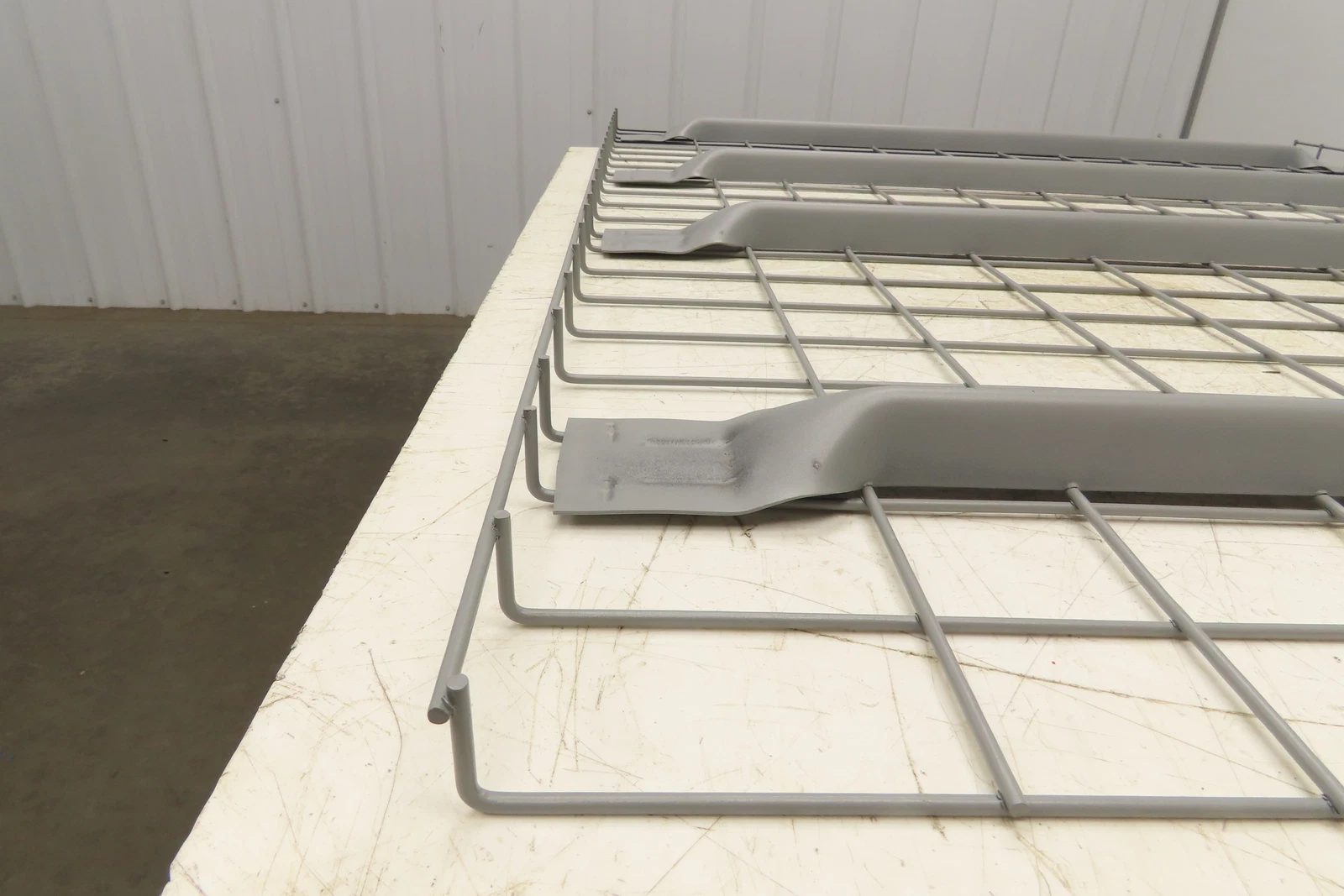
How to Prepare for a Warehouse Inspection
Table Of Contents
- How to Prepare for a Warehouse Inspection
- What Are the Key Regulations to Understand Before Inspection?
- How Can Training Improve Staff Readiness for Inspections?
- What Common Mistakes Lead to Failed Warehouse Inspections?
- How Does Proper Labeling Affect Inspection Outcomes?
- Why Is Regular Maintenance Crucial for Compliance Inspections?
- What Documentation Should Be Prepared for an Inspection?
- Conclusion
- Other Resources
- Glossary Of Terms
- Other Questions
- Checklist
What Are the Key Regulations to Understand Before Inspection?
When you’re gearing up for an inspection, understanding the regulations that govern your industry isn’t just about checking boxes; it’s about securing trust and safety for everyone involved. Regulations can seem like a maze at first, conjuring images of rulebooks gathering dust on a shelf, but let’s put it straightforward: these guidelines exist to protect you, your family, your co-workers, and the community at large.
Start with the basics. Knowing the codes for your racking systems is non-negotiable. These frameworks hold not just equipment but the weight of reliance, both physical and emotional. A failure in this area can lead to accidents that shake the very foundation of an operation, put livelihoods at risk, and even alter lives. Regulations ensure that our equipment can withstand the loads we throw at it, literally and figuratively. Familiarize yourself with load limits, design specifications, and maintenance schedules. Well-maintained racking systems aren’t just good practice; they’re foundational to a safe workplace.
Think about the regulatory body in your field. These institutions often have a reputation built on years of expertise and hard-won lessons. They’ve seen the downside of shortcuts and negligence, and their guidelines are crafted from experience. Using their resources and staying updated on any changes isn’t just a smart move; it’s an ethical responsibility. It shows you care—not just about compliance but about the well-being of your team and the integrity of your operation.
Imagine hearing about a colleague’s close call due to inadequate safety protocols. It’s a gut punch. Inspections can be harrowing, but they also offer a golden opportunity to showcase diligence. They create a culture of accountability. When everyone knows the rules and rallies around them, it fosters a sense of unity. You’re not just passing an inspection; you’re setting the stage for excellence in your workplace.
Consider sharing stories about how regulations have saved lives in your circles. Relatable narratives resonate. Whether it’s about a simple safety check that prevented a tragedy or a creative solution that met a challenging requirement, these tales bind teams together. They transform dull regulations into a shared mission: ensuring that everyone walks home safe at the end of the day.
Ultimately, understanding regulations isn’t just a checkbox exercise; it’s a commitment to integrity, safety, and community. It’s about being part of something larger than oneself, a shared responsibility that makes the workplace not just a job but a second home. Embrace the rules, learn from them, and lead the way to safer practices.

What Are the Key Regulations to Understand Before Inspection?
What Are the Key Regulations to Understand Before Inspection?
- Understanding industry regulations is crucial for trust and safety.
- Familiarity with racking system codes is essential to prevent accidents.
- Regulations ensure equipment meets load limits and maintenance standards.
- Regulatory bodies provide vital resources developed from extensive experience.
- Inspections promote accountability and foster unity among team members.
- Sharing stories about the impact of regulations can enhance team cohesion.
- Compliance is a commitment to integrity, safety, and community well-being.
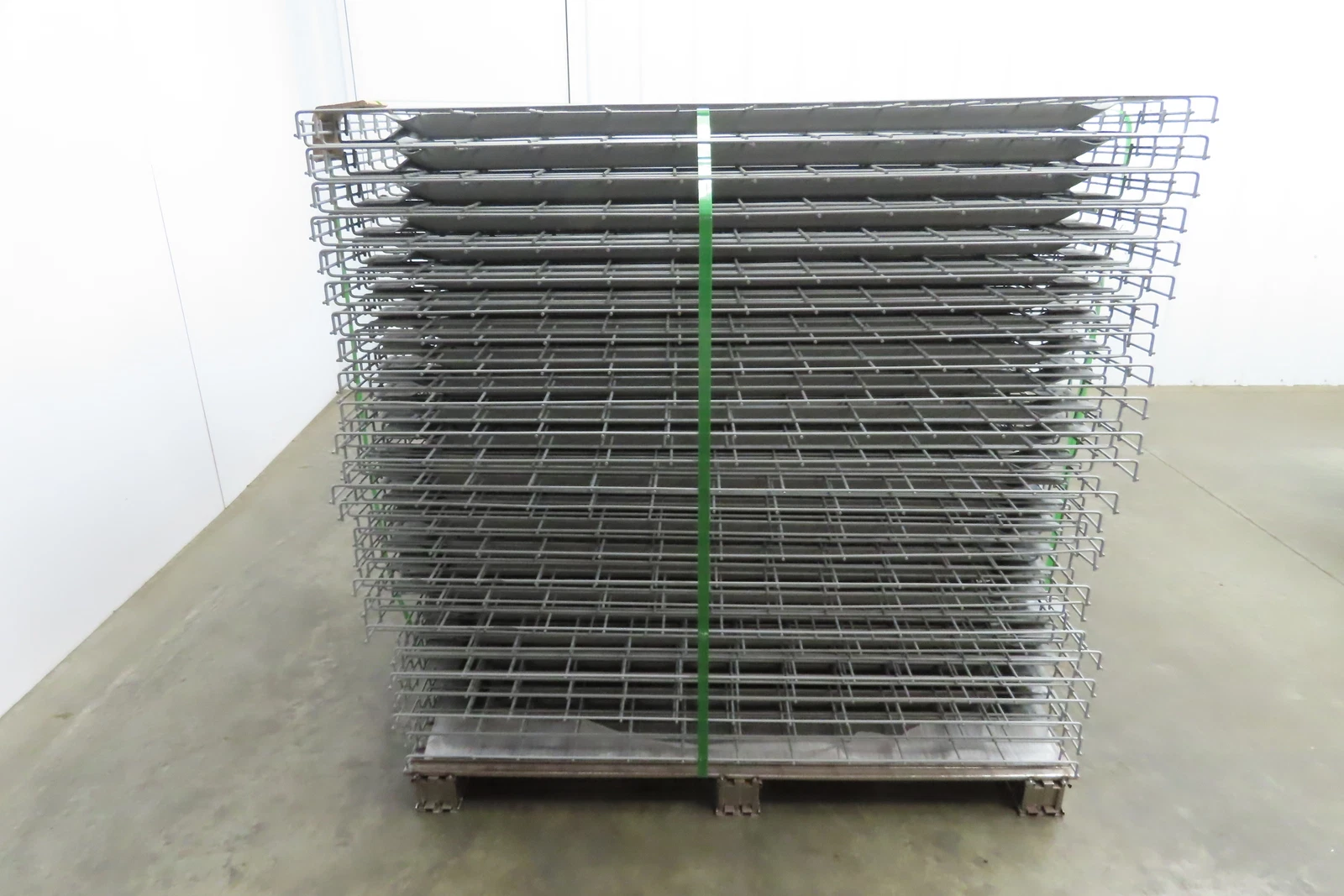
What Are the Key Regulations to Understand Before Inspection?
How Can Training Improve Staff Readiness for Inspections?
Training can significantly enhance staff readiness for inspections, transforming apprehension into confidence and competence. It’s not just about ticking boxes or following checklists; it’s about building a team that understands the importance of their roles and the systems they work with, like Racking Systems. When employees know the ins and outs of these systems, they feel a sense of ownership, which fosters pride in their work.
Consider a time when you were thrown into the deep end during an unexpected inspection. The stress can be overwhelming, like watching your carefully organized warehouse turn into chaos under scrutiny. But what if the team had trained together, practicing their responses and reviewing their processes? That collective understanding could mean the difference between a successful inspection and a dread-filled scramble. Training takes the mystery out of the process, equipping staff not just with knowledge but the confidence to navigate challenges seamlessly.
From a rational standpoint, comprehensive training programs improve communication among staff. Everyone becomes familiar with the protocols and standards required during an inspection, which leads to fewer mistakes and a smoother operation. This reduces downtime and enhances productivity, showing that investing in training is not just an expense but a smart, long-term strategy. It builds an ethical workplace where everyone is responsible for ensuring safety and compliance, creating an environment where staff can take pride in their contributions.
Think of the bonds formed during training sessions—sharing stories, troubleshooting issues together, and learning from one another. These moments enhance team cohesion, transforming how staff feel about inspections. Instead of dread, there’s camaraderie and mutual support, fundamentally changing the narrative around what it means to prepare for an inspection.
Engagement extends beyond individual readiness; it reflects a company’s commitment to its people. A company that actively invests in its team’s growth sends a clear message: “We care about you, we care about our operations, and we’re all in this together.” This sense of community encourages employees to not just comply with regulations but to embrace them, showcasing true readiness when inspections come knocking.
When you see a team that is adequately trained and ready, you witness their confidence manifesting in their actions. They don’t simply perform; they shine. In this way, training becomes the backbone of a strong, compliant, and resilient workforce, ready to tackle any inspection with poise and professionalism.

How Can Training Improve Staff Readiness for Inspections?
How Can Training Improve Staff Readiness for Inspections?
- Training enhances staff readiness for inspections, boosting confidence and competence.
- Effective training fosters a team that understands their roles and systems, leading to ownership and pride.
- Collective training prepares teams for unexpected inspections, reducing stress and chaos.
- Comprehensive training improves communication and familiarity with protocols, resulting in fewer mistakes and smoother operations.
- Investing in training reduces downtime and enhances productivity, promoting an ethical workplace.
- Training sessions build team cohesion and transform the perception of inspections from dread to camaraderie.
- A commitment to training reflects a company’s care for its employees, encouraging compliance and readiness during inspections.

How Can Training Improve Staff Readiness for Inspections?
What Common Mistakes Lead to Failed Warehouse Inspections?
Warehouse inspections can be a make-or-break moment for many businesses. Unfortunately, missing the mark often stems from a handful of common mistakes that may seem inconsequential on the surface but can lead to significant consequences. Picture a bustling warehouse, shelves teeming with goods, workers scurrying about, and somewhere in the shadows, an overlooked safety issue lurks. When racking systems are improperly inspected, it’s not just about compliance; it’s about the safety and well-being of the people who walk those floors each day.
One mistake that happens too often is neglecting the racking systems. These structures hold the weight of your operations, yet they might be treated like mere furniture, rather than the critical support they provide. Inspectors sometimes miss cracks or misalignments, but that can lead to catastrophic failures. It’s not an exaggeration to say that a poorly maintained racking system can cause injury or even worse. The heart sinks at the thought of someone getting hurt because a simple inspection was rushed or ignored.
Another common blunder is disregarding the training of warehouse staff. You can’t expect folks to follow safety protocols if they don’t know what they are. Many inspections fail simply because employees aren’t equipped with the knowledge needed to spot issues. This isn’t about being bossy; it’s about fostering a culture of accountability and care. Each worker must feel like they are part of the solution, not just cogs in the machine. When everyone understands their role in maintaining safety, the entire warehouse operates more smoothly.
Additionally, underestimating the importance of documentation can spell disaster. Some warehouse managers think it’s enough to have a checklist or a verbal agreement with their team. But let’s be real: if it’s not documented, it might as well have never happened. Good records aren’t just for show; they’re the backbone of accountability. They protect your business, your employees, and ultimately, your reputation.
Finally, let’s bring it back to the human element. Behind every piece of equipment, every racking system, and every safety guideline, there are people. When inspections become a mere checkbox exercise, it can lead to a disconnect. In contrast, fostering a culture where these inspections are seen as vital to everyone’s safety engages the entire team. They need to understand that every inspection is an opportunity to reinforce their commitment to each other’s safety.
Avoiding these mistakes is not just about passing an inspection; it’s about cultivating a workplace where everyone feels safe and valued. Trust in the process, invest in your people, and ensure that every racking system is up to standard. The pride of a well-run warehouse doesn’t just come from good numbers; it comes from knowing that you’ve created a secure environment for all.

What Common Mistakes Lead to Failed Warehouse Inspections?
What Common Mistakes Lead to Failed Warehouse Inspections?
- Warehouse inspections are critical for business success and safety.
- Neglecting racking systems can lead to significant safety hazards.
- Improper inspections may result in overlooked cracks or misalignments.
- Staff training is essential for understanding safety protocols and responsibilities.
- Documentation of inspections is crucial for accountability and safety compliance.
- Fostering a culture of safety ensures team engagement in the inspection process.
- Creating a safe work environment enhances overall employee well-being and operational success.

What Common Mistakes Lead to Failed Warehouse Inspections?
How Does Proper Labeling Affect Inspection Outcomes?
Labeling isn’t just about slapping a sticker on a box; it’s the unsung hero of every inspection process. Imagine walking into a warehouse filled with Racking Systems, every piece lined up like soldiers on parade. If each item is clearly labeled, not only does it make a worker’s job easier, but it also paves the path for successful inspections.
Proper labeling transforms chaos into clarity. It’s the difference between digging through piles of inventory and knowing exactly where to look. When a warehouse is properly labeled, inspectors can breeze through their checks, confident in what they see. It saves time, reduces frustration, and ultimately leads to better outcomes. There’s a profound satisfaction in knowing that a well-labeled system not only helps get the job done but does it right.
From a rational standpoint, well-organized labels foster efficiency. Picture an inspector who can quickly identify a storage location. They aren’t wasting precious moments trying to decipher what lies within. Instead, they can focus on ensuring compliance and safety standards are met. This careful attention to detail not only enhances operational efficacy but also boosts morale among workers who can take pride in their jobs.
Ethically, labeling is a commitment to safety. When every item is marked, workers understand the value of knowing what they’re dealing with. It’s about creating an environment where everyone feels secure, and trust blooms. Without proper identification, mistakes can happen—an unmarked box may lead to the wrong product being shipped, or worse, an unsafe item being overlooked during an inspection.
Furthermore, we’ve all heard stories of mishaps in poorly organized spaces. A badly labeled racking system could result in accidents or costly errors, leading to damaged goods or injuries. When we put ourselves in the shoes of the inspector or the warehouse worker, it’s easy to see how the heart of effective labeling beats with the pulse of safety and reliability.
In a world where efficiency meets ethics, let’s embrace the art of labeling. It’s more than just a task; it’s a lifeline. For every worker who spends long hours sorting through inventory, proper labeling is a promise—an assurance that their hard work and safety matter. When everyone is on the same page, we all win.

How Does Proper Labeling Affect Inspection Outcomes?
How Does Proper Labeling Affect Inspection Outcomes?
- Labeling is crucial to the efficiency of inspection processes in warehouses.
- Clear labeling transforms chaos into clarity, facilitating easier work for employees and inspectors.
- Properly labeled systems save time, reduce frustration, and improve overall outcomes.
- Well-organized labels enhance operational efficiency and boost worker morale.
- Labeling is a commitment to safety, helping prevent mistakes and ensuring compliance.
- Poor labeling can lead to accidents, costly errors, and safety issues.
- Effective labeling is essential for creating a secure and trustworthy work environment.

How Does Proper Labeling Affect Inspection Outcomes?
Why Is Regular Maintenance Crucial for Compliance Inspections?
Regular maintenance is the backbone of compliance inspections, ensuring your equipment, like racking systems, operates smoothly and adheres to safety standards. Imagine a busy warehouse: workers buzzing about, the hum of machinery in the background, and everywhere you look, there’s order and efficiency. But what happens when that rhythm is disrupted by preventable issues? It’s like a musician hitting a wrong note; suddenly, harmony turns to chaos.
From a practical standpoint, regular maintenance reduces the risk of breakdowns. No one wants to face the headache of an unexpected shutdown because a racking system’s integrity was compromised. Think about it—lost productivity, unscheduled repairs, and potential safety hazards all stem from neglect. Keeping a rigorous maintenance schedule not only extends the life of your equipment but also saves money in the long run. Every dollar spent on upkeep is an investment in reliability.
There’s also the ethical angle: committing to regular maintenance shows you care about your team’s safety. Workers should never feel like they are taking unnecessary risks. When someone walks into a well-maintained area, it sends a clear message: their safety is a priority. This fosters a culture of responsibility, where everyone feels valued, and they know that management has their backs.
On the authority front, consider the regulations surrounding compliance. They’re not just arbitrary rules; they’re put in place to protect people and property. A company that prioritizes maintenance and compliance stands out in the industry, earning respect from peers and clients alike. It’s a badge of honor, showcasing a commitment to excellence and reliability. When you maintain your systems, you’re not just ticking boxes; you’re building a reputation of trust that resonates within the community.
Of course, there’s the human element. Picture the relief of a manager who knows their racking systems are reliable. They can focus on their core responsibilities instead of worrying about potential inspections or accidents. That sense of security fuels job satisfaction. And when it comes to teams working in those environments, knowing their equipment is well cared for boosts morale and productivity.
Regular maintenance isn’t just a box to check; it’s a profound commitment to safety, efficiency, and respect—both for your team and your clients. As you implement maintenance routines, remember this: each action creates a ripple effect of trust and reliability, fostering not just compliance but a thriving workplace atmosphere.

Why Is Regular Maintenance Crucial for Compliance Inspections?
Why Is Regular Maintenance Crucial for Compliance Inspections?
- Regular maintenance is essential for compliance inspections and equipment safety.
- Prevents breakdowns, avoiding lost productivity and unscheduled repairs.
- Extends equipment life and saves money, making maintenance a valuable investment.
- Demonstrates commitment to worker safety, fostering a responsible culture.
- Maintaining compliance enhances industry reputation and builds trust with clients.
- Provides managerial relief, allowing focus on core responsibilities and improving job satisfaction.
- Contributes to a reliable and thriving workplace atmosphere, promoting safety and efficiency.

Why Is Regular Maintenance Crucial for Compliance Inspections?
What Documentation Should Be Prepared for an Inspection?
When it comes to inspections, having your ducks in a row isn’t just about following rules; it’s about creating a safe, efficient workplace that reflects pride in your work. Proper documentation acts as your shield, showcasing your diligence and commitment to quality. When inspectors walk through your facility, they don’t just want to check boxes; they want to see you care about your operation.
Start with your inventory records. These are the lifeblood of your Racking Systems. Accurate logs of what’s stored where show you’re not flying by the seat of your pants. It conveys an image of control and orderliness—not just for inspectors but for your team too. It’s about building confidence in the system you’ve set up; it’s a narrative of competence.
Next up, safety protocols. Every workplace has its own set of guidelines, but keeping them documented is where the rubber meets the road. Safety isn’t just a regulatory hurdle; it’s a promise to your team. Whatever your industry, having records of safety training, incident reports, and compliance checks demonstrates that you value the well-being of everyone who steps through your door. It’s your ethical obligation and showcases the authority you hold as a responsible leader.
Don’t neglect maintenance schedules. A well-kept record of when equipment was last serviced or inspected goes a long way. Inspectors will notice if things are functioning as they should, and if they see consistent maintenance documentation, it speaks volumes. It shows you understand that a sound Racking System can’t just sit; it needs care, attention, and a bit of grease now and then.
Lastly, employee training documentation is vital. It’s not just about ensuring your team knows how to work with equipment; it demonstrates a culture of continuous learning and improvement. This builds trust not only between you and your employees but also between you and any external observers. They want to see skilled workers who can handle their roles with confidence, emphasizing the social responsibility you hold in nurturing talent.
Inspection day isn’t just about compliance; it’s about respect—respect for the work, for your employees, and for the standards that keep everyone safe. Showing you’ve got everything in order through your documentation fosters an environment of trust and accountability. This commitment isn’t just a checkbox; it’s the heartbeat of a thriving operation.

What Documentation Should Be Prepared for an Inspection?
What Documentation Should Be Prepared for an Inspection?
- Effective inspections prioritize safety and operational efficiency over mere compliance.
- Proper documentation reflects diligence and commitment to quality in the workplace.
- Accurate inventory records demonstrate control and confidence in Racking Systems.
- Documented safety protocols showcase a commitment to employee well-being and regulatory compliance.
- Consistent maintenance schedules indicate care and attention for equipment reliability.
- Employee training records highlight a culture of continuous learning and social responsibility.
- Overall, thorough documentation fosters trust, accountability, and respect in the workplace environment.

What Documentation Should Be Prepared for an Inspection?
Conclusion
Preparing for a warehouse inspection offers more than mere compliance; it represents an opportunity to embody pride in your work and safeguard those who step within your walls. Organizing racking systems isn’t just about following regulations; it’s about ensuring every beam and shelf stands as a testament to your commitment to safety. Regular checks allow potential hazards to be identified before they escalate into serious issues. An organized inventory further elevates safety and efficiency, transforming your workspace from chaos to order, ensuring that every worker can find what they need without the panic of misplaced items.
Fostering teamwork in this preparation allows everyone to understand their role in the overall process. When your crew collaborates, it builds camaraderie, accountability, and a shared purpose, turning inspection prep into a group mission rather than a solitary task. Education on safety protocols keeps everyone updated on emergency procedures, reinforcing the culture of safety and showing that leadership genuinely cares for the well-being of its employees. Collecting insights from the team can identify blind spots that need addressing, further enhancing safety.
A clean, organized warehouse reflects a solid work ethic and signifies not just an intention to meet minimum standards but an aspiration to exceed them, nurturing a culture of excellence that resonates through every corner of the operation. This approach instills a sense of ownership and pride that fuels morale and fosters happiness within the team.
Understanding industry regulations isn’t about following rules blindly; it’s an ethical responsibility rooted in protecting lives. Familiarizing yourself with codes for racking and safety standards builds a strong foundation for compliance and demonstrates care for your workforce. Sharing stories about how compliance has saved others reinforces the practical importance of following guidelines, transforming abstract regulations into shared narratives.
Training amplifies the readiness of staff and cultivates an environment where everyone feels confident and engaged. Comprehensive training turns fears about inspections into boosts of confidence. It encourages employees to view inspections as opportunities, not burdens. Each invested hour in training yields dividends in productivity, firming up a culture where safety and compliance are the norm.
Finally, addressing common pitfalls—like neglecting racking inspections or skimping on documentation—reminds us that commitment to ongoing maintenance and proper labeling can make or break an inspection outcome. When these practices are embedded into daily operations, they signal a firm commitment to safety, operational efficiency, and a positive workplace culture wherein every worker feels valued, and every standard upheld. In the end, the pathway to a successful inspection is a collective journey toward building a thriving, safe, and respected workplace.

Conclusion
Conclusion:
- Preparing for a warehouse inspection demonstrates pride in work and commitment to safety.
- Organizing racking systems ensures safety and enhances workspace efficiency.
- Teamwork fosters a shared purpose and accountability during inspection preparation.
- Education on safety protocols reinforces a culture of safety and employee well-being.
- A clean, organized warehouse reflects a strong work ethic and aspiration to exceed standards.
- Understanding regulations is an ethical responsibility that protects lives and supports compliance.
- Comprehensive training transforms inspections from burdens into opportunities for growth and confidence.

Conclusion
Other Resources

Other Resources
Here is a list of other resources you can review online to learn more:
- Warehouse Racking System: Powerful Guide to Optimise, 2024
- Pallet Rack Systems – New and Used Pallet Racking and Shelving Experts
- Illinois Pallet Racking – Storage Solutions
- What is Cantilever Racking? – AK Material Handling Systems
- Used Teardrop Pallet Rack – American Surplus
- Crane Manufacturers Association Of America Inc.
- Chicago Pallet Racking
- Shipping Boxes, Packaging Materials, Pallet Racking
- National Safety Council
- RMI
- Iowa Illinois Warehouse Racking
- Cantilever Rack Configuration & Installation: A Comprehensive Guide – BMH
- New Cantilever Racks and Racking Kits
- Pallet Racking systems in Illinois, Great Lakes
- Warehouse Storage Racks
- BMH
- Warehouse Racking Chicago, IL
- SEMA
- Overhead Lifting
- Warehousing Education and Research Council: https://www.werc.org/
Use This Prompt To Get More Resources With Your Favorite Online AI Tool: Please provide me with a list of online articles with their URLs in a bulleted list that I can read regarding How to Prepare for a Warehouse Inspection

Other Resources
Glossary Terms
How to Prepare for a Warehouse Inspection – Glossary Of Terms
1. Audit: A systematic examination of warehouse operations to ensure compliance with regulations and standards.
2. Compliance: Adherence to laws, regulations, and standards applicable to warehouse management.
3. Documentation: Written records that provide proof of compliance and operational procedures within the warehouse.
4. Inventory: A detailed list of goods and materials held in the warehouse, including quantities and locations.
5. Safety Protocols: Established procedures designed to ensure the safety of employees and visitors in the warehouse.
6. Housekeeping: The practice of maintaining cleanliness and organization within the warehouse environment.
7. Risk Assessment: The process of identifying potential hazards in the warehouse and evaluating their impact.
8. Training: Instruction provided to employees on safety practices, equipment use, and operational procedures.
9. Checklists: Lists used to verify that all necessary tasks and requirements have been completed prior to inspection.
10. Signage: Visual aids that communicate important information regarding safety and operational guidelines.
11. Accessibility: Ensuring that aisles, exits, and emergency equipment are easily reachable in the warehouse.
12. Equipment Maintenance: The regular servicing of machinery and tools to ensure they are operational and safe.
13. Storage Systems: Organizational methods used to efficiently arrange and retain inventory in the warehouse.
14. Fire Safety: Measures and protocols in place to prevent and respond to fire hazards within the warehouse.
15. Personal Protective Equipment (PPE): Gear worn by employees to minimize exposure to hazards while working.
16. Labels: Tags or markings that provide essential information about products and safety requirements.
17. Forklift Operations: Guidelines and training related to the safe use of forklifts in warehouse activities.
18. Hazard Communication: Methods used to inform employees about potential chemical hazards and safety data sheets.
19. Spill Response: Procedures in place for managing accidental spills of hazardous materials in the warehouse.
20. Emergency Procedures: Plans and actions to follow in case of accidents, injuries, or natural disasters.
21. Surveillance: Monitoring systems used to enhance security and ensure compliance in the warehouse.
22. Supply Chain: The network that involves the movement of goods from the manufacturer to the warehouse and beyond.
23. Quality Control: Processes to ensure that products meet specific quality standards before leaving the warehouse.
24. Transport Logistics: The coordination of moving goods into and out of the warehouse effectively.
25. Cycle Counts: Regular inventory audits conducted to verify stock levels and accuracy.
26. Damage Control: Strategies to manage and mitigate the impact of damaged goods within the warehouse.
27. Standard Operating Procedures (SOPs): Established methods for performing tasks consistently in the warehouse.
28. Vendor Compliance: The requirement for suppliers to adhere to the warehouse’s operational and safety standards.
29. Space Optimization: Strategies to maximize the efficient use of warehouse space for storage and operations.
30. Incident Reporting: The process of documenting any accidents or near-misses occurring in the warehouse environment.
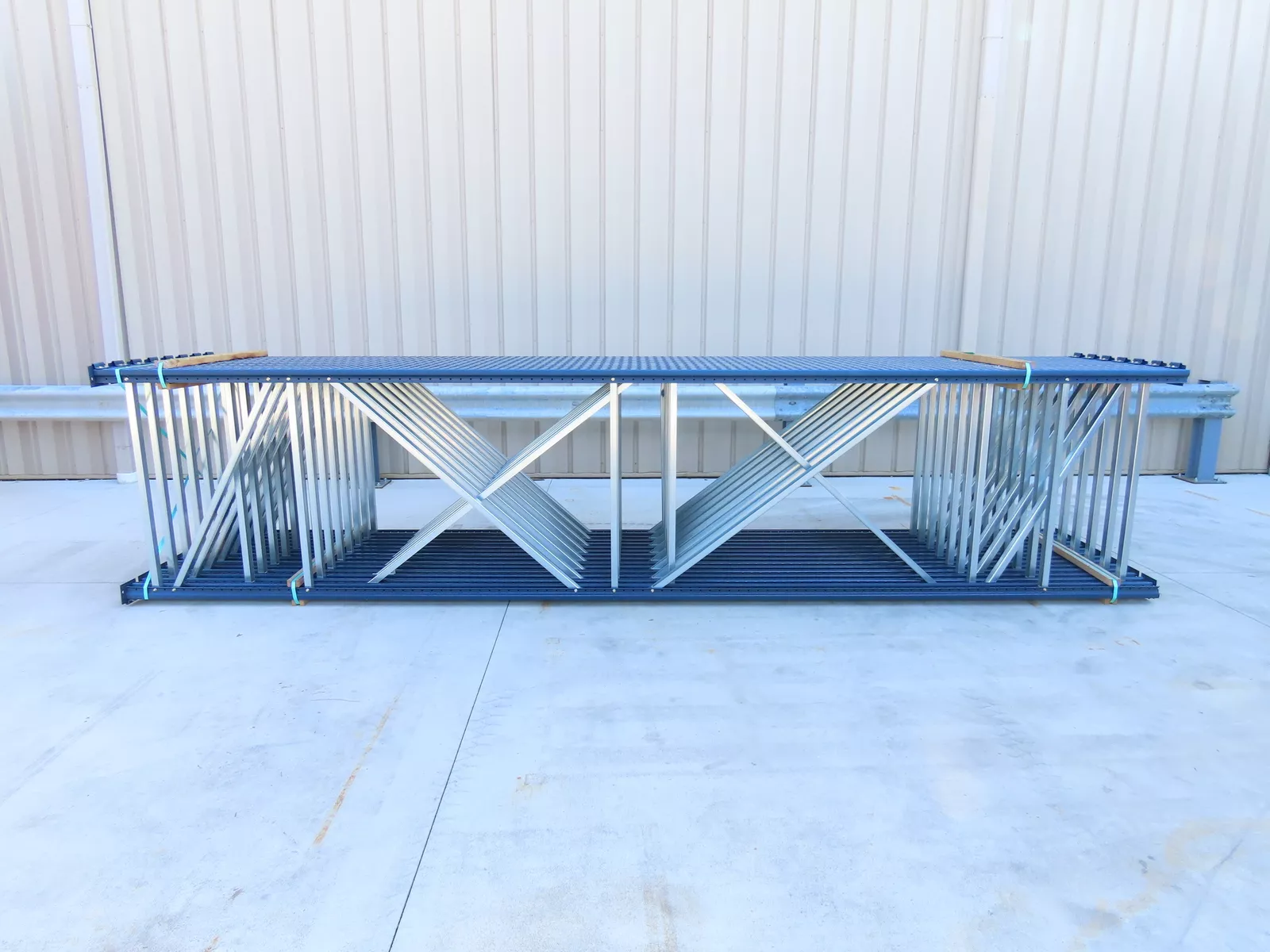
Glossary Of Terms
Other Questions
How to Prepare for a Warehouse Inspection – Other Questions
If you wish to explore and discover more, consider looking for answers to these questions:
- What specific items are on a typical warehouse inspection checklist?
- How often should racking systems be inspected?
- Which legal or regulatory standards apply to our warehouse (OSHA, local codes, industry standards)?
- How are load limits for racks determined and where should they be posted?
- How do we decide whether damaged racking needs repair or replacement?
- Who is qualified to perform racking inspections and what certifications matter?
- Can we rely on self-inspections or should we hire third-party auditors?
- What documentation must be prepared and presented during an inspection?
- How long should inspection, maintenance, and training records be retained?
- What specific evidence of staff training should be available for inspectors?
- Which training topics are essential to prepare staff for inspections?
- How frequently should staff receive refresher training and drills?
- What are the most common violations that lead to failed inspections?
- What immediate steps should be taken if an inspector identifies a critical hazard?
- What is the typical timeline for correcting violations and arranging reinspection?
- What penalties or enforcement actions can result from failing an inspection?
- How should inventory and storage locations be labeled for inspection purposes?
- What labeling formats (barcodes, human-readable, placards) are acceptable?
- How should emergency exits, evacuation routes, and emergency procedures be documented and demonstrated?
- What preventative maintenance routines should be in place for racking and material-handling equipment?
- How should maintenance schedules and service records be organized and evidenced?
- What PPE and safety equipment must be available and in use during an inspection?
- How are forklifts and other powered equipment inspected and what records are required?
- What fire protection, sprinkler, and alarm documentation will inspectors review?
- What are the required aisle widths, clearances, and stack heights for different rack systems?
- How should hazardous materials, chemicals, and incompatible products be stored and labeled?
- How do seismic, wind, or other environmental loads affect racking compliance?
- What rack protection measures (column guards, rack protectors, row spacers) are recommended or required?
- How should pallet condition and stacking practices be assessed and documented?
- What role do contractors, temporary workers, and vendors play in inspection compliance?
- Are digital records, photos, and video acceptable substitutes for paper documentation?
- What sample forms, templates, or checklists can streamline inspection preparation?
- How should teams prepare for unannounced or surprise inspections?
- Who within the organization is ultimately responsible for inspection readiness and corrective actions?
- How can inspection results be tracked over time and used to drive continuous improvement?

Other Questions
Checklist
How to Prepare for a Warehouse Inspection – A Checklist
Housekeeping and Organization
✅______ Aisles clear; floors clean and dry; debris removed
✅______ Pallets stacked safely; no protruding nails or broken boards
✅______ Lighting functional; bulbs replaced; switches labeled
✅______ Emergency exits and access paths unobstructed
Racking Systems (Storage Racks)
✅______ Current layout drawings and engineering specifications available
✅______ Uprights plumb; no bends, cracks, corrosion, or missing base plates
✅______ Beams seated properly; safety locks or pins engaged at every connection
✅______ Anchors installed and tight; no spalling or floor damage at bases
✅______ Load plaques posted with maximum bay and beam capacities and dimensions
✅______ No mixed or unauthorized components, or field-drilled holes
✅______ Adequate clearances for sprinklers, walls, egress, and flue spaces
✅______ Damage-tag process in place; red-tagged racks taken out of service
✅______ Documented rack inspections with timely repairs by qualified personnel
Inventory and Labeling
✅______ Locations, aisles, and bays clearly labeled and legible
✅______ SKUs, lots, dates, and hazard labels correct and visible
✅______ Loads stable and within rated capacities; no overhang beyond specification
✅______ Damaged goods quarantined and labeled
✅______ FIFO/FEFO applied where required; cycle counts current; variances resolved
✅______ Safety Data Sheets (SDS) available and accessible for hazardous materials
Safety and Emergency Preparedness
✅______ Evacuation maps posted; drills documented
✅______ Fire extinguishers inspected, tagged, and accessible
✅______ Sprinkler heads unobstructed; code-required vertical clearances maintained
✅______ First-aid kits stocked; eyewash/shower stations where required; inspections current
✅______ Safety signage posted (PPE, speed limits, pedestrian lanes)
✅______ Incident and near-miss logs up to date; corrective actions tracked
Powered Industrial Trucks and Equipment
✅______ Operator certifications current and on file
✅______ Daily equipment checklists completed and retained
✅______ Battery and charging areas compliant (ventilation, eyewash, spill kit, signage)
✅______ Dock levelers, restraints, and dock plates inspected and functional
✅______ Conveyor and machine guarding in place; emergency stops tested
Training and Competency
✅______ New-hire and refresher training records complete
✅______ Rack safety awareness and load rating training conducted
✅______ Emergency response and evacuation training documented
✅______ Hazard communication (HazCom) and SDS training current
✅______ Toolbox talks and safety meetings logged with attendance
Regulations and Standards Readiness
✅______ Applicable regulations and standards identified and accessible
✅______ Manufacturer manuals and technical bulletins on file
✅______ Change management documented for layout or capacity changes
✅______ External inspections and assessments (where used) current, with reports filed
Preventive Maintenance
✅______ Preventive maintenance (PM) schedule defined for racks, docks, conveyors, and safety systems
✅______ Work orders completed with sign-offs and timestamps
✅______ Floor condition maintained (no potholes, cracks, protrusions)
✅______ Housekeeping and pest control records current
Documentation Package for Inspectors
✅______ Inventory records and location maps
✅______ Safety policies, SOPs, and JHAs/risk assessments
✅______ Training matrix and certifications
✅______ Rack and equipment inspection reports; repair records
✅______ Incident, accident, and near-miss reports with corrective actions
✅______ Fire protection system inspections and test certificates
✅______ Vendor and contractor service records
Day-of-Inspection Readiness
✅______ Single point of contact assigned; escort route planned
✅______ Team briefed on roles, protocols, and key talking points
✅______ Critical documents staged (physical and digital)
✅______ Open corrective action log prepared with current status
✅______ Representative areas pre-checked for compliance and cleanliness
Common Pitfalls to Avoid
✅______ Missing or incorrect load plaques on racks
✅______ Damaged racking kept in service without engineering approval
✅______ Blocked egress, fire equipment, or electrical panels
✅______ Inaccurate or missing labels and SDS
✅______ Expired training or certifications
✅______ Undocumented fixes or incomplete records
Post-Inspection Follow-Up
✅______ Findings captured with owners and due dates
✅______ Corrective actions verified and closed
✅______ Lessons learned shared with the team
✅______ SOPs, training, and PM schedules updated accordingly

Checklist
At RackingWorld, we help guide you through selecting warehouse storage systems and racking.
Be sure to read our other related stories at RackingWorld to learn more about warehouse storage systems.
0 Comments