
Strategic Compliance: Safeguarding Success From Installation Onward
By Tom Seest
At RackingWorld, we help guide you through selecting warehouse storage systems and racking.
Be sure to read our other related stories at RackingWorld to learn more about warehouse storage systems.
Compliance Planning Before Rack Installation
When it comes to installing racking systems, there’s more at stake than just getting the job done. It’s about laying the groundwork for safety, efficiency, and long-term success. Think of compliance not just as a box to check but as the backbone of your operation. Ignoring this crucial step can lead to setbacks that cost time and money, and nobody wants to watch their hard work crumble because of avoidable mistakes.
First off, it’s essential to understand the regulations that govern your industry. Familiarize yourself with the codes that dictate how racking systems should be installed and maintained. This isn’t just about following rules; it’s about creating a safe space for your team to work. When your crew knows you’re looking out for their well-being, it fosters a sense of trust and camaraderie that can’t be measured. After all, nobody goes to work hoping for an accident.
Now, let’s dive into the nitty-gritty of planning. Start with a risk assessment. Look around your warehouse with a keen eye. Identify potential hazards, including load limits and spacing between racking systems. Know your inventory like the back of your hand, because understanding what you’ll be storing plays a huge role in determining the type and configuration of your racking systems. This isn’t just a numbers game; it’s about making informed decisions that will keep your operation smooth and your people safe.
Next, it’s crucial to involve your team in the planning process. Their on-the-ground experience is invaluable. They know what works and what doesn’t, and their input can highlight important considerations you might have missed. When everyone feels engaged in the process, it not only strengthens the bond among the crew but also cultivates a culture of accountability. Everyone becomes a stakeholder in safety and efficiency, which leads to a more harmonious workplace.
Don’t hesitate to consult with experts who have been in the trenches before. Their insights can save you from costly oversights. After all, there’s no shame in seeking guidance from those who’ve navigated these waters successfully. Sharing knowledge within your network can also lead to best practices that improve compliance adherence and operational excellence.
Planning for compliance is not just an administrative hurdle; it’s a commitment to doing things the right way from the start. By investing time and thought into compliance planning before installing your racking systems, you’re paving the way for a stronger, safer future for your workforce, your business, and ultimately, your bottom line.

Compliance Planning Before Rack Installation
Compliance Planning Before Rack Installation
- Installing racking systems requires a focus on safety, efficiency, and long-term success.
- Compliance is essential and should be seen as integral to operations rather than a mere obligation.
- Understanding industry regulations and codes is crucial for safe installation and maintenance.
- Conduct a thorough risk assessment to identify potential hazards and determine appropriate racking configurations.
- Involve your team in the planning process to leverage their practical experience and enhance engagement.
- Consulting with experienced experts can prevent costly oversights and lead to best practices in compliance.
- Investing in compliance planning is key to ensuring a safe and efficient workplace that benefits the business as a whole.

Compliance Planning Before Rack Installation
Table Of Contents
- Compliance Planning Before Rack Installation
- What Compliance Standards Must We Meet Before Installation?
- How Will We Ensure Safety During Installation?
- What Are the Potential Risks If We Fail to Comply?
- How Can Compliance Impact Our Project Timeline?
- Are There Industry Experts We Can Consult for Compliance?
- How Can We Effectively Document Our Compliance Planning?
- Conclusion
- Other Resources
- Glossary Of Terms
- Other Questions
- Checklist
What Compliance Standards Must We Meet Before Installation?
When it comes to installing racking systems in any warehouse or storage facility, compliance isn’t just a box to check; it’s the bedrock of operational safety and efficiency. You want to ensure your racking systems not only meet industry standards but also reflect a commitment to quality and the well-being of every person who walks through those aisles.
First off, consider what’s at stake. Each steel beam and shelf must be designed to support not just weight but the livelihood of your team. Imagine the trust they place in you every day, knowing that the systems holding those heavy loads are built to last. This isn’t just about regulations; it’s about the very real impact on lives and livelihoods. Meeting compliance standards is akin to building a safety net that ensures everyone can do their job without fear. That goes a long way in fostering a culture of responsibility and care among workers.
From a rational standpoint, adhering to compliance standards such as those established by OSHA (Occupational Safety and Health Administration) or ANSI (American National Standards Institute) isn’t simply a legal obligation. It’s smart business. Non-compliance can lead to expensive fines, but worse still, it can mean costly accidents that could’ve been avoided. You get what you pay for; investing in the right safety measures can save your bottom line while keeping your operation running smoothly.
Ethically, you owe it to your team to create a safe working environment. This responsibility extends beyond compliance; it means being an ethical leader. Your workers should feel valued and secure, knowing every racking system is built to endure and protect them. The stories you create through your actions resonate far and wide. Every time someone safely retrieves a box from those racks, they’re a little more confident in their job, and that’s priceless.
Finally, think about your legacy as a business. Meeting compliance standards positions you as an authority in your field. It garners respect from customers, suppliers, and employees alike. They want to partner with someone who takes safety seriously. Make your commitment to compliance part of your narrative. Share stories about how compliance and safety saved the day, whether through a near-miss incident or a smooth operation during peak season.
In the hands-on world of racking systems, compliance isn’t just paperwork; it’s a fundamental part of your foundation. It’s about connecting the heart, head, and gut of every individual involved in the supply chain. So get out there, ensure those standards are met, and know you’re building something much bigger than just storage—it’s about trust, safety, and a shared future.

What Compliance Standards Must We Meet Before Installation?
What Compliance Standards Must We Meet Before Installation?
- Compliance in racking system installation is essential for operational safety and efficiency.
- Each component must support both weight and the livelihoods of the workforce.
- Meeting compliance standards builds a safety net that fosters responsibility and care among workers.
- Adhering to standards set by OSHA and ANSI is a legal obligation and a smart business strategy.
- Non-compliance can lead to fines and costly accidents, while proper safety investments save money.
- Creating a safe work environment reflects ethical leadership and enhances employee confidence.
- Meeting compliance standards enhances business reputation and fosters trust with customers and employees.
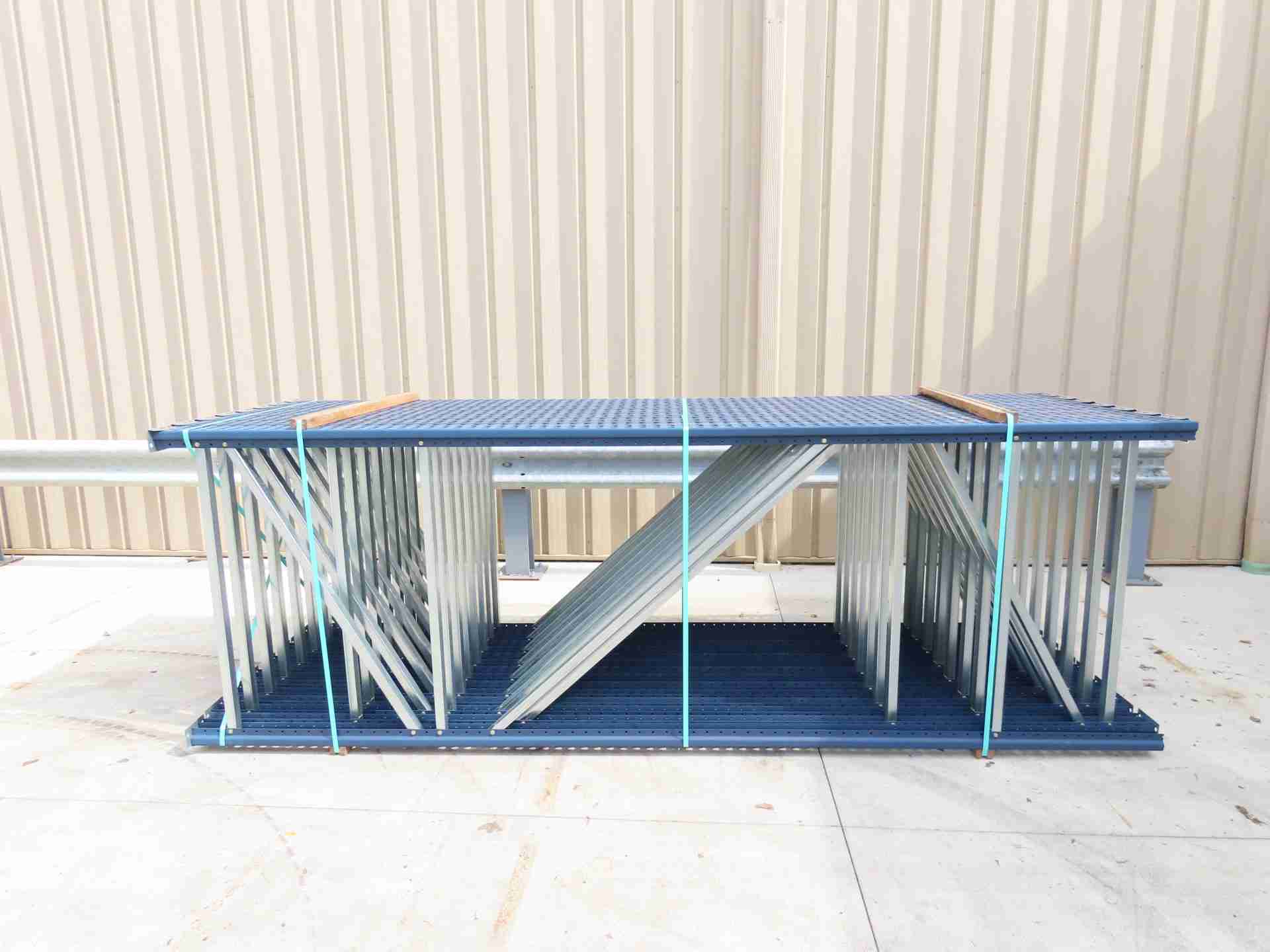
What Compliance Standards Must We Meet Before Installation?
How Will We Ensure Safety During Installation?
When it comes to installing racking systems, safety isn’t just a box to check; it’s the backbone of the whole operation. Picture this: a bustling warehouse, the air thick with anticipation as a new racking system prepares to take shape. Every person involved is counting on each other, and that responsibility sits heavy on the shoulders of those on the ground. It’s not just about bolts and beams; it’s about trust—trust in the equipment, trust in the people, and trust in the process.
First things first, we must embrace the simple truth that safety begins with knowledge. Every crew member, from the seasoned pro to the eager novice, should understand the ins and outs of the installation process. Conducting thorough training sessions is key. Those who install racking systems aren’t just technicians; they’re the backbone of the business, ensuring products are stored efficiently and safely. Engaging each worker in this process fosters a sense of ownership and duty—a reminder that one careless move can have repercussions beyond a mere accident.
Now, let’s talk about the nuts and bolts of it. Importance lies in using the right tools and materials; subpar equipment can lead to disaster. Couple that with regular inspections of the racking system before, during, and after installation, and you create a fort of safety. Having a solid protocol in place not only protects physical well-being but also nurtures the confidence that everyone is on the same page, all aiming for the same goal: a safe working environment.
But don’t forget, safety also thrives on communication. It requires fostering an atmosphere where workers feel comfortable voicing concerns or asking questions, no matter how trivial they may seem. That’s what builds camaraderie among the crew. When everyone collaborates, it’s not just about following orders; it’s about looking out for one another as a team. Each installation becomes a shared mission, solidified by mutual respect and vigilance.
As we forge ahead with our racking systems installation, let’s hold fast to those values that glue us together: knowledge, quality, and communication. They’re not just practices; they’re lifelines. When every worker feels secure and informed, they can focus on the job at hand with their hearts and minds in it, paving the way for smooth, successful installations that stand the test of time. Safety isn’t an option; it’s the foundation upon which we build our success.

How Will We Ensure Safety During Installation?
How Will We Ensure Safety During Installation?
- Safety is essential in the installation of racking systems and is crucial for the operation.
- Trust in equipment, people, and processes is vital for effective racking system installations.
- Knowledge of the installation process is the starting point for safety; training for all crew members is necessary.
- Using the right tools and materials is critical; subpar equipment can lead to serious issues.
- Regular inspections before, during, and after installation enhance safety and instill confidence.
- Open communication among workers fosters teamwork and allows concerns to be addressed promptly.
- Core values of knowledge, quality, and communication are fundamental for successful racking system installations.

How Will We Ensure Safety During Installation?
What Are the Potential Risks If We Fail to Comply?
When we look at the nuts and bolts of compliance, especially in industries relying on Racking Systems, failing to follow guidelines isn’t just a theoretical issue; it hits home hard. Imagine a warehouse owner who skips safety checks to save a dime. Sure, there’s an instant bump in profits, but that’s a shaky foundation built on risk. The real cost comes when an employee gets hurt because shelves weren’t properly secured. It’s the family members who face the aftermath—tears, worries about bills, and the long road to recovery.
On the surface, failing to comply seems like cutting corners, but it’s more dangerous than it appears. Racking systems are designed for a purpose, meant to hold considerable weight and keep everything in place. If those systems aren’t maintained or inspected, it’s like driving a truck with bad brakes. You might not feel the repercussions right away, but sooner or later, the consequences crash down. Lost inventory is one thing, but lost lives? That’s a burden no business should bear.
From an ethical standpoint, leaving compliance to chance is a betrayal of trust. Employees rely on their employers to protect them, to create a workspace where they feel safe. That trust is shattered when corners are cut. The simple act of sticking to safety regulations fosters a solid culture of responsibility, showing that people matter more than profits.
The authority effect plays a significant role here. Organizations that stringently adhere to safety regulations build reputations anchored in reliability and safety. Clients and partners are more drawn to businesses with solid compliance records; it tells them that the company cares—not just about the bottom line, but about the community and everyone in it. It’s a powerful statement; people want to connect with those who prioritize integrity.
Narratives woven around compliance often echo across industries: the warehouse that chose to ignore protocols and faced a tragic incident; the company that took pride in its safety records and thrived. It’s a tale about choices and their aftermath, reminding us that our decisions ripple through lives.
Ultimately, the social implications are profound. We build our families, our communities, our futures on the trust that businesses will act responsibly. Failure to comply isn’t just a matter of losing business; it’s about breaking a bond—a chain that, when strong, connects us all. Fostering a culture of compliance isn’t an option; it’s our shared duty, a commitment we owe each other.

What Are the Potential Risks If We Fail to Comply?
What Are the Potential Risks If We Fail to Comply?
- Compliance failures in industries with Racking Systems have real consequences, impacting not just businesses but employee families.
- Skipping safety checks for short-term profits creates long-term risks, potentially resulting in injuries and loss of life.
- Neglecting maintenance and inspections of racking systems can lead to catastrophic failures, similar to driving with faulty brakes.
- Ethically, avoiding compliance undermines trust between employees and employers, critical for a safe work environment.
- Adhering to safety regulations enhances organizational reputation, attracting clients and partners who value integrity.
- Stories of compliance success and failure illustrate the broader impact of choices made by businesses on lives and communities.
- Cultivating a culture of compliance is essential for maintaining trust and responsibility within societies.

What Are the Potential Risks If We Fail to Comply?
How Can Compliance Impact Our Project Timeline?
When it comes to managing a project, especially in fields where Racking Systems play a crucial role, compliance isn’t just a box to check; it’s a lifeline. Picture this: you’re in the thick of a warehouse build, the excitement is palpable, and everyone’s ready to roll up their sleeves and get to work. However, if compliance regulations aren’t on the agenda, that excitement can quickly turn into a grinding halt. Falling short in this area can mean delays due to inspections or worse, costly reworks that keep your team from hitting deadlines. Nothing kills momentum like an unexpected compliance snag.
Rationally, compliance keeps everyone on the same page, providing a clear pathway that ensures every element of the project aligns with legal and safety standards. This isn’t just fluff; it’s about solidifying the foundation of your work. When you cut through the red tape and have a compliant plan, you’re not just ticking off requirements; you’re saving everyone time and energy that can be refocused on quality work. Every hour spent untangling compliance issues is an hour not spent enhancing the Racking Systems that hold your project together.
On an ethical level, compliance fosters trust within the team and with the stakeholders. When there’s a commitment to doing things right, it speaks volumes about the project’s integrity. It says, “We care about the work we do and the safety of everyone involved.” That builds a culture where people feel valued and secure, knowing that their safety is paramount.
Consider the story of a team that missed a key compliance requirement due to oversight. They faced scrutiny, their reputation was at stake, and there’s nothing more disheartening than seeing the project delay because of avoidable mistakes. But when they rectified their approach, staying vigilant about every rule, they not only met the deadline but earned respect from colleagues and clients alike.
Moreover, socially, compliance can inspire camaraderie among team members. When everyone is onboard with adhering to standards, it creates a shared sense of purpose. Projects become more than a series of tasks; they transform into a collaborative effort where everyone is invested in the outcome.
Compliance is not just a hurdle; it’s a crucial aspect that shapes the success of your project timeline. By embracing it wholeheartedly, you pave the way for a smoother, more efficient process that stands the test of scrutiny and elevates overall performance.

How Can Compliance Impact Our Project Timeline?
How Can Compliance Impact Our Project Timeline?
- Compliance is essential in project management, particularly in warehouse builds utilizing Racking Systems.
- Lack of compliance can cause delays and costly reworks, undermining project momentum.
- It aligns project elements with legal and safety standards, ensuring a solid foundation.
- Adhering to compliance saves time and refocuses energy on quality work instead of resolving issues.
- It fosters trust and integrity among team members and stakeholders, enhancing workplace culture.
- A team’s commitment to compliance can transform projects into collaborative efforts with a shared purpose.
- Embracing compliance contributes to smoother processes and overall project success.

How Can Compliance Impact Our Project Timeline?
Are There Industry Experts We Can Consult for Compliance?
When diving into the world of compliance, especially concerning complex systems like racking systems, it’s easy to feel overwhelmed. You’re not alone in this; many folks from various trades grapple with the intricate web of regulations and standards that govern our industries. But here’s the good news: there are seasoned professionals out there eager to share their knowledge. These experts aren’t just names on a business card; they’re individuals who’ve weathered the storms of compliance challenges and emerged wiser for it.
Think about it. Engaging with a compliance expert can be much like having a skilled foreman at your side. They bring hands-on experience, having spent years navigating the same muddy waters you’re wading through. These folks understand the nitty-gritty of racking systems and can translate complex regulations into straightforward, actionable advice. Imagine having someone who’s been in the trenches with you, someone who won’t just throw jargon at you but will sit down, roll up their sleeves, and help you untangle the mess.
It’s not just about ticking boxes or meeting legal obligations; it’s about fostering a culture of safety and confidence within your team. When employees feel secure and supported, they’re more likely to take pride in their work, knowing that their environment is compliant and safe. Consulting with experts in the field can help bridge the knowledge gap, ensuring your workplace adheres to compliance standards. More than that, it helps build a sense of trust within the workforce, knowing that the right measures are in place to protect everyone.
Connecting with industry experts isn’t merely a transaction; it’s a relationship. They often come from similar backgrounds, have shared stories, and understand the heartbeat of the trade. Their advice can not only save you from costly pitfalls but can also inspire confidence in your operations, empowering you to lead with integrity and responsibility.
In a world full of ever-changing regulations, leaning on these professionals is vital. By reaching out for support, you can transform your challenges into opportunities for growth. With their guidance, you’ll not only navigate the compliance landscape more effectively but also contribute to a safer working environment. Embrace the chance to consult with experts who can turn your compliance journey into a path of success, ensuring your racking systems—and your team—are in good hands.

Are There Industry Experts We Can Consult for Compliance?
Are There Industry Experts We Can Consult for Compliance?
- Compliance in complex systems like racking can be overwhelming for many tradespeople.
- Experienced professionals are available to share their knowledge and help navigate compliance challenges.
- Engaging a compliance expert is akin to having a skilled foreman providing hands-on guidance.
- Experts simplify complex regulations into actionable advice, enhancing safety and compliance culture.
- Consulting industry experts fosters a sense of trust and security among employees.
- Building a relationship with compliance professionals can protect against costly pitfalls and build confidence.
- Leaning on these experts transforms compliance challenges into opportunities for growth and improves workplace safety.

Are There Industry Experts We Can Consult for Compliance?
How Can We Effectively Document Our Compliance Planning?
When it comes to compliance planning, the heart of the matter lies not just in policies and procedures but in how we bring everyone along for the ride. Imagine a crew working in a warehouse surrounded by Racking Systems, each shelf meticulously organized, just like our compliance framework should be. It starts with clarity—documenting each step meticulously helps everyone understand their role and responsibilities. This isn’t just a box-checking exercise; it’s about laying a solid foundation that everyone can trust.
From a rational standpoint, effective documentation serves as a roadmap. It guides us through complex regulations and helps avoid al pitfalls that could disrupt our operations. Picture this: a small mistake could lead to hefty fines or an investigation, ripping through the hard-earned trust we’ve built with our customers. By laying out a comprehensive compliance plan, we aren’t just meeting legal requirements; we’re safeguarding our integrity and reputation. This rational approach can be bolstered by embracing technology. Tools like compliance management software can streamline documentation and make it accessible, ensuring that knowledge isn’t trapped in one person’s head but shared among the entire team.
Ethically speaking, we owe it to ourselves and our community to be accountable. When we document compliance planning, we are not just gathering dust on a shelf; we’re creating a living document that reflects our commitment to doing the right thing—one that speaks to our core values and principles. It’s a testament to our identity—trading in shortcuts for substance.
But it’s not just the data that matters; it’s the stories behind it. Each entry in our compliance documentation can be an opportunity to share lessons learned, challenges faced, and victories celebrated. When your team sees themselves reflected in these stories, it fosters connection and engagement, making compliance feel less like an obligation and more like a shared mission.
Lastly, there’s the social element. Encourage open discussions around compliance planning during team meetings. Tap into the diverse experiences of your crew, from the seasoned veterans to the newcomers. Everyone’s insight adds depth and context to the documentation process, building camaraderie while boosting morale.
So, roll up your sleeves and dive into compliance planning. It’s about more than just checking boxes; it’s about crafting a trustworthy narrative together that stands up tall against any scrutiny, just like those Racking Systems keep our inventory in line.

How Can We Effectively Document Our Compliance Planning?
How Can We Effectively Document Our Compliance Planning?
- Compliance planning requires clarity and detailed documentation to define roles and responsibilities.
- Effective documentation acts as a roadmap, helping navigate complex regulations and avoid pitfalls.
- A comprehensive compliance plan safeguards integrity and reputation, going beyond mere legal requirements.
- Embracing technology, such as compliance management software, enhances accessibility and team knowledge sharing.
- Documentation should reflect a commitment to accountability and core values, serving as a living testament to the organization’s identity.
- Incorporating stories behind compliance entries fosters connection, engagement, and transforms compliance into a shared mission.
- Encouraging open discussions and diverse insights during team meetings boosts morale and enriches the documentation process.

How Can We Effectively Document Our Compliance Planning?
Conclusion
Compliance in racking system installation is about more than just following rules; it’s the bedrock on which we build our safety, efficiency, and success. Neglecting this vital step can lead to costly mistakes and lost confidence among the team. It begins with understanding the regulations governing our industry, which aren’t merely bureaucratic hurdles but crucial pillars that ensure a safe work environment. When workers see that their well-being is prioritized, it fosters trust, camaraderie, and a positive workplace culture.
A solid approach to compliance starts with thorough planning. Conducting a risk assessment helps identify potential hazards and informs decisions about load limits and racking configurations. Engaging the team in this process is essential. Their firsthand experience brings invaluable insights into what works and what doesn’t, enhancing safety and efficiency through shared ownership and accountability.
Consulting industry experts can provide additional guidance. They offer practical knowledge that can help avoid pitfalls and instill best practices. Compliance is not a mere administrative hurdle; it’s a commitment to excellence from the get-go, ensuring a stable operation that protects both workers and the business.
Taking safety seriously during the installation process is paramount. Every worker involved, from seasoned veterans to newbies, needs to understand installation procedures. Regular training sessions are vital for confidence and competence, turning each member into an essential part of the operation. Using proper tools and maintaining clear communication ensures everyone works toward the same goal: a safe installation process that protects lives.
The ramifications of non-compliance can be severe, impacting not just profits but the very lives of employees. When shortcuts are taken, the consequences can ripple through families and communities, creating burdens no business should bear. Ethically, fostering a culture of compliance shows a commitment to valuing employees over profits, building a legacy of safety and responsibility.
Project timelines hinge on compliance too; delays can derail progress and inflate costs. When compliance protocols are in place, teams can focus on delivering quality work without the looming threat of inspections or rework. This mutual commitment to standards fosters collaboration and trust, transforming projects into shared missions where everyone feels they have a stake in the outcome.
Ultimately, effective compliance documentation serves as a roadmap guiding the team through challenges and obligations. It’s about crafting a trustworthy narrative that bolsters the integrity of the operation. Encouraging open discussions and sharing lessons learned enriches the compliance dialogue, ensuring the story of safety is a shared one. In sum, compliance is not just a requirement; it’s an ongoing commitment to building a safer, more successful future for everyone involved.
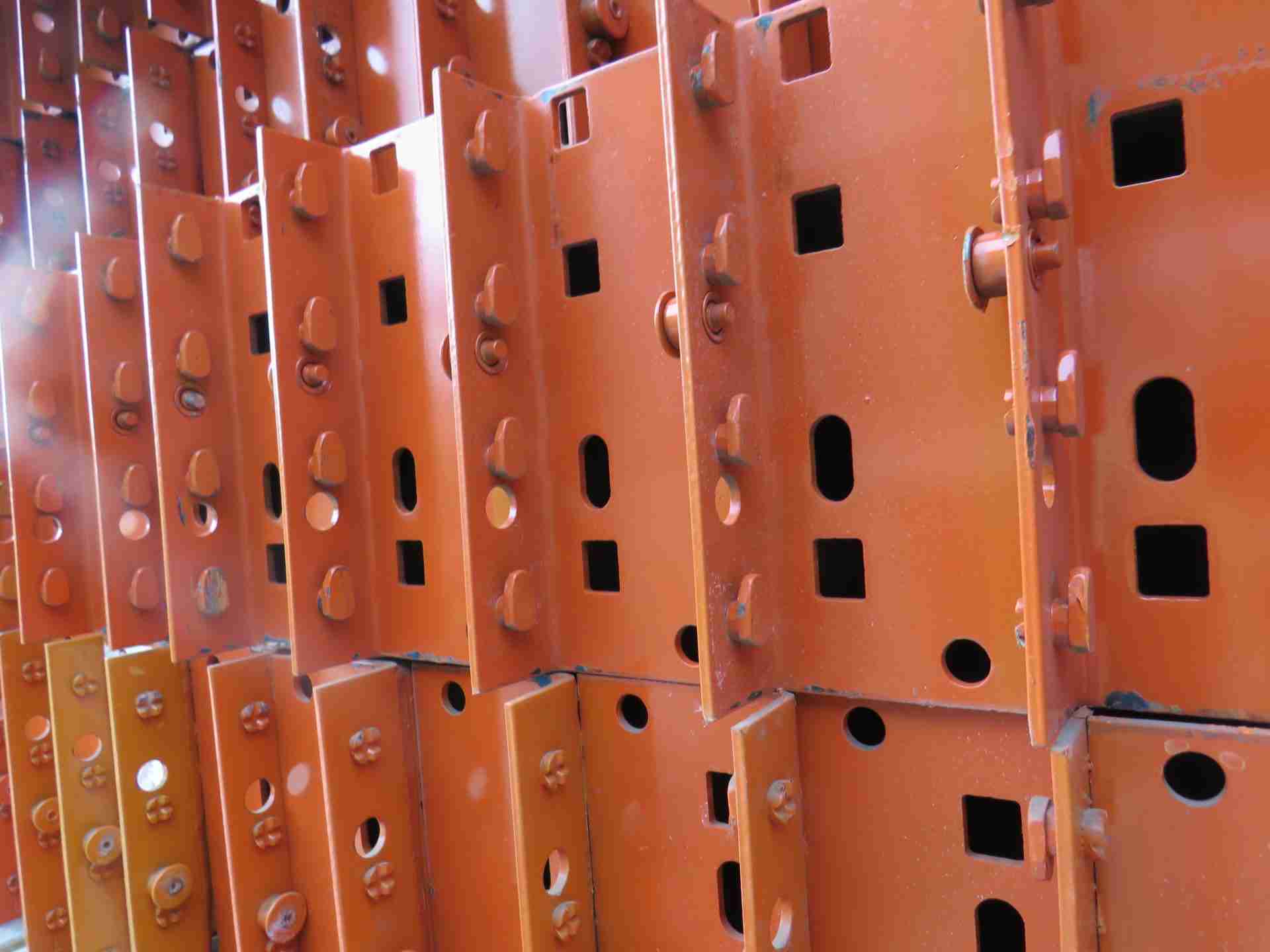
Conclusion
Conclusion:
- Compliance is essential for safety, efficiency, and success in racking system installation.
- Understanding and adhering to regulations fosters a safe work environment and team trust.
- A thorough planning approach, including risk assessments, is crucial for identifying hazards.
- Engaging team members enhances safety and accountability through shared insights.
- Consulting industry experts helps avoid pitfalls and ensures best practices are followed.
- Regular training sessions are vital for ensuring all workers understand installation procedures.
- Effective compliance documentation and open discussions enrich the commitment to safety and success.

Conclusion
Other Resources

Other Resources
Here is a list of other resources you can review online to learn more:
- Cantilever Rack Guide: Ordering Cantilever Racking
- Chicago Pallet Racking
- Heavy-Duty Cantilever Storage Racks
- Selective Racking
- Pallet Racking 101: A Comprehensive Guide & Options Explained
- Pallet Racks, Pallet Racking, Pallet Shelves in Stock – ULINE
- Wolter
- Logic Material Handling
- Cantilever Rack Guide: Ordering Cantilever Racking
- CMMA
- Teardrop Uprights
- Cantilever Racks Chicago
- MHI
- Illinois
- BMH
- Arrow Industrial Sales
- Warehouse Storage Racking in Illinois
- IIWS Inc. Rack Installation Illinois & Rack Repairs Illinois
- Racking World
- SEMA
Use This Prompt To Get More Resources With Your Favorite Online AI Tool: Please provide me with a list of online articles with their URLs in a bulleted list that I can read regarding Compliance Planning Before Rack Installation

Other Resources
Glossary Terms
Compliance Planning Before Rack Installation – Glossary Of Terms
1. Compliance: Adherence to laws, regulations, and guidelines relevant to rack installation.
2. Rack: A framework or shelving system used for mounting servers or network equipment.
3. Installation: The process of putting equipment or systems in place for operational use.
4. Audit: A systematic review of compliance with standards and regulations.
5. Risk Assessment: The process of identifying potential hazards associated with rack installation.
6. Guidelines: Recommended practices that inform safe and compliant rack installation.
7. Environment: The physical space where the rack will be installed, influencing design and safety.
8. Load Capacity: The maximum weight that a rack can safely support.
9. Site Survey: An evaluation of the proposed installation location to ensure readiness.
10. Power Distribution: Management of electrical power supply to equipment within the rack.
11. Cooling: Systems used to maintain optimal temperature and prevent overheating of equipment.
12. Cable Management: Organization and routing of cables within and around the rack.
13. Security: Measures to protect equipment and data stored within the racks.
14. Regulations: Laws and requirements governing safe rack installation.
15. Configuration: The arrangement of equipment within the rack for optimal performance.
16. Access Control: Systems that restrict who can physically access the rack area.
17. Equipment Standards: Specifications that guide the selection of compatible devices for installation.
18. Fire Safety: Precautions to prevent and address fire hazards in the rack environment.
19. Support Structure: Elements that provide stability and strength to the rack installation.
20. Planning Document: A formal outline detailing the steps for compliant rack installation.
21. Maintenance: Regular checks and updates to ensure the rack and equipment remain compliant.
22. Monitoring: Continuous observation of rack performance and environmental conditions.
23. Training: Instruction provided to personnel involved in the rack installation and operation.
24. Documentation: Records showing compliance with installation and operational standards.
25. Warranty: A guarantee provided by manufacturers regarding equipment performance and compliance.
26. Best Practices: Established methods for ensuring effective and compliant rack installation.
27. Electrical Standards: Guidelines for safe electrical practices in rack installations.
28. Space Optimization: Efficient use of space to enhance performance and compliance.
29. Emergency Procedures: Protocols to address incidents impacting rack integrity or safety.
30. Technology Assessment: Evaluation of equipment types to ensure they meet compliance and operational needs.

Glossary Of Terms
Other Questions
Compliance Planning Before Rack Installation – Other Questions
If you wish to explore and discover more, consider looking for answers to these questions:
- Which specific federal, state, and local codes apply to our racking installation?
- Do we need permits or approvals from the Authority Having Jurisdiction (AHJ) before installation?
- Which industry standards (OSHA, ANSI MH16.1, FM Global, etc.) are relevant to our facility?
- What documentation or certifications do racking manufacturers and installers need to provide?
- Who is legally responsible for compliance — owner, general contractor, or installer?
- How do we calculate safe load capacities for each rack and bay?
- What engineering or structural calculations are required for our layout?
- How should racks be anchored and braced for seismic or high-wind regions?
- What clearance requirements exist for fire suppression systems and sprinklers?
- How will installation affect emergency egress routes, aisles, and evacuation plans?
- What are the required training topics, durations, and frequencies for installation crews and operators?
- What qualifications, certifications, or insurance should we require from installation contractors?
- How can we verify installer competency and past performance (references, audits)?
- What tools and inspection equipment are needed during and after installation?
- How should we document inspections, installation steps, tests, and sign-offs?
- What templates or software solutions exist for compliance documentation and recordkeeping?
- What retention period is required for compliance records and inspection reports?
- How frequently should we schedule third-party inspections and load testing post-installation?
- What are the common signs of rack damage, and what thresholds trigger immediate repair or removal?
- What is the recommended maintenance and inspection schedule for racking systems?
- How do we manage and document repairs, replacements, and retrofits to remain compliant?
- What impact will compliance inspections have on the project timeline and critical path?
- How can we build compliance steps into project scheduling to avoid delays and rework?
- What are typical costs associated with compliance planning, inspections, and corrective actions?
- What insurance coverages and limits are advisable for racking installations and related liabilities?
- How do different rack types (selective, drive-in, push-back, pallet flow, mobile) affect compliance needs?
- How do pallet sizes, load configurations, and inventory types influence rack selection and spacing?
- How should we address storage of hazardous materials or corrosive environments in relation to racking?
- What protective accessories (column guards, row spacers, beam locks) are required or recommended?
- How do forklift types, traffic patterns, and aisle widths interact with racking safety requirements?
- What labeling, signage, and load-rating displays are required on racks and in aisles?
- How do we manage change control when inventory, storage patterns, or equipment change over time?
- When is retrofitting existing racks preferable to full replacement for compliance reasons?
- What role can consultants, structural engineers, or rack auditors play, and how do we select them?
- Are there checklists or audit forms we can use for pre-installation and post-installation reviews?
- How do we prepare for regulatory audits or accident investigations with our compliance documentation?
- What metrics and KPIs should we track to measure ongoing compliance and racking performance?
- What digital tools (asset tags, IoT sensors, software) can help monitor rack condition and compliance?
- How should incident reporting, near-miss logging, and corrective action procedures be structured?

Other Questions
Checklist
Compliance Planning Before Rack Installation – A Checklist
Project Details
✅______ Project name
✅______ Location
✅______ AHJs (building department, fire marshal, OSHA)
✅______ Prepared by
✅______ Date
✅______ Revision
Regulatory and Standards Alignment
✅______ Identify applicable Authorities Having Jurisdiction (building department, fire marshal, OSHA).
✅______ Compile applicable codes and standards (e.g., OSHA 29 CFR 1910, ANSI/RMI MH16.1, IBC, NFPA 13, ASCE 7, local amendments).
✅______ Confirm permit and submittal requirements and fees.
✅______ Obtain engineer-of-record stamped drawings and calculations, if required.
Site and Risk Assessment
✅______ Verify floor slab capacity (thickness, compressive strength, joints, cracks, flatness).
✅______ Determine seismic design category and wind exposure, as applicable.
✅______ Assess fire protection (sprinkler type, density, clearances, flue spaces, hose stations).
✅______ Validate egress routes, exit widths, travel distances, and signage.
✅______ Map MHE traffic, pedestrian walkways, dock interfaces, and overhead utilities and obstructions.
✅______ Profile inventory (pallet types, dimensions, overhang, unit weights, load distribution, SKU velocity).
✅______ Confirm aisle widths and turning radii for selected MHE.
System Design and Specifications
✅______ Select rack type/configuration appropriate for inventory and throughput (selective, drive-in, pushback, pallet flow, cantilever).
✅______ Define rated loads per level, per bay, and per upright; specify beam elevations.
✅______ Specify anchors, base plates, row spacers, wall ties, and bracing.
✅______ Define flue spaces, pallet overhang, and pallet/rack compatibility.
✅______ Include rack protection (column guards, end-of-aisle protectors, guide rails).
✅______ Validate integration with conveyors, pick modules, mezzanines, sprinklers, lighting, and ventilation.
✅______ Maintain required clearances from sprinklers, electrical panels, and equipment.
Team Engagement and Expertise
✅______ Involve operators, supervisors, and maintenance in the design review.
✅______ Consult the rack manufacturer or an RMI-certified designer on capacities and details.
✅______ Engage a licensed structural engineer for slab, rack, and seismic requirements, as needed.
✅______ Coordinate with insurer loss control and safety/OSHA consultants.
✅______ Hold a pre-application meeting with the AHJ/fire marshal, if appropriate.
Procurement and Quality
✅______ Source components compliant with ANSI/RMI and project specifications.
✅______ Verify supplier certifications, traceability, and warranties.
✅______ Plan lead times, delivery sequencing, and storage conditions.
✅______ Prepare and inspect required tools and equipment (lifts, torque tools, PPE).
Installation Safety Plan
✅______ Complete a site-specific JHA/JSA and method statement.
✅______ Verify installer qualifications and training.
✅______ Conduct pre-task briefings/toolbox talks and assign roles.
✅______ Define PPE requirements and provide equipment.
✅______ Establish traffic control and exclusion zones; coordinate LOTO where applicable.
✅______ Implement fall protection for elevated work.
✅______ Define material handling and staging to prevent damage and instability.
✅______ Set installation tolerances (plumb, level, square) and torque specifications.
✅______ Establish in-process inspection hold points and sign-offs.
✅______ Maintain a housekeeping and debris removal plan.
Commissioning and Verification
✅______ Inspect installation against drawings and tolerances; correct defects.
✅______ Verify anchor type, embedment, and torque; record results.
✅______ Replace any damaged components before loading.
✅______ Install load capacity plaques/labels on each bay.
✅______ Confirm flue spaces, clearances, and protections are in place.
✅______ Conduct functional checks with empty and initial loads, as required.
✅______ Obtain third-party, AHJ, and fire inspection approvals, as required.
✅______ Compile as-built drawings, calculations, and certificates.
Training and Operations Readiness
✅______ Train operators on load limits, proper loading and unloading, and damage reporting.
✅______ Train a designated person for routine rack inspections.
✅______ Post SOPs, load charts, aisle rules, and traffic plans.
✅______ Establish out-of-service tagging and repair authorization.
✅______ Communicate hazard and near-miss reporting channels.
Ongoing Compliance and Maintenance
✅______ Set an inspection cadence (e.g., visual daily/weekly; competent person monthly/quarterly; annual comprehensive).
✅______ Define post-impact inspection criteria and immediate actions.
✅______ Implement preventive maintenance and a repair log system.
✅______ Control changes with engineering review and approval before reconfiguration.
✅______ Schedule periodic reviews with the insurer and AHJ, as applicable.
Documentation and Recordkeeping
✅______ Save the compliance plan, risk assessments, and design basis.
✅______ Archive permits, approvals, and inspection/test reports.
✅______ Keep installation checklists, torque logs, and as-builts.
✅______ Maintain training records and toolbox talk attendance.
✅______ Store incident and near-miss reports with corrective actions.
✅______ Control versions of SOPs, JSAs, and drawings; assign a document owner.
Timeline Integration
✅______ Add compliance milestones and approvals to the project schedule.
✅______ Include lead times for permits, submittals, and inspections.
✅______ Include contingency buffers for rework and re-inspection.
✅______ Conduct a go-live readiness review and final sign-offs.
Sign-offs
✅______ Project Manager
✅______ Safety Lead
✅______ Engineer of Record
✅______ AHJ/Fire Marshal (if required)
✅______ Operations Owner

Checklist
At RackingWorld, we help guide you through selecting warehouse storage systems and racking.
Be sure to read our other related stories at RackingWorld to learn more about warehouse storage systems.
0 Comments