
Transforming Risks Into Opportunities: The Hidden Impact On Your Business
By Tom Seest
At RackingWorld, we help guide you through selecting warehouse storage systems and racking.
Be sure to read our other related stories at RackingWorld to learn more about warehouse storage systems.
The Cost Of Non-Compliance In Warehouse Operations
In the hustle and bustle of warehouse life, every decision counts. When it comes to compliance, it can feel like just another checkbox to tick off. But ignoring it? That’s where the trouble starts. Imagine a bustling warehouse with racking systems stacked high, organized chaos all around, and the hum of machinery. Each piece is like a cog in the machine that keeps everything moving smoothly. But what happens when safety regulations are brushed aside or corners are cut?
Think about the workers who rely on those racking systems—each shift faced with the responsibility of not only meeting quotas but also keeping one another safe. When compliance goes out the window, so does the commitment to that safety. An unsecured racking system, for example, can lead to catastrophic collapses. When a heavy load topples over, it doesn’t just set back production; it puts lives at risk. The gut-wrenching reality is that compliance isn’t just about following rules; it’s about the people who rely on those systems every day.
Rationally speaking, consider the costs associated with non-compliance. Beyond immediate injuries and accidents, think about the financial repercussions. Fines, legal fees, and increases in insurance premiums can bleed a company dry. The long-term stability of the operation hangs in the balance. It’s a grim math equation: invest in compliance, or watch profits vanish and workers’ morale plummet. Ignoring compliance is a gamble that rarely pays off.
Ethically, warehouses owe it to their employees to provide a safe environment. It’s not just the law; it’s a moral obligation. The very foundation of successful operations isn’t solely reliant on the bottom line. It’s about fostering a culture of trust and responsibility. When workers feel valued and protected, they’re more likely to engage fully in their roles, leading to greater productivity and loyalty.
Narratively, picture a veteran worker sharing tales of near-misses in a warehouse that once ignored compliance. His voice trembles not with fear but with a resolute call to action: “We can’t let this happen again.” It’s a story that resonates, reminding everyone that change starts with individual action, where collective responsibility makes all the difference.
The cost of non-compliance is more than just dollars and cents; it’s about lives, livelihoods, and the community built in those warehouse walls. It’s a lesson grounded in experience: when we prioritize safety and compliance, there’s not just less to lose; there’s so much more to gain.
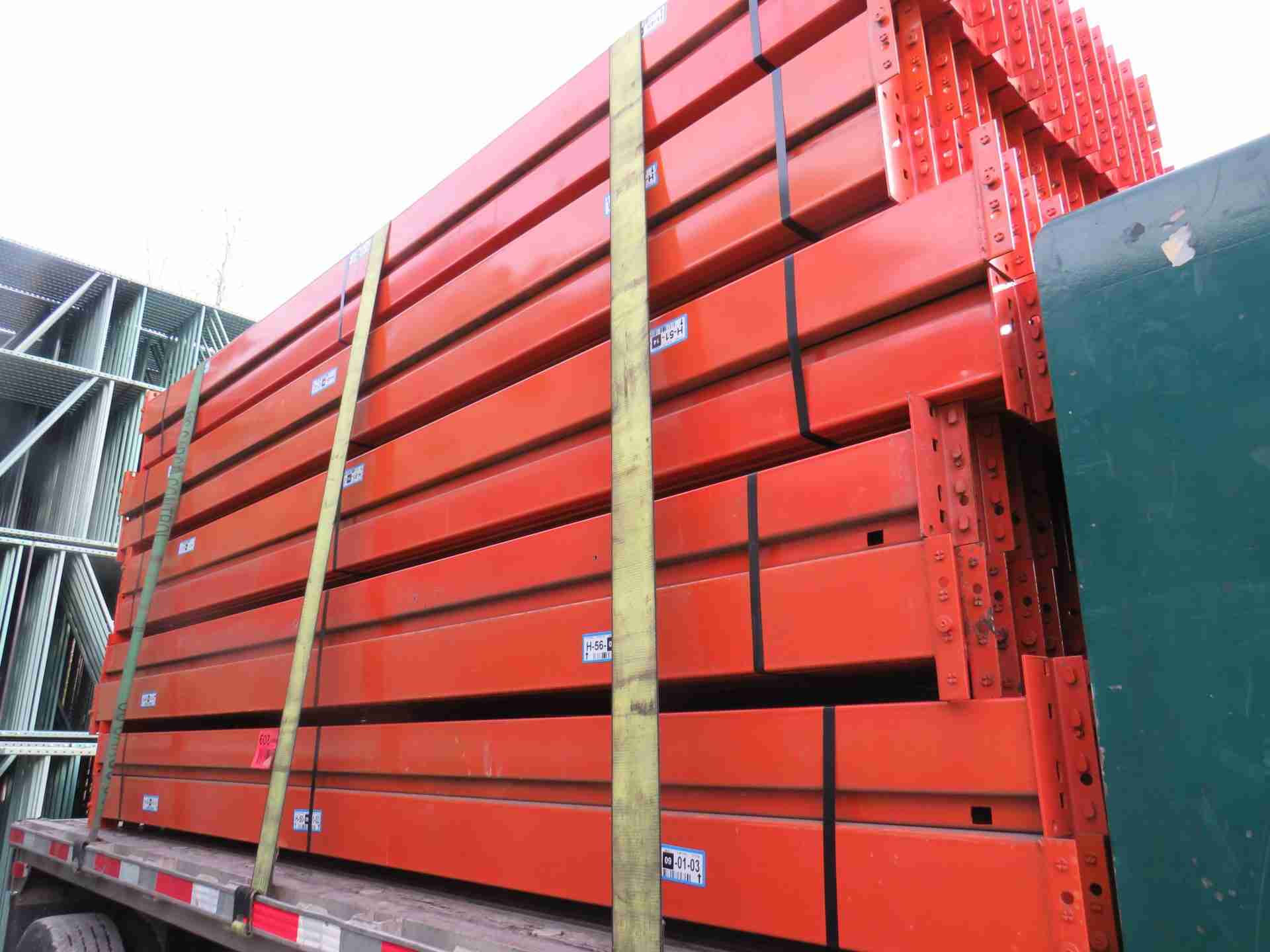
The Cost Of Non-Compliance In Warehouse Operations
The Cost Of Non-Compliance In Warehouse Operations
- Every decision in warehouse life impacts safety and compliance.
- Non-compliance can lead to catastrophic safety risks, endangering workers’ lives.
- Ignoring safety regulations results in financial repercussions such as fines and increased insurance costs.
- Providing a safe environment is both a legal requirement and a moral obligation for warehouses.
- A culture of trust and responsibility enhances worker engagement and productivity.
- Veteran workers emphasize the importance of compliance through shared experiences and calls to action.
- The stakes of non-compliance extend beyond finances to include the well-being of individuals and community bonds.
The Cost Of Non-Compliance In Warehouse Operations
Table Of Contents
- The Cost Of Non-Compliance In Warehouse Operations
- What Is the True Financial Impact Of Non-Compliance?
- How Does Non-Compliance Affect Employee Safety?
- What Compliance Failures Have Cost Companies Their Reputation?
- How Can Compliance Strengthen Customer Trust In Our Operations?
- What Are the Legal Risks Tied to Non-Compliance In Warehouses?
- How Do Industry Standards Inform Compliance Expectations?
- Conclusion
- Other Resources
- Glossary Of Terms
- Other Questions
- Checklist
What Is the True Financial Impact Of Non-Compliance?
Imagine walking into a warehouse piled high with inventory but lacking the proper racking systems to store it all securely. It’s a scene that’s all too familiar for many businesses. While it might seem like a minor oversight at first, the repercussions of non-compliance with industry regulations can hit hard, both in the wallet and the gut.
From the top down, non-compliance often leads to costly fines. These aren’t just small change; they can spiral into thousands of dollars that could have been better spent on improving operations or investing in employee training. Every dollar spent on penalties is a dollar that can’t go toward growth or innovation. This reality weighs heavily on business owners, who pride themselves on building something worthwhile.
Then there’s the potential for serious harm to employees. Inadequate racking systems not only violate safety standards but also put workers at risk. Imagine an accident caused by a collapse, leading to injuries that could have been prevented. The emotional toll on both the victims and the entire team can’t be understated. A workplace isn’t just a place to earn a check; it’s a community built on trust and reliance. When that trust is broken due to negligence, morale plummets.
Moreover, the damage to a company’s reputation can be devastating. In today’s interconnected world, news travels fast. Word spreads when a business cuts corners or fails to adhere to necessary regulations. Customers are more likely to choose competitors who prioritize compliance and safety.
The ethical obligation to provide a safe environment goes beyond regulations; it’s about respecting workers and their families. Each person deserves to come home safe at the end of the day. Organizations that prioritize compliance foster a culture of safety and responsibility that extends to everyone involved.
The financial impact of non-compliance isn’t just about the immediate costs. It’s a broader story about the values a business stands for. Investing in compliance isn’t an expense—it’s a commitment to excellence and a safer workplace. When management recognizes this, it becomes clear that ensuring proper racking systems and adherence to safety regulations isn’t just a box to check off. It’s a foundation upon which sustainable, successful companies are built. Ultimately, the true cost of non-compliance is a lot more than just money; it’s about protecting people, preserving livelihoods, and securing a future worth striving for.
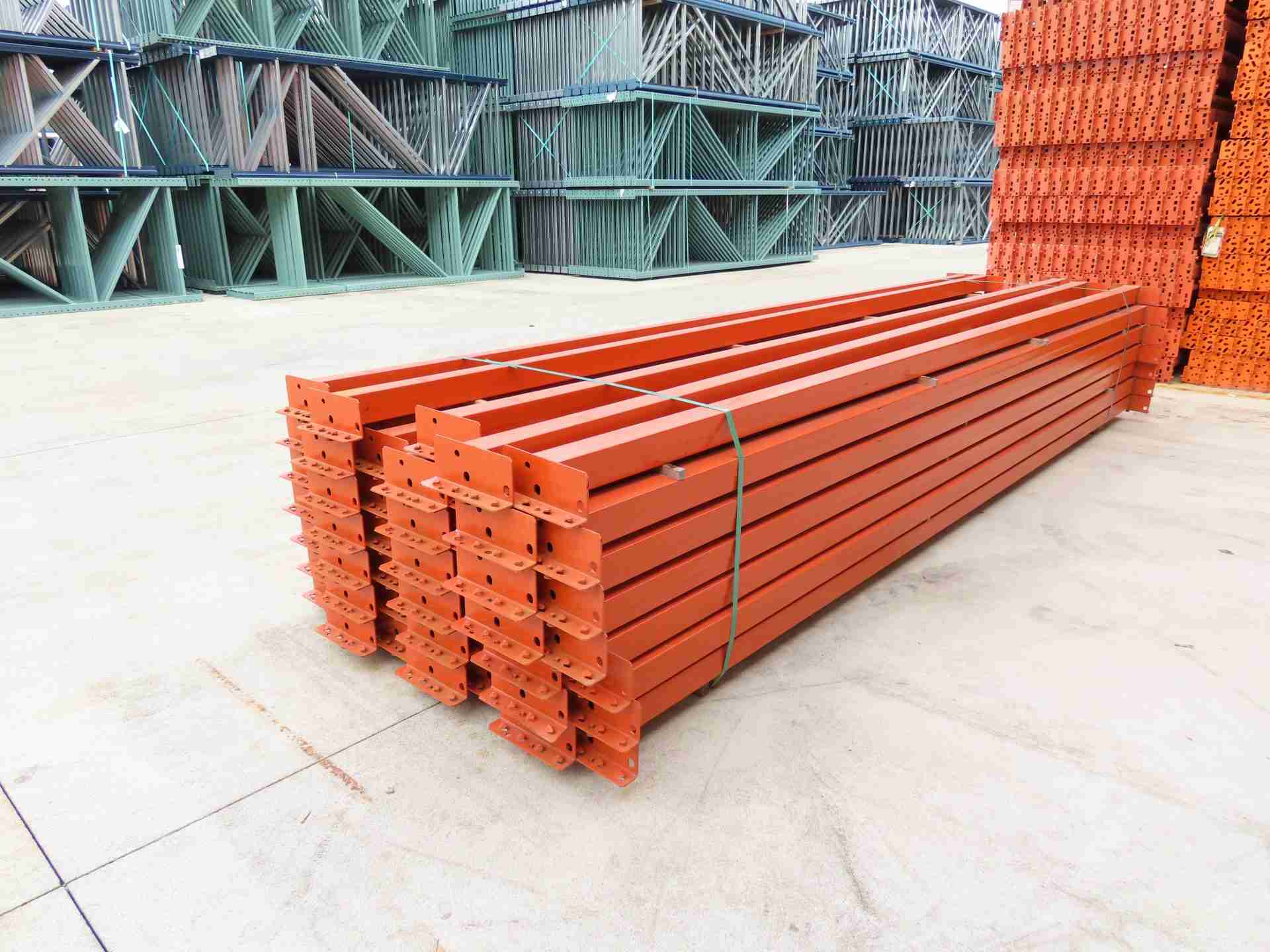
What Is the True Financial Impact Of Non-Compliance?
What Is the True Financial Impact Of Non-Compliance?
- Inadequate racking systems lead to non-compliance with industry regulations.
- Non-compliance results in costly fines that divert funds from growth and innovation.
- Improper storage systems pose a serious risk to employee safety and wellbeing.
- The emotional impact of workplace accidents affects both victims and team morale.
- Violation of safety standards damages a company’s reputation and customer trust.
- Ethical responsibility mandates providing a safe work environment for all employees.
- Investing in compliance is vital for sustainable business success and community safety.
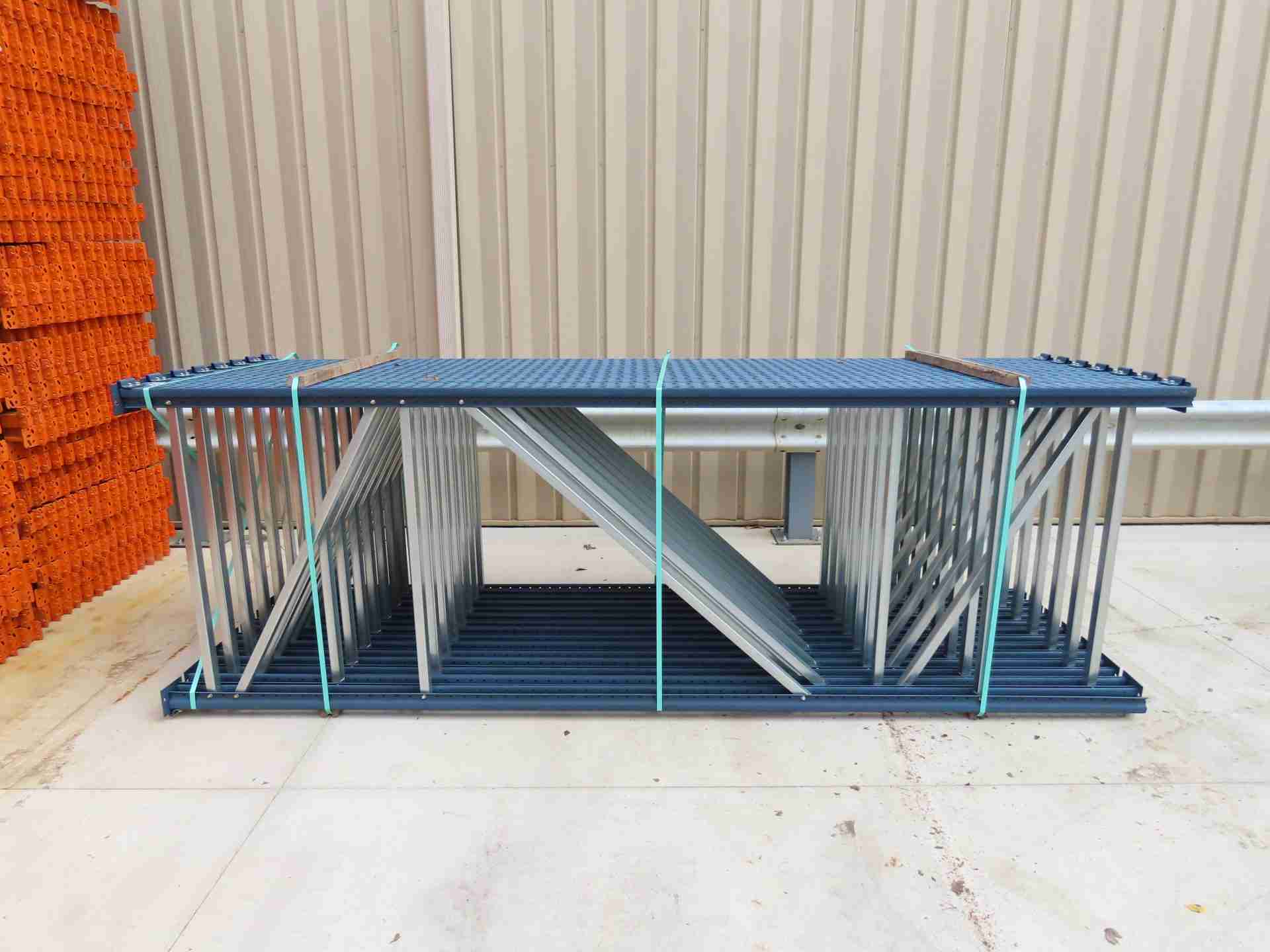
What Is the True Financial Impact Of Non-Compliance?
How Does Non-Compliance Affect Employee Safety?
Non-compliance is not just a checkbox on a safety form; it’s a ripple effect that impacts every corner of a workplace. When safety protocols are ignored, especially in environments with complex systems like racking systems, the stakes get dangerously high. Picture a warehouse bustling with workers, each one relying on the integrity of the racking systems to keep their jobs safe. A simple oversight—like bypassing a safety inspection—might not seem like a big deal until it leads to a catastrophic failure. That’s not just a loss of products; it’s a loss of livelihoods and, potentially, lives.
Think about it. Each section of those racking systems is designed to hold immense weight, engineered to endure the demands of daily use. But what happens when corners are cut? When employees see their peers neglecting safety rules, trust erodes. It fosters a culture of complacency and, even worse, fear. The message becomes clear: following the rules isn’t a priority. This emotional toll weighs heavy. Workers start to question their own safety and, soon enough, their morale plummets. A workforce that feels unsafe isn’t just a number on a report; it’s a ticking time bomb.
Rationally, the numbers speak for themselves. Workplaces that prioritize compliance see lower accident rates, reduced downtime, and improved productivity. When safety measures are upheld, it creates an environment where everyone can focus on their jobs rather than looking over their shoulders. The financial savings from preventing accidents—medical costs, insurance premiums, costs of training replacements—add up quickly.
Ethically, every worker deserves to go home in one piece at the end of their shift. They trust management to prioritize their wellbeing, and breaching that trust not only endangers them but also tarnishes the integrity of the organization. Equipment and facilities are maintained for efficiency, but neglecting compliance compromises their very foundation.
Think of the stories shared in break rooms—tales of near-misses or close calls. Each one amplifies the urgency of compliance. When workers bond over these shared experiences, a collective commitment to safety forms, shaping a culture that values each individual’s role in preventing accidents.
Fostering an environment where compliance is the norm isn’t just good for business; it’s a moral imperative. It’s about ensuring everyone has the right to feel secure at work, particularly around critical components like racking systems. It’s confidence rooted in action, a bond strengthened by shared responsibility, and a commitment to looking out for one another.
How Does Non-Compliance Affect Employee Safety?
How Does Non-Compliance Affect Employee Safety?
- Non-compliance in safety protocols impacts all aspects of a workplace.
- Ignoring safety measures, particularly with racking systems, can lead to catastrophic failures.
- Neglecting safety fosters a culture of complacency and fear among employees.
- Workplaces that prioritize compliance experience lower accident rates and increased productivity.
- Every worker has the right to return home safely, and management must ensure this trust is upheld.
- Shared experiences of near-misses can strengthen a collective commitment to safety.
- Creating a compliance-focused environment is both a business necessity and a moral obligation.
How Does Non-Compliance Affect Employee Safety?
What Compliance Failures Have Cost Companies Their Reputation?
In today’s fast-paced business world, a single compliance failure can unravel years of hard work and build a tarnished reputation that lingers far longer than a fleeting headline. Picture a company that prided itself on putting safety first, operating racking systems that promised strength and reliability. When a failure occurs—perhaps due to neglected inspections or improper usage—it’s not just a matter of legal penalties. It’s about trust. Employees, customers, and stakeholders feel the sting when trust is broken.
When a once-reliable name is tied to an incident that jeopardizes safety, the emotional toll can be steep. Workers who believe in their employer’s commitment to safety might be left questioning their own stability. Customers loyal to the brand may feel betrayed, their faith replaced by doubt. The ripple effect reaches further than the immediate incident; it shakes the very foundation of the company’s reputation, impacting everything from sales to employee morale.
Rationally speaking, the numbers speak volumes. The financial losses from compliance failures can be staggering. Direct fines and legal fees don’t tell the whole story; the cost of a damaged reputation often translates into lost business and diminished trust. Companies that invest in strong compliance practices create a safety net that protects not only their bottom line but also their people. When firms neglect this, they ignore the reality that reputation doesn’t just happen—it’s built over years and can be shattered in seconds.
Ethically, we owe it to our employees and clients to uphold the highest standards. Companies need to embrace a culture of compliance as part of their identity, rather than just a checkbox on a list. That commitment fosters a sense of community—not just within the brands but across the industries. Stories of companies facing the consequences of their negligence remind us all of the fragility of reputation.
In a world where news travels faster than light, companies must remember that their actions have lasting implications. Excellence in compliance isn’t just about avoiding penalties; it’s about uplifting a community of trust and reliability. Those who cut corners may save a buck today, but they risk losing everything tomorrow. Let’s look at compliance not as a burden but a badge of honor—a reflection of our dedication to doing what’s right, for ourselves and each other. When respect and reputation align, companies don’t just survive; they thrive.

What Compliance Failures Have Cost Companies Their Reputation?
What Compliance Failures Have Cost Companies Their Reputation?
- A compliance failure can damage a company’s reputation and trust built over years.
- Neglected inspections or improper usage can lead to incidents that affect safety.
- The emotional impact of failures extends to employees and customers, harming stability and loyalty.
- Financial losses from compliance failures include direct fines and long-term damage to business and trust.
- Investing in strong compliance practices protects both financial interests and employee welfare.
- Upholding high ethical standards fosters a culture of compliance and community within industries.
- Viewing compliance as a badge of honor promotes trust, reliability, and overall company thriving.

What Compliance Failures Have Cost Companies Their Reputation?
How Can Compliance Strengthen Customer Trust In Our Operations?
In the warehouse and logistics industry, a sturdy foundation is everything. Just like a well-built racking system holds up your inventory, compliance holds up your reputation. When we adhere to regulations and standards, we show our customers we’re serious about safety and integrity. There’s a palpable sense of confidence that comes from knowing the place you’re doing business with plays by the rules. It’s not about checking boxes; it’s about building a relationship based on trust and respect.
Think about it—every time a delivery is made on time or a product arrives without a hitch, it’s a win for both sides. But this doesn’t just happen by chance. It’s the result of rigorous compliance efforts that ensure our operations run smoothly and efficiently. Customers notice when we put in the hard work. That attention to detail reflects our commitment to their peace of mind, and it fosters a bond that transcends mere transactions. It’s the heart of our business.
Rationally speaking, compliance reduces risk. It protects both us and our customers from potential pitfalls that could shake their confidence. No one wants to find out their supplier is cutting corners. By demonstrating strict adherence to compliance protocols, we position ourselves as reliable partners—those who won’t let them down when it counts. It’s like knowing that the racking systems managing their products are secure and dependable. This assurance goes a long way in solidifying trust.
Ethically, there’s an undeniable responsibility to do right by our customers. Our values dictate that we don’t just deliver goods; we deliver on our promises. This moral compass guides decisions that not only comply with the law but also prioritize the needs of our clients. When we lead with integrity, we raise the standards for our industry, creating a ripple effect that encourages others to do the same.
Moreover, social proof is a powerful motivator. When customers see others lauding our commitment to compliance, they’re more likely to join the fold. Whether it’s through testimonials or word-of-mouth, a solid reputation built on compliance fosters an environment where trust thrives. The stories shared about successfully navigating the complexities of logistics reinforce the notion that we’re not just any company—we’re a partner they can believe in.
Our commitment to compliance isn’t just a policy; it’s the backbone of our identity, shaping every interaction and ensuring that trust remains at the forefront of our operations.

How Can Compliance Strengthen Customer Trust In Our Operations?
How Can Compliance Strengthen Customer Trust In Our Operations?
- Compliance is integral to reputation in the warehouse and logistics industry.
- Adhering to regulations enhances safety and integrity, fostering customer confidence.
- Timely deliveries reflect rigorous compliance efforts, essential for smooth operations.
- Compliance reduces risk and establishes reliability as a trusted partner.
- Ethical responsibility drives delivery on promises and prioritizes client needs.
- Positive social proof from satisfied customers enhances the company’s reputation.
- Commitment to compliance forms the foundation of company identity and trust.
How Can Compliance Strengthen Customer Trust In Our Operations?
What Are the Legal Risks Tied to Non-Compliance In Warehouses?
In the world of warehousing, non-compliance isn’t just a box checked off; it can feel like standing on shaky ground. Picture a busy warehouse, where workers are moving quickly among towering racking systems, stacking heavy loads and hustling to meet deadlines. Every day, they trust the systems in place to keep them safe, secure, and efficient. But what happens when those systems fade into negligence?
Legally, non-compliance is a gamble that can cost far more than the price of fines or penalties. It’s about the people who walk those aisles: your colleagues, your friends, maybe even family members. When safety standards aren’t adhered to, it puts individuals at risk—injuries, accidents, or worse can occur. A single incident not only disrupts productivity but can lead to costly lawsuits and insurance hikes that burden everyone. The emotional toll of seeing a co-worker hurt due to negligence ignites a sense of unease. How do you look your team in the eye after dismissing safety protocols?
Then there’s the rational aspect. Non-compliance can lead to severe financial ramifications. Regulatory bodies are relentless; they impose hefty fines and can even shut down operations if they find the necessary safety measures neglected. For businesses, these aren’t just trickle-down effects; they can be the difference between thriving and closing shop. A moment of oversight leads to all sorts of ripples—and often, it’s the smaller players who feel the pinch most.
Ethically, as leaders in the field, there’s an obligation to protect the workforce. Compliance isn’t just about avoiding penalties; it’s about fostering a culture of care. Workers who feel safe and valued are likely to put in the effort that often spells success. A warehouse thrives when employees are fully engaged, driving results through their work ethic.
Moreover, the narrative of compliance builds a story of credibility. There’s power in knowing your warehouse is compliant. It enhances your business reputation, builds trust among clients, and showcases commitment to safety. When clients see that you take compliance seriously, they feel more secure in their partnership. This isn’t just the law; it’s common sense worn thick through years of hard work.
Socially, this can create a ripple effect. Good practices in one warehouse inspire others in the industry to follow suit. Let’s face it: in our line of work, we’re all in this together—compliance ensures not just one, but many can thrive without looking over their shoulders. Your commitment to following laws and regulations can resonate, turning a single warehouse into a leader others look up to. Prioritizing compliance doesn’t just protect the bottom line; it uplifts the entire community.

What Are the Legal Risks Tied to Non-Compliance In Warehouses?
What Are the Legal Risks Tied to Non-Compliance In Warehouses?
- Non-compliance in warehousing poses risks to safety and efficiency for workers.
- Negligence can lead to injuries, accidents, costly lawsuits, and increased insurance rates.
- Financial repercussions include hefty fines and potential operational shutdowns due to regulatory scrutiny.
- Leaders have an ethical responsibility to prioritize safety and foster a culture of care.
- Compliance enhances business reputation and builds trust with clients.
- Promoting good practices can inspire compliance across the industry.
- Prioritizing compliance benefits both the business and the broader community.

What Are the Legal Risks Tied to Non-Compliance In Warehouses?
How Do Industry Standards Inform Compliance Expectations?
When it comes to the nuts and bolts of running a business, industry standards might seem like heavy jargon tossed around by experts in suits. But strip that away, and you’ll find these standards are as vital as the racking systems in a warehouse, holding up the structure of compliance expectations. These benchmarks aren’t just rules; they’re the guiding principles that help keep our workplaces safe and efficient, the invisible hand that drives trust in what we do.
Think about it: every time you step into a facility where materials are securely stored on racking systems, there’s an unspoken assurance that those shelves are built to withstand the weight of their burden. This is not happenstance; it’s the outcome of adhering to industry standards. These standards set the stage for what’s acceptable and what’s not, shaping everything from safety protocols to product quality. They connect workers to a greater cause—ensuring that everyone goes home at the end of the day, safe and sound.
Imagine a factory floor buzzing with activity. Each worker relies on the understanding that every piece of machinery, each safety precaution, stems from a set of established standards. That’s where the heart and soul of compliance lie. When employees see their leaders prioritizing safety guidelines and ethical practices, it builds not just compliance but a community where people look out for one another.
On a rational level, adhering to these standards isn’t just about avoiding fines or ticking boxes. It’s about fostering a culture steeped in integrity that resonates throughout the industry. These collective efforts elevate everyone, driving productivity and innovation. A strong commitment to compliance rooted in industry standards positions businesses as credible players in the marketplace, earning respect and loyalty from customers and partners alike.
It’s where authority meets responsibility; when companies lead by example, they inspire others to do the same, creating ripples of good practice across sectors. Every time we follow these standards, we reinforce our shared values—accountability, transparency, and respect for our craft.
In essence, industry standards are the lifeblood of compliance expectations. They guide our daily actions and decisions, remind us of our responsibilities, and inspire confidence in our work. When we embrace these guidelines, we not only protect ourselves and our businesses but also contribute to a stronger, more reliable framework for everyone. Relying on industry standards isn’t just compliance; it’s a commitment to one another in the shared journey toward excellence.
How Do Industry Standards Inform Compliance Expectations?
How Do Industry Standards Inform Compliance Expectations?
- Industry standards are critical for compliance and operational efficiency.
- Standards ensure safety and quality in workplaces, creating trust among employees and clients.
- Adhering to standards connects workers to a greater purpose of safety and responsibility.
- Compliance fosters a culture of integrity, promoting productivity and innovation.
- Leading by example in adhering to standards inspires positive practices across sectors.
- Following industry standards reinforces accountability, transparency, and respect.
- Embracing standards strengthens the framework of shared commitment to excellence.

How Do Industry Standards Inform Compliance Expectations?
Conclusion
In the complex world of warehouse operations, compliance is more than just a bureaucratic box to check—it’s the bedrock upon which safety, trust, and lasting business success are built. Ignoring compliance isn’t merely an oversight; it’s a gamble that can cost lives, livelihoods, and hard-earned reputations. Every worker has families, expectations, and responsibilities, and they deserve a workplace that prioritizes their safety above all.
When safety regulations are disregarded, the consequences can be catastrophic. Picture the scene: towering racking systems, bustling workers, heavy loads—all operating on a knife’s edge. One slip-up can lead to accidents that reverberate through the entire operation, impacting not just productivity but the emotional well-being of all involved. The gut-wrenching reality is that every day spent in disregard of compliance is a day closer to disaster. It’s not just about the injuries; it’s about the camaraderie, the trust, and the shared responsibility among workers. A compliant environment fosters confidence and collaboration, while non-compliance breeds fear and skepticism.
Financially, non-compliance can bleed a company dry. Fines, legal fees, and skyrocketing insurance premiums can erode profits and stifle growth. This grim financial arithmetic isn’t just about numbers; it echoes through the morale of employees who want to be part of a thriving, responsible organization. Investing in compliance is investing in the people who keep the wheels turning, and it creates an unshakeable foundation for operational excellence.
Ethically, businesses have an obligation to protect their workforce and the community they serve. Providing a safe environment isn’t merely a legal requirement; it’s a moral duty. When companies prioritize safety, this commitment creates a culture of respect and integrity, leading to increased productivity and loyalty among employees. Stories shared around break tables—tales of narrow escapes and lessons learned—highlight the urgency and importance of compliance, building a narrative that emphasizes shared responsibility.
Moreover, a track record of compliance significantly impacts customer trust. In a marketplace where reputation matters, demonstrating a steadfast commitment to safety and integrity enhances credibility and fosters strong relationships. When customers feel secure, they’re more willing to engage and invest in a partnership built on reliability and mutual respect.
In the end, the true cost of non-compliance transcends financial implications; it weighs heavily on the lives and communities connected to the warehouse. Embracing compliance is not simply about adhering to regulations but about nurturing a thriving workplace where everyone is valued. It’s not just compliance; it’s a reflection of who we are and what we stand for—a testament to our dedication to a safer, more responsible industry.
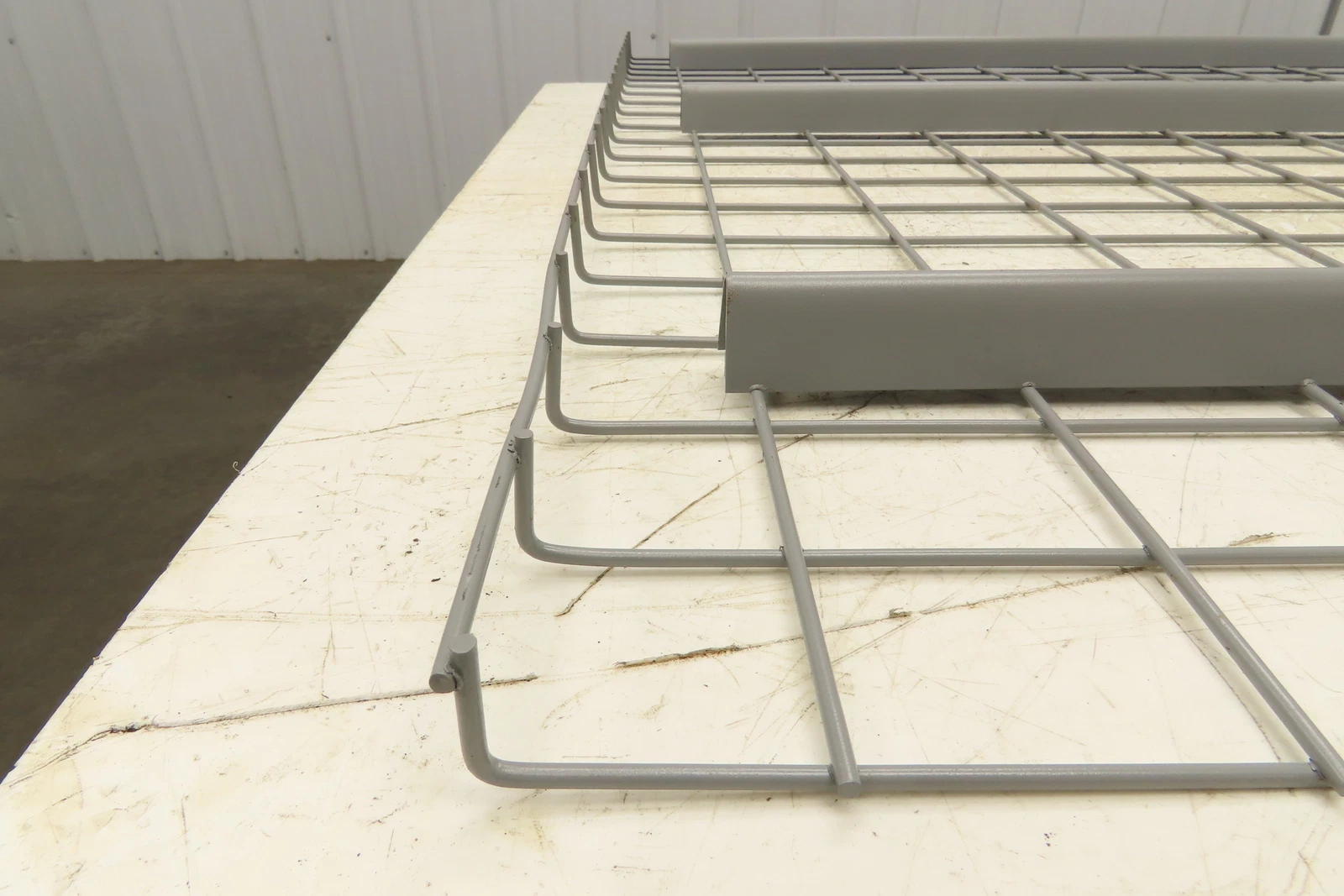
Conclusion
Conclusion:
- Compliance is essential for safety, trust, and long-term business success in warehouse operations.
- Disregarding compliance risks accidents, impacting both productivity and worker well-being.
- Non-compliance can result in financial burdens, including fines and increased insurance costs.
- Ethically, businesses have a moral duty to ensure a safe work environment for their employees.
- A culture of safety enhances employee morale, productivity, and loyalty within the organization.
- Demonstrating compliance builds customer trust and fosters strong relationships in the marketplace.
- Embracing compliance reflects the organization’s values and commitment to a responsible industry.

Conclusion
Other Resources

Other Resources
Here is a list of other resources you can review online to learn more:
- Shipping Boxes, Packaging Materials, Pallet Racking
- Used Pallet Rack for Sale in Illinois – American Surplus
- Cantilever Rack Guide: Ordering Cantilever Racking
- What is Cantilever Racking? – AK Material Handling Systems
- RMI
- Selective Racking
- Total Warehouse
- Used Teardrop Pallet Rack – American Surplus
- Interlake
- Overhead Lifting
- Material Handling Safety
- Arrow Industrial Sales
- Storage Equipment Manufacturers’ Association
- Illinois Pallet Racking – WPRP
- Pallet Racking systems in Illinois and Great Lakes
- Iowa Illinois Warehouse Racking
- Cantilever Racks Chicago
- Pallet Racking systems in Illinois, Great Lakes
- Warehouse Racking System: Powerful Guide to Optimise, 2024
- Selective Pallet Racking Systems – Container Systems
Use This Prompt To Get More Resources With Your Favorite Online AI Tool: Please provide me with a list of online articles with their URLs in a bulleted list that I can read regarding The Cost Of Non-Compliance In Warehouse Operations
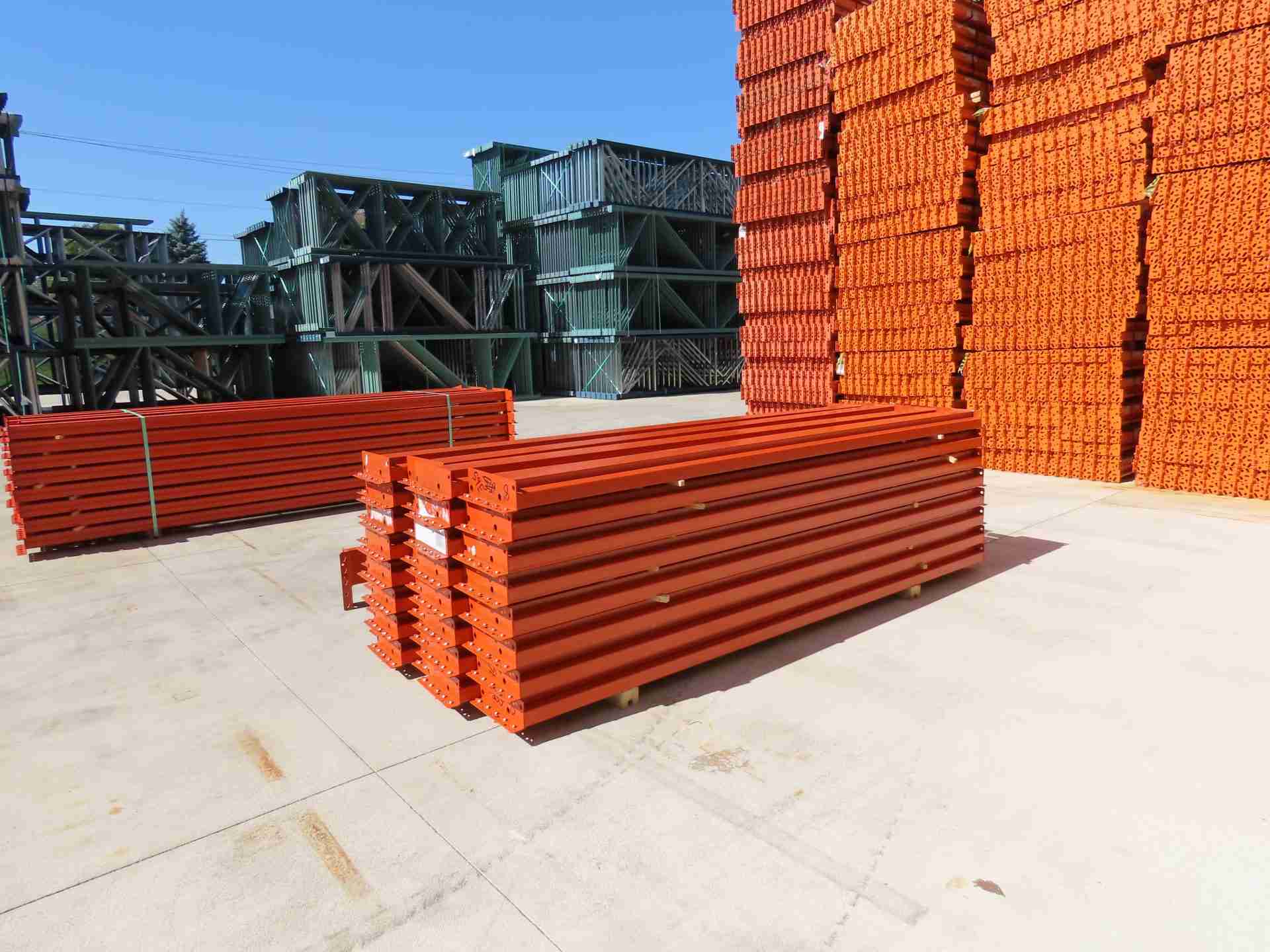
Other Resources
Glossary Terms
The Cost Of Non-Compliance In Warehouse Operations – Glossary Of Terms
1. Compliance: Adherence to laws, regulations, and standards in warehouse operations.
2. Non-Compliance: Failure to conform to established rules and regulations, resulting in penalties.
3. Liability: Legal responsibility for actions or omissions, often leading to financial losses.
4. Risk Management: The process of identifying, assessing, and mitigating risks in operations.
5. Inspection: The examination of warehouse practices to ensure compliance with regulations.
6. Audit: An official review of compliance with operational standards and regulations.
7. Fines: Monetary penalties imposed for violations of compliance standards.
8. Litigation: Legal action taken against a company for non-compliance issues.
9. Safety Standards: Regulations that ensure safe working environments in warehouses.
10. Efficiency: The ability to achieve maximum output with minimum wasted effort or expense.
11. Training: Instruction provided to employees to meet compliance and operational standards.
12. Insurance: Financial protection against losses related to non-compliance incidents.
13. Record Keeping: The practice of maintaining accurate logs of warehouse operations and compliance.
14. Contractual Obligations: Legal agreements requiring adherence to specific standards and regulations.
15. Inventory Management: The process of overseeing and controlling stock levels and compliance.
16. Supply Chain: The network of organizations involved in producing and delivering products.
17. Environmental Regulations: Laws governing the impact of warehouse operations on the environment.
18. Workforce Accountability: The responsibility of employees to comply with operational standards.
19. Reporting: The act of documenting compliance status and incidents for review.
20. Corrective Actions: Steps taken to rectify non-compliance issues after identification.
21. Standard Operating Procedures (SOPs): Detailed written instructions to achieve compliance in operations.
22. OSHA Regulations: Occupational Safety and Health Administration rules addressing workplace safety.
23. Quality Control: Processes ensuring products meet required standards and compliance.
24. Whistleblower Policy: Guidelines protecting employees who report non-compliance issues.
25. Documentation: Written evidence of compliance efforts and operational practices.
26. Cost-Benefit Analysis: Evaluation of the financial impacts of compliance versus non-compliance.
27. Third-Party Audits: External evaluations of compliance conducted by independent organizations.
28. Technology Integration: The use of software systems to enhance compliance in operations.
29. Non-Conformance Report: A document outlining specifics of non-compliance incidents.
30. Business Continuity Plan: Strategies to maintain operations during compliance-related disruptions.
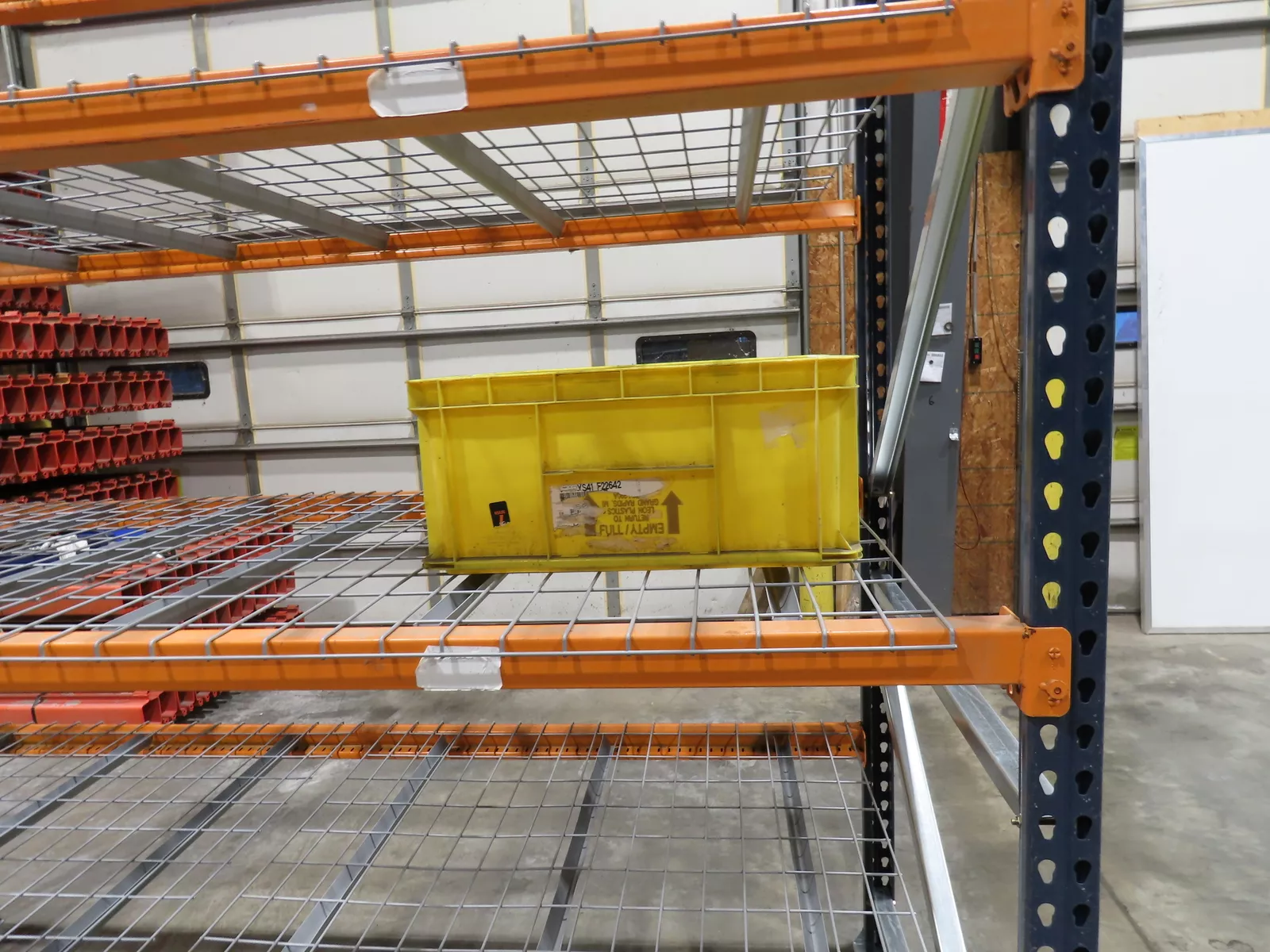
Glossary Of Terms
Other Questions
The Cost Of Non-Compliance In Warehouse Operations – Other Questions
If you wish to explore and discover more, consider looking for answers to these questions:
- What are the typical direct and indirect financial costs of a single non-compliance incident?
- How do fines and penalties vary by jurisdiction and regulatory body?
- How much can insurance premiums increase after a compliance failure?
- How do you calculate the total cost of non-compliance (including lost productivity, legal fees, and reputation damage)?
- What legal liabilities do warehouse owners, managers, and contractors each bear after an incident?
- Which specific regulations and standards apply to warehouse racking systems (e.g., OSHA, local codes, ISO)?
- How often should racking systems be inspected and by whom?
- What does a proper racking inspection checklist include?
- What are the most common causes of racking collapse or failure?
- What immediate steps should be taken after discovering non-compliant equipment or conditions?
- How should incidents and near-misses be documented and reported to regulators and insurers?
- What are best practices for developing and enforcing a warehouse compliance program?
- How can training programs be structured to change worker behavior and reduce complacency?
- How frequently should employee safety and compliance training occur?
- What KPIs and metrics best measure compliance effectiveness over time?
- How can management demonstrate a cultural commitment to safety, not just box‑checking?
- What technologies (IoT sensors, WMS, inspection apps) help enforce and monitor compliance?
- What is the ROI timeline for investments in racking upgrades, inspections, and training?
- How much does retrofitting or replacing non-compliant racking typically cost?
- Are there funding sources, grants, or tax incentives available to help pay for compliance upgrades?
- How do compliance requirements differ for small warehouses versus large distribution centers?
- What role do third‑party audits and certifications play in protecting reputation and reducing risk?
- How should warehouses prepare for regulatory inspections and audits?
- What contractual clauses should be included with vendors and contractors to allocate compliance responsibility?
- How do product handling practices (palletization, load distribution) affect racking safety?
- How should a warehouse plan emergency response and recovery after a major compliance-related incident?
- What steps are necessary to rebuild customer trust after a publicized compliance failure?
- How do supply chain partners and customers typically evaluate a warehouse’s compliance posture?
- What documentation and records should be maintained to prove ongoing compliance?
- How can a company quantify reputational damage and its impact on sales or contracts?
- What insurance coverages are most important for warehouses and how do they respond to compliance claims?
- What are common contractual or procurement mistakes that create compliance exposure?
- How should leadership balance short-term cost cutting against long-term compliance investment?
- Which case studies or real-world examples best illustrate the consequences of non-compliance?
- What immediate actions prevent recurrence after identifying systemic compliance failures?

Other Questions
Checklist
The Cost Of Non-Compliance In Warehouse Operations – A Checklist
Leadership and Culture
✅______ Executive leadership has a written safety and compliance commitment shared with all staff
✅______ Safety goals are part of business KPIs and reviewed at least quarterly
✅______ Supervisors model rule adherence and stop work when unsafe conditions arise
✅______ Anonymous reporting and non-retaliation policies are in place and enforced
Legal and Standards Alignment
✅______ Current OSHA/local regulatory requirements applicable to the warehouse are identified and mapped to controls
✅______ Relevant industry standards (e.g., RMI/ANSI MH16.1 for racking) are adopted and referenced in procedures
✅______ A responsible owner monitors regulatory changes and updates procedures within defined timelines
✅______ A compliance calendar with required inspections, permits, and training is maintained and current
Racking System Integrity
✅______ A professional engineering review is conducted for design, layout, and seismic/loading requirements
✅______ Load ratings are posted on each rack bay; loads do not exceed posted limits
✅______ Rack anchors, beams, frames, and bracing are inspected on a defined cadence; defects are tagged and removed from service
✅______ Impact protection (column guards and end-of-aisle) is installed where traffic risk exists
Material Handling and Equipment
✅______ Powered industrial trucks are certified and inspected pre-shift; only trained, authorized operators operate them
✅______ Battery charging, LPG storage, and fueling areas meet ventilation and fire code requirements
✅______ Pallets and packaging meet quality standards; damaged pallets are removed from circulation
✅______ Lift attachments (clamps, forks, extensions) are approved and used per manufacturer instructions
Housekeeping and Traffic Flow
✅______ Aisle widths meet code and are kept clear; no product is stored in egress routes
✅______ Floor conditions are even and free of spills and debris; dock plates and edges are protected
✅______ Pedestrian walkways are marked; intersections have mirrors and signage; speed limits are enforced
✅______ Lighting levels meet task requirements; emergency lighting is tested on schedule
Training and Competency
✅______ Role-specific safety and compliance training is completed at onboarding and refreshed on schedule
✅______ Racking inspection training is provided to designated staff; findings are documented
✅______ Contractors and temporary workers receive site-specific orientation before work begins
✅______ Safety drills (evacuation and spill response) are conducted and recorded
Documentation and Records
✅______ Written SOPs cover receiving, putaway, picking, loading, and rack use
✅______ Maintenance, inspection, and training records are retained per policy and accessible
✅______ Incident, near-miss, and corrective action logs are maintained with closure verification
✅______ Change management documentation is maintained for layout, process, and equipment changes
Incident Prevention and Response
✅______ A hazard identification and near-miss reporting program is actively used by employees
✅______ Clear stop-work authority is communicated and supported without penalty
✅______ Incident investigations use root cause analysis with preventive actions tracked
✅______ First-aid kits, eyewash, and spill kits are available, inspected, and restocked
Emergency Preparedness
✅______ The emergency action plan is posted; roles and contact lists are current
✅______ Fire extinguishers and suppression systems are inspected; clear access is maintained
✅______ Exits and evacuation routes are marked and unobstructed
✅______ Hazardous materials are labeled and stored properly; SDS are accessible
Quality and Operational Continuity
✅______ Contingency plans address equipment failure, system downtime, and product damage
✅______ Inventory is stored within environmental requirements (temperature and humidity) where applicable
✅______ Dock and load securement procedures prevent load shifts and falls
✅______ Product traceability and recall procedures are tested periodically
Customer Trust and Reputation
✅______ Customer compliance requirements (audits and codes of conduct) are mapped to internal controls
✅______ On-time, damage-free delivery metrics are tracked and reviewed with corrective actions
✅______ Certifications (e.g., ISO and industry-specific) are maintained and communicated
✅______ A communication plan is in place to transparently address incidents with stakeholders
Insurance and Financial Risk
✅______ Insurance coverage is reviewed annually; risk mitigation actions align with insurer recommendations
✅______ Cost tracking for incidents (injuries, damage, downtime) informs investment decisions
✅______ Vendor indemnification and liability clauses are reviewed for adequacy
✅______ A budget is allocated for preventive maintenance, upgrades, and training
Audits and Continuous Improvement
✅______ Internal compliance audits are conducted on a set frequency with action plans closed on time
✅______ Third-party assessments are performed to validate controls and uncover blind spots
✅______ Leading indicators (near-misses and unsafe conditions) are tracked alongside lagging indicators
✅______ Lessons learned are shared across teams; improvements are standardized and sustained
Supplier and Contractor Controls
✅______ Pre-qualification checks verify supplier and contractor safety and compliance performance
✅______ Contractor work is permitted, supervised, and closed with a safety sign-off
✅______ Inbound materials meet safety specifications; nonconforming items are quarantined
✅______ Transport partners meet safety standards for dock and yard operations
Technology and Data Integrity
✅______ WMS and EHS systems accurately record training, inspections, and incidents
✅______ Access controls and data backups protect compliance records
✅______ Digital checklists are used for real-time verification and escalation
✅______ Sensors or telematics (where used) are monitored and acted upon
Performance Dashboard (Fill In)
✅______ Recordable incident rate (target/actual) ______ / ______
✅______ Near-miss reports per 100 employees (target/actual) ______ / ______
✅______ Racking defect closure time, days (target/actual) ______ / ______
✅______ On-time delivery, % (target/actual) ______ / ______
Review Details
✅______ Owner ___________________
✅______ Date completed __________
✅______ Next review due _________
✅______ Total items checked ____ / ____
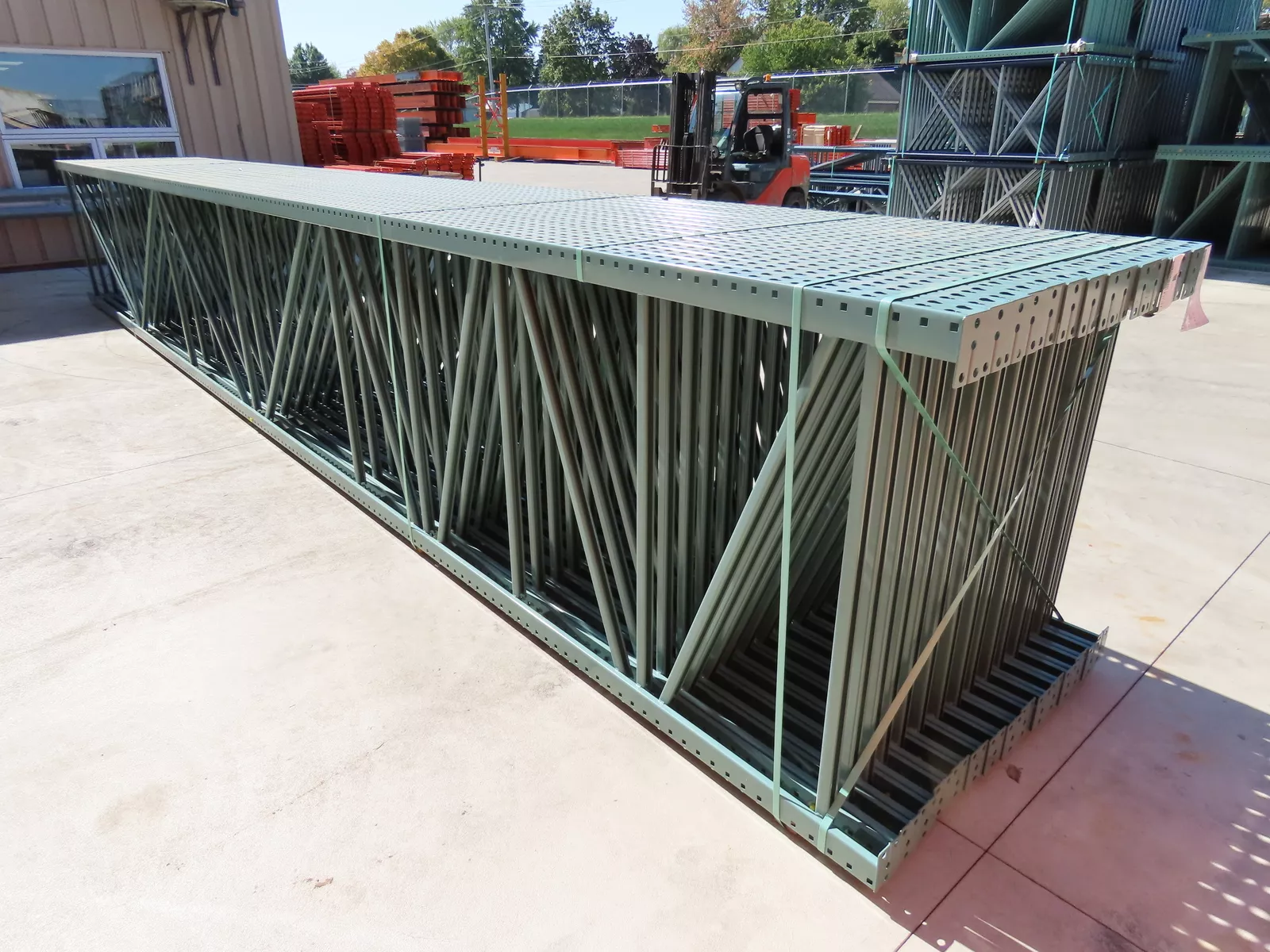
Checklist
At RackingWorld, we help guide you through selecting warehouse storage systems and racking.
Be sure to read our other related stories at RackingWorld to learn more about warehouse storage systems.
0 Comments