
Ensuring Safety And Compliance: The Heart Of Rack Labeling
By Tom Seest
At RackingWorld, we help guide you through selecting warehouse storage systems and racking.
Be sure to read our other related stories at RackingWorld to learn more about warehouse storage systems.
Rack Labeling Requirements In Regulated Industries
Rack labeling is a cornerstone of organization within regulated industries, deeply influencing efficiency and safety in environments that demand precision and compliance. Imagine stepping into a warehouse where every item has a designated spot, clearly labeled and easily identifiable. This isn’t just about tidiness; it’s about trust. When clients and colleagues can find what they need without delay, confidence grows in your operations.
Let’s break it down. Racking systems hold more than just inventory; they support the very framework of your operation. Proper labels ensure that products are stored correctly, reducing the risk of mistakes that can lead to costly errors or safety violations. Each label serves as a silent guardian, reminding every worker of the order that must be maintained. A simple, clear labeling system fosters uniformity, allowing new employees to acclimate quickly, reducing training times and increasing productivity.
Ethically, the importance of rack labeling cannot be overstated. When safety regulations are in play, a company has a duty to uphold standards that protect its employees and the community. A well-labeled racking system minimizes the risk of accidents and ensures that critical materials are handled correctly, especially in industries where improper handling could have dire consequences. There’s a responsibility woven into the fabric of every label, a commitment to doing things right.
From a narrative perspective, consider the story of a small manufacturing plant that faced a major compliance inspection. Frantic hours spent searching for mislabeled inventory could have led to fines or worse. Instead, a robust rack labeling system allowed the team to present a seamless operation. They passed the inspection, but more importantly, the incident underscored the power of organization—demonstrating that even the simplest steps can lead to significant outcomes.
Socially, rack labeling engages workers. It communicates professionalism and shows that their well-being is a priority. Employees take pride in knowing they work in a well-organized, efficient environment. Their morale lifts when they see that every detail is tended to, reinforcing a culture of diligence and respect.
Investing in proper rack labeling systems offers tangible benefits, fostering a culture of safety, integrity, and efficiency. Beyond the physicality of the labels lies a deeper story—one of care for employees and clients alike, paving the path towards a more reliable and trustworthy operation.
Rack Labeling Requirements In Regulated Industries
Rack Labeling Requirements In Regulated Industries
- Rack labeling enhances organization and efficiency in regulated industries.
- Clearly labeled items build trust and improve operational confidence.
- Proper labels reduce mistakes and minimize safety violations.
- A well-structured labeling system aids quick acclimatization for new employees.
- Ethically, rack labeling upholds safety standards for employees and the community.
- Effective labeling systems can prevent compliance issues and significant fines.
- Investing in rack labeling fosters a culture of safety, integrity, and employee pride.
Rack Labeling Requirements In Regulated Industries
Table Of Contents
- Rack Labeling Requirements In Regulated Industries
- What Are the Key Benefits Of Proper Rack Labeling?
- How Does Rack Labeling Improve Safety?
- Are There Industry-Specific Regulations for Labeling?
- What Information Should Be Included on Each Label?
- How Can Rack Labeling Prevent Costly Accidents?
- What Challenges Do Companies Face with Rack Labeling?
- Conclusion
- Other Resources
- Glossary Of Terms
- Other Questions
- Checklist
What Are the Key Benefits Of Proper Rack Labeling?
What Are the Key Benefits of Proper Rack Labeling?
Proper rack labeling isn’t just about keeping things organized; it’s about fostering a culture of efficiency and reliability in any workspace, especially where racking systems are crucial. Imagine walking into a warehouse or a stockroom where every single item can be found with the flick of an eye. That’s the beauty of intuitive labeling. It allows workers to quickly locate what they need, saving both time and frustration. When you eliminate the guesswork of finding materials or equipment, you empower your team to do their jobs with confidence.
Think about the emotional weight of a cluttered, disorganized space. It creates stress, slows productivity, and can lead to costly mistakes. On the flip side, a well-labeled racking system creates a sense of pride. It shows that the organization values its employees and their time. When folks know exactly where to find supplies, their morale improves, and so does their output. This is about more than mere aesthetics; it’s a signal that everyone’s contribution matters.
From a rational perspective, effective rack labeling directly impacts operational efficiency. The principles of lean management emphasize optimized workflow, and labeling is a key component. It reduces the time spent searching for items, which translates to increased productivity. Fewer mistakes mean lower costs and less waste. When every inch of the racking system is utilized effectively and labeled well, the entire operation runs like a well-oiled machine.
Ethically, good labeling practices promote a culture of accountability. When everyone knows where everything belongs, they’re more likely to return items to their proper place. This instills a sense of responsibility and pride in one’s work environment. It’s about creating a space where everyone looks out for one another and contributes to maintaining order.
Moreover, when a company invests in proper labeling, it demonstrates leadership. It shows an understanding of the challenges workers face daily and actively seeks to make their lives easier. There’s a collective sense that we’re all in this together, striving for a common goal.
In a world where efficiency and effectiveness are king, proper rack labeling isn’t just a best practice; it’s fundamental. It’s not just about physical organization; it’s about creating an environment where people feel valued, productive, and confident in their work. Investing in proper labeling for racking systems is an investment in your team’s future.
What Are the Key Benefits Of Proper Rack Labeling?
What Are the Key Benefits Of Proper Rack Labeling?
- Proper rack labeling enhances efficiency and reliability in workspaces.
- Intuitive labeling allows for quick location of items, saving time and frustration.
- A well-labeled system reduces stress and improves productivity and morale.
- Effective labeling contributes to operational efficiency by minimizing search time.
- Good labeling practices promote accountability and responsibility among workers.
- Investing in labeling demonstrates leadership and commitment to employee welfare.
- Proper rack labeling fosters an environment where team members feel valued and confident.
What Are the Key Benefits Of Proper Rack Labeling?
How Does Rack Labeling Improve Safety?
Imagine walking into a bustling warehouse, a place where every second counts and safety is paramount. You might hear the whir of machinery, the fading echoes of footsteps on concrete, and see workers expertly maneuvering forklifts. In this environment, racking systems play a crucial role. But what drives the heart of safety in these bustling spaces? It’s often the simple act of rack labeling.
Labeling isn’t just about sticking on a piece of paper or slapping down a printed sign. It’s about creating an intuitive, organized ecosystem where each rack is a clear chapter in a larger story. Think of it as a well-written manual guiding every worker through the intricate dance of logistics. When racks are clearly labeled, it eliminates guesswork. Employees, seasoned or new, can swiftly identify where products are located, minimizing the risk of accidents and injuries. Fewer accidents mean more lives remain safe, and that’s a narrative that strikes a chord in anyone’s heart.
On a practical level, clear labeling promotes efficiency. Workers can locate items quickly, cutting down on time wasted searching for misplaced goods. This translates into smoother operations and enhanced productivity—a win-win all around. Time saved is money saved, and in the business realm, that’s a rational argument for anyone managing a budget. When decisions are based on solid, efficient practices, trust within the workforce grows. Employees feel valued when they can perform their jobs without hurdles.
Ethically, a commitment to safety reflects a company’s values. Prioritizing good rack labeling shows that a business cares—not just about profits, but about the well-being of every person who steps foot on the floor. It indicates a culture of safety and respect, where workers can feel secure as they do their jobs.
Then there’s the social aspect. When one team member feels safe, it fosters an atmosphere of unity and shared responsibility. A warehouse that embraces proper labeling is one where camaraderie thrives. Workers look out for each other, knowing that their collective effort contributes to a well-ordered, hazard-free environment.
Ultimately, effective rack labeling enhances safety, boosts productivity, reinforces work culture, and cultivates trust. It’s about transforming a typical warehouse into a safe haven for workers. In the world of logistics, where every detail matters, good rack design paired with thoughtful labeling paves the way to a brighter, safer future for all.
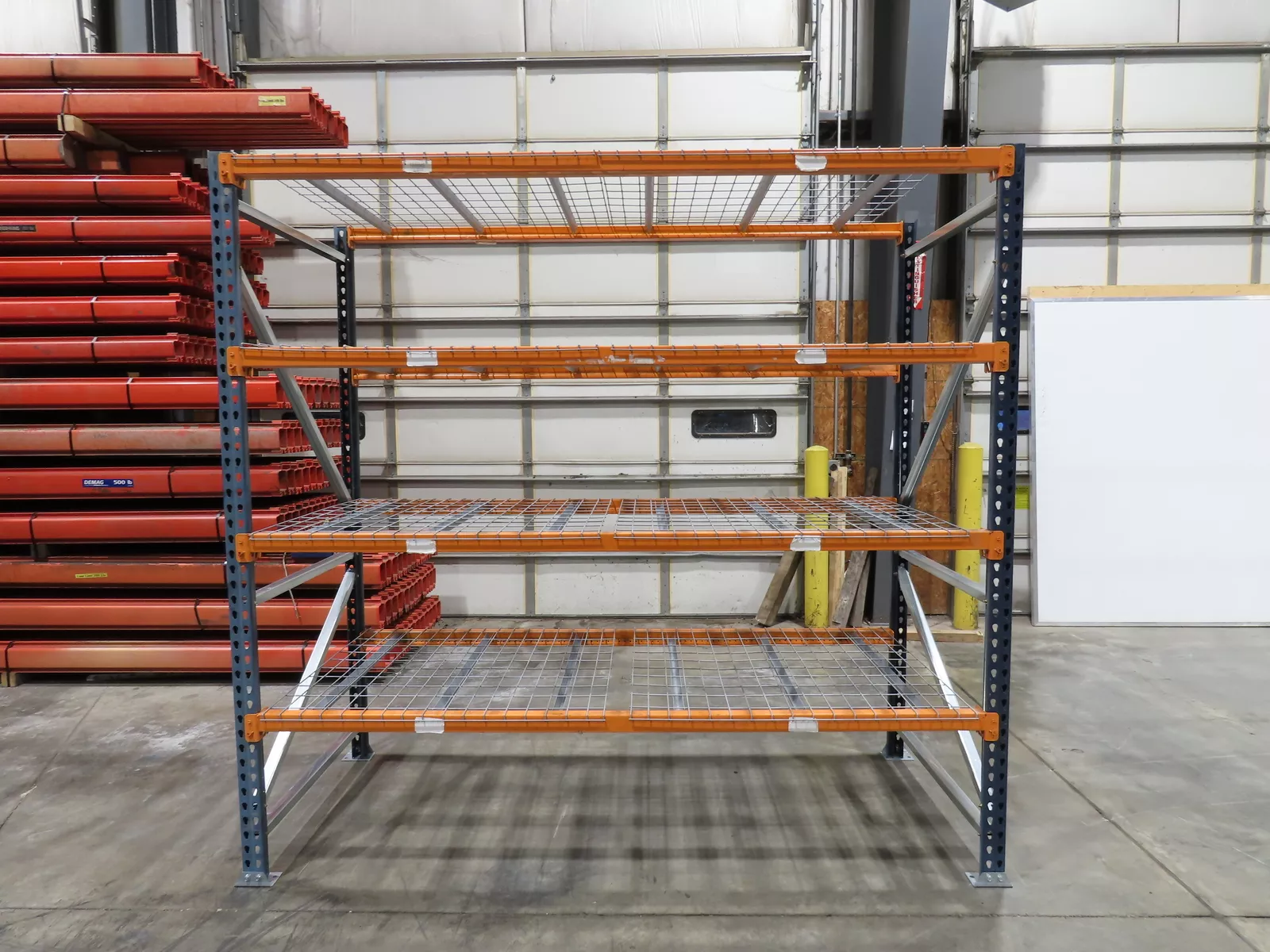
How Does Rack Labeling Improve Safety?
How Does Rack Labeling Improve Safety?
- Efficient rack labeling is crucial for safety in busy warehouse environments.
- Clear labeling reduces guesswork, allowing employees to quickly locate products.
- Minimizing confusion leads to fewer accidents and enhances worker safety.
- Effective labeling increases operational efficiency and productivity.
- Commitment to labeling reflects a company’s values regarding employee well-being.
- Improved safety fosters a culture of unity and shared responsibility among workers.
- Thoughtful labeling and rack design contribute to a safer workplace and a positive future.

How Does Rack Labeling Improve Safety?
Are There Industry-Specific Regulations for Labeling?
In the manufacturing world, especially when dealing with racking systems, labeling isn’t just a bureaucratic chore; it’s a lifeline. Whether you’re stacking heavy pallets or organizing a warehouse, the way you label can mean the difference between efficiency and chaos. These labels are not mere stickers; they’re the frontline soldiers of safety and compliance. Each one carries the weight of industry regulations designed to protect workers, streamline processes, and ultimately keep businesses afloat.
From the moment a racking system is installed, compliance starts to take shape. Regulations may vary from industry to industry, but the core principle remains: safety first. Imagine walking into a warehouse where every rack is clearly labeled, telling you exactly what it can bear and how to use it. It feels organized, predictable – it feels safe. In contrast, a mislabel can lead to tragic consequences. These are not just rules; they’re lifebuoys in the stormy seas of operational hazards.
Think of the hardworking folks in the trenches every day. They are the backbone of the industry, wrestling with heavy loads and navigating tight spaces. They deserve the peace of mind that comes from knowing that every label they see is accurate and reliable. It’s not just about avoiding fines or legal trouble; it’s about fostering a culture of responsibility and trust. When everyone knows what to expect, they can focus on the job at hand, reducing the risk of accidents and injuries.
It’s important to remember that every industry has its nuances. The regulations regarding racking systems in a food warehouse differ vastly from those in a chemical plant. This isn’t just red tape; it’s tailored to protect workers in different environments, addressing unique hazards. Labels must not only comply with industry standards but also resonate with the people who rely on them daily. Making sure that these labels are easy to read and understand is essential.
Embrace the heart of labeling—it’s about more than just compliance. It’s about creating a workspace that respects its workers through clear communication and responsible practices. By understanding specific regulations, manufacturers not only stay within legal lines but also reinforce a commitment to safety, integrity, and fellowship among colleagues. Effective labeling impacts the bottom line, but more importantly, it builds a culture where every worker feels valued and equipped to do their job without fear.
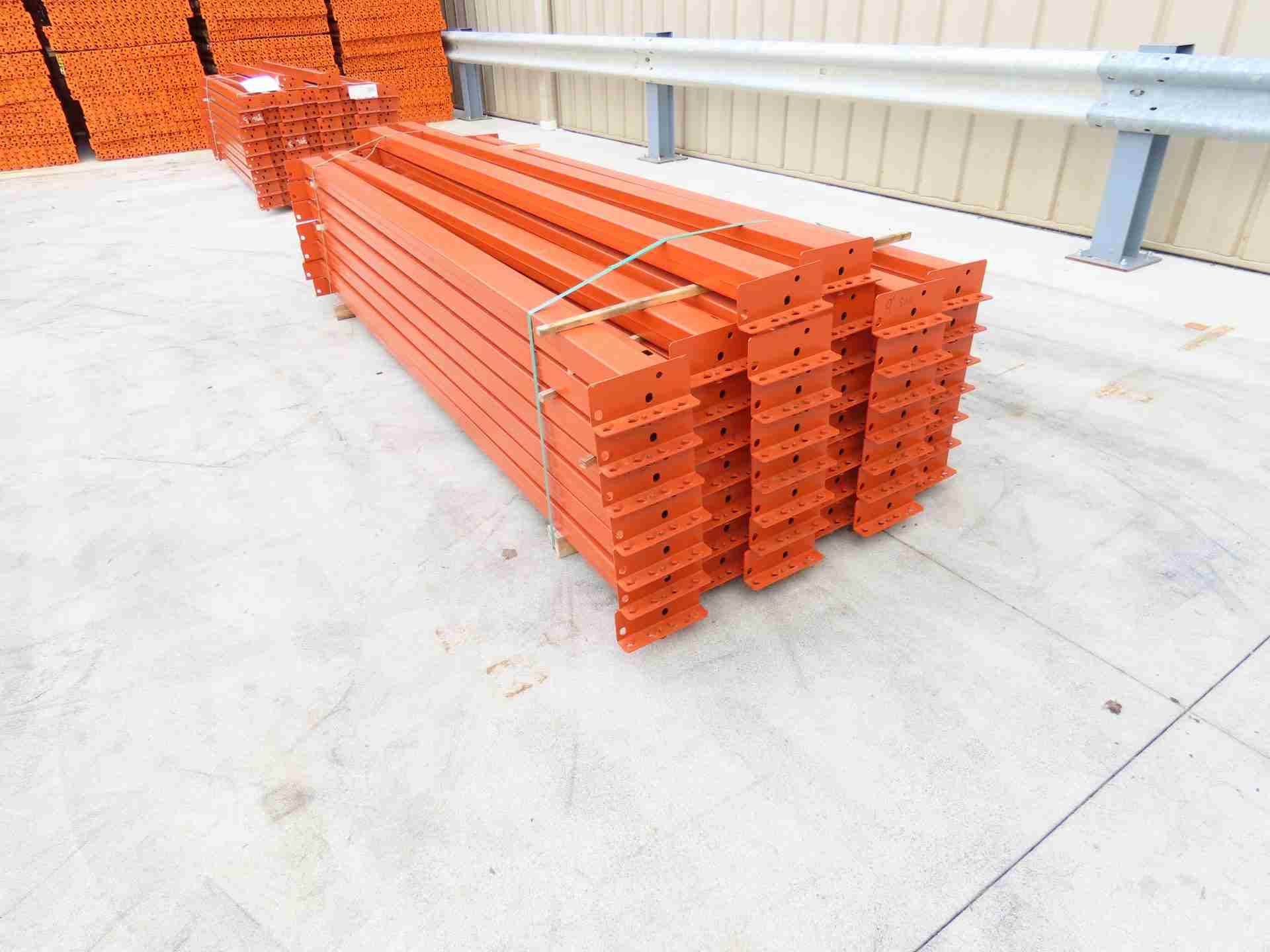
Are There Industry-Specific Regulations for Labeling?
Are There Industry-Specific Regulations for Labeling?
- Labeling in manufacturing, especially for racking systems, is crucial for efficiency and safety.
- Labels serve as important tools for compliance with industry regulations, protecting workers and streamlining processes.
- Clear labeling helps create an organized and predictable work environment, enhancing safety.
- Mislabeling can have severe consequences, stressing the importance of accuracy.
- Every industry has specific regulations tailored to address unique hazards within their environments.
- Labels must be easy to read and understand, fostering a culture of responsibility and trust.
- Effective labeling contributes to a safe workplace that values workers and enhances operational efficiency.

Are There Industry-Specific Regulations for Labeling?
What Information Should Be Included on Each Label?
When you’re looking at a label, whether it’s for racking systems in a warehouse or ingredients on your dinner plate, you want information that doesn’t just fill space but speaks to you—especially if you’re the one who’s going to be handling it all. Labels should include the essential details that make sense and tell a story, not just a regurgitated list of features.
Start with the basics: product name, manufacturer details, and safety instructions. This isn’t just fluff; it’s your assurance that what you’re using is backed by someone trustworthy. When you see that label from a reputable company, you know there’s experience behind it, and they stand by their work. For instance, if you’re dealing with racking systems, clear specifications on load limits, installation instructions, and weight capacities are vital. These numbers might seem dry, but they represent safety—how many pallets you can stack without risking a collapse.
Next, go beyond the essentials and include maintenance tips. Nobody wants to find out the hard way that a little routine upkeep could have saved them from a costly accident. Picturing a well-maintained system helping someone get through their workday safely is what resonates. It’s not just about a barcode; it’s about a prophecy, a promise that you’re investing in something that’s going to withstand time and use.
Then, incorporate a brief story or scenario illustrating how proper use of the product leads to success. Maybe it’s a tale of a small business that maximized their storage thanks to a reliable racking system, transforming their entire operation. These narratives, while simple, build a connection and make you feel part of a bigger community of users who’ve thrived by making smart choices.
Lastly, encourage a social aspect by inviting customers to share their experiences. A section prompting users to connect over their successes not only inspires trust in the product but fosters a sense of belonging. It’s about creating a family of users who understand the grit of the work and can speak to its benefits.
Each label should be more than just an identifier—it should resonate with your heart, make sense to your head, and drive your gut to take action. Providing detailed, relatable, and actionable information transforms a label from a simple tag into a trusted guide.

What Information Should Be Included on Each Label?
What Information Should Be Included on Each Label?
- Labels should provide essential details that tell a story, not just a list of features.
- Include product name, manufacturer details, and safety instructions for reliability.
- Clear specifications on load limits and installation instructions are vital for safety.
- Add maintenance tips to prevent costly accidents and ensure long-term use.
- Incorporate a brief story illustrating successful product use to build connections.
- Encourage a social aspect by inviting customers to share their experiences.
- Transform labels into trusted guides by providing detailed and actionable information.
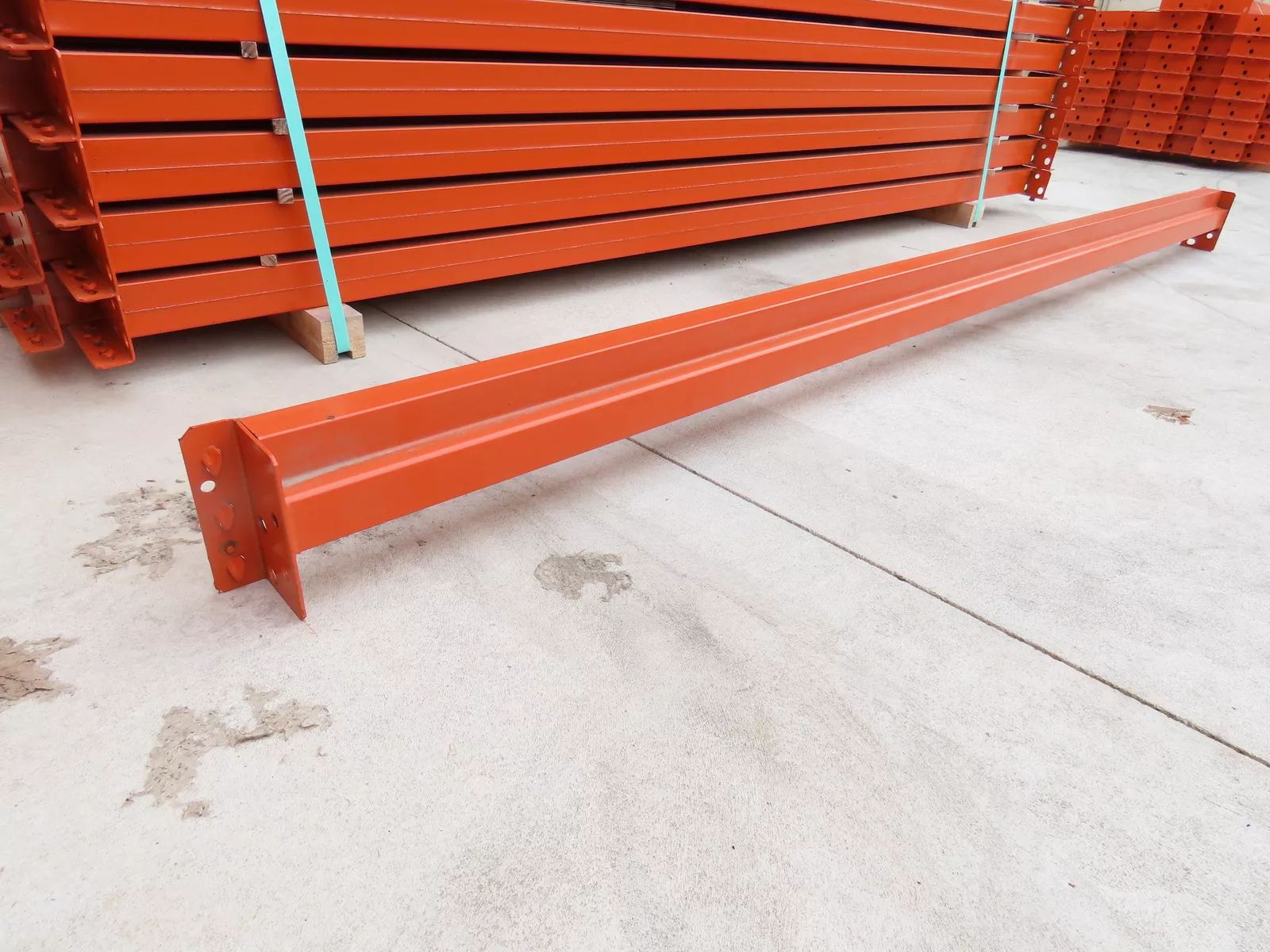
What Information Should Be Included on Each Label?
How Can Rack Labeling Prevent Costly Accidents?
In every warehouse or storage facility, racking systems hold the backbone of operations, but without proper labeling, those systems can become a recipe for disaster. Imagine the frustration and danger of navigating a maze of shelves, where crucial items are misidentified or lost altogether. Labeling racks isn’t just a matter of organization; it’s about safeguarding lives, investments, and the very fabric of teamwork that holds a workplace together.
Take a moment to think about the human stories behind those racking systems. Each box, each item, represents the hard work of individuals striving to meet deadlines and deliver results. When a worker reaches for a product, they’re not just seeking an item; they’re accessing their livelihood, their reputation in the company, and the trust of their colleagues. Poorly labeled racks can lead to accidents that not only cause physical harm but also rip through morale, creating a culture where employees fear stepping foot around the very tools designed for their success.
Emotionally, we all connect with a sense of safety and efficiency. Clear, visible labels on racking systems foster confidence in operations. Workers can find what they need quickly, reducing frustration and uncertainty. This isn’t just good organization; it’s a commitment to every employee’s well-being. It demonstrates a company’s ethical responsibility to provide a safe working environment, which should never be compromised.
On a rational level, consider the financial implications. Accidents due to mislabeling or confusion can lead to costly downtime, increased insurance premiums, and potential legal issues. A small investment in a systematic labeling approach can save thousands in lost productivity and morale. It’s about foreseeing the pitfalls before they manifest into chaos.
So let’s get real. We’ve all faced that sinking feeling when searching for an item in a cluttered space, knowing the clock is ticking and the pressure is rising. Each second matters when success or failure hangs in the balance. Proper rack labeling cuts through that clutter, allowing people to access what they need when they need it.
The next time you walk through a warehouse, look at those racking systems with a fresh perspective. They’re not just metal and shelves; they’re livelihoods waiting to be protected. By committing to clear labeling, you’re not just following best practices; you’re standing up for your team, your company, and yourself. Recognize the power of simple, effective rack labeling—it keeps everyone safe, on task, and focused on what truly matters: getting the job done right.
How Can Rack Labeling Prevent Costly Accidents?
How Can Rack Labeling Prevent Costly Accidents?
- Racking systems are essential for warehouse operations, but inadequate labeling presents significant risks.
- Proper labeling safeguards not only items but also lives, investments, and teamwork within the workplace.
- Each product in a racking system is tied to individual workers’ contributions and reputations.
- Poor labeling can lead to accidents, affect morale, and foster a fearful work environment.
- Clear labels enhance efficiency and safety, reflecting a company’s responsibility for employee well-being.
- Mislabeling can incur high costs from accidents, downtime, and insurance, making systematic labeling a worthwhile investment.
- Effective rack labeling empowers workers to quickly access needed items, crucial for productivity and success.

How Can Rack Labeling Prevent Costly Accidents?
What Challenges Do Companies Face with Rack Labeling?
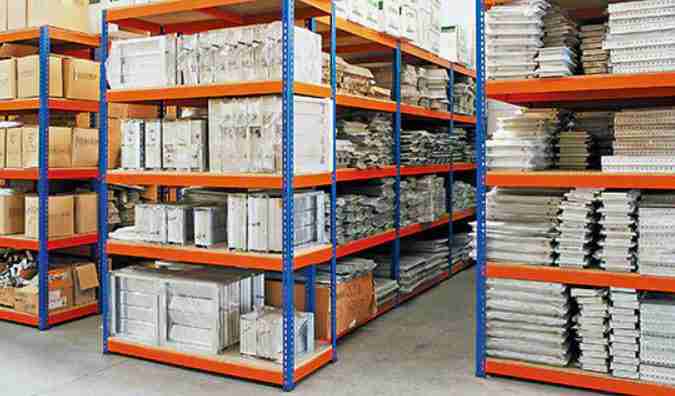
In the world of warehousing and distribution, rack labeling might seem like a small detail, but it’s the kind of thing that can make or break an operation. Picture this: a busy warehouse where workers are rushing to meet deadlines. They’re surrounded by towering racking systems stacked high with products, yet they spend precious minutes searching for the right item simply because the labels are unclear or, worse yet, missing. That lost time translates directly into loss on the bottom line, and it’s a gut punch for any company trying to stay competitive.
First off, clarity is key. In the hustle and bustle of fulfillment, if labels aren’t straightforward, confusion reigns. Workers commit the cardinal sin of misplacing products or fumbling around for items that should have been easy to find. That’s not just inefficiency; it’s a morale killer. Day after day, frustrated employees face the same issues, and you better believe it builds resentment. People want to feel that their work matters, that they are part of a well-oiled machine, not a chaotic mess.
Then, there’s the cost factor. Investing in proper rack labeling is often overlooked as a priority, yet skimping on it can backfire. Let’s face it, if a company doesn’t see the returns on investment in organized racking systems, they’re throwing money away. It’s not just labels; it’s about maintaining order, ensuring safety, and fostering teamwork among employees.
And don’t forget about accountability. Clear labeling establishes a culture of responsibility. When workers know exactly where things go, it encourages them to take ownership of their tasks. It builds trust not only in the processes but in their own capabilities. A well-labeled environment is a sign of respect towards staff, signifying that management values their time.
Sure, there are hurdles to overcome, like regulatory compliance in labeling standards, but that’s an opportunity, not an obstacle. This isn’t just about sticking a label on a rack; it’s about creating a narrative of excellence that upholds the company’s values. When everyone understands how to navigate the racking systems effectively, it leads to smoother operations, happier workers, and ultimately, satisfied customers.
Effective rack labeling is not just a task on a to-do list; it’s a foundation for success. By addressing the challenges head-on and committing to a labeling strategy that resonates on every level—emotionally, rationally, and ethically—companies can cultivate a thriving workplace. It’s about more than logistics; it’s about pride, purpose, and playing the long game in a competitive landscape.
What Challenges Do Companies Face with Rack Labeling?
What Challenges Do Companies Face with Rack Labeling?
- Rack labeling is crucial in warehousing for operational efficiency and reducing search time for items.
- Clarity in labeling prevents confusion, misplacement, and employee frustration, impacting morale negatively.
- Investing in proper labeling is essential for maintaining order, ensuring safety, and promoting teamwork.
- Clear labeling fosters accountability and encourages workers to take ownership of their tasks.
- Meeting regulatory compliance in labeling is an opportunity to enhance organizational standards.
- Effective rack labeling leads to smoother operations, higher employee satisfaction, and improved customer service.
- Overall, a strategic labeling approach supports a thriving workplace culture and business success.
What Challenges Do Companies Face with Rack Labeling?
Conclusion
Rack labeling is essential in regulated industries, acting as the backbone of organization that ensures safety and compliance. A well-structured labeling system cultivates trust, allowing employees and clients alike to find items swiftly and efficiently. It’s not just about tidiness; it’s a commitment to avoiding costly mistakes and accidents. Proper labels guide workers, cutting training time and boosting productivity, fostering an environment where every employee feels valued and empowered.
Ethically, companies bear the responsibility to protect their workers and the community. A meticulous labeling system minimizes risks associated with handling materials, particularly in sectors with stringent safety requirements. It exemplifies organizational integrity and prioritizes employee welfare, creating a workplace culture of accountability. When labeling is done right, workers can effectively and safely manage their responsibilities, enhancing both morale and operational efficiency.
The narrative of a small manufacturing plant facing a compliance inspection illustrates the profound impact of labeling. With a robust system in place, they navigated the inspection seamlessly, showcasing how simple practices can lead to profound results. This highlights the importance of organization in fostering a safe, efficient operation. Moreover, effective rack labeling cultivates camaraderie among workers; a safe environment promotes unity and shared responsibility, ensuring everyone looks out for one another.
Investing in comprehensive labeling is a strategic move that has tangible benefits, reducing the likelihood of accidents, minimizing search times, and ultimately respecting workers’ need for a clear and efficient workspace. When labels articulate critical information—like load limits and safety protocols—they’re not just following regulations; they’re safeguarding lives.
Navigating the challenges of labeling—like ensuring clarity, compliance, and overcoming occasional pushback—can transform potential pitfalls into opportunities for growth. When every worker knows their role within a structured system, it fosters pride and ownership of their tasks.
In every box, every label, lies a commitment to safety, efficiency, and respect for hard work. The benefits of rack labeling extend beyond mere organization; they build a foundation on which a reliable, trustworthy operation stands. This investment not only safeguards the workforce but also ensures the operation runs smoothly, illustrating that effective rack labeling is not merely a task—it’s a cornerstone of success in a competitive landscape.
Conclusion
Conclusion:
- Rack labeling is crucial in regulated industries for safety and compliance.
- A structured labeling system promotes trust and efficiency for employees and clients.
- Proper labels help reduce training time and enhance productivity.
- Companies have an ethical responsibility to protect workers and the community through effective labeling.
- A small manufacturing plant’s experience during a compliance inspection underscores the value of effective labeling.
- Investing in comprehensive labeling minimizes accidents and clarifies workspace organization.
- Effective labeling fosters pride in work and creates a culture of accountability and safety.
Conclusion
Other Resources

Other Resources
Here is a list of other resources you can review online to learn more:
- International Warehouse Logistics Association
- Selective Racking
- Mustang Material Handling
- American Society of Safety Professionals
- Pallet Rack Systems – New and Used Pallet Racking and Shelving Experts
- Teardrop Pallet Rack – Ridg-U-Rak
- Warehousing and Fulfillment
- What is Cantilever Racking? – AK Material Handling Systems
- Cantilever Racks Chicago
- American Surplus
- Teardrop Uprights
- Pallet Racking systems in Illinois and Great Lakes
- SEMA
- Storage Equipment Manufacturers’ Association
- Warehouse Storage Racking in Illinois
- Heavy-Duty Cantilever Storage Racks
- Teardrop Pallet Rack – Ridg-U-Rak
- Iowa Illinois Warehouse Racking
- Wolter
- Teardrop Racks – Pallet Rack World
Use This Prompt To Get More Resources With Your Favorite Online AI Tool: Please provide me with a list of online articles with their URLs in a bulleted list that I can read regarding Rack Labeling Requirements In Regulated Industries

Other Resources
Glossary Terms
Rack Labeling Requirements In Regulated Industries – Glossary Of Terms
1. Compliance: Adherence to laws, regulations, and guidelines established for specific industries.
2. Label: A descriptive tag or sticker placed on an item to convey information about its contents or usage.
3. Regulatory Body: An organization tasked with overseeing and enforcing rules within specific industries.
4. Traceability: The ability to track the history, application, or location of an item through recorded documentation.
5. Data Integrity: The accuracy and consistency of data over its lifecycle.
6. Hazardous Materials: Substances that pose a risk to health, safety, or the environment.
7. Documentation: Written records that provide information or evidence regarding compliance or operational procedures.
8. Asset Management: The systematic approach to managing and optimizing a company’s assets, including storage racks.
9. Inventory Control: The process of managing the supply, storage, and accessibility of items to ensure efficiency and compliance.
10. Audit: A formal examination of accounts or processes to verify compliance with regulations.
11. Serialization: Assigning a unique identifier to each item for tracking and tracing purposes.
12. Standard Operating Procedure (SOP): A set of step-by-step instructions compiled to help workers carry out routine operations.
13. Validation: The process of proving that a system meets specified requirements and fulfills its intended purpose.
14. Quality Assurance: The activities and processes aimed at ensuring that a product or service meets defined quality standards.
15. Environmental Health and Safety (EHS): A field dedicated to the management of risks to health and safety in the workplace and the environment.
16. Nonconformance: A failure to meet a required standard or specification.
17. Labeling Guidelines: Specific instructions and requirements for labeling items to ensure compliance.
18. Risk Assessment: The process of identifying, evaluating, and prioritizing risks associated with operations or materials.
19. Material Safety Data Sheet (MSDS): A document that outlines the hazards of a chemical substance and provides safety guidelines.
20. Training Protocol: A structured plan for educating employees on compliance and operational practices.
21. Record Keeping: The act of maintaining accurate and accessible documentation pertaining to compliance and operational processes.
22. Color Coding: Using distinct colors for labels to quickly convey information about items, such as status or category.
23. Safety Signage: Visual symbols and signs that communicate safety information and guidelines within regulated environments.
24. Batch Tracking: Monitoring and documenting specific batches of products through the supply chain.
25. Maintenance Records: Documentation of service and maintenance performed on equipment and systems to ensure compliance and safety.
26. Flexible Racking: Storage solutions that can be adjusted or changed according to inventory needs.
27. Label Printer: A device or machine used to create labels for products or storage.
28. Inspections: Systematic checks or evaluations of items and processes to ensure compliance with regulations.
29. Controlled Environment: A space with strict controls over temperature, humidity, and contamination to preserve product integrity.
30. Supply Chain Management: The coordination and management of the flow of goods, information, and resources from origin to end users.
Glossary Of Terms
Other Questions
Rack Labeling Requirements In Regulated Industries – Other Questions
If you wish to explore and discover more, consider looking for answers to these questions:
- What specific federal, state, and industry regulations govern rack labeling in my sector?
- Which standards organizations (e.g., OSHA, ANSI, ISO, NFPA, FDA) provide guidance on rack labeling?
- How do regulatory requirements differ between industries such as food, pharmaceuticals, chemicals, and cold storage?
- What are the minimum information elements that must appear on a rack label for compliance?
- How should load capacities and weight limits be displayed to meet safety and legal requirements?
- What label materials and adhesives are best for durability in different environments (temperature, humidity, chemical exposure)?
- What label sizes, fonts, colors, and contrast ratios ensure readability from typical forklift/operator distances?
- Should icons, pictograms, or GHS hazard symbols be included, and how should they be formatted?
- How can barcodes, QR codes, or RFID tags be integrated with rack labels for inventory control?
- What are the pros and cons of barcodes vs QR codes vs RFID for rack identification?
- How do you design a labeling hierarchy (aisle, bay, level, position) that scales for large facilities?
- What are best practices for label placement on different rack types and heights?
- How often should rack labels be audited, inspected, and replaced?
- Who should be responsible for maintaining and updating rack labels (roles and accountability)?
- What training is required for employees to understand and follow the labeling system?
- How should temporary labels or emergency re-labeling be handled during operational changes?
- How do you manage multi-language labeling requirements for a diverse workforce?
- What is the recommended process for implementing a new rack labeling system from planning to rollout?
- How can labeling be standardized across multiple sites or distribution centers?
- What software or tools are recommended for label design, printing, and management?
- What are typical costs associated with implementing and maintaining a compliant labeling system, and how do you calculate ROI?
- How can rack labeling be integrated with existing WMS/ERP systems and workflows?
- What metrics or KPIs should be used to measure the effectiveness of rack labeling?
- What common labeling mistakes lead to non-compliance or safety incidents?
- How should labels reflect changes after rack repairs, reconfigurations, or engineering reassessments?
- What are the legal and financial consequences of non-compliant or inadequate rack labeling?
- How should hazardous materials, quarantined items, or returns be identified differently on racks?
- What guidance exists for labeling in seismic zones or other structural-risk environments?
- How do you ensure label readability under different lighting conditions or in outdoor yards?
- What maintenance records or inspection dates should be included on or linked from labels?
- How should color-coding systems be designed and governed to avoid confusion?
- What accessibility considerations (font size, contrast) should be made for workers with vision impairments?
- How do you handle damaged, illegible, or tampered labels in daily operations?
- What vendor selection criteria should be used when sourcing labels, printers, and applicators?
- Are there case studies or templates showing compliant labeling implementations by industry?
Other Questions
Checklist
Rack Labeling Requirements In Regulated Industries – A Checklist
Scope and Standards
✅______ Define the purpose and scope of labeling (safety, compliance, traceability, efficiency)
✅______ Identify and document applicable standards and regulations
✅______ OSHA 29 CFR 1910 (materials handling, powered trucks, HCS/GHS for chemicals)
✅______ RMI/ANSI MH16.1 (rack design and load plaques)
✅______ NFPA 13 (sprinkler design considerations and commodity-classification signage)
✅______ NFPA 704 (hazard ratings, where applicable)
✅______ FDA/FSMA and cGMP (food and pharma segregation and identification)
✅______ EPA/DOT hazmat storage and segregation rules (if applicable)
✅______ ISO 7010 safety symbols and ISO color conventions
✅______ Approve a written labeling standard/SOP and a change-control process
Label Architecture and Data Model
✅______ Establish a consistent location ID schema (e.g., Aisle–Bay–Level–Position)
✅______ Map all locations in a master floor/rack plan synchronized with WMS/ERP
✅______ Define color-coding for zones, processes, or hazards (color-blind-safe palette)
✅______ Select symbology (Code 128/GS1-128 or QR) and minimum x-height for reliable scanning
✅______ Define human-readable text format to match barcode data
Required Content on Rack/Location Labels
✅______ Location ID (large, high-contrast, human-readable)
✅______ Directional cues (arrows for flow/pick direction as needed)
✅______ Aisle, bay, and level markers; floor/overhead signs at aisle entries
✅______ Load plaque content per RMI/ANSI at rack ends
✅______ Max unit load (per pallet/position)
✅______ Max load per level and per bay
✅______ Beam spacing/configuration referenced
✅______ Max pallets per level and dimensions/clearances
✅______ Rack manufacturer/installer, date, engineering reference/contact
✅______ Hazard and safety information where applicable
✅______ GHS pictograms and signal words for chemical areas
✅______ NFPA 704 signage where required
✅______ Temperature control, allergen, or hygiene zone indicators (food/pharma)
✅______ Inspection tag area (last inspection date, inspector ID)
✅______ Unique asset/traceability ID for each rack or bay (links to records)
Design, Materials, and Durability
✅______ Label materials rated for environment (abrasion, UV, chemicals, freezer/humidity)
✅______ Adhesive matched to substrate (powder-coated steel, concrete, freezer)
✅______ Protective overlaminate; edge sealing for cold storage
✅______ Contrast and legibility verified at working distance and lighting
✅______ Mounting method prevents peeling/damage; use holders where impacts are likely
Placement and Visibility
✅______ Consistent placement height and orientation across the facility
✅______ Line-of-sight maintained from travel aisles and pick faces
✅______ End-of-aisle load plaques installed at every aisle entrance
✅______ Floor/overhead aisle IDs installed and unobstructed
✅______ Remove or cover obsolete labels to prevent ambiguity (“one location, one label”)
Industry-Specific Additions (As Applicable)
✅______ Chemical storage: incompatibility/segregation labels and secondary containment markers
✅______ Food: allergen zoning, sanitation status tags, FEFO/expiry cues
✅______ Pharma: quarantine/release status, lot/batch traceability, temperature-mapping zones
✅______ Flammables/aerosols: special commodity class, clearance, and cage labels
✅______ Cold chain: freezer-rated labels and condensation-resistant placement
Implementation and Training
✅______ Pilot area validated (scan tests, readability, workflow fit)
✅______ Facility-wide rollout plan with location verification checklist
✅______ Training: reading and using location IDs and load plaques
✅______ Training: putaway/pick rules tied to labels
✅______ Training: reporting damaged racks and mislabeled locations
✅______ Update SOPs, work instructions, and onboarding materials
Systems Integration and Verification
✅______ WMS location master aligns 1:1 with physical labels
✅______ Handhelds/scanners configured for chosen symbology and check digits
✅______ Version control for label files; archive of prior layouts
✅______ Spot-check scans against WMS to validate accuracy (sample by zone)
Inspection, Maintenance, and Records
✅______ Daily/shift visual checks by operators
✅______ Monthly supervisor audits
✅______ Annual professional rack inspection/engineering review
✅______ Criteria for label replacement (faded, damaged, obstructed)
✅______ Impact/event protocol: re-inspect racks, re-verify capacities, update plaques
✅______ “Do Not Use” quarantine tags for damaged racks until cleared
✅______ Record retention: load calculations, inspections, training, change logs
Safety Integration
✅______ Emergency routes and equipment labeled and unobstructed
✅______ Clearance heights, rack protection devices, and speed limits posted
✅______ Housekeeping/5S audits include label condition and accuracy
✅______ Visual controls for overloading and mis-slotting (e.g., max-height guides)
Continuous Improvement and KPIs
✅______ Track mis-picks, search time, near-misses, and overloading incidents
✅______ Audit label accuracy rate and scan success rate
✅______ Review and refine labeling after layout or process changes
✅______ Schedule periodic management review of labeling effectiveness and compliance

Checklist
At RackingWorld, we help guide you through selecting warehouse storage systems and racking.
Be sure to read our other related stories at RackingWorld to learn more about warehouse storage systems.
0 Comments