
Ensuring Safety And Efficiency: The Essentials Of Industrial Storage
By Tom Seest
At RackingWorld, we help guide you through selecting warehouse storage systems and racking.
Be sure to read our other related stories at RackingWorld to learn more about warehouse storage systems.
What Inspectors Look for In Industrial Storage
Inspectors in industrial settings often play a crucial role in ensuring that everything goes smoothly, especially when it comes to storage solutions like racking systems. When they step into a warehouse, their eyes are trained to look for key indicators of safety and efficiency. First off, the sturdiness of the racking systems is paramount. If a racking system isn’t built to hold the load it’s designed for, it becomes a ticking time bomb. Inspectors check for signs of wear and tear: bent beams, signs of rust, or any misalignment that could spell trouble. A moment of negligence here can lead to catastrophic failures, impacting not just the property but the people working around it.
Next, there’s organization and accessibility. A well-organized warehouse doesn’t just look good; it’s a matter of life and death in these settings. Inspectors want to see that items are stored systematically. When everything has a place, workers can find what they need quickly, reducing the chances of accidents and delays. They’ll look for clear pathways and whether the racking systems are placed so that they won’t impede movement. The goal isn’t just to keep things tidy; it’s about fostering a culture of safety and operational efficiency.
Inspectors also delve into the training of employees. They expect that everyone who interacts with the racking systems knows the safe practices for loading and unloading. After all, it’s not enough to have a top-notch racking system in place; if the crew isn’t trained properly, it’s all for naught. Regular safety drills and up-to-date training sessions aren’t just good policies; they’re essential for cultivating a safe work environment. This is where ethics come into play; every company has a moral obligation to ensure its employees go home in one piece.
Finally, inspectors investigate compliance with industry standards. It’s not just about what looks good on paper; it’s about understanding that regulations exist for a reason. A company that cuts corners might save a buck today but risks far greater losses down the line. Trust is key here. A warehouse that prioritizes compliance with safety standards not only protects its workers but builds trust with clients and the community. When you know your products are stored safely, you can sleep a little easier at night. The balance of safety, organization, training, and compliance creates not just a functional workspace but a culture that values people and productivity.

What Inspectors Look for In Industrial Storage
What Inspectors Look for In Industrial Storage
- Inspectors ensure safety and efficiency in warehouse racking systems.
- Sturdiness of racking systems is critical; inspectors check for wear, rust, and misalignment.
- Organization and accessibility are essential for reducing accidents and improving efficiency.
- Inspectors evaluate clear pathways and the placement of racking systems.
- Employee training on safe loading and unloading practices is vital for safety.
- Compliance with industry standards protects workers and fosters trust with clients.
- A balanced approach to safety, organization, training, and compliance creates a productive work culture.

What Inspectors Look for In Industrial Storage
Table Of Contents
- What Inspectors Look for In Industrial Storage
- What Are the Safety Standards for Industrial Storage Areas?
- How Can Proper Storage Reduce Workplace Accidents?
- What Role Do Inspectors Play In Ensuring Compliance?
- Are There Specific Regulations for Hazardous Materials Storage?
- How Can Inefficient Storage Impact Productivity and Costs?
- What Are the Most Common Violations Found In Storage Inspections?
- Conclusion
- Other Resources
- Glossary Of Terms
- Other Questions
- Checklist
What Are the Safety Standards for Industrial Storage Areas?
When you step into an industrial storage area, you’re not just looking at a maze of shelves and boxes; you’re entering a space that holds the lifeblood of a business. Safety standards here aren’t just red tape; they’re the rules that keep the wheels of commerce turning without a hitch. Take racking systems, for example. These structures are designed to store everything from light equipment to heavy machinery, but if they aren’t maintained properly, they can become a ticking time bomb.
Every time a worker lifts a load, there’s a heartbeat behind that action—an unspoken trust in your racking systems. Ensuring they are installed correctly and regularly inspected is like weaving a safety net for everyone involved. We know that if one beam buckles, it could send shivers down the spine of productivity. It’s all about protecting our families, our coworkers, and even our customers. The goal? To create an environment where fear of accidents doesn’t overshadow the hard work being done.
From a rational standpoint, adhering to safety standards makes financial sense. Proper storage solutions minimize accidents, which can lead to costly downtime. The ethics of safety are clear: people deserve to work in an environment where they can expect a robust safety framework, and it’s our duty to provide that. Investing in sturdy racking systems and understanding load capacities isn’t just a legal requirement; it’s a moral imperative.
There’s a shared responsibility in these areas. It’s about everyone looking out for one another, fostering a culture where shouting “watch out!” doesn’t feel like a burden but a badge of honor. It’s easy to forget the risks when you’re in the grind, but remembering that the person loading pallets next to you has a family waiting at home is crucial.
The stories of near-misses often circulate among the crew—tales of sudden shifts or collapses that could’ve ended badly. Each story reinforces the need for compliance with safety standards. That’s why training isn’t just a checkbox; it’s a lifeline, providing the know-how to navigate the complexity of our spaces.
Ultimately, the strength of an industrial storage area lies not just in its materials or design, but in the collective commitment to safety and the shared understanding that we’re all in this together. When we prioritize safety in our racking systems and beyond, we’re not just protecting assets; we’re safeguarding lives.

What Are the Safety Standards for Industrial Storage Areas?
What Are the Safety Standards for Industrial Storage Areas?
- Industrial storage areas are essential for business operations, requiring strict safety standards.
- Racking systems must be maintained to prevent accidents, as they support various equipment and machinery.
- Proper installation and regular inspection of racking systems create a safety net for workers.
- Adhering to safety standards reduces costly downtime caused by accidents.
- There is a moral duty to ensure a robust safety framework in the workplace.
- Shared responsibility among workers fosters a culture of safety and awareness of risks.
- Training is crucial for compliance with safety standards and navigating workplace complexities.

What Are the Safety Standards for Industrial Storage Areas?
How Can Proper Storage Reduce Workplace Accidents?
Proper storage is often an overlooked component in workplace safety, yet it can be the deciding factor between a close call and a serious accident. When it comes to reducing workplace accidents, effective utilization of racking systems can change everything. Picture this: a bustling warehouse filled with products stacked haphazardly on shelves, workers dodging heavy boxes and navigating narrow aisles. It’s a recipe for disaster. Now imagine those same workers operating in a space where items are meticulously organized, each product having a designated home thanks to robust racking systems. The difference is palpable.
Emotionally, fostering a sense of security can drastically affect workplace morale. When employees feel that their environment is safe and well-organized, it creates a culture where they’re not just on the clock— they’re part of a team that values their well-being. They’re more likely to take pride in their work and look out for one another, knowing their safety matters.
From a rational standpoint, consider the financial implications of having a disorganized workspace. Accidents can lead to costly medical bills, higher insurance premiums, and lost productivity due to injuries. Investing in quality racking systems not only minimizes these risks but also streamlines operations, keeping inventory in check and making retrieval efficient. A well-structured storage solution makes it easier for workers to find what they need without fumbling around— reducing the chances of accidents significantly.
Ethically, prioritizing proper storage means taking responsibility for the safety of your team. It sends a clear message: you care about their health and safety. This is a commitment you communicate through your actions, showing that a safer workplace is a non-negotiable aspect of your operations.
Authority comes from experience. Numerous studies and anecdotes from countless workplaces illustrate the successes of well-organized storage systems. It’s not just theory; it’s practice backed by tangible results. The narratives from those who’ve seen the fallout of poor storage choices resonate deeply. There’s a shared understanding among workers who’ve witnessed friends getting injured because of a cluttered space. They know the stakes.
Socially, the connection made when a workplace actively takes steps to enhance safety through proper storage reinforces a shared value. Employees recognize that they are part of a culture that actively promotes safety—and that is something to rally behind. This unity fosters trust, encourages vigilance, and creates an environment where everyone looks out for each other. Once a team recognizes that their safety and the safety of their coworkers hinge on proper storage practices, commitment to those practices grows. Racking systems are more than structures; they’re pillars of a proactive safety culture that empowers every worker.

How Can Proper Storage Reduce Workplace Accidents?
How Can Proper Storage Reduce Workplace Accidents?
- Proper storage is critical for workplace safety and can prevent serious accidents.
- Effective racking systems help organize warehouses, reducing chaos and navigation hazards.
- A safe and organized environment boosts employee morale and fosters a sense of team value.
- Disorganized workspaces lead to costly accidents, increased insurance, and lost productivity.
- Investing in quality storage solutions streamlines operations and enhances inventory retrieval.
- Taking responsibility for proper storage demonstrates a commitment to employee health and safety.
- Well-organized storage systems cultivate a culture of safety, trust, and vigilance among workers.
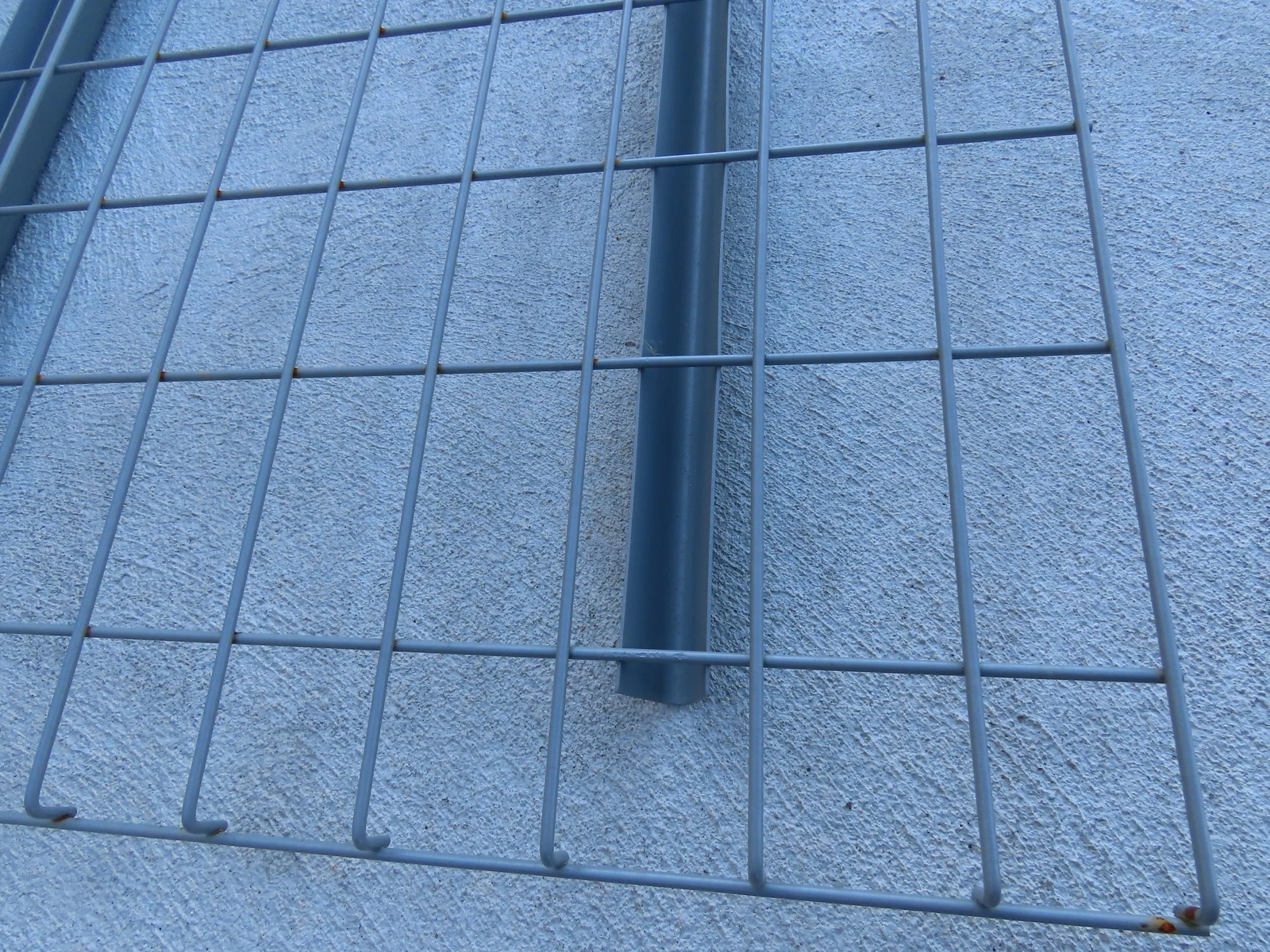
How Can Proper Storage Reduce Workplace Accidents?
What Role Do Inspectors Play In Ensuring Compliance?
Inspectors stand as the frontline guardians in a world where compliance is key. Think of them as the seasoned foremen on a job site, ensuring everything runs smoothly and safely. They walk through warehouses bustling with activity, eyes trained not just on the racking systems but also on the people working around them. It’s more than just checking boxes; it’s about protecting lives and livelihoods.
When an inspector scrutinizes racking systems, they delve into details that might seem mundane at first glance. The placement, stability, and load capacity of these systems might not grab headlines, but they are crucial for workplace safety. An inspector with years of hands-on experience knows which questions to ask and where disasters might brew. They aren’t just ticking off lists; they’re remembering a time when a poorly stacked shelf led to an injury or worse. Their authority comes not just from training, but from a real understanding of the impact their work has on everyday people.
Emotionally, inspectors serve as the unsung heroes in the background. They foster a culture where safety isn’t just a regulation but a shared value. Their presence reaffirms the commitment of an organization to its workforce. Employees feel more secure knowing that someone is vigilantly watching over them, preventing accidents before they happen. Trust blossoms in this environment; when people feel cared for, they are more inclined to go the extra mile on the job.
On the rational side, compliance means avoiding costly penalties and disruptions. Inspections serve as a reality check for businesses, steering them toward adherence to regulations that might otherwise be overlooked in the hustle of daily operations. This isn’t just a dry legal requirement; it’s a pathway to sustainable practices that benefit everyone involved.
Ethically, there’s an undeniable responsibility that comes with ensuring compliance. Inspectors remind companies that it’s about more than profits; it’s about people’s lives. When there is respect for guidelines, everyone thrives. It’s not just policy; it’s personal.
As inspectors carry out their duties, they weave narratives of safety and accountability. They engage with workers, share insights, and learn from each other. This connection cultivates a community where safety is a shared mission. It’s a collective effort, where each person—from the inspector to the employee—has a role in upholding the standards that guard against harm. It’s about building a workplace where everyone goes home at the end of the day, safe and sound.

What Role Do Inspectors Play In Ensuring Compliance?
What Role Do Inspectors Play In Ensuring Compliance?
- Inspectors are essential frontline guardians ensuring compliance and safety in workplaces.
- They analyze racking systems, focusing on placement, stability, and load capacity to prevent accidents.
- Experienced inspectors bring valuable insights, recalling past incidents to enhance workplace safety.
- They foster a safety culture, making it a shared organizational value, thereby increasing employee trust.
- Compliance helps businesses avoid penalties and promotes adherence to vital regulations.
- Inspectors emphasize ethical responsibility, focusing on people’s lives rather than just profits.
- Through engagement with workers, inspectors build a community committed to shared safety standards.

What Role Do Inspectors Play In Ensuring Compliance?
Are There Specific Regulations for Hazardous Materials Storage?
When it comes to storing hazardous materials, following the regulations is not just about ticking boxes. It’s about ensuring safety for everyone involved and the community at large. The regulations are there for a reason—they help prevent accidents that could have catastrophic effects. You wouldn’t want to be the one responsible for a spill that endangers lives or destroys the environment.
Using proper racking systems is a key component in these regulations. These aren’t just pieces of equipment; they’re the backbone of a safe storage solution. Think about it: you wouldn’t stack heavy materials precariously, risking a collapse that could lead to injury or a massive clean-up operation. Racking systems designed for hazardous materials have specific load ratings and features to contain spills, keeping everyone safe. They provide peace of mind, allowing workers to focus on their jobs instead of worrying about what might go wrong.
From a regulatory standpoint, agencies like OSHA set clear guidelines for hazardous materials storage. Ignoring these can lead to fines, but more importantly, they put everyone at risk. Employers have an ethical responsibility to create a safe work environment for their employees. It’s a matter of trust; if workers know their safety is a priority, they’ll feel more confident in their roles. That’s a win-win for productivity and morale.
Yet, it’s not just about compliance or worker comfort. It’s also about community responsibility. When hazardous materials are stored correctly, the risk of leaks, fires, or accidents affecting the surrounding neighborhoods diminishes significantly. Imagine living near a facility where dangerous chemicals are mishandled. Nobody wants to find their family exposed to avoidable hazards.
We’ve all heard stories from colleagues or friends about near-misses or even accidents that stemmed from careless storage practices. These are not just cautionary tales; they serve as a reminder that every choice matters. The difference between a safe workplace and a disaster often comes down to simple, sensible practices. Strong racking systems, regular training, and diligent adherence to regulations can create a culture of safety that permeates every level of an organization.
Investing time and resources into understanding and implementing these regulations is not just a duty—it’s a commitment to community, safety, and the well-being of everyone involved. Taking responsibility now means fewer regrets later. Choosing safety is more than following the rules; it’s about standing together for a safe place to work and live.
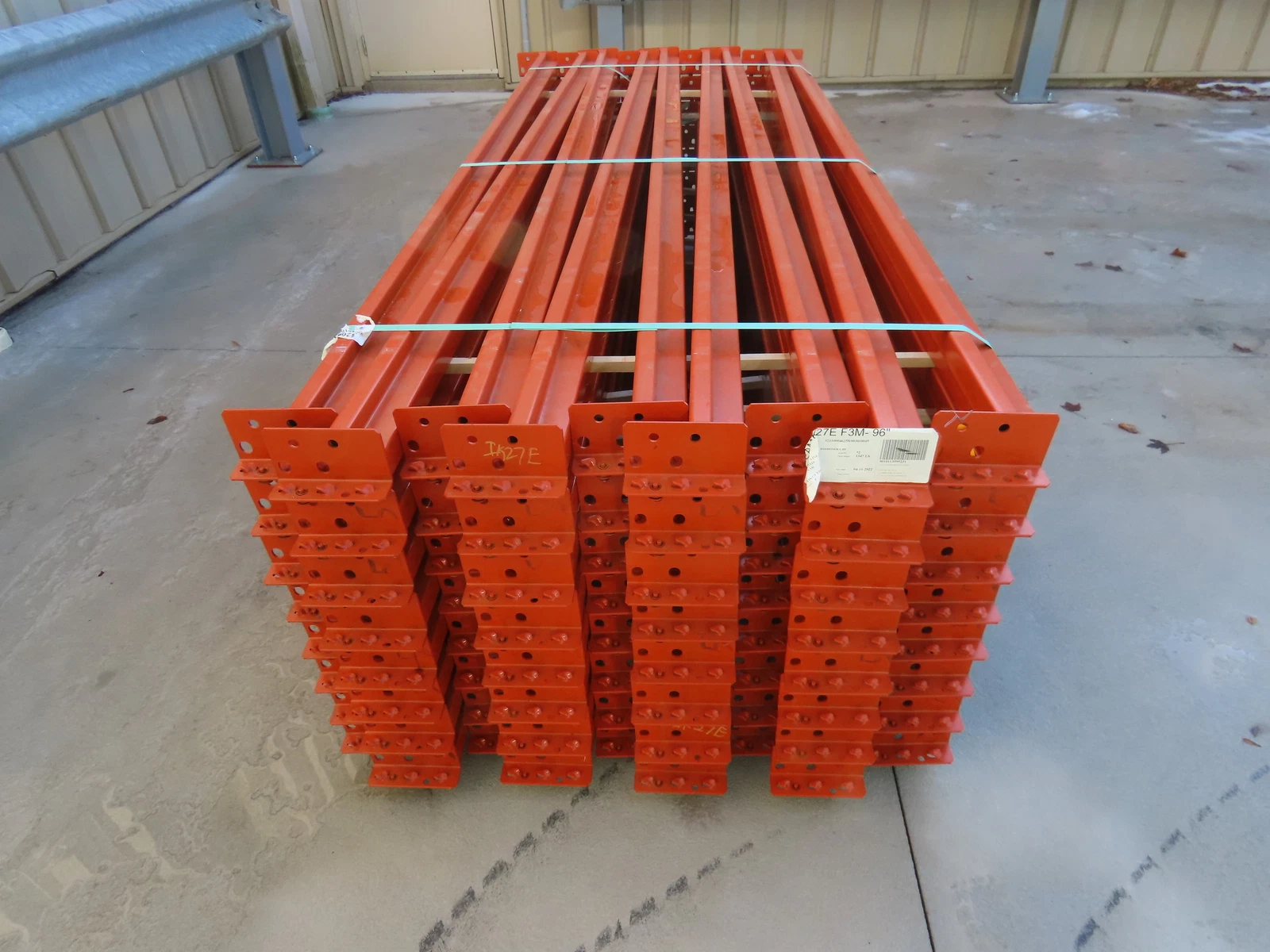
Are There Specific Regulations for Hazardous Materials Storage?
Are There Specific Regulations for Hazardous Materials Storage?
- Storing hazardous materials requires compliance with regulations to ensure safety for employees and the community.
- Proper racking systems are essential for safe storage, preventing accidents and ensuring peace of mind for workers.
- Regulatory agencies like OSHA provide guidelines that, if ignored, can lead to fines and increased risks.
- Employers have an ethical obligation to create safe work environments, fostering trust and boosting morale among employees.
- Correct storage of hazardous materials reduces the risk of accidents, protecting surrounding neighborhoods from potential dangers.
- Adherence to safety practices can prevent disasters and cultivate a culture of safety throughout the organization.
- Investing in safety is a commitment to community well-being and long-term responsibility, reducing regrets in the future.

Are There Specific Regulations for Hazardous Materials Storage?
How Can Inefficient Storage Impact Productivity and Costs?
Inefficient storage can feel like dragging a heavy load through mud, slowing down every step you take. Whether in a warehouse, a factory, or a small business, cluttered aisles and disorganized inventory can sap productivity and inflate costs. Picture this: you’ve got a shipment waiting to be processed, but the racking systems are piled high with items you can’t find. Time slips away as employees waste precious minutes searching for what they need. That lost time translates directly into lost dollars—a sobering thought when you’re watching profit margins disappear.
The emotional burden of this inefficiency isn’t just financial. It creates an atmosphere of frustration and stress. When team members are scrambling to locate essential items or battling against a chaotic environment, their morale takes a hit. The seven-day-a-week grind becomes a weary slog instead of a collaborative effort. When workers can’t trust the systems in place, it chips away at their confidence and sense of pride in their work.
Rationally, it’s clear that with improved storage solutions, from smart racking systems to streamlined procedures, operations can run smoother. Studies show that organized storage not only enhances workflow but also reduces labor costs and minimizes mistakes. With the right storage strategies, you’ll ensure that the correct items are always at hand, ready to go when the hustle demands it. Think about how quickly you could fulfill orders or pivot when opportunity knocks—all because you’ve taken the time to get your storage in line.
On the ethical front, it’s about caring for your team and your bottom line. Providing an efficient workspace through proper storage solutions demonstrates respect for employees and the work they do. It fosters an environment where they can focus on what matters—providing quality service and product delivery. When the workspace is organized, it speaks to an attitude of professionalism and dedication.
This isn’t just business talk; it’s community wisdom passed down from one hard worker to another. The stories of those who turned their chaotic spaces into streamlined operations are everywhere, filled with lessons about persistence and the pursuit of better. By taking that step to invest in proper racking systems and organization tactics, you’re not just fixing a problem; you’re building trust within your team and paving the way for future success. This journey toward efficiency is one that can, and should, inspire action.

How Can Inefficient Storage Impact Productivity and Costs?
How Can Inefficient Storage Impact Productivity and Costs?
- Inefficient storage leads to decreased productivity and increased costs in various settings like warehouses and small businesses.
- Disorganized inventory causes employees to waste time searching for items, resulting in lost profit margins.
- The emotional toll of inefficiency creates frustration and stress among team members, harming morale and confidence.
- Improved storage solutions can enhance workflow, reduce labor costs, and minimize mistakes.
- Effective storage strategies ensure quick access to the correct items, enabling faster order fulfillment.
- Organized workspaces reflect professionalism and respect for employees, fostering a focus on quality service.
- Investing in better racking systems and organization builds trust within the team and paves the way for future success.

How Can Inefficient Storage Impact Productivity and Costs?
What Are the Most Common Violations Found In Storage Inspections?
When it comes to storage inspections, you’d be surprised at the number of common violations that pop up—violations that can be frustrating for operators and dangerous for workers. Racking systems, the backbone of any storage facility, often lead the list. Improperly loaded or poorly maintained racks can cause catastrophic failures. A simple oversight, like not securing pallets properly, puts everyone at risk. These aren’t just boxes on shelves; they’re livelihood busters if things go south.
Imagine walking through a facility, the hum of machinery in the background, when suddenly you spot a racking system leaning precariously. Your gut drops—not just for safety, but for the workers who depend on that place for their paycheck. It’s a harsh reality that safety is often sacrificed for convenience. But compromising on safety isn’t just unethical; it’s a recipe for disaster. Each load represents real people’s lives, and the last thing you want is for someone to get hurt because of a rushed decision.
Beyond racking systems, cleanliness and organization come into play. Cluttered aisles and poorly marked walkways make navigating a maze rather than a straightforward operation. Entering a facility that’s disorganized feels like stepping into chaos. It sends a clear message to your staff: their safety and efficiency aren’t priorities. A clean space fosters trust; it shows that the management cares about their team and that everyone’s wellbeing is worth the effort.
Then there’s the documentation side of things. Failing to keep accurate records during inspections can be a slippery slope. When equipment is inadequately documented, you’re not just missing paper; you’re missing accountability. An inspection may reveal more than just a leaky roof; it can uncover patterns of neglect that erode trust and morale within the team. Keeping good records ensures that everyone stands on solid ground—literally and figuratively.
A clear and proactive approach to these common violations is crucial. It’s not just about checking off boxes; it’s about fostering a culture of safety, respect, and responsibility. When management takes inspections seriously, it speaks volumes. It’s about investing in the well-being of every worker and recognizing that every small detail contributes to a safer environment. Take charge of these common violations, and you’ll transform not just the space but the very fabric of your team’s culture.

What Are the Most Common Violations Found In Storage Inspections?
What Are the Most Common Violations Found In Storage Inspections?
- Common violations during storage inspections can frustrate operators and endanger workers.
- Racking systems are critical; improper loading or maintenance can lead to catastrophic failures.
- Failure to secure pallets increases safety risks for employees.
- Cleanliness and organization in a facility are essential for safety and efficiency.
- Poor documentation of inspections leads to accountability issues and eroded trust.
- A proactive approach to violations fosters a culture of safety and responsibility.
- Management commitment to safety positively impacts worker morale and overall environment.

What Are the Most Common Violations Found In Storage Inspections?
Conclusion
In the realm of industrial storage, the stakes are high, intertwining the fates of workers, businesses, and communities. Inspectors are the unsung protectors, scrutinizing racking systems and operational practices to ensure safety and efficiency. Their expertise reveals the critical importance of sturdy, well-maintained racking systems, which are designed to bear significant loads without compromise. A moment’s negligence can lead to accidents that threaten lives and livelihoods. A warehouse’s organization is equally crucial; clear pathways and systematic storage reduce the risk of accidents, fostering a culture where safety is paramount.
Training is another pillar of industrial safety. A well-trained team is an empowered team, capable of navigating hazards with awareness and skill. Regular safety drills and updates aren’t just suggestions—they are ethical responsibilities that underscore a company’s commitment to its workforce. Beyond compliance, this proactive approach cultivates trust among workers, clients, and the community.
Compliance with safety regulations is a necessity, not a mere formality. Each guideline exists to protect lives and promote operational integrity. Companies that prioritize adherence are not just following the law; they’re embracing a moral duty to safeguard their employees. This commitment spills over into the community, ensuring that hazardous materials are stored properly, minimizing risks that extend beyond warehouse walls.
Inefficient storage and lack of organization can wreak havoc on productivity. A chaotic work environment leads to frustration, wasted time, and ultimately, decreased profits. When employees lack a reliable storage system, their morale plummets, affecting teamwork and overall operation. Conversely, efficient storage fosters a sense of security and pride; workers become part of a well-oiled machine, motivated and assured that their safety is valued.
The narratives shared among workers about close calls due to poor storage practices serve as sobering reminders of the importance of meticulous organization and training. Inspectors, with their keen eyes and practical wisdom, cultivate a culture where safety is woven into the daily operations. They don’t just enforce rules; they emphasize the collective responsibility everyone shares in maintaining a safe working environment.
In conclusion, the balance between safety, organization, training, and compliance is fundamental to not only successful operations but the well-being of every individual in the workplace. By championing these practices, businesses establish a legacy of responsibility and care, ensuring that every worker goes home safe, and every operation runs smoothly. Investing in proper storage solutions and adhering to safety guidelines isn’t just good business; it’s an essential commitment to people and community. This culture of safety transcends the warehouse, embodying the values of integrity, responsibility, and dedication to a safe and productive working environment.

Conclusion
Conclusion:
- Inspectors play a crucial role in ensuring safety by examining racking systems and operational practices.
- Sturdy, well-maintained racking systems are essential for handling significant loads safely.
- Organized warehouses with clear pathways reduce accident risks and promote a culture of safety.
- Training is vital; a well-trained team can navigate hazards effectively and confidently.
- Compliance with safety regulations is a moral duty aimed at protecting employees and the community.
- Inefficient storage negatively impacts productivity, morale, and profits.
- Businesses that prioritize safety, organization, training, and compliance foster a legacy of responsibility and care.

Conclusion
Other Resources
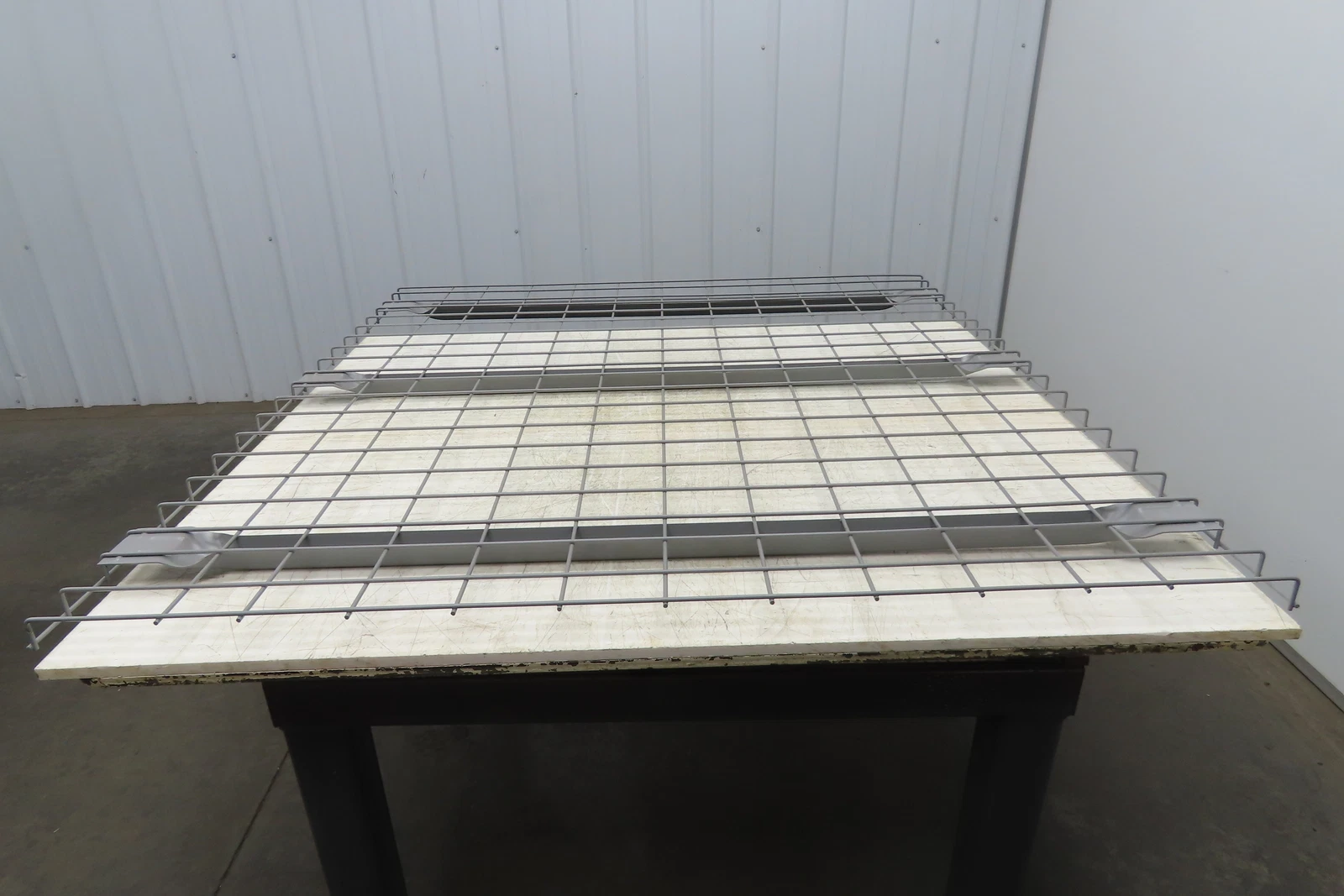
Other Resources
Here is a list of other resources you can review online to learn more:
- WERC
- Cantilever Rack Guide: Ordering Cantilever Racking
- Rack Manufacturers Institute
- Pallet Racks, Pallet Racking, Pallet Shelves in Stock – ULINE
- Selective Pallet Racking Systems
- Warehousing and Fulfillment
- Warehouse Racks, Warehouse Racking in Stock – ULINE
- Overhead Lifting
- The Complete Pallet Rack Guide – Simply Rack
- NSC
- IIWS Inc. Rack Installation Illinois & Rack Repairs Illinois
- Logic Material Handling
- Storage Equipment Manufacturers Association
- International Warehouse Logistics Association
- Chicago Pallet Racking
- Material Handling Industry
- Cantilever Racking Specialists – Get the Right Racks
- Teardrop Industrial Shelving Rack
- Used Teardrop Pallet Rack – American Surplus
- Teardrop Pallet Rack – Ridg-U-Rak
Use This Prompt To Get More Resources With Your Favorite Online AI Tool: Please provide me with a list of online articles with their URLs in a bulleted list that I can read regarding What Inspectors Look for In Industrial Storage

Other Resources
Glossary Terms
What Inspectors Look for In Industrial Storage – Glossary Of Terms
1. Hazardous Materials: Substances that pose a risk to health, safety, or property in storage operations.
2. Compliance: Adherence to laws, regulations, and standards governing storage practices.
3. Labeling: Clear identification of containers and materials indicating contents and safety information.
4. Containment: Methods used to prevent leaks or spills from reaching the environment.
5. Ventilation: Systems designed to circulate air in storage areas to prevent accumulation of harmful vapors.
6. Fire Safety: Measures in place to prevent and control fires in storage facilities.
7. Access Control: Systems that restrict entry to authorized personnel only.
8. Inventory Management: Tracking and managing stock levels to prevent overstocking or shortages.
9. Spill Response Plan: Procedures established to deal with potential spills or leaks effectively.
10. Forklift Safety: Protocols for the safe operation of forklifts in storage environments.
11. Racking Systems: Structural frameworks for storing materials efficiently and safely.
12. Temperature Control: Systems monitoring and regulating storage conditions to protect sensitive items.
13. Security Systems: Technologies used to monitor and protect storage areas from unauthorized access.
14. Safety Data Sheets (SDS): Documents providing detailed information about hazardous materials.
15. Housekeeping: Maintenance practices to keep storage areas clean and organized.
16. Risk Assessment: Evaluation of potential hazards and their impact on storage operations.
17. Ergonomics: Designing storage systems to minimize physical strain on workers.
18. Training Programs: Instructional courses for employees on safety and operational procedures.
19. Multi-tiered Storage: Storage systems that utilize vertical space for efficiency.
20. Electrical Safety: Guidelines to prevent electrical hazards in storage spaces.
21. Emergency Exits: Clearly marked routes for escaping in case of emergencies.
22. Waste Management: Processes for handling, disposing, or recycling waste materials.
23. Personal Protective Equipment (PPE): Gear worn to protect workers from hazards.
24. Batch Numbering: A system for tracking the history of a stored product for quality control.
25. Palletization: The process of placing goods onto pallets for easier handling and storage.
26. Slope Management: Design techniques to control water drainage in storage areas.
27. Testing Procedures: Protocols for assessing the integrity and safety of storage systems.
28. Materials Handling: Techniques for the safe movement and storage of materials.
29. Regulatory Inspections: Evaluations conducted by authorities to ensure compliance with standards.
30. Audit Trails: Documentation tracking storage practices and compliance efforts.

Glossary Of Terms
Other Questions
What Inspectors Look for In Industrial Storage – Other Questions
If you wish to explore and discover more, consider looking for answers to these questions:
- How often should racking systems and storage areas be inspected?
- Who is qualified or certified to perform storage inspections?
- What specific inspection checklist items should be used for racking systems?
- How do you calculate the load capacity for a rack or pallet location?
- What immediate steps should be taken if damaged racking is found?
- What are the common repair methods and when is replacement required?
- Which national and local regulations or standards apply (OSHA, NFPA, FM, local codes)?
- What are the legal and financial penalties for noncompliance?
- How should hazardous materials be segregated and stored within racking systems?
- What are the requirements for secondary containment, ventilation, and spill control?
- How do sprinkler and fire-suppression systems interact with high-density racking (clearances, ESFR compatibility)?
- What training programs and frequencies are recommended for forklift operators and storage personnel?
- What signage, labeling, and marking practices improve safety and accessibility?
- How should pallets and products be loaded and secured to prevent collapse or shifting?
- What are best practices for aisle widths, traffic flow, and pedestrian segregation?
- How can a warehouse measure the ROI of investing in upgraded racking systems or storage automation?
- What protective devices (column guards, row-end protectors, rack shields) are most effective?
- How do environmental factors (humidity, corrosion, temperature) affect racking lifespan and inspection frequency?
- What documentation and recordkeeping are required for inspections and maintenance?
- What digital tools or software can streamline inspections, maintenance tracking, and compliance audits?
- How should a facility conduct a risk assessment for storage-related hazards?
- What KPIs should management track to monitor storage safety and operational efficiency?
- How can a company implement and sustain a safety culture around storage practices?
- What are the considerations for retrofitting or upgrading existing racking systems?
- How should warehouses handle stacking height limits and pallet integrity checks?
- What insurance implications and coverage requirements relate to racking and storage risks?
- How do seismic or regional-specific design requirements alter racking selection and installation?
- Where can case studies or incident reports be found to learn from past storage failures?

Other Questions
Checklist
What Inspectors Look for In Industrial Storage – A Checklist
Inspection Details
✅______ Facility: ____________
✅______ Area/Zone: ____________
✅______ Date: ____________
✅______ Inspector: ____________
Racking System Integrity
✅______ Racks installed per engineered design/drawings and anchored to the floor
✅______ Uprights, beams, and bracing free of bends, cracks, rust, or deformation
✅______ Columns protected with guards or end-of-aisle protection where exposed to traffic
✅______ Beams seated fully with locking pins or beam clips in place and intact
✅______ Base plates present and intact; anchor bolts present and tight
✅______ Racks plumb and level within tolerance; no visible misalignment
✅______ Row spacers and cross-aisle ties installed where required
✅______ Repair tags applied to damaged components; affected bays unloaded and isolated
✅______ Pallet supports or decking appropriate and in good condition
Load Management
✅______ Rack load capacity plaques posted at each bay/aisle and readable
✅______ Loads within rated capacity (per level and per bay)
✅______ Even load distribution; no point loading on beams
✅______ Proper pallet overhang and fit; no pallets protruding into aisles or flues
✅______ Adequate transverse and longitudinal flue spaces maintained
✅______ Heavier items stored at lower levels; stable stacking with securement as needed
Layout, Access, and Housekeeping
✅______ Aisle widths meet design and equipment requirements
✅______ Aisles, exits, electrical panels, and fire equipment kept clear (no obstructions)
✅______ Floors clean, dry, and free of debris; spills addressed promptly
✅______ Adequate lighting in aisles, docks, and rack faces
✅______ Pedestrian walkways marked and protected; barriers in high-traffic areas
✅______ Mezzanines and working platforms have guardrails, toe boards, and safe access
Signage and Labeling
✅______ Location labels and barcodes visible and consistent with the inventory system
✅______ Hazard and caution signage posted where required
✅______ Emergency exit routes and evacuation maps posted and current
✅______ Battery charging and LPG areas labeled with required warnings
Training and Competency
✅______ Forklift/Powered Industrial Truck (PIT) operators certified and current
✅______ Employees trained on safe loading and unloading and rack use
✅______ Hazard communication and SDS access training completed
✅______ Emergency response, spill, and evacuation training conducted and documented
✅______ New-hire and refresher training schedule maintained
Hazardous Materials (Hazmat) Storage
✅______ Chemical inventory current; SDS available and accessible
✅______ Incompatible chemicals segregated (e.g., acids vs. bases; oxidizers vs. organics)
✅______ Secondary containment provided where required
✅______ Flammables stored in approved cabinets or rated rooms; containers closed
✅______ Cylinders secured upright; caps in place when not in use
✅______ Ventilation adequate in hazmat areas; no ignition sources near flammables
✅______ Spill kits present, stocked, and accessible
Fire Protection and Life Safety
✅______ Sprinkler heads unobstructed; minimum clearance maintained (e.g., 18 in below deflectors or per code)
✅______ Rack/shelf configurations compatible with sprinkler design (commodity, flues, decking)
✅______ Fire extinguishers accessible; inspection tags current
✅______ Fire doors, alarms, and detection systems functional and tested per schedule
Mobile Equipment and Traffic Management
✅______ Defined traffic plan with marked routes, mirrors, and speed limits
✅______ PIT pre-shift inspections completed and logged
✅______ Battery charging area: eyewash/shower available; ventilation adequate; spill/acid neutralizer present
✅______ Dock safety: vehicle restraints or wheel chocks used; dock plates in good condition; edge protection in place
Documentation and Compliance
✅______ Rack engineering documentation, installation certificates, and load ratings on file
✅______ Periodic rack inspection logs maintained; corrective actions tracked to closure
✅______ Equipment maintenance records current
✅______ Training records complete and up to date
✅______ Regulatory compliance checks (e.g., OSHA, NFPA, ANSI/RMI) performed and documented
Incident Preparedness and Response
✅______ Near-miss and incident reporting system active; trends reviewed
✅______ First aid supplies stocked and accessible
✅______ Evacuation drills conducted per schedule; lessons learned implemented
✅______ Emergency contacts and procedures posted and current
Productivity and Efficiency Checks
✅______ Slotting optimized for demand and ergonomics (e.g., heavy/bulky at waist-to-shoulder height)
✅______ FIFO/LIFO methods applied as intended; dated goods controlled
✅______ Cycle counts and inventory accuracy targets met
✅______ Travel paths optimized; bottlenecks identified and addressed
Common Violations Quick Scan
✅______ Overloaded or unevenly loaded racks
✅______ Missing beam locks or damaged components in service
✅______ Blocked aisles/exits or obstructed fire equipment
✅______ Incompatible chemicals stored together or without containment
✅______ Missing capacity signage and inspection records
✅______ Damaged pallets or unstable loads in racks
Follow-Up and Sign-Off
✅______ Deficiencies documented with photos and locations
✅______ Risk-ranked action plan assigned with owners and due dates
✅______ Reinspection date set: ____________
✅______ Inspector signature: ____________ Manager signature: ____________
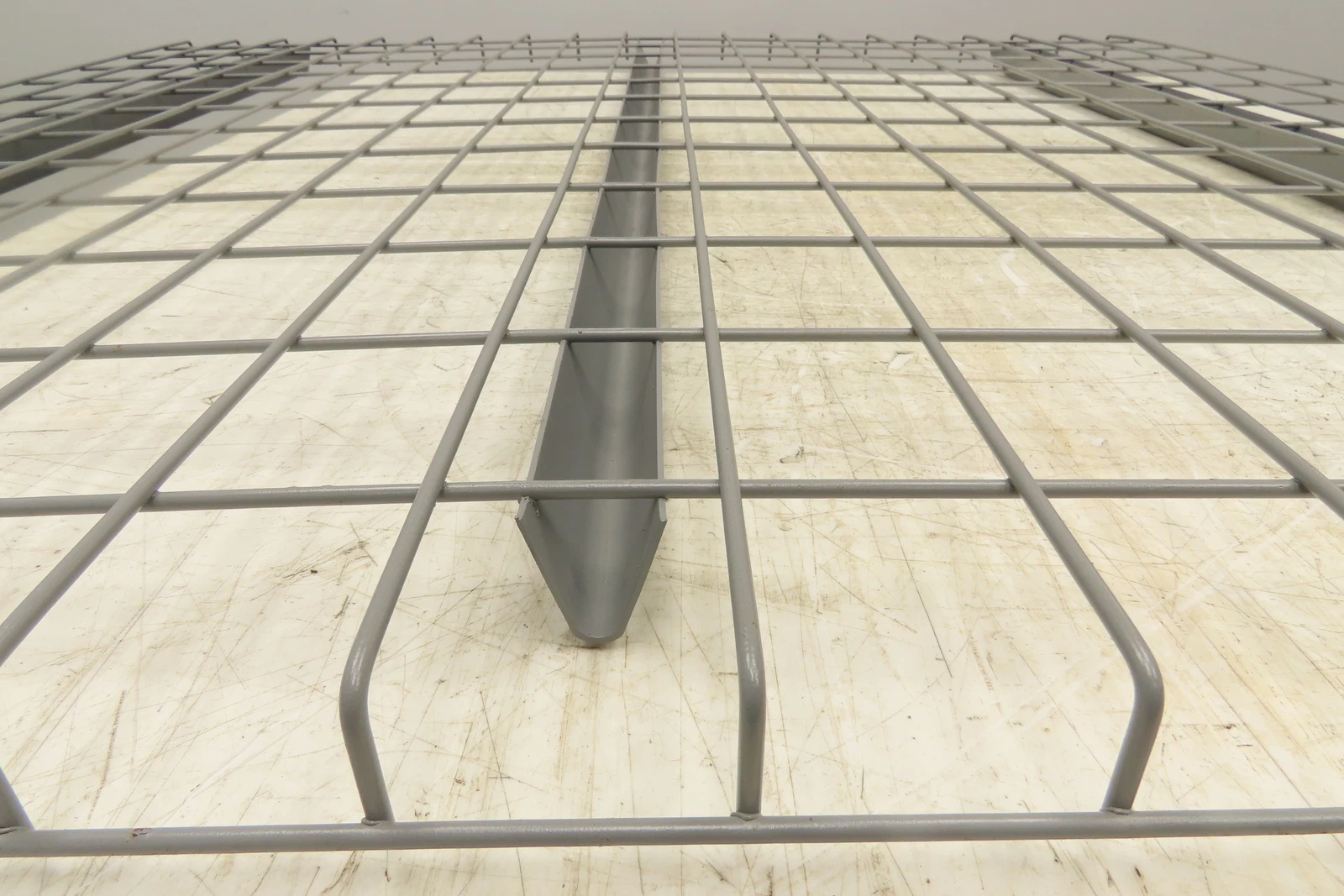
Checklist
At RackingWorld, we help guide you through selecting warehouse storage systems and racking.
Be sure to read our other related stories at RackingWorld to learn more about warehouse storage systems.
0 Comments