
Ensuring Safe Medications: Design Strategies For Compliance And Care
By Tom Seest
At RackingWorld, we help guide you through selecting warehouse storage systems and racking.
Be sure to read our other related stories at RackingWorld to learn more about warehouse storage systems.
Pharmaceutical Storage Regulations and Rack Design
When it comes to pharmaceutical storage, what you see isn’t just a neatly arranged rack of boxes; it’s a testament to safety, quality, and trust. Imagine the life of a healthcare worker, faced with the daily pressure of ensuring that medications are stored correctly. They’re not just handling products—they’re safeguarding lives. The regulations that guide pharmaceutical storage are there for a reason: to protect the very people who rely on these medications.
Racking systems play a crucial role in this process. They must be sturdy enough to hold the weight of heavy pallets of medications yet flexible enough to adapt to shifting inventory needs. A well-designed racking system isn’t just about fitting items neatly; it’s also about making sure that every medicine can be accessed with ease and safety. Picture a warehouse worker reaching for a vital dose of antibiotics at midnight because a patient desperately needs it. That’s when a solid rack design pays off; it’s designed to minimize searching and maximize efficiency—because every second counts.
Ethically, we bear a responsibility to maintain the integrity of pharmaceuticals. Regulations dictate that temperatures and humidity levels are kept within strict limits. A malfunction could mean a medication is rendered ineffective—or worse, harmful. When designing racking systems, it’s not just about the physical layout; it’s also about embedding safe practices into the culture of storage. This is more than a job; it’s a commitment to human health.
Furthermore, compliance with regulations elevates trust. When healthcare professionals know that the medications they administer come from a properly stored environment, it creates confidence that ripples out to patients and families. Doctors can focus on care instead of worrying about the prescription’s efficacy. This confidence is built on the foundation of well-thought-out design and rigorous adherence to standards.
Think of pharmaceutical storage as a silent guardian. The right racking systems don’t just sit in a warehouse; they stand watch over the well-being of society. So let’s design with care, storage with purpose, and always remember that behind every regulation is a hope for better health outcomes. That’s the heart of pharmaceutical storage—it’s not just about compliance; it’s about connection, responsibility, and the profound impact our choices have on lives.

Pharmaceutical Storage Regulations and Rack Design
Pharmaceutical Storage Regulations and Rack Design
- Pharmaceutical storage is essential for safety, quality, and trust.
- Healthcare workers ensure medications are stored correctly to safeguard lives.
- Racking systems must be sturdy and flexible to accommodate heavy pallets and shifting inventory.
- A well-designed racking system enhances efficiency and accessibility during emergencies.
- Maintaining regulations on temperature and humidity is critical for pharmaceutical integrity.
- Compliance with standards fosters trust among healthcare professionals and patients.
- Pharmaceutical storage fundamentally impacts health outcomes and reflects a commitment to responsibility.

Pharmaceutical Storage Regulations and Rack Design
Table Of Contents
- Pharmaceutical Storage Regulations and Rack Design
- What Are the Key Regulations for Pharmaceutical Storage?
- How Does Rack Design Affect Medication Safety?
- What Factors Influence Compliance with Storage Regulations?
- Are Temperature-Controlled Environments Essential for Pharmaceuticals?
- How Can Improper Storage Impact Drug Efficacy?
- What Role Does Humidity Play In Pharmaceutical Storage?
- Conclusion
- Other Resources
- Glossary Of Terms
- Other Questions
- Checklist
What Are the Key Regulations for Pharmaceutical Storage?
When it comes to storing pharmaceuticals, regulations are in place to protect not just the products, but the patients relying on them. You see, it’s not just about keeping things nice and tidy on the shelf; it’s about ensuring that every single pill, vial, and syringe is handled with utmost care and precision. This is where the heart of the matter lies.
First off, consider the temperature. Many medications need to be kept within specific climate ranges, often requiring controlled environments. Failing to adhere to these guidelines can compromise the efficacy of life-saving drugs, which is a sobering thought. Racking systems play a crucial role here. They’re designed not just for storage, but for accessibility and monitoring. A well-organized racking system allows quick access to what’s needed while ensuring that items remain within required temperature zones. This is where you can feel good about what you do—knowing that each time you retrieve a medication, you’re doing your part in protecting someone’s health.
Beyond temperature, there are regulations surrounding humidity and light exposure. Medications, much like people, don’t do well when conditions are harsh. Storing them in a cool, dry, and dark environment isn’t just regulatory; it’s a basic responsibility to ensure that they remain effective. Imagine having a loved one depend on a medication that has been ruined by poor storage practices—it strikes a chord, doesn’t it?
Then there’s the ethical side of accountability. Pharmaceuticals are not just products; they’re lifelines. Each regulation is a thread in a safety net designed to catch any potential mishaps before they turn into disasters. Understanding and compliance with these regulations is essential, instilling trust in both the process and the professionals behind it.
As we navigate this landscape of compliance, it’s essential to recognize that these guidelines come from years of research and experience. They’re not just arbitrary rules; they stem from a commitment to ensuring that every solution reaching the end user is safe and effective. It’s about fostering a culture of safety and responsibility within every warehouse and pharmacy.
When you think about storage regulations, think beyond the checklist. Remember that every regulation is an opportunity to make a meaningful impact—keeping patients safe and ensuring that medications do what they’re intended to do. So, let’s roll up our sleeves and keep our storage methods sharp and compliant, because in the end, it’s all about the lives we touch.

What Are the Key Regulations for Pharmaceutical Storage?
What Are the Key Regulations for Pharmaceutical Storage?
- Regulations for pharmaceutical storage protect products and patients.
- Medications often require specific temperature-controlled environments to maintain efficacy.
- Racking systems are essential for organized storage, accessibility, and monitoring temperature conditions.
- Humidity and light exposure regulations ensure medications remain effective.
- Pharmaceuticals are lifelines; regulations safeguard against potential mishaps.
- Guidelines are based on years of research, promoting safety and responsibility in storage practices.
- Each regulation represents an opportunity to impact patient safety positively.

What Are the Key Regulations for Pharmaceutical Storage?
How Does Rack Design Affect Medication Safety?
Racking systems in pharmacies aren’t just about organizing medication; they’re about safeguarding lives. Imagine a bustling pharmacy, the quiet hum of activity interrupted only by the soft rustle of packaging and the low chatter of staff ensuring every prescription is filled accurately. In the heart of this operation lies the racking system, often overlooked yet critical to medication safety. A well-designed racking system can be the difference between life and death.
Think about it: medications stacked haphazardly lead to errors. It’s the simple stuff—a misplaced vial or a label turned just slightly askew—that can turn a routine fill into a serious mistake. This isn’t just theory; these are stories we hear from pharmacists and technicians daily. They recount moments of panic when the wrong drug or dosage was almost handed out. A streamlined racking design, with clearly labeled sections and logical organization, helps prevent these near-misses. It’s an authority on safe practices birthed from years of experience, underscoring the necessity of a layout that promotes ease and accuracy.
On an ethical level, pharmacists bear the weight of patient trust. Every time a medication is dispensed, it is done with the expectation that it will be safe and effective. A thoughtfully designed racking system affirms that trust, showing patients and healthcare providers alike that every detail is managed with care—a reflection of a pharmacy that takes its responsibility seriously.
Moreover, there’s a profound social aspect to consider. In a community pharmacy, staff don’t just serve customers; they serve neighbors, friends, and families. When medications are stored and retrieved reliably, it fosters a sense of safety. It brings the community together, reinforcing the notion that healthcare providers are looking out for everyone’s well-being.
Emotionally, consider the relief a patient feels when their pharmacist hands over their medication with confidence. That confidence stems from systems designed to minimize risk. A racking system that organizes medications clearly and efficiently reflects a commitment to the community and patient care. It’s grounded in common sense, as a well-ordered environment allows pharmacy staff to operate at their best.
Investing in improved racking systems isn’t just smart; it’s a vital component in the mission of ensuring medication safety. This is about more than storage; it’s about preserving lives, fostering trust, and building a healthcare system that cares. That’s the heart of effective pharmacy care, rooted firmly in practicality and compassion.

How Does Rack Design Affect Medication Safety?
How Does Rack Design Affect Medication Safety?
- Racking systems in pharmacies are crucial for medication safety and can significantly impact lives.
- Haphazard medication storage can lead to errors like misplaced vials or incorrect dosages.
- A well-organized racking system enables accurate filling of prescriptions and minimizes risks.
- Pharmacists are entrusted with patient safety, making efficient storage and retrieval essential.
- A reliable racking system fosters community trust and emphasizes the pharmacy’s commitment to care.
- Emotional confidence in medication dispensing stems from effective organization in pharmacies.
- Investments in improved racking systems enhance medication safety and reflect a compassionate healthcare approach.

How Does Rack Design Affect Medication Safety?
What Factors Influence Compliance with Storage Regulations?
When it comes to storage regulations, compliance isn’t just about ticking a box; it’s about the very backbone of our operations, the safety of our workers, and the well-being of our communities. Picture a busy warehouse. Racking systems rise high, holding not just products but the trust of those who’ve put their faith in us to manage their goods. Yet, behind those metal frames, a range of factors influences whether we stick to the regulations that keep everyone safe and sound.
First, there’s the emotional pull — knowing that a slip-up can lead to accidents that affect not just the bottom line, but lives. The reality of working in environments where safety isn’t prioritized weighs heavy. Employees are more likely to comply when they see the direct impact of regulations on their colleagues’ safety. It’s about creating a sense of camaraderie — no one wants to be that guy who takes shortcuts at the expense of a teammate.
Rationality plays a big role too. Many of us understand that compliance isn’t just a legal obligation; it’s a path to operational efficiency. Well-designed racking systems reduce clutter and help streamline processes, cutting down on time and costs. When folks grasp how regulations help prevent disorder and wasted resources, it can change their mindset. Rather than seeing compliance as a chore, they start to see it as a tool for empowerment.
Ethical considerations cannot be overlooked. Companies that instill a strong moral compass in their workforce foster an environment of responsibility. Workers want to feel they’re part of something bigger, protecting not just their jobs, but community safety and integrity.
Authority within an organization can’t be underestimated. Leaders who stand behind compliance, who live and breathe the values of a safe working environment, instill confidence in their teams. They become the ones we look up to; their commitment amplifies the importance of following rules and recognizing that when we adhere to guidelines, we uphold standards that reflect our pride in the work we do.
Finally, social influences are powerful. When compliance becomes ingrained in the culture of a workplace, it leads to a ripple effect. Workers share stories of why regulations matter, proposing solutions when issues arise. That dialogue transforms fear of repercussions into an ongoing discussion about improvement and safety.
Compliance with storage regulations is not merely about adherence; it’s about a collective promise to each other — a promise founded on trust, understanding, and a shared commitment to safety reinforced by those sturdy racking systems that line our warehouses.

What Factors Influence Compliance with Storage Regulations?
What Factors Influence Compliance with Storage Regulations?
- Compliance with storage regulations is crucial for operational safety and community well-being.
- Emotional factors influence adherence, as accidents impact lives and foster camaraderie among workers.
- Rational understanding benefits compliance; efficient systems reduce clutter and operational costs.
- Strong ethical values in companies encourage responsibility and community safety among employees.
- Leadership plays a vital role in promoting compliance and instilling confidence in teams.
- Social dynamics within workplaces can transform compliance into a collective cultural value.
- Overall, compliance represents a mutual promise of safety and trust among employees.

What Factors Influence Compliance with Storage Regulations?
Are Temperature-Controlled Environments Essential for Pharmaceuticals?
In the world of pharmaceuticals, we often overlook the importance of the conditions in which these medications are stored and transported. Picture this: you’ve got a life-saving drug, one that can turn the tide in someone’s battle against an illness. Now, imagine it being shipped without a thought for temperature control. What happens when that vial of medicine sits in a hot truck or a frigid warehouse? Suddenly, you’ve got compromised effectiveness, risking not just dollars but lives.
Temperature-controlled environments are not just a luxury; they are a necessity. The science is straightforward: many medications, particularly biologics and vaccines, need strict temperature ranges to remain stable. A shift in temperature can have dire consequences. When we talk about Racking Systems, we’re referring to the unseen heroes of the warehouse, ensuring that these temperature-sensitive products are stored properly, minimizing the risks of degradation. These systems help maintain order and control, allowing facilities to monitor conditions effectively and provide assurance for both manufacturers and patients.
Let’s consider the ethics behind this. When a family is relying on a medication that could mean the difference between life and death, the last thing they should have to worry about is whether the pill was stored at the right temperature. It’s about trust—trusting that the pharmaceutical companies and healthcare providers are doing everything they can to ensure the effectiveness of these critical treatments. There’s a moral duty to protect those who depend on these products, and adhering to temperature control is a fundamental part of that responsibility.
On a practical level, having reliable temperature control systems can prevent costly losses. Pharmaceutical companies invest millions into research and development; failing to protect that investment just doesn’t make sense. Implementing robust temperature management can significantly reduce waste and enhance overall product reliability.
Finally, let’s not forget the human element. Every time you pick up a medication, you’re holding a story in your hands—a story of innovation, hope, and resilience. Each pill is carefully crafted in labs, overseen by dedicated personnel who believe in their mission to foster health and healing. Ensuring they remain effective through careful temperature management is not just a logistical task; it’s a profound responsibility to humanity.
Temperature-controlled environments aren’t just essential—they are the backbone of trust and efficacy in the pharmaceutical world. Every step taken to safeguard these products echoes a commitment to care, integrity, and respect for life itself.

Are Temperature-Controlled Environments Essential for Pharmaceuticals?
Are Temperature-Controlled Environments Essential for Pharmaceuticals?
- Conditions for storage and transport of pharmaceuticals are crucial and often overlooked.
- Temperature control is essential to prevent compromised effectiveness of life-saving medications.
- Many medications, especially biologics and vaccines, require strict temperature ranges to remain stable.
- Racking Systems play a vital role in storage, minimizing risks of degradation and ensuring proper conditions.
- There is an ethical duty to ensure medications are stored correctly, maintaining trust in pharmaceutical companies and healthcare providers.
- Reliable temperature control systems can prevent costly losses and enhance product reliability for pharmaceutical companies.
- Temperature management reflects a commitment to care, integrity, and respect for life in the pharmaceutical industry.
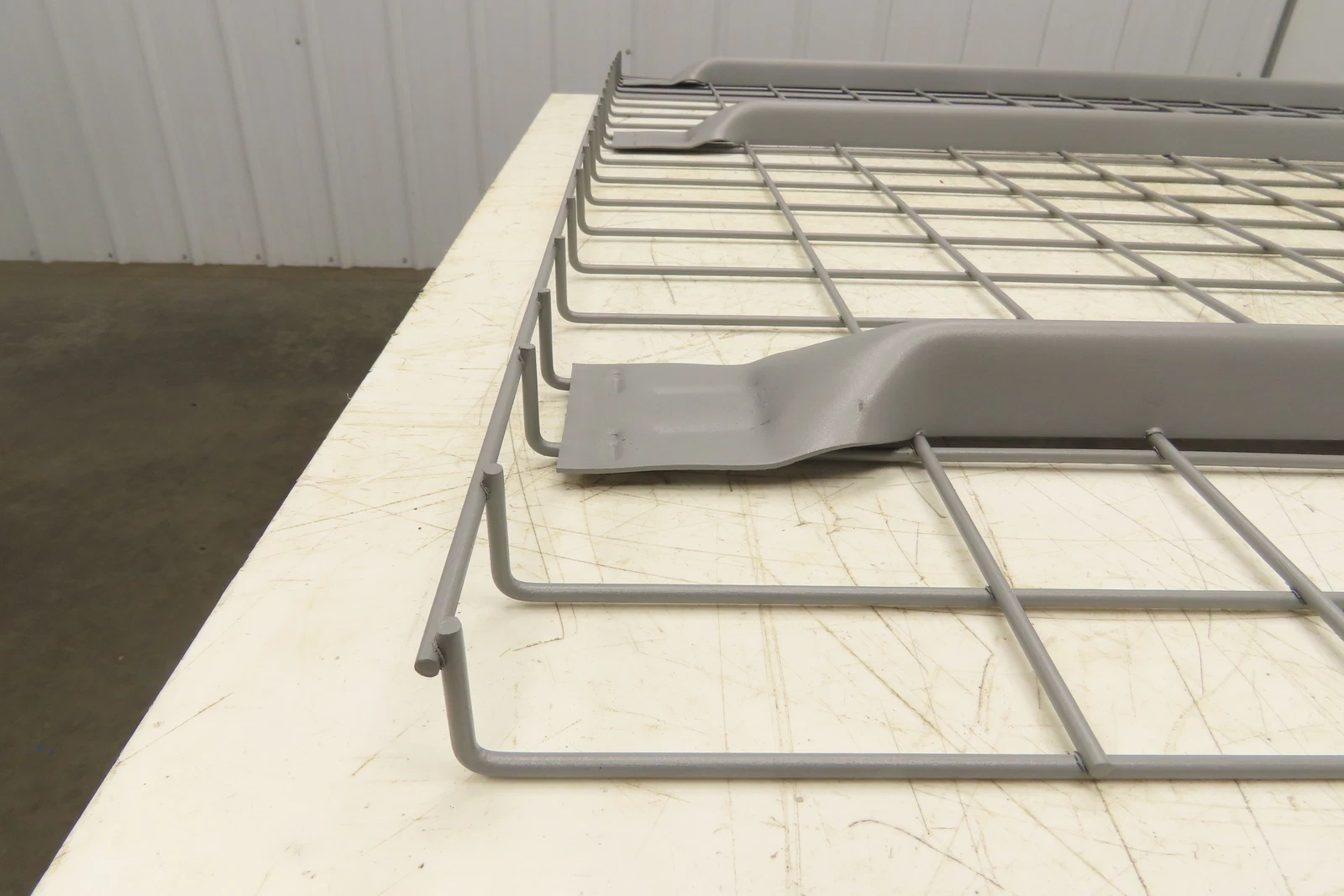
Are Temperature-Controlled Environments Essential for Pharmaceuticals?
How Can Improper Storage Impact Drug Efficacy?
Improper storage of drugs can have dire consequences, impacting their efficacy in ways that should concern anyone who relies on medication. Picture a farmer carefully tending to his crops, knowing that the right conditions—fresh air, appropriate temperature, and just enough light—are vital for a healthy harvest. The same principle applies to medication; mishandling can lead to a harvest gone wrong, where lives hang in the balance.
When drugs are stashed in unsuitable environments—too hot, too cold, or damp—chemical reactions can turn them into ineffective or even harmful substances. For instance, a critical painkiller kept in a humid storage unit may degrade, losing its potency just when it’s needed most. That’s not just a statistic; it’s the reality for someone suffering, perhaps lying awake at night, hoping for relief that’s no longer there because the drug wasn’t correctly stored.
Consider the ethical dimensions here. Patients trust pharmacies, healthcare providers, and even their own families to safeguard their medications. If a drug fails because it was stuck in a racking system that neglected basic temperature controls, that trust erodes swiftly. It’s not just about business; it’s about people’s lives. Think of a parent administering the wrong dose from a spoiled bottle, believing they’re doing the right thing. The implications can be catastrophic, both emotionally and physically.
From a rational standpoint, it’s about prevention and vigilance. A few simple steps can protect against this risk: keeping medications in original containers, checking expiration dates, and ensuring they’re stored as per the requirements. When we take these actions, we’re not just protecting the integrity of the drug; we’re also protecting the wellbeing of ourselves and our loved ones.
Furthermore, the social responsibility involved cannot be overstated. Communities thrive on trust; if everyone does their part to ensure proper storage, we collectively foster an environment where medication efficacy is prioritized. This is more than a personal concern; it’s a communal one. When we take the time to educate ourselves and others about proper drug storage, we strengthen our interconnectedness and create a culture of care.
Everyone has a role to play in this narrative. Whether you’re a caregiver, a pharmacist, or a patient, understanding how improper storage impacts drug efficacy is crucial. It’s about living with purpose, taking responsibility, and ensuring that every pill, every dose, is as safe and effective as it should be. This is not just a warehouse issue; it’s a matter of life and death, deserving our attention and action.

How Can Improper Storage Impact Drug Efficacy?
How Can Improper Storage Impact Drug Efficacy?
- Improper drug storage can significantly affect medication efficacy, risking lives.
- Like crops needing optimal conditions, medications require proper storage to maintain their integrity.
- Unsuitable environments can cause drugs to degrade into ineffective or harmful substances.
- Patients rely on pharmacies and healthcare providers to safeguard medications; trust can be easily eroded.
- Simple preventive measures, like keeping drugs in original containers and checking expiration dates, are essential.
- Community responsibility is critical in fostering an environment that prioritizes medication efficacy.
- Everyone, including caregivers and patients, must understand the implications of improper drug storage.
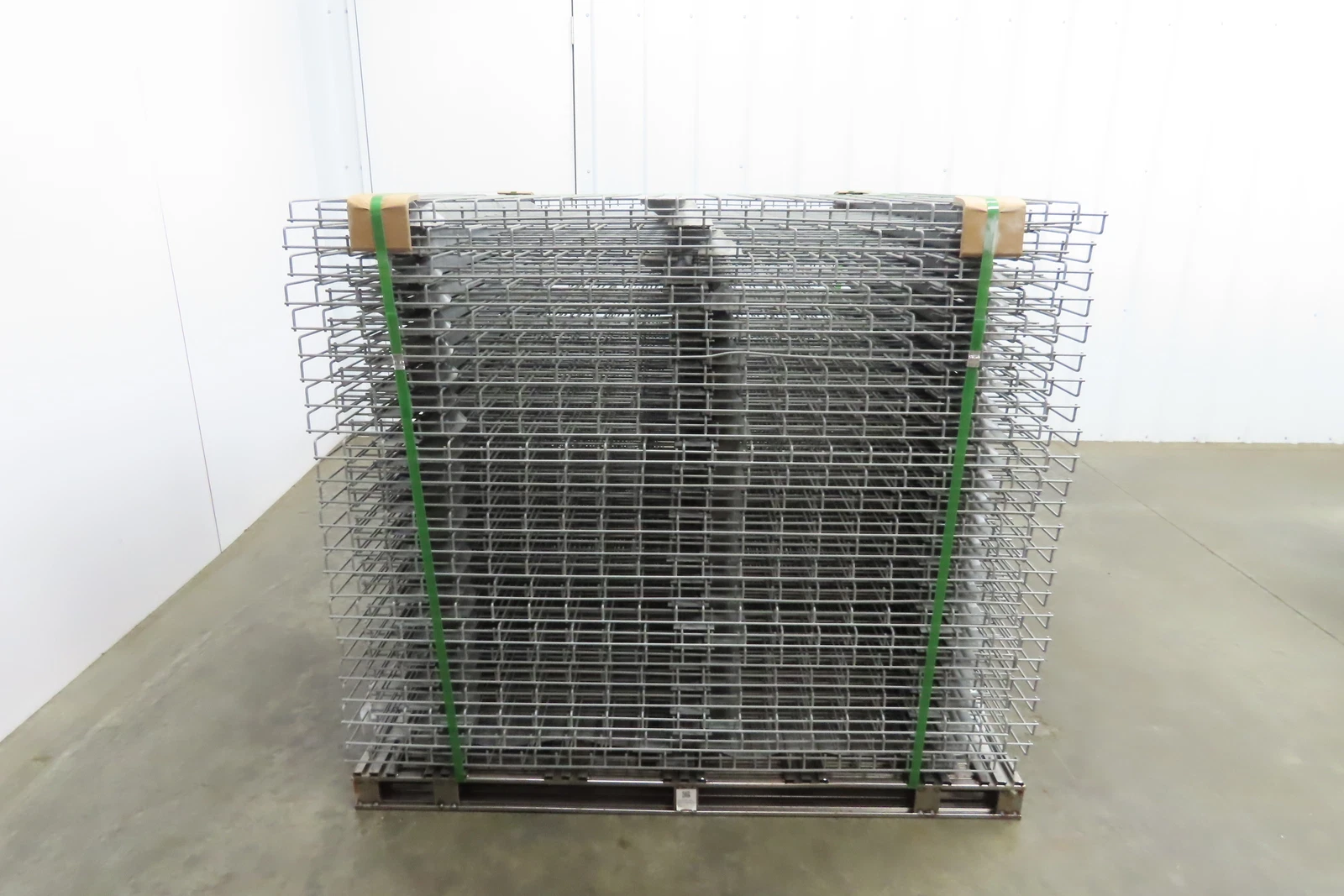
How Can Improper Storage Impact Drug Efficacy?
What Role Does Humidity Play In Pharmaceutical Storage?
Humidity plays a pivotal role in the storage of pharmaceutical products, influencing both their effectiveness and safety. Think about the last time you opened a pack of medicine only to find the tablets crumbling or the syrup thickened unexpectedly. It’s more than a mere inconvenience; it’s a reflection of how environmental factors can undermine health. Proper humidity levels in pharmaceutical storage are crucial to maintain the integrity of medications, ensuring they serve their purpose when we need them most.
The reality is that specific pharmaceuticals are incredibly sensitive to moisture. Too much humidity can lead to degradation, causing chemical changes that might render a drug ineffective or even harmful. It’s not just about keeping things dry; it’s about understanding the delicate balance required to preserve these essential products. Racking systems designed with humidity control in mind can be lifesavers, providing stable environments that keep medications at peak efficacy.
But let’s not just throw around technical terms. Imagine the anxiety of a parent reaching for a fever reducer, only to discover it’s lost its potency due to improper storage. That’s gut-wrenching. We all want our loved ones to have the best care possible. This is why ethical practices in pharmaceutical storage involving humidity control matter—we are not merely dealing with commodities; we’re safeguarding lives.
On a rational level, consider the costs associated with wasted medicines due to humidity-related spoilage. Every lost dose represents an economic hit for healthcare providers and families. By prioritizing humidity management in storage, organizations can avoid these losses, ensuring resources are allocated effectively. Trust builds when you know every precaution is taken to maintain medication quality.
Approaching from the narrative perspective, think of the pharmacist in a small-town drugstore. Their reputation hinges on the quality of products they provide. By employing sound humidity controls, they’re not just delivering packets from racking systems; they’re delivering peace of mind to their community, reinforcing social bonds that matter deeply.
It’s about connecting the science of humidity with real-world outcomes. When everyone takes notice—from manufacturers to pharmacists to everyday people—the entire system becomes more robust, yielding trust that transcends mere transactions and builds a foundation for health and wellness in our communities. Embracing proper humidity control is not just a technical detail; it’s a commitment to better health for all of us.

What Role Does Humidity Play In Pharmaceutical Storage?
What Role Does Humidity Play In Pharmaceutical Storage?
- Humidity is critical for storing pharmaceutical products, affecting their effectiveness and safety.
- Improper humidity levels can lead to degradation and render medications ineffective or harmful.
- Specialized racking systems with humidity control help maintain medication efficacy.
- Ethical storage practices safeguard lives and ensure medication quality.
- Humidity-related spoilage results in economic losses for healthcare providers and families.
- Pharmacists rely on quality products to build trust within their communities.
- Effective humidity management strengthens the overall healthcare system and promotes well-being.

What Role Does Humidity Play In Pharmaceutical Storage?
Conclusion
Proper pharmaceutical storage is a non-negotiable cornerstone of healthcare, intertwining safety, integrity, and trust. It’s a grit-filled reality where healthcare workers, day in and day out, bear the weight of ensuring that medicines are stored correctly. They’re not simply managing inventory; they are stakeholders in the lives of patients who depend on these medications to thrive. Regulations governing pharmaceutical storage exist for a reason—primarily to protect patients from risk. Racking systems, often overlooked, become essential players in this arena. They must bear heavy loads while remaining adaptable to inventory shifts, ensuring that each medication is easily accessible and stored under optimal conditions.
Consider the urgency behind a healthcare worker’s midnight retrieval of antibiotics—every moment matters. A robust racking design streamlines access and reduces wasteful searching, emphasizing that time lost could equal lives at stake. These designs reflect a profound ethical commitment to human health. Additionally, compliance with storage regulations fosters trust, allowing healthcare professionals to focus on caring for patients rather than doubting the efficacy of a medication. Each regulatory guideline isn’t just a rule; it’s a lifeline.
Now think about the community aspect. For a pharmacist, every medication dispensed with care fortifies a connection with their neighbors and peers, signaling that they are stewards of safety in health care. When storage practices are sound, they build a ripple of confidence that extends outward to families and friends relying on medications. It’s a silent guardian, diligently ensuring health outcomes are not left to chance.
With storage regulations, we must glean beyond simple compliance; each guideline offers a chance to make impactful decisions that safeguard patient wellness. Humidity control is another vital consideration—too much moisture can spoil a life-saving drug, leading to devastating outcomes. Therefore, a well-thought-out racking solution that incorporates proper humidity control doesn’t just store products; it affirms a commitment to life and not just profit.
Caring for pharmaceuticals also translates into socio-economic benefits, enhancing operational efficiency and conserving resources. A culture where compliance thrives lifts collective responsibility, transforming mundane tasks into meaningful acts that reflect a dedication to safety. As we navigate the complexities of storing medications, let’s never forget that behind every regulation lies a story of hope and care, a commitment to keeping patients safe, and an ethical call to action—underscoring that pharmaceutical storage is about connection, compassion, and a better tomorrow for all.

Conclusion
Conclusion:
- Proper pharmaceutical storage is crucial for patient safety, integrity, and trust in healthcare.
- Healthcare workers ensure medicines are stored correctly, impacting patients’ lives directly.
- Storage regulations aim to protect patients and are essential in managing risks associated with medications.
- Racking systems must support heavy loads and adapt to inventory changes, ensuring medications are accessible.
- Efficient racking designs minimize time lost in accessing critical medications, emphasizing the urgency of care.
- Sound storage practices build confidence in the healthcare community, reinforcing the role of pharmacists as safety stewards.
- Effective storage not only complies with regulations but also enhances operational efficiency and reflects a commitment to patient wellness.

Conclusion
Other Resources

Other Resources
Here is a list of other resources you can review online to learn more:
- Rack Manufacturers Institute
- What is Cantilever Racking? – AK Material Handling Systems
- NSC
- What is Selective Pallet Racking
- American Society of Safety Professionals
- Interlake Mecalux
- Selective Rack – Raymond West
- Interlake
- American Surplus
- Teardrop Pallet Rack – Ridg-U-Rak
- Shipping Boxes, Packaging Materials, Pallet Racking
- Warehouse Racking Chicago, IL
- Logic Material Handling
- Arrow Industrial Sales
- Material Handling Industry
- Rack Manufacturers Institute
- Pallet Racks, Pallet Racking, Pallet Shelves in Stock – ULINE
- Cantilever Rack Configuration & Installation: A Comprehensive Guide – BMH
- Pallet Racking systems in Illinois, Great Lakes
- Used Pallet Rack for Sale in Illinois – American Surplus
Use This Prompt To Get More Resources With Your Favorite Online AI Tool: Please provide me with a list of online articles with their URLs in a bulleted list that I can read regarding Pharmaceutical Storage Regulations and Rack Design

Other Resources
Glossary Terms
Pharmaceutical Storage Regulations and Rack Design – Glossary Of Terms
1. Aseptic: Free from contamination caused by harmful bacteria, viruses, or other microorganisms.
2. Cold Chain: The temperature-controlled supply chain that preserves and maintains the quality of pharmaceuticals.
3. Compliance: Adherence to laws, regulations, guidelines, and specifications relevant to pharmaceutical storage.
4. Containerization: The use of standardized containers to improve storage efficiency and product safety.
5. Environmental Monitoring: Continuous assessment of the storage environment for temperature, humidity, and other factors.
6. FIFO: First In, First Out; an inventory management method that ensures older stock is used before newer stock.
7. Hazardous Materials: Substances that pose a risk to health, safety, or the environment, requiring special storage conditions.
8. Labeling: The practice of marking storage units with essential information about the contents.
9. Palletization: The process of arranging products on pallets for easier handling and storage.
10. Pest Control: Measures taken to prevent and manage infestations that can compromise pharmaceutical integrity.
11. Refrigeration: The process of cooling to preserve pharmaceuticals that require low temperatures.
12. Rack Design: The structural layout of storage racks for optimal organization and accessibility of pharmaceutical products.
13. Shelf Life: The duration a pharmaceutical can be stored before it begins to degrade or expire.
14. Security Measures: Protocols and devices employed to protect pharmaceutical products from theft or tampering.
15. Temperature Mapping: The study and documentation of temperature variations in a storage environment.
16. Traceability: The ability to track the movement and history of pharmaceutical products throughout the supply chain.
17. Validation: The process of proving that storage systems operate within the required specifications and guidelines.
18. Ventilation: The exchange of air in the storage environment to remove contaminants and maintain quality.
19. Warehousing: The process of storing products in a designated facility before distribution.
20. Workflows: Standardized processes that outline the steps taken in pharmaceutical storage and handling.
21. Zoning: The strategy of designating specific areas within a storage facility for different types of pharmaceuticals.
22. Batch Control: A method of managing production and storage of pharmaceuticals by tracking groups or batches.
23. Expiration Date: The date after which a pharmaceutical should not be used as it may no longer be effective or safe.
24. Standard Operating Procedures (SOPs): Detailed instructions to achieve high performance and compliance in operations.
25. Access Control: Measures that restrict who can enter storage areas and handle pharmaceutical products.
26. Inventory Management: The supervision of non-capitalized assets and stock items to maintain optimal levels.
27. Hazard Analysis: The evaluation of potential risks associated with pharmaceutical storage and handling.
28. Temperature Control: The maintenance of specific temperature levels to ensure product efficacy and quality.
29. Data Loggers: Devices used to record environmental conditions such as temperature and humidity over time.
30. Quality Assurance: A systematic process to ensure that products meet specified quality standards throughout storage.

Glossary Of Terms
Other Questions
Pharmaceutical Storage Regulations and Rack Design – Other Questions
If you wish to explore and discover more, consider looking for answers to these questions:
- Which regulatory bodies and standards govern pharmaceutical storage in my country or region?
- What specific temperature ranges are required for different classes of pharmaceuticals (e.g., ambient, refrigerated, frozen, ultracold)?
- What are the recommended humidity ranges for common drug types and how strictly must they be maintained?
- How should racking systems be designed to support temperature- and humidity-controlled environments?
- What materials and coatings are appropriate for racking to prevent contamination or corrosion?
- How is load capacity determined for racks storing heavy pallets of pharmaceuticals?
- What seismic, wind, or structural design considerations apply to racking in different geographic zones?
- How should light-sensitive medications be stored and shielded within rack systems?
- What are best practices for inventory organization (FIFO, FEFO, lot segregation) on racks?
- How can racking layout minimize picking errors and improve accessibility during emergencies?
- What monitoring systems (sensors, data loggers) are required for continuous temperature and humidity tracking?
- What alarm thresholds, notification protocols, and escalation paths should be in place for environmental excursions?
- What backup power and redundancy options are necessary for refrigeration and monitoring equipment?
- How often must temperature and humidity monitoring equipment be calibrated and validated?
- What documentation and record-keeping are required to demonstrate compliance (logs, calibration certificates, audits)?
- What validation protocols (e.g., temperature mapping) are needed for storage areas and racking layouts?
- How should controlled substances and hazardous pharmaceuticals be secured within racking systems?
- What segregation is required between sterile, non-sterile, hazardous, and non-hazardous products?
- What cleaning, sanitation, and pest-control procedures apply to racking and storage areas?
- How should returned, damaged, or recalled products be handled and quarantined on racks?
- What labeling and signage standards should be applied to racks and individual locations?
- How do regulations address electronic records and access control (e.g., 21 CFR Part 11 or regional equivalents)?
- What training and competency requirements apply to staff handling pharmaceutical storage and rack operations?
- How often should storage facilities and rack systems be inspected internally and by regulators?
- What are the consequences and corrective actions for storage non-compliance or excursions?
- How should cold chain integrity be maintained during inbound receiving and outbound distribution?
- What packaging and secondary containment are recommended for palletized pharmaceuticals on racks?
- How can technology (WMS, barcode/RFID) be integrated with racking to improve traceability and reduce errors?
- What metrics or KPIs should organizations track to measure storage compliance and performance?
- What are the cost, ROI, and implementation considerations when retrofitting or upgrading racking systems?
- How do storage requirements differ for clinical trial materials versus commercial products?
- What procedures exist for emergency response, product disposition, and communication with stakeholders after a storage failure?
- How long must storage records be retained and what format is acceptable for audits?
- What supplier qualification and audit practices should be used for third-party storage or contract warehouses?
- What guidance exists for patient-level storage (home storage) and labeling/education to preserve drug efficacy?

Other Questions
Checklist
Pharmaceutical Storage Regulations and Rack Design – A Checklist
Regulatory Alignment
✅______ Applicable national/regional regulations identified and up to date (e.g., GDP/GMP, pharmacy board requirements)
✅______ Written SOPs cover storage, handling, picking, packing, shipping, excursions, and recalls
✅______ Document control system in place and audited
Environmental Controls (Temperature, Humidity, Light)
✅______ Acceptable temperature ranges defined by product and storage zone
✅______ Areas temperature-mapped/qualified before use and after significant changes
✅______ Continuous temperature monitoring with calibrated sensors (certificates current)
✅______ High/low alarm thresholds set; alerts tested and documented
✅______ Documented excursion response process (quarantine, evaluation, disposition)
✅______ Redundancy/backup for critical cooling (backup power, secondary units)
✅______ Humidity range defined and monitored where required; dehumidification in place
✅______ Light-sensitive products protected (amber containers, covered shelving, limited exposure)
✅______ Door discipline and airflow practices minimize environmental drift
Rack Design, Safety, and Layout
✅______ Racks engineered for load; capacity plaques posted and observed
✅______ Racks anchored, plumb, and level; seismic/anti-collapse protections as required
✅______ Guarding in place (end-of-aisle, column, back mesh, pallet stops)
✅______ Aisle widths support equipment and emergency access; travel paths clear
✅______ Fire safety clearances maintained (sprinkler head and ceiling gaps)
✅______ Ergonomic pick heights respected; ladders/lifts available and inspected
✅______ Pallet condition inspected; no overhang or damaged decking
✅______ Zones clearly defined: ambient, controlled room temperature, refrigerated, frozen
✅______ Ventilated shelving/cage racks used in cold rooms to promote air circulation
✅______ Quarantine/hold/returns/recall areas physically segregated and labeled
✅______ Hazardous/flammable/chemotherapeutic items stored per code and segregated
✅______ High-alert and look-alike/sound-alike medications segregated and clearly labeled
✅______ Controlled substances secured (locked cages, restricted access, logs)
Identification, Labeling, and Traceability
✅______ Locations, shelves, and bins labeled with a logical schema
✅______ Barcoding/scanning used for receiving, movements, and picking
✅______ Lot/batch and expiration tracked; FEFO enforced
✅______ Temperature-state indicators/data loggers used where applicable
Receiving and Putaway
✅______ Inbound shipments inspected for damage, seal integrity, and documentation
✅______ Temperature evidence on receipt verified (loggers, indicators)
✅______ Products promptly moved to the correct storage condition
✅______ Discrepancies and excursions quarantined and investigated
Picking, Packing, and Dispatch
✅______ Pick verification (barcode; second check for high-risk items)
✅______ Clear labeling to prevent mix-ups during staging/packing
✅______ Cold-chain materials qualified; pack-out SOPs followed
✅______ Temperature monitoring included for required outbound shipments
✅______ Chain of custody and handoff documented
Monitoring, Maintenance, and Housekeeping
✅______ Routine rack inspections documented; damage tagged and repaired
✅______ Preventive maintenance for HVAC/refrigeration executed and logged
✅______ Alarm tests, battery backups, and generators exercised on schedule
✅______ Calibration schedule maintained for probes, thermometers, and data loggers
✅______ Cleaning schedules followed; spills managed per SOP
✅______ Pest control active and documented
Training and Culture
✅______ Role-based onboarding and recurrent training completed and recorded
✅______ Staff trained on environmental controls, excursions, and FEFO
✅______ Near-miss and incident reporting encouraged; lessons shared
✅______ Daily/weekly safety huddles reinforce compliance practices
Audits, Quality, and Continuous Improvement
✅______ Internal audits performed on schedule; findings closed with CAPA
✅______ Supplier/carrier qualifications reviewed periodically
✅______ KPIs tracked (excursions, picking errors, near-misses, waste/spoilage)
✅______ Change control used for layout/equipment/process updates
Security and Access Control
✅______ Access limited to authorized personnel; logs maintained
✅______ CCTV and intrusion detection in sensitive areas
✅______ Visitor and contractor controls enforced
Emergency Preparedness and Business Continuity
✅______ Written plans for power/HVAC failures, natural disasters, and evacuations
✅______ Alternate storage/transport options identified and tested
✅______ Product salvage/disposition criteria after incidents defined
✅______ Data backup and retrieval for monitoring systems verified
Documentation and Records
✅______ Temperature/humidity logs, alarm records, and excursion reports complete
✅______ Training, calibration, maintenance, and cleaning records current
✅______ Receiving, inventory, and distribution records ensure full traceability
✅______ Recall readiness verified with periodic mock recalls

Checklist
At RackingWorld, we help guide you through selecting warehouse storage systems and racking.
Be sure to read our other related stories at RackingWorld to learn more about warehouse storage systems.
0 Comments