
Safeguarding Our Food: The Hidden Impact Of Storage Practices
By Tom Seest
At RackingWorld, we help guide you through selecting warehouse storage systems and racking.
Be sure to read our other related stories at RackingWorld to learn more about warehouse storage systems.
Food Industry Storage Compliance Explained
In the food industry, storage compliance is as vital as the ingredients we use. It’s not just about stacking boxes or keeping things out of sight; it’s about protecting the heart of our operations—food safety. Picture a bustling warehouse, the smell of fresh produce mixing with the sterile scent of storage units. Here, every item has a story, and every rack in the racking systems holds the potential for either success or failure.
We all know how important it is to store food properly. A careless oversight can lead to spoilage, waste, or worse—a health crisis. When you step into a compliant storage area, you can feel the pride in the air. It’s a tangible connection to those who prepare, transport, and serve food every day. It’s respect for the craft and the community we feed. This isn’t just about regulations; it’s about accountability and ethics. We owe it to ourselves and to each other to ensure that what we provide is safe, fresh, and nourishing.
Embracing compliance is a matter of trust. It’s our way of saying, “You can count on us.” Consumers today are savvy and care deeply about what goes into their bodies. They want to know that the food on their tables has been stored with care, handled with respect, and kept in conditions that meet or exceed standards. Meeting those standards doesn’t just protect a brand; it uplifts an entire industry. It inspires confidence in the farmer, the distributor, and the retailer.
But let’s not forget the value of hands-on experience. Every seasoned worker in the food industry has stories of what happens when storage compliance is overlooked. It’s a gut-wrenching reminder of why we emphasize the need for stringent practices. When temperatures fluctuate and shelves are improperly organized, the fallout can be felt from the loading dock to the family dinner table.
So, when we talk about compliance, we’re not just checking boxes. We’re ensuring that each story told through the food we handle has a happy ending. It’s a team effort that requires diligence, expertise, and a shared commitment to excellence. As we continue to push ourselves toward better practices within our racking systems, we foster a culture where safety and quality take center stage. This journey toward compliance isn’t merely a checklist; it’s a call to action that unites us in our mission to feed and nurture our communities.

Food Industry Storage Compliance Explained
Food Industry Storage Compliance Explained
- Storage compliance is crucial for food safety in the food industry.
- Improper food storage can lead to spoilage, waste, and health crises.
- Compliant storage areas reflect pride and respect for food preparation and service.
- Meeting storage standards builds consumer trust and uplifts the entire industry.
- Hands-on experience highlights the risks of neglecting storage compliance.
- Compliance involves teamwork, expertise, and a commitment to excellence.
- The journey towards compliance is a collective mission to nourish communities.

Food Industry Storage Compliance Explained
Table Of Contents
- Food Industry Storage Compliance Explained
- What Do Consumers Expect From Food Storage Standards?
- How Does Proper Storage Impact Food Safety?
- What Are the Legal Requirements for Food Storage Compliance?
- How Can Businesses Ensure Freshness In Stored Food?
- What Role Does Temperature Control Play In Food Storage?
- Are There Eco-Friendly Practices for Food Storage?
- Conclusion
- Other Resources
- Glossary Of Terms
- Other Questions
- Checklist
What Do Consumers Expect From Food Storage Standards?
Consumers today are looking for more than just a product when it comes to food storage standards; they crave assurance and transparency. Picture this: a working-class family comes home after a long day. Their kitchen is the heart of their home, where meals are crafted and memories made. There, they want to know their food is safe, that it will last without fear of spoilage or contamination. It’s not just about storage; it’s about nourishing their loved ones with confidence.
When it comes to food storage, the average consumer demands reliability. They want to ensure that the racking systems used in food storage facilities are designed with their well-being in mind. A quick glance at a food container should tell them everything they need to know—what’s in it, how to store it, and how long it will last. This is about more than food; it’s about peace of mind. A dad should be able to grab that container of leftovers, knowing it isn’t just there for decoration but is genuinely safe for his family to enjoy.
Moreover, the ethical aspect cannot be overstated. Consumers want to support companies that uphold strict food storage standards, prioritizing quality and safety over cost-cutting. They are enraged when they hear about shortcuts taken in food processing or storage. This hits home because it’s about family dinners and Sunday barbecues, all tainted by concern over potential health risks. Trust in food safety is paramount; people want to know that their communities are protected by regulations that come from authorities committed to their welfare.
Narratives matter, too. A story about a local farmer who meticulously implements food storage standards, using reliable racking systems for their produce, resonates deeply. It’s relatable, standing as a testament to care in every step of the process. When consumers see brands sharing these stories, it creates a bond. They want to support businesses that reflect their values—those that reinforce the social fabric of safety and well-being in their community.
It’s about connection. Food storage standards serve as the invisible shield protecting families, fostering trust between consumers and producers. By prioritizing safety, demonstrating ethical practices, and sharing relatable stories, we inspire action. The next time consumers walk down the grocery aisle, they’ll feel empowered to choose products that ensure their meals are safe, nutritious, and thoughtfully stored.

What Do Consumers Expect From Food Storage Standards?
What Do Consumers Expect From Food Storage Standards?
- Consumers seek assurance and transparency in food storage standards.
- Food storage is vital for families, ensuring safety and preventing spoilage.
- Reliability in racking systems is crucial for consumer peace of mind.
- Ethical practices and safety are prioritized over cost-cutting by consumers.
- Trust and safety in food processing and storage are paramount for families.
- Narratives of local farmers implementing strict food standards resonate with consumers.
- Food storage standards foster trust, empowering consumers to make safe choices.
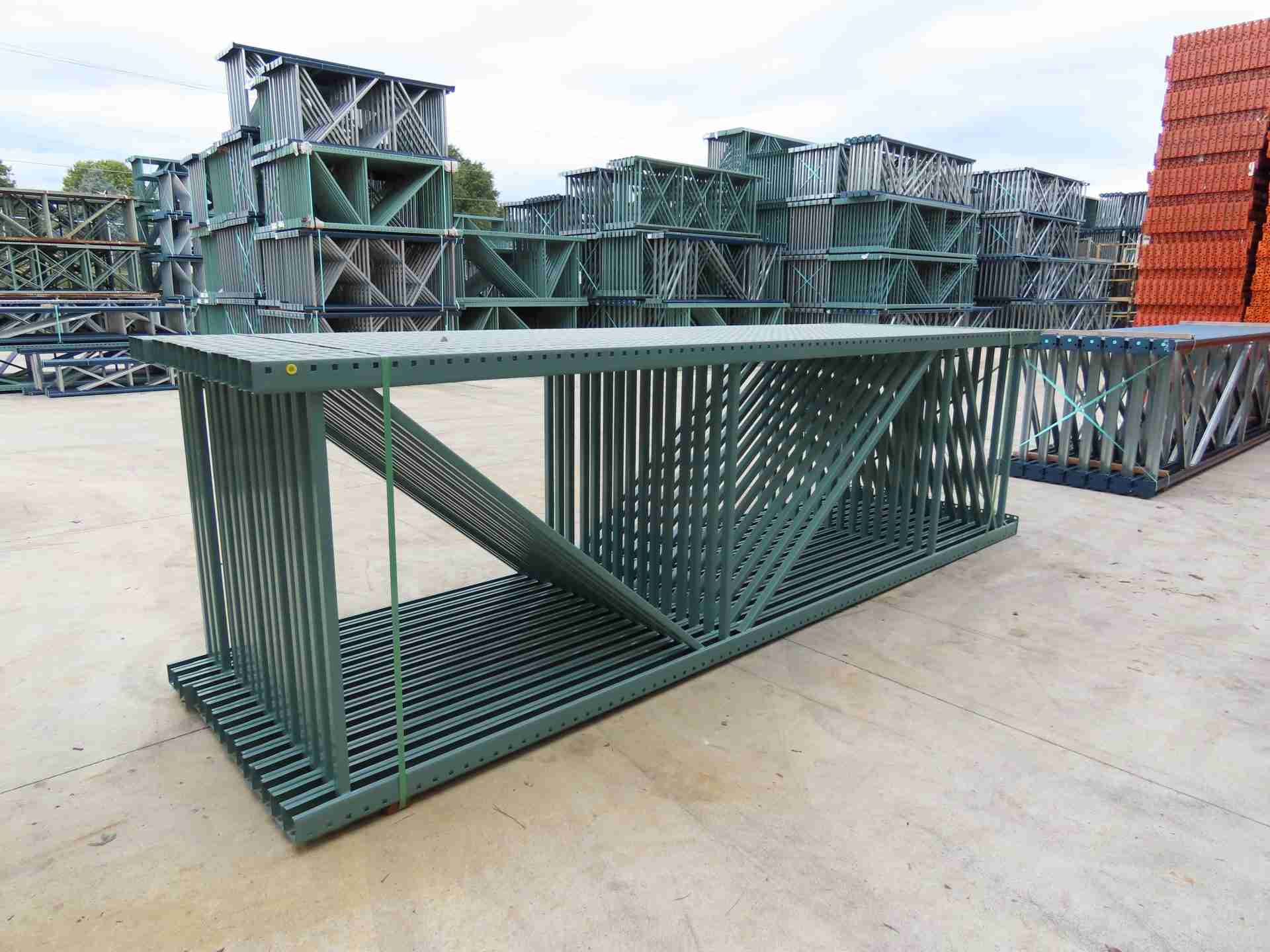
What Do Consumers Expect From Food Storage Standards?
How Does Proper Storage Impact Food Safety?
When it comes to food safety, the way we store our food often gets overlooked amidst the hustle and bustle of daily life. Proper storage is like the unsung hero in the kitchen, quietly keeping our meals safe and extending their shelf life. Racking systems play a vital role in this process, providing a solid foundation for organizing and preserving our food. Picture a tidy pantry where every can and box is in its place, ready to serve a purpose. That’s not just neatness; it’s a commitment to safety.
Think about the last time you dug through a cluttered fridge or a disorganized pantry. It can feel a bit like a scavenger hunt, but it’s one where health risks might be hiding. Expired products, spoiled food, and clutter can lead to cross-contamination, where bacteria jump from one item to another. That’s not just inconvenient; it poses a real risk to your family’s health. We’re talking about foodborne illnesses that can sideline anyone, from the strongest worker to the littlest child. Proper storage isn’t just about keeping things neat; it’s about protecting the ones you love.
Using racking systems effectively allows you to keep different food types separated and ensures that older items get used before they expire. It gives you visual prompts—each shelf holds a reminder of what needs to be used, reducing waste and saving your hard-earned money. Imagine the satisfaction of not tossing out food every week just because it got lost behind other items. By taking control of your storage, you are also taking a stand against wastefulness.
Additionally, consider the ethical aspect of how we treat our food. In a world where hunger is a stark reality for many, we should strive to minimize waste while maximizing our resources. Every meal is a blessing and should be honored through proper care and storage. When we maintain a safe and organized kitchen, we’re demonstrating respect for the food we’re fortunate enough to have.
Creating a safe food storage environment fosters a community of trust. When you invite friends and family to your home, you want them to feel at ease about what’s on the table. Proper storage builds that confidence. Whether it’s a backyard barbecue or a cozy dinner, knowing you’ve taken the right steps in preserving your food transforms a meal from just dinner into a shared experience that’s safe and enjoyable.
Proper storage is about more than mere convenience. It’s a commitment to safety, respect for food, and connection with those we share our meals with. With a little effort and the right tools, like racking systems, we can create a kitchen culture that prioritizes health and fosters togetherness.
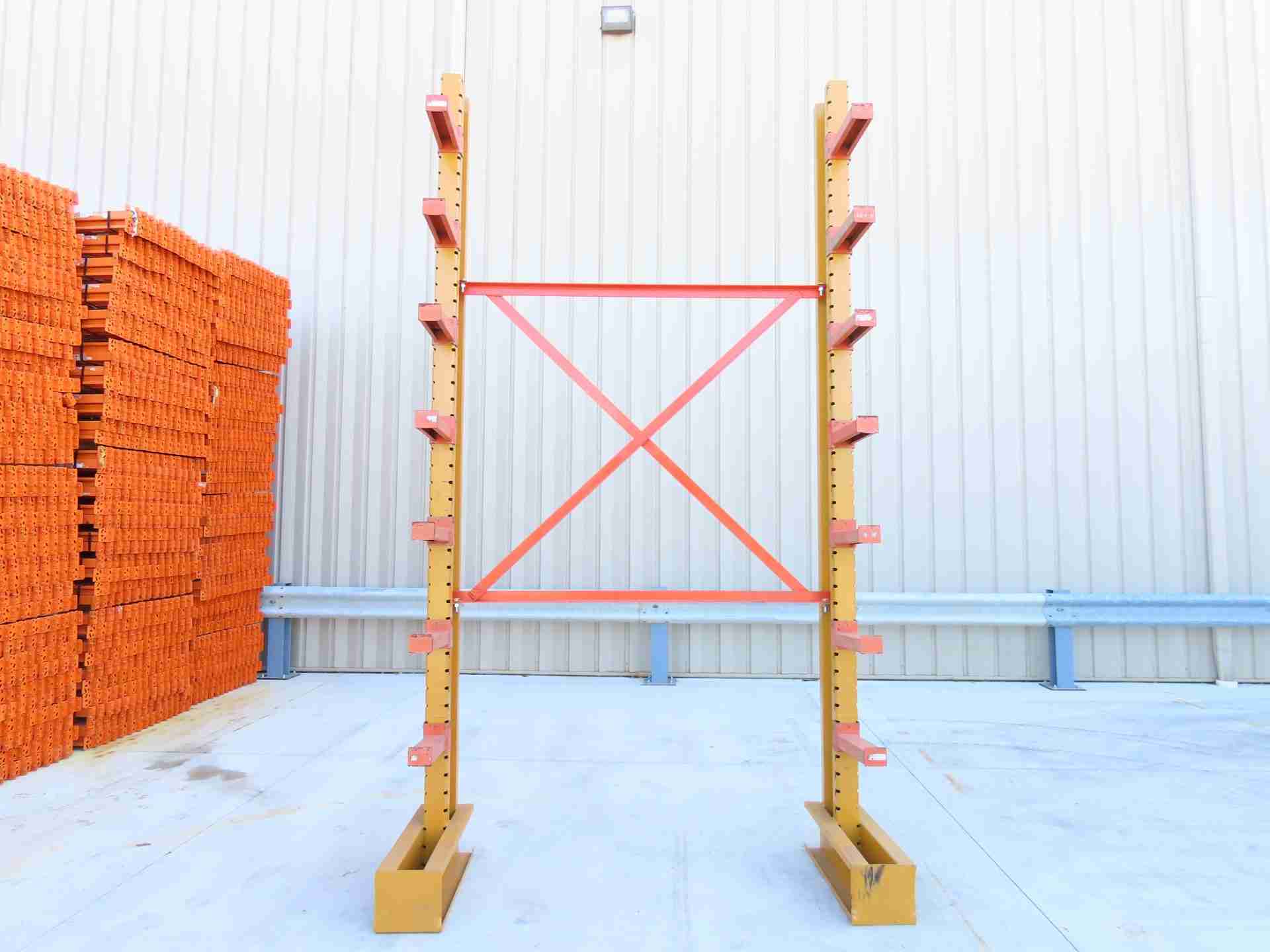
How Does Proper Storage Impact Food Safety?
How Does Proper Storage Impact Food Safety?
- Proper food storage is crucial for safety and shelf life, often overlooked in daily routines.
- Racking systems help organize food, preventing clutter and enhancing safety.
- A cluttered kitchen can hide health risks, such as expired items and cross-contamination.
- Efficient storage practices protect family health and minimize foodborne illness risks.
- Using racking systems ensures older items are used first, reducing waste and saving money.
- Caring for food through proper storage reflects respect for resources and addresses food waste issues.
- Creating a safe storage environment builds trust and confidence for shared dining experiences.
How Does Proper Storage Impact Food Safety?
What Are the Legal Requirements for Food Storage Compliance?
When it comes to food storage compliance, there’s more on the line than just avoiding a nasty health inspection. We’re talking about a fundamental responsibility that affects families, communities, and the very core of trust in the food industry. This isn’t just about regulations; it’s about the people who rely on us to keep their food safe. Failure to follow legal requirements can lead to serious consequences, not only for businesses but for the health of all those who consume the products we provide.
One of the first steps in compliance is understanding the legal standards set forth by local and national health departments. Racking systems play a critical role here. Proper storage equipment must be in place to not only maximize space but also to protect food from contamination. Imagine a bustling kitchen where the chef reaches for a set of racked shelves, each item accessible, each container clearly labeled. That’s the kind of setup that not only meets regulations but also shows respect for the craft and duty of feeding others.
Temperature control is non-negotiable. Compliance means ensuring that perishable items are kept at the right temperatures to mitigate bacteria growth. Using thermometers and maintaining refrigeration units can seem like a hassle, but when you think about families sitting down to dinner, it’s that attention to detail that matters. Knowing that a simple act of vigilance protects those meals can put your mind at ease—that’s a connection we can all relate to.
Legal requirements create a framework, but it’s the ethical commitment to serving safe food that truly drives compliance. Think of it as an unwritten contract between you and the community. When you store food properly, you stand at the front lines of public health, ensuring that no one falls ill because of the products you handled. It’s about pride in craftsmanship, whether you’re in a restaurant, a grocery, or a small food truck.
Finally, fostering a culture of compliance within your team can empower everyone involved. Share stories of what happens when things go wrong, or celebrate the victories when inspections go smoothly. It turns compliance into a team effort, creating camaraderie and accountability. When people feel connected to their work and the mission behind it, they’re more likely to take those legal requirements seriously.
By committing to these principles, you build a reputation of trust and reliability in your community. Food storage compliance isn’t just red tape—it’s the backbone of a thriving, healthy society. Let’s do our part to keep that trust solid and lasting.
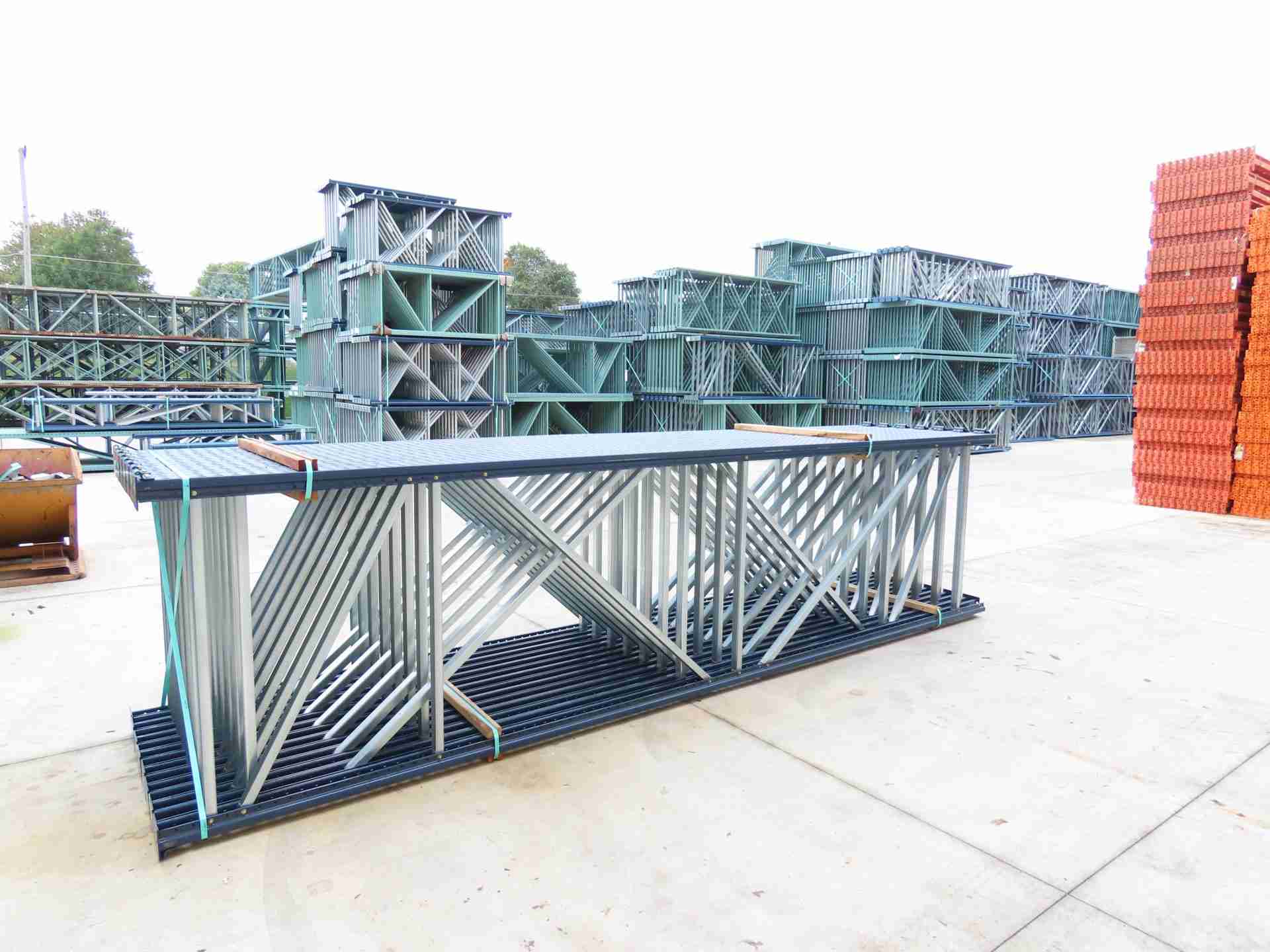
What Are the Legal Requirements for Food Storage Compliance?
What Are the Legal Requirements for Food Storage Compliance?
- Food storage compliance is essential for protecting public health and maintaining trust in the food industry.
- Understanding local and national health standards is a fundamental step in compliance.
- Proper racking systems maximize space and prevent food contamination.
- Maintaining the correct temperatures for perishable items is crucial to prevent bacterial growth.
- Ethical commitment to serving safe food supports the framework of legal requirements.
- Fostering a culture of compliance within teams enhances accountability and camaraderie.
- Compliance builds a reputation of trust and reliability in the community, vital for a healthy society.

What Are the Legal Requirements for Food Storage Compliance?
How Can Businesses Ensure Freshness In Stored Food?
When it comes to food storage, ensuring freshness isn’t just a fancy goal—it’s essential. After all, the last thing anyone wants is fruits and veggies that look like they survived a hurricane instead of being fresh off the vine. It’s a matter of pride, quality, and responsibility. You want customers to trust that what they’re buying is as fresh as it can get. So, how do businesses tackle this challenge?
First off, consider investing in effective racking systems. Good racks not only utilize space better but also promote airflow around the items you store. This keeps things cool and collected, preventing that dreaded condensation that can lead to spoilage. Nothing says “we care” like presenting your goods in a way that highlights their freshness. Using organized racking systems means you can easily rotate stock, ensuring that older items get used first, which reduces waste and maximizes your profits.
Another crucial angle is temperature control. Developing a solid understanding of what products thrive at what temperatures can make a world of difference. Storing perishables like meat and dairy at their ideal temperatures not only prolongs their life but also protects the consumer. Picture this: a family gathering around the dinner table, enjoying a meal made from ingredients that you sourced with care. That’s a story worth telling.
Humidity management is just as important. Certain foods need that balance to stay crisp and vibrant. Apples shouldn’t be kept alongside bread, lest they turn to mush. It’s a straightforward choice, but it says a lot about how a business values quality and customer satisfaction.
And let’s not forget about regular checks. Get into the habit of inspecting your storage areas, evaluating stock freshness daily. This is about creating a culture of accountability. Encourage your team to embrace this mentality—because when they care, it shows in the quality you deliver.
If we think about it, the food you store reflects your values. Are you cutting corners, or are you doing everything you can to ensure that what you sell is fresh and tantalizing? Your approach can inspire trust and loyalty among your customers. By doing your part to guarantee freshness, you’re not just selling food; you’re sharing experiences and memories that families can cherish. It’s about building relationships that go beyond the register, offering the best possible products to those who rely on you.
How Can Businesses Ensure Freshness In Stored Food?
How Can Businesses Ensure Freshness In Stored Food?
- Ensuring food freshness is essential for business reputation and customer trust.
- Investing in effective racking systems promotes better space utilization and airflow.
- Proper temperature control prolongs the life of perishables and protects consumers.
- Humidity management is important for maintaining food quality; different foods have specific needs.
- Regular inspections of storage areas foster accountability and enhance stock freshness.
- The approach to food storage reflects business values, impacting customer loyalty.
- Guaranteeing freshness helps build lasting relationships with customers through quality offerings.

How Can Businesses Ensure Freshness In Stored Food?
What Role Does Temperature Control Play In Food Storage?
When you walk into a kitchen, a restaurant, or even a small food stall, you can almost feel the heartbeat of the place—it’s the rhythm of temperature control in action. Picture a bustling kitchen, pots bubbling and sizzling, but lurking behind the scenes is a crucial element that often gets overlooked: temperature regulation. It’s not just about making sure the fridge hums along; it’s about safeguarding the very essence of what food means to us.
Imagine grabbing a plate of leftovers from a crowded family gathering or a beloved dish you once shared with friends. The thought of biting into something that’s been stored properly evokes a sense of comfort. But when those same meals are mishandled due to poor temperature control, they can turn into a health hazard. The numbers don’t lie: foodborne illnesses are real, and they affect families, sometimes even stealing joy from gatherings meant to celebrate life.
Temperature control isn’t just an industry term—it’s a promise we make to each other. We trust the systems, from the racking systems that stack food safely at the right temperatures to the home freezers where leftovers rest after a Sunday feast. Each compartment plays a role in maintaining quality, taste, and safety. When we neglect this responsibility, we put more than just food at risk; we jeopardize our health and well-being.
Think about how often you’ve turned to someone for advice on storing food. You want to learn and be better equipped. That desire is common across all of us. Temperature control fosters connection, allowing us to pass down traditions while ensuring the next generation can enjoy those meals without fear.
But it’s not only personal; it’s a community effort. Restaurants and supermarkets understand their role in this chain. They invest in robust cooling systems, ensuring freshness not just for profit, but as a commitment to their patrons. Every time you enter a store or sit down to eat, you’re trusting that those in charge have taken the time and care to keep things right. When temperature control is done well, it not only stretches our food dollars but also protects our community’s health.
Every choice we make regarding food storage—whether at home or in businesses—echoes the simple, profound truth: we care about our food, and we care about each other. Embrace the essentials of temperature control, and let’s inspire safety, confidence, and good meals for everyone.

What Role Does Temperature Control Play In Food Storage?
What Role Does Temperature Control Play In Food Storage?
- Temperature control is essential in kitchens, restaurants, and food stalls, ensuring food safety and quality.
- Improper temperature regulation can lead to foodborne illnesses, affecting families and community gatherings.
- Temperature control is a shared responsibility, involving trust in systems that maintain food quality.
- Learning about food storage enhances our ability to preserve traditions and meals for future generations.
- Restaurants and supermarkets play a vital role in food safety, investing in proper cooling systems for freshness.
- Effective temperature control protects public health and maximizes the value of food purchases.
- Every decision regarding food storage reflects a commitment to both food safety and community well-being.
What Role Does Temperature Control Play In Food Storage?
Are There Eco-Friendly Practices for Food Storage?
When it comes to food storage, you might think it’s just about keeping your leftovers fresh or organizing that packed pantry. But digging deeper, there’s a whole world of eco-friendly practices that not only preserve your food but also care for our planet. It starts with the simple step of choosing the right storage containers. Instead of reaching for plastic—often a one-way ticket to landfill—consider glass or stainless steel options. They’re durable, reusable, and keep your food safe from harmful chemicals. You can stack them on your shelves using racking systems that maximize space and keep everything visible, eliminating the “what’s that at the back of the fridge?” syndrome.
Think about it: every time you open that fridge door, you’re making a choice. Will you leave a smaller carbon footprint today? Using beeswax wraps instead of plastic wrap not only gives your food a snug hug but also reduces plastic use. These wraps can be washed and reused, making them a champion of sustainability. And while you’re at it, invest in some cloth bags for your produce—the ones that can double as lunch bags or storage bags. It’s all about making small, conscious decisions that build up to create a positive impact.
We’ve all got that neighbor who just knows how to grow things. Tap into that wisdom. Start composting your kitchen scraps, turning waste into gold for your garden. This practice closes the loop—less waste means less methane in the air, and it enriches the soil that grows our food. It’s a bit of elbow grease, but the fruits—pun intended—are well worth it.
Sharing your experiences can create a ripple effect. Tap into your community, whether through social media or local gatherings, and exchange tips on sustainable food storage. Share your successes, your frustrations, and your solutions. This isn’t just about you; it’s about creating a culture of sustainability.
Engaging in eco-friendly practices for food storage connects us all. It tells the story of our shared commitment to the Earth, fostering a sense of belonging. When you adopt these practices, you become part of a larger movement. Your choices inspire others to follow suit—because it’s not just about saving a buck or two, it’s about saving our planet for the next generation. So, start small, get your hands dirty, and let’s make every meal matter.
Are There Eco-Friendly Practices for Food Storage?
Are There Eco-Friendly Practices for Food Storage?
- Choose eco-friendly storage containers, like glass or stainless steel, to avoid plastic waste.
- Use beeswax wraps as a sustainable alternative to plastic wrap, reducing plastic usage.
- Invest in cloth bags for produce that can double as storage and lunch bags.
- Start composting kitchen scraps to reduce waste and enrich garden soil.
- Share experiences and tips in your community to promote sustainable practices.
- Adopting eco-friendly food storage connects individuals in a collective commitment to the Earth.
- Small, conscious choices can create a positive impact for future generations.

Are There Eco-Friendly Practices for Food Storage?
Conclusion
In the food industry, the significance of proper storage compliance cannot be overstated. It’s about more than just regulations; it’s a pledge to prioritize food safety and uphold the dignity of the craft. Every item in a storage area tells a story, and attention to detail can mean the difference between nourishment and loss. Think about the chaotic kitchen or the shelved items that could either spark joy or result in disappointment when carelessly stored. Achieving proper storage isn’t merely a mechanical task but an ethical obligation, forming an essential bond of trust between producers and consumers.
Consumers today expect transparency and reliability regarding food standards. They want assurance that what’s on their table won’t spoil or pose health risks. A working-class family returning home after a long day wants to feel confident about the food they share. Proper labeling, organized storage, and a focus on ethical practices play key roles in fostering that bond of trust. In supporting businesses that demonstrate commitment to food safety, consumers reinforce community values—they desire foods that aren’t just nourishments but reflections of shared respect and care.
Temperature control and effective racking systems are fundamental. Without diligent management of these factors, spoilage and health risks loom large. When food storage conditions are right, each meal becomes more than a necessity; it transforms into a chance for connection among family and friends, an embodiment of love and comfort shared. Proper practices reduce waste, ensuring that every meal honors the resources it stems from, in turn reinforcing respect for food and community.
Compliance isn’t just a checklist to tick off; it’s about creating a culture where everyone shares a commitment to quality and accountability. It empowers workers and fosters camaraderie, emphasizing common goals. Moreover, eco-friendly practices contribute to this mission, offering practical steps to lessen environmental impact while caring for the food we consume. By using sustainable materials for storage and embracing composting, we create a community narrative rooted in responsible stewardship of both food and the Earth.
Ultimately, every choice in food storage speaks volumes about our values, shaping the relationships we build with family, friends, and communities. By upholding robust storage practices, we not only feed ourselves; we honor each meal and each other, transforming each act of eating into a celebration of life and connection.

Conclusion
Conclusion:
- Proper storage compliance is crucial for food safety and the integrity of the food craft.
- Consumers seek transparency and assurance that their food is safe and won’t spoil.
- Organized storage and ethical practices enhance trust between producers and consumers.
- Temperature control and effective racking systems are essential to prevent spoilage and health risks.
- Compliance fosters a culture of quality and accountability within the food industry.
- Eco-friendly practices in storage help reduce environmental impact and promote sustainability.
- Robust storage practices contribute to meaningful connections and celebrations in communal eating experiences.
Conclusion
Other Resources

Other Resources
Here is a list of other resources you can review online to learn more:
- Used Teardrop Pallet Rack – American Surplus
- Racking World
- Chicago Pallet Racking
- Warehousing Education and Research Council: https://www.werc.org/
- Warehouse Racking Layout: The Ultimate Guide – Conger
- Teardrop Racks – Pallet Rack World
- Rack Manufacturers Institute
- Illinois Pallet Racking – Storage Solutions
- Teardrop Pallet Rack – Ridg-U-Rak
- CMMA
- Warehouse Racking Systems: Beginner’s Guide to Rack Systems
- IWLA
- Warehouse Racking System: Powerful Guide to Optimise, 2024
- Cantilever Rack Guide: Ordering Cantilever Racking
- Total Warehouse
- WERC
- National Safety Council
- Chicago Pallet Racking
- Storage Equipment Manufacturers Association
Use This Prompt To Get More Resources With Your Favorite Online AI Tool: Please provide me with a list of online articles with their URLs in a bulleted list that I can read regarding Food Industry Storage Compliance Explained

Other Resources
Glossary Terms
Food Industry Storage Compliance Explained – Glossary Of Terms
1. Cold Chain: A temperature-controlled supply chain crucial for preserving perishable goods during storage and transport.
2. FIFO (First In, First Out): An inventory management method where older stock is used before newer stock to ensure quality.
3. GMP (Good Manufacturing Practices): Guidelines ensuring products are consistently produced and controlled according to quality standards.
4. HACCP (Hazard Analysis and Critical Control Points): A systematic preventive approach to food safety that identifies and controls potential hazards.
5. Shelf Life: The length of time food products remain safe and suitable for consumption under specified storage conditions.
6. Cross-Contamination: The transfer of harmful bacteria or allergens from one food item to another, often through improper handling.
7. Temperature Log: A documented record of temperature readings for storage areas to ensure compliance with safety standards.
8. Inventory Management: The process of ordering, storing, tracking, and controlling stock levels of products.
9. Food Safety: Measures taken to ensure that food is prepared, stored, and served in a manner that prevents foodborne illnesses.
10. Compliance: Adherence to laws, regulations, and guidelines governing food safety and storage practices.
11. Pest Control: Strategies and measures used to prevent and manage infestations of insects and rodents in food storage areas.
12. Sanitation: Practices aimed at maintaining cleanliness and preventing contamination in food processing and storage environments.
13. Raw Materials: The basic ingredients used in food production before processing or preparation.
14. Expiration Date: The date after which a food product is no longer considered safe to consume.
15. Batch Tracking: The process of documenting and monitoring individual batches of products throughout the supply chain.
16. Quality Assurance: Systematic processes to guarantee that products meet certain quality standards before they reach consumers.
17. Labeling Requirements: Regulations governing the information that must be displayed on food packaging, including ingredients and nutritional value.
18. Storage Capacity: The maximum volume or weight of food products that a storage facility can accommodate.
19. Food Recall: The process of retrieving and disposing of products found to be unsafe or mislabeled after distribution.
20. Traceability: The ability to track the history, application, or location of a product throughout the supply chain.
21. Compliance Audit: An evaluation of a company’s adherence to food safety regulations and standards.
22. Temperature Range: The specific range of temperatures within which food products should be stored to prevent spoilage.
23. Food Handling: Procedures and practices involved in preparing, cooking, and storing food safely.
24. Storage Conditions: The environmental factors, such as temperature, humidity, and light, that affect food preservation.
25. Allergen Management: Strategies for identifying, controlling, and communicating about food allergens to prevent allergic reactions.
26. Compliance Training: Educational programs designed to inform employees about food safety regulations and their responsibilities.
27. Regulatory Agencies: Government organizations that establish and enforce food safety laws and standards.
28. Food Distribution: The process of transporting food products from manufacturers to retailers or consumers.
29. Storage Equipment: Tools and devices used for storing food items, including refrigerators, freezers, and shelving units.
30. Portion Control: The practice of managing serving sizes to ensure consistency and reduce waste in food service operations.
Glossary Of Terms
Other Questions
Food Industry Storage Compliance Explained – Other Questions
If you wish to explore and discover more, consider looking for answers to these questions:
- What are the specific legal temperature ranges required for different food categories?
- Which local and national agencies set and enforce food storage regulations?
- What documentation is required to demonstrate storage compliance during inspections?
- How often must temperature and humidity logs be recorded and how long should they be retained?
- What sanitation protocols and cleaning agents are approved for racking systems and storage areas?
- How should racking systems be designed and installed to prevent contamination and pest access?
- What are the load-capacity, clearance, and spacing requirements for storage racks?
- How do businesses implement and audit FIFO (first-in, first-out) and stock rotation practices?
- What training, certifications, and frequency of retraining do staff need for storage compliance?
- How frequently should facilities conduct internal audits and when are external audits required?
- What are the legal and financial consequences of non-compliance or a storage-related foodborne illness?
- How can small or resource-limited businesses achieve compliance affordably and what funding or assistance exists?
- Which monitoring technologies (IoT sensors, data loggers, automated alerts) are recommended and how reliable are they?
- How is temperature mapping performed, and how often should it be repeated?
- What emergency procedures should be in place for refrigeration failure, power outages, or contamination events?
- How should perishable, frozen, dry, and canned foods be stored differently within the same facility?
- How should allergens be stored and labeled to prevent cross-contact and ensure consumer safety?
- What packaging and container materials best preserve freshness while meeting safety and sustainability goals?
- How should foods be labeled with storage instructions, best-by/use-by dates, and lot codes?
- What recordkeeping templates, checklists, and SOPs simplify ongoing compliance?
- How are product recalls managed and what traceability systems are required to locate affected lots?
- What pest-control measures are compliant, effective, and environmentally responsible?
- Which eco-friendly storage practices reduce waste and carbon footprint without compromising safety?
- How can businesses implement composting or other waste-reduction programs while maintaining compliance?
- What humidity-control strategies and equipment are recommended for produce and sensitive items?
- How and how often should thermometers and sensors be validated and calibrated?
- What preventive maintenance schedules are required for refrigeration units and racking equipment?
- How can existing facilities be retrofitted to meet current storage and racking standards?
- What insurance considerations and coverages relate to storage compliance and spoilage losses?
- How do storage requirements differ across the supply chain (farm, processor, distributor, retailer)?
- What are the most common causes of storage-related foodborne outbreaks and how are they prevented?
- What third-party certifications (e.g., BRC, SQF, ISO) are relevant to storage compliance and how are they obtained?
- How should storage areas be segregated to prevent chemical, biological, and physical contamination?
- How should businesses conduct supplier audits to ensure incoming goods meet storage and safety standards?
- What metrics and KPIs should be tracked to measure storage compliance, freshness, and waste reduction?
- Are there case studies or examples of best-practice racking systems and storage implementations to model?

Other Questions
Checklist
Food Industry Storage Compliance Explained – A Checklist
Receiving & Intake
✅______ Approved suppliers verified and documented
✅______ Delivery vehicles clean; no signs of pests or contamination
✅______ Product temperatures checked at receipt (refrigerated ≤41°F/5°C; frozen ≤0°F/−18°C)
✅______ Packaging intact; no swelling, leaks, or damage
✅______ Lot codes, use-by dates, and quantities recorded
✅______ Nonconforming products rejected and documented
Storage Infrastructure & Racking
✅______ Racks clean, undamaged, and load ratings posted
✅______ Food stored ≥6 inches (15 cm) off the floor and away from walls for airflow
✅______ Pallets clean and food-grade; no wood splinters or debris
✅______ Aisles clear; emergency exits unobstructed
✅______ Chemicals, tools, and maintenance items stored separately from food
✅______ No overloading; airflow to coils and vents unobstructed
Temperature Control
✅______ Cold holding maintained at ≤41°F/5°C
✅______ Frozen holding maintained at ≤0°F/−18°C
✅______ Hot holding maintained at ≥135°F/57°C
✅______ Cooling from 135°F to 70°F within 2 hours, then to 41°F within 6 hours
✅______ Reheating to ≥165°F/74°C where applicable
✅______ Calibrated product thermometers used; ambient and product temperatures logged
✅______ Door seals and gaskets intact; defrost and maintenance schedules current
✅______ Alarms and monitoring in place and reviewed
Stock Rotation & Labeling
✅______ FIFO/FEFO practiced; oldest stock used first
✅______ Clear labels with product name and received/prepared/opened/discard dates
✅______ Allergen contents identified on labels
✅______ Opened bulk items in sealed, food-grade containers
Segregation & Cross-Contamination Prevention
✅______ Raw foods stored below and away from ready-to-eat items
✅______ Raw meats segregated by species; leak-proof pans in cold storage
✅______ Dedicated, color-coded containers and utensils for allergens and raw foods
✅______ Separate zones or shelves for major allergens
Sanitation & Pest Management
✅______ Written cleaning and sanitizing schedule followed and logged
✅______ Approved food-safe chemicals used; SDSs available and stored away from food
✅______ Drains clean; no standing water or condensation
✅______ Waste bins covered, removed regularly; compactor area clean
✅______ Licensed pest control program with monitoring and corrective actions documented
Quality & Freshness Controls
✅______ Daily visual checks for spoilage, damage, or off-odors
✅______ Humidity managed for produce; breathable or crisping storage where needed
✅______ Ethylene-sensitive produce separated from high-ethylene emitters
✅______ Routine culling to remove deteriorating items
Documentation & Traceability
✅______ Receiving, temperature, cleaning, and pest logs up to date
✅______ Lot tracking enables traceback and traceforward
✅______ Recall plan in place; mock recall performed at least annually
✅______ Corrective actions recorded and verified
Equipment Maintenance & Calibration
✅______ Thermometers and probes calibrated (ice-point/boiling-point methods) on schedule
✅______ Refrigeration units serviced; coils, fans, and drains maintained
✅______ Door seals, hinges, and strip curtains in good condition
✅______ Racking inspected; damaged components tagged and repaired or replaced
Team Training & Culture
✅______ Staff trained on SOPs, HACCP and CCPs, allergens, and personal hygiene
✅______ Handwashing stations stocked; PPE available and used
✅______ Pre-shift huddles or audits reinforce compliance and accountability
Transportation & Distribution
✅______ Vehicles pre-cooled; temperatures maintained and logged during transit
✅______ Product protected from contamination; raw and ready-to-eat (RTE) items segregated
✅______ Loads secured; doors sealed with records retained
Sustainability Practices
✅______ Reusable or recyclable containers (glass or stainless steel) prioritized
✅______ Beeswax wraps or reusable covers used where appropriate
✅______ Energy-efficient units; door management and airflow optimized
✅______ Food waste minimized via forecasting; safe donations and composting implemented
Regulatory Compliance
✅______ Current licenses and permits and latest inspection reports on file
✅______ Applicable local, state, and federal code requirements integrated into SOPs
✅______ HACCP plan (where required) implemented; CCPs monitored and verified
Pre-Inspection Walkthrough
✅______ Lighting adequate; shatter-resistant bulbs in food areas
✅______ No condensation over food or racks; no pooling water
✅______ Thermometers placed at warmest points and easy to read
✅______ Floors, walls, and ceilings clean and in good repair
Sign-Off
✅______ Manager review completed
✅______ Date and time recorded
✅______ Corrective actions assigned and due dates set

Checklist
At RackingWorld, we help guide you through selecting warehouse storage systems and racking.
Be sure to read our other related stories at RackingWorld to learn more about warehouse storage systems.
0 Comments