
Maximizing Safety And Efficiency: The Hidden Influence Of Rack Design
By Tom Seest
At RackingWorld, we help guide you through selecting warehouse storage systems and racking.
Be sure to read our other related stories at RackingWorld to learn more about warehouse storage systems.
How Rack Layout Impacts Sprinkler Performance
When it comes to protecting what matters most in the heart of a warehouse or storage facility, the way we design our racking systems can significantly influence how effective our sprinkler systems will be during a fire. Imagine a bustling warehouse filled with goods; now picture a fire breaking out. The immediate response from our sprinklers could mean the difference between minor damage and a total loss. That’s where the layout of those racks comes into play.
Your racking systems are more than just metal frames holding products. They’re the backbone of your operation. A well-thought-out rack layout ensures that sprinklers can distribute water uniformly across the area, allowing for efficient fire suppression. On the flip side, a poorly arranged system can cause water to be trapped or misdirected, leaving gaps that a fire can exploit. Think of it as setting up a team for success—a solid strategy ensures that everyone knows their role, especially when the stakes are high.
Consider how your team feels about the safety measures in place. Trust in a well-designed racking system can promote peace of mind among employees. When they know that every shelf has been carefully arranged to optimize fire safety, confidence grows, fostering a culture of safety that resonates throughout the workforce. This isn’t just about codes and regulations; it’s about creating a workplace where each person feels valued and protected.
The ethical responsibility to safeguard lives and property isn’t something to be taken lightly. Proper rack layout directly impacts the effectiveness of sprinkler systems, so taking the time to get it right reflects respect for both your assets and your workers. Handling this task with diligence speaks volumes to your team and reinforces a commitment to their welfare, showing them that safety is a priority, not an afterthought.
And let’s not forget the practical side of things. Anyone who’s worked on the floor knows the invaluable lessons learned from past experiences. A narrative emerges through trial and error, guiding future decisions. Embracing a hands-on approach to designing your racking systems can lead to insights that academic theories may overlook. By engaging with your layout, you create a living, breathing safety mechanism that evolves alongside your operation. A shared commitment leads to a collective impact—a partnership between design and safety that benefits everyone when the heat is on.

How Rack Layout Impacts Sprinkler Performance
How Rack Layout Impacts Sprinkler Performance
- Racking system design significantly influences sprinkler system effectiveness during fires.
- Well-planned layouts ensure uniform water distribution for efficient fire suppression.
- Poor arrangements can trap or misdirect water, leaving gaps for fires to exploit.
- Trust in a well-designed system promotes employee peace of mind and a culture of safety.
- Ethical responsibility in layout design reflects respect for assets and worker safety.
- Past experiences provide invaluable lessons for future racking system decisions.
- A hands-on approach creates a safety mechanism that evolves with the operation.

How Rack Layout Impacts Sprinkler Performance
Table Of Contents
- How Rack Layout Impacts Sprinkler Performance
- What Factors Determine Optimal Rack Layouts for Sprinklers?
- How Does Rack Placement Influence Water Distribution?
- Can Poor Layout Lead to Sprinkler Inefficiency?
- What Are the Common Layout Mistakes Affecting Performance?
- How Can Engineers Optimize Rack Layouts for Better Coverage?
- What Role Does Spacing Play In Sprinkler Effectiveness?
- Conclusion
- Other Resources
- Glossary Of Terms
- Other Questions
- Checklist
What Factors Determine Optimal Rack Layouts for Sprinklers?
When it comes to designing optimal rack layouts for sprinklers, several key factors need to be taken into account to ensure efficiency and safety. First off, understanding the unique needs of your facility is crucial. For example, the type of racking systems you use can significantly impact water distribution. High-density layouts may require different sprinkler coverage than traditional setups, and it’s essential to give this careful thought.
Next, consider the size and shape of your storage area. The dimensions dictate how far apart you can space your racks and, by extension, how effective your sprinkler system will be. If the layout is too cramped, the water may not reach all areas, leading to potential fire hazards. You want every inch of that warehouse protected, and that requires a thoughtful approach to spacing and directionality.
Now, let’s talk about materials. The goods you’re storing matter just as much as the racks themselves. Different materials have varying flammability levels. For instance, if you’re storing high-risk items, you may need specialized sprinklers or increased coverage. This isn’t just about compliance; it’s about taking responsibility for your team’s safety and the integrity of your inventory.
Ethically, there’s a shared responsibility in ensuring that the layout supports safety protocols. Solving issues with the sprinkler layout is more than an operational challenge – it’s about protecting lives and safeguarding your livelihood. When the chips are down, the last thing you want is a subpar sprinkler system creating bigger problems than it solves.
Leverage experience by consulting with professionals who understand the ins and outs of racking systems and fire safety. These conversations can offer valuable insights, ensuring your layout not only meets regulations but stands the test of time. Surrounding yourself with authority in the field fosters a sense of trust; when others see you prioritizing safety in your layout, it reflects positively on your professional integrity.
Finally, remember the human element. Talking to your team about how they interact with the racking systems can reveal practical issues that need addressing. Their hands-on experiences can help shape a more efficient and safer layout. By inviting their feedback, you’re not just ensuring compliance; you’re building a supportive community focused on a common goal: safety and success for all.
By considering these factors holistically, you not only create a practical solution; you build a resilient framework that fosters a culture of safety and trust within your operation.

What Factors Determine Optimal Rack Layouts for Sprinklers?
What Factors Determine Optimal Rack Layouts for Sprinklers?
- Understand the unique needs of your facility, particularly the type of racking systems used for effective water distribution.
- Consider the size and shape of the storage area to ensure proper spacing of racks and effective sprinkler coverage.
- Different materials stored have varying flammability levels; adjust sprinkler coverage accordingly for high-risk items.
- Prioritize ethical responsibility in layout design to protect lives and maintain operational integrity.
- Consult with professionals in racking systems and fire safety for valuable insights and compliance.
- Engage with team members to gather feedback on practical issues with racking systems, enhancing safety and efficiency.
- Adopt a holistic approach to create a resilient framework that fosters a culture of safety and trust within the operation.

What Factors Determine Optimal Rack Layouts for Sprinklers?
How Does Rack Placement Influence Water Distribution?
When it comes to racking systems, placement isn’t just a matter of convenience; it’s about ensuring that every drop of water is used wisely. Imagine standing in a greenhouse, surrounded by rows of lush plants thriving under the right conditions. Each rack tells a story of its own, shaped by where it sits in relation to water distribution. The arrangement can make or break the health of your crops.
Think of it like this: you wouldn’t park your pickup in a muddy field if you knew the rain was coming. Strategic rack placement is much the same. By positioning racks at optimal angles and distances, you can harness gravity and pressure, directing water where it’s needed most. It’s a simple principle, yet one that often gets overlooked in the hustle of day-to-day operations. If racks are too close together or placed poorly, you end up with pooling or dry spots, both of which can threaten the success of your harvest.
Racking systems need to work for you, not against you. This isn’t just about efficiency; it’s about responsibility. For every farmer who pours their heart into the soil, there’s an emotional connection to the land. It’s an investment in not just crops, but community. Healthy plants lead to thriving families and neighborhoods, feeding not just bodies but spirits too. The right placement in those racking systems fosters that growth, connecting us to the broader ecosystem we’re part of.
Rationality plays its part as well: understanding how water moves helps in making informed decisions for better yields. When racks are spaced to allow proper flow, the benefits are measurable—in savings on water bills and increases in production. That’s not just smart farming; it’s ethical stewardship of resources, ensuring that even in lean times, we’re contributing to sustainability.
Picture the harvest: rows of vibrant greens, tomatoes bursting with flavor, all made possible by the caring hand that placed those racks just so. It’s more than a job; it’s a legacy. Each decision made about rack placement is a step toward building a dependable system—a safety net for the crops that we rely on.
So when you think about where to set your racks, remember: it’s about connection, community, and care. The way you arrange those systems matters, not just for productivity but for the story of sustainability you’re helping to write. Place them wisely, and watch both land and spirit flourish.

How Does Rack Placement Influence Water Distribution?
How Does Rack Placement Influence Water Distribution?
- Racking system placement is crucial for efficient water use and crop health.
- Optimal rack positions harness gravity and pressure to direct water effectively.
- Poor placement can lead to pooling or dry spots, negatively impacting harvests.
- Strategic arrangements foster emotional connections between farmers and their land.
- Proper spacing promotes water flow, reducing costs and increasing production.
- Decisions on rack placement contribute to ethical resource stewardship and sustainability.
- The arrangement of racks influences not only productivity but also community wellbeing.

How Does Rack Placement Influence Water Distribution?
Can Poor Layout Lead to Sprinkler Inefficiency?
When it comes to sprinkler systems, the layout is as crucial as the water flowing through those pipes. Picture this: you invest in a high-quality sprinkler system, confident it’ll keep your lawn lush and green. But if the layout is off, you might as well be watering a rock garden. Poor arrangement can lead to dry patches, overwatered areas, and, ultimately, a garden that looks more like a patchy desert than a suburban paradise.
A well-planned sprinkler layout ensures every inch of your yard gets the attention it deserves, like a meticulous craftsman tending to their finest work. Racking systems play a significant role here—properly organized racking ensures uniform distribution of water, preventing the frustration of having one side of the lawn thriving while the other wilts away. It’s a balancing act, relying on the very basics of physics and water flow.
We’ve all been there, standing in our yards, watching our sprinklers sputter and spray inconsistently. It stings not just the grass but the wallet too. Investing in the right equipment is essential, but without a thoughtful layout, it’s akin to driving a luxury car on a pothole-ridden road. You’re bound to get nowhere fast and feel the rough ride every step of the way.
Beyond the technicalities, it’s about your peace of mind and the pride that comes with maintaining a beautiful outdoor space. When your sprinkler layout is efficient, it alleviates that nagging worry about water waste or harming the environment. You’re not just watering your lawn; you’re nurturing a habitat for your family and community.
Think about your neighbors, too. An enticing, well-watered yard can be a beacon of health and vitality in your neighborhood, encouraging others to take pride in their spaces. There’s a communal aspect to this—sharing tips and tricks with fellow gardeners fosters a sense of belonging and collective responsibility. By embracing optimal layouts and racking systems, you’re not just improving your yard; you’re enhancing the entire neighborhood’s appeal.
So as you plot out where your sprinklers will dance and drench, remember that every choice you make ripples through your yard and beyond. Plan wisely, and you’ll cultivate an environment that thrives, inspires, and connects with those around you. A little deliberation now saves a heap of trouble later, turning the mundane task of watering your garden into an act of community pride.
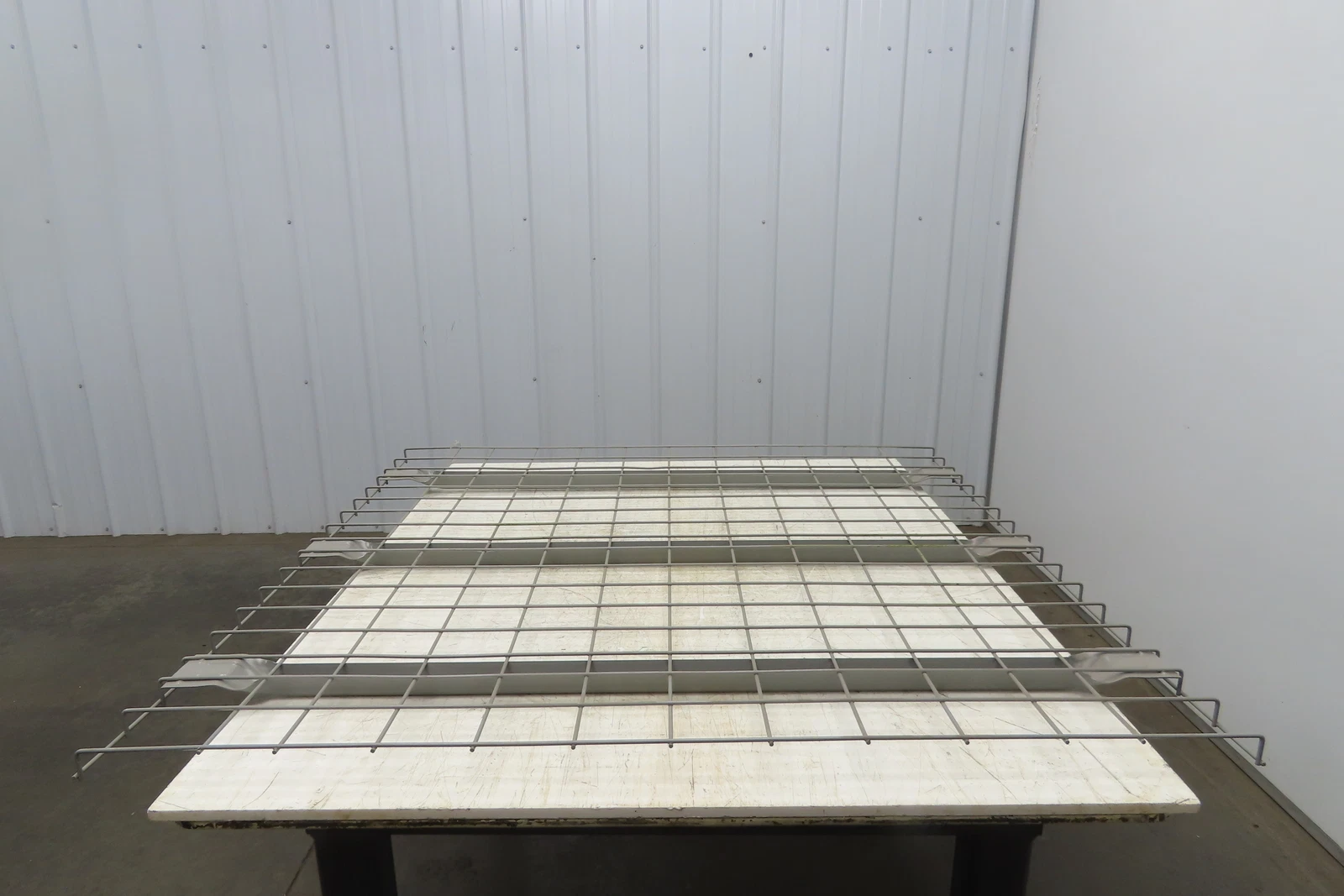
Can Poor Layout Lead to Sprinkler Inefficiency?
Can Poor Layout Lead to Sprinkler Inefficiency?
- The layout of sprinkler systems is as important as the water supply, affecting lawn health.
- Poor arrangements can lead to dry patches and overwatering, compromising garden aesthetics.
- A well-planned layout ensures uniform water distribution across the yard.
- Investing in quality equipment is essential, but layout must be thoughtful to avoid waste.
- An efficient sprinkler layout promotes peace of mind, reducing concerns about water waste.
- Well-kept yards can inspire neighbors and foster community pride and responsibility.
- Deliberate planning enhances not only individual gardens but also overall neighborhood appeal.

Can Poor Layout Lead to Sprinkler Inefficiency?
What Are the Common Layout Mistakes Affecting Performance?
When it comes to organizing a workspace, the devil’s in the details. Many folks make basic layout blunders that can lead to lost time, wasted space, and frustrated workers. One of the most common pitfalls is neglecting proper Racking Systems in favor of a haphazard setup. A cluttered space not only reflects chaos but also impacts productivity. When items are not stored logically or efficiently, employees waste precious minutes searching for materials instead of focusing on the task at hand.
Think about it: you’re in the middle of a job, and suddenly you can’t find the right tool. It’s like trying to work with one hand tied behind your back. You might feel steam rising as frustration builds. This emotional toll can create a tense atmosphere, affecting everyone’s morale. Spaces that are poorly laid out become breeding grounds for stress, making it harder for team members to work together effectively.
On a rational level, we know that efficiency is key to success. When the layout is intuitive, tasks can be executed smoothly, saving both time and money. Yet, many companies overlook this reality. They might cut corners to save a buck, only to find that performance tanks. A bit of smart planning pays off big time. Just take a moment to think about how a well-structured layout could streamline operations and boost overall performance.
Ethically, we owe it to our teams to foster an environment that respects their time and effort. A well-thought-out layout speaks to a company’s commitment to employee well-being. When workers feel cared for, they take greater pride in their work, leading to higher-quality results. It’s not just about making a profit; it’s about building a culture of respect.
Authority in the workplace often comes from understanding what works. Those who’ve been around the block can tell you: layouts matter. Experienced hands know the ins and outs of efficient systems. They’ve felt the difference that a few simple changes can make when it comes to workflow.
Sharing stories from the shop floor can inspire change. Maybe it’s the tale of that one boss who reinvented the space and saw productivity soar. These narratives connect on a deeper level, illustrating that layout mistakes aren’t just minor annoyances—they’re barriers to success.
So, if you want to elevate performance, take a good hard look at your workspace. Avoid the common layout mistakes, leverage your Racking Systems, and watch your team thrive. It’s not just good business; it’s the right thing to do.

What Are the Common Layout Mistakes Affecting Performance?
What Are the Common Layout Mistakes Affecting Performance?
- Workspace organization is crucial; poor layouts can lead to wasted time and frustrated workers.
- Neglecting proper Racking Systems contributes to a cluttered environment, negatively affecting productivity.
- Searching for misplaced tools wastes time and can create stress within the team.
- Efficient layouts enable smooth task execution, saving time and reducing costs.
- A well-structured layout shows a company’s commitment to employee well-being and morale.
- Experienced workers understand that effective layouts significantly enhance workflow.
- Sharing success stories of layout improvements can motivate change and highlight the importance of organization.

What Are the Common Layout Mistakes Affecting Performance?
How Can Engineers Optimize Rack Layouts for Better Coverage?
Optimizing rack layouts is more than just a technical challenge; it’s about creating a system that delivers efficiency while also respecting the hard work of those who depend on it daily. Engineers face a tough job when it comes to assembling ideal Racking Systems that maximize space and ease of access. Yet, in striving for this optimization, they wield power that can directly impact the lives of every worker in the facility.
Picture a warehouse bustling with activity, where the clang of metal and the hum of machinery blend into a harmonious rhythm. If the layout of the racks isn’t just right, that harmony turns into chaos—a strained effort to reach products, increased risk of accidents, and ultimately, a dip in morale. The heart of the issue lies not only in efficiency but also in the well-being of the team. Engineers must put themselves in the boots of the workers who navigate these aisles daily, understanding that a well-structured rack system can foster pride and productivity.
When engineers take an analytical approach, they employ data and design principles that speak to the rational mind. Thoughtful consideration of load capacities, aisle widths, and height dimensions allows for the creation of systems that are not only effective but safe. Using modular racks can offer flexibility—adapting to changes in inventory needs or seasonal demands. But beyond numbers and specs, what truly resonates as optimal is the trust that builds when workers see the investment in their environment.
Ethically, the focus on safety and efficiency leads to a culture that values everyone’s contribution. An optimized rack layout reduces the chances of injuries, enhancing worker confidence as they go about their tasks. Here, the layout serves as a silent partner, supporting each action without getting in the way.
Stories abound in every workplace, tales of ingenuity and perseverance. Consider the manager who, noticing a backlog of orders, consulted with engineers to tweak the layout. By reshuffling a few racks, they improved workflow without a costly overhaul. This hands-on approach reinforces the idea that engineers and operators are on the same team, working toward a shared goal.
Optimizing rack layouts is an exercise in connecting the emotional, rational, and ethical threads that bind not just a team, but a whole operation. It’s a call to action for engineers to become advocates of efficiency and well-being, creating a space where each worker can thrive amidst the towering Racking Systems that support their daily efforts.

How Can Engineers Optimize Rack Layouts for Better Coverage?
How Can Engineers Optimize Rack Layouts for Better Coverage?
- Optimizing rack layouts enhances efficiency while respecting worker contributions.
- Engineers play a crucial role in designing Racking Systems that maximize space and access.
- Poor rack layout can lead to chaos, affecting productivity and increasing accident risk.
- Engineers should consider workers’ experiences to promote pride and productivity.
- Analytical approaches involve data analysis of load capacities, aisle widths, and dimensions.
- Optimized layouts foster a culture of safety and collaboration among team members.
- Real-world adaptations, like minor layout tweaks, can significantly improve workflow.

How Can Engineers Optimize Rack Layouts for Better Coverage?
What Role Does Spacing Play In Sprinkler Effectiveness?
When we talk about sprinklers, it’s easy to think about just water and pressure, but let’s get real: spacing is where the magic—or disaster—happens. You might remember the excitement of a fired-up sprinkler system during a scorching summer day, but if those sprinklers aren’t spaced right, that joy quickly turns into a dry patch disaster.
Imagine a well-placed racking system in your garden. Each sprinkler needs its space like a good crew on a work site. Too close, and they’re stepping on each other’s toes, wasting water and leaving thirsty areas behind. Spread them out just right, and you’ve got a seamless operation—one that douses every inch of your garden evenly. The importance of that spacing gives your plants the best chance to thrive, turning your outdoor space into a flourishing oasis instead of a patchy landscape.
Now, think about what that means for you. Having a well-functioning irrigation system that does its job equates to saving both time and money. It’s about peace of mind, knowing that your hard work—the plants, the efforts, the sweat—is being supported by something reliable. When those sprinklers are spaced properly, you’re looking at healthier plants, less runoff, and lower water bills. It just makes sense, right?
Ethically, we have a responsibility to use resources wisely. Water isn’t something to squander; it’s life. An efficient sprinkler system with proper spacing is greener for the planet, helping us conserve precious water while nurturing our property. This isn’t just about keeping things looking good; it’s about doing our part for our communities, making choices that matter.
And let’s talk about community, too. Whether you’re a proud homeowner or just someone looking to lend a hand to your neighbor’s yard, spacing in those sprinklers can foster a deeper connection. When people see your lush garden flourished by thought-out irrigation, they’ll ask how you did it. You’ll have a chance to share that insight, to become the local expert who helps others to achieve the same results.
Spacing in your sprinkler setup is about trust and confidence in the system you put in place. Whether you’re working with racking systems in the backyard or massive installations for commercial landscapes, remember: it’s the little things—the right spacing—that can make all the difference. That’s how we turn simple tools into powerful resources, ensuring every drop counts.

What Role Does Spacing Play In Sprinkler Effectiveness?
What Role Does Spacing Play In Sprinkler Effectiveness?
- Proper sprinkler spacing is crucial for effective irrigation.
- Spacing too close can lead to water waste and dry areas in a garden.
- Well-spaced sprinklers provide even coverage, promoting plant health.
- An efficient system saves time and money through reduced water bills.
- Responsible water use is essential for environmental conservation.
- Effective irrigation fosters community engagement and knowledge sharing.
- Attention to spacing can enhance the performance of both small and large irrigation systems.

What Role Does Spacing Play In Sprinkler Effectiveness?
Conclusion
In the heart of every bustling warehouse or storage facility lies a critical aspect often overlooked: the layout of racking systems. This arrangement doesn’t just hold products; it shapes the very effectiveness of sprinkler systems designed to protect lives and assets from fire. A well-thought-out layout ensures water is distributed evenly during a crisis, while a careless setup can create dangerous gaps.
Employees thrive in environments that prioritize safety, and trust in a well-designed system fosters a culture where people feel valued and secure. This isn’t merely about adhering to codes; it’s about a deep-seated ethical duty to protect both personnel and property. A meticulous approach to racking shows employees their well-being isn’t an afterthought but a priority.
Understanding the unique needs of a facility—whether it’s the type of goods being stored or the dimensions available—guides the decision-making process. Proper spacing and strategic placement maximize sprinkler coverage and minimize fire hazards, turning layout choices into life-saving decisions. This hands-on experience is invaluable; the voices of those who work with these systems daily offer insights that theories often miss, establishing a system that evolves alongside the operation.
Mistakes in layout can lead to inefficiencies, wasting resources and undermining both employee morale and productivity. A cluttered or poorly arranged space doesn’t just hamper operations; it sows frustration that can plague a workforce. Workers deserve well-structured environments that enhance their performance and respect their time—this is an ethical responsibility companies carry.
Furthermore, engineers tasked with optimizing rack layouts wield significant influence over both safety and efficiency. Their role is not just technical; it involves understanding the daily realities workers face. Effective collaboration leads to designs that encourage trust and pride among employees. Real-life stories of small adjustments making a big difference emphasize that these design decisions are not merely logistical but deeply human.
Spacing in sprinkler systems is equally vital. Just as racking layout impacts water distribution, so too does proper spacing prevent wastage and promote healthier, more sustainable practices. By fostering a responsible approach to resource management, individuals nurture not just their properties but the community around them.
Ultimately, designing effective racking systems is a blend of emotional, rational, and ethical considerations. It’s about forging connections, safeguarding lives, and enhancing productivity, ensuring that every aspect of warehouse operations works harmoniously for the betterment of all. With thoughtful arrangement, we create spaces that not only protect but also empower those who work within them.

Conclusion
Conclusion:
- The layout of racking systems influences the effectiveness of sprinkler systems in warehouses.
- A well-planned layout ensures even water distribution during a fire crisis, while poor setups can create hazards.
- Safety-focused environments enhance employee morale and foster a sense of security and value.
- Understanding facility needs and strategic placement maximizes safety and minimizes fire risks.
- Efficient layouts reduce resource waste and enhance employee productivity and morale.
- Engineers play a crucial role in designing racking systems that address both safety and daily realities of workers.
- Effective racking system design balances emotional, rational, and ethical considerations to benefit the whole operation.

Conclusion
Other Resources

Other Resources
Here is a list of other resources you can review online to learn more:
- Teardrop Industrial Shelving Rack
- Selective Rack – Raymond West
- Rack Manufacturers Institute
- Warehouse Automation
- Bradford Systems
- What is Selective Pallet Racking
- Pallet Rack Systems – New and Used Pallet Racking and Shelving Experts
- Cantilever Rack Guide: Ordering Cantilever Racking
- International Warehouse Logistics Association
- Material Handling Industry
- Warehousing Education and Research Council: https://www.werc.org/
- New Cantilever Racks and Racking Kits
- American Society of Safety Professionals
- ASSP
- WERC
- Arrow Industrial Sales
- IWLA
- Teardrop Uprights
- Warehouse Storage Racking in Illinois
- IIWS Inc. Rack Installation Illinois & Rack Repairs Illinois
Use This Prompt To Get More Resources With Your Favorite Online AI Tool: Please provide me with a list of online articles with their URLs in a bulleted list that I can read regarding How Rack Layout Impacts Sprinkler Performance

Other Resources
Glossary Terms
How Rack Layout Impacts Sprinkler Performance – Glossary Of Terms
1. Arrangement: The specific organization of items or equipment within a space, affecting water distribution during fire suppression.
2. Aisle: A passage between racks that allows access for equipment, crucial for proper sprinkler coverage.
3. Density: The number of items per square foot in a rack layout, influencing the amount of water required for effective fire suppression.
4. Obstruction: Any physical barrier that may impede water flow from sprinklers to a fire, reducing effectiveness.
5. Flow Rate: The volume of water discharged by a sprinkler in a given time, vital for assessing system performance.
6. Rack Height: The vertical measurement of storage racks that affects how sprinklers deploy water onto fires.
7. Sprinkler Head: The component of the fire suppression system that releases water to extinguish flames.
8. Coverage Area: The specified region that a sprinkler is designed to protect, influenced by rack layout.
9. Spray Pattern: The distribution pattern of water from a sprinkler head, essential for ensuring complete coverage.
10. Nozzle: The part of the sprinkler that controls the flow and direction of water release.
11. Activation Temperature: The temperature at which a sprinkler head activates, crucial for timely fire response.
12. Fire Load: The total combustible material present in a space, impacting how quickly a fire can develop.
13. Heat Release Rate: The speed at which a fire generates heat, determining the sprinkler activation dynamics.
14. Site Conditions: Environmental factors such as ceiling height and rack materials that can affect sprinkler efficacy.
15. Water Supply: The source and availability of water needed for the sprinklers to operate effectively.
16. Fire Suppression: The methods and systems used to extinguish or control fire, directly influenced by rack arrangements.
17. Demand: The requirement for water flow during a fire event, related to the density and arrangement of storage.
18. Spacing: The distance between sprinkler heads, impacting coverage and efficiency in protecting storage.
19. System Design: The planning and engineering of a fire suppression system tailored to specific rack layouts.
20. Test Protocol: The procedures established to evaluate the performance of a sprinkler system under specific conditions.
21. Compliance: Adherence to fire codes and standards that dictate how sprinkler systems must be installed and maintained.
22. Integration: The process of ensuring that sprinklers work seamlessly with other fire protection systems.
23. Inspection: The systematic examination of sprinkler systems to ensure functionality and compliance with regulations.
24. Rack Layout: The strategic arrangement of storage without consideration of fire suppression needs.
25. Resilience: The ability of a fire suppression system to function effectively under various conditions and layouts.
26. Performance Metrics: The standards used to measure the effectiveness of sprinkler systems in various scenarios.
27. Water Mist: A fire suppression method using fine water droplets, which can be influenced by rack design.
28. Sizing: The process of determining the correct specifications for sprinklers based on the rack arrangement and fire load.
29. Fire Dynamics: The behavior of fire as it develops and spreads, which is crucial for effective sprinkler activation.
30. Retrofit: The process of updating existing sprinkler systems to improve performance or comply with new regulations, often influenced by changes in rack layout.

Glossary Of Terms
Other Questions
How Rack Layout Impacts Sprinkler Performance – Other Questions
If you wish to explore and discover more, consider looking for answers to these questions:
- What types of sprinkler systems (ceiling, in-rack, ESFR, pre-action) work best with specific rack layouts?
- How do local codes and NFPA standards affect rack spacing and sprinkler placement?
- How does commodity classification (Class I–IV, plastics, electronics, flammable liquids) change sprinkler requirements?
- What minimum aisle widths are required to ensure effective sprinkler coverage and access for firefighting?
- How do rack height and tier count influence sprinkler spacing and hydraulic demand?
- When are in-rack sprinklers necessary versus ceiling-only systems?
- How do pallet patterns and stacking configurations (block stacking, face-pallet, pallet-over-pallet) impact sprinkler performance?
- What are the effects of rack uprights, beams, and crossbars as physical obstructions to spray patterns?
- How should flue spaces and shelf gaps be designed to avoid sprinkler shadowing?
- How do sprinkler discharge densities and design areas vary for high-pile versus low-pile storage?
- What hydraulic calculations and water supply requirements are needed for different rack layouts?
- How do changes in water pressure and flow affect coverage in dense racking configurations?
- What commissioning and acceptance tests verify that a layout provides the intended coverage?
- How often should sprinkler systems in racked storage be inspected and tested?
- What are the most common layout-related failures observed in real fire incidents?
- How can CFD or hydraulic modeling be used to predict sprinkler performance in complex rack geometries?
- What retrofit options exist to improve sprinkler coverage in existing racking systems without full replacement?
- How does packaging type (shrink-wrap, cardboard, plastic film) affect sprinkler spray distribution?
- What are the trade-offs between higher sprinkler density and increased water damage to inventory?
- How do mezzanines, catwalks, or multi-level systems change sprinkler design requirements?
- What are the implications of storage near walls, columns, or other building obstructions for sprinkler placement?
- How should racks be arranged to accommodate both sprinkler performance and efficient material handling?
- What role do seismic bracing and rack stability play in ensuring sprinklers remain effective after an event?
- How does sprinkler response time interact with rack layout to influence fire growth and suppression success?
- What documentation should facility managers keep to demonstrate compliance and proper layout design?
- How do changes in inventory mix or seasonal storage affect required sprinkler coverage?
- What are the cost implications of optimizing rack layout for sprinkler effectiveness versus other safety investments?
- When is it necessary to install early-warning detection systems in conjunction with sprinkler changes?
- How should pipe routing and branch line placement be arranged within and around racks?
- What training should warehouse staff receive on layout practices that support sprinkler performance?
- How can operations maintain sprinkler clearances during busy or temporary storage conditions?
- What are recommended best practices for spacing between racks to maximize uniform water distribution?
- How do roof height and ceiling obstructions (lighting, HVAC) alter sprinkler selection and layout?
- What maintenance practices minimize corrosion or blockage that could be exacerbated by rack configurations?
- How do sprinkler anti-freeze or dry systems perform in racked storage areas exposed to low temperatures?
- What insurance or regulatory incentives exist for optimizing rack layout for fire suppression?
- How do alternative suppression methods (foam-water, gaseous, water-mist) compare when racks limit conventional sprinkler effectiveness?
- What testing protocols validate in-rack sprinkler coverage for specific pallet configurations?
- How should temporary storage changes (surge inventory, promotions) be managed to maintain sprinkler effectiveness?
- What role can smart sensors and IoT monitoring play in detecting obstructions or coverage gaps?
- How are sprinkler head types and K-factors selected relative to rack geometry and commodity hazards?
- What are best practices for coordinating sprinkler layout with sprinkler contractor and racking vendor specifications?
- How should a facility prioritize layout changes when budget or downtime is limited?
- What metrics or KPIs measure the effectiveness of rack layouts on sprinkler performance over time?
- How do discharge patterns differ between upright, pendent, and sidewall sprinklers in racked environments?
- What lessons have been learned from notable warehouse fires where rack layout affected sprinkler performance?
- How should emergency response and evacuation planning consider unique rack and sprinkler arrangements?

Other Questions
Checklist
How Rack Layout Impacts Sprinkler Performance – A Checklist
Planning and Hazards
✅______ Commodity classes, packaging, and pallet types documented
✅______ Maximum storage height and load profiles defined (including seasonal peaks)
✅______ Rack types selected to suit commodities and water penetration needs (e.g., selective, double-deep, drive-in/through, pushback, flow)
Rack Configuration
✅______ Beam elevations standardized where possible; uneven tiers minimized
✅______ Decking selected to support water penetration (avoid solid shelving unless mitigated)
✅______ Load ratings posted and visible; no ad hoc rack modifications
✅______ Pallet stop bars or position markers installed to control overhang
Flue Spaces, Aisles, and Clearances
✅______ Continuous transverse and longitudinal flue spaces maintained from floor to ceiling
✅______ Pallet overhang does not block flues
✅______ Aisle widths support access and allow water to reach lower tiers
✅______ Top of storage maintains required clearance below sprinklers
✅______ No shrink wrap skirts, slip sheets, or coverings that close flues
Sprinkler Coordination
✅______ Sprinkler type and density match commodity, rack type, and storage height
✅______ In-rack sprinklers provided where needed; locations coordinated with bays
✅______ Branch line orientation and head spacing aligned with rack bays and flues
✅______ Deflector elevations clear of beams, catwalks, and signage
✅______ Obstruction check completed (including lights, ducts, cable trays, structural members, and banners)
Water Supply and Hydraulics
✅______ Recent water supply flow test on file; demand vs. supply verified
✅______ Hydraulic design reflects current layout, heights, and commodities
✅______ Hose stream allowance and safety factors accounted for
Operations and Housekeeping
✅______ Aisles, valves, risers, and hose stations kept clear
✅______ Mixed commodities segregated per plan; no high-hazard items in unprotected areas
✅______ Damaged racks tagged and repaired promptly
✅______ No temporary overstacking into sprinkler clearance
People and Process
✅______ Operators trained on pallet placement, flue preservation, and maximum heights
✅______ Floor and rack labels mark flues, stop lines, and height limits
✅______ Worker feedback channel active for reporting obstructions or layout issues
Change Management
✅______ Pre-change review for new SKUs, packaging, or rack reconfigurations
✅______ Post-change walkdown verifies flues, clearances, and sprinkler obstructions
✅______ Drawings, placards, and hydraulic calculations updated; approvals obtained as required
Verification and Maintenance
✅______ Routine obstruction and flue audits scheduled (e.g., weekly or monthly)
✅______ Annual sprinkler inspection, testing, and maintenance completed
✅______ Deficiencies tracked to closure with an assigned owner and due date
✅______ Periodic drills or wet tests observed to confirm water distribution (where feasible)
Quick Red Flags to Eliminate
✅______ Closed flues from pallet overhang, solid decking, or plastic sheeting
✅______ Storage encroaching into sprinkler clearance
✅______ Dense rack blocks creating shadowed or dry areas
✅______ Drive-in/through racks lacking required in-rack protection
✅______ Unlabeled or inconsistent beam heights causing hidden obstructions

Checklist
At RackingWorld, we help guide you through selecting warehouse storage systems and racking.
Be sure to read our other related stories at RackingWorld to learn more about warehouse storage systems.
0 Comments