
“Empowering Teams To Prioritize Safety For Everyone’S Benefit”
By Tom Seest
At RackingWorld, we help guide you through selecting warehouse storage systems and racking.
Be sure to read our other related stories at RackingWorld to learn more about warehouse storage systems.
Building a Safety-First Warehouse Culture
Creating a safety-first culture in a warehouse isn’t just about procedures and checklists; it’s about fostering a community where every member feels valued and responsible for their own safety and that of others. Picture this: a typical day in the warehouse. The hum of machinery, the shuffle of feet on concrete, the clink of tools—this is the rhythm of hard work. But within this rhythm, there needs to be a heartbeat dedicated to safety, a strong pulse that echoes through every racking system and loading dock.
It starts with a narrative, a story shared openly among the crew. Each member has a voice, and every experience matters. When someone shares a close call or an injury, it’s not just a story; it’s a lesson wrapped in empathy. This sharing builds a bond, transforming caution into a communal responsibility. The warehouse isn’t just a place to clock in and out; it’s a space where everyone looks out for one another, where trust is built on shared experiences.
Rationality plays a role here too. It’s simple math: safer practices lead to fewer accidents, which means less downtime and higher productivity. Those aren’t just numbers on a report—they’re families relying on the income from those hours worked. A culture of safety can reduce costs associated with injuries and support a more efficient flow in operations. When employees see management invest in safety training and equipment—be it better gloves, clearer signage, or up-to-date racking systems—they know their well-being is prioritized. This ethical commitment makes every individual feel essential, contributing not only to their safety but to the success of the entire team.
On the ground, safety is pragmatic. It means rolling up your sleeves, checking the load on a pallet, securing a shelf, or ensuring that everyone knows the location of first aid kits. It’s about approachability—the seasoned workers helping newcomers understand the ins and outs of the warehouse with patience and camaraderie. When a veteran says, “I’ve seen what happens when we don’t take care; let me show you how to do it right,” it resonates deeply.
Ultimately, cultivating a safety-first culture is about creating a family in the warehouse. A collective where each person walks in knowing they are part of something greater than themselves. It’s about grounding every decision, every conversation, and every action in the shared value of safety, because when safety is a priority, everyone thrives.

Building a Safety-First Warehouse Culture
Building a Safety-First Warehouse Culture
- Creating a safety-first culture focuses on community, valuing every member’s responsibility for safety.
- Openly sharing experiences, including near-misses and injuries, fosters bonds and collective caution.
- Safer practices lead to fewer accidents, reducing downtime and enhancing productivity.
- Investment in safety training and equipment by management prioritizes employee well-being.
- Practical safety involves hands-on activities like checking loads and familiarizing others with protocols.
- Collaboration and mentorship between seasoned workers and newcomers enhance safety understanding.
- Grounding all actions in safety fosters a sense of belonging and shared success in the workplace.

Building a Safety-First Warehouse Culture
Table Of Contents
- Building a Safety-First Warehouse Culture
- What Steps Can We Take to Prioritize Safety Every Day?
- How Can We Empower Employees to Report Hazards?
- What Role Does Leadership Play In Fostering Safety Culture?
- How Can We Effectively Communicate Safety Protocols?
- What Motivates Workers to Follow Safety Guidelines Consistently?
- Are There Emotional Impacts Of Unsafe Working Conditions?
- Conclusion
- Other Resources
- Glossary Of Terms
- Other Questions
- Checklist
What Steps Can We Take to Prioritize Safety Every Day?
Safety isn’t just a box to tick; it’s a living, breathing part of our daily grind. Whether you’re on a construction site, in a warehouse, or simply working at home, there are simple steps to keep safety front and center. Take, for instance, the use of racking systems. Properly installed and regularly inspected racking can mean the difference between a smooth operation and a serious accident. Yet, it’s surprising how often these systems get overlooked until something goes wrong.
Picture this: You walk into a warehouse, and the first thing you notice is clutter. Boxes piled high, unstable loads, and equipment left haphazardly. It’s a heart-stopping sight. It’s easy to say “it won’t happen to me,” but those in the know have seen how quickly things can spiral. That’s why fostering a culture of safety starts with simple commitments from each person. Encourage everyone to take responsibility, no matter their role. When every worker feels like a vital part of the safety equation, the entire environment shifts toward accountability.
From a rational perspective, implementing regular training sessions might seem like just another obligation, but think of it as an investment in peace of mind. Understanding how to maneuver safely around heavy equipment and managing loads properly makes everyone’s life easier. It’s not just about rules; it’s about creating an space where everyone knows the safe way to do things. When we step back for a moment and think, “What do I need to do to prevent an injury today?” we start to see how interconnected we all are in this effort.
Ethically, we owe it to ourselves, our co-workers, and our families to promote a culture of safety. Every injury has a ripple effect; it touches loved ones, friends, and community. Just think of the impact of being sidelined due to an avoidable accident—not just on the person hurt, but on their support system. Ignoring safety is not just negligence; it’s a disservice to everyone around us.
Follow-up discussions about safety practices foster community engagement, and sharing stories of close calls offers teachable moments. A casual chat can turn into a powerful reminder of why safety matters. Those shared experiences build trust and encourage an open dialogue about safety.
Prioritizing safety isn’t a solo act. It requires teamwork, commitment, and a little bit of humility—always remembering that it’s about looking out for one another while we do our jobs. It’s a call to action we can all respond to, turning our workplaces into safer havens one step at a time.

What Steps Can We Take to Prioritize Safety Every Day?
What Steps Can We Take to Prioritize Safety Every Day?
- Safety is integral to daily operations across various work environments.
- Properly installed and inspected racking systems are crucial for preventing accidents.
- Cluttered environments can lead to dangerous situations and should be addressed.
- Promoting a culture of safety involves collective responsibility from all workers.
- Regular training sessions are essential for fostering a safe workplace atmosphere.
- Injuries have a ripple effect, impacting not just the individual but their community.
- Teamwork and open communication are vital for reinforcing safety commitments.

What Steps Can We Take to Prioritize Safety Every Day?
How Can We Empower Employees to Report Hazards?
Empowering employees to report hazards isn’t just a logistical need; it’s about fostering a culture where safety is prioritized. Picture this: a manufacturing shop buzzing with activity. The clang of metal, the hum of machines, the energy crackling in the air. But amid that hustle, there’s a nagging feeling about that one racking system that’s been wobbling more than it should.
First off, we need to recognize that every employee has a role in keeping the workplace safe. They are the ones on the ground, closer to potential risks, with an instinct honed by hands-on experience. It’s about creating a narrative where every voice matters. If someone notices that racking system swaying, their observation could prevent a serious accident. But for them to speak up, they need to feel secure and confident.
Trust plays a significant role here. When a worker reports a hazard, they should know their concerns will be taken seriously, not brushed aside or met with rolling eyes. This comes from leaders who listen and act, demonstrating that safety is a priority. If management regularly shares stories of close calls that were averted thanks to employee feedback, it builds a powerful connection. It shows that reporting is valued, not just encouraged as an empty slogan.
So, how can we make this intuitive? Open lines of communication are key. Simple systems like anonymous reporting can make a world of difference for those who might hesitate due to fear of backlash or ridicule. Training sessions can include role-playing scenarios where employees practice reporting hazards. This brings potential hazards—like that racking system—into focus, turning abstract fears into concrete actions.
Moreover, recognizing and rewarding safety champions fosters a culture of shared responsibility. A simple shout-out during team meetings or a small incentive can make employees feel appreciated, reinforcing the idea that their observations contribute to the team’s overall well-being.
Let’s be honest; we all want to go home safe at the end of the day. Building a workplace where employees are empowered to speak up isn’t just good practice; it’s common sense. By nurturing a culture where safety is woven into the fabric of daily operations, we create not just a safer workplace, but a united one, where every individual stands together, watching out for each other—after all, it takes every hand on deck to keep us steady.

How Can We Empower Employees to Report Hazards?
How Can We Empower Employees to Report Hazards?
- Empowering employees to report hazards fosters a safety-centric culture.
- Every employee has a vital role in identifying and addressing workplace risks.
- Trust is essential; workers must feel their concerns will be taken seriously.
- Effective communication, including anonymous reporting, encourages hazard reporting.
- Training and role-playing can help employees practice reporting hazards.
- Recognizing and rewarding safety champions promotes a culture of shared responsibility.
- Building this culture enhances overall workplace safety and unity.

How Can We Empower Employees to Report Hazards?
What Role Does Leadership Play In Fostering Safety Culture?
Leadership isn’t just about making the tough calls; it’s about setting the tone for safety and care. Picture a warehouse with towering racking systems filled to the brim. A manager who values safety doesn’t just check off a box in a compliance report; they walk the floor, connecting with the team, demonstrating that safety isn’t a burden—it’s a shared responsibility. This connection fosters an environment where workers feel empowered to voice concerns, knowing their leader will listen, not dismiss.
Rationally, effective leadership translates into lower rates of accidents and injuries. When leaders prioritize safety, workers notice. They see that their leadership invests in training and proper tools, helping them operate safely. This isn’t just good for the company’s bottom line; it’s ethical. The commitment to safety shows that employees are valued as more than just cogs in a machine. They’re human beings with families, dreams, and the right to go home in one piece at the end of each day.
But it’s not just a numbers game. Emotionally, how a leader communicates about safety matters deeply. A genuine leader shares stories of near misses or past accidents, connecting those experiences to the importance of vigilance. They create an atmosphere where emotions are acknowledged, fostering an understanding that safety isn’t fear-based; it’s about caring for one another. This level of honesty can be what inspires trust among team members, creating a culture where each person watches out for their buddy on the floor, like a group of folks who’ve known each other through thick and thin.
When leaders take a stand for safety, they also establish authority. They set procedures and policies, but they’re out there, too, rolling up their sleeves, leading by example. They show that safety protocols aren’t just for others; they apply to everyone, including the boss. This blends ethical responsibility with the soul of teamwork, breaking down barriers and demonstrating that every voice matters.
In creating this culture, leaders also tap into a social dynamic. They encourage team meetings where every employee can share their viewpoints, turning safety into a collective endeavor. This sense of unity deepens the commitment to safe practices, transforming it from just policy to a way of life—a culture where everyone understands that looking out for each other is part of their job.
Ultimately, strong leadership in safety fosters a workplace where humans thrive, work safely and effectively, and go home whole. The racking systems may hold the products, but it’s the people who make it all work. They deserve a leader who champions their safety, day in and day out.

What Role Does Leadership Play In Fostering Safety Culture?
What Role Does Leadership Play In Fostering Safety Culture?
- Leadership is about setting a tone for safety and care, not just making hard decisions.
- A safety-valuing manager actively connects with the team, emphasizing shared responsibility for safety.
- Effective leadership leads to lower accident rates and demonstrates ethical commitment to employee welfare.
- Leaders should communicate emotionally about safety, sharing stories to foster trust and vigilance.
- Leading by example breaks down barriers and shows that safety protocols apply to everyone, including leaders.
- Encouraging team meetings promotes collective engagement in safety, transforming it into a culture of care.
- Strong leadership creates a thriving workplace where employees feel valued and go home safe each day.

What Role Does Leadership Play In Fostering Safety Culture?
How Can We Effectively Communicate Safety Protocols?
Effective communication of safety protocols is more than just posting signs in the break room or running through a PowerPoint. It’s about creating a culture where everyone feels responsible for their own safety and the safety of their teammates. Take a moment to imagine a workplace where racking systems are not just pieces of equipment, but symbols of commitment to safety. When we talk about safety protocols, we’re not just laying down rules; we’re sharing stories of real people who have faced dangerous situations and come out wiser, reminding us that safety is not just a checkbox but a life-and-death issue for all involved.
Consider the steelworker who lost sight of safety procedures just for a moment while moving materials on a racking system. The consequences of that oversight rippled through the entire team, igniting fear and uncertainty. That story resonates with everyone, pulling at the heartstrings while simultaneously appealing to our rational minds. It reminds us that the safety protocols we often view as tedious are there because lives depend on them.
Let’s not forget the ethical responsibility we bear to keep our colleagues safe. We trust each other to do the right thing because we know that our actions directly impact the lives of others. This isn’t just about individual safety; it’s about fostering a culture of mutual care and responsibility. Sharing personal anecdotes about lapses in judgment can also foster connection. Let’s speak candidly about the times we didn’t follow safety protocols—even the small ones—because those stories make the message relatable.
It’s important to leverage authority when communicating safety protocols. Whether it’s seasoned workers imparting hard-earned wisdom or safety officers sharing data-backed evidence of the effectiveness of certain protocols, making use of trusted voices helps inspire confidence. Use statistics or past incidents to drive points home, framing them not as distant data but as real events that affected real people.
Lastly, safety communications must be a two-way street. Encourage discussions among team members about safety practices. Create a space where everyone feels comfortable bringing up concerns or suggestions. This social aspect builds a sense of community, making safety a collaborative effort rather than a punitive measure.
Effective communication of safety protocols isn’t just about following regulations; it’s about weaving safety into the very fabric of our daily work lives. It’s about caring for each other like family and ensuring we all go home safe at the end of the day.

How Can We Effectively Communicate Safety Protocols?
How Can We Effectively Communicate Safety Protocols?
- Effective communication of safety protocols involves creating a culture of shared responsibility.
- Safety protocols should resonate with personal stories rather than just being a list of rules.
- Real-life consequences of safety oversights can significantly impact team morale and safety awareness.
- There is an ethical obligation to prioritize the safety and well-being of colleagues.
- Leveraging authority and sharing personal experiences enhances the credibility of safety messages.
- Encouraging open discussions about safety practices fosters a sense of community and collaboration.
- Embedding safety into daily work life promotes mutual care and ensures everyone returns home safely.

How Can We Effectively Communicate Safety Protocols?
What Motivates Workers to Follow Safety Guidelines Consistently?
When you step onto a job site, the air is thick with the promise of work and the drive to finish the task at hand. But lurking behind that buzzing energy is a reality that hits hard when you think about it: safety isn’t just a set of rules; it’s the lifeblood of the community we build together. Workers often follow safety guidelines consistently because they know, deep down, that their lives depend on it—and so do their co-workers’.
Take racking systems, for instance. Many would say, “It’s just a bunch of shelves.” But those shelves help hold up the livelihood of everyone on the team. Imagine a day when the equipment fails because someone skipped a check. It’s not just about the cost; it’s about the people who could get hurt. Each worker understands that every bolt and beam is tied directly to their safety and the well-being of their buddies hustling beside them. That’s where the heart comes into play—when we care for our crew, we instinctively prioritize safety.
From a rational viewpoint, following guidelines is a no-brainer. It’s simple math: fewer accidents mean fewer injuries, less downtime, and a stronger workplace. Those who choose to cut corners often face the ugly consequences, from losing time to losing their job. It’s not worth the risk when you can protect not just yourself but also your family at home who rely on you. With a firm grasp on the facts, workers can weigh the pros and cons easily, choosing adherence over negligence.
Ethically, there’s a shared responsibility that binds each worker to their craft. Making choices that keep everyone safe is rooted in respect and accountability. It’s about fostering an environment where every voice is heard, where workers look out for one another. This sense of camaraderie strengthens bonds and builds trust, turning safety from a mere guideline into a code that everyone honors.
Narratives travel fast across job sites. The stories of close calls or accidents resonate deeply and form a collective memory—a reminder that every guideline exists for a reason. Workers draw strength and wisdom from their experiences, influencing those new to the field, creating a cycle of safety advocacy.
It’s a blend of heart, head, and gut that drives workers to embrace safety guidelines. They understand that it’s not just about the rules—they’re about people, reliability, and a commitment to looking out for each other. When safety becomes a shared value, each worker stands tall, united by the knowledge that their actions ignite trust and confidence, sowing the seed for a culture that prioritizes life above all.

What Motivates Workers to Follow Safety Guidelines Consistently?
What Motivates Workers to Follow Safety Guidelines Consistently?
- Safety is essential for a strong community on job sites, emphasizing the importance of adherence to guidelines.
- Racking systems are crucial for worker safety, affecting not just equipment but also livelihoods.
- Neglecting safety checks can lead to accidents, highlighting the connection between diligence and well-being.
- Following safety rules reduces accidents, injuries, and downtime, leading to a more productive workplace.
- Workers share a collective responsibility for safety, reinforcing respect, accountability, and camaraderie.
- Stories of close calls and accidents create a culture of safety advocacy and shared experiences among workers.
- Emphasizing safety transforms it from guidelines into a shared value that enhances trust and confidence within teams.

What Motivates Workers to Follow Safety Guidelines Consistently?
Are There Emotional Impacts Of Unsafe Working Conditions?
Unsafe working conditions can carve deep emotional scars that linger long after the immediate threats have passed. Picture a factory floor where workers struggle under the weight of faulty racking systems, their minds racing with concerns not just about productivity but about their safety. Every creak of metal or rumble of machinery serves as a reminder of vulnerability. It’s not just steel and concrete; it’s the lived experience of men and women who show up day after day, counting on their workplace to be a haven, not a hazard.
The heart aches for those trapped in this precarious environment. Consider a father worried that a minor mistake might lead to an accident that could leave him unable to provide for his family. The pressure mounts—fear of injury intertwines with the nagging dread of job loss. Are the racking systems secure? Will the next shift bring unforeseen risks? These thoughts swirl in the mind, fostering anxiety that seeps into every aspect of life beyond the workplace.
Rationally speaking, unsafe conditions lead to tangible consequences: increased turnover, lost productivity, and higher costs of care. Businesses that overlook the importance of proper safety measures face not only operational inefficiencies but also reputational damage. A company that fails to protect its workers sends a message; it prioritizes profit over people. The ethical responsibility to provide a safe work environment isn’t just a box to check; it’s a fundamental obligation that companies must uphold.
Lastly, there’s the communal aspect—it’s not just about individuals but the bonds formed through shared experiences. Workers share stories, victories, and struggles, and when a colleague is injured due to negligence, the ripple effects are felt throughout the team. Trust erodes, morale dips, and a culture of fear settles in. But when a team rallies together toward safety, it builds unity and resilience. The courage to speak up about hazards can transform a workplace from a ticking time bomb into a supportive environment.
It’s time to acknowledge these realities and foster workplaces that prioritize safety. By doing so, we not only protect individuals but also uplift families, communities, and entire industries. Securing our workspaces isn’t just about adhering to regulations; it’s about honoring the hands that fuel our economy and ensuring every worker goes home safely at the end of the day.
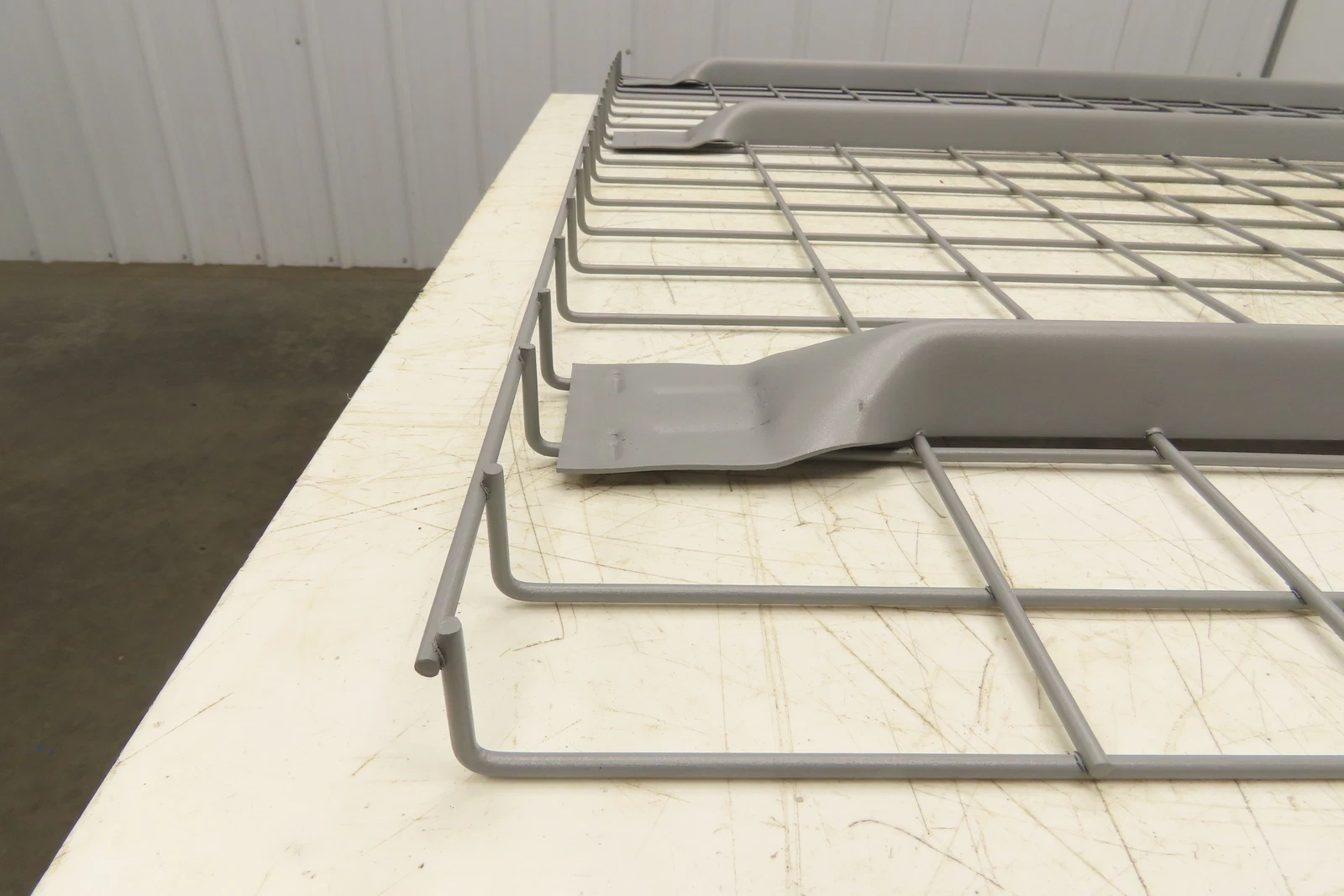
Are There Emotional Impacts Of Unsafe Working Conditions?
Are There Emotional Impacts Of Unsafe Working Conditions?
- Unsafe working conditions create lasting emotional trauma for workers.
- Concerns about safety overshadow productivity on hazardous factory floors.
- Workers face anxiety regarding job security and the potential for accidents.
- Neglecting safety leads to higher turnover and costs, impacting business reputation.
- Companies must prioritize safety as an ethical obligation beyond compliance.
- Injuries due to negligence erode trust and morale within teams.
- A focus on safety can foster unity, resilience, and a supportive work environment.

Are There Emotional Impacts Of Unsafe Working Conditions?
Conclusion
Creating a safety-first culture in a warehouse transcends mere protocols; it hinges on building a community where each member feels both valued and responsible for safety. The typical day in a warehouse is characterized by the hum of machinery and the shuffle of feet, emphasizing the need for a strong focus on safety amidst the daily grind. This culture fosters an environment where stories of close calls are shared, transforming individual experiences into collective lessons that bind the team together. When safety becomes everyone’s responsibility, trust flourishes, turning the workplace into a community that not only works together but looks out for one another.
Understanding the pragmatic side of safety is essential. Safer practices reduce accidents and downtime, directly impacting productivity and the financial stability of families reliant on those paychecks. When management demonstrates commitment through proper safety training and equipment, it reinforces that employees are valued not just as workers but as individuals deserving of protection. This ethical obligation ensures that the focus remains on mutual well-being, where every worker is critical to the safety equation.
On a practical level, prioritizing safety involves direct actions—checking loads, securing shelves, and assisting newcomers. Veteran workers sharing experiences and guiding new team members fosters a culture of care and responsibility. This extends the narrative of safety, transforming it from an abstract concept into a concrete practice that resonates on the ground. Collective responsibility means everyone checks in with one another, ensuring safety protocols are followed because they care for each other’s well-being.
Effective leadership plays a pivotal role in cultivating this culture. Leaders must engage with their teams, demonstrating that safety is not merely compliance but a valued principle. By walking the floor, sharing stories of past incidents, and actively listening to worker concerns, leaders can build trust and ensure employees feel empowered to voice their observations. Recognition systems for employees who report hazards can solidify this culture of accountability, turning individual vigilance into a shared mission.
The need for clear, compassionate communication is critical. Safety protocols should be understood not as mere rules but as essential narratives that highlight the lives at stake. Open discussions about safety concerns encourage a supportive dialogue, transforming fear into proactive engagement. When safety becomes an ingrained part of the company culture, every worker is reminded of their role in safeguarding not just themselves, but their colleagues too.
Ultimately, a safety-first approach creates not just better workplace conditions but nurtures families and strengthens communities. With shared commitment and an unyielding respect for each individual’s safety, we foster an environment where every worker can thrive, knowing they will return home safe and sound at the end of each day.

Conclusion
Conclusion:
- Creating a safety-first culture in a warehouse involves building a community where every member feels valued and responsible for safety.
- A strong focus on safety is essential amidst the daily operations characterized by machinery noise and movement.
- Sharing stories of close calls fosters collective lessons and binds the team together, promoting a sense of trust.
- Management’s commitment to safety through training and equipment reaffirms the value of employees as deserving protection.
- Practical safety measures include checking loads, securing shelves, and veteran workers guiding newcomers.
- Effective leadership and clear communication are vital in cultivating a culture where safety is a shared responsibility.
- A safety-first approach improves workplace conditions and strengthens families and communities, ensuring every worker can thrive.

Conclusion
Other Resources

Other Resources
Here is a list of other resources you can review online to learn more:
- American Society of Safety Professionals
- RMI
- Cantilever Racks Chicago
- BMH Equipment LLC
- Selective Racking
- Cantilever Rack Guide: Ordering Cantilever Racking
- IIWS Inc. Rack Installation Illinois & Rack Repairs Illinois
- What is Cantilever Racking? – AK Material Handling Systems
- ASSP
- Illinois
- Overhead Lifting
- Warehouse Storage Racks
- Warehouse Racking Layout: The Ultimate Guide – Conger
- IWLA
- Selective Rack – Raymond West
- Teardrop Pallet Rack – Ridg-U-Rak
- NSC
- The Complete Pallet Rack Guide – Simply Rack
- Teardrop Pallet Rack – Ridg-U-Rak
- CA Wire
Use This Prompt To Get More Resources With Your Favorite Online AI Tool: Please provide me with a list of online articles with their URLs in a bulleted list that I can read regarding Building a Safety-First Warehouse Culture

Other Resources
Glossary Terms
Building a Safety-First Warehouse Culture – Glossary Of Terms
1. Accountability: Responsibility for actions and decisions regarding safety protocols.
2. Awareness: Understanding potential hazards and risks within the warehouse environment.
3. Communication: Sharing information related to safety practices among all staff members.
4. Compliance: Adhering to safety regulations and standards set by governing bodies.
5. Ergonomics: The study of designing workplace equipment to fit the user’s physical needs.
6. Emergency Procedures: Established protocols for responding to accidents or incidents.
7. Hazard Identification: Recognizing potential sources of harm in the workplace.
8. Incident Report: A formal documentation of accidents or near misses occurring in the warehouse.
9. Inspection: A systematic examination of tools, equipment, and facilities for safety compliance.
10. Incident Analysis: Reviewing accidents to determine causes and prevent future occurrences.
11. Personal Protective Equipment (PPE): Gear worn to minimize exposure to hazards.
12. Safety Culture: Collective attitude and behavior towards safety within the organization.
13. Safety Training: Educational programs designed to inform employees about safety practices.
14. Communication Plan: Strategy for disseminating safety information to all warehouse personnel.
15. Risk Assessment: Evaluating the likelihood and impact of hazards in the workplace.
16. Safe Practices: Established methods to perform tasks with minimal risk of injury.
17. Workplace Safety: Measures and policies implemented to ensure a hazard-free working environment.
18. Mitigation: Steps taken to reduce the severity or impact of identified risks.
19. Fire Safety: Procedures and equipment aimed at preventing and managing fire hazards.
20. Equipment Maintenance: Routine checks and repairs of tools and machinery to ensure safety.
21. Safety Committee: A team responsible for overseeing safety initiatives and improvement.
22. Training Records: Documentation of safety training completed by employees.
23. Near Miss: An incident that could have resulted in injury but did not.
24. Lockout/Tagout: Safety procedures to ensure machines are shut off and not restarted during maintenance.
25. Cleanliness: Maintaining an organized and sanitary work environment to prevent accidents.
26. Reporting System: A method for employees to report safety concerns or hazards.
27. Wellness Programs: Initiatives that promote employee health and prevent workplace injuries.
28. Safety Drills: Simulated exercises to practice emergency response and preparedness.
29. Code of Conduct: Guidelines outlining expected behaviors related to safety in the workplace.
30. Resource Allocation: Distribution of time, personnel, and materials dedicated to safety efforts.

Glossary Of Terms
Other Questions
Building a Safety-First Warehouse Culture – Other Questions
If you wish to explore and discover more, consider looking for answers to these questions:
- What are the most common hazards in our specific warehouse?
- How often should racking systems be inspected and by whom?
- What exactly should an inspection checklist for racking include?
- How do employees report hazards quickly and easily during a shift?
- Is anonymous hazard reporting available and how is anonymity protected?
- How will management respond to hazard reports and how quickly?
- What protections are in place to prevent retaliation against reporters?
- How are safety training programs designed, delivered, and how often are they repeated?
- How do we track and store training records and certifications?
- How do we measure the effectiveness of safety training (metrics or evaluation methods)?
- What KPIs should we track to monitor safety culture and performance?
- What is the expected ROI or cost–benefit of proposed safety investments?
- How much budget is needed for equipment, PPE, and ongoing safety initiatives?
- Who is ultimately accountable for safety on each shift and site?
- How are contractors, temporary staff, and visitors onboarded for safety?
- How do we empower frontline employees to shape safety procedures and decisions?
- How do we encourage consistent near‑miss reporting and ensure follow‑up?
- What is the process for investigating incidents and sharing lessons learned?
- How are disciplinary actions balanced with positive recognition for safe behavior?
- How can reward programs be structured so they don’t discourage reporting?
- How do we address language barriers and varying literacy levels in safety communications?
- What PPE is required for different tasks and how is suitability assessed?
- How are PPE and equipment maintained, replaced, and inspected?
- What specific procedures prevent pallet overloads, collapse, or unstable stacking?
- How are load limits on racking established, displayed, and enforced?
- What forklift and powered equipment policies, training, and maintenance are required?
- How should housekeeping, clutter control, and aisle management be enforced daily?
- What are effective formats for safety communication (toolbox talks, posters, digital alerts)?
- How do we manage fatigue, shift handovers, and scheduling to reduce risk?
- What emergency response plans, drills, and evacuation routes are needed?
- Where are first‑aid kits and trained responders located and how are they maintained?
- How do unsafe conditions affect worker mental health and what support is offered?
- How do we measure changes in safety culture over time?
- How can successful pilot safety programs be scaled across multiple sites?
- What common barriers cause resistance to safety changes and how are they overcome?
- Which technologies (sensors, mobile apps, inspection tools) can improve safety reporting and compliance?
- What legal, regulatory, and industry standards apply to warehouse and racking safety?
- How do we select and evaluate vendors and contractors for safety‑critical equipment?
- What documentation and recordkeeping are required for audits, inspections, and insurance?
- How are lessons from incidents communicated company‑wide to prevent recurrence?

Other Questions
Checklist
Building a Safety-First Warehouse Culture – A Checklist
Culture and Accountability
✅______ Safety is stated as a core value at the start of each shift.
✅______ Peer “watch out for each other” expectations are clear and practiced.
✅______ Psychological safety is reinforced: no blame, no retaliation for reporting.
✅______ Stories of near-misses and lessons learned are shared regularly.
✅______ Everyone knows how their role contributes to team safety and productivity.
Daily Start-of-Shift Actions
✅______ Brief toolbox talk covers top risks, recent near-misses, and key reminders.
✅______ First aid kits, AEDs, eyewash stations, and spill kits are located and accessible.
✅______ Emergency exits and paths of egress are clear and marked.
✅______ Work areas are free of clutter; floor hazards are removed before work begins.
✅______ Critical equipment pre-use checks are completed and logged.
Racking Systems and Housekeeping
✅______ Aisles are kept clear; no product or pallets are stored in walkways or blocking fire equipment.
✅______ Loads are stable, wrapped/secured, and within rack and pallet capacity limits.
✅______ Racking is inspected for damage (uprights, beams, braces, anchor bolts, protectors).
✅______ Load capacity signage is posted, legible, and followed.
✅______ No unauthorized rack modifications; deficiencies are tagged and taken out of service.
✅______ Pallets are in good condition; broken pallets are removed from circulation.
Equipment and Personal Protective Equipment (PPE)
✅______ Operators complete pre-shift inspections for forklifts and material handling (MH) equipment.
✅______ Required PPE is available, in good condition, and worn correctly.
✅______ Tools and materials are stored safely; cords and hoses do not create trip hazards.
✅______ Controls, guards, and safety devices are in place and functioning.
Hazard Reporting and Feedback
✅______ Multiple reporting channels exist (in person, QR/app, hotline, anonymous).
✅______ The reporting process is simple, visible, and accessible in all work areas.
✅______ The no-retaliation policy is posted and reinforced by leaders.
✅______ Reported hazards are triaged, assigned, and resolved within set timelines.
✅______ Reporters receive timely feedback on actions taken.
✅______ Trends are reviewed and shared with the team.
Leadership Behaviors
✅______ Leaders conduct daily safety walks and engage workers on current risks.
✅______ Leaders model all safety protocols and PPE use without exception.
✅______ Safety investments (training, tools, signage, racking upgrades) are prioritized.
✅______ Commitments to fix hazards are tracked to completion and communicated.
✅______ Leaders share personal stories and lessons to humanize safety.
✅______ Team meetings include open floor time for safety concerns.
Communication and Engagement
✅______ Safety boards display current metrics, alerts, and recognition.
✅______ Protocols are communicated in plain language and in all necessary languages.
✅______ Visual cues/signage are posted at the point of use (racks, docks, charging areas).
✅______ Changes to procedures are reviewed with a teach-back to confirm understanding.
✅______ Two-way dialogue is encouraged in huddles and shift handovers.
Training and Competence
✅______ New-hire onboarding includes hazard identification (ID), racking safety, and reporting practice.
✅______ Refresher training and drills are scheduled and completed on time.
✅______ Role-playing scenarios build confidence in speaking up and stopping work.
✅______ Operator certifications are current; skills are observed and verified.
✅______ Lessons from incidents are embedded into training materials.
Recognition and Motivation
✅______ Safe behaviors and hazard reporting are recognized publicly.
✅______ Safety champions and teams are acknowledged with meaningful rewards.
✅______ Goals focus on leading indicators (actions taken), not just injury rates.
Emotional Well-Being and Support
✅______ Post-incident debriefs focus on learning, not blame.
✅______ Employees know where to find wellness and employee assistance program (EAP) resources.
✅______ Workload and pace are managed to reduce rushing and fatigue.
✅______ Respectful communication norms are upheld across shifts and roles.
Incident, Near-Miss, and Learning
✅______ All incidents and near-misses are captured, investigated, and classified.
✅______ Root causes are identified; corrective and preventive actions are assigned.
✅______ Outcomes and improvements are shared with all affected teams.
✅______ Procedures, including standard operating procedures (SOPs), are updated and redistributed after lessons learned.
Continuous Improvement and Metrics
✅______ Leading indicators are tracked (housekeeping scores, observations, closure times, training).
✅______ Regular safety audits and rack inspections are completed and reviewed.
✅______ Action items are prioritized by risk and resourced appropriately.
✅______ Monthly reviews identify patterns and drive targeted improvements.
Emergency Preparedness
✅______ Evacuation maps are posted; muster points are known to all.
✅______ Alarms and communication systems are tested on schedule.
✅______ First responders and floor wardens are assigned and trained.
✅______ Drills are conducted and evaluated for improvement opportunities.
Ready-to-Use Footer
✅______ Date
✅______ Shift/Area
✅______ Completed by
✅______ Follow-up actions and owners

Checklist
At RackingWorld, we help guide you through selecting warehouse storage systems and racking.
Be sure to read our other related stories at RackingWorld to learn more about warehouse storage systems.
0 Comments