
Safe Solutions: Protecting Lives And Environment Through Smart Design
By Tom Seest
At RackingWorld, we help guide you through selecting warehouse storage systems and racking.
Be sure to read our other related stories at RackingWorld to learn more about warehouse storage systems.
Storage Design for Hazardous Materials
When it comes to storing hazardous materials, the stakes are high. We’re not just dealing with numbers on a spreadsheet or regulations on paper; we’re talking about protecting our people, our community, and our planet. It’s a heavy responsibility that requires thoughtfulness, experience, and a solid understanding of the materials at hand. The right storage design doesn’t just keep things organized; it keeps everyone safe.
Think about the racking systems that hold these substances. A good racking system is like a trusted friend. It should support what you’re carrying, keeping it steady and secure. Poor storage, on the other hand, feels like an anxious pit in your stomach—wondering if that barrel will spill or if fumes will escape. It’s crucial that racking systems are designed with the unique characteristics of the materials stored, ensuring compatibility and stability. This isn’t just about compliance; it’s about valuing lives and livelihoods.
We’ve all heard stories about businesses that cut corners to save a buck, only to face dire consequences later. A friend once shared how a faulty storage setup led to a catastrophic leak, causing heartbreak for the workers and environmental harm. This tale isn’t just a cautionary one; it’s real, and it hits home. The fear that keeps you awake at night isn’t just about the cost of materials—it’s about the lives affected and the trust shattered when something goes wrong.
Using the correct materials for racking systems is paramount. Steel might be sturdy, but if you’re stacking volatile chemicals, you need to ensure your choice is resilient to corrosion and chemical reactions. This grounded approach takes into account practical experience and the instinct that comes from seeing what works and what doesn’t.
The heart of good storage design is community. When we take the time to invest in sensible, reliable storage methods, we build trust within our teams. They’ll know that we prioritize their well-being. And as we share knowledge about effective hazardous material storage, we foster a culture of safety and reliability—one where everyone feels accountable, and everyone feels safe.
Adopting a thoughtful approach to storage not only safeguards our materials but also inspires confidence across the board. The right racking systems don’t just hold up containers; they represent a commitment to doing things right—for ourselves, for our teammates, and for the world we share.
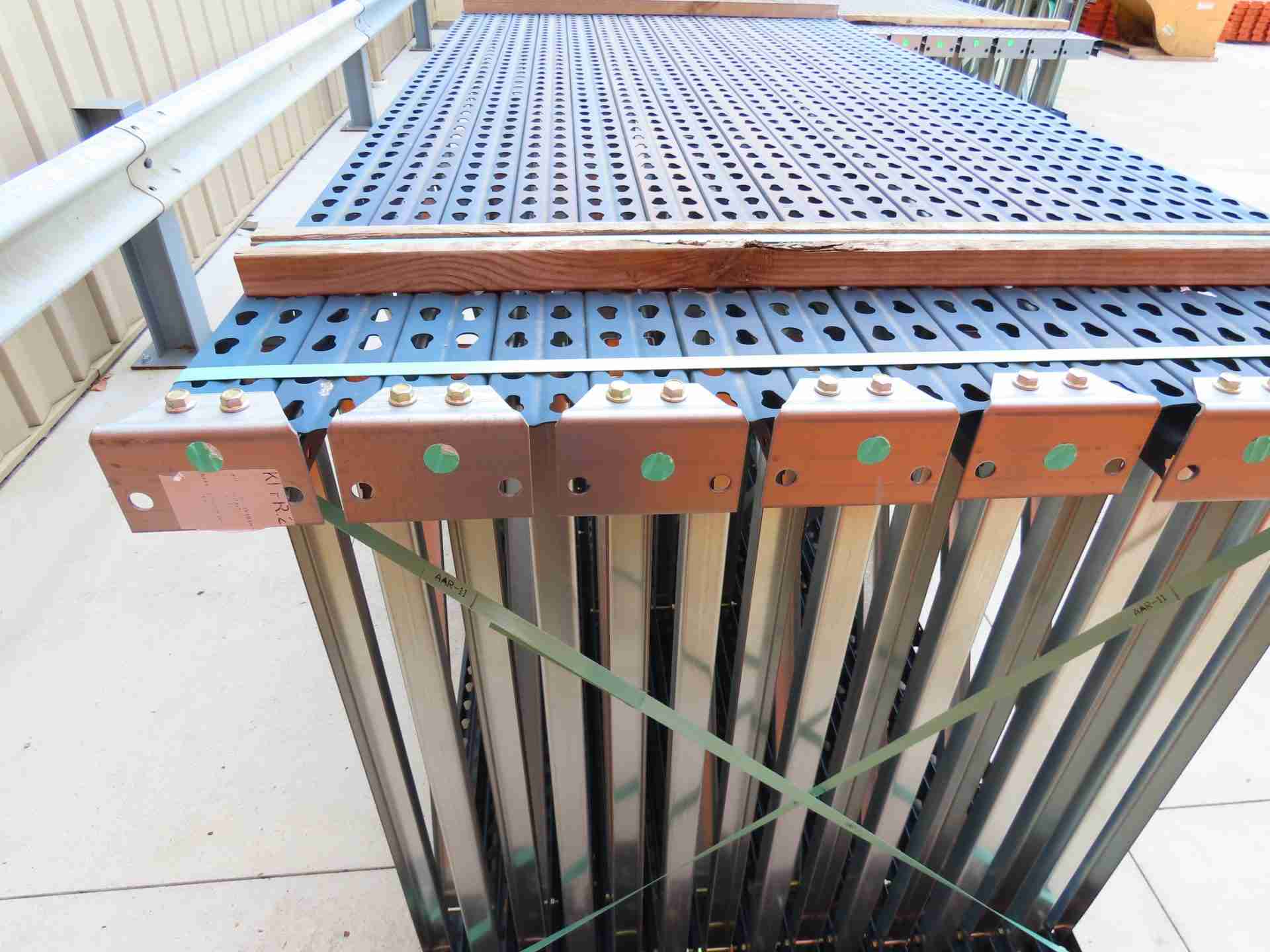
Storage Design for Hazardous Materials
Storage Design for Hazardous Materials
- Storing hazardous materials is critical for protecting people, communities, and the planet.
- Effective racking systems must be designed with the characteristics of the stored materials to ensure safety and stability.
- Poor storage practices can lead to catastrophic incidents and environmental harm.
- Choosing appropriate materials for racking, resistant to corrosion and reactions, is essential.
- Investment in reliable storage methods builds trust and prioritizes team well-being.
- Sharing knowledge about hazardous material storage fosters a culture of safety and accountability.
- Thoughtful storage approaches enhance confidence and reflect a commitment to safety and integrity.

Storage Design for Hazardous Materials
Table Of Contents
- Storage Design for Hazardous Materials
- What Safety Measures Ensure My Hazardous Materials Are Secure?
- How Can I Optimize Space for Hazardous Material Storage?
- What Are the Legal Requirements for Hazardous Materials Storage?
- How Do I Choose the Right Containers for Hazardous Materials?
- What Are the Risks Of Improper Hazardous Material Storage?
- How Can I Train Staff on Hazardous Material Handling?
- Conclusion
- Other Resources
- Glossary Of Terms
- Other Questions
- Checklist
What Safety Measures Ensure My Hazardous Materials Are Secure?
When it comes to handling hazardous materials, security isn’t just a checklist item; it’s a responsibility that hits home. Each day, countless workers step into their roles knowing that the chemicals they manage can pose risks not only to themselves but also to their coworkers and communities. A few critical safety measures can make a substantial difference in keeping everyone protected, fostering an environment of trust and reliance.
Start with proper racking systems designed specifically for storing hazardous materials. These are more than just shelves; they’re the backbone of a safe storage approach. You wouldn’t stack a pile of lumber carelessly and expect it to stay standing; the same principle applies here. Investing in robust racking systems ensures that containers are organized, accessible, and, most importantly, secure, minimizing the potential for spills and accidents.
Next, regular training isn’t just a box to tick. It’s about ensuring that everyone knows the risks. The more we talk openly about safety protocols and share real-life stories—like the time a small slip led to a major cleanup—everyone becomes more aware. A workplace that communicates openly about hazards transforms fear into action. Everyone should feel empowered to question practices and suggest improvements.
In addition to training, conducting routine inspections of both personnel and equipment can’t be overlooked. Just like you wouldn’t drive a rusty truck, equipment used to handle hazardous materials needs to be maintained. Regular checks can catch small problems before they become big issues. When workers see those checks happening, they feel a sense of security; they know their safety matters.
Beyond physical measures, it’s essential to create a culture that emphasizes the ethical duty to care for one another. When individuals feel they are part of a team that values safety, they forge deeper connections and promote a sense of responsibility for each other’s wellbeing. These relationships can be the difference between a close call and a tragic accident.
Finally, sharing experiences with the community—whether through local safety workshops or outreach programs—builds collective knowledge. It fosters an environment where we’re all learning from one another, creating a unified front against the dangers posed by hazardous materials.
By fostering connections through practical actions, sound training, and community engagement, we create a sturdy safety net. It’s this blend of heart, head, and gut that secures not just our hazardous materials but also the fabric of safety in our workplaces.
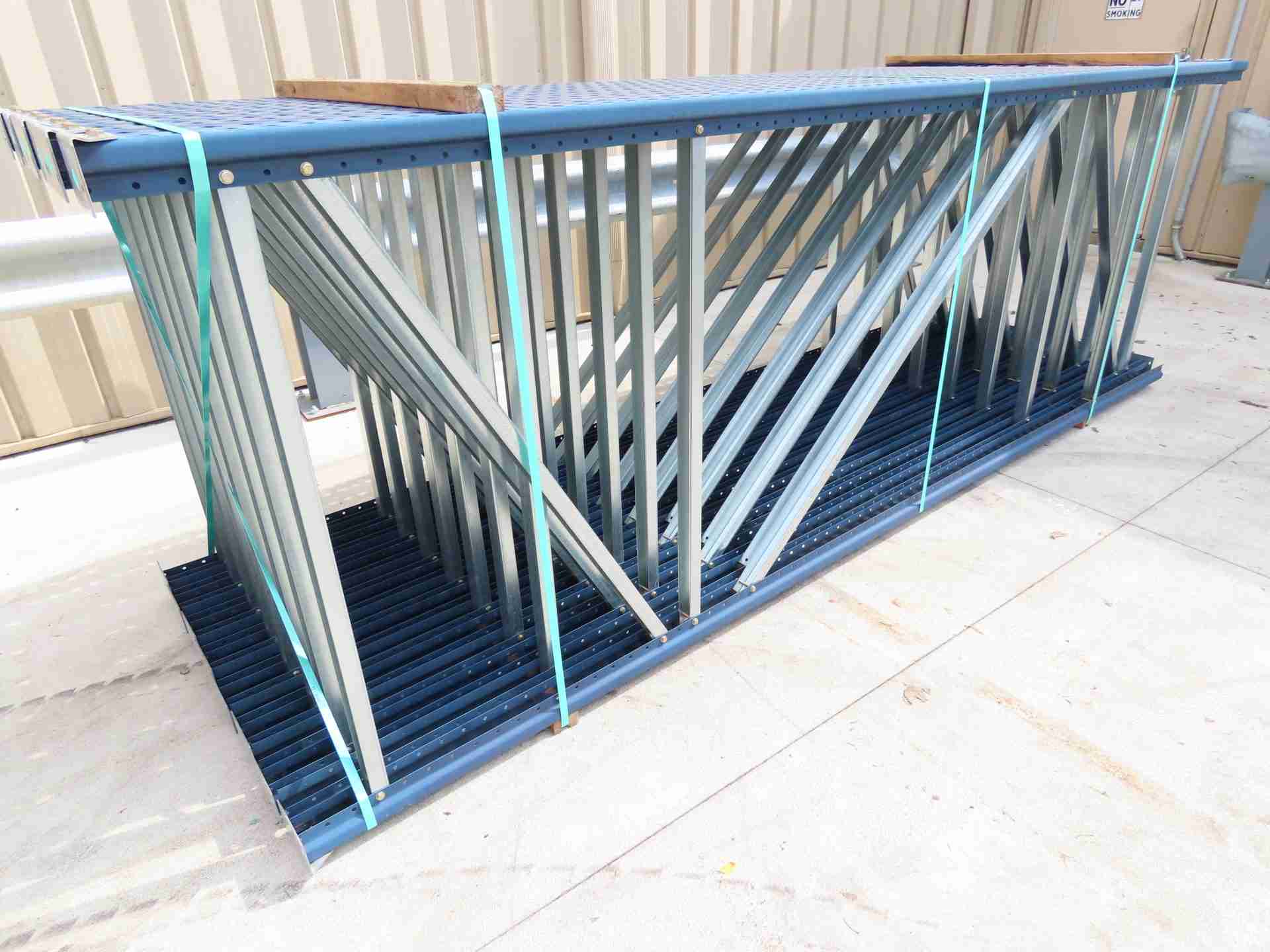
What Safety Measures Ensure My Hazardous Materials Are Secure?
What Safety Measures Ensure My Hazardous Materials Are Secure?
- Handling hazardous materials requires a strong sense of responsibility and safety awareness among workers.
- Proper racking systems are crucial for the safe storage of hazardous materials, minimizing spill risks.
- Regular training is essential for workers to understand risks and safety protocols; open communication fosters awareness.
- Routine inspections of equipment and personnel help identify issues early, enhancing worker security.
- A culture of care for one another encourages deeper connections and responsibility for each other’s safety.
- Community engagement through workshops and programs builds collective safety knowledge and awareness.
- Combining practical actions, training, and community involvement establishes a robust safety framework in the workplace.
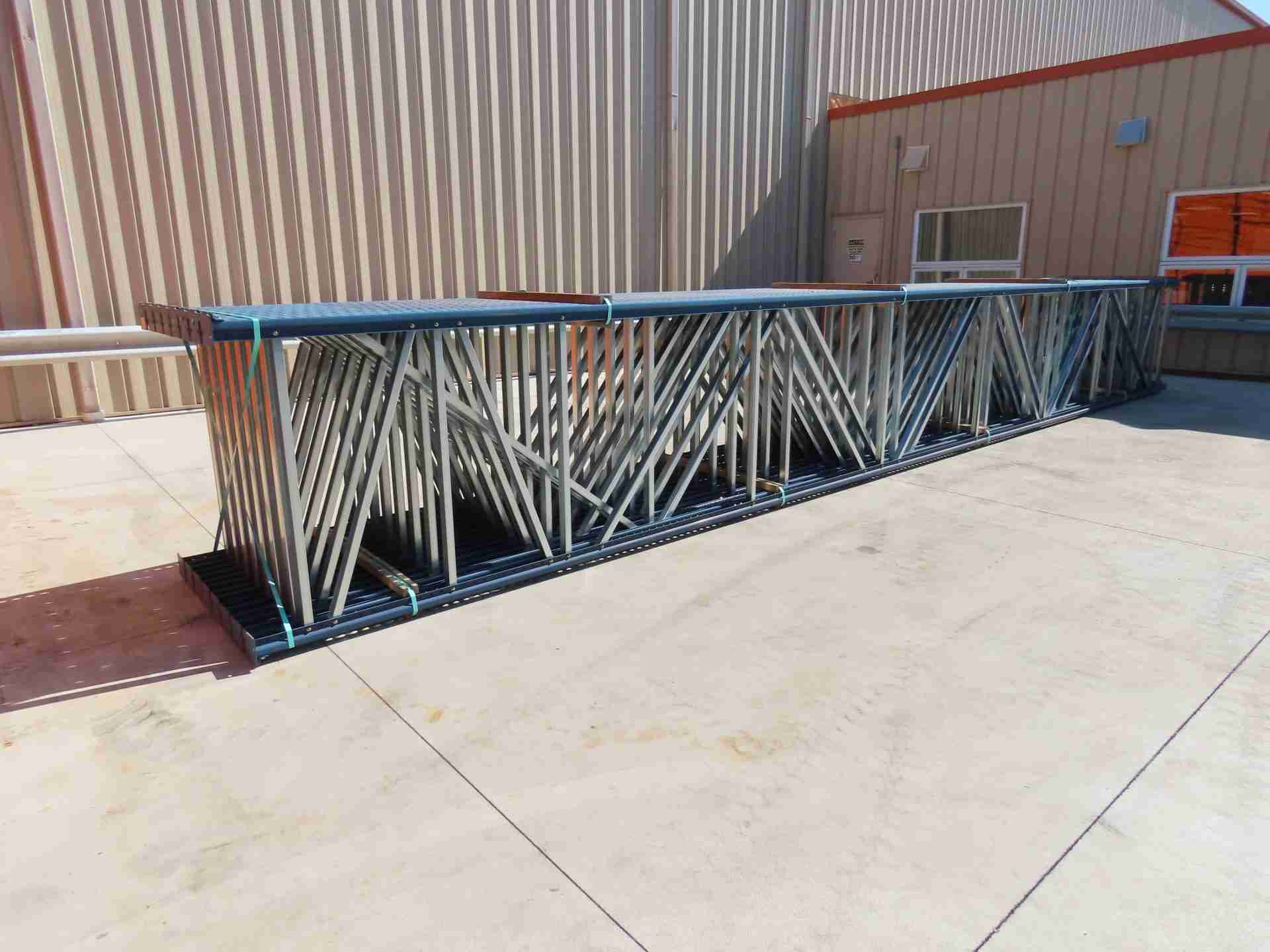
What Safety Measures Ensure My Hazardous Materials Are Secure?
How Can I Optimize Space for Hazardous Material Storage?
Optimizing space for hazardous material storage isn’t just about fitting more into a cramped area. It’s about creating a safe, efficient environment that protects both people and property. Think of it this way: when you’re working with materials that can be dangerous, whether it’s chemicals, flammable substances, or other hazardous goods, you’re not just responsible for your own safety. You’ve got your co-workers depending on you too.
A smart approach starts with understanding the lay of the land. Assess your workspace, recognizing where every inch can be utilized. Profit from the vertical space by investing in solid racking systems. These aren’t just shelves; they’re lifelines that keep materials organized and reduce clutter. When everything has its place, you minimize the chances of spills and accidents. Nothing beats the peace of mind that comes from knowing your materials are stored safely and away from reach of those who may not understand their dangers.
Next, think about accessibility. Arranging hazardous materials so that the most used items are easy to reach can streamline operations and reduce frustrations. A well-planned layout combined with racking systems means no second-guessing about where to find supplies. When those emergency situations crop up, you won’t be scrambling around; you’ll know exactly where everything is. That efficiency will save time and, more importantly, mitigate risk.
Also, consider ventilation and temperature control. Certain materials can become volatile under heat or lack of airflow. Make it a point to store them in cooler, well-ventilated areas. It’s not just common sense; it’s about working smart and looking out for everyone in your facility. Regularly checking and maintaining these spaces is vital, fostering a culture of safety and accountability.
Speaking of culture, build a connection among your team members. Ensure everyone is educated about the hazardous materials they’re working with. Conduct regular training sessions and create a dialogue around safety practices. Establishing a community where everyone watches out for each other fosters responsibility. When safety becomes a shared concern, it evolves from a policy to a priority.
By implementing these practices, you’re not just making storage efficient; you’re actively safeguarding lives and promoting a responsible work environment. When it comes to hazardous material storage, keeping things orderly, accessible, and safe is more than smart—it’s the right thing to do.
How Can I Optimize Space for Hazardous Material Storage?
How Can I Optimize Space for Hazardous Material Storage?
- Optimizing hazardous material storage creates a safe environment for people and property.
- Assess and utilize workspace effectively, including vertical space with solid racking systems.
- Organized storage minimizes spills and accidents, ensuring materials are safely contained.
- Arrange hazardous materials for easy access to enhance efficiency and reduce risks during emergencies.
- Maintain proper ventilation and temperature control to prevent volatility of materials.
- Educate team members on hazardous materials through training and open dialogue about safety practices.
- Implementing these practices promotes accountability and prioritizes safety in the workplace.
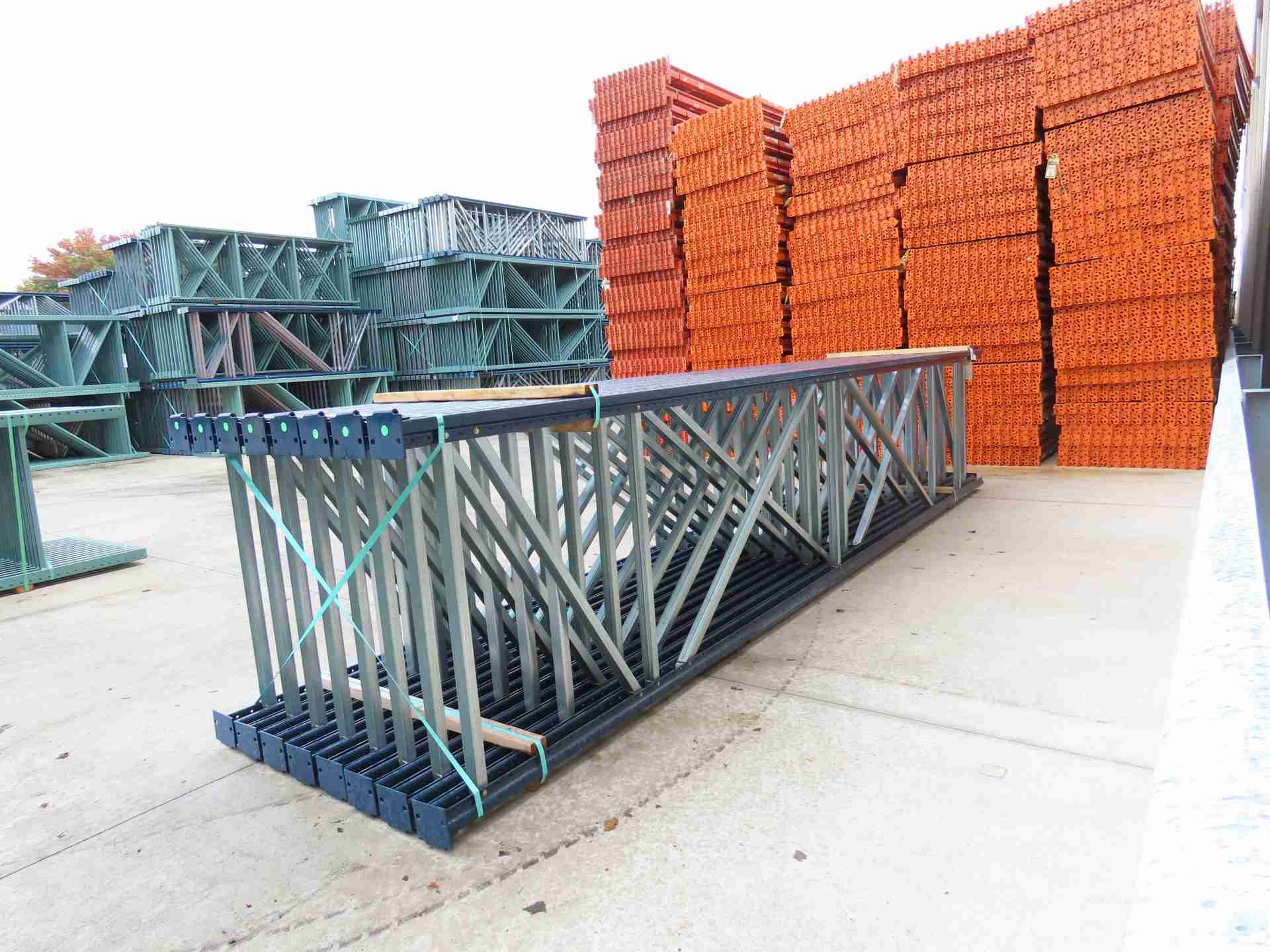
How Can I Optimize Space for Hazardous Material Storage?
What Are the Legal Requirements for Hazardous Materials Storage?
Storing hazardous materials isn’t just a matter of convenience; it’s about safeguarding our people, our environment, and the very communities we call home. When you think about the chemicals and substances we use day in and day out, remember that mishandling them isn’t an option. It’s crucial to understand the legal requirements that oversee hazardous materials storage, not just to avoid penalties, but to genuinely protect the folks we work alongside.
First off, there’s clear reason for regulations surrounding hazardous materials. They exist because the stakes are high. If a chemical leaks or spills, the consequences can be dire—not just for the workers on site, but for families living nearby, wildlife, and even our water supply. Racking systems used to hold these materials must meet stringent guidelines, ensuring stability and containment. These systems aren’t just shelves; they’re lifelines in preventing disaster.
Regulations vary depending on the material and the location, but generally, they call for proper labeling, specific storage conditions, and comprehensive training for employees. Take the time to educate yourself and your crew about the materials being handled. Knowledge isn’t just power; it’s a shield against the unforeseen. When everyone understands the risks and knows how to act, the entire workplace becomes a safer environment.
Then there’s the ethical piece. As stewards of our trade, it’s our responsibility to do right by our teams and the planet. Sticking to legal requirements isn’t merely about compliance; it reflects our commitment to safety and respect for our shared space. Communities thrive on trust—trust that businesses prioritize safety and don’t cut corners. Just think of the peace of mind you’d have knowing that every safety measure has been taken. That should inspire action.
Also, it’s about connection. Share the stories within your team. Remember that time someone prevented a spill through a small act of caution? Those experiences can instill pride and a sense of duty. Each person plays a role in upholding safety protocols, creating a culture where hazardous materials are handled with care and respect.
Ultimately, complying with legal requirements isn’t about bureaucracy; it’s about action. It’s about taking concrete steps to ensure every worker goes home safe at the end of the day. By recognizing and fulfilling these responsibilities, we aren’t just following the rules—we’re building a legacy of safety, trust, and community well-being.

What Are the Legal Requirements for Hazardous Materials Storage?
What Are the Legal Requirements for Hazardous Materials Storage?
- Storing hazardous materials safeguards people, the environment, and communities.
- Mishandling chemicals can lead to dire consequences for workers, families, and wildlife.
- Racking systems must adhere to strict guidelines for stability and containment.
- Regulations require proper labeling, specific storage conditions, and employee training.
- Knowledge about hazardous materials enhances workplace safety.
- Ethical responsibility involves prioritizing safety and community trust.
- Compliance fosters a culture of safety and ensures workers go home safe daily.
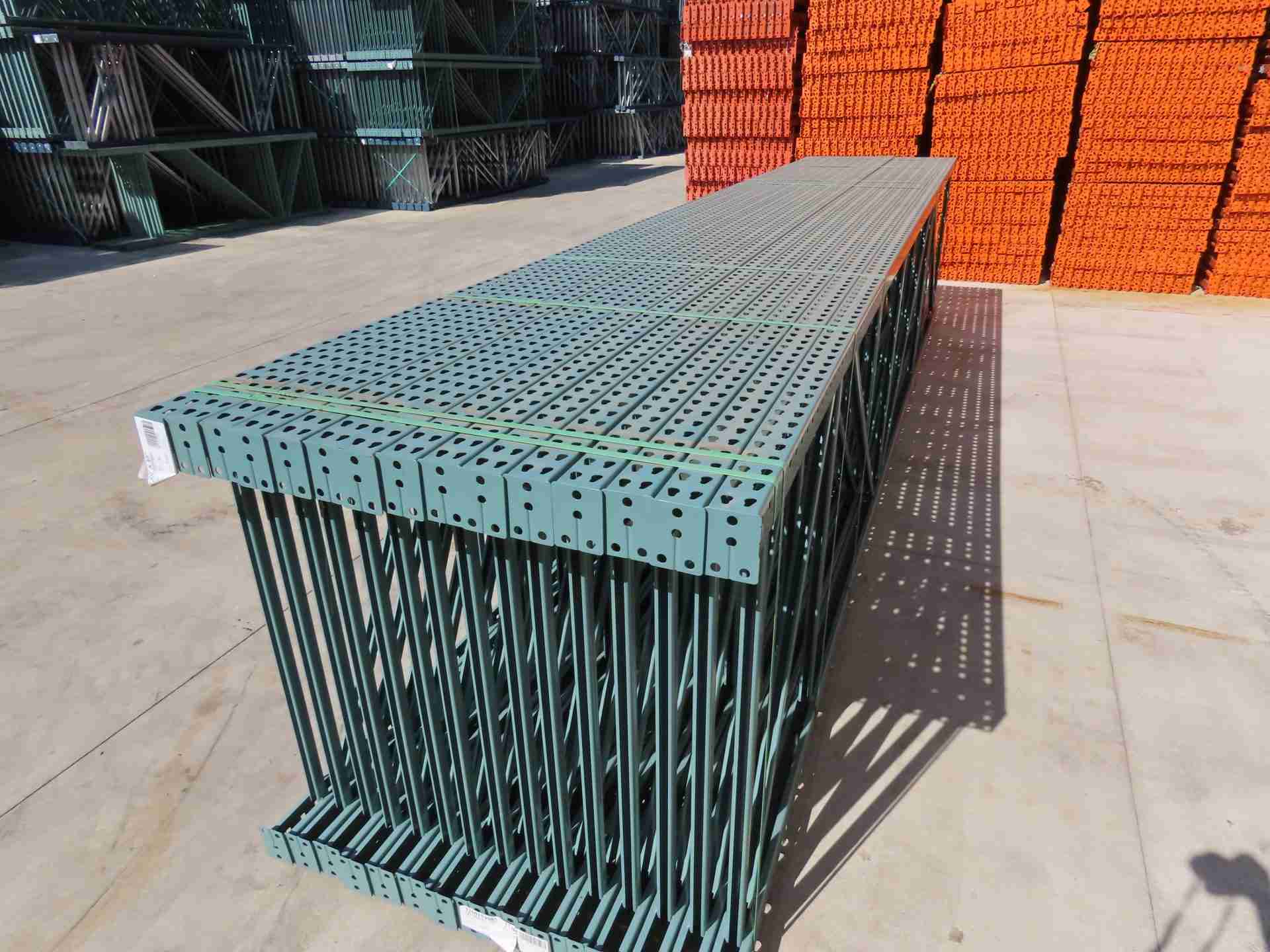
What Are the Legal Requirements for Hazardous Materials Storage?
How Do I Choose the Right Containers for Hazardous Materials?
Choosing the right containers for hazardous materials isn’t just about compliance; it’s about protecting your team, your community, and the environment. When you’re dealing with materials that can do harm, it’s critical to approach your selection with a mix of heart, head, and gut. You want your choices to feel right emotionally and make sense logically, while always weighing the ethical implications.
First, think of your team. Picture your coworkers, friends, the people who trust you to keep things safe. The right containers serve as a shield, preventing potential spills and leaks that can lead to accidents. It’s not just about regulations; it’s about the trust you build when you prioritize their safety. That connection motivates you to choose containers that meet stringent standards and are appropriate for the materials you handle.
Next, bring in some common-sense observation. Containers come in various shapes and sizes—some are designed for specific materials, and others might seem like a quick fix but fall short when it comes to integrity. Look for durable materials that can withstand the conditions they will face. Plastic, steel, glass. Each has its purpose. For instance, racking systems can help you organize and store these containers efficiently, making it easier to access and manage them. Avoid the temptation to skimp on quality; the cost of failure is too high.
Rationally, it’s about doing your homework. Check labels, safety data sheets, and industry standards. Understand the properties of the hazardous materials you’re working with—are they volatile, corrosive, or reactive? A little digging goes a long way in making the right choice. Engage with the experts—network with others in your field. They have experience and insight that can guide you toward dependable options.
Ethically, consider the larger impact. Choosing the right containers protects not just your workplace but also the surrounding environment. When spills happen, the community suffers. Ensuring that your materials are stored and transported safely is an act of responsibility that echoes beyond your immediate sphere.
Ultimately, it boils down to a blend of empathy, practicality, and conscience. When you select the right containers for hazardous materials, you’re not just following rules; you’re committing to a culture of safety that inspires confidence and fosters a sense of community. It’s more than a job; it’s about making every effort to keep everyone safe and sound.
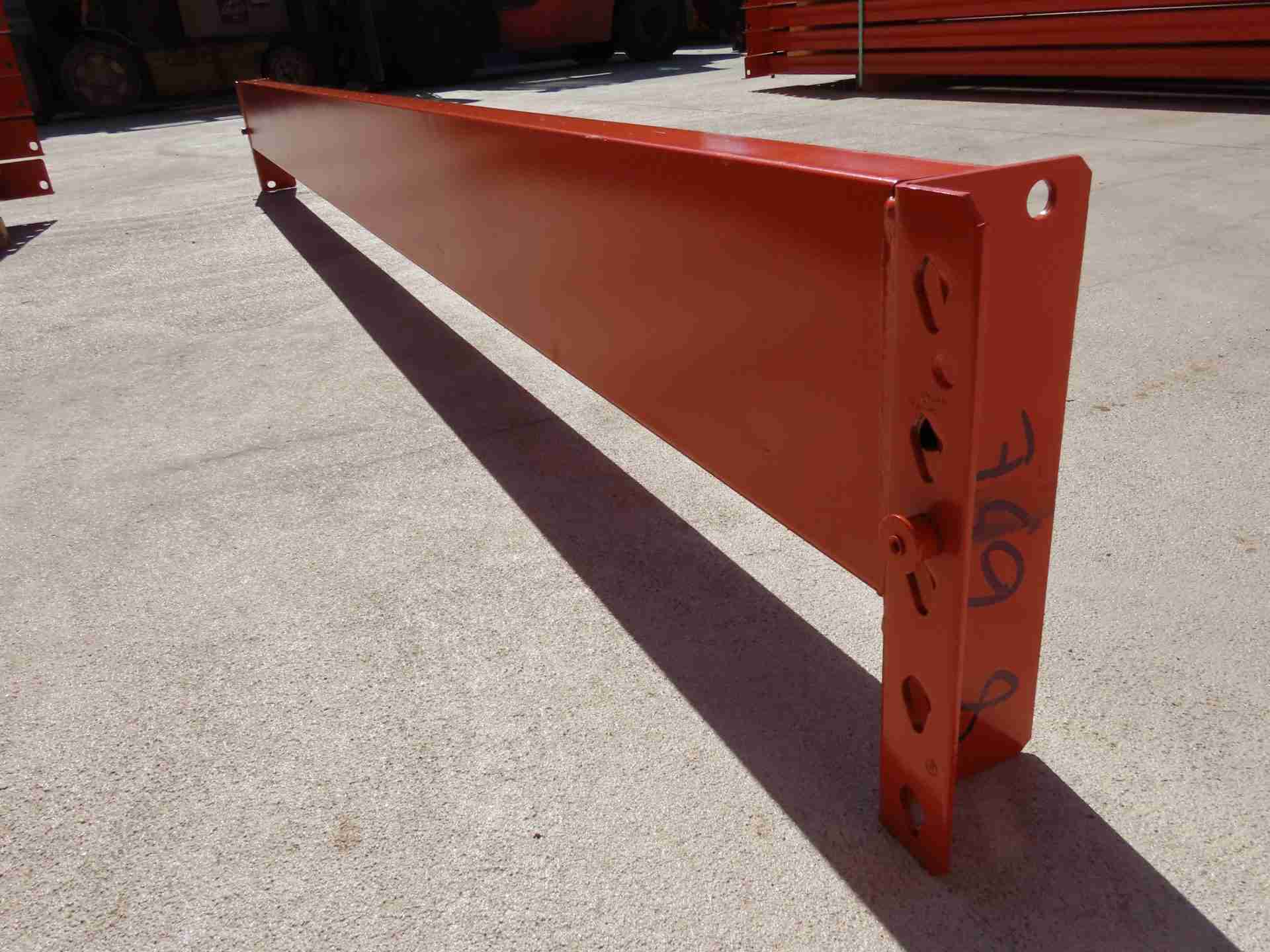
How Do I Choose the Right Containers for Hazardous Materials?
How Do I Choose the Right Containers for Hazardous Materials?
- Choosing containers for hazardous materials protects your team, community, and environment.
- Selection involves emotional, logical, and ethical considerations.
- The right containers prevent spills and leaks, building trust with coworkers.
- Containers vary in design and material; prioritize durability and appropriate usage.
- Research labels and safety data sheets to understand material properties.
- Consult experts in your field for reliable options and insights.
- Selecting the right containers reflects a commitment to safety and community well-being.

How Do I Choose the Right Containers for Hazardous Materials?
What Are the Risks Of Improper Hazardous Material Storage?
Improper storage of hazardous materials is not just a technical problem; it’s a real threat to our communities and to those we care about. Picture this: a bustling factory floor where racking systems are intended to keep things organized and safe, but instead, they’re cluttered with improperly sealed containers of chemicals. In a moment of carelessness, the consequences can be staggering.
First off, there’s the emotional toll. The thought of a chemical spill unleashing toxic fumes or hazardous waste is enough to make anyone’s stomach drop. Families live nearby, friends work in these facilities, and the ripple effect of a mishap can be devastating. Stories abound of workers whose lives were changed forever by a small oversight—an unlabeled container or a rusted shelf that collapsed under the weight of negligence. This isn’t just about regulations; it’s about real lives at stake.
From a rational standpoint, the risks are clear. Improper storage can lead to chemical reactions that produce harmful gases or even fires. A simple miscalculation in how materials are handled can trigger a chain reaction resulting in catastrophic outcomes. The math is straightforward—when safety isn’t prioritized, the odds of a disaster skyrocket. The figures don’t lie: accidents involving hazardous materials can cost lives and millions in damages. The financial burden alone is a substantial argument for getting it right.
Ethically, we have a responsibility to do better. Every company, every worker, every community deserves a safe environment. It’s not just about following laws; it’s about doing what’s right. When we cut corners in storage practices, we are prioritizing profit over people. It’s a grim reality that can’t be ignored.
Then there’s the authority of experience—a seasoned foreman knows that the right racking systems are vital for safety. He’s seen firsthand the chaos that can erupt from neglect. The stories he shares are not just warnings; they’re lessons learned the hard way, where the stakes were high, and the outcomes were dire.
Let’s not forget the social contract we all share. We trust our workplaces to be safe and reliable. When that trust is broken, it shakes our confidence in the very systems designed to protect us. The bottom line: proper hazardous material storage is essential not just for compliance but for protecting our families, our futures, and the integrity of our communities. A little vigilance goes a long way. Let’s put safety first and ensure that we’re not just storing materials— we’re safeguarding lives.

What Are the Risks Of Improper Hazardous Material Storage?
What Are the Risks Of Improper Hazardous Material Storage?
- Improper storage of hazardous materials poses a threat to communities and lives.
- Emotional impact includes fear of chemical spills and toxic exposure for nearby families.
- Negligence can lead to severe accidents, including chemical reactions and fires.
- The financial implications of hazardous material mishandling are significant, causing loss of life and property damage.
- Ethical responsibility demands that companies prioritize safety over profit.
- Experience highlights the importance of proper storage systems to prevent chaos and danger.
- Trust in workplace safety is crucial; lapses can undermine community confidence in protective systems.
What Are the Risks Of Improper Hazardous Material Storage?
How Can I Train Staff on Hazardous Material Handling?
Training staff on hazardous material handling isn’t just about ticking boxes; it’s about protecting people, their families, and the community. Picture this: a routine day on the job turns dramatic because someone mishandled a chemical. That’s the kind of situation you want to prevent. Humans are inherently connected, and when one of us gets hurt, it ripples through families and neighborhoods.
Start with a hands-on approach. Gather your team in a space where they can see, feel, and interact with real-life examples. Show them the racking systems designed for safe storage. These aren’t just shelves; they’re lifelines. Each rack, each compartment, tells a story of safety and precaution. Explain how proper placement, labeling, and access enhance safety and prevent accidents. Emphasize the importance of using proper personal protective equipment (PPE) as a barrier between them and potential harm.
Next, lay down the facts. Statistics show that workplace injuries related to hazardous materials can be life-altering. Make those numbers real by sharing stories from past incidents—without sensationalism, just plain truth. This isn’t about scaring your staff; it’s about fostering an understanding of risks. Use relatable examples that tap into their everyday lives.
Then, shift to ethics. Highlight that ensuring everyone goes home safe isn’t just a policy; it’s a moral obligation. Instill a sense of pride in their work culture. When team members look out for one another, they create a safety net—a bond that stretches beyond just the workplace.
Encourage open dialogue. After training sessions, let employees share their worries or experiences dealing with hazardous materials. Create a safe space where they feel comfortable voicing concerns, asking questions, or suggesting improvements. Remember, you’re building a community that looks out for each other.
Lastly, leverage authority without coming off as a dictator. Invite experienced workers to lead workshops or discussions. Their stories and expertise can inspire trust and confidence in the procedures you’re teaching. When staff sees that their peers are invested, they’re more likely to engage and take these lessons to heart.
Training isn’t a one-off deal; it’s an ongoing commitment. Stay vigilant. Regularly review practices and keep lines of communication open. It’s not just about compliance; it’s about ensuring that everyone goes home safely at the end of the day, equipped with knowledge and confidence to handle hazardous materials properly.

How Can I Train Staff on Hazardous Material Handling?
How Can I Train Staff on Hazardous Material Handling?
- Training on hazardous material handling protects individuals, families, and the community.
- Use a hands-on approach with real-life examples to enhance understanding of safety practices.
- Emphasize the importance of proper placement, labeling, and access to hazardous materials.
- Highlight the life-altering impact of workplace injuries related to hazardous materials through facts and relatable stories.
- Instill a sense of moral obligation in employees to ensure everyone goes home safe.
- Encourage open dialogue for sharing concerns and experiences regarding hazardous materials.
- Make training an ongoing commitment, reinforcing knowledge and communication about safety practices.

How Can I Train Staff on Hazardous Material Handling?
Conclusion
In the intricate world of hazardous materials storage, the balance of safety, efficiency, and community well-being is paramount. Every element of storage design, from racking systems to training protocols, plays a critical role in protecting lives and the environment. At its core, effective storage design is about more than meeting regulations—it’s about fostering a culture of safety that prioritizes the well-being of workers and the community.
Choosing the right racking systems seems straightforward, yet it requires a deep understanding of the materials involved. The right system acts like a trusty partner, ensuring stability and minimizing risks. But when systems are poorly designed, the emotional toll can weigh heavily on the minds of workers, creating anxiety and fear of catastrophic failures. Stories of past incidents serve as stark reminders of the consequences that can arise from negligence.
Training staff on proper handling and storage processes reinforces this sense of responsibility. Real-life examples, open dialogue, and experience sharing contribute to a workplace culture where safety is a shared priority. When employees feel empowered and educated about the materials they work with, they become not just participants but advocates for safe practices, which strengthens the entire organization.
Additionally, space optimization is crucial. It’s not merely about fitting more items into a storage area; it’s about thoughtful organization that enhances safety. Utilizing vertical space and ensuring easy access is vital for reducing clutter and the risk of spills. This, combined with proper ventilation and temperature control, protects both the materials and those who handle them.
There’s also a broader ethical dimension when it comes to hazardous materials storage. The legal requirements are in place for a reason—they exist to protect workers, families, wildlife, and water sources. Compliance with these regulations reflects a commitment to not just following the rules, but to safeguarding the community and the environment. It’s about integrity and building trust within and outside the organization.
Ultimately, every choice made in hazardous materials storage—from the containers selected to the procedures followed—carries weight. When safety becomes a core value, the ripple effects benefit everyone. This hands-on approach to safety and responsibility leads to not only regulatory compliance but also the creation of workplaces where employees feel safe and valued. In this way, good storage practices are not just a matter of logistics; they represent a commitment to caring for each other and the world we share. Every little effort counts, whether it’s implementing the right protocols or fostering a supportive environment. It’s about getting it right, not just for compliance’s sake, but for the people and the communities we serve.
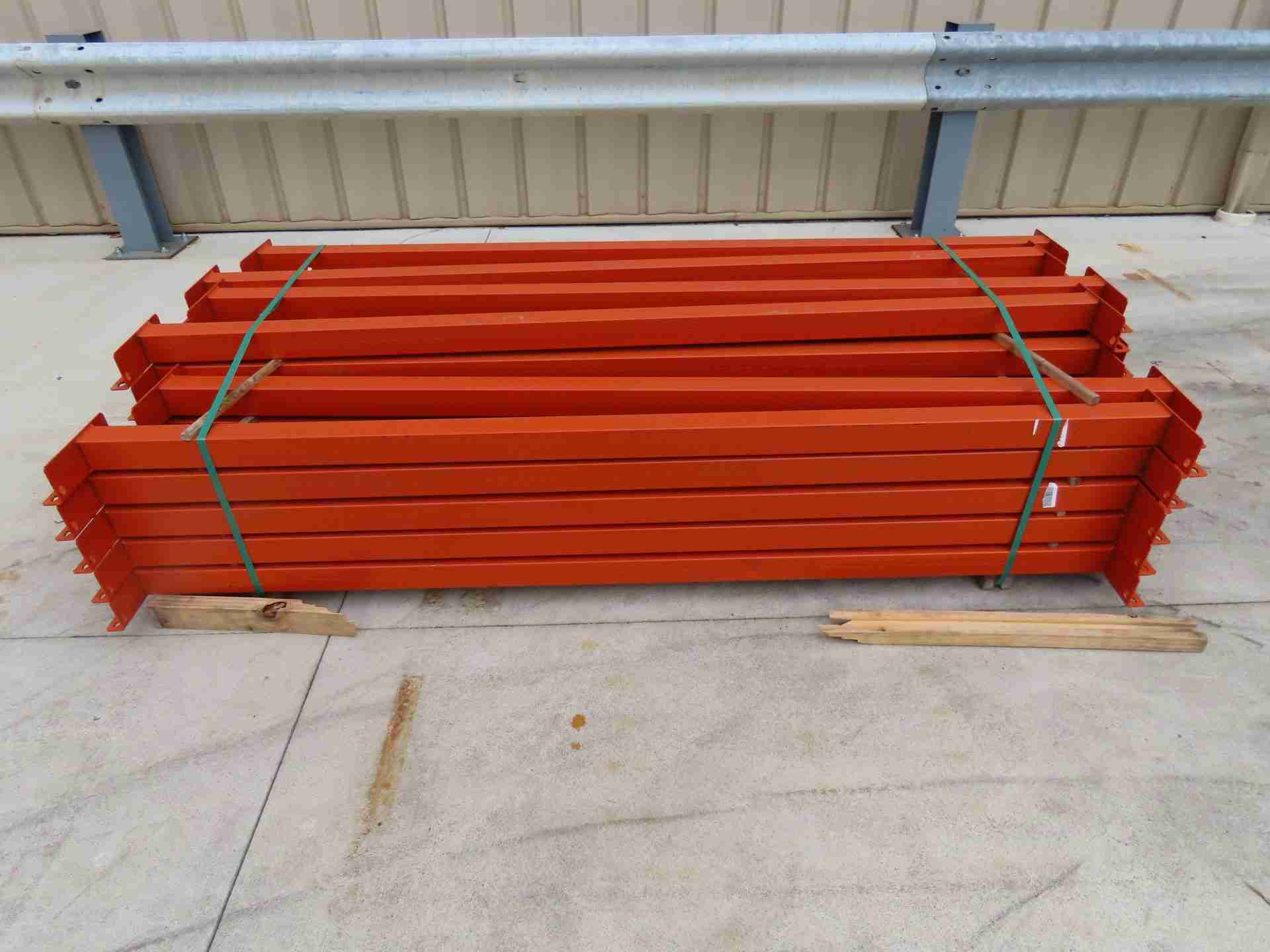
Conclusion
Conclusion:
- Safety, efficiency, and community well-being are critical in hazardous materials storage.
- Effective storage design fosters a culture of safety beyond regulatory compliance.
- Choosing the right racking systems requires understanding the specific materials involved.
- Poorly designed systems can lead to worker anxiety and fear of catastrophic failures.
- Staff training and open dialogue enhance a shared commitment to safety.
- Space optimization prioritizes safe organization, reducing clutter and spill risks.
- Compliance with legal requirements reflects integrity and trust in safeguarding the community and environment.

Conclusion
Other Resources
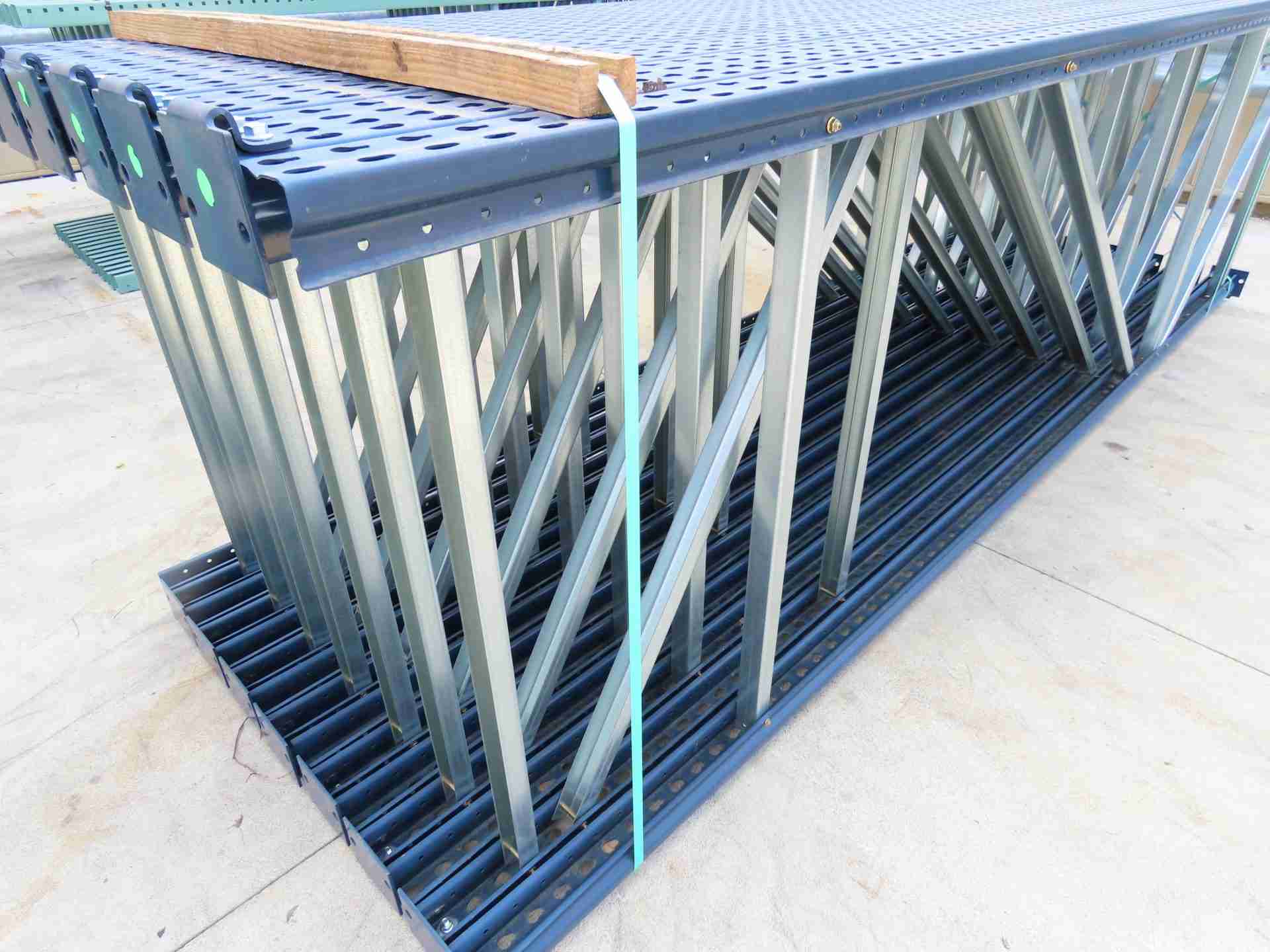
Other Resources
Here is a list of other resources you can review online to learn more:
- American Surplus
- New Cantilever Racks and Racking Kits
- Warehouse Storage Racking in Illinois
- Pallet Racking systems in Illinois, Great Lakes
- CA Wire
- Material Handling Industry
- The Ultimate Pallet Racking Guide – Speedrack West
- Illinois Pallet Racking – WPRP
- Warehouse Racking Chicago, IL
- Interlake Mecalux
- Cantilever Rack Guide: Ordering Cantilever Racking
- Warehouse Racks, Warehouse Racking in Stock – ULINE
- Used Teardrop Pallet Rack – American Surplus
- Warehousing Education and Research Council: https://www.werc.org/
- American Society of Safety Professionals
- Chicago Pallet Racking
- Rack Manufacturers Institute
- Wolter
- Cantilever Rack Guide: Ordering Cantilever Racking
- Pallet Racks, Pallet Racking, Pallet Shelves in Stock – ULINE
Use This Prompt To Get More Resources With Your Favorite Online AI Tool: Please provide me with a list of online articles with their URLs in a bulleted list that I can read regarding Storage Design for Hazardous Materials
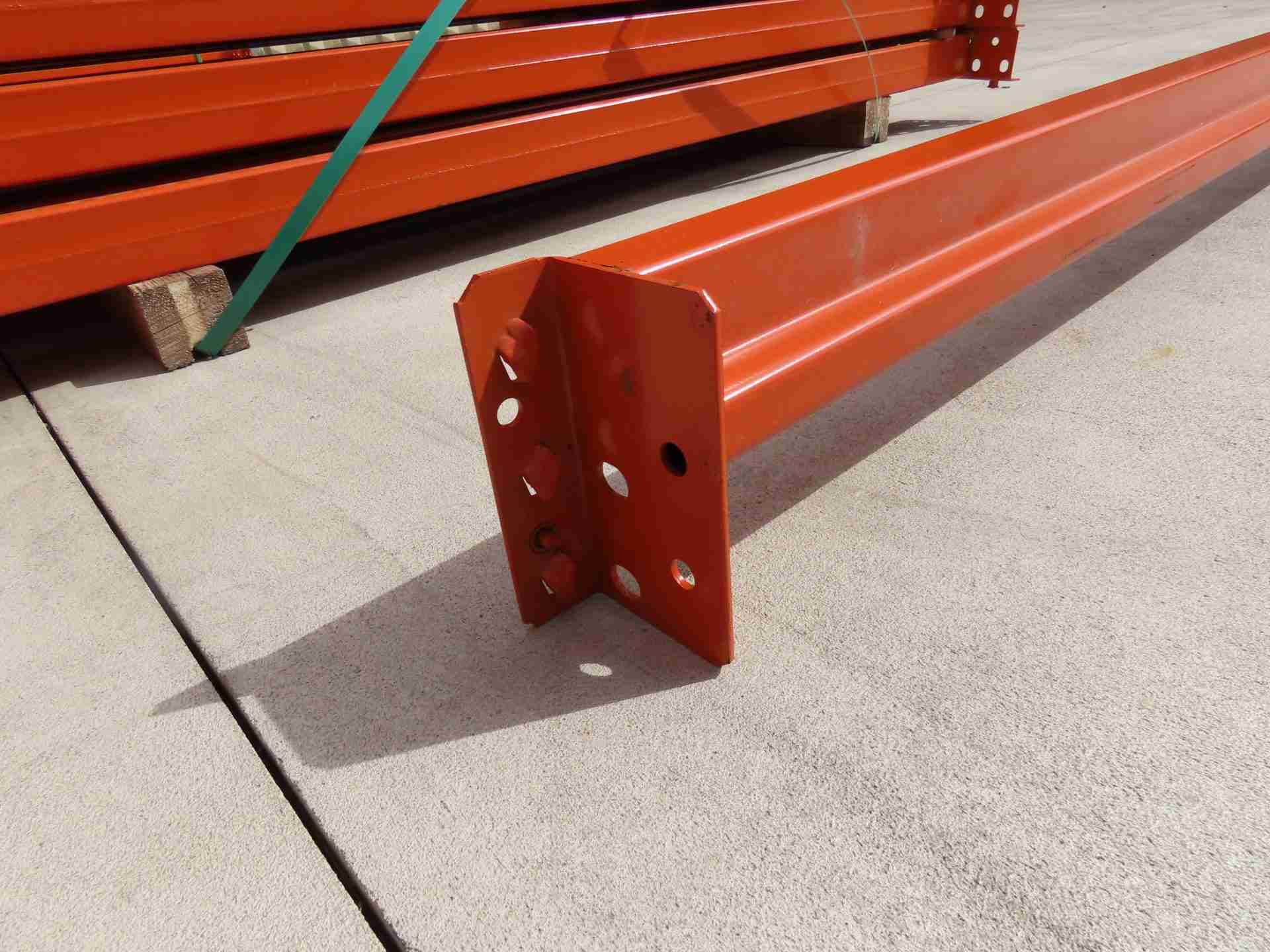
Other Resources
Glossary Terms
Storage Design for Hazardous Materials – Glossary Of Terms
1. Absorbent: Material used to soak up spills and leaks of hazardous substances.
2. Containment: Methods or structures designed to prevent the spread of hazardous materials.
3. Compliance: Adherence to regulations and standards regarding the storage of hazardous substances.
4. Hazardous Material: Any item or agent that poses a risk to health, safety, or the environment.
5. Labeling: The process of marking containers with information about their contents and hazards.
6. Leak-Resistant: Designed to prevent leakage of hazardous materials during storage.
7. Personal Protective Equipment (PPE): Gear worn to protect individuals from exposure to hazardous materials.
8. Regulatory Standards: Official guidelines governing the safe storage of hazardous materials.
9. Secondary Containment: Structures or systems that provide additional protection against leaks and spills.
10. Safety Data Sheet (SDS): Document that provides information on the properties and handling of hazardous materials.
11. Storage Capacity: The maximum amount of hazardous materials that a storage facility can safely hold.
12. Temperature Control: Techniques to maintain safe temperature ranges for stored hazardous materials.
13. Ventilation: The provision of fresh air to reduce airborne concentrations of hazardous fumes or vapors.
14. Waste Management: The process of handling and disposing of hazardous waste materials safely.
15. Chemical Compatibility: Assessment of how different chemicals interact when stored together.
16. Fire Safety: Strategies and equipment designed to prevent and mitigate fire risks related to hazardous materials.
17. Spill Kit: Set of tools and materials used for cleaning up spills of hazardous substances.
18. Signage: Visual indicators used to communicate hazards associated with stored materials.
19. Storage Locker: Secure enclosure designed for storing hazardous materials safely.
20. Inventory Management: Tracking and managing the quantities of hazardous materials stored.
21. Inspection Protocol: Procedures for regularly checking storage conditions and compliance.
22. Environmental Impact: Assessment of how hazardous material storage affects the surrounding ecosystem.
23. Training: Educational programs for personnel involved in handling hazardous materials.
24. RFID Tracking: Use of radio-frequency identification technology to monitor hazardous material storage.
25. Protective Barrier: Physical structures that separate hazardous materials from the surrounding environment.
26. Waste Segregation: The practice of separating different types of hazardous waste to ensure safe disposal.
27. Emergency Response Plan: Procedures established to address incidents involving hazardous materials.
28. Risk Assessment: Evaluation of potential hazards and their impacts regarding storage practices.
29. Hazardous Material Transportation: Regulations and practices for the safe movement of hazardous substances.
30. Decontamination: The process of removing or neutralizing hazardous materials from equipment or surfaces.
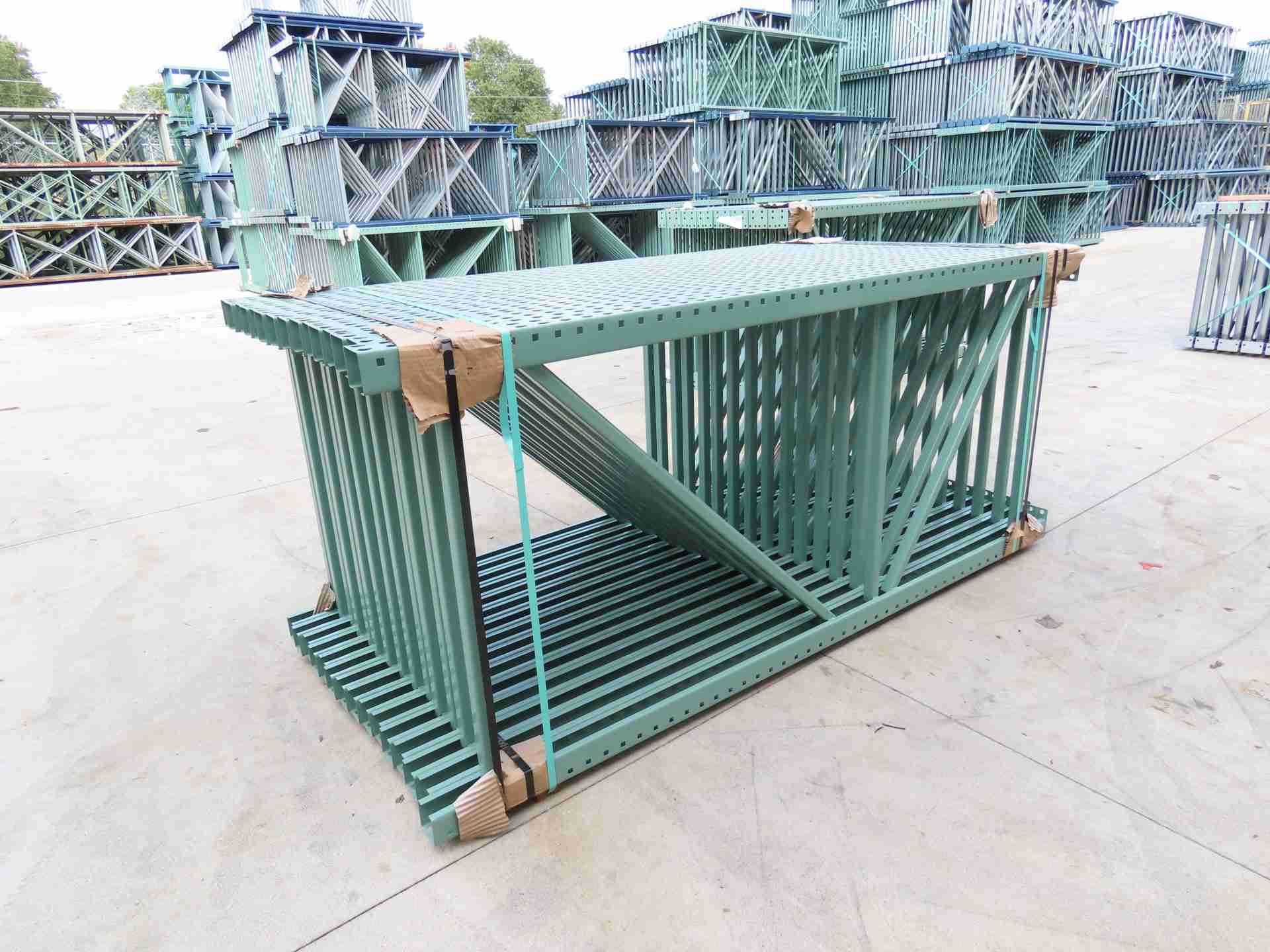
Glossary Of Terms
Other Questions
Storage Design for Hazardous Materials – Other Questions
If you wish to explore and discover more, consider looking for answers to these questions:
- What specific racking systems are best for different classes of hazardous materials?
- How do I determine compatibility between rack materials and the chemicals I store?
- What are the load capacity and spacing requirements for racking used with hazardous containers?
- Which national and local regulations apply to hazardous material storage at my facility?
- What are the required labeling and signage standards for hazardous storage areas?
- How should incompatible chemicals be segregated and stored to prevent reactions?
- What secondary containment options (drip trays, bunding, spill pallets) are required or recommended?
- What ventilation and temperature-control standards are necessary for specific hazardous materials?
- When is explosion-proof or explosion-rated equipment required in storage areas?
- What fire detection and suppression systems are appropriate for hazardous storage rooms?
- How should flammable liquids be grounded and bonded during storage and transfer?
- What types of containers (HDPE, stainless steel, glass, etc.) are appropriate for particular chemicals?
- How often should containers and racking systems be inspected, and what should inspections include?
- What maintenance and corrosion-protection practices should be used for racks and containers?
- How do I calculate required separation distances from occupied buildings and public spaces?
- What are the best practices for inventory management and tracking of hazardous materials?
- What spill response procedures and spill kit contents are required for different hazards?
- How frequently should staff receive hazardous materials handling and emergency response training?
- What qualifications or certifications should personnel who handle hazardous materials have?
- How should emergency drills be conducted and documented for hazardous storage incidents?
- What personal protective equipment (PPE) is necessary for handling and accessing stored hazards?
- How do I safely transfer hazardous liquids between containers or to equipment?
- What recordkeeping, SDS management, and retention periods are legally required?
- When are permits, notifications, or reporting to authorities required for storage volumes or incidents?
- How should hazardous waste and expired chemicals be disposed of or recycled?
- What insurance implications and liability considerations apply to hazardous material storage?
- How do I evaluate and select vendors or manufacturers for racking and containment systems?
- What retrofit options exist to upgrade older storage areas to meet current standards?
- How should storage be designed for seismic or extreme-weather resilience?
- What monitoring and detection systems (gas sensors, leak detection) are recommended?
- How do I size and position emergency eyewash and shower stations relative to storage areas?
- What community notification or emergency planning is required for large or high‑risk inventories?
- How do I perform a risk assessment specific to hazardous material layout and racking choices?
- What cost estimates or budgeting guidelines should I consider for compliant storage design?
- Are there industry-specific best-practice checklists or standards I should follow?
- How should forklift and material-handling equipment be selected or modified for hazardous storage use?
- What testing or certification should I require for containers and racking systems before purchase?
- How long can specific hazardous materials be stored safely before degradation or increased risk occurs?
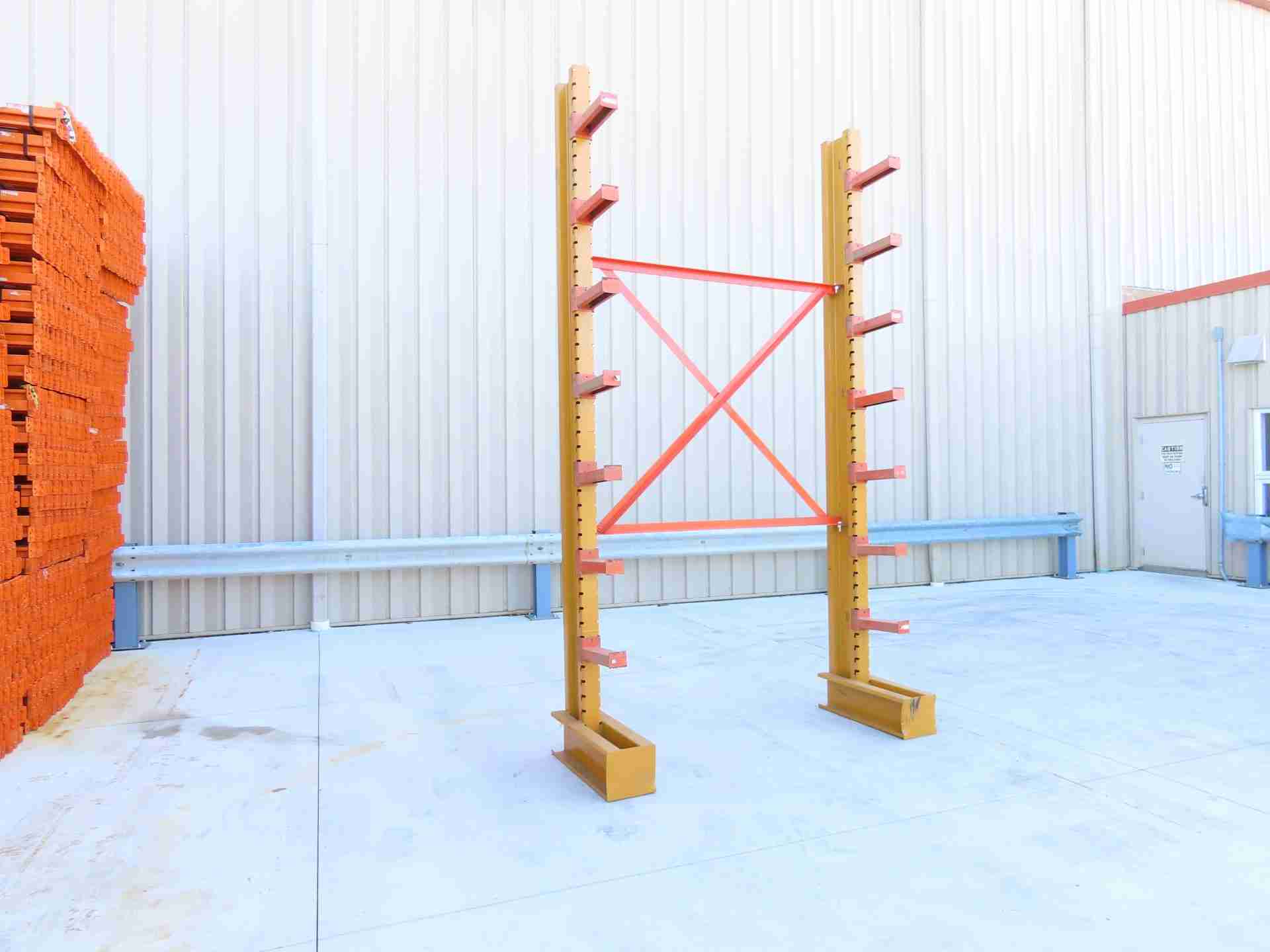
Other Questions
Checklist
Storage Design for Hazardous Materials – A Checklist
Planning and Compliance
✅______ Current inventory of all hazardous materials with quantities and locations
✅______ Safety Data Sheets (SDS) available and accessible for every material
✅______ Hazard classification verified (flammable, corrosive, toxic, oxidizer, reactive, and water-reactive)
✅______ Incompatibility matrix created and used for segregation decisions
✅______ Applicable regulations identified and met (e.g., local fire code; OSHA HCS; EPA/RCRA; NFPA)
✅______ Required permits, plans, and notifications in place and current
✅______ Storage limits observed for each hazard class and control area
✅______ Clear written SOPs for receiving, storing, transferring, and disposing of materials
Storage Infrastructure (Racking, Shelving, and Containment)
✅______ Racks and shelves rated for loads, labeled with capacity, and not overloaded
✅______ Racks constructed of corrosion-resistant materials or coated for chemical service
✅______ Racks anchored and plumb, with beam locks and seismic restraints where required
✅______ Shelves have lips or containment to prevent container migration or fall
✅______ Pallets, decking, and supports compatible with stored chemicals
✅______ Secondary containment sized for 110% of the largest container (or as required)
✅______ Spill pallets and sumps used under drums and totes; sumps inspected and emptied safely
✅______ Floor coatings and curbing intact to prevent spill migration
✅______ Dedicated cabinets and rooms for flammables, corrosives, toxics, and oxidizers as applicable
Containers and Labeling
✅______ Containers approved and compatible (UN, DOT, FDA, FM, or UL, as applicable)
✅______ Containers inspected before use; closures intact; no dents, bulges, or corrosion
✅______ GHS labels present and legible; no unlabeled or unknown containers
✅______ Date received and date opened marked; FEFO or expiration program in place
✅______ Vented or pressure-relief caps used when required by material properties
✅______ Bonding and grounding provided for flammable liquid containers during transfer
✅______ Tamper-evident seals used where diversion is a risk
✅______ Transport and in-house transfer containers match the hazard and volume
Segregation and Layout
✅______ Incompatibles segregated (e.g., acids away from bases; oxidizers away from organics)
✅______ Water-reactive materials isolated from water sources and humid areas
✅______ Flammables stored away from ignition sources and electrical panels
✅______ Cylinders secured and segregated (full vs. empty; oxidizers vs. fuels)
✅______ Clear aisles, marked walkways, and unobstructed emergency egress
✅______ Heaviest items stored at lower levels; most-used items at ergonomic height
✅______ Dedicated zones and signage for each hazard class
✅______ Emergency equipment (extinguishers, eyewash, showers) accessible within required distances
Environmental and Fire Controls
✅______ General and local exhaust ventilation adequate for stored hazards
✅______ Temperature and humidity controls meet material specifications
✅______ Classified electrical and explosion-proof equipment where required
✅______ Fire detection and suppression present, inspected, and appropriate for hazards
✅______ Rated storage cabinets and rooms (e.g., flammable, corrosive) used and closed
✅______ Lightning and static control measures in place where applicable
✅______ Drainage isolation to prevent releases to storm or sanitary systems
Operations and Training
✅______ Initial and recurring training for all affected employees on hazards and SOPs
✅______ Task-specific training for decanting, transfer, and spill response
✅______ PPE hazard assessment completed; PPE available, fit-tested (if needed), and used
✅______ Lift and handling aids provided for drums and heavy containers
✅______ Access control to storage areas (authorized personnel only)
✅______ Housekeeping standard implemented (5S); storage areas clean and orderly
✅______ Contractor orientation covers site-specific hazmat rules
Inspection, Maintenance, and Records
✅______ Routine inspections of racks, containment, and containers documented
✅______ Containers checked for leaks, corrosion, or swelling; defects removed from service
✅______ Eyewash stations and showers tested per schedule; extinguishers and alarms inspected
✅______ Ventilation and monitoring systems tested and maintained
✅______ Spill kits checked and restocked; absorbents compatible with hazards
✅______ Inventory reconciled regularly; discrepancies investigated
✅______ Near-miss and incident reporting system active; corrective actions tracked
Emergency Preparedness
✅______ Written emergency action and spill response plans current and posted
✅______ Site map with chemical locations and shutoffs available to responders
✅______ Spill kits sized and tailored (acids/bases, solvents, mercury)
✅______ Drain covers and booms available to protect storm drains
✅______ Drills conducted and documented; lessons learned implemented
✅______ Emergency contacts and SDS accessible on and off shift
Waste and Lifecycle Management
✅______ Waste containers compatible, closed, labeled, and dated
✅______ Satellite accumulation areas compliant and inspected
✅______ Expired or out-of-specification materials identified and removed promptly
✅______ Waste minimization and reuse options evaluated
✅______ Transport and disposal vendors vetted and compliant
Culture and Community
✅______ Stop-work authority encouraged and exercised without reprisal
✅______ Safety talks and refreshers held regularly; lessons learned shared
✅______ Recognition for proactive safety actions and hazard reporting
✅______ Community outreach and coordination with local responders conducted
Space Optimization with Safety
✅______ Vertical space used with rated, anchored racking; clear height respected
✅______ Frequently used items positioned for quick, safe access
✅______ Kanban and visual management used to prevent overstocking and clutter
✅______ Staging areas defined and kept separate from long-term storage
Final Readiness Gate
✅______ All critical controls verified before adding new materials to storage
✅______ Leadership review of inspection findings and corrective actions completed
✅______ Document set complete (SDS, SOPs, permits, inspections, training records)
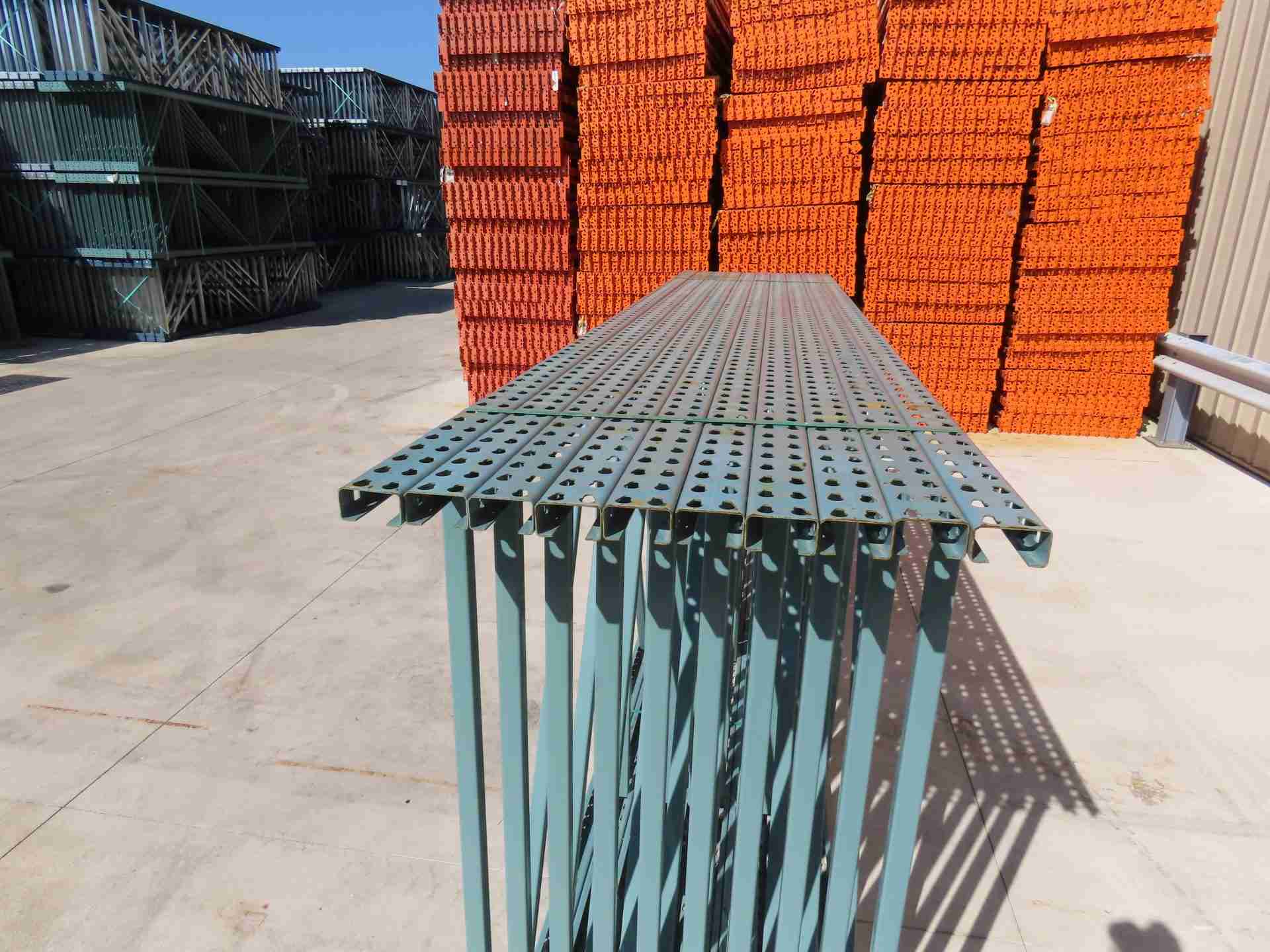
Checklist
At RackingWorld, we help guide you through selecting warehouse storage systems and racking.
Be sure to read our other related stories at RackingWorld to learn more about warehouse storage systems.
0 Comments