
Ensuring Safety: Protect Lives And Livelihoods From Pallet Drops
By Tom Seest
At RackingWorld, we help guide you through selecting warehouse storage systems and racking.
Be sure to read our other related stories at RackingWorld to learn more about warehouse storage systems.
Preventing Pallet Drop Incidents
When it comes to the workplace, every individual counts, and every inch of safety matters. Picture a bustling warehouse, where the hum of activity surrounds you—the beeping of forklifts, the chatter of coworkers, the clanging of metal racks. In this setting, one disaster can change everything. A pallet drop can not only damage goods but also pose a serious risk to life and limb. A small oversight, a moment of distraction, and chaos can erupt. That’s why preventing pallet drop incidents is crucial.
We need to start with the racking systems—these metal giants hold our products high above, creating a vertical landscape of potential hazards. Investing in quality racking systems isn’t just about storage; it’s about safeguarding the people who keep the operation running. Reinforced racks, designed to handle the load and mitigate tipping, reduce the chances of a pallet becoming a projectile. When racks are properly organized, everyone knows where to look and what to expect. This clarity builds confidence among workers, fostering an environment where safety isn’t just a checklist; it’s part of the culture.
Education plays a key role. Safety training should be more than a requirement; it ought to resonate within the workforce. Sharing stories of near misses—those heart-stopping moments when a pallet slips or a fellow worker dodges disaster—can be more impactful than any lecture. We learn best through personal connection. When you instill a sense of shared responsibility, workers feel empowered to speak up and take action. They become safety watchdogs, protecting each other from preventable incidents. This isn’t just about rules; it’s about respect for each other’s lives.
Let’s talk strategy. Establishing a systematic approach to loading pallets and managing traffic flow can make a significant difference. Encourage careful stacking practices and enforce safe operating speeds for forklifts. If employees know they’re part of a robust plan that prioritizes their safety, they’re likely to follow suit.
Furthermore, it’s essential to foster a social environment where safety conversations happen naturally. Encourage everyone to share tips, discuss concerns, and celebrate safety achievements. When coworkers become allies in safety, the whole dynamic shifts.
It’s about more than preventing pallet drops; it’s about cultivating a community that values human life above all. In this line of work, we all share the same ground, and when we take care of each other, we build a stronger, safer future for everyone on the team.

Preventing Pallet Drop Incidents
Preventing Pallet Drop Incidents
- Workplace safety is critical, as one disaster can have severe consequences.
- Investing in quality racking systems reduces the risk of pallet drops and enhances safety.
- Proper organization of racks fosters clarity and confidence among workers.
- Education and personal connection through shared stories enhance safety training effectiveness.
- A systematic approach to loading and managing traffic flow is essential for preventing incidents.
- Encouraging open safety conversations builds a supportive community among coworkers.
- Prioritizing human life fosters a stronger, safer work environment for all employees.

Preventing Pallet Drop Incidents
Table Of Contents
- Preventing Pallet Drop Incidents
- What Are the Most Common Causes Of Pallet Drop Incidents?
- How Do Pallet Drop Incidents Affect Employee Safety?
- What Steps Can We Take to Improve Pallet Stability?
- How Can Training Reduce Pallet Drop Incidents?
- What Role Does Equipment Maintenance Play In Preventing Drops?
- How Can We Assess the Weight Limits Of Pallets Effectively?
- Conclusion
- Other Resources
- Glossary Of Terms
- Other Questions
- Checklist
What Are the Most Common Causes Of Pallet Drop Incidents?
Pallet drop incidents are more than just a slip-up in the warehouse; they can lead to injuries, damaged goods, and a boatload of frustration. Understanding what causes these accidents is vital for everyone in the industry. Let’s get to the heart of the matter.
First up, improper handling of racking systems often paves the way for disaster. These setups, which are meant to safely hold pallets, can become a ticking time bomb if not regularly inspected or maintained. When workers rush or overlook safety checks, the consequences can be grave. Picture a worker under a pallet that suddenly gives way—now that’s a sight that stays with you. It’s not just a safety concern; it’s a stark reminder of the need for vigilance in the way we handle our tools and equipment.
Then there’s the issue of weight distribution. If pallets aren’t loaded correctly, all that weight can shift unexpectedly, resulting in a tumble that echoes through the aisles. It’s common sense to balance loads, yet the hurry to get products out the door can lead to cutting corners. Think about that moment when a pallet slides off an improperly stacked load; it’s not just a mess, it’s a risk to everyone nearby. That’s why taking the extra time to ensure a proper load is essential.
Equipment failure is another culprit. Forklifts and pallet jacks are lifelines in our daily operations, but they can fail without warning. Regular maintenance checks aren’t just a suggestion; they’re essential to keep everyone safe. A malfunctioning machine can transform a regular day into a chaotic scramble. That split second when the lift doesn’t respond can make all the difference.
Lastly, let’s not overlook the human factor. Distractions can creep in, whether it’s chatter among coworkers or pressure from management to meet tight deadlines. When employees are preoccupied, mistakes happen. Workers must be reminded that focus on the task at hand directly affects their safety and that of their peers.
By understanding these common causes, we can foster a culture of safety and accountability in the workplace. Awareness breeds prevention, and when teammates feel connected over shared experiences, they’re likely to watch each other’s backs. Prioritizing safety isn’t just about compliance; it’s about creating a community where everyone returns home safe and sound. So, let’s keep those racking systems in check and maintain a sharp focus on safety—because nobody wants to be part of a story that could have been avoided.

What Are the Most Common Causes Of Pallet Drop Incidents?
What Are the Most Common Causes Of Pallet Drop Incidents?
- Pallet drop incidents can cause injuries, damage, and frustration in warehouses.
- Improper handling and lack of maintenance of racking systems increase risks for accidents.
- Correct weight distribution on pallets is crucial to prevent shifting and tumbling.
- Equipment failures, like forklifts and pallet jacks, require regular maintenance to ensure safety.
- Distractions among workers can lead to mistakes, highlighting the importance of focus on tasks.
- Fostering a culture of safety and accountability is essential for preventing incidents.
- Team awareness and connectedness can enhance workplace safety and ensure everyone returns home safely.

What Are the Most Common Causes Of Pallet Drop Incidents?
How Do Pallet Drop Incidents Affect Employee Safety?
Pallet drop incidents can dramatically impact employee safety, creating a ripple effect that extends beyond the immediate area of the workplace. Picture a busy warehouse, where employees are hustling about, surrounded by towering racking systems filled with pallets. These structures are designed to hold heavy goods, but when material handling goes awry, the consequences can be severe. A sudden drop can injure workers not only physically but emotionally, sparking fears and anxieties that linger long after the incident is over.
When incidents occur, they disrupt the tight-knit fabric of teamwork that many rely on daily. Workers may start to view their workplace environment as a dangerous place, leading to an atmosphere charged with concern rather than camaraderie. This shift affects morale; hesitant employees might hesitate to speak up about unsafe practices, fearing repercussions or appearing weak. It’s about more than just handling boxes; it’s about fostering a culture of safety and trust within racking systems that hold not just products, but the well-being of every worker involved.
Addressing pallet drop incidents requires a rational approach rooted in established safety protocols and training. Insights from safety experts advocate for regular inspections and maintenance of racking systems to preemptively catch issues that could lead to falls. Providing employees comprehensive training on safe lifting techniques and proper stacking methods entails ethical responsibility. It’s not just about compliance; it’s about genuinely caring for the people who show up day after day to do their jobs.
Those in authority must lead by example, prioritizing safety over speed. When leaders visibly engage in best practices and encourage open dialogue about hazards, it builds confidence among workers. Employees become more likely to report potential dangers, leading to a proactive rather than reactive safety culture.
A relatable narrative emerges from sharing personal stories of near misses or injuries—an anecdote can resonate deeply, reminding everyone of the shared responsibility for one another’s safety. These tales are not just recounts of misfortune; they serve as powerful reminders of what’s at stake—families waiting at home, dreams on hold, lives interrupted.
Encouraging a collective push for safety not only protects individuals but strengthens the entire workforce. Through connection, shared experience, and a commitment to safety in the workplace, the threat of pallet drop incidents can be minimized, ensuring that everyone can go home each day, injury-free, to their loved ones.
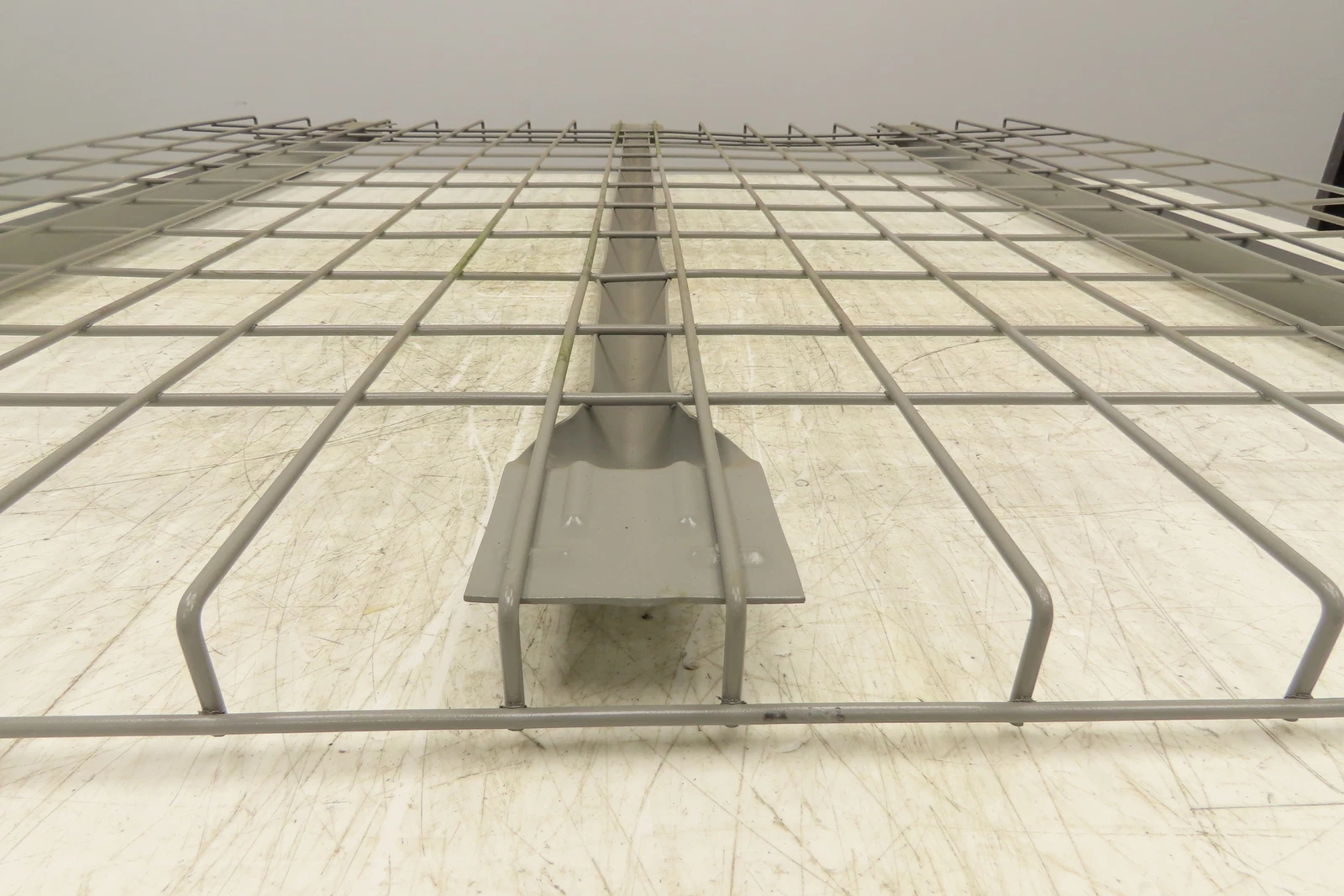
How Do Pallet Drop Incidents Affect Employee Safety?
How Do Pallet Drop Incidents Affect Employee Safety?
- Pallet drop incidents can significantly affect employee safety, causing both physical and emotional injuries.
- Such incidents disrupt teamwork, leading to fears and a perception of the workplace as dangerous.
- Morale may decline as employees become hesitant to report unsafe practices due to fear of repercussions.
- Addressing these incidents requires adherence to safety protocols, including regular inspections and maintenance of racking systems.
- Comprehensive training on safe lifting and stacking techniques is crucial for employee well-being.
- Leaders should prioritize safety and encourage open dialogue about hazards to build worker confidence.
- Sharing personal stories of near misses reinforces the collective responsibility for safety among employees.

How Do Pallet Drop Incidents Affect Employee Safety?
What Steps Can We Take to Improve Pallet Stability?
When you’re on the job, there’s nothing worse than seeing a stack of pallets teetering precariously. It’s a gut-wrenching sight, one that sends shivers down the spine of anyone who’s ever dealt with a freight disaster. To prevent those heart-stopping moments, there are practical steps we can take to improve pallet stability, ensuring safety and efficiency on the work floor.
First off, consider the type of Racking Systems specifically designed for your needs. Choosing the right system isn’t just about the current load; it’s about anticipating future demands too. Pallets need to fit snugly into their racking spaces without compromise. If it feels off, it probably is. Pay attention to the weight distribution as you load; heavier items should go on the bottom. This isn’t just a suggestion; it’s a fundamental rule that strikes at the heart of stability.
Next, let’s talk about securing those loads. Strapping down pallets with sturdy bands or shrink-wrapping them tightly can hold everything in place. Just like a well-worn tool that’s seen its share of hard work, a secure load gives you confidence. It’s about knowing that when you reach for that pallet, it’s going to stand firm—no slips, no spills. If you’ve ever been in the midst of a clean-up after a topple, you understand the value of this.
Now, let’s not forget the human element. Team training is crucial. When everyone understands how to properly stack and handle pallets, it’s not just procedure; it’s shared responsibility. There’s a certain camaraderie that forms when a crew knows they’ve got each other’s backs. Sharing stories of near-misses and lessons learned during breaks fosters a culture of safety and vigilance that resonates throughout a workplace.
Lastly, keep an eye on the condition of your pallets and racking systems. Regular inspections can catch potential issues before they escalate. Things wear down, and that’s a fact of life; maintaining your equipment is akin to respecting your craft. A bit of humility in recognizing that everything has its limits can save a lot of trouble down the line.
By taking these steps—choosing the right racking systems, securing loads, training teams, and maintaining equipment—you’re not just improving stability. You’re creating an environment where safety reigns, and everyone can focus on the task at hand with confidence. Remember, a stable pallet isn’t just about physical safety; it’s about peace of mind for every person who steps onto that floor. That connection between good practices and collective responsibility can make all the difference in the day-to-day grind.

What Steps Can We Take to Improve Pallet Stability?
What Steps Can We Take to Improve Pallet Stability?
- Improving pallet stability is essential for safety and efficiency in the workplace.
- Select the appropriate racking systems that accommodate current and future load demands.
- Ensure pallets fit snugly in racking and prioritize proper weight distribution by placing heavier items at the bottom.
- Secure loads with sturdy bands or shrink-wrapping to prevent slips and spills.
- Team training is vital for proper stacking and handling, fostering shared responsibility among crew members.
- Regular inspections of pallets and racking systems can identify potential issues before they escalate.
- Creating a culture of safety enhances overall confidence and focus on the task at hand.

What Steps Can We Take to Improve Pallet Stability?
How Can Training Reduce Pallet Drop Incidents?
Training is the backbone of workplace safety, especially when it comes to reducing pallet drop incidents. Imagine a bustling warehouse, the hum of machinery, the rush of forklifts zipping past, and the weight of responsibility on every employee’s shoulders. Each team member plays a crucial role in keeping operations running smoothly, but accidents can happen in the blink of an eye. That’s where proper training steps in, making a tangible difference.
At the heart of effective training lies the understanding that knowledge breeds confidence. Workers equipped with solid skills and awareness are less likely to let hazards slip through the cracks. When they comprehend the nuances of handling racking systems, they approach their tasks with a newfound respect for the equipment and the load they bear. It’s not just about moving pallets; it’s about safeguarding their co-workers, their job, and their reputation in the community.
Rationally speaking, training addresses risks head-on. It illuminates the reasons behind strict protocols and handling techniques, explaining how a simple misstep, such as improperly stacking loads, can lead to catastrophic falls. With statistical backing, employees begin to see the bigger picture—fostering a culture of safety is not just good for business; it’s a necessity. Each lesson learned is a step away from danger and a stride toward a cohesive work environment.
Ethically, investing in training is a commitment to the workforce. It shows employees that their safety matters. It creates trust and loyalty, knowing their employer cares enough to provide them with the tools they need to thrive. Trust is built brick by brick, or in this case, pallet by pallet, through hands-on training that emphasizes teamwork and mutual care.
Narratives spoken during training sessions resonate deeply. Sharing real-life stories—like the time a simple miscommunication nearly caused a severe accident—makes the message stick. These tales can evoke empathy, reminding everyone that behind every pallet is a person who wants to return home safe at the end of the day.
Lastly, training fosters camaraderie. When employees band together during drills and simulations, they create a shared ethos. They learn to watch each other’s backs. In a culture where safety is a shared priority, trust builds naturally, and morale skyrockets.
Reducing pallet drop incidents is about more than just protocols; it’s about instilling a mindset. Through robust training programs that prioritize skills and connect on an emotional level, companies invest in safer workplaces, happier employees, and ultimately, a thriving community.

How Can Training Reduce Pallet Drop Incidents?
How Can Training Reduce Pallet Drop Incidents?
- Training is essential for enhancing workplace safety and reducing pallet drop incidents.
- Knowledge fosters confidence, enabling employees to handle equipment and tasks more responsibly.
- Proper training addresses risks by explaining the importance of protocols and handling techniques.
- Investing in training demonstrates an employer’s commitment to employee safety, building trust and loyalty.
- Real-life narratives during training sessions enhance understanding and evoke empathy among employees.
- Team drills and simulations create camaraderie, fostering a culture of shared safety priorities.
- Effective training instills a safety mindset, contributing to happier employees and a thriving workplace community.

How Can Training Reduce Pallet Drop Incidents?
What Role Does Equipment Maintenance Play In Preventing Drops?
When it comes to heavy lifting and racking systems, the unsung hero behind smooth operations is often the equipment maintenance routine that keeps everything in check. Picture a warehouse bustling with activity, forklifts whizzing by, and pallets stacked high. Now imagine if one of those racking systems failed because of neglect. It’s a haunting thought, but it’s a reality that can hit hard. That’s where proper maintenance steps in, acting as the shield against costly accidents and the heart of operational reliability.
Every piece of equipment, from forklifts to the racking systems that hold loads safely in place, requires regular inspection and upkeep. Think about it: just like a car needs an oil change, racking systems need checks for wear and tear. If a beam is cracked or a connector is loose, it might not be obvious until that one critical moment when it can no longer bear the load. This isn’t just about keeping the machinery running; it’s about safeguarding lives and livelihoods. It’s the rational piece—we can’t afford to ignore the mechanics when people trust them with their safety daily.
Moreover, there’s an ethical responsibility that comes with equipment maintenance. It’s not just about profits; it’s about people who rely on these machines to work efficiently and safely. When workers see that their employer takes maintenance seriously, it fosters a culture of care and respect. They know that their well-being is prioritized, which builds loyalty and encourages a team atmosphere.
Taking a cue from hands-on experience reinforces this narrative. Maintenance isn’t merely a checklist; it’s about setting the stage for a safe workplace. It’s about remembering that the few minutes spent inspecting equipment can save hours, even days, of downtime—and that’s time and money well spent. Picture the experienced operator who takes pride in checking every bolt and beam before starting their shift. They know firsthand that a proactive approach prevents disasters.
Connecting on a social level, think about the camaraderie in a workplace where safety is a top priority. It’s a team united by shared values, looking out for one another, where each member feels empowered to speak up about potential hazards. This kind of environment doesn’t just boost morale; it enhances efficiency and trust across the board.
Consistent equipment maintenance isn’t just a matter of routine; it’s a commitment to everyone’s safety and the backbone of efficient operations. By embracing this responsibility, we create a safer space for ourselves and our coworkers, and that’s something worth standing behind.

What Role Does Equipment Maintenance Play In Preventing Drops?
What Role Does Equipment Maintenance Play In Preventing Drops?
- Equipment maintenance is crucial for smooth operations in warehouses with heavy lifting and racking systems.
- Regular inspection and upkeep of equipment, such as forklifts and racking systems, is essential to prevent failures.
- Neglected maintenance can lead to accidents that threaten lives and operational reliability.
- There is an ethical responsibility to ensure equipment is safe, prioritizing worker well-being over profits.
- A culture of safety fosters loyalty among workers and encourages a supportive team atmosphere.
- Proactive maintenance can prevent significant downtime and saves time and money in the long run.
- Consistent equipment care builds trust and enhances efficiency within the workplace.
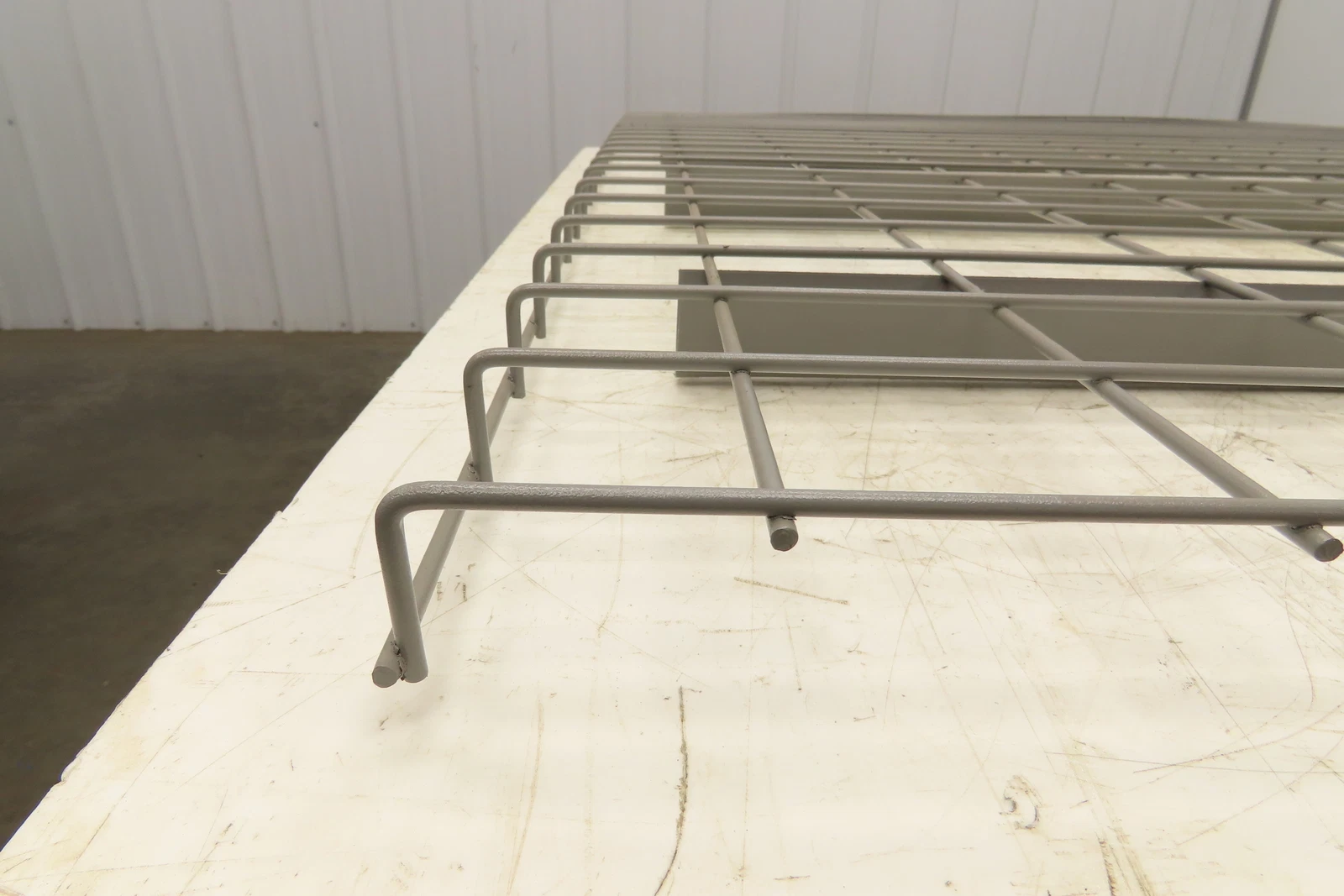
What Role Does Equipment Maintenance Play In Preventing Drops?
How Can We Assess the Weight Limits Of Pallets Effectively?
Assessing the weight limits of pallets effectively is more than just a numbers game; it’s about ensuring safety, efficiency, and the well-being of everyone involved in the supply chain. You know, when you’ve been on the warehouse floor day in and day out, you see how essential it is to get things right. One misstep with a pallet load can lead to damaged goods, injuries, or worse.
So, how do we tackle this? First off, understanding racking systems is vital. These structures are the backbone of warehousing. They’re not just metal shelves; they’re engineered to hold specific weights securely. It’s like a house; you wouldn’t just throw any weight on the shelves without knowing the load-bearing capacities. Make sure to familiarize yourself with the specifications of your racking systems and how they interact with different pallet sizes and weights.
From a rational standpoint, accuracy in weight assessment helps optimize space and resources. Imagine walking through an aisle and seeing unsteady stacks swaying like a tightrope walker in a breeze. That fraying rope of uncertainty doesn’t just give you the jitters; it ties up valuable time when loads topple and messes pile up. Instead, proper forecasting and understanding load limits keep things running smoothly, leading to less stress and more productivity.
Emotionally, it’s about trust. When your team understands what they can safely manage, they feel empowered. They can move with confidence rather than worry about whether the next load will be the one that tips over. That empowerment fosters a culture of safety and accountability—everyone looking out for one another, working as a unit.
Ethically, it’s about responsibility. We owe it to each other to ensure our workplaces are safe. Every pallet that’s stacked on a racking system comes with a duty of care. Those loads could be someone’s livelihood—protecting them means looking closely at how we assess those limits.
And let’s not forget the power of community. Sharing experiences and learning from one another—in small conversations over a cup of coffee or during a safety meeting—can lead to collective improvements. When everyone pitches in to understand and communicate weight limits, it builds a stronger team and safer workplace.
A hands-on approach to assessing weight limits can save you from headaches down the line. Good practices aren’t just about compliance; they’re about trust, safety, and partnership. Take the time to assess thoughtfully, and you won’t regret how it feels when everything is stacked just right.

How Can We Assess the Weight Limits Of Pallets Effectively?
How Can We Assess the Weight Limits Of Pallets Effectively?
- Effective pallet weight assessment ensures safety, efficiency, and well-being in the supply chain.
- Understanding racking systems is crucial since they are engineered for specific weight capacities.
- Accuracy in weight assessment optimizes space and resources, reducing operational disruptions.
- Empowered teams build trust and safety culture by knowing how much they can manage confidently.
- Responsibility towards safety is essential, recognizing the potential impact on employees’ livelihoods.
- Community engagement and shared experiences enhance understanding of weight limits and promote safety.
- A hands-on approach to weight assessment fosters better practices, enhancing trust and partnerships.

How Can We Assess the Weight Limits Of Pallets Effectively?
Conclusion
In the bustling environment of warehouses, where safety is paramount, the consequences of pallet drop incidents can be severe. These occurrences not only disrupt operations but also risk lives. It’s crucial to foster a workplace culture where safety practices are prioritized and ingrained into the daily routine. To create a safe environment, organizations must invest in high-quality racking systems designed to handle the loads they bear. This investment goes beyond mere practicality; it’s a commitment to the people who operate within these spaces daily.
Regular inspections, education, and training play vital roles in preventing pallet drops. Workers need to be equipped not just with the knowledge of procedures but with the understanding of how collective efforts contribute to safety. Training should encompass real-life examples—sharing near-misses can have a more profound impact than abstract lessons. When employees feel connected and accountable to one another, they’re more likely to watch each other’s backs, turning safety into a shared responsibility.
Furthermore, establishing clear strategies for loading pallets and managing workplace traffic enhances safety. This includes teaching proper stacking methods and maintaining safe speeds for forklifts. Workers should be encouraged to communicate about safety concerns naturally, fostering a community where discussions about safety practices are common and celebrated.
On the flip side, when safety is compromised, the emotional toll can be substantial. Workers may feel unease and anxiety, affecting morale and teamwork. Regular maintenance of equipment is equally important; neglected machinery can lead to failures at critical moments. A culture that prioritizes equipment upkeep signals to employees that their safety is valued.
In addition to strategic practices, understanding weight limits on pallets is essential. Mismanagement of weight can lead to accidents that could have easily been avoided. Ensuring everyone understands and respects these limits builds trust and empowers teams to work confidently without fear of disaster.
The heart of preventing pallet drop incidents lies in a holistic approach that combines practical safety measures, continuous education, community engagement, and a commitment to ethical practices. By cultivating an environment where safety is not just a box to check but a core value, teams can work together effectively and return home safely at the end of the day. Together, through diligence and shared responsibility, we can build stronger, safer workplaces for everyone involved.

Conclusion
Conclusion:
- Pallet drop incidents in warehouses can disrupt operations and risk lives.
- Creating a workplace culture that prioritizes safety is essential for everyday routines.
- Investing in high-quality racking systems demonstrates a commitment to employee safety.
- Regular inspections, education, and training are crucial for preventing pallet drops.
- Implementing clear strategies for loading pallets and managing traffic enhances safety measures.
- Understanding and respecting weight limits on pallets is vital to avoid accidents.
- A holistic approach to safety combines practical measures, continuous education, and community engagement.

Conclusion
Other Resources
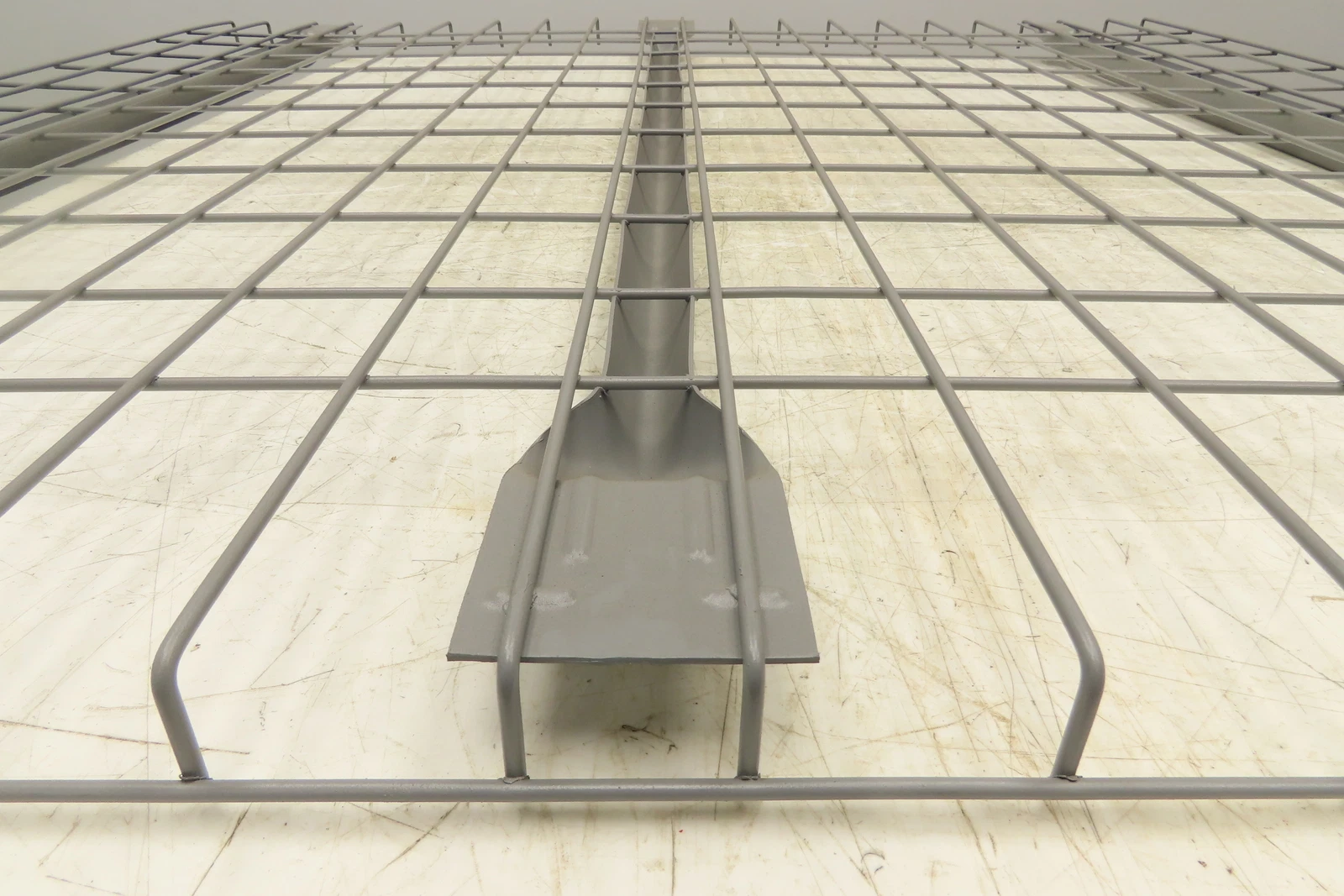
Other Resources
Here is a list of other resources you can review online to learn more:
- IIWS Inc. Rack Installation Illinois & Rack Repairs Illinois
- MHI
- Material Handling Safety
- Intro to Warehouse Racks & Warehouse Racking Systems – ShipBob
- Selective Racking
- Wolter
- New Cantilever Racks and Racking Kits
- Selective Racking
- WERC
- Chicago Pallet Racking
- NSC
- Interlake Mecalux
- Heavy-Duty Cantilever Storage Racks
- National Safety Council
- American Society of Safety Professionals
- Cantilever Rack Guide: Ordering Cantilever Racking
- Warehousing Education and Research Council: https://www.werc.org/
- Teardrop Racks – Pallet Rack World
- Pallet Rack Systems – New and Used Pallet Racking and Shelving Experts
- Arrow Industrial Sales
Use This Prompt To Get More Resources With Your Favorite Online AI Tool: Please provide me with a list of online articles with their URLs in a bulleted list that I can read regarding Preventing Pallet Drop Incidents

Other Resources
Glossary Terms
Preventing Pallet Drop Incidents – Glossary Of Terms
1. Pallet: A flat structure used to support goods in a stable manner during transport and storage.
2. Drop: The act of a pallet falling from a height, potentially causing damage or injury.
3. Safety Net: A system or mechanism designed to catch or cushion falling pallets.
4. Forklift: A powered industrial vehicle with a pronged device in front for lifting and moving pallets.
5. Stability: The ability of a pallet to remain upright and secure under load.
6. Load Capacity: The maximum weight a pallet can safely support without risk of failure.
7. Securing: Methods used to keep pallets and their loads firmly in place.
8. Height Management: Practices aimed at controlling the vertical stacking of pallets to prevent drops.
9. Inspection: The process of examining pallets for structural integrity and safety compliance.
10. Shock Absorption: Techniques employed to reduce the impact force during a drop.
11. Training: Instruction provided to workers on safe handling and storage practices for pallets.
12. Hazard Analysis: The evaluation of potential risks associated with pallet handling.
13. Ergonomics: The study of workplace design focusing on human efficiency and safety in relation to pallet handling.
14. Aisle Width: The space between stacks of pallets that allows safe movement without risk of collision.
15. Barrier: Physical or structural elements used to prevent pallets from falling off ledges or shelves.
16. Identification: Labeling pallets with relevant information such as weight limits and handling instructions.
17. Chocking: A method of securing pallets by placing blocks or wedges to prevent movement.
18. Lifting Equipment: Tools designed to assist in safely raising and moving pallets.
19. Environmental Factors: Conditions such as humidity or temperature that may affect pallet integrity.
20. Warning Signs: Visual indicators displayed to alert workers of potential hazards related to pallet handling.
21. Reporting: The process of documenting incidents or near misses related to pallet drops.
22. Maintenance: Routine checks and repairs to ensure pallet and forklift equipment are in safe working order.
23. Training Modules: Structured programs focused on educating employees about safe pallet handling practices.
24. Root Cause Analysis: Investigation into the fundamental reasons behind pallet drop incidents.
25. Safety Protocols: Established procedures aimed at preventing accidents involving pallets.
26. Compliance: Adherence to safety regulations and standards related to pallet handling.
27. Visibility: The degree to which pallets and their surroundings can be seen, critical for safe operations.
28. Risk Assessment: A systematic approach to identifying potential dangers associated with pallet use.
29. Incident Review: The analysis of past pallet drop incidents to improve safety measures.
30. Best Practices: Recommended methods or techniques recognized for improving safety in pallet handling.

Glossary Of Terms
Other Questions
Preventing Pallet Drop Incidents – Other Questions
If you wish to explore and discover more, consider looking for answers to these questions:
- What specific racking standards, codes, or regulations apply to my industry and location?
- How often should racking systems and pallets be inspected and who should perform the inspections?
- What are the most reliable methods for testing and verifying pallet and rack load capacities on-site?
- How do I determine the safe weight limits for different pallet types and configurations?
- What are the common signs of pallet or racking failure to watch for during daily operations?
- Which pallet materials and designs (wood, plastic, metal) are safest for heavy or irregular loads?
- What are best practices for securing loads (strapping, shrink-wrap, edge protectors) to prevent shifts?
- How should uneven or overhanging loads be handled to maintain stability?
- How do environmental conditions (humidity, temperature, dust) affect pallet integrity and racking performance?
- What maintenance schedule should be followed for forklifts, pallet jacks, and other material‑handling equipment?
- Which inspection tools and measurement devices are most effective for assessing load and rack safety?
- What training curriculum, frequency, and assessment methods reduce pallet-drop incidents most effectively?
- How should near-misses and incidents be reported, recorded, and acted upon to improve safety culture?
- What human factors (fatigue, distraction, workload, incentives) contribute to pallet drops and how can they be mitigated?
- How can traffic management and aisle layout be optimized to reduce collisions and racking impacts?
- What technology solutions (sensors, cameras, load-monitoring systems, automatic restraints) are proven to prevent drops?
- How much does it typically cost to retrofit existing racking with safety features, and what is the expected payback?
- What emergency response and evacuation procedures should be in place following a pallet-drop incident?
- How should incident investigations be conducted to identify root causes and corrective actions?
- What legal liabilities, insurance implications, and reporting requirements arise after a serious pallet-drop incident?
- How can safety practices be integrated with productivity targets without creating perverse incentives to cut corners?
- What personal protective equipment (PPE) is recommended for workers operating near elevated loads?
- How do we evaluate and select reliable pallet and racking vendors or service providers?
- What are recommended procedures for managing contractors and temporary staff to ensure they follow site safety rules?
- How often should staff receive refresher training and drills, and what should those drills include?
- What KPIs and metrics best measure progress in reducing pallet-drop risk?
- How should we document and maintain inspection and maintenance records for audits and compliance?
- What are best practices for load stacking patterns and pallet orientation to maximize stability?
- How should damaged pallets be identified, quarantined, repaired, or retired?
- What role do signage, floor markings, and visual cues play in preventing pallet drops?
- How should companies handle worker support, rehabilitation, and return-to-work after an injury from a pallet drop?
- What training or certification programs exist for racking inspectors and pallet-handling operators?
- How do seismic, wind, or other site-specific risks alter racking design and pallet storage practices?
- What cost-benefit analysis framework can justify investments in training, maintenance, or new equipment?
- How can supply-chain partners be engaged to ensure pallets and loads arrive pre-secured and compliant?

Other Questions
Checklist
Preventing Pallet Drop Incidents – A Checklist
Header
✅______ Site
✅______ Area or Zone
✅______ Date
✅______ Completed By
Planning and Layout
✅______ Racking layout matches engineered design and drawings
✅______ Aisle widths meet equipment turning and lift-height requirements
✅______ One-way aisles and pedestrian paths are clearly marked
✅______ Designated staging zones keep pallets off travel paths
✅______ Overhead obstructions are identified and protected
Racking Systems Integrity
✅______ Uprights are plumb with no bends, twists, or buckling
✅______ Beams are fully seated with intact safety locks or clips
✅______ Anchors are present, tight, and undamaged
✅______ Wire decking or pallet supports installed where specified
✅______ Backstops, netting, or mesh guards protect open rack rears and ends
✅______ Capacity plaques are visible and legible for each bay and level
✅______ Impact protection (column and end-of-aisle guards) installed and intact
✅______ Damage tagging and repair process in place; no unapproved repairs
Pallet Quality and Suitability
✅______ Pallets match load type and rack design (e.g., compatible with warehouse racking)
✅______ No broken boards, cracked stringers, protruding nails, or contamination
✅______ No oversize or undersize pallets that compromise beam support
✅______ Pallet ratings known and appropriate for load weight
✅______ Consistent pallet type used within each stack or rack position
Loading and Stacking Practices
✅______ Heaviest items placed low; center of gravity kept low and centered
✅______ Load does not overhang the pallet unless engineered to do so
✅______ Stacks are squared with no leaning or pyramiding
✅______ Mixed-case loads interlocked to prevent shifting
✅______ Do not exceed rack beam level and total bay capacity
✅______ Never place single-wing pallets with deckboards unsupported
Load Securing
✅______ Stretch wrap applied to base and top with sufficient wraps; tails secured
✅______ Corner boards or edge protectors used for unstable loads
✅______ Strapping or banding used where wrap alone is insufficient
✅______ Slip sheets or anti-slip mats used as needed to prevent shear
✅______ Labels indicate “Do Not Stack” or clamp-only handling when applicable
Forklift and PIT Operations
✅______ Operators certified; authorization current for equipment type
✅______ Daily pre-use inspections completed and logged
✅______ Travel with forks low; no riders; horns used at intersections
✅______ No traveling with elevated loads; no parking under raised masts
✅______ Mast tilt and side-shift neutralized before placement; forks level when depositing
✅______ Do not push or pull loads off beams; place and remove vertically with control
✅______ Spotter used for high or obstructed placements
Traffic Management and Exclusion Zones
✅______ Speed limits posted and enforced; speed limiters functional
✅______ Pedestrian exclusion zones under elevated loads and around racking
✅______ Mirrors, barriers, and warning lights at blind corners and doors
✅______ Clear right-of-way rules between PITs and pedestrians
✅______ Work-at-height areas barricaded during operations
Equipment Maintenance
✅______ Preventive maintenance schedule current for PITs and attachments
✅______ Forks within wear limits; cracks, heel wear, and deflection checked
✅______ Chains, hydraulics, brakes, tires, and alarms functional; leaks addressed
✅______ Racking inspections performed per manufacturer or standard frequency
✅______ All defects tagged out and corrected before return to service
Weight Limits and Calculations
✅______ Pallet load weight known (via BOM, scale, or validated estimate)
✅______ Pallet rating verified against load weight
✅______ Beam level and bay capacities verified before placement
✅______ Load evenly distributed across both forks and rack supports
✅______ Height-to-base ratio acceptable for stability (per site standard)
✅______ Special loads (liquids, drums, tall items) assessed for dynamic shift risk
✅______ Capacity signage updated when configurations change
Training and Culture
✅______ Initial and refresher training cover stacking, securing, and racking use
✅______ Hands-on demonstrations and evaluations completed and documented
✅______ Near-miss reporting active; lessons shared in toolbox talks
✅______ Stop-work authority communicated and supported without retaliation
✅______ New or temporary workers receive area-specific safety onboarding
Inspections and Monitoring
✅______ Pre-shift area walk conducted (racking, pallets, floors, and visibility)
✅______ Weekly spot-checks of the top two rack levels for stability and wrap quality
✅______ Monthly supervisor audit of loading practices and traffic control
✅______ Corrective actions tracked to closure; trends reviewed
Housekeeping and Environment
✅______ Aisles and rack bases free of debris, shrink-wrap tails, and broken pallets
✅______ Spills cleaned immediately; floors dry and even
✅______ Lighting adequate for top-tier placements; lights functional
✅______ Temperature and wind (if outdoors) considered before high lifts
✅______ No obstructions at fire exits and emergency equipment
Dock and Trailer Safety
✅______ Dock plates rated and secured; lips fully engaged
✅______ Trailer restraints and locks used; chocks in place where required
✅______ Jack stands used for unsupported trailers
✅______ Trailer floors inspected for rot or weakness before entry
✅______ Communication with drivers controlled; keys locked out during loading
Emergency Preparedness and Incident Response
✅______ No one permitted beneath suspended or partially placed loads
✅______ Drop zones cordoned off immediately after a shift or incident
✅______ First aid and spill kits accessible; staff know locations
✅______ Incident and near-miss reports completed promptly
✅______ Root cause analysis performed; controls updated and communicated
Documentation and Change Control
✅______ Current racking engineering certifications and drawings on file
✅______ SOPs for loading, securing, and PIT use accessible at the point of work
✅______ Change management in place for re-slotting, beam adjustments, or new SKUs
✅______ Contractor activities controlled and briefed on site rules
Signage and Visual Management
✅______ Capacity plaques, speed limits, and pedestrian routes clearly posted
✅______ “No Storage” and clearance markers at sprinklers and utilities
✅______ Visual guides for wrapping patterns and stacking heights at packing and shipping areas
PPE and Personal Readiness
✅______ Required PPE worn (safety shoes, hi-vis, gloves, and eye protection as specified)
✅______ No loose clothing or jewelry that could snag during handling
✅______ Fatigue management and hydration encouraged for extended shifts
Final Verification
✅______ All nonconformities recorded with owners and due dates
✅______ Immediate hazards mitigated before the area is released to operation
✅______ Team briefed on findings and reminders reinforced

Checklist
At RackingWorld, we help guide you through selecting warehouse storage systems and racking.
Be sure to read our other related stories at RackingWorld to learn more about warehouse storage systems.
0 Comments