
Navigating Safety: Essential Strategies For Narrow Aisle Excellence
By Tom Seest
At RackingWorld, we help guide you through selecting warehouse storage systems and racking.
Be sure to read our other related stories at RackingWorld to learn more about warehouse storage systems.
Safety Best Practices for Narrow Aisle Systems
When it comes to narrow aisle systems, the stakes aren’t just about efficiency; it’s about keeping every person in that space safe. These environments can feel tight, and when you’re maneuvering heavy loads among racking systems, the potential for accidents lingers. That’s why we need to turn our attention to safety best practices that not only protect us but foster a culture of care and accountability among colleagues.
First off, training is non-negotiable. Every worker should understand the ins and outs of navigating narrow aisles. It’s not just a lecture; it’s hands-on learning that sticks. Conduct regular safety drills. Make it part of the rhythm of the workplace. The more familiar folks are with what to do, the more likely they are to act instinctively during crucial moments.
Next, assess your racking systems. Take a close look at how they’re organized and maintained. Is there a clear path for movement? Are shelves stocked at manageable heights? Ensuring that aisles are clear and organized can significantly cut down on the chances of collisions or falls. Moreover, inspect equipment regularly. A forklift with warning lights that aren’t working is like a smoke alarm without batteries. Check everything—brakes, sightlines, and mirrors—before hitting the ground running.
But it isn’t all about strict rules and equipment checks. Teamwork plays a vital role. Encourage open communication. If someone feels uneasy about a load they’re moving or the way a co-worker is stacking pallets, make it easy for them to speak up. Even a simple, “Hey, let’s move that a little to the left!” can prevent a potentially disastrous situation. Everyone should feel empowered to contribute to a safer working environment.
Let’s also consider the ethics of safety. It’s not just a duty; it’s a shared responsibility. When we prioritize safety, we’re saying, “I care about you, and I care about my work.” This attitude fosters trust and builds camaraderie. It’s knowing that while we’re all here to get the job done, we’re equally invested in looking out for one another.
In narrowing our aisles, let’s broaden our vision regarding safety. Embrace these practices, and build an environment that reflects a commitment to care, responsibility, and community. In doing so, we not only protect ourselves but create space for trust and mutual support that strengthens our teams and enhances our work lives. Safety isn’t just a goal; it’s a continuous journey we take together.
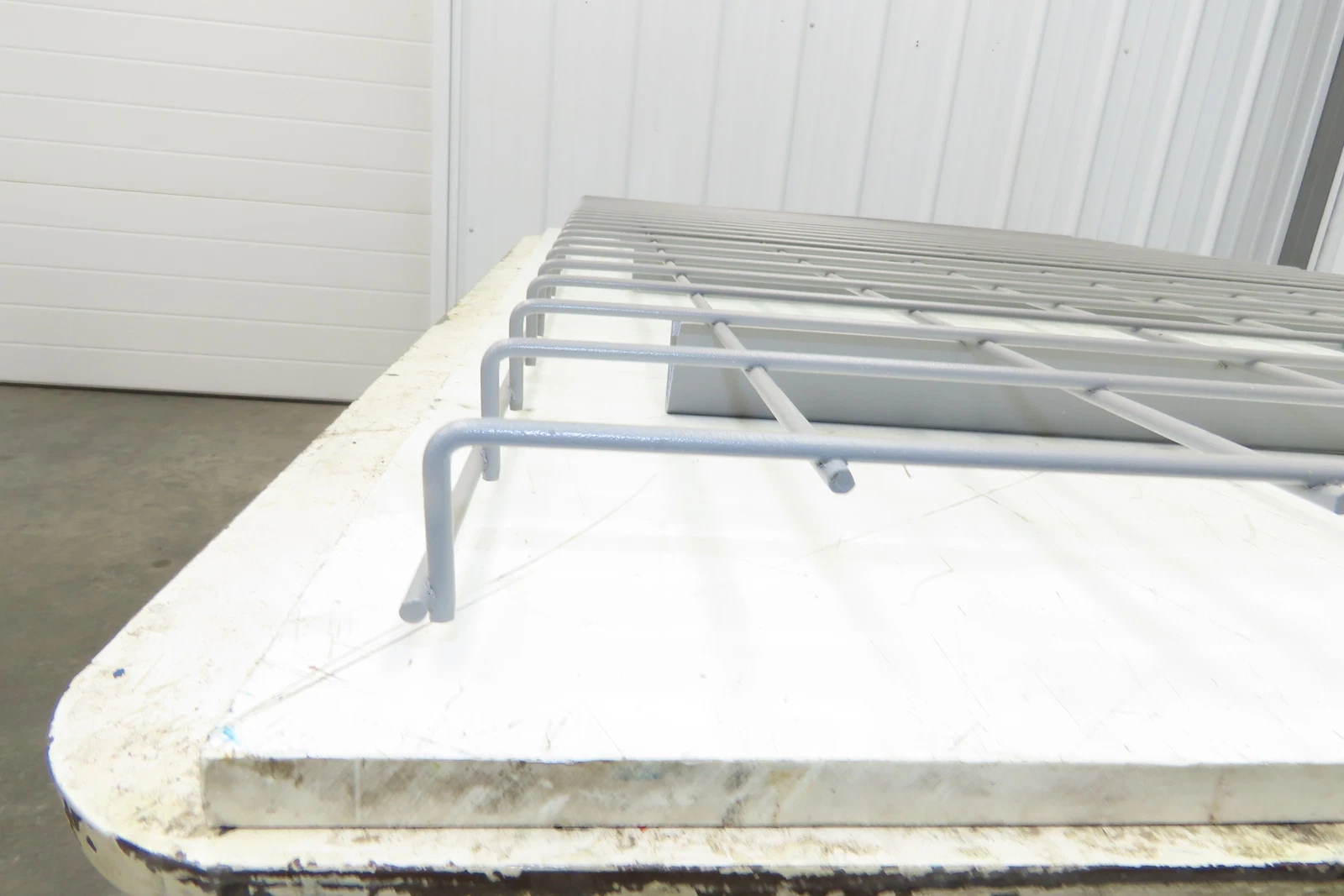
Safety Best Practices for Narrow Aisle Systems
Safety Best Practices for Narrow Aisle Systems
- Importance of safety in narrow aisle systems, beyond efficiency.
- Training is essential for workers to navigate narrow aisles effectively.
- Regular safety drills help workers respond instinctively during emergencies.
- Regular assessment and maintenance of racking systems reduce risks.
- Encourage open communication among team members to enhance safety.
- Fostering a culture of accountability and shared responsibility regarding safety.
- Commitment to safety strengthens teamwork and creates a supportive work environment.

Safety Best Practices for Narrow Aisle Systems
Table Of Contents
- Safety Best Practices for Narrow Aisle Systems
- What Are the Most Common Hazards In Narrow Aisle Systems?
- How Can We Ensure Employee Safety In Tight Spaces?
- What Are the Key Features Of an Effective Narrow Aisle Design?
- How Can Proper Training Reduce Accidents In Narrow Aisle Systems?
- What Role Does Equipment Maintenance Play In Narrow Aisle Safety?
- How Do Safety Regulations Affect Narrow Aisle Operations?
- Conclusion
- Other Resources
- Glossary Of Terms
- Other Questions
- Checklist
What Are the Most Common Hazards In Narrow Aisle Systems?
Navigating the tight spaces of narrow aisle systems can feel a bit like threading a needle—one wrong move and the whole operation can go sideways. The first hazard you’ll bump into is visibility. With racks towering overhead, operators often find themselves straining to see what’s coming up ahead. Poor visibility can lead to collisions or accidents, especially when you’re maneuvering heavy loads. Investing in better lighting and using reflective tape on racks can help reduce these risks.
Next on the hazard list is the equipment itself. Racking systems, while designed to maximize storage, can create a maze that’s tricky to navigate. Forklifts or order pickers can easily scrape against the edges, leading to damaged merchandise, injured workers, or worse. This isn’t just about lost product; it’s about the real potential for injury that too many turn a blind eye to. Regular maintenance and training for operators on how to handle equipment in tight spaces are necessary steps to safeguard health and safety.
A third consideration involves the layout and organization of the aisles. Clutter is not just unsightly; it’s an open invitation to accidents. If items fall from a disorganized rack or if workers trip over misplaced goods, it can lead to disastrous results. Encouraging a culture of order, where every item has its place and workers are dedicated to maintaining it, fosters an environment where everyone feels accountable for their surroundings.
Then there’s the aspect of human factors—worker stress and fatigue. Long hours spent in narrow spaces can take a toll. This isn’t just about getting the job done; it’s about ensuring that workers return home safe and sound. Offering regular breaks and rotating tasks can help keep morale high and eyes sharp, reducing the likelihood of accidents.
Finally, consider the ethical responsibility of management to create a safe work environment. Investing in training programs, appropriate equipment, and a supportive culture isn’t a cost—it’s an investment in your workforce. When employees feel valued, safety becomes a shared goal rather than a checkbox on a list.
Hazards in narrow aisle systems can be managed with foresight and commitment. By prioritizing safety, making practical changes, and valuing your team, you can turn a challenging environment into one that’s not just productive, but secure. Building trust through these measures can lead to better teamwork and a healthier workplace, where everyone feels a sense of pride in their role.
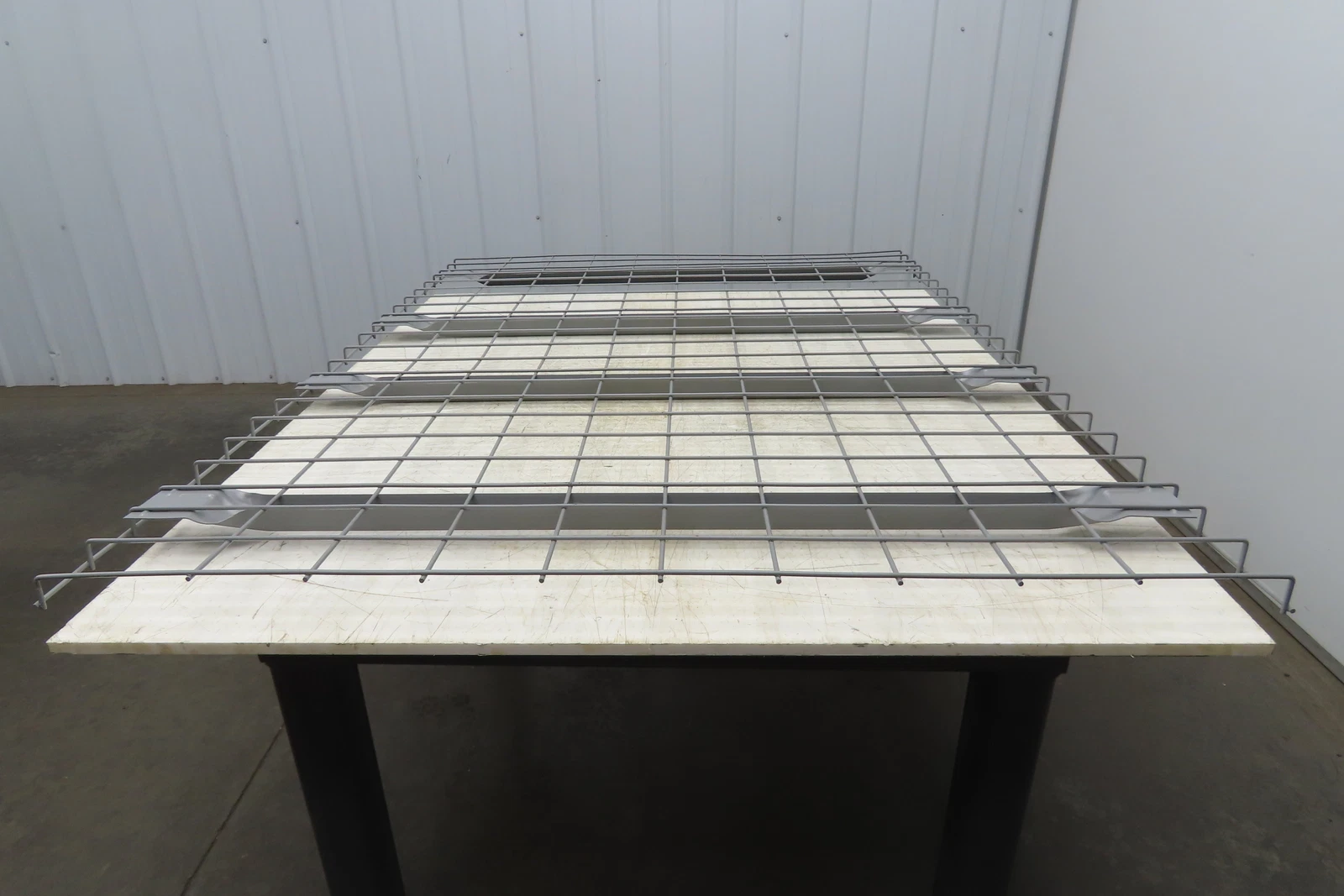
What Are the Most Common Hazards In Narrow Aisle Systems?
What Are the Most Common Hazards In Narrow Aisle Systems?
- Poor visibility in narrow aisle systems increases the risk of collisions and accidents.
- Racking systems can create navigation challenges, risking damage to merchandise and worker safety.
- Regular maintenance and operator training are essential to ensure safe equipment handling.
- Cluttered aisles invite accidents, making organization and accountability crucial.
- Worker stress and fatigue from long hours can negatively impact safety; regular breaks and task rotation are helpful.
- Management has an ethical responsibility to invest in safety training and supportive culture.
- Prioritizing safety and valuing employees fosters a productive, secure work environment.

What Are the Most Common Hazards In Narrow Aisle Systems?
How Can We Ensure Employee Safety In Tight Spaces?
Ensuring employee safety in tight spaces is not just a matter of compliance; it’s about protecting the people who keep our operations running smoothly. Picture a warehouse filled with racking systems, where workers weave in and out, handling delicate equipment and heavy loads. In these tight quarters, a simple misstep can lead to serious accidents. We must foster an environment where safety is the priority—where workers feel valued and empowered to express concerns about their surroundings.
First, we need to create a culture of communication. Encourage employees to flag any potential hazards they spot. This means setting up regular safety meetings where everyone—from the newest hire to the seasoned veteran—can share insights. When people know their voices matter, it fosters trust and camaraderie. They’ll begin to view each other as guardians of safety rather than just coworkers, and this kind of kinship makes for a safer workplace.
Next, we should look at practical measures. Implementing adequate training ensures that each worker understands how to navigate tight spaces safely. Hands-on demonstrations can instill confidence and familiarity. This isn’t just about following rules; it’s about developing instincts. In areas where racking systems branch out or where pathways narrow, an employee who is well-trained will be less likely to panic and more likely to react with level-headedness.
Additionally, we can’t overlook the ethical responsibility we have. Employers must invest in ergonomically designed spaces and effective safety equipment. Providing the right tools and protective gear is a non-negotiable aspect of caring for our workforce. The moral imperative here is clear: a worker’s health and safety should never be compromised for efficiency.
Moreover, sharing real stories of safety successes and near misses can further engage the workforce. Highlight instances where proactive behaviors led to the prevention of accidents. These narratives serve as powerful reminders of the stakes involved and can inspire others to be vigilant. Recognizing those who demonstrate safety-conscious behavior can also create a community of advocates within the company.
Keeping employees safe in tight spaces is about more than adherence to regulations; it’s about fostering a workplace where safety is embedded in the culture. By prioritizing communication, training, and ethical responsibility, we create an environment where our teams can thrive, knowing that safety is at the heart of what we do.

How Can We Ensure Employee Safety In Tight Spaces?
How Can We Ensure Employee Safety In Tight Spaces?
- Employee safety in tight spaces protects operations and personnel.
- A culture of communication encourages workers to report hazards.
- Regular safety meetings build trust and camaraderie among employees.
- Adequate training enhances safety instincts and confidence in tight quarters.
- Employers have an ethical responsibility to provide safe, ergonomic workspaces.
- Sharing success stories and near misses promotes vigilance and safety advocacy.
- Embedding safety into workplace culture is essential for employee well-being.

How Can We Ensure Employee Safety In Tight Spaces?
What Are the Key Features Of an Effective Narrow Aisle Design?
When it comes to narrow aisle design, effective space utilization goes beyond mere measurements; it’s about creating a practical environment where every inch counts. Picture yourself in a bustling warehouse, where the heart of operations beats with urgency and purpose. Racking systems are the backbone of that hustle. They provide the essential framework that keeps everything organized and accessible. It’s not just about fitting more into less; it’s about fostering a workflow that’s as smooth as a well-oiled machine.
Safety must be at the forefront of any design. An effective narrow aisle layout ensures that workers can navigate spaces without fear. This comes down to clear sightlines and proper signage—think of it as the unwritten code of the warehouse. When everyone knows where to go and how to get there safely, it builds a culture of trust among the team. They can focus on the tasks at hand instead of worrying about where the next mishap might occur.
From a practical standpoint, choosing appropriate racking systems is vital. Systems designed for narrow aisles should maximize vertical space while minimizing horizontal spread. This not only helps in stacking more items but also allows for easier access, which can speed up picking times. It’s a simple truth: the faster you can pick an item, the faster you can service a customer. And in this business, speed is often synonymous with success.
But it’s not just about the numbers; there’s a human element too. Consider the satisfaction of a worker navigating a well-thought-out aisle, gear in hand, knowing that their day-to-day tasks are made easier. It’s a small but significant change that can boost morale. When people feel confident in their environment, they are more likely to perform at their best. This brings a sense of pride not just in their work but also in the overall operation.
Moreover, an effective narrow aisle design invites camaraderie. When a team can move through their space without knocking into each other or hunting for lost items, relationships flourish. It creates a shared understanding and a bond that goes beyond the task list. Each success, big or small, is celebrated as a collective win.
Effective narrow aisle design is about more than just fitting more into less. It’s about safety, efficiency, and the people who make it all happen. When a design supports the workforce, it fosters an environment where trust is built, productivity thrives, and each day brings its own victories.
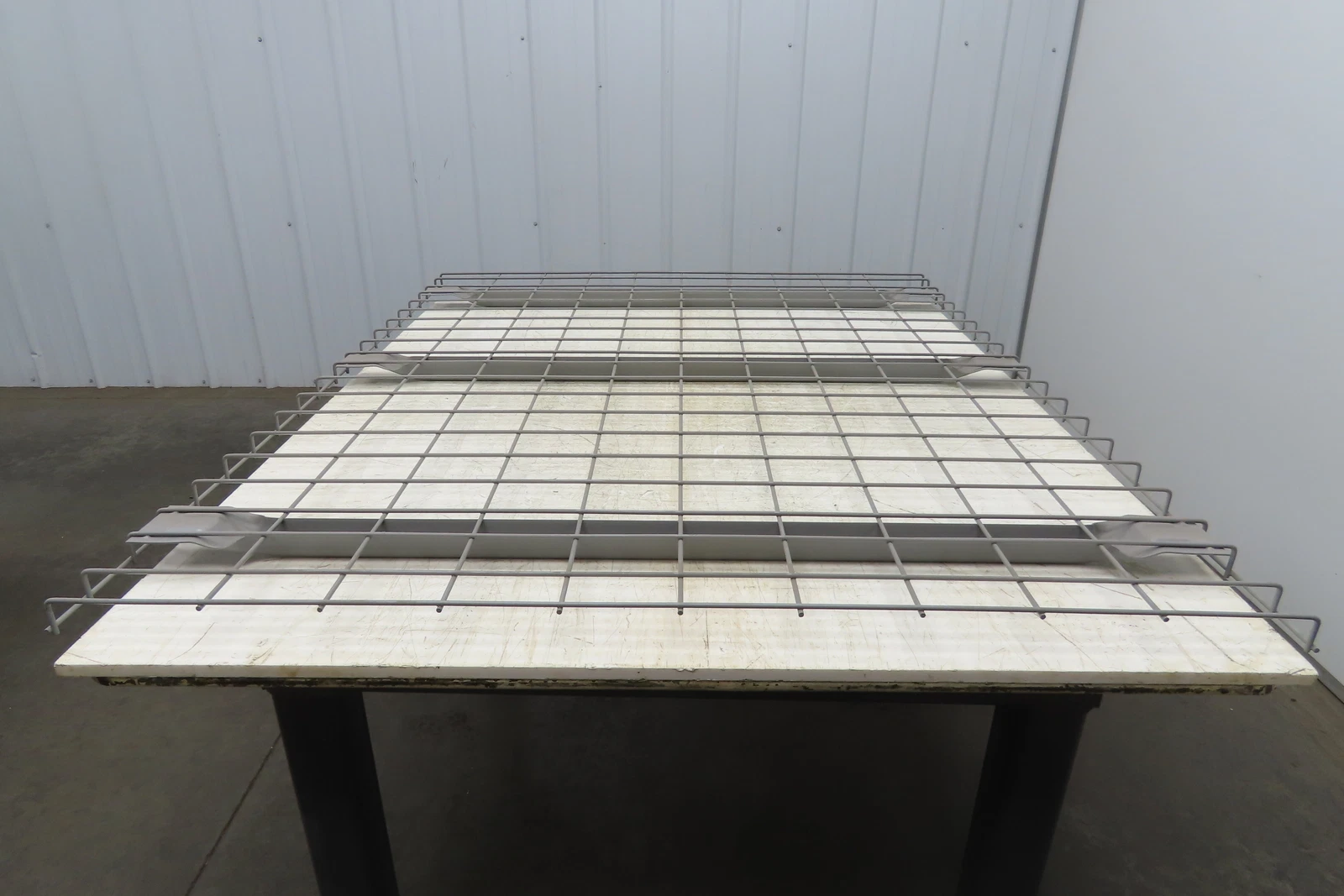
What Are the Key Features Of an Effective Narrow Aisle Design?
What Are the Key Features Of an Effective Narrow Aisle Design?
- Narrow aisle design focuses on effective space utilization to create practical environments in warehouses.
- Racking systems serve as the backbone of warehouse operations, ensuring organization and accessibility.
- Safety is critical; clear sightlines and proper signage promote worker confidence and trust.
- Choosing appropriate racking systems maximizes vertical space and speeds up picking times, enhancing service efficiency.
- A well-designed aisle boosts worker morale, fostering a productive work environment.
- Narrow aisle layouts promote team camaraderie and collaboration, leading to shared successes.
- Effective design supports safety, efficiency, and the overall workforce, cultivating a thriving atmosphere.
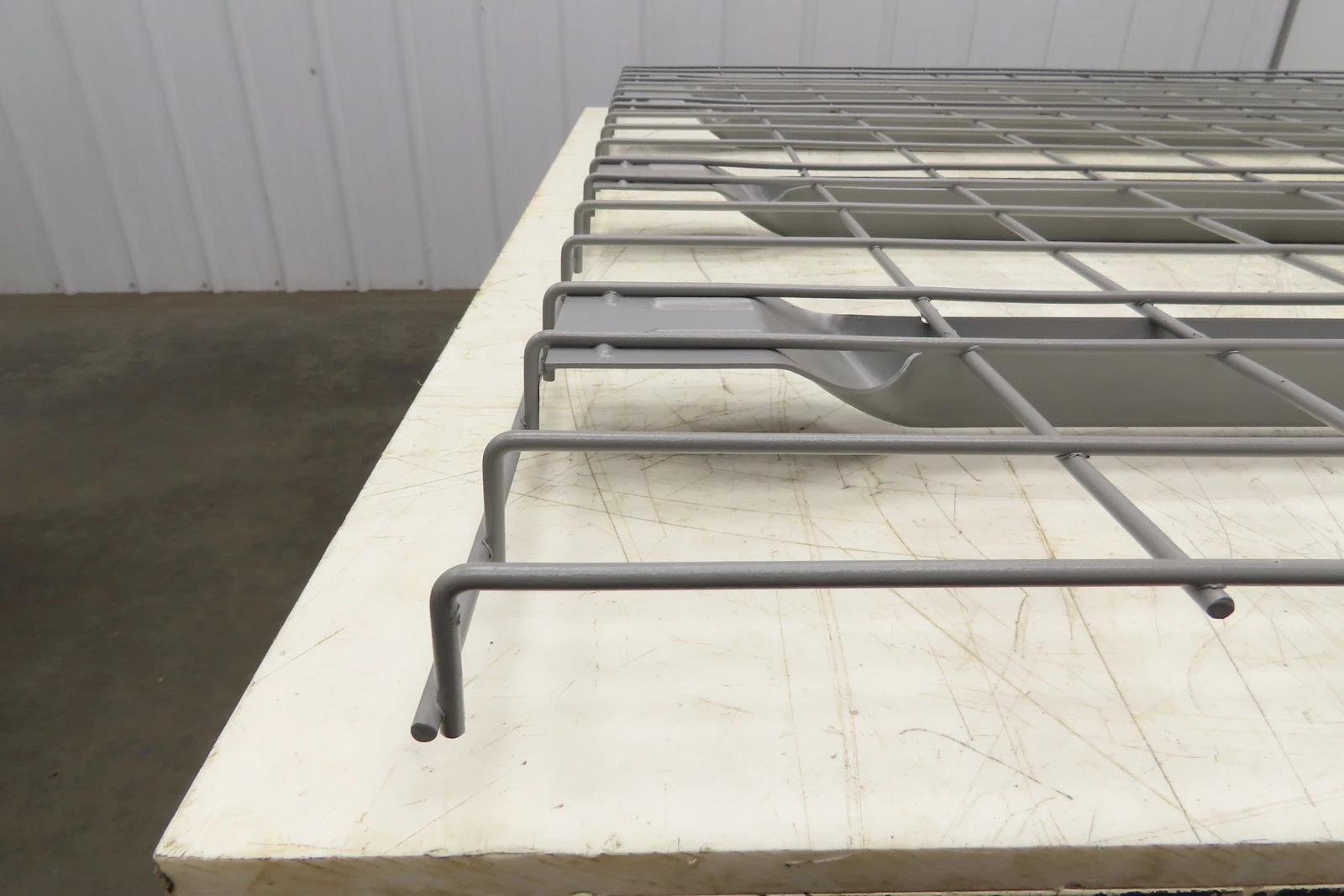
What Are the Key Features Of an Effective Narrow Aisle Design?
How Can Proper Training Reduce Accidents In Narrow Aisle Systems?
Proper training is the backbone of any successful operation, especially in narrow aisle systems where the stakes are high. Picture this: a warehouse dotted with towering racking systems, aisles so slim that one wrong move could lead to costly accidents. It’s not just about maneuvering equipment; it’s about instilling a culture of safety and responsibility that resonates deeply with every worker.
When employees receive comprehensive training, it does more than just check a box; it nurtures confidence. Workers come to understand the intricacies of the racking systems they work around daily. They learn to respect the equipment and the environment. This isn’t just a safety lesson; it’s a story of empowerment. Each worker, well-versed in the do’s and don’ts, develops a sense of ownership over their role. They become proactive, anticipating potential hazards before they arise.
From a practical standpoint, effective training translates to fewer accidents. Imagine a crew that knows how to handle the tight spaces of narrow aisles with ease. By understanding the limits of their machinery and the dynamics of the racking systems, they avoid collisions and mishaps that could lead to personal injury or damaged goods. Training isn’t just a mundane session; it’s a vital investment in the well-being of the team and the operation as a whole.
Moreover, there’s an ethical responsibility that comes with training. Employers owe it to their workforce to provide them with the knowledge and skills necessary to do their jobs safely. This commitment fosters trust and loyalty. Workers who feel valued and safe are more likely to stick around, reducing turnover and building a reliable crew. In an age where stability and retention are key, keeping experienced hands around is invaluable.
At the heart of it, there’s a human story—these are real people maneuvering through narrow spaces, each with dreams and families depending on their success and safety. When we invest in training, we’re not just saving costs on accidents; we’re supporting lives and livelihoods. In a world where every second counts, let’s turn those narrow aisles into channels of safety and reliability. That’s how you create a workforce willing to pull together, united in the collective goal of working smart and safe.
How Can Proper Training Reduce Accidents In Narrow Aisle Systems?
How Can Proper Training Reduce Accidents In Narrow Aisle Systems?
- Proper training is essential for successful operations in narrow aisle systems to prevent costly accidents.
- Comprehensive training nurtures worker confidence and understanding of racking systems.
- Employees develop a sense of ownership and responsibility, anticipating hazards proactively.
- Effective training leads to fewer accidents by ensuring workers can navigate tight spaces safely.
- Employers have an ethical obligation to provide necessary safety knowledge and skills.
- Valued and safe workers are more likely to remain, reducing turnover and fostering stability.
- Investing in training supports lives and livelihoods, promoting a culture of safety and reliability.
How Can Proper Training Reduce Accidents In Narrow Aisle Systems?
What Role Does Equipment Maintenance Play In Narrow Aisle Safety?
In the world of narrow aisle warehousing, racking systems are as vital as the people maneuvering them. These setups are the backbone of efficiency, allowing for optimal use of space. However, just like a fine-tuned machine, these systems need regular upkeep to ensure they remain safe and effective. Neglecting maintenance isn’t just a cost-saving measure; it can lead to dangerous consequences.
Picture this: a busy warehouse, forklifts zipping through narrow aisles, and workers hustling to meet deadlines. Amidst this hustle, the integrity of the racking systems must never be overlooked. If a shelf gives way because of wear and tear, the aftermath isn’t just a damaged product—it’s an injured employee or a catastrophic accident that could have been avoided. The heart sinks at the thought of preventable injuries. That’s where maintenance comes in; it’s a commitment to a safe working environment.
Rationally speaking, equipment maintenance is a sound investment. Regular inspections and repairs can extend the life of racking systems and prevent costly breakdowns. When you take the time to check for wear and foundation stability, you’re not just protecting your assets; you’re safeguarding your team. A well-maintained workspace fosters confidence among employees. They know that they can focus on their jobs instead of worrying about the equipment beneath them. It’s about creating a culture of safety that resonates within every narrow aisle.
Ethically, maintaining equipment reflects a commitment to worker welfare. Every decision impacts your team, and ensuring that the racking systems are up to snuff shows that you value their safety over minor savings. From the perspective of social responsibility, advocating for superior maintenance practices can set a standard in the industry. It can encourage others to prioritize safe practices and forge a community that values both safety and productivity.
Sharing stories of narrow aisle close calls can make the topic relatable. Perhaps a near miss becomes a lesson that leads to proactive maintenance habits. It’s about connecting through experience; we learn best when those lessons hit home. A simple reminder goes a long way: safety isn’t just a buzzword; it’s the foundation of workplace culture.
Investing in equipment maintenance isn’t merely a duty; it’s a conscious choice to protect your people, foster trust, and nurture an environment where safety and efficiency walk hand in hand in the tight confines of a narrow aisle.

What Role Does Equipment Maintenance Play In Narrow Aisle Safety?
What Role Does Equipment Maintenance Play In Narrow Aisle Safety?
- Racking systems are essential for efficiency in narrow aisle warehousing.
- Regular maintenance is crucial to ensure safety and effectiveness, preventing dangerous consequences.
- Neglecting maintenance can lead to serious accidents, including injuries and product damage.
- Equipment maintenance is a sound investment that extends the lifespan of racking systems and safeguards employees.
- A culture of safety builds employee confidence, allowing them to focus on their tasks without equipment concerns.
- Ethical maintenance practices demonstrate a commitment to worker welfare and can set industry standards.
- Sharing experiences of near misses can promote proactive maintenance and reinforce the importance of safety in the workplace.

What Role Does Equipment Maintenance Play In Narrow Aisle Safety?
How Do Safety Regulations Affect Narrow Aisle Operations?
Narrow aisle operations serve as the backbone of efficient warehouses, keeping the flow of goods smooth and swift. Yet, lurking behind the promise of streamlined processes are the gritty realities of safety regulations that shape these environments. They aren’t just red tape—they’re lifelines, ensuring that every employee goes home at the end of the day unscathed.
Picture this: a warehouse filled with towering racking systems, neatly organized yet brimming with the weight of products. In these tight spaces, a split-second decision can lead to disaster. That’s where regulations come in, demanding that operators are properly trained, machinery is regularly inspected, and safety gear is worn at all times. It’s not just about following rules; it’s about looking out for one another, fostering a culture where everyone feels responsible for safety. When a team operates like a well-oiled machine, each member knows that their actions impact their coworkers.
Let’s be honest: complying with safety standards can feel like a hassle. Yet, the reality is that these regulations provide clear guidelines that not only protect workers but also protect businesses from costly accidents. Time lost due to injuries is time that could have been spent honing skills and driving profit. So, when you streamline operations while adhering to safety protocols, it’s not just about ticking boxes—it’s about boosting the bottom line and reinforcing a sense of community within the workplace.
Think about it. When teams understand and embody safety regulations, it builds trust. Coworkers feel more at ease navigating narrow aisles with forklifts, knowing that everyone shares the same commitment to adhering to safety protocols. This unity creates a ripple effect that resonates beyond mere compliance—it encapsulates respect and consideration for one another’s well-being.
Moreover, engaging with these safety measures enhances our overall work culture. Workers feel valued and respected when employers invest in safety training and equipment. It’s a clear message: your life matters. And when your life matters, it has the power to uplift everyone around you.
In narrow aisle operations, safety regulations do more than clear the path for efficient processes; they forge connections and galvanize commitment. So, let’s embrace the regulations—not as limitations but as essential elements of our shared mission. By prioritizing safety, we build a foundation where efficiency and humanity coexist, creating spaces where everyone can thrive.

How Do Safety Regulations Affect Narrow Aisle Operations?
How Do Safety Regulations Affect Narrow Aisle Operations?
- Narrow aisle operations are crucial for efficient warehouse management, ensuring smooth goods flow.
- Safety regulations are essential, providing protection for employees and fostering responsibility among workers.
- Proper training, equipment checks, and safety gear are mandatory to prevent accidents in confined spaces.
- Compliance with safety standards protects businesses from costly injuries and lost productivity.
- Understanding and adhering to safety protocols builds trust and enhances team dynamics.
- Investment in safety measures conveys to workers that their well-being is valued, promoting a positive work culture.
- Embracing safety regulations strengthens both operational efficiency and a sense of community within the workplace.

How Do Safety Regulations Affect Narrow Aisle Operations?
Conclusion
In the realm of narrow aisle systems, the imperative of safety transcends mere compliance; it’s fundamentally about protecting the lives of those who rely on these workspaces. This is not a one-time effort but an ongoing commitment to fostering a culture of safety, responsibility, and mutual care among every worker. The heart of safety lies in rigorous training that goes beyond the classroom, immersing employees in real-world scenarios where they can practice and internalize safe navigation techniques. It’s about empowering individuals to trust their instincts in tense situations while cultivating a sense of ownership over their safety and that of their colleagues.
Equipment maintenance plays a pivotal role in this framework. Regular inspections of racking systems and machinery ensure that they operate safely and effectively, safeguarding both merchandise and the people who handle it. When we prioritize maintenance, we communicate a culture of care—showing workers that their safety is valued over saving a buck. This ethical responsibility shouldn’t just be seen as a burden but as an investment in a stable and reliable workforce, which pays dividends in employee morale and retention.
Navigating the challenges of narrow aisles also requires a commitment to open communication. Encouraging a culture where employees feel comfortable voicing concerns fosters trust and camaraderie, transforming coworkers into guardians of safety. This communal approach is amplified by the narrative of shared experiences; employees thrive in environments where they can discuss near misses and safety successes, leading to collective vigilance and a proactive mindset.
Moreover, the physical layout of narrow aisle systems must be thoughtfully designed to enhance safety. Clear sightlines, proper signage, and organized pathways not only prevent accidents but also instill confidence in workers. When employees can navigate their surroundings with ease, the workload becomes less daunting, and productivity increases as a natural byproduct.
Ultimately, it isn’t merely about following regulations; it’s about integrating those regulations into the very fabric of workplace culture. Safety should be perceived not as a set of restrictions but as a lifeline that ensures everyone goes home safe and sound at the end of the day. By weaving safety into the operational ethos of narrow aisle systems, we create a resilient workforce ready to tackle both today’s challenges and tomorrow’s uncertainties, grounded in trust and mutual support. Safety, then, transforms from a goal into a shared way of life—one that enhances productivity and nurtures the humanity of every worker involved.

Conclusion
Conclusion:
- Safety in narrow aisle systems goes beyond compliance; it protects lives and fosters a culture of responsibility.
- Ongoing commitment to safety involves rigorous training in real-world scenarios for employees.
- Equipment maintenance is crucial; regular inspections ensure safe operation and demonstrate care for worker safety.
- Open communication encourages employees to voice concerns, enhancing trust and camaraderie among coworkers.
- Thoughtfully designed physical layouts improve safety with clear sightlines, signage, and organized pathways.
- Integrating safety regulations into workplace culture transforms safety from a restriction into a lifeline.
- A shared focus on safety enhances productivity and nurtures the humanity of every worker involved.

Conclusion
Other Resources

Other Resources
Here is a list of other resources you can review online to learn more:
- What is Selective Racking: Understanding Benefits & Options
- Storage Equipment Manufacturers’ Association
- ASSP
- Warehouse Racking Chicago, IL
- Pallet Racking systems in Illinois and Great Lakes
- Wolter
- Intro to Warehouse Racks & Warehouse Racking Systems – ShipBob
- BMH
- Illinois Pallet Racking – WPRP
- MHI
- The Ultimate Pallet Racking Guide – Speedrack West
- NSC
- Pallet Racks, Pallet Racking, Pallet Shelves in Stock – ULINE
- Rack Manufacturers Institute
- Bradford Systems
- Warehouse Racks, Warehouse Racking in Stock – ULINE
- Rack Manufacturers Institute
- SEMA
- Shipping Boxes, Packaging Materials, Pallet Racking
- National Safety Council
Use This Prompt To Get More Resources With Your Favorite Online AI Tool: Please provide me with a list of online articles with their URLs in a bulleted list that I can read regarding Safety Best Practices for Narrow Aisle Systems

Other Resources
Glossary Terms
Safety Best Practices for Narrow Aisle Systems – Glossary Of Terms
1. Aisle: A passageway between shelves or racks for access to stored goods.
2. Clearance: The vertical space between stored items and the ceiling and between the aisle and shelving to ensure safe navigation.
3. Forklift: A powered industrial truck used to lift and move materials over short distances.
4. Safety Signage: Visual symbols or texts used to convey safety information and guidelines in the workplace.
5. Ergonomics: The study of people’s efficiency in their working environment, aimed at minimizing risk and improving comfort.
6. Personal Protective Equipment (PPE): Gear worn to minimize exposure to hazards that can cause injury.
7. Load Capacity: The maximum weight that a storage system or vehicle can safely handle.
8. Traffic Management: Strategies to control the movement of vehicles and personnel in narrow aisles to enhance safety.
9. Pedestrian Safety: Measures taken to protect workers walking in areas with vehicular traffic.
10. Obstruction: Any object that blocks movement or visibility within a narrow aisle, posing a safety risk.
11. Training: Instruction provided to employees on safe operating practices and emergency procedures in narrow aisle systems.
12. Visibility: The clarity with which operators can see their surroundings, crucial in preventing accidents.
13. Inspection: Regular checks of equipment and aisles to ensure compliance with safety standards.
14. Emergency Exits: Designated paths for quick evacuation in case of an emergency.
15. Housekeeping: Regular cleaning and organization of aisles to prevent trip hazards and maintain clear pathways.
16. Backup Alarm: A sound device on vehicles that alerts nearby personnel when moving in reverse.
17. Risk Assessment: The process of identifying potential hazards in narrow aisle systems and evaluating the risks associated with them.
18. Pallet Rack: A structured storage system that holds goods on pallets.
19. Barriers: Physical obstacles used to separate areas or guide traffic within narrow aisles.
20. Designated Walkways: Clearly marked paths for foot traffic, ensuring safe navigation alongside equipment.
21. Stacking: The method of piling goods for storage, which must be done safely to avoid collapses.
22. Workload Distribution: The allocation of tasks among personnel to prevent overloading individual workers.
23. Incident Report: A formal document detailing any accidents or near-misses that occur within the system.
24. Maintenance: Regular servicing of equipment to ensure optimal functioning and safety.
25. Bumping: Unintentional contact between vehicles or equipment resulting in potential hazards.
26. Emergency Procedures: Established protocols to follow in various emergency scenarios within narrow aisles.
27. Load Distribution: The way weights are spread over a storage system to maintain stability and safety.
28. Seismic Safety: Measures taken to secure storage systems against earthquake risks, particularly in vulnerable areas.
29. Inventory Management: The systematic supervision of ordering and storing products, ensuring safety while maximizing space.
30. Communication: Methods and technologies used to ensure clear information exchange among workers regarding safety practices.

Glossary Of Terms
Other Questions
Safety Best Practices for Narrow Aisle Systems – Other Questions
If you wish to explore and discover more, consider looking for answers to these questions:
- What specific training modules should be included for operators working in narrow aisle systems?
- How often should training be refreshed or re‑certification occur?
- What are the recommended aisle width standards for different types of narrow aisle equipment?
- Which types of forklifts and order pickers are best suited for narrow aisle environments?
- What personal protective equipment (PPE) is required or recommended in narrow aisles?
- What does a practical pre‑shift equipment inspection checklist look like?
- How frequently should racking and shelving be inspected and by whom?
- What are the most effective methods for improving visibility in tight aisles (lighting, mirrors, sensors)?
- How should loads be stacked and secured to minimize tip and collapse risks?
- What are the load capacity and weight distribution guidelines for racking in narrow aisles?
- What floor markings, signage, and traffic control measures work best to separate pedestrians and vehicles?
- How should emergency evacuation and rescue procedures be adapted for narrow aisles?
- What are best practices for managing fatigue and reducing human factors risks (shift length, breaks, job rotation)?
- Which maintenance schedules and record‑keeping practices reduce equipment failure risk?
- When should external or third‑party racking inspections be arranged?
- What incident and near‑miss reporting systems encourage timely reporting and follow‑up?
- How can technology (proximity sensors, cameras, telematics) be integrated to enhance safety in narrow aisles?
- What are the typical root causes found in narrow aisle accidents and how are they addressed?
- How do local, regional, or national safety regulations specifically apply to narrow aisle operations?
- What are recommended KPIs and metrics to monitor narrow aisle safety performance?
- How do you calculate the ROI of safety investments (training, equipment, lighting) for narrow aisle systems?
- What protocols should be in place for contractors and visitors entering narrow aisle areas?
- How should battery charging and storage (for electric lift trucks) be handled safely in confined warehouse zones?
- What procedures exist for dealing with spills, slippery surfaces, and floor contamination in aisles?
- How should near‑miss learnings be turned into actionable changes and communicated to staff?
- What ergonomic measures can reduce repetitive strain and musculoskeletal injuries in narrow aisle work?
- How are racking damages assessed, repaired, and when should racking be taken out of service?
- What fire prevention and suppression considerations are unique to narrow aisle layouts?
- How should shift handovers and communications be structured to maintain safety continuity?
- Are there case studies or examples of companies that significantly improved safety in narrow aisle systems, and what were their steps?

Other Questions
Checklist
Safety Best Practices for Narrow Aisle Systems – A Checklist
Training and Competency
✅______ New-hire hands-on training completed and documented
✅______ Narrow-aisle equipment certifications current for each operator
✅______ Refresher training scheduled and completed (at least annually)
✅______ Safety drills conducted and logged (evacuation, spill, tip-over)
✅______ Coaching/ride-alongs and skill observations performed regularly
Aisle Design and Layout
✅______ Aisle widths meet equipment manufacturer clearance requirements
✅______ Clear sightlines at intersections; convex mirrors installed where needed
✅______ Speed limits, right-of-way, and pedestrian signage posted and visible
✅______ Load capacity plaques posted on racking
✅______ Heavier items stored at lower levels; slotting prevents overhangs
✅______ End-of-aisle guards, pallet stops, and row spacers installed where required
Housekeeping and Orderliness
✅______ Aisles free of debris, shrink wrap, bands, and loose materials
✅______ No staging or parking in aisles or at endcaps
✅______ Pallets and product not protruding into travel paths
✅______ Spills cleaned promptly; spill kits accessible and stocked
✅______ Waste and empty pallets removed on a set cadence
Visibility and Lighting
✅______ Adequate lighting levels maintained; burned-out bulbs replaced
✅______ Reflective tape and high-visibility markings on racks and posts
✅______ Floor and lane markings clear and intact
✅______ Equipment lights, beacons, and horns operational
Equipment Condition (Pre-Shift)
✅______ Brakes, steering, hydraulics, mast/chains, and forks inspected
✅______ Horn, lights, alarms, and beacons tested
✅______ Batteries/LP tanks secure; no leaks; chargers in safe condition
✅______ Operator restraints, guards, and mirrors/cameras in place
✅______ Defective equipment tagged out and reported; checklists completed
Racking System Integrity
✅______ Uprights, beams, and connectors undamaged; locking pins present
✅______ Frames plumb and level; anchors intact and secure
✅______ Beam deflection within limits; bent or damaged components replaced
✅______ Decking and pallet supports intact and suitable for loads
✅______ Impact protection (end guards/column protectors) present and secure
✅______ Periodic third-party rack inspections completed and documented
Operational Controls
✅______ Posted speed limits enforced; corners taken at a safe speed
✅______ One-truck-per-aisle rule followed where applicable
✅______ Horn sounded at intersections and blind spots
✅______ Pedestrian exclusion zones defined and respected; spotters used as needed
✅______ Loads within capacity, stable, wrapped or secured, and centered on forks
✅______ Travel with load at safe height; no elevated travel beyond policy
✅______ No passing in aisles; designated passing zones used only
✅______ Parking and charging areas separated from traffic lanes
Communication and Culture
✅______ Stop-work authority encouraged and used without reprisal
✅______ Near-miss and hazard reporting active; corrective actions tracked
✅______ Regular toolbox talks and safety meetings held and documented
✅______ Recognition program for safety-positive behaviors in place
Worker Wellbeing
✅______ Task rotation and adequate breaks to reduce fatigue
✅______ Hydration stations and climate controls available where needed
✅______ Ergonomic aids provided (lift tables, handles, platforms)
✅______ PPE available and worn (high-visibility, safety footwear, fall protection for order pickers)
Emergency Preparedness
✅______ Egress routes and exits marked and unobstructed
✅______ Fire extinguishers accessible; inspections current
✅______ First-aid kits stocked; trained responders on each shift
✅______ Emergency stop and incident response procedures posted
✅______ Evacuation and emergency drills conducted and recorded
Compliance and Documentation
✅______ Training and certification records current and accessible
✅______ Equipment maintenance logs up to date
✅______ Rack engineering drawings and load ratings on file
✅______ Regulatory and internal audits completed; actions closed
✅______ Safety data sheets (SDS) accessible for all applicable materials
Continuous Improvement
✅______ KPIs tracked (near misses, damages, downtime, injuries)
✅______ Root-cause analysis completed for incidents and rack damage
✅______ Traffic flow and layout reviewed for optimization
✅______ Operator feedback collected and incorporated into improvements
Use
✅______ Site/location
✅______ Date
✅______ Completed by
✅______ Follow-ups/actions

Checklist
At RackingWorld, we help guide you through selecting warehouse storage systems and racking.
Be sure to read our other related stories at RackingWorld to learn more about warehouse storage systems.
0 Comments