
Ensuring Safety And Efficiency In Our Most Critical Spaces
By Tom Seest
At RackingWorld, we help guide you through selecting warehouse storage systems and racking.
Be sure to read our other related stories at RackingWorld to learn more about warehouse storage systems.
Protecting High-Traffic Rack Zones
Protecting high-traffic rack zones is not just about keeping shelves stocked; it’s about safeguarding people and preserving the hard work that goes into maintaining a well-oiled operation. Imagine a busy warehouse buzzing with activity, where employees hustle to meet deadlines and uphold their commitments to customers. In such environments, a clear understanding of racking systems and their vulnerabilities becomes crucial.
When you’re navigating through aisles filled with loaded racking systems, you can almost feel the energy and urgency of the workforce around you. But with that flow comes the risk of accidents. Think about it: heavy loads precariously balanced, forklift operators zipping through with barely a second to spare—every corner turned is a potential hazard. This is where protecting high-traffic zones isn’t just smart; it’s essential.
A well-implemented safety strategy helps ensure that your crew goes home safe at the end of the day. It’s easy to overlook the nitty-gritty details when you’re managing hundreds of moving parts, but investing time in protocols for high-traffic rack zones shields not just the racks themselves but the very people who depend on them. After all, a missed inspection or a lack of clear signage could lead to costly damages—and I don’t just mean to products. The real cost lies in the risk to human life.
From an ethical standpoint, fostering a safe work environment shows you care about your team. It isn’t just law or regulation; it’s about respecting the folks who rely on these systems day in and day out. Building a culture of safety inspires trust among coworkers and supervisors alike. That trust translates into loyalty and a stronger sense of community on the floor, where everyone is looking out for one another.
Storytelling comes into play here, too. Share real-life experiences where proactive measures in protecting racking systems made all the difference. Whether it’s a close call that turned into a lesson or a day when everything went right due to diligent safety protocols, these narratives resonate. They remind everyone that we’re all in this together, moving as one to ensure a secure working environment.
When you blend heart, head, and gut appeal into safety protocols for high-traffic areas, you do more than protect assets; you create a workplace everyone can be proud of. It all comes down to simple, straightforward action—a commitment to making safety a priority. So, let’s roll up our sleeves, keep those racking systems in check, and put people first.
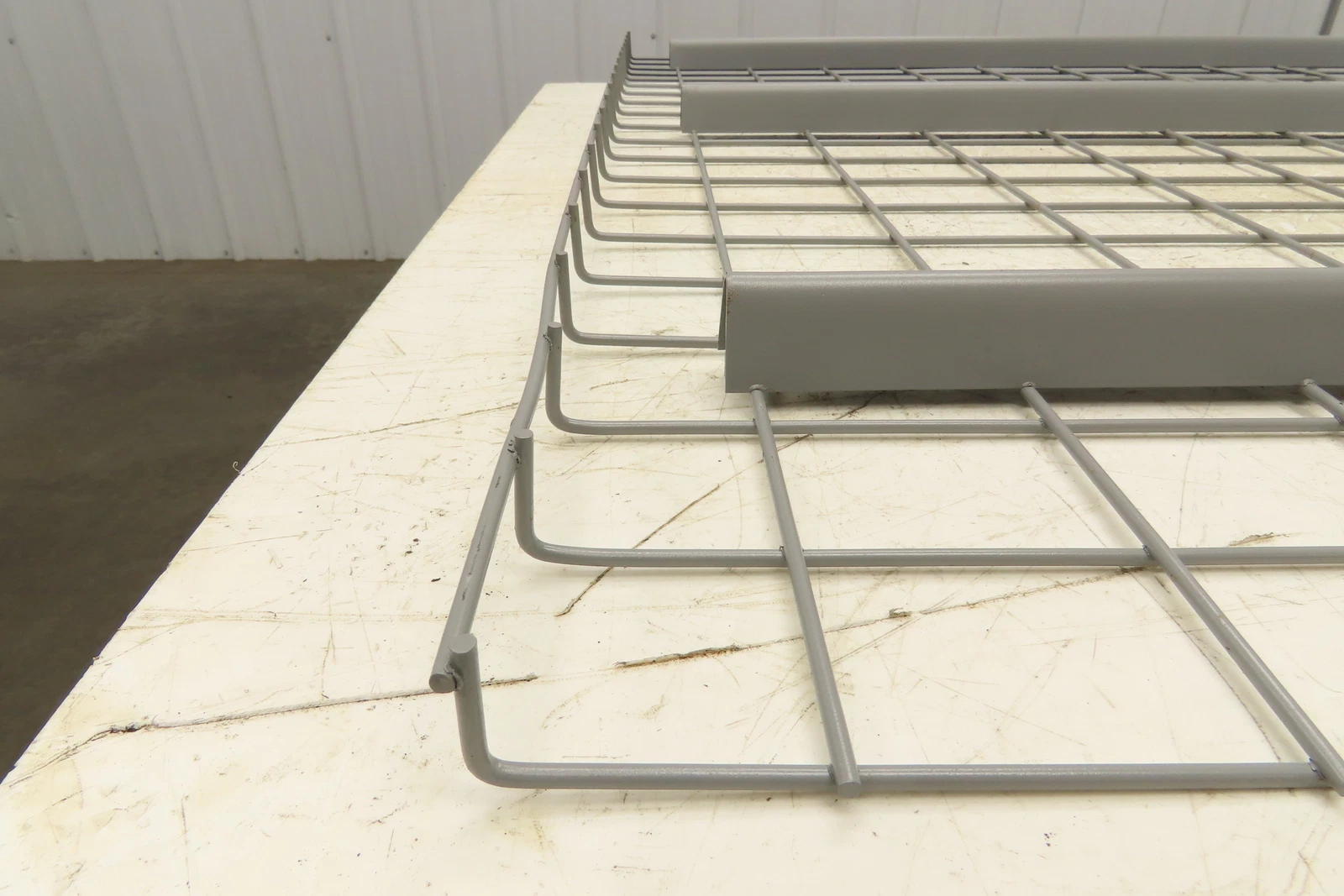
Protecting High-Traffic Rack Zones
Protecting High-Traffic Rack Zones
- Protecting high-traffic rack zones is essential for safeguarding people and maintaining operations.
- Understanding racking systems and their vulnerabilities is crucial in busy warehouse environments.
- High traffic increases the risk of accidents from heavy loads and fast-moving equipment.
- A comprehensive safety strategy helps ensure employee safety and mitigates risks.
- Fostering a safe work environment builds trust and loyalty among employees.
- Sharing real-life experiences emphasizes the importance of proactive safety measures.
- Combining emotional and practical approaches in safety protocols leads to a proud and secure workplace.

Protecting High-Traffic Rack Zones
Table Of Contents
- Protecting High-Traffic Rack Zones
- What Strategies Can Enhance Safety In High-Traffic Rack Zones?
- How Can We Minimize Accidents In Busy Work Areas?
- What Role Does Employee Training Play In Safety Measures?
- How Can Equipment Design Reduce Risks In High-Traffic Zones?
- What Ethical Considerations Arise In Protecting Rack Zones?
- How Can Technology Improve Safety Monitoring In These Areas?
- Conclusion
- Other Resources
- Glossary Of Terms
- Other Questions
- Checklist
What Strategies Can Enhance Safety In High-Traffic Rack Zones?
In bustling warehouses, high-traffic rack zones can feel like a well-rehearsed dance—everyone moving in unison, but one misstep can lead to chaos. Think of it like a crowded diner: everyone’s got their orders to get out, but when the waitstaff and kitchen crew work together, they avoid spills and accidents. The same principle applies to racking systems—keeping things organized and safe isn’t just about efficiency; it’s about looking out for one another.
Start with visibility. Bright colors and clear signage can make a world of difference in distinguishing walkways and hazard areas. Just like in that diner, where the floor is kept clear to avoid collisions, keeping the paths around your racking systems open not only prevents accidents but fosters a sense of belonging. Workers should feel confident moving about, knowing the space is designed with their safety in mind.
Then there’s training and communication. No one walks onto a busy street without knowing the rules, right? Regular training sessions bring everyone up to speed about safety protocols, from using equipment to spotting potential hazards. Encourage team members to share their experiences. A dialogue nurtures trust and builds a safety-focused culture where everyone feels accountable. This isn’t just the responsibility of management; it’s a collective commitment.
Incorporating technology can also make life easier and safer. Think about how smartphones have revolutionized communication. In the same way, using RFID tags or safety apps can help track inventory and monitor high-risk areas. Imagine receiving real-time alerts about a spill or a blocked path, helping avoid potentially dangerous situations before they escalate.
Lastly, encourage a buddy system. Just like in every good workplace, having a partner by your side provides reassurance. When navigating high-traffic areas, two sets of eyes are better than one, spotting issues before they become incidents. This camaraderie not only boosts morale but also embeds a deeper sense of responsibility in each employee.
High-traffic zones don’t have to be fraught with danger. By focusing on visibility, training, technology, and teamwork, we can transform racking systems and turn potential hazards into seamless operations. Our collective experience, grounded in common sense and shared narratives, builds a safer, more reliable environment for everyone involved.

What Strategies Can Enhance Safety In High-Traffic Rack Zones?
What Strategies Can Enhance Safety In High-Traffic Rack Zones?
- High-traffic rack zones require coordinated movement to prevent chaos.
- Visibility is crucial; bright colors and clear signage enhance safety.
- Regular training and communication foster a safety-focused culture.
- Incorporating technology, like RFID tags and safety apps, improves monitoring.
- Real-time alerts can help address hazards before they escalate.
- A buddy system enhances safety and encourages shared responsibility among workers.
- Emphasizing visibility, training, technology, and teamwork improves overall safety in warehouses.
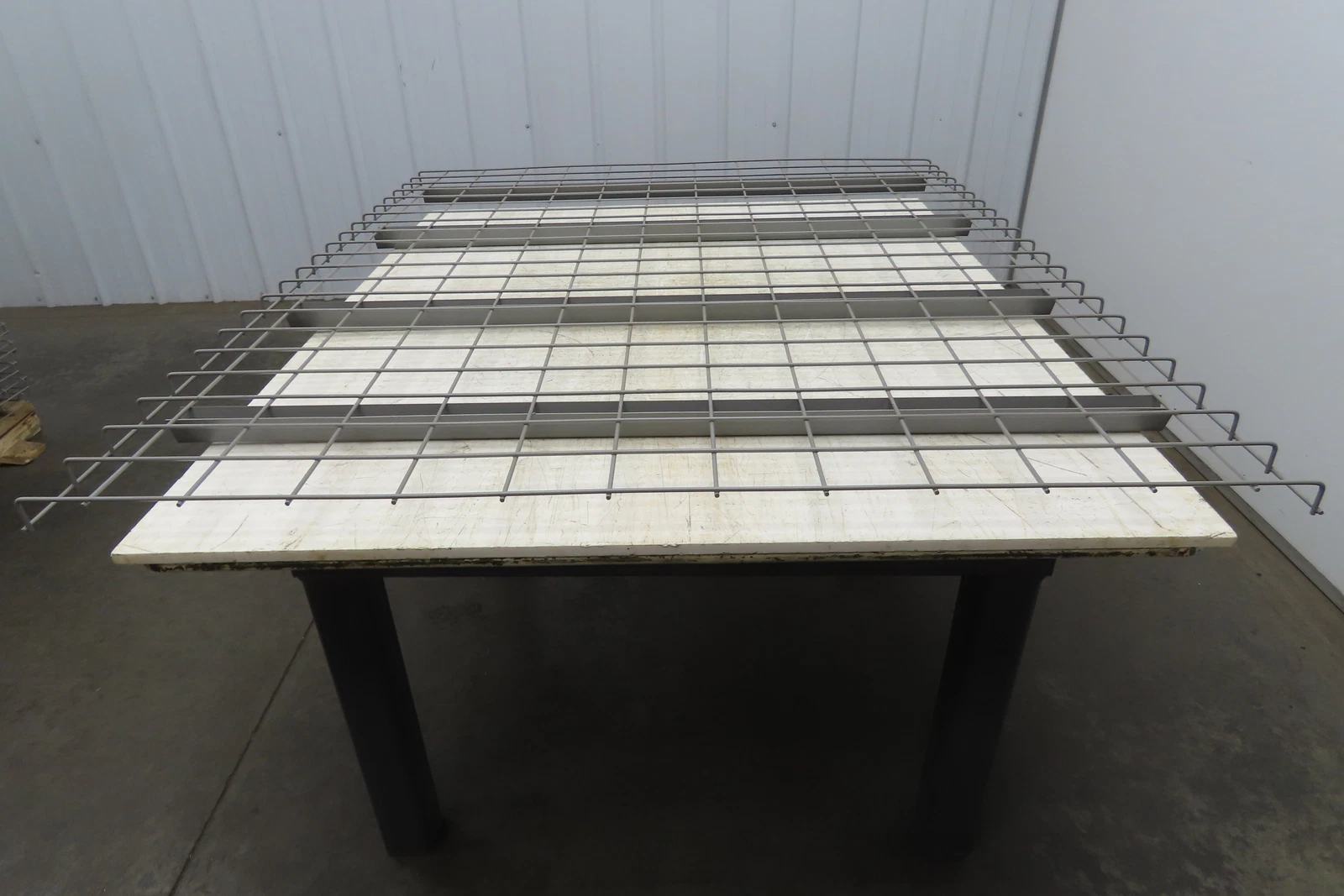
What Strategies Can Enhance Safety In High-Traffic Rack Zones?
How Can We Minimize Accidents In Busy Work Areas?
Minimizing accidents in busy work areas isn’t just a goal; it’s a commitment to each person who steps onto a job site, to their loved ones waiting at home. Every time we walk into a bustling warehouse or a hectic factory floor, we’re entering a space where racking systems stand tall, heavy with risk if not treated with respect. These racking systems aren’t just metal structures; they’re stacks of responsibility. Proper training on how to load and unload safely can save lives, ensuring that the weight of materials doesn’t come crashing down due to negligence.
Picture this: a worker, tired and pressed for time, shortcuts the right way to handle a load. One moment of haste becomes a lifetime of regret. It’s not just about following rules; it’s about looking out for one another. When we create a culture that values safety—where every voice is heard and every concern acknowledged—fear gives way to empowerment. Workers should feel confident to speak up when something doesn’t feel right, because we all share the same stakes in the game.
Let’s talk about mental checks. Regular safety briefings might seem tedious, but they’re the heartbeats of a safe workplace. They prompt us to evaluate our surroundings, remind us of the hazards we face, and foster camaraderie among the crew. Sharing stories of incidents—be it a near miss or a serious accident—ensures that lessons are not lost but instead become part of the collective knowledge, enriching the fabric of our work culture.
Moreover, ethical accountability comes to play. It’s not just about compliance with regulations but embracing a responsibility that extends beyond personal safety. It’s about maintaining an environment where everyone looks out for each other. A worker may not only be responsible for their actions but also for the safety of teammates, fostering a sense of community.
Social connections have immense power; they tighten the bonds between colleagues and instill a collective sense of duty. When one stumbles, the other lifts them up. This is the essence of teamwork. The more invested we are in each other’s wellbeing, the less room there is for accidents to happen.
Minimizing accidents in busy work areas is about more than just procedures; it’s about heart, head, and gut. It’s about building trust, inspiring action, and, fundamentally, caring enough to protect the very people who make it all happen. Together, with the right approach, we can transform busy work areas into safe havens.

How Can We Minimize Accidents In Busy Work Areas?
How Can We Minimize Accidents In Busy Work Areas?
- Minimizing accidents is a commitment to workers and their families.
- Racking systems pose significant risks and require proper handling and training.
- Creating a safety culture empowers workers to speak up about concerns.
- Regular safety briefings foster awareness, camaraderie, and collective knowledge.
- Ethical accountability extends beyond personal safety to team responsibility.
- Strong social connections among colleagues enhance teamwork and reduce accidents.
- Transforming busy work areas into safe spaces requires trust and care for one another.

How Can We Minimize Accidents In Busy Work Areas?
What Role Does Employee Training Play In Safety Measures?
Employee training is the backbone of any safety measure, especially in environments that rely heavily on equipment like racking systems. Imagine a warehouse buzzing with activity. Forklifts zooming, products shuffled, and racks filled to the brim. In such a setting, it’s easy to overlook the potential risks. But this is where effective training steps in, not just as a policy, but as a shared responsibility woven into the fabric of daily operations.
At its heart, training cultivates a sense of ownership among employees. When they understand the intricacies of their equipment—how to properly use racking systems, for instance—they’re more likely to pay attention to their surroundings and look out for one another. It’s not just about checking boxes; it’s about fostering a culture where safety isn’t an afterthought but a fundamental practice. Employees feel empowered when they know what to do in dangerous situations; it transforms passive compliance into active engagement.
Rationally, the numbers speak for themselves. Companies that prioritize effective training not only see a decline in accidents but also benefit from increased morale and productivity. How many times have we heard stories where a simple training session saved a life or prevented serious injury? Investing in training pays dividends, both for the well-being of the employees and the bottom line of the business.
Ethically, it’s clear: every worker deserves to return home safe at the end of the day. This isn’t just about compliance with regulations; it’s about looking out for your buddy at work, treating them like family. It’s about demonstrating that you care about their safety as much as you care about your own. This principle creates trust among coworkers and breeds a stronger team.
Authority figures and safety experts highlight that the right training can transform an environment from one of potential peril to one brimming with security. When leaders demonstrate a genuine commitment to employee training, it resonates deeply. Workers are more likely to trust that their employer values their well-being.
Sharing experiences also plays a pivotal role. When stories of near misses are shared openly during training sessions, they resonate deeply. Realizing that someone else faced a similar situation makes the lessons learned feel more tangible and immediate.
In essence, employee training is not just another task on the list; it’s the heartbeat of safety measures. It transforms a workplace into a community of vigilant, informed, and motivated individuals ready to face challenges together. The commitment to training fosters a culture where safety thrives, leading to healthier workplaces and safer lives.

What Role Does Employee Training Play In Safety Measures?
What Role Does Employee Training Play In Safety Measures?
- Employee training is essential for safety in equipment-heavy environments like warehouses.
- Effective training fosters a sense of ownership and vigilance among employees.
- Prioritizing training leads to reduced accidents and improved morale and productivity.
- Workers deserve to return home safely; training builds a culture of mutual care and trust.
- Leaders’ commitment to training enhances employees’ trust in their employer’s regard for safety.
- Sharing near-miss experiences during training makes safety lessons more relatable and impactful.
- Training is vital for cultivating a safety-focused community in the workplace.

What Role Does Employee Training Play In Safety Measures?
How Can Equipment Design Reduce Risks In High-Traffic Zones?
Equipment design plays a pivotal role in reducing risks in high-traffic zones, where safety and efficiency often clash. Picture a bustling warehouse or a manufacturing floor, where the hum of machinery mixes with the chatter of workers. In these lively environments, the stakes can’t be higher. Here’s where smart equipment design, like well-thought-out racking systems, makes all the difference.
Imagine a racking system not just as metal frames where things are stored, but as a carefully orchestrated solution that minimizes chaos. When designed with the flow of foot and vehicle traffic in mind, it can guide workers along safe pathways, preventing accidents. Think about the layout—if racks are placed too close together, it can create bottlenecks. A well-designed racking system provides ample space for movement, reducing the odds of collisions or mishaps. This isn’t just about keeping things tidy; it’s about protecting lives.
Then there’s the emotional side of it. People want to go home safe after a long day’s work. A thoughtful design that mitigates hazards fosters a sense of care within the workforce. Workers can feel more at ease, knowing their environment is engineered to keep them safe. That connection between employee well-being and equipment design isn’t just logical; it resonates on a human level.
Ethically, businesses have a responsibility to prioritize safety. When investing in robust racking systems and other equipment, companies signal to their workforce that they value their lives. It cultivates trust and boosts morale, ultimately leading to better productivity. Trust in equipment and the workspace contributes to an atmosphere where everyone feels secure, and in turn, breeds loyalty.
From a practical standpoint, efficient racking systems save time and resources. With items easily accessible and stored safely, the flow of work becomes smoother. Workers spend less time searching for materials and more time focusing on their tasks. This not only enhances productivity but reduces frustration, ensuring that operations run like a well-oiled machine.
Lastly, there’s the narrative aspect. Every workplace has a story, and the racking systems we choose become chapters in that story. Workers remember when a simple design change led to fewer accidents, or how a strategic layout improved their day. In the larger scheme, every decision around equipment design speaks to a culture of safety and efficiency that resonates well beyond the warehouse floor.
In high-traffic zones, equipment design, especially through effective racking systems, isn’t just a matter of practicality; it’s a call to responsibility, camaraderie, and respect for every worker who steps through the door.

How Can Equipment Design Reduce Risks In High-Traffic Zones?
How Can Equipment Design Reduce Risks In High-Traffic Zones?
- Equipment design is crucial for safety and efficiency in high-traffic zones.
- Well-thought-out racking systems minimize chaos and guide worker movement.
- Proper layout prevents bottlenecks and reduces collision risks.
- Thoughtful equipment design enhances employee well-being and fosters a sense of care.
- Investing in robust racking systems signals companies’ commitment to workforce safety.
- Efficient racking systems save time and resources, enhancing productivity.
- Design choices become part of a workplace narrative that emphasizes safety and efficiency.

How Can Equipment Design Reduce Risks In High-Traffic Zones?
What Ethical Considerations Arise In Protecting Rack Zones?
When we talk about Racking Systems, we’re not just discussing metal shelves filled with goods; we’re diving into the backbone of countless industries. Rack zones are the unsung heroes of warehouses, factories, and distribution centers, playing a pivotal role in keeping our economy moving. The care we take in protecting these zones speaks volumes about our values.
First off, we need to think about safety. Every worker deserves a secure environment. By maintaining rack zones, we ensure that those metal structures can withstand the weight of products, from heavy machinery to fragile items. A failure in racking integrity can lead to accidents that not only endanger livelihoods but also create emotional scars for families. Protecting these zones is ethically sound; it shows we value human life over profit margins.
Let’s not forget the responsibility that comes with proper management. Racking Systems must be designed and maintained to adhere to regulations and best practices. This is where we tap into ethical authority. Sure, laws exist, but it’s our moral obligation to go beyond compliance. By investing in high-quality materials and regular inspections, we foster a culture of integrity that resonates throughout the workforce. Workers gain confidence knowing their safety is prioritized, leading to higher morale and productivity.
Moreover, we have to think about sustainability. In a world increasingly aware of its ecological footprint, protecting rack zones can also mean making environmentally conscious choices. Opting for sustainable materials for racking systems not only enhances safety but sets an example for future generations. It connects us to the larger community, showing we care about the world we live and work in.
Consider the stories of those who have faced the repercussions of neglect in rack zone management. A warehouse worker injured due to faulty racking isn’t just a statistic; they represent a disruption in a family, a community, and a way of life. We need to engage with these narratives because they remind us why ethical considerations are not just abstract thoughts but real issues affecting real people.
Ethics in protecting rack zones isn’t just a set of rules; it’s about fostering trust. It’s about saying to our workers and our communities, “We’ve got your back.” When we prioritize safety, invest in quality, and embrace sustainability, we create a working environment where everyone benefits—emotionally, rationally, and ethically. It’s a call to action that resonates deeply, encouraging all of us to stand up and make a difference, one racking system at a time.

What Ethical Considerations Arise In Protecting Rack Zones?
What Ethical Considerations Arise In Protecting Rack Zones?
- Racking systems are crucial for warehouses, factories, and distribution centers, supporting the economy.
- Maintaining rack zones is vital for worker safety, preventing accidents and protecting lives.
- Proper management of racking systems requires adherence to regulations and a commitment to ethical practices.
- Investing in quality materials and regular inspections builds trust and boosts worker morale and productivity.
- Sustainability considerations in rack management can enhance safety and demonstrate environmental responsibility.
- Neglecting rack zone management can have serious repercussions, impacting families and communities.
- Prioritizing safety, quality, and sustainability fosters a supportive and ethical work environment.

What Ethical Considerations Arise In Protecting Rack Zones?
How Can Technology Improve Safety Monitoring In These Areas?
In the world of heavy lifting and tough jobs, racking systems stand tall, holding not just equipment but also the weight of worker safety. When we think about improving safety monitoring in these areas, technology offers tools that can change the game. Imagine a warehouse where every shelf and every load has a smart sensor keeping watch. These sensors can alert workers when a racking system is overloaded or nearing failure, helping them avoid accidents. This isn’t just a dream; it’s a reality that can be harnessed today.
Consider the human element here. Every worker deserves a safe environment—whether they’re stacking pallets in a bustling warehouse or managing inventory in a retail space. Using technology to track load weights in real-time adds a layer of protection, allowing employees to do their jobs without the constant worry of an unstable racking system. The emotional impact? It fosters a culture of care where workers know their safety is prioritized.
On the rational side, data gathered through technology provides concrete insights into equipment performance and safety standards. Predictive analytics can flag potential risks before they escalate into hazardous situations. By using this data-driven approach, employers can make informed decisions about maintenance and training, which ultimately leads to a healthier workplace. It’s not just about avoiding accidents; it’s about nurturing a proactive mindset towards safety.
Ethically, companies that embrace modern safety monitoring technologies demonstrate their commitment to protecting their workforce. They are not only obligated by regulations but also inspired by the moral duty to ensure that every individual returns home to their loved ones at the end of the day. It builds trust and loyalty among employees, knowing they work for a company that truly cares.
Moreover, sharing success stories of how technology has improved safety can inspire connection across the workforce. When employees hear about a colleague whose life was saved by timely alerts from a monitoring system, it resonates deeply. They can visualize themselves in those stories, realizing the potential of technology not just as a tool, but as a shield in their everyday lives.
In a landscape where safety is paramount, integrating advanced monitoring systems into racking environments isn’t just an option; it’s a necessity. It combines emotional, rational, and ethical appeals that empower individuals and teams to work safer, stronger, and with confidence. Let technology lead the way to a better, safer future for all in the industry.

How Can Technology Improve Safety Monitoring In These Areas?
How Can Technology Improve Safety Monitoring In These Areas?
- Racking systems play a crucial role in holding equipment and ensuring worker safety in heavy lifting environments.
- Smart sensors can monitor load weights on shelves, alerting workers to potential overloads or failures.
- Real-time technology enhances worker safety and reduces anxiety about unstable racking systems.
- Data from safety monitoring provides insights into equipment performance and safety compliance.
- Employers can use predictive analytics to identify risks and improve maintenance and training proactively.
- Companies adopting safety technologies build trust and demonstrate their commitment to employee welfare.
- Success stories of improved safety foster a culture of care and connection among workers.

How Can Technology Improve Safety Monitoring In These Areas?
Conclusion
Protecting high-traffic rack zones is vital for ensuring the safety and efficiency of operations within busy warehouses and manufacturing facilities. These areas, bustling with workers and heavy loads, are where vigilance and thoughtful measures can prevent serious accidents. The essence of safeguarding these zones lies not merely in maintaining physical structures, but in cultivating an environment where every employee feels empowered and valued.
A strong safety strategy begins with visibility; bright signage and clear walkways are crucial to guiding movement and fostering awareness. Training is equally critical. Workers must be educated on the protocols and best practices for navigating these zones, transforming compliance into a culture of safety. Regular training ensures that team members are aware of risks, while open communication allows experiences to be shared, turning lessons learned into collective knowledge.
Incorporating technology further enhances safety by providing real-time monitoring. Tools like smart sensors can alert workers to potential hazards, ensuring proactive measures are taken before accidents occur. This integrated approach nurtures not just a safe work environment but also a sense of care and community among employees. When workers know their safety is prioritized, trust and morale naturally improve.
The importance of ethical considerations cannot be overlooked. Businesses must prioritize human life over profit by maintaining high safety standards and using quality materials in their equipment. This commitment resonates deeply within the workforce, creating a culture where everyone looks out for one another, reinforcing the idea that each person’s well-being matters.
Developing effective, well-designed racking systems contributes to reducing risks by streamlining workflows and minimizing chaos. Good design considers the flow of both foot and vehicle traffic, ensuring that paths are kept clear and accidents are less likely. This approach not only optimizes efficiency but also makes a tangible statement about the organization’s dedication to its workers’ safety.
Sharing narratives about near-misses or successful interventions further enriches a culture focused on safety. These stories bring the abstract notion of safety into personal contexts, reminding everyone involved of the real stakes at play. When every worker recognizes their role in maintaining a safe work environment, camaraderie flourishes.
Ultimately, the aim isn’t just to avoid accidents; it’s about creating an environment where safety is woven into the daily fabric of work. By investing in training, fostering open communication, utilizing technology, and designing with safety in mind, organizations can transform high-traffic rack zones into spaces where efficiency and safety coexist. It’s a commitment that propels everyone forward, ensuring a secure workplace for all.

Conclusion
Conclusion:
- High-traffic rack zones require protection to ensure safety and operational efficiency in warehouses and manufacturing facilities.
- Safety strategies should prioritize visibility with bright signage and clear walkways to guide movements and raise awareness.
- Regular training on protocols and best practices fosters a culture of safety among workers.
- Technology like smart sensors enhances safety through real-time monitoring of potential hazards.
- Ethical considerations are essential; prioritizing human life and high safety standards builds a culture of care.
- Well-designed racking systems streamline workflows and reduce risks by ensuring clear paths for foot and vehicle traffic.
- Sharing stories of near-misses or successful interventions reinforces safety awareness and fosters camaraderie among employees.

Conclusion
Other Resources
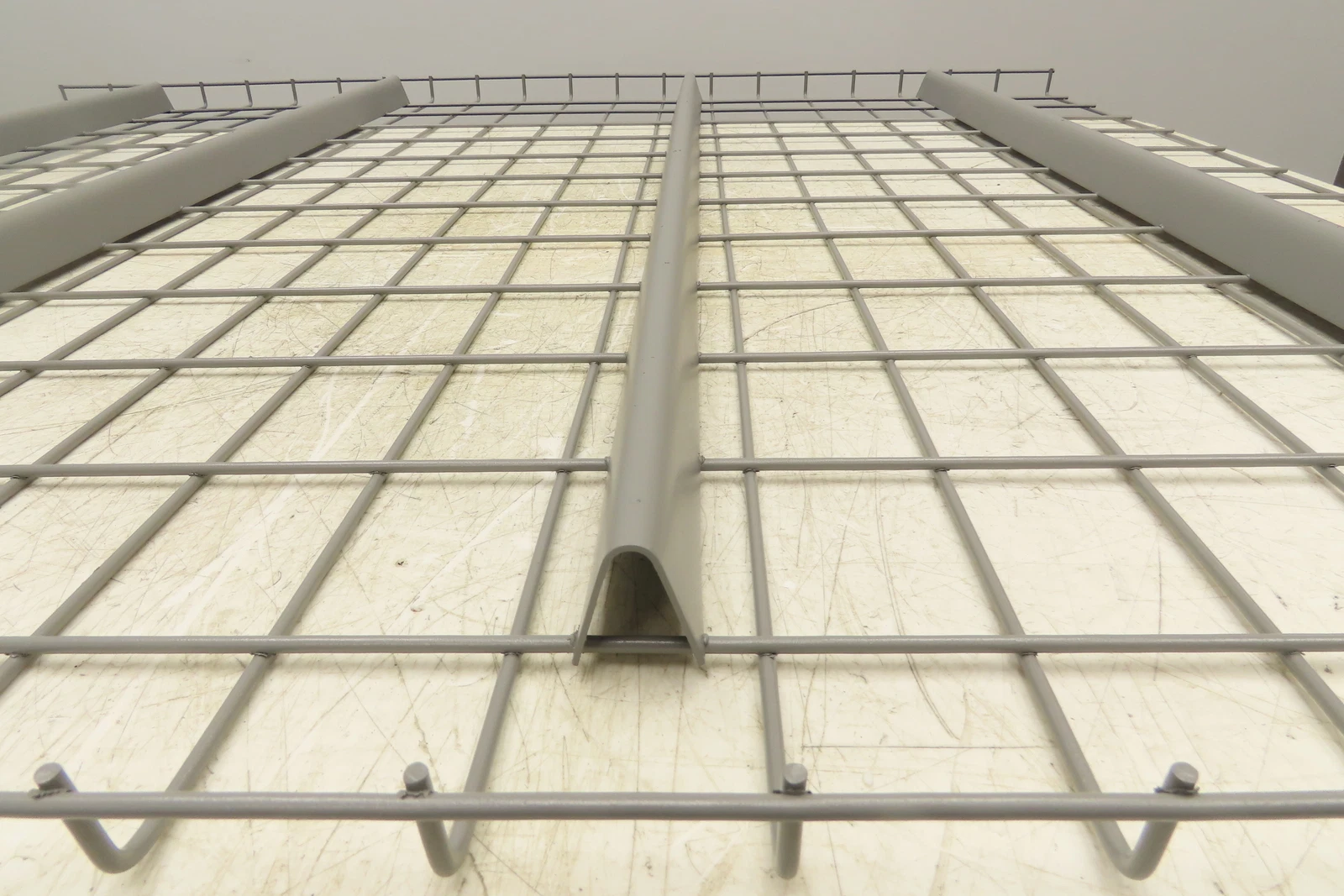
Other Resources
Here is a list of other resources you can review online to learn more:
- Teardrop Industrial Shelving Rack
- Warehouse Storage Racking in Illinois
- Racking World
- Used Pallet Rack for Sale in Illinois – American Surplus
- Selective Racking
- Arrow Industrial Sales
- CA Wire
- Pallet Racking systems in Illinois and Great Lakes
- Teardrop Uprights
- IIWS Inc. Rack Installation Illinois & Rack Repairs Illinois
- Cantilever Rack Guide: Ordering Cantilever Racking
- Intro to Warehouse Racks & Warehouse Racking Systems – ShipBob
- International Warehouse Logistics Association
- American Surplus
- Overhead Lifting
- Warehouse Automation
- BMH Equipment LLC
- Selective Pallet Racking Systems
- RMI
- Teardrop Industrial Shelving Rack
Use This Prompt To Get More Resources With Your Favorite Online AI Tool: Please provide me with a list of online articles with their URLs in a bulleted list that I can read regarding Protecting High-Traffic Rack Zones

Other Resources
Glossary Terms
Protecting High-Traffic Rack Zones – Glossary Of Terms
1. High-Traffic Rack Zones: Areas in a facility where the frequency of personnel and equipment movement is elevated.
2. Rack Protection: Measures implemented to safeguard storage racks from damage due to collisions or misuse.
3. Collision Barriers: Physical structures installed to absorb impacts and prevent damage to racks and goods.
4. Safety Signals: Visual or auditory cues used to alert personnel of potential hazards in high-traffic areas.
5. Aisle Width: The measurement of space between racks, crucial for safe and efficient movement in high-traffic zones.
6. Traffic Flow: The movement patterns of personnel and equipment in a given area, affecting safety and efficiency.
7. Impact Resistance: The ability of a material or structure to withstand collisions without sustaining damage.
8. Forklift Safety: Guidelines and practices designed to minimize accidents involving forklifts in high-traffic areas.
9. Warehouse Layout: The arrangement of storage racks and aisles, affecting the efficiency and safety of operations.
10. Signage: Informational signs placed to guide and instruct personnel on safety practices in rack zones.
11. Clearance Height: The vertical space above racks, ensuring that items can be stored and accessed safely.
12. Emergency Exits: Designated pathways for personnel to evacuate quickly during an emergency in a high-traffic zone.
13. Load Capacity: The maximum weight that a rack or shelving unit can safely support.
14. Traffic Management: Strategies employed to direct and control the movement of personnel and equipment.
15. Hazard Awareness: The understanding and recognition of potential dangers in a high-traffic environment.
16. Personnel Training: Instruction provided to staff on safe practices and procedures in high-traffic areas.
17. Maintenance Checks: Regular inspections of racks and protective barriers to ensure they are in good condition.
18. Spill Containment: Methods used to address and manage spills that may occur in high-traffic zones.
19. Visibility: The degree to which personnel can see and be seen in high-traffic areas, impacting safety.
20. Emergency Procedures: Established protocols for responding to accidents or emergencies in rack zones.
21. Personal Protective Equipment (PPE): Gear worn by personnel to reduce the risk of injury in hazardous areas.
22. Visibility Aids: Tools such as mirrors or lights that enhance line-of-sight in crowded environments.
23. Traffic Patterns: The predictable routes taken by personnel and equipment, influencing safety measures.
24. Ergonomics: The study of designing workspaces that optimize human well-being and performance.
25. Load Distribution: The method of evenly spreading weight across racks to maintain stability and safety.
26. Clear Markings: Floor markings or tape used to delineate walkways and traffic lanes in high-traffic zones.
27. Incident Reporting: Processes for documenting accidents or near-misses to improve safety protocols.
28. Preventative Maintenance: Routine upkeep performed to prevent deterioration of racks and safety barriers.
29. Workflow Optimization: Enhancing processes and layout to improve efficiency and reduce hazards in rack zones.
30. Audit Procedures: Systematic reviews of safety measures and compliance in high-traffic areas to identify improvements.

Glossary Of Terms
Other Questions
Protecting High-Traffic Rack Zones – Other Questions
If you wish to explore and discover more, consider looking for answers to these questions:
- What are the most common causes of rack-zone accidents?
- Which regulations or industry standards apply to high-traffic rack zones?
- How often should rack inspections be performed and by whom?
- What are the best practices for marking and signing high-traffic aisles?
- What types of physical barriers or guards are most effective for protecting racks?
- How should load capacities be communicated and enforced at the rack level?
- What training topics are essential for employees who work in high-traffic rack zones?
- How frequently should refresher training and competency assessments occur?
- What procedures should be in place for reporting and investigating near-misses?
- How can forklift and pedestrian traffic be separated or better managed?
- What technology options exist for real-time monitoring of rack integrity and loads?
- How can predictive analytics be used to prevent rack failures?
- What are the upfront and ongoing costs of installing monitoring sensors and systems?
- How do you measure the return on investment (ROI) for safety improvements?
- What personal protective equipment (PPE) is recommended for workers in these zones?
- How should emergency response and evacuation procedures be designed around rack layouts?
- What steps should be taken immediately after a rack collision or collapse?
- How do environmental factors (humidity, temperature, seismic activity) affect racking safety?
- What design features reduce bottlenecks and improve visibility in aisles?
- How can ergonomic and human-factor principles be applied to rack-zone workflows?
- What routine maintenance tasks are critical to preserve rack integrity?
- When is it appropriate to repair versus replace damaged rack components?
- How should pallet quality and load stability be inspected and ensured?
- What recordkeeping is required for inspections, repairs, and training?
- How do insurance policies typically address rack damage and related injuries?
- What criteria should be used when selecting rack and guard vendors or contractors?
- How can a safety culture be measured and improved specifically for rack zones?
- What are effective methods for incentivizing safe behavior among staff?
- Are there industry case studies showing measurable safety improvements from specific interventions?
- How can sustainability and material choices in racking systems impact long-term safety?
- What cybersecurity or data-integration considerations apply when deploying smart monitoring?
- How should emergency lighting and signage be integrated into high-traffic rack areas?

Other Questions
Checklist
Protecting High-Traffic Rack Zones – A Checklist
Planning and Layout
✅______ Map and label all high-traffic rack zones, intersections, and blind spots
✅______ Define one-way travel lanes for forklifts and separate pedestrian walkways
✅______ Verify aisle widths meet equipment turning and clearance requirements
✅______ Establish dedicated staging and drop zones away from main aisles
✅______ Install physical barriers to separate people and powered equipment where feasible
Visibility and Signage
✅______ Mark floor paths, crossings, and hazard areas with high-contrast paint or tape
✅______ Post clear load capacity signs on every rack bay and beam level
✅______ Install convex mirrors and lighting at intersections and dark areas
✅______ Use color coding for zones, equipment lanes, and emergency routes
✅______ Keep signs unobstructed and legible from operating distances
Traffic Management
✅______ Set and post speed limits and right-of-way rules
✅______ Mark stop lines and horn-at-intersection points
✅______ Enforce no-parking zones in aisles and fire egress paths
✅______ Implement spotter or buddy procedures for congested moves
✅______ Schedule high-volume tasks to reduce peak congestion
Rack Protection and Load Control
✅______ Install end-of-aisle guards, column protectors, and bollards
✅______ Fit backstops, netting, or mesh to prevent product push-through or falls
✅______ Verify anchors, base plates, and beam locks are present and secure
✅______ Enforce pallet quality standards; remove damaged pallets immediately
✅______ Load evenly; do not exceed posted capacities or allow pallet overhang
Housekeeping and Orderliness
✅______ Keep aisles and walkways free of debris, spills, and stray pallets
✅______ Maintain clear vertical and horizontal clearances
✅______ Store tools and materials in designated areas only
✅______ Remove temporary obstructions promptly after tasks
Equipment Design and Maintenance
✅______ Review rack layout to eliminate bottlenecks and tight turns
✅______ Ensure docking, charging, and maintenance areas are isolated from traffic
✅______ Conduct routine torque checks on anchors and fasteners
✅______ Inspect beams, uprights, and braces for dents, rust, or deformation
✅______ Repair or tag out damaged rack components without delay
Training and Culture
✅______ Provide role-specific onboarding and periodic refresher training
✅______ Verify current certifications for forklift and powered industrial truck (PIT) operators
✅______ Conduct regular toolbox talks and pre-shift safety briefings
✅______ Reinforce stop-work authority and near-miss reporting
✅______ Offer training and signage in applicable languages and literacy levels
Technology and Monitoring
✅______ Use WMS, RFID, and barcodes to reduce searching and travel in busy aisles
✅______ Deploy proximity sensors, blue lights, or alarms on mobile equipment
✅______ Install impact and load sensors on critical rack zones
✅______ Use digital inspection checklists with time-stamped records
✅______ Apply analytics to rack impacts, near misses, and congestion heat maps
Inspections and Audits
✅______ Perform daily pre-shift walkarounds of high-traffic areas
✅______ Complete pre-use checks on forklifts and attachments
✅______ Conduct weekly housekeeping and signage checks
✅______ Schedule formal monthly rack inspections and after-impact assessments
✅______ Document findings and track corrective actions to closure
Emergency Preparedness
✅______ Post evacuation maps, muster points, and emergency contacts
✅______ Stock spill kits, first aid, and eyewash stations; verify accessibility
✅______ Define incident response steps for rack strikes and load drops
✅______ Isolate and tag affected zones after any impact or spill
✅______ Practice drills and review lessons learned with teams
Metrics and Continuous Improvement
✅______ Track incidents, near misses, rack impacts, and equipment damage
✅______ Monitor training completion and competency evaluations
✅______ Review KPIs for congestion, pick times, and on-time task completion
✅______ Recognize and reward safe behaviors and improvement ideas
✅______ Revisit layout, signage, and procedures based on data and feedback
Ethical Commitments
✅______ Prioritize worker safety over throughput in decision-making
✅______ Communicate openly about hazards, incidents, and corrective actions
✅______ Involve frontline employees in risk assessments and solution design
✅______ Allocate budget for preventive maintenance and protective equipment
✅______ Ensure contractors and visitors follow the same safety protocols

Checklist
At RackingWorld, we help guide you through selecting warehouse storage systems and racking.
Be sure to read our other related stories at RackingWorld to learn more about warehouse storage systems.
0 Comments