
Ensuring Lives And Livelihoods: The Heart Of High-Density Storage Safety
By Tom Seest
At RackingWorld, we help guide you through selecting warehouse storage systems and racking.
Be sure to read our other related stories at RackingWorld to learn more about warehouse storage systems.
Safety Engineering In High-Density Storage
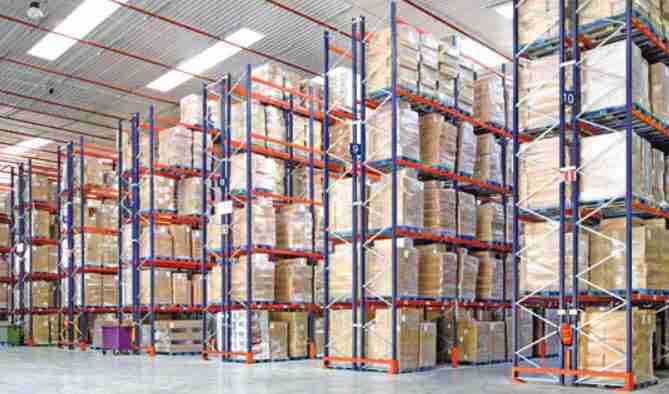
When you walk into a high-density storage facility, you’re stepping into a world that’s carefully balanced between efficiency and safety. Imagine rows of towering racking systems, steel and strength, designed to hold everything from small tools to heavy machinery. But within that towering might lies the potential for disaster—if not handled right. That’s where safety engineering comes into play, harnessing both knowledge and experience to protect lives and livelihoods.
High-density storage offers a way to maximize space, yes, but it also raises the stakes. Picture the warehouse worker, a dedicated soul putting in their hours, knowing they must navigate through these intricate racking systems with precision. Their safety isn’t just a checkbox on some corporate form; it’s a matter of protecting someone’s father, mother, or friend. Engaging the heart means recognizing these individuals and valuing their sweat and toil. Safety systems must be designed not just for compliance, but for the people who work with them day in and day out.
From a rational standpoint, investing in robust safety measures isn’t just smart—it’s imperative. Companies that prioritize safety engineering aren’t just protecting their workforce; they are safeguarding their bottom line. An accident costs money, time, and trust. Equipment failure can halt operations, and there’s nothing worse than seeing rapid growth skirted by a preventable mishap. Engineers weigh statistical data and ergonomic studies, crafting a framework that stands firm against the unpredictabilities of day-to-day operations.
Ethically, the responsibility falls on businesses to create environments where workers feel secure. Think about the ripple effect: a safe workplace fosters loyalty, boosts morale, and enhances productivity. It creates a culture where safety isn’t just talked about during meetings but is woven into the very fabric of the organization.
Drawing from real-world stories, safety engineering in high-density storage isn’t a dry exercise in risk assessments; it’s alive with shared experiences. Just ask the warehouse manager who recounts how a simple software upgrade in the racking systems transformed not just the layout but created a bonding moment among staff when they set up a safety training session together. Suddenly, safety isn’t only a set of protocols; it’s a collective journey.
High-density storage and safety engineering aren’t just about steel and regulations—they’re about community, trust, and the unspoken promise that every worker leaves for home just as they arrived: safe and sound.
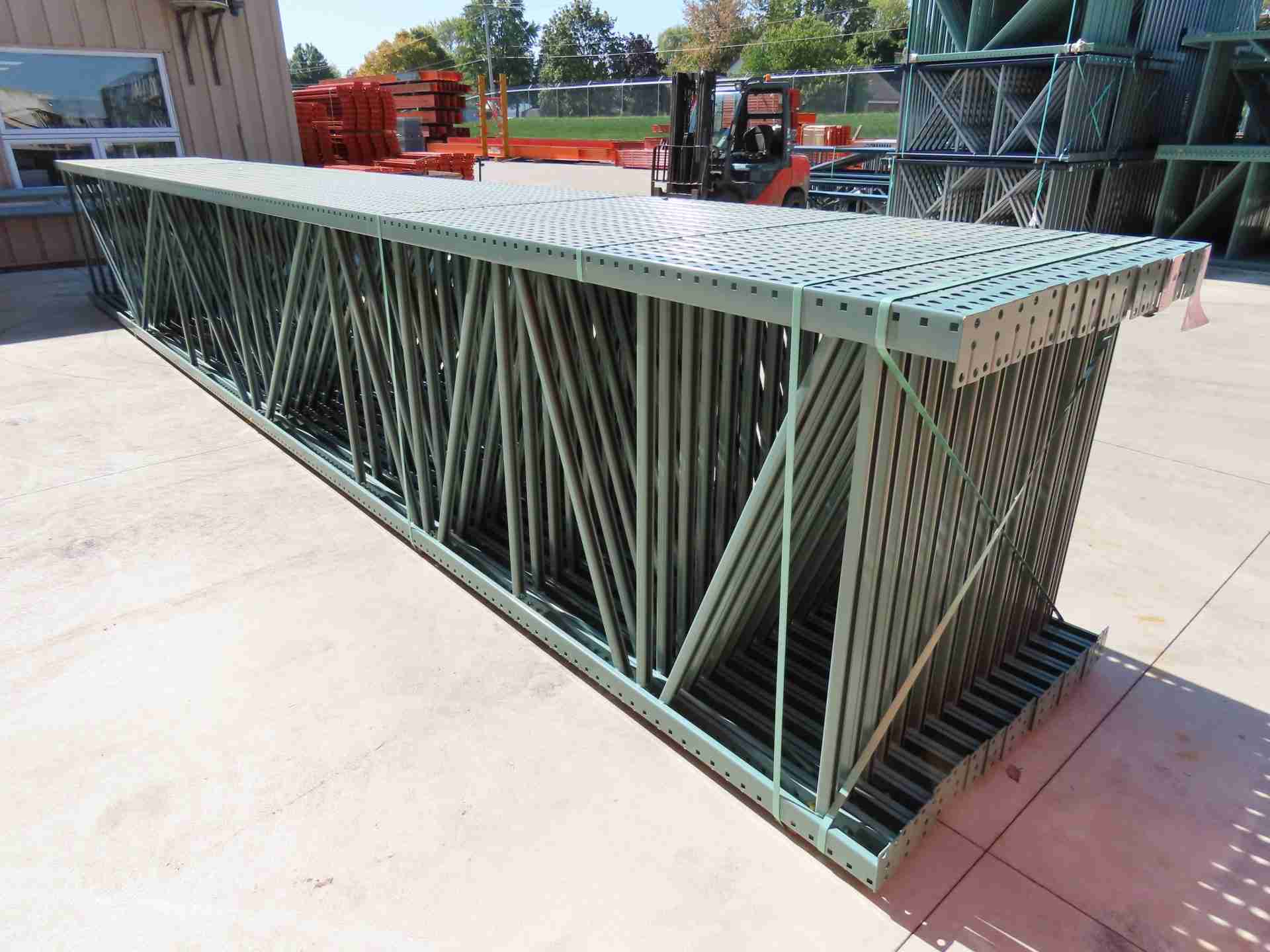
Safety Engineering In High-Density Storage
Safety Engineering In High-Density Storage
- High-density storage facilities balance efficiency and safety with robust design.
- Safety engineering is crucial in preventing disasters and protecting lives.
- Workers’ safety is essential, reflecting a commitment to their well-being.
- Investing in safety measures protects both workers and a company’s financial interests.
- A safe workplace fosters loyalty, enhances morale, and boosts productivity.
- Safety training and community-building are vital for creating effective safety cultures.
- High-density storage and safety engineering focus on community, trust, and worker security.

Safety Engineering In High-Density Storage
Table Of Contents
- Safety Engineering In High-Density Storage
- Why Is Safety Paramount In High-Density Storage Areas?
- How Can We Prevent Accidents In Dense Storage?
- What Risks Are Associated with Compact Storage Systems?
- How Do Regulations Impact Safety In High-Density Storage?
- Are We Prepared for Emergencies In Tight Storage Spaces?
- What Role Does Technology Play In Enhancing Safety Measures?
- Conclusion
- Other Resources
- Glossary Of Terms
- Other Questions
- Checklist
Why Is Safety Paramount In High-Density Storage Areas?
When you step into a high-density storage area, you’re entering a world where space is tight and every inch counts. But that’s not the only thing that counts. Safety must rule above all else. In these bustling environments, where racking systems tower like skyscrapers, good practices are the foundation. One wrong move can lead to disaster, and the weight of that responsibility is heavy.
Consider the workers, the everyday folks whose hands shape the lifeblood of operations. They are not just numbers on a payroll; they are fathers, mothers, siblings, and friends. Every time someone navigates those narrow aisles stacked high with goods, they deserve to feel confident in their surroundings. High-density storage isn’t just about maximizing space; it’s about coming home safe at the end of the day. Protecting our workers isn’t merely an ethical obligation but a moral imperative that strikes right at the heart of this industry.
On the flip side, if something goes wrong—if a racking system collapses or someone trips over a loose item—there are serious repercussions. Beyond the immediate physical dangers, the ripple effects can shake a business to its core. Costs pile up in lost productivity, damaged goods, and rising insurance premiums. That’s why having robust safety protocols is not just smart; it’s a necessity that keeps businesses afloat.
When it comes down to it, safety isn’t just a checkbox on a list—it’s woven into the company’s very ethos. Every decision made on the floor reflects a deep commitment to ethical practices and the well-being of the team. These racking systems, designed to be efficient, must also be secure. Workers should feel the solid footing of reliable equipment beneath them.
The community within a warehouse thrives on a culture of safety. Good communication among team members creates a shared responsibility. When one person watches out for another, it fosters trust and camaraderie. Everyone looks out for each other’s safety because that’s what families do—whether in life or at work.
High-density storage areas are a tight-knit ecosystem where the stakes are high, and so is the bond between the people who keep it running. Remember, safety is not a luxury; it’s the very framework on which we build our successes. Embrace it, and we not only create a safer environment but also pave the way for our collective success.

Why Is Safety Paramount In High-Density Storage Areas?
Why Is Safety Paramount In High-Density Storage Areas?
- High-density storage areas have tight spaces where safety is paramount.
- Workers are essential contributors, deserving a safe environment.
- Safety is a moral obligation and critical for operational success.
- Neglecting safety can lead to severe physical dangers and business repercussions.
- Robust safety protocols are necessary for maintaining productivity and minimizing costs.
- Safety culture promotes trust and responsibility among team members.
- Emphasizing safety lays the foundation for both worker well-being and business success.
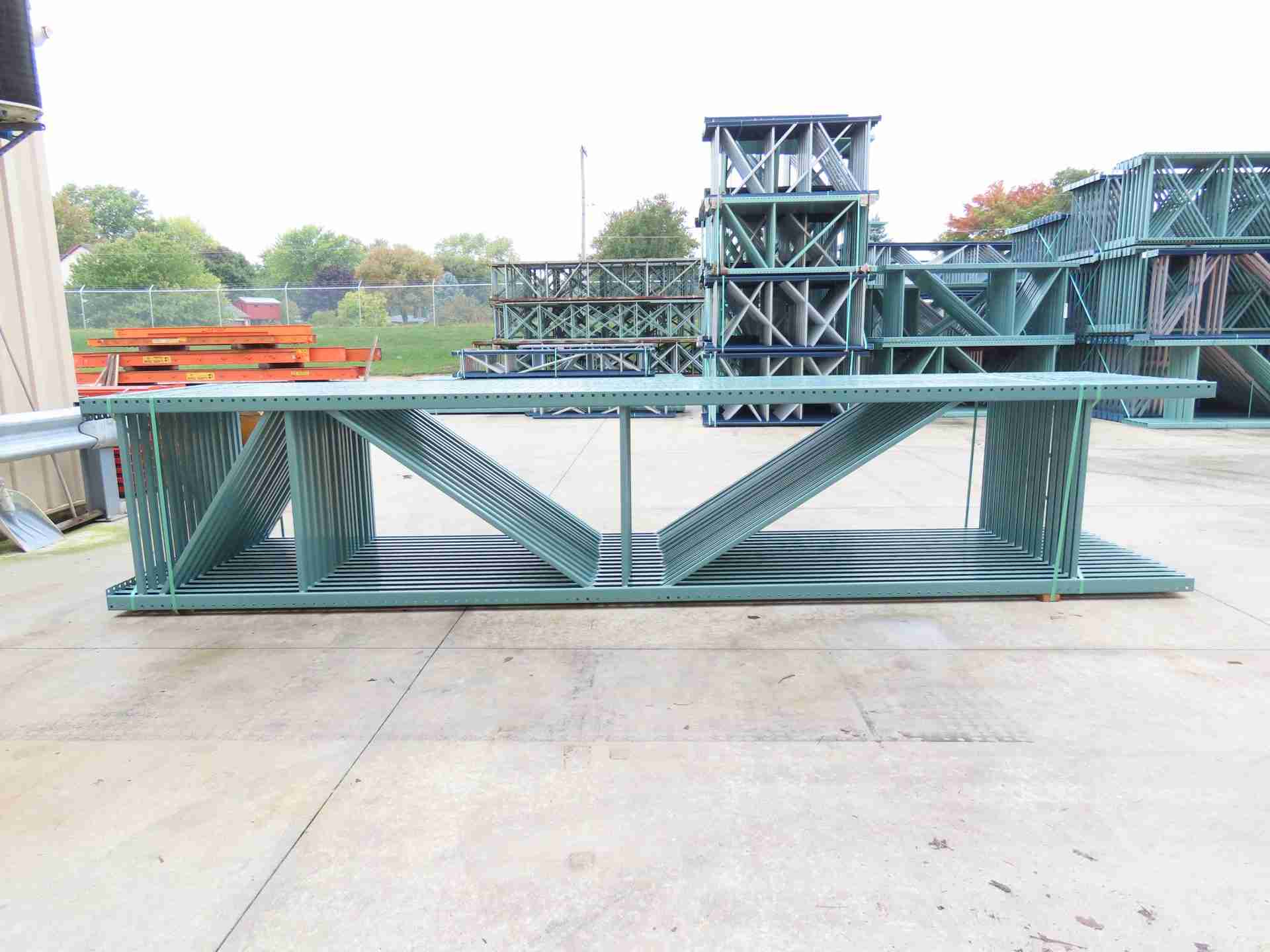
Why Is Safety Paramount In High-Density Storage Areas?
How Can We Prevent Accidents In Dense Storage?
In the world of dense storage, accidents loom like dark clouds over a sunny day. They happen when least expected, often leaving behind not just damaged goods but injured, shaken workers. The secret to preventing these mishaps lies in a combination of solid practices and practical wisdom rooted in our everyday experience on the ground.
First off, let’s talk about racking systems. They’re the backbone of any storage operation. If those racks aren’t stable or properly configured, you might as well be stacking cards in a windstorm. It’s essential to ensure that your racking systems are designed to handle the weight and type of inventory you have. Regularly inspect these systems for wear and tear—loose bolts and bent beams won’t just ruin a load; they can lead to serious accidents.
Also, training is non-negotiable. You wouldn’t send someone out to drive a truck without lessons, right? The same goes for operating in dense storage environments. Invest in comprehensive training programs. Teach your team about load limits, safe stacking methods, and the importance of keeping aisles clear. When workers understand the ins and outs, they become the guardians of safety, looking out for one another in this bustling environment.
Communicating safety protocols is crucial. Create a culture where safety is a shared responsibility. Daily toolbox talks or quick huddles can go a long way in nurturing this mindset. When people feel they belong to a community that values their well-being, they take extra care, not just for themselves but for those around them.
Remember, it’s not just about avoiding accidents. It’s about fostering an environment of trust and vigilance. Encourage workers to speak up when they see something amiss. When folks know their voices matter, it builds a collective strength that extends beyond individual worries. Everyone plays a part in safety—if a coworker spots an overloaded shelf or a blocked pathway, they should feel empowered to address it head-on.
Finally, show your commitment to safety with visible action. When management invests in better equipment or arranges safety audits, it sends a clear message: we care about our people. That not only enhances morale but also instills confidence that everyone is working towards the same goal—returning home safely after a hard day’s work.
In dense storage, preventing accidents isn’t just about policies; it’s about cultivating a shared ethos—where every hand on deck is a part of a bigger family, protecting one another and ensuring everyone makes it home safe.

How Can We Prevent Accidents In Dense Storage?
How Can We Prevent Accidents In Dense Storage?
- Accidents in dense storage can cause injuries and damaged goods.
- Stable and properly configured racking systems are essential for safety.
- Regular inspections of racking systems are necessary to prevent accidents.
- Training programs are crucial for workers to understand load limits and safe stacking methods.
- Communicating safety protocols fosters a culture of shared responsibility.
- Encouraging workers to speak up about safety concerns builds collective vigilance.
- Visible management commitment to safety improves morale and ensures a safe work environment.

How Can We Prevent Accidents In Dense Storage?
What Risks Are Associated with Compact Storage Systems?
Compact storage systems, while efficient and space-saving, come with their own set of risks that demand attention. Let’s get down to brass tacks. Picture a bustling warehouse, packed to the gills with all kinds of inventory, all neatly tucked away in racking systems. It looks great until you consider the potential for disaster lurking beneath the surface.
First off, there’s the issue of weight distribution. When you stack heavy items high in racking systems, you’re playing a delicate game of balance. One miscalculation and that carefully organized setup can turn into a precarious tower of Jenga blocks. There’s an emotional tug in knowing that a moment’s oversight could lead to injury, not only to the workers but to the operations themselves. It’s hard to shake off the image of a heavily-loaded shelf toppling over—might be just a few boxes, but the results can be catastrophic.
Then comes the rational side—the financial hit. Inefficient inventory management can lead to lost time and wasted resources. Picture the cost of downtime when a system fails or an accident occurs. Businesses aren’t just losing money; they’re losing trust with clients who count on timely deliveries and seamless service. In a world that thrives on deadlines, these setbacks can ripple through entire supply chains.
Ethically, there’s a responsibility that falls on the shoulders of managers and decision-makers. They must ensure that safety training is prioritized and that employees are equipped with knowledge and tools to avoid the pitfalls of improper storage. An ethical workplace culture recognizes that each person on the floor deserves to work in an environment that prioritizes their wellbeing.
From an authority standpoint, it’s critical to adhere to industry standards and regulations concerning storage safety. Beating around the bush won’t cut it when the health and safety of a team rely on strict adherence to guidelines. Trust is built through transparency and a steadfast commitment to doing things the right way.
Lastly, there’s the narrative we all share when we work together. Compact storage can foster community, streamline processes, and enhance collaboration. When everyone is empowered with knowledge about the risks associated with these systems, it creates a collective responsibility that connects us all.
Navigating compact storage systems might feel like a tightrope walk, but with the right precautions and a healthy dose of respect for the risks, we can create a safer, more efficient workplace. It’s not just about saving space; it’s about ensuring everyone gets home safely at the end of the day.
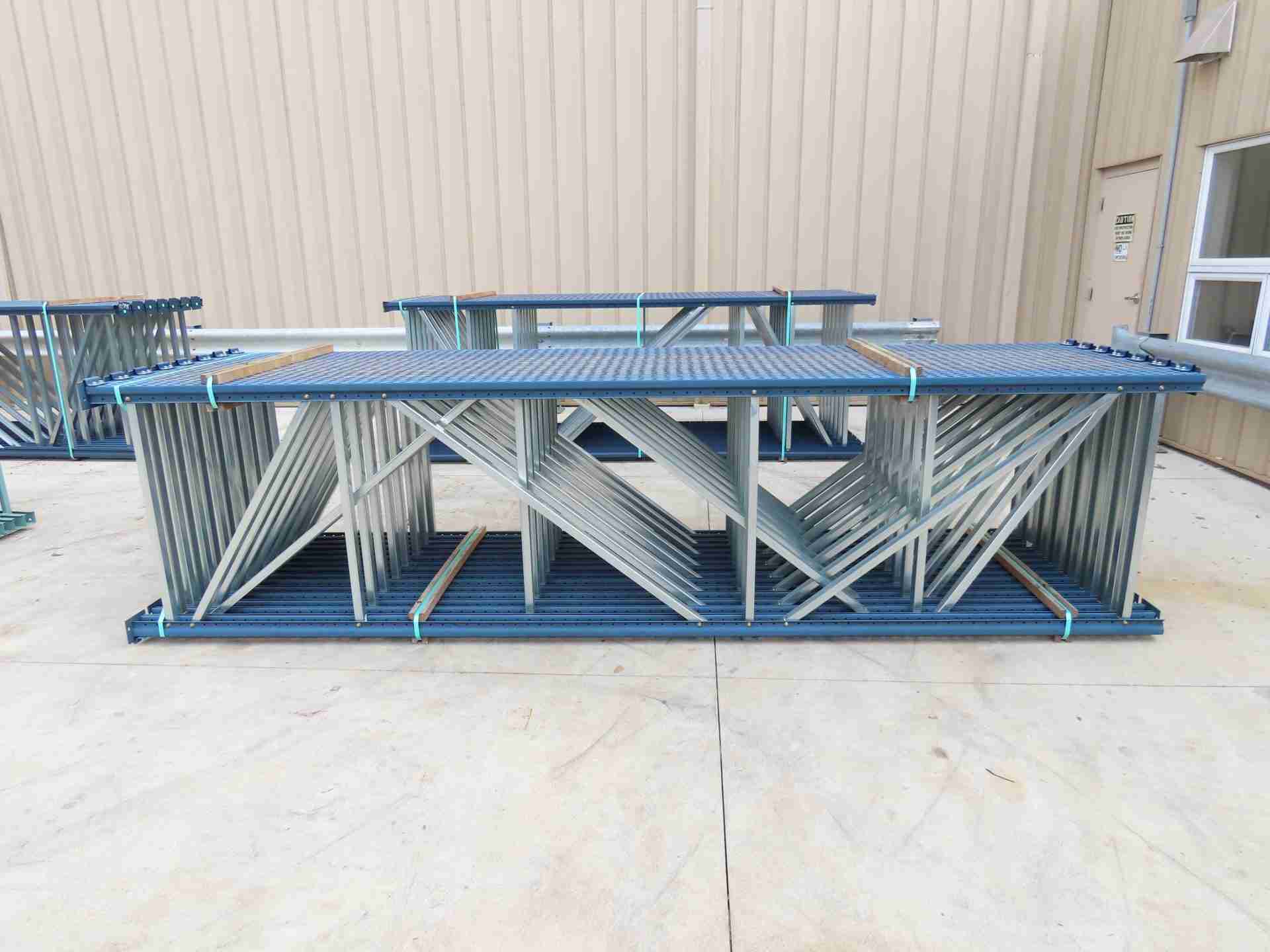
What Risks Are Associated with Compact Storage Systems?
What Risks Are Associated with Compact Storage Systems?
- Compact storage systems are efficient but pose significant risks, particularly in weight distribution.
- Improper stacking can lead to accidents, potentially injuring workers and disrupting operations.
- Inefficient inventory management results in financial losses and can damage client trust.
- Managers have an ethical responsibility to prioritize safety training and employee wellbeing.
- Adhering to industry standards and regulations is essential for ensuring storage safety.
- Knowledge of risks fosters community and collective responsibility among workers.
- Proper precautions can create a safer, more efficient workplace while ensuring employee safety.
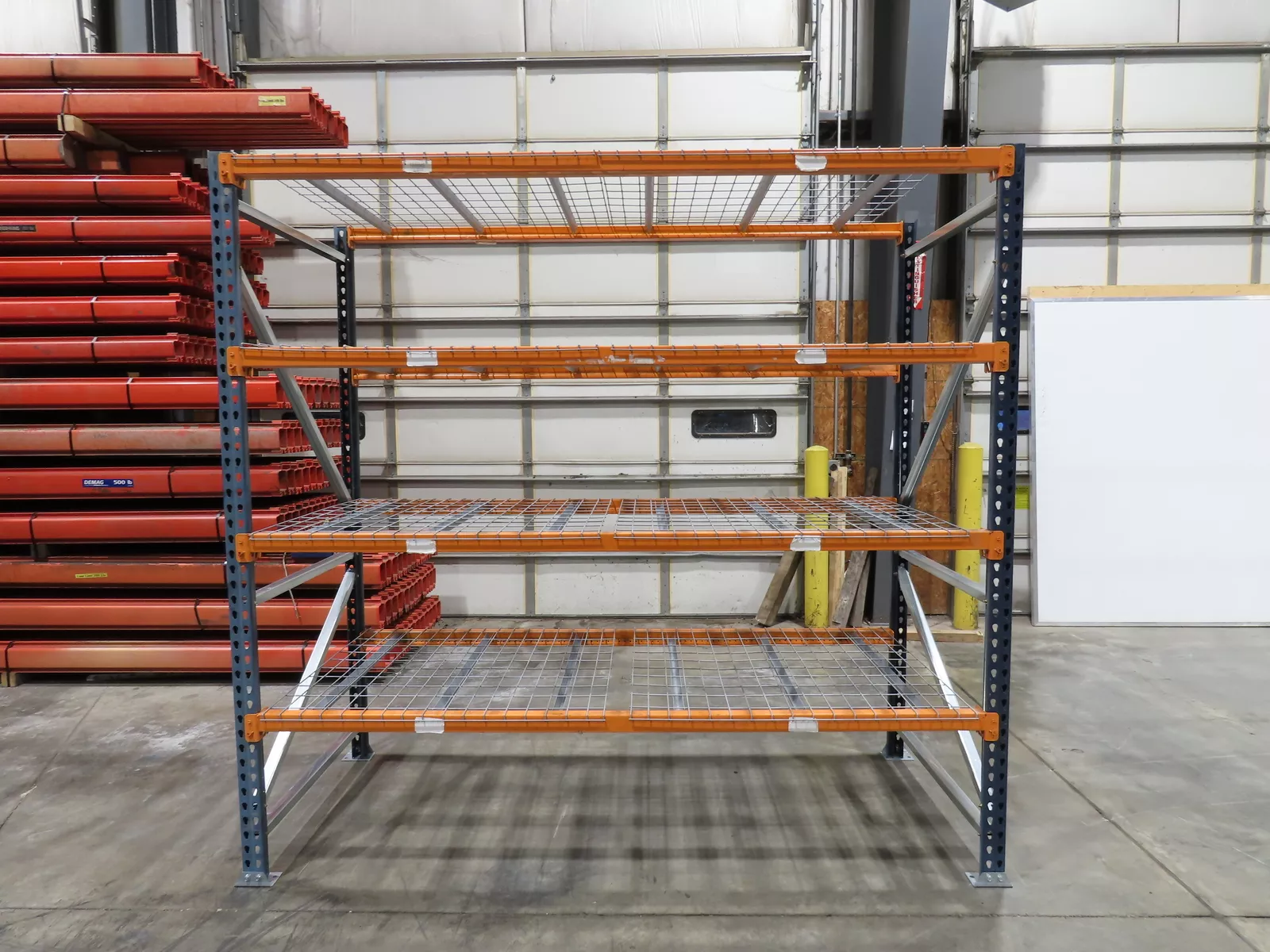
What Risks Are Associated with Compact Storage Systems?
How Do Regulations Impact Safety In High-Density Storage?
In the world of high-density storage, regulations play a crucial role in ensuring safety across warehouses and storage facilities. Picture this: a bustling warehouse filled to the brim with high-tech racking systems, where every inch is utilized to maximize storage capacity. It’s a scene of efficiency and productivity, but it also carries the weight of responsibility. When the right regulations are in place, they serve as a safety net, preventing accidents that can put lives at risk and disrupt operations.
The racking systems used in these environments need to be designed and maintained according to stringent guidelines. Imagine a situation where overloaded shelves collapse—resulting in not only significant property loss but, more importantly, serious injuries. These regulations aren’t just red tape; they’re rooted in hard lessons learned over time. They ensure that materials are stored securely, preventing scenarios where a simple misstep can lead to catastrophic outcomes.
Moreover, adherence to safety regulations fosters a culture of trust among employees. When workers see that their employers prioritize not just productivity but their well-being, it builds a solid foundation of confidence. Workers can focus on their tasks, knowing that safety measures are in place. This trust is invaluable; it nurtures teamwork and boosts morale because employees feel cared for. In an environment marked by high-density storage, where the pace can be relentless, having that mutual respect and concern is vital.
Communities also benefit from these regulations. They create a ripple effect, ensuring that the businesses follow ethical practices that protect not only their staff but also the neighborhoods surrounding their operations. Good practices in high-density storage can lead to fewer accidents, less disruption, and ultimately a safer community. These rules often stem from collective experiences shared by industry veterans. These experienced hands impart knowledge, demonstrating how safety isn’t just a requirement but a commitment to those who enter their domains.
Ultimately, regulations in high-density storage are more than guidelines—they’re a lifeline. They prevent the chaos that can arise from negligence, offering a sense of security to everyone involved. It’s about protecting lives while promoting efficiency. When each stakeholder understands the importance of racking systems and adheres to safety standards, it transforms a simple storage unit into a trusted sanctuary for both goods and the people handling them. This shared responsibility enhances not only workplace safety but also community cohesion, illustrating that in high-density environments, safety regulations are indeed a community’s strongest ally.
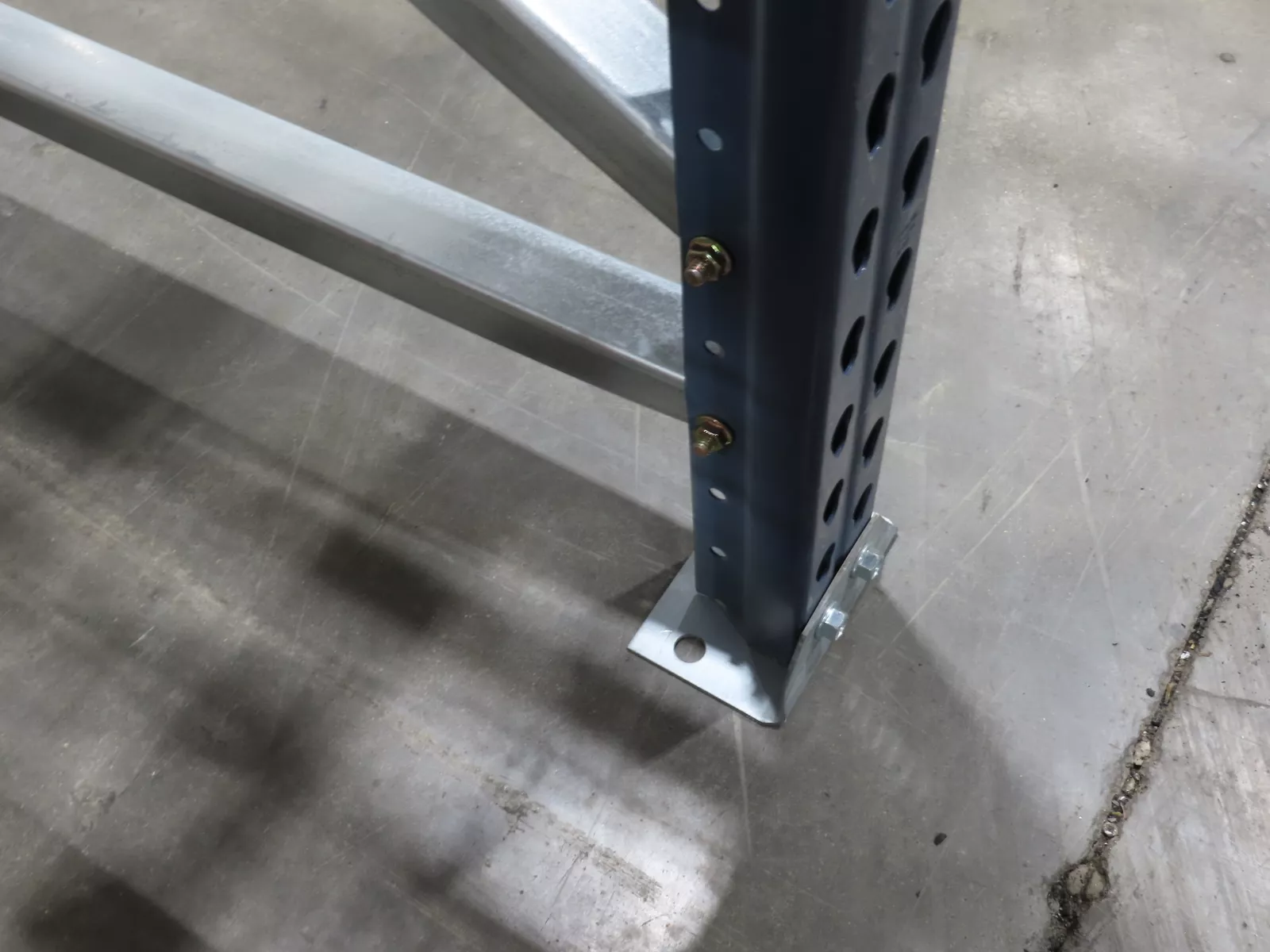
How Do Regulations Impact Safety In High-Density Storage?
How Do Regulations Impact Safety In High-Density Storage?
- Regulations are essential for safety in high-density storage facilities, preventing accidents and ensuring operational efficiency.
- Properly designed and maintained racking systems adhere to stringent guidelines to avoid hazardous situations like shelf collapses.
- These regulations stem from past experiences and are crucial for secure material storage, protecting against catastrophic outcomes.
- Adherence to safety regulations builds trust among employees, fostering a culture of well-being and improving morale.
- Communities benefit as ethical practices in storage reduce accidents, disruptions, and promote safety for surrounding neighborhoods.
- Experienced industry veterans contribute knowledge, emphasizing safety as a commitment rather than just a requirement.
- Regulations serve as a lifeline, transforming storage units into trusted spaces that prioritize the safety of goods and personnel alike.

How Do Regulations Impact Safety In High-Density Storage?
Are We Prepared for Emergencies In Tight Storage Spaces?
Emergencies in tight storage spaces are more common than we’d like to admit, yet they often catch us off guard. Whether it’s a sudden flood, a fire, or a simple equipment malfunction, the need for preparedness cannot be overstated. Imagine working in a warehouse, surrounded by racking systems piled high with goods. In moments of crisis, those very structures can become both a lifeline and a hazard.
Racking systems should be our allies, providing a well-organized space that maximizes efficiency while ensuring safety. The importance of clearly defined pathways in these environments can’t be dismissed. When disaster strikes, we need to move quickly, and tight storage can become a maze. Keeping aisles clear and ensuring easy access to fire extinguishers can mean the difference between a smooth evacuation and a hectic scramble.
Thinking about the potential hazards doesn’t just engage our heads; it touches our hearts. We rely on these spaces for our livelihood, and we connect with our co-workers. Picture the panic as you try to navigate through stacks of boxes in an emergency. Ensuring everyone knows the evacuation routes and having regular emergency drills helps forge a sense of community. When teams are prepared, they look out for each other, bolstering trust and fostering a shared commitment to safety.
It’s also an ethical responsibility. As employers or leaders in the workspace, ensuring safety in tight storage is part of the job. It’s about doing right by the people who contribute day in and day out. Regular training and availability of resources reflect a commitment to their well-being. By valuing preparedness, we create an environment where individuals feel cared for and secure.
Authority comes into play when businesses invest in proper safety training and emergency equipment. When employees see management taking these measures seriously, it inspires action. Regular assessments of racking systems and storage arrangements serve to reinforce the message: we care about your safety, and preparedness is not just a box to check—it’s a vital part of our culture.
In navigating the challenge of emergencies in tight storage spaces, it’s the collective effort that counts. By sharing stories and experiences, we can cultivate a culture of preparedness. Let’s commit to being proactive rather than reactive, ensuring that our workplaces are safe havens, ready to handle whatever comes our way.
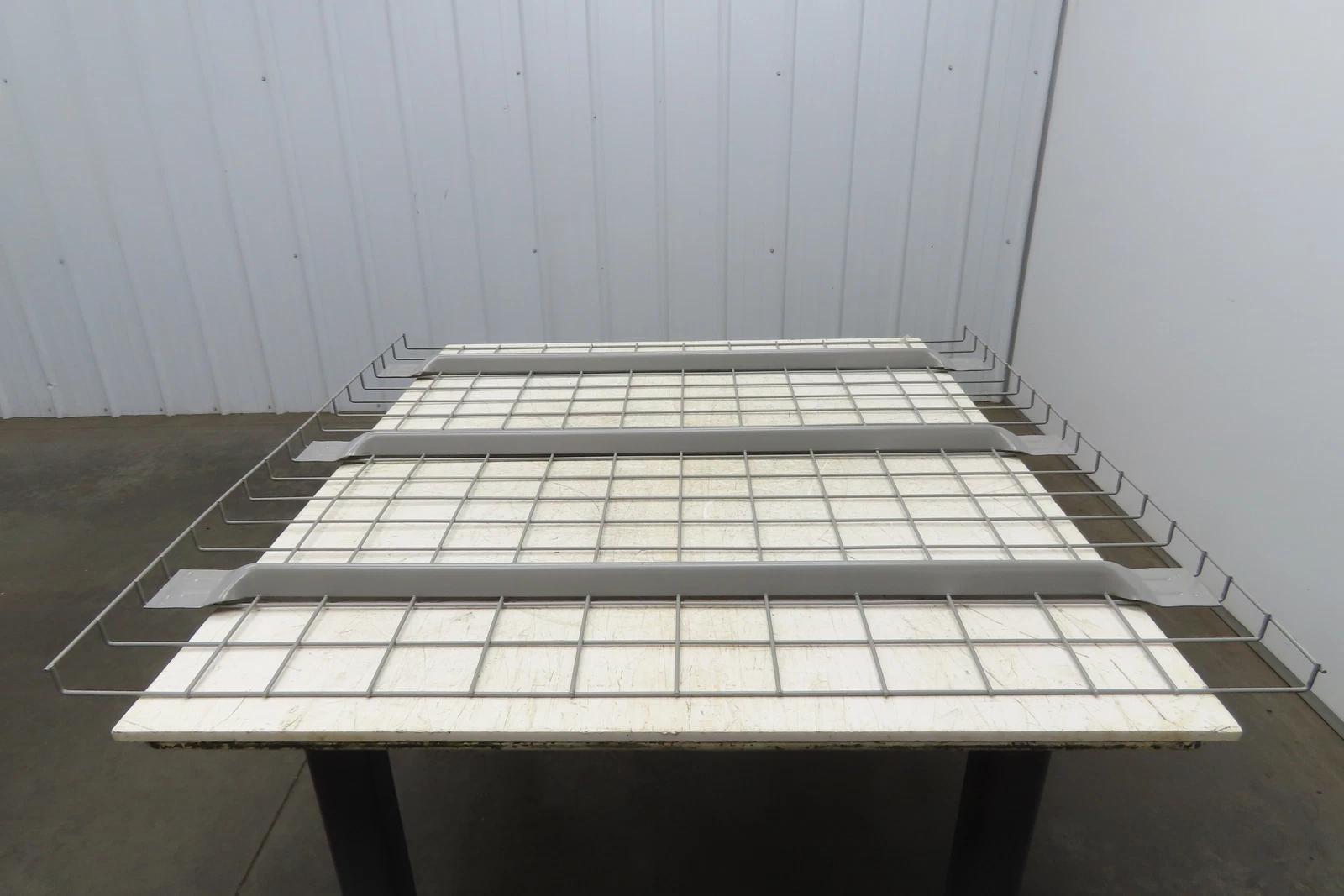
Are We Prepared for Emergencies In Tight Storage Spaces?
Are We Prepared for Emergencies In Tight Storage Spaces?
- Emergencies in tight storage spaces are unexpectedly common and require preparedness.
- Racking systems should be organized efficiently to ensure safety during crises.
- Clearly defined pathways and clear aisles are crucial for quick evacuation in emergencies.
- Regular emergency drills and knowledge of evacuation routes foster team preparedness and trust.
- Employers have an ethical responsibility to ensure safety and well-being in the workplace.
- Investment in safety training and equipment demonstrates commitment to employee safety.
- Collective efforts and shared experiences enhance a culture of preparedness in the workplace.
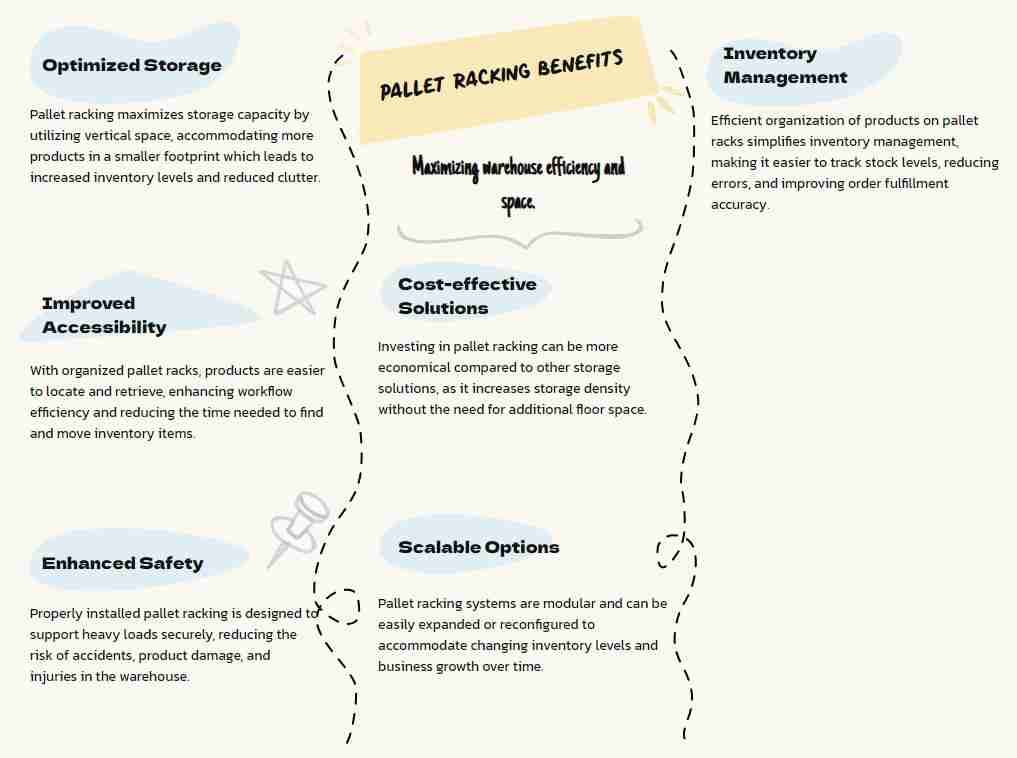
Are We Prepared for Emergencies In Tight Storage Spaces?
What Role Does Technology Play In Enhancing Safety Measures?
In the trenches of everyday work life, technology stands as an unassuming yet steadfast partner in safety. Whether you’re maneuvering through a bustling warehouse or navigating the chaos of a construction site, the right tech can transform how we think about safety—and often, in ways we don’t immediately see. Imagine a worker in a warehouse, adjusting racking systems stocked with goods high overhead. The risk of falling items can weigh heavily on the minds of those on the ground. Yet, incorporating smart sensors into these racking systems not only provides real-time alerts when things aren’t stable, but it also fosters a culture of awareness among the workers. They aren’t just operators; they become active participants in safety.
Rationally, the numbers tell a clear story. Studies show that integrating technology can reduce workplace accidents significantly. Safety costs money, but so do injuries—both in lives and productivity. Investing in safety technology isn’t just a noble idea; it’s a sound business decision. But let’s not forget the heart behind these statistics. Picture a family waiting at home, a spouse eager to see their loved one return safe and sound after a long day. When employers invest in technology that enhances safety, they aren’t just following regulations; they’re ensuring that each worker walks home to their loved ones after every shift.
Ethically, there’s a weighty responsibility that comes with ensuring a safe work environment. Businesses have an obligation to their employees, and those who embrace technology as part of their safety strategy reflect a commitment to this duty. It shows that they care—not just about profits, but about the people who make those profits possible. It’s a moral contract that creates trust, and trust builds a strong foundation for teamwork.
Authority matters too. When industry leaders champion the use of technology for safety, it’s a call to action for others to follow suit. Their voices carry weight, encouraging companies to adopt new systems and practices that prioritize well-being.
Every piece of technology from safety gear to advanced racking systems can save lives, but it’s the stories behind the numbers that resonate most. Every time someone slips on a safety harness or checks a sensor, they’re participating in a narrative that values life and community. Safety is more than a protocol; it’s the unspoken promise that everyone goes home whole and helped, united by a commitment to caring for one another.
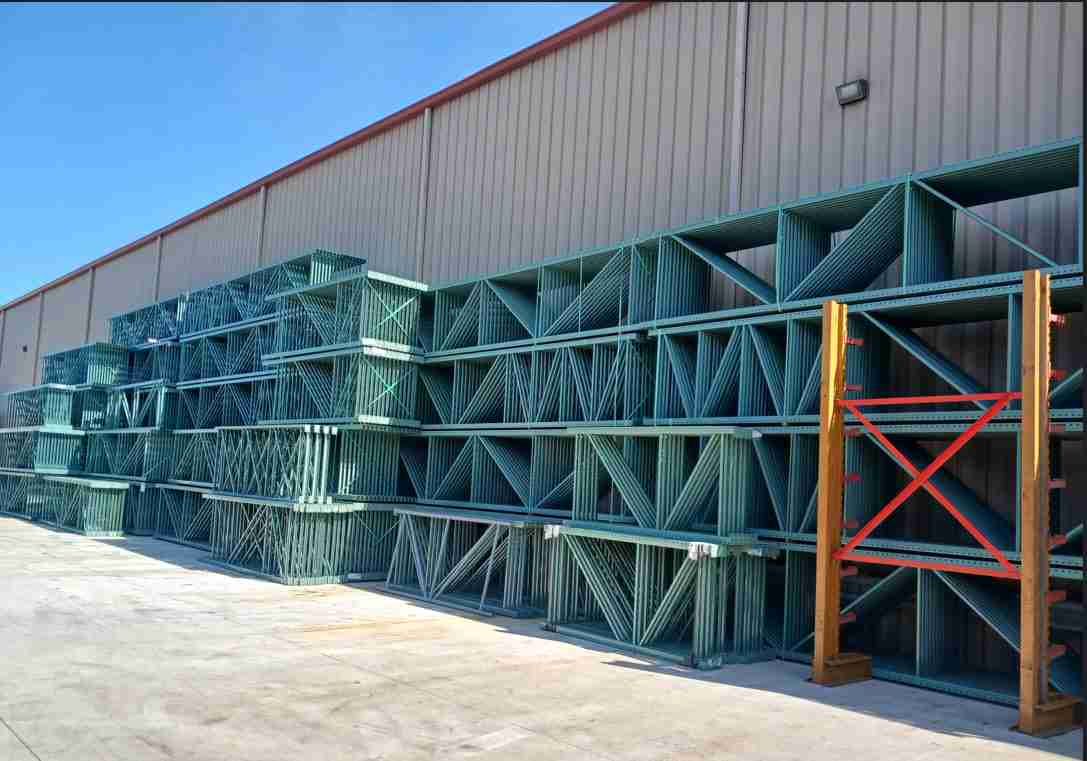
What Role Does Technology Play In Enhancing Safety Measures?
What Role Does Technology Play In Enhancing Safety Measures?
- Technology is a crucial partner in workplace safety, influencing how safety is perceived and implemented.
- Smart sensors in racking systems enhance real-time alerts and promote worker awareness and participation in safety.
- Integrating technology can significantly reduce workplace accidents, making it a valuable business investment.
- Employers’ commitment to safety ensures that workers return home to their families after every shift.
- Businesses have an ethical obligation to ensure a safe work environment, reflecting their care for employees beyond profits.
- Industry leaders advocating for safety technology inspire others to adopt similar systems and practices.
- Every safety measure contributes to a narrative of community and a commitment to collective well-being.

What Role Does Technology Play In Enhancing Safety Measures?
Conclusion
In high-density storage environments, safety is the backbone that upholds the daily operations and protects workers’ lives. Each day, warehouse employees traverse aisles flanked by towering racking systems, where a moment’s lapse can lead to disaster. Understanding the heart of this issue reveals that these workers are more than just cogs in a machine; they are individuals with families, dreams, and responsibilities. When we prioritize safety, we not only protect them physically but also honor their contributions and sacrifice.
Investing in robust safety measures is not merely a smart business decision—it’s a moral imperative. Companies that embrace safety engineering create a foundation for trust, loyalty, and productivity. Every accident avoided translates to financial savings, reduced downtime, and a reputation that withstands the test of time. This commitment promotes a culture where safety is second nature, deeply integrated into the fabric of workplace operations.
The narrative of safety comes alive through the stories shared among workers. Safety training sessions become communal experiences, fostering strong relationships as employees look out for one another. In the midst of a bustling warehouse, this sense of community is vital; it transforms safety into a shared responsibility instead of a mundane requirement. Just as a family looks after one another, colleagues must cultivate this familial bond on the work floor.
Regulations provide essential guidelines that bolster workplace safety. They are serious, grounded rules that arise from lessons learned in the field, ensuring that systems remain secure and reliable. Compliance isn’t just about avoiding penalties but about fostering an environment where employees can thrive without fear. Witnessing management fruitfully implement safety protocols reassures workers that their well-being is essential.
Additionally, the integration of technology enhances safety measures significantly. From smart sensors in racking systems to digital training programs, technology empowers workers to be proactive. It enables them to navigate their environment with confidence, knowing they have the tools and support to prevent accidents before they happen. This technological embrace reflects a broader ethical obligation—to value human life above all else.
Ultimately, a commitment to safety in high-density storage areas is woven together with threads of emotional, rational, ethical, and narrative appeals. It is about ensuring that every individual returns home to their loved ones unharmed, fostering an ecosystem where trust and care reign supreme. This dedication creates not just safer workplaces but stronger communities, thriving together through shared responsibility and vigilance.
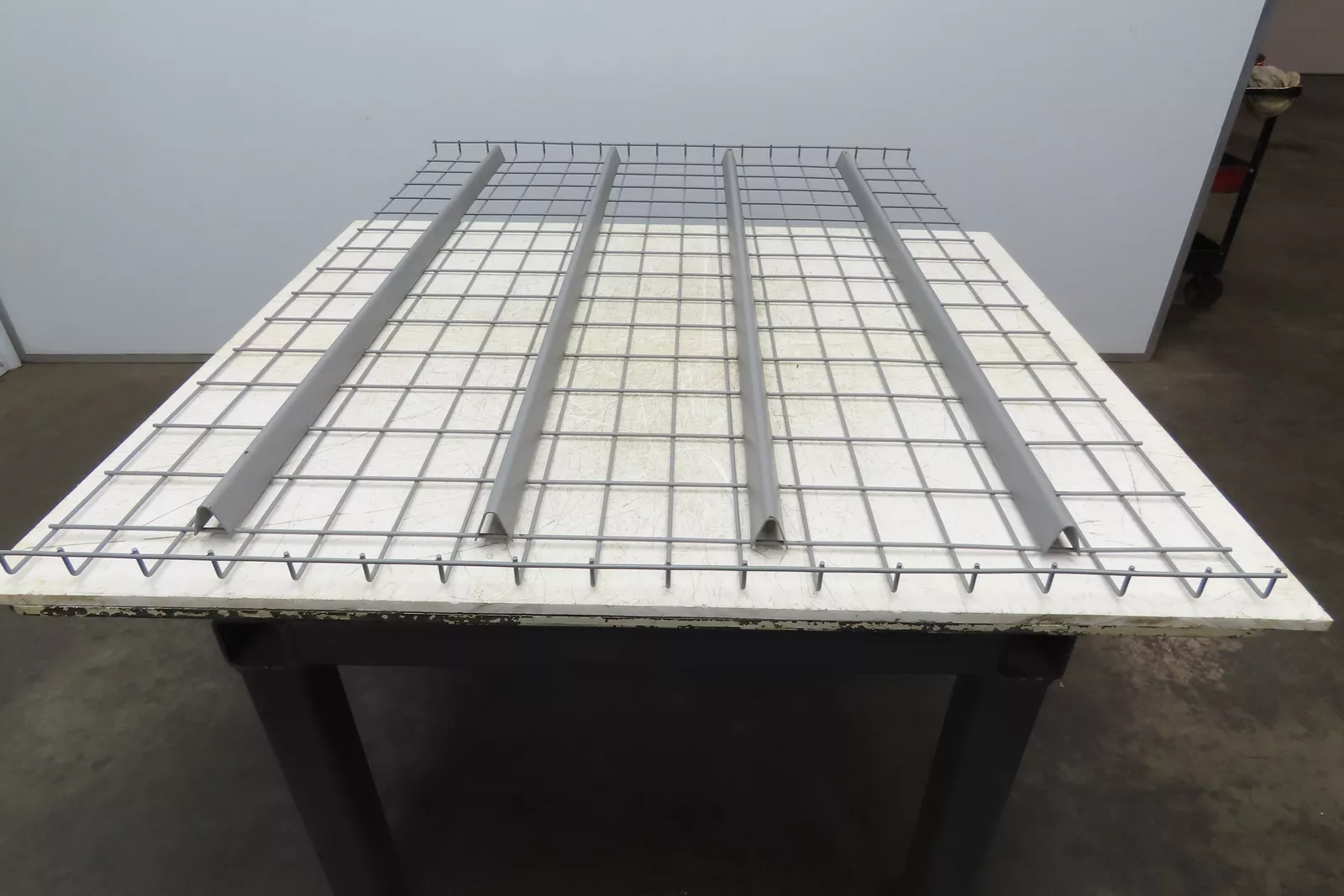
Conclusion
Conclusion:
- Safety is essential in high-density storage environments to protect workers and ensure daily operations run smoothly.
- Investing in safety measures is both a moral imperative and a smart business decision that fosters trust and productivity.
- Effective safety protocols lead to financial savings, reduced downtime, and a resilient reputation for companies.
- Safety training sessions encourage community and relationships among workers, making safety a shared responsibility.
- Regulations are crucial for maintaining workplace safety, encouraging compliance and a thriving work environment.
- Technology plays a significant role in enhancing safety through smart tools that empower workers to prevent accidents.
- A commitment to safety fosters stronger communities, ensuring every individual safely returns home to their loved ones.
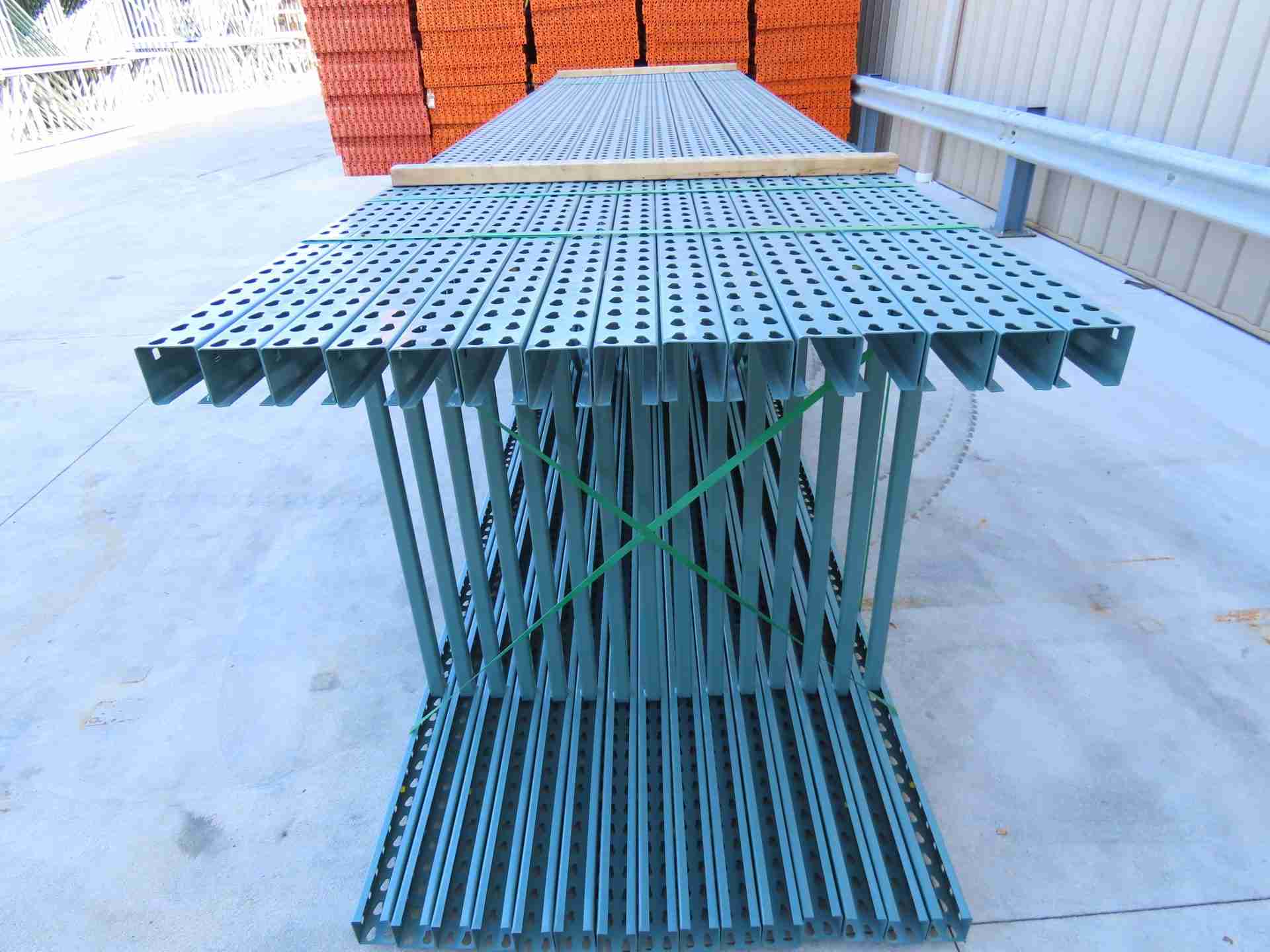
Conclusion
Other Resources

Other Resources
Here is a list of other resources you can review online to learn more:
- What is Selective Racking: Understanding Benefits & Options
- Pallet Racking systems in Illinois, Great Lakes
- Cantilever Racking Specialists – Get the Right Racks
- Interlake
- International Warehouse Logistics Association
- Cantilever Rack Guide: Ordering Cantilever Racking
- Warehouse Racks, Warehouse Racking in Stock – ULINE
- Interlake Mecalux
- Pallet Racks, Pallet Racking, Pallet Shelves in Stock – ULINE
- CMMA
- Selective Racking
- NSC
- Illinois Pallet Racking – Storage Solutions
- Warehouse Storage Racks
- Cantilever Rack Guide: Ordering Cantilever Racking
- Warehouse Racking Chicago, IL
- IIWS Inc. Rack Installation Illinois & Rack Repairs Illinois
- Teardrop Uprights
- Shipping Boxes, Packaging Materials, Pallet Racking
- What is Selective Pallet Racking
Use This Prompt To Get More Resources With Your Favorite Online AI Tool: Please provide me with a list of online articles with their URLs in a bulleted list that I can read regarding Safety Engineering In High-Density Storage
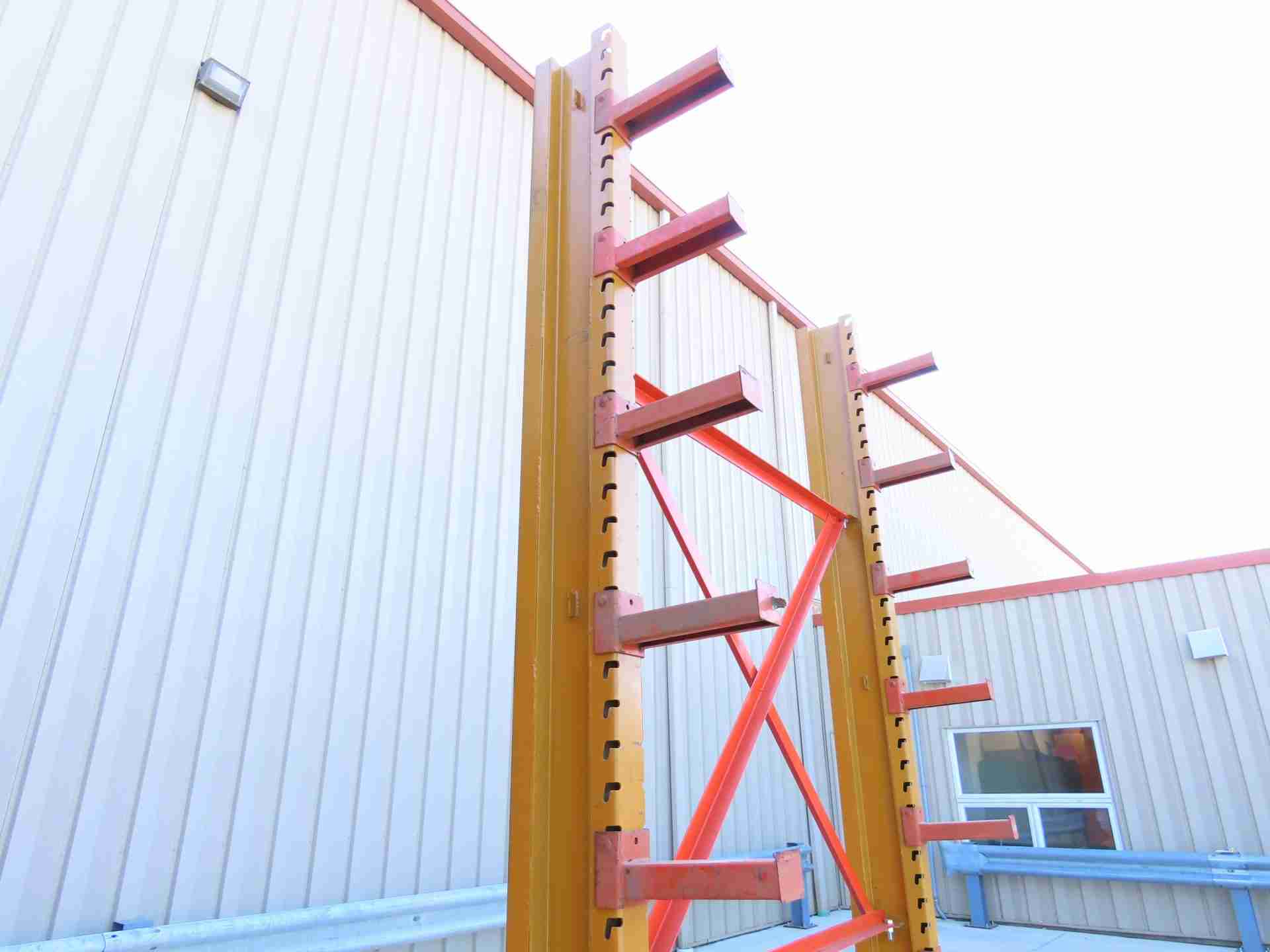
Other Resources
Glossary Terms
Safety Engineering In High-Density Storage – Glossary Of Terms
1. Accident: An unplanned event resulting in injury, damage, or disruption in operations.
2. Risk Assessment: The process of identifying, analyzing, and evaluating potential hazards.
3. Hazard: A condition or situation that poses a threat to safety or health.
4. Safety Protocol: Established procedures to ensure safety and mitigate risks.
5. Compliance: Adherence to safety regulations and standards in engineering practices.
6. Ergonomics: The study of people’s efficiency in their working environment.
7. Fire Safety: Measures and protocols aimed at preventing and managing fire hazards.
8. Load Stability: The ability of stored materials to remain securely in place without shifting or collapsing.
9. Evacuation Plan: A predefined strategy for safely exiting a facility in an emergency.
10. Personal Protective Equipment (PPE): Gear worn to minimize exposure to hazards.
11. Maintenance: Regular inspection and upkeep of storage systems to ensure safety and functionality.
12. Emergency Response: The actions taken to address immediate threats to safety in an emergency.
13. Training: Education provided to employees on safety protocols and best practices.
14. Conveyor Systems: Mechanized systems used for transporting materials, posing unique safety considerations.
15. Pallet Racking: A storage system that uses pallets to hold materials, requiring specific safety measures.
16. Environmental Controls: Systems designed to mitigate external conditions that may affect safety, like temperature or humidity.
17. Hazardous Materials: Substances that pose a risk to health, safety, or property when improperly managed.
18. Occupational Safety: Practices and regulations aimed at promoting safe working conditions.
19. Incident Reporting: The process of documenting and analyzing safety incidents for future prevention.
20. Safety Signage: Visual communication tools used to convey safety information and warnings.
21. Fire Suppression Systems: Technologies used to extinguish or control fires in high-density storage areas.
22. Inventory Management: The process of overseeing stock levels to prevent overcrowding and hazards.
23. Forklift Safety: Protocols and practices aimed at minimizing risks associated with forklift operations.
24. Worksite Audits: Evaluations conducted to assess compliance with safety standards and procedures.
25. Safety Culture: The shared values and practices within an organization regarding safety.
26. Risk Mitigation: Strategies designed to reduce the impact of identified risks.
27. Inspections: Regular checks to ensure compliance with safety regulations and proper functioning of equipment.
28. Code Compliance: Adherence to established safety codes and standards within the storage industry.
29. Spill Control: Measures in place to address and manage chemical spills safely.
30. Safety Management System: An organized approach to managing safety policies and practices within an organization.
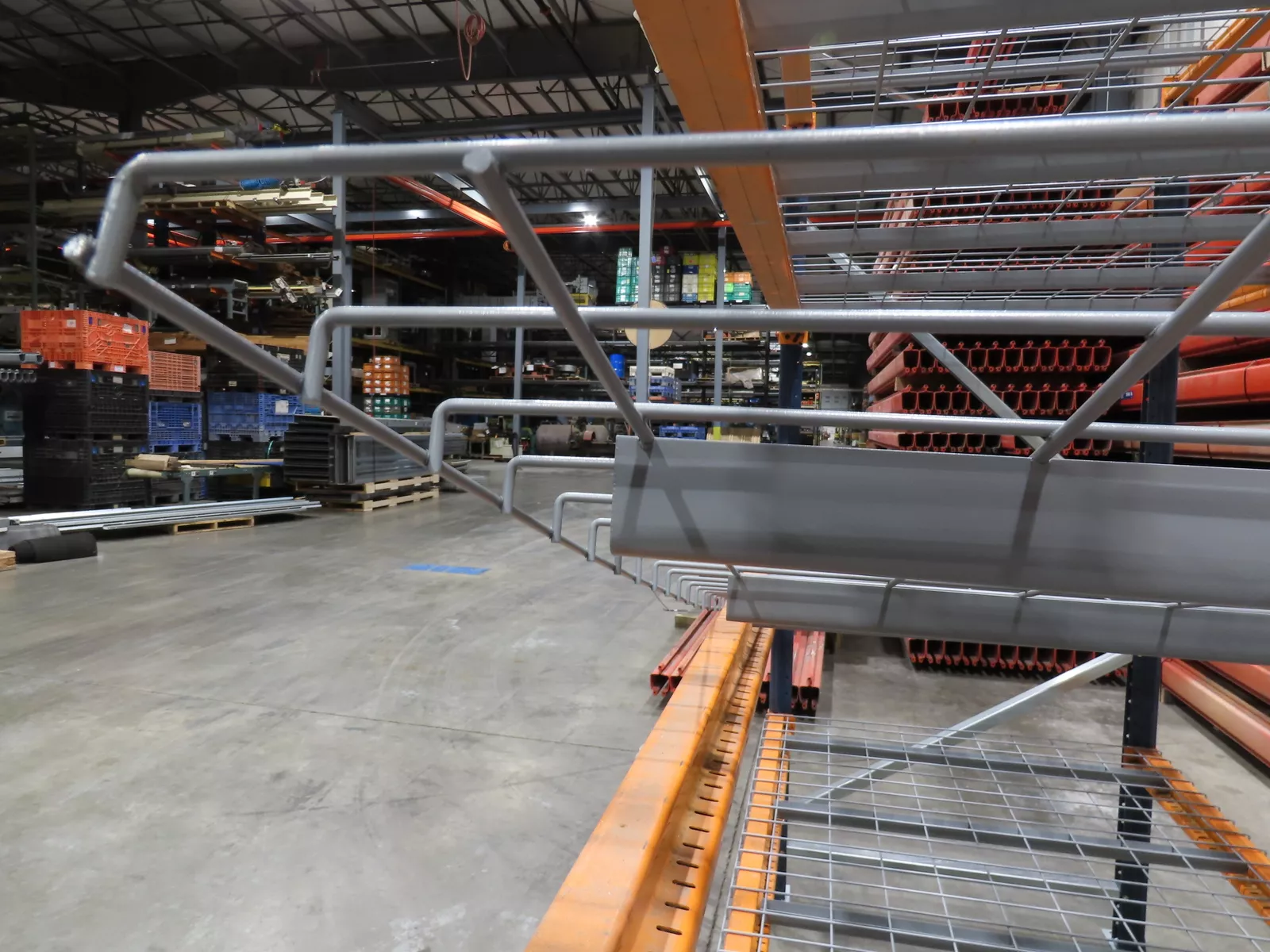
Glossary Of Terms
Other Questions
Safety Engineering In High-Density Storage – Other Questions
If you wish to explore and discover more, consider looking for answers to these questions:
- What specific racking design standards and codes apply to high-density storage in my country or region?
- How often should racking systems and beams be inspected, and who is qualified to perform those inspections?
- What are the common failure modes for high-density racking and how can they be detected early?
- How do you calculate and verify load limits for different rack configurations and inventory types?
- What are the best practices for load distribution and pallet placement to prevent collapse?
- Which types of sensors and monitoring systems are most effective for racking stability and environmental hazards?
- What is the typical cost and ROI of implementing safety technologies (sensors, automation, monitoring)?
- How should emergency evacuation routes and procedures be designed in tight aisle warehouses?
- What firefighting and fire-suppression systems are required or recommended for high-density storage?
- How do automated storage and retrieval systems (AS/RS), robotics, and AMRs change safety considerations?
- What training programs and certifications should workers and supervisors complete for dense storage operations?
- How do you create and sustain a safety culture among shift-based and contract workers?
- What are the legal liabilities and insurance implications of accidents in high-density storage?
- How should incident reporting and root-cause investigation processes be structured?
- What KPIs and metrics reliably measure safety performance in dense storage facilities?
- How often should emergency drills be held and how should their effectiveness be evaluated?
- What personal protective equipment (PPE) is recommended for workers in high-density environments?
- How do flooring load capacities, pallet quality, and forklift practices interact to affect safety?
- What are the risks and controls for storing hazardous or flammable materials in compact systems?
- How should lighting, signage, and aisle width be optimized for visibility and safe movement?
- When and how should existing racking be retrofitted or reinforced to meet updated standards?
- What role do third-party audits and certifications play, and which organizations provide them?
- How do seismic, wind, or other environmental factors influence racking design and anchoring?
- What software tools assist with inventory management, load planning, and safety compliance?
- How can predictive maintenance be applied to racking, forklifts, and safety equipment?
- What are the best practices for contractor and visitor access control in high-density storage?
- How do you manage human factors such as fatigue, ergonomics, and decision-making under pressure?
- What are typical retrofit or upgrade paths when expanding capacity without compromising safety?
- How should small and medium-sized businesses prioritize safety investments with limited budgets?
- What real-world case studies exist showing failures and successful safety interventions?
- How do differing international regulations affect operations for multinational warehouses?
- What documentation and record-keeping practices are legally required and operationally useful?
- How should material handling equipment (forklifts, pallet jacks) be certified and maintained?
- What immediate steps should be taken after detecting rack damage or a near-miss incident?
- How do you balance storage density with accessibility for picking, maintenance, and emergency access?
Other Questions
Checklist
Safety Engineering In High-Density Storage – A Checklist
Audit Details
✅______ Facility __________
✅______ Area __________
✅______ Date __________
✅______ Auditor __________
Culture and Leadership
✅______ Safety policy is visible, current, and understood by all staff
✅______ Daily and weekly safety huddles conducted and recorded
✅______ Near-miss reporting is simple, encouraged, and acted upon
✅______ Supervisors model safe behaviors and stop unsafe work
✅______ Clear accountability for safety KPIs and corrective actions
Racking and Structural Integrity
✅______ Rack design drawings and as-built documentation on file and accessible
✅______ Load plaques posted, legible, and matching current configuration
✅______ Anchors and baseplates installed, tight, and undamaged
✅______ Uprights plumb and level; no twists, bends, or corrosion
✅______ Beams seated with intact safety locks; no deflection beyond specification
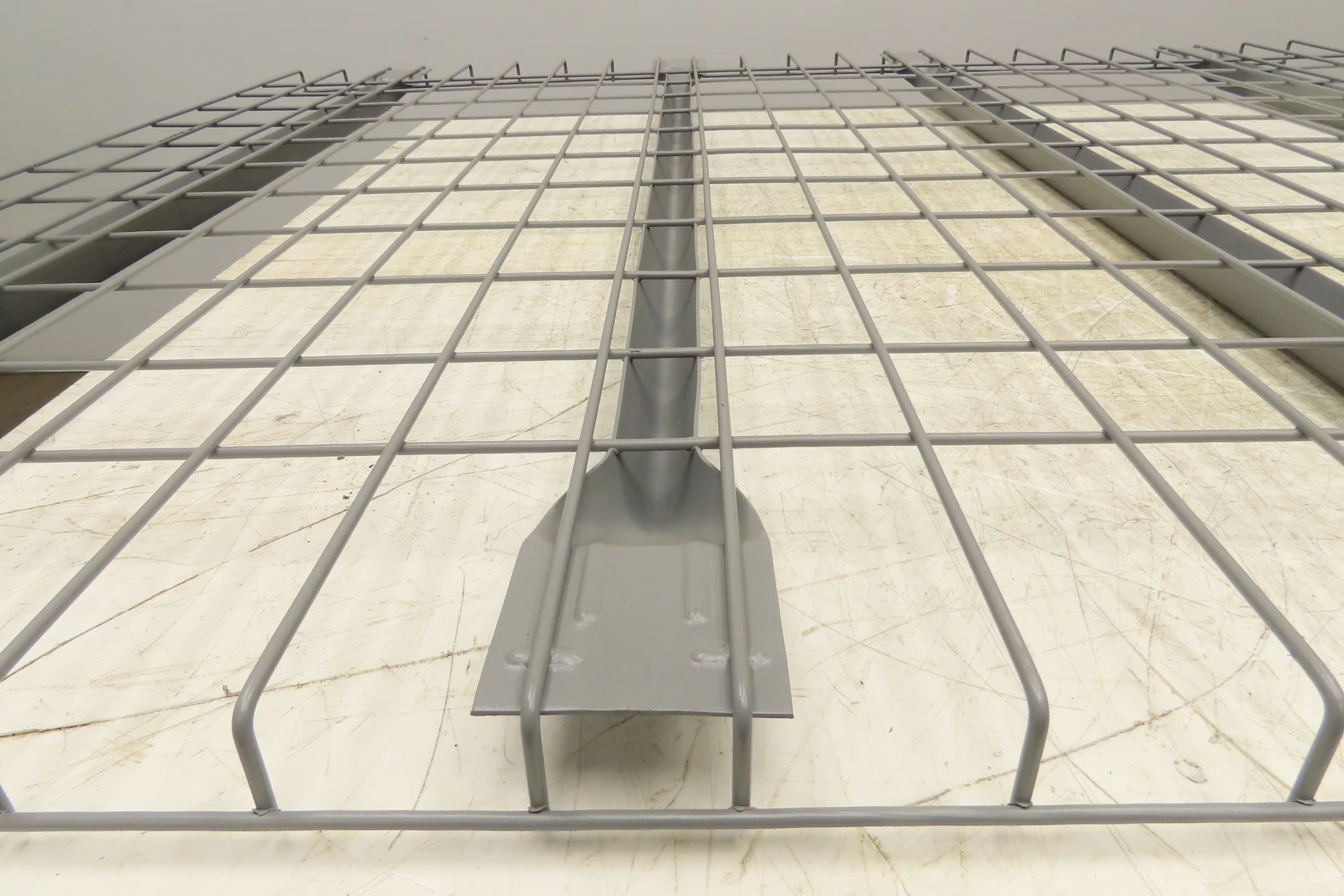
✅______ Row spacers, backstops, and pallet stops installed where required
✅______ End-of-aisle guards and column protectors in place and intact
✅______ Repair tags applied to damaged components; rack repairs completed by a qualified vendor only
✅______ Seismic bracing present where required and in good condition
✅______ Mezzanines, guardrails, and gates secure; toeboards present where needed
Compact, Mobile, and Automated Systems (if applicable)
✅______ Aisle occupancy sensors and interlocks functional
✅______ Emergency stop buttons and cords at accessible intervals and tested
✅______ Pinch-point guards and signage in place
✅______ Rails and travel paths free of debris; guidance systems calibrated
✅______ Manual override and lockout procedures posted and trained on
Load Management and Pallet Quality
✅______ Loads within rated capacities for beams, uprights, and floors
✅______ Proper pallet overhang and beam seating clearances maintained
✅______ Vertical and horizontal flue spaces maintained (as designed)
✅______ Uniform weight distribution; no point loads beyond specification
✅______ Pallets in good condition (no broken boards or stringers); rejects removed
✅______ Mixed-SKU or unstable loads secured (wrap, straps, or netting)
✅______ Heavy items stored at lower levels when feasible
Housekeeping, Aisles, and Pedestrian Safety
✅______ Aisle widths meet design and equipment requirements
✅______ Aisles, exits, and access to extinguishers and controls kept clear
✅______ Floors free of spills, debris, and trip hazards
✅______ Pedestrian and vehicle routes segregated with barriers or markings
✅______ Crossing points signed; mirrors and warning lights installed where needed
✅______ Adequate lighting levels; defective fixtures replaced promptly
✅______ Signage for speed limits, PPE, and hazard zones posted
Material Handling Equipment (MHE)
✅______ Operators certified for equipment in use (forklifts, order pickers, etc.)
✅______ Pre-shift inspections completed and logged
✅______ Horns, beacons, and backup alarms functional
✅______ Speed controls, geofencing, and collision avoidance (if installed) active
✅______ Battery charging and LP storage areas ventilated and compliant
✅______ Attachments (clamps, extensions) rated and approved for loads
Technology and Monitoring
✅______ WMS/WES slotting respects weight, size, and rack limits
✅______ Weight verification (scales or sensors) used for high-risk areas
✅______ Rack impact sensors installed or inspections performed after known impacts
✅______ CCTV or analytics used to address traffic conflicts and congestion
✅______ Preventive maintenance schedules tracked in CMMS
Fire Protection and Life Safety
✅______ Sprinkler coverage matches storage configuration and commodities
✅______ Minimum clearances to sprinklers maintained
✅______ Fire extinguishers accessible, inspected, and appropriately sized
✅______ Fire doors, shutters, and curtains unobstructed and tested
✅______ Alarm, detection, and public address (PA) systems tested per schedule
✅______ Safety data sheets (SDS) available; chemical storage segregated and labeled
✅______ Hot work and smoking controls in place
Emergency Preparedness
✅______ Site emergency plan current and posted (evacuation, shelter, spill, and medical)
✅______ Evacuation routes and muster points marked and clear
✅______ Drills conducted on schedule; lessons learned documented
✅______ First-aid kits, eyewash, and AEDs available and inspected
✅______ Incident command roles assigned and trained
✅______ Contractor and visitor orientation includes emergency procedures
Training and Competency
✅______ Induction covers load limits, stacking, and aisle discipline
✅______ Refresher training completed per training matrix (MHE, LOTO, fire, ergonomics)
✅______ Authorized persons for rack changes identified and trained
✅______ Toolbox talks documented and relevant to current risks
✅______ Language-appropriate materials provided
Change Management
✅______ Engineering review required before any rack reconfiguration
✅______ Temporary storage setups risk-assessed and signed off
✅______ New equipment and processes include safety validation and training
✅______ Post-incident changes tracked and verified effective
Compliance and Documentation
✅______ Compliance with applicable standards verified (for example, OSHA, local code, fire code, and rack standards)
✅______ Inspection and maintenance records complete and retrievable
✅______ Third-party audits and assessments scheduled and closed out
✅______ Insurance and authority requirements met (certifications and tests)
Continuous Improvement
✅______ Leading indicators tracked (on-time inspections, near-miss rates, and corrective action closure)
✅______ Root-cause analysis performed for incidents and near misses
✅______ Worker feedback loop active; improvements communicated
✅______ Annual management review completed with targets set
Sign-Off
✅______ Auditor name/signature ______________________________
✅______ Responsible manager ________________________________
✅______ Next review date ________________
Checklist
At RackingWorld, we help guide you through selecting warehouse storage systems and racking.
Be sure to read our other related stories at RackingWorld to learn more about warehouse storage systems.
0 Comments