
Secure Solutions For Protecting People, Assets, And The Planet
By Tom Seest
At RackingWorld, we help guide you through selecting warehouse storage systems and racking.
Be sure to read our other related stories at RackingWorld to learn more about warehouse storage systems.
Safe Storage for Heavy Industrial Materials
When you’re dealing with heavy industrial materials, safety isn’t just a box to check—it’s the bedrock of a successful operation. Picture a job site where materials are stacked high, waiting to be used. Now imagine if those stacks aren’t stable or are hard to access. That’s a recipe for disaster, not just for the materials but for the folks working around them.
Racking systems are an essential part of this equation. They transform how we store heavy materials, turning chaos into order. Good racking systems are like a good pair of boots—supportive, reliable, and essential for getting the job done. You wouldn’t skimp on work boots, so why skimp on how you store your materials? The right racking system not only organizes your space but also minimizes risk. A well-organized environment is less stressful for everyone on the team, allowing folks to focus on what truly matters—making the job happen safely and efficiently.
Let’s talk about the heart of the matter. Every piece of heavy industrial material has a purpose, just like every worker on site. When you store these materials safely, you’re showing respect for the work they do and the effort put into each task. Think of the families depending on those workers to come home safe at the end of the day. A commitment to proper storage is a commitment to every life impacted by that job.
From a rational standpoint, the cost of investing in quality racking systems pays off. Skimping on storage can lead to accidents that halt production, increase insurance premiums, and cost time—your most valuable asset. The truth is, good storage solutions keep the flow of work moving smoothly, keeping profits up and frustrations down.
On an ethical level, it’s about responsibility. We owe it to ourselves and each other to foster an environment where everyone can work without fear of injury. Building a culture of safety isn’t just about rules; it’s about creating a community where everyone looks out for one another.
This isn’t just some corporate initiative—it’s about everyday people. Reflect on the camaraderie and shared challenges you’ve faced; rolling up your sleeves and finding solutions together builds trust. By fostering good habits around how we store heavy materials, we contribute to a culture rooted in common sense and respect.
Every time you’re stacking up heavy materials or organizing that racking system, remember: it’s not just about getting the job done; it’s about doing it right, for everyone involved.

Safe Storage for Heavy Industrial Materials
Safe Storage for Heavy Industrial Materials
- Safety is fundamental in handling heavy industrial materials, essential for operational success.
- Stable and accessible material storage is crucial to prevent accidents on job sites.
- Quality racking systems organize materials effectively, reducing risk and enhancing safety.
- Safe storage practices reflect respect for workers and their families, ensuring everyone returns home safely.
- Investing in quality racking systems is financially beneficial, preventing costly accidents and production halts.
- Building a culture of safety involves collective responsibility and community support among workers.
- Proper material storage practices contribute to a trustworthy and respectful work environment.

Safe Storage for Heavy Industrial Materials
Table Of Contents
- Safe Storage for Heavy Industrial Materials
- What Are the Risks Of Improper Heavy Material Storage?
- How Can We Ensure Worker Safety In Warehouses?
- What Regulations Govern Industrial Material Storage?
- How Can Effective Storage Reduce Workplace Accidents?
- What Are the Best Practices for Heavy Material Containment?
- How Does Proper Storage Impact Equipment Lifespan?
- Conclusion
- Other Resources
- Glossary Of Terms
- Other Questions
- Checklist
What Are the Risks Of Improper Heavy Material Storage?
Improper storage of heavy materials isn’t just a hazard, it’s a recipe for disaster. Picture a busy warehouse, cluttered aisles, and racking systems straining under the weight of stacked materials. One wrong move, and you’ve got a situation that can go sideways fast. It’s not just the risk of materials falling; it’s about the unseen dangers that lurk behind poor practices.
The most heart-wrenching stories often come from those who never saw it coming. An employee reaches for a box on the top shelf, an over-extended load tips, and suddenly, someone’s day—and perhaps their life—changes forever. These aren’t just statistics; they’re people with families, aspirations, and dreams. Protecting them should be our top priority. When we let safety standards slip, we gamble with lives in ways that go far beyond the monetary costs.
On a rational level, the numbers don’t lie. Injuries from improper heavy material storage can lead to staggering costs—medical bills, lost workdays, and potential lawsuits stack up like the unsafely stored goods themselves. An ounce of prevention is worth a pound of cure, but it’s not just about being cost-effective; it’s about fostering a culture of safety. Prioritizing correct racking systems, ensuring weight limits are adhered to, and training workers properly can mitigate these risks significantly.
Ethically, we have a responsibility to our teams. It’s about creating an environment where everyone feels valued and safe. Imagine the camaraderie that develops when workers know their well-being is prioritized by their employer. That’s not just good business; it’s the right thing to do. When everyone plays their part, we build trust and a sense of community that’s invaluable.
Sharing stories of near misses and injuries can hit home for everyone involved. You might have experienced a close call yourself. These narratives weave connections between us, reminding us that we all share the same ground. It’s not some abstract issue; it’s personal. When you hear about someone getting hurt because of a toppled load, it strikes a chord—nobody wants to be that person or have to endure that pain.
It’s time for action. Whether it’s upgrading racking systems, holding safety training sessions, or simply checking in with each other, every small step makes a difference. Don’t let complacency be the enemy; we owe it to ourselves and our coworkers to stay vigilant. Let’s keep the weight where it belongs—on the ground and in the right hands.

What Are the Risks Of Improper Heavy Material Storage?
What Are the Risks Of Improper Heavy Material Storage?
- Improper storage of heavy materials poses significant hazards and risks of accidents.
- Injuries from these practices can result in devastating personal and financial impacts.
- Maintaining safety standards is crucial for protecting employees and fostering a culture of safety.
- Correct racking systems, adherence to weight limits, and proper training are essential for risk mitigation.
- Creating a safe work environment fosters camaraderie and trust among workers.
- Sharing personal stories of near misses helps build awareness and connection among teams.
- Proactive measures, such as safety training and system upgrades, are vital to preventing accidents.

What Are the Risks Of Improper Heavy Material Storage?
How Can We Ensure Worker Safety In Warehouses?
In the bustling world of warehouses, ensuring worker safety isn’t just a policy; it’s a commitment to every soul who walks through those doors. To foster an environment where safety reigns, we must first recognize that it’s not just about protocols—it’s about people. Each team member brings unique skills and responsibilities, and the heart of a successful warehouse beats strongest when its workers feel protected and valued.
Consider the racking systems. They’re not mere structures holding goods; they’re pivotal to our daily operations. Properly designed and maintained racking systems can prevent accidents that result from unstable loads, which not only threatens our efficiency but, more importantly, our people. Training workers on the right usage of these systems isn’t just a checklist item; it’s about empowering them with knowledge that could save lives.
Rationally speaking, investing in regular safety audits and training programs can significantly reduce incidents. It can be tempting to cut corners, especially when deadlines loom large, but the cost of neglecting safety is far greater—injuries, lost time, and the emotional toll they take on families and colleagues can haunt a workplace. Warehouse safety is interwoven with productivity; a safe worker is a happy, efficient worker.
Ethically, we owe it to each other to create a culture where safety is the driving force. Stories abound of workers who’ve endured slips, trips, and falls, or worse, because the right precautions weren’t in place. These aren’t just statistics; they’re people with dreams, families, and aspirations. Establishing safety committees, engaging workers in discussions about hazards, and encouraging them to voice their concerns builds a stronger social fabric. When workers see their input valued, they develop a deeper connection to their environment and a vested interest in keeping it safe.
We’ve all heard the saying, “Better safe than sorry,” but it’s more profound than that. It’s about taking pride in our workspaces and caring for one another. When we prioritize safety, we not only protect the bottom line but nurture a community of trust where everyone looks out for each other. This sense of camaraderie can transform a warehouse from a place of mere employment into a second home where each person feels empowered to speak up and act.
It all boils down to a simple truth: when we prioritize the well-being of those who drive our business, we forge a path toward success measured not only in pounds moved but in lives uplifted. Embrace safety, and watch as it ripples through your entire operation, cultivating both confidence and camaraderie among your workforce.

How Can We Ensure Worker Safety In Warehouses?
How Can We Ensure Worker Safety In Warehouses?
- Worker safety is a commitment that goes beyond policies, focusing on individual team members.
- Racking systems are crucial for operations; proper maintenance prevents accidents related to unstable loads.
- Training workers on safety procedures empowers them and can potentially save lives.
- Regular safety audits and training programs are essential to reduce workplace incidents.
- A culture of safety enhances productivity; safe workers contribute to a more efficient environment.
- Engaging workers in safety discussions fosters a sense of community and valued input.
- Prioritizing safety creates a workplace environment where everyone feels empowered and cared for.

How Can We Ensure Worker Safety In Warehouses?
What Regulations Govern Industrial Material Storage?
When it comes to storing industrial materials, regulations play a pivotal role in ensuring safety and efficiency. Imagine a bustling warehouse, full of racking systems designed to hold everything from raw materials to finished products. Each pallet tells a story, but behind that story are rules meant to prevent disasters and ensure everyone goes home safe at the end of the day.
The Occupational Safety and Health Administration (OSHA) sets crucial standards to protect workers. It’s not just bureaucracy; these guidelines reflect real-world experiences. For instance, proper racking systems must be installed and maintained. When these structures are equipped to handle the weight they bear, they help prevent accidents that could change lives in an instant. A regulation that seems tedious on paper can mean the difference between a safe work environment and a tragic mishap.
On the other hand, there are environmental regulations to consider. The Environmental Protection Agency (EPA) lays out rules to safeguard air and water quality. For many folks working on the ground, these regulations feel like a pain, but they come from a deep-rooted concern for our health and our planet. Imagine a spill contaminating groundwater—communities could suffer for years. Understanding this connection helps us realize that regulations aren’t just red tape; they’re reminders of our responsibility to each other.
It’s easy to get lost in the details—like fire codes, material handling guidelines, or even local ordinances—but the heart of these regulations is trust. Our industry thrives on trust: between employers and employees, suppliers and customers, even between companies and the communities they inhabit. Each regulation is a piece of a larger puzzle aimed at building that trust.
Here’s the kicker: following these rules doesn’t just keep you compliant; it reflects a commitment to integrity. When a company takes regulations seriously, they signal to the workforce that their safety matters. They foster pride in the job, knowing that they’re part of something bigger—part of a movement toward safer workplaces and healthier communities.
So, when you walk through that warehouse and see those racking systems brimming with material, remember that every regulation has a purpose. They’re not just rules; they are a foundation for the respect and responsibility we all share, fueling an industry that supports families and drives progress. Following them isn’t merely a matter of compliance; it’s a pledge to protect lives, both today and in the future.

What Regulations Govern Industrial Material Storage?
What Regulations Govern Industrial Material Storage?
- Regulations are essential for the safety and efficiency of industrial material storage.
- The Occupational Safety and Health Administration (OSHA) establishes standards to protect workers.
- Proper installation and maintenance of racking systems prevent life-changing accidents.
- Environmental regulations from the Environmental Protection Agency (EPA) safeguard air and water quality.
- Regulations reflect a commitment to trust and integrity within the industry.
- Adhering to regulations fosters pride and responsibility among workers and organizations.
- Compliance goes beyond rules; it is a pledge to protect lives and ensure healthy communities.

What Regulations Govern Industrial Material Storage?
How Can Effective Storage Reduce Workplace Accidents?
Effective storage isn’t just about keeping things organized; it’s about safeguarding lives in a workplace where the stakes often go unseen. Picture this: a cluttered warehouse floor, filled with scattered tools and materials, posing a daily hazard to every worker navigating through it. That’s a recipe for accidents, and nobody wants to be that person who needs a first-aid kit on hand more often than their toolbox.
Enter racking systems. These aren’t just fancy shelves; they’re the backbone of a safer, more efficient workspace. When everything has a designated spot, it’s easier to find what you need without diving into a sea of disarray. That reduces the chance of someone tripping or reaching for items in unsafe ways. Workers feel empowered and confident when they know that their workspace is designed with their safety in mind. Less chaos means fewer accidents, and that’s a hard truth that resonates deeply with everyone who’s ever tripped over misplaced gear.
But it’s not just about minimizing risks; it’s about fostering a culture of respect and responsibility among the team. When proper storage systems are in place, it sends a clear message: we care about each other’s well-being. It encourages individuals to take pride in their environment and treat their tools and materials with the respect they deserve. This sense of shared commitment can spark camaraderie, drawing teams closer together as they work side by side to keep each other safe.
Consider the stories of numerous workplaces that implemented effective storage measures—where improvements in organization led to a drastic drop in incidents. Workers share anecdotes of how they once navigated dangerous obstacles and how, with proper racking systems in place, their daily grind became more than just a job; it transformed into a mission to protect one another. It’s the kind of accountability that runs deeper than policy; it’s about looking out for one another because every person deserves to head home safe at the end of the day.
Investing in thoughtful storage solutions doesn’t just make sense—it’s an ethical choice. It’s the responsible action of every company that values its employees as family. By creating a safer workplace, businesses elevate their own standards, cultivate trust, and inspire an unwavering commitment to safety. So, let’s put those racking systems to work. Fewer accidents mean happier, healthier teams ready to tackle whatever comes next.

How Can Effective Storage Reduce Workplace Accidents?
How Can Effective Storage Reduce Workplace Accidents?
- Effective storage is crucial for safeguarding lives in workplaces, particularly where unseen risks exist.
- Cluttered environments, like disorganized warehouse floors, create hazards and increase the likelihood of accidents.
- Racking systems are essential for maintaining a safer, more efficient workspace by providing designated spots for tools and materials.
- Organized spaces empower workers, reduce chaos, and lower the chances of accidents.
- Implementing proper storage fosters a culture of respect, responsibility, and shared commitment to safety among team members.
- Successful storage measures in workplaces have resulted in significant decreases in incidents and have strengthened team camaraderie.
- Investing in storage solutions is an ethical choice that enhances safety, trust, and engagement within organizations.

How Can Effective Storage Reduce Workplace Accidents?
What Are the Best Practices for Heavy Material Containment?
When it comes to heavy material containment, the stakes can be high. You’re not just dealing with pounds and tons; you’re managing the safety of your crew and the integrity of your operations. To get it right, consider these best practices that blend practical know-how with a focus on people and the environment.
First off, know your materials. Every load tells a story; some are more forgiving, while others demand respect. Understanding the properties of the materials you handle ensures that you choose the right containment method. That’s where racking systems come into play. These structures are engineered to support hefty loads securely, preventing disasters that can happen when materials slip or fall. A well-designed racking system is like a trusted buddy on the job site—reliable and supportive.
Next, make employee training a priority. Hands-on experience is critical, but so is education. Regular training sessions ensure that everyone knows how to use equipment properly and understands the hazards involved. This isn’t just about ticking boxes; it’s about fostering a culture of safety. When workers feel empowered with knowledge, they tend to make safer choices, leading to a more cohesive team ready to tackle any project.
Don’t overlook the importance of regular inspections and maintenance. Equipment can wear down, and when it does, it can spell trouble. Routine checks of your containment systems and racking setups can catch potential issues before they escalate. Think of this as preventive medicine for your operations—an ounce of prevention beats a pound of cure. Keeping your racking systems, locking mechanisms, and safety features in top shape builds trust; your crew knows they can rely on their tools when things get heavy.
Engage your team in conversations about safety and improvements. Create a space where they can voice concerns or suggestions, no matter how small. This camaraderie not only enhances morale but also cultivates a sense of shared responsibility. When everyone contributes to maintaining safe practices, the environment becomes collaborative and more efficient.
At the end of the day, improving heavy material containment is about more than just compliance; it’s a commitment to ethical operations and care for each other. Trust your equipment, trust your team, and trust in the processes you build together. It’s about keeping everyone safe and ensuring that every heavy lift is a step toward something greater.

What Are the Best Practices for Heavy Material Containment?
What Are the Best Practices for Heavy Material Containment?
- Heavy material containment involves high stakes, including crew safety and operational integrity.
- Understanding material properties is crucial for selecting appropriate containment methods.
- Racking systems should be well-designed to securely support heavy loads and prevent accidents.
- Employee training is essential for proper equipment use and hazard awareness, fostering a culture of safety.
- Regular inspections and maintenance of equipment can prevent issues and ensure reliability.
- Encouraging team discussions about safety enhances morale and promotes shared responsibility.
- Improving material containment reflects a commitment to ethical operations and care for personnel.
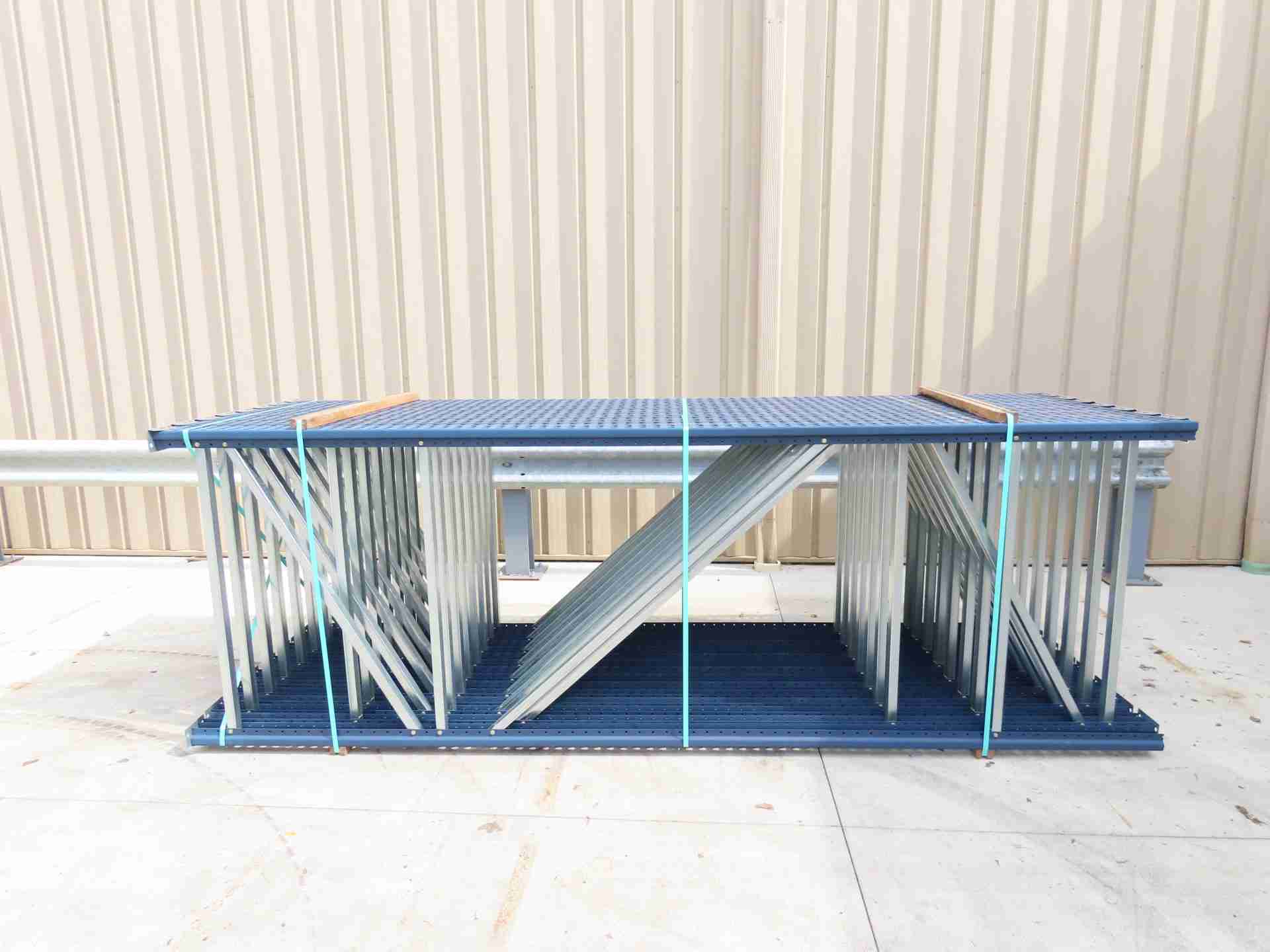
What Are the Best Practices for Heavy Material Containment?
How Does Proper Storage Impact Equipment Lifespan?
Every tradesperson knows the importance of taking care of their tools. When you boil it down, proper storage isn’t just a matter of organization; it’s about protecting your investment and ensuring that your equipment lasts. Think about it. You wouldn’t leave your best saw out in the rain, would you? That kind of neglect can lead to rust, damage, and a shortened lifespan. It’s easy to overlook how vital racking systems are for this. These sturdy structures help keep your tools off the ground, away from moisture, and safely organized, making a world of difference.
Imagine pulling out your favorite drill, only to find it covered in dust and grime because it was tossed haphazardly into a corner. That gut-wrenching feeling of disappointment comes from not just the lost time cleaning it up, but from knowing your gear could’ve served you longer with a little TLC. Racking systems allow for easy access and effective air circulation, preventing the kind of wear and tear that comes from neglect. Every time you see your tools neatly stored, it’s a reminder that you respect your craft, and in turn, they respect you back by performing when you need them most.
From an ethical standpoint, we have a responsibility to care for the tools that help us earn our living. Proper storage isn’t just about extending the life of your equipment; it’s about setting an example for the younger folks in the trade. Sharing the simple practice of keeping a clean, organized workspace fosters a culture of responsibility and pride. It drives home the message that good work begins and ends with proper care for your tools.
Moreover, the connection with your equipment is personal. Every scratch or dent tells a story of a job well done. When you show your machines the respect they deserve through thoughtful storage, you build a bond that goes beyond the mechanical. It becomes part of your identity as a tradesperson. The social aspect of proper storage shouldn’t be underestimated either. A tidy workspace is often a source of pride and can boost morale among coworkers, making it easier for everyone to stay focused and energetic on the job.
Putting time and effort into proper storage with reliable racking systems not only prolongs the life of your tools but also uplifts your work ethic, instills confidence in your abilities, and strengthens the ties within your community. This is how you keep standards high and ensure that each job is approached with the care it deserves.

How Does Proper Storage Impact Equipment Lifespan?
How Does Proper Storage Impact Equipment Lifespan?
- Proper tool storage protects investments and ensures longevity of equipment.
- Racking systems keep tools off the ground, away from moisture, and organized.
- Neglecting tools can lead to rust, damage, and disappointments.
- Organized storage offers easy access and effective air circulation to prevent wear.
- Proper storage sets an example for younger tradespeople, promoting responsibility.
- Every tool’s scratch or dent tells a story, enhancing the personal connection to equipment.
- Reliable storage uplifts work ethic and strengthens community ties among coworkers.
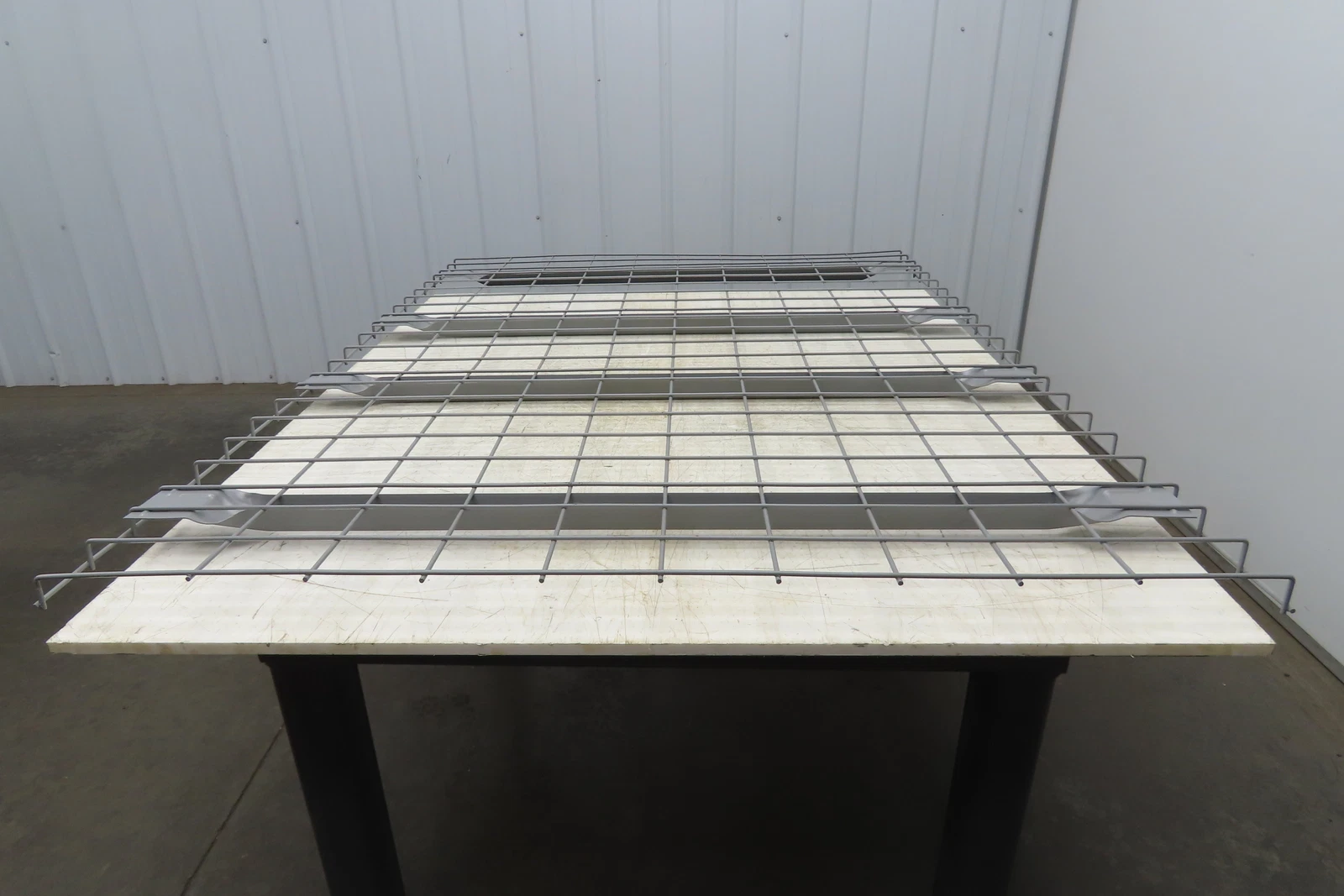
How Does Proper Storage Impact Equipment Lifespan?
Conclusion
In the world of heavy industrial operations, the foundation of success rests on safety—a commitment that transcends mere compliance. Effective storage solutions are crucial in transforming chaotic job sites into organized havens where both materials and workers are protected. Racking systems serve as the backbone of this structure, much like a sturdy pair of boots for a hard worker. These systems not only optimize space but also reduce risks, allowing teams to operate efficiently while minimizing stress. The impact of safe storage extends beyond material preservation; it honors the workforce that depends on these resources, echoing the unspoken promise of returning home safely to their families each night.
Investing in reliable racking systems pays dividends, both in terms of finances and human capital. Neglecting proper storage can lead to accidents that halt production and inflate costs—time lost equates to money lost. But more importantly, it’s about prioritizing lives. This ethical responsibility to protect one another fosters a culture of safety, where every worker feels valued and respected. Each near miss or injury is a stark reminder of that responsibility, reinforcing the necessity of vigilance and proactive measures.
Creating a culture of safety involves collective effort. Involving workers in safety discussions and encouraging them to share their experiences builds community and trust within the workforce. A workplace that prioritizes safety nurtures a sense of camaraderie, transforming colleagues into a family dedicated to each other’s well-being.
Regulations governing the storage of industrial materials further highlight our collective responsibility to uphold safety standards. These mandates are not just bureaucratic red tape; they reflect a deep concern for the health of workers and the surrounding environment. Complying with these regulations signals a commitment to integrity and safety—a pledge to ensure that all who enter the workplace feel secure and respected.
The importance of effective storage solutions cannot be overstated. Beyond reducing clutter and fear of accidents, they boost morale and confidence on the job. When workers see their environment organized and well-maintained, it not only enhances productivity but also instills a sense of pride. This pride leads to a more focused and efficient team, ready to face daily challenges together.
Ultimately, the journey towards effective storage and safety in heavy materials is more than a set of practices; it’s about a commitment to each other, where every heavy load is handled with care, preserving not just the tools and materials but also the lives intertwined in the process.

Conclusion
Conclusion:
- Safety is the foundation of success in heavy industrial operations, requiring a commitment beyond compliance.
- Effective storage solutions transform chaotic job sites into organized environments, protecting both materials and workers.
- Racking systems optimize space and reduce risks, improving operational efficiency and minimizing stress.
- Investing in reliable storage systems enhances both financial and human capital, prioritizing worker safety.
- Creating a culture of safety involves collective effort, fostering community and trust among workers.
- Regulations governing material storage reflect a commitment to safety, integrity, and worker well-being.
- Well-organized storage boosts morale and productivity, leading to a more focused and efficient team.

Conclusion
Other Resources
Other Resources
Here is a list of other resources you can review online to learn more:
- Bradford Systems
- Chicago Pallet Racking
- Warehouse Automation
- Illinois Pallet Racking – Storage Solutions
- SEMA
- Iowa Illinois Warehouse Racking
- IWLA
- New Cantilever Racks and Racking Kits
- Teardrop Uprights
- Warehouse Racking System: Powerful Guide to Optimise, 2024
- Pallet Racking systems in Illinois, Great Lakes
- Interlake Mecalux
- NSC
- International Warehouse Logistics Association
- Selective Rack – Raymond West
- Interlake Mecalux
- Used Teardrop Pallet Rack – American Surplus
- IIWS Inc. Rack Installation Illinois & Rack Repairs Illinois
- Warehouse Storage Racks
- National Safety Council
Use This Prompt To Get More Resources With Your Favorite Online AI Tool: Please provide me with a list of online articles with their URLs in a bulleted list that I can read regarding Safe Storage for Heavy Industrial Materials

Other Resources
Glossary Terms
Safe Storage for Heavy Industrial Materials – Glossary Of Terms
1. Bulk Storage: A method of storing large quantities of materials in a single location to optimize space and efficiency.
2. Hazardous Materials: Substances that pose a risk to health, safety, or the environment and require special handling and storage.
3. Pallet Racking: A type of storage system that uses vertical space by storing pallets of materials in multiple levels.
4. Stackable Containers: Containers designed to be placed on top of each other for efficient use of storage space.
5. Weight Limit: The maximum load that can be safely handled or stored without risking structural failure.
6. Safety Data Sheet (SDS): A document that provides information on the properties, hazards, and handling of chemicals.
7. Forklift: A powered industrial truck used to lift and move materials over short distances.
8. Load Capacity: The maximum weight a storage system or equipment can safely support.
9. Spill Containment: Measures implemented to prevent the spread of hazardous substances during a spill.
10. Fire Suppression System: Equipment designed to detect and extinguish fires to protect stored materials.
11. Climate Control: Systems that maintain specific temperature and humidity levels to protect sensitive materials.
12. Ergonomics: The study of how workers can interact safely and efficiently with their environment and tools.
13. Access Aisles: Pathways in storage areas that provide access to materials and equipment.
14. Inventory Management: The process of tracking and managing stored materials to ensure availability and safety.
15. Heavy Machinery: Specialized equipment used for moving, lifting, or storing heavy materials.
16. Material Safety: Practices and procedures to ensure safe handling and storage of industrial materials.
17. Retrofitting: Modifying existing storage structures to improve safety or efficiency.
18. Labeling: The process of marking materials with important information for identification and safety.
19. Personal Protective Equipment (PPE): Gear worn to minimize exposure to hazards when handling materials.
20. OSHA Regulations: Standards set by the Occupational Safety and Health Administration regarding workplace safety.
21. Non-combustible Materials: Substances that do not ignite or burn easily, reducing fire risk during storage.
22. Modular Storage: A flexible storage system that can be adjusted or expanded based on needs.
23. Load Distribution: The method of evenly spreading weight in storage areas to prevent collapse or damage.
24. Inspection Protocols: Procedures established to regularly check the condition of materials and storage systems.
25. Environmental Compliance: Adhering to regulations that protect the environment during material handling and storage.
26. Offloading: The process of removing materials from a transport vehicle for storage.
27. Shelving Units: Structures used to store materials, typically consisting of horizontal surfaces supported by vertical frames.
28. Strapping/Banding: Techniques used to secure materials during storage or transport to prevent movement.
29. Grounding: A safety measure involving electrical connections to prevent static electricity build-up with stored materials.
30. Training Programs: Educational initiatives designed to ensure employees understand safe storage practices and equipment use.

Glossary Of Terms
Other Questions
Safe Storage for Heavy Industrial Materials – Other Questions
If you wish to explore and discover more, consider looking for answers to these questions:
- What types of racking systems are best for different kinds of heavy industrial materials (coils, pipes, sheet metal, drums, pallets)?
- How do you calculate safe load capacities for racks, shelves, and mezzanines?
- What is the proper method for distributing weight on a racking system to prevent collapse?
- How high can materials be stacked safely, and how are stacking limits determined?
- What are the recommended aisle widths for safe forklift and pedestrian movement?
- Which industry standards and codes apply (OSHA, ANSI, NFPA, local building codes) and how do they differ?
- How often should racking systems and containment equipment be inspected, and what should inspections include?
- What documentation and recordkeeping are required for inspections, repairs, and load ratings?
- When is a professional engineer required to design or certify storage racks and mezzanines?
- What are the best practices for retrofitting or repairing damaged racking components?
- How do seismic or wind loads affect racking design and anchoring requirements?
- What fire protection measures are necessary for heavy-material storage areas (sprinklers, barriers, detection)?
- How should hazardous materials be stored differently from nonhazardous heavy goods?
- What secondary containment, spill control, and environmental safeguards are required for liquids and corrosive materials?
- How do storage methods change for temperature- or humidity-sensitive materials?
- What PPE and training do workers need for handling and accessing heavy stored materials?
- What are the common root causes of racking failures and how can they be prevented?
- How should loading and unloading procedures be organized to minimize risk during material movement?
- What forklift/operator rules and traffic controls should be implemented in storage areas?
- How should long, odd-shaped, or unstable loads be supported and restrained?
- What labeling, signage, and load-marking practices improve safety and compliance?
- How can storage layout and flow be optimized for both safety and productivity?
- What are the insurance implications and potential premium changes associated with storage practices?
- How do you perform a cost–benefit or ROI analysis for investing in upgraded racking or containment systems?
- What routine maintenance tasks extend equipment and rack lifespan?
- How should emergency response plans be adapted for incidents involving heavy material storage (collapse, spill, fire)?
- What near‑miss reporting and safety culture programs most effectively reduce storage incidents?
- How should storage areas be secured against theft, vandalism, or unauthorized access?
- Which anchoring, bracing, or floor‑loading checks are necessary before installing heavy racking?
- What are best practices for pallet selection and maintenance to support heavy loads safely?
- How can lighting, flooring condition, and housekeeping reduce trips, slips, and handling errors?
- What mechanical aids (cranes, hoists, roll racks) are recommended for particularly heavy or bulky items?
- How do you manage compatibility and segregation of materials that must not be stored together?
- What training frequency and competency assessments are recommended for storage and handling staff?
- How are load tests performed on racks and storage platforms, and how often?
- What spare parts and replacement strategies should facilities maintain for rapid rack repairs?
- How should contractors and temporary workers be integrated into site storage safety programs?
- What permitting or local authority approvals are needed for significant storage changes or new racking installations?

Other Questions
Checklist
Safe Storage for Heavy Industrial Materials – A Checklist
Checklist Information
✅______ Facility
✅______ Area/Department
✅______ Date
✅______ Shift
✅______ Completed by
Planning and Risk Assessment
✅______ Current inventory lists weights, dimensions, and hazards for all materials
✅______ Floor load ratings posted and not exceeded
✅______ Storage layout and traffic map current and accessible
✅______ Aisle widths meet code and remain unobstructed
✅______ Travel paths and sightlines are clear of blind spots and overhead hazards
✅______ Material handling equipment (MHE) capacity matches heaviest loads
✅______ Emergency egress routes marked and clear
Racking System Selection and Installation
✅______ Racks are engineered and rated for intended loads; spec sheets on file
✅______ Uprights plumb; beams level; no visible twist or sway
✅______ Anchors installed per manufacturer; no loose or missing anchors
✅______ Beam locks and safety pins installed and engaged on every beam
✅______ Frame bracing intact; no bent, cracked, or missing components
✅______ Row spacers and back-to-back ties installed where required
✅______ Column guards and end-of-aisle protection installed
✅______ Seismic restraints meet local requirements
✅______ Floor slab condition sound around rack bases (no spalling or cracking impacting anchors)
Loading Practices and Capacity Control
✅______ Posted rack load capacities visible at each bay and level
✅______ Load weight verified before placement; no overloading
✅______ Heaviest items stored at lower levels
✅______ Pallets and containers meet spec; no broken boards or stringers, and no damaged bins
✅______ Loads stable; wrapped, banded, or netted as needed
✅______ No overhang beyond rack design or into flue spaces
✅______ Uniform load distribution; center of gravity within pallet or rack footprint
✅______ Mixed SKUs and incompatible materials segregated per plan
Housekeeping and Orderliness
✅______ Aisles, cross-aisles, and pick faces free of debris and trip hazards
✅______ No materials stored in walkways, under stairs, or blocking panels or extinguishers
✅______ Designated drop zones and staging areas marked and used
✅______ Waste and recyclables removed; containers labeled and not overfilled
✅______ Lighting adequate; bulbs and fixtures operational; sensors aligned
Inspections, Maintenance, and Repairs
✅______ Daily operator visual checks of racks, pallets, and floors completed
✅______ Weekly supervisor walkthrough documented with corrective actions
✅______ Monthly detailed rack inspections; damage tagged and bays removed from service
✅______ Repairs performed by qualified personnel; records retained
✅______ MHE preventive maintenance current; defects removed from service
✅______ Spill kits stocked; absorbents and tools present and inspected
✅______ Safety devices (guardrails, bollards, gates) intact and effective
Worker Training and Engagement
✅______ Orientation and refresher training on storage, racking, and load handling completed
✅______ Forklift and powered industrial truck certifications current
✅______ Job-specific SOPs available at point of use
✅______ Stop-work authority communicated and supported
✅______ Near-miss and incident reporting process active; no retaliation
✅______ Safety committee meets regularly; actions tracked to closure
✅______ Signage and labels in place: aisle IDs, hazard warnings, and load ratings
Ergonomics and Access
✅______ Approved access equipment (ladders and order pickers) inspected and used
✅______ Fall protection used for elevated tasks where required
✅______ Lifting aids (hoists, carts, and roller beds) available and functional
✅______ Pick locations arranged to minimize bending, reaching, and over-shoulder lifts
Containment and Environmental Protection
✅______ Secondary containment sized for worst-case spill where applicable
✅______ Incompatible materials segregated; proper spacing and barriers in place
✅______ Closed containers with intact lids; funnels and bungs used correctly
✅______ Outdoor storage elevated, covered, and protected from stormwater
✅______ Ventilation adequate for stored materials; no blocked intakes or returns
✅______ Spill response plan posted; drills conducted and documented
✅______ Waste labeled, dated, and stored per regulations
Fire Protection and Life Safety
✅______ Required flue spaces maintained (transverse and longitudinal)
✅______ Clearance to sprinklers and heaters maintained per code
✅______ Fire extinguishers accessible, inspected, and visible
✅______ No combustible storage in electrical rooms or blocking panels
✅______ Egress doors unlocked, marked, and unobstructed
Regulatory Compliance and Documentation
✅______ OSHA material handling and storage requirements implemented
✅______ Hazard Communication program active; SDS accessible; containers labeled (GHS)
✅______ EPA requirements met for hazardous substances and SPCC (if applicable)
✅______ Local fire and building permits and inspections current
✅______ Manufacturer manuals and engineering drawings accessible
✅______ Change management in place for new materials and layout changes
Equipment Storage and Care (Extending Equipment Lifespan)
✅______ Tools and equipment stored clean, dry, and off the floor on racks or in cabinets
✅______ Corrosion control (desiccants and coatings) used where needed
✅______ Charging stations ventilated; cables managed; no trip hazards
✅______ Dust control measures in storage areas effective
✅______ Preventive maintenance logs current; defects corrected promptly
✅______ Check-in and check-out system for shared tools functioning
Traffic Management
✅______ Aisle and pedestrian or vehicle lanes clearly marked and respected
✅______ Mirrors, blue lights, and warning alarms installed and operational where needed
✅______ Speed limits posted; right-of-way rules enforced
✅______ Dock plates, restraints, and bumpers inspected and used properly
End-of-Shift Controls
✅______ All loads secured; partial pallets stabilized or removed
✅______ Aisles cleared; staging areas reset
✅______ MHE parked in designated areas; forks lowered; chargers connected safely
✅______ Waste removed; spills cleaned; floors dry
✅______ Doors, cages, and chemical cabinets secured
Performance and Continuous Improvement
✅______ KPIs tracked (near misses, rack damage rate, housekeeping scores, incidents)
✅______ Audit findings addressed within defined timeframes
✅______ Lessons learned shared in toolbox talks
✅______ Supplier and contractor compliance verified
Approvals
✅______ Supervisor
✅______ Date
✅______ Safety/Environmental
✅______ Date

Checklist
At RackingWorld, we help guide you through selecting warehouse storage systems and racking.
Be sure to read our other related stories at RackingWorld to learn more about warehouse storage systems.
0 Comments