
Building Resilience: Safeguarding Lives Through Smart Design Choices
By Tom Seest
At RackingWorld, we help guide you through selecting warehouse storage systems and racking.
Be sure to read our other related stories at RackingWorld to learn more about warehouse storage systems.
Preventing Overloaded Beam Failures
When folks talk about overloaded beam failures, they often think it’s just another line item on a safety checklist. But let’s be honest: it’s about lives—our lives, our families, our communities. Picture this: a bustling warehouse, workers moving swiftly, equipment humming along. One moment, everything is running like clockwork, then suddenly a beam gives way under too much weight. That moment can change everything.
It’s crucial to understand how stresses from racking systems contribute to beam overload. A well-designed racking system should distribute weight evenly, but when loads are improperly stacked or exceed limits, beams are left hanging by a thread. Think about the stories from the job site—how many near-misses have you seen? How many times have your instincts kicked in as you noticed something just didn’t look right? Those instincts come from trust in the systems we have in place, but trust only goes so far without a solid foundation.
Rationally speaking, preventing overloaded beams isn’t just good practice; it’s good business. Employers need to invest time and resources in regular inspections and employee training. Educating team members about weight limits and safe loading practices is paramount. When workers know they are part of a system that values their safety and the safety of their peers, they engage—not just as cogs in a machine but as vital pieces of a larger purpose. It’s about more than avoiding accidents; it’s about cultivating an environment where everyone feels responsible for the safety of one another.
Ethically, the responsibility lies not only with management but with every worker on the floor. It’s about standing up, speaking out, and ensuring the integrity of the systems we rely on every day. Just because a beam looks good doesn’t mean it can handle the weight of potential negligence. Each person in the workplace has their part to play.
By fostering a culture of awareness and vigilance, we’re not just preventing failures; we’re building a community. This approach not only saves money in the long run but strengthens relationships among team members, letting everyone know they matter. So let’s not wait for a disaster to strike. Let’s commit to ongoing training, regular evaluations, and open lines of communication—because when it comes to preventing overloaded beams, we’re all in this together, and together we can keep our workplace safe.
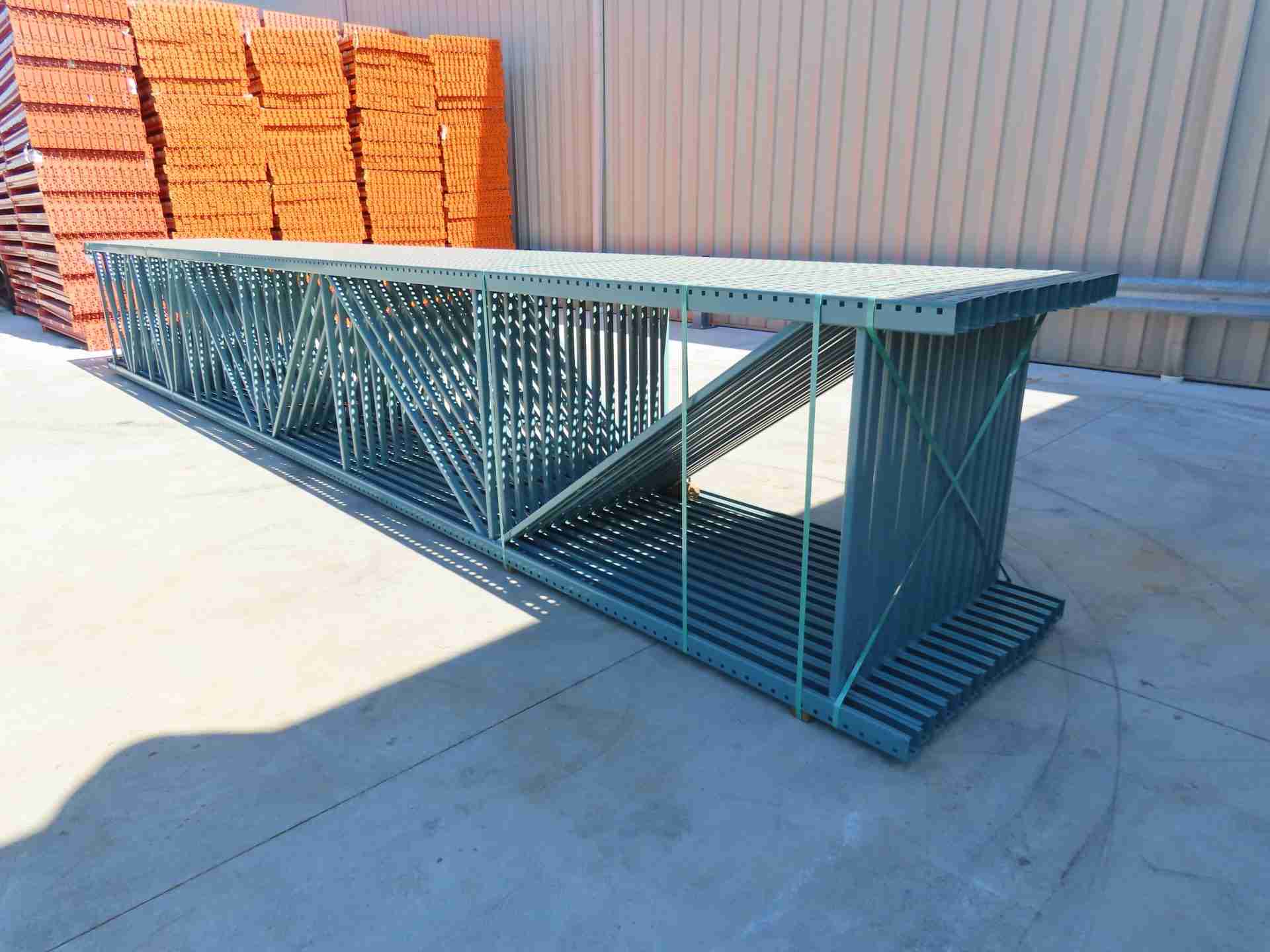
Preventing Overloaded Beam Failures
Preventing Overloaded Beam Failures
- Overloaded beam failures impact lives, families, and communities, not just safety checklists.
- Stresses from racking systems can lead to beam overload if loads are improperly stacked.
- Trust in safety systems is crucial, but it needs a solid foundation for effectiveness.
- Preventing overloaded beams is essential for safety and business efficiency.
- Regular inspections and employee training are necessary to educate about weight limits and safe practices.
- Every worker shares responsibility for maintaining safety and integrity in the workplace.
- A culture of awareness fosters community, strengthens relationships, and enhances overall safety.
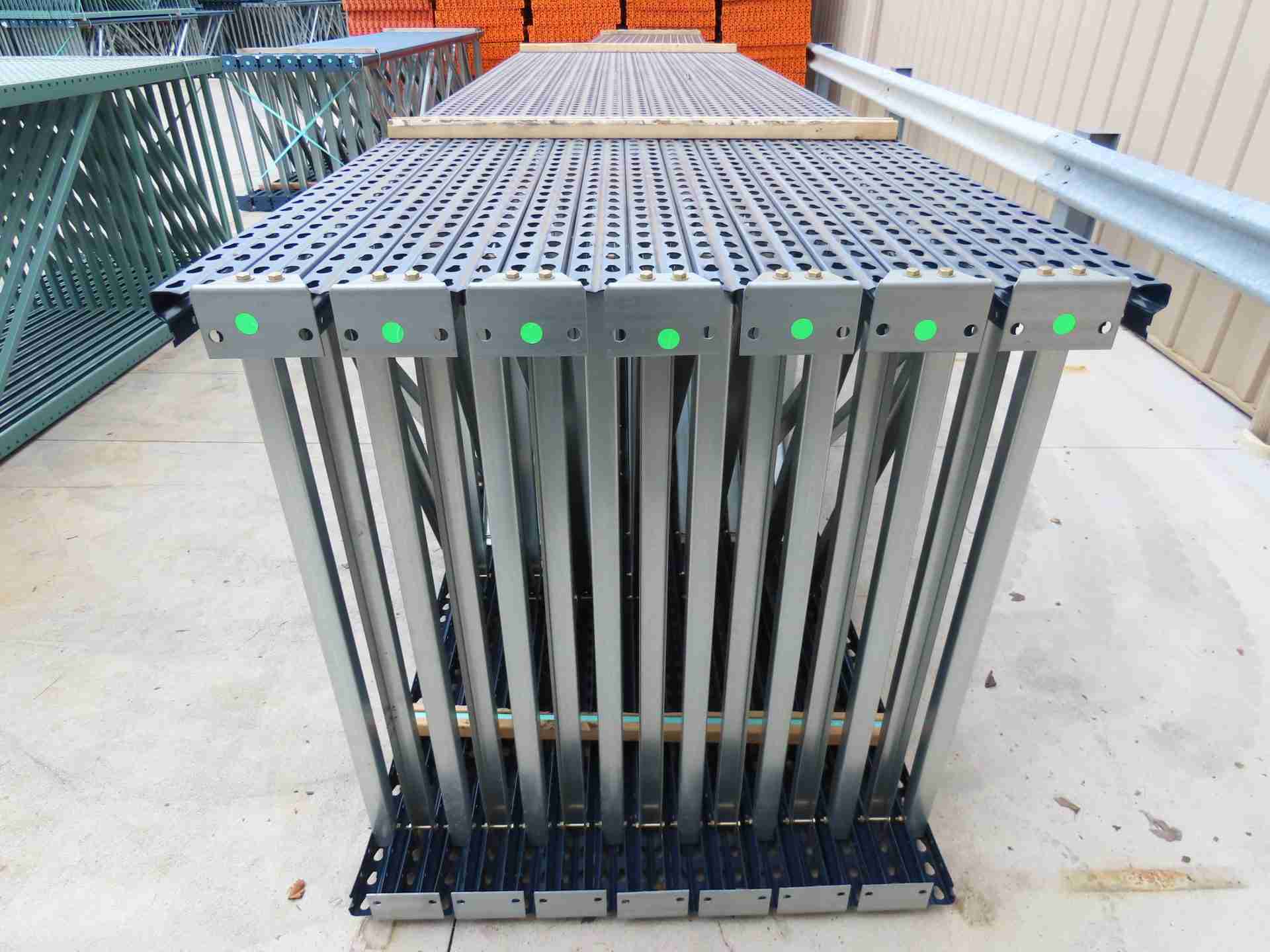
Preventing Overloaded Beam Failures
Table Of Contents
- Preventing Overloaded Beam Failures
- What Causes Beam Failures In Construction Projects?
- How Can Overloaded Beams Be Detected Early?
- What Are the Signs Of Structural Beam Stress?
- How Do I Know If My Beams Are Overloaded?
- What Materials Are Best for Preventing Beam Failures?
- Why Is Regular Maintenance Vital for Beams?
- Conclusion
- Other Resources
- Glossary Of Terms
- Other Questions
- Checklist
What Causes Beam Failures In Construction Projects?
Beam failures in construction projects can stem from a complex interplay of factors, many of which can be traced back to the basics: human error, design flaws, and environmental impacts. When beams fail, it’s not just a technical issue; it’s a blow to safety, trust, and the hard work put in by countless people. Take a moment to imagine a bustling construction site, filled with workers who are giving their all, fueled by dreams of creating something lasting. The stakes are high, and when beams buckle or collapse, it shatters those dreams and puts lives at risk.
One crucial reason for beam failures lies in the design process itself. Engineers must consider not just the immediate loads but also the long-term stresses that materials will face. This is where poor design choices can lead to catastrophic outcomes. Remember, every beam is part of a greater racking system, supporting not just itself but the entire structure above. If the calculations are off or the materials aren’t up to par, even the strongest beams can become weak links in the chain.
On the human side, oversight plays a significant role. The hands-on experience of seasoned workers is invaluable. They’ve seen what happens when shortcuts are taken or when communication breaks down on the site. It’s vital to foster a culture where voices can be raised against potential issues without fear of repercussion. When workers feel empowered to speak up, projects run smoother, and the likelihood of failures decreases. This sense of camaraderie and shared responsibility forms the backbone of a successful crew.
Environmental factors also contribute to beam failures. Changes in weather, soil conditions, or unexpected loads can put unprecedented stress on structural components. It’s a humbling reminder that nature doesn’t wait for humanity’s plans. Being vigilant about the surroundings and adapting quickly can make a difference between stability and disaster.
Ethically, it’s imperative to prioritize safety over speed and profit. Every project should reflect a commitment to constructing with care, ensuring that beams and other critical elements are subject to rigorous standards. This level of dedication not only bolsters trust among teams but also reassures the community that their safety is paramount.
Ultimately, building with integrity means taking these factors to heart. It’s about more than just beams and blueprints; it’s about the people who rely on the structures we create. We owe it to ourselves and to those who will walk beneath our work to commit to excellence, understanding that every beam is a testament to our diligence and respect for the craft.
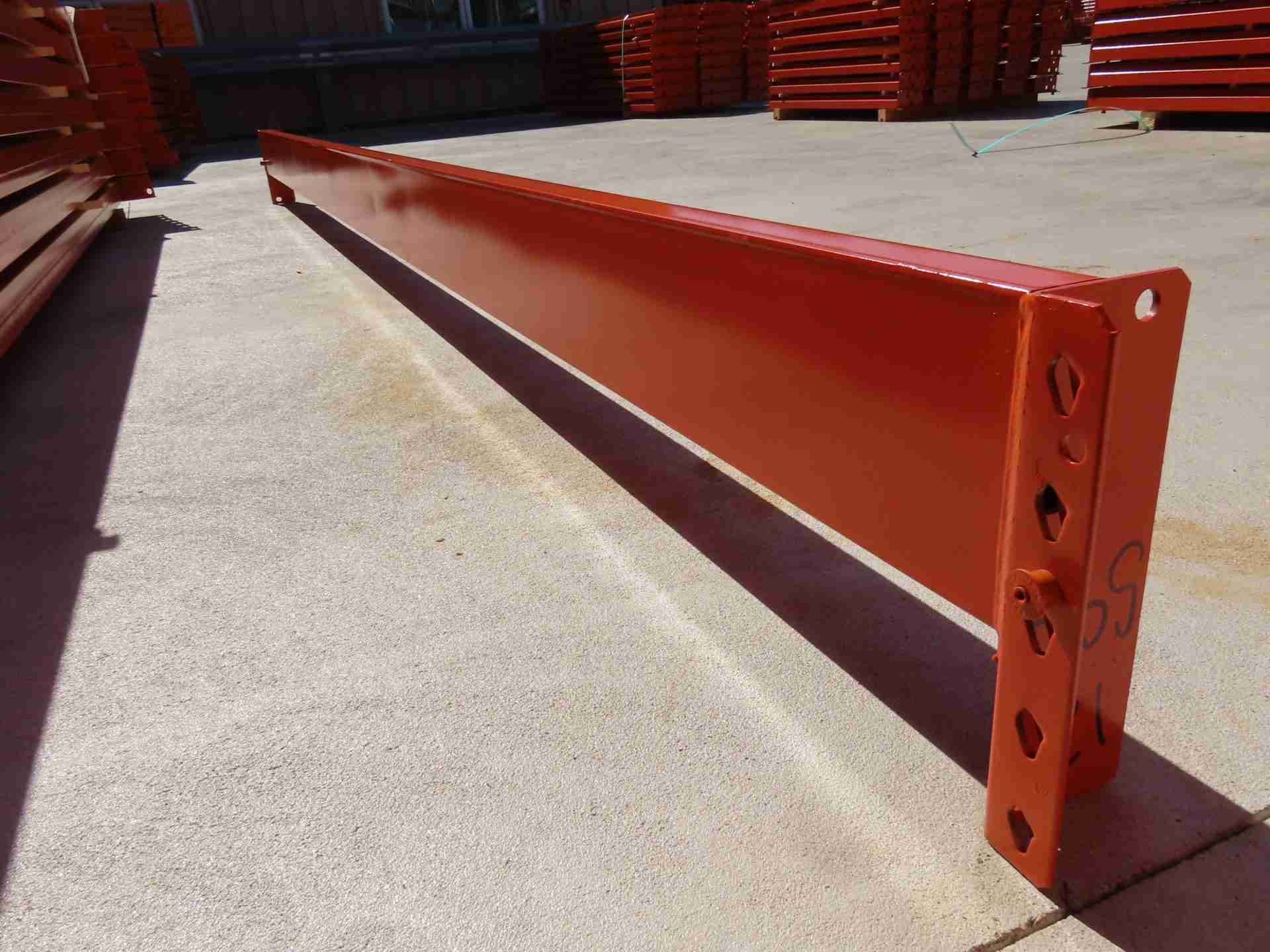
What Causes Beam Failures In Construction Projects?
What Causes Beam Failures In Construction Projects?
- Beam failures often result from human error, design flaws, and environmental impacts.
- Failures threaten safety, trust, and the efforts of construction teams.
- Design processes must account for both immediate and long-term material stresses.
- Experienced workers play a critical role in identifying and addressing potential issues.
- Environmental changes can impose stress on structures, emphasizing the need for adaptability.
- Prioritizing safety over speed is essential for ethical construction practices.
- Building with integrity involves a commitment to quality and community safety.

What Causes Beam Failures In Construction Projects?
How Can Overloaded Beams Be Detected Early?
Detecting overloaded beams early is essential for maintaining safety and structural integrity in any construction project. It’s not just about steel and concrete; it’s about the lives that depend on the strength of that structure. Think of the racking systems in a warehouse filled with goods. These systems support heavy loads daily. If a beam is overloaded, you might notice small signs—a subtle groan, hairline cracks, or even a bulge. Ignoring these can lead to catastrophic failure, putting workers at risk and jeopardizing livelihoods.
From a rational perspective, early detection can save businesses thousands of dollars. Regular inspections, including a close look at racking systems, should be a part of your routine. Use tools like deflection gauges and load cells to measure how much weight is being put on those beams. They’re straightforward and provide clarity in an industry that can often feel overwhelming.
On the ethical side, ensuring safety should be a priority. As someone who’s worked within the industry, it’s not just about profit margins; it’s about protecting the people who make your operations possible. Each worker carries a family’s hopes on their shoulders. A collapsed beam doesn’t just mean financial losses; it impacts lives. Creating a culture of safety fosters trust among employees, knowing their well-being is valued over speed or cost-cutting.
Narratively, consider a scenario many of us have lived—the frantic moments in a bustling warehouse as the clock ticks closer to deadline day. The hum of machinery, the chatter of colleagues, and the weight of materials overhead. In these moments, being mindful of the small shifts and sounds around you can make all the difference. You might have seen or heard that familiar creak before—a warning sign of an overloaded beam that, if addressed, could prevent disaster.
Socially, we need to come together in making safety a community effort. Sharing experiences and knowledge can empower every worker on the floor. Discussing these issues openly builds a network of awareness, where everyone looks out for one another. If we share the responsibility, we create an environment where everyone feels empowered to speak up about potential hazards.
In essence, identifying overloaded beams isn’t just technical; it requires a collective commitment to vigilance, emotional awareness, and practical action to ensure safety for all involved.

How Can Overloaded Beams Be Detected Early?
How Can Overloaded Beams Be Detected Early?
- Early detection of overloaded beams is vital for safety and structural integrity in construction projects.
- Signs of overload include subtle groans, hairline cracks, and bulges, which should not be ignored.
- Regular inspections and the use of tools like deflection gauges and load cells can prevent catastrophic failures.
- Ensuring safety is an ethical obligation that protects workers and their families.
- A culture of safety enhances trust among employees and prioritizes their well-being over cost-cutting.
- Community involvement in safety discussions fosters shared responsibility and awareness of potential hazards.
- Identifying overloaded beams requires vigilance, emotional awareness, and practical action for safety.
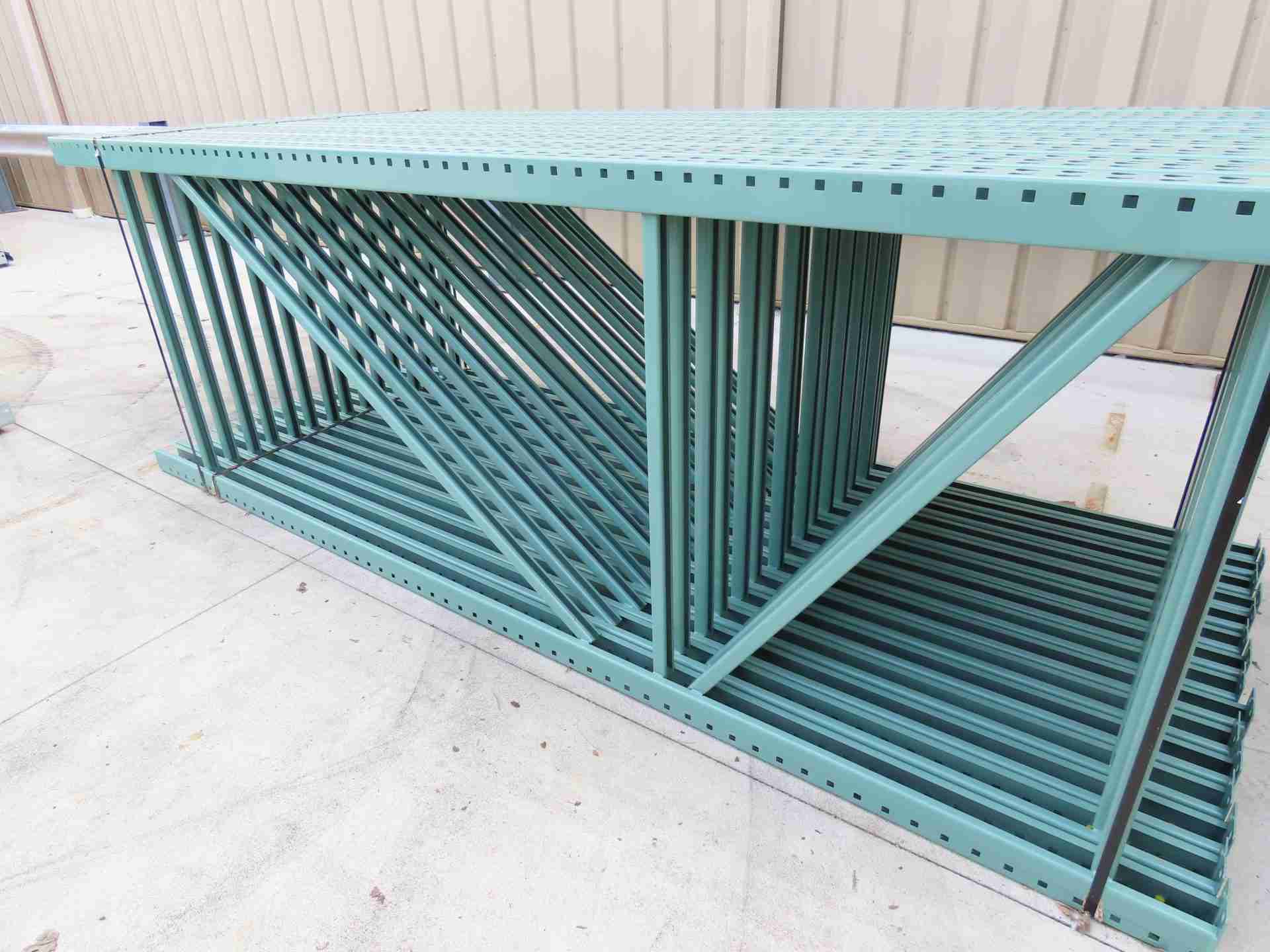
How Can Overloaded Beams Be Detected Early?
What Are the Signs Of Structural Beam Stress?
When you walk into a building, you might overlook the beams holding it up. However, these unsung heroes of construction deserve a second look. Just like an old friend who occasionally needs your attention, structural beams can show signs they’re under stress. Ignoring these signs might be like turning a blind eye to a leaking roof—you’ll regret it later.
One of the first signs of structural beam stress is visible cracking. It’s the silent scream of the material, often appearing in the form of hairline fractures. In older structures, you might find cracks in the walls or around door frames, almost like the building is showing its age, kind of like an older car with rusty fenders. Keep an eye out for any racking systems, as they can amplify stress on beams due to uneven weight distribution. When you start seeing these cracks, it’s not just a hairline fracture; it’s telling you that something isn’t right.
Another telltale sign is sagging or bowing. You might notice doors sticking or a disconcerting shift in the floor’s level. It’s as if the building is struggling to stand tall, yearning for a little TLC. Picture an old friend who’s been carrying too much weight, and you start to worry for their health. That’s how a sagging beam feels. You can bet that a bowing beam isn’t just a decorative feature; it’s waving a red flag.
Don’t forget about the sounds! Unusual noises from the structure can set the alarm bells ringing. Listen for creaking or popping noises—it’s as if the building is murmuring its discomfort. These auditory cues are the very heartbeat of the structure. When a beam is under stress, it speaks out, reminding us to lend an ear.
Finally, pay attention to any water damage, especially in areas close to beams. Water intrusion and leaks can weaken beams over time, leading to rot or mold. Imagine the frustration of repairing a leaking pipe only to find that the real work is the beams holding the whole thing together.
Keeping an eye on these signs can connect you to the very bones of the building. Addressing stress issues head-on not only protects the structure but also ensures your safety. By taking action, you’re not just preserving wood and metal; you’re championing the resilience of the building itself, fostering a sense of pride and responsibility in your surroundings.

What Are the Signs Of Structural Beam Stress?
What Are the Signs Of Structural Beam Stress?
- Structural beams are essential but often overlooked in building construction.
- Signs of stress include visible cracking, often appearing as hairline fractures.
- Sagging or bowing beams indicate potential structural issues and can affect doors and floors.
- Unusual sounds like creaking or popping signal discomfort within the structure.
- Water damage near beams can lead to weakening, rot, or mold over time.
- Monitoring these signs can ensure safety and structural integrity.
- Addressing stress issues fosters pride and responsibility in maintaining buildings.

What Are the Signs Of Structural Beam Stress?
How Do I Know If My Beams Are Overloaded?
When it comes to ensuring your beams are up to the task, the signs of overload often creep in like a bad winter chill. You may be saying to yourself, “It holds fine today, but what about tomorrow?” If you’re working with racking systems, the stakes only get higher. Each beam is a silent but vital player in your operation, carrying the weight not just of materials, but of trust in your infrastructure.
Firstly, take a moment to look around—are your beams sagging? What seems like a minor dip could be the first sign that your beams are feeling the strain. Each creak or groan in the structure, often dismissed as mere aging, could hint that something’s off-kilter. Poke around, check connections, and listen closely; your beams might be whispering secrets only an attentive eye can catch.
Now let’s talk numbers. Your beams have a load rating—one that isn’t just a suggestion but a solid boundary they can handle. If numbers slip by you like water through your fingers, it’s time to get back to basics. Calculate your loads. Are you piling on more than recommended? Being over that limit is not just irresponsible; it’s a roll of the dice that could cost you dearly. In an industry that thrives on precision, ignoring these figures could spell disaster.
Emotionally, think about the camaraderie of your team. A faulty beam doesn’t just risk equipment; it risks the safety of everyone’s livelihoods. Do you want to look your coworkers in the eye knowing you ignored the signs? The ethical responsibility to keep everyone safe is anchored in reliability.
There’s wisdom in the hard work of those who’ve been down this road before. They’ll tell you, “Paying attention to the little things today keeps the big problems at bay tomorrow.” Learning from their stories can build a foundation of knowledge that not only focuses on efficiency but also on safety.
Engaging with the community also matters. Discuss best practices and your experiences with others who work with racking systems. Sharing tips and warnings fosters a network of support that elevates everyone—making you part of a larger team committed to safety and performance.
So, as you glance around your workspace, remember: your beams are more than just structures. They are the unsung heroes holding it all together. Trust your instincts. Regular checks, a keen eye for changes, and honest conversations create not only a safer space but also a better working environment for everyone involved.

How Do I Know If My Beams Are Overloaded?
How Do I Know If My Beams Are Overloaded?
- Signs of beam overload can manifest subtly, requiring careful observation.
- Sagging beams or unusual noises may indicate structural strain.
- Understanding and adhering to load ratings is crucial for safety and reliability.
- Exceeding load limits poses significant risks to both equipment and personnel.
- Responsibility for safety extends to the entire team, fostering a culture of care.
- Learning from experienced individuals can enhance safety and operational efficiency.
- Engaging with the community encourages shared best practices and support networks.
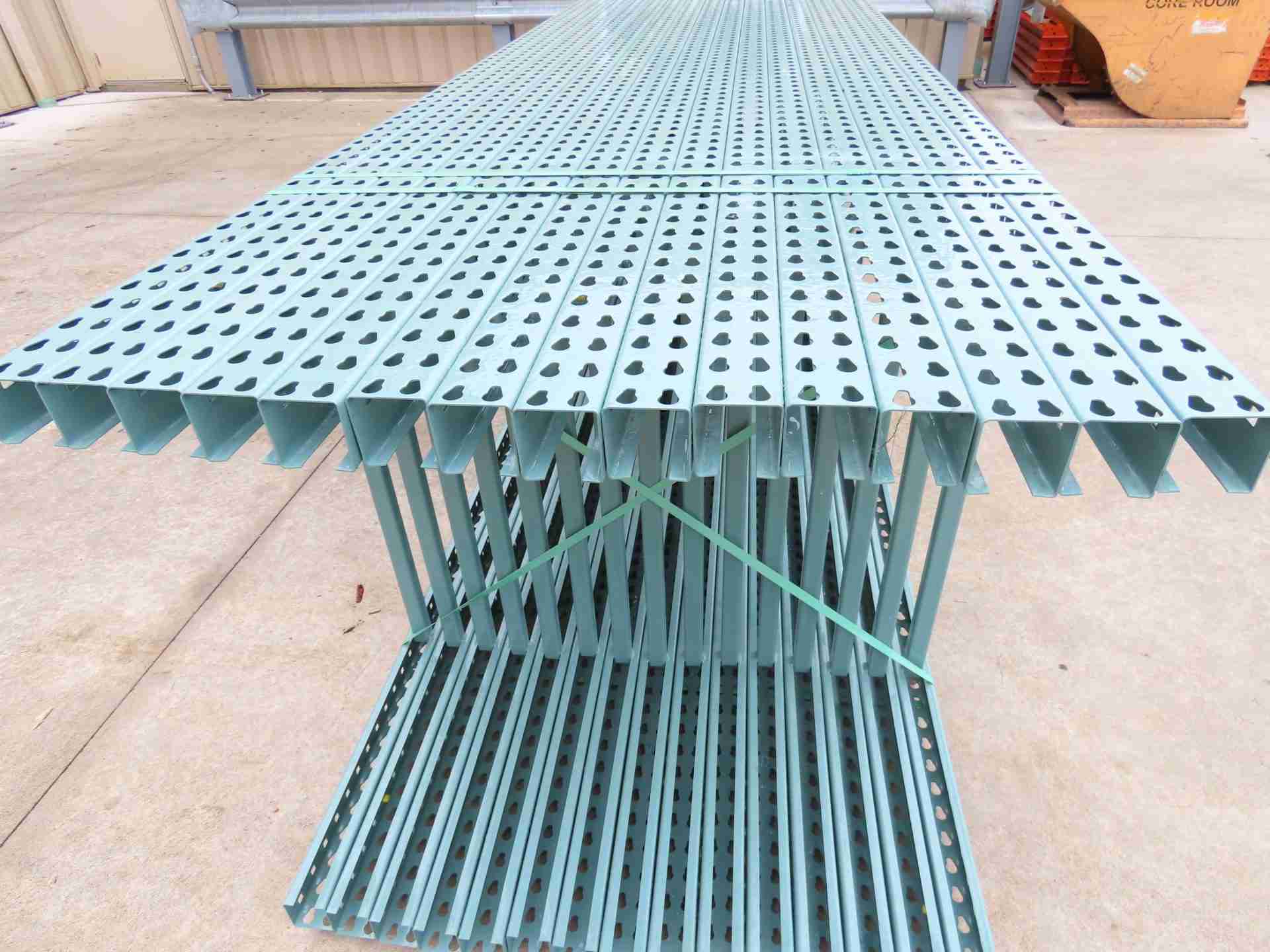
How Do I Know If My Beams Are Overloaded?
What Materials Are Best for Preventing Beam Failures?
When it comes to beam failures, the materials you choose are the unsung heroes of structural integrity—working behind the scenes to keep our buildings and bridges standing strong. It might not be glamorous, but that steel and concrete are where the magic happens. Let’s dig into what makes these materials the backbone of any solid structure, keeping not just the framework intact but the trust of everyone who relies on it.
Steel is a heavyweight contender in the world of construction. Robust and flexible, it handles stress like a pro, bending without breaking. This isn’t just talk—it’s a material that’s earned its reputation on job sites and in blueprints. Combine it with modern racking systems, and you’ve got a strategy that’s designed to distribute load evenly, effectively reducing the risk of failure. It’s like having a trusted friend who knows how to balance the load during a tough lift—always there when you need it. The integrity of steel beams, when paired with carefully engineered racking systems, makes all the difference between a sturdy foundation and a recipe for disaster.
Concrete isn’t just a poor man’s steel; it’s the true workhorse of construction. It can absorb shock and withstand wear and tear like nobody’s business. The key is in the mix—using high-strength concrete with appropriate additives can enhance its durability. Think of it as the quiet partner in the room, doing the heavy lifting while seamlessly supporting the showstoppers. You wouldn’t skip on the quality of ingredients in a family recipe, and the same goes for concrete. When you pour in the right mix, you’re not just filling a space; you’re laying down a foundation that can hold up under pressure.
And let’s not forget about wood—specifically, engineered wood products. They offer a blend of natural strength and modern engineering, providing reliable support while keeping things lightweight. They may not scream toughness like steel or concrete, but in the right applications, they can perform remarkably well, drawing on centuries of craftsmanship.
Every beam and every racking system tells a story—one of resilience and strength. The materials we choose in construction are more than just functional; they speak to our commitment to safety and reliability. It’s about knowing that whatever we build, we’re doing so with a firm foundation of trust and common sense, ensuring that when people walk through those buildings and across those bridges, they do so with confidence. Ultimately, choosing the right materials isn’t just a technical decision; it’s a promise to ourselves and each other that we value safety and quality above all else.
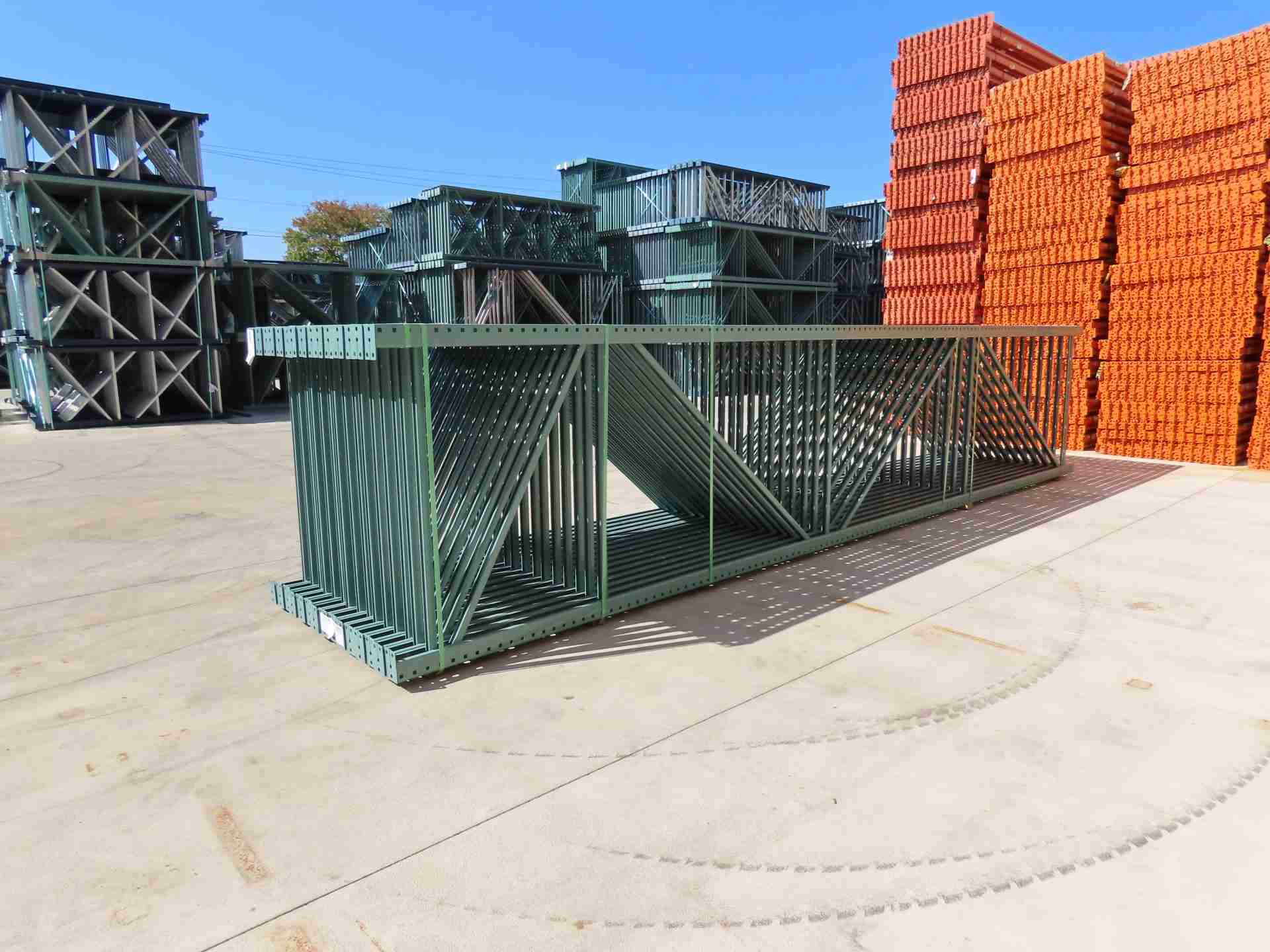
What Materials Are Best for Preventing Beam Failures?
What Materials Are Best for Preventing Beam Failures?
- Materials like steel, concrete, and engineered wood are vital for structural integrity.
- Steel is robust, flexible, and effective in stress handling, especially when paired with modern racking systems.
- Properly engineered racking systems help distribute load evenly, reducing failure risk.
- Concrete absorbs shock and withstands wear; using high-strength mixes enhances durability.
- Engineered wood products combine natural strength with modern engineering, offering lightweight support.
- Every construction material reflects a commitment to safety and reliability.
- Choosing the right materials is a promise of valuing safety and quality in building projects.
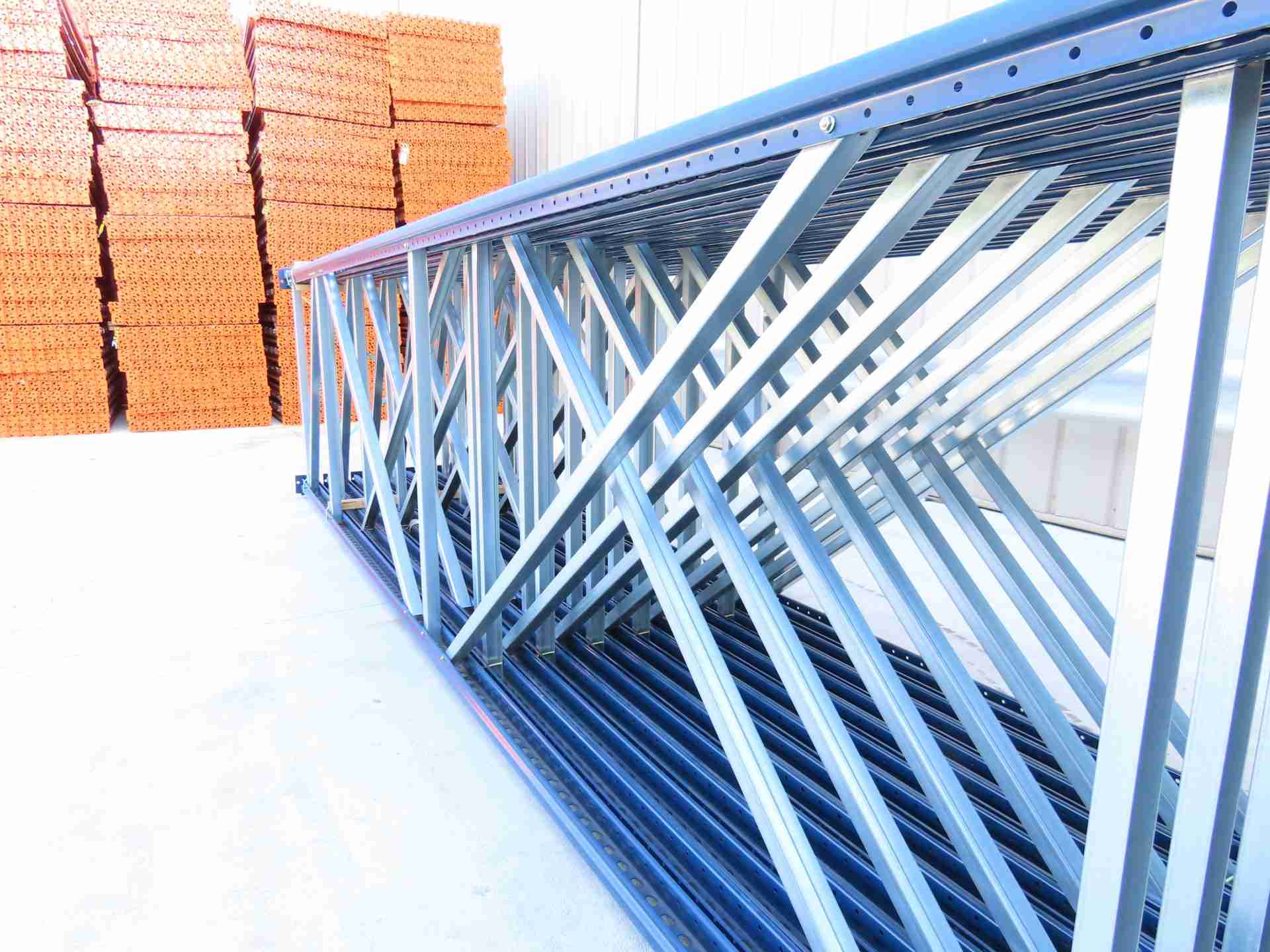
What Materials Are Best for Preventing Beam Failures?
Why Is Regular Maintenance Vital for Beams?
When it comes to construction and support structures, beams play a leading role. They’re the unsung heroes, tirelessly bearing loads, ensuring our homes and workplaces stand strong. But just like any crucial part of our lives, regular maintenance is vital for these structural giants. Ignoring them can lead to catastrophic failures, and let’s be honest—no one wants their roof caving in or their equipment becoming a hazard.
Picture this: a bustling warehouse, filled with Racking Systems stacked high with goods. The beams overhead are the backbone of that operation. They provide stability, support, and peace of mind. Yet, without regular inspections and maintenance, small issues can grow into significant problems. A tiny crack today could turn into a structural nightmare tomorrow. Those beams deserve our attention because they’re doing the heavy lifting for us, day in and day out.
From a practical standpoint, it simply makes sense. Regular maintenance allows you to spot wear and tear before it escalates, saving not just costs but also valuable time. A proactive approach means fewer unexpected shutdowns and disruptions. It’s about keeping the flow moving smoothly, allowing businesses to thrive and families to feel secure in their environments. When beams are neglected, you’re not just risking structural failure; you’re betting on luck, and luck can run out fast.
On an ethical level, think about the lives that depend on these structures. Families gather under roofs held steady by beams. Workers depend on safe, sound environments to do their jobs. A commitment to regular maintenance is a promise—an assurance that you care deeply about safety and reliability. It’s about taking responsibility for your choices and making sure that every aspect of your building is sound.
There’s a collective wisdom in our trades. We’ve all heard stories, perhaps from a wise foreman or an experienced worker, about the consequences of overlooking maintenance. We learn from others’ missteps, and those narratives stitch together our shared experience. It’s these stories that remind us we’re part of a community, responsible for one another’s safety.
By committing to regular maintenance of beams, we bond over the shared goal of keeping our workspaces and homes safe and secure. This approach isn’t just about beams; it’s about establishing trust—trust in the structures that protect us, and trust among the people who maintain them. Let’s remember that every little effort we put into maintaining our beams today is a solid investment in our safety tomorrow.
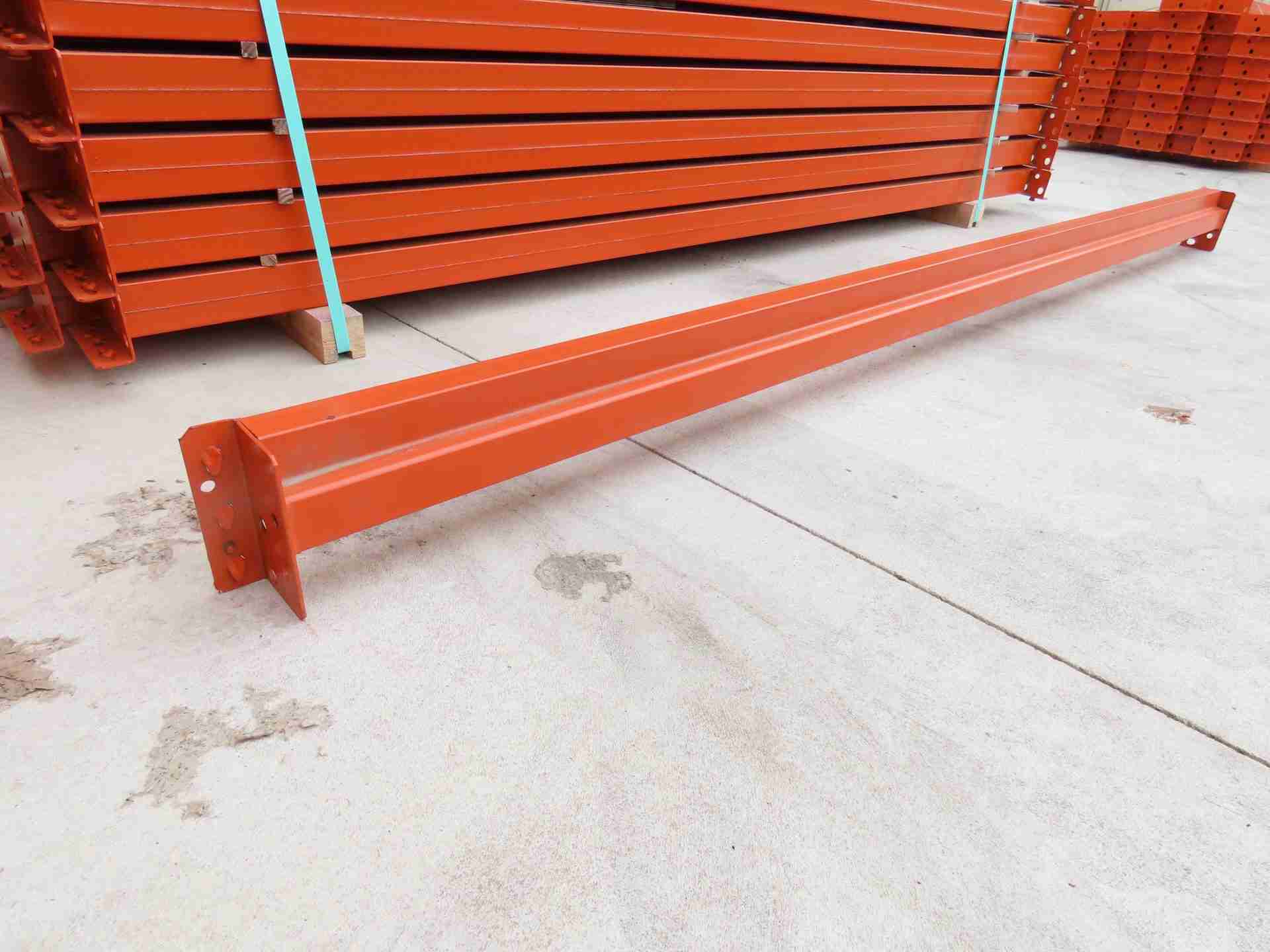
Why Is Regular Maintenance Vital for Beams?
Why Is Regular Maintenance Vital for Beams?
- Beams are essential support structures that bear loads for homes and workplaces.
- Regular maintenance of beams is crucial to prevent catastrophic failures.
- Inspections can identify small issues before they escalate into major problems.
- Proactive maintenance minimizes unexpected shutdowns and promotes smooth operations.
- Commitment to safety reflects responsibility towards the well-being of others.
- Industry knowledge emphasizes the importance of shared experiences and community safety.
- Investing in beam maintenance is a vital step for ensuring future safety and reliability.

Why Is Regular Maintenance Vital for Beams?
Conclusion
Preventing overloaded beam failures is not merely a matter of adhering to safety protocols; it’s about valuing lives and fostering a community that prioritizes safety and trust. In a bustling setting like a warehouse, the stakes are high. When a beam buckles under pressure, it can alter lives and disrupt families’ stability. Recognizing the stresses on racking systems is essential. Each beam plays a critical role in supporting not only its weight but that of the entire structure above it. Therefore, proper design and systematic distribution of loads are paramount.
Training workers about safe loading practices is not just beneficial—it’s integral to safety. When employees understand the risks and feel involved in the safety culture, they become proactive participants instead of passive observers. This shared responsibility cultivates a sense of trust and camaraderie, leading to a more engaged workforce that looks out for one another.
Ethically, every member of a team holds a piece of the responsibility. It’s essential not to overlook the methods of oversight, communication, and the empowerment of all personnel to voice concerns. A culture that encourages such transparency not only helps prevent accidents but strengthens relationships among team members, reinforcing their importance in the workplace. Solid beams may seem reliable, but they must be backed by vigilant habits and awareness.
Detecting overloaded beams before they become a risk involves more than just technical checks—it taps into a communal effort where everyone contributes. Each small sign of stress can be a significant indicator, and addressing these collaboratively maintains the safety and integrity of the working environment.
Material choices are equally vital. Selecting the right materials—steel for its strength, concrete for its durability, and engineered wood for flexibility—is a pledge to maintain structural integrity. Each material should be seen not just as a building block but as a testament to our commitment to safety and quality.
Regular maintenance of beams is crucial. Just as we maintain our vehicles and homes, the same principle applies here. Catching small issues before they escalate protects people and assets alike. The stories and wisdom shared among workers remind us of the importance of vigilance and community in preserving safety in our environments. By committing to checks and training, we empower ourselves and each other, ensuring that our legacies will endure not just in structures but in the trust we build along the way.

Conclusion
Conclusion:
- Preventing overloaded beam failures prioritizes lives and community safety.
- Proper design and systematic load distribution are crucial for racking systems.
- Training workers in safe loading practices fosters a proactive safety culture.
- Team members share responsibility for safety through communication and oversight.
- Detecting signs of stress on beams requires a collaborative effort from all personnel.
- Choosing the right materials is essential for maintaining structural integrity.
- Regular maintenance and vigilance help prevent issues and ensure workplace safety.
Conclusion
Other Resources
Other Resources
Here is a list of other resources you can review online to learn more:
- Teardrop Industrial Shelving Rack
- Warehousing Education and Research Council: https://www.werc.org/
- Warehousing and Fulfillment
- IIWS Inc. Rack Installation Illinois & Rack Repairs Illinois
- Warehouse Automation
- Interlake Mecalux
- Cantilever Rack Configuration & Installation: A Comprehensive Guide – BMH
- Rack Manufacturers Institute
- Cantilever Racks Chicago
- Storage Equipment Manufacturers Association
- Illinois Pallet Racking – Storage Solutions
- Teardrop Racks – Pallet Rack World
- Wolter
- CA Wire
- BMH
- What is Selective Pallet Racking
- Selective Rack – Raymond West
- Illinois
- The Ultimate Pallet Racking Guide – Speedrack West
- What is Cantilever Racking? – AK Material Handling Systems
Use This Prompt To Get More Resources With Your Favorite Online AI Tool: Please provide me with a list of online articles with their URLs in a bulleted list that I can read regarding Preventing Overloaded Beam Failures
Other Resources
Glossary Terms
Preventing Overloaded Beam Failures – Glossary Of Terms
1. Load: The weight or force applied to a structural element.
2. Beam: A horizontal structural element that supports loads.
3. Overload: A condition where a structural element is subjected to forces exceeding its design capacity.
4. Failure: The loss of structural integrity, resulting in inability to support loads.
5. Safety Factor: A ratio used to determine the load-carrying capacity beyond expected loads, accounting for uncertainties.
6. Deflection: The degree to which a beam bends under loading.
7. Moment: The measure of the rotational effect of a force applied at a distance from a pivot point.
8. Shear: A force that causes parts of a material to slide past each other in opposite directions.
9. Stress: The internal force per unit area within a material.
10. Strain: The deformation experienced by a material in response to an applied stress.
11. Materials: Substances used to construct beams, such as steel or wood.
12. Design Load: The maximum load for which a structure is designed to support safely.
13. Load Path: The path through which loads are transferred through a structure.
14. Reinforcement: Materials added to increase the strength and stability of structural elements.
15. Connection: The method by which structural elements are joined together.
16. Code Compliance: Adhering to building codes and standards for safety.
17. Inspection: The process of examining structural elements to ensure they meet safety standards.
18. Maintenance: Regular checks and repairs to ensure structural integrity over time.
19. Analysis: The evaluation of the forces and moments within a structural system.
20. Finite Element Method (FEM): A numerical technique for predicting how structures respond to loads.
21. Cross-section: The shape of a beam when cut along a plane.
22. Camber: A slight upward curvature in a beam to counteract deflection.
23. Fatigue: Weakening of a material caused by repetitive loading.
24. Span: The distance between supports for a beam.
25. Load Rating: The maximum load a beam can safely support.
26. Failure Mode: The specific way in which a structural element may fail.
27. Tension: The force that stretches a structural component.
28. Compression: The force that shortens or squeezes a structural component.
29. Buckling: A failure mode characterized by sudden bending of structural elements under compression.
30. Upgrade: Enhancements made to a structure to improve load-bearing capacity.
Glossary Of Terms
Other Questions
Preventing Overloaded Beam Failures – Other Questions
If you wish to explore and discover more, consider looking for answers to these questions:
- What are the industry standards and building codes that govern beam and racking-system design?
- How do I calculate the safe load capacity for a specific beam or racking bay?
- What is the difference between live load, dead load, and dynamic impact loads for beams?
- How often should beams and racking systems be inspected and who should perform inspections?
- What are the most effective nondestructive testing methods for detecting internal beam defects?
- Which sensors or monitoring technologies (IoT, load cells, deflection gauges) provide reliable early warning of overload?
- What are the common human errors that lead to overloading and how can they be prevented?
- How should weight limits be documented and communicated on-site to ensure compliance?
- What are the best practices for training employees in safe loading and racking usage?
- How should uneven or eccentric loading be identified and corrected in a racking system?
- What are acceptable deflection limits for different beam materials and spans?
- How do material choices (steel, reinforced concrete, engineered wood) compare in cost, strength, and durability?
- When is retrofitting or reinforcing an existing beam preferable to full replacement?
- What repair techniques are recommended for cracked, corroded, or bent beams?
- How do environmental factors (moisture, temperature, chemical exposure, soil settlement) accelerate beam degradation?
- What impact do repeated forklift impacts or pallet collisions have on beam integrity and how can they be mitigated?
- How should load tests be performed and what acceptance criteria should be used?
- What documentation and recordkeeping are required for inspections, maintenance, and load changes?
- Who is legally responsible (owner, contractor, racking supplier) when overloaded beam failures occur?
- How do design safety factors and load combinations vary for different types of structures and uses?
- What are common warning signs of imminent beam failure and what immediate actions should be taken?
- How can racking layouts be optimized to distribute loads more evenly and reduce beam stress?
- What role do connection details (welded vs bolted) play in overall beam performance and failure modes?
- Which coatings, galvanization, or corrosion protection methods are most effective for prolonging beam life?
- How should beams be inspected after extreme events (earthquake, flood, heavy snow, impact)?
- What are typical costs for inspection, monitoring systems, repairs, and replacements?
- How can an organization build a safety culture that encourages reporting of racking and beam concerns?
- What are the best checklists or templates to use during routine beam and racking inspections?
- How do fatigue and cyclic loading affect beam lifespan and how is fatigue assessed?
- When is it necessary to involve a structural engineer, and what information should be provided to them?
- What are recommended emergency response and evacuation procedures if a beam shows critical failure signs?
- How do pallet types, stacking methods, and load packaging influence racking beam stresses?
- Are there case studies or documented failure analyses that illustrate common causes and solutions?
- What certifications or qualifications should inspectors, installers, and designers hold?
- How should changes in use or load patterns (e.g., new product, increased inventory) trigger reassessment of racking?
- What are the insurance implications and requirements related to overloaded beam failures?
- How can temporary shoring or load redistribution be implemented safely while repairs are planned?
- What software tools or calculation aids are recommended for beam sizing and racking design?

Other Questions
Checklist
Preventing Overloaded Beam Failures – A Checklist
Design and Planning
✅______ Confirm load calculations include dead, live, dynamic, and environmental loads with appropriate safety factors
✅______ Verify racking and structural layout distributes loads evenly; avoid unintended point or eccentric loads
✅______ Specify suitable materials (such as steel grade, high-strength concrete mix, and engineered wood) and provide corrosion and moisture protection
✅______ Post visible load ratings for each beam, bay, and level
Loading and Operations
✅______ Enforce maximum load limits per beam, bay, and shelf; do not overload
✅______ Distribute loads evenly; center pallets; avoid cantilevered or uneven stacking
✅______ Use standardized pallets and placement markers or templates
✅______ Control temporary construction or maintenance loads; plan lifts and staging
✅______ Prohibit stacking heights or densities beyond design limits
Routine Inspection and Monitoring
✅______ Perform daily or per-shift visual checks for sagging or bowing, cracks, dents, bulges, local buckling, and loose or bent connectors
✅______ Look for corrosion, water intrusion, rot, or mold near structural elements
✅______ Listen for creaking or popping under load or during operations
✅______ Perform weekly plumb and level checks of racks and beams; verify bracing is intact
✅______ Measure deflection where applicable and compare to allowable limits
✅______ Inspect anchors, base plates, bolts, and beam locking pins and clips; re-torque as needed
✅______ Check for impact damage from vehicles; confirm guards and column protectors are in place
Early Warning Signs to Act on
✅______ Visible hairline cracks in beams, walls, or around openings
✅______ Noticeable sagging or bowing, uneven floors, or doors and windows sticking
✅______ Unusual noises (such as creaks or pops) under load
✅______ Rust, moisture staining, soft spots, rot, or mold
✅______ Bulges, bent flanges, deformed connectors, or missing safety clips
Immediate Response Protocol
✅______ Stop loading and isolate the area when warning signs are found
✅______ Safely unload to a verified safe level; tag affected components out of service
✅______ Document with photos and notes; record location and conditions
✅______ Notify responsible personnel; do not resume use until cleared by qualified review
✅______ Log corrective actions and verification of repairs
Maintenance
✅______ Schedule periodic detailed inspections (for example, quarterly or semiannual)
✅______ Repair coatings; remove corrosion; seal against moisture intrusion
✅______ Replace damaged members—do not field-straighten bent steel or wood
✅______ Verify slab and foundation condition; address settlement or cracking
✅______ Keep drainage clear; prevent roof and wall leaks over structural members
Training and Culture
✅______ Train all staff on load ratings, safe stacking, and sign recognition
✅______ Post clear signage with maximum loads and placement diagrams at each bay
✅______ Encourage immediate reporting and stop-work for hazards without repercussion
✅______ Share near-miss learnings in brief toolbox talks
Documentation and Change Control
✅______ Maintain current drawings, calculations, specifications, and manufacturer data
✅______ Keep inspection and maintenance logs; label components for traceability
✅______ Re-evaluate loads after layout changes, new equipment, or storage revisions
Environment and Protection
✅______ Account for temperature, humidity, vibration, and soil and floor movement
✅______ Install and maintain impact protection (guardrails, rack protectors)
✅______ Control traffic patterns and speeds for material handling equipment
Tools and Technology
✅______ Use deflection gauges, load cells, or tilt and vibration sensors where beneficial
✅______ Calibrate measurement devices on a defined schedule
Materials and Selection Reminders
✅______ Choose ductile, redundant systems where possible; match materials to the environment
✅______ Use engineered wood only under suitable conditions with moisture control
✅______ Specify appropriate fasteners and anchors compatible with base materials and loads
Checklist
At RackingWorld, we help guide you through selecting warehouse storage systems and racking.
Be sure to read our other related stories at RackingWorld to learn more about warehouse storage systems.
0 Comments