
Protect Your Business: The Hidden Dangers Of Neglecting Rack Safety
By Tom Seest
At RackingWorld, we help guide you through selecting warehouse storage systems and racking.
Be sure to read our other related stories at RackingWorld to learn more about warehouse storage systems.
The Liability Cost Of Ignoring Damaged Racks
When you look at a warehouse full of racking systems, it’s easy to overlook the wear and tear they endure. But those seemingly insignificant dents and bends can lead to serious problems if left unchecked. Ignoring damaged racks isn’t just a little oversight—it’s like leaving the door open during a storm. The consequences could wreak havoc on not just your inventory but also the safety of your employees, the integrity of your operations, and ultimately, your bottom line.
Picture this: a worker reaching for a product on a damaged rack. As they pull it down, the entire structure wobbles. That moment of uncertainty can lead to severe injury or worse. When you consider the costs associated with workplace injuries—medical bills, lost work hours, and legal fees—the price of ignoring racking system maintenance skyrockets.
On a rational level, think about the financial implications. A well-maintained racking system supports efficiency and productivity. When racks are in bad shape, your workflow stutters. Inventory gets damaged, and delays pile up like an unwanted backlog. The money saved by dodging repairs quickly evaporates in the face of operational hiccups. Regular maintenance isn’t a luxury; it’s a necessity that pays dividends in reduced risk and maximized productivity.
From an ethical standpoint, you have a responsibility to your team. Ensuring the safety of your employees is paramount; an unsafe work environment can shatter trust and morale. Employees want to feel secure and valued, and taking care of your racking systems shows them you have their backs. It fosters a culture of safety that can resonate throughout your workforce.
Then there’s authority—the simple acknowledgment that damaged racks can invite disaster. Industry standards and safety regulations exist for a reason. Ignoring them doesn’t just put you at odds with regulations; it risks your reputation. A business known for neglecting safety doesn’t inspire confidence in customers or clients.
At the end of the day, address those damaged racks because it’s the right thing to do for everyone involved. The local community, your employees, the small businesses you supply; they all depend on a safe and efficient operation. Your racking systems are more than metal frames—they’re the backbone of your business. Maintain them with care and watch your confidence, productivity, and integrity soar.

The Liability Cost Of Ignoring Damaged Racks
The Liability Cost Of Ignoring Damaged Racks
- Wear and tear on racking systems can lead to significant problems if ignored.
- Damaged racks pose safety risks, potentially leading to severe injuries and increased costs.
- Neglecting racking maintenance disrupts workflow and damages inventory, affecting productivity.
- Regular maintenance reduces risk and is essential for operational efficiency.
- Ensuring employee safety fosters trust and morale within the workforce.
- Compliance with industry standards and safety regulations protects reputation and instills confidence.
- Maintaining racking systems benefits the community and overall business integrity.

The Liability Cost Of Ignoring Damaged Racks
Table Of Contents
- The Liability Cost Of Ignoring Damaged Racks
- What Risks Arise From Ignoring Damaged Racks?
- How Can Damaged Racks Affect Safety?
- What Is the Financial Impact Of Rack Damage?
- How Does Neglecting Damaged Racks Affect Employee Morale?
- Can Damaged Racks Lead to Legal Repercussions?
- How Do Industry Standards Address Rack Damage?
- Conclusion
- Other Resources
- Glossary Of Terms
- Other Questions
- Checklist
What Risks Arise From Ignoring Damaged Racks?
Ignoring damaged racks in a warehouse or storage facility isn’t just a minor oversight; it’s a risk that can spiral out of control faster than you can say “safety hazard.” Racking systems are the backbone of inventory storage, and when they’re compromised, the consequences can hit hard. We all know the saying, “A stitch in time saves nine,” and in the world of warehousing, that couldn’t be truer.
Every dent or crack in a racking system tells a story. It’s not just a piece of equipment; it’s a crucial part of your operation that holds heavy loads and the collective livelihoods of the workforce. Ignoring those issues can lead to serious accidents. Imagine a warehouse worker navigating an aisle when suddenly, a shelf collapses because it was left neglected. It’s not just about a damaged rack; it’s about the potential for injury, lost productivity, and the emotional toll on a team that now operates under a shadow of fear.
Logically, the financial repercussions are clear. Repairing or replacing a few racks is far more cost-effective than dealing with the fallout of a workplace accident—medical expenses, legal fees, downtime. That’s money coming right out of profits, impacting everyone from the top brass to the folks on the ground. And what about your reputation? In a tight-knit industry where word travels fast, a safety issue can tarnish your image, turning away potential clients and talented workers who prioritize safe environments.
Ethically, there’s a responsibility to look out for your team. A company that prioritizes safety builds trust and loyalty. Workers who feel valued and protected are more likely to go the extra mile and foster a culture of teamwork. It’s not just about compliance; it’s about integrity.
Think of the powerful narratives that unfold within warehouse walls. Those racking systems are a testament to hard work, innovation, and community. The pride that comes from a well-kept facility can spark camaraderie and boost morale. By paying attention to damaged racks, you’re not just fixing a structural problem; you’re nurturing the human spirit that drives the operation.
Taking action on damaged racking systems is about more than maintenance; it’s about preserving the heart, efficiency, and safety of your workplace. Every decision today lays the groundwork for a more secure and thriving tomorrow. So, take a look around—your team relies on you to make the smart choice.

What Risks Arise From Ignoring Damaged Racks?
What Risks Arise From Ignoring Damaged Racks?
- Ignoring damaged racks poses serious safety hazards in warehouses and storage facilities.
- Compromised racking systems can lead to accidents, risking worker safety and productivity.
- Financially, repairing or replacing racks is more cost-effective than handling accident fallout.
- Safety issues can damage a company’s reputation and deter potential clients and employees.
- Prioritizing safety fosters trust and loyalty among workers, enhancing teamwork.
- Well-maintained racking systems contribute to morale and a positive workplace culture.
- Addressing damaged racks is essential for maintaining the efficiency and safety of operations.

What Risks Arise From Ignoring Damaged Racks?
How Can Damaged Racks Affect Safety?
In warehouses and storage facilities, racking systems are the backbone of efficiency, holding everything from bulky equipment to delicate inventory. But when those racks show signs of damage, it’s not just an inconvenience; it’s a recipe for danger. Imagine a scenario: a crossbeam that has seen better days, a bent upright, or a worn-out pallet resting precariously. This isn’t just a structural issue; it’s a ticking time bomb waiting to cause chaos.
The emotional toll of a rack collapse can be substantial. Picture a worker, a single parent, trusting that the racking systems around them are stable. One slight miscalculation, one neglected repair, and everything they rely on crumbles in an instant. The shadows of accidents haunt every corner of a facility. Families depend on these jobs, on the safety of their loved ones as they navigate the aisles. Every day in a warehouse should be filled with purpose and productivity, not fear and uncertainty.
Rationally speaking, the costs of neglecting damaged racks extend far beyond immediate repairs. Think of the financial hit a business takes when accidents occur. Lost inventory, medical bills, and potential lawsuits can crush a company’s bottom line. It’s not just the racks that are affected; when safety is compromised, it reaches every employee, every task, every product that leaves the door. Each person in those aisles deserves to work in an environment where their safety is prioritized, fostering a culture of care and responsibility.
Ethically, it’s imperative that we uphold safety standards. We owe it to our coworkers and our communities to maintain these racking systems diligently. Regular inspections and timely repairs aren’t just good practices; they reflect our values. Safety should be non-negotiable, and acting on damaged equipment is a commitment to uphold that principle.
From a narrative standpoint, consider the veteran warehouse worker who’s seen it all. He warns newer employees about the dangers of ignoring a cracked beam. His stories aren’t just warnings; they’re shared experiences that resonate deeply. They bond the crew, highlighting the collective responsibility for safety.
Socially, fostering a safety-first mentality not only protects lives but also enhances morale. Employees feel valued when they know their well-being is considered in every decision. A safe environment encourages teamwork, where everyone looks out for one another, creating a community built on trust.
The state of our racking systems isn’t just about metal and beams; it’s a reflection of our commitment to safety and the well-being of those who work with us every day. Let’s make sure damaged racks don’t become an afterthought, but a priority. Every action counts in keeping the workplace safe and secure.

How Can Damaged Racks Affect Safety?
How Can Damaged Racks Affect Safety?
- Racking systems are essential for efficiency in warehouses and storage facilities.
- Damaged racks pose significant dangers, potentially leading to accidents.
- The emotional impact of rack collapses affects workers and their families.
- Neglecting rack repairs can result in substantial financial losses for businesses.
- Upholding safety standards is an ethical obligation to coworkers and communities.
- A safety-first mentality enhances morale and fosters a supportive workplace culture.
- Prioritizing the maintenance of racking systems reflects a commitment to safety and employee well-being.

How Can Damaged Racks Affect Safety?
What Is the Financial Impact Of Rack Damage?
Rack damage can hit a business hard in ways most folks don’t appreciate until it happens to them. When you think about Racking Systems in a warehouse, you’re often considering how they help organize and store products efficiently. But a busted rack doesn’t just mean a little mess. It can lead to financial nightmares that ripple through an entire operation.
First off, there’s the immediate cost of replacement or repair. When racks go down, it’s like a domino effect. You might have lost inventory, damage to the products that fell, and additional labor costs to clean up the mess. Those financial hits add up faster than a summer storm. Then, there’s downtime to think about. If your warehouse isn’t operating at full capacity, orders get delayed, and unhappy customers don’t just complain; they take their business elsewhere. Each moment a system isn’t running smoothly is money slipping through your fingers.
Now let’s take a step back and consider the broader picture. Damaged racking systems can pose safety risks. A workplace that isn’t safe can lead to accidents, injuries, or even worse. The ethical responsibility of ensuring a safe working environment is crucial; it not only protects employees but also shields your company from potential lawsuits. That’s added financial pressure you simply don’t need.
There’s also the impact on morale. When workers see that safety isn’t a priority, it undermines trust. A team that feels secure and valued is more productive, while a worried crew might not bring their best. Connecting the dots between rack damage, employee well-being, and business performance is the kind of common-sense observation that often gets overlooked.
Beyond the firsthand experience, it’s vital to consider the long-term implications. Investing in quality Racking Systems and maintaining them can save a lot of headaches down the line. It’s about building trust not just within your team but also with customers who rely on you to deliver. In an industry where margins are tight, treating your racking systems with respect is not just smart; it’s essential to safeguard your bottom line.
To wrap it up, tackling rack damage isn’t just about fixing what’s broken; it’s about protecting livelihoods, fostering a culture of safety, and ensuring that your operation thrives. Every dollar spent on prevention can multiply returns while building a reputation you can rely on for years to come.

What Is the Financial Impact Of Rack Damage?
What Is the Financial Impact Of Rack Damage?
- Rack damage can significantly impact a business, leading to unexpected financial issues.
- The immediate costs include repair, replacement, lost inventory, and cleanup labor.
- Downtime from damaged racks results in delayed orders and dissatisfied customers.
- Unsafe racking systems present safety risks, increasing the likelihood of accidents and legal issues.
- Worker morale suffers in environments lacking safety, affecting overall productivity.
- Investing in high-quality racking systems and maintenance can prevent future problems.
- Tackling rack damage is essential for protecting livelihoods and ensuring business success.

What Is the Financial Impact Of Rack Damage?
How Does Neglecting Damaged Racks Affect Employee Morale?
Neglecting damaged racks in a workplace isn’t just a matter of safety; it seeps deep into the bones of employee morale. Racking systems hold up much more than just physical inventory; they uphold the entire operation and the spirit of the workforce. Picture this: an employee walks into a warehouse, their routine as predictable as clockwork. But instead of the usual sturdy, reliable racking systems, they’re met with bent metal and awkwardly leaning shelves. Instinctively, doubt creeps in. “If they can’t fix this, what else aren’t they taking care of?”
Every time someone faces subpar conditions, it chips away at trust. Employees don’t just perform tasks—they observe their environment, feeling the weight of every ignored issue. When racks are left damaged, it becomes a symbol of a broader neglect. It says, loud and clear, that their safety and well-being aren’t priorities. The rational choice is obvious: repair the racks, foster trust, and keep the operation running smoothly. After all, a well-maintained workplace speaks volumes about the company’s commitment to its people.
Still, the emotional side runs deeper. It’s not just about safety; it’s about respect. When workers see the company investing in racking systems, they feel valued. It tells them they matter, which boosts their pride in their work. They become part of the story—where each repair is a chapter in a narrative of growth and teamwork. Every day, they see their efforts reflected in a well-organized, safe environment, inspiring them to push harder and work smarter.
On the ethical front, it’s simple: workers deserve a space that honors their hard work. Fostering a culture where maintenance and respect for equipment is prioritized shows that management cares about their people. This connection fosters a sense of community, where each person looks out for the other, reinforcing the bonds that make teams effective.
Socially, when one department doesn’t uphold standards, it creates a ripple effect. Morale can plummet, and even the most dedicated employees may start to question their loyalty and commitment. When you walk past a well-kept racking system, it’s more than just metal; it’s an anchor for the pride and camaraderie shared among employees. Investing in such upkeep is as much about reputation as operations—it’s a chance to build a culture of mutual respect, where every worker knows they’re part of something bigger, something that truly stands tall.

How Does Neglecting Damaged Racks Affect Employee Morale?
How Does Neglecting Damaged Racks Affect Employee Morale?
- Neglecting damaged racks affects employee morale beyond safety concerns.
- Racking systems represent not only inventory support but also the spirit of the workforce.
- Subpar conditions can lead to loss of trust and question employees’ perceptions of care.
- Repairing racks fosters trust and demonstrates a commitment to employee well-being.
- Investing in racking systems makes workers feel valued and boosts pride in their work.
- Maintaining a respectful work environment enhances team bonding and collaboration.
- Neglected standards can create ripple effects, diminishing morale and loyalty within teams.

How Does Neglecting Damaged Racks Affect Employee Morale?
Can Damaged Racks Lead to Legal Repercussions?
When you step into a warehouse or a big-box store, it’s easy to overlook the racking systems that hold everything together. Yet, those metal towers are the backbone of any operation, keeping products organized and accessible. But what happens when those racking systems take a hit? A dent here, a bent beam there—what seems like a minor issue can spiral into significant legal trouble.
Think about it. In a bustling warehouse, an employee might reach for a box only to have a damaged rack give way. The ramifications can be serious. An injury not only puts the individual in pain but also opens a Pandora’s box for the company. Suddenly, it’s not just about fixing that rack; it’s about liability. Insurance claims, fines, and potential lawsuits can hit hard, both financially and reputationally. Legal repercussions can turn a day in the life of a warehouse into a courtroom drama. Your team deserves a safe work environment, and proper maintenance of racking systems is foundational to that.
Now, let’s get real. Every hardworking employee counts on the company to keep them safe. It’s not just about following regulations; it’s about the ethics of care. Trust is built on the promise that management has their backs. When companies neglect equipment, it sends a message that safety takes a back seat. That can hurt morale and trust among workers. No one wants to feel like a cog in a wheel that could break at any moment.
From an authority standpoint, industry standards exist for a reason. Companies must comply with OSHA regulations and other safety guidelines. Failing to maintain racking systems isn’t just poor judgment; it puts you at odds with the law. The folks enforcing these regulations aren’t there to play nice—they’re out to protect workers, and they’ll act if they see negligence.
Telling stories about near misses or accidents that could’ve been avoided resonates deeply. Everyone has heard a tale about a co-worker getting hurt due to neglected equipment. Those stories linger in the back of minds, a reminder of what’s at stake.
Managing racking systems is more than a checklist item; it’s about fostering a culture of safety and respect. Investing time and resources to protect that precious backbone isn’t just smart business; it’s a testament to shared values, ensuring that everyone returns home safe and sound at the end of the day.
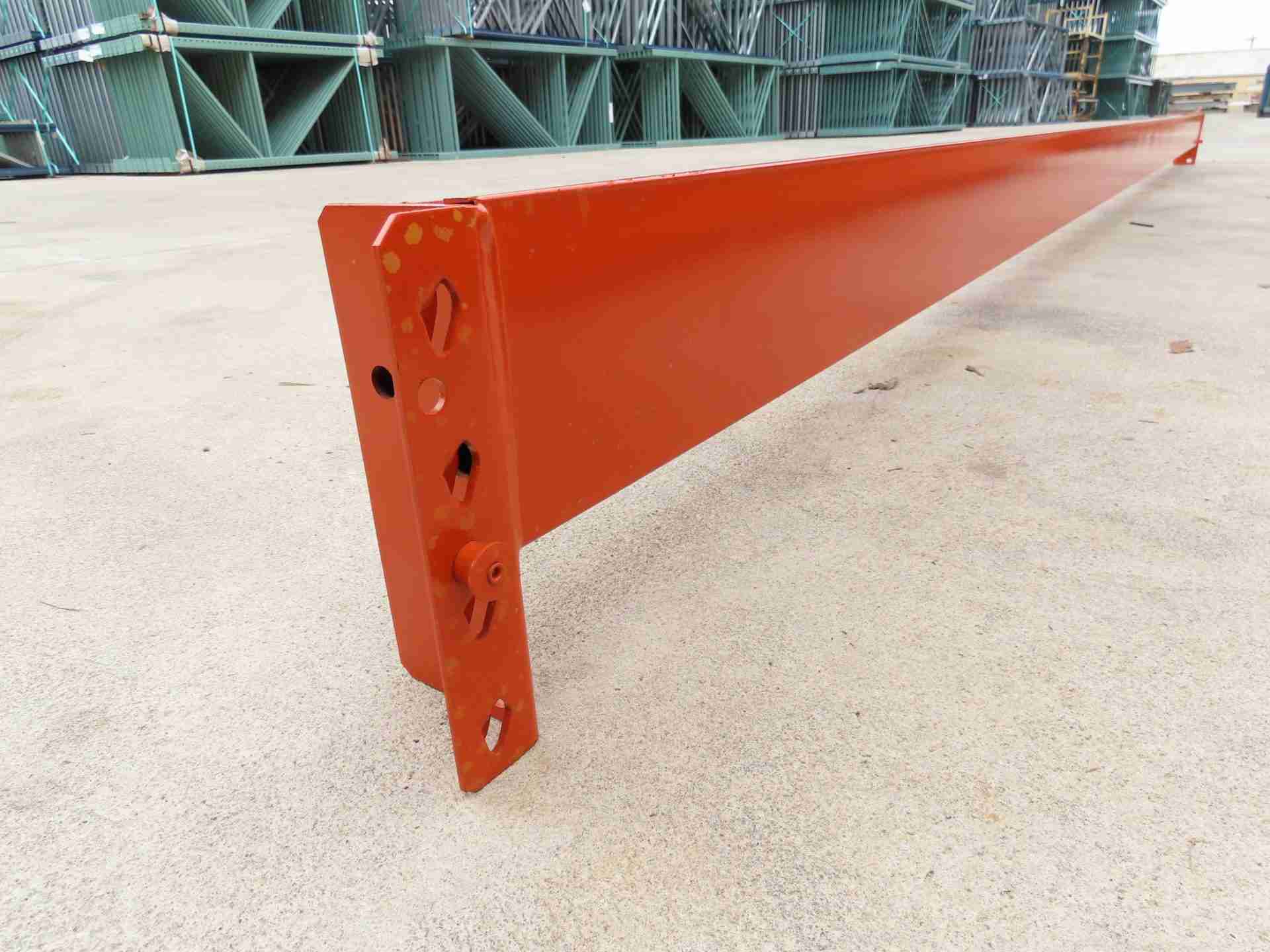
Can Damaged Racks Lead to Legal Repercussions?
Can Damaged Racks Lead to Legal Repercussions?
- Racking systems are essential for organization and accessibility in warehouses and big-box stores.
- Damage to racking systems can lead to serious injuries, causing legal and financial repercussions for companies.
- Maintaining a safe work environment depends on the proper upkeep of racking systems.
- Neglecting safety equipment can diminish employee trust and morale, portraying a lack of care from management.
- Compliance with OSHA regulations and safety guidelines is critical for legal operation.
- Stories of workplace accidents highlight the importance of equipment maintenance and safety culture.
- Investing in safe racking systems reflects shared values and ensures employee well-being.

Can Damaged Racks Lead to Legal Repercussions?
How Do Industry Standards Address Rack Damage?
In the bustling landscape of warehouses and distribution centers, where racking systems tower like sentinels of order, the risk of rack damage looms large. It’s not just about lost inventory; it strikes at the heart of the operation—safety, productivity, and morale. Industry standards provide a framework to tackle these concerns, ensuring that racks can withstand the heavy loads and frenetic pace of daily operations.
Standards like those from the American National Standards Institute (ANSI) and the Rack Manufacturers Institute (RMI) play a crucial role in guiding professionals on proper installation, maintenance, and inspection of racking systems. They’re more than just guidelines; they are a lifeline to keeping the workforce safe and the business running smoothly. A well-maintained racking system isn’t just metal and shelving; it’s a promise—a promise that every pallet stacked high is secure and that every employee returning home at the end of the day is safe.
Every dent and scratch on a rack not only tells a story of wear and tear but also poses an ethical dilemma. Is it worth risking lives and livelihoods by ignoring damage? Industry standards drive home the importance of regular inspections, emphasizing action over complacency. By fostering a culture of vigilance, they encourage workers to speak up when they see something amiss, creating a team dynamic where safety is everyone’s concern. When people feel empowered to act, it fosters a sense of connection that goes beyond mere job responsibilities.
Consider the narrative of a family-run warehouse where a father teaches his son the ropes. As they inspect the racking systems together, the father points out the subtle signs of damage, recalling the day a minor overlook led to a near disaster. This story resonates; it’s a reminder that standards are not just abstract concepts—they are grounded in real-world experiences that carry weight in the lives of everyday workers.
Moreover, adhering to established standards sets you apart, instilling confidence among employees, clients, and partners. It signals that you’re not just in it for the quick win, but committed to creating a safe environment that thrives on respect and integrity. This commitment resonates throughout the supply chain, leading to stronger partnerships and a reputation built on solid, trustworthy practices.
Investing in proper adherence to these standards is an investment in the community, in one’s workforce, and in the very foundation of the business itself. It’s about doing right—not just by the numbers, but by the people who depend on those racking systems every single day.

How Do Industry Standards Address Rack Damage?
How Do Industry Standards Address Rack Damage?
- The risk of rack damage in warehouses impacts safety, productivity, and morale, not just inventory loss.
- Industry standards from ANSI and RMI guide installation, maintenance, and inspection of racking systems.
- Well-maintained racking systems ensure employee safety and business efficiency.
- Regular inspections are crucial for identifying and addressing rack damage to prevent risks.
- Creating a culture of vigilance empowers workers to report safety concerns, enhancing team dynamics.
- Adhering to standards builds confidence among employees, clients, and partners, promoting safety and respect.
- Investing in standards compliance strengthens community, workforce, and business integrity.

How Do Industry Standards Address Rack Damage?
Conclusion
Neglecting damaged racks in a warehouse isn’t just a minor inconvenience; it’s a ticking time bomb that can ripple through a business with serious consequences. Racking systems serve as the backbone of operations, holding everything from heavy equipment to delicate inventory. When these systems show signs of wear and tear, the stakes are higher than they appear. Imagine an employee reaching for a product when a compromised rack suddenly collapses. This scenario doesn’t just result in injuries; it translates to hefty medical bills, lost productivity, and a potential legal quagmire that could threaten the very existence of a company.
Financial implications are glaring—repairing or replacing damaged racking systems should take priority over the costs associated with accidents and inefficiencies. A well-maintained rack system not only supports safety but also fosters productivity. Delays triggered by damaged racks can create a backlog that spirals into lost sales and tarnished customer relationships.
Beyond dollars and cents, the ethical responsibility to provide a safe workspace can’t be overlooked. Employees deserve assurance in their environment; knowing that their safety is a priority builds trust and boosts morale. A workplace that values its people cultivates loyalty and fosters teamwork, enhancing overall performance.
Moreover, industry standards are not mere suggestions; they’re essential guidelines enforced to keep workers safe. Ignoring these can lead to dire regulations, strains on reputation, and disillusioned employees. A culture focused on safety and maintenance empowers workers, encouraging them to look out for one another.
The stories and experiences shared among employees further underscore this point. When workers see their company investing in safety, they feel valued and respected. This creates a narrative where every individual recognizes their contribution to the workplace, inspiring a collective effort towards maintaining standards.
Ultimately, investing time and resources in inspecting and repairing racking systems safeguards not just physical assets but the livelihoods that depend on them. Every choice made today shapes the environment of tomorrow. When it comes to rack safety, making it a priority isn’t just a good business practice; it’s the foundation upon which trust, efficiency, and community are built. In the world of warehousing, taking care of those metal frames is a statement about a business’s values: it’s about protecting the heart of the operation and, by extension, the people who make it thrive.

Conclusion
Conclusion:
- Neglecting damaged racks can lead to severe consequences for a business.
- Racking systems are crucial for holding diverse inventory and preventing workplace accidents.
- Injuries from rack collapses can incur medical expenses, lost productivity, and legal issues.
- Prioritizing rack repairs can prevent financial losses and improve overall safety and efficiency.
- Providing a safe workspace enhances employee morale, loyalty, and teamwork.
- Ignoring industry safety standards risks regulatory issues and harms company reputation.
- Investing in safety and maintenance fosters a positive workplace culture and community spirit.

Conclusion
Other Resources

Other Resources
Here is a list of other resources you can review online to learn more:
- Selective Pallet Racking Systems
- National Safety Council
- Warehousing and Fulfillment
- Used Pallet Rack for Sale in Illinois – American Surplus
- CMMA
- The Complete Pallet Rack Guide – Simply Rack
- Material Handling Industry
- Warehousing Education and Research Council: https://www.werc.org/
- Interlake Mecalux
- Chicago Pallet Racking
- Teardrop Pallet Rack – Ridg-U-Rak
- Teardrop Uprights
- Warehouse Racks, Warehouse Racking in Stock – ULINE
- CA Wire
- Heavy-Duty Cantilever Storage Racks
- Illinois Pallet Racking – Storage Solutions
- New Cantilever Racks and Racking Kits
- MHI
- Storage Equipment Manufacturers Association
Use This Prompt To Get More Resources With Your Favorite Online AI Tool: Please provide me with a list of online articles with their URLs in a bulleted list that I can read regarding The Liability Cost Of Ignoring Damaged Racks

Other Resources
Glossary Terms
The Liability Cost Of Ignoring Damaged Racks – Glossary Of Terms
1. Liability: Legal responsibility for harm or damage caused to another party.
2. Damaged Racks: Storage systems that have been compromised structurally or aesthetically.
3. Costs: Expenses incurred as a result of an action or inaction.
4. Safety Compliance: Adherence to regulations and standards designed to ensure workplace safety.
5. Risk Assessment: Evaluation of potential risks associated with damaged equipment.
6. Maintenance: Regular upkeep and repair of equipment to prevent deterioration.
7. Legal Action: A process initiated by a party to seek a legal remedy for a grievance.
8. Insurance: Financial protection against potential losses or damages.
9. Workplace Safety: Conditions and practices aimed at ensuring the health and safety of employees.
10. Liability Insurance: Coverage designed to protect against claims resulting from injuries and damage to people or property.
11. Audits: Systematic evaluations of operations and compliance within a company.
12. Incident Report: Documentation of an unexpected event resulting in damage or injury.
13. OSHA: Occupational Safety and Health Administration, a U. S. agency setting safety standards.
14. Employee Training: Programs aimed at educating workers about workplace safety and equipment handling.
15. Replacement Costs: Expenses related to replacing damaged or non-functional equipment.
16. Preventive Measures: Actions taken to avert potential incidents or damages before they occur.
17. OSHA Violations: Failure to meet safety standards set by the Occupational Safety and Health Administration.
18. Damage Assessment: Evaluation process to determine the extent of damage to equipment or property.
19. Liability Claims: Requests for compensation based on alleged liability for damages or injuries.
20. Structural Integrity: The ability of a structure to withstand its intended load without failure.
21. Safety Inspections: Regular checks performed to ensure compliance with safety regulations.
22. Downtime: Period when equipment is not operational, potentially leading to financial losses.
23. Risk Management: Process of identifying, assessing, and controlling risks.
24. Financial Liability: Monetary obligations resulting from legal responsibility for damages.
25. Equipment Safety Standards: Regulations outlining safe operating procedures and requirements.
26. Legal Compliance: Adherence to laws and regulations governing operations and safety.
27. Accidents: Unintentional events resulting in damage or injury.
28. Restoration: Process of returning damaged property to its original condition.
29. Business Continuity: Strategies to ensure ongoing operations in the face of disruption.
30. Stakeholder Responsibility: Obligation of parties involved to ensure safety and compliance within the business.
Glossary Of Terms
Other Questions
The Liability Cost Of Ignoring Damaged Racks – Other Questions
If you wish to explore and discover more, consider looking for answers to these questions:
- What are the most common causes of rack damage in warehouses?
- What visible signs indicate a rack is damaged or unsafe?
- How often should racking systems be inspected?
- Who is qualified to perform rack inspections and repairs?
- What should a standard rack inspection checklist include?
- At what threshold should a damaged rack be taken out of service?
- How do you decide whether to repair or replace a damaged rack?
- What are typical costs for repairing versus replacing racks?
- How does rack damage affect insurance coverage and premiums?
- What legal liabilities can arise from neglected or damaged racks?
- Which OSHA, ANSI, or RMI standards apply to rack maintenance and safety?
- What documentation is required after an inspection or repair for compliance?
- How should incidents involving racks be reported and investigated?
- What immediate actions should be taken after a rack collision or collapse?
- How does rack damage impact inventory accuracy and stock loss?
- What procedures minimize operational downtime after rack damage?
- How does damaged racking affect worker morale and retention?
- What training should employees receive to prevent and report rack damage?
- How can forklift operators reduce the risk of racking impacts?
- What maintenance schedule and recordkeeping practices are best for racking?
- What technologies (sensors, cameras, drones) are available to monitor rack integrity?
- What are the best preventive measures to reduce rack damage?
- How should a business integrate rack care into its overall safety program?
- What personal protective equipment and safety protocols are needed during repairs?
- How do load limits and pallet condition influence rack safety?
- What are the consequences of noncompliance with racking standards and inspections?
- What records should be kept to demonstrate due diligence in rack maintenance?
- How do environmental factors (corrosion, moisture, temperature) affect racking lifespan?
- What retrofit options exist to strengthen older racking systems?
- How do seismic or local building codes affect rack installation and bracing?
- What warranties, manufacturer guidelines, or certification requirements apply?
- How should third-party installers or inspectors be evaluated and contracted?
- What are common negotiation points with insurers after a rack-related claim?
- How can ROI for proactive rack maintenance be calculated and justified?
- Are there industry case studies or incident analyses that provide lessons learned?
- What emergency response and evacuation plans should account for rack collapse?
- How should communications with employees, clients, and regulators be handled after an incident?
- What metrics should management track to measure racking safety performance?

Other Questions
Checklist
The Liability Cost Of Ignoring Damaged Racks – A Checklist
Governance and Documentation
✅______ Assign a rack safety lead with clear authority to tag out unsafe racks
✅______ Maintain current rack drawings, load calculations, and configurations
✅______ Post load-capacity placards at each bay or aisle; values match the current configuration
✅______ Keep an up-to-date rack asset register (location, type, serial or lot, capacity)
✅______ Establish written inspection, reporting, and repair procedures
✅______ Retain inspection, incident, and repair records per company policy
Structural Condition and Integrity
✅______ Uprights plumb and undamaged; no bows, kinks, tears, or perforations
✅______ Bracing (diagonals and horizontals) present and undamaged
✅______ Base plates intact; no cracks or deformation
✅______ Anchors installed to specification; tight, undamaged, and fully seated
✅______ Beams fully seated; connectors engaged; no bent or cracked beam ends
✅______ Beam locking devices (safety clips or pins) present on every connection
✅______ No cracked welds, loose bolts, or missing hardware
✅______ Row spacers and overhead ties installed where required
✅______ Corrosion controlled; no flaking rust or section loss
✅______ Wire decking or load supports rated, intact, and secured
Load and Layout Control
✅______ Loads within posted capacity; no overloading or mixed unknown loads
✅______ Pallets compatible and in good condition; no broken boards or stringers
✅______ Loads uniformly distributed; no point loading on decking not rated for it
✅______ Proper pallet overhang per manufacturer specifications; no dangerous overhang into aisles
✅______ Required transverse and longitudinal flue spaces maintained
✅______ Top-of-load clearance to sprinklers maintained
✅______ No unauthorized modifications (cutting, drilling, reconfiguring) without engineering approval
✅______ Changes in beam elevation or decking approved and documented
Operations and Mobile Equipment
✅______ Forklift drivers trained on rack-specific hazards and height and clearance limits
✅______ Speed limits and right-of-way rules enforced in rack aisles
✅______ End-of-aisle guards, column protectors, and rack-end barriers installed and intact
✅______ Dock and transfer zones protected against impact
✅______ Impact-prone zones identified and monitored
Housekeeping and Environment
✅______ Aisles clear; no obstructions, debris, or product sprawl
✅______ Lighting adequate for clear visibility of rack damage
✅______ Floor condition sound; no spalls or holes near base plates and anchors
✅______ Spill control in place; corrosive exposure to steel prevented
✅______ Fire protection systems accessible; no blocked sprinklers or valves
Inspections and Repairs
✅______ Pre-shift visual checks by operators (for obvious damage and missing clips)
✅______ Weekly supervisor walkthrough with documented findings
✅______ Monthly detailed rack inspection using a standardized checklist
✅______ Immediate tag out and unloading of any damaged bay or aisle
✅______ Color-coded risk classification used (red = immediate, amber = scheduled, green = monitor)
✅______ Repairs performed with approved components and methods; no field bending
✅______ Post-repair verification and sign-off by a qualified person
✅______ Annual third-party or qualified engineer assessment
Training and Culture
✅______ All staff trained to spot and report rack damage and near misses
✅______ No-blame reporting channel available and used
✅______ Refresher training scheduled at least annually or after incidents
✅______ Safety communications posted and reinforced in toolbox talks
✅______ Recognition for proactive hazard identification
Compliance and Liability Control
✅______ Practices align with OSHA requirements and applicable ANSI/RMI rack standards
✅______ Capacity signage, egress, and housekeeping meet regulatory expectations
✅______ Vendor documentation (capacities, installation manuals) on file
✅______ Insurance requirements for storage and fire protection met
✅______ Incident investigation process established and followed
Incident Response and Business Continuity
✅______ Clear procedure to cordon off, unload, and stabilize affected areas
✅______ Inventory loss, downtime, and repair costs tracked
✅______ Root cause analysis completed; corrective and preventive actions assigned
✅______ Communication plan for employees, customers, and insurers
✅______ Spares on hand (clips, anchors, protectors) to reduce downtime
Performance and Continuous Improvement
✅______ KPIs tracked (impacts per month, damage rate per 1,000 pallets, repair cycle time)
✅______ Budget line for rack inspection, protection, and repairs
✅______ High-impact areas prioritized for additional protection or layout changes
✅______ Lessons learned integrated into training and SOP updates
Inspection Details
✅______ Facility
✅______ Location/Area
✅______ Date
✅______ Inspector
✅______ Follow-ups required and due dates

Checklist
At RackingWorld, we help guide you through selecting warehouse storage systems and racking.
Be sure to read our other related stories at RackingWorld to learn more about warehouse storage systems.
0 Comments