
Smart Storage Solutions: Safeguarding Lives And Boosting Productivity
By Tom Seest
At RackingWorld, we help guide you through selecting warehouse storage systems and racking.
Be sure to read our other related stories at RackingWorld to learn more about warehouse storage systems.
Reducing Workplace Injuries Through Storage Design
Reducing workplace injuries through smart storage design isn’t just a matter of practicality; it’s about ensuring every worker returns home safe and sound. Picture your typical warehouse. Tools, materials, and equipment scattered all around, making it a treacherous obstacle course. This is where racking systems come into play. A well-thought-out racking system brings order to chaos, transforming cluttered aisles into organized pathways. This is not merely a theoretical benefit; it’s a tangible change that can save lives.
When you install efficient racking systems, you’re not only streamlining operations but also minimizing the physical strain on workers. Heavy items properly stored at waist height reduce bending and lifting awkwardly, while designated shelving ensures everyone knows where to find what they need. It’s common sense, really—or as my grandfather would say, “You wouldn’t build a house on a shaky foundation.” It’s about creating a workspace that respects the physical well-being of its inhabitants, making them feel valued and secure.
Moreover, the ethical implications of workplace safety are profound. Every time a worker is injured due to poor storage design, it ripples out to their families and communities. A father might miss a day’s pay; a mother might face risks juggling care responsibilities. By investing in the right racking systems, companies aren’t just protecting their workforce; they are fostering a culture of care. That’s a legacy worth building.
From an authority perspective, the evidence is irrefutable. Studies have consistently shown that workplaces with well-designed storage solutions experience fewer accidents. This isn’t just theory; it’s data-driven reality. By embracing these systems, you’re not just following best practices; you’re setting a standard in your industry.
Think about the stories we share over coffee breaks—the near misses and the lucky escapes. With optimized storage, the hope is these tales turn from close calls to tales of triumph. When everyone feels safe and secure in their environment, productivity flourishes. No one wants to think about accident reports and lost time, but it’s a reality until we make a change.
Let’s make our workplaces more than just a means to an end. Racking systems aren’t just metal frames; they’re symbols of a commitment to safety and well-being. An investment in storage design is an investment in a workforce that can thrive, work with pride, and come home healthy every day. Together, we can build a safer environment for everyone, one shelf at a time.

Reducing Workplace Injuries Through Storage Design
Reducing Workplace Injuries Through Storage Design
- Smart storage design reduces workplace injuries and enhances worker safety.
- Efficient racking systems organize cluttered spaces, creating safer pathways.
- Proper storage minimizes physical strain by keeping heavy items at waist height.
- Investing in racking systems fosters a culture of care and ethical responsibility.
- Evidence shows that well-designed storage reduces accident rates in workplaces.
- Safe environments lead to improved productivity and employee satisfaction.
- Racking systems symbolize a commitment to the well-being of the workforce.

Reducing Workplace Injuries Through Storage Design
Table Of Contents
- Reducing Workplace Injuries Through Storage Design
- What Storage Design Changes Can Enhance Safety and Reduce Injuries?
- How Can We Prioritize Employee Safety In Storage Solutions?
- What Role Does Ergonomics Play In Effective Storage Design?
- How Can Collaboration Improve Our Approach to Storage and Safety?
- What Are the Long-Term Benefits Of Investing In Safer Storage?
- How Does Clutter Impact Workplace Safety and Storage Efficiency?
- Conclusion
- Other Resources
- Glossary Of Terms
- Other Questions
- Checklist
What Storage Design Changes Can Enhance Safety and Reduce Injuries?
When it comes to warehouse safety, the design of your storage systems can make all the difference. Imagine walking into a facility where everything is organized, accessible, and—most importantly—safe. That picture starts with smart storage solutions that prioritize safety and minimize injuries. One key component to focus on is the implementation of effective racking systems. These aren’t just metal frameworks holding up boxes; they’re the backbone of your operation and a frontline defense against accidents.
Consider the stories that resonate in the hearts of workers. Think of the colleague who once tripped because a pile of boxes teetered on an unstable shelf. Or the near-miss when a heavy item slipped while being lifted due to improperly designed storage layout. These aren’t isolated incidents; they’re reminders of why a system designed with safety in mind is essential. Racking systems can be tailored in height and design to reduce the chances of reaching dangers and support better practices—every adjustment matters.
From a practical standpoint, the right racking design improves efficiency. It allows for quick access, reducing the time spent on the ground that could expose someone to hazards. A well-planned racking system permits greater visibility and encourages workers to follow protocols, fostering a culture where safety is not just an obligation but a shared value. Making these changes is not only smart; it’s a duty to those who trust their lives to the system (and that’s no small matter).
Moreover, there’s an ethical component to consider. Every worker has the right to return home safely at the end of the day. When management invests in proper racking systems, it reflects a commitment to the workforce’s wellbeing, cultivating a sense of trust and loyalty among employees. It is an investment that shows you care not only about productivity but about the people who make that productivity happen.
Let’s not forget the authority of personal experience. Workers with years on the job know what works and what doesn’t. Involving them in discussions about racking design leads to practical advice based on real-life scenarios. This participation builds camaraderie, encouraging everyone to work toward a common goal: a safer, more efficient workplace.
In sum, rethinking your storage design, particularly through the lens of robust racking systems, isn’t just a regulatory checkbox—it’s a moral imperative wrapped in a practical solution. Every step taken towards safer storage design is a step towards a healthier and more respectful work environment.

What Storage Design Changes Can Enhance Safety and Reduce Injuries?
What Storage Design Changes Can Enhance Safety and Reduce Injuries?
- The design of storage systems significantly impacts warehouse safety.
- Effective racking systems are essential to prioritize safety and minimize injuries.
- Real-life incidents highlight the importance of designing with safety in mind.
- A well-planned racking system improves efficiency and encourages safety protocols.
- Investing in racking systems demonstrates management’s commitment to employee wellbeing.
- Involving experienced workers in design discussions leads to practical safety solutions.
- Enhancing storage design is both a regulatory need and a moral responsibility.

What Storage Design Changes Can Enhance Safety and Reduce Injuries?
How Can We Prioritize Employee Safety In Storage Solutions?
In warehouses and storage facilities, employee safety shouldn’t just be a checkbox on a compliance form; it’s a matter of respect and care for the folks who keep everything running. We lean on racking systems to stack our goods high and make the most of our space. But racking systems can also be a double-edged sword if not handled properly. It’s about ensuring that those systems aren’t just efficient but also safe.
Imagine a team on the floor, working seamlessly alongside one another, moving with purpose and confidence. That’s what we strive for. Everyone knows their role, the layout of the racking systems becomes second nature, and the protocols are ingrained in daily tasks. This isn’t just about productivity; it’s about looking out for one another, knowing that a colleague’s well-being hinges on how well we manage our workspace.
Safety starts with training. Employees need to understand the ins and outs of racking systems—how they work, how to load and unload safely, and what to look out for to prevent accidents. Sharing stories of near misses or close calls can be a powerful teaching tool, driving home the point that safety is everyone’s responsibility. When you teach through real-life examples, it resonates. Each person has a role to play and brings their own experience to the table.
We have to build a culture that values safety as much as profits. Open conversations about risks can transform the workplace. When workers feel safe to voice concerns without fear of repercussions, that trust creates a more engaged team. They need to know management is listening and committed to making changes based on feedback. It’s an investment in people—their health and security is just as important as the bottom line.
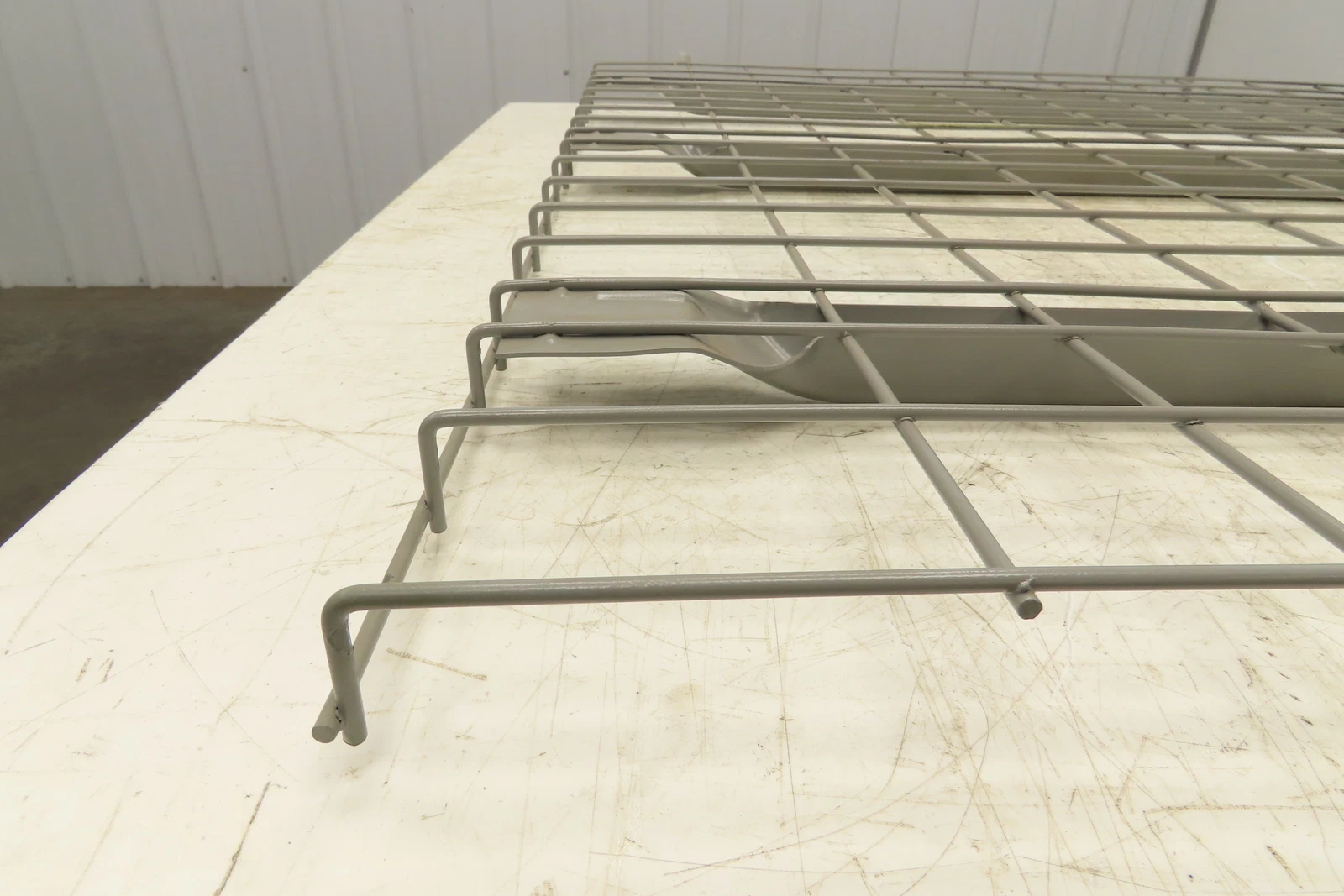
Let’s not forget the practical side of things. Regular inspections of racking systems can catch potential hazards before they become issues. Equip teams with tools and protocols for reporting damaged racks or unsafe conditions. It’s about having a proactive mindset rather than a reactive one.
Prioritizing employee safety in storage solutions is about more than just safeguarding against accidents; it’s a commitment to those who are the backbone of the operation. When we take the time to ensure our racking systems are not just functional but also safe, we foster an environment where everyone can thrive, and that’s worth every effort.
How Can We Prioritize Employee Safety In Storage Solutions?
How Can We Prioritize Employee Safety In Storage Solutions?
- Employee safety in warehouses should reflect respect and care for staff.
- Racking systems offer space efficiency but require careful management to ensure safety.
- Effective teamwork and familiarity with racking layouts enhance workplace safety.
- Training on racking systems is crucial for preventing accidents and ensuring safe loading/unloading.
- A culture prioritizing safety fosters open discussions about risks and encourages team engagement.
- Regular inspections and proactive reporting mechanisms are essential for maintaining safe racking systems.
- Investing in employee safety is vital for both operational success and worker well-being.

How Can We Prioritize Employee Safety In Storage Solutions?
What Role Does Ergonomics Play In Effective Storage Design?
When it comes to effective storage design, ergonomics is the unsung hero that can prevent frustration and injuries in everyday work. Picture the warehouse worker reaching for a box on a high racking system. If that box is too high or too heavy, it risks not just spillage but also potential injury. By considering ergonomics, we can design storage solutions that prioritize the human body, creating safer, more efficient environments.
Proper ergonomic principles can transform the way we approach our storage systems. A well-thought-out racking system isn’t just about maximizing space; it’s about making sure that the items you need are at an accessible height. This means fewer trips to the chiropractor for your back and more time spent on the tasks that truly matter—like getting the job done right. How many times have you seen a coworker struggle to rearrange a stack of boxes? The right storage design can eliminate those moments of chaos, replacing them with smooth, efficient workflows.
Think about the stories behind injuries that come from poor storage design—those tales of frustration that echo through break rooms and during water-cooler chats. We’ve all sat back and listened as teammates recount their latest mishap, all because they had to stretch too far or bend too awkwardly. It’s more than just an inconvenience; it’s about protecting the well-being of every individual in the workplace. When businesses invest in ergonomic storage solutions, they aren’t just buying equipment—they’re showing they care about their employees.
But let’s get practical: an ergonomic racking system doesn’t have to break the bank. There are plenty of accessible designs that can adapt to various needs without draining resources. And when businesses prioritize their team’s health, they foster a culture of trust and empowerment. Workers tend to feel valued, knowing their employers are invested in their comfort and safety.
Effective storage design isn’t just about saving space or organizing products—it’s about creating an environment where people can thrive. By embracing ergonomic principles, we acknowledge that a small change in design can lead to a world of difference in health and productivity. So, let’s take a step back, examine our storage setups, and ask ourselves if what we have is truly working for us. With the right racking systems in place, we can turn a potential cluttered chaos into a symphony of efficiency, where everyone goes home at the end of the day feeling good, physically and mentally.

What Role Does Ergonomics Play In Effective Storage Design?
What Role Does Ergonomics Play In Effective Storage Design?
- Ergonomics in storage design helps prevent frustration and injuries in the workplace.
- High or heavy boxes in racking systems pose risks of spills and injuries.
- Effective storage prioritizes accessible heights for items, reducing physical strain.
- Well-designed storage eliminates chaos, promoting smoother workflows.
- Investing in ergonomic solutions shows employers care about employee well-being.
- Affordable ergonomic designs can adapt to various workplace needs without excessive costs.
- Proper storage design enhances health and productivity, creating a thriving work environment.

What Role Does Ergonomics Play In Effective Storage Design?
How Can Collaboration Improve Our Approach to Storage and Safety?
Collaboration in the realm of storage and safety is like fitting together the pieces of a robust puzzle; each piece plays its part in the bigger picture. When we link our strengths, especially with racking systems, we create a framework that’s not only about storing goods but about nurturing a workspace that prioritizes safety and efficiency. Think about the local warehouse where you’ve seen a team come together, working side by side, sharing their know-how—that’s where real change happens.
Bringing different folks into the conversation can spark fresh ideas. It’s easy to get stuck in the same old rut where outdated methods might seem comfortable but lead to inefficiencies or hazards. By sharing insights and experiences, whether from the shop floor or the office, we foster ingenuity. For instance, an experienced hand might share a story about a narrow miss due to a poorly designed storage layout. That kind of narrative doesn’t just raise alarm bells; it inspires action to rethink our racking systems—making sure they’re set up not just for storage, but for safety too.
Trust forms the core of collaboration. When team members, regardless of position, feel heard, it breeds a culture of accountability. Everyone checks their ego at the door and focuses on a shared goal: creating a safer environment and enhancing productivity. This isn’t just about ticking boxes; it’s about crafting a narrative where everyone contributes to a workspace that they feel proud of. It’s about owning the environment we share and making it better together.
Furthermore, there’s a strong ethical underpinning to collaboration in storage solutions. With more voices involved, we have a greater ability to identify not just potential risks but the best practices that come from diverse backgrounds and experiences. This shared responsibility means we don’t just comply with regulations; we set the bar higher for what safety should look like.
Racking systems tailored through collaboration will reflect our collective commitment to safety, showing that we prioritize people over mere product storage. It’s less about individual accolades and more about a community ethos, making the workplace not only a productive space but also one where every person feels valued, essential, and part of something bigger. In a world where so much feels disconnected, let’s create environments that resonate with trust and teamwork, where storage is safe, efficient, and fundamentally human.

How Can Collaboration Improve Our Approach to Storage and Safety?
How Can Collaboration Improve Our Approach to Storage and Safety?
- Collaboration enhances storage and safety, resembling a robust puzzle with each piece contributing to the whole.
- Racking systems optimized through teamwork foster a workspace that values both safety and efficiency.
- Diverse perspectives spark innovation, breaking free from outdated, hazardous practices.
- Sharing experiences encourages action to improve safety and storage solutions.
- Trust among team members fosters accountability and a culture focused on shared goals.
- Ethical collaboration helps identify risks and best practices, elevating safety standards beyond mere compliance.
- Collectively tailored racking systems emphasize community and inclusivity, creating a workspace where everyone feels valued.

How Can Collaboration Improve Our Approach to Storage and Safety?
What Are the Long-Term Benefits Of Investing In Safer Storage?
When you think about the stuff you’ve accumulated over the years, it’s not just clutter—it’s a collection of memories, hard work, and maybe a few mistakes. Investing in safer storage isn’t just a practicality; it’s a way to honor what you’ve built. Racking systems, for example, can transform your chaotic garage or warehouse into a well-organized, efficient space. Picture it: every item in its place, easily reachable, and protected from the vagaries of life. That’s a reassuring thought.
From a practical standpoint, safer storage saves you money over time. Think about replacing damaged goods or the cost of injuries caused by hazardous clutter. Investing in racking systems reduces those risks significantly. A well-constructed racking system is designed to handle weight, distribute loads properly, and minimize accidents. It’s like a safety net for all those years of toil, ensuring you won’t lose what you’ve worked hard to acquire.
Emotionally, knowing that your possessions are secure gives you peace of mind. There’s a certain warmth in walking into a space that feels safe and orderly. It brings a sense of pride, reflecting your values. Your friends and family will notice, too. You’re not just keeping your stuff safe; you’re creating an environment that welcomes them in. That’s where connections deepen over shared stories, laughter, and memories made in a space that feels just right.
Ethically, investing in safer storage can also mean making responsible choices about how we care for the environment and our community. Many modern racking systems are designed with sustainability in mind, using materials that last and reduce waste. When you choose products that are built to last, you contribute to a culture of responsible consumption that benefits everyone.
Moreover, your choice to invest wisely can set an example for your family or your team at work. When they see you taking these steps, it sends a message about responsibility and foresight. You’re showing that it pays off to think ahead, to prioritize safety and order, and to protect what matters most.
In the long run, investing in safer storage is about more than just getting organized. It’s about fostering trust in your space, nurturing relationships, and laying down a foundation for future endeavors. So, whether it’s racking systems or other smart solutions, every effort you make echoes beyond the here and now, shaping a better tomorrow.

What Are the Long-Term Benefits Of Investing In Safer Storage?
What Are the Long-Term Benefits Of Investing In Safer Storage?
- Accumulated possessions represent memories, hard work, and experiences.
- Investing in safer storage, like racking systems, honors these efforts by organizing spaces efficiently.
- Safer storage can save money by preventing damage and accidents related to clutter.
- Knowing possessions are secure provides peace of mind and fosters pride in one’s environment.
- Modern racking systems often incorporate sustainability, promoting responsible consumption.
- Demonstrating investment in safety can set a positive example for family and colleagues.
- Long-term benefits of safer storage include nurturing relationships and building a better future.

What Are the Long-Term Benefits Of Investing In Safer Storage?
How Does Clutter Impact Workplace Safety and Storage Efficiency?
Clutter in the workplace can feel like a thorn in the side of everyday operations, gnawing away at efficiency and safety. Picture this: a warehouse packed to the brim with boxes, tools, and equipment piled carelessly. It’s more than just an eyesore; it’s a dangerous game. When you can’t find what you need or navigate your space without dodging obstacles, the risks skyrocket. That’s a reality many folks face, and it’s hard to ignore the knot in your stomach when you think about an injury or an accident that could have been prevented by simply keeping things organized.
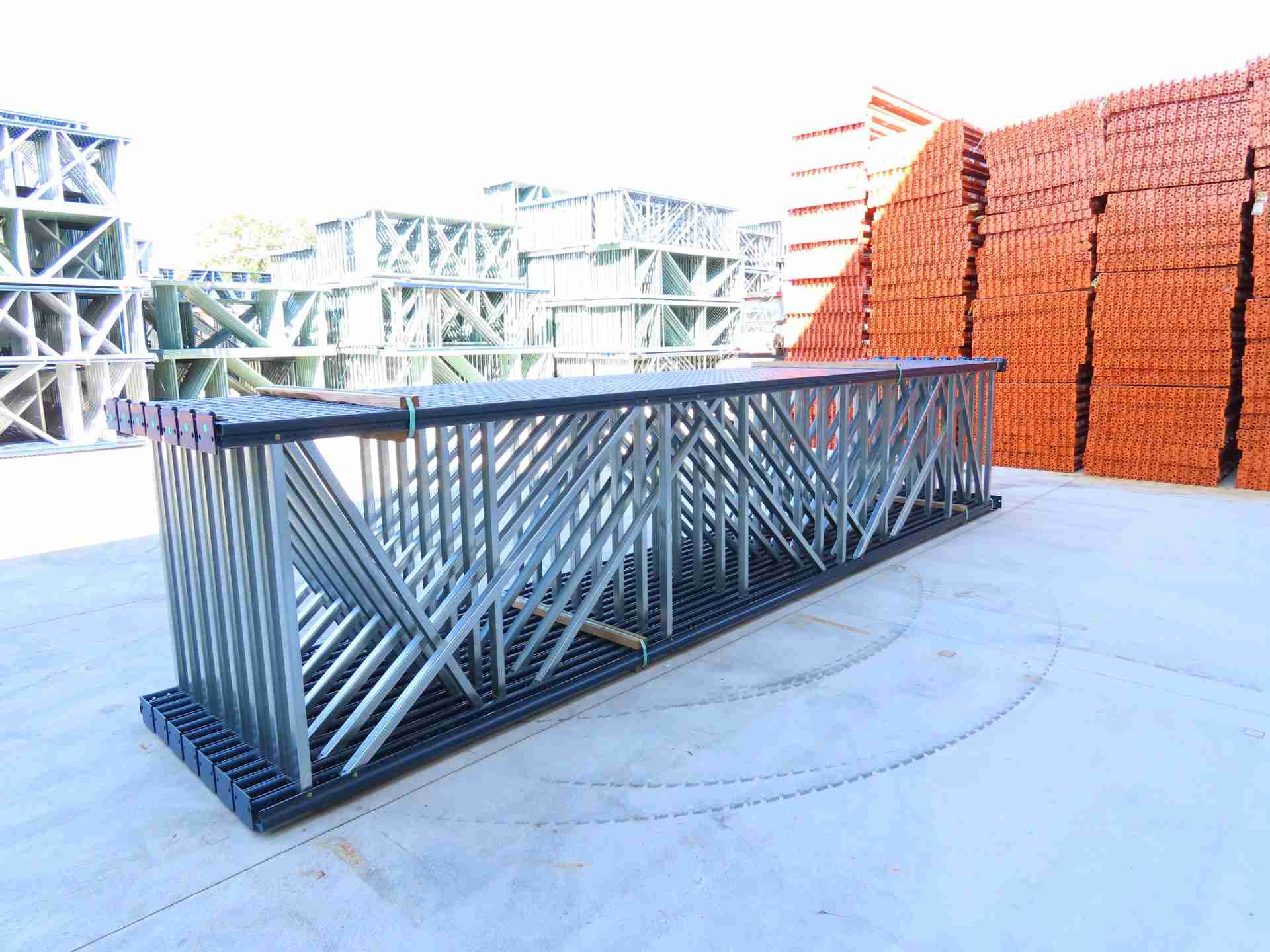
Let’s talk about Racking Systems. These sturdy, steel frameworks are designed to maximize storage capacity, providing a solid solution to the clutter problem. With thoughtful organization, items can be stored vertically, creating more floor space and reducing the chaos that can lead to slips and falls. You can almost hear the sigh of relief through a well-ordered facility. There’s something reassuring about walking into a space where everything has its place. It fosters a sense of pride and responsibility among the team, a shared commitment to maintaining a safe environment.
Now think about the productivity knock-on effect. Less clutter means smoother workflow. Workers can grab what they need without the frustration of digging through heaps of disarray. Time saved is money earned, and that’s a language any business understands. Plus, demonstrating a commitment to safety reflects on the company’s ethics. It shows that leadership cares about its employees, valuing their well-being over just profits. That connection builds loyalty—a workforce that believes in the mission is a powerful asset.
Consider how we band together in tough times. When folks rally around a common goal, like keeping the workspace safe and efficient, it cultivates camaraderie. Each worker has a role, and each role matters. In a world where burnout and dissatisfaction can easily creep in, creating a culture where safety, efficiency, and teamwork thrive can reignite that spark of joy in the job. So, it’s more than just cleaning up—it’s about fostering a sense of community, trust, and respect within the workplace. Let’s embrace the solution that Racking Systems offer, not just for our safety, but for our peace of mind, knowing that we are doing our part to create a better, safer work environment for everyone.
How Does Clutter Impact Workplace Safety and Storage Efficiency?
How Does Clutter Impact Workplace Safety and Storage Efficiency?
- Clutter in the workplace negatively impacts efficiency and safety.
- Disorganized spaces increase the risk of injuries and accidents.
- Racking Systems efficiently maximize storage capacity by utilizing vertical space.
- A well-organized environment fosters pride and responsibility among employees.
- Reduced clutter enhances workflow, saving time and increasing productivity.
- Commitment to safety reflects positively on company values and builds employee loyalty.
- Creating a culture of safety and teamwork helps combat burnout and increases job satisfaction.

How Does Clutter Impact Workplace Safety and Storage Efficiency?
Conclusion
Reducing workplace injuries through effective storage design isn’t just about function; it’s a commitment to each worker’s safety and well-being. Imagine a warehouse transformed from a chaotic maze into a streamlined operation. Smart storage solutions, particularly racking systems, don’t just organize space; they actively prevent injuries. Properly designed systems reduce physical strain on workers by placing heavier items at waist level, minimizing awkward bending and lifting. It’s common sense that enhances both operation and morale—a workplace where employees feel secure and valued fosters productivity and loyalty.
Every injury ripples outwards, affecting families and communities. Investing in robust storage solutions signals a company’s ethical commitment to its workforce. It’s not merely about compliance with regulations but about building a culture where safety is prioritized. Evidence backs this up; businesses that optimize storage see significantly fewer accidents. This isn’t theoretical—the stories from workers speak volumes about the difference smart design makes in their daily lives.
Further emphasizing teamwork, collaborative approaches to designing storage solutions encourage input from those who know the ground realities best. By involving employees in discussions about safety and efficiency, companies cultivate an environment of trust where everyone feels responsibility for workplace safety. This collective approach can turn storage challenges into opportunities for innovation and safety improvements, crafting a shared commitment to a safer, more efficient workspace.
Prioritizing ergonomics in storage design plays a crucial role too. Acknowledging the physical well-being of employees reduces frustration and injury. Ergonomically designed racking systems ensure that frequently accessed items are within comfortable reach, minimizing the risk of accidents caused by overreaching. This investment in employee safety conveys a deeper message: workers are valued beyond their output.
Moreover, a cluttered workplace can significantly compromise safety and efficiency. A disorganized environment leads to accidents and wasted time, making an organized storage strategy not just a physical necessity but a moral one. Properly designed racking systems not only declutter space but enhance workflow, allowing for a more focused and efficient operation.
Ultimately, investing in safe storage solutions stems from a respect for both people and processes. Companies that prioritize this commitment build a stronger culture, reflect genuine care for their employees, and create environments where everyone can thrive. It’s about more than just metal frameworks; it’s about a fundamental dedication to improving lives, ensuring every worker comes home safe and sound. A well-designed storage system is an investment that reaps emotional, rational, ethical, and social rewards, forming the backbone of safer workplaces.

Conclusion
Conclusion:
- Effective storage design enhances workplace safety and well-being.
- Smart racking systems reduce physical strain on workers by optimizing item placement.
- Investing in robust storage solutions reflects a company’s commitment to safety and ethics.
- Collaborative design approaches foster trust and shared responsibility for safety among employees.
- Ergonomic considerations in storage design minimize risks of injury and show value for workers.
- An organized storage environment improves workflow and reduces accidents and wasted time.
- Prioritizing safe storage solutions contributes to a stronger workplace culture and employee loyalty.

Conclusion
Other Resources

Other Resources
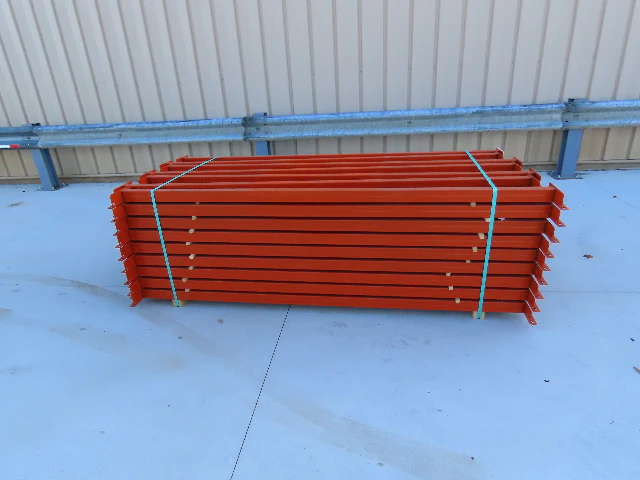
Here is a list of other resources you can review online to learn more:
- Interlake Mecalux
- Teardrop Industrial Shelving Rack
- Rack Manufacturers Institute
- Racking World
- SEMA
- American Society of Safety Professionals
- Teardrop Pallet Rack – Ridg-U-Rak
- What is Selective Pallet Racking
- Cantilever Rack Guide: Ordering Cantilever Racking
- What is Cantilever Racking? – AK Material Handling Systems
- Illinois
- IIWS Inc. Rack Installation Illinois & Rack Repairs Illinois
- Used Pallet Rack for Sale in Illinois – American Surplus
- Intro to Warehouse Racks & Warehouse Racking Systems – ShipBob
- Warehouse Racking System: Powerful Guide to Optimise, 2024
- Teardrop Uprights
- Selective Rack – Raymond West
- Logic Material Handling
- BMH Equipment LLC
- Shipping Boxes, Packaging Materials, Pallet Racking
Use This Prompt To Get More Resources With Your Favorite Online AI Tool: Please provide me with a list of online articles with their URLs in a bulleted list that I can read regarding Reducing Workplace Injuries Through Storage Design
Other Resources
Glossary Terms
Reducing Workplace Injuries Through Storage Design – Glossary Of Terms
1. Ergonomics: The science of designing workplaces and workflows to optimize comfort, efficiency, and safety.
2. Hazard: A condition or object that poses a threat of injury or damage in the workplace.
3. Risk Assessment: The process of identifying potential hazards and evaluating the likelihood and impact of associated risks.
4. Storage System: A method or framework used to organize and store items in a workplace, enhancing accessibility and safety.
5. Accessibility: The ease with which items can be reached or utilized, minimizing the risk of injury during retrieval.
6. Weight Limit: The maximum load that storage solutions should support to prevent strain or injuries.
7. Organizing: The act of arranging items in a systematic way to reduce clutter and potential hazards.
8. Materials Handling: The process of moving, protecting, and storing materials in a way that ensures safety and minimizes injuries.
9. Clear Pathways: Unobstructed routes in a workspace that allow for safe and efficient movement.
10. Vertical Storage: Utilizing vertical space for storage to keep walking areas clear and minimize tripping hazards.
11. Shelving: Structures used to hold items at various heights, designed to promote safety and ease of access.
12. Labeling: The use of tags or signs on storage units to clearly identify contents, enhancing safe retrieval.
13. Inventory Control: The process of managing stock levels to avoid overloading storage areas and ensure safety.
14. Protective Equipment: Gear worn to minimize injury risks when handling materials or using storage systems.
15. Load Distribution: The arrangement of weight across a storage system to prevent tipping or structural failure.
16. Cleanup Protocols: Established procedures for maintaining cleanliness and organization in storage areas to prevent accidents.
17. Safety Signage: Visual indicators placed in the workplace to remind employees of safety protocols and hazards.
18. Training Programs: Educational initiatives designed to inform employees about safe storage practices and injury prevention.
19. Temperature Control: Regulation of the environment within storage areas to protect sensitive materials and ensure safety.
20. Modular Design: A flexible storage arrangement that can be reconfigured based on changing needs, enhancing safety.
21. Compacting: Organizing items in a denser manner to reduce space usage while maintaining safety and accessibility.
22. Safety Barriers: Physical dividers used to separate hazardous areas from safe working spaces.
23. Automated Storage: Technology-driven systems that enhance the efficiency and safety of retrieving items.
24. Personal Space: The area surrounding an individual; maintaining clear personal space can reduce accidents during movement.
25. Forklift Safety: Guidelines and practices for the safe use of forklifts in storage and material handling.
26. Inventory Management Software: Digital tools used to track stock levels and optimize storage safety.
27. Compliance Standards: Regulations and guidelines that dictate safe storage practices in the workplace.
28. Incident Reporting: The process of documenting and analyzing injuries or near misses to improve safety measures.
29. Continuous Improvement: Ongoing efforts to enhance safety practices and storage design based on feedback and incidents.
30. Workplace Culture: The shared values and practices within an organization that influence safety behaviors and attitudes.

Glossary Of Terms
Other Questions
Reducing Workplace Injuries Through Storage Design – Other Questions
If you wish to explore and discover more, consider looking for answers to these questions:
- What specific types of racking systems are best suited for different warehouse operations?
- How do I assess current storage-related safety risks in my facility?
- What are the typical costs for installing various racking systems and the expected ROI?
- How soon will I see a reduction in injuries after implementing new storage design?
- What ergonomic guidelines should determine shelf heights and reach zones?
- How do I calculate load capacity and safe load distribution for racks?
- What inspection and maintenance schedule should racking systems follow?
- What are the common signs of damaged or compromised racks that require immediate action?
- How should racking be protected from forklift or vehicle impacts?
- What training programs are most effective for staff handling storage and racking?
- How can frontline workers be involved in storage-design decisions?
- Which metrics and KPIs measure storage-safety improvements and productivity gains?
- How do regulations and industry standards (OSHA, ISO, local codes) affect racking design?
- What are best practices for labeling, signage, and visual management in racking areas?
- How can clutter be systematically reduced and prevented long-term?
- What retrofitting options exist for older racks that don’t meet current safety standards?
- How does storage design change when dealing with hazardous, fragile, or temperature-sensitive goods?
- What role can technology (sensors, RFID, inventory systems) play in improving storage safety?
- How do I choose reliable suppliers and contractors for racking and installation?
- What financing or leasing options are available for large storage upgrades?
- How do storage improvements affect insurance premiums and legal liability?
- What are common design mistakes that lead to injuries or inefficiencies?
- How do I design aisles, clearances, and traffic flow to minimize collisions and falls?
- What seismic, wind, or environmental considerations impact racking safety in my area?
- How should weight and pallet types influence shelving spacing and beam selection?
- What emergency procedures and access routes should be incorporated into storage layouts?
- How often should safety training, refreshers, and incident debriefs be conducted?
- What documentation (inspection logs, load charts, training records) should be maintained?
- How can I quantify the long-term financial benefits of safer storage (reduced downtime, fewer claims)?
- What small, low-cost storage changes yield the largest safety improvements?
- How do ergonomics-driven changes affect productivity and employee satisfaction?
- What case studies or examples demonstrate measurable injury reduction from improved storage?
- How do seasonal or operational changes (peak periods, temporary storage) affect safe racking use?

Other Questions
Checklist
Reducing Workplace Injuries Through Storage Design – A Checklist
Layout and Flow
✅______ Aisles meet width standards and are free of obstructions
✅______ Clear separation of pedestrian and vehicle routes with barriers and markings
✅______ High-visibility signage and adequate lighting at all pick and put-away zones
✅______ Emergency exits and equipment remain unobstructed at all times
Racking System Setup
✅______ Racks are engineered for the application and environment (including seismic requirements where applicable)
✅______ Uprights are anchored; base plates and anchors are intact and tight
✅______ Beam locks and clips installed on every beam level
✅______ Load capacity plaques posted and legible on each rack bay
✅______ Wire decking, mesh, or pallet stops installed to prevent product fall-through
✅______ End-of-aisle and corner guards installed to protect uprights
Load and Pallet Management
✅______ Pallet and container quality inspected; damaged units removed from service
✅______ Loads do not exceed posted capacities and are evenly distributed
✅______ No pallet or product overhang into aisles or beyond rack depth (unless specifically designed)
✅______ Heaviest, most frequently handled items stored between knee and shoulder height
✅______ Compatible pallets, fork extensions, and attachments used per rack design
Ergonomics and Handling
✅______ Golden zone (knee to shoulder) used for high-frequency picks
✅______ Mechanical aids (carts, lifts, conveyors) available and used for heavy items
✅______ Manual handling weight limits defined and enforced
✅______ Step stools, ladders, and platforms rated and available for safe access to higher levels
✅______ Reaching, twisting, and bending minimized through slotting and layout
Labeling and Organization
✅______ Locations, bays, and levels clearly labeled and standardized
✅______ Visual management (color-coding and bin labels) used for quick identification
✅______ Defined home locations for tools, PPE, and accessories
✅______ FIFO and FEFO rules applied where applicable and signposted
Housekeeping and Clutter Control
✅______ 5S standards implemented and audited (Sort, Set, Shine, Standardize, Sustain)
✅______ Floors dry, clean, and free of slip and trip hazards, debris, or strapping
✅______ Spill control kits stocked and accessible; spills addressed immediately
✅______ Corridors, charging areas, and staging zones kept clear
Training and Culture
✅______ New-hire and refresher training covers racking safety, manual handling, and traffic rules
✅______ Near-miss and hazard reporting process is easy and actively encouraged
✅______ Stop-work authority communicated and supported by leadership
✅______ Toolbox talks include recent incidents and near misses and lessons learned
Inspection and Maintenance — Daily/Shift
✅______ Visual walk-through for damaged racks, loose anchors, missing beam locks, and impacts
✅______ Capacity signs present and readable
Inspection and Maintenance — Weekly/Monthly
✅______ Detailed rack condition check (upright dents, beam deflection, rust)
✅______ Verify anchors and bolts are tight; replace missing safety pins and clips
✅______ Pallet quality spot checks; remove compromised units
Inspection and Maintenance — Annually
✅______ Competent person or professional rack inspection completed and documented
✅______ Preventive maintenance plan reviewed and updated
Inspection and Maintenance — General
✅______ Damaged components tagged out and repaired or replaced by qualified personnel only
Equipment and Traffic Safety
✅______ Forklift and equipment inspections completed pre-shift
✅______ Speed limits, horn use protocols, and right-of-way rules enforced
✅______ Mirrors and warning lights installed at blind corners and crossings
✅______ Charging stations ventilated, signed, and kept clear
Emergency Readiness
✅______ Fire extinguishers, eyewash, and first-aid kits accessible and inspected
✅______ Emergency evacuation maps current and posted
✅______ Racks and tall loads secured per local seismic or stability requirements
✅______ Incident response and communication procedures practiced
Collaboration and Worker Involvement
✅______ Frontline workers consulted on layout changes and slotting decisions
✅______ Safety committee reviews storage-related risks monthly
✅______ Feedback loop in place to act on improvement ideas within set timelines
Performance and Continuous Improvement
✅______ Track and review recordable injuries, near-misses, property damage, and lost-time incidents
✅______ Analyze root causes for storage- and rack-related events
✅______ Measure pick rates, travel time, and ergonomics metrics for optimization
✅______ Implement and verify corrective actions; share results with the team

Checklist
At RackingWorld, we help guide you through selecting warehouse storage systems and racking.
Be sure to read our other related stories at RackingWorld to learn more about warehouse storage systems.
0 Comments