
Safeguarding Lives: A Holistic Approach To Safety And Responsibility
By Tom Seest
At RackingWorld, we help guide you through selecting warehouse storage systems and racking.
Be sure to read our other related stories at RackingWorld to learn more about warehouse storage systems.
Guard Rails, Column Protectors, and Safety Strategy
In the bustling world of heavy equipment and rigorous construction, guard rails and column protectors aren’t just accessories—they’re the unsung heroes that can make the difference between a routine day and a catastrophic one. Picture this: a busy warehouse, the hum of machinery, and workers maneuvering around racking systems, balancing loads that could tip the scales of safety in a heartbeat. It’s in these moments that we recognize the value of proactive safety measures.
Guard rails are the first line of defense. They stand steadfast, a physical barrier that helps prevent accidents, safeguarding lives in environments where the stakes are high. It’s not just steel; it’s peace of mind for every worker. The sight of those rails can ease the heart, knowing there’s something sturdy and dependable when things get chaotic. There’s a connection felt when workers trust that the systems in place are there to protect them, fostering a culture where safety is a shared responsibility.
Then there are column protectors, those tough little warriors that endure constant abuse from machinery and foot traffic alike. They might seem like simple upgrades, but their role is profound. A well-placed column protector can absorb the impact of a runaway pallet jack, sparing both the structure and the workers time off from injury or worse. This is about ethics; ensuring every worker goes home in one piece isn’t just good business—it’s a moral obligation. Everyone deserves to feel safe, and every employer should commit to providing that assurance.
Embracing a robust safety strategy goes beyond regulations and compliance; it’s about creating an environment where people work confidently. When management invests in safety, they send a powerful message: we care. This builds trust, strengthens bonds among teammates, and fosters a culture where safety is prioritized. It’s a commitment that resonates deeply, signaling that every person counts, and their safety is not negotiable.
Narratively, let’s reflect on a scenario where a slight oversight leads to a near-miss. A gust of wind sends tools flying, a column protector takes the hit, and the workers scatter, hearts racing but unharmed. The relief that follows isn’t just felt in the moment; it lingers, a memory of how crucial these protective measures truly are.
In a world where the work is tough, let’s not forget to make safety a priority. Armed with guard rails and column protectors, we can forge a safer path, not just for ourselves, but for every hand that joins the collective effort. When we invest in safety, we invest in our people, and that’s what builds strong teams and resilient workplaces.

Guard Rails, Column Protectors, and Safety Strategy
Guard Rails, Column Protectors, and Safety Strategy
- Guard rails and column protectors are essential safety measures in construction environments.
- Guard rails act as physical barriers, reducing the risk of accidents and providing peace of mind for workers.
- Column protectors mitigate damage from machinery, preventing injuries and maintaining structural integrity.
- Ensuring worker safety is a moral obligation for employers and contributes to a culture of shared responsibility.
- Investing in a robust safety strategy fosters trust and strengthens team bonds.
- A near-miss scenario underscores the critical importance of protective measures in maintaining safety.
- Prioritizing safety enhances team resilience and builds stronger workplace environments.

Guard Rails, Column Protectors, and Safety Strategy
Table Of Contents
- Guard Rails, Column Protectors, and Safety Strategy
- What Role Do Guard Rails Play In Workplace Safety?
- How Do Column Protectors Enhance Safety?
- Can Guard Rails Reduce Workplace Accidents Effectively?
- What Are the Best Materials for Durable Guard Rails?
- How Can Column Protectors Be Integrated Into Existing Spaces?
- What Safety Standards Should Guard Rails Meet?
- Conclusion
- Other Resources
- Glossary Of Terms
- Other Questions
- Checklist
What Role Do Guard Rails Play In Workplace Safety?
In a bustling warehouse, the noise of machinery and the shuffle of feet fill the air. It’s a world of hard work, sweat, and diligence. Amidst all this, guard rails stand as silent sentinels, ensuring that safety never takes a back seat. These unassuming structures might appear simple, but their role in workplace safety is anything but.
Imagine a day when one of those heavy racking systems is being efficiently loaded with supplies. In the hustle of activity, a slight miscalculation can lead to disaster. Guard rails act like a friendly hand, guiding workers away from potential hazards. They set clear boundaries, keeping people and heavy machinery safely apart. It’s a protective embrace, a way to look out for your fellow workers, forging a bond of trust and care within the team.
Rationally, investing in guard rails seems like a no-brainer. The costs associated with workplace accidents can skyrocket, not just in terms of medical expenses but also in lost time and diminished morale. Keeping everyone safe means fewer interruptions and happier employees. When management prioritizes these safety measures, it sends a message: your well-being matters. That confidence cultivates a productive environment where everyone knows they can focus on their tasks without the nagging worry of accidents lurking behind the scenes.
Ethically, choosing to install guard rails is about taking responsibility. It’s about respecting the lives of colleagues who show up each day, ready to give their all. It reflects a commitment to not just the bottom line but also to the heart of the workforce. A culture rooted in safety fosters loyalty, a hard-to-quantify advantage in the competitive world.
Narratively, it’s easy to share stories of close calls — near misses that could have ended differently without that barrier in place. Those tales resonate in the break room, reminding everyone that safety isn’t just a policy; it’s a shared value. Everyone has a role to play, and guard rails help us advocate for one another without even having to say a word.
In a world where work often feels grueling, putting guard rails in place symbolizes more than just compliance. It represents a commitment to protecting lives and livelihoods. It’s about looking out for each other, ensuring that every worker returns home safely at the end of the day. Guard rails are a testament that safety is not an inconvenience but a cornerstone of a thriving, respectful workplace.

What Role Do Guard Rails Play In Workplace Safety?
What Role Do Guard Rails Play In Workplace Safety?
- Warehouse setting filled with machinery noise and active workers.
- Guard rails play a crucial role in ensuring workplace safety, guiding workers away from hazards.
- Investing in guard rails reduces costs associated with accidents and enhances employee morale.
- Prioritizing safety measures fosters a productive environment and shows that well-being matters.
- Installing guard rails reflects a commitment to employee responsibility and loyalty.
- Stories of near misses highlight the importance of guard rails as a shared value in safety culture.
- Guard rails symbolize a commitment to protecting lives, reinforcing safety as a core workplace principle.
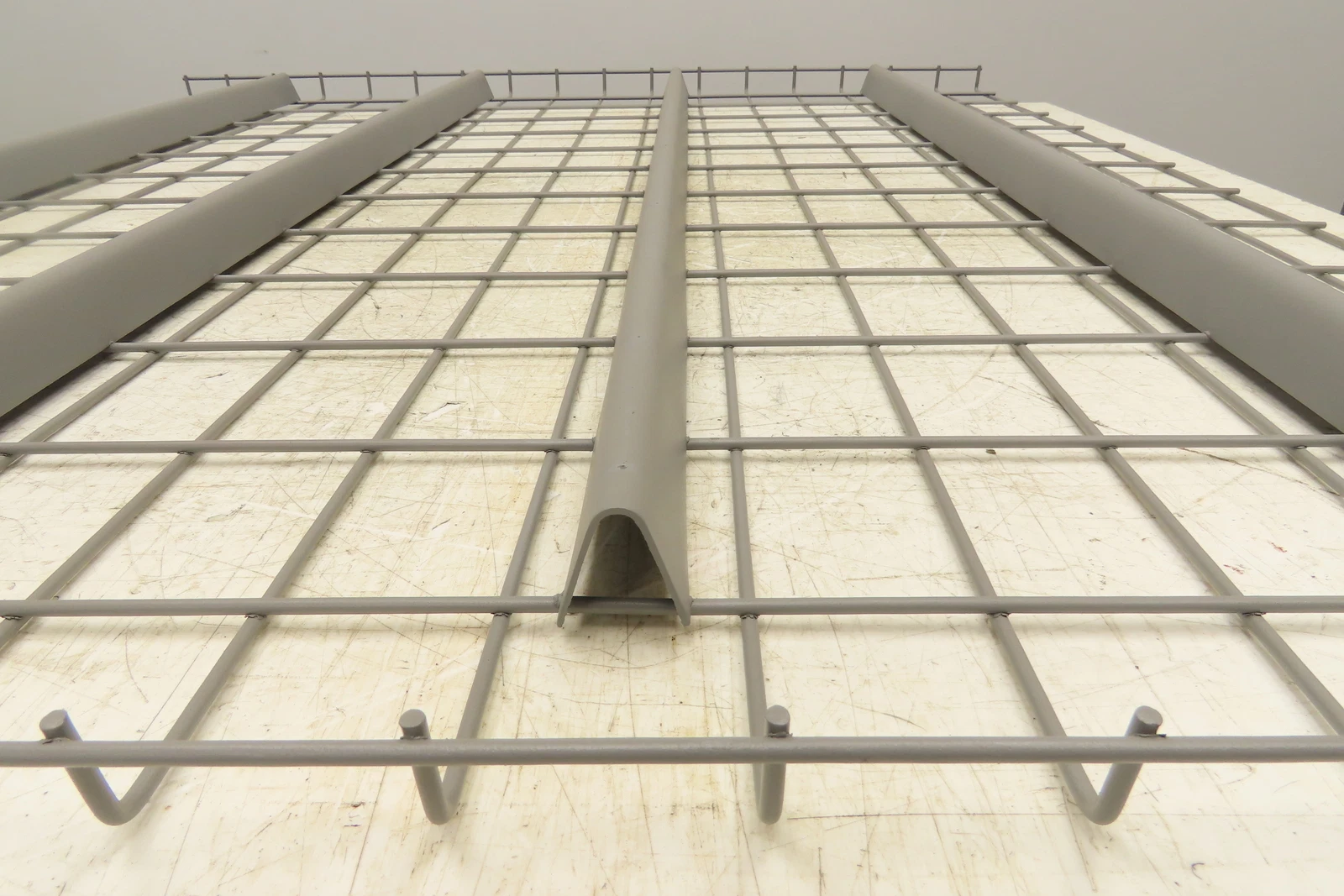
What Role Do Guard Rails Play In Workplace Safety?
How Do Column Protectors Enhance Safety?
Column protectors are a game changer in the world of warehouse safety, primarily because they serve a vital, yet often overlooked, role in safeguarding both people and property. Imagine a bustling warehouse, with racking systems stacked high and busy workers maneuvering through tight spaces. The risk of collision is ever-present, particularly with heavy machinery and fast-paced operations. Column protectors act as robust barriers, absorbing impacts from forklifts and other vehicles that might otherwise damage structural columns.
At the heart of these protectors is an understanding of the real-life challenges that workers face daily. These aren’t just idle pieces of plastic or metal; they are a commitment to the safety of every individual on the floor. When a worker knows that there’s a reliable protector standing between them and a potential accident, it fosters a sense of reassurance and allows them to concentrate on their tasks without fear.
From a rational standpoint, the cost of implementing column protectors pales in comparison to the expenses associated with workplace accidents. When a column is damaged, it can lead to costly repairs, disruptions in workflow, and even injuries, which affect morale and productivity. Investing in these safety measures makes sense not just from a budget perspective but also as a moral obligation to prioritize the well-being of employees who contribute to the company’s success.
Ethically, we are drawn to the idea that every worker deserves a safe environment. Column protectors are about more than just preserving property; they symbolize a culture of safety that values human lives. This commitment to safety resonates throughout the workplace, creating a shared responsibility among all employees to look out for one another.
Narratively, think about the stories that emerge from a workplace with effective safety measures in place. There’s the seasoned employee who has spent decades perfecting their craft and can now mentor newcomers in an environment where safety isn’t an afterthought. There’s a camaraderie that develops when everyone contributes to making the work environment safer, leading to a better overall experience for all.
Socially, workplaces that prioritize safety often see improved morale and retention. Employees want to feel valued; when they see their company investing in their safety, it strengthens the bond between employer and employee. Column protectors are just one piece of the puzzle, but they make a significant difference in building a culture where safety and productivity go hand in hand.

How Do Column Protectors Enhance Safety?
How Do Column Protectors Enhance Safety?
- Column protectors enhance warehouse safety by protecting people and property.
- They serve as barriers against impacts from heavy machinery, reducing accident risks.
- Provide reassurance to workers, allowing them to focus on their tasks safely.
- Cost-effective compared to expenses from workplace accidents and repairs.
- Symbolize a culture of safety and a commitment to employee well-being.
- Foster camaraderie and mentorship among workers in a safe environment.
- Improve employee morale and retention by demonstrating value for safety.

How Do Column Protectors Enhance Safety?
Can Guard Rails Reduce Workplace Accidents Effectively?
When it comes to safety in the workplace, we all know that keeping our crew out of harm’s way is job number one. But the reality is that accidents can happen in the blink of an eye, especially in environments filled with heavy equipment and bustling activity. It’s not just about protecting assets; it’s about safeguarding lives. That’s where guardrails come into play, acting as a frontline defense against tragic mishaps.
Picture this: a warehouse humming with the sounds of racking systems being loaded and unloaded. Forklifts zip back and forth, and employees navigate tight spaces, all while trying to meet deadlines. The stakes are high, and a single lapse in attention can lead to catastrophic consequences. Guard rails can help mitigate those risks by providing a physical barrier that diminishes the chances of falls and collisions.
Now, think about the emotional aspect. Losing a colleague to an accident is something no one should ever have to endure. Each life lost is a family shattered, a community broken. Installing guardrails is a straightforward action with the potential to save lives and maintain the spirits of those who come to work every day. The peace of mind that comes with knowing that safety measures are in place can foster a sense of belonging and commitment among workers—a true testament to the value of human life over profit.
From a rational standpoint, the numbers don’t lie. Studies have shown that workplaces with proper safety railings see a significant drop in accidents. It’s an investment that pays off, not just in terms of insurance savings and reduced legal liabilities, but also in productivity. When employees know they are safe, they’re more focused and engaged in their tasks. It’s a win-win for both management and the workforce.
Moreover, there’s an ethical responsibility at play here. Companies have a duty to provide a safe environment for their employees. By implementing guardrails, organizations demonstrate their commitment to safety and well-being, fostering trust within their teams. It’s about ensuring everyone goes home safe, and that’s a promise worth keeping.
Through the lens of shared experiences, every worker has a story—an encounter where just a few inches could mean a world of difference. Let’s not wait for a close call to take action. Guard rails can be that simple solution that makes a profound impact, standing as a testament to our dedication to safety. Let’s show our commitment to creating a safer workplace where everyone feels secure and valued, watching out for each other in the daily grind of life on the job.

Can Guard Rails Reduce Workplace Accidents Effectively?
Can Guard Rails Reduce Workplace Accidents Effectively?
- Workplace safety is essential to protect employees from accidents, especially in high-activity environments.
- Guardrails serve as a frontline defense against accidents, reducing the risk of falls and collisions.
- The emotional impact of workplace accidents is significant, affecting families and communities.
- Installing guardrails can enhance workplace morale and foster a sense of belonging among employees.
- Proper safety measures lead to decreased accident rates, contributing to productivity and cost savings.
- Companies have an ethical obligation to ensure a safe working environment, building trust within their teams.
- Proactive safety measures, like guardrails, make a substantial impact on protecting lives in the workplace.

Can Guard Rails Reduce Workplace Accidents Effectively?
What Are the Best Materials for Durable Guard Rails?
When it comes to guard rails, you want materials that stand the test of time, offering safety without driving you mad with upkeep. Think about your family, your neighbors, and everyone who uses your property. You’re not just installing guard rails; you’re building a protective line that gives peace of mind. In that spirit, let’s break down some of the best materials for those rails.
Steel is king when it comes to durability. It’s tough and can take a beating. Whether it’s the harsh sun or a relentless storm, steel guard rails show up, day in and day out. And here’s the kicker: it comes in a range of finishes that can fit right in with any aesthetic. You can set it up with racking systems for added support in steep terrain or heavily trafficked areas, creating a reliable barrier that can adapt as your needs change.
Then there’s wood, which has both charm and character. While it may require a bit more maintenance, properly treated wood can stand tall against the elements, giving warmth and a natural touch to your landscape. Imagine a wooden guard rail embracing the natural beauty of your property while providing safety. The wear and tear it experiences add to its story, making it feel part of the environment, not just a fixture.
Composite materials are the best of both worlds. They combine the beauty of wood with the durability of plastic, meaning you won’t have to worry about rot or termites. They come in a variety of colors and styles, making it easy to find something that fits your vision without the hassle of constant upkeep. It’s all about finding that balance between appearance and practicality.
Let’s not forget about aluminum, which is lightweight and resistant to rust. It’s a smart option for those who need something easy to install but still want peace of mind. Plus, it never hurts to have an option that requires less maintenance, allowing you to spend your weekends on things that matter more, like family or hobbies.
Choosing the right guard rail material isn’t just about sticking to a budget; it’s about investing in something that protects lives. It’s the kind of decision that echoes through generations. Whatever material you choose, make sure it reflects your values and needs, ensuring safety with every installation. After all, at the end of the day, it’s about safeguarding what matters most.
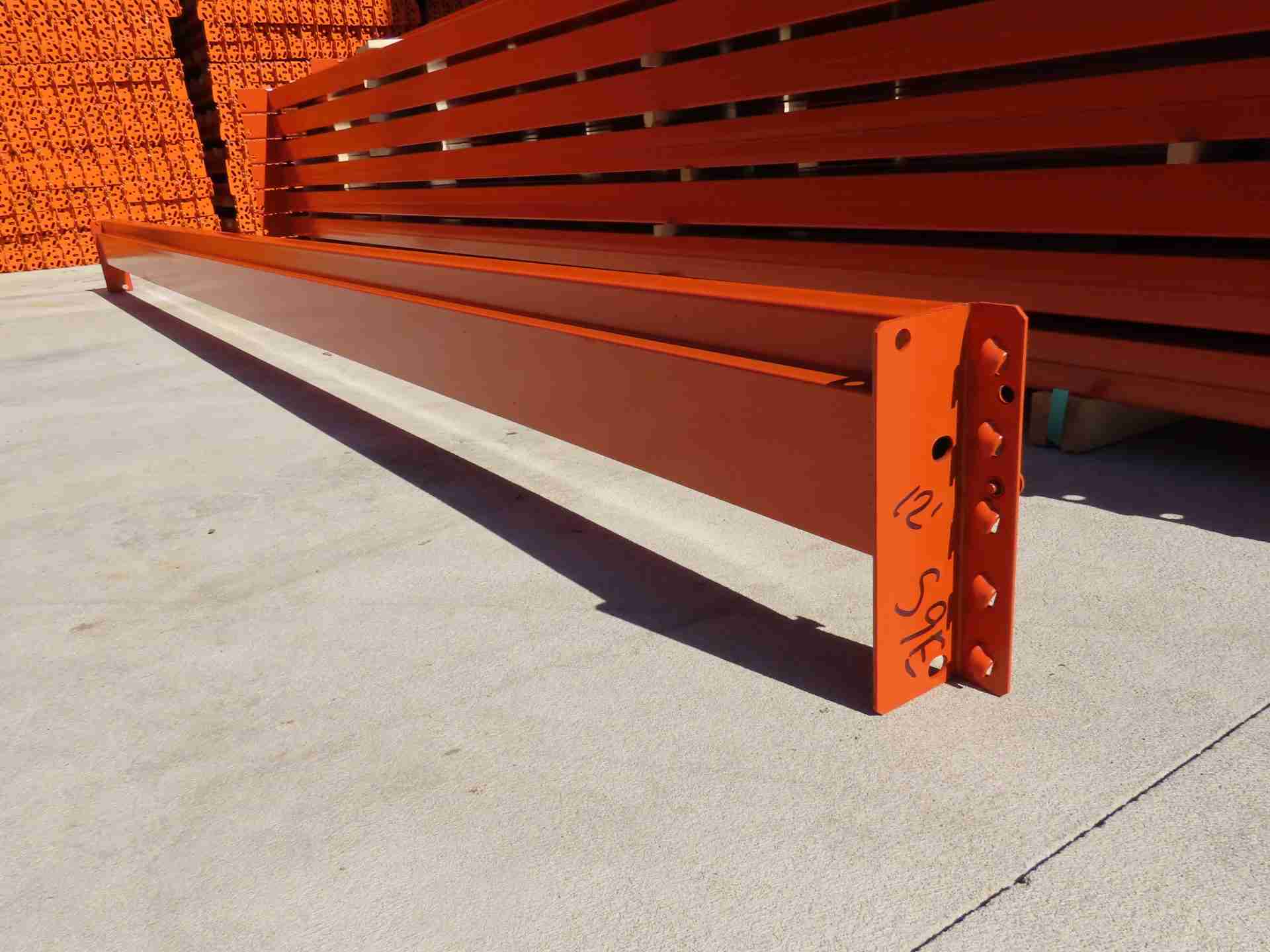
What Are the Best Materials for Durable Guard Rails?
What Are the Best Materials for Durable Guard Rails?
- Guard rails should be made of durable materials for safety and minimal upkeep.
- Steel guard rails offer exceptional durability and come in various finishes to match aesthetics.
- Wood provides charm and warmth, but requires more maintenance; properly treated wood can withstand elements.
- Composite materials combine the beauty of wood with the durability of plastic; resistant to rot and termites.
- Aluminum is lightweight, rust-resistant, and easy to install, requiring less maintenance.
- Selecting the right material is an investment in safety, affecting future generations.
- Prioritize materials that reflect personal values and needs while ensuring safety.

What Are the Best Materials for Durable Guard Rails?
How Can Column Protectors Be Integrated Into Existing Spaces?
Column protectors are more than just functional pieces for any workspace; they’re a bridge between practicality and the heart of a bustling environment. Integrating column protectors into existing spaces can be as straightforward as piecing together a puzzle if you approach it with the right mindset. Picture a busy warehouse or a bustling workshop where mistakes can lead to costly damages. This is where the importance of racking systems and the rugged reliability of column protection come into play.
First off, think of column protectors as the unsung heroes of your space. They’re the first line of defense against the heavy-load traffic that racking systems bring. You can almost feel the collective sigh of relief when a well-placed protector absorbs the impact from a wayward forklift, saving both the column and the pocketbook. When your team knows these protectors are there, it boosts their confidence. They focus less on avoiding hazards and more on the job at hand, leading to improved productivity and morale.
Now, let’s get practical. Picking the right column protector needs to start with understanding your environment. Are you dealing with a bustling warehouse floor, a meticulous retail space, or a dynamic manufacturing site? Each scenario calls for thoughtful integration, ensuring you’re not just slapping protectors on without a plan. The best column protectors fit seamlessly into the overall design, complementing your racking systems and enhancing workflow rather than hindering it.
From an ethical standpoint, investing in column protectors speaks volumes about your commitment to safety and efficiency. It’s about taking responsibility for your team’s welfare and the longevity of your infrastructure. And while some might see it as an added expense, wiser heads recognize it as an investment—one that pays dividends over time through accident prevention and reduced repair costs.
Telling a story about a small company that faced hefty repairs after repeated impacts can drive this point home. After integrating column protectors, not only did their damage costs drop, but the team felt a renewed sense of pride in their workplace. Their space transformed from a risk-laden environment into a haven for productivity.
When you bring column protectors into the fold, you’re not just upgrading your space; you’re fostering a culture of care and responsibility that resonates with everyone involved. It’s a simple step that cultivates trust, sparks action, and inspires confidence in your everyday operations, proving that sometimes the simplest solutions are the most profound.
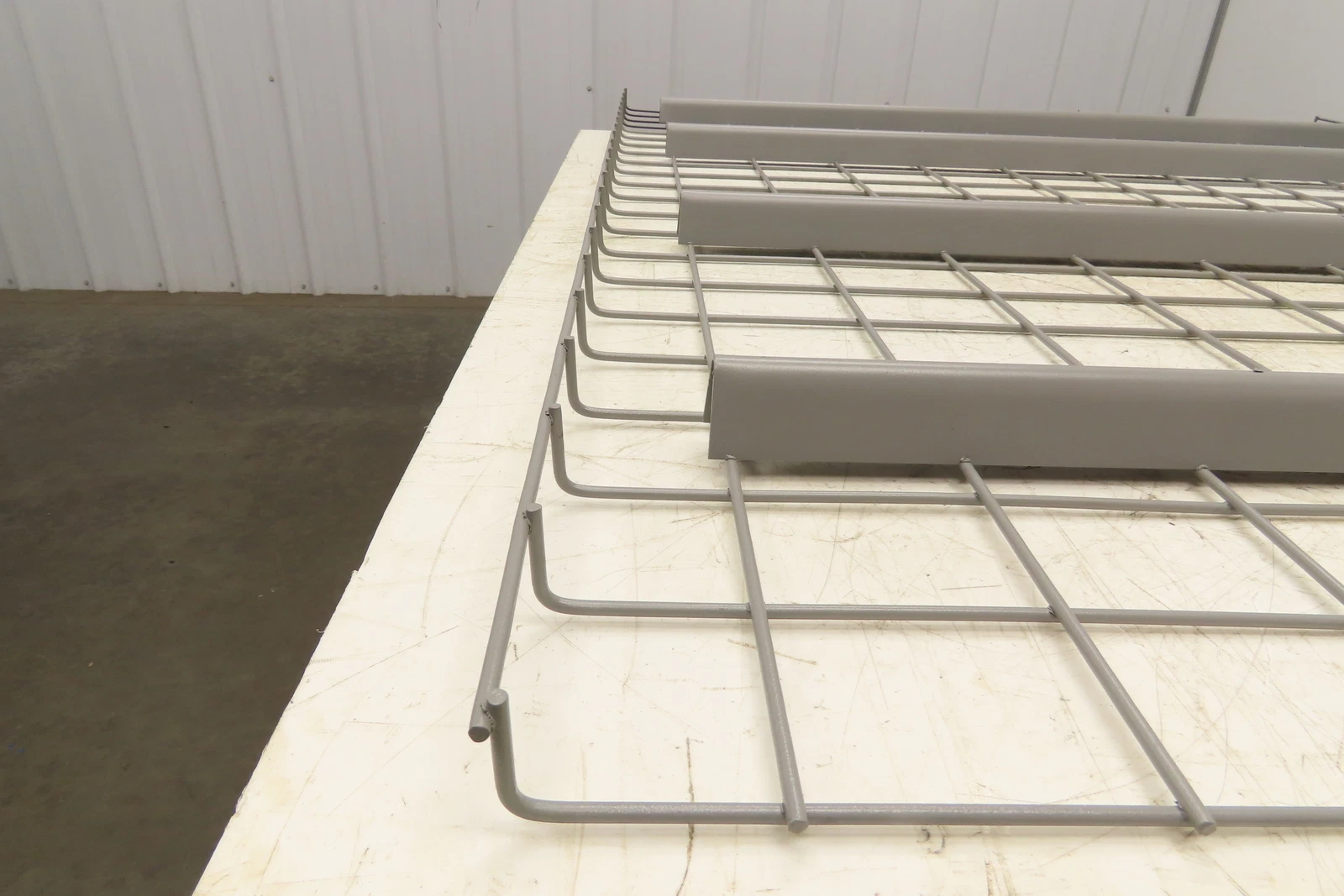
How Can Column Protectors Be Integrated Into Existing Spaces?
How Can Column Protectors Be Integrated Into Existing Spaces?
- Column protectors act as a bridge between functionality and the dynamic nature of workspaces.
- They serve as the first line of defense against damage from heavy-load traffic in warehouses and workshops.
- Well-placed protectors enhance team confidence, allowing for improved focus on tasks and increased productivity.
- Choosing the right column protector requires understanding the specific environment for effective integration.
- Investing in column protectors demonstrates a commitment to safety, efficiency, and long-term infrastructure longevity.
- Success stories show significant reductions in repair costs and enhanced employee pride after implementing column protection.
- Implementing column protectors fosters a culture of care, responsibility, and confidence in daily operations.
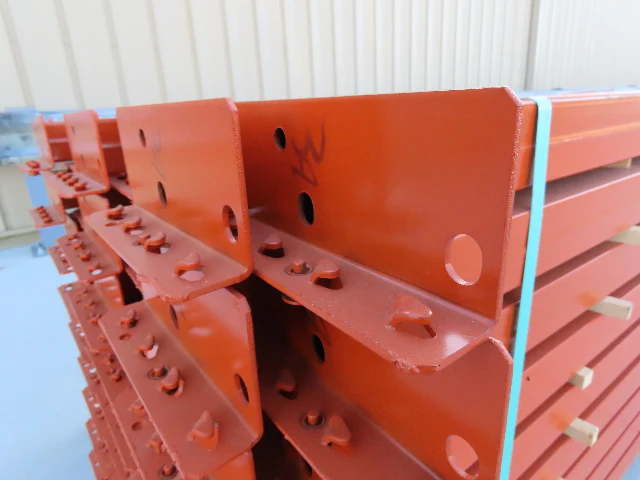
How Can Column Protectors Be Integrated Into Existing Spaces?
What Safety Standards Should Guard Rails Meet?
When it comes to guard rails, the stakes are higher than just simple barriers; they’re the frontline in the battle against accidents. Picture a bustling warehouse or a construction site, where everyone is focused on getting the job done right. You’ve got machines whirring, people moving fast, and a slip or a stumble can lead to serious injury. That’s why guard rails are more than an afterthought; they are a critical line of defense.
First and foremost, guard rails must meet rigorous safety standards to protect those who depend on them day in and day out. They should be designed to withstand significant impact, discouraging falls while ensuring stability. Standards set by organizations like OSHA and ANSI provide a roadmap, detailing heights, strength requirements, and load-bearing capacities. Adhering to these guidelines is not just about compliance; it’s about doing right by the hard-working folks who rely on them. Knowing that a guard rail meets or exceeds safety standards offers peace of mind, allowing workers to focus on their tasks rather than worry about what might happen if the unexpected occurs.
Consider the narrative of a worker using racking systems to organize inventory. The bustling activity around them speaks to the hectic pace of the job. If a guard rail fails, it’s not just an accident; it’s a moment that could change lives forever. From broken bones to worst-case scenarios, the consequences ripple outwards, affecting families, friendships, and whole communities. Ethical responsibility calls for the best materials and the strongest designs, ensuring these structures serve their purpose effectively.
Trust also comes into play. When working with suppliers and manufacturers, it’s crucial to seek out those with a record of excellence. Look for certifications, previous projects, and testimonials from trusted peers. The community vibe counts; sharing insights with others in the field about which guard rails hold up and which ones fizzle out under pressure adds to the collective knowledge. It creates a culture of safety, where everyone works together to ensure that the next person to cross that threshold is protected.
Guard rails embody the very principles of prevention. They are the quiet heroes, safeguarding lives in often chaotic environments. By choosing wisely and insisting on top-tier standards, we can ensure that these unseen barriers stand ready to protect, elevating safety as a shared commitment on every site.

What Safety Standards Should Guard Rails Meet?
What Safety Standards Should Guard Rails Meet?
- Guard rails serve as critical barriers in accident prevention at warehouses and construction sites.
- They must comply with safety standards established by organizations like OSHA and ANSI.
- Properly designed guard rails withstand impacts and prevent falls, ensuring worker safety.
- Failures of guard rails can lead to serious injuries, affecting not just individuals but also their families and communities.
- Choosing high-quality materials and designs reflects an ethical responsibility toward safety.
- Building trust with suppliers involves seeking certifications and sharing experiences among peers.
- Guard rails are essential for creating a culture of safety in chaotic work environments.

What Safety Standards Should Guard Rails Meet?
Conclusion
Guard rails and column protectors serve as essential elements in workplace safety, particularly in high-risk environments like warehouses and construction sites. These structures are more than mere accessories; they are critical defenses against accidents, providing workers with peace of mind as they navigate bustling operations. In an industry where even a moment’s distraction can lead to disaster, guard rails offer a reassuring boundary, guiding employees away from potential hazards and fostering a culture of safety.
Column protectors play a similar role, absorbing impacts from machinery and preventing damage to important structural elements, thereby enhancing safety and reducing downtime from injuries. The presence of these protective measures cultivates trust among workers, creating a collective responsibility towards maintaining a safe environment. Investing in such safety features is not merely a regulatory requirement but an ethical obligation, underscoring the value of human life and well-being above profits.
Moreover, the emotional impact of safety measures cannot be overstated. Each accident avoided reflects a family kept whole, a community preserved from grief. Proper safety investments signal to employees that their well-being is paramount, leading to higher morale and trust in leadership. Real-world experiences reinforce this belief—stories of narrow escapes, backed by effective safety implementations, serve as powerful reminders of the importance of vigilance.
Beyond ethical and emotional appeals, a rational examination of the costs associated with workplace accidents demonstrates the practicality of investing in guard rails and column protectors. The financial repercussions of injuries extend far beyond immediate medical expenses; they include lost productivity, increased insurance premiums, and decreased employee morale. In contrast, a proactive safety strategy can lead to significant long-term savings while enhancing overall workplace efficiency.
Integrating quality materials into these safety features further solidifies their effectiveness. Durable options like steel, wood, and composite materials ensure that guard rails and column protectors stand resilient against wear and tear. The choice of materials reflects a commitment to quality and reliability, which resonates with workers’ sentiments and builds a robust safety culture.
Ultimately, prioritizing safety through the implementation of guard rails and column protectors is a fundamental component of creating a thriving workplace. It’s not just about meeting standards but fostering an environment where every individual feels valued, respected, and protected. By investing in safety measures, businesses lay the groundwork for stronger teams and more resilient operations, ultimately contributing to a safer, more secure work atmosphere for all.

Conclusion
Conclusion:
- Guard rails and column protectors are vital for workplace safety in high-risk environments like warehouses and construction sites.
- They serve as crucial defenses against accidents, providing peace of mind to workers.
- Column protectors absorb impacts, enhancing safety and reducing downtime from injuries.
- Investing in safety features reflects an ethical obligation toward human life and well-being.
- Proper safety measures boost employee morale and trust in leadership, leading to a positive workplace culture.
- Financial analysis shows that proactive safety strategies can lead to significant long-term savings and improved efficiency.
- Using quality materials for guard rails and column protectors indicates a commitment to safety and reliability.

Conclusion
Other Resources

Other Resources
Here is a list of other resources you can review online to learn more:
- CA Wire
- SEMA
- Racking World
- Rack Manufacturers Institute
- Warehousing and Fulfillment
- Mustang Material Handling
- ASSP
- Pallet Racks, Pallet Racking, Pallet Shelves in Stock – ULINE
- Cantilever Racks Chicago
- American Society of Safety Professionals
- BMH
- Cantilever Racking Specialists – Get the Right Racks
- What is Cantilever Racking? – AK Material Handling Systems
- Used Teardrop Pallet Rack – American Surplus
- Iowa Illinois Warehouse Racking
- Logic Material Handling
- Pallet Racking systems in Illinois, Great Lakes
- Pallet Rack Systems – New and Used Pallet Racking and Shelving Experts
- Teardrop Uprights
Use This Prompt To Get More Resources With Your Favorite Online AI Tool: Please provide me with a list of online articles with their URLs in a bulleted list that I can read regarding Guard Rails, Column Protectors, and Safety Strategy

Other Resources
Glossary Terms
Guard Rails, Column Protectors, and Safety Strategy – Glossary Of Terms
1. Guard Rails: Barriers designed to prevent vehicles or individuals from straying into dangerous areas.
2. Column Protectors: Protective coverings or devices installed around columns to prevent damage from collisions.
3. Safety Strategy: A comprehensive plan outlining measures to minimize accidents and enhance safety in a work environment.
4. Impact Barriers: Structures designed to absorb and dissipate the energy from impacts, reducing damage and injury.
5. Safety Signage: Visual indicators used to communicate safety information and warnings in various environments.
6. Work Zone Safety: Protocols and measures implemented to protect workers and the public during construction or maintenance activities.
7. Hazard Assessment: The process of identifying and evaluating potential hazards in a specific environment.
8. Risk Mitigation: Strategies employed to reduce the likelihood or impact of identified risks.
9. Traffic Control Devices: Tools such as cones, signs, and barriers used to guide and manage vehicle and pedestrian traffic.
10. Safety Compliance: Adherence to laws, regulations, and standards aimed at ensuring workplace safety.
11. Emergency Evacuation Plan: A pre-established procedure for safely exiting a building during an emergency situation.
12. Personal Protective Equipment (PPE): Gear designed to protect workers from specific hazards in the workplace.
13. Warehouse Safety: Best practices and procedures to ensure safety in storage and distribution facilities.
14. Structural Integrity: The ability of a structure to withstand its intended load without failure.
15. Incident Report: Documentation detailing an unplanned event that resulted in injury or damage.
16. Safety Audit: An evaluation of a company’s safety practices and compliance with regulations.
17. Environmental Controls: Measures implemented to mitigate hazards and protect the environment in various settings.
18. Forklift Safety: Guidelines and practices aimed at ensuring safe operation of forklifts and other lifting equipment.
19. Fall Protection: Systems and equipment designed to prevent individuals from falling from heights.
20. Emergency Response Team: A group designated to respond to and manage emergency situations effectively.
21. Site Safety Officer: An individual responsible for overseeing safety protocols and compliance at a worksite.
22. Load Capacity: The maximum weight or force that a structure or equipment can safely support.
23. Safety Training: Programs designed to educate workers on safe practices and hazard awareness.
24. Incident Response Protocol: A predefined set of actions to be taken in response to an emergency or safety incident.
25. Safety Culture: The shared values, beliefs, and behaviors regarding safety within an organization.
26. Ergonomics: The science of designing workspaces, tools, and tasks to fit human capabilities and reduce strain.
27. Compliance Training: Education focused on understanding and adhering to safety regulations and standards.
28. Safety Standards: Established guidelines that define the minimum acceptable safety measures in various industries.
29. Equipment Maintenance: Regular checks and repairs performed on machinery to ensure safe operation and efficiency.
30. Fire Safety Plan: A set of procedures aimed at preventing, detecting, and responding to fire emergencies.

Glossary Of Terms
Other Questions
Guard Rails, Column Protectors, and Safety Strategy – Other Questions
If you wish to explore and discover more, consider looking for answers to these questions:
- What specific height, spacing, and load-bearing requirements should guard rails meet in industrial and warehouse settings?
- Which regulations and standards apply to guard rails and column protectors (OSHA, ANSI, IBC, EN, local codes)?
- How do I determine the correct type, size, and material for guard rails and column protectors for my facility?
- What are the impact or energy-absorption ratings for column protectors and guard rails, and how are they tested?
- How much do guard rails and column protectors typically cost (materials plus installation) and what affects price?
- What is the expected service life for steel, aluminum, composite, HDPE, and wood protectors, and what maintenance do they require?
- How are guard rails and column protectors installed (bolted, welded, cast-in-place) and which methods are best for retrofitting existing spaces?
- Can column protectors and guard rails be integrated into existing racking and layout without major operational downtime?
- What anchoring or foundation requirements exist for heavy-duty barriers in high-impact areas?
- How should I conduct a risk assessment to prioritize where to place guard rails and column protectors?
- How do guard rails and column protectors affect aisle widths, traffic flow, and material handling efficiency?
- Which solutions are best for compatibility with forklifts, pallet jacks, AGVs, and other automated equipment?
- What visibility and marking best practices (colors, reflective tape, signage) maximize the effectiveness of barriers?
- What inspection routines and checklists should be used to monitor the condition and performance of guard rails and protectors?
- How quickly must damaged protectors be repaired or replaced, and when should a structural column be professionally evaluated?
- Who within the organization should be responsible for maintenance, documentation, and compliance of these safety systems?
- Are there warranties, maintenance agreements, or service plans available from manufacturers or installers?
- How do you calculate ROI or cost-benefit for investing in guard rails and column protectors (reduced accidents, insurance, downtime)?
- Are there tax incentives, grants, or insurance discounts for implementing workplace barriers?
- How do guard rails and column protectors integrate with emergency egress, fire protection, and evacuation routes?
- What common installation and specification mistakes should be avoided?
- How should training, speed limits, traffic management, and behavioral programs be combined with physical barriers for maximum safety?
- How do different materials perform under extreme conditions (corrosion, chemicals, UV, low/high temperatures, outdoor exposure)?
- Are modular, removable, or adjustable barrier systems available for facilities that change layout frequently?
- What certifications, references, or qualifications should I require from suppliers and installers?
- Can you provide case studies, incident statistics, or before/after data showing the effectiveness of guard rails and column protectors?
- How should near-misses and incidents involving barriers be recorded and used to improve safety strategy?
- What aesthetic or branding options exist for guard rails and protectors without compromising safety?

Other Questions
Checklist
Guard Rails, Column Protectors, and Safety Strategy – A Checklist
Leadership and Culture
✅______ Leadership has publicly committed to a safety-first culture
✅______ Safety objectives are defined, measurable, and visible to all teams
✅______ Near-miss reporting is encouraged and non-punitive
✅______ Budget is allocated for prevention, not just compliance
Risk Assessment and Planning
✅______ Current traffic patterns mapped (people, forklifts, pallet jacks)
✅______ High-risk zones identified (edges, docks, mezzanines, rack ends, machinery, blind corners)
✅______ Structural columns and rack uprights inventoried with sizes and impact zones
✅______ Clear pedestrian walkways and vehicle aisles planned with separation
✅______ Egress routes and emergency access verified to remain unobstructed
Standards and Compliance
✅______ Guard rails meet OSHA 1910 (Walking-Working Surfaces) requirements
✅______ Top rail height, mid-rail, and load capacity verified (e.g., top rail approximately 42 in ± 3 in; withstands 200 lb outward or downward)
✅______ Toe boards installed where falling-object hazards exist
✅______ Racking and related protection align with ANSI/RMI MH16.1 (or local code) and manufacturer guidance
✅______ Local building and fire codes reviewed for clearances and protection requirements
Design and Material Selection
✅______ Material chosen for duty cycle and environment (steel, aluminum, composite, treated wood)
✅______ Impact rating and test data reviewed for guard rails and column protectors
✅______ High-visibility colors and reflectors specified where traffic is heavy or lighting is low
✅______ Surface finishes selected for corrosion, weather, and chemical resistance
✅______ Modular systems considered for future reconfiguration
Guard Rails – Placement and Installation
✅______ Installed at mezzanine edges, elevated platforms, docks, pits, stairs, and around critical equipment
✅______ End-of-aisle and rack-end protection included to separate vehicles and pedestrians
✅______ Anchors, posts, and hardware rated for slab and impact loads; torque specifications documented
✅______ Minimum setbacks from equipment and door swings maintained
✅______ Fastener locations scanned to avoid post-tension cables and utilities
✅______ Signage and floor markings coordinated with rail layout
Column Protectors – Selection and Integration
✅______ Protector type matched to column or rack size and expected impact (bolt-down, wrap-around, snap-on)
✅______ Protector height covers the typical forklift or pallet jack strike zone
✅______ Clearance verified for turning radii and pallet overhangs
✅______ 3- or 4-sided protection used at corners and high-traffic intersections
✅______ Installations do not reduce required aisle widths or block egress
✅______ Protectors coordinated with racking systems and manufacturer constraints
Operations and Training
✅______ Traffic rules, speed limits, and right-of-way posted and enforced
✅______ Operators and pedestrians trained on new routes and barriers
✅______ Spotter protocols established for tight or mixed-traffic areas
✅______ New-hire and refresher training scheduled and tracked
Inspection and Maintenance
✅______ Pre-start walk-arounds include rails and protectors
✅______ Formal inspections scheduled (e.g., monthly or quarterly) with checklists
✅______ Post-impact inspections required; damaged components replaced promptly
✅______ Anchor torque and hardware integrity verified per schedule
✅______ Paint and finish touch-ups and reflectivity maintained for visibility
✅______ Spare parts inventory maintained for rapid replacement
Performance and Continuous Improvement
✅______ Incidents, impacts, and near-misses logged with root cause analysis
✅______ KPIs tracked (impact frequency, injury rate, downtime, repair costs)
✅______ Layouts adjusted based on data and worker feedback
✅______ Vendor performance and product durability reviewed annually
Procurement and Documentation
✅______ Vendor certifications, warranties, and test reports collected
✅______ Shop drawings and as-builts approved and archived
✅______ Installation records include anchor specifications, torque values, and dates
✅______ Maintenance logs and inspection records retained for audits
Readiness Check (Go/No-Go)
✅______ All high-risk zones protected with appropriate rails and protectors
✅______ Compliance verified by safety and engineering before go-live
✅______ Workers briefed; signage and floor marks in place
✅______ Emergency access and egress confirmed clear
✅______ Post-installation review scheduled to validate effectiveness

Checklist
At RackingWorld, we help guide you through selecting warehouse storage systems and racking.
Be sure to read our other related stories at RackingWorld to learn more about warehouse storage systems.
0 Comments