
Mastering Safety: The Heartfelt Guide To Smart Rack Planning
By Tom Seest
At RackingWorld, we help guide you through selecting warehouse storage systems and racking.
Be sure to read our other related stories at RackingWorld to learn more about warehouse storage systems.
Fire Code Spacing and Rack Planning
When it comes to fire code spacing and rack planning, understanding the balance between compliance and practicality can feel like walking a tightrope. It’s about more than just avoiding fines; it’s about ensuring the safety of the people around us, protecting our hard-earned assets, and maintaining our community’s trust. A well-structured racking system is your first line of defense against chaos and disaster.
Imagine a bustling warehouse filled with stacks of products, everything neatly organized yet easily accessible. It’s a sight to behold. But take a step back, and look again. Those racking systems are not just metal shelves; they’re a lifeline during an emergency. When we talk fire code spacing, we’re not just checking boxes on a compliance form; we’re creating a safe environment where firefighters can maneuver swiftly and efficiently. The difference between a few extra inches can be the difference between life and death.
Ethically, we owe it to our employees and our community to be diligent in our planning. A well-thought-out rack layout shows that we care. It communicates to our team that their safety is a priority, fostering a sense of belonging and trust. When everyone knows that safety measures are taken seriously, it cultivates a workplace culture where people look out for one another.
From a rational perspective, neglected spacing isn’t just risky; it can disrupt operations. When racks are too close together, you’re not just breaking the law; you’re slowing down productivity and making it harder for workers to do their jobs efficiently. Think about how frustrating it can be when fire hazards become roadblocks in your daily operations. Maintaining the right spacing allows smooth navigation through the aisles, making everything from stock checks to emergency exits seamless.
Stories abound of warehouses where ignorance of spacing rules led to devastating fires. Every time you hear about a space gone wrong, it hammers home the message that we cannot afford to cut corners. It’s about respecting the regulations that bring order to chaos. Community strength comes from understanding these responsibilities. When we all play our part, we create a shield of safety that protects what we’ve built and the people we care about.
So, invest in your racking systems and plan with care. Each choice shapes not only the safety of your operations but also the trust and reliability your team can count on. Taking pride in these details reflects not just on the warehouse, but on all of us who call it home.
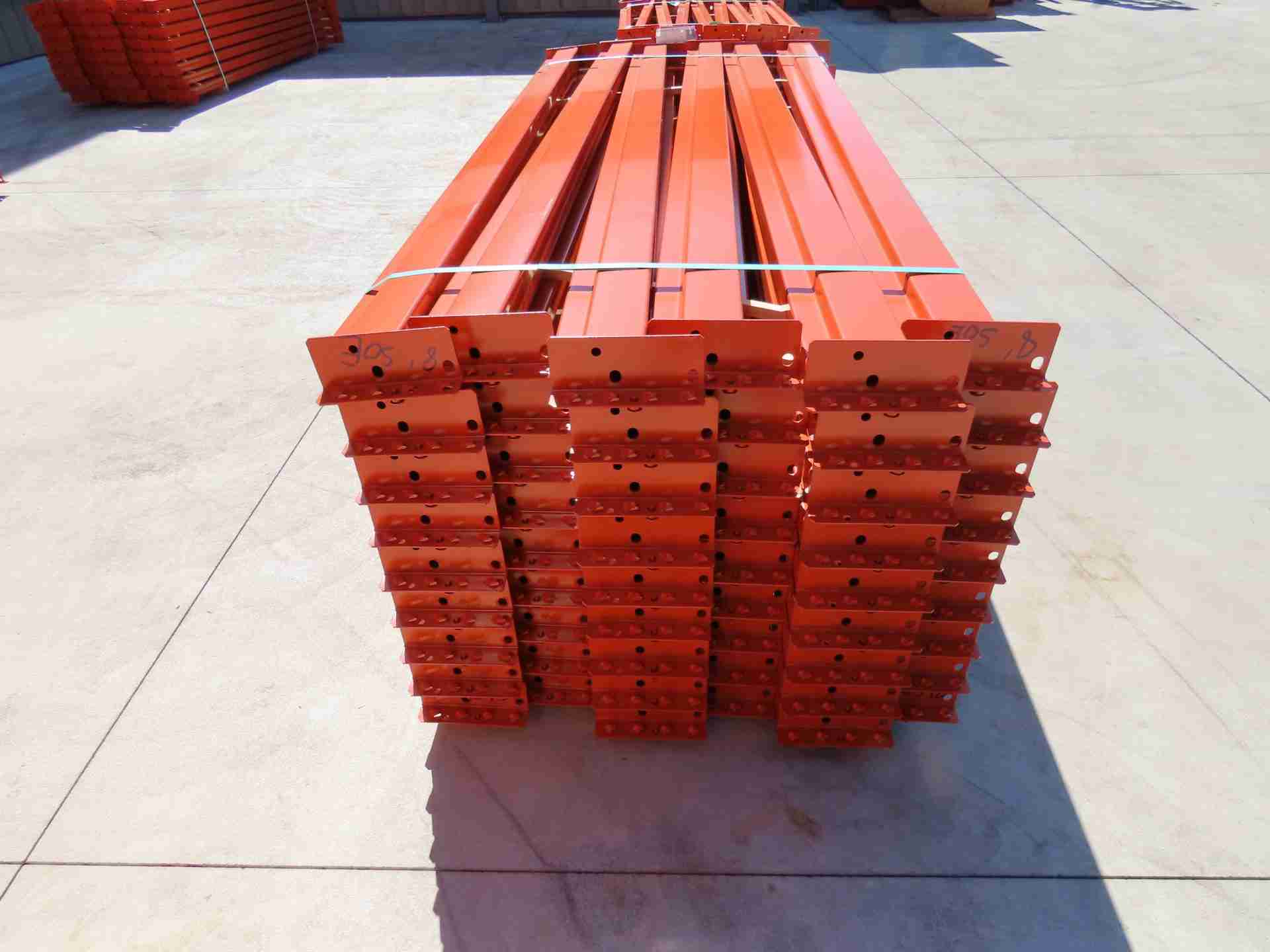
Fire Code Spacing and Rack Planning
Fire Code Spacing and Rack Planning
- Balancing fire code compliance and practical rack planning is essential for safety and trust.
- A well-structured racking system serves as a first line of defense during emergencies.
- Fire code spacing ensures quick firefighter access, potentially saving lives.
- Careful rack layout fosters employee safety and a sense of community belonging.
- Poor spacing can hinder productivity, disrupt operations, and create hazards.
- Neglecting spacing regulations can lead to dangerous situations and devastating fires.
- Investing in racking systems enhances operational safety and fosters team reliability.

Fire Code Spacing and Rack Planning
Table Of Contents
- Fire Code Spacing and Rack Planning
- What Are the Safety Implications Of Improper Rack Spacing?
- How Can Optimal Spacing Enhance Warehouse Efficiency?
- What Fire Hazards Can Arise From Negligent Rack Planning?
- How Does Code Compliance Affect Insurance Liabilities?
- What Role Do Fire Codes Play In Protecting Lives and Properties?
- Can Improper Rack Alignment Lead to Catastrophic Failures?
- Conclusion
- Other Resources
- Glossary Of Terms
- Other Questions
- Checklist
What Are the Safety Implications Of Improper Rack Spacing?
In the world of warehousing and inventory management, the importance of proper rack spacing can’t be overstated. It’s the bedrock of safe racking systems, and when that foundation is shaky, the risks multiply. Picture this: a busy warehouse, with forklifts zipping around, employees diligently stacking boxes—then, out of nowhere, a poorly spaced rack gives way. Suddenly, a cascade of inventory comes crashing down. It’s not just a mess; it’s a disaster waiting to happen.
Let’s get real for a moment. Improper rack spacing isn’t just a technical oversight; it has real human implications. It places employees’ lives at risk, creating an environment where safety becomes a fleeting notion instead of a priority. When racks aren’t spaced correctly, the chances of a collapse increase, turning a once-efficient workspace into a potential danger zone. No one goes to work expecting to be injured, but neglecting the details can lead to scenarios that change lives forever.
From a rational perspective, the financial burdens that follow an accident can sink a business quicker than a lead balloon. Insurance premiums spike, legal fees mount, and the cost of lost productivity can cripple operations. Taking the time to ensure racks are spaced properly may seem like a minor chore, but it’s one that pays dividends in the long run—protecting not only the workforce but the bottom line as well.
Ethically, we’re all part of a larger community when we step into the workplace. Each person deserves to have a safe environment to do their job, free from preventable hazards. Respecting those we work with means prioritizing safety protocols, including the adherence to proper rack spacing. We each have a role to play, and vigilance in these matters fosters a culture where safety shines bright, inspiring confidence among colleagues.
Think of the authority behind those who’ve walked the floors, who’ve seen firsthand the consequences of negligence. Their stories, rooted in experience, serve as a constant reminder that safety isn’t just a guideline; it’s a responsibility. When we neglect proper rack spacing, we undermine everything we’ve built. It’s not merely about regulations; it’s about protecting ourselves, our partners, and our future.
So, let’s thread this needle of safety through our daily routines. Proper rack spacing isn’t just a checkbox on a compliance form; it’s a commitment to each other, a pledge to foster an environment where everyone can work without fear. It’s about safeguarding lives and livelihoods—a reminder that even the smallest details can lead to monumental outcomes.

What Are the Safety Implications Of Improper Rack Spacing?
What Are the Safety Implications Of Improper Rack Spacing?
- Proper rack spacing is crucial for safe racking systems in warehouses.
- Improper spacing can lead to hazards, risking employee safety and potential accidents.
- Accidents from poor rack spacing can result in significant financial burdens for businesses.
- Maintaining proper rack spacing contributes to productivity and protects the bottom line.
- Prioritizing safety protocols fosters a positive workplace culture and community responsibility.
- Experience from those in the field highlights the importance of adhering to safety regulations.
- Proper rack spacing is a commitment to safety, safeguarding lives and livelihoods.

What Are the Safety Implications Of Improper Rack Spacing?
How Can Optimal Spacing Enhance Warehouse Efficiency?
Optimal spacing in warehouses isn’t just about fitting more items in; it’s about creating an efficient heartbeat for the entire operation. Think of a well-tuned engine. Each part has its place, and when everything’s in sync, the whole machine runs smooth. The warehouse operates similarly, and that’s where racking systems come into play. When racks are spaced just right, you minimize the time spent navigating through aisles, letting workers focus on what matters: getting products in and out quickly and accurately.
Imagine a bustling warehouse where every employee knows their role inside and out. They move with purpose, not dodging piles of boxes or squeezing between racks. That flow doesn’t just boost productivity; it reduces frustration. A worker who feels they can navigate their day without constantly battling clutter is more likely to snap a smile when they clock in. And let’s face it, a positive atmosphere brings everyone together. The social fabric of a warehouse is woven tighter when workers aren’t wasting energy battling their surroundings.
Beyond the tangible benefits, there’s an ethical aspect to consider. Creating a safe and organized workspace shows respect for your team. It tells them that their well-being matters. When you design your warehouse with optimal spacing in mind, you showcase a culture that values every person’s contribution. It fosters trust between management and staff, leading to greater motivation and loyalty.
Now, let’s sprinkle in some authority here. Experts consistently highlight that logical racking systems enhance efficiency. Having the right spacing is not a mere suggestion; it’s best practice supported by seasoned pros who’ve seen what works in the trenches. They know that efficient storage translates directly to improved bottom lines. When profits rise, it’s not just about the numbers; it’s about providing for families, investing in growth, and making a real difference in the community.
At the end of the day, optimal spacing in a warehouse isn’t merely a strategy for organization; it’s about cultivating a space where people can thrive, where teamwork flourishes, and where the rhythm of work syncs perfectly with the pulse of productivity. When you optimize that space, you’re paving the way for success, not just for the business but for every individual who walks through those doors.
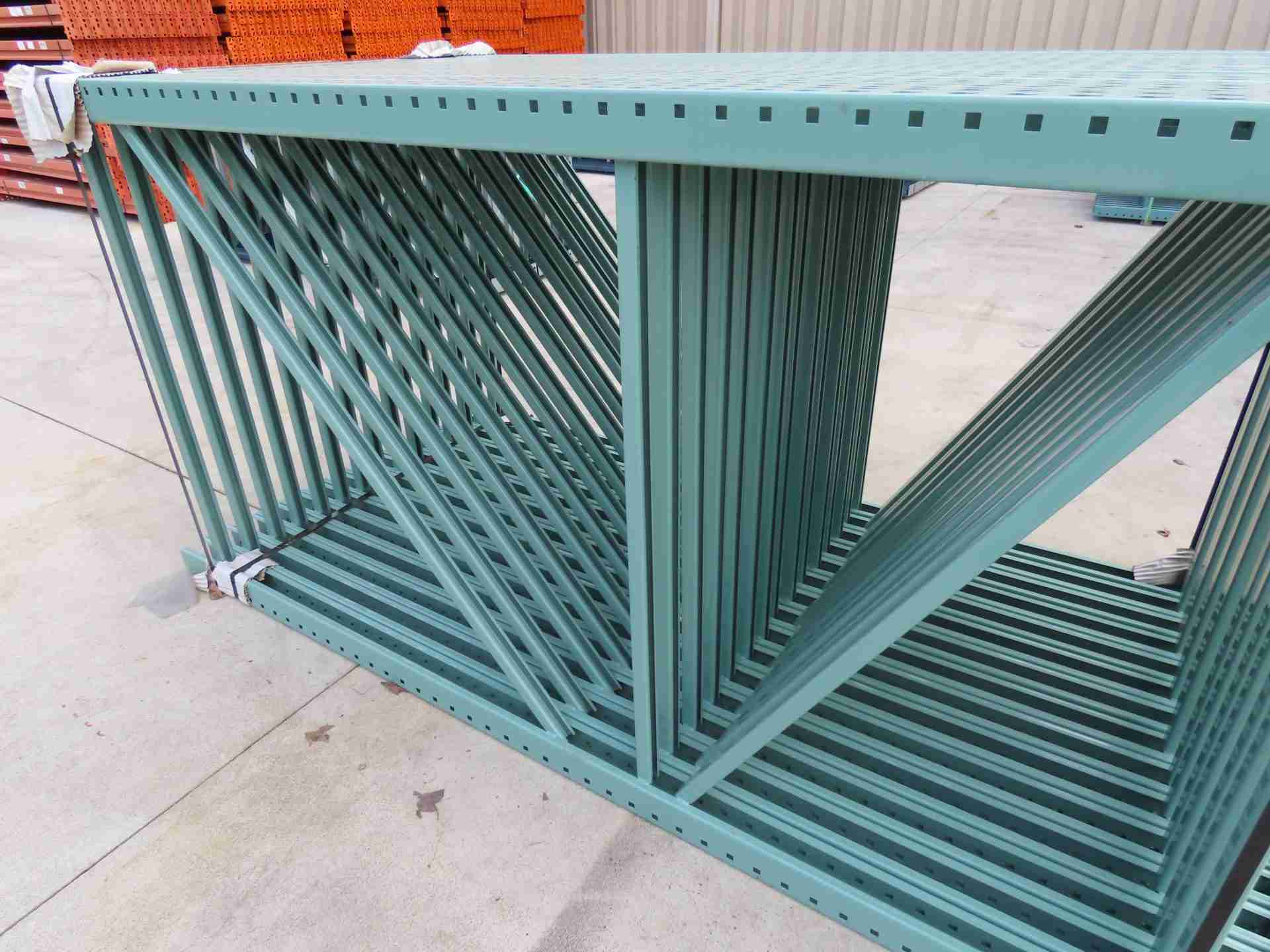
How Can Optimal Spacing Enhance Warehouse Efficiency?
How Can Optimal Spacing Enhance Warehouse Efficiency?
- Optimal spacing in warehouses enhances operational efficiency, akin to a well-tuned engine.
- Proper racking systems reduce navigation time, allowing workers to focus on quick and accurate product handling.
- A well-organized warehouse boosts employee morale by minimizing frustration and clutter.
- Creating a safe and organized workspace demonstrates respect for employees and their well-being.
- A culture of optimal spacing fosters trust and loyalty between management and staff.
- Experts endorse logical racking systems as best practices that enhance efficiency and profitability.
- Effective storage solutions contribute to community growth and individual worker success.

How Can Optimal Spacing Enhance Warehouse Efficiency?
What Fire Hazards Can Arise From Negligent Rack Planning?
In the world of warehouses and storage spaces, racking systems are the backbone that holds everything together. However, when these systems are poorly planned or neglected, they can quickly become a recipe for disaster. Picture this: a bustling distribution center where products are stacked high, ready to move out. Now imagine the chaos that arises if a fire breaks out due to careless rack planning.
Racking systems are designed to make the most of vertical space, but if those racks aren’t installed or maintained properly, they can create serious fire hazards. For one, the spacing between racks plays a critical role in fire safety. If items crowd shelf edges or obstruct fire sprinklers, a small fire can escalate into a full-blown inferno in minutes. It’s not just about following codes; it’s about protecting lives. When you think about safety, consider the team working late shifts, not just the bottom line.
We all have a story about a fire that could have been avoided. Maybe you’ve heard about the warehouse that went up in flames. An improper arrangement of material led to blocked access to exits and fire-fighting equipment. These stories remind us that negligence in rack planning isn’t an abstract concept; it affects real people. The emotional weight of knowing that simple missteps could lead to loss of life or injury can be heavy. No one should have to carry that burden.
Then there’s the financial side. A fire can devastate inventory, disrupt operations, and cause reputational damage. The costs spiral quickly, but they often lead back to one root cause: negligent planning. You might save a few bucks on initial setup, but in the long haul, it could cost you everything. A well-thought-out racking system not only maximizes space but also provides peace of mind.
Also, there’s ethics involved. It’s our responsibility to create safe working environments. Neglecting rack planning is not just a minor oversight; it’s a lapse in our duty to protect employees, customers, and our broader community.
Finally, let’s not forget the power of good practice. When everyone follows well-established guidelines, it fosters a culture of safety. People feel valued and secure, which boosts morale and productivity. This simple act of careful rack planning can ripple out, creating an atmosphere where safety is prioritized, showing that we care, not just about the material but about our own. Investing in responsible rack planning is a commitment to a safer, more reliable future for all.

What Fire Hazards Can Arise From Negligent Rack Planning?
What Fire Hazards Can Arise From Negligent Rack Planning?
- Racking systems are essential but can become hazardous if poorly planned or neglected.
- Poor spacing and arrangement of racks can obstruct fire safety measures, significantly increasing fire risks.
- Negligence in rack planning can lead to blocked exits and emergency equipment access, resulting in life-threatening situations.
- Financial repercussions of fires include inventory loss, operational disruption, and reputational damage.
- Ethical responsibility requires creating safe work environments through proper rack planning.
- Adhering to safety guidelines fosters a culture of security, boosting employee morale and productivity.
- Investing in effective rack planning is a commitment to ensuring a safer and more reliable work future.

What Fire Hazards Can Arise From Negligent Rack Planning?
How Does Code Compliance Affect Insurance Liabilities?
When you think about racking systems in a warehouse, it’s easy to overlook the nitty-gritty details that keep everything safe and sound. After all, you get busy with day-to-day operations, managing stock, and keeping orders flowing. But here’s the kicker: ignoring code compliance can knock your insurance liabilities out of whack. It’s not just about fitting everything neatly into place; it’s about ensuring every bolt and beam meets regulations designed to protect not just your products, but the people working around them.
Picture this: a worker is hurt because a racking system wasn’t up to code. Sure, you might be facing hefty fines or lawsuits, but it goes deeper. You’ll deal with the heartbreak of seeing a valued employee suffer, the ripple effect on productivity, and a tarnished reputation that might make clients second-guess their loyalty. That’s not just numbers on a balance sheet; it’s your business’s lifeblood hanging in the balance.
Rationally speaking, complying with safety codes isn’t just smart; it’s essential. Insurance companies look closely at your premises during the underwriting process. If you’ve cut corners on compliance, expect your premiums to skyrocket or even face the chance of being uninsurable. It’s a financial gamble no business should take, especially when the stakes can be as high as your family’s livelihood tied to that business.
On an ethical front, your employees trust you to provide a safe workplace. It’s not just about following the law; it’s about doing what’s right. When you invest in compliant racking systems, you send a powerful message: you care. You’re not just checking off a box for an inspection; you’re actively fostering a culture of safety and respect. And when that culture thrives, so does morale, productivity, and ultimately, profitability.
Storytelling is a powerful tool. Think about a friend who ignored compliance, leading to a disaster that changed everything. When that story spreads, it serves as a warning, crafting a narrative that weaves through the community. The more you share these experiences—how compliant racking systems have saved businesses from disaster—the more impactful the message becomes.
Ultimately, fostering a culture focused on compliant racking systems builds trust, not just within your company but throughout the industry. It reinforces the idea that good business practices go beyond profits; they protect lives, preserve livelihoods, and maintain the integrity of your work. Embracing compliance isn’t merely an obligation—it’s an opportunity to lead, to care, and to thrive together.

How Does Code Compliance Affect Insurance Liabilities?
How Does Code Compliance Affect Insurance Liabilities?
- Neglecting racking system compliance can lead to increased insurance liabilities.
- Failure to meet safety codes can result in severe consequences, including fines and damaged reputation.
- Complying with regulations is crucial for business viability and insurance eligibility.
- Providing a safe work environment fosters trust and morale among employees.
- Investing in compliant racking systems demonstrates a commitment to safety and ethical responsibility.
- Storytelling about compliance can warn others and highlight the importance of safety in the community.
- Cultivating a culture of compliance enhances business integrity and promotes overall success.

How Does Code Compliance Affect Insurance Liabilities?
What Role Do Fire Codes Play In Protecting Lives and Properties?
Fire codes are more than just rules; they embody our collective commitment to safety and resilience. They reflect a community’s promise to protect both lives and properties, fostering an environment where families can thrive without fear of the unthinkable. Picture a bustling warehouse, stocked high with materials on racking systems, each shelf holding the hopes of small business owners. Without robust fire codes, those hopes can turn to ash in moments.
These codes may seem like bureaucratic jargon to some, but they carry weighty significance. Think of an elderly couple, gazing at the home they’ve nurtured for decades. If a fire were to break out, the presence of smoke alarms, well-placed exits, and fire-resistant materials—mandated by fire codes—could give them the crucial minutes needed to escape. The emotional reality is that these regulations are lifelines, woven from hard-won knowledge and learned lessons of tragedy.
It’s not just about the law; it’s about ethics. Our communities deserve to be safeguarded. The stories of those who have lost their homes, their livelihoods, or loved ones to fire incidents linger in our minds, sparking a moral obligation to do better. Compliance with fire codes is not just a legal necessity; it’s a testament to our humanity, our shared values, and our commitment to preventing future heartache.
Imagine the community gatherings where families share meals and laughter, all while knowing that proper fire exits and suppression systems are their silent guardians. This sense of security fosters trust amongst neighbors, encouraging relationships built on shared responsibility. When businesses adhere to fire codes, they signal to the community that they care deeply about not only their operations but also the well-being of everyone around them.
The authority behind fire codes is informed by years of experience and research, guiding us toward safer practices. Local fire marshals and inspectors stand as stewards of this knowledge, translating it into enforceable rules that keep us all safe. Their expertise is born from countless inspections and a genuine desire to protect the public.
Fire codes make the difference between normalcy and catastrophe. They’re a reminder that safety doesn’t happen by accident; it’s a choice we make collectively. By championing fire safety measures, we honor those lost and safeguard our loved ones for generations to come. As we navigate our everyday lives, let’s remember the silent role these codes play, shaping our properties, our communities, and ultimately, our futures.

What Role Do Fire Codes Play In Protecting Lives and Properties?
What Role Do Fire Codes Play In Protecting Lives and Properties?
- Fire codes reflect a community’s commitment to safety and resilience, protecting lives and properties.
- They are essential for preventing tragedies, providing crucial safety measures like smoke alarms and fire exits.
- Compliance with fire codes signifies ethical responsibility and a shared obligation to safeguard communities.
- Fire codes foster a sense of security and trust in community gatherings, promoting shared responsibility among neighbors.
- Local fire marshals and inspectors, informed by experience and research, enforce these critical safety regulations.
- Fire codes differentiate between normalcy and catastrophe, emphasizing that safety is a collective choice.
- Championing fire safety measures honors those affected by tragedies and protects future generations.

What Role Do Fire Codes Play In Protecting Lives and Properties?
Can Improper Rack Alignment Lead to Catastrophic Failures?
Improper rack alignment can lead to catastrophic failures that ripple through entire operations, affecting both safety and productivity. Picture a bustling warehouse, where racking systems form the backbone of supply chain efficiency. When these systems are misaligned, the consequences can be dire. A single misstep can turn a routine day on the floor into a chaotic scene, with heavy loads teetering and shelves buckling under pressure. It’s not just about the structure but the people who depend on it.
Every person working in those aisles has a story, family responsibilities, and dreams that hinge on the stability of their environment. A collapse due to improper alignment isn’t just a number in a report; it has a human cost. Fear spreads when workers see the racking systems failing. You can feel the gut punch of anxiety in the air, knowing that one misalignment could cause injury to a colleague or even worse. This isn’t just about equipment; it’s about lives.
Rationally speaking, the statistics are clear. Studies show that misalignment in racking systems leads to a significantly higher risk of accidents, resulting in downtime that can cripple a business. It’s a costly oversight that can drain resources and erode trust. Companies need to consider not only the financial impact but the reputations at stake. Stakeholders want to know that safety is prioritized, and that starts with proper alignment.
Ethically, it’s a responsibility to ensure that every worker goes home in one piece. Adopting thorough quality control measures around rack alignment speaks volumes about a company’s values. It shows a commitment to not only meeting operational standards but to fostering a culture of safety and respect.
Furthermore, consider the authority that comes from implementing best practices in racking systems. Training staff properly, investing in the right tools, and conducting regular inspections builds credibility within the industry. It sends a clear message: we care about our employees and our operations, and we take every precaution to prevent disaster.
Neglecting rack alignment isn’t just a minor error; it’s a ticking time bomb that can shatter lives and livelihoods in an instant. Taking action to ensure every racking system is aligned properly fosters a safe and productive workspace. It’s not just about the bottom line; it’s about nurturing a workforce that feels secure and valued. Let’s make sure we’re all aligned—because a safe workplace is a productive one.

Can Improper Rack Alignment Lead to Catastrophic Failures?
Can Improper Rack Alignment Lead to Catastrophic Failures?
- Improper rack alignment can cause catastrophic failures in operations, impacting safety and productivity.
- Misaligned racking systems create chaos in warehouses, risking injuries and damage.
- The human cost of racking collapse affects workers’ lives, families, and responsibilities.
- Statistics indicate that misalignment increases accident risks and can lead to significant downtime.
- Companies must prioritize safety and proper alignment to protect reputation and resources.
- Implementing quality control measures reflects a commitment to safety and ethical responsibility towards workers.
- Proper training, investment in tools, and regular inspections enhance credibility and foster a secure workplace.

Can Improper Rack Alignment Lead to Catastrophic Failures?
Conclusion
Safe rack planning isn’t just a regulatory checkbox; it’s about preserving lives and communities. When racking systems are designed with proper spacing, they don’t just comply with fire codes—they act as a safeguard against chaos. Each inch becomes crucial; it allows emergency responders to navigate swiftly, protecting what’s most important—the people who work and thrive in these environments. Every worker deserves to feel safe, knowing their employer prioritizes their well-being, creating a culture of trust that stretches from the warehouse floor to the wider community.
On a more practical level, optimal spacing enhances efficiency. It streamlines operations, enabling employees to navigate aisles freely without dodging obstacles. This not only increases productivity but fosters a positive, motivated atmosphere. Imagine the camaraderie that blooms when workers aren’t mired in frustration over their workspace. Treating these details with care signals respect for the team, promoting loyalty and morale—a cycle where everyone gains.
Negligent rack planning comes at a steep price, manifesting not just in financial losses from accidents and downtime, but in the emotional weight carried by those affected. Each story of a workplace mishap underscores a collective responsibility; cutting corners can have dire human implications. It’s not just about the immediate aftermath but the ripple effect that can destroy relationships—the trust between management and employees erodes with every known risk ignored.
Compliance with fire codes is a foundational ethical choice. It reflects a community’s promise to protect its members, transforming regulations into lifelines. The commitment to safety fosters a culture that values human life over profits, giving people confidence to approach their tasks without fear. Ultimately, it’s about building an environment where safety isn’t an obligation but a shared priority that uplifts everyone involved.
In essence, mastering fire code spacing and rack planning isn’t merely an operational best practice; it’s an act of care that reverberates throughout the community. As we optimize these systems, we commit not just to operational efficiency but to the heart and soul of our workforce, their families, and the integrity of our shared spaces. In doing so, we fortify the fabric of our collective future.

Conclusion
Conclusion:
- Safe rack planning goes beyond regulatory requirements, prioritizing lives and community safety.
- Proper spacing in racking systems enhances emergency responder navigation, protecting workers.
- Optimal spacing improves operational efficiency, allowing for free navigation and increased productivity.
- Caring for workspace details fosters team loyalty and morale, creating a positive work atmosphere.
- Negligent rack planning leads to financial losses and emotional burdens on affected individuals.
- Compliance with fire codes reflects a commitment to community safety, prioritizing human life over profits.
- Mastering fire code spacing and rack planning strengthens the workforce and the integrity of shared spaces.
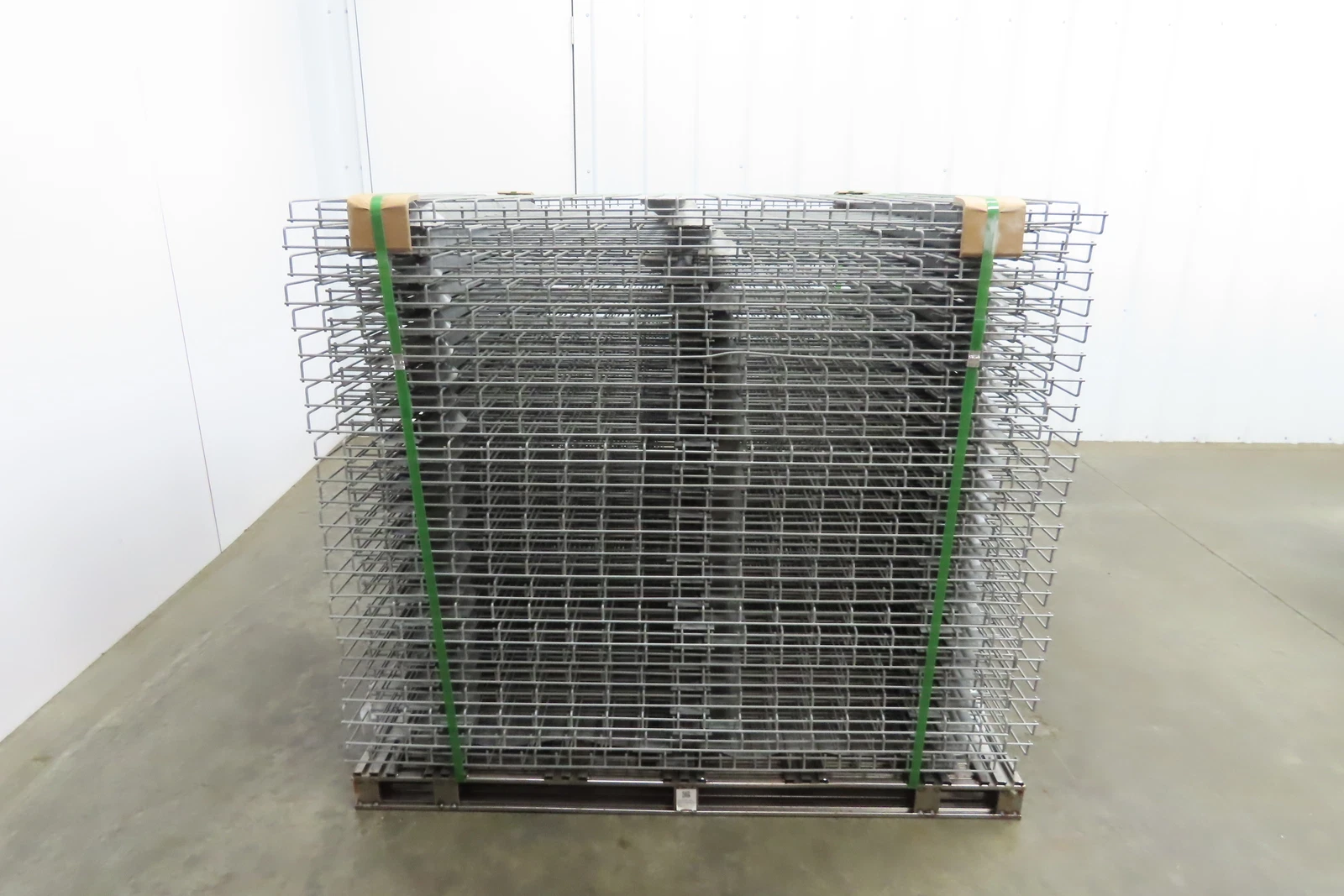
Conclusion
Other Resources

Other Resources
Here is a list of other resources you can review online to learn more:
- What is Selective Pallet Racking
- The Complete Pallet Rack Guide – Simply Rack
- Selective Pallet Racking Systems – Container Systems
- BMH
- CMMA
- Teardrop Racks – Pallet Rack World
- Pallet Racking systems in Illinois and Great Lakes
- Material Handling Industry
- Illinois Pallet Racking – Storage Solutions
- Selective Pallet Racking Systems
- Bradford Systems
- What is Cantilever Racking? – AK Material Handling Systems
- Warehouse Racking Chicago, IL
- Used Pallet Rack for Sale in Illinois – American Surplus
- Iowa Illinois Warehouse Racking
- Shipping Boxes, Packaging Materials, Pallet Racking
- Selective Rack – Raymond West
- Warehouse Racking System: Powerful Guide to Optimise, 2024
- Warehouse Automation
- What is Selective Racking: Understanding Benefits & Options
Use This Prompt To Get More Resources With Your Favorite Online AI Tool: Please provide me with a list of online articles with their URLs in a bulleted list that I can read regarding Fire Code Spacing and Rack Planning

Other Resources
Glossary Terms
Fire Code Spacing and Rack Planning – Glossary Of Terms
1. Aisle Width: The minimum horizontal distance between stored items to ensure safe access for emergency services and personnel.
2. Clearance: The vertical distance between the top of stored materials and the ceiling or fire sprinkler heads, essential for fire safety compliance.
3. Fire Barrier: A structure designed to contain fire and prevent it from spreading to adjacent areas, often involving walls or floors.
4. Fire Department Access: Specific provisions ensuring that fire services can reach and operate effectively around shelving or racking systems.
5. Fire Hazard: Any material or condition that could potentially cause or exacerbate a fire, requiring specific spacing and storage practices.
6. Fire Load: The total calorific value of combustible materials in a given area, influencing rack layout and spacing requirements.
7. Fire Prevention: Measures and practices implemented to reduce the risk of fire occurrence, including strategic rack placement.
8. NFPA (National Fire Protection Association): A standard-setting organization providing guidelines on fire safety and prevention used in fire code regulations.
9. Pallet Storage: Storing goods on pallets, which requires specific spacing and arrangement to comply with fire codes.
10. Rack Configuration: The arrangement and type of shelving units designed to maximize space while adhering to fire safety standards.
11. Rack Height: The vertical extent of racks, which must be considered to ensure compliance with fire code clearance requirements.
12. Smoke Detection: Systems installed to identify smoke presence, influencing spacing around storage units.
13. Storage Density: The amount of product stored per unit area, which affects fire risk and required spacing.
14. Storage Layout: The overall design of how items are distributed within a space, impacting safety and accessibility.
15. Structural Integrity: The ability of a storage system to withstand environmental stresses, ensuring safety compliance.
16. Sprinkler System: Automated systems installed to suppress fires, which affect racking layout and spacing.
17. Thermal Mass: The ability of materials to absorb and retain heat, influencing fire risk assessments.
18. Ventilation: The process of ensuring adequate air flow in storage areas, crucial for fire safety management.
19. Code Compliance: Adherence to local fire codes and regulations governing the layout and management of storage systems.
20. Emergency Access: Routes and openings designated for evasion during emergencies, vital in rack planning.
21. Inventory Management: Systems used to control stock levels that can influence fire safety through proper spacing.
22. Queuing: The arrangement for retrieving or stocking items that must align with fire safety protocols.
23. Rack Adjustment: Modifications made to existing shelving systems to maintain compliance with changing fire codes.
24. Safety Signage: Indicators placed throughout storage areas to inform staff of safety protocols and hazard locations.
25. Shelf Life: The duration products remain usable, affecting planning for inventory recycling and fire risk.
26. Tight Packing: Storing items closely together, which can create increased fire hazards if not properly managed.
27. Uniformity: Standardized rack dimensions and configurations that can enhance compliance with fire codes.
28. Weight Distribution: The allocation of load across a rack that ensures structural and fire safety.
29. Workstation Layout: The placement of operational areas within storage facilities that must consider fire safety access.
30. Zone Classification: The categorization of storage areas based on fire risk levels, influencing rack planning decisions.

Glossary Of Terms
Other Questions
Fire Code Spacing and Rack Planning – Other Questions
If you wish to explore and discover more, consider looking for answers to these questions:
- What specific fire and building codes apply to rack spacing in my jurisdiction?
- How do I determine the minimum aisle width required for different rack heights and forklift types?
- What are the required clearances between stored products and sprinkler heads or other suppression devices?
- How does the type of product stored (flammable, combustible, palletized) affect spacing and layout requirements?
- What is the maximum allowable storage height for various commodity classes?
- Which organizations or standards bodies (NFPA, OSHA, local fire marshal) set the rack planning rules I must follow?
- How often should racking systems be inspected and by whom?
- What are the signs of rack misalignment or damage that require immediate action?
- How does improper rack alignment increase the risk of collapse, and what corrective actions are recommended?
- What documentation do I need to prove code compliance to insurers and inspectors?
- How does rack spacing influence sprinkler design and water demand for fire suppression?
- What changes are required when retrofitting existing racking to meet current codes?
- How do seismic or wind load considerations affect rack anchoring and spacing?
- What are the insurance implications of noncompliant rack layouts and how can they affect premiums or coverage?
- Who is legally responsible for ensuring rack spacing and fire safety compliance on a site?
- How should emergency egress routes and firefighter access be incorporated into rack layout planning?
- What best practices reduce the risk of pallet overhang, blocked aisles, or sprinkler obstructions?
- How can warehouse layout software or simulation tools help optimize spacing while maintaining safety?
- What training should staff receive regarding rack safety, loading procedures, and emergency response?
- How does forklift traffic pattern and turning radius influence aisle width and rack placement?
- What maintenance schedules and recordkeeping practices support long-term rack safety?
- How should hazardous materials or mixed commodity storage be managed within rack systems?
- What permits or approvals are required before installing new high-piled storage racks?
- How do temporary storage practices (overflow, staging areas) affect fire safety and spacing requirements?
- What are common inspection findings that trigger enforcement actions or required remediation?
- How do advanced sprinkler systems (ESFR, in-rack sprinklers) change rack spacing and storage configurations?
- What are the cost implications of compliant versus noncompliant rack configurations, including retrofit costs?
- How should lighting, signage, and aisle markings be integrated into safe rack planning?
- What contingency plans should be in place for a rack collapse or major fire incident?
- How do pallet quality, stacking methods, and load distribution affect rack stability?
- What are the recommended inspection and load-testing procedures after a seismic event or accident?
- How can companies balance maximum storage density with safe egress and firefighting access?
- What role do third-party engineers or fire protection consultants play in rack planning?
- How should racking be anchored or braced to prevent progressive collapse under impact or overload?
- What documentation and labels should be present on racks to indicate capacity, inspection dates, and load limits?
- How can incident case studies inform better rack planning and code compliance practices?

Other Questions
Checklist
Fire Code Spacing and Rack Planning – A Checklist
Pre-Planning and Design
✅______ Current storage and use, commodity types, and maximum storage heights documented
✅______ Rack layout designed to balance code compliance, access, and workflow efficiency
✅______ Changes to the storage plan reviewed by a qualified professional before implementation
✅______ Required permits and approvals (e.g., high-piled storage) obtained and posted
Aisles, Egress, and Access
✅______ Main, cross, and service aisles meet code-required clear widths
✅______ Continuous, marked egress paths to exits; no dead-end aisles beyond allowed limits
✅______ Exits unlocked, illuminated, and unobstructed inside and out
✅______ Turning radii and aisle widths match material handling equipment requirements
✅______ Access maintained to fire department connections, valves, panels, and hydrants
Rack Installation and Alignment
✅______ Frames plumb and level; anchors installed per manufacturer requirements and site conditions
✅______ Beams fully seated with locking devices engaged; no field-drilled or unauthorized changes
✅______ Row spacers, back-to-back ties, and bracing installed where required
✅______ Column and base protection installed at impact points
✅______ Solid or wire decking consistent with fire protection design (no unapproved solid shelves)
✅______ Maximum load capacity plaques posted and legible on each bay
Spacing and Clearances
✅______ Required vertical clearance below sprinklers maintained throughout
✅______ Transverse and longitudinal flue spaces maintained; no load overhang blocking flues
✅______ Minimum separations maintained from heaters, lighting, and other heat sources
✅______ Working clearances maintained at electrical equipment and life safety devices
✅______ Pallet loads contained within rack footprint; no items protruding into aisles
Fire Protection Integration
✅______ Sprinkler design matches commodity, storage height, and rack type
✅______ In-rack sprinklers (if required) protected and unobstructed
✅______ Alarm, detection, and suppression systems inspected and tested on schedule
✅______ Portable fire extinguishers present, accessible, and current on inspections
✅______ Fire safety signage and labeling installed (including aisle IDs, bay IDs, and hazard signage)
Operations and Material Handling
✅______ Forklift operators trained on safe placement to preserve flue spaces and clearances
✅______ Speed limits, right-of-way rules, and horn use at intersections enforced
✅______ Staging and drop zones defined; no staging in aisles or in front of exits
✅______ Pallet quality monitored; damaged pallets removed from service
✅______ Overhead work controls in place (including fall protection and exclusion zones)
Housekeeping and Hazard Control
✅______ Aisles, exits, and equipment kept free of debris and obstructions
✅______ Combustible waste routinely removed; idle pallet quantities controlled
✅______ No storage on top of racks unless designed and protected for that purpose
✅______ Hazardous materials stored per applicable codes, segregation requirements, and container integrity
✅______ Dust and lint accumulations managed, especially near heat sources and ceilings
Inspection, Maintenance, and Repairs
✅______ Routine rack inspections scheduled (daily visual, monthly detailed, annual audits)
✅______ Damage tagging system in place; affected bays unloaded and isolated promptly
✅______ Repairs performed with manufacturer-approved components by qualified personnel
✅______ Post-impact assessments documented; root causes addressed
✅______ Up-to-date records of inspections, maintenance, repairs, and training maintained
Training and Culture
✅______ Staff trained on the storage plan, maximum loads and heights, and no-go zones
✅______ Emergency procedures and drills conducted and logged
✅______ New-hire and refresher training include fire code spacing essentials
✅______ Reporting culture encouraged; near-misses and hazards logged and reviewed
Compliance, Documentation, and Insurance
✅______ Latest codes and standards and AHJ requirements referenced in planning and SOPs
✅______ Layout drawings, permits, load calculations, and approvals maintained and accessible
✅______ Insurance requirements and recommendations integrated into design and operations
✅______ Post-change verification completed after any rack or layout modification
✅______ Management review of safety metrics and compliance status conducted regularly
Quick Shift Walkthrough (Daily)
✅______ Exits and egress paths clear and marked
✅______ Aisles free of staging and debris
✅______ Sprinkler obstructions absent; required clearances visible
✅______ Flue spaces intact; no load overhang
✅______ No visible rack damage, missing beam locks, or leaning frames
✅______ Fire extinguishers present and accessible
✅______ Emergency lighting and exit signs operating
✅______ Staged materials confined to designated zones only

Checklist
At RackingWorld, we help guide you through selecting warehouse storage systems and racking.
Be sure to read our other related stories at RackingWorld to learn more about warehouse storage systems.
0 Comments