
Protect Your Assets: Strategies To Safeguard Racking From Forklift Impact
By Tom Seest
At RackingWorld, we help guide you through selecting warehouse storage systems and racking.
Be sure to read our other related stories at RackingWorld to learn more about warehouse storage systems.
How to Reduce Forklift Damage to Racking
Reducing forklift damage to racking systems is about more than just saving money; it’s about safety, efficiency, and the heart of your operation. Picture the warehouse floor bustling with activity—forklifts whizzing by, goods moving in and out. Then imagine the jarring thud of a forklift hitting a racking system. It’s not just a dent in the metal; it’s a ripple effect that can disrupt productivity and put workers at risk.
Start by fostering a culture of awareness among your team. When everyone understands the importance of racking systems and how carelessly driving can cause damage, they’ll be more likely to prioritize safety. It’s simple: train your operators thoroughly. A good training program equips them with not just the skills to maneuver machinery but also the knowledge to respect the racking systems that hold everything together. Hold regular refreshers to keep that knowledge sharp, making it clear that this isn’t just about rules; it’s about teamwork and looking out for one another.
Implement physical barriers and clearly marked pathways. Just like around a construction site, those visual cues help keep everyone on track. Having a well-organized layout can prevent accidents before they happen. It isn’t rocket science—it’s about using common sense to spot potential problem areas and fix them before they lead to costly mistakes.
Regular maintenance on both forklifts and racking systems can’t be overstated. Just as you wouldn’t drive a car that’s falling apart, you shouldn’t operate equipment that isn’t in top shape. Schedule inspections and address any issues promptly. This not only prevents accidents but also extends the life of your racking systems, saving money and downtime in the long run.
Lastly, encourage a team mentality where employees feel comfortable speaking up about unsafe practices. If someone sees a co-worker getting a little too close to a rack, they should feel empowered to say something. Building that kind of camaraderie transforms your warehouse from just a workplace into a community.
Caring for your racking systems means investing in your people and your productivity. It’s about more than protecting assets; it’s about creating an environment where everyone can trust that they’re safe and that their efforts contribute to something bigger than just moving boxes around. A simple change in approach can lead to significant improvements, making your operations smoother and your team stronger.

How to Reduce Forklift Damage to Racking
How to Reduce Forklift Damage to Racking
- Reducing forklift damage to racking systems enhances safety, efficiency, and operational integrity.
- Foster a culture of awareness regarding the importance of racking systems among employees.
- Implement thorough training for forklift operators to ensure safe and respectful handling of equipment.
- Establish physical barriers and clearly marked pathways to prevent accidents on the warehouse floor.
- Conduct regular maintenance on forklifts and racking systems to address issues proactively.
- Encourage a team mentality where employees feel empowered to report unsafe practices.
- Caring for racking systems invests in employee safety and overall productivity, enhancing workplace trust.

How to Reduce Forklift Damage to Racking
Table Of Contents
- How to Reduce Forklift Damage to Racking
- What Are the Main Causes Of Forklift Damage to Racking?
- How Does Forklift Damage Impact Warehouse Efficiency?
- What Preventive Measures Can Reduce Racking Damage?
- How Can Employee Training Minimize Risks to Racking?
- What Role Does Forklift Maintenance Play In Reducing Damage?
- How Can Appropriate Racking Design Prevent Forklift Incidents?
- Conclusion
- Other Resources
- Glossary Of Terms
- Other Questions
- Checklist
What Are the Main Causes Of Forklift Damage to Racking?
What Are the Main Causes of Forklift Damage to Racking?
When you’re working in a warehouse, you know the dance of the forklift—it’s an art and a science, but it has its risks. Racking systems are the backbone of any storage operation, holding everything from small parts to heavy pallets. They’re designed to be sturdy, but forklifts can be relentless. So, what causes the damage?
First off, poor visibility is a major culprit. Picture a busy warehouse floor—pallets stacked high, forklifts zipping around. Operators can easily lose sight of the racking systems as they maneuver. That moment when you can’t see around a corner can bring a sinking feeling when you hear the crunch of metal meeting metal. Ignoring blind spots only invites trouble, and night shifts with insufficient lighting can add to the chaos, making accidents almost inevitable.
Next, there’s the issue of operator training. A skilled operator knows the ins and outs of their machine, but if training’s rushed or inadequate, it’s a recipe for disaster. Operators who don’t understand their forklift’s capabilities might push limits and end up damaging racking. Every nick and dent is not just a blemish; it tells a story of a moment when things went haywire. An investment in proper training pays dividends in safety and longevity of your racking systems.
Then there’s the wear and tear of equipment. Forklifts, like any workhorse, need maintenance. A faulty steering or brakes can lead to catastrophic misjudgments. End-of-shift checks and regular maintenance ensure you’re not rolling the dice on safety. Each time an operator hops on a well-maintained forklift, there’s a sense of assurance—they’re not just moving goods; they’re protecting the infrastructure that supports the entire operation.
Another factor is the load itself. Overloading forklifts or mishandling loads can stress both the forklift and the racking. There’s a weight limit for a reason, yet it can be easier to shortcut this rule when deadlines loom. The racking systems can only bear so much before they buckle under the pressure. Each time we skirt safety rules, we’re risking lives and resources.
At the heart of it, understanding the causes of forklift damage isn’t just about damage control; it’s about creating a culture of care in the warehouse. Everyone’s hands are on deck, and it’s a shared responsibility to keep the workspace safe and efficient. Rebuilding trust in your systems starts with recognizing what might go wrong and taking action to prevent it. It fosters an environment where workers feel valued and empowered to speak up, ensuring both individual and collective safety.

What Are the Main Causes Of Forklift Damage to Racking?
What Are the Main Causes Of Forklift Damage to Racking?
- Poor visibility is a major cause of forklift damage to racking systems.
- Inadequate operator training can lead to improper handling and accidents.
- Regular maintenance of forklifts is essential to prevent operational failures.
- Overloading or mishandling loads stresses both forklifts and racking systems.
- Creating a culture of care in the warehouse is vital for safety and efficiency.
- Shared responsibility among workers enhances safety and promotes trust.
- Recognizing potential issues and taking preventive actions is crucial for safety.

What Are the Main Causes Of Forklift Damage to Racking?
How Does Forklift Damage Impact Warehouse Efficiency?
Every warehouse operator knows the sound: the thud of a forklift hitting a racking system can send a shiver down your spine. It’s not just the noise; it’s what that sound represents—lost time, increased costs, and a ripple effect that touches everyone on the floor. When a forklift slips, nudges, or outright crashes into these vital racking systems, it’s not just a dent to the metal; it’s a hit to the soul of the operation.
Imagine a busy day in the warehouse. Products are moving, deadlines are looming, and every second counts. Suddenly, a forklift driver misjudges a turn. The jolt reverberates, sending shockwaves through the crew. That little mishap could mean damaged goods, inefficient space usage, or even safety incidents that put people at risk. When racking systems are compromised, it’s more than structural damage; it’s a betrayal of trust. Workers expect their environment to be safe and efficient. When that trust is broken, morale can tank faster than a fallen pallet.
From a rational standpoint, the numbers don’t lie. Damaged equipment translates to costly repairs and replacements. Those costs pile up, gnawing at the bottom line. Loss of inventory due to spoilage or breakage can wipe out profits faster than you can load a truck. Warehouse efficiency hinges on precision and care, and any disruption makes the wheels of commerce grind to a halt. Stock that should be moving out the door sits idle, waiting for repairs or reorganization.
Ethically, it’s about responsibility. Maintaining a safe, functional work environment isn’t just good business; it’s the right thing to do for the team. When warehouses invest in proper training and equipment maintenance, they demonstrate a commitment to the workforce, fostering a culture of respect and teamwork. A well-cared-for racking system ensures everyone’s safety and well-being, and that goes a long way in building a solid team.
And let’s not forget the human element—a narrative rooted in everyday experience. Each team member has their own story, learning the ropes and understanding the ins and outs of the warehouse. When a forklift accident happens, it’s not just an isolated incident; it’s a moment that resonates—creating a sense of urgency, a reminder of the shared responsibility everyone feels.
The social fabric of the workforce depends on every member feeling secure and valued. Damage from a forklift is more than a momentary disruption; it’s a challenge that can bring a team together or pull it apart. By understanding the true impact of forklift damage on warehouse efficiency, we can inspire action—encouraging awareness, enhancing training, and fostering an environment where people feel empowered to make smart, safe decisions. Each bump, each scrape, serves as a learning opportunity, one that can ultimately lead to a more efficient, more respectful workplace.

How Does Forklift Damage Impact Warehouse Efficiency?
How Does Forklift Damage Impact Warehouse Efficiency?
- Forklift collisions with racking systems cause lost time and increased costs, affecting all warehouse operations.
- Mishaps can lead to damaged goods, inefficient use of space, and safety incidents that endanger workers.
- Damaged equipment incurs costly repairs and losses, impacting overall warehouse profitability.
- Maintaining a safe working environment is essential for morale and team trust within the workforce.
- Investing in training and equipment fosters a culture of respect and teamwork among employees.
- Forklift accidents create a sense of urgency and highlight the shared responsibility of all team members.
- Understanding the impacts of forklift damage can enhance awareness and promote smarter, safer decisions..

How Does Forklift Damage Impact Warehouse Efficiency?
What Preventive Measures Can Reduce Racking Damage?
Racking systems are the backbone of any warehouse operation, keeping goods organized and accessible. Yet, they’re often the unsung heroes that face the brunt of wear and tear. It’s crucial to remember that a well-maintained racking system isn’t just good for business; it’s a matter of safety and efficiency. Let’s talk about some practical steps to reduce racking damage that resonate at heart, head, and gut levels.
First, it’s about understanding the weight of responsibility. When you walk through a warehouse, it’s more than just steel and shelves; you’re witnessing hard work and dedication. Those racking systems hold not just merchandise but livelihoods. Regular inspections should be a part of everyday practice. Encourage your team to look for signs of wear, cracks, or bends—the little things that can turn into big headaches if overlooked. Make it a ritual. An empowered workforce is a motivated workforce. They need to know their eyes and actions can prevent disaster.
Training is another cornerstone. Proper training sessions on how to load and unload materials might seem like a minor detail, but when people understand the limits and capabilities of the racking systems, it fosters a sense of stewardship. Create a culture where safety isn’t just a box to check, but a shared value. This isn’t just about avoiding damage; it’s about creating a workplace where everyone feels responsible for one another.
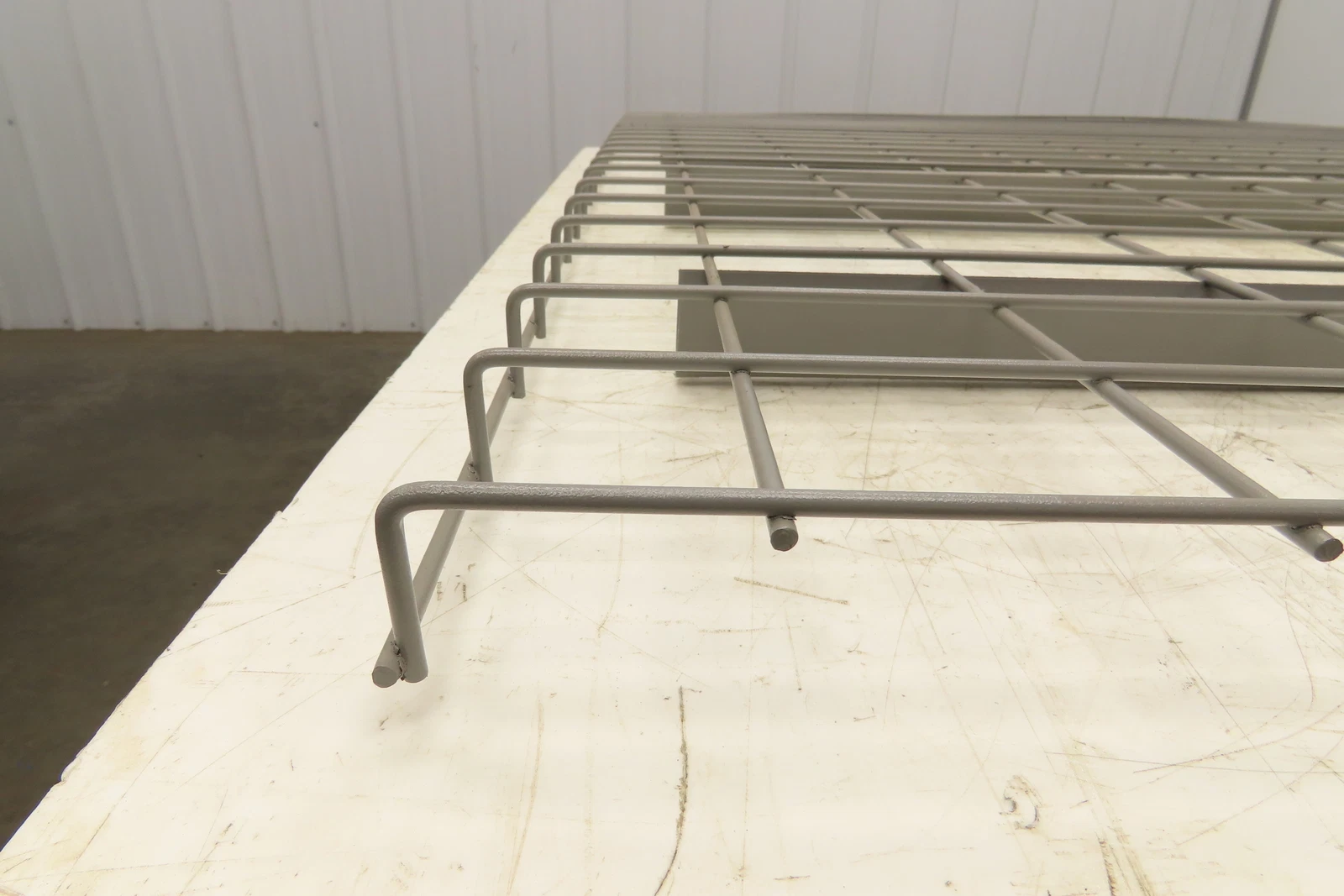
Another effective method is using protective equipment. Investing in corner guards, rails, and bumpers is like putting a shield around your racking systems. These small changes can significantly reduce collisions and impacts. It’s a simple step that takes a little effort and thought but pays off greatly. Each bump avoided preserves the structural integrity of the racks and ensures that goods stay where they belong.
Finally, consider layout optimization. Rethink your storage flow. Make pathways wide enough for equipment to maneuver without bumping into your racking systems. Keeping pathways clear isn’t just practical; it enhances the overall work environment, allowing everyone to navigate without fear of accidents.
Reducing racking damage isn’t just about practicality; it’s an investment in safety, efficiency, and ultimately the soul of your operation. It’s a commitment to excellence that reflects in the shared experience of every worker, fostering pride in a job well done. When everyone plays their part, your racking systems thrive, and so does your business.

What Preventive Measures Can Reduce Racking Damage?
What Preventive Measures Can Reduce Racking Damage?
- Racking systems are essential for warehouse organization and accessibility.
- Well-maintained racking systems contribute to safety and operational efficiency.
- Regular inspections should be conducted to identify wear, cracks, and bends.
- Proper training on loading and unloading fosters a culture of safety and responsibility.
- Investing in protective equipment like corner guards and bumpers can reduce racking damage.
- Optimizing layout and keeping pathways clear enhances maneuverability and safety.
- Reducing racking damage reflects a commitment to excellence and pride in the workplace.
What Preventive Measures Can Reduce Racking Damage?
How Can Employee Training Minimize Risks to Racking?
When you walk into a warehouse, the racking systems tower around you like giants, holding countless products that keep a business running. But those giants can also be dangerous if not treated with respect. That’s where solid employee training comes in. It’s not just about numbers and safety regulations; it’s about the people who work under those racks every day, and their well-being depends on knowing how to operate in that environment safely.
First off, consider the experience of a seasoned warehouse worker. They’ve seen it all—the close calls, the toppled loads, the moments where a split second can change everything. Training creates a culture of awareness. When employees understand the mechanics behind racking systems, they’re better equipped to recognize potential hazards. It’s like teaching someone to read the room; they pick up on cues that could save lives. Knowledge breeds confidence, and that confidence fosters a workplace where safety is the priority.
Now, let’s talk about ethics. It’s our duty as employers to ensure our team goes home safe every night. Training isn’t just a checkbox on a to-do list; it’s a commitment to the people who put their trust in us. A well-trained workforce respects the system that supports them. They’ll handle products with care, avoid overloading their racking systems, and spot issues before they escalate. This proactive approach reduces risks and empowers employees to take ownership of their safety.
Moreover, when companies invest in training, it raises the overall standard of operations. A workplace known for its safety practices attracts talent—people want to work where they feel valued. This ripple effect boosts morale and camaraderie, as employees look out for each other. It’s about building a community, where every member feels responsible for maintaining the integrity of the racking systems around them.
Telling stories of near misses during training can also be a powerful tool. These narratives resonate, reminding everyone involved of the very real consequences of neglect. It’s not just theory; it’s real life. Sharing these experiences fosters camaraderie and understanding, creating a shared mission to prioritize safety.
Effective employee training is more than an investment; it’s a lifeline. It minimizes the risks associated with racking systems, fosters trust, and cultivates a compassionate workplace. By arming employees with essential knowledge, we not only protect them but also transform our facilities into safer, more reliable environments for everyone involved.

How Can Employee Training Minimize Risks to Racking?
How Can Employee Training Minimize Risks to Racking?
- Racking systems in warehouses are crucial for operations but can pose dangers if not respected.
- Solid employee training promotes awareness of potential hazards associated with racking systems.
- Experienced workers can highlight the importance of understanding the mechanics behind the systems.
- Employers have an ethical duty to ensure employee safety through ongoing training.
- Investing in training enhances workplace safety standards and attracts talent.
- Sharing real-life stories of near misses during training fosters a culture of safety and camaraderie.
- Effective training minimizes risks, builds trust, and creates a compassionate workplace environment.
How Can Employee Training Minimize Risks to Racking?
What Role Does Forklift Maintenance Play In Reducing Damage?
Forklifts are the backbone of many warehouses and factories, tirelessly hauling heavy loads day in and day out. But like any hardworking tool, they need proper care to keep performing at their best. Imagine a busy warehouse where racking systems are filled to the brim. A single malfunctioning forklift can lead to catastrophic consequences, causing not just damage to products but also risking the safety of workers. It’s a sobering thought—one that makes it clear: good maintenance isn’t just an option; it’s a necessity.
When a forklift operates reliably, it fosters trust among team members. Workers can focus on their tasks rather than worrying about their equipment. Routine maintenance ensures that every nut and bolt is in place, and that parts are replaced before they wear out. This practice doesn’t just prevent breakdowns; it actively reduces the chances of accidents that could cause injuries, equipment damage, or worse, costly disruptions in the workflow. The peace of mind that comes with knowing that the forklift won’t unexpectedly stall in front of a tight racking system can’t be overstated. It allows everyone to feel secure in their roles and responsibilities.
Let’s not forget the ethical obligation that comes with operating heavy machinery. There’s a shared responsibility to both the workers and the products being handled. Neglecting maintenance is akin to ignoring a safety harness while climbing a ladder—it’s a risk not worth taking. Implementing a regular maintenance schedule is a simple step that pays off, proving to everyone involved that safety and efficiency go hand in hand. Workers deserve to know their wellbeing is prioritized, and that their teams are equipped with machines designed to ensure a safe work environment.
The cost of maintenance, seen from a financial angle, is a fraction of the expenses incurred from accidents or product damage. It makes economic sense to invest in reliable upkeep. Facilities that prioritize maintenance often see decreased downtime, smoother operations, and healthier bottom lines. This isn’t just theory; it’s the reality workers see and feel every day. It’s about creating a work environment where camaraderie grows, stemming from shared values like safety, responsibility, and success.
Encouraging a culture of diligent maintenance helps to weave a tighter community among workers. Good maintenance isn’t just about checking off a box; it’s about pride in one’s work and contributing to something bigger than oneself. When a team sees their machines running strong and their operations humming smoothly, they realize they’re part of a larger narrative—one where everyone’s safety and success are intertwined, bolstered by the simple yet profound act of caring for their tools.

What Role Does Forklift Maintenance Play In Reducing Damage?
What Role Does Forklift Maintenance Play In Reducing Damage?
- Forklifts are essential for warehouses and factories, requiring proper maintenance for optimal performance.
- A malfunctioning forklift can result in product damage and jeopardize worker safety.
- Reliable forklifts foster trust among team members, allowing them to concentrate on their tasks.
- Routine maintenance prevents breakdowns and reduces the risk of accidents and costly disruptions.
- There is an ethical obligation to maintain heavy machinery to ensure worker and product safety.
- The financial cost of maintenance is less than the expenses from accidents and damage.
- Promoting a culture of maintenance enhances community among workers and contributes to a safer work environment.

What Role Does Forklift Maintenance Play In Reducing Damage?
How Can Appropriate Racking Design Prevent Forklift Incidents?
In the bustling world of warehouses and distribution centers, where every inch of space counts, racking systems aren’t just shelves; they’re the backbone of safety and efficiency. Picture this: a well-designed racking system standing firm, cradling pallets of goods, while forklifts navigate the aisles like seasoned dancers. When these systems are crafted with expertise and foresight, they don’t just support merchandise; they protect the workforce.
Imagine a scenario where workers feel secure, knowing the racking systems are built to withstand the daily grind. When racks are designed with stability and safety in mind, they can prevent unnecessary accidents that shake the confidence of operators. For instance, consider a heavy load teetering atop an unstable rack. That imminent crash isn’t just a loss of product; it’s a potential injury waiting to happen. By investing in sturdy racking systems tailored to the specific needs of the operation, companies show they value not only their inventory but also the people who manage it.
Using high-quality materials and precise engineering in racking releases tension from workers’ minds. When forklift operators can trust the integrity of the racking systems, they can focus on their tasks instead of constantly worrying about what might happen next. An accessible racking layout minimizes blind spots, allowing operators to view their surroundings clearly and reduce the chances of mishaps. This isn’t just about efficiency; it’s about a culture of safety that fosters a strong sense of community within the workforce.
Furthermore, appropriate racking systems promote ethical practices in the workplace. When companies prioritize safety by investing in well-thought-out designs, they send a message that employee well-being is paramount. This commitment resonates with workers on a deeper level, fostering loyalty and pride within the team. Workers feel valued and respected, knowing their employers have their backs.
Let’s not overlook the narrative that unfolds among peers. Workers talk. When they know that the racking systems are reliable, they share these experiences, building a strong rapport tailored around trust and shared responsibility. By choosing the right racking systems, businesses don’t just enhance functionality; they craft an environment where safety and performance go hand in hand.
Effective racking design is more than metal and wood; it’s the foundation of trust, safety, and community in any warehouse. As equipment gets heavier and demands increase, ensuring a secure and sturdy racking system isn’t just smart—it’s essential.

How Can Appropriate Racking Design Prevent Forklift Incidents?
How Can Appropriate Racking Design Prevent Forklift Incidents?
- Racking systems are essential for safety and efficiency in warehouses and distribution centers.
- Well-designed racking systems prevent accidents and enhance worker confidence.
- Investing in sturdy racking tailored to operations values both inventory and workforce.
- High-quality materials and engineering alleviate workers’ concerns, allowing them to focus on tasks.
- Accessible racking layouts reduce blind spots, fostering a culture of safety and community.
- Prioritizing safety in racking design promotes ethical workplace practices and builds employee loyalty.
- Effective racking design serves as the foundation of trust, safety, and community in warehouses.

How Can Appropriate Racking Design Prevent Forklift Incidents?
Conclusion
Reducing forklift damage to racking systems is vital for the safety and efficiency of warehouse operations. When forklifts collide with racks, the consequences extend beyond mere dents, leading to disruptions in productivity and potential risks to workers. A culture of awareness is crucial; training programs should equip operators with the skills not only to maneuver machinery but to respect the structural integrity that supports their work. Regular refresher courses emphasize teamwork and accountability, reminding employees that safety is everyone’s responsibility.
Implementing physical barriers and clear pathways can prevent accidents before they occur, showcasing the importance of foresight and common sense in operational design. Regular maintenance checks on forklifts and racking systems are essential as well; just as one wouldn’t drive a damaged car, no one should operate faulty equipment. Promptly addressing maintenance issues preserves both employee safety and equipment longevity. Encouraging open communication among team members fosters a sense of community where safety concerns are voiced and addressed collaboratively.
Understanding the root causes of forklift damage is key to creating a culture of prevention. Poor visibility, lack of proper training, and equipment wear can all lead to accidents. Employees must be trained to recognize the signs of trouble, empowering them to take ownership of their safety as well as that of their colleagues. Ethical responsibility goes hand in hand with operational efficiency—investing in training and maintenance reflects a commitment to team well-being and workplace safety, leading to improved morale and productivity.
The narrative within a warehouse environment plays a significant role too. Every worker contributes to an intricate dance of operation where each near-miss serves as a learning opportunity. An organization that values training not only attracts skilled employees but also enhances team camaraderie, fostering a shared sense of purpose.
In conclusion, minimizing forklift damage isn’t just about protecting assets; it’s about investing in a community where every member feels safe and valued. A structured approach to training, maintenance, and effective racking design fosters an environment conducive to smooth operations. When everyone collectively prioritizes safety, they build not just a more efficient warehouse but a resilient team ready to face challenges together. By focusing on shared responsibility, organizations can transform potential risks into opportunities for growth, ensuring that each worker leaves at the end of the day knowing they are part of something significant.

Conclusion
Conclusion:
- Reducing forklift damage is essential for safety and efficiency in warehouse operations.
- Training programs should equip forklift operators with skills to respect structural integrity.
- Regular maintenance of forklifts and racking systems preserves employee safety and equipment longevity.
- Implementing physical barriers and clear pathways helps prevent accidents.
- Open communication among team members fosters a sense of community and addresses safety concerns.
- Understanding root causes of forklift damage and training employees leads to a culture of prevention.
- A structured approach to training and maintenance enhances team camaraderie and operational efficiency.

Conclusion
Other Resources

Other Resources
Here is a list of other resources you can review online to learn more:
- Logic Material Handling
- Pallet Racking systems in Illinois and Great Lakes
- Intro to Warehouse Racks & Warehouse Racking Systems – ShipBob
- Pallet Racking systems in Illinois and Great Lakes
- Teardrop Uprights
- SEMA
- Storage Equipment Manufacturers Association
- American Surplus
- WERC
- Teardrop Industrial Shelving Rack
- Selective Pallet Racking Systems – Container Systems
- Shipping Boxes, Packaging Materials, Pallet Racking
- Cantilever Rack Configuration & Installation: A Comprehensive Guide – BMH
- MHI
- ASSP
- Illinois Pallet Racking – Storage Solutions
- Illinois
- The Complete Pallet Rack Guide – Simply Rack
- Pallet Racking systems in Illinois, Great Lakes
Use This Prompt To Get More Resources With Your Favorite Online AI Tool: Please provide me with a list of online articles with their URLs in a bulleted list that I can read regarding How to Reduce Forklift Damage to Racking

Other Resources
Glossary Terms
How to Reduce Forklift Damage to Racking – Glossary Of Terms
1. Aisle: The space between rows of racks where forklifts operate.
2. Load Capacity: The maximum weight that a forklift can safely handle.
3. Racking System: A structured framework for storing goods and materials vertically.
4. Impact Protection: Devices or systems designed to absorb shock and protect racking from collisions.
5. Forklift: A powered industrial truck used to lift and move materials over short distances.
6. Safety Audit: An evaluation of the safety measures and protocols in place within a warehouse.
7. Operator Training: Instruction provided to forklift operators on safe and efficient handling practices.
8. Speed Control: Mechanisms that limit the speed of a forklift to enhance safety.
9. Collision Prevention: Strategies and technologies implemented to reduce the risk of forklift crashes.
10. Load Stabilization: Techniques to secure loads on the forklift to prevent shifting during transport.
11. Visibility Aids: Devices such as mirrors and cameras that enhance operator visibility around the forklift.
12. Maintenance Schedule: A plan that outlines regular inspections and servicing of forklifts and racking.
13. Warehouse Layout: The design and arrangement of shelving, aisles, and other components within a warehouse.
14. Pallet Configuration: The arrangement of pallets in a way that optimizes space and ease of handling.
15. Safety Barriers: Physical structures used to protect racking and personnel from forklift traffic.
16. Forklift Type: The classification of forklifts based on their design and functionality, such as electric or gas.
17. Material Handling: The movement, protection, and control of materials throughout the manufacturing and distribution process.
18. Training Program: A structured course designed to educate employees on safe forklift operation.
19. Environmental Factors: External conditions like lighting and weather that can impact forklift operation.
20. Obstacle Awareness: The ability of operators to identify and navigate around potential hazards in the workplace.
21. Traffic Management: Protocols that regulate the movement of forklifts and pedestrians within the warehouse.
22. Ergonomics: Designing workstations and tasks to fit the capabilities of the forklift operators, minimizing strain.
23. Load Distribution: The proper placement of weight on a forklift to maintain stability and control.
24. Emergency Procedures: Established protocols to follow in the event of an accident or physical hazard.
25. RFID Technology: Radio-frequency identification used to track inventory and improve loading accuracy.
26. Clearance Height: The vertical space required for a forklift and its load to operate safely.
27. Risk Assessment: The process of identifying and analyzing potential hazards associated with forklift operation.
28. Forklift Inspection: A pre-operation checklist to ensure that the vehicle is safe to use.
29. Soft Stop: A technique used to gradually reduce the speed of a forklift before coming to a complete stop.
30. Damage Reporting: The systematic documentation of any harm caused to racking or inventory due to forklift activity.

Glossary Of Terms
Other Questions
How to Reduce Forklift Damage to Racking – Other Questions
If you wish to explore and discover more, consider looking for answers to these questions:
- How often should racking inspections be performed and who should conduct them?
- What are the legal or regulatory requirements for racking inspection and maintenance in my region?
- What are the signs that a rack must be taken out of service immediately?
- What is the typical cost to repair damaged racking versus replace it?
- How do I calculate the ROI for installing rack protection (guards, bollards, corner protectors)?
- Which types of rack protection are most effective for different warehouse layouts?
- How wide should aisles be for different forklift types to minimize racking impacts?
- What training topics and certifications should forklift operators receive to reduce rack damage?
- How often should forklift operator retraining or refreshers occur?
- What pre-shift or end-of-shift forklift checks help prevent accidents?
- How does forklift maintenance schedule affect the risk of racking damage and what should it include?
- Which forklift features (cameras, proximity sensors, side-shifters, speed limiters) most reduce racking incidents?
- What role can telematics and fleet monitoring play in preventing rack impacts?
- How should loads be stacked and palletized to minimize risk to racks?
- What are the best practices for signage, lighting, and floor markings to improve visibility and traffic flow?
- How should blind spots and intersections be managed to prevent collisions with racks?
- What are acceptable load limits and how should they be labeled on racks?
- How do different racking designs (selective, pallet shuttle, drive-in, cantilever) change vulnerability to forklift damage?
- When is it appropriate to retrofit existing racking versus replacing it with a different design?
- What inspection and testing should be done after a forklift impact to assess structural integrity?
- How should impact incidents be documented and what information should be recorded for safety and insurance?
- How do forklift speeds and speed controls influence the frequency and severity of rack impacts?
- What policies effectively enforce safe driving behaviour in the warehouse?
- How can warehouse layout optimization reduce traffic congestion and racking collisions?
- What are the insurance implications of repeated racking damage and how can preventive measures affect premiums?
- How should emergency response be organized for significant racking failures or collapses?
- What third-party services (engineers, auditors) should be used for racking safety assessments?
- How do floor conditions (levelness, surface quality, traction) affect forklift control and racking damage risk?
- What metrics and KPIs should be tracked to measure progress in reducing rack damage?
- How should staff shifts, fatigue management, and staffing levels be addressed to reduce human-error incidents?
- What are common root causes behind repeated racking impacts and how are corrective actions implemented?
- How do pallet quality and load stability contribute to racking incidents and what standards should be enforced?
- What options exist for active collision-avoidance systems or automation to protect racking?
- How should damaged racks be repaired to meet safety and compliance standards (approved repair methods)?
- What weight, impact, or seismic ratings should be considered when specifying racking in high-risk environments?

Other Questions
Checklist
How to Reduce Forklift Damage to Racking – A Checklist
Forklift-to-Racking Damage Prevention Checklist
✅______ Site
✅______ Date
✅______ Completed by
Culture and Accountability
✅______ Leadership communicates racking integrity in safety talks (weekly)
✅______ Stop-work authority is understood and used when needed
✅______ Workers are encouraged to speak up about unsafe practices
✅______ Anonymous or open hazard reporting channel is active and reviewed
✅______ Safety expectations and consequences are consistently enforced
Operator Training and Competency
✅______ All operators are certified and current
✅______ New-hire onboarding includes racking awareness and aisle etiquette
✅______ Refresher training is scheduled and completed (at least annually and after incidents)
✅______ Practical evaluations include tight-aisle driving, high lifts, and pallet extraction
✅______ Training covers blind spots, line of sight, and spotter use
✅______ Training includes weight limits, load centers, and rack capacity signage
✅______ Visitor and temporary worker briefing includes traffic rules and no-go zones
Traffic Management and Layout
✅______ Aisle widths meet or exceed equipment turning radius requirements
✅______ One-way aisles are designated where appropriate
✅______ Forklift and pedestrian paths are separated and clearly marked
✅______ High-risk intersections have mirrors and/or barriers
✅______ End-of-aisle staging is kept clear; no pallets stored in travel lanes
✅______ Speed limits are posted and enforced
✅______ Floor markings and signage are intact and visible
✅______ Charging and refueling areas are located away from rack ends and travel bottlenecks
Visibility and Lighting
✅______ Aisle lighting is adequate for all shifts (no dark spots)
✅______ Burned-out or flickering lights are replaced promptly
✅______ Rack labels and bay signage are readable from operating positions
✅______ Forklift headlights, beacons, and alarms function correctly
✅______ Convex mirrors are installed at blind corners
Load Handling and Pallet Quality
✅______ Forklift load capacity and load centers are observed at all times
✅______ Rack bay capacity signage is posted and followed
✅______ Pallets are inspected; damaged pallets are removed from service
✅______ Loads are secured and wrapped; no unstable overhangs
✅______ Forks are set to the correct width and height before entry; avoid beam strikes
✅______ No pushing or dragging pallets against uprights or frames
✅______ Appropriate attachments are used, and operators are trained on them
✅______ Heaviest loads are stored at lower levels per plan
Racking Protection and Design
✅______ Upright column guards are installed on aisle-facing frames
✅______ End-of-aisle barriers, guardrails, and bollards are installed and anchored
✅______ Rack backstops or pallet stops are installed where needed
✅______ Beam safety locks or clips are present and engaged on all beams
✅______ Row spacers are installed and secure (for back-to-back rows)
✅______ Rack plumbness and alignment are within manufacturer tolerances
✅______ System design is verified for current pallet sizes, weights, and seismic requirements
✅______ Pallet flow and push-back lanes operate smoothly; no hang-ups or track damage
Forklift Condition and Maintenance
✅______ Pre-shift inspections are completed and logged
✅______ Tires are in good condition (no chunking; correct pressure where applicable)
✅______ Brakes are responsive; parking brake holds
✅______ Steering is tight; no excessive play
✅______ Hydraulics are leak-free; lift and tilt functions are smooth
✅______ Mast chains, rollers, and forks are within wear limits
✅______ Seat belts, horns, lights, and alarms are operational
✅______ Faults are tagged out; no forklift is operated with unresolved safety defects
✅______ Preventive maintenance schedule is current and documented
Racking Inspection and Maintenance
✅______ Daily walk-by checks for visible damage (dents, bends, beam deflection)
✅______ Weekly documented inspections of uprights, beams, anchors, and braces
✅______ Floor anchors and base plates are intact and tight
✅______ Corrosion, rust, and paint loss are addressed promptly
✅______ Damaged components are unloaded, tagged ‘Do Not Use,’ and isolated
✅______ Repairs and replacements use manufacturer-approved parts and qualified personnel
✅______ A periodic engineering review is conducted after layout or load changes
Housekeeping and Operational Discipline
✅______ Aisles are free of debris, stretch wrap, and broken pallets
✅______ Pallets are fully seated; no protrusion into travel lanes
✅______ No unauthorized modifications to racks (drilling, welding, beam moves)
✅______ Horns are used at intersections and rack ends
✅______ Turning, speed, and height control are enforced near racking
✅______ Dock-to-aisle flow is managed to prevent congestion
Monitoring, Reporting, and Continuous Improvement
✅______ Near misses and impacts are reported and logged
✅______ Root cause analysis is completed for impacts and damage events
✅______ Corrective actions are assigned, tracked, and verified
✅______ Metrics are reviewed monthly (impacts per month, damage cost, downtime)
✅______ Impact guards, sensors, or cameras are installed in high-risk zones where appropriate
✅______ Toolbox talks are conducted after incidents to share learnings
Emergency Preparedness
✅______ Racking collapse or impact response plan is posted and practiced
✅______ Evacuation routes are clear and marked
✅______ First aid and spill kits are accessible; staff are trained
Supervisor 5-Minute Daily Walkthrough
✅______ Aisles are clear; no pallets protruding
✅______ Lighting is adequate in all active aisles
✅______ Rack protectors and end guards are intact
✅______ No new visible rack damage
✅______ Capacity signs are visible and legible
✅______ Forklift pre-shift checks are complete; defects addressed
✅______ Floor markings and signage are visible and undamaged
Sign-Off
✅______ Name
✅______ Signature
✅______ Date
Checklist
At RackingWorld, we help guide you through selecting warehouse storage systems and racking.
Be sure to read our other related stories at RackingWorld to learn more about warehouse storage systems.
0 Comments