
Creating Clear Paths: Ensuring Safety Through Thoughtful Design
By Tom Seest
At RackingWorld, we help guide you through selecting warehouse storage systems and racking.
Be sure to read our other related stories at RackingWorld to learn more about warehouse storage systems.
Designing Clear Aisles for Safer Movement
Designing clear aisles for safer movement is more than just a workplace necessity; it’s about creating an environment where everyone feels secure and valued. Picture this: a bustling warehouse filled with employees maneuvering around towering racking systems. Now imagine if those aisles were cluttered or poorly designed; the tension rises, stress builds, and accidents become a real threat. We’ve all heard the horror stories from colleagues about near-misses and hazards in tight spaces.
Aisles need to be spacious and clearly marked, allowing workers to navigate freely and confidently. When designing these pathways, we’re not just following rules; we’re fostering a culture of safety. Clear aisles mean fewer obstacles and, consequently, fewer accidents. Employees feel empowered when they know that their safety is prioritized over mere efficiency. That sense of protection encourages a stronger bond among the team.
From a rational perspective, addressing aisle design is an investment. Proper racking systems enhance productivity while minimizing risks. A business that prioritizes its workers’ well-being sees the benefits unfold in fewer injuries and higher morale. It’s not just about meeting safety standards; it’s about securing the workforce that keeps operations running smoothly. When you take the time to assess and improve your aisle configurations, it sends a clear message: “We care about you.”
Ethically, we owe it to our co-workers to create a workplace that doesn’t just function but flourishes. Every worker deserves to feel safe as they complete their tasks. It’s not just about getting the job done; it’s about protecting people while they do it. Moreover, when leadership takes safety seriously, it builds trust and loyalty within the team.
Drawing from stories of those who’ve transformed unsafe layouts into welcoming, clear paths, we see the real impact. Workers share tales of how a simple change in aisle design led to a more efficient day and, most importantly, peace of mind. The satisfaction that comes from a safe workplace isn’t just about avoiding accidents; it’s about knowing you can come home at the end of the day, proud of the day’s work without the shadow of fear hanging overhead.
Designing clear aisles isn’t just a matter of practicality. It’s a testament to the commitment we have to one another, ensuring that every member of the workforce feels valued, safe, and ready to tackle the day.

Designing Clear Aisles for Safer Movement
Designing Clear Aisles for Safer Movement
- Designing clear aisles enhances workplace safety and creates a secure environment for all employees.
- Cluttered or poorly designed aisles increase tension and the risk of accidents within busy warehouses.
- Spacious and clearly marked aisles empower employees to navigate confidently, fostering a culture of safety.
- Investing in proper aisle design not only minimizes risks but also boosts productivity and morale.
- Prioritizing worker safety builds trust and loyalty within teams, leading to a more cohesive workplace.
- Transforming unsafe layouts into clear pathways can significantly improve efficiency and provide peace of mind.
- A commitment to safety ensures every worker feels valued and prepared to perform their tasks effectively.

Designing Clear Aisles for Safer Movement
Table Of Contents
- Designing Clear Aisles for Safer Movement
- What Design Elements Create a Sense Of Safety In Aisles?
- How Do Clear Aisles Improve Overall Workflow Efficiency?
- What Are the Psychological Impacts Of Cluttered Aisles?
- How Can We Balance Aesthetics and Safety In Aisle Design?
- What Role Does Lighting Play In Designing Safe Movement Areas?
- How Can Technology Enhance Aisle Navigation and Safety?
- Conclusion
- Other Resources
- Glossary Of Terms
- Other Questions
- Checklist
What Design Elements Create a Sense Of Safety In Aisles?
Designing aisles that evoke a sense of safety is about more than just aesthetics; it’s about creating spaces where people feel comfortable and secure. Picture walking down a grocery aisle. You want to feel at ease, navigate without worry, and know you can reach for that box of cereal without bumping into something or someone. The layout matters—a clear, wide path free of clutter makes all the difference. Racking systems can play a crucial role here, making products easy to see and access while ensuring there’s enough room to maneuver.
Think of how vital it is for families, elderly shoppers, or anyone with a disability to have aisles that are user-friendly. When shelves are too high or narrow, it creates a barrier. Installing racking systems that optimize vertical space but don’t impede movement enhances visibility and access. This is about respect—respect for every individual who walks through those doors, knowing they can shop without anxiety.
Lighting also can’t be overlooked. Well-lit spaces don’t just help with visibility; they foster a sense of warmth and security. Dimly lit aisles can feel intimidating or unwelcoming, while bright, inviting lights can make a world of difference. It’s about engaging with the sensory experience—warm light beckons you, bright colors draw your eye, and clean design provides a sense of order.
Beyond design, it’s the small, thoughtful details that create that feeling of safety. Non-slip flooring can prevent slips and falls, making the environment friendlier for everyone, from toddlers to grandparents. Clear signage and intuitive navigation guide people effortlessly, reducing the stress of finding what they need. When customers feel confident navigating an aisle, they’re more likely to return.
And let’s not forget the communal aspect. A well-designed aisle tells a story about the community it serves. Whether you’re loading up on supplies for a family gathering or grabbing a quick snack after a busy workday, you’re part of a larger narrative—a connection that’s felt when aisles are designed with care.
Ultimately, it’s about creating an experience where every person feels valued and safe. Thoughtful racking systems, careful lighting, and practical flooring create not just paths for products but pathways for trust and comfort, reinforcing the sense that this space is for everyone.

What Design Elements Create a Sense Of Safety In Aisles?
What Design Elements Create a Sense Of Safety In Aisles?
- Designing aisles for safety prioritizes comfort and security over mere aesthetics.
- A clear, wide layout free of clutter enhances navigation and ease of access.
- User-friendly aisles accommodate families, elderly shoppers, and those with disabilities.
- Effective racking systems improve product visibility while ensuring room to maneuver.
- Well-lit spaces promote warmth and security, contrasting with dimly lit, unwelcoming aisles.
- Thoughtful design details, such as non-slip flooring and clear signage, enhance safety and user confidence.
- Aisles designed with care reflect and strengthen community connections, promoting a shared shopping experience.

What Design Elements Create a Sense Of Safety In Aisles?
How Do Clear Aisles Improve Overall Workflow Efficiency?
Clear aisles aren’t just a luxury; they are a backbone of efficient workflow in any workspace, particularly in environments with racking systems where organization is key. Picture a bustling warehouse, with workers zipping back and forth, each one a vital cog in the machine. Now imagine those aisles crammed with obstacles—boxes teetering, equipment in the way. It’s chaos, and chaos breeds frustration. When the aisles are clear, however, it’s as if a weight is lifted. Employees can move swiftly, find what they need, and get things done without unnecessary detours.
Efficiency isn’t solely about speed, though it’s a big part of it. Clear pathways allow for smoother communication among team members. Think about it: when you can see what’s ahead, you can anticipate your next moves and coordinate better with your colleagues. This teamwork isn’t just productive; it builds camaraderie. When everyone knows their role and can navigate the space easily, there’s a sense of pride in a job well done, and that can transform a workplace from just a job into a community.
Racking systems play a crucial role here, too. When they’re properly organized, they not only hold the products but also dictate the flow of the entire operation. Imagine walking down an aisle and easily spotting the items stored above. That’s the clarity in racking that enhances workflow. It’s the difference between floundering in a cluttered space and gliding through a well-oiled system where everything is in its rightful place.
There’s a gut feeling tied to safety, too. Clear pathways reduce the risk of accidents, keeping workers safe and sound. This speaks to the ethical responsibility we have to each other. When we create a safe environment, we foster trust and loyalty among team members. They know their well-being is valued, and that trust translates into greater motivation and job satisfaction.
A well-organized workspace with clear aisles is a foundation for operational excellence. It inspires confidence in leadership and encourages each employee to contribute to a culture of efficiency and respect. The emotional connection forged through teamwork, safety, and shared success makes all the difference. When you step into a place where the aisles are clear, you step into a world of potential, productivity, and pride. This isn’t just about moving products; it’s about moving forward together.
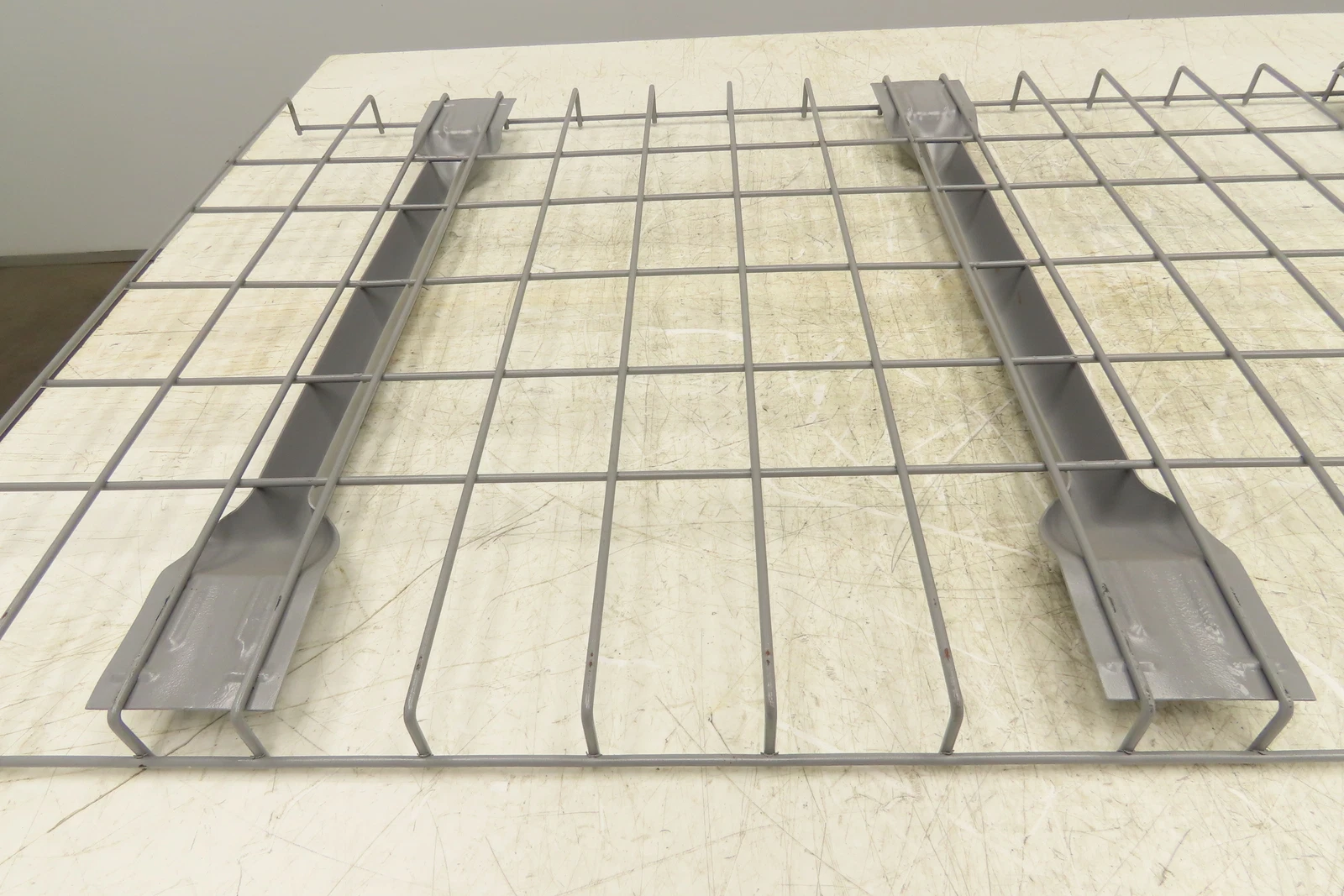
How Do Clear Aisles Improve Overall Workflow Efficiency?
How Do Clear Aisles Improve Overall Workflow Efficiency?
- Clear aisles are essential for efficient workflow in workspaces, especially those with racking systems.
- Obstacles in aisles create chaos, leading to frustration among employees.
- Unobstructed pathways enhance communication and coordination among team members.
- Properly organized racking systems improve visibility and workflow efficiency.
- Clear pathways contribute to workplace safety, reducing accident risks.
- A well-organized workspace promotes trust, loyalty, and job satisfaction among employees.
- Clear aisles foster a culture of efficiency, respect, and shared success within the team.

How Do Clear Aisles Improve Overall Workflow Efficiency?
What Are the Psychological Impacts Of Cluttered Aisles?
Cluttered aisles can be more than just an inconvenience; they can weigh heavily on the mind. Picture yourself in a busy warehouse or store, surrounded by disorganized racks. The chaos of tangled inventory and cluttered racking systems creates a sense of overwhelm that can trigger stress and anxiety. It’s not just about tripping over boxes; it’s about the mental load that disorganization brings.
From a practical standpoint, clutter disrupts our ability to focus. When you’re searching for an item amidst a sea of products, each misplaced piece pulls your attention in a different direction. You can feel that mounting frustration in your gut—a tightness that signals the urgency to restore order. It’s like trying to see out a dirty window; the more cluttered the view, the harder it is to focus on what really matters.
Emotionally, clutter can evoke feelings of helplessness. Many of us have experienced the sinking sensation that comes when you can’t find what you need. It’s invasive, creeping into our thoughts and amplifying the day’s stresses. In contrast, clean and organized aisles often inspire a sense of tranquility, like a breath of fresh air. When everything is in its place, you feel lighter, more capable, and ready to tackle the tasks at hand.
On a deeper level, there’s an ethical dimension to this issue. In a world that often prioritizes speed over clarity, taking the time to maintain organized spaces respects the collective experience of those who navigate these aisles. Clutter affects everyone—shoppers, workers, and managers alike. A clean, organized space is not just good practice; it’s a commitment to the well-being of all who spend time there.
Socially, the impacts of clutter resonate further. An unkempt aisle can create an impression of carelessness or neglect. It can break down trust between customers and businesses, fostering a disconnect that feels palpable. Conversely, well-organized areas encourage a sense of community, where people feel welcomed and valued.
At the end of the day, cluttered aisles are more than just a nuisance; they affect our emotions, our focus, and our sense of community. By acknowledging these psychological impacts, we not only foster a better working environment but also cultivate a culture of respect and care within our spaces. Taking steps to clear the clutter isn’t just about tidiness—it’s about nurturing our collective mental health.

What Are the Psychological Impacts Of Cluttered Aisles?
What Are the Psychological Impacts Of Cluttered Aisles?
- Cluttered aisles contribute to mental overwhelm and stress.
- Disorganization disrupts focus and increases frustration when searching for items.
- Clutter evokes feelings of helplessness and amplifies daily stressors.
- Organized spaces promote tranquility and enhance overall capability.
- Maintaining order respects the experiences of all individuals navigating these spaces.
- Clutter can diminish trust between customers and businesses, creating a sense of neglect.
- Clear and organized environments foster community and a feeling of value among individuals.

What Are the Psychological Impacts Of Cluttered Aisles?
How Can We Balance Aesthetics and Safety In Aisle Design?
Balancing aesthetics and safety in aisle design isn’t just a task for architects and designers; it’s about creating a space where people feel comfortable and secure while also enjoying the environment around them. Picture yourself walking through a well-organized warehouse or retail floor, where everything flows smoothly and the atmosphere invites you in. This isn’t just wishful thinking; it can be reality when we consider our racking systems thoughtfully.
A good racking system does more than just hold products; it sets the stage for safety and efficiency. Imagine aisles that are wide enough for a pallet jack to pass without a hitch, lined with clear signage that’s easy on the eyes yet unambiguously directs traffic. When a design embraces both aesthetics and functionality, it builds trust. Customers feel assured knowing their safety is prioritized while they navigate the space, and that’s an emotional win.
Now consider the rational side. A well-designed aisle reduces accidents, saving money on potential injuries and lost productivity. Every inch of space needs to work in harmony; racking systems should not just be sturdy but also resilient. When we incorporate materials that not only look good but are also durable, we’re making a wise investment. It might cost a bit more upfront, but in the long run, the payoffs in reduced liability and increased operational efficiency are undeniable.
Ethically, we owe it to our workers and customers to create spaces where safety isn’t compromised for beauty. Every decision we make should reflect a commitment to wellbeing. Using the right design principles can foster an environment where everyone feels valued—where aesthetics serve to uplift the spirit but don’t overshadow safety.
Narratively, think of the stories that unfold in well-designed aisles. Employees move confidently, customers browse with ease, and products are presented in a way that tells a visual story—where each item has its place, both functionally and aesthetically. These spaces become landmarks of confidence and familiarity, and word-of-mouth spreads like wildfire.
It’s all about connection. When our aisles are designed with both safety and beauty in mind, we’re not just creating a workplace or a shopping experience; we’re building a community. A well-balanced aisle design resonates deeply, inspiring action—whether it’s a purchase, a return visit, or a heartfelt recommendation to a friend. It’s about crafting places where people want to be, not just have to be.

How Can We Balance Aesthetics and Safety In Aisle Design?
How Can We Balance Aesthetics and Safety In Aisle Design?
- Balancing aesthetics and safety in aisle design enhances comfort and security for users.
- A well-organized space improves the flow and ambiance, inviting people in.
- Effective racking systems promote safety and efficiency, allowing easy navigation.
- Designing wide aisles with clear signage builds trust in safety for customers.
- A well-designed aisle lowers accident rates, resulting in cost savings and productivity gains.
- Creating aesthetically pleasing yet durable environments demonstrates a commitment to well-being.
- Thoughtfully designed aisles foster community connections and enhance user experiences.
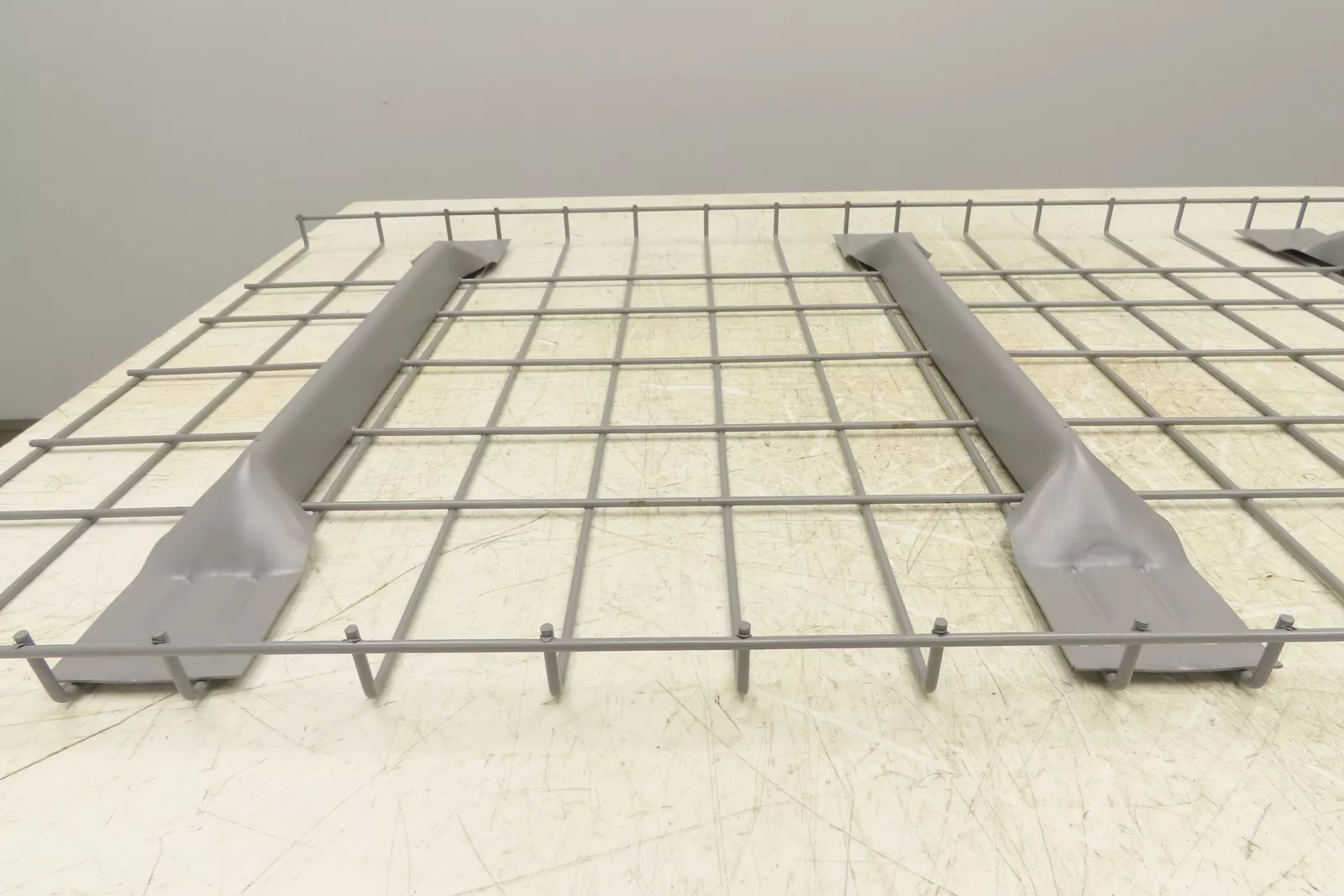
How Can We Balance Aesthetics and Safety In Aisle Design?
What Role Does Lighting Play In Designing Safe Movement Areas?
When it comes to designing safe movement areas, the role of lighting is like the engine in a pickup truck—it can make all the difference. Just picture it: you’re navigating a warehouse or a factory floor, surrounded by racking systems crammed with inventory. Without proper lighting, those aisles can become a minefield. Shadows dance in the corners, and what’s lurking in the dark can feel a bit like a ghost story waiting to happen.
Good lighting isn’t just about making things visible; it’s about creating an environment where folks feel secure and confident. If you can’t see your surroundings clearly, your heart races a little faster. Workers grumble about how uneasy they feel maneuvering through dimly lit areas, and no one likes stumbling over equipment because the shadows pulled a fast one. It’s not just about the practical—it’s about peace of mind.
Rationally speaking, effective lighting drives efficiency. When employees can clearly see what they’re doing, they work with purpose, reducing errors and costly accidents. Adequate illumination can illuminate the pathways, making sure folks navigate those racking systems with ease, rather than second-guessing their steps. It’s an investment that pays off in productivity and morale.
Ethically, providing a well-lit workplace reflects a commitment to safety and care for the wellbeing of every person on the floor. It’s a nod to the hard-working individuals who show up day in and day out. Taking the time to ensure that stairwells, exits, and storage areas are brightly lit shows respect for the people making the company run. It builds trust when workers know that their safety is a priority.
Stories are what connect us, right? Think about that colleague who sprained their ankle in a poorly lit area—everyone hears about it, but when we act and install better lighting, we aren’t just fixing a problem; we’re creating a culture of safety. Each lightbulb installed is a commitment to keeping everyone upright and on their feet.
At the end of the day, it’s about community. When lighting design encourages safe movement, it fosters an atmosphere where teamwork thrives, and communication flows smoothly. So let’s shine a light on the path ahead. Strong lighting isn’t just a feature; it paves the way to a safer, more connected workplace where every worker feels supported.

What Role Does Lighting Play In Designing Safe Movement Areas?
What Role Does Lighting Play In Designing Safe Movement Areas?
- The role of lighting in safe movement areas is crucial, akin to an engine in a vehicle.
- Proper lighting prevents accidents and enhances visibility in warehouses and factory floors.
- Good lighting fosters a sense of security and confidence among workers.
- Effective illumination boosts efficiency and reduces errors, benefiting productivity and morale.
- Well-lit environments demonstrate a commitment to worker safety and well-being.
- Improved lighting cultivates a culture of safety and trust within the workplace.
- A strong lighting design promotes teamwork and smooth communication among employees.
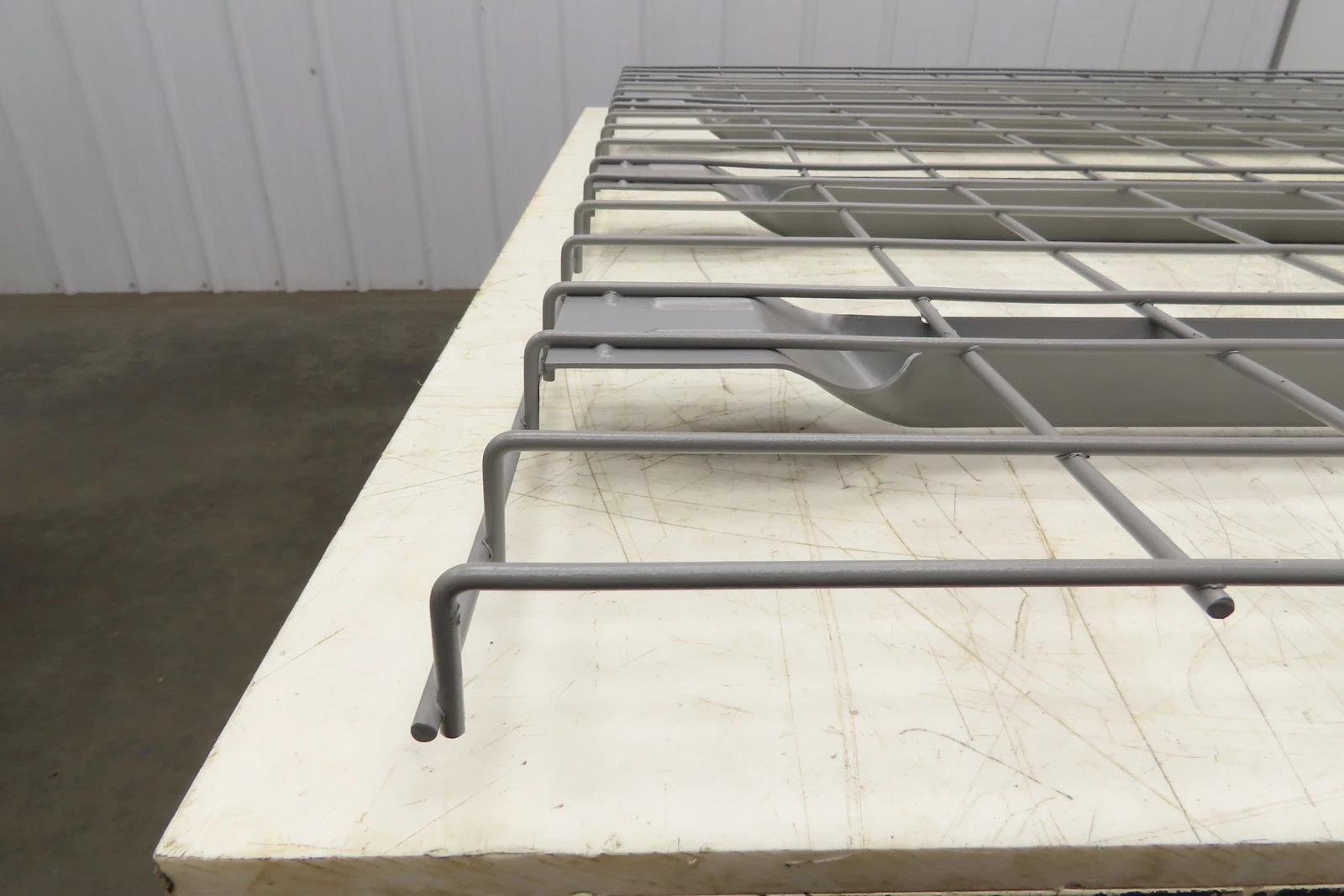
What Role Does Lighting Play In Designing Safe Movement Areas?
How Can Technology Enhance Aisle Navigation and Safety?
In today’s fast-paced environment, it’s easy to overlook the complexities of aisle navigation, especially in large warehouses filled with racking systems. Picture this: you’re in the thick of your day, surrounded by towering shelves, trying to find that one item that’s crucial for your next task. Suddenly, technology steps in. Imagine a simple, user-friendly app guiding you through the maze, pointing out shortcuts and optimizing your route. It’s like having a seasoned guide by your side, saving you not just time but also the frustration that comes from wandering aimlessly.
Now, think about the safety aspect. Enhancing aisle navigation doesn’t just ease your workload; it can also prevent accidents. Imagine a warehouse where smart sensors detect foot traffic and alert workers when they’re about to cross paths, or when machinery is in operation nearby. This technology takes the guesswork out of safety, making sure that everyone can focus on their responsibilities without unnecessary risks. A system that prioritizes people not only increases efficiency but builds a culture of safety—something every worker appreciates in their daily grind.
When we consider the ethical side, it becomes clear. Companies adopting these technologies aren’t just trying to boost productivity; they’re genuinely investing in the well-being of their workforce. They recognize that a safe, efficient environment fosters loyalty and makes employees feel valued. This goes beyond mere numbers on a balance sheet. It speaks to a commitment to creating workplaces where individuals can thrive, not just survive.
Socially, when a company implements enhanced aisle navigation systems, they create an environment where teamwork flourishes. Workers can rely on each other more because they’re linked through an efficient system that keeps everyone informed. The camaraderie grows when you trust the technology backing you up, knowing everyone is connected and supported.
Finally, there’s a sense of authority in companies using advanced aisle navigation technology. It showcases their dedication to innovation and sets a standard in the industry. When workers see their employer taking steps to integrate cutting-edge solutions, it inspires confidence. They know their workplace values not just the bottom line but also the people making that line possible.
In this blend of innovation and care, technology can transform aisle navigation from a chore into a seamless experience, paving the way for everyone to do their best work safely and efficiently.

How Can Technology Enhance Aisle Navigation and Safety?
How Can Technology Enhance Aisle Navigation and Safety?
- Complex aisle navigation is a common challenge in large warehouses.
- User-friendly apps can optimize routes and reduce frustration in finding items.
- Smart sensors enhance safety by detecting foot traffic and alerting workers of nearby machinery.
- Improved navigation systems foster a culture of safety and efficiency among workers.
- Companies investing in these technologies show a commitment to employee well-being and loyalty.
- Enhanced navigation facilitates teamwork and communication within the workforce.
- Adopting advanced technology establishes authority and inspires confidence in the workplace.

How Can Technology Enhance Aisle Navigation and Safety?
Conclusion
Designing clear aisles for safer movement transcends mere functionality; it embodies a commitment to community and care within the workplace. In bustling environments like warehouses, a cluttered aisle can transform into a breeding ground for accidents and stress. By ensuring spacious, well-marked pathways, companies prioritize safety and promote a culture of trust and camaraderie. Clear lanes empower employees to navigate confidently, which, in turn, fosters a sense of belonging and responsibility among the workforce.
From a practical standpoint, investing in proper aisle design not only enhances productivity but also affirms the company’s dedication to its employees’ well-being. When workers see that their safety is valued, their morale lifts, and this translates into fewer injuries and greater job satisfaction. A well-organized space is more than just neat; it cultivates an atmosphere where people feel respected and supported.
Moreover, aesthetics play a crucial role in this equation. A clean, inviting environment invites individuals to engage fully, turning mundane tasks into seamless experiences. Good lighting is one component that dramatically increases safety, illuminating pathways so employees can move confidently without fear of hidden hazards. Warm, inviting light creates an atmosphere where people are more willing to engage and interact, reinforcing the community spirit essential for any workplace.
To further enhance safety and efficiency, integrating technology into aisle navigation represents a modern solution. Technologies that provide real-time guidance and alerts can drastically reduce the likelihood of accidents, ensuring a smoother flow of operations. This reflects a deep-seated ethical commitment to safeguarding the workforce, which cultivates loyalty and trust among team members. When employees experience a culture that prioritizes their safety and efficiency, they contribute positively, not just individually but as part of a united front.
In this context, designing clear aisles transcends simple logistics and transforms into a narrative of care. It’s about crafting spaces that encourage connection and respect, where every worker feels valued and safe. Clear, well-lit, and organized aisles not only facilitate movement but also reinforce a commitment toward a community-focused, efficient workplace. This approach represents a holistic philosophy—one that balances the needs of the organization with the well-being of its people, ultimately fostering an environment where everyone can thrive together.

Conclusion
Conclusion:
- Designing clear aisles promotes safety and reflects a commitment to community in the workplace.
- Cluttered aisles can lead to accidents and stress, making clear pathways essential.
- Spacious, well-marked aisles foster a culture of trust and camaraderie among employees.
- Proper aisle design enhances productivity and demonstrates a company’s dedication to employee well-being.
- Good lighting improves safety and creates an inviting atmosphere conducive to engagement.
- Integrating technology for navigation enhances efficiency and reduces the risk of accidents.
- Clear and organized aisles reinforce a community-focused, efficient workplace where everyone feels valued.

Conclusion
Other Resources

Other Resources
Here is a list of other resources you can review online to learn more:
- Warehouse Storage Racks
- Teardrop Uprights
- Storage Equipment Manufacturers Association
- Warehouse Racking Chicago, IL
- Intro to Warehouse Racks & Warehouse Racking Systems – ShipBob
- IIWS Inc. Rack Installation Illinois & Rack Repairs Illinois
- CMMA
- Racking World
- Pallet Racking 101: A Comprehensive Guide & Options Explained
- Warehouse Automation
- NSC
- Teardrop Racks – Pallet Rack World
- IWLA
- Wolter
- Mustang Material Handling
- International Warehouse Logistics Association
- Bradford Systems
- SEMA
- American Surplus
- Material Handling Safety
Use This Prompt To Get More Resources With Your Favorite Online AI Tool: Please provide me with a list of online articles with their URLs in a bulleted list that I can read regarding Designing Clear Aisles for Safer Movement

Other Resources
Glossary Terms
Designing Clear Aisles for Safer Movement – Glossary Of Terms
1. Aisle: A passageway between rows of seats or shelves in a space, allowing movement and access.
2. Clearance: The minimum space necessary for safe and unobstructed passage in an aisle.
3. Obstruction: Any object that hinders movement or visibility in an aisle.
4. Navigation: The process of moving through an environment, often relating to ease of finding a route.
5. Width: The measure of an aisle from one side to the other, crucial for safe movement.
6. Accessibility: The quality of being easily reached or entered, ensuring all individuals can use the aisle.
7. Visibility: The clarity and unobstructed view within an aisle, important for safety.
8. Flow: The smooth and efficient movement of individuals through an aisle.
9. Design Standards: Established guidelines that dictate the safe dimensions and layout of aisles.
10. Traffic Patterns: The common routes and movements of people using the aisle.
11. Safety Markings: Visual indicators, such as lines or symbols, that designate safe paths in aisles.
12. Emergency Access: Aisle design considerations that allow for quick evacuation or access by emergency personnel.
13. Crowd Management: Strategies employed to control and direct groups moving through aisles.
14. Furniture Layout: The arrangement of furniture that can impact the width and accessibility of an aisle.
15. Maintenance: Regular upkeep needed to keep aisles clear and in safe condition.
16. Ergonomics: The study of people’s efficiency in their environment, focusing on comfort in aisle design.
17. Compliance: Adherence to safety regulations and standards for aisle design.
18. User Experience: The overall experience of individuals interacting with the aisle space.
19. Safety Codes: Legal requirements governing the design and maintenance of aisles.
20. Flow Rate: The number of individuals passing through an aisle in a given time frame, impacting safety.
21. Design Flexibility: The ability of an aisle layout to adapt to varying levels of traffic and use.
22. Signage: Informational or directional signs placed in or near aisles to assist navigation.
23. Multi-Use Spaces: Areas that serve various functions and require careful aisle design for effective movement.
24. Intentional Design: Planning aisles with purpose, considering user needs and safety.
25. Spatial Awareness: The ability to perceive the layout and dimensions of an aisle to navigate it safely.
26. Clear Pathways: Ensuring there are no obstacles in an aisle for safer movement.
27. Noise Reduction: Strategies employed to minimize sound in aisle areas to enhance comfort.
28. Lighting: The use of illumination to enhance visibility in aisles, crucial for safety.
29. Flow Analysis: The study of movement patterns to optimize aisle design.
30. Risk Assessment: The evaluation of potential hazards within aisle environments to improve safety.

Glossary Of Terms
Other Questions
Designing Clear Aisles for Safer Movement – Other Questions
If you wish to explore and discover more, consider looking for answers to these questions:
- What are the recommended aisle widths for different environments (retail, warehouse, distribution center)?
- How do aisle width requirements change based on equipment used (hand pallet truck, forklift, reach truck, AGV)?
- What legal and regulatory standards apply to aisle design (OSHA, local building codes, fire codes, ADA)?
- How do you calculate the minimum clearance needed for safe operation of specific machinery?
- What metrics should be tracked to measure the impact of aisle improvements on safety and productivity?
- How do you estimate the return on investment (ROI) for redesigning aisles and racking systems?
- What are best practices for marking and signage to guide traffic and reduce confusion?
- Which floor marking colors, widths, and materials are most effective and durable?
- How can lighting be specified (lux levels, color temperature, uniformity) to maximize visibility and comfort?
- What role do emergency and backup lighting systems play in aisle safety?
- How should aisles be designed to meet accessibility needs for elderly, disabled, or mobility-impaired users?
- What non-slip flooring materials are recommended for different facility types and climates?
- How do racking configuration and layout affect visibility and reachability of stored items?
- What clearances are required between racks and fire suppression systems or sprinkler heads?
- How do you balance storage density with safe movement and ergonomic access?
- What guardrail, bollard, or corner protection options best prevent rack collisions?
- How often should aisles and racking be inspected and what should inspections include?
- What training and behavior-change programs effectively reduce clutter and maintain clear aisles?
- How can technology (sensors, RTLS, navigation apps) be integrated to improve aisle navigation and collision avoidance?
- What technology solutions work best for real-time traffic alerts and worker notification?
- How do automated systems (AGVs, robots) affect aisle dimensions, traffic patterns, and safety measures?
- What policies should govern temporary aisle obstructions during restocking or maintenance?
- How should cross-aisles and intersections be designed to minimize collisions and blind spots?
- When should one-way aisle systems be used versus two-way traffic designs?
- What signage and training are required to enforce directional flow and traffic rules?
- How can visual management (color coding, signage hierarchy) be used to improve wayfinding?
- What are common human factors and psychological responses to cluttered aisles, and how can design counteract them?
- How should aisle design support efficient picking routes and order fulfillment workflows?
- What are best practices for retrofitting existing facilities to improve aisle safety without major downtime?
- How do seasonal or peak-period changes in inventory impact aisle layout planning?
- What emergency egress considerations must be integrated into aisle planning?
- How do you set and enforce housekeeping standards to prevent persistent clutter?
- What documentation and signage are required to communicate aisle load limits and rack capacities?
- How do insurance requirements and liability concerns influence aisle design choices?
- What case studies or examples demonstrate measurable benefits from aisle redesigns?
- How should stakeholder input (operators, supervisors, safety teams) be collected and incorporated?
- What testing or simulation methods can validate new aisle layouts before implementation?
- How do temperature, humidity, and chemical exposure affect choice of aisle materials and safety features?
- What maintenance schedules and cleaning protocols best preserve visibility and reduce hazards in aisles?
- How should new technologies and layout changes be piloted and scaled across multiple sites?

Other Questions
Checklist
Designing Clear Aisles for Safer Movement – A Checklist
Aisle Layout and Space
✅______ Aisle widths accommodate expected pedestrian and equipment traffic without bottlenecks
✅______ Turning and passing areas are provided at intersections and high-traffic zones
✅______ End-of-aisle visibility is clear; sightlines are unobstructed
✅______ Staging zones are defined so products never encroach into walkways
Marking and Signage
✅______ Aisles are clearly marked with floor lines and directional arrows
✅______ One-way and cross-traffic rules are posted where appropriate
✅______ High-contrast, legible signage identifies zones, racks, and hazards
✅______ Emergency routes, exits, and equipment are visibly labeled and kept clear
Racking Systems
✅______ Racks are stable, undamaged, and anchored as required
✅______ Load ratings are posted and followed; no overhang into aisles
✅______ Frequently accessed items are stored at safe, reachable heights
✅______ Labels and locations are accurate, visible, and standardized
Lighting
✅______ General lighting provides even illumination with minimal shadows
✅______ Task lighting is installed at picking, packing, and inspection areas
✅______ Stairwells, exits, and corners are brightly lit and glare-free
✅______ Burned-out bulbs are replaced promptly; fixtures are maintained regularly
Flooring and Housekeeping
✅______ Floors are level, clean, and dry; non-slip surfaces are used where needed
✅______ Spill response materials are available and used immediately
✅______ Cords, hoses, and debris are removed from walkways
✅______ Damaged flooring, tiles, or mats are repaired or replaced quickly
Workflow and Traffic Flow
✅______ Layout supports logical product flow and minimizes backtracking
✅______ Pick paths are optimized; congestion hotspots are addressed
✅______ Equipment and pedestrian routes are separated wherever possible
✅______ Schedules and zones reduce peak-time conflicts
Accessibility and Inclusivity
✅______ Aisles allow comfortable navigation for people with mobility aids
✅______ Reach ranges consider users of different heights and abilities
✅______ Controls, scanners, and signage are placed for easy, universal access
✅______ Audible/visual cues assist navigation for diverse needs
Technology and Tools
✅______ Digital maps or wayfinding tools guide workers to locations efficiently
✅______ Barcode/RFID systems keep inventory locations accurate and current
✅______ Sensors or alerts warn of cross-traffic and equipment movement
✅______ Wearables or devices support hands-free navigation and notifications
Culture, Training, and Communication
✅______ Leadership models and reinforces clear-aisle expectations
✅______ Workers are trained on aisle rules, signage, and safe movement
✅______ Near-misses and hazards are reported and resolved promptly
✅______ Regular walk-throughs engage teams in continuous improvement
Emergency Readiness
✅______ Exits, extinguishers, first-aid, and eyewash stations are unobstructed
✅______ Evacuation routes are posted and illuminated
✅______ Emergency lighting and signage are tested routinely
✅______ Aisle design supports quick, safe evacuation
Inspection and Continuous Improvement
✅______ Scheduled audits verify aisle clarity, lighting, and rack condition
✅______ Action items are logged with owners and due dates
✅______ Data on incidents, delays, and congestion informs layout updates
✅______ Employee feedback drives ongoing refinements to aisle design

Checklist
At RackingWorld, we help guide you through selecting warehouse storage systems and racking.
Be sure to read our other related stories at RackingWorld to learn more about warehouse storage systems.
0 Comments