
Transforming Workspaces: Safety, Compliance, And Lives At Stake
By Tom Seest
At RackingWorld, we help guide you through selecting warehouse storage systems and racking.
Be sure to read our other related stories at RackingWorld to learn more about warehouse storage systems.
Osha Violations Caused By Poor Layout
In the hustle and bustle of a busy workplace, the layout often gets overlooked amidst the daily grind. But poor layout can lead to serious OSHA violations, with consequences that reach far beyond paperwork. Picture a racking system, filled to the brim with inventory, stacked haphazardly due to a lack of planning. It’s not just a risk to the goods—it’s a ticking time bomb for injuries. When layouts are chaotic, the potential for accidents skyrockets. You’ll see workers dodging around makeshift pathways, trying to avoid lurking hazards.
Consider a man named Joe, a veteran warehouse worker who’s seen it all. One day, he had to maneuver through a cluttered space with poorly designed racking systems. Before he knew it, a stack of boxes toppled over, knocking him sideways. The pain wasn’t just physical; it was a wake-up call for everyone on the team. Joe’s experience is a story echoed across industries—lives disrupted, families worried, and businesses facing costly fines because they didn’t prioritize proper layout.
Rationally speaking, a well-thought-out layout minimizes risks and improves efficiency. When spaces are designed with workflow and safety in mind, injuries decrease, morale rises, and productivity flourishes. It’s not merely an OSHA requirement; it’s common sense. With thoughtful planning, businesses can reduce the likelihood of violations and foster an environment where workers feel safe and valued.
Ethically, it’s our responsibility to ensure workers come home safe every night. A proper layout shows that a company cares, not just about profits but about its people. Investing in smart design signifies a commitment to safety that resonates deeply with employees. They know the company is looking out for them, building trust and loyalty that pays dividends far beyond the balance sheet.
Societally, we know that workplaces reflect values. A firm that takes layout seriously is one that stands for integrity and respect. It sets an example, inspiring others to follow suit. Each worker is a vital part of the larger story, and by creating safe and accessible spaces, we weave a narrative of care and accountability.
The bottom line is simple: when it comes to layout, don’t let poor design be your downfall. Prioritize safety with smart racking systems and layouts that keep everyone safe. The stakes are high—better to design right than risk everything on a haphazard fix.

Osha Violations Caused By Poor Layout
Osha Violations Caused By Poor Layout
- Poor workplace layout can lead to serious OSHA violations and increased injury risks.
- Disorganized racking systems create hazardous conditions for workers.
- Anecdote of warehouse worker Joe highlights the dangers of chaotic layouts.
- A well-planned layout enhances safety, boosts morale, and improves productivity.
- Investing in smart design demonstrates a company’s commitment to employee safety and welfare.
- Responsible design reflects corporate values of integrity and respect towards workers.
- Prioritizing proper layout is essential to avoid costly consequences and create a safe work environment.

Osha Violations Caused By Poor Layout
Table Of Contents
- Osha Violations Caused By Poor Layout
- How Does a Poor Layout Increase Workplace Accidents?
- What Emotional Toll Do Osha Violations Take on Workers?
- Can Effective Layout Design Prevent Injuries?
- How Does Layout Impact Employee Morale and Productivity?
- What Are the Hidden Costs Of Osha Violations?
- Are Safety Regulations Being Compromised By Layout Issues?
- Conclusion
- Other Resources
- Glossary Of Terms
- Other Questions
- Checklist
How Does a Poor Layout Increase Workplace Accidents?
When you walk into a workspace, the layout speaks volumes about safety. Picture a factory floor cluttered with equipment and poorly arranged racking systems. It’s not just an eyesore; it’s a recipe for disaster. Every day, workers navigate through a maze of obstacles, increasing the chances of slips, trips, and falls—accidents that could have been minimized with a more deliberate setup. The heart of the matter isn’t just about machinery or safety regulations; it’s about people. Those workers are someone’s spouse, parent, or friend, and when they’re hurt, it ripples through families and communities.
Let’s get rational for a moment. A well-planned layout streamlines workflow, enhances productivity, and drastically reduces the potential for mishaps. When tools and materials are organized and accessible, workers can focus on their tasks without the distraction of disarray. Imagine hunting for a tool amidst a tangled mess of racking systems; frustration builds, attention wanes, and before you know it, an accident occurs. Rationality dictates that a smartly designed space minimizes hazards and maximizes efficiency, ultimately saving time and money.
Ethically speaking, every employer has a duty to ensure a safe working environment. It’s not just about compliance with laws—it’s about valuing human life and wellbeing. Workers who feel cared for in their environment are more likely to be engaged and less prone to accidents. A layout that honors safety fosters a culture of respect and responsibility, encouraging employees to support one another.
Sharing stories from the floor can illuminate how layout impacts safety. Consider a crew on the night shift struggling to navigate their area. They’ve got their backs against the wall, quite literally, as cramped spaces force them to maneuver awkwardly. One misstep can send them crashing into a racking system, leading to injuries that could have been avoided. These narratives don’t just highlight risks; they unite coworkers as they address shared challenges.
In a nutshell, a poor layout doesn’t just increase accidents; it fractures trust among employees and undermines a company’s morale. Workers deserve safety and respect in every corner of their environment. Investing in thoughtful layout design, particularly with regard to racking systems, transforms not only the physical space but the spirit of the workforce. It encourages a culture where safety is a shared responsibility, inspiring everyone to take action and prioritize one another’s wellbeing.

How Does a Poor Layout Increase Workplace Accidents?
How Does a Poor Layout Increase Workplace Accidents?
- Workspace layout significantly impacts safety, with cluttered areas increasing accident risks.
- A well-planned layout enhances workflow, boosts productivity, and reduces mishaps.
- Organized tools and materials allow workers to focus, minimizing distractions and potential accidents.
- Employers have a duty to create safe working environments, valuing human life and well-being.
- A layout that prioritizes safety fosters a culture of respect and responsibility among employees.
- Sharing stories from workers illustrates the importance of layout in safety, uniting teams in addressing challenges.
- Investing in thoughtful layout design not only enhances safety but also improves workforce morale and encourages shared responsibility.
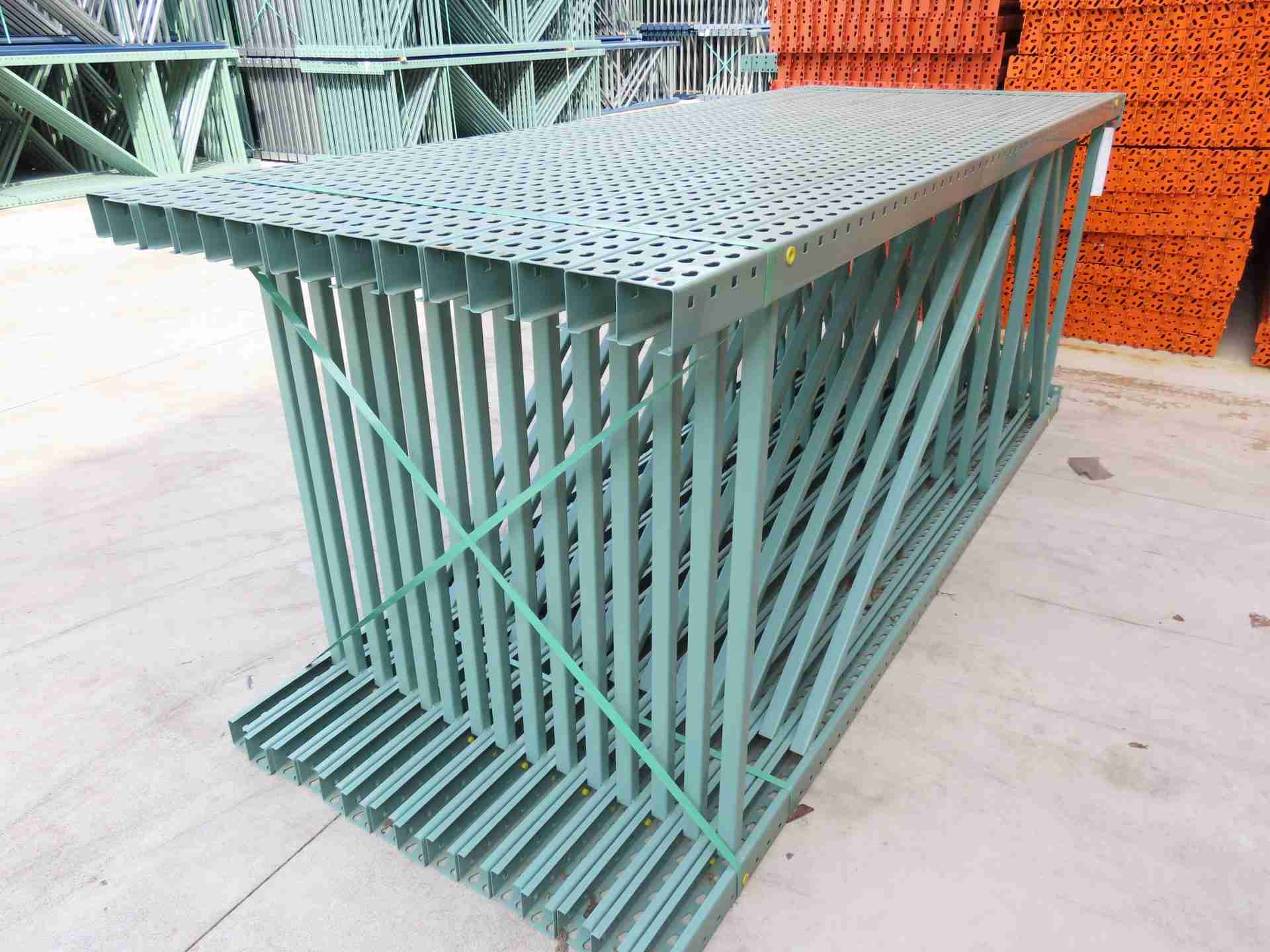
How Does a Poor Layout Increase Workplace Accidents?
What Emotional Toll Do Osha Violations Take on Workers?
What Emotional Toll Do OSHA Violations Take on Workers?
When it comes to the workplace, there’s far more at stake than just profits and deadlines. The toll of OSHA violations reaches deep into the emotional fabric of workers, often leaving scars that aren’t immediately visible. Picture a factory filled with racking systems, stacked high with risks that can lead to accidents. For the men and women who rely on their jobs for stability, a single violation can turn a day’s work into a night of worry.
Imagine clocking in each day, hopeful but always aware of the potential dangers lurking in unsafe environments. It takes a toll, and it doesn’t just weigh on the shoulders; it settles in the gut. When workers feel their safety isn’t prioritized, anxiety creeps in, twisting the stomach and pulling down morale. Fear born from witnessing or hearing about a co-worker’s near miss or injury can haunt the mind, creating an unsettling environment where trust in management starts to erode.
Workers know when corners are cut. They hear the whispers on the shop floor about missing safety gear or inadequate training that falls short of the safety standards set by OSHA. This isn’t just about the rules; it’s about their lives, their families, and their futures. The emotional burden of knowing management may not have their best interests at heart creates a rift that can lead to disengagement. Workers become less than their best selves—less invested, less enthusiastic, and more worried about what could happen next.
From an ethical standpoint, every worker deserves to go home intact at the end of the day. When safety protocols are ignored, it’s not just a violation of laws; it’s a violation of trust. No one wants to feel like a mere cog in the wheel, replaceable and expendable. It’s vital to cultivate an environment of accountability and respect, fostering connections that allow workers to feel valued and heard.
Narratives of accidents and violations ripple through communities, often igniting collective action. Workers band together, sharing their stories, advocating for safer practices and demanding better from their employers. This solidarity creates a powerful movement, urging companies to recognize that their workers are not just resources; they are people with lives and families depending on them.
The emotional toll of OSHA violations cannot be measured by numbers alone. It’s felt in the hearts and minds of those who shoulder the burden of safety. It’s about respect, dignity, and the simple right to work in a safe environment. As we reflect on our roles within these systems, let’s prioritize the well-being of every worker by standing together for safety and accountability, ensuring that racking systems and safety measures remain a priority, not an afterthought.

What Emotional Toll Do Osha Violations Take on Workers?
What Emotional Toll Do Osha Violations Take on Workers?
- OSHA violations impact workers emotionally, creating unseen scars.
- Unsafe environments lead to anxiety, lowering morale and trust in management.
- Workers are aware of safety breaches and inadequate training, affecting their sense of security.
- Emotional burdens from management’s negligence can lead to disengagement and reduced enthusiasm.
- Every worker deserves a safe workplace; neglecting safety is a breach of trust.
- Collective action among workers promotes safer practices and demands accountability from employers.
- The emotional toll of violations emphasizes the need for respect, dignity, and safety in the workplace.

What Emotional Toll Do Osha Violations Take on Workers?
Can Effective Layout Design Prevent Injuries?
Effective layout design can be a game-changer when it comes to preventing injuries in the workplace, and it’s not just about the grand vision; it’s about the everyday reality of those who toil hard on the ground. Picture a busy warehouse floor: workers bustling about, machinery humming, and racking systems lined like sturdy sentinels. Now imagine an environment where poorly placed equipment and clutter create hazards at every turn. That’s where layout design steps in as both a savior and a common-sense solution.
When designing a workspace, it’s crucial to think about how people move through it. Racking systems should not just be functional but should also facilitate safe navigation. A well-planned layout minimizes blind spots and keeps pathways clear, allowing workers to focus on their tasks instead of dodging obstacles. This is the kind of design that doesn’t just reduce the chance of injury; it fosters a sense of safety and confidence among workers. They can go about their tasks, knowing that their environment supports them, rather than putting them at risk.
From a rational standpoint, injuries are costly—not just in terms of medical bills but also in lost productivity and morale. Every time someone gets hurt, it rattles the whole crew. It harms relationships between colleagues and shakes the confidence of those who are left to pick up the slack. In contrast, a thoughtfully designed layout instills a sense of pride and ownership, inspiring everyone to do their part in maintaining a safe space.
Ethically, every worker deserves a safe environment. Designing layouts with safety in mind reflects a commitment to people. It’s a simple yet profound way to show that their wellbeing matters. In a world where many companies prioritize profit over people, a focus on effective design speaks volumes about an organization’s values.
We all have stories from the trenches. There was a factory where a poorly designed setup led to repeated minor accidents, creating a cloud of anxiety and tension among staff. But when leadership took the bull by the horns and revamped the layout, moving crucial racking systems to create clearer paths, the changes were palpable. Workers felt more empowered and engaged, leading to fewer accidents and a more cohesive team.
Effective layout design isn’t just about aesthetics or meeting regulations; it’s about people. It’s about creating a space where everyone can do their best work without worrying about injury. That’s the kind of place where we all want to clock in every day, ready to make a difference.

Can Effective Layout Design Prevent Injuries?
Can Effective Layout Design Prevent Injuries?
- Effective layout design is crucial for preventing workplace injuries.
- A well-planned layout minimizes hazards and facilitates safe navigation.
- Clear pathways and reduced blind spots enhance worker confidence and safety.
- Injuries lead to significant costs, including medical bills and lost productivity.
- Thoughtful design fosters pride and encourages a collective commitment to safety.
- Ethically, prioritizing safety shows a commitment to employee wellbeing.
- A redesign can positively impact employee morale and team cohesion.
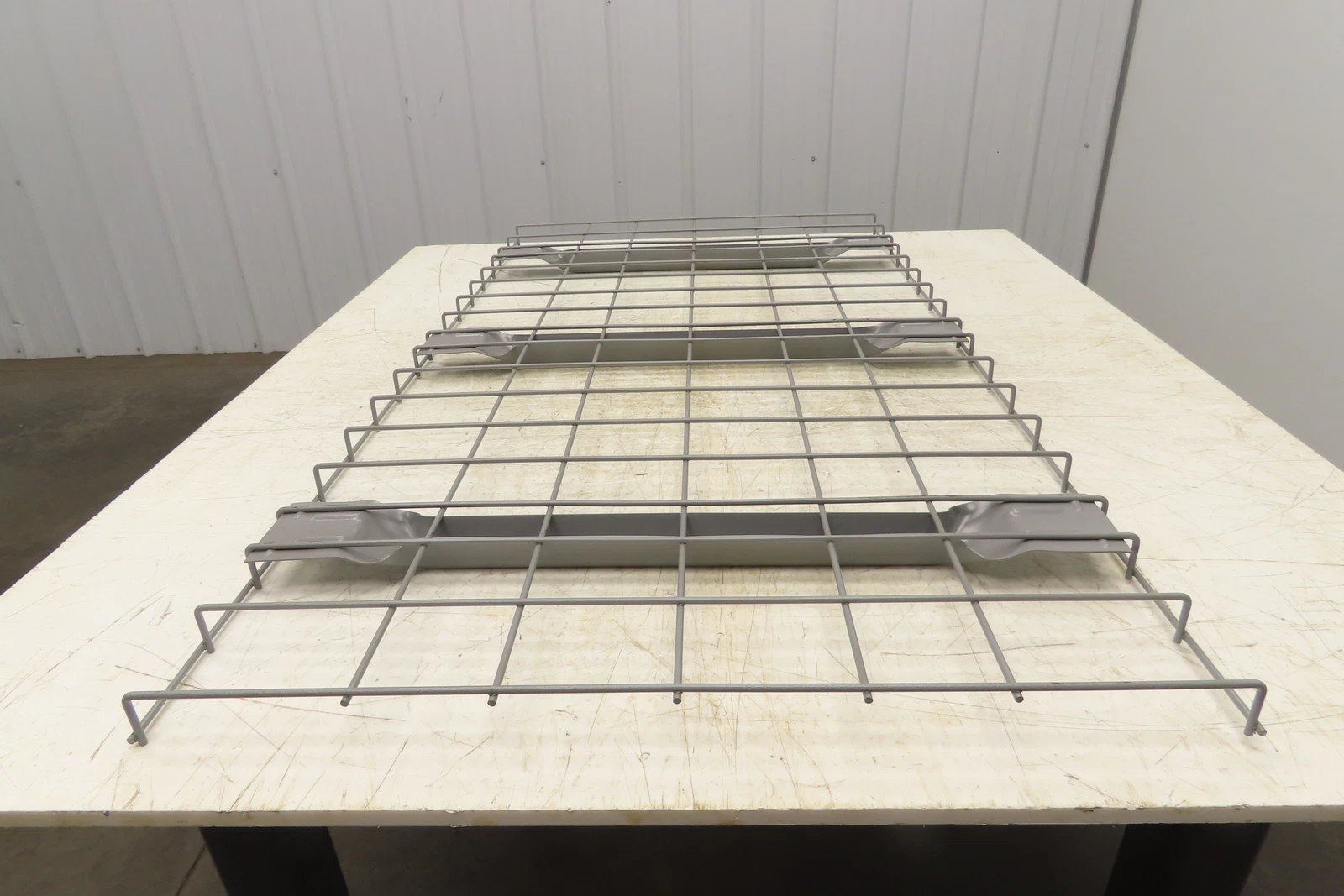
Can Effective Layout Design Prevent Injuries?
How Does Layout Impact Employee Morale and Productivity?
When you step into a workplace, the layout speaks volumes before a word is exchanged. Imagine a bustling warehouse lined with efficient racking systems, where every item has its place, leading to smooth movement and easy access. It’s this kind of thoughtful design that not only keeps operations efficient but also fosters a sense of pride among employees. A well-organized space communicates respect for workers’ time and effort, making them feel valued and thus more motivated.
Picture a crew that spends its days navigating cluttered aisles where tools are misplaced, and items pile up in disarray. Frustration can quickly set in. Employees may feel like cogs in a machine, lost in the chaos. Morale dips, and with it, productivity suffers. It’s not just about efficiency metrics; it’s about the heart of the operations. When employees take pride in their surroundings, they’re more likely to take pride in their work, striving for excellence rather than merely clocking in hours.
Layout also influences the social dynamics at play in the workplace. Open spaces can encourage collaboration, sparking creativity and innovation through informal interactions. However, if the layout forces people into isolated corners, it can stifle communication and camaraderie. Relationships built on camaraderie and shared goals lead to stronger teams, and when workers find that they can rely on each other, their collective productivity soars.
The ethical responsibility of a company is to create a space that nurtures talent while promoting safety and comfort. A well-thought-out layout considers the needs of its workers, from ergonomics to lighting. This is where leadership can demonstrate its commitment to the workforce. When employees know their needs are met, it breeds loyalty and trust.
Narratives don’t always start with a grand vision but with the small, meaningful decisions made every day. Every time a layout change enhances workflow or eases daily tasks, it reinforces a culture of care. It sends a message: This matters. This is about us.
In industries where hands-on experience is the norm, these small but impactful design choices can serve as powerful motivators. By creating spaces that work for people, organizations invest not just in productivity but in the very soul of their workforce. It’s about building a thriving community, where morale is high and everyone feels like their way of working matters.

How Does Layout Impact Employee Morale and Productivity?
How Does Layout Impact Employee Morale and Productivity?
- The layout of a workplace influences efficiency and employee pride.
- A well-organized environment fosters respect for workers’ time and enhances motivation.
- Cluttered spaces lead to frustration, decreased morale, and lowered productivity.
- Open layouts promote collaboration and creativity, while isolated areas hinder communication.
- Companies have an ethical responsibility to create safe, comfortable, and ergonomic workspaces.
- Small layout changes can significantly impact daily workflow and reinforce a culture of care.
- Investing in thoughtful design not only boosts productivity but also nurtures the workforce’s overall well-being.

How Does Layout Impact Employee Morale and Productivity?
What Are the Hidden Costs Of Osha Violations?
What Are the Hidden Costs Of OSHA Violations?
When we think about OSHA violations, we often focus on the immediate fines—the numbers that hit the books and dock the budgets. But the hidden costs? Those are what really keep you up at night. Picture this: A warehouse where folks are operating without proper safety standards for racking systems. At first glance, everything looks normal. But beneath the surface, there’s a tension that simmers, a sense of unease that can crack open like a can of soda under pressure.
Let’s break it down. When safety is compromised—like when racking systems are overloaded or improperly installed—it invites accidents. You can bet that one slip-up can lead to a serious injury or worse. The emotional toll on your team is palpable. It’s not just about numbers; it’s about the faces of coworkers and the families they go home to. That fear can corrode morale, affecting productivity as employees become hesitant, looking over their shoulder instead of focusing on the job.
Now, consider the rational side. Every OSHA violation comes with hidden costs beyond the fines. Think about the insurance premiums that skyrocket after an incident. Every claim filed leads to higher rates, draining resources that could go elsewhere. There’s the legal aspect, too. Lawsuits can linger like a shadow over a business, pulling focus from growth to damage control.
Then, there’s the ethical responsibility. Every leader holds a duty to protect their workforce. Cutting corners may save a buck today, but it leaves a stain on your integrity. Your reputation is a currency that can’t be ignored. If word gets out that you’re skimping on safety, you’ll see clients and talent walk right out the door.
Moreover, there’s the narrative woven into each workplace. Every missed safety check or shortcut taken builds a story, incomplete and fraught with tension. People remember a workplace that puts profit over safety, and that narrative doesn’t just fade away. It resonates throughout the community, affecting partnerships and opportunities.
Finally, let’s talk about connection. Every worker deserves to feel safe, valued, and respected. When you prioritize safety—when you get your racking systems right, and maintain a culture of care—you cultivate trust and loyalty. In a world where every handshake counts, your commitment to safety sends a powerful message that resonates far and wide. That’s where the real strength of a business lies—rooted in the belief that safety is not merely compliance, but a cornerstone of success.

What Are the Hidden Costs Of Osha Violations?
What Are the Hidden Costs Of Osha Violations?
- OSHA violations lead to hidden costs beyond immediate fines.
- Compromised safety can result in serious accidents and injuries.
- Emotional toll on employees can negatively impact morale and productivity.
- Insurance premiums may increase significantly after incidents.
- Legal issues from lawsuits can distract from business growth.
- Ethical responsibility includes protecting the workforce and maintaining a good reputation.
- Prioritizing safety fosters trust and loyalty among employees and strengthens business integrity.

What Are the Hidden Costs Of Osha Violations?
Are Safety Regulations Being Compromised By Layout Issues?
In the world of warehousing and manufacturing, the backbone of safety often rests on well-designed layouts. Picture a day in a bustling facility where employees hustle between racking systems, stacking goods high, aiming for efficiency. But what happens when those racking systems are poorly placed, or no thought is given to the flow of traffic? Suddenly, the very frameworks meant to keep us organized can become perilous obstacles, leaving workers in precarious situations.
We’ve all heard the horror stories: a misplaced pallet, an inadequate aisle width, or poorly marked hazards leading to near-misses or worse. These aren’t just abstract concerns; these incidents affect real people with families to support. It’s a sobering reality when someone’s job is on the line, or worse, their life. Ethically, it raises the question: are we truly prioritizing the safety of our workforce when layout issues linger unaddressed?
From a rational standpoint, it’s evident that compromising on layout isn’t just bad for workers; it’s bad for business. An accident can stall production and drain resources, leading to costly downtime. Investing in proper layout planning and safety measures pays off. It invites a culture of safety that attracts skilled workers who want to be part of a responsible operation. People want to feel secure in their environment, and they deserve that peace of mind.
Imagine walking into a facility where everything flows seamlessly—racking systems positioned for maximum space efficiency, wide aisles allowing easy passage, and understandable signage guiding every step. It’s a place where you feel confident, knowing your colleagues aren’t just colleagues; they’re part of a team committed to each other’s well-being. The very structure of that space fosters connection, trust, and motivation, transforming how tasks are approached.
Layout isn’t just a matter of convenience; it’s a cornerstone of a safety culture that nurtures care among workers. When employees feel like their organization values their safety, it creates loyalty that strengthens the entire operation. But to get there, we must recognize that layout issues aren’t minor inconveniences; they’re safety threats that need addressing. It’s time to take the necessary steps, own the responsibility, and ensure that our racking systems and layouts reflect our commitment to safety and wellbeing. Everyone deserves to work in an environment where safety is priority number one.

Are Safety Regulations Being Compromised By Layout Issues?
Are Safety Regulations Being Compromised By Layout Issues?
- Well-designed layouts are crucial for safety in warehousing and manufacturing.
- Poor racking system placement can create hazards and jeopardize worker safety.
- Layout issues, such as inadequate aisle width and unclear hazards, lead to accidents affecting employees and their families.
- Compromising on layout negatively impacts both employee safety and business efficiency.
- Investing in effective layout planning fosters a culture of safety and attracts skilled workers.
- A seamless facility layout enhances confidence, teamwork, and employee motivation.
- Addressing layout issues is essential for prioritizing safety and wellbeing in the workplace.

Are Safety Regulations Being Compromised By Layout Issues?
Conclusion
In the heart of every workplace lies the layout—a silent architect of safety, efficiency, and worker wellbeing. When planning a workspace, overlooking the design can invite chaos and danger, leading to OSHA violations that impact not just the bottom line but the very lives of those who toil there. Imagine a warehouse where racking systems stand awkwardly, goods precariously piled high without a coherent plan. Each day, workers navigate treacherous pathways, their safety compromised in a space that should support their efforts.
Take the story of an experienced worker, Joe, who faced injury due to a cluttered environment. His experience serves as a stark reminder that poor layout is not merely a managerial oversight; it disrupts lives, instills fear, and burdens families with anxiety. Beyond physical risks, the emotional toll is heavy. Workers begin to dread clocking in, haunted by the potential dangers that lurk in every corner. It’s this emotional landscape that can erode trust between employees and management, fostering disengagement and burnout.
From a rational perspective, a well-organized layout bolsters productivity. Accessible tools and clear pathways allow workers to navigate their tasks efficiently, enhancing morale along with safety. It’s not just about compliance; it’s a display of common sense that benefits everyone involved. Ethically, every employer bears the responsibility to ensure their workers come home safe. Prioritizing effective layout design demonstrates a commitment to valuing each employee as a critical asset, fostering loyalty and trust that extend beyond mere profits.
A workplace layout mirrors a company’s values. These spaces should welcome collaboration and engagement rather than isolation. When layout aids communication, the ensuing camaraderie strengthens teams, leading to higher productivity. Each improvement in design serves as a meaningful choice, affirming that every worker matters.
Consider the hidden costs associated with OSHA violations. Beyond fines, emotional distress permeates work environments, dampening morale and productivity. Legal repercussions linger, draining resources and focus from growth toward damage control. A company’s reputation is on the line when safety is compromised. A commitment to safety is a powerful narrative—one that resonates in the community, ensuring trust and respect.
Ultimately, an effective layout serves as the backbone of a safe workplace. It’s about responsibility, integrity, and a culture that prioritizes well-being over mere compliance. The stakes couldn’t be higher; investing in thoughtful design creates a nurturing environment where every worker is empowered to thrive. This isn’t just about avoiding violations; it’s about cultivating a space where every employee feels valued and safe. Prioritizing layout means not just designing for efficiency but crafting a narrative of care that uplifts all who enter.

Conclusion
Conclusion:
- The layout of a workplace is crucial for safety, efficiency, and employee wellbeing.
- Ignoring layout design can lead to OSHA violations and create dangerous working conditions.
- Poor layouts impact workers’ lives emotionally, instilling fear and anxiety about safety.
- A well-organized workspace enhances productivity, morale, and safety for employees.
- Employers have an ethical obligation to ensure the safety and value of their workers.
- Layout design should promote collaboration and communication, strengthening team dynamics.
- Investing in effective layout design fosters a culture of care, ensuring workers feel valued and safe.

Conclusion
Other Resources

Other Resources
Here is a list of other resources you can review online to learn more:
- Cantilever Racks Chicago
- What is Selective Pallet Racking
- American Surplus
- Crane Manufacturers Association Of America Inc.
- Selective Pallet Racking Systems
- Illinois Pallet Racking – WPRP
- IIWS Inc. Rack Installation Illinois & Rack Repairs Illinois
- Iowa Illinois Warehouse Racking
- Cantilever Rack Guide: Ordering Cantilever Racking
- Warehouse Storage Racking in Illinois
- Material Handling Industry
- Selective Rack – Raymond West
- Interlake Mecalux
- Overhead Lifting
- Teardrop Industrial Shelving Rack
- BMH
- Selective Pallet Racking Systems – Container Systems
- BMH Equipment LLC
- Pallet Racking systems in Illinois, Great Lakes
- Interlake Mecalux
Use This Prompt To Get More Resources With Your Favorite Online AI Tool: Please provide me with a list of online articles with their URLs in a bulleted list that I can read regarding Osha Violations Caused By Poor Layout

Other Resources
Glossary Terms
Osha Violations Caused By Poor Layout – Glossary Of Terms
1. Compliance: Adherence to established regulations and standards.
2. Hazard: A potential source of harm or danger in the workplace.
3. Ergonomics: The study of people’s efficiency in their working environment.
4. Layout: The arrangement of equipment, furniture, and spaces in a working area.
5. Safety Protocol: Established procedures to ensure a safe working environment.
6. Accessibility: The ease of access to equipment and exits in a workplace.
7. Congestion: Overcrowding in workspaces that can lead to hazards.
8. Egress: An exit route allowing individuals to leave an area safely.
9. Workflow: The sequence of processes through which work passes.
10. Equipment Spacing: The distance between machines and tools to prevent accidents.
11. Visibility: The capacity to see and be seen, crucial for safety.
12. Traffic Flow: The movement pattern of workers and equipment throughout a space.
13. Obstruction: Any item that hinders movement or visibility in the workplace.
14. Signage: Signs that provide important safety information and instructions.
15. Maintenance: Regular upkeep of equipment and facilities to prevent hazards.
16. Emergency Plan: A strategy outlining actions to take in case of an emergency.
17. Training: Programs designed to educate employees about safety practices.
18. Communication: Methods used to share safety information among workers.
19. Inspection: The process of examining the workspace for hazards and compliance.
20. Incident Report: Documentation of an event that results in injury or damage.
21. Risk Assessment: The identification and evaluation of potential hazards.
22. Personal Protective Equipment (PPE): Gear worn to minimize exposure to hazards.
23. Quality Control: Procedures to ensure that products meet safety standards.
24. Spill Management: Procedures for handling hazardous material spills.
25. Focal Points: Areas specifically designed for high visibility and safety.
26. Traffic Control: Measures to manage the movement of people and equipment safely.
27. Incident Prevention: Strategies aimed at reducing the occurrence of workplace injuries.
28. Facility Design: The planning of the physical space to enhance safety and efficiency.
29. Worker Feedback: Input from employees about safety and layout concerns.
30. Violation: Failure to comply with safety regulations and standards.
Glossary Of Terms
Other Questions
Osha Violations Caused By Poor Layout – Other Questions
If you wish to explore and discover more, consider looking for answers to these questions:
- What specific OSHA standards apply to racking systems and warehouse layout?
- How wide should aisles be to comply with safety regulations and prevent accidents?
- What are the maximum allowable load limits for common types of racking and shelving?
- How often should racking systems and layouts be inspected for safety?
- Who is legally responsible for ensuring the layout meets OSHA requirements?
- What are the most common layout-related OSHA violations cited in warehouses and factories?
- What steps should a company take to perform a layout safety audit?
- How can companies prioritize layout fixes when budgets are limited?
- What are best practices for separating pedestrian traffic from forklift and equipment routes?
- How should emergency egress routes be designed and maintained within a layout?
- What training do employees need related to layout hazards and racking safety, and how often?
- How can near-miss reporting be integrated into layout safety improvement efforts?
- What are the recommended procedures for anchoring and securing racking systems?
- How should load signage and labeling be implemented to prevent overloading?
- Which layout features most directly affect employee morale and productivity?
- How do layout changes impact insurance premiums and workers’ compensation claims?
- What metrics should be tracked to measure the ROI of layout and racking improvements?
- How can companies redesign layouts with minimal disruption to operations?
- When should outside consultants or engineers be engaged to evaluate layout safety?
- What role does ergonomics play in layout design to reduce injuries and fatigue?
- How should lighting, signage, and floor markings be used to improve safety and flow?
- What legal or financial penalties can result from layout-related OSHA violations?
- How should businesses document compliance efforts to satisfy OSHA inspections?
- What are effective ways to involve frontline workers in layout design and safety planning?
- How do layout decisions differ for high-density storage versus fast-pick operations?
- What technologies (software, sensors, simulation tools) can help optimize safe layouts?
- How do seismic, climatic, or site-specific conditions affect racking and layout requirements?
- What are the steps for responding to a layout-related accident or near miss?
- How can companies create a lasting safety culture that prevents layout complacency?

Other Questions
Checklist
Osha Violations Caused By Poor Layout – A Checklist
Layout and Workflow
✅______ Current layout map is up-to-date and posted at points of use
✅______ Workflows minimize cross-traffic between people and equipment
✅______ Materials, tools, and parts are staged at the point of use to reduce travel
✅______ High-frequency tasks are placed in easily accessible locations
✅______ Bottlenecks and congestion points are identified and eliminated
✅______ Change management is applied before moving equipment or storage locations
Racking Systems
✅______ Racks are engineered, installed per manufacturer instructions, and anchored
✅______ Load capacities are posted, legible, and enforced at each bay and level
✅______ Beams have locking devices; damaged components are tagged out and replaced
✅______ Racks are plumb, level, and regularly inspected for damage or looseness
✅______ Pallets are in good condition; no broken boards or protruding nails
✅______ Adequate clearances are maintained from sprinklers and walls
✅______ End-of-aisle and corner protection is installed where needed
Aisles, Walkways, and Housekeeping
✅______ Aisle widths support safe passage of people and equipment with loads
✅______ Aisles and exits are free of obstructions and stored materials
✅______ Floor surfaces are even, clean, and dry; spills are addressed immediately
✅______ Trip hazards such as cords, debris, and banding are removed promptly
✅______ Storage is stable, interlocked, and below designated height limits
✅______ 5S and housekeeping standards are defined and audited
Pedestrian and Vehicle Traffic Management
✅______ Designated pedestrian walkways are marked and protected where practical
✅______ Forklift routes are defined, marked, and separated from pedestrians where feasible
✅______ Mirrors, barriers, and warning devices are installed at blind corners and intersections
✅______ Speed limits and right-of-way rules are posted and enforced
✅______ Dock and staging areas have clear lines of sight and markings
✅______ Spotter procedures are defined and used when visibility is limited
Emergency Egress and Fire Protection
✅______ Exit routes are clearly marked, illuminated, and unobstructed
✅______ Exit doors open in the direction of egress and are not locked or blocked
✅______ Fire extinguishers, alarms, and pull stations are accessible and inspected
✅______ Evacuation maps and assembly areas are posted and current
✅______ Eyewash and shower stations are accessible, tested, and unobstructed where required
✅______ Combustible waste is controlled, with no storage in electrical or mechanical rooms
Visibility, Lighting, and Signage
✅______ Lighting levels support safe work, inspection, and travel in all areas
✅______ Task lighting is provided where precision or reading is required
✅______ Floor markings, signs, and labels are clear, standardized, and maintained
✅______ Hazard zones, pinch points, and restricted areas are visibly identified
✅______ Rack load labels and aisle IDs are consistent and easy to read
Ergonomics and Workstations
✅______ Work heights and reaches minimize bending, twisting, and overreaching
✅______ Heavier, high-rotation items are stored between knee and shoulder height
✅______ Mechanical assists are available and used for heavy or awkward loads
✅______ Lift, carry, push, and pull limits are defined and trained
✅______ Task rotation or micro-breaks are used for repetitive tasks
Training, Communication, and Culture
✅______ Employees are trained on layout, traffic patterns, and rack safety basics
✅______ Powered industrial truck operators are trained, certified, and evaluated
✅______ Stop-work authority and hazard reporting are encouraged without retaliation
✅______ Near misses and incidents are shared in toolbox talks to prevent recurrence
✅______ Employee feedback on layout hazards is collected and acted upon
✅______ Leaders conduct regular floor walks focused on layout and housekeeping
Inspections, Maintenance, and Documentation
✅______ Routine rack inspections are scheduled, documented, and tracked to closure
✅______ Layout and rack changes are reviewed by qualified personnel before implementation
✅______ Forklifts and equipment receive pre-use and periodic inspections
✅______ Incident, injury, and near-miss logs are maintained and analyzed for trends
✅______ Corrective actions have owners, due dates, and effectiveness checks
✅______ Insurance, regulatory, and manufacturer documents are readily available
Hidden Risk and Readiness Checks
✅______ Emergency contact information and first-aid supplies are accessible and current
✅______ Contractor and visitor orientations include layout and traffic rules
✅______ Temporary storage or surge inventory has a defined safe overflow plan
✅______ Seasonal or shift changes include a layout risk review
✅______ Business continuity plans consider layout-related disruptions and recovery steps

Checklist
At RackingWorld, we help guide you through selecting warehouse storage systems and racking.
Be sure to read our other related stories at RackingWorld to learn more about warehouse storage systems.
0 Comments