
Transforming Safety: Redesigning Forklift Zones To Protect Lives And Livelihoods
By Tom Seest
At RackingWorld, we help guide you through selecting warehouse storage systems and racking.
Be sure to read our other related stories at RackingWorld to learn more about warehouse storage systems.
Forklift Collision Zones: Design Prevention
In an industrial setting, the invisible but palpable tension of the workplace is often felt within the collision zones where forklifts operate and racking systems stand tall, filled to the brim with goods. It’s here that our hands-on experience matters most, where the stakes are as high as the racking systems themselves. A moment of inattention can lead to chaos, a collision that not only damages property but can lead to injury or worse. We’ve all heard the stories—incidents that leave a mark long after the dust settles.
Designing effective collision zones is about more than just following regulations; it’s about fostering a respect for safety that resonates on every level. Picture a warehouse where clear paths are marked, with the low hum of forklifts operating in harmony with the built environment. That clarity can prevent those heart-stopping moments when a forklift driver suddenly realizes they’re veering toward a racking system full of stock—your stock, someone’s livelihood. It’s a simple change, but it invokes trust in the system and the people working it.
Creating these zones isn’t just about combatting risk; it’s a moral obligation. We owe it to our coworkers and employees to prioritize their safety. When we invest in thoughtful design—like utilizing angled racking systems or clear sightlines—we’re telling folks, “We’ve got your back.” It fosters a culture where everyone feels valued, much like a family that looks out for one another. This leads to improved morale and productivity, the kind of camaraderie that makes a workplace not just functional, but thriving.
Moreover, let’s not forget the long-term savings. In accidents avoided, in insurance premiums lowered—it all adds up. It’s smart business, plain and simple. When we prioritize safety design in collision zones, we can shift the narrative from reacting to accidents to preventing them. Storytelling in this industry includes those nights worrying about a missing shipment or an injured friend, but it can also reflect a workplace where proper design touches every corner, serving as a shield for our workforce.
Ultimately, it’s about crafting spaces that balance the busy buzz of daily operations with the need for security. It requires a collective effort, where every worker, from management to the floor crew, understands the significance of an intentional design that prioritizes safety over speed. Together, we can fortify collision zones in a way that resonates with the heart, engages the head, and speaks to the gut instinct we all have to protect one another. By designing with foresight and consideration, we set the stage for a safer, more reliable workplace.

Forklift Collision Zones: Design Prevention
Forklift Collision Zones: Design Prevention
- Collision zones in industrial settings pose inherent risks due to the presence of forklifts and racking systems.
- Effective design goes beyond regulations, focusing on creating safe environments that foster trust.
- Clear paths and marked areas can significantly reduce the risk of accidents and enhance operational harmony.
- Prioritizing safety is a moral obligation to protect coworkers and employees, promoting a supportive culture.
- Investments in thoughtful design can lead to improved morale, productivity, and a sense of community in the workplace.
- Long-term savings result from accident prevention and lowered insurance premiums, making safety smart business.
- A collective effort among all workers is essential to prioritize safety over speed, creating reliable and secure workspaces.

Forklift Collision Zones: Design Prevention
Table Of Contents
- Forklift Collision Zones: Design Prevention
- What Are the Main Risks In Forklift Collision Zones?
- How Can Design Minimize Accidents?
- What Features Enhance Forklift Safety?
- Are Collision Zones Well-Marked In Your Facility?
- How Does Poor Design Impact Worker Safety?
- What Role Does Training Play In Prevention?
- Conclusion
- Other Resources
- Glossary Of Terms
- Other Questions
- Checklist
What Are the Main Risks In Forklift Collision Zones?
In bustling warehouses and loading docks, the dance of forklifts and workers is a daily routine. However, beneath this ordinary surface lies a world of risks, especially in collision zones. When racking systems tower over workers and pallets, the stakes climb higher than just inventory; lives hang in the balance.
Every time a forklift makes a turn or backs up, there’s a heartbeat—a moment of potential danger. These heavy machines, moving at surprising speeds, can strain even the most experienced operator’s instincts. Dim lighting or clutter can obscure visibility, turning familiar pathways into treacherous terrains. When pedestrians enter these zones, the stakes become personal. A misstep can mean a life-altering injury or worse.
Emotionally, the toll of forklift accidents ripples through families. Picture a worker, dedicated to providing for their loved ones, suddenly sidelined due to a collision. It’s not just a statistic; it’s a story shared at the dinner table, an empty seat where laughter once rang. This gut-wrenching reality emphasizes the need for vigilance and respect around these powerful machines.
Rationally, understanding the risks associated with forklift operations begins with recognizing human error as a primary factor in many accidents. Distractions, rushed environments, and inadequate training can blur the lines of safety. Effective communication among team members is essential, especially when navigating through tight spaces. Implementing strategic safety protocols can significantly reduce these risks, making it a rational investment that pays off in the long run.
Ethically, every worker deserves a safe environment. Businesses hold the responsibility to ensure that their teams understand the hazards of collision zones and how to navigate them. Providing proper training and resources isn’t just a good practice; it’s a moral imperative.
As a community, we must foster an environment where safety is paramount. Encourage conversations about experiences and lessons learned; sharing stories can be powerful. By nurturing a culture of safety, we not only protect our colleagues but also strengthen our bonds.
Finally, when it comes to the racking systems dominating the landscape, these towering structures can also pose hidden hazards. Proper inspection and maintenance are crucial; a poorly secured load can spell disaster in the blink of an eye. Awareness and accountability across all levels of the operation ensure that each worker returns home safely. It’s about duty, not just to oneself, but to each other, creating a legacy of safety in the relentless rhythm of warehouse life.

What Are the Main Risks In Forklift Collision Zones?
What Are the Main Risks In Forklift Collision Zones?
- Forklifts and workers interact daily in warehouses, but collision zones present significant risks.
- Heavy machinery can pose dangers, especially with poor visibility and cluttered environments.
- Forklift accidents have emotional repercussions for families, highlighting the need for safety awareness.
- Human error, distractions, and inadequate training contribute to many forklift accidents.
- Effective communication and strategic safety protocols are essential to minimize risks.
- Businesses have an ethical responsibility to ensure workers understand hazards and receive proper training.
- Regular inspection and maintenance of racking systems are crucial to prevent accidents and ensure safety.

What Are the Main Risks In Forklift Collision Zones?
How Can Design Minimize Accidents?
Design is more than shapes and colors; it’s about creating safer environments that protect lives every day. Take racking systems, for instance. These might seem like simple steel shelves, but when they’re designed with safety in mind, they do so much more than hold gear—they prevent injuries and save lives.
Consider the warehouse worker who spends hours zipping around on a forklift, navigating through aisles lined with towering shelves. One wrong turn or poorly designed racking system can mean a disaster. But with intentional design, these systems can be made more stable, reducing the risk of falls or collapses. Imagine the peace of mind for the worker who knows their surroundings are engineered for safety. They can focus on their job instead of constantly worrying about what might happen if they make a split-second mistake.
We all have stories about close calls—those moments when a near miss keeps us up at night. It’s not just about one person’s experience; it’s about the fabric of our communities. When we empower businesses to implement safer designs, we instill a sense of responsibility that echoes through families and neighborhoods. Each well-designed square foot can mean fewer accidents and a greater sense of community safety.
Ethically, we bear the shared responsibility of creating environments that protect each other. It’s not just a matter of profit; it’s about everyone going home safe at the end of the day, to their families, friends, and loved ones. Investing in thoughtful design in racking systems isn’t merely a business decision; it’s a crucial step toward fostering trust in our industries and in each other.
Think about what happens when a design works as it should—a racking system that keeps products secure and workers safe. It builds confidence among employees; they feel valued and cared for when their well-being is prioritized. It becomes a culture of safety, where people look out for one another, knowing that every step taken has their safety in mind.
So, let’s roll up our sleeves and ensure that the tools and systems we rely on are designed not just to serve our needs, but to protect our very lives. When design minimizes accidents, it doesn’t just show care; it inspires action—a commitment to making every workplace a safer place for everyone.

How Can Design Minimize Accidents?
How Can Design Minimize Accidents?
- Design extends beyond aesthetics; it encompasses the creation of safer environments that safeguard lives.
- Racking systems are vital; proper safety-focused design prevents injuries and saves lives.
- Intentional design leads to stability in racking systems, reducing risks associated with warehouse operations.
- Safer designs foster a culture of responsibility, benefiting individuals and communities alike.
- Investing in safety is an ethical obligation, ensuring that everyone returns home safely to their loved ones.
- Effective design promotes employee confidence, demonstrating care for their well-being and encouraging mutual vigilance.
- Minimizing workplace accidents through thoughtful design inspires commitment to safer environments for all.

How Can Design Minimize Accidents?
What Features Enhance Forklift Safety?
Forklifts are like the workhorses of warehouses, doing their rounds day in and day out, but safety isn’t just a check-the-box procedure; it’s the lifeblood of operations. You want your team to head home in one piece after a long day, and that starts with knowing which features enhance forklift safety.
First, let’s talk about visibility. A forklift without a good view is like trying to drive a truck with a blindfold. Clear sightlines, well-positioned mirrors, and even lights for low-light conditions are crucial. When operators can see their surroundings, the odds of accidents drop significantly. This isn’t just about avoiding collisions; it’s about fostering a culture where everyone feels respected and secure.
Then there’s the matter of stability. Racking systems are not just metal structures; they represent the backbone of the operation. Properly designed and installed racking systems ensure that loads are stored safely, minimizing the risk of tip-overs or falling items. A forklift loaded up high can be a ticking time bomb if the racking isn’t up to snuff. The peace of mind that comes from knowing you won’t be dodging falling boxes adds value to the workplace and reinforces a team’s trust in the equipment.
Next, let’s not overlook the technology that enhances safety. Features like load weight sensors can make the difference between a smooth operation and a disaster. They keep operators accountable, ensuring they aren’t pushing the limits of what a forklift can handle. The technology is simple but effective, creating a more responsible workplace culture. When team members see that safety isn’t just for show but is built right into the equipment, they feel empowered to make better choices.
A solid maintenance plan is another key player in the safety game. Regular check-ups and servicing transform forklifts from mere machines into reliable partners. Cracked tires, worn-out forks, and malfunctioning lights can lead to real trouble, and keeping an eye on these elements shows a commitment to everyone’s well-being. A dependable machine inspires confidence—a driver who trusts their forklift will operate it with more care.
Ultimately, safety features should feel like a network woven into the fabric of the workplace. When operators are trained to embrace these features, they transform potential risks into manageable tasks. Let’s honor the hard work every team does daily with the safeguards they deserve. Safety isn’t an obstacle; it’s a foundation for success that allows everyone to thrive. After all, a safe workplace isn’t just about avoiding accidents; it’s about creating a family that looks out for one another, day in and day out.

What Features Enhance Forklift Safety?
What Features Enhance Forklift Safety?
- Forklifts are essential in warehouses, with safety being vital for operations.
- Good visibility through clear sightlines, mirrors, and lights reduces accidents and fosters a secure culture.
- Stable racking systems are crucial for safely storing loads and preventing tip-overs.
- Technology like load weight sensors enhances safety by ensuring operators don’t exceed limits.
- A solid maintenance plan is essential for reliability and helps prevent accidents due to equipment failure.
- Training operators to embrace safety features turns risks into manageable tasks.
- A safe workplace encourages teamwork and care for one another, boosting overall morale.

What Features Enhance Forklift Safety?
Are Collision Zones Well-Marked In Your Facility?
When you’re knee-deep in the daily grind of a bustling warehouse, collision zones might not crack the surface of our minds. But let’s face it: that’s where things can go sideways fast. You know the routine. The hum of machinery, the clatter of racking systems, and the chatter of crew members fill the air. Everyone’s hustling, but without clear markings for collision zones, chaos can creep in. This isn’t just about physical space; it’s about safety—yours and your coworkers’.
Think of the last time you nearly collided with a moving pallet jack or dodged a fork truck. Heart racing, perhaps a close call left you rattled. That gut feeling isn’t just instinct—it’s a warning. Our facilities need to clearly outline these zones. This isn’t just a regulatory checkbox; this journey is fraught with tangible risks. Each time safety guidelines are bent or ignored, we gamble with our well-being. A clear, marked collision zone stands as a silent sentinel, guiding every move we make.
Racking systems can become a maze if you don’t know where to step. Well-marked zones can tell you where to keep your distance or where to tread carefully. Think of those bright lines on the ground, those bold signs—they’re not just decorations. They’re mentoring tools, reminding us to stay alert and aware. When conditions are marked clearly, the chances of mishaps plummet.
Now, consider ethics. In a facility, we look out for each other—that connection makes every one of us a part of something larger. By investing in proper signage and clear paths, we’re saying, “Your life matters here.” This simple act fosters a culture of care that ripples throughout the team. The authority backing these measures isn’t some nameless face in the corporate office, but every worker armed with the knowledge that safety starts with solid communication.
The stories we tell about our everyday work can become cautionary tales. Perhaps it’s the old timer who learned the hard way or the newcomer who trusted their instincts and took a wrong step. Each story serves as a reminder that clarity in our environment can save us from discomfort or danger.
Let’s inspire confidence and action together. Ensure that collision zones are not just functional but also visible and understood. When we take the time to address these areas with care, we forge a safer path not just for ourselves, but for everyone in the facility. These markings aren’t just lines on the ground; they’re the heartbeat of a safe workplace.

Are Collision Zones Well-Marked In Your Facility?
Are Collision Zones Well-Marked In Your Facility?
- Collision zones in warehouses lack visibility and can lead to accidents.
- Machinery noise and worker activity make awareness of safety risks crucial.
- Marked collision zones help prevent chaos and improve safety for everyone.
- Clear guidelines reduce risks and foster a culture of care among workers.
- Bright lines and signs serve as reminders for staying alert and aware.
- Investing in proper signage emphasizes that worker safety matters.
- Understanding and addressing collision zones creates a safer workplace for all.

Are Collision Zones Well-Marked In Your Facility?
How Does Poor Design Impact Worker Safety?
When you step onto the job site, you expect to find a space that’s built for you. But poor design can twist that expectation into a daily struggle. Just think about it: inadequate racking systems can turn a straightforward task into a dangerous endeavor. Picture a warehouse where the racking systems wobble, the shelves are too high, or worse, there’s not enough space to maneuver safely. Those aren’t just minor inconveniences; they become hazards that can lead to serious injuries.
Emotionally, it grates on you. When workers feel unsafe, it builds a cloud of anxiety. You know that every time you reach for something on an unstable shelf, or squeeze through tight aisles, you’re playing a risky game. The unease seeps into the crews, affecting morale. It’s like walking on eggshells, and nobody wants to work under that kind of pressure. A poorly designed workspace doesn’t just endanger lives; it robs workers of their peace of mind.
From a rational standpoint, it’s plain as day: safety costs shouldn’t exceed the cost of investing in good design. If you’ve ever seen a colleague slip or stumble because of badly placed equipment, you understand the fallout. The downtime, the medical bills, and the emotional toll can add up quicker than you’d like to admit. Companies that ignore design flaws often end up spending more in the long run and lose skilled workers who can’t endure unsafe conditions.
Ethically, there’s a paramount responsibility to protect workers. We trust our employers to provide safe environments, and when they cut corners on design, it sends a message that profit comes before people. That’s a narrative we should resist. Every worker deserves to head home the same way they left, unscathed.
Safety isn’t just a buzzword—it’s a critical component in creating a thriving work culture. Strong racking systems and well-planned layouts are not just good practices; they foster community and trust. When workers feel valued and equipped to do their job safely, they’re not just employees; they’re part of a team that shares a collective responsibility. Investing in design is investing in people. Let’s keep our workspaces safe, not only for ourselves but for everyone who walks through that door. We owe it to each other.

How Does Poor Design Impact Worker Safety?
How Does Poor Design Impact Worker Safety?
- Poor design on job sites creates daily struggles and safety hazards.
- Inadequate racking systems lead to dangerous working conditions and potential injuries.
- Unsafe environments contribute to worker anxiety and low morale.
- Ignoring design flaws increases costs from medical bills, downtime, and loss of skilled workers.
- Employers have an ethical responsibility to prioritize worker safety over profit.
- Effective safety measures foster a positive work culture and community trust.
- Investing in good design is essential for ensuring the well-being of all workers.
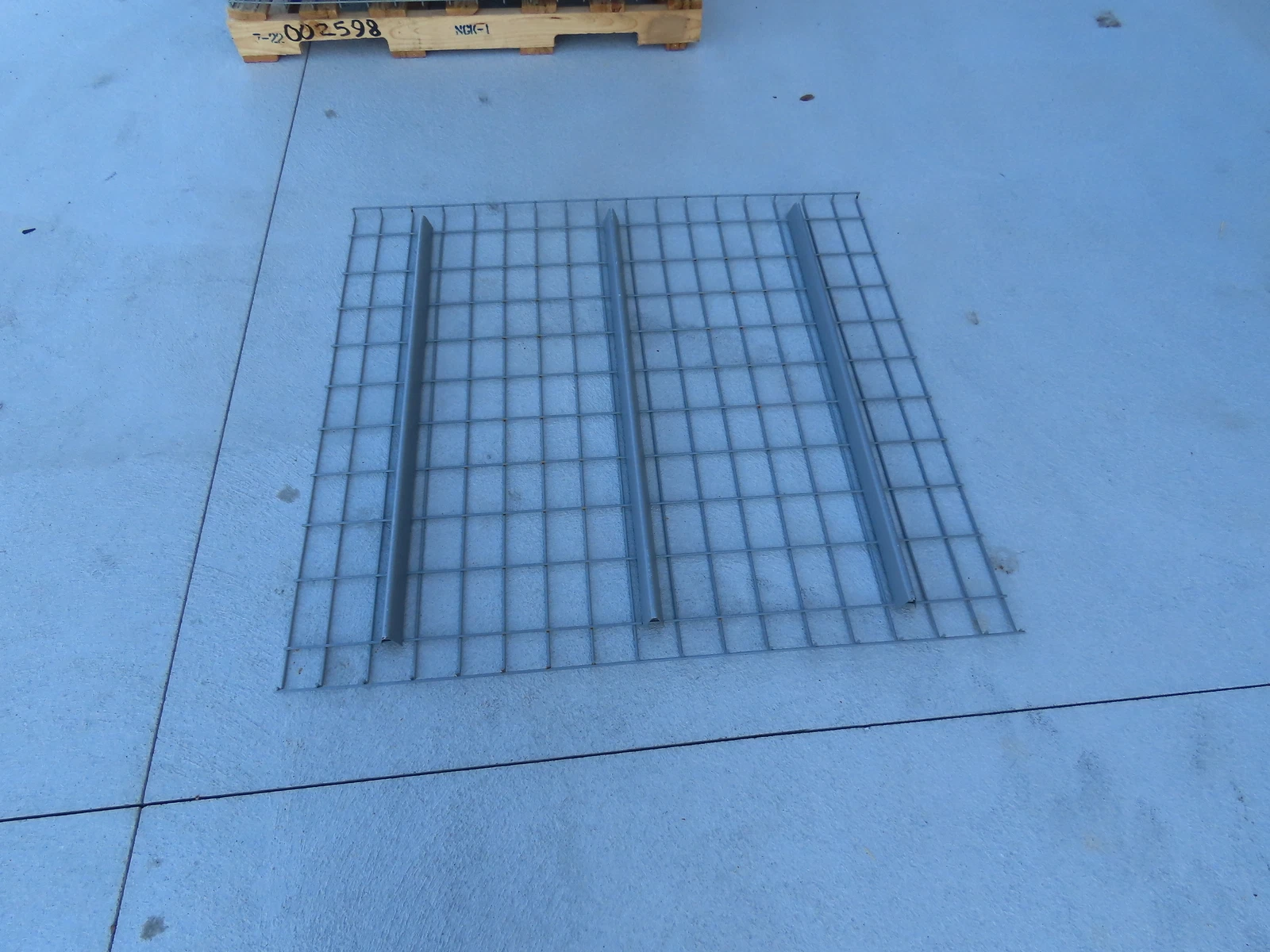
How Does Poor Design Impact Worker Safety?
What Role Does Training Play In Prevention?
Training isn’t just a box to tick; it’s the backbone of safety and prevention. Picture this: a warehouse buzzing with activity, workers maneuvering racking systems, stacking high and heavy. Without proper training, that buzzing can turn into chaos. Training equips employees with the know-how to recognize hazards, handle equipment correctly, and react swiftly in emergencies. It’s about teaching them how to look out for not just themselves but their coworkers too.
When folks understand the ins and outs of their environment, they build a sense of ownership and responsibility. It’s like giving them a flashlight in a dark room; suddenly they can see what’s lurking in the shadows and take action before it’s too late. The emotional connection to safety blooms when they realize their role in creating a secure workplace. They’re not just following orders; they’re part of a team that cares.
From a rational perspective, investing in training is like putting money in the bank. Fewer accidents mean lower workers’ compensation costs, reduced downtime, and ultimately, more productivity. It’s hard to argue with the numbers. When employees feel capable in their roles, their confidence grows, and that translates to better performance and fewer mistakes.
Ethically, providing training is a fundamental responsibility of any employer. It’s about respecting workers as valuable members of the team and ensuring they get home safe at the end of the day. When companies prioritize their workers’ safety through comprehensive training, it sends a strong message: “We care about you.” That builds trust and fosters loyalty, with workers feeling valued and recognized.
Stories of near misses or accidents often resonate on a personal level. Imagine a veteran worker recalling a narrow escape because of a training session that highlighted the danger of poorly stacked pallets. This narrative not only engages but serves as a cautionary tale, reminding everyone that complacency doesn’t discriminate.
Socially, when an organization embraces a strong training culture, it transforms workplace dynamics. Safety becomes a shared value, tightening bonds between coworkers. They look out for one another, creating a supportive environment where everyone has a stake in ensuring that racking systems remain safe and operational.
At the end of the day, training is about more than compliance; it’s about cultivating a mindset where safety is second nature, and prevention is a shared goal.

What Role Does Training Play In Prevention?
What Role Does Training Play In Prevention?
- Training is essential for safety and prevention in dynamic environments like warehouses.
- It equips employees to recognize hazards, operate equipment safely, and respond to emergencies.
- Understanding their environment fosters ownership and responsibility among workers.
- Investing in training reduces accidents, lowering costs and improving productivity.
- Providing training is an ethical obligation that demonstrates care for employee well-being.
- Personal stories of training experiences connect emotionally, highlighting the importance of safety.
- A strong training culture enhances workplace dynamics and promotes a collective commitment to safety.

What Role Does Training Play In Prevention?
Conclusion
In the bustling world of warehouses, the design and management of forklift collision zones are critical to sustaining both lives and livelihoods. These zones are often fraught with danger, where the rapid movement of heavy machinery can lead to catastrophic outcomes if not properly managed. Forklift accidents aren’t just statistics but real stories affecting families and communities. It’s imperative to recognize that each collision not only damages property but also reverberates through the lives of workers and their loved ones, instilling fear and anxiety into an otherwise productive atmosphere.
To counter these risks, thoughtful design is paramount. Clearly marked paths and strategically constructed racking systems can significantly reduce the likelihood of accidents. When workplaces prioritize safety features—like appropriate signage, visible sightlines, and reliable machinery—they aren’t just adhering to regulations; they’re embodying a commitment to worker safety that elevates morale and productivity. This approach fosters an environment where everyone feels valued, akin to a tight-knit family where each member looks out for one another.
Emphasizing safety isn’t just good ethics; it’s a savvy business decision. The long-term financial benefits of preventing accidents far outweigh the costs associated with injuries and damages. A safe workplace enhances employee trust and loyalty, creating a culture where workers feel secure and empowered to perform their best. The cost of inaction can manifest in higher insurance premiums and the loss of experienced personnel, which ultimately impacts the bottom line.
Furthermore, consistent training plays a crucial role in reinforcing safety protocols. Empowering workers with the knowledge to recognize hazards and respond effectively breeds a sense of ownership and responsibility. When education becomes engrained in the culture, it transforms how an organization operates, shifting from a reactive to a proactive safety stance. Each worker equipped with the right training becomes a guardian of safety, reinforcing a community fabric that looks out for each other.
In conclusion, by investing in the design of safe collision zones, prioritizing training, and nurturing a culture centered around safety, we create a more secure work environment that resonates with workers’ hearts, heads, and instincts. This collective responsibility paves the way for a thriving workplace where every employee returns home safe and sound, contributing to their families and communities while building a legacy of care and respect within the industry.

Conclusion
Conclusion:
- Design and management of forklift collision zones are vital for safety in warehouses.
- Forklift accidents impact lives, families, and communities beyond mere statistics.
- Thoughtful design, including marked paths and strategic racking systems, reduces accident risks.
- Prioritizing safety features enhances morale and productivity in the workplace.
- Investing in safety is not just ethical but also a cost-effective business strategy.
- Consistent training empowers workers to recognize hazards and fosters a proactive safety culture.
- Creating a secure work environment benefits employees, families, and the broader community.

Conclusion
Other Resources

Other Resources
Here is a list of other resources you can review online to learn more:
- Overhead Lifting
- Illinois
- BMH
- WERC
- Warehousing and Fulfillment
- Teardrop Uprights
- Warehouse Storage Racks
- National Safety Council
- Selective Racking
- American Society of Safety Professionals
- Wolter
- Logic Material Handling
- IIWS Inc. Rack Installation Illinois & Rack Repairs Illinois
- Heavy-Duty Cantilever Storage Racks
- Illinois Pallet Racking – WPRP
- CA Wire
- Arrow Industrial Sales
- Storage Equipment Manufacturers’ Association
- Teardrop Pallet Rack – Ridg-U-Rak
- Selective Rack – Raymond West
Use This Prompt To Get More Resources With Your Favorite Online AI Tool: Please provide me with a list of online articles with their URLs in a bulleted list that I can read regarding Forklift Collision Zones: Design Prevention

Other Resources
Glossary Terms
Forklift Collision Zones: Design Prevention – Glossary Of Terms
1. Aisle: A narrow passage for vehicles in a warehouse or storage facility.
2. Blind Spot: An area around a forklift that is not visible to the operator, increasing collision risk.
3. Bumper: A protective device on the front or rear of a forklift designed to absorb impact during collisions.
4. Collision: An unintentional event where a forklift strikes another object or person.
5. Cross-traffic: The movement of other vehicles or pedestrians that may intersect with forklift pathways.
6. Deceleration: The process of reducing speed, crucial for preventing accidents in collision zones.
7. Distance Markers: Visual or physical indicators used to define safe distances within a workspace.
8. Emergency Stop: A safety feature designed to halt forklift operation immediately in case of an emergency.
9. Forklift Access Control: Measures to regulate who can enter areas where forklifts operate.
10. Ground Markings: Painted lines or symbols on the floor indicating lanes and zones for forklifts and pedestrians.
11. Load Capacity: The maximum weight a forklift can safely lift, critical for preventing tipping and collisions.
12. Operator Training: Instruction provided to forklift drivers on safe operating procedures and collision avoidance.
13. Pedestrian Safety Zones: Designated areas where foot traffic is restricted to enhance safety around moving forklifts.
14. Safety Signage: Visual warnings and information posted in collision zones to inform and remind workers of hazards.
15. Spotter: A person designated to guide forklift operators in congested areas or blind spots to prevent collisions.
16. Tipping Point: The angle or weight distribution at which a forklift becomes unstable and risks overturning.
17. Traffic Flow: The movement patterns of forklifts and other vehicles within a designated area.
18. Warning Alarms: Audible signals on forklifts intended to alert nearby individuals of the vehicle’s approach.
19. Work Zone: An area designated for specific activities, potentially featuring restricted access due to forklifts.
20. Safety Audit: A thorough review of the workplace to identify risks and improve safety measures for collision prevention.
21. Forklift Design: The specific structural and functional features of a forklift that influence its operation and safety.
22. Ergonomics: The study of how workers interact with equipment, aimed at enhancing comfort and preventing accidents.
23. Incident Reporting: The process of documenting any accidents or near misses involving forklifts for analysis and improvement.
24. Maintenance Checks: Regular inspections of forklifts to ensure that they are in safe working condition.
25. Pedestrian Barriers: Physical or visual obstacles used to separate pedestrians from forklift traffic areas.
26. Speed Limitations: Regulations governing the maximum speed at which forklifts can operate in specific areas.
27. Zone Planning: Strategically organizing different areas of a workspace to minimize collision risks between forklifts and pedestrians.
28. Surface Conditions: The state of the floor (e. g. , wet, uneven) that can affect forklift operation and safety.
29. Incident Prevention Strategies: Techniques and measures implemented to reduce the likelihood of collisions.
30. Equipment Upgrade: The process of replacing or improving forklift components to enhance safety features and operational efficiency.

Glossary Of Terms
Other Questions
Forklift Collision Zones: Design Prevention – Other Questions
If you wish to explore and discover more, consider looking for answers to these questions:
- What specific regulations and standards apply to forklift collision zones in my region (e.g., OSHA, ANSI)?
- How do I assess the current risk level of collision zones in my facility?
- What are the most common root causes of forklift collisions in warehouses?
- Which design elements most effectively improve sightlines and visibility?
- What types of physical barriers and rack protection are most effective at preventing damage and injury?
- How should floor markings, signage, and color coding be standardized for collision zones?
- What minimum aisle widths are recommended for different forklift types and loads?
- How can pedestrian and forklift traffic be separated safely in shared spaces?
- What technology solutions (sensors, proximity alarms, collision avoidance systems) are proven to reduce incidents?
- How do load, center of gravity, and stacking practices affect forklift stability and rack safety?
- What maintenance and inspection schedules should be used for racking systems and forklifts?
- Which KPIs and metrics should be tracked to measure collision-zone safety performance?
- How do you design or retrofit older facilities to meet modern collision-zone safety standards?
- What training programs and frequency are most effective for operators and pedestrians?
- How can behavioral safety programs and near-miss reporting be implemented to prevent collisions?
- What is the typical cost range for implementing design and technology improvements, and what ROI can be expected?
- How should emergency response and incident investigation procedures be structured after a collision?
- Which personal protective equipment (PPE) is recommended for workers in collision zones?
- How do lighting and acoustics impact operator awareness in collision zones?
- What are best practices for signage language, symbols, and placement to ensure comprehension by all workers?
- How often should third‑party safety audits be performed and what should they cover?
- What are the legal and insurance implications of collisions caused by design flaws?
- How do different forklift models (counterbalance, reach truck, order picker) change zone design needs?
- What are effective strategies for managing temporary congestion during peak operations?
- How does pallet and load quality influence racking and collision risk?
- What modular or low‑cost interventions can immediately reduce collision risk?
- How can data (telemetry, incident logs) be used to prioritize design changes?
- What materials and construction methods increase the durability of rack protection?
- How should supervisors enforce speed limits and safety policies in busy areas?
- What role does lighting color temperature and placement play in long-aisle visibility?
- How should you plan for visitor and contractor safety in forklift zones?
- What are typical timelines and phases for a collision‑zone redesign project?
- How do environmental conditions (temperature, humidity, dust) affect rack stability and forklift performance?
- What stakeholder groups (operators, maintenance, safety, management) should be involved in design decisions?
- Are there industry case studies or benchmarks demonstrating measurable safety improvements after redesign?

Other Questions
Checklist
Forklift Collision Zones: Design Prevention – A Checklist
Pre-Assessment
✅______ Map collision-prone areas (intersections, blind corners, dock doors, aisle ends, staging).
✅______ Review incident and near-miss data for the past 12–24 months.
✅______ Observe peak traffic times and congestion points.
✅______ Identify mixed-traffic areas where pedestrians and forklifts intersect.
Zone Design and Layout
✅______ Separate pedestrian and forklift routes with physical barriers (guardrails, bollards, mesh).
✅______ Establish one-way aisles where feasible to reduce head-on conflicts.
✅______ Provide adequate aisle widths per equipment turning radius and load dimensions.
✅______ Add turning bays and staging areas outside of main travel lanes.
✅______ Install end-of-aisle protection and maintain buffer zones at rack ends.
✅______ Use angled/chamfered rack ends to improve approach and sightlines.
✅______ Create designated forklift parking, battery charging, and maintenance zones away from flow.
Visibility and Sightlines
✅______ Install convex mirrors at blind corners and intersections.
✅______ Keep stacks and displays below sightline heights near crossings.
✅______ Add transparent vision panels/strip curtains at doorways.
✅______ Ensure forklifts have functioning headlights, work lights, and pedestrian awareness lights.
Marking and Signage
✅______ Apply high-contrast, anti-slip floor markings for lanes, crossings, and no-go zones.
✅______ Mark pedestrian crosswalks, stop lines, and yield points at intersections.
✅______ Post clear speed limits and right-of-way rules at entry points and hotspots.
✅______ Place “Sound Horn,” “No Pedestrians,” and “Slow” signs where appropriate.
✅______ Refresh faded lines and replace damaged signs on a defined schedule.
Racking Systems and Load Security
✅______ Verify rack design and capacity; post load ratings visibly on each bay/aisle.
✅______ Install rack end guards, column protectors, backstops/netting, and pallet stops.
✅______ Enforce pallet quality standards; remove damaged pallets from service.
✅______ Maintain proper flue spaces and prevent overhang or protrusions into aisles.
✅______ Secure loads (wrap/strap) and keep within rated capacities and dimensions.
✅______ Schedule routine rack inspections (daily visual, monthly supervisor, annual expert).
Forklift Features and Technology
✅______ Enable speed limiters or geofenced speeds in high-risk zones.
✅______ Use load weight/height sensors and tilt/overload lockouts.
✅______ Equip units with blue/red spotlights, horns, and effective reverse alarms.
✅______ Activate telematics to monitor impacts, speed, seatbelt use, and near misses.
✅______ Keep seatbelts, brakes, forks, chains, and tires in serviceable condition.
Traffic Management and Pedestrian Safety
✅______ Define and post right-of-way rules for intersections and aisle ends.
✅______ Use time-based separation (e.g., pedestrian-only windows) where space is limited.
✅______ Assign trained spotters for high-risk maneuvers with standard hand signals.
✅______ Standardize dock procedures (chocks, dock locks, lights, trailer inspection).
✅______ Limit visitors/contractors in active zones; provide escorts where needed.
Lighting and Environmental Conditions
✅______ Provide consistent, glare-free lighting in aisles, docks, and crossings.
✅______ Ensure emergency lighting covers travel paths and exits.
✅______ Maintain clean, level, and dry floors; promptly repair surface defects.
✅______ Control noise to keep audible alarms effective; add visual alerts in loud areas.
✅______ Manage dust, temperature, and condensation that could impact traction or visibility.
Training and Competency
✅______ Certify operators and provide site-specific training for layout and rules.
✅______ Train all staff, temps, and contractors on pedestrian awareness and routes.
✅______ Conduct refresher training after incidents, near misses, or layout changes.
✅______ Include hands-on drills/walk-throughs of collision zones and blind spots.
✅______ Document assessments; remove unqualified operators from service.
Communication and Culture
✅______ Enforce no-phone and no-headphone rules in active zones.
✅______ Empower stop-work authority without retaliation.
✅______ Promote easy, anonymous near-miss reporting and share corrective actions.
✅______ Hold regular toolbox talks focused on recent trends and lessons learned.
✅______ Schedule leadership safety walks with action tracking.
Maintenance and Inspections
✅______ Complete and log pre-shift forklift inspections.
✅______ Perform preventive maintenance per manufacturer schedules.
✅______ Inspect and repair barriers, bollards, and guardrails after any impact.
✅______ Audit and refresh floor markings and signage routinely.
✅______ Verify ventilation and safety measures in battery charging/LP areas.
Emergency Preparedness and Incident Response
✅______ Stock first-aid kits, eyewash stations, and spill kits with clear access.
✅______ Train first responders on each shift and post emergency contacts.
✅______ Post simple incident response and reporting flowcharts at key locations.
✅______ Investigate incidents/near misses within 24 hours and implement corrective actions.
✅______ Keep evacuation routes separate from primary forklift paths.
Performance Metrics and Continuous Improvement
✅______ Track leading indicators (near misses, audit scores, housekeeping findings, training completion).
✅______ Track lagging indicators (recordables, property damage, lost time).
✅______ Review data monthly; prioritize and close corrective actions with owners and deadlines.
✅______ Pilot design changes in one area; scale after measuring results.
✅______ Reassess layout and markings at least annually or after process changes.
Implementation and Sign-Off
✅______ Assign zone owners and responsibilities.
✅______ Set budget and completion dates for each action.
✅______ Verify completion with a joint walk-through (operations, safety, maintenance).
✅______ Record facility, date, preparer, and next review date.

Checklist
At RackingWorld, we help guide you through selecting warehouse storage systems and racking.
Be sure to read our other related stories at RackingWorld to learn more about warehouse storage systems.
0 Comments