
Creating A Warehouse: Seamless Systems For Heartfelt Efficiency
By Tom Seest
At RackingWorld, we help guide you through selecting warehouse storage systems and racking.
Be sure to read our other related stories at RackingWorld to learn more about warehouse storage systems.
Building a Warehouse That Moves Like a System
In today’s fast-paced world, a warehouse isn’t just a place to store goods; it’s the beating heart of a supply chain that needs to pump efficiency and reliability into every corner of the business. Picture a warehouse operating like a finely tuned machine, where every part—every racking system and piece of equipment—works seamlessly together. This isn’t just about being organized or having the latest gadgets; it’s about creating a space where the team feels empowered and engaged in their work.
When we talk about racking systems, think beyond just the metal frameworks that hold the products. These systems must be carefully chosen to suit the specific flow of your operation. If everyone knows how to navigate the space, when the racking systems are thoughtfully aligned and accessible, it makes a difference that can be felt across the floor. Workers can move with purpose, reducing frustration and slashing that time wasted looking for misplaced items. This is about respect for the labor that goes into every job and acknowledgment of the human element behind the processes.
The ebbs and flows of warehouse work come with their own stories. Each time a product is picked or put away, there’s a rhythm that develops—a dance between man and machine. A deep respect for these routines enhances efficiency. When a warehouse moves well, it’s not just about speed; it’s about morale and performance lifting together, creating a culture built on trust and shared responsibility.
With the right operational strategies in place, like implementing just-in-time inventory or optimizing pick paths, you create an ethical foundation that prioritizes not just profit margins, but the well-being of your team. It’s a more sustainable approach that leads to an efficient, engaged workforce.
Every choice made in designing and running a warehouse should echo these fundamentals—how do we foster a connection with our team? How do we invite them to take pride in their roles? Crafting a space where people thrive builds a strong community; you don’t just have a workplace, you cultivate a family.
This is the essence of a warehouse that moves like a system. A place that redefines what it means to come together, share goals, and celebrate the craftsmanship of logistics. When you elevate the warehouse experience, everyone benefits, from the bottom line to the people filling the shelves.

Building a Warehouse That Moves Like a System
Building a Warehouse That Moves Like a System
- A warehouse serves as the core of a supply chain, emphasizing efficiency and reliability.
- Effective operation requires well-chosen racking systems that facilitate workflow and navigation.
- A respectful environment enhances worker morale and performance, fostering a culture of trust.
- Operational strategies like just-in-time inventory contribute to ethical practices and workforce well-being.
- Design choices should focus on building connections and pride among team members.
- A thriving warehouse community transforms the workplace into a family-like environment.
- Elevating the warehouse experience benefits both profitability and employee satisfaction.

Building a Warehouse That Moves Like a System
Table Of Contents
- Building a Warehouse That Moves Like a System
- Why Is Efficiency Crucial In Warehouse Design?
- How Can Automation Improve Workflows?
- What Role Does Technology Play In Warehouse Management?
- How Can We Reduce Waste In Our Storage Systems?
- What Strategies Enhance Inventory Accuracy?
- Which Metrics Measure Warehouse Productivity Effectively?
- Conclusion
- Other Resources
- Glossary Of Terms
- Other Questions
- Checklist
Why Is Efficiency Crucial In Warehouse Design?
Efficiency in warehouse design isn’t just a buzzword; it’s the lifeblood of any distribution operation. Imagine stepping into a warehouse where every inch is optimized, where racking systems are meticulously arranged, and where products flow like clockwork. It’s not just about speed; it’s about maximizing every resource we have, including time, space, and even our workforce.
Think about what happens when efficiency takes a backseat. Orders get delayed, workers become frustrated, and profits slowly chip away like paint from an old truck. On the flip side, an efficient warehouse reflects professionalism and reliability. Clients notice when their orders ship out quickly, and that builds trust. It tells customers that you respect their time, and they’ll learn to count on you. That’s how relationships are forged; by showing up when it counts.
From a rational perspective, effective warehouse design leads to lower operational costs. A well-planned layout can reduce labor hours and improve accuracy in order fulfillment, which means fewer mistakes and less wasted product. When products are easily accessible through a strategic racking system, workers spend less time searching and more time delivering. This not only keeps the wheels turning but also creates an environment of pride and accomplishment for the team.
Ethically, good design shows a commitment to worker safety and well-being. By minimizing risks, optimizing space, and providing ergonomic tools, a warehouse can enhance the health of its workforce. This isn’t just good for the bottom line; it’s part of a moral obligation to foster a workplace where people feel valued.
A neighbor of mine ran a family business out of a cramped garage for years before they finally built a proper warehouse. Initially, it was a struggle, but once they got the layout down, they began to thrive. Racking systems transformed their operations, allowing them to store more product and ship faster than ever. What used to take days now took hours, and they started seeing returns on their investment almost immediately. It wasn’t just about making money; it was about creating a legacy for their children.
Efficiency in warehouse design is about connection—between the product, the worker, and the customer. When you create a streamlined space, you’re not just moving boxes; you’re building a reliable operation where everyone benefits. It speaks to our shared human experience, where every effort contributes to a goal bigger than any one person.

Why Is Efficiency Crucial In Warehouse Design?
Why Is Efficiency Crucial In Warehouse Design?
- Efficiency in warehouse design is essential for distribution operations, optimizing resources like time, space, and workforce.
- Poor efficiency leads to delays, worker frustration, and decreasing profits, while a well-designed warehouse enhances professionalism and reliability.
- Effective warehouse layouts lower operational costs by reducing labor hours and improving order fulfillment accuracy.
- Strategic racking systems enable easy access to products, allowing workers to spend more time on delivery rather than searching.
- Good design also emphasizes worker safety, minimizing risks and fostering a valued and healthy workplace.
- Successful case studies illustrate transformation through optimized warehouse layouts, leading to increased storage capacity and faster shipping.
- Efficient warehouse design fosters connections between products, workers, and customers, contributing to a greater operational goal.
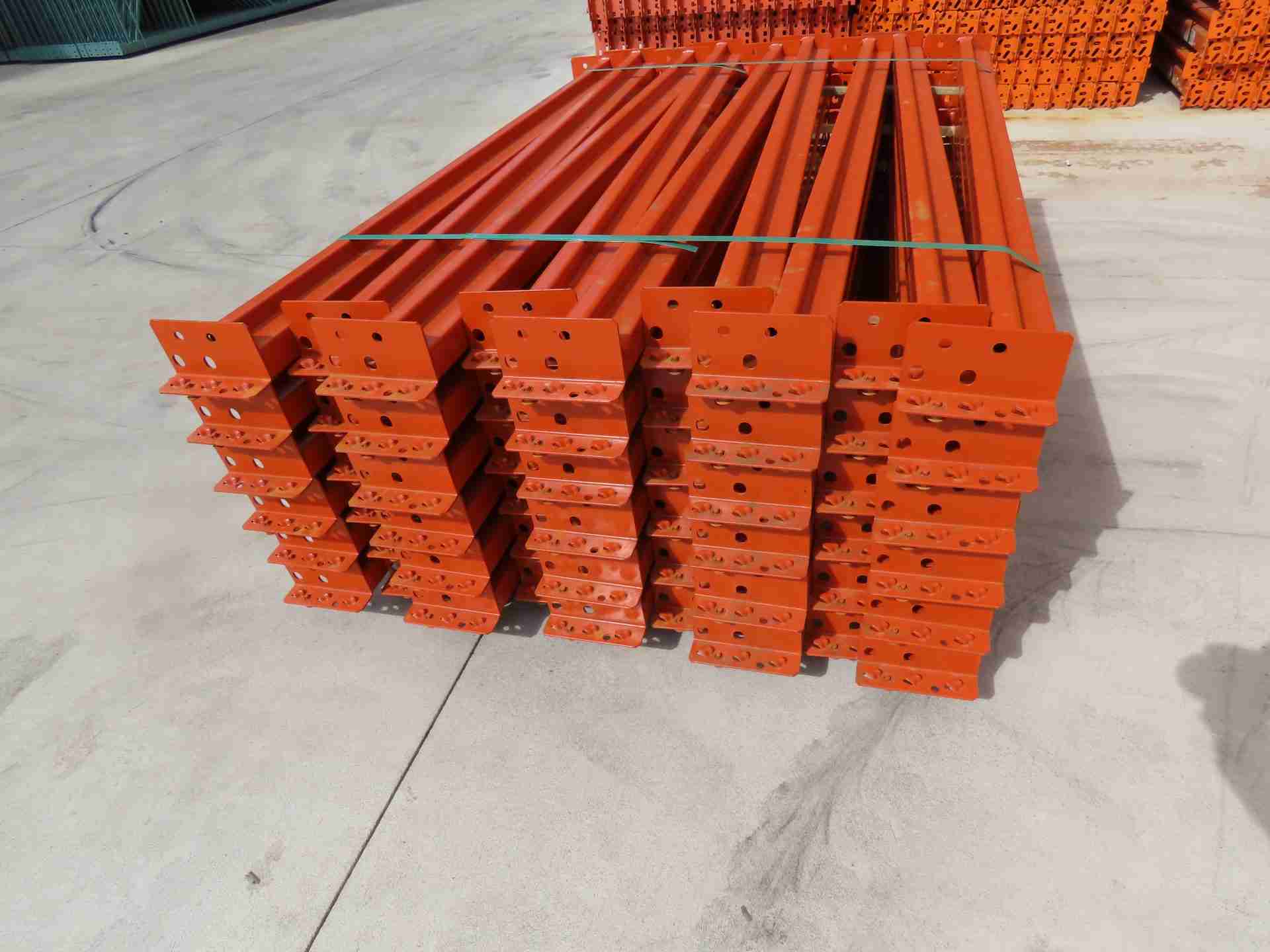
Why Is Efficiency Crucial In Warehouse Design?
How Can Automation Improve Workflows?
Automation has transformed the way we approach our daily tasks, particularly in environments where efficiency and productivity are paramount. Imagine a workshop bustling with activity; workers navigate around racking systems piled high with materials. Here, automation isn’t just a buzzword; it’s a game-changer. It allows teams to streamline their workflows, reducing the need for repetitive manual tasks and freeing up time for more complex problem-solving.
Consider the emotional side: many workers feel the strain of juggling multiple responsibilities. The stress can weigh heavily, impacting morale and overall job satisfaction. When automation steps in, it alleviates that burden. Tasks that once consumed hours can be completed in minutes, giving workers a sense of achievement and reducing burnout. That newfound time can be used to focus on what really matters—innovation and collaboration, fostering a culture where ideas flourish.
On a rational level, automation offers undeniable advantages. Studies show that businesses implementing automated systems see a significant increase in efficiency. Racking systems, for example, can be integrated with automated inventory management tools. This means fewer errors, less downtime, and a smoother flow of operations, saving both time and money. There’s a clear correlation: workplaces that harness automation don’t just survive—they thrive.
Ethically, there’s a strong case for automation. It transforms workplaces into safer, more manageable environments. With machines handling heavy lifting and sorting, the risk of injury decreases. Employees can work with peace of mind, knowing that automation supports their well-being.
Moreover, automated systems establish a sense of trust. When workers see that their organization is investing in technology, it signals commitment to their growth and security. This builds loyalty and reinforces a team mentality, strengthening bonds among colleagues.
The narrative is powerful and relatable: consider a production line in a bustling factory. The introduction of automated racking systems reshapes the experience. Actors in the story—the workers—experience fewer errors, more downtime for skills development, and increased pride in their work. They become not just workers, but key players in a larger success story, contributing to a shared vision.
In connecting these elements, it’s clear that embracing automation isn’t just about technology; it’s about improving the human experience in the workplace. By fostering a culture of trust, safety, and innovation, automation paves the way for a brighter, more efficient future. This isn’t merely a shift in processes—it’s a movement toward a better workplace for everyone involved.

How Can Automation Improve Workflows?
How Can Automation Improve Workflows?
- Automation enhances efficiency and productivity in various work environments.
- It reduces repetitive manual tasks, allowing more time for complex problem-solving.
- Automation alleviates worker stress, improving morale and job satisfaction.
- Businesses that implement automation experience significant increases in operational efficiency.
- Automated systems create safer workplaces, lowering the risk of injury.
- Investing in automation fosters employee trust and loyalty, enhancing team dynamics.
- Embracing automation improves the overall human experience and strengthens workplace culture.

How Can Automation Improve Workflows?
What Role Does Technology Play In Warehouse Management?
In the bustling heart of supply chains, warehouse management stands as the backbone of efficient operations. Technology plays a pivotal role, transforming the way we handle everything from inventory to shipping. Picture a warehouse brimming with goods—each item a part of a greater story. With the right racking systems in place, every shelf and slot becomes an essential chapter in that tale, helping workers locate products with ease and precision.
Think about it: you walk through a facility where technology dances in rhythm with human efforts. Automated systems optimize space, making it possible to store more without the chaos that often comes with overcrowded aisles. Gone are the days of endless searching. With sophisticated software solutions, each team member knows what’s where, reducing downtime and frustration. The sheer relief when you find that elusive item in record time isn’t just about efficiency; it’s about peace of mind. Each second saved translates to better service for customers, creating a reliable experience that fosters loyalty.
This isn’t solely about numbers on a balance sheet; it’s about respect. Respect for the workers who spend hours navigating the labyrinth of goods, respect for the customers waiting for their orders, and respect for the environment, as optimized operations can lead to reduced waste and better resource management. Utilizing technology to its fullest potential allows warehouses not just to survive, but to thrive ethically and effectively.
Moreover, technology cultivates a culture of collaboration. Real-time data sharing means everyone’s on the same page, elevating communication among teams. When warehouse staff feels connected and empowered by the tools at their disposal, it creates an environment where ideas flourish, challenges are tackled, and victories are shared. It isn’t just a job—it’s a community where hard work is recognized and celebrated.
Imagine a story where challenges are met with smart solutions, where every worker feels they contribute to something greater. The integration of cutting-edge technology and traditional warehouse wisdom supports that story, creating a symphony of efficiency and humanity. So as we look toward the future, embracing these tools won’t just enhance productivity; it’ll strengthen the very foundation of warehouse management, ensuring we move forward together—safely, effectively, and with purpose.

What Role Does Technology Play In Warehouse Management?
What Role Does Technology Play In Warehouse Management?
- Warehouse management is essential for efficient supply chain operations.
- Technology transforms inventory and shipping processes, enhancing operational efficiency.
- Automated systems optimize space and reduce the chaos of overcrowded aisles.
- Sophisticated software provides real-time location of products, minimizing downtime.
- Respect for workers, customers, and the environment is crucial for ethical operations.
- Technology fosters collaboration and communication among warehouse teams.
- Embracing technology strengthens productivity and the future of warehouse management.

What Role Does Technology Play In Warehouse Management?
How Can We Reduce Waste In Our Storage Systems?
Reducing waste in our storage systems isn’t just a noble goal; it’s a practical necessity. Let’s get down to the brass tacks on how we can achieve this. First up, we need to take a long, hard look at our racking systems. You see, these structures are the backbone of any storage area, and how we optimize them can mean the difference between a well-organized operation and a chaotic mess that costs us time and money.
By investing in adjustable racking systems, we can adapt to changes in inventory without letting goods sit idle, collecting dust instead of revenue. Think of it this way: every inch of wasted space is a dollar down the drain. When we utilize our racking systems wisely, we not only save money but also free up time that can be better spent elsewhere. It’s a win-win that anyone could appreciate.
Now, let’s talk about the little things that add up. Keeping track of what we have and what we need can drastically reduce the items that end up forgotten in the back of the shelf. Implementing an effective inventory management system—simple enough for anyone to grasp—can help us know what’s in stock and what’s needed, cutting down on overstock and preventing items from becoming obsolete.
We can’t forget the ethics of waste reduction, either. It’s about being good stewards of our resources. Waste isn’t just an inconvenience; it’s an ethical issue as well. By minimizing waste in our storage systems, we’re also reducing our impact on the planet, demonstrating our commitment to sustainability. When we see our storage as a place of responsibility rather than just a holding area, we start making better choices.
Moreover, there’s something powerful in sharing our stories of waste reduction with the community. When we talk openly about where we’ve succeeded and where we continue to struggle, we forge connections with others who share our drive for improvement. It’s not just about one facility; it’s about a collective effort in changing how we operate.
Embracing these changes in our racking systems isn’t just smart business; it’s about pride in our work and respect for our resources. We’re all in this together, and when we cut down the clutter, we clear a path for success for everyone involved. Let’s take that step forward, not just for us but for every person who stands to benefit from a leaner, greener approach to storage.

How Can We Reduce Waste In Our Storage Systems?
How Can We Reduce Waste In Our Storage Systems?
- Reducing waste in storage systems is a practical necessity for efficiency.
- Optimizing racking systems is crucial for organization and cost-effectiveness.
- Adjustable racking systems help adapt to inventory changes and minimize idle goods.
- Effective inventory management can prevent overstock and reduce lost items.
- Waste reduction promotes ethical stewardship of resources and sustainability.
- Sharing waste reduction experiences fosters community connection and collective improvement.
- Embracing these changes reflects pride in work and respect for resources.

How Can We Reduce Waste In Our Storage Systems?
What Strategies Enhance Inventory Accuracy?
When it comes to managing inventory, knowing what you have, where it is, and how much of it is on hand is the lifeblood of any operation. That’s where solid strategies kick in, and trust me, a little know-how goes a long way. Using effective racking systems can be a game changer. You want to store things so that every item has its place. Imagine a warehouse where everything is a jumbled mess—every time someone is looking for a part, it turns into a treasure hunt. Investing in proper racking systems not only keeps things organized but also saves time and frustration.
It’s not just about the structure; it’s about the people using it. Training your team plays a pivotal role in inventory accuracy. When employees understand the systems in place and are well-trained in their use, it fosters a sense of ownership and accountability. They start to see the value in keeping everything in order, not just as a task but as a means to contribute to the bigger picture. You’ll see fewer mistakes, and your team will feel more engaged when they know their efforts matter.
Technology can also lend a helping hand. Barcoding and RFID systems are excellent tools for tracking inventory. They provide real-time data, so you have an accurate picture of what’s in stock at any given moment. Sure, these systems come with an upfront cost, but when you compare that to the losses from inaccuracies—be it wasted resources, missed sales, or unhappy customers—you start to see the value. It’s about working smarter, not harder.
Now, let’s talk about audits. Regular inventory audits are like a health check-up; they’re essential for spotting issues before they spiral out of control. Think of audits as bringing a flashlight to dark corners that might, otherwise, get overlooked. They promote an atmosphere of honesty and ethics, where everyone feels the importance of keeping things on the level.
Socially, make it a team effort. Create a culture of communication where everyone has a stake in inventory accuracy. When folks from different departments work together, they can share insights and catch discrepancies that might slip through the cracks. Celebrate the successes, no matter how small. It creates a bond and shared purpose that’s hard to break.
By putting these strategies into practice, you’re not just enhancing inventory accuracy; you’re fostering an environment built on trust, collaboration, and shared goals. It’s this sense of purpose that ultimately drives the success of any operation.

What Strategies Enhance Inventory Accuracy?
What Strategies Enhance Inventory Accuracy?
- Effective management of inventory relies on knowing what is on hand and where it is located.
- Investing in proper racking systems keeps items organized and saves time.
- Training employees is crucial for increasing inventory accuracy and accountability.
- Technology solutions like barcoding and RFID systems provide real-time inventory tracking.
- Regular inventory audits help identify issues early and promote honesty in operations.
- Encouraging team communication fosters collaboration and helps catch discrepancies.
- Implementing these strategies builds an environment of trust and shared goals, driving operational success.

What Strategies Enhance Inventory Accuracy?
Which Metrics Measure Warehouse Productivity Effectively?
In the bustling heart of any warehouse, productivity isn’t just a number; it’s the lifeblood that keeps the operation humming. The metrics that measure this productivity tell a story of effort, innovation, and the sweat that goes into each delivery. Think about it: the racking systems that tower above, laden with goods, represent the backbone of efficiency. When assessing productivity, you’ll want to keep a keen eye on several crucial metrics that resonate deeply with the hardworking individuals making it all happen.
First and foremost, consider order accuracy. When a worker picks the right item without a hitch, it’s a small victory that can form a cascade of trust—both in each other and the systems in place. Nothing feels worse than sending out the wrong item. It’s a simple error, but it costs time, money, and, most importantly, customer trust. Next is the inventory turnover rate. This metric reflects the agility of your racking systems and stock management. High turnover means you’re not just sitting on excess product; you’re moving it. An efficient warehouse doesn’t hoard; it circulates, like a well-oiled machine.
Now, let’s talk about picked items per hour. This metric isn’t just a figure on a report; it embodies the sheer effort, teamwork, and skill of the workers. Every time a worker efficiently navigates those racking systems to hit that number, it’s a testament to dedication. And what about shrinkage? While it might not feel like the most glamorous aspect of warehouse operations, keeping track of losses from theft or mistakes is crucial. It’s about respect for the hard work everyone puts in — ensuring that the bottom line reflects that sweat equity.
But numbers can only tell part of the story. The employee feedback metric opens the door to deeper connection and commitment. When workers feel heard, they’re more likely to take ownership of their roles, which amplifies productivity. An engaged workforce isn’t just a goal; it’s a necessity for success in the fast-paced world of warehousing.
Lastly, don’t overlook cycle times. This metric captures the rhythm of the whole operation. Reducing cycle times means fostering an environment where employees feel empowered to improve processes and collaborate. It’s about creating a culture where every voice matters, every suggestion counts, and every improvement boosts morale.
By focusing on these metrics, warehouses can inspire confidence, foster stronger connections, and ultimately transform productivity. It’s not just a job; it’s a community, bound by a shared commitment to excellence.

Which Metrics Measure Warehouse Productivity Effectively?
Which Metrics Measure Warehouse Productivity Effectively?
- Productivity is essential for warehouse operations, representing effort and efficiency.
- Key metrics include order accuracy, reflecting trust and impact on customer satisfaction.
- Inventory turnover rate indicates effective stock management and product circulation.
- Picked items per hour showcases teamwork and the skill of warehouse workers.
- Shrinkage measures losses from theft or mistakes, crucial for maintaining operational integrity.
- Employee feedback fosters ownership and commitment, enhancing overall productivity.
- Cycle times are vital, promoting an environment of continuous improvement and collaboration.

Which Metrics Measure Warehouse Productivity Effectively?
Conclusion
In the realm of warehouse management, efficiency isn’t just a goal—it’s the very fabric of success. Today’s warehouses are more than mere storage locations; they are essential components of a thriving supply chain. The heart of this operation beats best when every element, from racking systems to worker morale, aligns seamlessly. The objective is to create an environment where employees feel valued, and their efforts drive productivity and satisfaction.
A well-structured warehouse optimizes every inch of space, reducing wasted time and frustration. When teams can navigate their surroundings with ease, every task flows more smoothly. This respect for the workforce translates into higher morale, as workers become part of a cohesive system rather than isolated units. It’s vital to cultivate a sense of pride among employees by providing them with well-considered layouts and efficient processes. When they understand the system and are trained properly, staff members take ownership of their roles, leading to fewer mistakes and enhanced productivity.
Automation is a significant game-changer in this equation. By integrating technology, warehouses can handle mundane tasks with precision, allowing workers to focus on complex problem-solving and collaboration. This shift not only boosts efficiency but also mitigates the stresses that often accompany labor-intensive jobs. When the strain is lifted, teams experience increased job satisfaction, leading to enhanced performance and a more innovative workplace culture.
Moreover, ethical considerations play a crucial role in warehouse design. Prioritizing worker safety and well-being isn’t merely about compliance; it reflects a deeper commitment to cultivating a sustainable, thriving workforce. A warehouse that integrates ergonomic tools and automates heavy lifting fosters an environment where employees can execute their roles with peace of mind.
Sharing stories of success in operational strategies reinforces community within the workforce. Every triumph, whether big or small, contributes to a collective journey, creating bonds among team members and strengthening the shared mission of excellence.
Ultimately, a well-designed warehouse that moves like a system is a testament to the dedication of its people. By establishing an environment where pride, respect, and efficiency go hand in hand, businesses can expect not only improved bottom lines but also loyalty and commitment from their workforce. In this world, effective warehouse management celebrates craftsmanship in logistics and transforms every challenge into an opportunity for growth and achievement.

Conclusion
Conclusion:
- Efficiency in warehouse management is crucial for success and supply chain operations.
- A well-structured warehouse minimizes wasted space and promotes smooth workflows.
- Employee morale improves when workers are part of a cohesive system with clear layouts and processes.
- Automation alleviates mundane tasks, allowing workers to focus on problem-solving and collaboration.
- Prioritizing worker safety and well-being is essential for a sustainable and committed workforce.
- Sharing success stories reinforces community and strengthens team bonds within the workforce.
- A well-designed warehouse reflects dedication, leading to improved business performance and employee loyalty.

Conclusion
Other Resources

Other Resources
Here is a list of other resources you can review online to learn more:
- American Surplus
- MHI
- Warehouse Automation
- Pallet Racking systems in Illinois, Great Lakes
- Shipping Boxes, Packaging Materials, Pallet Racking
- Warehouse Racking Systems: Beginner’s Guide to Rack Systems
- BMH Equipment LLC
- Racking World
- Illinois Pallet Racking – WPRP
- Logic Material Handling
- Teardrop Uprights
- Intro to Warehouse Racks & Warehouse Racking Systems – ShipBob
- Pallet Racks, Pallet Racking, Pallet Shelves in Stock – ULINE
- Interlake Mecalux
- Material Handling Industry
- Heavy-Duty Cantilever Storage Racks
- IWLA
- Warehouse Storage Racking in Illinois
- Illinois Pallet Racking – Storage Solutions
- New Cantilever Racks and Racking Kits
Use This Prompt To Get More Resources With Your Favorite Online AI Tool: Please provide me with a list of online articles with their URLs in a bulleted list that I can read regarding Building a Warehouse That Moves Like a System

Other Resources
Glossary Terms
Building a Warehouse That Moves Like a System – Glossary Of Terms
1. Automation: The use of technology to perform tasks with minimal human intervention.
2. Logistics: The detailed coordination of complex operations involving people, facilities, and resources.
3. Inventory: The goods and materials a business holds for the purpose of resale or production.
4. System Integration: The process of linking together different computing systems and software applications to act as a coordinated whole.
5. Workflow: The sequence of processes through which a piece of work passes from initiation to completion.
6. Scalability: The capability of a system to handle a growing amount of work or to expand on demand.
7. Distribution: The process of delivering products from a manufacturer or a wholesaler to a retailer or customer.
8. Efficiency: The ability to achieve maximum productivity with minimum wasted effort or expense.
9. Modular Design: An approach that structures a system or product as a combination of independent units (modules).
10. Inventory Management: The supervision of non-capitalized assets, or inventory, and stock items.
11. Supply Chain: The entire system of production, processing, and distribution of goods from suppliers to consumers.
12. Real-Time Data: Information that is delivered immediately after collection.
13. Forklift: A powered industrial vehicle used to lift and move materials over short distances.
14. Material Handling: The movement, protection, storage, and control of materials throughout the manufacturing, warehousing, distribution, consumption, and disposal stages.
15. Distribution Center: A warehouse intended to store products and distribute them to retailers or consumers.
16. RFID (Radio-Frequency Identification): A technology that uses electromagnetic fields to automatically identify and track tags attached to objects.
17. Palletization: The process of stacking products on pallets for easy storage and transport.
18. Cross-Docking: A logistics practice where incoming goods are directly transferred to outgoing vehicles, minimizing storage time.
19. Fulfillment: The process of receiving, packaging, and shipping orders to customers.
20. Cold Storage: A facility designed to store perishable goods at low temperatures.
21. Docking Bay: An area where vehicles can load or unload cargo.
22. Just-In-Time (JIT): An inventory strategy that aligns raw-material orders with production schedules.
23. Warehouse Management System (WMS): Software that supports daily operations in a warehouse.
24. Safety Stock: Extra inventory held to mitigate the risk of stockouts.
25. Inventory Turnover: A ratio showing how many times a company’s inventory is sold and replaced over a period.
26. Lean Warehousing: An approach aimed at reducing waste and increasing efficiency in warehouse operations.
27. Demand Forecasting: The process of predicting future customer demand using historical data and analytics.
28. Order Picking: The process of selecting and gathering products to fulfill customer orders.
29. Transportation Management: The planning and execution of the movement of goods, ensuring timely delivery and cost efficiency.
30. Performance Metrics: Standards used to measure the efficiency and effectiveness of warehouse operations.

Glossary Of Terms
Other Questions
Building a Warehouse That Moves Like a System – Other Questions
If you wish to explore and discover more, consider looking for answers to these questions:
- What are the first steps in designing a warehouse layout that operates like a system?
- How do I choose the right racking system for my product types and throughput?
- What are the comparative costs and benefits of different racking options (pallet racking, flow racks, mezzanines, cantilever)?
- How do I calculate the return on investment (ROI) for racking system upgrades?
- What metrics should I benchmark before and after a redesign to measure improvement?
- How can I optimize pick paths to reduce travel time and increase picks per hour?
- Which warehouse management systems (WMS) integrate best with automated racking and robotics?
- What level of automation is appropriate for a small, mid-size, or large warehouse?
- How much does warehouse automation typically cost and what is the expected payback period?
- How do I phase in automation without disrupting daily operations?
- What safety considerations and regulations apply when installing automated equipment?
- How can adjustable racking reduce waste and improve space utilization?
- What are best practices for slotting and product placement to improve efficiency?
- How often should inventory audits be performed and what methods work best?
- What are the pros and cons of barcodes vs. RFID for inventory tracking?
- How do I measure and reduce shrinkage, and what controls help prevent it?
- Which KPIs best reflect warehouse productivity across industries?
- What are reasonable KPI targets (order accuracy, turnover, cycle time) for my sector?
- How do I create training programs that improve accuracy and foster worker ownership?
- What change-management strategies help staff accept new systems and automation?
- How can I design ergonomic picking processes to reduce injuries and fatigue?
- What preventive maintenance schedules are recommended for racking and automated systems?
- How can technology reduce environmental waste and improve sustainability metrics?
- Which energy-efficiency measures yield the best long-term savings in a warehouse?
- How do I manage seasonal demand and scale operations without excessive idle capacity?
- What considerations are there for handling fragile, hazardous, or temperature-controlled goods?
- How should returns and reverse logistics be integrated into the warehouse flow?
- What security measures protect inventory, data, and automated equipment?
- How do I ensure data integrity and cybersecurity for connected warehouse systems?
- What criteria should I use when selecting vendors for racking, automation, and WMS?
- How can simulation and modeling tools help validate warehouse designs before build-out?
- What financing options exist for capital investments in warehouse infrastructure?
- How do I retrofit an existing warehouse to improve flow without major downtime?
- What are practical ways to involve frontline workers in continuous improvement efforts?
- Which lean methodologies (5S, Kaizen) are most effective in warehouse environments?
- How should emergency planning and disaster recovery be incorporated into warehouse design?
- What legal, insurance, and compliance issues should be checked when changing warehouse layout or adding automation?
- How can we measure and improve employee morale and engagement tied to operational changes?

Other Questions
Checklist
Building a Warehouse That Moves Like a System – A Checklist
Culture and Systems Thinking
✅______ Shared mission for safety, service, and efficiency communicated to all teams
✅______ Current-state value stream mapped from receiving to shipping
✅______ Standard work documented for all core tasks
✅______ Daily huddles and visual management in place on the floor
✅______ Cross-functional ownership for inbound, storage, picking, packing, and shipping
✅______ Continuous improvement cadence established (Kaizen or A3)
Layout and Racking
✅______ Slotting analysis completed (velocity, size, weight, affinity)
✅______ Racking type matched to need (selective, drive-in, push-back, pallet flow, cantilever)
✅______ Aisle widths set for equipment and two-way traffic where required
✅______ Fast movers positioned for minimal travel and ergonomic reach
✅______ Clear labeling and signage for aisles, bays, bins, and levels
✅______ Load ratings posted; rack protection (end guards and column guards) installed
✅______ Preventive maintenance schedule for racks and storage equipment
✅______ Flexible/adjustable racking configured for demand changes
Core Processes
✅______ Dock-to-stock targets defined; receiving and put-away standards set
✅______ Replenishment strategy defined (min/max, Kanban, or JIT triggers)
✅______ Pick strategy selected (single, batch, zone, wave) with optimized paths
✅______ Packing standards defined (dimensional weight, dunnage, verification)
✅______ Cross-dock and flow-through rules documented
✅______ Returns process standardized (reverse logistics)
Technology Enablement
✅______ WMS configured with accurate locations, units of measure, and rules
✅______ Barcoding or RFID implemented for receiving, moves, picks, and shipping
✅______ Mobile devices and scanners standardized; label formats consistent
✅______ Real-time dashboards for inventory, orders, and labor in place
✅______ Integrations validated (ERP, e-commerce, TMS, carriers)
✅______ Data quality controls and audit trails enabled
Automation (Right-Sized)
✅______ Opportunities assessed (conveyors, AMRs/AGVs, AS/RS, goods-to-person)
✅______ Pick-to-light, pick-to-voice, or put-to-light evaluated where appropriate
✅______ Safety interlocks, guarding, and traffic rules implemented
✅______ Pilot tests completed with clear ROI and change management plan
✅______ Maintenance agreements and spare parts on hand
Inventory Accuracy
✅______ ABC cycle counts scheduled with root cause analysis of variances
✅______ Lot/serial tracking configured where required
✅______ Clear ownership for adjustments and tolerance thresholds
✅______ Data hygiene maintained (SKUs, descriptions, pack sizes, UOM)
✅______ Physical space matches system locations (no ghost or overflow locations)
Waste Reduction and Sustainability
✅______ 5S applied to all work areas (Sort, Set, Shine, Standardize, Sustain)
✅______ Travel waste reduced via optimized slotting and pick paths
✅______ Right-size packaging and reusable dunnage implemented
✅______ Recycling streams set for cardboard, film, pallets, and e-waste
✅______ Energy efficiency improvements in place (LEDs, sensors, equipment shutoffs)
Workforce and Ergonomics
✅______ Training matrix current; cross-training coverage for peaks
✅______ Ergonomic aids used (lift assists, height-adjustable tables, picker carts)
✅______ Clear performance expectations with fair labor standards
✅______ Recognition program for quality, safety, and improvement ideas
✅______ Safe staffing plans aligned to demand forecasts
Safety and Compliance
✅______ OSHA-compliant training complete; PPE readily available
✅______ Equipment pre-shift checklists used (lifts, jacks, conveyors)
✅______ Fire code compliance verified (egress, extinguishers, sprinklers)
✅______ Rack and equipment inspections performed and logged
✅______ Incident and near-miss reporting with corrective actions
Metrics and Performance
✅______ Order accuracy (%), on-time ship rate (%), and fill rate (%) tracked
✅______ Lines/units picked per labor hour monitored
✅______ Inventory turnover and days on hand measured
✅______ Dock-to-stock time and order cycle time tracked
✅______ Shrinkage (%) monitored with investigation of root causes
✅______ Space utilization (%) and pick path distance analyzed
✅______ Labor cost per order and cost-to-serve calculated
✅______ Visual KPI boards reviewed daily; corrective actions assigned
Scalability and Resilience
✅______ Peak-season playbook with labor, slotting, and carrier capacity plans
✅______ Periodic re-slotting schedule established
✅______ System downtime procedures and paper backups ready
✅______ Disaster recovery and business continuity plans documented and tested
✅______ Vendor SLAs and maintenance schedules current
Customer Experience
✅______ Order cutoff times and SLAs defined and met
✅______ Packaging quality and branding standards enforced
✅______ Tracking, notifications, and returns experience validated
Financial Rigor
✅______ ROI/TCO models for racking, tech, and automation maintained
✅______ Budget vs. actuals reviewed with variance analysis
✅______ Continuous pipeline of improvement projects prioritized by impact

Checklist
At RackingWorld, we help guide you through selecting warehouse storage systems and racking.
Be sure to read our other related stories at RackingWorld to learn more about warehouse storage systems.
0 Comments