
Unlocking Efficiency: Transforming Storage Into Your Competitive Edge
By Tom Seest
At RackingWorld, we help guide you through selecting warehouse storage systems and racking.
Be sure to read our other related stories at RackingWorld to learn more about warehouse storage systems.
Storage As a Throughput Multiplier
When it comes to optimizing your operations, the right storage solution can feel like finding a hidden gem on a long, dusty road. Think about it: every inch of space matters in a warehouse or workshop. Enter the racking systems, the backbone of efficient storage that can transform cluttered chaos into organized bliss. These sturdy structures don’t just hold your stock; they multiply your throughput by keeping everything in its place.
Picture a typical day in the life of a hard-working operation. Staff are rushing around, searching for items, running into dead ends amidst the stacks of boxes and pallets. Frustration builds and productivity dips. Now, imagine flipping that scene on its head. With an effective racking system, products are easily accessible. Workers can grab what they need quickly, making every second count. This isn’t just about saving time; it’s about boosting morale. When your team isn’t battling disorganization, they can focus on the tasks that matter, driving your operation forward with passion and purpose.
Statistically speaking, optimizing your storage can enhance your bottom line. It’s rational — improved organization leads to reduced picking time, lower labor costs, and fewer errors. But it’s more than just numbers. It’s about establishing trust in your processes and building a reputation for reliability. Customers expect responsiveness, and a solid storage system can propel you toward that goal, inviting repeat business and fostering loyal relationships that depend on your efficiency.
Ethically, investing in quality racking systems supports better work conditions for your team. It shows you care about their safety and overall well-being. When workers feel valued and equipped with the right tools, it creates a ripple effect of dedication and pride. You’re not just providing storage; you’re creating a conducive environment where individuals can thrive together.
The story of a successful transformation often rests in the hands of ordinary people who made thoughtful choices. Incorporating well-designed racking systems can be that catalyst. Let’s be real — every operation has its challenges, but with the right principles in place, you can navigate these waters with confidence. Engage with your space, commit to smart storage solutions, and you’ll not only see your throughput multiply but also cultivate a thriving workforce ready to go the extra mile. Make that investment. Your operation deserves it, and so do the people who drive it forward every day.

Storage As a Throughput Multiplier
Storage As a Throughput Multiplier
- Optimizing storage solutions improves operational efficiency in warehouses and workshops.
- Racking systems enhance organization and increase throughput by keeping stock in place.
- Effective racking systems reduce search time, resulting in increased productivity and improved employee morale.
- Streamlined organization leads to lower labor costs and fewer picking errors, benefiting the bottom line.
- A solid storage system builds customer trust and can lead to repeat business and loyalty.
- Investing in quality racking supports better working conditions, showing care for employee safety and well-being.
- Thoughtful choices in storage solutions can transform operations and cultivate a dedicated workforce.
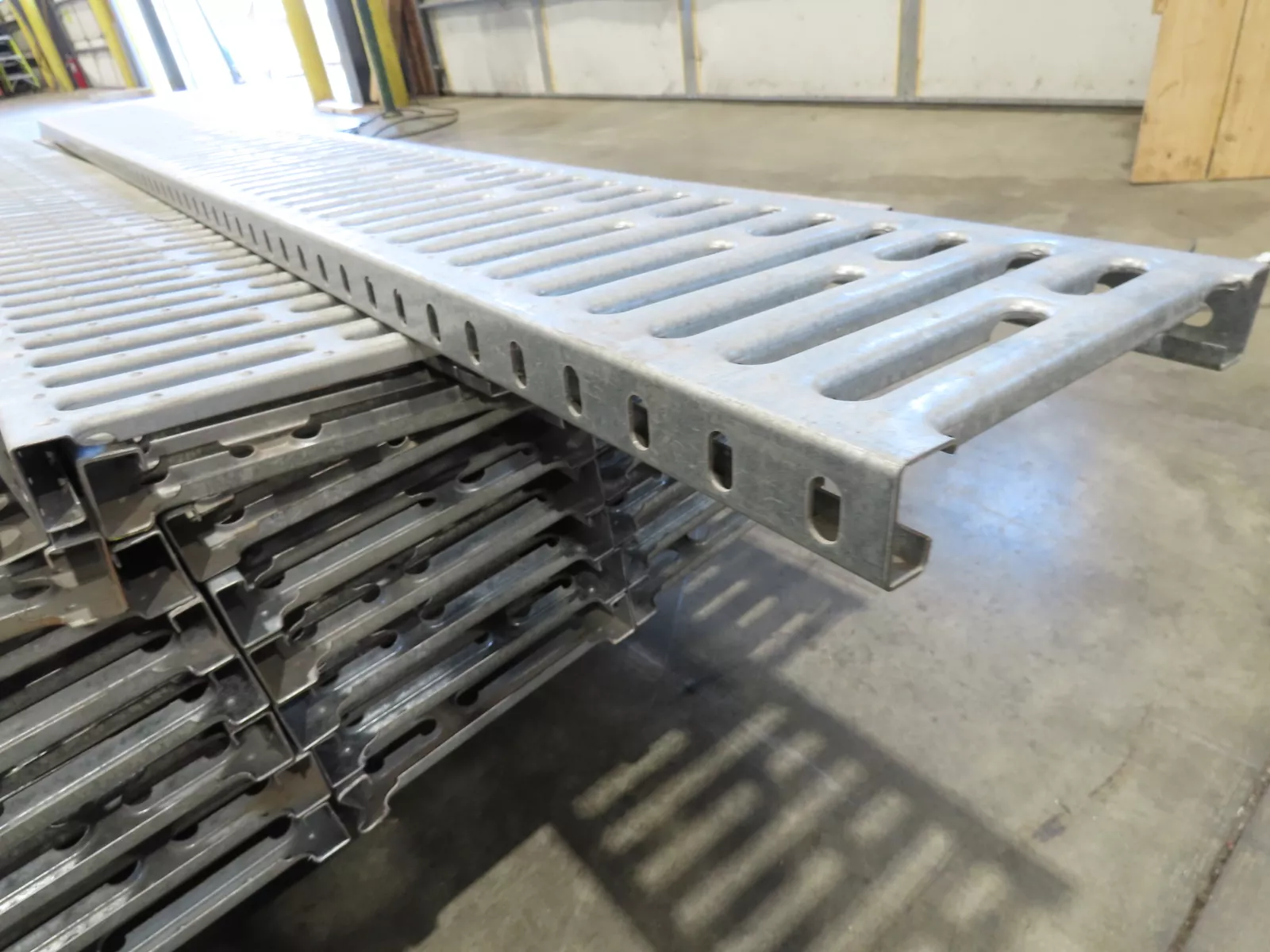
Storage As a Throughput Multiplier
Table Of Contents
- Storage As a Throughput Multiplier
- What Is the Impact Of Storage on Business Efficiency?
- How Can Storage Optimize Workflow Processes?
- Are Your Current Storage Solutions Hindering Productivity?
- What Metrics Should Be Used to Measure Storage Effectiveness?
- How Do Storage Solutions Affect Employee Morale?
- Is There a Hidden Cost to Inefficient Storage Practices?
- Conclusion
- Other Resources
- Glossary Of Terms
- Other Questions
- Checklist
What Is the Impact Of Storage on Business Efficiency?
When it comes to running a business, the effectiveness of your storage solutions often flies under the radar, yet it can make or break your efficiency. Picture a warehouse bustling with employees, each tasked with finding the right part or product. If your storage isn’t organized, chaos ensues. This is where racking systems come into play. They’re not just metal frames holding boxes; they’re the backbone of a streamlined operation, shaping how quickly and accurately work gets done.
Imagine you’re working late on a tight deadline. The last thing you need is to be running around searching for items buried under poorly stacked pallets. It’s frustrating, and it eats into precious time and resources. On the flip side, a well-planned racking system allows you to find what you need in seconds, ensuring that your team spends time where it counts. This isn’t just about saving time; it’s also about keeping morale high. When team members can do their jobs without unnecessary obstacles, it fosters a greater sense of pride in their work.
Racking systems optimize space utilization, meaning you can hold more inventory without expanding your footprint. For businesses constrained by square footage, every inch counts. A pragmatic approach to storage can free up space for new products and opportunities, driving growth and reducing operating costs. This rational perspective highlights that effective storage isn’t merely a matter of convenience; it’s a strategic asset that speaks to the bottom line.
Ethically, businesses have a duty to create safe and efficient work environments. An organized storage area reduces risks of accidents and ensures employees can navigate their workspace safely. When you promote safety and efficiency, it reflects positively on your company culture, attracting talent and demonstrating integrity.
Think of the community aspect: when local businesses thrive due to effective storage management, it creates ripple effects. Jobs are created, vendors have steady business, and the local economy flourishes. Each racking system you implement is a step toward building a healthier whole.
In storytelling, consider the small manufacturer who transformed their operations by rethinking storage. They swapped chaos for order, leading to faster deliveries and happier customers. Their journey inspires confidence. With the right systems in place, even the smallest operations can achieve big impacts, proving that efficiency doesn’t belong to the giants; it’s attainable by anyone willing to make the change.

What Is the Impact Of Storage on Business Efficiency?
What Is the Impact Of Storage on Business Efficiency?
- Effective storage solutions are crucial for business efficiency.
- Racking systems serve as the backbone of organized operations, reducing chaos.
- Well-planned racking enables quick access to items, saving time and resources.
- Optimized space utilization helps hold more inventory without expanding physical space.
- An organized storage area enhances safety and improves company culture.
- Effective storage management positively impacts the local economy by creating jobs and nurturing businesses.
- Success stories of small manufacturers highlight that efficiency can be achieved by all businesses.

What Is the Impact Of Storage on Business Efficiency?
How Can Storage Optimize Workflow Processes?
Storage solutions, such as racking systems, can transform how a business operates, optimizing workflow processes in ways that are not just practical but also profoundly impactful. Imagine a bustling warehouse or workshop floor; with the right storage setup, items aren’t just stacked chaotically but organized with intention. That’s the heart of it: creating a space where every tool, part, or product has its place, reducing the time spent searching for what you need and increasing the time you can spend on what really matters—getting the job done.
Racking systems are more than just shelves; they are the backbone of an efficient operation. When you think about it logically, an organized workspace eliminates wasted movement and frustration. Think of the last time you lost an important tool or had to dig through a pile of disorganized stock. Every minute wasted translates to money lost and morale diminished. A well-structured racking system not only saves time but also promotes a smoother workflow, leading to greater productivity and fewer mistakes. This doesn’t just make sense on paper; it’s a reality that countless workers and managers experience first-hand every day.
Ethically, investing in good storage solutions demonstrates a commitment to your team’s wellbeing. It shows that you value their time and effort, fostering a culture of respect and care. When employees feel their environment supports their work, they’re likely to be more engaged and satisfied. Sharing stories of how effective storage has transformed operations in similar settings can inspire others to take action, reinforcing the idea that change is not just possible but achievable.
On a deeper level, the social aspect of effective storage cannot be overlooked. When a team works in a tidy and optimized space, they’re more likely to collaborate effectively, share ideas, and support one another. It builds a sense of camaraderie and community. Just like in any trade, the best results come from a team that knows how to rely on one another and work in harmony.
So, consider racking systems not merely as a tool but as a means to connect the dots in your workflow. They are a testament to the difference between chaos and order, between struggle and success. Embrace the change, and watch how it transforms not just your workflow, but the very culture of your organization. It’s about more than just finding a space for everything; it’s about building a foundation for a thriving operation.
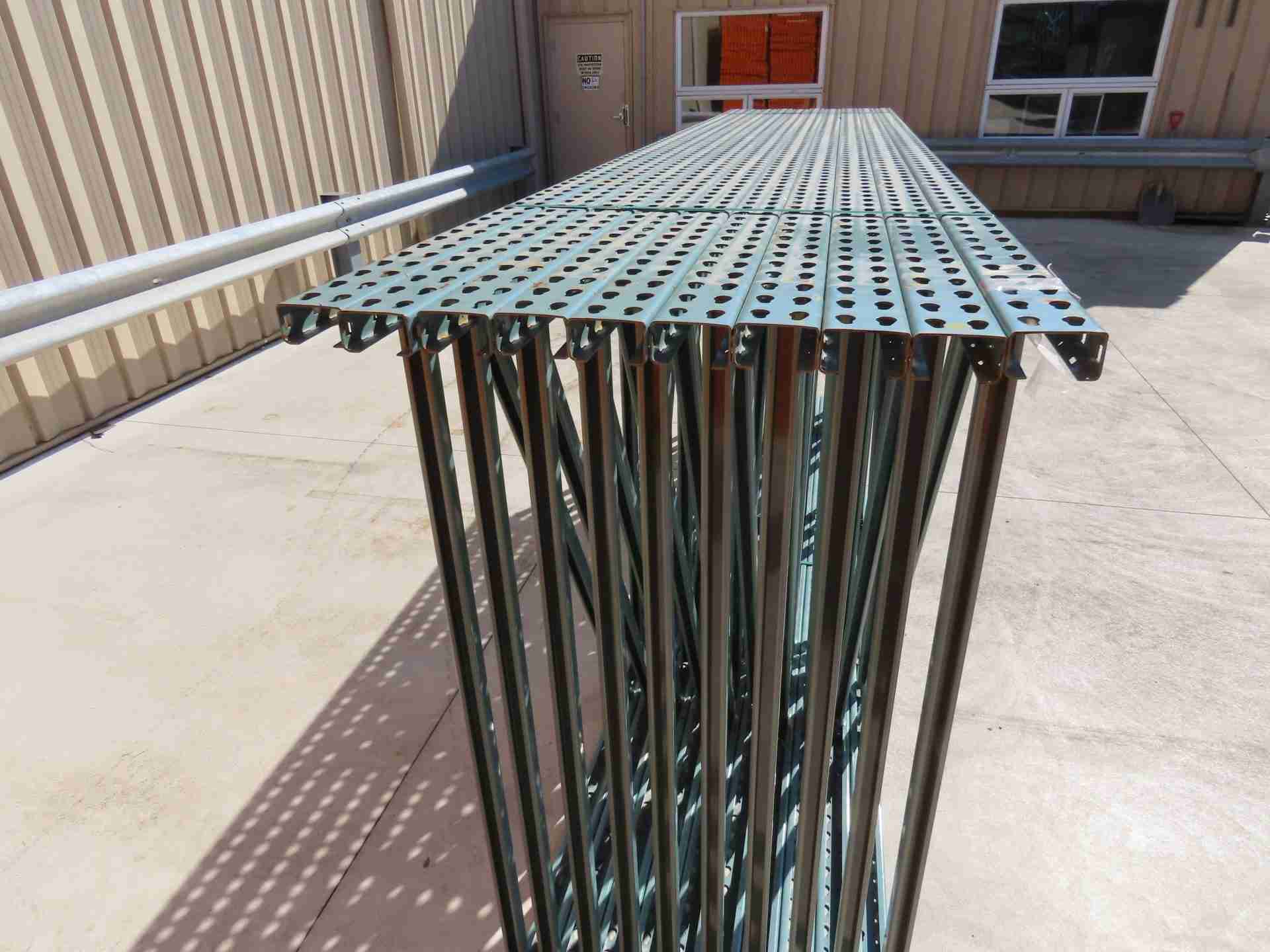
How Can Storage Optimize Workflow Processes?
How Can Storage Optimize Workflow Processes?
- Storage solutions, like racking systems, optimize workflow and significantly impact business operations.
- Organized spaces reduce search time for tools and materials, enhancing job efficiency.
- Racking systems serve as the backbone of efficient operations, eliminating wasted movement.
- A well-structured racking system increases productivity and minimizes mistakes.
- Investing in storage solutions reflects a commitment to employee wellbeing and fosters a respectful culture.
- Cleans and organized workspaces promote team collaboration, idea sharing, and camaraderie.
- Racking systems represent a transition from chaos to order, crucial for a thriving operation.

How Can Storage Optimize Workflow Processes?
Are Your Current Storage Solutions Hindering Productivity?
Every time you step into your workspace, the sight of cluttered shelves and overcrowded corners can weigh on your mind. It’s not just about aesthetics; it’s about efficiency. You’re not alone if you’ve ever wrestled with disorganized racking systems, cursing as you dig through piles to find what you need. That frustration not only steals your time but also zaps your energy, leaving you feeling defeated before you’ve even started the day.
Picture this: You walk into a well-organized space where everything has a place. Your racking systems are designed for ease, with tools and materials easily accessible. In this scenario, you’re not just working—you’re thriving. The simple act of reaching for what you need without hassle ignites a sense of accomplishment, allowing your mind to focus on what truly matters: your work.
Let’s talk numbers. Studies show that organized storage can boost productivity by up to 30%. When you know where everything is, you’re not just saving minutes; you’re propelling yourself and your team into a different league of efficiency. It’s the difference between meeting deadlines and scrambling to catch up. So, why settle for anything less than a system that supports your goals?
From a community perspective, adopting effective storage solutions is not just a personal win; it’s a collective gain. When everyone in your team can find what they need quickly, it cultivates a culture of teamwork and trust. You’re not just a cog in a machine; you’re a part of something bigger, a family working towards a common goal. Everyone wins when systems run smoothly.
Ethically, consider the impact of inefficiency. Wasting resources on lost time or materials is not just wrong; it eats away at our shared values of hard work and integrity. When we invest in effective racking systems, we’re honoring that ethos.
Look around; we’re all in this together. Sharing stories of triumph over disorganized chaos can inspire others to take similar action. Encourage your peers to rethink their storage methods, fostering an environment where everyone can flourish.
So, if your current setup feels more like a burden than a blessing, it’s high time for a change. Step back, reassess, and simplify your storage solutions. You deserve a workspace that fuels your passion and makes every second count.
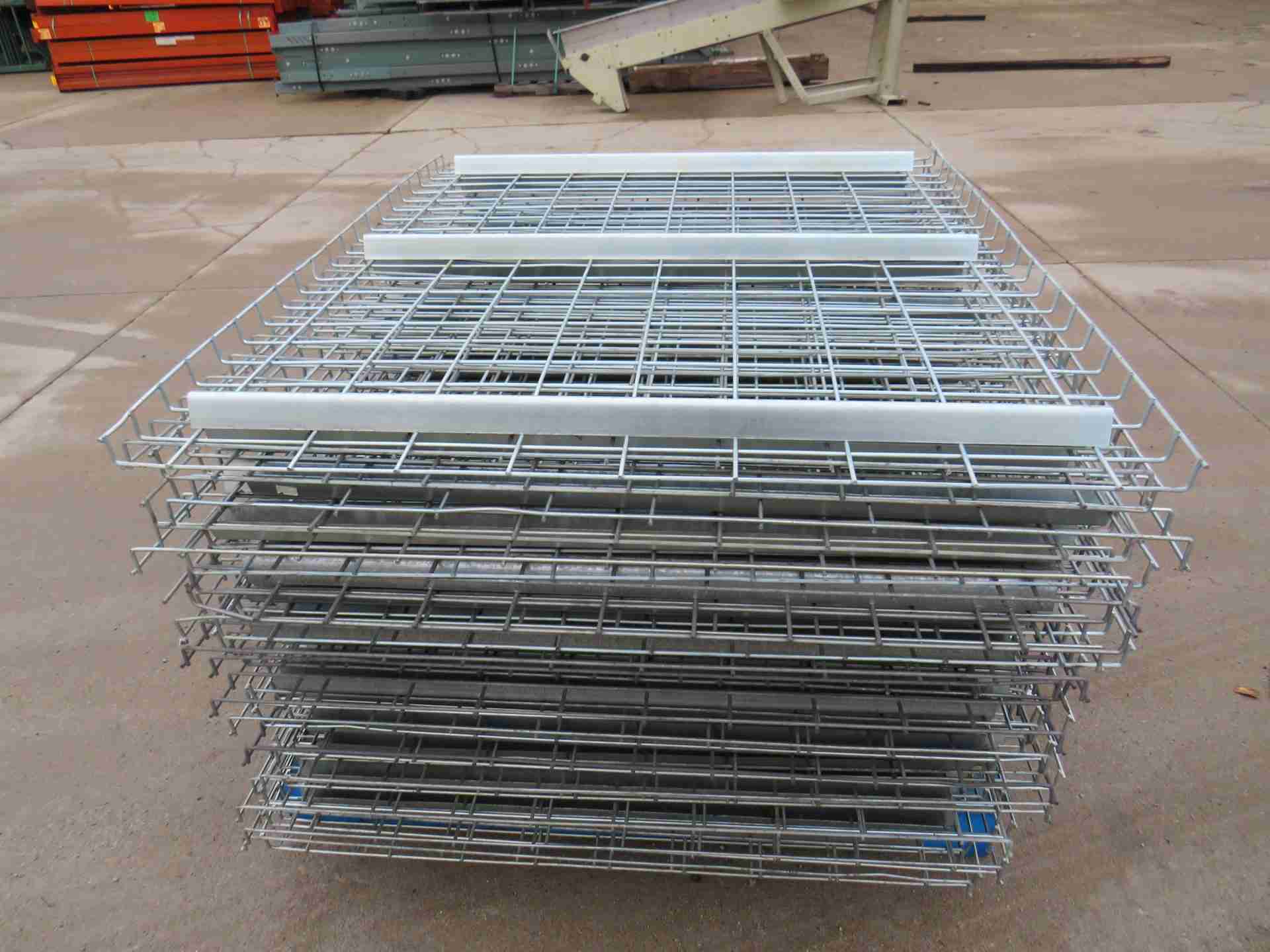
Are Your Current Storage Solutions Hindering Productivity?
Are Your Current Storage Solutions Hindering Productivity?
- Cluttered workspaces negatively impact efficiency and can drain energy.
- Organized racking systems facilitate ease of access, boosting productivity by up to 30%.
- A well-structured workspace fosters focus on essential tasks.
- Effective storage solutions benefit not just individuals, but the entire team, promoting teamwork and trust.
- Inefficiency wastes time and resources, undermining values of hard work and integrity.
- Sharing success stories of organization can motivate others to improve their storage methods.
- Reassessing and simplifying storage solutions can transform a workspace into a productive environment.
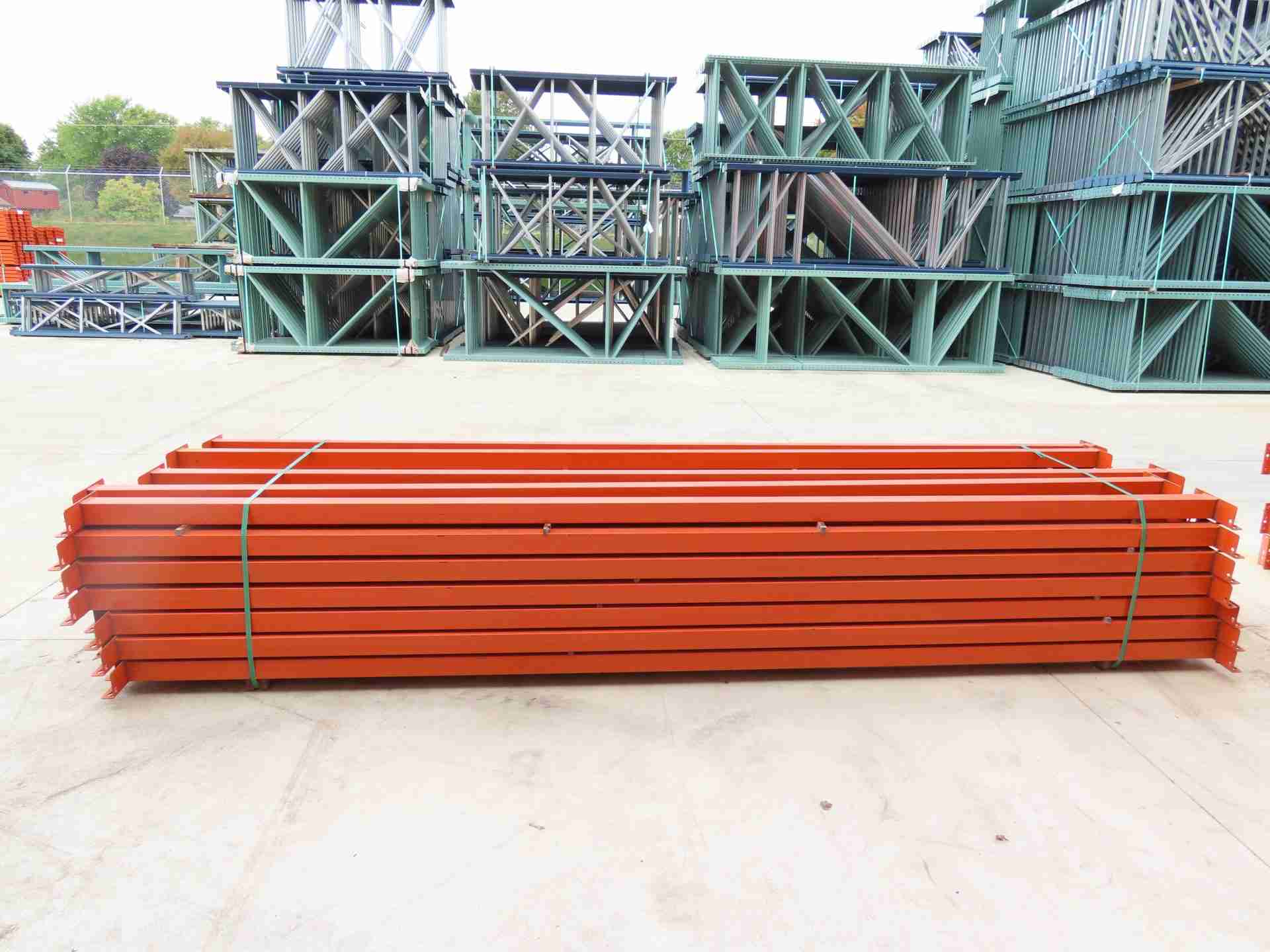
Are Your Current Storage Solutions Hindering Productivity?
What Metrics Should Be Used to Measure Storage Effectiveness?
When it comes to measuring storage effectiveness, you can’t just go off gut feelings. It’s like picking out a racking system without knowing how much product you’re dealing with; you need data to back it up. Start with utilization rates. This metric tells you how well you’re using your available storage space. Are those racking systems filled to the brim, or are they just gathering dust? A high utilization rate means you’re maximizing your footprint, which is crucial in tight spaces.
Next, consider turnover rates. This metric reveals how quickly inventory moves in and out. It’s not just about having enough racking—it’s about ensuring that your goods are turning over regularly. A slow-moving inventory clogs up space and resources, not to mention creates potential waste. Think about it: the longer items sit around, the more likely they are to go out of date or become obsolete.
Another critical area is order accuracy. Keeping track of how often orders are picked correctly reflects more than just inefficiencies; it’s about trust. Customers rely on you to deliver the right product at the right time. High accuracy rates foster confidence and can lead to repeat business, making it a win-win for everyone involved.
Then, there’s the cost of storage, which is often overlooked. Keep an eye on expenses associated with your racking systems—from maintenance to the labor required to manage them. Streamlining operations not only saves money but also leads to a more ethical practice by minimizing waste and inefficiency. It’s about doing right by both your bottom line and the environment in today’s competitive landscape.
Lastly, employee satisfaction can’t be ignored. When your team feels empowered by organized, efficient storage, they perform better. It’s common sense: a well-structured environment increases morale and productivity. If folks are tripping over boxes or struggling to find tools, you can bet they’ll feel frustrated. A workplace that’s cluttered doesn’t just jeopardize efficiency; it stifles creativity and initiative.
Effective measurement of storage hinges on these metrics: utilization, turnover, order accuracy, costs, and employee satisfaction. They’re not just numbers on a spreadsheet—they embody the heart of a truly productive and harmonious operation where every inch of space pulls its weight. Racking systems should enhance, not hinder, your success, and understanding these metrics will pave the way to a more efficient, trustworthy, and ethical workspace.

What Metrics Should Be Used to Measure Storage Effectiveness?
What Metrics Should Be Used to Measure Storage Effectiveness?
- Utilization rates indicate how effectively storage space is used, emphasizing the importance of maximizing available space.
- Turnover rates show the speed at which inventory moves, highlighting the need for regular product turnover to prevent waste and obsolescence.
- Order accuracy affects customer trust, with high accuracy leading to confidence and repeat business.
- The cost of storage should be monitored, including maintenance and labor, to enhance efficiency and minimize waste.
- Employee satisfaction is crucial; organized storage boosts morale and productivity, while cluttered environments harm initiative.
- Effective storage measurement relies on metrics like utilization, turnover, order accuracy, costs, and employee satisfaction.
- Racking systems should support operational success by understanding and applying these key metrics.
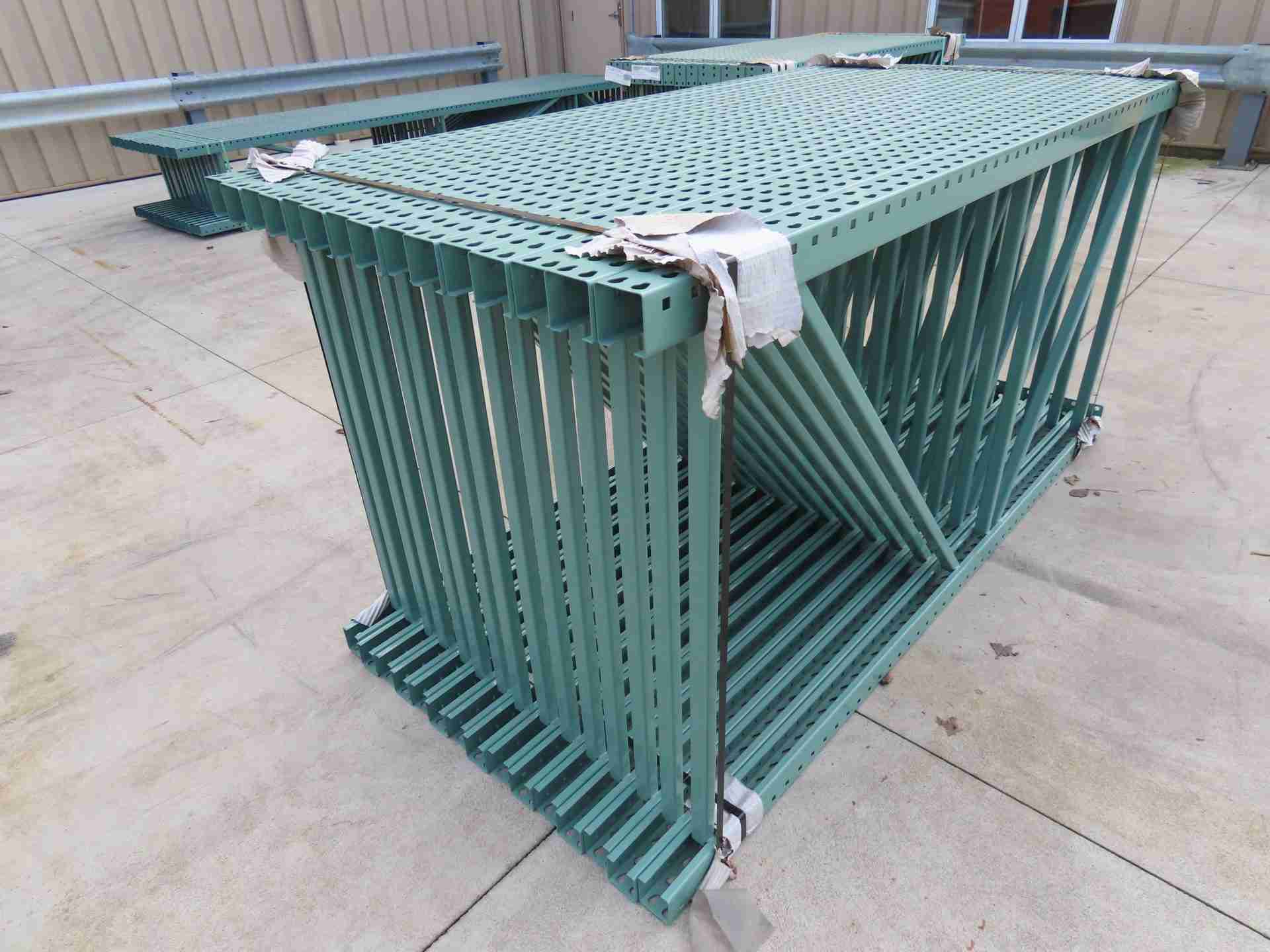
What Metrics Should Be Used to Measure Storage Effectiveness?
How Do Storage Solutions Affect Employee Morale?
In a bustling warehouse or a cramped workshop, the right storage solutions can be the difference between chaos and harmony. Picture this: a team of employees striving hard to keep pace with rising demand, only to be bogged down by a cluttered space. When racking systems are poorly designed or inadequately maintained, frustration seeps in, and stress levels rise. Each misplaced box or awkwardly piled pallet becomes a brick in the wall separating workers from success.
Now, let’s get to the heart of it. A well-organized space fosters a sense of pride in one’s work. Employees walk in, see clean aisles, and neatly arranged racking systems, and feel a swell of satisfaction – they know they’re part of something bigger than themselves. This isn’t just about stacks of boxes; it’s about creating an environment where they can thrive. These systems can empower workers, giving them the tools to tackle their tasks with confidence. A place where inventory flows like clockwork lifts spirits and strengthens the bonds among team members, building camaraderie.
On the rational side, think of productivity: when things are orderly, time wasted searching for items is drastically cut. Employees can focus on their tasks and meet deadlines, which feeds directly into morale. There’s nothing like the feeling of hitting targets. It makes the sweat worth it, and a sense of accomplishment spills into every corner of the workplace. Leadership that recognizes the significance of these solutions sends a clear message: they care about their employees’ success and well-being. When workers feel valued and equipped, they’re more likely to invest their heart and soul into the job.
From a social standpoint, the shared experience of navigating a well-structured space helps forge connections among employees. They can collaborate more efficiently, swapping stories and solutions in an environment that promotes teamwork. This sense of solidarity is vital; it reinforces a culture of support. Plus, when teams feel like they’re winning, that energy radiates outward to customers and clients, enhancing the overall reputation of the business.
Ultimately, storage solutions have a profound impact on employee morale. With thoughtful implementation of racking systems, businesses don’t just optimize operations; they cultivate a thriving, engaged, and motivated workforce. That’s a win-win scenario worth investing in.
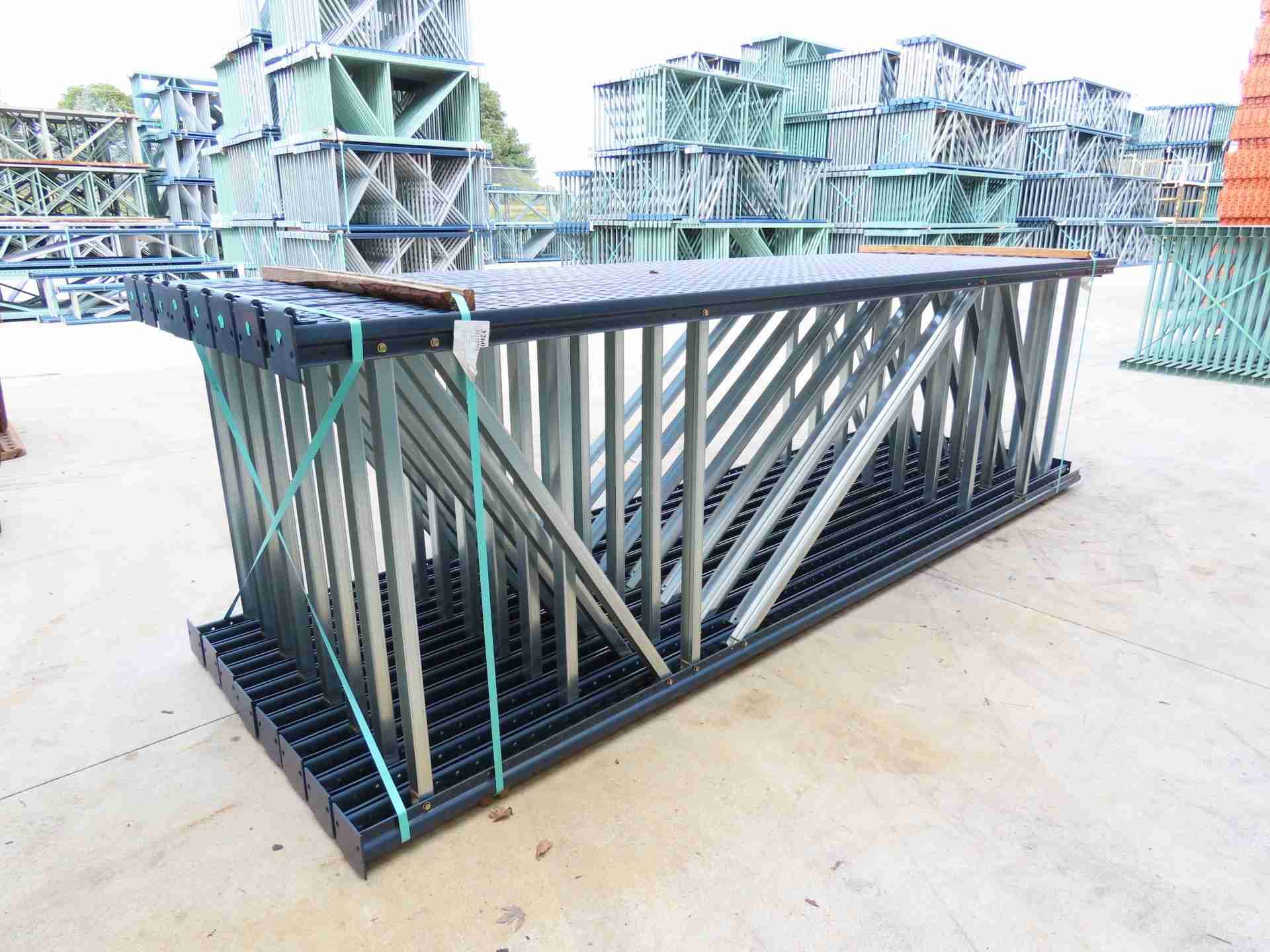
How Do Storage Solutions Affect Employee Morale?
How Do Storage Solutions Affect Employee Morale?
- Proper storage solutions transform chaotic workspaces into organized environments.
- Poorly designed racking systems increase stress and hinder productivity.
- A well-organized space enhances employee pride and job satisfaction.
- Efficiency improves as employees spend less time searching for items.
- Supportive leadership promotes employee well-being and investment in their work.
- Collaborative spaces foster teamwork and strengthen employee connections.
- Effective storage solutions boost morale and enhance overall business reputation.

How Do Storage Solutions Affect Employee Morale?
Is There a Hidden Cost to Inefficient Storage Practices?
When it comes to storage, folks often focus on the upfront costs, like the price of racking systems or the dimensions of a warehouse. But there’s a deeper layer to the equation, one that can hit harder than a punch to the gut. Inefficient storage practices aren’t just a nuisance; they’re a hidden drain on your resources that can affect your bottom line, employee morale, and even your company’s reputation.
Picture a crowded warehouse, where products are piled high and tools are scattered about. Each time an employee searches for an item, time is eaten away—time that could be spent serving customers and getting orders out the door. That’s lost productivity. When simple tasks turn into scavenger hunts, you’re not just wasting minutes; you’re wasting dollars. Imagine the frustrated faces of workers hunting for a part that could have been easily found if the storage had been better organized. It’s an inefficiency that breeds discontent.
Racking systems can be a game changer. A well-designed solution not only maximizes space but also simplifies access to inventory, making it easier for everyone involved. This isn’t just a logistical issue; it’s about respect for the people who work hard to keep your operation running. When staff can easily locate materials, it fosters a sense of pride and belonging. They feel supported, valued, and that their time matters. This creates a positive workplace culture steeped in trust and collaboration.
On the flip side, consider the potential ethical implications of ignoring these storage inefficiencies. An organization that neglects its operational backbone risks leveraging resources unethically—overworking employees, leading to burnout, and eroding the trust they place in leadership. If you aim to inspire loyalty and commitment from your team, invest in efficient storage solutions that show you care about their work environment.
There’s also a community aspect. Poorly managed storage can impact suppliers and customers alike. Delays in fulfilling orders due to inefficiencies ripple outwards, potentially damaging relationships and the hard-earned reputation of your business. Investing in improved storage doesn’t just benefit your team; it creates a network of trust with suppliers and fosters loyalty among customers.
It’s about more than just racking systems. It’s about harnessing every square foot of your operation to build a culture of efficiency that fosters pride, trust, and connectivity, ultimately transforming hidden costs into visible gains. You can’t afford to overlook the impact of storage practices if you want to keep your ship sailing smoothly.
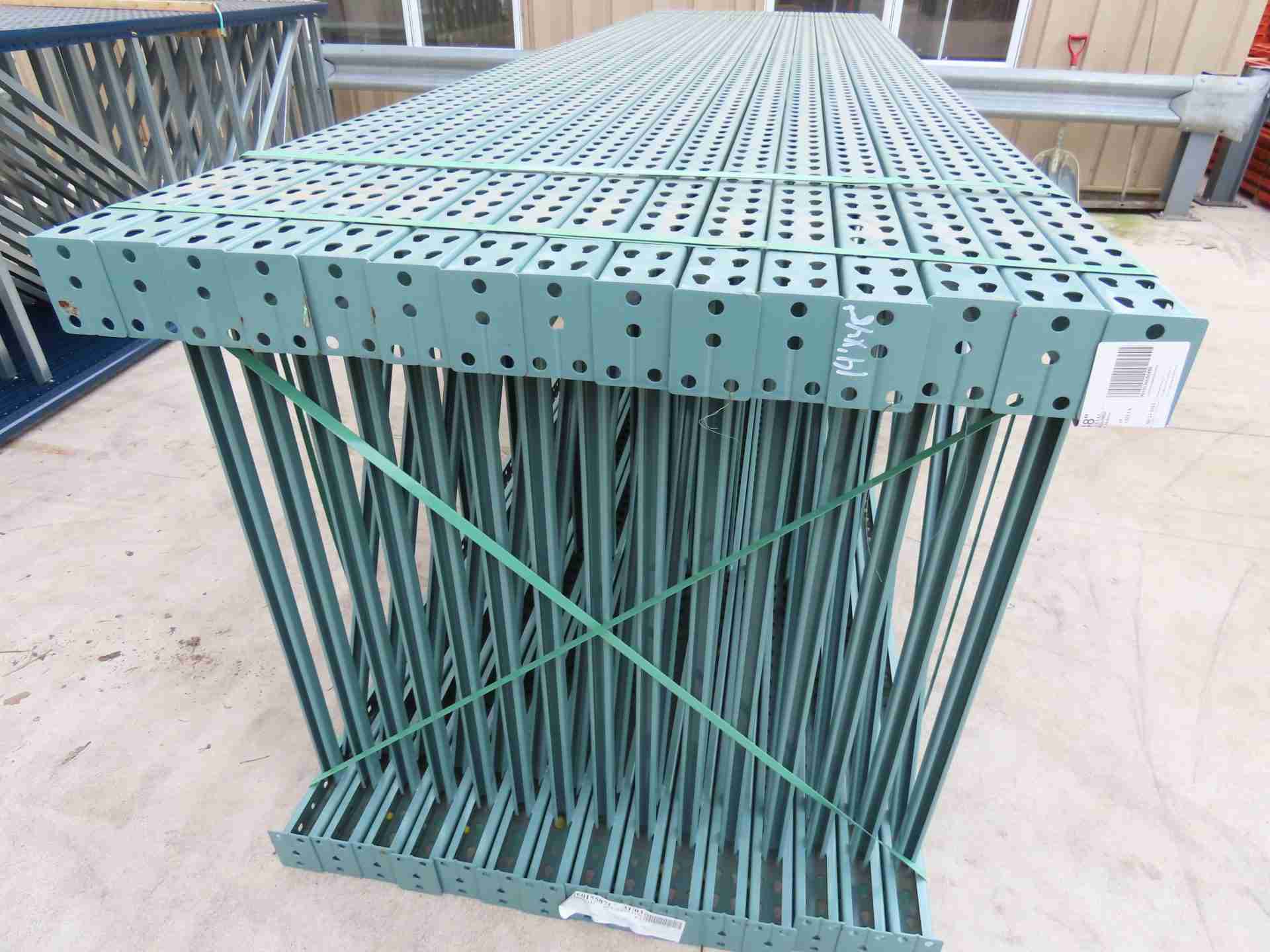
Is There a Hidden Cost to Inefficient Storage Practices?
Is There a Hidden Cost to Inefficient Storage Practices?
- Inefficient storage practices are a hidden drain on resources, impacting productivity, employee morale, and company reputation.
- Crowded warehouses lead to time wastage as employees search for items, resulting in lost productivity and frustration.
- Well-designed racking systems can enhance space utilization and simplify access to inventory, improving operational efficiency.
- Efficient storage fosters a positive workplace culture, enhancing employee pride, support, and collaboration.
- Ignoring storage inefficiencies can ethically overwork employees, causing burnout and eroding trust in leadership.
- Poor storage management can harm relationships with suppliers and customers due to delays in order fulfillment.
- Investing in storage solutions contributes to a culture of efficiency, transforming hidden costs into tangible gains.

Is There a Hidden Cost to Inefficient Storage Practices?
Conclusion
In the realm of operations, thoughtful storage solutions act like a well-tuned engine, propelling efficiency and productivity forward. Picture the chaos of a cluttered workspace: employees scrambling, frustration mounting, and deadlines looming. Now, imagine that same space transformed: orderly aisles, easily accessible racking systems that bring clarity and purpose. This shift isn’t merely cosmetic; it’s a fundamental change that enhances workflow and uplifts morale.
A well-organized storage system isn’t just about finding what you need faster; it resonates deeper, fostering pride among workers. When they walk into a neat environment where everything has its place, it cultivates a sense of accomplishment, enabling them to focus on what truly matters—their work. The rational benefits are clear; fewer wasted minutes translate directly into improved productivity and cost savings. This isn’t just theory; it’s a reality many face daily.
Ethically, investing in quality storage systems signals a commitment to employee well-being. It shows that their safety and productivity matter, creating a culture that values hard work and integrity. When workers feel equipped and supported, that energy radiates, inspiring cooperation and collaboration. Strong teams emerge from organized environments, forging connections and building trust, which ultimately enhances the company’s reputation in the community.
The impact of poor storage practices can be profound, often hidden beneath surface-level costs. Every misplaced box, every chaotic pile delays operations and saps morale. Employees caught in a scavenger hunt for tools experience frustration that could erode their commitment to the job. Conversely, efficient solutions reframe this narrative, promoting not just operational efficiency, but a healthier workplace culture where employees thrive and take pride in their contributions.
When it comes to measuring storage effectiveness, metrics like utilization rates, turnover rates, and order accuracy provide essential insights into how well these systems perform. High utilization means making the most of every square foot, while fast turnover keeps the operation dynamic and responsive. Moreover, accuracy fosters trust with customers, ensuring that the business is not just reliable but also considered a valued partner.
In the end, embracing proper storage solutions is more than a smart financial decision; it’s an investment in people, processes, and community. A commitment to improving storage can turn challenges into triumphs, weaving a story of success that resonates across the operation. It’s a call to action for anyone willing to step back, reassess, and embrace the power of organization to invigorate their workforce and transform their operational landscape.
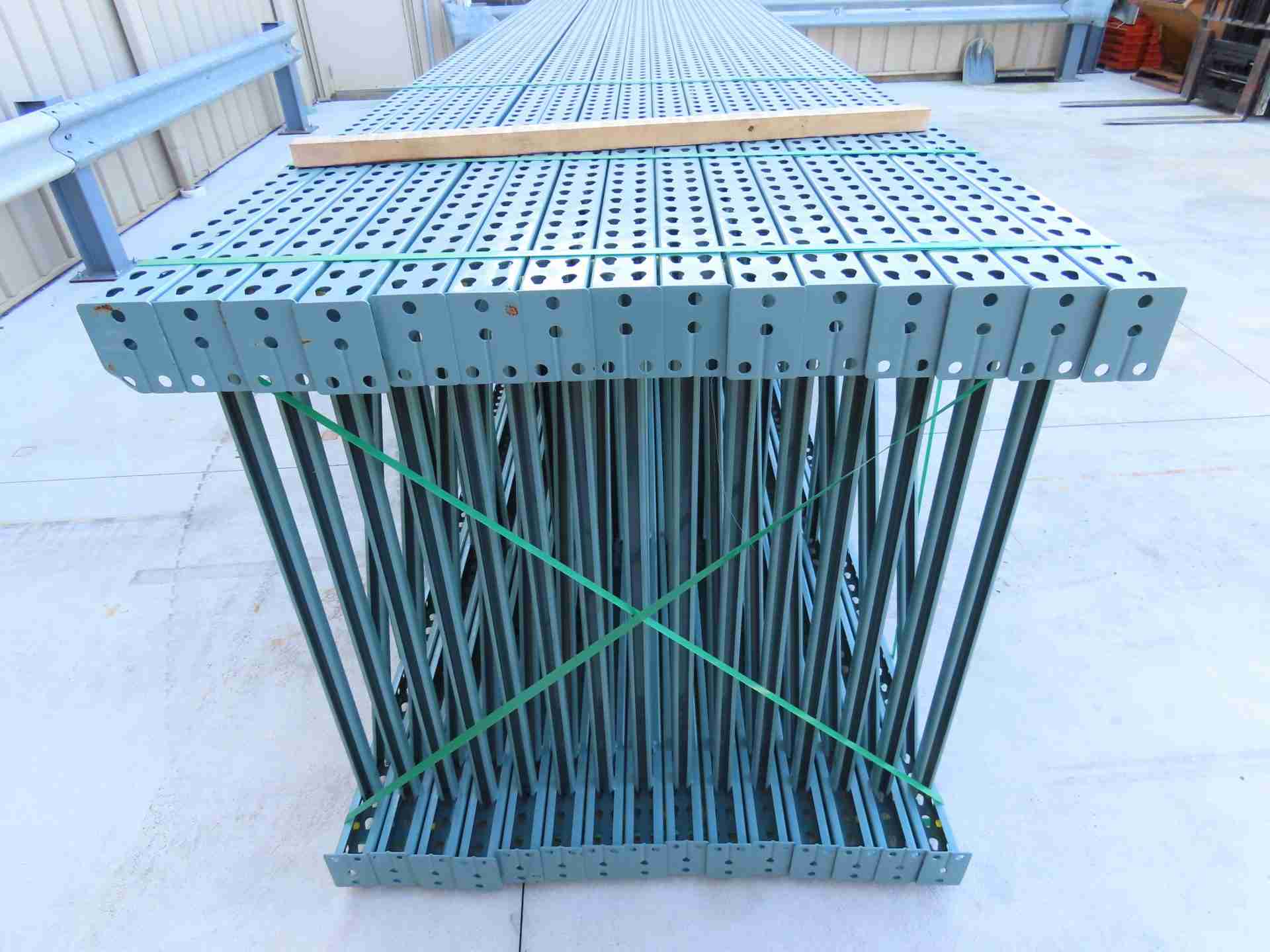
Conclusion
Conclusion:
- Thoughtful storage solutions enhance operational efficiency and productivity.
- An organized workspace reduces chaos and improves employee morale.
- Quality storage practices foster a sense of pride and focus among workers.
- Investing in storage indicates a commitment to employee well-being and safety.
- Poor storage practices can lead to frustration and decreased employee commitment.
- Effective storage metrics include utilization rates, turnover rates, and order accuracy.
- Embracing proper storage is an investment in people and processes, transforming operations.
Conclusion
Other Resources

Other Resources
Here is a list of other resources you can review online to learn more:
- American Surplus
- CA Wire
- Arrow Industrial Sales
- Wolter
- Pallet Rack Systems – New and Used Pallet Racking and Shelving Experts
- Warehouse Automation
- Heavy-Duty Cantilever Storage Racks
- Racking World
- CMMA
- Warehouse Racking System: Powerful Guide to Optimise, 2024
- International Warehouse Logistics Association
- Cantilever Rack Configuration & Installation: A Comprehensive Guide – BMH
- SEMA
- Warehousing Education and Research Council: https://www.werc.org/
- Teardrop Racks – Pallet Rack World
- Cantilever Racks Chicago
- Pallet Racking systems in Illinois and Great Lakes
- Teardrop Uprights
- Material Handling Industry
Use This Prompt To Get More Resources With Your Favorite Online AI Tool: Please provide me with a list of online articles with their URLs in a bulleted list that I can read regarding Storage As a Throughput Multiplier

Other Resources
Glossary Terms
Storage As a Throughput Multiplier – Glossary Of Terms
1. Throughput: The rate at which data is processed or transmitted in a given time period.
2. Storage: The act of retaining data or information within a system for future use.
3. Latency: The delay before a transfer of data begins following an instruction for its transfer.
4. Bandwidth: The maximum rate of data transfer across a network or storage system.
5. IOPS (Input/Output Operations Per Second): A performance measurement used to characterize computer storage devices.
6. Scalability: The capability of a system to handle a growing amount of work or its potential to accommodate growth.
7. Cache: A hardware or software component that stores data so future requests for that data can be served faster.
8. Deduplication: A process that eliminates duplicate copies of data to save storage space.
9. RAID (Redundant Array of Independent Disks): A data storage virtualization technology that combines multiple physical disk drive components.
10. SAN (Storage Area Network): A dedicated network that provides access to consolidated block-level storage.
11. NAS (Network Attached Storage): A file-level data storage that allows multiple users to access data from a centralized location.
12. Data Migration: The process of transferring data from one storage system to another.
13. Virtualization: The creation of a virtual version of a hardware platform, operating system, or storage device.
14. Snapshot: A read-only copy of the state of a system or data at a particular point in time.
15. Clustering: The use of multiple servers to improve performance and availability of storage resources.
16. Backups: Copies of data stored separately to prevent loss in case of system failure.
17. Archiving: The process of moving data that is no longer in active use to a separate storage device for long-term retention.
18. Data Integrity: The accuracy and consistency of data stored in a database or system.
19. Scripting: Writing scripts or code to automate storage management tasks.
20. Encryption: The process of converting data into a coded format to prevent unauthorized access.
21. Redundancy: The duplication of critical components or functions to increase reliability and availability.
22. Performance Tuning: The process of optimizing the performance of storage systems.
23. Lifecycle Management: The handling of a storage system’s data from its creation to deletion.
24. Data Compression: The process of reducing the size of data to save storage space or transmission time.
25. QoS (Quality of Service): The overall performance of a system, particularly regarding the guaranteed throughput, latency, and availability.
26. Tiers: Levels of storage that provide varying performance and cost profiles based on data access needs.
27. Provisioning: The process of allocating storage resources to users or applications.
28. Monitoring: The ongoing observation and analysis of storage system performance and health.
29. Cloud Storage: Online storage solutions provided by third-party providers accessed through the internet.
30. Multi-cloud Strategy: The use of multiple cloud computing services in a single architecture to enhance flexibility and avoid vendor lock-in.

Glossary Of Terms
Other Questions
Storage As a Throughput Multiplier – Other Questions
If you wish to explore and discover more, consider looking for answers to these questions:
- What types of racking systems are available and which is best for my operation?
- How do I calculate the return on investment (ROI) for new storage racking?
- What is the typical payback period after installing optimized storage?
- How much floor space can I realistically reclaim by changing racking systems?
- How do I determine the right racking layout for my workflow and SKU mix?
- What metrics and KPIs should I track before and after a storage upgrade?
- How do I measure space utilization and what benchmarks should I aim for?
- Which storage changes produce the biggest throughput gains?
- How do racking systems integrate with warehouse management systems (WMS)?
- What are the safety standards and regulations for industrial racking in my region?
- How do I assess load capacity and weight limits for existing racks?
- What maintenance schedule is required to keep racking safe and efficient?
- How can storage improvements reduce picking errors and returns?
- What are the common mistakes companies make when redesigning storage?
- How should I handle inventory reorganization during installation to minimize downtime?
- What training do employees need after new racking or storage processes are implemented?
- How do storage solutions impact ergonomics and worker injury rates?
- When should I choose automated storage (ASRS) versus traditional racking?
- What are the upfront and ongoing costs associated with different storage options?
- Are there financing, tax incentives, or grants available for storage investments?
- How scalable are different racking systems as my business grows or seasonal demand fluctuates?
- How do environmental conditions (temperature, humidity) affect rack selection and product storage?
- How do I optimize pick paths and slotting with a new racking layout?
- What role do barcodes, RFID, and pick-to-light systems play in storage efficiency?
- How can storage design support cross-docking, kitting, and returns processing?
- What vendor selection criteria should I use when choosing racking suppliers or installers?
- How long does a typical racking installation take and how is it phased to avoid disruption?
- What case studies or real-world examples demonstrate measurable throughput improvements?
- How do I perform a storage audit to identify inefficiencies and improvement opportunities?
- How do racking choices affect forklift operations, aisle width, and traffic flow?
- What are the lifecycle and replacement timelines for common racking systems?
- How can I design storage to improve order accuracy and on-time delivery rates?
- What security measures should be considered to protect high-value inventory in racking?
- How does optimized storage contribute to sustainability and waste reduction?
- What are the implications of retrofitting existing facilities versus building new storage areas?
- How should small and medium-sized businesses prioritize storage improvements on limited budgets?
Other Questions
Checklist
Storage As a Throughput Multiplier – A Checklist
Strategy and Goals
✅______ Throughput targets defined (pick rate, order cycle time, dock-to-stock time)
✅______ Current flow mapped from receiving to shipping
✅______ Primary constraints identified (space, labor, equipment, systems)
✅______ Success metrics and review cadence set
Space and Layout
✅______ Cubic utilization measured and tracked
✅______ Vertical space leveraged appropriately
✅______ Aisle widths and travel paths optimized for flow
✅______ Fast movers placed closest to pick, pack, and ship points
✅______ Dedicated zones for staging, returns, quarantine, and value-add work
Racking and Slotting
✅______ Rack types matched to SKU profile (e.g., selective, pushback, cantilever)
✅______ Pick-face sizes aligned to demand and packaging
✅______ Clear, consistent location IDs and signage in place
✅______ Load documentation and limits clearly posted and observed
✅______ Re-slotting review scheduled (e.g., quarterly or seasonally)
✅______ Reserve vs. forward pick balance defined
Accessibility and Picking
✅______ Cross-aisles positioned to shorten travel
✅______ Picking method chosen (single, batch, zone, cluster) and documented
✅______ Replenishment triggers set (min/max or forecast-based)
✅______ Workstations arranged for minimal motion and reach
✅______ Obstructions removed; housekeeping standards applied
Inventory Control and Accuracy
✅______ Cycle counting program active with defined frequency
✅______ Barcode/RFID scanning at every move and status change
✅______ Location and SKU audits performed; issues corrected promptly
✅______ Mispick, short-ship, and over-ship rates tracked
Throughput and Time Metrics
✅______ Average pick time per line and per order tracked
✅______ Dock-to-stock time measured for inbound
✅______ Order cycle time measured end-to-end
✅______ Lines picked per labor hour monitored
✅______ Replenishment completion time tracked
✅______ Dwell time analyzed for slow movers
Cost Metrics
✅______ Cost per line and per order calculated
✅______ Storage cost per cubic foot or pallet position monitored
✅______ Damage and write-off costs tracked
✅______ Overtime and expedite costs attributed to storage inefficiencies
✅______ Equipment and racking maintenance costs reviewed
People and Morale
✅______ Onboarding and role-specific training completed and refreshed
✅______ Visual work instructions posted at point of use
✅______ Daily or weekly huddles capture and resolve blockers
✅______ Continuous improvement suggestions collected and acted on
✅______ Employee sentiment and pulse measured regularly
Quality and Customer Impact
✅______ Order accuracy rate monitored
✅______ On-time ship rate tracked
✅______ Returns analyzed for root causes (wrong item, damage, delay)
✅______ Customer complaint resolution time measured
Maintenance and Reliability
✅______ Scheduled checks for racking condition performed and logged
✅______ Material handling equipment maintained on plan
✅______ Labels, signage, and floor markings inspected and refreshed
✅______ 5S and housekeeping audits completed with follow-up actions
Technology and Data
✅______ WMS and location control configured and used consistently
✅______ Real-time inventory visibility enabled
✅______ Scanner and device uptime monitored
✅______ KPI dashboard published and visible to teams
Continuous Improvement and ROI
✅______ Baseline captured before changes
✅______ Pilot zone selected with clear hypothesis and targets
✅______ Post-implementation review completed against KPIs
✅______ Payback period and ROI validated
✅______ Capacity review conducted against forecast and seasonality
Hidden Cost Assessment
✅______ Time lost searching and rehandling quantified
✅______ Aged or obsolete inventory identified and reduced
✅______ Damage from poor storage practices tracked and addressed
✅______ Space expansion deferral savings calculated
✅______ Labor variance tied to storage improvements measured

Checklist
At RackingWorld, we help guide you through selecting warehouse storage systems and racking.
Be sure to read our other related stories at RackingWorld to learn more about warehouse storage systems.
0 Comments