
Reclaim Productivity: The Hidden Toll Of Disrupted Focus
By Tom Seest
At RackingWorld, we help guide you through selecting warehouse storage systems and racking.
Be sure to read our other related stories at RackingWorld to learn more about warehouse storage systems.
The Cost Of Interrupted Workflow
In the world of work—where deadlines are tight, and expectations run high—nothing stings quite like an interrupted workflow. Picture a warehouse filled with racking systems, each one stacked high with goods waiting to be processed. Every minute spent troubleshooting a mishap or dealing with unnecessary distractions is money down the drain. When the assembly line halts, it isn’t just machinery that stops; it’s the pulse of productivity itself.
Let’s face it: interruptions don’t just affect the workflow; they chip away at morale. Workers, feeling the weight of deadlines, are thrown off their rhythm. The buzz of efficiency fades, replaced by frustration. Imagine a crew that once worked like a well-oiled machine now stumbling over each other as they react to sudden changes. The cost isn’t only financial—it’s emotional. The energy drains, and what was once a seamless operation becomes a disjointed effort.
From a rational standpoint, interrupted workflows lead to delays that cascade through the entire operation. Each moment lost necessitates a recovery plan, which often involves overtime pay, lost contracts, or worse—an unhappy customer. Ethically, it begs the question: how can we set our teams up for success when we allow interruptions to proliferate? Trust is built in these moments; when folks don’t have to fight through constant disruptions, they feel valued, respected, and more engaged in their work.
Consider this: a seasoned manager once said, “Every interruption is an uninvited guest at the party.” And that holds true. Every time the workflow is disrupted, it’s as if you’re expecting a guest who doesn’t care about your plans or your time. It’s an affront to the teamwork and effort that’s been put in.
We know that the best laid plans can go awry, but the key lies in mitigation. Organizations must cultivate an environment that minimizes these interruptions—think clear communication, streamlined processes, and strategic planning. Building racking systems that optimize storage and access can enhance efficiency, reducing the chances of workflow disruptions.
Embracing a culture that recognizes the true cost of interruptions—financially, emotionally, and socially—can inspire teams to value their time and effort more. When every worker feels that their contribution matters, the workflow turns from a series of interruptions into a powerful, synchronized dance. We all strive to work smarter, not harder, making every moment count.
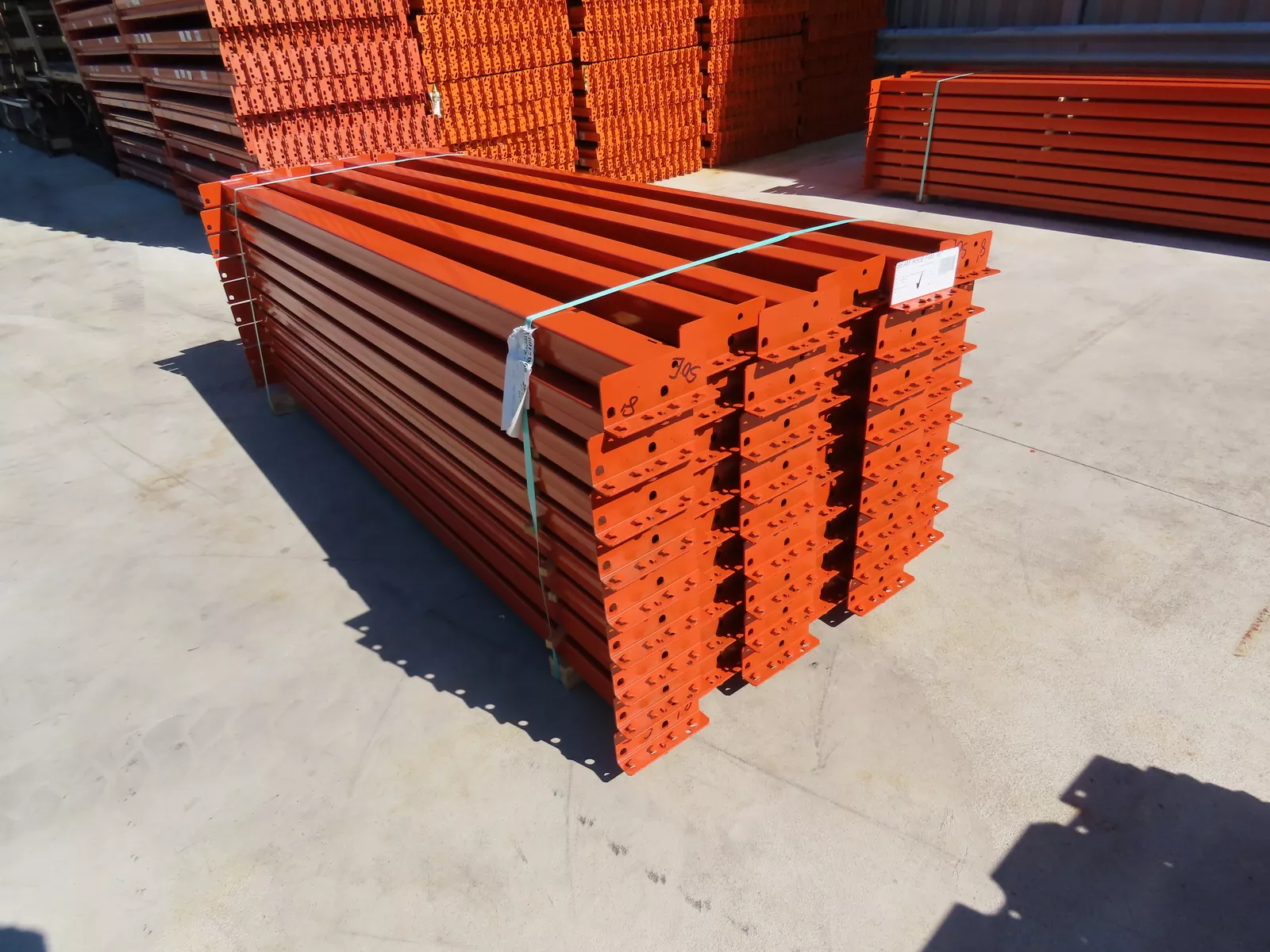
The Cost Of Interrupted Workflow
The Cost Of Interrupted Workflow
- Interruptions in the workflow cause financial losses and hinder productivity.
- Disruptions negatively impact worker morale and efficiency, leading to frustration.
- Delays from interruptions require recovery plans, often resulting in overtime costs and unhappy customers.
- Continuous disruptions undermine team trust and engagement.
- Clear communication and streamlined processes are essential for minimizing interruptions.
- Organizational strategies, like optimizing racking systems, can enhance efficiency and reduce disruptions.
- Recognizing the costs of interruptions fosters a culture that values employee contributions and improves workflow.
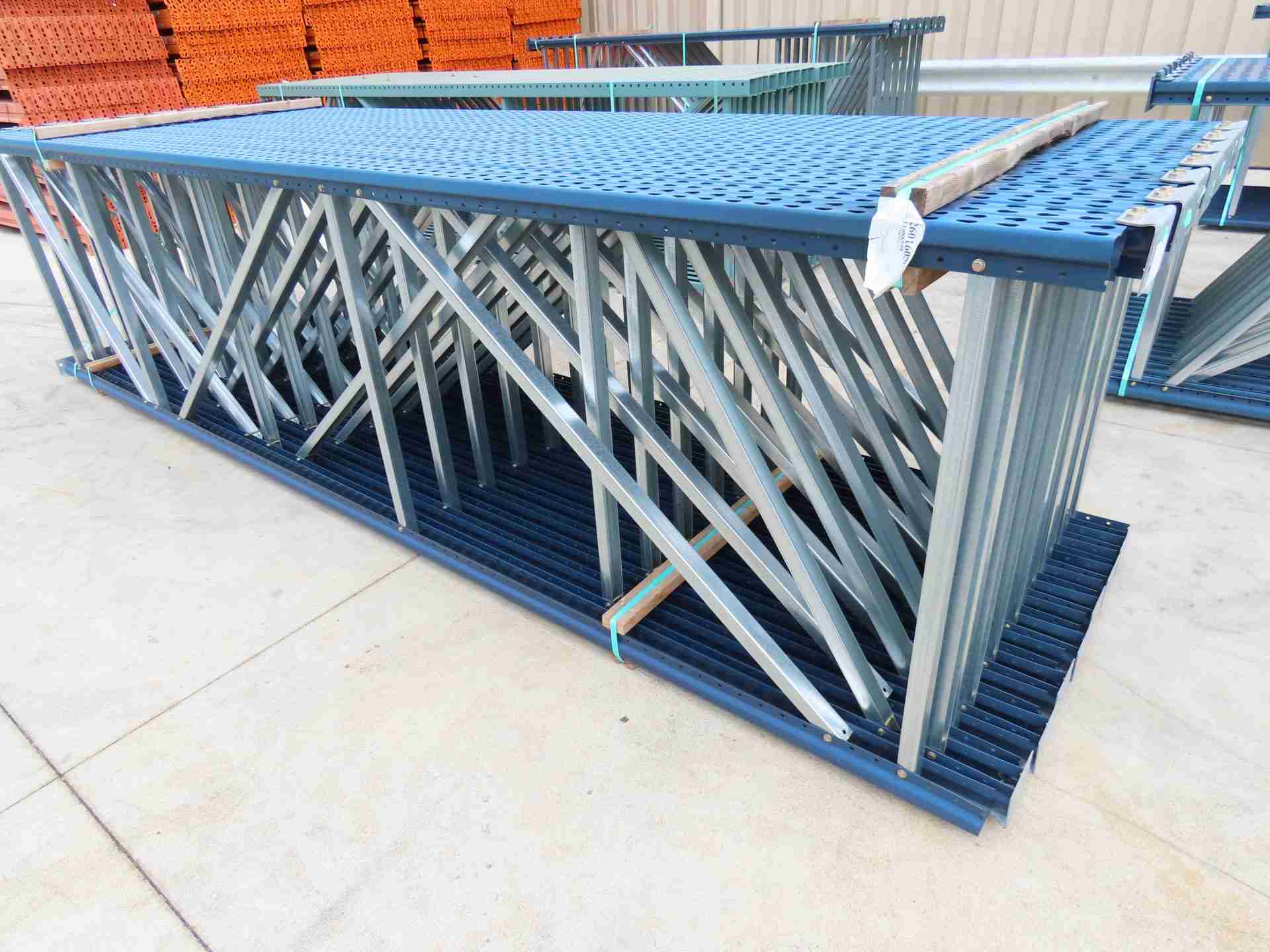
The Cost Of Interrupted Workflow
Table Of Contents
- The Cost Of Interrupted Workflow
- What Does an Interrupted Workflow Cost Your Productivity?
- How Do Distractions Affect Your Mental Clarity?
- Can Interruptions Lead to Long-Term Work Fatigue?
- What Strategies Minimize Workflow Interruptions In Your Day?
- How Can You Regain Focus After a Disruption?
- What Role Does Technology Play In Workflow Interruptions?
- Conclusion
- Other Resources
- Glossary Of Terms
- Other Questions
- Checklist
What Does an Interrupted Workflow Cost Your Productivity?
When the hammer drops, and everything grinds to a halt, it costs more than just time. Picture a crew on a job site, tools in hand, ready to roll. But suddenly, someone can’t find the right equipment, or the plans change mid-project. Just like that, your workflow is interrupted. This isn’t just frustration; it’s a hit to productivity that echoes throughout the workday.
Racking systems, for instance, are built for efficiency, maximizing space and minimizing wasted effort. But what happens when a delay occurs? The careful planning that went into setting up those systems gets tossed out the window. Workers stand idle, wondering when they’ll get back into the groove. Every minute lost translates to dollars down the drain. And while money is an obvious cost, the real toll hits harder. It drains morale, breeds frustration, and erodes the sense of teamwork. After all, nobody wants to feel like they’re spinning their wheels.
Let’s get real. You didn’t sign up for this. You came to work to build and create, not to watch those minutes tick away while you wait. You know that time spent in limbo can lead to mistakes down the line. It fosters a toxic environment where urgency is replaced by anxiety, and focus is scattered. The hustle that fueled your day turns into a slog, making even the simplest tasks feel daunting.
But it doesn’t have to be this way. Embracing a culture that prioritizes uninterrupted workflows creates trust among the crew. When everyone understands the impact of those disruptions—financially and emotionally—they’re more likely to pull together and communicate. Sharing a laugh about a shared mishap can help rebuild that connection while keeping the work moving forward.
Remember that every worker on site is part of a bigger story. A simple interruption can disrupt not just one person’s day, but the flow of the entire project. It’s crucial to recognize these moments, take a step back, and address them. Building resilience in your workflow isn’t a luxury; it’s a necessity that pays off day in and day out. When the workflow flows smoothly, you’ll not only complete the job on time but also foster a sense of pride in the work, which is the core of every blue-collar worker’s ethos. It’s about getting the job done right, together.

What Does an Interrupted Workflow Cost Your Productivity?
What Does an Interrupted Workflow Cost Your Productivity?
- Workflow interruptions on job sites lead to productivity losses and frustration.
- Delays can dismantle carefully planned efficiency, causing workers to stand idle.
- Time lost equates to financial cost, impacting morale and teamwork.
- Time spent in limbo encourages mistakes and creates a toxic work environment.
- Prioritizing uninterrupted workflows fosters trust and better communication among crew members.
- Recognizing and addressing interruptions is crucial for project flow and worker engagement.
- Building resilience in workflows promotes pride in work and successful project completion.

What Does an Interrupted Workflow Cost Your Productivity?
How Do Distractions Affect Your Mental Clarity?
Distractions are like those pesky weeds in a garden; they can take over if you don’t keep an eye on them. You might be in the zone, figuring out the best way to optimize your racking systems, when suddenly a loud phone notification breaks your focus. That interruption doesn’t just steal a few seconds; it can derail your whole train of thought. Each time you’re sidetracked, it takes time to get back on track, and you’ll find that your mental clarity starts to slip away.
Imagine trying to juggle responsibilities at work and home. There’s a deadline looming, and you’re buried under tasks while everyone around you seems to be vying for your attention. This constant barrage of demands pulls at you, diverts your energy, and affects your ability to think clearly. Emotionally, it can feel like you’re spinning your wheels without making any progress, leading to frustration and anxiety. You might even notice a dip in your confidence as you struggle to keep up, questioning whether you’re getting anything right.
From a rational standpoint, consider the science behind it. Name one study that doesn’t show a clear link between distraction and diminished cognitive performance. Chronic interruptions not only fragment your thoughts but also impair decision-making. When you’re trying to solve a complex issue like optimizing those racking systems, every bit of focus counts. Even a momentary lapse can lead you down the wrong path, causing costly mistakes—in time, resources, and energy.
Ethically, we owe it to ourselves to create environments that minimize these distractions. It’s not just about personal efficiency; it’s about the collective output of a team or organization. When we foster a workspace that values deep work over busy work, we create a culture of trust and respect, ultimately leading to shared success.
Narratively, think back to a time when you faced a significant challenge. Was it easier to tackle it head-on when your mind was clear, or when you were pulled in a million directions? The stories of overcoming obstacles resonate deeply because they remind us that clarity is not just a luxury—it’s a necessity.
In a world overflowing with noise, streamlining our focus is crucial. It’s about protecting that mental space so you can tackle tasks, make informed decisions, and engage fully with your life. It’s time to take back control, nurture our mental clarity, and make distractions a thing of the past.
How Do Distractions Affect Your Mental Clarity?
How Do Distractions Affect Your Mental Clarity?
- Distractions can disrupt focus and mental clarity, similar to weeds overtaking a garden.
- Loud interruptions, like phone notifications, can derail thought processes and waste time.
- Balancing work and home responsibilities leads to energy diversion and affects clear thinking.
- Chronic distractions can diminish cognitive performance and impair decision-making.
- Creating environments that minimize distractions enhances both individual and team efficiency.
- Clear mental space is essential for tackling challenges effectively and making informed decisions.
- Prioritizing focus over busy work fosters a culture of respect and shared success in organizations.

How Do Distractions Affect Your Mental Clarity?
Can Interruptions Lead to Long-Term Work Fatigue?
We’ve all been there, knee-deep in a project, when suddenly the phone rings or someone barges in, disrupting our train of thought. Interruption is an unwelcome guest in the world of work, and while it may seem trivial at first, the toll it takes can be considerable. Picture a factory floor filled with racking systems. Workers focus intently on their tasks; each moment is valuable. But when their rhythm is broken, it’s not just the task at hand that suffers. The brain shifts gears, struggling to refocus, leading to that nagging sense of fatigue that follows you home.
Consider the story of a warehouse supervisor who prides himself on efficiency. He sets up racking systems methodically, ensuring everything is in its right place. But a constant stream of interruptions—from chatty coworkers to endless emails—leaves him feeling drained. He finds himself making mistakes, second-guessing decisions, and ultimately, dreading the start of each workday. The impact isn’t just on productivity; it seeps into morale, casting a shadow over what was once a fulfilling job.
Rationally, the cost of these interruptions accumulates. Research shows that it can take over 20 minutes to regain focus after being distracted. Multiply that by countless interruptions throughout the day, and it’s easy to see how enthusiasm can turn into exhaustion. We need to recognize this cycle for what it is: a thief of energy and purpose, robbing workers of their best selves.
Ethically, we should prioritize creating environments where focus thrives. It’s about respect for our colleagues’ time and mental space. Establishing boundaries can help diminish distractions, allowing for deeper engagement with our tasks. This isn’t just good for productivity; it’s a step toward fostering a culture where everyone can thrive.
We’re all in this together. When one person feels the weight of constant interruptions, it drags the whole team down. As a community of workers, we must support each other. Sharing strategies for dealing with distractions—whether it’s setting specific times for meetings or creating quiet zones—can empower individuals, nurturing a workplace where we can all do our best.
Reducing interruptions and fostering concentration is essential not just for our productivity but for our well-being. It’s time to reclaim our focus and restore the joy in our work. After all, nobody wants to return home feeling worn out just from trying to do their job.

Can Interruptions Lead to Long-Term Work Fatigue?
Can Interruptions Lead to Long-Term Work Fatigue?
- Interruptions significantly disrupt focus and productivity in the workplace.
- Constant distractions lead to mental fatigue and decreased morale among employees.
- Research indicates it can take over 20 minutes to regain focus after an interruption.
- Creating an environment conducive to concentration shows respect for colleagues’ time and mental space.
- Establishing boundaries and sharing distraction management strategies can enhance workplace effectiveness.
- Reducing interruptions benefits overall well-being and contributes to a positive work culture.
- Collective support in managing distractions can improve team dynamics and individual performance.
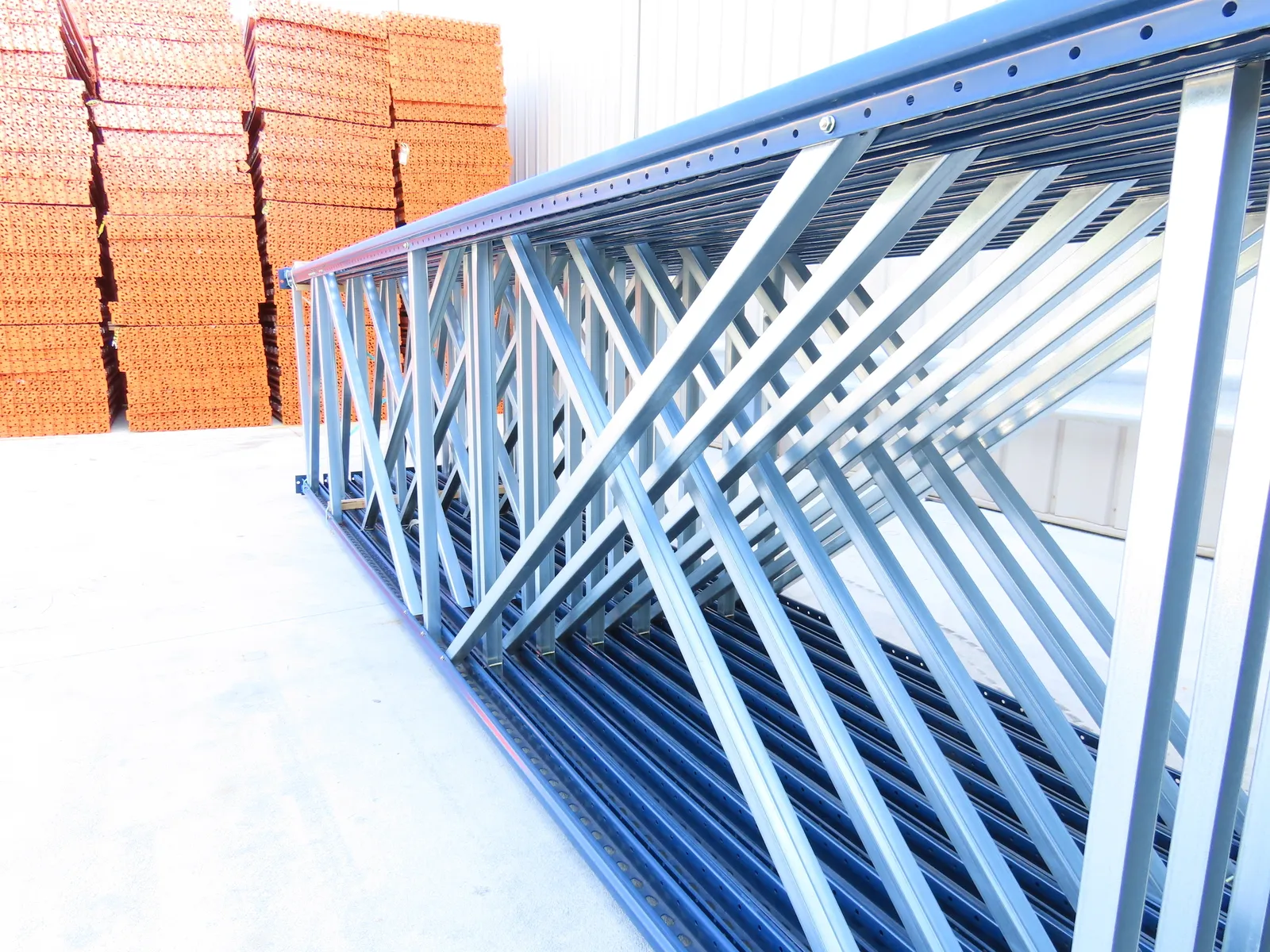
Can Interruptions Lead to Long-Term Work Fatigue?
What Strategies Minimize Workflow Interruptions In Your Day?
In the hustle and bustle of daily tasks, workflow interruptions can feel like a series of brick walls throwing you off the path. To keep moving forward, it’s essential to adopt a few grounded strategies that make a real difference. Picture a busy warehouse, filled with Racking Systems stacked high with merchandise; efficiency is paramount, and every interruption comes at a cost. This scenario mirrors our own lives—just as each item has its place, so too do our tasks.
Start with the basics: lay out your day like you would a well-organized storage unit. Prioritize tasks that truly matter, keeping in mind that not everything carries equal weight. A simple to-do list can be your blueprint, allowing you to tackle one item at a time. As you strike off tasks, you’ll feel a sense of accomplishment, fueling your motivation to keep going.
It’s also essential to create a distraction-free zone. Whether it’s a corner of your home or an office space, make it your haven. Just as workers know to keep clutter off the Racking Systems to find what they need when they need it, keep your workspace tidy. This doesn’t just help in finding physical tools; it also clears the mental clutter that can cloud your focus.
Communication is another cornerstone. In a workplace, clear signals—like the tap of a hammer or the clank of metal—guide actions and minimize overlap. Similarly, ensure your colleagues or family understand when you need uninterrupted time. Set boundaries where needed and be open about your workflow needs. It’s a matter of respect, both for your time and theirs.
Don’t underestimate the power of breaks. Just as machines need maintenance, so do we. Stepping back for a moment to breathe or stretch can recharge your mental batteries. A short walk or a few minutes of quiet can restore focus and reduce the urge to multi-task, which often leads to mistakes.
Lastly, reflect on your day. Just like organizing Racking Systems requires regular checks for efficiency, taking time each day or week to assess what worked or what derailed you can foster continuous improvement. This practice builds resilience and makes you more adaptable to future interruptions, turning potential disruptions into stepping stones rather than stumbling blocks.
Embrace these strategies, and watch how they transform your workflow. Just like a well-oiled machine or a neatly organized warehouse, a little bit of planning and discipline goes a long way in keeping you on track.

What Strategies Minimize Workflow Interruptions In Your Day?
What Strategies Minimize Workflow Interruptions In Your Day?
- Adopt grounded strategies to manage workflow interruptions effectively.
- Prioritize tasks; use a to-do list to focus on essential items.
- Create a distraction-free workspace to enhance focus and organization.
- Maintain clear communication with colleagues or family about uninterrupted work time.
- Take regular breaks to recharge and avoid mistakes from multitasking.
- Reflect on daily progress to identify improvements and build resilience.
- Implementing these strategies can significantly transform productivity.

What Strategies Minimize Workflow Interruptions In Your Day?
How Can You Regain Focus After a Disruption?
After a disruption, regaining focus can feel like trying to find your footing on a wet floor. It’s easy to slip, and the world just keeps moving, leaving you feeling scattered. But let’s get real—life’s too short to let distractions take the wheel. If you’ve ever wrestled with a racking system in a warehouse, you know that the structure relies on a solid foundation. Just like that, you need a strategy to regain your footing when your day goes sideways.
First, take a breath and assess the situation. Acknowledge the disruption, but don’t get bogged down in it. Think of it like adjusting a shelf in a racking system; you may need to make a few tweaks. Identify what pulled you off course. Was it an unexpected phone call, a sudden task, or just the siren call of social media? Whatever it was, it’s crucial to pinpoint it, as this knowledge gives you the power to prevent a repeat performance.
Next, create a plan. Write down your tasks like you’d list the items for a delivery. Break them into manageable steps and prioritize. If your attention wanders—hey, it happens—bring your focus back by tackling one small item at a time. That’s the way to clear the clutter in your mind.
Engage with your surroundings. Sometimes just changing your environment can shake loose the cobwebs. Go for a walk, step outside, or even rearrange your workspace—like reorganizing a racking system to optimize flow. It’s incredible how physical movement can kickstart your mental gears.
And remember, you’re not alone. Everyone wrestles with focus at times. Share your experiences with others, whether it’s over a coffee break or in a team huddle. Hearing that others face the same challenges builds a bridge of connection, reassuring you that it’s okay to stumble. With support, you can bounce back quicker.
Finally, inject a little purpose into your day. Remind yourself why the work matters, what impact you’re making, and how each task connects to a larger picture. This isn’t just about getting through the day—it’s about crafting a life filled with intention and progress. So, shake off that disruption like you’re shaking dust off an old tool and get back to building your day, step by step. Focus isn’t a destination; it’s a journey, and every step counts.

How Can You Regain Focus After a Disruption?
How Can You Regain Focus After a Disruption?
- Regaining focus after a disruption can be challenging and disorienting.
- Just like a racking system relies on a solid foundation, a clear strategy is needed to regain stability.
- Assess the disruption and identify its source to prevent future distractions.
- Create a prioritized plan by breaking tasks into manageable steps.
- Engage with your environment; changes can help clear mental blockages.
- Connect with others to share experiences and build a support network.
- Infuse your day with purpose by understanding the impact of your work on the bigger picture.

How Can You Regain Focus After a Disruption?
What Role Does Technology Play In Workflow Interruptions?
In our fast-paced world, technology’s role in workflow interruptions is like a double-edged sword. On one side, it promises efficiency and innovation; on the other, it can throw us off course, leading to frustration and lost productivity. Take, for instance, racking systems used in warehouses. These systems streamline storage, maximizing space and keeping things organized. However, when technology fails or is improperly implemented, the chaos can be immense. A simple glitch can mean a delay in getting essential parts or materials, creating a trickle-down effect that halts the entire operation.
Consider the emotional toll of such interruptions. Picture a hardworking team that prides itself on efficiency. When they encounter technical problems, the air thickens with disappointment and irritation. It’s not just about the task at hand; it’s about the camaraderie and collective effort. The feeling of being stalled can gnaw at confidence. Every moment wasted is a moment that could’ve been spent reaching goals, serving customers, or simply getting the job done.
Rationally, we understand that technology can enhance our work lives. It’s undeniable that automated systems, tracking software, and advanced communication tools bring impressive capabilities. Yet, we must recognize that reliance on technology can sometimes backfire. When that new software crashes or a piece of equipment fails, it’s the workers who bear the brunt. Those moments highlight a critical question: are we equipping our teams with the right tools, or are we just adding to the clutter?
Ethically, we have a responsibility to ensure that technology serves its intended purpose without becoming a hindrance. That means investing in training and maintenance to mitigate interruptions. It’s about creating an environment where technology complements human effort rather than complicates it.
Moreover, there’s power in storytelling. Think of a crew at a warehouse who faced setbacks due to a malfunctioning racking system. Instead of casting blame, they came together, solved the problem, and came out stronger. Their experience turned into a lesson on resilience, showing how teamwork can overcome even the trickiest technological hurdles.
In a world where technology is ever-evolving, fostering open conversations about these interruptions builds trust and camaraderie. Every voice matters, and every experience shared can inform better practices moving forward. The next time technology disrupts workflow, remember: it’s not just a glitch; it’s an opportunity to learn, bond, and grow as a team.
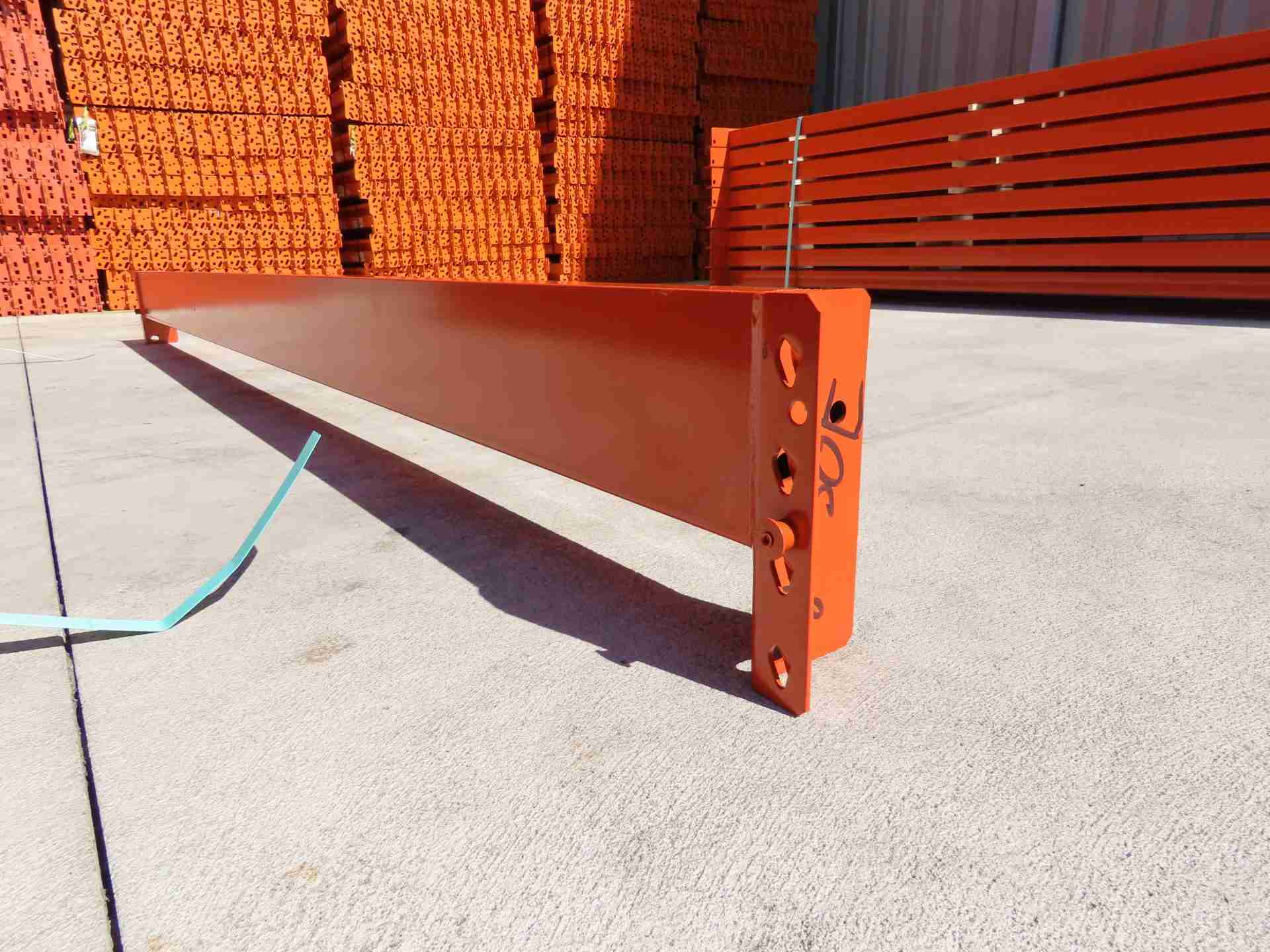
What Role Does Technology Play In Workflow Interruptions?
What Role Does Technology Play In Workflow Interruptions?
- Technology impacts workflow interruptions by promoting efficiency and innovation while causing frustration and lost productivity.
- Warehouse racking systems enhance storage efficiency, but failures can lead to significant operational chaos.
- Technical issues can create emotional stress for teams, affecting morale and confidence.
- Relying on technology can backfire, leading to delays and questions about tool adequacy.
- There is an ethical responsibility to ensure technology supports rather than hinders operations.
- Storytelling and teamwork can transform setbacks into lessons on resilience and collaboration.
- Open conversations about technology interruptions foster trust and inform better practices for future challenges.
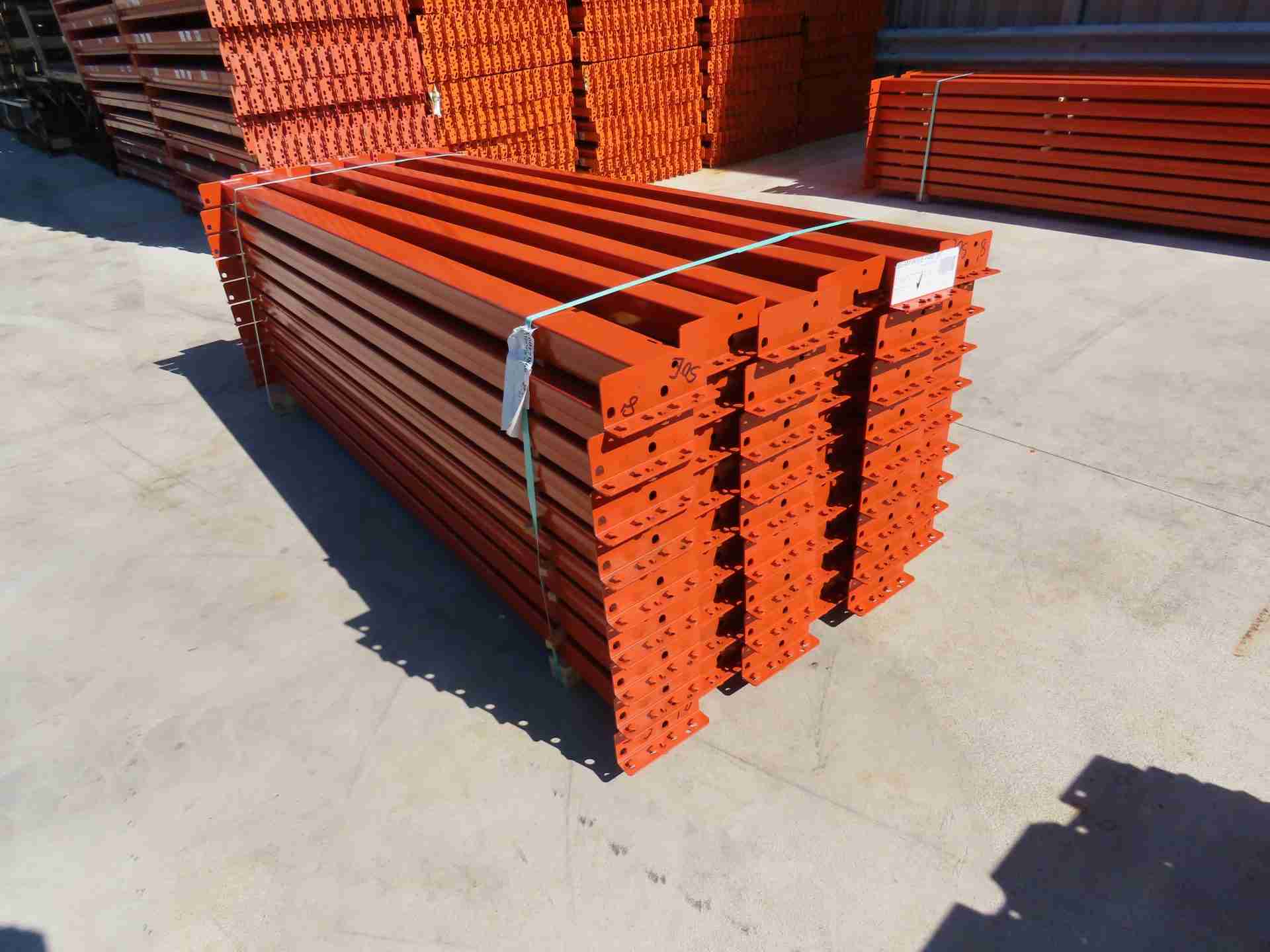
What Role Does Technology Play In Workflow Interruptions?
Conclusion
In today’s demanding work environment, interruptions can severely impact productivity, morale, and overall team cohesion. When workflow is disrupted, it’s not merely a moment lost; it transforms a smoothly running operation into a confused scramble. The warehouse analogy—where a single misplaced tool can halt an entire assembly line—illustrates how even small interruptions can snowball into significant setbacks. The emotional cost is just as real, with frustrated workers feeling less like a coherent team and more like a group of individuals stumbling through their tasks.
Rationally, the implications of disrupted workflow are clear. Each moment of diversion not only delays progress but also creates a makeup period involving overtime or additional resources to get back on track. This chain reaction affects not just the immediate work at hand but could lead to broader implications, such as lost contracts or dissatisfied customers. Ethically, organizations must consider how to limit such disruptions, fostering a culture that prioritizes clear communication and respect for employees’ time. When workers are free from the constant barrage of distractions, they feel valued, leading to more engaged and productive teams.
A seasoned manager likened interruptions to uninvited guests at a party, underscoring the frustration they evoke. To mitigate this, organizations need to adopt strategies that limit interruptions—a commitment to clear procedures, fostering environments where focus can thrive, and ensuring that racking systems in warehouses, for example, are designed for efficiency and accessibility. Recognizing the true costs—whether emotional, financial, or social—of workflow interruptions leads to a more cohesive team dynamic. Each person’s work matters, and when this is acknowledged, the workflow begins to resemble a synchronized dance, rather than a chaotic scramble.
Additionally, cultivating resilience against interruptions encourages a healthier work culture. When teams share experiences and support each other in overcoming distractions, they not only regain focus but strengthen their collaborative spirit. By viewing these challenges as collective experiences rather than individual struggles, workers can foster an environment that values shared commitment and accountability.
Ultimately, reclaiming focus amid disruption isn’t merely about getting back on track; it’s about celebrating the depth of connection and purpose in each task. When teams can navigate the bumps in their workflows together, they reinforce their mission and identity, ensuring that every day is not only productive but also fulfilling. With a commitment to minimizing interruptions and embracing teamwork, organizations can turn potential setbacks into stepping stones toward resilience and achievement.

Conclusion
Conclusion:
- Interruptions can damage productivity, morale, and team cohesion in the workplace.
- Small disruptions can escalate into significant setbacks, akin to a misplaced tool halting an assembly line.
- Each diversion delays progress and can lead to overtime or additional resources to regain momentum.
- Organizations should promote clear communication and respect for employees’ time to minimize interruptions.
- Effective strategies include clear procedures and fostering focus-friendly environments.
- Encouraging resilience against interruptions strengthens team collaboration and accountability.
- Successfully navigating disruptions reinforces team mission and identity, making work more fulfilling.
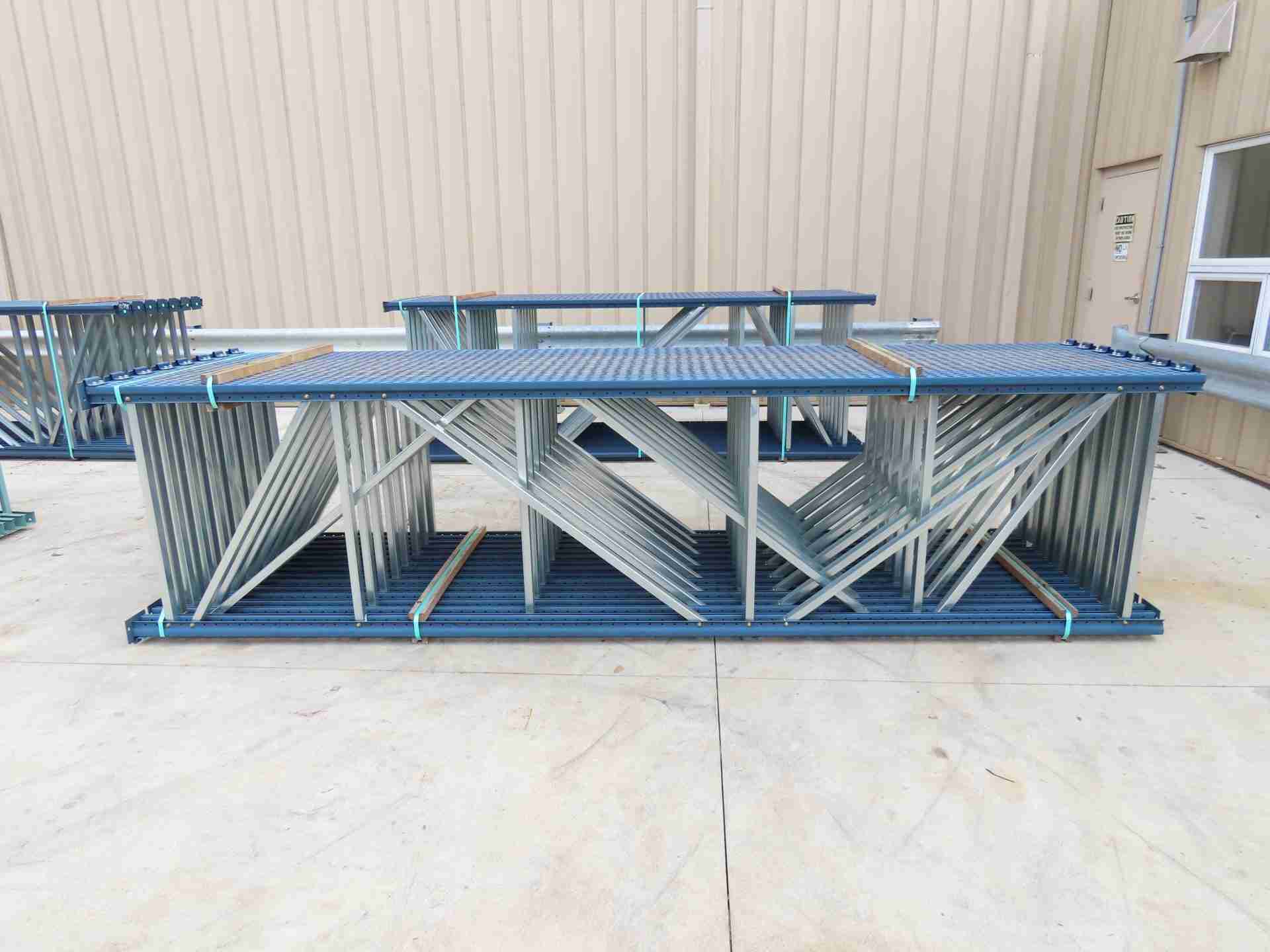
Conclusion
Other Resources
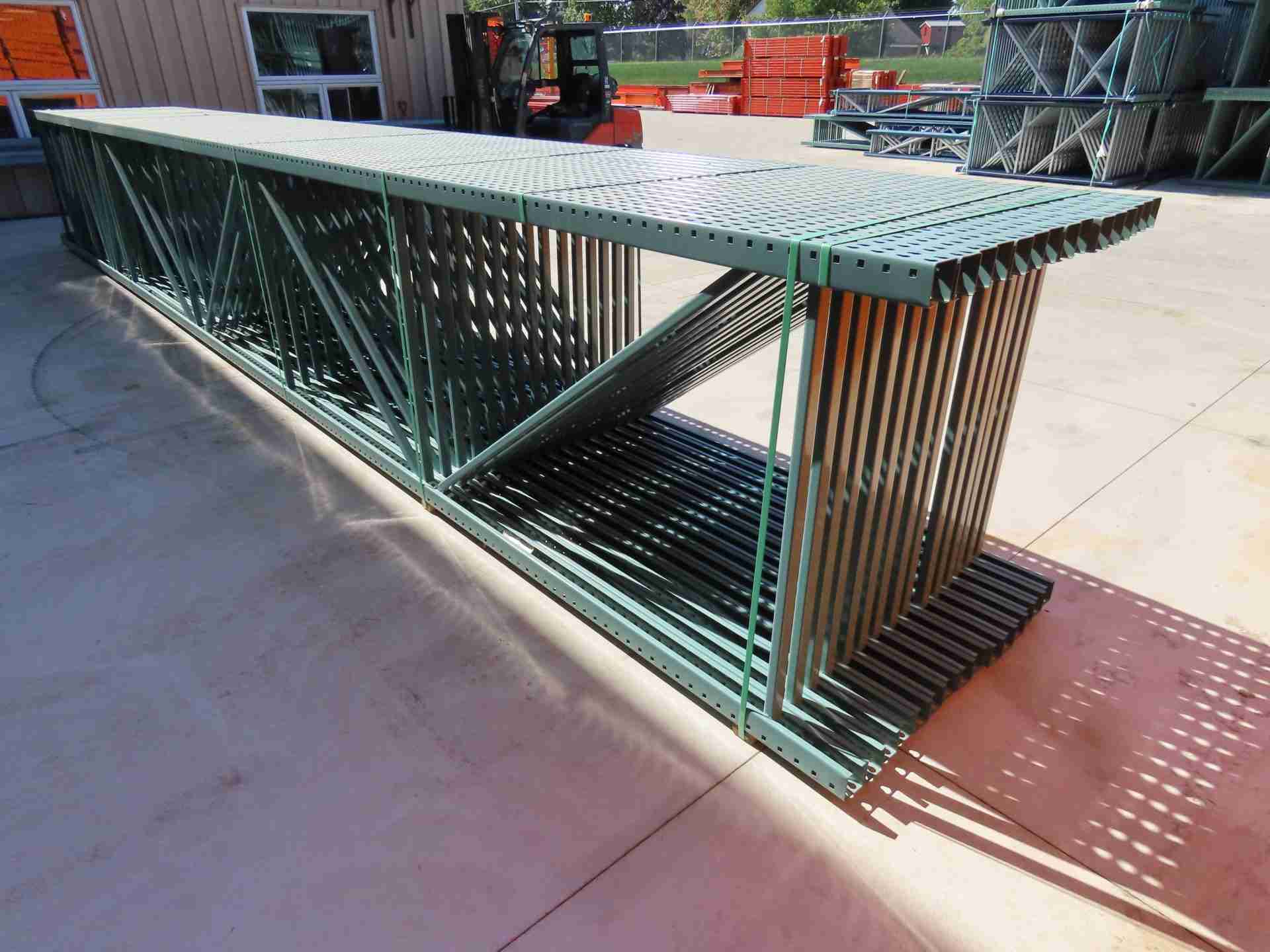
Other Resources
Here is a list of other resources you can review online to learn more:
- What is Selective Racking: Understanding Benefits & Options
- Iowa Illinois Warehouse Racking
- Pallet Racks, Pallet Racking, Pallet Shelves in Stock – ULINE
- Material Handling Industry
- Interlake
- What is Selective Pallet Racking
- New Cantilever Racks and Racking Kits
- CMMA
- SEMA
- Teardrop Industrial Shelving Rack
- IIWS Inc. Rack Installation Illinois & Rack Repairs Illinois
- Teardrop Pallet Rack – Ridg-U-Rak
- Warehouse Storage Racking in Illinois
- Interlake Mecalux
- Logic Material Handling
- IIWS Inc. Rack Installation Illinois & Rack Repairs Illinois
- Warehouse Racking Chicago, IL
- Rack Manufacturers Institute
- Pallet Racking systems in Illinois and Great Lakes
- Teardrop Industrial Shelving Rack
Use This Prompt To Get More Resources With Your Favorite Online AI Tool: Please provide me with a list of online articles with their URLs in a bulleted list that I can read regarding The Cost Of Interrupted Workflow

Other Resources
Glossary Terms
The Cost Of Interrupted Workflow – Glossary Of Terms
1. Workflow: A sequence of tasks that are carried out to achieve a particular goal.
2. Interruption: A break in the continuity of a process, affecting performance and efficiency.
3. Cost: The monetary value associated with resources consumed or lost due to a specific action or event.
4. Productivity: The efficiency of production, often measured in output per unit of input.
5. Downtime: Periods when workflow is disrupted, resulting in lost time and productivity.
6. Efficiency: The ability to accomplish a task with the least waste of time and resources.
7. Bottleneck: A stage in a process that reduces overall speed due to limited capacity or resources.
8. Throughput: The amount of material or items passing through a system or process in a given amount of time.
9. Latency: The delay before a transfer of data begins following an instruction.
10. Resource Allocation: The distribution of resources among various projects or business units.
11. Task Management: The process of managing a task through its lifecycle, including planning, execution, and review.
12. Performance Metrics: Quantitative measures used to evaluate the efficiency and effectiveness of a process.
13. Visibility: The degree to which the workflow process is transparent and observable.
14. Collaboration: The act of working together to achieve a common goal, often requiring coordinated efforts.
15. Communication Barriers: Obstacles in information exchange that impede workflow and efficiency.
16. Redundancy: The inclusion of extra components that are not strictly necessary, often to prevent failure.
17. Process Mapping: A visual representation of workflows to identify inefficiencies and streamline processes.
18. Change Management: The discipline of managing changes within an organization to minimize disruptions.
19. Lean Principles: A methodology focused on maximizing value by reducing waste within a workflow.
20. Cycle Time: The total time from the beginning to the end of a process, including all wait times.
21. Continuous Improvement: Ongoing efforts to enhance products, services, or processes for enhanced efficiency.
22. Workload Balancing: The distribution of tasks to mitigate uneven assignment and overload.
23. Quality Assurance: The systematic process of ensuring that products or services meet specified requirements.
24. Stakeholders: Individuals or groups with an interest in the success of a project or workflow.
25. Critical Path: The longest sequence of tasks in a project that determines the minimum completion time.
26. Agile Methodology: A project management approach that emphasizes flexibility and customer satisfaction.
27. Time Management: The process of planning how to divide time effectively among various tasks.
28. Impact Analysis: The assessment of potential consequences of a change in workflow or process.
29. Automation: The use of technology to perform tasks without human intervention, aimed at increasing efficiency.
30. Feedback Loop: A system where outputs are circled back as inputs for continuous monitoring and adjustment.
Glossary Of Terms
Other Questions
The Cost Of Interrupted Workflow – Other Questions
If you wish to explore and discover more, consider looking for answers to these questions:
- How do you quantify the financial cost of an interrupted workflow for my specific operation?
- What metrics should I track to measure productivity loss from interruptions?
- How much time does the average worker lose recovering focus after an interruption?
- What is the cumulative annual cost of repeated small interruptions?
- Which types of interruptions (phone, email, coworker, equipment failure) cause the biggest productivity hits?
- How do interruptions differ in impact across roles (warehouse staff, supervisors, managers)?
- What are the most effective policies for minimizing interruptions without harming communication?
- How can workspace layout and racking system design reduce workflow interruptions?
- What technology solutions reduce interruptions and which ones tend to create them?
- How should organizations balance alert-driven tools with focused work needs?
- What training or onboarding improves worker resilience to disruptions?
- How do interruptions contribute to long‑term fatigue, burnout, and turnover?
- What legal, ethical, or union considerations arise when limiting interruptions or setting boundaries?
- How can managers detect early signs that interruptions are harming morale?
- What short-term tactics help a worker regain focus immediately after a disruption?
- How should teams structure breaks and schedules to minimize interruption-related decline in performance?
- What communication protocols (e.g., “quiet hours,” signal systems) work best in busy environments?
- How can companies estimate ROI on investments in better racking, maintenance, or technology aimed at reducing interruptions?
- What role do meetings play in causing interruptions and how can meeting culture be improved?
- How can remote or hybrid work models be managed to reduce digital interruptions?
- What behavioral strategies can individual workers use to protect mental clarity?
- Which data sources or studies quantify the relationship between interruptions and error rates?
- How should incident recovery plans be designed to minimize downstream delays and costs?
- What examples or case studies demonstrate successful interruption-reduction initiatives?
- How can leaders create a culture that respects focus without discouraging necessary collaboration?
- What simple checklists or templates can teams use to diagnose and fix recurring interruptions?
- How does poor maintenance or inadequate inventory management amplify interruption risks?
- What are quick wins companies can implement this week to reduce common workflow interruptions?

Other Questions
Checklist
The Cost Of Interrupted Workflow – A Checklist
Plan and Prioritize
✅______ Define the top 1–3 outcomes for today or this shift
✅______ Break work into clear, single-task blocks with time estimates
✅______ Prepare tools, materials, and information in advance
✅______ Confirm dependencies and handoffs before starting
✅______ Plan recovery steps if a task is paused
Environment and Setup
✅______ Create a distraction-free zone or quiet hours
✅______ Keep workspace organized; remove visual clutter
✅______ Standardize storage and labeling so items are easy to find
✅______ Post a visible “focus in progress” signal
Communication and Boundaries
✅______ Share availability windows and response times
✅______ Batch nonurgent messages and questions
✅______ Set Do Not Disturb on devices; silence noncritical alerts
✅______ Use clear escalation paths for urgent issues only
✅______ Limit ad hoc meetings; protect focus blocks
Technology Readiness
✅______ Verify status of critical systems before deep work
✅______ Schedule updates and maintenance outside peak hours
✅______ Provide quick reference guides and training for tools
✅______ Keep offline fallbacks (printed SOPs and checklists)
✅______ Log recurring technical glitches and assign owners to fix
Interruption Triage (In the Moment)
✅______ Pause and note the current task, state, and next step
✅______ Classify the interruption as urgent, important, routine, or noise
✅______ Choose to handle now, defer, delegate, or decline
✅______ If deferring, schedule a specific follow-up time
✅______ Set a timer to resume the original task
Fast Focus Recovery
✅______ Take a 60–120-second reset (breathe, stretch, hydrate)
✅______ Reread last notes; restate the very next action
✅______ Clear desk and screen to a single-task view
✅______ Use a 10–15-minute reentry sprint to rebuild momentum
Team Rhythm and Culture
✅______ Establish daily standups to surface blockers early
✅______ Protect no-meeting focus blocks on shared calendars
✅______ Respect visible focus signals and boundaries
✅______ Share wins and lessons from avoiding and resolving interruptions
✅______ Clarify roles to reduce overlap and rework
Fatigue and Well-Being
✅______ Take microbreaks every 60–90 minutes
✅______ Rotate cognitively demanding tasks when possible
✅______ Watch for decision fatigue; slow down high-stakes choices
✅______ Use an end-of-day shutdown checklist to decompress
Continuous Improvement
✅______ Track interruption sources and time lost for one week
✅______ Eliminate or redesign one recurring source each week
✅______ Simplify workflows; remove unnecessary steps
✅______ Review and update SOPs and this checklist quarterly
Customer and Downstream Impact
✅______ Map how delays affect next steps and customers
✅______ Communicate proactive ETAs when disruptions occur
✅______ Conduct brief post-incident reviews with clear actions
Key Metrics (Optional)
✅______ Deep work hours per person per week
✅______ Average refocus time after an interruption
✅______ Errors and rework linked to context switching
✅______ Team morale and on-time delivery rates
Checklist
At RackingWorld, we help guide you through selecting warehouse storage systems and racking.
Be sure to read our other related stories at RackingWorld to learn more about warehouse storage systems.
0 Comments