
Unlocking Efficiency: Transforming Warehouse Chaos Into Harmony
By Tom Seest
At RackingWorld, we help guide you through selecting warehouse storage systems and racking.
Be sure to read our other related stories at RackingWorld to learn more about warehouse storage systems.
Reducing Congestion In High-Volume Warehouses
Reducing congestion in high-volume warehouses isn’t just about numbers or efficiency; it’s about people and the everyday grind that comes with the territory. Picture the hustle and bustle of a typical day, where thousands of items whiz in and out, but the chaos of congestion can feel like a heavy fog hanging over the workforce. Here’s the hard truth: congested aisles not only slow things down but can lead to accidents and frustrated employees, which no one wants to see.
Start with solid racking systems. These aren’t just fancy shelves; they’re the backbone of warehouse efficiency. When properly designed and implemented, racking systems can strategically maximize vertical space and keep the flow of goods moving smoothly. Think of it like organizing your toolbox; everything has its place, and when you need that wrench, it’s right where you expect it to be. The easier it is to find products, the quicker they get in and out, and that means less time lost to searching.
Consider the human side of the equation. Every worker deserves a space that feels safe and productive. It’s not just boxes and pallets; it’s real people relying on that structure to do their jobs well. By investing in better layouts and equipment, management shows they care about their workforce’s well-being, creating a culture of respect and accountability. Nobody wants to feel like a cog in a machine; they want to be part of a team that gets the job done right.
On the rational front, analytics can do wonders. Tracking movement patterns through your warehouse can highlight pinch points where congestion occurs. With data on-hand, decisions can shift from guesswork to informed strategies that will clear the bottlenecks. Whether it’s introducing more thoroughfare or redesigning shift schedules, utilizing technology ensures you’re making moves that impact productivity positively.
Don’t underestimate the power of communication and teamwork. Engaging employees in discussions on how to improve operations fosters connection. When everyone’s voice matters, you’re not only boosting morale but bringing in valuable insights that come from boots-on-the-ground experience. This common sense approach transforms a daunting task into a collaborative effort, making progress a shared victory.
Reducing congestion isn’t just a logistical challenge; it’s an opportunity to innovate and uplift. By focusing on the right systems, valuing your workforce, leveraging data, and prioritizing communication, you can create a thriving environment where people feel proud to work and productivity soars.

Reducing Congestion In High-Volume Warehouses
Reducing Congestion In High-Volume Warehouses
- Congestion in warehouses affects productivity and employee morale.
- Solid racking systems enhance efficiency by maximizing vertical space.
- A well-organized warehouse facilitates quicker item retrieval, reducing search time.
- Investing in employee safety and productivity fosters a respectful work culture.
- Data analytics help identify congestion points, enabling informed decisions for improvement.
- Employee engagement in operational discussions boosts morale and collaboration.
- Reducing congestion presents opportunities for innovation and workplace uplift.

Reducing Congestion In High-Volume Warehouses
Table Of Contents
- Reducing Congestion In High-Volume Warehouses
- What Are the Main Causes Of Congestion In Warehouses?
- How Does Congestion Affect Worker Safety?
- What Role Does Technology Play In Reducing Congestion?
- Can Reorganizing Warehouse Layout Alleviate Congestion?
- How Can Employee Training Help Minimize Bottlenecks?
- What Are the Financial Impacts Of Warehouse Congestion?
- Conclusion
- Other Resources
- Glossary Of Terms
- Other Questions
- Checklist
What Are the Main Causes Of Congestion In Warehouses?
In the bustling world of warehousing, congestion can feel like a storm rolling in, disrupting the daily flow of operations. Picture it: workers moving like clockwork, machinery humming steadily, and goods being processed smoothly—until that congestion hits. It’s not just an inconvenience; it can lead to delays, frustration, and costly errors. Understanding the main causes of this congestion is crucial for anyone in the industry.
First off, let’s talk about racking systems. When those systems aren’t optimized or improperly configured, they can create choke points. You’ve got pallets stacked haphazardly, aisles blocked, and workers scrambling to find the right items. It’s like trying to navigate a maze when you should be cruising down a straight path. Properly designed and maintained racking systems can significantly improve workflow, ensuring that products are easily accessible and that space is used efficiently.
Then there’s the issue of space management. A warehouse bursting at the seams may seem like a sign of success, but without proper planning, it creates a domino effect of problems. Inventory piling up leads to miscalculations and misplaced items. Workers find themselves wasting precious time searching for products, which not only affects productivity but also morale. No one wants to feel like they’re digging through a mountain of goods just to find a small box.
Staffing and training also play a pivotal role in congestion. Understaffing can lead to overwhelming workloads, causing delays and increasing the risk of mistakes. Moreover, if employees aren’t adequately trained on equipment and processes, inefficiencies arise. Everyone in a warehouse needs to be on the same page, moving in sync, to keep everything running smoothly.
Lastly, consider technology. Outdated systems or a lack of automation can throw a wrench in the works. In a world where speed and efficiency are the name of the game, relying solely on manual processes spells trouble. Investing in the latest software and tools can streamline operations and reduce congestion significantly.
In short, congestion in warehouses can stem from a blend of racking systems issues, poor space management, inadequate staffing, and outdated technology. Tackling these challenges head-on not only restores efficiency but also fosters a sense of pride in the work being done. When teams work together to solve problems, the results are undeniable—a smoother operation, happier employees, and satisfied customers. By embracing practical solutions and focusing on what truly matters, warehouses can transform congestion from a frustrating roadblock into a smooth path toward success.

What Are the Main Causes Of Congestion In Warehouses?
What Are the Main Causes Of Congestion In Warehouses?
- Congestion disrupts warehouse operations, causing delays and costly errors.
- Poorly optimized racking systems create choke points and hinder workflow.
- Space management issues lead to miscalculations and worker frustration.
- Understaffing increases workloads, risks of mistakes, and delays.
- Inadequate training results in inefficiencies and operational challenges.
- Outdated technology and lack of automation impede efficiency.
- Tackling these issues fosters a smoother operation and enhances employee morale.

What Are the Main Causes Of Congestion In Warehouses?
How Does Congestion Affect Worker Safety?
When it comes to racking systems in a busy warehouse, congestion is often the sneaky culprit behind safety mishaps. Imagine a typical day on the floor: workers hustling to meet deadlines, equipment moving every which way, and the sound of machinery humming in the background. In this whirlwind, it’s all too easy for safety to take a back seat. A tight workspace packed with racking systems can create a maze that’s difficult to navigate, increasing the risk of accidents. It’s not just about bumping into one another; it’s about the dangers lurking in a chaotic environment.
Rationally, if you take a step back, it’s clear that a well-organized space not only boosts productivity but also protects the very people who keep the operation running. A congested area filled with improperly stacked goods can lead to falls or worse, those precious items crashing down unexpectedly. Workers need room to maneuver, and when they’re forced to weave through a bottleneck, their focus shifts from getting the job done safely to just getting it done—leaving everyone vulnerable.
From an ethical standpoint, every worker deserves to go home in one piece. Companies have a responsibility to ensure that their racking systems are optimized to minimize risk. It’s about looking out for one another. Encouraging open communication among staff, where concerns about congestion can be voiced without fear of repercussion, fosters a culture of safety that everyone can get behind. This isn’t just about rules; it’s about building a community where workers watch each other’s backs.
The narrative unfolds in shared experiences—the worker who narrowly dodged a falling box or the team rallying together after a near miss. These stories resonate. They remind us that while the job is vital, the lives behind the tasks are invaluable. Colleagues become more than just names on a roster; they’re friends, family, and partners in the daily grind.
It’s also essential to highlight the social aspect: when workers see the commitment from management to improve conditions, it instills a sense of trust. They know that their safety is valued, and that leads to morale boosting. Engaged workers are those who look out for each other—less congestion means fewer accidents, and fewer accidents lead to a stronger, healthier workplace.
Addressing congestion around racking systems isn’t just a tactical move—it’s a moral imperative that safeguards lives and nurtures a thriving culture.

How Does Congestion Affect Worker Safety?
How Does Congestion Affect Worker Safety?
- Congestion in warehouse racking systems can lead to increased safety risks.
- A disorganized workspace hampers productivity and threatens worker safety.
- Workers require adequate space to maneuver to maintain focus on safety.
- Companies must optimize racking systems to minimize hazards.
- Open communication among staff about congestion encourages a culture of safety.
- Shared experiences and team support foster strong workplace relationships.
- Management’s commitment to safety boosts trust and morale among workers.

How Does Congestion Affect Worker Safety?
What Role Does Technology Play In Reducing Congestion?
When it comes to the daily grind of navigating our streets and highways, congestion can feel like a relentless weight on our shoulders. Think about it—you’re in your car, stuck in a snarl of traffic, watching the minutes tick by. It’s frustrating and can even affect your mood and productivity. But technology steps in like a trusty toolbox, offering solutions that feel almost like common sense.
Racking systems, for instance, show how technology can optimize the organization of goods and services, indirectly easing the transportation burden on our roads. By streamlining logistics in warehouses, these systems help businesses operate more efficiently, reducing the number of trucks on the road and cutting down on the gridlock. A well-organized racking system means quicker loading and unloading times, which can translate to fewer vehicles idling in traffic lanes, saving both time and resources.
Then there’s real-time traffic monitoring. This tool acts like having a good buddy who’s always got your back, guiding you around trouble spots. With apps and GPS systems, drivers can find alternate routes and avoid bottlenecks, turning what used to be a headache into a smoother journey. It’s not just about convenience; it’s a game-changer for productivity, helping folks get where they need to be without unnecessary delays.
Let’s not forget about public transportation innovations. Virtual schedules and mobile ticketing make it easier than ever to hop on a bus or train, allowing more people to ditch their cars. The ripple effect is significant: fewer cars lead to less congestion, cleaner air, and a tighter-knit community. When people come together to share a ride, they foster connections and build relationships, making our neighborhoods feel a little less isolated.
Of course, it’s not all sunshine and roses. For tech to truly make an impact, it requires trust from the community. When folks see that technology is genuinely aimed at improving their day-to-day lives, they’re more likely to embrace it. It’s about reimagining our streets and our interactions with one another.
So here’s the heart of the matter: technology isn’t just about high-tech gadgets or slick marketing. It’s about creating a world where we can all breathe a little easier, where our voices are heard, and where each of us has a role in shaping the flow of our lives. The journey to a less congested future isn’t remote—it’s a shared experience waiting to unfold.

What Role Does Technology Play In Reducing Congestion?
What Role Does Technology Play In Reducing Congestion?
- Congestion on roads can greatly impact mood and productivity.
- Technology, like racking systems, optimizes logistics and reduces the number of trucks on roads.
- Efficient racking systems lead to quicker loading/unloading, decreasing traffic idling.
- Real-time traffic monitoring helps drivers avoid bottlenecks, improving travel efficiency.
- Public transportation innovations, such as virtual schedules and mobile ticketing, encourage reducing car usage.
- Less car usage results in decreased congestion, cleaner air, and stronger community connections.
- Trust in technology from the community is essential for meaningful impact on daily life.

What Role Does Technology Play In Reducing Congestion?
Can Reorganizing Warehouse Layout Alleviate Congestion?
In the world of warehouses, congestion isn’t just a nuisance; it’s a bottleneck that can drain both time and morale. Picture a bustling crew, each member hustling to do their part, but instead of moving forward, they’re getting stuck in a maze of poorly organized aisles and messy racking systems. It’s frustrating, isn’t it? But what if a simple adjustment in layout could transform that chaos into a well-oiled machine?
The heart of the matter is that every worker wants to feel proud of their environment. When the aisles are clear and the racking systems are optimized, people can focus on their tasks. It’s about more than just efficiency; it’s about creating a space where everyone feels they can contribute fully. Imagine the relief when a worker no longer spends ten minutes hunting for a pallet that’s buried under a mountain of clutter. They can get their job done, feel satisfied with their efforts, and head home knowing they’ve made a real impact.
Now, let’s get into the nitty-gritty. Rationally, reorganizing a warehouse layout makes a lot of sense. Studies show that a well-planned layout can boost productivity by as much as 30%. That’s not just statistics; that’s real money. Less time spent navigating through congestion means more time spent fulfilling orders and serving customers. It’s a win-win scenario, and who doesn’t like to breathe a little easier while working smarter?
Ethically, let’s consider the overall culture we build in our workplaces. When management takes steps to improve conditions—like flattening the congestion—employees feel valued and respected. They see their leaders listening and taking action, fostering a spirit of teamwork. This kind of environment builds trust, and trust is the bedrock of any successful operation.
And then there’s the power of shared stories. Every warehouse has its tales—of days lost in a tangle of boxes or near-misses as forklifts weave through cramped aisles. By reorganizing the layout, we aren’t just rearranging spaces; we’re rewriting our stories. Workers can start sharing success moments rather than horror tales of mishaps. This narrative shift creates a sense of camaraderie and collective achievement.
So, ask yourself: what would a reorganized layout mean for your team? It’s about more than alleviating congestion; it’s about creating an environment where everyone can thrive. Simple changes, like reevaluating racking systems and flow paths, can breathe new life into your operations. Let’s roll up our sleeves and tackle this together. Confidence, action, and engagement start here.

Can Reorganizing Warehouse Layout Alleviate Congestion?
Can Reorganizing Warehouse Layout Alleviate Congestion?
- Congestion in warehouses leads to inefficiency and decreased morale.
- A clear and optimized layout allows workers to focus and feel accomplished.
- Reorganizing layout can increase productivity by up to 30%.
- Improving workplace conditions fosters a culture of respect and teamwork.
- Trust between employees and management is vital for successful operations.
- Reorganized layouts enable positive stories and enhance camaraderie among workers.
- Simple adjustments can significantly improve operational efficiency and worker satisfaction.

Can Reorganizing Warehouse Layout Alleviate Congestion?
How Can Employee Training Help Minimize Bottlenecks?
Employee training is the backbone of any thriving workplace, particularly when it comes to minimizing bottlenecks. When tasks slow down and productivity grinds to a halt, it’s often due to a lack of knowledge or skills among the workforce. By investing time and resources into training, businesses can nudge employees toward excellence, ensuring they know the ins and outs of their roles. This isn’t just about teaching; it’s about building confidence that resonates through the ranks.
Imagine a warehouse with racking systems that seem overwhelming to new employees. Without proper training, people may hesitate, unsure of how to properly utilize these systems or how to move goods efficiently. This hesitation can lead to clutter, confusion, and ultimately, delays. Training instills the competence needed to navigate these spaces deftly, transforming uncertainty into expertise. When an employee feels equipped with knowledge, they don’t just function better—they thrive, leading to streamlined operations and less downtime.
Consider the story of a small manufacturing company that faced constant delays in production due to employees struggling with equipment. After implementing a robust training program, not only did the employees’ confidence grow, but their output increased dramatically. They developed into a cohesive unit, where each individual understood their role in the bigger picture. The result? Bottlenecks became a relic of the past, and the company experienced a renewed sense of purpose and productivity.
Ethically, investing in employee growth secures loyalty. Workers appreciate when their employers value their development. This fosters a sense of belonging and responsibility among team members; they want to pull their weight and contribute to something greater than themselves. It isn’t just about the bottom line—it’s about creating a culture where everyone feels empowered and engaged.
Moreover, training creates a ripple effect. Employees often share what they learn with their peers, generating a collaborative spirit. When one person excels, they inspire others to elevate their game, leading to an environment where improvement is not just encouraged but celebrated. This collective growth is a force multiplier against any bottleneck that may appear on the radar.
In the gritty world of operations, equipping your workforce isn’t just a technical requirement; it’s a strategic advantage. Empowering employees through training is a straightforward, effective way to clear the path, ensuring that every piece of equipment—be it racking systems or assembly lines—works smoothly and efficiently. Invest in your people, and watch the bottlenecks fade away.

How Can Employee Training Help Minimize Bottlenecks?
How Can Employee Training Help Minimize Bottlenecks?
- Employee training minimizes bottlenecks and enhances workplace efficiency.
- Lack of knowledge among employees often leads to decreased productivity.
- Investing in training builds employee confidence and expertise.
- Proper training helps employees navigate complex systems, reducing confusion and delays.
- Training programs can transform team dynamics and improve overall output.
- Investment in employee development fosters loyalty and a collaborative culture.
- Empowering employees through training is a strategic advantage for operational success.

How Can Employee Training Help Minimize Bottlenecks?
What Are the Financial Impacts Of Warehouse Congestion?
Warehouse congestion isn’t just a logistical headache; it hits hard in the wallet and the gut. When shipments slow down and racking systems remain half-empty, the ripple effects reach far beyond the loading dock. Picture a distributor trying to keep everything moving: trucks are idling, workers are on standby, and the clock is ticking—each moment wasted is money slipping through the cracks.
The financial impact of congestion stretches like an elastic band ready to snap. Increased labor costs kick in as employees are forced to work overtime, while productivity plummets. Delays lead to missed deadlines and unhappy clients, which translates to lost contracts and dwindling trust. Businesses begin to feel the strain, often finding themselves cutting corners to stay afloat, which can compromise quality and service—a vicious cycle.
Consider the ethical implications here. Affected small business owners might struggle to pay their employees or keep their operations running smoothly. There’s a moral weight to that. The tick of each moment that passes with cargo stuck in limbo is more than a bottom line; it reflects real lives affected by what often feel like out-of-control circumstances. Those workers relying on their weekly paychecks view their employment as more than just a job—it’s their family’s bread and butter.
Authority comes into play as well. Experts warn that prolonged congestion can lead to reputational damage that’s hard to recover from. The kind of trust that takes years to build can evaporate in a blink when warehouses become bottlenecked. Companies traditionally trusted for their reliability suddenly become unreliable. This perception can shift consumer behavior, redirecting loyalty towards competitors who seem to have their act together.
We must also think about the narrative of connection within our communities. Each truck that sits idle represents opportunities lost for the small guy, the local businesses trying to make a name for themselves. When we recognize that our economy thrives on the efficient movement of goods, we start understanding the importance of tackling these congestion issues head-on. It’s not just about numbers—it’s about people, their livelihoods, and the interconnected fabric of our economy.
So, what can be done? Streamlining operations, investing in better racking systems, and conducting regular audits to identify pain points are crucial steps. Engaging workers who know the inner workings creates a culture of collaboration aimed at overcoming challenges. After all, an efficiently run warehouse isn’t just good for business; it shapes the very foundations of our communities and the lives within them.

What Are the Financial Impacts Of Warehouse Congestion?
What Are the Financial Impacts Of Warehouse Congestion?
- Warehouse congestion impacts financial performance through increased labor costs and decreased productivity.
- Delays lead to missed deadlines, unhappy clients, and potential lost contracts.
- Small business owners may face ethical challenges, struggling to pay employees and maintain operations.
- Reputational damage can occur from prolonged congestion, eroding customer trust and loyalty.
- Idle trucks represent lost opportunities for local businesses, emphasizing the importance of efficient goods movement.
- Solutions include streamlining operations, investing in better systems, and conducting regular audits.
- Engaging workers in the process fosters collaboration and enhances overall efficiency within warehouses.
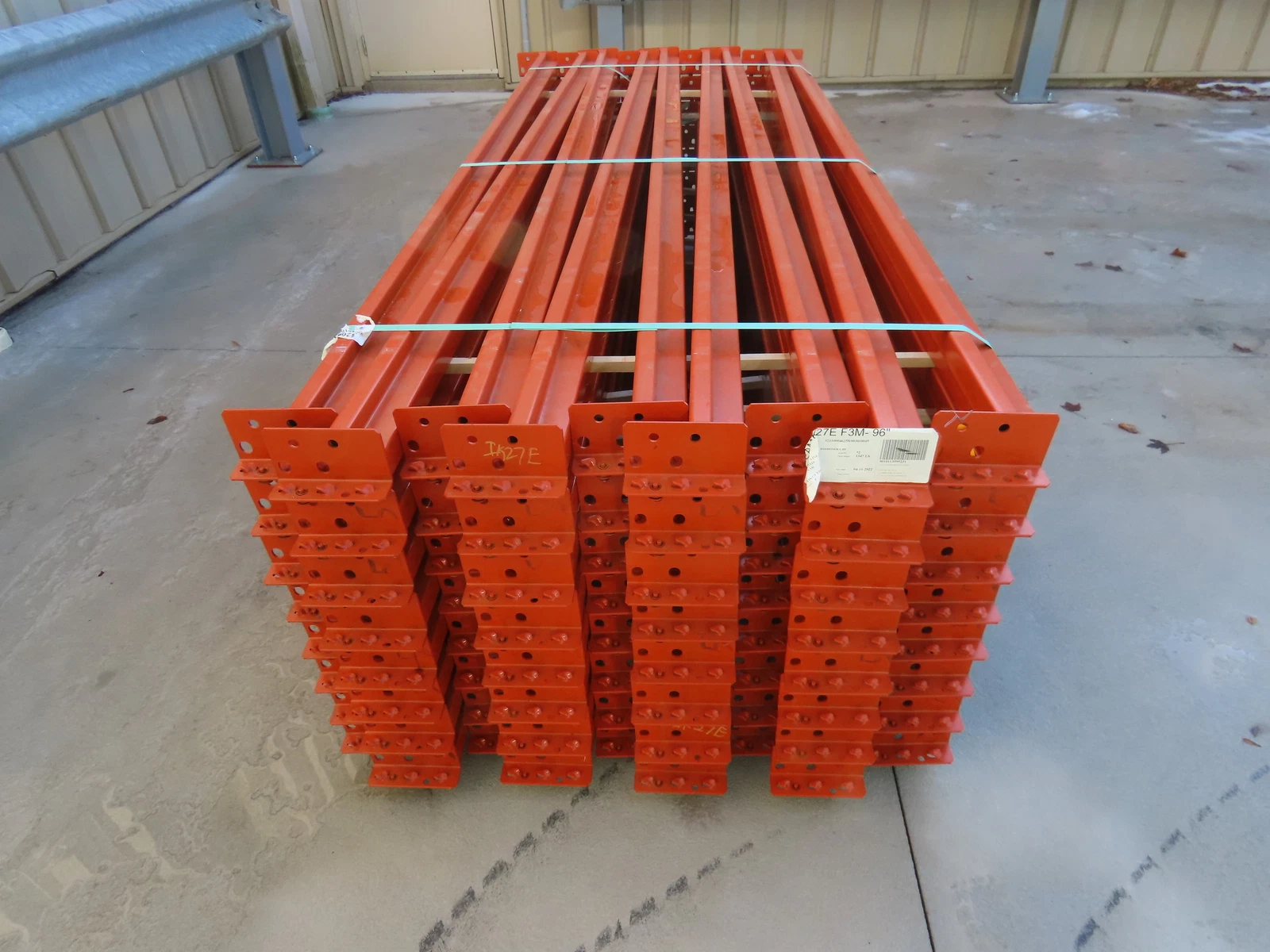
What Are the Financial Impacts Of Warehouse Congestion?
Conclusion
Reducing congestion in high-volume warehouses stands at the intersection of efficiency, safety, and workplace morale. At its core, this undertaking recognizes that every worker in these bustling environments deserves more than just a job; they deserve a space where they can thrive. Congestion isn’t merely a logistical puzzle; it’s a maze that can frustrate employees and hinder performance, turning a routine day into a stressful slog. The solution lies in effective racking systems, well-planned layouts, and a commitment to employee training. When society invests in better organizing our warehouses, workers can navigate their tasks with the ease of knowing each box has its place, fostering a sense of pride in what they do.
The importance of optimizing racking systems cannot be understated. A well-designed structure accommodates the flow of goods much like a well-organized toolbox allows quick access to tools. When fewer items are misplaced, and products are readily available, workers save time and can focus on their tasks without the looming shadow of chaos. Coupled with a layout that promotes clear pathways, it allows smooth movement throughout the warehouse, reducing the risk of accidents and improving productivity.
Safety emerges as a moral imperative. A congested workspace can lead to injuries and accidents, a risk no one should have to shoulder. Ethical stewardship means ensuring that safety is prioritized, fostering a culture of openness where workers can voice concerns about potential hazards without fear of repercussions. Navigating these challenges together cultivates a community spirit—team members looking out for each other, sharing stories of both near-misses and successes, ultimately reinforcing bonds that strengthen the workforce.
Rational approaches, such as utilizing data analytics to track movement patterns, inform smarter decision-making that addresses congestion causes directly. When management is attuned to the rhythm of their operations, solutions like reworking shift schedules or altering pick paths can emerge from real insights, not just guesses.
Finally, effective communication and employee training transform operations into a unified team effort, minimizing bottlenecks and inefficiencies. Workers equipped with knowledge and skills not only boost productivity but create a work environment where everyone feels they play a part. These efforts lead not only to smoother operations but also to greater employee satisfaction and loyalty.
In essence, the journey to reducing warehouse congestion is about reshaping the day-to-day experiences of those who keep the wheels turning. By focusing on the right systems, valuing each worker’s contributions, and fostering teamwork, companies can cultivate a thriving workspace where efficiency flourishes, and everyone takes pride in their contributions to a job well done.

Conclusion
Conclusion:
- Reducing congestion in high-volume warehouses enhances efficiency, safety, and workplace morale.
- Congestion can frustrate employees and hinder performance, turning routine tasks into stressful experiences.
- Effective racking systems and well-planned layouts are essential solutions for improving congestion.
- Safety is a moral imperative; a congested workspace increases the risk of injuries and accidents.
- Using data analytics helps address congestion causes and informs better decision-making in warehouse operations.
- Effective communication and employee training minimize bottlenecks, improve productivity, and enhance job satisfaction.
- Focusing on systems, valuing workers’ contributions, and fostering teamwork leads to a thriving workspace.

Conclusion
Other Resources

Other Resources
Here is a list of other resources you can review online to learn more:
- Logic Material Handling
- The Ultimate Pallet Racking Guide – Speedrack West
- Chicago Pallet Racking
- International Warehouse Logistics Association
- Cantilever Rack Guide: Ordering Cantilever Racking
- Chicago Pallet Racking
- National Safety Council
- MHI
- Interlake Mecalux
- Racking World
- Warehousing and Fulfillment
- New Cantilever Racks and Racking Kits
- Overhead Lifting
- Warehouse Storage Racks
- Teardrop Racks – Pallet Rack World
- Teardrop Industrial Shelving Rack
- Intro to Warehouse Racks & Warehouse Racking Systems – ShipBob
- Used Teardrop Pallet Rack – American Surplus
- Teardrop Pallet Rack – Ridg-U-Rak
- Illinois Pallet Racking – Storage Solutions
Use This Prompt To Get More Resources With Your Favorite Online AI Tool: Please provide me with a list of online articles with their URLs in a bulleted list that I can read regarding Reducing Congestion In High-Volume Warehouses

Other Resources
Glossary Terms
Reducing Congestion In High-Volume Warehouses – Glossary Of Terms
1. Automation: The use of technology to perform tasks with minimal human intervention, enhancing efficiency in warehouse operations.
2. Buffer Zone: An area in a warehouse designated to temporarily hold goods to prevent congestion in high-traffic zones.
3. Cross-Docking: The process of transferring goods directly from incoming to outgoing transportation with minimal storage time.
4. Forklift: A powered industrial vehicle used for lifting and moving heavy materials within a warehouse.
5. Inventory Management: The process of overseeing and controlling stock levels to ensure efficient order fulfillment and minimize congestion.
6. Just-in-Time (JIT): An inventory strategy that aligns orders with production schedules to reduce holding costs and warehouse congestion.
7. Layout Optimization: The strategic arrangement of warehouse elements to maximize space utilization and streamline operations.
8. Material Handling: The movement, protection, and storage of products within a warehouse to reduce handling time and improve flow.
9. Pick and Pack: A process in warehousing where orders are picked from inventory and packed for shipment, often requiring efficient routing.
10. Receiving Dock: The area in a warehouse designated for accepting incoming shipments, crucial for managing incoming congestion.
11. Return Area: A designated space for processing returned goods, helping to keep the main warehouse organized and congestion-free.
12. Self-Storage: Warehouses designed for individuals or businesses to rent space for storing goods, contributing to congestion management in high-volume settings.
13. SKU (Stock Keeping Unit): A unique identifier for products that aids in inventory tracking and management.
14. Supply Chain Optimization: The practice of improving the entire supply chain process to enhance efficiency and reduce warehouse congestion.
15. Triage: The process of categorizing incoming goods based on urgency or importance to manage flow and reduce congestion.
16. Warehouse Management System (WMS): A software application that manages warehouse operations, helping to improve organization and efficiency.
17. Workstation: A designated area for specific tasks within the warehouse, optimized to reduce movement and congestion.
18. Zone Picking: A method where pickers are assigned specific areas of the warehouse to improve efficiency and decrease travel time.
19. Safety Stock: Extra inventory kept on hand to prevent stockouts that can lead to congestion due to unexpected demand changes.
20. RFID (Radio-Frequency Identification): Technology used for tracking inventory levels and locations in real time, aiding in congestion reduction.
21. Repackaging: The process of modifying packaging to either optimize space or make handling easier, helping to alleviate congestion.
22. Palletization: The practice of stacking goods on pallets for easier handling and storage in warehouses.
23. Lean Warehousing: A methodology focused on minimizing waste and optimizing processes to improve efficiency and reduce congestion.
24. Dynamic Slotting: The practice of adjusting the storage location of items based on their demand patterns to enhance picking efficiency.
25. Conveyor System: A mechanical system designed to transport goods within the warehouse, improving flow and reducing congestion.
26. Slotting: The process of organizing warehouse inventory to optimize picking routes and reduce congestion.
27. Cycle Counting: A method of counting inventory periodically to ensure accurate records and minimize disruptions in operations.
28. Lead Time: The total time taken from order placement to delivery, impacting warehouse congestion levels.
29. Shipping Dock: The area designated for loading outgoing shipments, crucial for managing traffic and congestion in warehouses.
30. End-of-Aisle Displays: Displays positioned at the ends of aisles to promote products while maintaining clear pathways for movement in busy warehouses.

Glossary Of Terms
Other Questions
Reducing Congestion In High-Volume Warehouses – Other Questions
If you wish to explore and discover more, consider looking for answers to these questions:
- What specific types of racking systems (selective, drive-in, pallet flow, push-back, etc.) best reduce congestion for my operation?
- How do I measure congestion quantitatively and which KPIs should I track (throughput, picker travel time, queue lengths, dwell time)?
- What analytics tools and sensors are most effective for identifying pinch points and movement patterns in a warehouse?
- How do I integrate new congestion-reducing technology with an existing WMS, TMS, or ERP?
- What are the typical costs and expected ROI of reconfiguring racking or installing automation?
- How long does it typically take to implement layout changes or automation, and how much operational disruption should I expect?
- What low-cost or no-cost process changes produce immediate reductions in congestion?
- How should aisle widths and traffic lanes be designed for different equipment (forklifts, pallet jacks, AGVs) and mixed traffic?
- What best practices exist for forklift and pedestrian traffic management to improve safety and flow?
- How can shift scheduling, staggered start times, or break patterns be optimized to smooth peak periods?
- What should a comprehensive employee training program include to minimize bottlenecks and how long should training last?
- How do you run a congestion audit or time-motion study and what sample sizes or durations are required for reliable data?
- What pilot approaches work best for testing layout or technology changes before a full rollout?
- How do you involve frontline employees in redesign decisions without disrupting daily operations?
- Which automation solutions (conveyors, sortation, AGVs, AS/RS, pick-to-light, voice picking) yield the biggest congestion improvements for various throughput levels?
- How do inventory management strategies (slotting, ABC analysis, bulk vs. reserve locations) affect congestion?
- What maintenance and inspection routines for racking systems reduce downtime and safety incidents related to congestion?
- What regulatory, insurance, and safety standards must be considered when changing racking or traffic layouts?
- How should small or single-shift warehouses differ in approach from high-volume, multi-shift operations?
- How do seasonal peaks affect congestion strategies and what contingency plans should be in place?
- How do you calculate labor cost savings and productivity gains from congestion reduction initiatives?
- What are the common implementation pitfalls or hidden costs to watch for when reconfiguring layouts or adding technology?
- How does slotting and replenishment frequency impact aisle congestion and picking efficiency?
- How can simulation and digital-twin tools be used to model layout changes and predict congestion outcomes?
- What change-management and communication strategies best ensure employee buy-in and sustained operational improvement?

Other Questions
Checklist
Reducing Congestion In High-Volume Warehouses – A Checklist
Header
✅______ Facility
✅______ Date
✅______ Completed by
✅______ Next review date
Safety and Housekeeping
✅______ Aisles and fire exits kept clear; no staging in travel lanes
✅______ Pedestrian walkways marked and protected
✅______ Speed limits, mirrors, blue lights, and horns in use for MHE
✅______ Damaged pallets and racks removed from service immediately
✅______ 5S audits performed and posted (Sort, Set, Shine, Standardize, Sustain)
✅______ Near-miss and incident reports reviewed weekly for congestion links
Layout and Flow
✅______ Aisle widths match equipment and traffic volume requirements
✅______ One-way travel lanes implemented where feasible
✅______ End-of-aisle and dock buffers designated and enforced
✅______ No dead-end aisles; U-turn areas clearly defined
✅______ Fast-mover “golden zone” locations near shipping
✅______ Cross-dock and fast-flow lanes separated from bulk storage
✅______ Clear pick, putaway, and replenishment paths with minimal crossing
Racking Systems
✅______ Racking inspected and certified; capacity signs posted
✅______ Vertical space utilized safely (beam levels set to product heights)
✅______ Pick faces sized for demand to reduce frequent replenishments
✅______ Reserve vs. active locations clearly labeled and organized
✅______ Slot labels and signage readable at a distance and barcode-scannable
✅______ Anti-collapse mesh, row spacers, and rack protection installed where needed
Inventory and Slotting
✅______ ABC/velocity analysis performed at least quarterly
✅______ High-velocity SKUs placed closest to docks and at ergonomic height
✅______ Obsolete and slow-moving stock identified and removed or consolidated
✅______ Standard pallet patterns and heights enforced
✅______ Cycle counting reduces search time and misplacements
✅______ SKU proliferation monitored; duplicates eliminated
Technology and Data
✅______ WMS directs putaway, picking, and replenishment to minimize travel
✅______ RF/barcode or voice systems in use for accuracy and speed
✅______ Heat maps or travel data used to identify top congestion pinch points
✅______ Pick-path optimization enabled where appropriate (batch, cluster, zone)
✅______ Dock-scheduling or yard-management system reduces door crowding
✅______ Real-time location/proximity alerts tested where applicable
Staffing and Training
✅______ Labor planned to forecasted volume by area and shift
✅______ Cross-training ensures coverage across receiving, picking, packing, and shipping
✅______ New-hire onboarding includes racking safety and traffic rules
✅______ Equipment certifications current (forklifts, order pickers, reach trucks)
✅______ Standard work documented and trained; refreshers scheduled
✅______ Daily huddles align teams on hot spots and priorities
Operations and Scheduling
✅______ Receiving and shipping windows staggered to avoid dock pileups
✅______ Replenishment scheduled during low-pick periods
✅______ Waves or waveless priorities tuned to balance areas and avoid surges
✅______ Breaks and shift changes staggered to keep flow steady
✅______ Detention/layover minimized through appointment adherence
✅______ Returns and exceptions handled in a dedicated, separated area
Communication and Engagement
✅______ Employee feedback loop active; suggestions reviewed and acted on
✅______ Floor walks (Gemba) conducted with supervisors and associates
✅______ Visual boards show status of docks, hot orders, and congestion alerts
✅______ Post-incident debriefs link root causes to layout/process fixes
✅______ Recognition for teams reducing travel time or clearing bottlenecks
Metrics and Financials
✅______ Throughput lines/hour and units/hour tracked by area
✅______ Dock-to-stock time monitored and improved
✅______ Order cycle time and on-time ship rate within targets
✅______ Travel time as % of task time trending down
✅______ Trailer dwell, door utilization, and carrier detention tracked
✅______ Overtime, rework, and chargebacks tied to congestion root causes
✅______ ROI calculated for layout, racking, and tech changes
Continuous Improvement
✅______ Top 5 congestion hot spots identified and prioritized
✅______ Pilot changes tested before full rollout; results documented
✅______ Quarterly layout review against volume and mix changes
✅______ Annual rack inspection and reconfiguration plan updated
✅______ KPIs reviewed weekly; countermeasures assigned with owners and due dates
Sign-off
✅______ Owner
✅______ Date
✅______ Next actions

Checklist
At RackingWorld, we help guide you through selecting warehouse storage systems and racking.
Be sure to read our other related stories at RackingWorld to learn more about warehouse storage systems.
0 Comments