
Transforming Travel Challenges Into Profit Opportunities
By Tom Seest
At RackingWorld, we help guide you through selecting warehouse storage systems and racking.
Be sure to read our other related stories at RackingWorld to learn more about warehouse storage systems.
Why Travel Time Is Killing Your Margins
Travel time can often feel like a slow leak in your profit margins, gradually draining away the gains you’ve worked hard to build. Picture this: you’ve invested in high-quality racking systems, your team is well-trained, and your product is top-notch, but every minute spent stuck in traffic or navigating congested routes chips away at your bottom line. It’s not just a logistical headache; it’s a punch to the gut for anyone who’s ever worked late to catch up for lost time.
When you’re on the road longer than necessary, the cost of fuel and vehicle maintenance spirals upward. Each hour spent making deliveries or picking up supplies translates into labor costs that can mount quickly. The math doesn’t lie; time wasted can mean diminished returns. This isn’t just about dollars and cents; it’s about the sacrifices made by hardworking individuals who are out there, hustling. Every family waiting for dinner to be served, every crew ready to get to work, all relying on you to streamline your operations.
It’s also an ethical call. When you’re bogged down in traffic, that time spent away from home can strain relationships and erode trust. Your team counts on you to manage the flow of operations effectively. They want to see you succeed, to be there in the moment when it matters most, not stuck waiting in line behind an endless stream of cars. Investing in smarter routes and better planning isn’t just a fiscally wise decision; it’s a sign that you value their time—and their lives.
Authority comes through experience. Draw from stories of those who’ve faced similar challenges. Think of the small business owner who realized that optimizing travel routes not only saved money but also improved customer satisfaction. When clients start receiving their orders faster, trust in your business grows. Repeat customers build a community around your brand, and nothing fosters that connection better than knowing you’ve got their back.
Racking systems are key in this equation. Efficient layout and structure not only enhance warehouse operations but also minimize the time spent traveling to and from locations. It’s all interconnected—optimize your space and you optimize your time. The result? A powerful shift toward greater profitability and stronger relationships built on trust, efficiency, and a commitment to doing things right. Your margins don’t need to wither under the weight of wasted travel. It’s time to take control and make each trip count.

Why Travel Time Is Killing Your Margins
Why Travel Time Is Killing Your Margins
- Travel time negatively impacts profit margins by increasing costs associated with fuel, vehicle maintenance, and labor.
- Delays in logistics can affect customer satisfaction and strain personal relationships for workers.
- Optimizing travel routes is crucial for enhancing operational efficiency and improving bottom lines.
- Investing in smarter planning reflects the value placed on team members’ time and lives.
- Experience and customer feedback highlight the benefits of efficient route management for trust and repeat business.
- Effective racking systems and organized layouts minimize travel time within warehouse operations.
- Prioritizing efficient logistics can lead to increased profitability and stronger relationships based on trust and commitment.

Why Travel Time Is Killing Your Margins
Table Of Contents
- Why Travel Time Is Killing Your Margins
- What Hidden Costs Of Travel Are Affecting Your Margins?
- How Can Optimizing Travel Improve Profitability?
- Are Your Travel Policies Benefitting Your Bottom Line?
- What Emotional Impact Does Travel Have on Employee Productivity?
- How Can Measurable Travel Metrics Enhance Decision-Making?
- What Ethical Implications Arise From Excessive Travel?
- Conclusion
- Other Resources
- Glossary Of Terms
- Other Questions
- Checklist
What Hidden Costs Of Travel Are Affecting Your Margins?
Traveling may feel like an exciting adventure, but underneath the surface, hidden costs lurk that can chip away at your hard-earned margins. As you navigate through bustling airports and scenic destinations, take a moment to consider the fine print—the fees that creep in when you least expect them. These expenses, much like the racking systems in a warehouse, support the structure of your trip but can be overlooked until they become burdensome.
Think about the small things that add up: the unexpected hotel charges for Wi-Fi or parking, or the unavoidable baggage fees that seem to multiply with each journey. It’s not just about itemizing receipts—it’s about recognizing how these seemingly insignificant expenses can strain budgets. Every dollar counts, especially when it could go toward better experiences, quality meals, or even another trip. If we can learn to anticipate these costs, we can make smarter choices that reflect the values of frugality and intentionality.
From the streets of vibrant cities to remote escapes, it’s essential to stay grounded in the reality of travel expenses. You’re not just spending money; you’re investing in memories and stories to carry with you. However, without mindful planning, those expenditures can lead you to frustration, eroding the joy of the journey. Consider what matters most—making connections, experiencing culture, and building relationships. When you prioritize these aspects, the hidden costs become easier to dodge.
Transparency is key in the travel industry. Just as a trustworthy racking system holds everything together, so too should the companies you engage with. Look for those that provide clear pricing, with no surprises waiting around the corner. Support businesses that value honesty, aligning their practices with your expectations. That way, every element of your travel can unite, creating a cohesive experience rather than a financial burden.
Navigating these hidden costs doesn’t merely affect your wallet; it impacts the essence of what travel represents. By addressing these elements, you not only protect your margins but also cultivate a deeper connection with your journey, ensuring that each trip is not just a financial transaction but a lifelong memory. Choose wisely, plan accordingly, and you’ll find that every adventure becomes richer, more rewarding, and genuine.

What Hidden Costs Of Travel Are Affecting Your Margins?
What Hidden Costs Of Travel Are Affecting Your Margins?
- Hidden costs in travel can significantly impact budgets.
- Unexpected charges like hotel Wi-Fi, parking, and baggage fees accumulate quickly.
- Recognizing these costs helps travelers make more intentional choices.
- Investment in travel should focus on experiences and connections, not just expenses.
- Mindful planning is essential to avoid frustration and enhance enjoyment.
- Transparency and clear pricing from travel companies are crucial for a cohesive experience.
- Addressing hidden costs fosters a deeper connection to travel memories.

What Hidden Costs Of Travel Are Affecting Your Margins?
How Can Optimizing Travel Improve Profitability?
Optimizing travel can be more than just a line item on a budget; it can be the backbone of a thriving business. Think of those long hours on the road; there’s no shortage of potential for both profit and loss. When travel is done right, efficiency blooms and costs shrink. It’s like a well-organized racking system in a warehouse—each component has its purpose, and when they all fit together, you can store more and waste less.
Picture this: a logistics manager, navigating highways and byways, dealing with delays and rising fuel prices. It’s easy to get lost in the numbers and forget the trip isn’t just another job; it’s personal. Each mile traveled isn’t just gas burned—it’s potential dollars lost or gained. The math is simple: smarter routes mean less fuel and time wasted. Who doesn’t want to bring home a bigger paycheck? By optimizing travel, businesses can turn those tedious trips into streamlined journeys that boost profitability.
Ethically speaking, businesses owe it to their employees to support their well-being on the road. A workforce that travels efficiently is a happier one. Imagine cutting down those exhausting hours behind the wheel while increasing personal time. People don’t just work to live; they live for experiences. When companies invest in optimizing travel, they invest in their people, building trust and loyalty.
Everyone wants to feel part of something bigger, and there’s power in those shared stories of overcoming travel hurdles. Think about the camaraderie forged during long hauls and tight schedules. By sharing practical strategies and experiences, businesses can foster a sense of community among staff, which can ripple through the entire organization. When everyone is moving in sync, sharing tips and tricks for efficiency, it feels less like work and more like teamwork.
At its core, optimizing travel is not just about the bottom line; it’s about instilling confidence in the way a business operates. When folks know their company is dedicated to improvement, it fosters pride. Racking systems are a perfect metaphor here: each shelf meticulously arranged, every box easy to find. Getting travel optimized is about shaping your operations similarly—making everything more accessible and efficient. That trust in a business’s commitment to smarter travel is what inspires action, leading to a healthy, profitable bottom line.

How Can Optimizing Travel Improve Profitability?
How Can Optimizing Travel Improve Profitability?
- Optimizing travel enhances business profitability and efficiency.
- Effective travel management reduces costs similar to a well-organized warehouse.
- Smarter routes lead to less fuel consumption and time wastage.
- Investing in travel optimization supports employee well-being and happiness.
- Fostering a sense of community among staff boosts camaraderie and teamwork.
- Optimizing travel instills confidence and pride in business operations.
- A commitment to smarter travel encourages action and contributes to a healthier bottom line.

How Can Optimizing Travel Improve Profitability?
Are Your Travel Policies Benefitting Your Bottom Line?
Travel is a lifeblood for many businesses, but how well do you know the policies that govern it? Let’s face it: if you’re not tapping into the right strategies, your travel policies may be draining your resources faster than a leaking pipe. Imagine a hardworking crew using outdated racking systems in a warehouse. They’re hustling, but they’re not maximizing their efficiency. Much like that crew, your company can be doing the legwork without reaping the rewards.
The heart of the matter is the people behind the policies. Employees are not just numbers on a balance sheet; they’re your backbone. If travel policies are rigid or convoluted, they might resent the very trips meant to drive business forward. Picture a sales rep stuck in a cramped hotel room, feeling more like a cog in the wheel than a valued member of the team. It’s not just uncomfortable; it’s demoralizing. A more flexible and supportive travel policy can empower and inspire your employees, boosting morale and, ultimately, productivity.
From a rational perspective, consider the expenses involved. Every penny spent on travel should count. Analyze your current policies: are they encouraging the best choices? Are employees using racking systems—or in this case, booking systems—that optimize costs? Reviewing and refining your travel policies can lead to significant savings, which, when added up, have a substantial impact on profitability. Data-backed decisions can transform your approach from reactive to proactive, allowing your business to flourish.
Ethically, a good policy isn’t just about the bottom line; it reflects your company’s values. A supportive travel policy shows that you care for your employees. It builds a culture of trust and respect, leading to a lasting commitment from your workforce. You’re not just throwing money at travel; you’re investing in your team’s well-being and loyalty.
Narrative plays a big role here too. Share stories of employees who’ve thrived under supportive travel policies. Their journeys can echo through your organization, inspiring others and fostering a culture of trust. When employees feel that they can voice their needs and see changes as a result, you’re creating a community where everyone wins.
Finally, there’s the social aspect. When you invest in your employees through thoughtful travel policies, it fosters a positive workplace culture. Happy employees share their experiences, creating a ripple effect that reinforces your brand. The confidence and camaraderie built through these methods will not only protect your bottom line but make your company a place where people want to work. Embrace this approach, and you’ll find that a well-crafted travel policy is not just good business—it’s good for the heart of your company too.

Are Your Travel Policies Benefitting Your Bottom Line?
Are Your Travel Policies Benefitting Your Bottom Line?
- Travel is crucial for businesses, but poor policies can drain resources.
- Employee-centric travel policies enhance morale and productivity.
- Analyzing travel expenses can lead to significant cost savings.
- Ethical travel policies reflect company values and promote trust.
- Sharing employee success stories fosters a culture of engagement.
- Investing in thoughtful travel policies creates a positive workplace culture.
- A well-crafted travel policy benefits both the business and its employees.

Are Your Travel Policies Benefitting Your Bottom Line?
What Emotional Impact Does Travel Have on Employee Productivity?
Travel has a way of reshaping our perspectives, often in ways we don’t initially foresee. Picture a team that’s burned out, bogged down in the daily grind, stuck in a monotonous rhythm. When the chance to travel arises—whether for a team-building retreat, a client meeting, or even a conference—the benefits can far exceed the time away from the office. Traveling breaks the cycle, offering a breath of fresh air and allowing employees to recharge, both mentally and physically.
Emotionally, travel can rekindle the passion that many employees may have lost while sitting at a desk day in and day out. Experiencing new places and cultures can ignite creativity, inspire innovative ideas, and bring a renewed sense of energy back to the workplace. Conversations that spark during a simple dinner with colleagues can lead to out-of-the-box solutions that wouldn’t have emerged during a sterile meeting.
On a rational level, studies show that employees who take breaks, especially those involving travel, are generally more productive. They return with sharper focus and a fresh outlook, ready to tackle challenges with renewed vigor. This isn’t just casual observation—it’s backed by tangible results that point to increased efficiency and motivation. Businesses can capitalize on this by encouraging travel as a means of investing in their most valuable asset: their employees.
Ethically, fostering a culture that values work-life balance speaks volumes. Supporting employees in taking time for travel demonstrates trust and commitment to their well-being. It reflects a company’s values, showing that they care about more than just the bottom line. Such a culture builds loyalty and trust, creating an environment where employees feel valued and appreciated for their hard work.
Narratively, think back to the tales of those who’ve traveled. Stories of shared experiences can create bonds that are tough to break. Whether it’s a hike through the mountains or a sleepless night in a shared hotel room, these moments become part of the fabric of your company’s culture. They cultivate camaraderie, fostering teamwork that transcends the cubicle walls.
Finally, socially, the connections made during travel can enhance collaboration and communication across teams. These experiences lead to richer, more engaging interactions back at the office. When employees return feeling connected and inspired, the entire organization benefits. Encouraging travel isn’t just an expense; it’s an investment in productivity that pays dividends in motivation, creativity, and overall workplace satisfaction. Just like well-designed racking systems, travel organizes the chaotic elements of work-life, allowing everything to fit together more harmonically.

What Emotional Impact Does Travel Have on Employee Productivity?
What Emotional Impact Does Travel Have on Employee Productivity?
- Travel reshapes perspectives and breaks monotonous routines for teams.
- It allows employees to recharge mentally and physically, enhancing their overall well-being.
- Experiencing new cultures inspires creativity and innovative ideas.
- Employees return from travel more productive, focused, and motivated.
- A culture that supports travel demonstrates trust and commitment to employee well-being.
- Shared travel experiences build camaraderie and strengthen teamwork.
- Encouraging travel improves collaboration and workplace satisfaction, serving as a valuable investment.

What Emotional Impact Does Travel Have on Employee Productivity?
How Can Measurable Travel Metrics Enhance Decision-Making?
Measurable travel metrics are like the sturdy racking systems in a warehouse—essential for organizing the chaos and making sense of where everything’s at. Imagine a truck driver on a long haul. He’s got to decide the best route to take. Without knowing the mileage, traffic conditions, or delivery times, those decisions become guesswork, sometimes costing time and money. By tapping into solid travel metrics, you’re not just crunching numbers; you’re forging a path grounded in data that speaks to your gut and makes sense logically.
Let’s face it—nobody wants to lose time or resources. When you can measure how long routes take, how often delays occur, and where opportunities for efficiency lie, you start to build a story. It’s the tale of a seasoned driver who, through trial and error, discovered shortcuts that shaved hours off his schedule and cut fuel costs. That story resonates with anyone who’s spent long hours on the road, battling traffic and fatigue. It’s real, it’s relatable, and it slices through the fog of ambiguity that often clouds decision-making.
Furthermore, there’s an ethical side to this, too. Businesses have a duty to be good stewards of their resources. By employing measurable travel metrics, companies can make informed choices that respect both the bottom line and the environment. If you’re reducing unnecessary travel or making more efficient use of vehicles, you’re contributing to a greener planet, and that’s something all of us can feel good about.
Trust builds when decisions are made based on hard data rather than gut feelings. What’s going to inspire confidence more than showing your team or clients that you have the numbers to back up your strategies? And in a world where uncertainty lurks around every corner, having measurable metrics is akin to having a reliable compass guiding the way.
When you foster a culture of transparency around these metrics, it creates a sense of community. Everyone—drivers, managers, and dispatchers—becomes invested in the journey, understanding how each decision contributes to the bigger picture. With measurable travel metrics in hand, you’re not just plotting a course; you’re engaging everyone in a shared mission grounded in responsibility and common sense, ensuring that every mile counts toward a more successful, united destination.
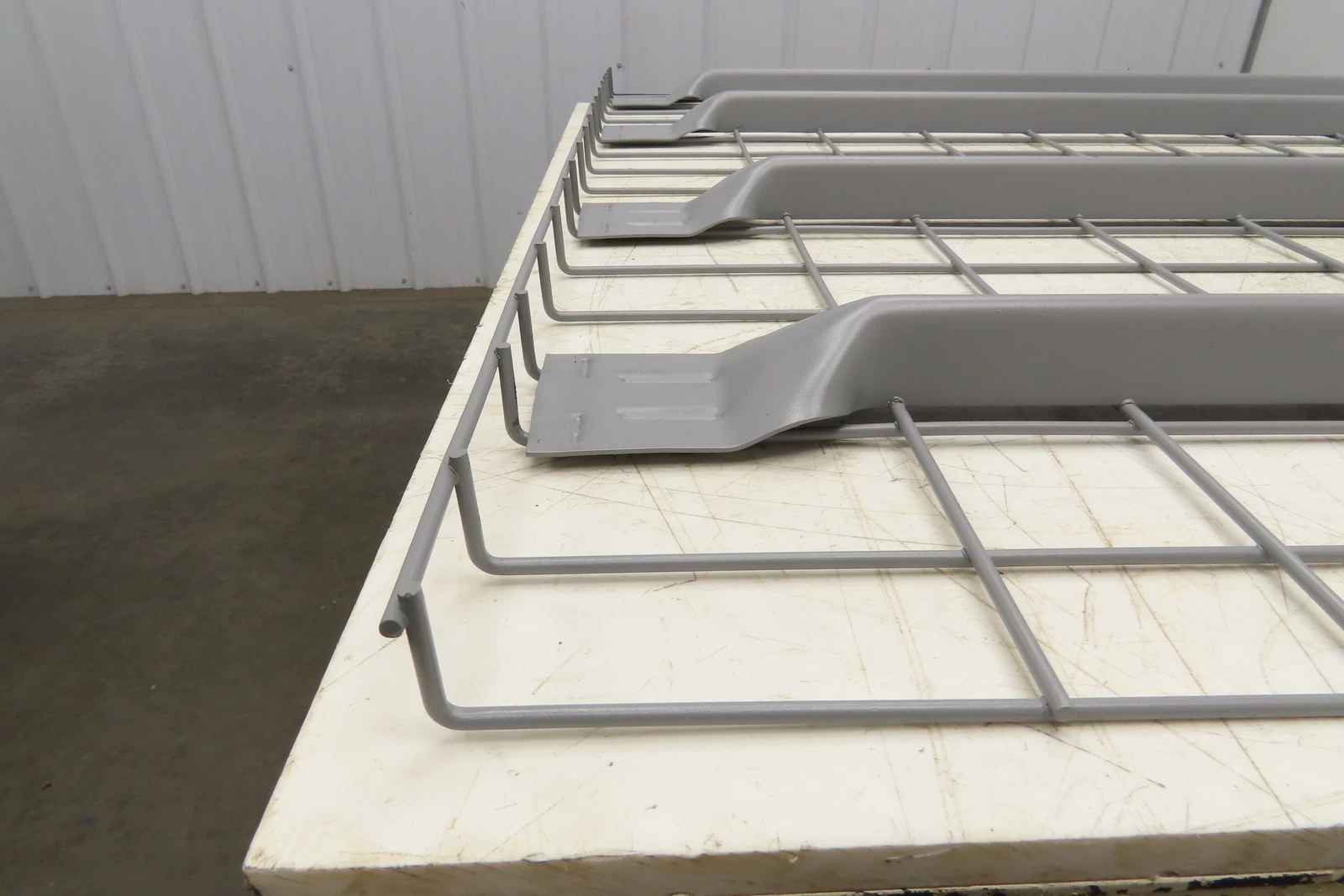
How Can Measurable Travel Metrics Enhance Decision-Making?
How Can Measurable Travel Metrics Enhance Decision-Making?
- Measurable travel metrics help organize complex data, similar to racking systems in a warehouse.
- Truck drivers rely on travel metrics for informed route decisions, reducing guesswork and potential costs.
- Understanding route durations, delays, and efficiency opportunities builds a narrative that resonates with drivers.
- Businesses using travel metrics can make ethical decisions that enhance both profitability and environmental sustainability.
- Data-driven decisions foster trust and confidence among teams and clients, serving as a reliable guide in uncertain circumstances.
- Cultivating transparency around metrics promotes community investment in shared goals and accountability.
- Engaging all parties in the decision-making process contributes to a more efficient and united operational outcome.

How Can Measurable Travel Metrics Enhance Decision-Making?
What Ethical Implications Arise From Excessive Travel?
Excessive travel brings with it a raft of ethical implications that often get forgotten in the rush of adventure. Racking systems, for instance, aren’t just a way to store our bags or gear—they symbolize the burden we place on our planet when we prioritize our wanderlust. Think about it. Every plane ticket and hotel stay adds up, creating a hefty carbon footprint that trails behind us like a shadow. It’s not just our own backyard that suffers, but communities around the globe pay the price for our escapades.
Look at the locals in popular tourist destinations. They often find themselves in the crosshairs of our choices. As we seek to snap the perfect photo at a neglected landmark or dip our toes in an overrun beach, we can forget that these places are home to real people whose lives are disrupted by the influx of outsiders. Their customs and daily routines get overwritten by our travel schedules, leading to a kind of cultural erasure that demands our consideration. It’s essential to engage with these communities authentically, acknowledging their presence and contribution rather than treating them as background scenery in our travel tales.
The rational side of excessive travel does not favor the long view either. Frequent flyers may revel in points and perks, but it’s worth pondering the long-term damage to the very ecosystems and cultures we rush to experience. Earth’s resources are finite, yet our cravings seem insatiable. The story of a struggling small-town shopkeeper who loses business as big chains capitalize on tourist traffic rings true long after the last souvenir has been sold. Each of us has a hand in this story and ultimately, the choice to shape it toward a more sustainable path.
From a gut perspective, think about what really maters: genuine interaction over a bustling marketplace infused with kitschy trinkets. It’s about sitting down with locals, sharing a meal, and truly understanding their stories rather than just collecting stamps in a passport. Building trust with these communities can often foster deeper connections that transcend the transient nature of travel.
Ultimately, the impact of our journeys extends beyond our immediate experiences. Finding that balance between exploration and ethical responsibility is crucial. When we travel thoughtfully, we not only enrich our lives but contribute positively to the tapestry of the places we visit. We can turn travel into a force for good, using every trip as an opportunity to uplift rather than exploit, cultivating trust that roots us deeper into the world we’re eager to explore.

What Ethical Implications Arise From Excessive Travel?
What Ethical Implications Arise From Excessive Travel?
- Excessive travel has significant ethical implications often overlooked in pursuit of adventure.
- Travel activities create a notable carbon footprint, impacting the planet and local communities.
- Local cultures can suffer from disruption due to tourist activities, resulting in cultural erasure.
- Engaging authentically with local communities is essential for respectful travel experiences.
- Frequent travel may offer short-term benefits, but it poses long-term risks to ecosystems and cultures.
- Meaningful interactions with locals foster deeper connections over merely capturing travel memories.
- Thoughtful travel can enrich lives and benefit the places visited, promoting sustainability and trust.

What Ethical Implications Arise From Excessive Travel?
Conclusion
Travel time is more than just hours spent on the road; it’s a silent saboteur of your profit margins, slowing growth and straining relationships. Every minute wasted in traffic isn’t just lost income; it’s a source of frustration for those dedicated teams working hard to make it all happen. High-quality products, trained staff—none of it counts if travel inefficiencies leave your margins feeling the pinch. The costs add up, from fuel to vehicle maintenance, all draining resources that could be better used elsewhere.
Businesses must grasp the emotional weight in every journey; every delay impacts not just the bottom line but the lives of families waiting for deliveries or teams ready to start their shifts. This is a call to action: investing in smarter logistics and route planning isn’t just about profit—it’s about respect for your crew’s time and well-being. As businesses adopt more effective travel strategies, they see not only improved financial returns but foster trust and loyalty among employees.
Additionally, the hidden costs of travel can weigh heavily on budgets. Small expenses, like unexpected fees or charges, may seem insignificant, but they accumulate and can lead to stressful situations if not monitored closely. Anticipating these costs with proper planning ensures that every dollar spent cultivates experiences and relationships, rather than mere transactions.
Optimizing travel is no longer a luxury; it’s essential. Think of it as establishing a well-designed racking system—organized, efficient, and purposeful. The benefits ripple out: happier employees, stronger teamwork, and ultimately, a more profitable business. By actively managing travel policies, companies demonstrate care for their workforce, fostering a culture of commitment and respect.
Travel also serves transformative purposes. A change of scenery can rejuvenate the spirit, inspiring creativity and enhancing productivity. Employees return from trips invigorated, ready to tackle challenges with fresh eyes. This isn’t just about taking breaks; it’s about strategic investments in people.
Using measurable travel metrics helps navigate the complexities of travel logistics. Solid data can guide decisions, enhancing efficiency and driving down costs. It’s a commonsense approach—knowing the routes, understanding potential delays, and assessing performance leads to smoother operations and better bottom-line results.
Moreover, an ethical lens on excessive travel reveals ecological and cultural consequences that cannot be overlooked. Every journey carries responsibility—not just for profits but for the environment and communities we touch. Embracing sustainable travel practices fosters deep connections and respect for the places we visit, allowing our explorations to contribute positively to the world.
In sum, addressing travel challenges with intentionality transforms possible pitfalls into profit opportunities, nurturing relationships and ensuring that every trip contributes to broader success.

Conclusion
Conclusion:
- Travel time negatively impacts profit margins, growth, and employee relationships.
- Traffic inefficiencies lead to wasted income and frustration among dedicated teams.
- Investing in smarter logistics and route planning respects employees’ time and well-being.
- Hidden costs of travel can accumulate, stressing budgets if not monitored closely.
- Optimizing travel is essential for an organized and efficient business environment.
- Measurable travel metrics enhance decision-making, efficiency, and cost reduction.
- Embracing sustainable travel practices fosters ethical responsibility and community respect.

Conclusion
Other Resources

Other Resources
Here is a list of other resources you can review online to learn more:
- Wolter
- IWLA
- Pallet Racks, Pallet Racking, Pallet Shelves in Stock – ULINE
- Total Warehouse
- Crane Manufacturers Association Of America Inc.
- New Cantilever Racks and Racking Kits
- Overhead Lifting
- Storage Equipment Manufacturers Association
- BMH
- Warehousing and Fulfillment
- Arrow Industrial Sales
- SEMA
- Selective Rack – Raymond West
- Teardrop Industrial Shelving Rack
- ASSP
- What is Selective Racking: Understanding Benefits & Options
- Illinois Pallet Racking – WPRP
- WERC
- Cantilever Rack Guide: Ordering Cantilever Racking
Use This Prompt To Get More Resources With Your Favorite Online AI Tool: Please provide me with a list of online articles with their URLs in a bulleted list that I can read regarding Why Travel Time Is Killing Your Margins

Other Resources
Glossary Terms
Why Travel Time Is Killing Your Margins – Glossary Of Terms
1. Margins: The difference between sales revenue and costs associated with a product or service.
2. Opportunity Cost: The potential loss of profit from not pursuing the best alternative.
3. Efficiency: The ability to achieve maximum productivity with minimum wasted effort or expense.
4. Travel Time: The duration spent traveling to and from locations required for business operations.
5. Logistics: The detailed coordination of complex operations involving people, facilities, and supplies.
6. Overhead: Ongoing business expenses not directly attributed to creating a product or service.
7. Profitability: The degree to which an investment or business activity yields profit.
8. Delivery Time: The amount of time required to transport goods to a recipient from the point of dispatch.
9. Supply Chain: The network between a company and its suppliers to produce and distribute a product.
10. Idle Time: Time when resources are not in productive use.
11. Cost-Benefit Analysis: A process by which business decisions are analyzed based on their costs and expected benefits.
12. Productivity: The efficiency of production measured by the amount of output per unit of input.
13. Resource Allocation: The process of distributing available resources in the most effective manner.
14. Break-even Point: The level of sales at which total revenues equal total costs, resulting in no profit or loss.
15. Labor Costs: Expenses related to the compensation of employees directly involved in production.
16. Fixed Costs: Business expenses that remain constant regardless of production output.
17. Variable Costs: Expenses that change in proportion to production output.
18. Turnaround Time: The time taken to complete a process or fulfill a request.
19. Demand Forecasting: The process of predicting future customer demand for a product or service.
20. Inventory Management: The supervision of non-capitalized assets, or inventory, to ensure production efficiency.
21. Pricing Strategy: The method companies use to set prices for their products or services.
22. Market Share: The percentage of an industry or market’s total sales that is earned by a single company.
23. Risk Management: The identification, assessment, and prioritization of risks followed by coordinated efforts to minimize the impact.
24. Competitive Advantage: A condition or circumstance that puts a company in a favorable position.
25. Cash Flow: The total amount of money being transferred into and out of a business.
26. Customer Acquisition Cost: The cost associated with gaining a new customer.
27. Business Model: A plan for how a company generates revenue and makes a profit.
28. Fixed Assets: Long-term tangible assets that a company owns and uses in its operations.
29. Transportation Costs: Expenses related to the movement of goods from one location to another.
30. Value Chain: A set of activities that a company performs to deliver a product or service to the market.

Glossary Of Terms
Other Questions
Why Travel Time Is Killing Your Margins – Other Questions
If you wish to explore and discover more, consider looking for answers to these questions:
- What are the quickest, high-impact changes I can make to reduce travel time and improve margins?
- How do I quantify the true cost of travel time per employee or vehicle (including fuel, maintenance, labor, and opportunity cost)?
- Which travel metrics should I track first to identify the biggest inefficiencies?
- What KPIs best link travel performance to profitability and customer satisfaction?
- How do I calculate ROI for investments in routing software, telematics, or route-planning tools?
- What are the best route optimization and fleet-management tools for small-to-medium businesses?
- How can warehouse layout and racking system design reduce travel time within facilities?
- What change-management steps are required to get driver and employee buy-in for new travel policies?
- How should travel policies be structured to balance cost control, employee well-being, and flexibility?
- What reimbursement and expense-tracking practices minimize hidden travel costs and fraud?
- How can I measure the impact of travel reductions on employee engagement, retention, and productivity?
- What benchmarks should I use to compare my travel costs and performance against industry peers?
- How do I integrate travel data (GPS, fuel cards, time sheets) into a single dashboard for decision-making?
- Which data sources and sensors are most reliable for measuring travel time and delays?
- How can scheduling and dispatching changes (e.g., staggered shifts, consolidated deliveries) cut travel time?
- What are common hidden fees and charges in business travel, and how can they be prevented or recovered?
- How should sustainability goals (carbon reduction) be incorporated into travel and routing decisions?
- What policies or incentives encourage drivers to adopt fuel-efficient and time-saving behaviors?
- How do I assess whether outsourcing deliveries or using third-party logistics would be more cost-effective?
- What legal, insurance, or compliance issues arise when changing travel routes, schedules, or vehicle use?
- How can customer experience be measured and improved through faster, more reliable travel and deliveries?
- What training programs effectively improve driver efficiency, safety, and route adherence?
- How long does it typically take to realize cost savings after implementing travel-optimization initiatives?
- What case studies demonstrate measurable margin improvements from travel and routing optimizations?
- How can I pilot travel-optimization changes with minimal disruption and measurable outcomes?

Other Questions
Checklist
Why Travel Time Is Killing Your Margins – A Checklist
Baseline and Metrics
✅______ Define baseline KPIs: cost per mile, on-time rate, average route duration, idle time, drop density, first-attempt success rate
✅______ Enable GPS/Telematics for precise start/stop, dwell, and idle timestamps
✅______ Build a single dashboard; review weekly with owners and targets
✅______ Set SLA targets by customer/route; track variances and root causes
✅______ Tag exceptions (traffic, weather, access issues) to distinguish avoidable vs. unavoidable delays
Route and Scheduling Optimization
✅______ Use route-optimization software with live traffic, time windows, and vehicle constraints
✅______ Zone and batch stops; sequence to minimize left turns, peak congestion, and tolls
✅______ Enforce dispatch cutoffs to avoid last-minute, inefficient additions
✅______ Standardize appointment windows; offer self-serve rescheduling to reduce failed attempts
✅______ Add realistic buffers for loading, access, and known choke points
Vehicle and Fuel Efficiency
✅______ Right-size vehicle to load; target >80% cube/weight utilization
✅______ Maintain preventive schedules; track tire pressure, alignment, and aerodynamic aids
✅______ Set idle and speed policies; monitor exceptions and coach drivers
✅______ Use fuel cards with controls; route to lowest-cost fueling on path
✅______ Inspect load securement to prevent rework, claims, and return miles
Warehouse and Racking Efficiency
✅______ Slot fast movers in golden zones; minimize pick path distance
✅______ Create route-staged lanes sequenced by stop to cut dock and search time
✅______ Sync dock appointments with outbound routes to reduce dwell
✅______ Apply 5S visuals (labels, markings, signage) to speed picks and turns
✅______ Run cycle counts on high-velocity SKUs to prevent mispicks and redeliveries
Hidden Cost Controls
✅______ Audit accessorials: parking, tolls, liftgate, detention, redelivery, after-hours fees
✅______ Standardize booking tools and preferred suppliers to surface total trip cost (including baggage, parking, and Wi‑Fi)
✅______ Pre-approve baggage and ancillary fees; discourage last-minute, premium purchases
✅______ Track failed delivery root causes; fix address quality, contact information, and access notes
✅______ Reconcile invoices weekly; dispute variances fast
Employee Well-Being and Productivity
✅______ Cap daily drive hours; enforce rest periods and safe scheduling
✅______ Set lodging and meal standards near routes; ensure safe parking and late check-in options
✅______ Rotate high-mile routes fairly; balance workload across crews
✅______ Pay promptly (per diems and reimbursements); remove friction in expense submission
✅______ Collect driver and traveler feedback after routes; act on top issues within one cycle
Customer Experience and Communication
✅______ Send proactive ETAs with live tracking; offer narrow delivery windows
✅______ Provide access notes, photos, and contact numbers to crews before arrival
✅______ Use first-time-right checklists; verify order completeness and site readiness
✅______ Capture POD/signature digitally; log delays with reason codes
✅______ Survey post-delivery; tie NPS/CSAT back to routes and teams
Ethical and Environmental Practices
✅______ Measure CO2 per mile/order; set annual reduction targets
✅______ Prefer rail/ground over air for sub-300-mile trips where feasible
✅______ Consolidate trips and meetings; replace with virtual when impact is low
✅______ Prioritize suppliers with transparent pricing and fair labor practices
✅______ Respect community rules (noise, parking, access times); minimize local disruption
Governance and Policy
✅______ Publish a concise travel/route policy: booking windows, approvals, class of service, exceptions
✅______ Define an approval matrix for premium options; log exceptions with cost/benefit
✅______ Clarify bleisure boundaries and cost splits; maintain duty-of-care visibility
✅______ Train teams quarterly on tools, policies, and best practices
✅______ Align incentives with efficiency (on-time, utilization, safety, customer ratings)
Continuous Improvement
✅______ Hold weekly ops reviews; spotlight wins, losses, and corrective actions
✅______ A/B test routing rules (time windows, service order, toll avoidance) and keep what saves time/cost
✅______ Run Kaizen events with drivers, dispatch, and warehouse staff to trim handoffs and dwell
✅______ Refresh address data, geofences, and access notes each quarter
✅______ Re-evaluate network design biannually (staging locations, service radii, cutoffs) to reduce miles traveled

Checklist
At RackingWorld, we help guide you through selecting warehouse storage systems and racking.
Be sure to read our other related stories at RackingWorld to learn more about warehouse storage systems.
0 Comments