
Demystifying OSHA Shelving Regulations
By Tom Seest
At RackingWorld, we help guide you through selecting warehouse storage systems and racking.
Be sure to read our other related stories at RackingWorld to learn more about warehouse storage systems.
Does OSHA Shelving Regulations Exist?
When it comes to workplace safety, the importance of meeting Occupational Safety and Health Administration (OSHA) standards cannot be overstated. But you might be surprised to learn that OSHA doesn’t have specific regulations devoted exclusively to shelving.
This gap doesn’t mean you should overlook shelving safety; quite the opposite. Employers are responsible for ensuring that all storage systems, including shelving units, are designed and maintained in a way that minimizes the risk of injuries and accidents. In fact, one could argue that it’s not just about compliance—it’s about creating a culture of safety that resonates through every employee, bolstering both morale and productivity.
Consider a real-world example: In a recent incident reported by a popular supply chain news outlet, a warehouse faced a significant safety violation when a poorly constructed shelving unit tipped over, injuring an employee and resulting in substantial operational downtime. The fallout was not just financial; the company’s reputation took a hit, highlighting how neglecting shelving safety could have devastating consequences.
Though OSHA may not spell out the rules for shelving, they do emphasize general duty clauses under the Act that mandate employers to keep their workspaces free of known hazards. This is your cue to take action. Each shelving unit should be robust enough to handle the intended load and positioned correctly to reduce the risk of tipping or collapsing.
Let’s talk about proactive measures. Imagine your shelving setup is optimized for safety and efficiency. Employees navigate the aisles with confidence, knowing the shelves are securely anchored and properly loaded. Not only will you decrease the likelihood of accidents, but you’ll also increase productivity. When employees feel safe, they are more engaged, and studies show that engaged employees deliver better results.
Additionally, regular inspections and training are key. Providing employees with training on proper shelving use is not just a legal responsibility; it is an investment in your workforce. Monitoring shelving units for wear and tear on a scheduled basis minimizes risks alike to ensuring your vehicles undergo regular maintenance. After all, what’s the use of having a robust safety plan if the details fall through the cracks?
In summary, while specific OSHA shelving regulations may not exist, the need for safe shelving is undeniably critical for operational success. Prioritizing a safe and compliant shelving environment is a strategic move that not only protects your employees but also secures the continuity and reputation of your business. Safety doesn’t stop at regulations; it thrives in culture and commitment.
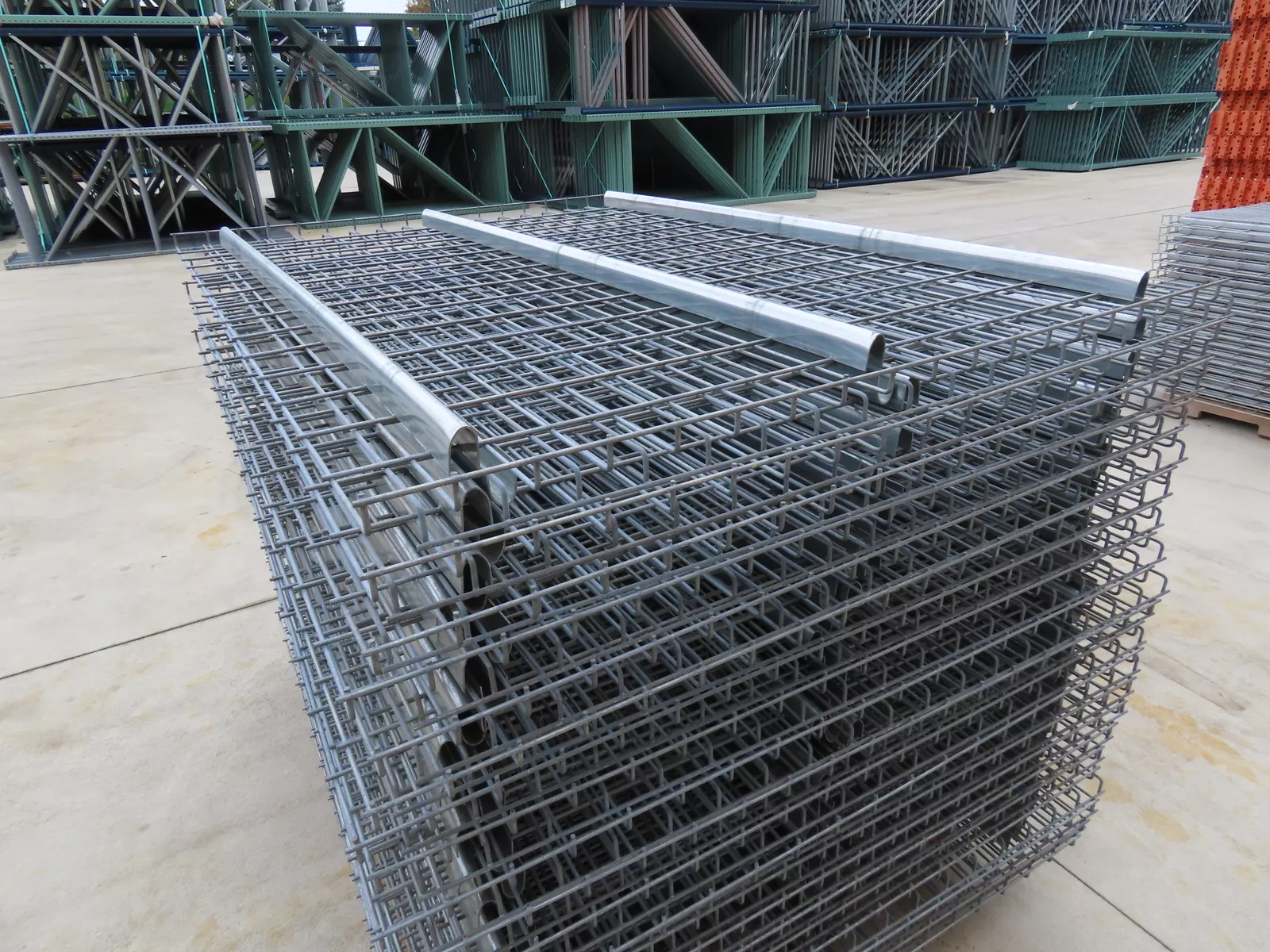
Does OSHA Shelving Regulations Exist?
Does OSHA Shelving Regulations Exist?
- OSHA lacks specific regulations solely for shelving but emphasizes the importance of workplace safety.
- Employers must ensure all storage systems, including shelving, are safe and well-maintained.
- A real-world incident highlighted the dangers of poorly constructed shelving, leading to injuries and operational downtime.
- OSHA’s general duty clause mandates employers to eliminate known hazards in the workplace.
- Proactive measures, like secure shelving and proper load management, enhance safety and employee productivity.
- Regular inspections and training for employees on shelving safety are essential for ongoing risk management.
- Creating a culture of safety is crucial for protecting employees and maintaining business reputation and continuity.
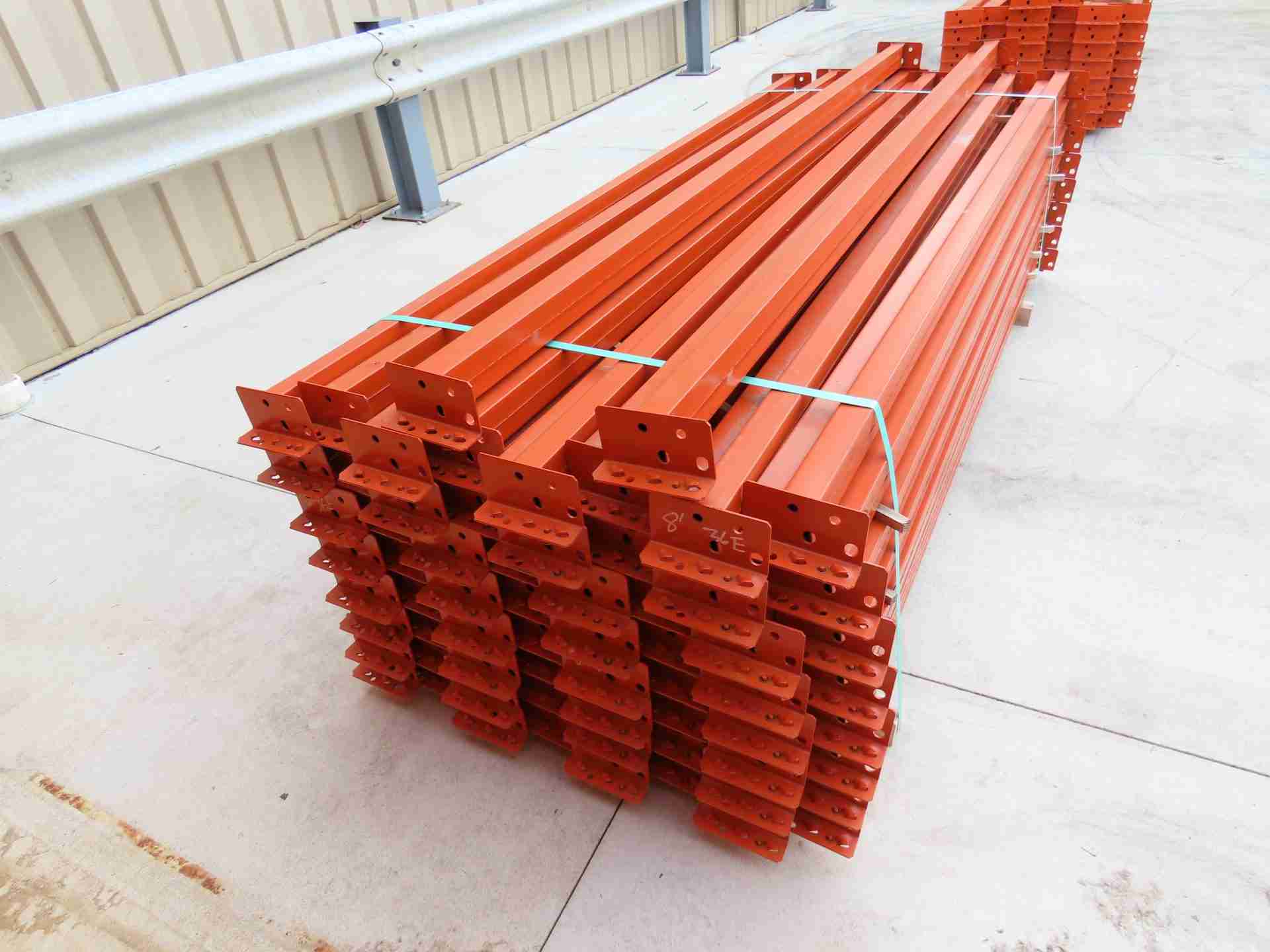
Does OSHA Shelving Regulations Exist?
Table Of Contents
- Does OSHA Shelving Regulations Exist?
- What Are The Main OSHA Regulations For Shelving?
- How Do Shelving Regulations Impact Workplace Safety?
- What Types Of Shelving Are Covered By OSHA Regulations?
- Are There Specific Weight Limits For OSHA-Compliant Shelving?
- How Do I Know If My Shelving Meets OSHA Standards?
- What Are The Consequences Of Non-Compliance With OSHA?
- How Can I Ensure My Shelving Is Properly Installed?
- Are There Industry-Specific OSHA Shelving Requirements?
- What Resources Are Available For Understanding OSHA Regulations?
- How Often Should Shelving Be Inspected For Safety Compliance?
- What Training Should Employees Receive On Shelf Safety?
- What Are The Best Practices For Maintaining OSHA-Compliant Shelving?
- Can I Find Examples Of Compliant Shelving Setups?
- How Do OSHA Regulations Address Shelving Materials?
- What Common Shelving Mistakes Lead To OSHA Violations?
- Conclusion
- Other Resources
- Glossary Of Terms
- Other Questions
- Checklist
What Are The Main OSHA Regulations For Shelving?
In today’s fast-paced business environment, ensuring safety in the workplace isn’t just a legal obligation; it’s a pathway to productivity and profitability. When it comes to shelving systems—whether in warehouses, retail environments, or manufacturing facilities—understanding and adhering to OSHA regulations is crucial. These regulations not only protect your employees but also safeguard your business from potential fines and lawsuits.
Understanding OSHA’s Guidelines
OSHA (Occupational Safety and Health Administration) has set forth a series of regulations that govern the use, installation, and maintenance of shelving systems. These guidelines are designed to minimize risks associated with improper shelving and storage practices. At the core of these regulations is the requirement that shelving must be designed to hold the intended load without undue stress. For instance, a warehouse utilizing pallet racking systems must adhere to weight limits and spacing requirements as delineated by OSHA standards. Not doing so could lead to catastrophic failures, endangering workers and impacting inventory.
Load Capacity and Stability
One of the main points of concern in shelving regulations is load capacity. OSHA mandates that all shelving units must be capable of supporting their maximum intended load without buckling or tilting. Companies must regularly assess and document the integrity of their shelving. Just look at the recent events in a major retail chain, where an overloaded shelving unit collapsed during peak hours, injuring multiple employees. Incidents like this underscore the importance of maintaining accurate inventory records and conducting routine inspections.
Training and Awareness
Education plays an equally critical role. OSHA encourages businesses to implement training programs that inform employees about the safe use of shelving systems, proper stacking techniques, and emergency protocols. For example, a manufacturing plant in Ohio recently rolled out a training session that resulted in a 30% decrease in shelving-related injuries. Consistent training not only fosters a culture of safety but also enhances overall operational efficiency.
Regular Inspections and Maintenance
Another key regulation is the requirement for regular inspections and maintenance of shelving systems. OSHA recommends conducting thorough audits at least annually, with more frequent checks for high-traffic facilities. This process helps identify wear and tear that could lead to disastrous outcomes. A logistics company implemented a monthly inspection schedule, effectively reducing shelf collapse incidents by 45%.
Ignoring these regulations is not just a gamble; it’s an invitation to disaster. Investing in safe shelving practices today can prevent losses and pain tomorrow. Make safety your priority—because safe workplaces are productive workplaces.
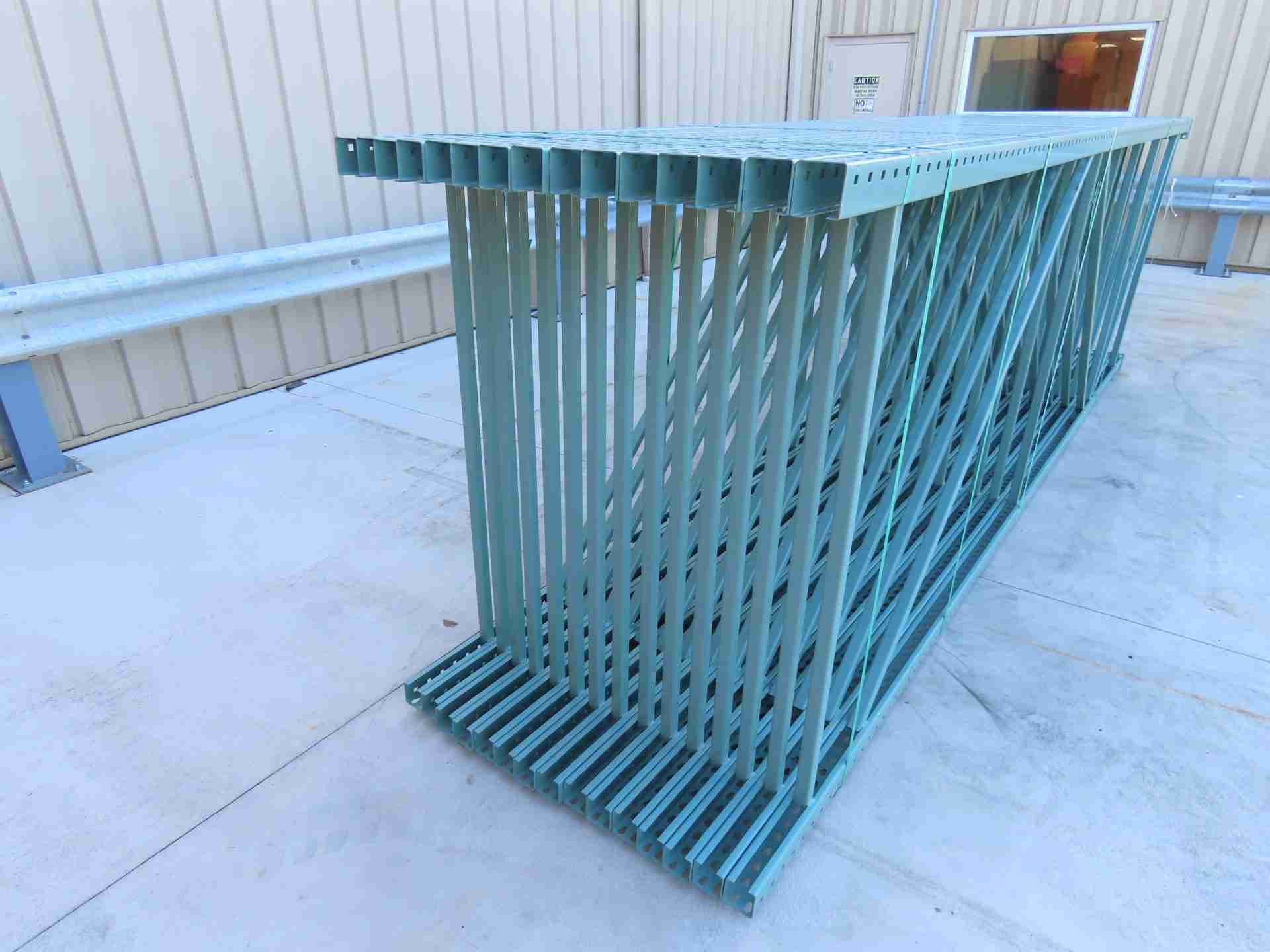
What Are The Main OSHA Regulations For Shelving?
What Are The Main OSHA Regulations For Shelving?
- Employers must adhere to OSHA regulations for shelving to ensure workplace safety and compliance.
- OSHA guidelines mandate proper design and load capacity to prevent shelving-related incidents.
- Regular assessment of shelving integrity is essential to avoid overloading and potential collapses.
- Training programs are encouraged to educate employees on safe shelving practices and stacking techniques.
- Regular inspections and maintenance of shelving systems are required, particularly in high-traffic areas.
- Implementing a schedule for inspections can significantly reduce shelf collapse incidents and injuries.
- Investing in safety measures for shelving is crucial for preventing future risks and improving workplace productivity.
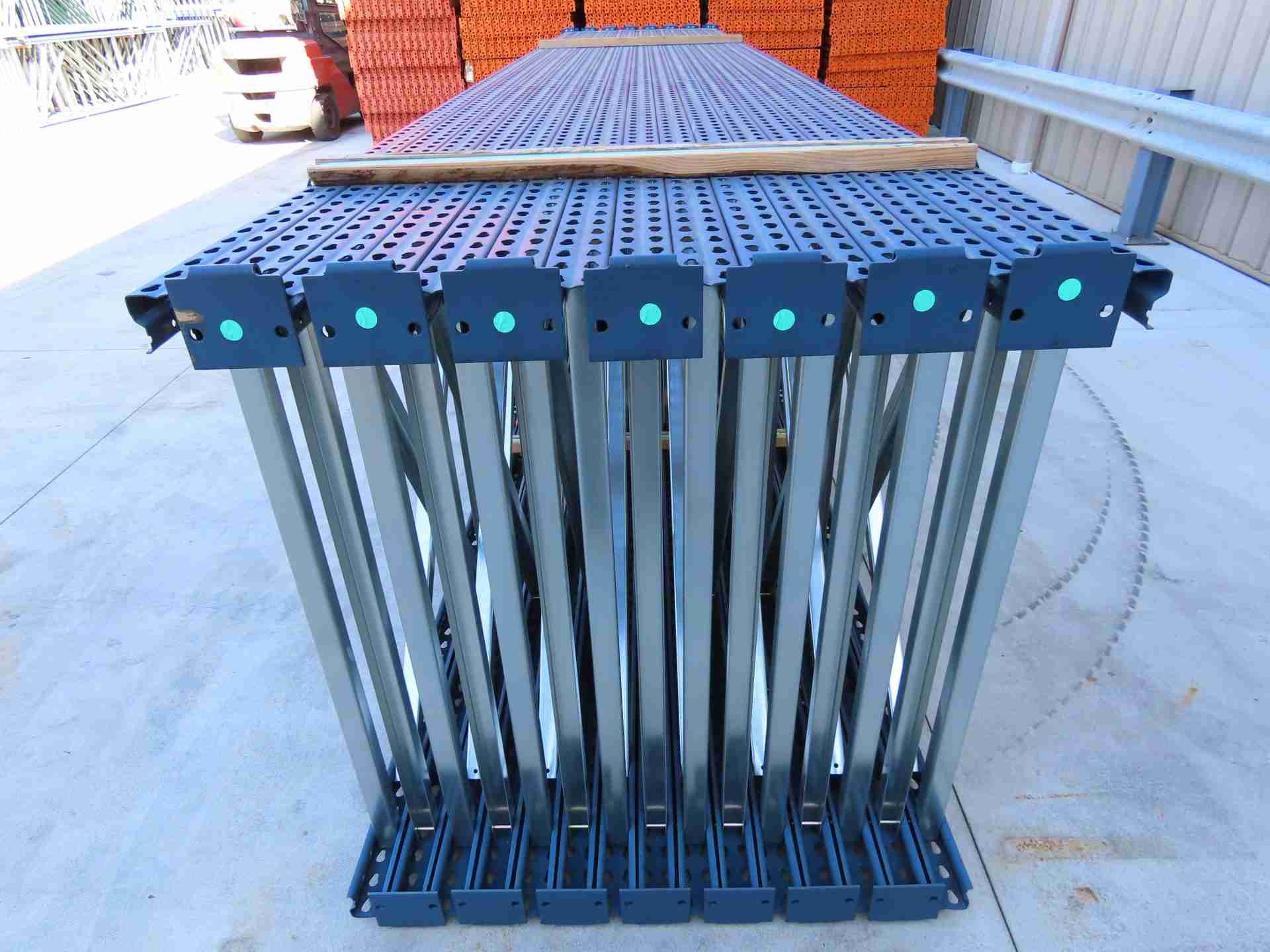
What Are The Main OSHA Regulations For Shelving?
How Do Shelving Regulations Impact Workplace Safety?
Workplace safety isn’t just a trendy catchphrase; it’s a crucial element that can shape the success of your business. Among the many factors influencing safety in warehouses and storage facilities, shelving regulations play a pivotal role that often goes unnoticed, yet can have dire implications if overlooked.
Consider this: every year, thousands of workers are injured due to improper shelving practices. From falling items to structural collapses, the repercussions can include not only painful injuries for employees, but also costly lawsuits and hefty fines for employers. In 2023 alone, OSHA (Occupational Safety and Health Administration) updated its shelving regulations to enhance safety measures in the workplace—underscoring the importance of compliance.
Think about a recent incident at a major retail warehouse where improperly installed shelving led to a catastrophic failure. A multi-level storage system buckled, spilling off thousands of pounds of merchandise and injuring several workers. The aftermath was not just about the physical damage but also the substantial financial implications. The warehouse faced penalties exceeding six figures, not to mention the blows to employee morale and public perception. The lesson? Compliance with shelving regulations isn’t merely an option; it’s an absolute necessity.
Moreover, let’s look at some current trends in shelving regulations that are aimed at promoting workplace safety. The rise of e-commerce has intensified the demand for more efficient storage solutions. As warehouses evolve, so do the regulatory frameworks surrounding them. Innovations like automated shelving systems and vertical storage have gained popularity, but they come with their own set of regulatory considerations that ensure safety during operation. Failing to adapt to these regulations not only risks fines but also jeopardizes the safety of your workforce.
Your business must prioritize training and compliance. Regular audits of shelving systems, along with employee training programs focused on warehouse safety protocols, can be game-changers. Companies that proactively incorporate safety into their operations often experience fewer accidents and higher productivity, which leads to significant cost savings in the long run.
In essence, shelving regulations significantly impact workplace safety. Treat them as a cornerstone of your safety strategy—your employees’ well-being and your company’s reputation depend on it. Don’t wait for a mishap to shed light on this critical issue; act now to secure the future of your business.

How Do Shelving Regulations Impact Workplace Safety?
How Do Shelving Regulations Impact Workplace Safety?
- Workplace safety is essential for business success, with shelving regulations playing a critical and often overlooked role.
- Improper shelving practices lead to thousands of worker injuries annually, resulting in pain, lawsuits, and fines for employers.
- In 2023, OSHA updated shelving regulations to improve workplace safety, highlighting the necessity for compliance.
- An incident in a retail warehouse demonstrated the consequences of improper shelving, leading to injuries and six-figure penalties.
- Current trends, driven by the rise of e-commerce, introduce new shelving regulations that require adaptation for safety.
- Regular audits and employee training on warehouse safety can significantly reduce accidents and improve productivity.
- Shelving regulations are crucial for employee safety and company reputation—acting proactively is essential for business success.
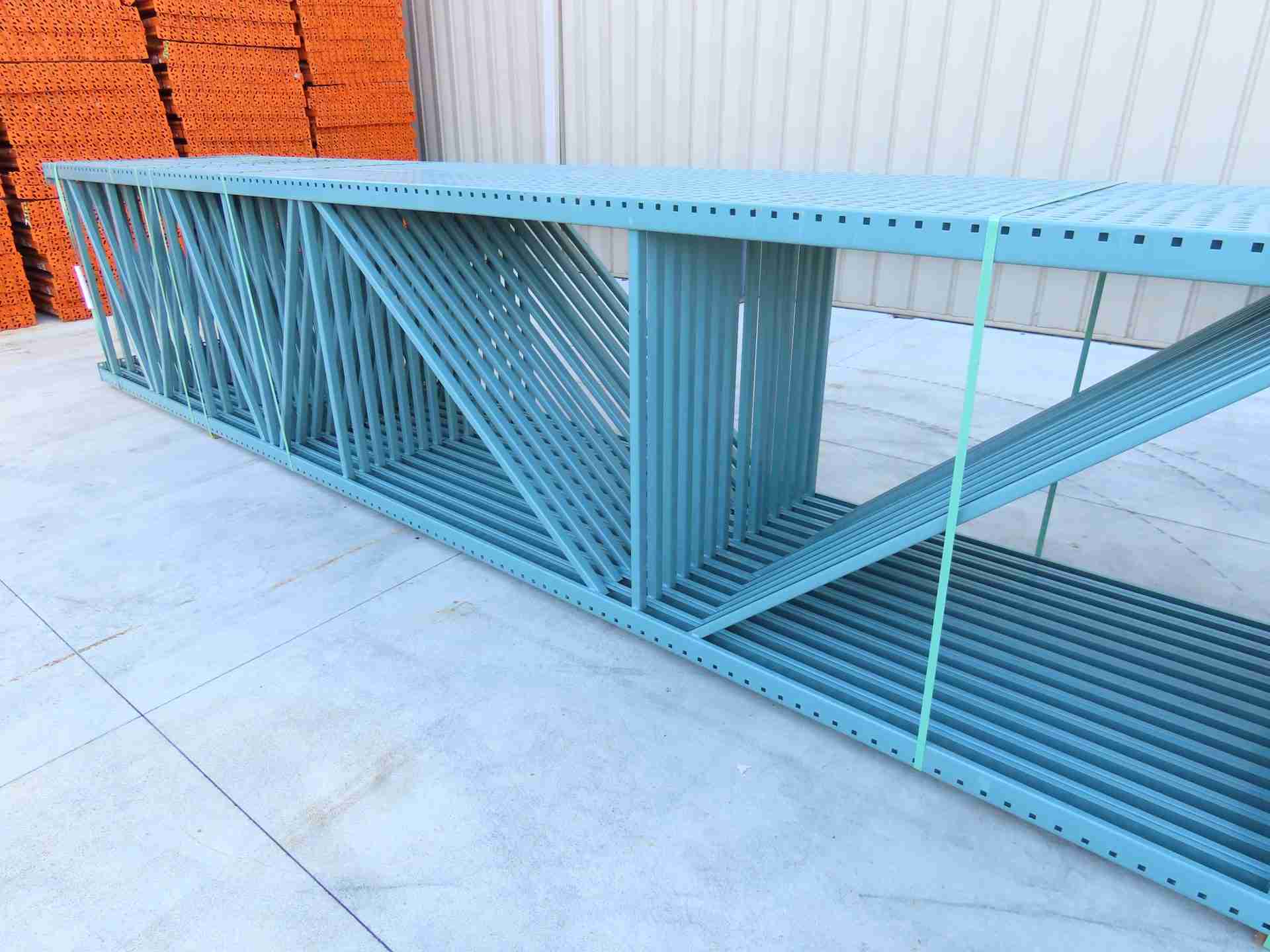
How Do Shelving Regulations Impact Workplace Safety?
What Types Of Shelving Are Covered By OSHA Regulations?
If you’re managing a workplace environment, understanding how OSHA (Occupational Safety and Health Administration) regulations apply to various types of shelving is crucial to creating a safe and compliant space. Ignoring these regulations can not only endanger your employees but can also result in hefty fines and loss of productivity. So, let’s explore the types of shelving that fall under OSHA guidelines and how they can impact your operations.
First, consider industrial shelving systems which are commonly found in warehouses and manufacturing facilities. These heavy-duty shelves must meet specific loading standards set by OSHA to prevent tip-over incidents that can lead to serious injuries. For instance, if you’re using pallet racks, they need to be designed and engineered to handle the weight you place on them—commonly accounting for 2,500 to 4,000 pounds per level. Ensuring they are inspected regularly for signs of stress or damage is not just a best practice; it’s a requirement under OSHA guidelines.
Next up are office shelving units. While they may appear less hazardous, OSHA regulations still apply, particularly if your employees are storing heavy files or equipment on these shelves. A classic blunder is overloading flimsy shelving leading to collapse. Under OSHA standards, items stored on these shelves should not exceed their weight capacity, and shelves should be anchored if they can become top-heavy.
Don’t forget retail shelving! As brick-and-mortar businesses rebound post-pandemic, ensuring the safety of your display racks is more critical than ever. With supply chain disruptions affecting inventory levels, there’s a temptation to push the limits and overstock your shelves. However, OSHA mandates that products are neatly arranged and secured, reducing the risk of falling items, which could not only injure customers but also lead to costly lawsuits.
As evidenced by recent financial reports from industries hit by compliance failures, taking a lax attitude toward shelving safety can have devastating implications, not just for your employees, but also for your bottom line.
In an environment where safety can no longer be an afterthought, understanding the breadth of OSHA regulations related to shelving—from industrial installations to office and retail setups—is non-negotiable. It’s a strategic investment in your workforce’s safety and your business’s integrity, ensuring that you not only comply but thrive in a culture of accountability. Prioritizing OSHA-compliant shelving today can safeguard your tomorrow.
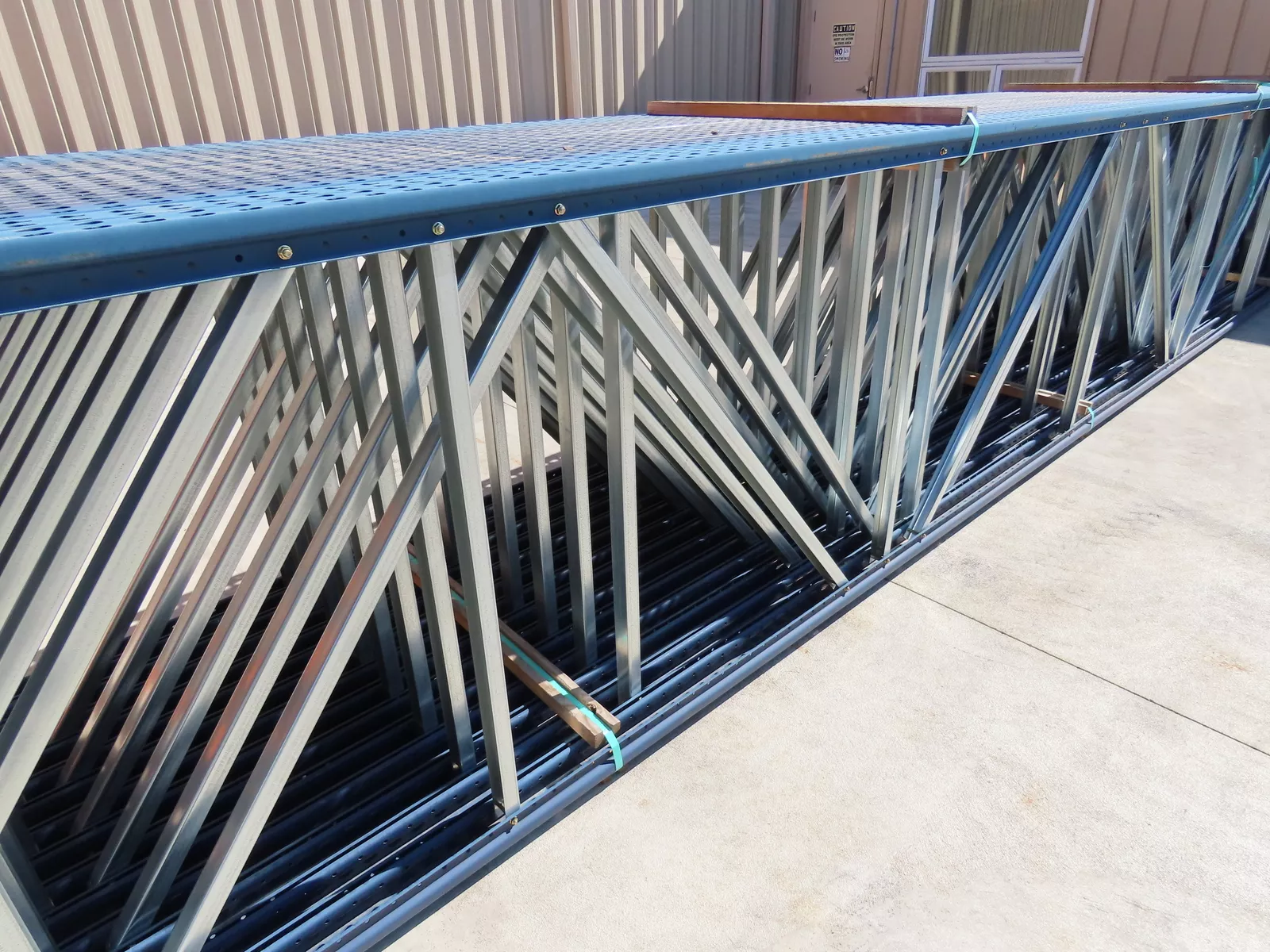
What Types Of Shelving Are Covered By OSHA Regulations?
What Types Of Shelving Are Covered By OSHA Regulations?
- OSHA regulations are essential for ensuring safe shelving practices in the workplace.
- Industrial shelving systems in warehouses must meet specific loading standards to prevent accidents.
- Pallet racks must be engineered to accommodate considerable weight, typically between 2,500 to 4,000 pounds per level.
- Office shelving units must not be overloaded, and shelves should be anchored to avoid tipping.
- Retail shelving safety is crucial for preventing injuries and potential lawsuits, especially as businesses recover post-pandemic.
- Compliance failures related to shelving can have severe financial consequences for businesses.
- Understanding and prioritizing OSHA shelving regulations is vital for workplace safety and business integrity.
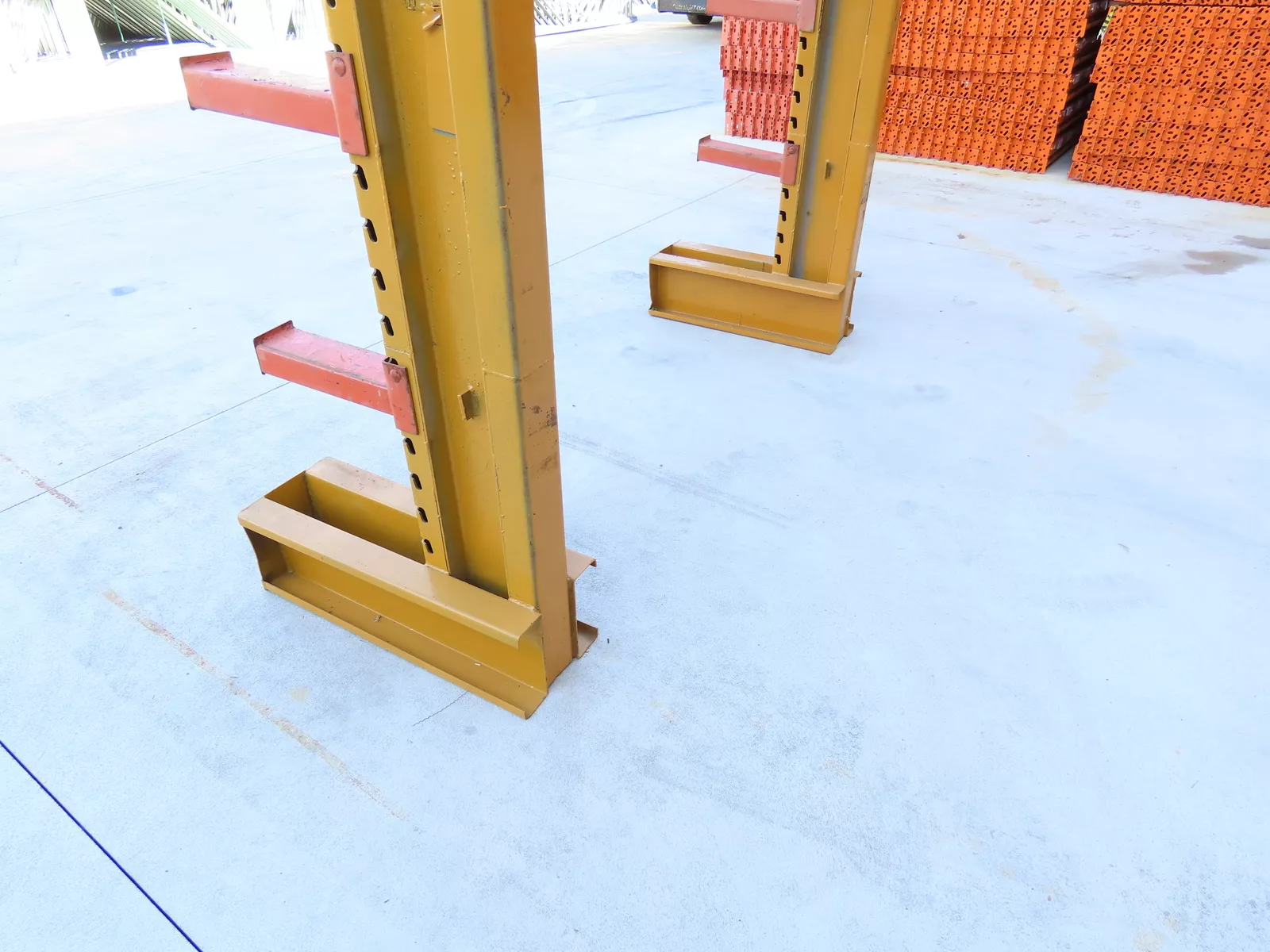
What Types Of Shelving Are Covered By OSHA Regulations?
Are There Specific Weight Limits For OSHA-Compliant Shelving?
When it comes to workplace safety, adhering to OSHA regulations is non-negotiable. One of the most frequently overlooked areas? Shelving and storage systems. They seem innocuous enough, yet improper use can lead to accidents, injuries, or even costly fines. So, are there specific weight limits for OSHA-compliant shelving? Let’s unpack this vital question.
OSHA doesn’t provide a one-size-fits-all weight limit for shelving; instead, it sets forth general guidelines for safety that indirectly dictate how much weight shelving can handle. Regulations emphasize that each shelving system must be designed to support what it holds, meaning that employers must follow manufacturer guidelines and perform regular inspections. Failure to do so could not only jeopardize worker safety (think of the impact of a 500-pound load cascading down on a busy warehouse floor) but can also result in significant legal repercussions.
For example, if you’re using heavy-duty steel shelving rated for 1,000 pounds, loading it with 1,200 pounds is not just risky; it’s a recipe for disaster. Instead of boosting productivity, it creates a hazard that could halt operations with an OSHA inspection. After all, if your shelving collapses and injures personnel or damages inventory, the downtime and legal costs can skyrocket—often exceeding your savings from cutting corners.
Moreover, keep an eye on current events! Recently, several large retailers faced hefty fines due to workplace violations that included inadequate shelving support. The lesson? Compliance isn’t just a “nice-to-have.” With evolving regulations and increasing scrutiny, a shed-sized oversight can lead to large-scale headaches.
It’s also essential to ensure that the weight distribution on shelves is even. Many shelving systems fail not because of the overall weight, but due to uneven loading. This often leads to tipping or imbalance, increasing the risk of injury.
While there isn’t a specific OSHA weight limit for shelving, the responsibility lies with you and your business. Ensure that all shelving is compliant, inspected regularly, and used according to its specifications. Not only will this safeguard your employees, but it will also protect your bottom line. Remember, safety isn’t just a regulatory box to check—it’s an investment in your company’s future.

Are There Specific Weight Limits For OSHA-Compliant Shelving?
Are There Specific Weight Limits For OSHA-Compliant Shelving?
- OSHA regulations are essential for workplace safety, particularly for shelving and storage systems.
- There are no specific weight limits set by OSHA; guidelines emphasize that shelving must support its intended load.
- Employers must adhere to manufacturer guidelines and conduct regular inspections of shelving systems.
- Overloading shelves can lead to accidents and legal repercussions, exemplified by using a 1,000-pound rated shelf for 1,200 pounds.
- Recent cases showcase large retailers facing fines for insufficient shelving support and compliance violations.
- Even weight distribution is critical; uneven loading can cause shelving to tip and increase injury risk.
- Businesses must ensure shelving compliance to protect employee safety and avoid costly legal issues, reinforcing safety as a vital investment.

Are There Specific Weight Limits For OSHA-Compliant Shelving?
How Do I Know If My Shelving Meets OSHA Standards?
Ensuring that your shelving meets OSHA standards isn’t just a matter of compliance—it’s about safeguarding your employees and preserving your bottom line. In today’s fast-paced business environment, the stakes are higher than ever. Just last year, OSHA introduced more stringent guidelines for workplace safety, which means you can’t afford to overlook the basics, especially when it comes to storing goods securely.
Let’s dive into the essential steps to ensure your shelving meets OSHA standards.
1. Understand Load Capacity
First things first: you need to determine the load capacity of your shelving units. Each shelf should come with a specified weight limit. For instance, if your shelving unit claims a capacity of 500 pounds per shelf but you’re stacking it with over a ton of materials, that’s a recipe for disaster. Regularly test the integrity of your shelving to ensure it can withstand the weight you’re placing on it.
2. Conduct Regular Inspections
OSHA emphasizes the importance of regular inspections. Recently, companies in the warehousing sector have been facing scrutiny for failing to maintain proper inspections of their shelving systems. Schedule routine evaluations to check for signs of wear and tear, rust, or damage. Think of it like a health check-up; catching issues early can save you thousands in potential accidents and lawsuits.
3. Properly Anchor Units
Another vital consideration is anchoring your shelving units. Unsecured shelving can topple, especially during seismic events or when impacted by heavy equipment. Make sure your shelving is bolted to the ground or attached to the wall, particularly if you operate in an area prone to earthquakes, as we’ve witnessed in recent California tremors. It’s not just about compliance; it’s about the safety of your team.
4. Use Appropriate Materials
The materials used for your shelving are equally paramount. Wood shelving may be aesthetically pleasing, but it doesn’t hold up well under heavy loads. Opt for steel or industrial-grade shelving that can handle the demands of your operation. For example, an electric parts manufacturer recently upgraded their wooden units to steel and saw a significant decrease in workplace accidents.
5. Train Your Staff
Finally, you can have the best shelving in the world, but without proper training, it’s virtually useless. Ensure your employees understand how to use the shelving safely, including the correct loading procedures. A well-trained workforce leads to fewer accidents and reinforces a safety culture within your organization.
By following these steps, you will not only comply with OSHA standards but also foster a safer workplace environment. Remember: safety isn’t just a checkbox; it’s a commitment to your employees and your success in the marketplace.
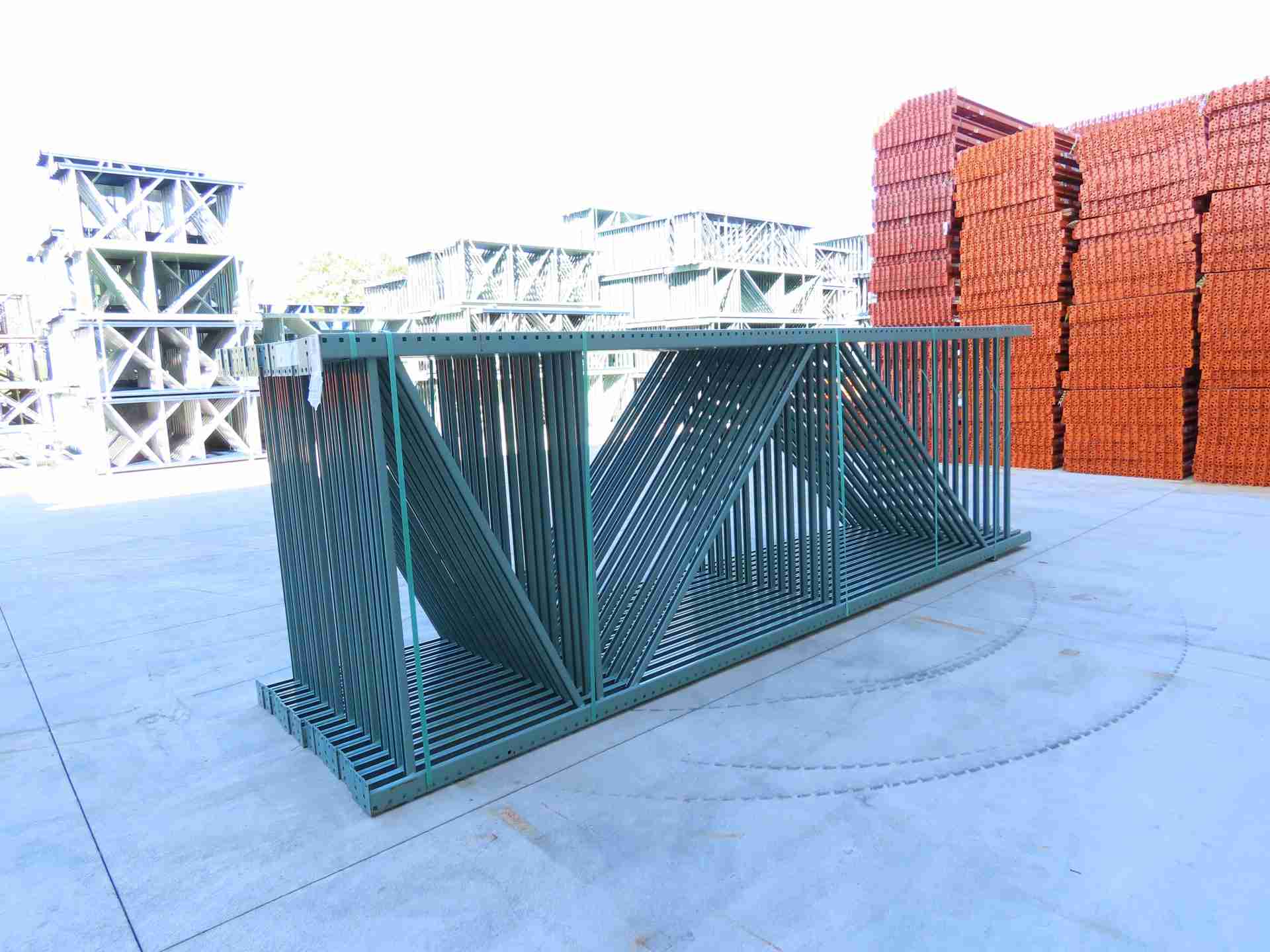
How Do I Know If My Shelving Meets OSHA Standards?
How Do I Know If My Shelving Meets OSHA Standards?
- Understanding load capacity is crucial; each shelf has a specific weight limit that must not be exceeded.
- Conduct regular inspections for wear, rust, and damage to prevent accidents and costly lawsuits.
- Properly anchor shelving units to prevent tipping, especially in areas prone to seismic activity.
- Choose appropriate materials; opt for steel or industrial-grade shelving over less durable options like wood.
- Staff training on safe shelving usage and correct loading procedures is essential to support safety culture.
- Complying with OSHA standards ensures employee safety and protects your bottom line.
- Commitment to safety is not a mere formality; it’s essential for a successful business environment.
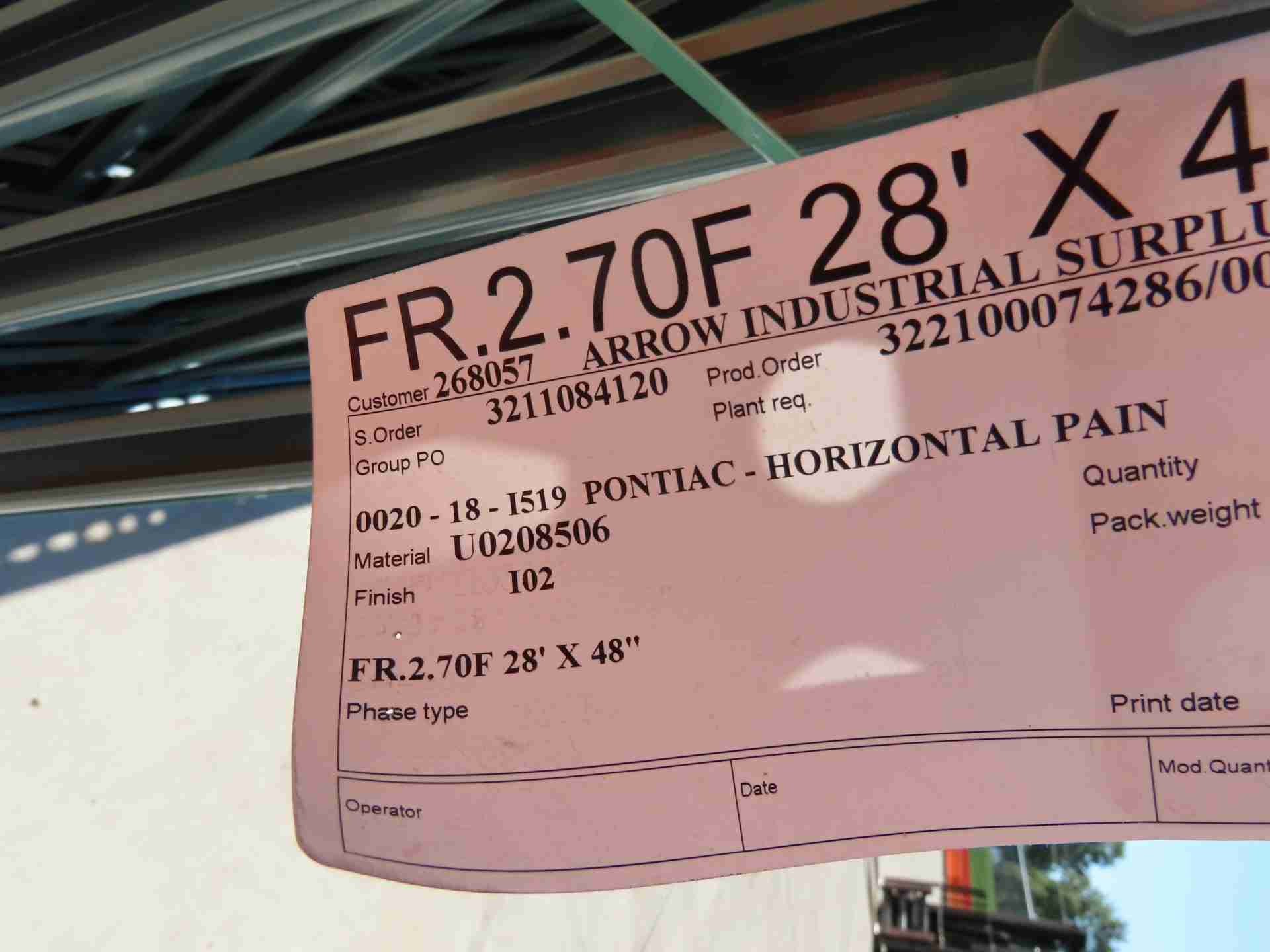
How Do I Know If My Shelving Meets OSHA Standards?
What Are The Consequences Of Non-Compliance With OSHA?
In today’s fast-paced business environment, compliance with the Occupational Safety and Health Administration (OSHA) regulations isn’t just a checkbox on your to-do list; it’s a strategic necessity. Ignoring these regulations can have dire repercussions, not only for the safety of your employees but also for your bottom line.
Imagine a worker suffering a workplace accident due to inadequate safety measures. Beyond the immediate human cost, your business could face astronomical fines. For instance, in 2022, a manufacturing facility in Michigan faced fines exceeding $1 million for neglecting safety protocols that resulted in serious injuries. That’s not just money lost; it’s a reflection of mismanagement that can tarnish your brand image and shatter trust in your company.
The repercussions extend beyond financial strains. Non-compliance often leads to heightened scrutiny from regulators. If your company is flagged for violations, you can expect more frequent inspections. This not only diverts valuable resources but also distracts you from your core business. Consider the recent case of a construction firm in Texas that received multiple citations. Their projects were sidelined while resolve compliance issues, leading to delayed timelines and canceled contracts.
Furthermore, there’s the corrosive impact on employee morale. Workers who feel unsafe in their environment will not only seek other employment opportunities, but they are also less likely to go the extra mile in productivity when they’re clocked in. A recent survey revealed that companies with robust safety programs experienced 25% lower employee turnover rates. Can you afford to lose your talented workforce to the fallout of negligence?
Public relations can also take a hit. In a world connected by social media, a single incident can spiral out of control. When the public hears about workplace injuries due to non-compliance, company reputations can plummet overnight. The backlash can lead to boycotts, as customers prefer to support businesses with a commitment to safe working conditions—something current events have shown time and again.
Investing in compliance is investing in prosperity. By prioritizing workplace safety and adhering to OSHA regulations, you position your company as a responsible industry leader. Not only will this choice safeguard your workers, but it will fortify your reputation, enhance employee morale, and shield you from legal and financial repercussions. In an era where reputation is everything, can you really afford to be non-compliant? The answer is clear: take compliance seriously, or pay the price.
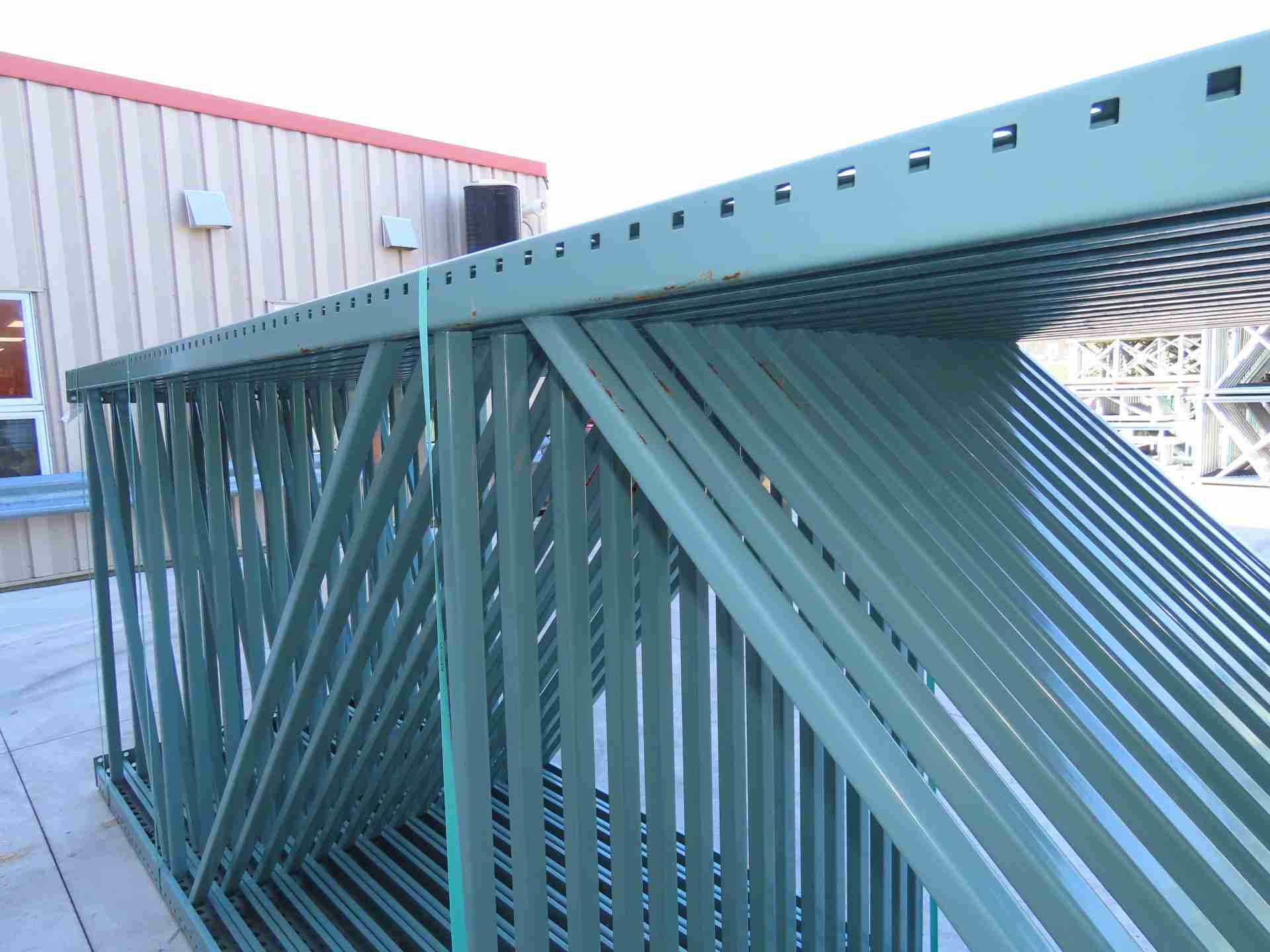
What Are The Consequences Of Non-Compliance With OSHA?
What Are The Consequences Of Non-Compliance With OSHA?
- Compliance with OSHA regulations is essential for business strategy, not just a formality.
- Ignoring safety standards can lead to serious workplace accidents, resulting in significant fines and damage to brand reputation.
- Non-compliance can trigger increased regulatory scrutiny and more frequent inspections, diverting resources away from core business activities.
- Employee morale suffers in unsafe work environments, leading to higher turnover and decreased productivity.
- Safety program investments correlate with lower employee turnover rates, enhancing workforce stability.
- Negative publicity from workplace incidents can harm company reputation and lead to customer boycotts.
- Prioritizing OSHA compliance not only protects workers but also strengthens brand image and mitigates potential legal and financial risks.
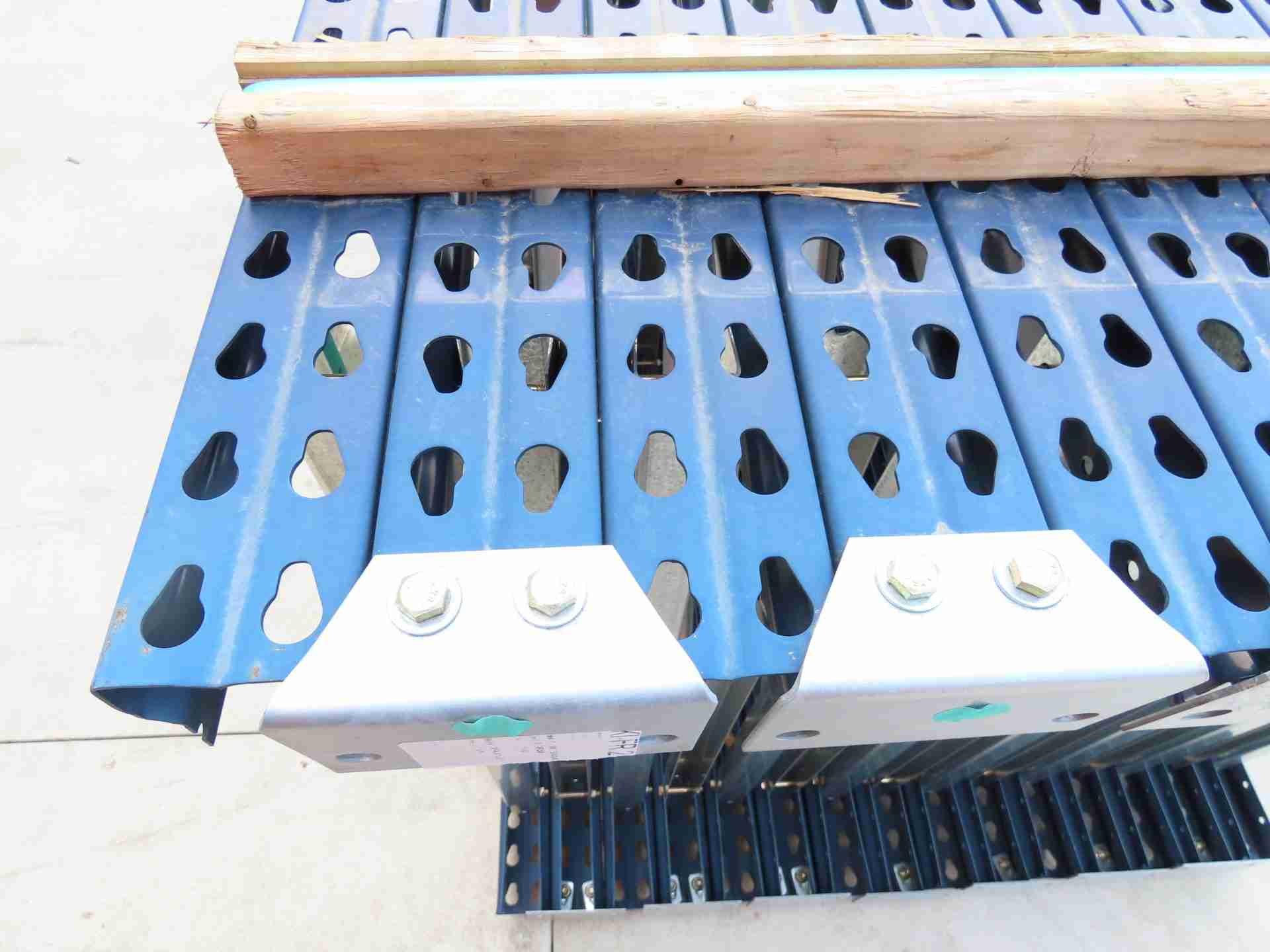
What Are The Consequences Of Non-Compliance With OSHA?
How Can I Ensure My Shelving Is Properly Installed?
When it comes to organizing your space, the right shelving isn’t just a nice-to-have; it’s a game-changer. But how can you ensure that your shelving is not only stylish but also securely installed? Just like a successful marketing campaign hinges on its foundation, your shelving needs the right setup to shine. Follow these actionable steps to make sure your shelves stand strong, and keep your space looking polished.
1. Assess Your Space: Start with Measurements
Before you even think about picking out your shelves, grab a tape measure. Measure the wall where you plan to install them, noting the height, width, and depth. Be mindful of current trends; with many people working from home, multifunctional spaces are in vogue. Consider how your shelving can serve multiple purposes, such as displaying decor while providing storage.
2. Choose Quality Materials
Just like a high-performing ad campaign uses the best platforms, your shelving relies on quality materials. Opt for sturdy wood or metal brackets that can support the weight of your items. Invest in heavy-duty anchors or wall studs when installing shelves, especially if you plan on displaying significant weight, such as books or decorative items, like ceramic art pieces—both popular in 2023 home decor.
3. Plan the Layout
Visualize your shelving before installation. Best practices suggest using painter’s tape to outline the size and position on the wall, giving you a tangible idea of the height and spacing. This technique is especially useful if you are incorporating floating shelves, which have gained popularity this year due to their sleek design and minimalistic approach.
4. Follow Installation Instructions
Whether you’re a DIY enthusiast or a novice, proper installation is crucial. Take the time to read through the manufacturer’s instructions—yes, even if you think you can wing it. Installing shelving systems with automatic leveling features is also a great way to ensure everything is aligned. If you’re feeling overwhelmed, consider hiring a professional. Think of it as investing in the expertise you might need to refine your marketing message; sometimes it’s worth the cost.
5. Conduct Regular Checks
Once installed, don’t just forget about your new shelving. Regularly inspect them for sagging or instability, particularly if you frequently rearrange your items. Empowering yourself with a quick yearly check can save you from potential accidents, ensuring your shelves always look chic and are safe to use.
In an age where clutter seems to pile up faster than marketing emails, well-installed shelving serves as a beacon of order. By taking these proactive steps, you’re not just creating a functional space; you’re crafting an environment that enhances your lifestyle, making every nook a showcase rather than a storage disaster.
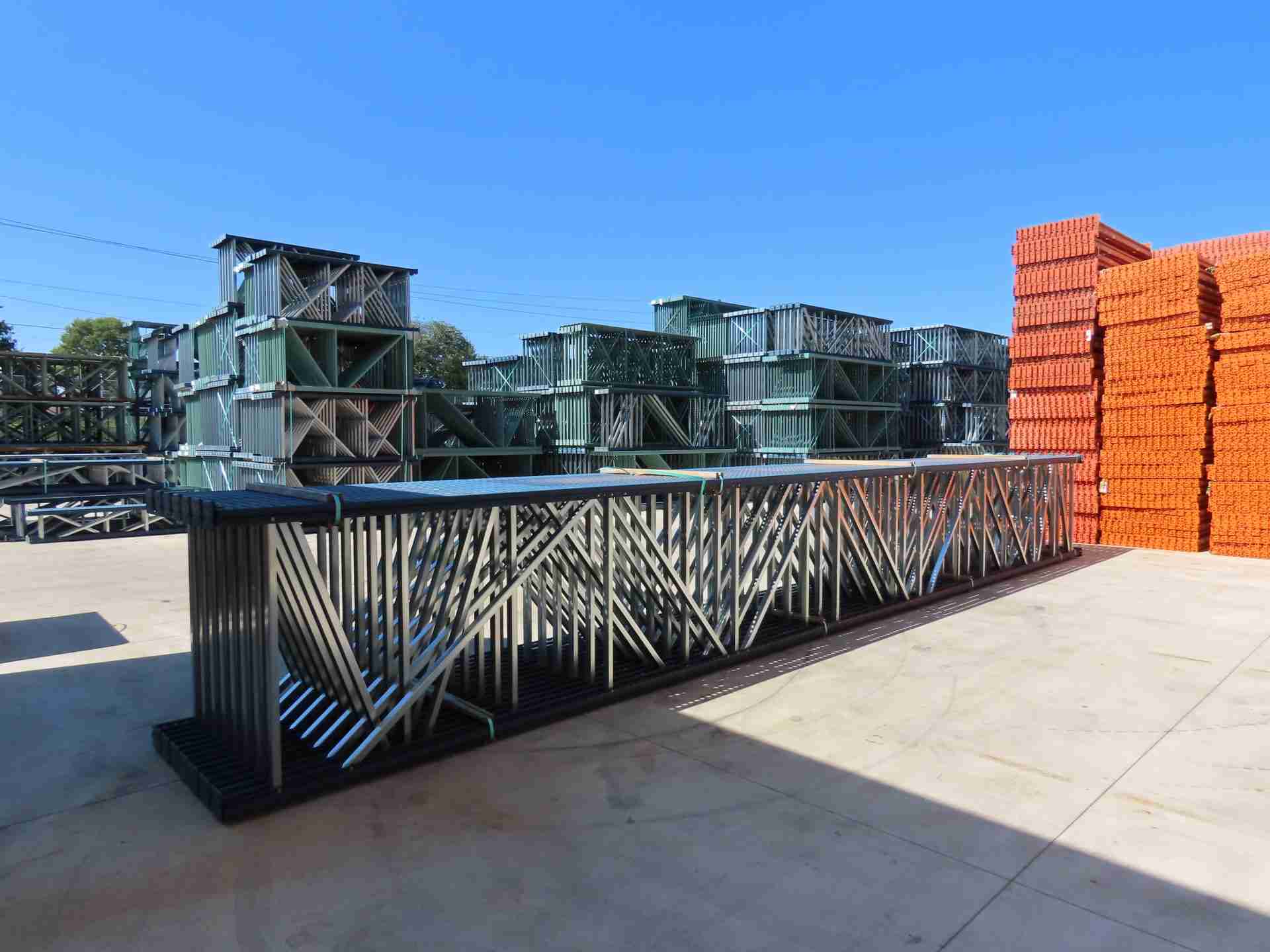
How Can I Ensure My Shelving Is Properly Installed?
How Can I Ensure My Shelving Is Properly Installed?
- Assess Your Space: Start with accurate measurements of the wall for height, width, and depth, considering multifunctional uses.
- Choose Quality Materials: Use sturdy wood or metal brackets and invest in heavy-duty anchors for safety and durability.
- Plan the Layout: Visualize your design using painter’s tape to outline dimensions and positions on the wall.
- Follow Installation Instructions: Carefully read and adhere to the manufacturer’s instructions; consider hiring a professional if needed.
- Conduct Regular Checks: Inspect shelving regularly for sagging or instability, especially after rearranging items.
- Create a Functional Space: Well-installed shelving enhances your lifestyle by organizing clutter and showcasing decor.
- Enjoy a Polished Environment: Proactive shelving arrangements help maintain a chic and safe living space.
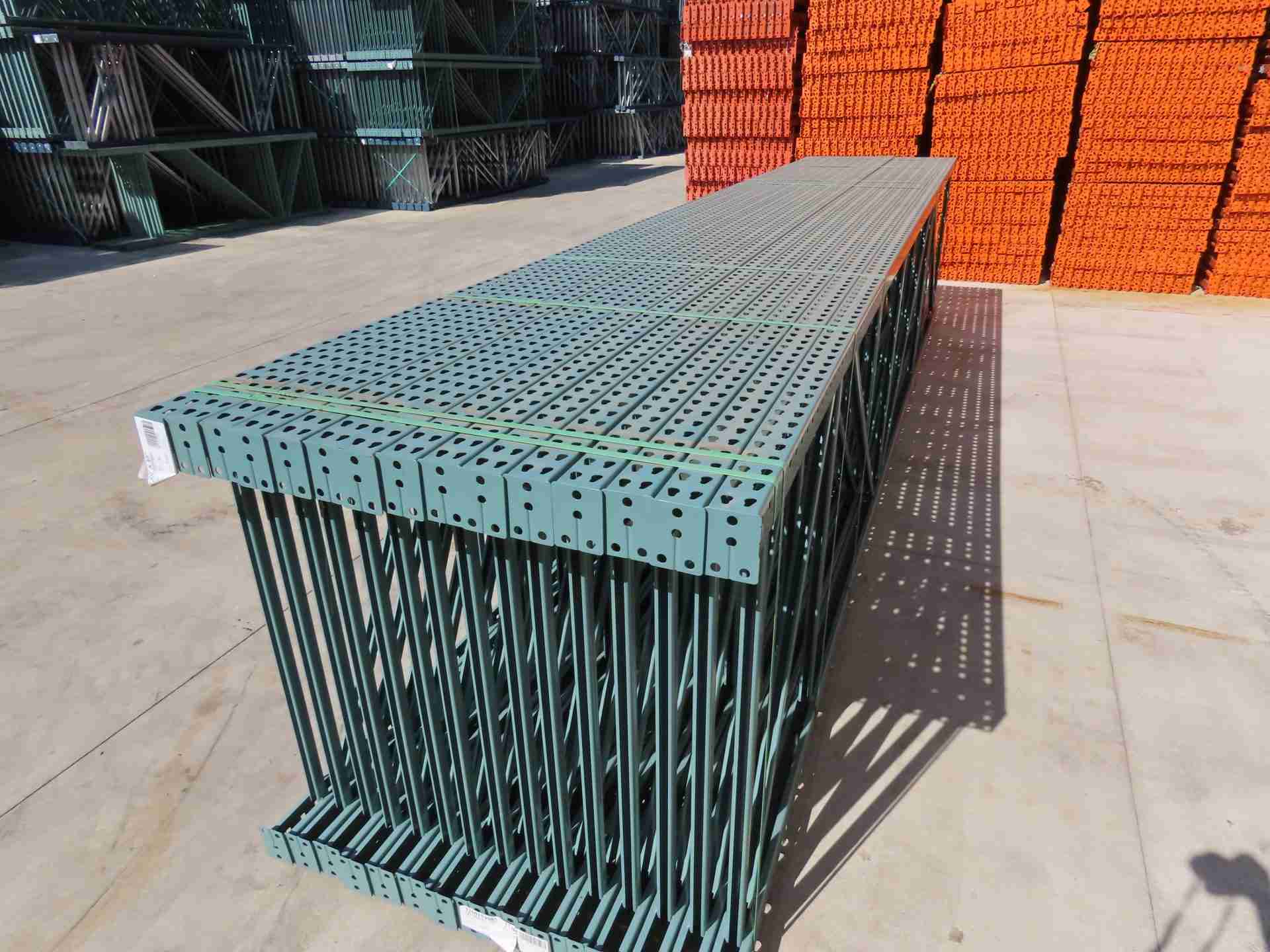
How Can I Ensure My Shelving Is Properly Installed?
Are There Industry-Specific OSHA Shelving Requirements?
When it comes to occupational safety, one size definitely does not fit all. The Occupational Safety and Health Administration (OSHA) provides a framework of regulations that must be adhered to in various industries, but specific shelving requirements can vary significantly depending on the sector. For businesses aiming for compliance, understanding these nuanced regulations is indispensable.
In the manufacturing sector, for instance, shelving must not only support heavy loads but also withstand the rigors of an active environment. OSHA mandates that shelving units are constructed of durable materials such as steel and are equipped with adequate safety features, such as anti-tip mechanisms. Recent events have underlined the importance of these guidelines. For example, a high-profile incident involving a manufacturing plant collapse last year caused significant injuries, illuminating the devastating consequences of neglecting appropriate shelving standards.
In retail environments, where customer interactions are frequent, the shelving criteria shift. Retailers are responsible for ensuring that their display units not only showcase their products attractively but also comply with OSHA’s general duty clause. It’s vital for stores to inspect shelving regularly to prevent hazards such as items falling off shelves and potentially injuring customers. Not adhering to these regulations could result in hefty fines, along with the more significant cost of reputational damage. Recently, major retailers faced scrutiny after injuries resulted from unstable shelving units during the holiday season rush—a clear reminder of the stakes involved.
Healthcare facilities face their own set of challenges concerning shelving requirements. The safe storage and accessibility of medical supplies and equipment are governed by various regulations beyond just OSHA, including the Joint Commission standards. Shelving in these settings must meet stringent requirements for cleanliness, stability, and accessibility. Hospitals nationwide are increasingly investing in specialized shelving systems designed for easy access yet built to withstand the sterile demands of medical environments.
In the food and beverage industry, proper shelving is crucial for safety and compliance with health regulations. Food storage racks must be made from materials that can resist corrosion and facilitate easy cleaning, preventing contamination. Recent food safety outbreaks have propelled food distributor inspections to the forefront, highlighting how improper shelving can contribute to severe consequences—not only for consumer safety but also for a company’s bottom line.
While OSHA provides essential guidelines, the reality is that each industry has its own specific shelving requirements. Businesses must do their due diligence to understand and implement these standards, as failure to comply can lead to accidents, fines, or worse—loss of life or livelihoods. The time to assess your shelving practices is now; don’t let regulations catch you off guard.
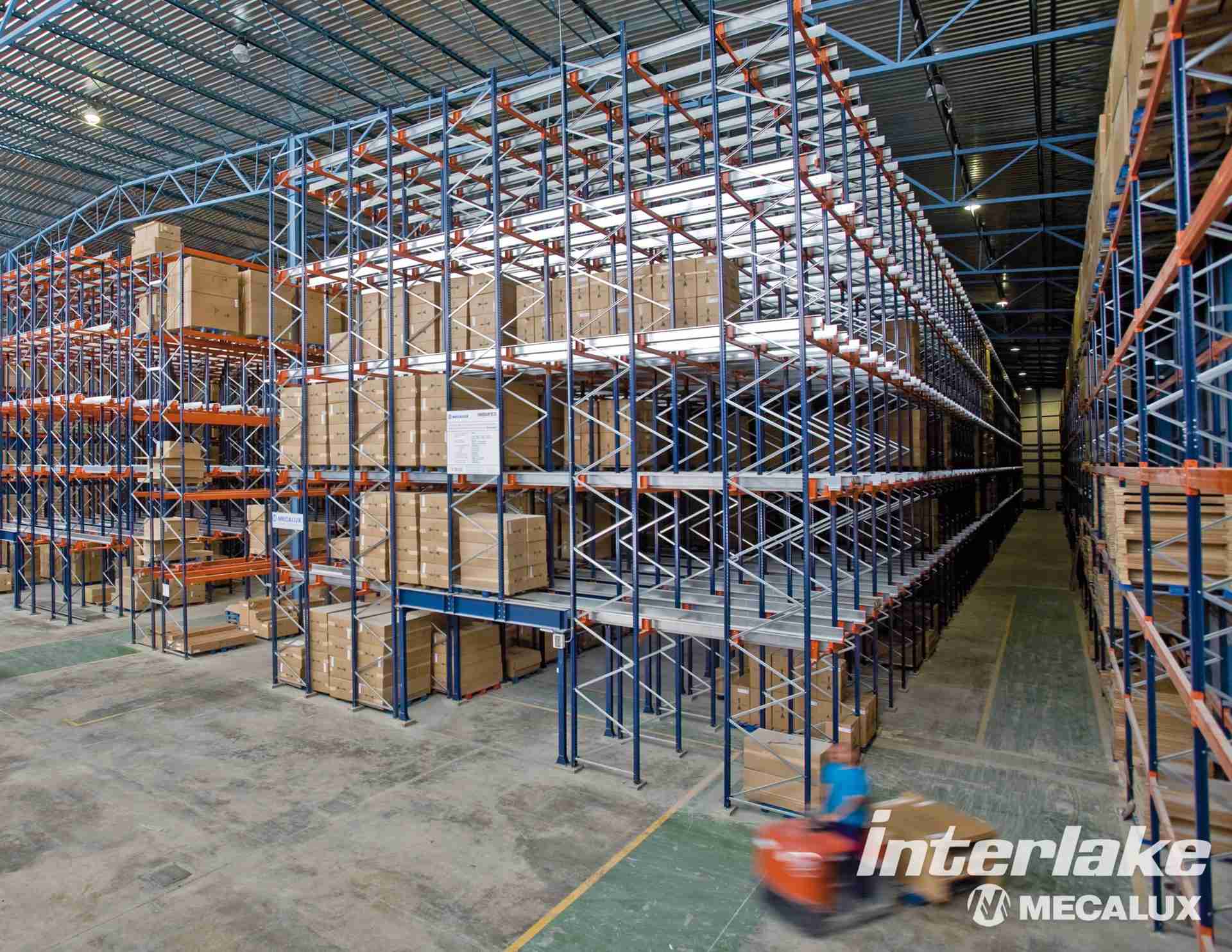
Are There Industry-Specific OSHA Shelving Requirements?
Are There Industry-Specific OSHA Shelving Requirements?
- OSHA regulations vary by industry, leading to differing shelving requirements.
- Manufacturing shelving must support heavy loads and include safety features like anti-tip mechanisms.
- Recent incidents highlight the consequences of neglecting proper shelving standards.
- Retail shelving must ensure product safety and compliance with OSHA’s general duty clause, with regular inspections required.
- Injuries from unstable shelving during peak shopping seasons have led to scrutiny of major retailers.
- Healthcare facilities must adhere to stringent cleanliness and accessibility standards for shelving, often guided by Joint Commission regulations.
- Food and beverage shelving must resist corrosion and allow for easy cleaning to prevent contamination and ensure safety compliance.

Are There Industry-Specific OSHA Shelving Requirements?
What Resources Are Available For Understanding OSHA Regulations?
When navigating the often-complex world of OSHA regulations, the right resources can be a game changer for businesses seeking compliance and safety. Ignoring these resources can lead not only to regulatory fines but more importantly, to compromised workplace safety. Fortunately, there are numerous tools and expert-backed resources readily available to help demystify OSHA regulations, ensuring that your organization stays compliant and your employees remain safe.
Online Training Programs: Consider leveraging online training platforms like OSHA.com or SafetySkills. These sites offer accessible courses specifically tailored to OSHA standards and regulations. For instance, the “OSHA 10-Hour General Industry Course” equips employees with fundamental safety principles, while “OSHA 30-Hour” deep dives into more advanced topics. Remember, training isn’t just a checkbox; it’s an investment in your workforce’s health, as underscored by recent increases in workplace incidents post-pandemic.
Official OSHA Website: The official OSHA website is a treasure trove of resources. It provides easy accessibility to regulations, guidance documents, and industry standards. With a dedicated section for compliance assistance, businesses can find field operations manuals and directives that offer valuable insights into meeting OSHA requirements, along with an extensive library of outreach materials. Utilizing these free resources can save you costs associated with hiring consultants and can also streamline your compliance strategies.
Industry Associations: Many industry-specific associations provide specialized resources. For example, the National Safety Council (NSC) offers tools and guidance tailored to various sectors. Their Safety Management System tools can assist businesses in implementing practices that meet OSHA standards while fostering a culture of safety. Engaging with these associations allows companies to stay updated on regulatory changes that could impact their operations—particularly important in fast-evolving industries.
Local OSHA Offices and Consultation Services: Don’t underestimate the value of local OSHA offices. They often offer on-site consultations and can provide tailored advice to your organization. For businesses in industries currently facing heightened scrutiny—such as construction and healthcare—a proactive approach in engaging with OSHA representatives can ensure you’re not just compliant, but leading the pack in safety standards.
Webinars and Workshops: Many nonprofits and governmental organizations host free or low-cost webinars and workshops focused on OSHA compliance. Staying informed about evolving regulations is crucial, especially as new laws are rolled out seemingly every quarter. These events connect you with safety professionals who can share their insights on best practices and changes on the horizon.
By harnessing these resources, businesses can not only achieve compliance but also cultivate a firm reputation as an industry leader in workplace safety. After all, in today’s competitive landscape, being known for a commitment to employee safety not only fulfills legal obligations—it can be a unique selling proposition that attracts top talent and clients alike.
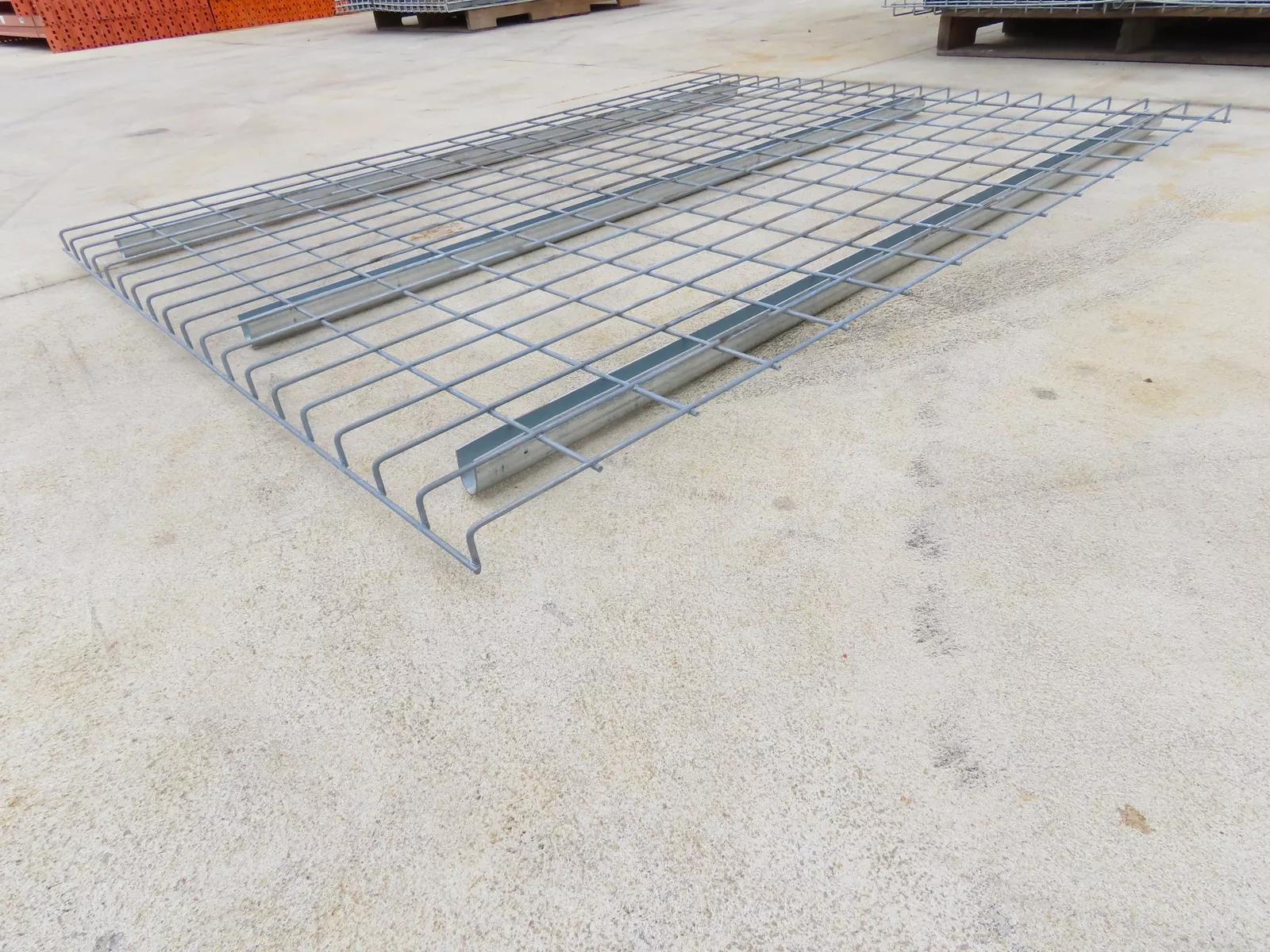
What Resources Are Available For Understanding OSHA Regulations?
What Resources Are Available For Understanding OSHA Regulations?
- Utilize online training platforms like OSHA.com and SafetySkills for OSHA-specific courses.
- The official OSHA website offers comprehensive resources, including regulations and compliance assistance.
- Industry associations like the National Safety Council provide specialized tools and guidance tailored to specific sectors.
- Local OSHA offices offer on-site consultations for tailored advice and proactive compliance.
- Participate in webinars and workshops from nonprofits and government groups for updates on OSHA regulations.
- Engaging with these resources helps ensure compliance and enhances workplace safety.
- Commitment to safety can enhance a company’s reputation and serve as a competitive advantage.
What Resources Are Available For Understanding OSHA Regulations?
How Often Should Shelving Be Inspected For Safety Compliance?
When it comes to safeguarding your business and its employees, the overlooked details can make or break your operations. One area where safety compliance is paramount is shelving—an integral part of warehouses, retail spaces, and even offices. But how often should you check these structures to ensure they meet safety standards? The answer is more nuanced than you might think.
First, let’s establish the baseline. Inspections should occur at least once a year as mandated by OSHA (Occupational Safety and Health Administration) standards. However, depending on various factors, you might want to ramp up this frequency. For instance, if you are in a warehouse setting where heavy loads are commonplace, quarterly inspections could save you headaches (and potential legal issues) down the line.
A study by the National Institute for Occupational Safety and Health (NIOSH) revealed that 40% of workplace injuries are attributed to improper storage practices. Imagine the cost associated with not just the initial injury but also the potential fines from regulatory bodies. It’s an investment in safety that pays off tenfold when you consider the safeguarding of your greatest asset: your people.
But it’s not just about frequency; it’s about thoroughness. Be proactive. After a major event—like a seismic quake, flood, or even a workplace incident—conduct an immediate shelving review. For example, when wildfires swept through California last year, many businesses found themselves scrambling to reassess their inventory and storage methods to ensure compliance with updated safety protocols.
Use a checklist during inspections to ensure no stone is left unturned. Look for signs of wear and tear, ensure load limits are clearly marked, and check that shelving is anchored properly. Small cracks might look insignificant but can lead to catastrophic failures. By integrating technology, such as weight sensors or mobile app solutions for inventory management, you can streamline inspections and catch issues before they escalate.
Finally, don’t forget to train your staff. It’s not enough to run inspections; your employees should know the importance of safe shelving practices. Regular workshops on safety compliance can bolster awareness and reduce risk exponentially. A company that prioritizes safety compliance not only enjoys a better reputation but can also save significantly on insurance premiums.
When it comes to shelving, overlook it at your peril! Making safety compliance a routine part of your business strategy isn’t just smart—it’s essential for long-term success. After all, an ounce of prevention is worth a pound of cure.
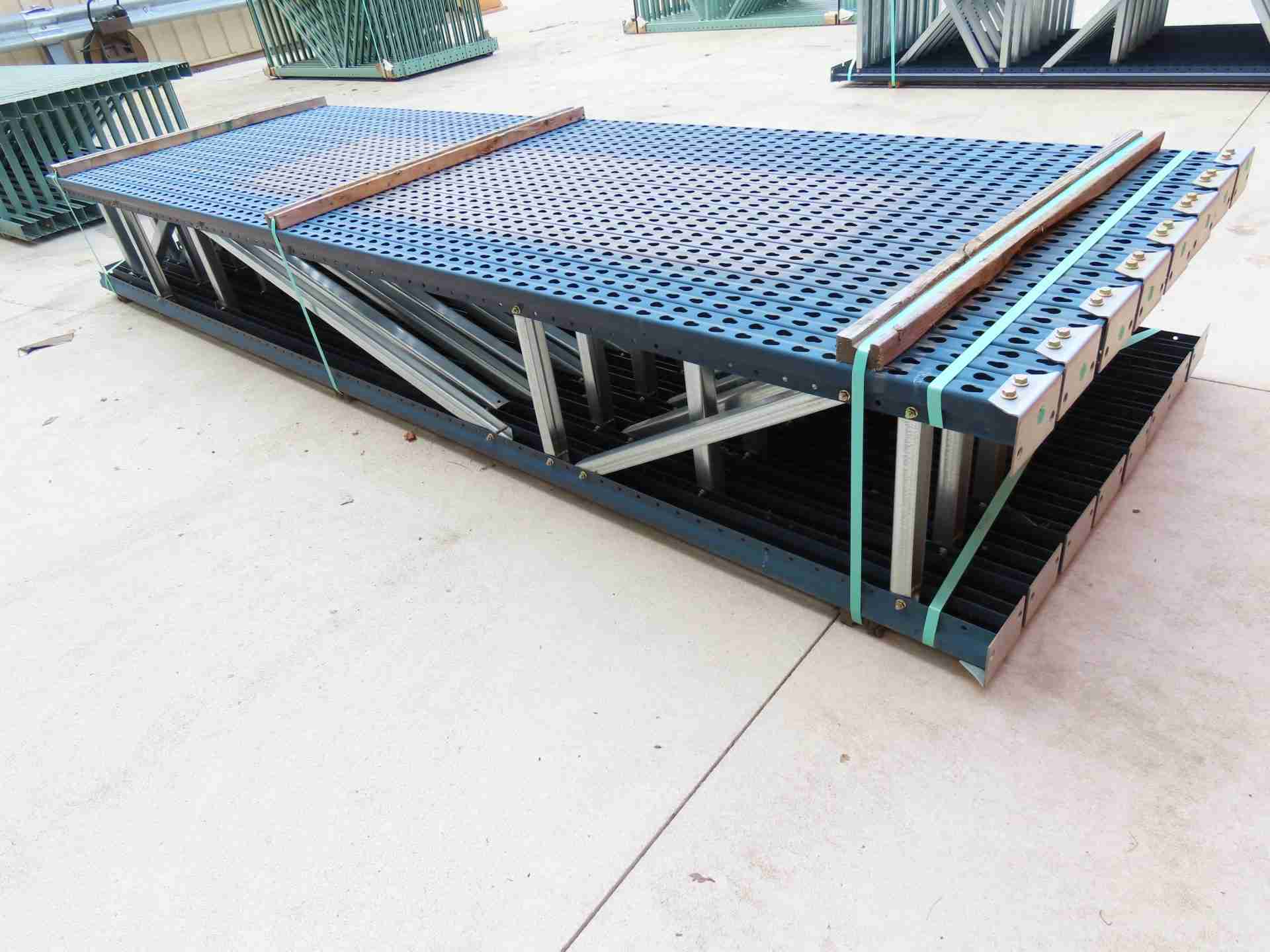
How Often Should Shelving Be Inspected For Safety Compliance?
How Often Should Shelving Be Inspected For Safety Compliance?
- Safety compliance regarding shelving is crucial for warehouses, retail spaces, and offices.
- Inspections should occur at least once a year as per OSHA standards; more frequent checks may be needed in high-load environments.
- 40% of workplace injuries stem from improper storage practices, leading to substantial costs and potential fines.
- Post-major events, such as natural disasters or workplace incidents, conduct immediate shelving reviews.
- Use a detailed checklist during inspections to identify wear and tear, verify load limits, and ensure proper anchoring of shelving units.
- Employ technology tools like weight sensors and inventory management apps to streamline inspections and spot issues early.
- Training staff on safe shelving practices and conducting regular safety workshops can significantly reduce risks and improve compliance.
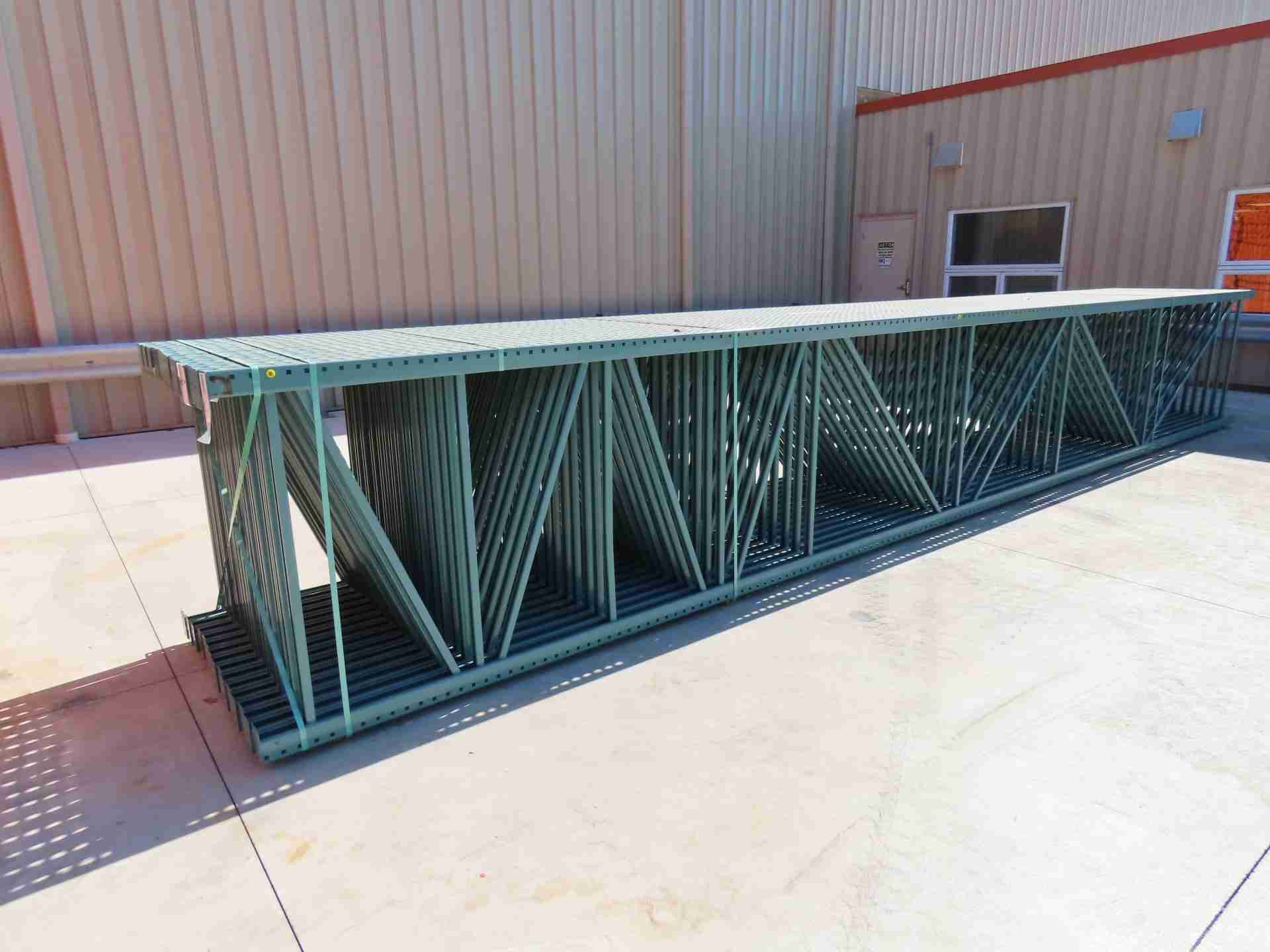
How Often Should Shelving Be Inspected For Safety Compliance?
What Training Should Employees Receive On Shelf Safety?
In the fast-paced world of retail, ensuring shelf safety is a crucial yet often overlooked aspect of store operations. Neglecting proper training can lead to accidents, inventory loss, and costly liabilities. So, what training should your employees receive to establish a culture of shelf safety? Let’s break it down into actionable steps that will protect your team and boost your bottom line.
1. Understanding Weight Limits and Load Distribution
First and foremost, employees must be trained on weight limits and load distribution. Each shelf has a designated capacity, and exceeding this can cause catastrophic failures. For instance, a recent incident at a grocery store involved an overloaded shelf that collapsed, resulting in injuries and significant inventory loss. Employees should learn to read load capacity tags and distribute merchandise evenly, using examples from your own stock for clarity.
2. Proper Stocking Techniques
Next, employees should be taught proper shelving techniques. This includes techniques for stacking products, identifying slip hazards, and using safety equipment like step stools or ladders correctly. Demonstrating the “Ladder Technique”—which involves maintaining three points of contact at all times—can prevent falls and ensure safety. Regularly scheduled drills can reinforce these practices, making them second nature.
3. Recognizing Hazardous Conditions
Training should also expand into recognizing hazardous conditions that might jeopardize safety. This includes loose items on a shelf that could fall or spills that create slippery surfaces. Encourage a proactive mindset with a ‘safety first’ campaign, possibly featuring recognition programs for employees who identify and rectify hazards. For example, following an uptick in accidents due to unregulated shelf height in 2022, many retailers have initiated ‘safety patrols’ to keep aisles clear.
4. Emergency Response Training
Moreover, employees must be equipped with emergency response training specific to shelf-related accidents. In the unfortunate event a shelf collapses, knowing how to respond swiftly can save lives. This includes training employees on how to use basic first aid and the protocols for reporting incidents. Regular refresher courses not only keep the knowledge fresh, they also instill a sense of responsibility and preparedness among your staff.
5. Engaging in Continuous Learning
Finally, shelf safety training should never be a one-and-done affair. Encourage continuous learning by introducing new materials or updates related to shelf safety protocols. Utilize gamified learning modules and take inspiration from current trends around safety, such as the increased focus on enhancing workplace environments post-pandemic.
By implementing a comprehensive training program on shelf safety, you’re not just safeguarding your employees and customers; you’re also reinforcing your brand’s commitment to excellence. Prioritizing safety translates to better service, enhanced reputation, and increased profitability. After all, a safe store is a prosperous store.
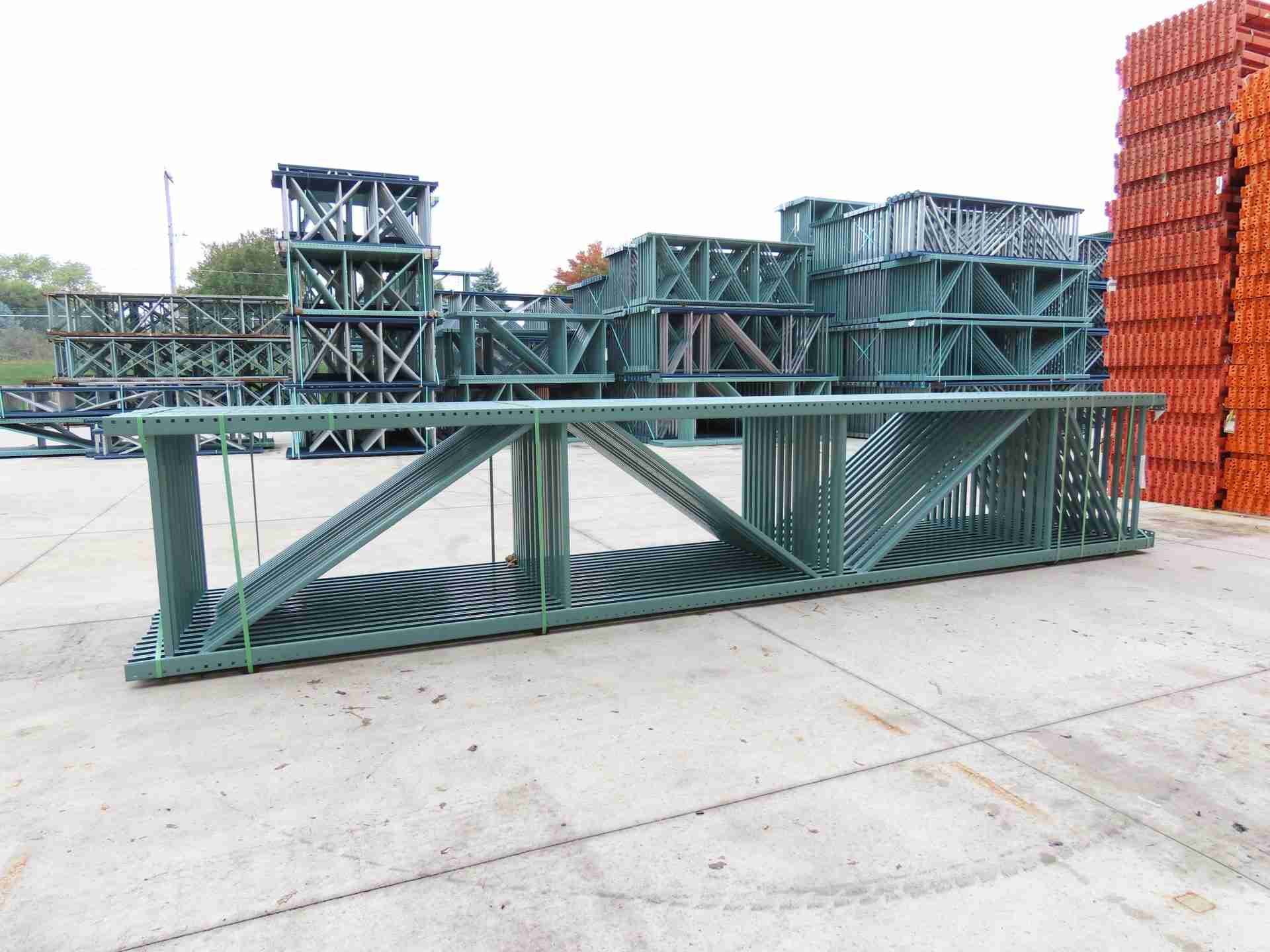
What Training Should Employees Receive On Shelf Safety?
What Training Should Employees Receive On Shelf Safety?
- Shelf safety is essential in retail to prevent accidents, inventory loss, and liabilities.
- Training on weight limits and load distribution helps avoid catastrophic shelf failures; employees should learn to read capacity tags and distribute products evenly.
- Proper stocking techniques should be taught, including correct product stacking, identifying hazards, and safely using equipment like ladders.
- Recognizing hazardous conditions is crucial; employees should be encouraged to identify and report hazards to foster a safer environment.
- Emergency response training is necessary to prepare employees for shelf-related accidents, ensuring they know first aid and incident reporting protocols.
- Continuous learning about shelf safety should be promoted through regular updates and gamified learning strategies.
- Comprehensive training on shelf safety protects employees, enhances brand reputation, and contributes to increased profitability.
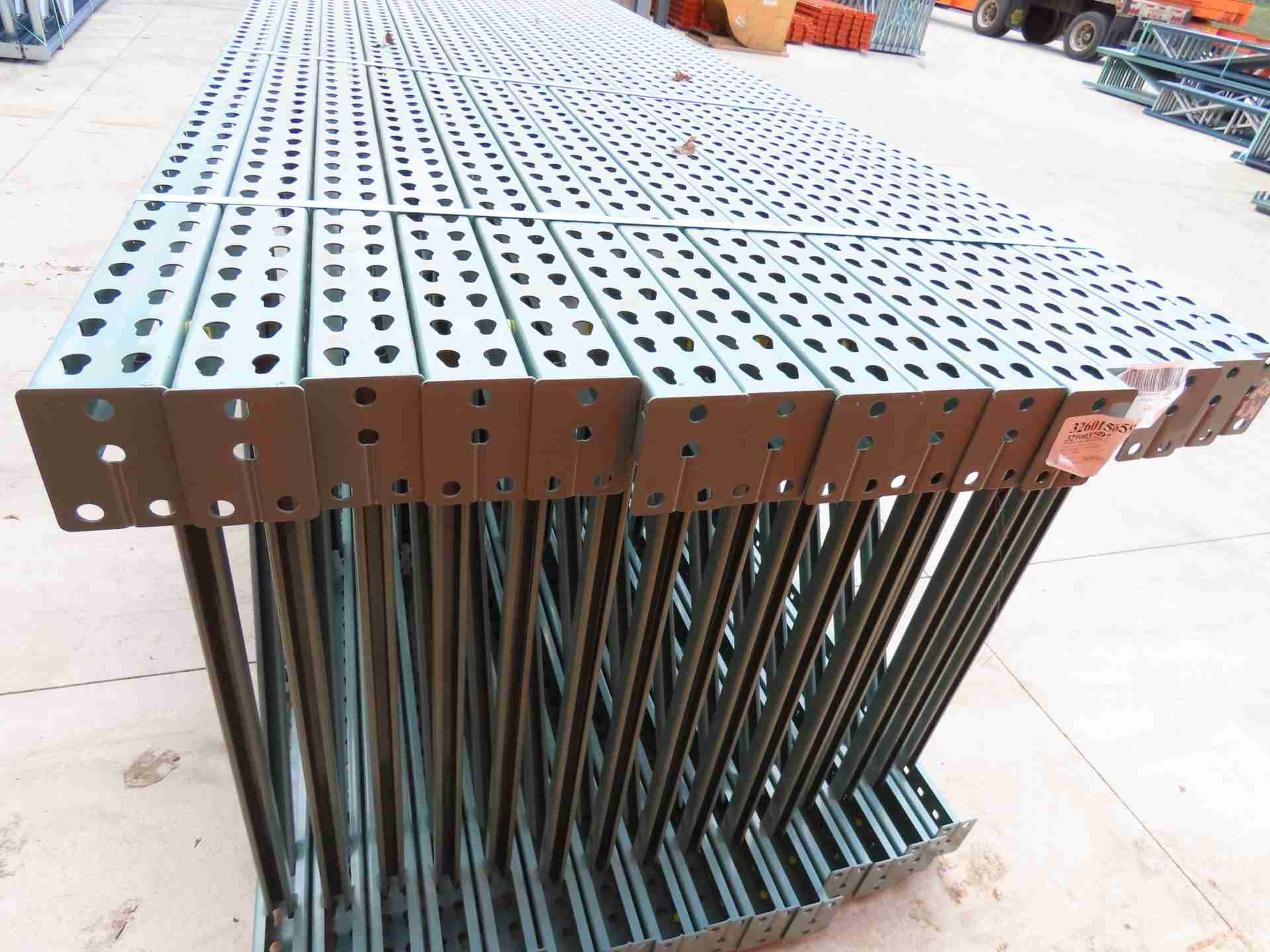
What Training Should Employees Receive On Shelf Safety?
What Are The Best Practices For Maintaining OSHA-Compliant Shelving?
In today’s fast-paced business environment, maintaining a safe and compliant workspace isn’t just a legal obligation—it’s a smart business strategy. Health and safety regulations, especially those enforced by OSHA (Occupational Safety and Health Administration), can be daunting. However, ensuring that your shelving systems are compliant doesn’t have to be a chore. Implementing best practices can streamline your processes and create a safe environment for employees and customers alike.
1. Regular Inspections: The Foundation of Safety
Establish a routine inspection schedule for all your shelving units. This isn’t merely about compliance; it’s about proactively identifying issues before they escalate. For instance, during a recent audit, a company discovered that their metal shelving was corroding, jeopardizing both safety and inventory. Regular checks allow for early detection of wear and tear, issues such as bent frames, or loose fittings. Document your findings, as maintaining logs can be invaluable during OSHA inspections.
2. Load Limits: Know Your Limits
Every shelving unit comes with a manufacturer’s specified load capacity. Ignoring these limits not only compromises safety but can lead to catastrophic failures. An incident this year underscored this fact when an overloaded shelving unit collapsed in a warehouse, injuring several employees. Train your staff to respect load limits and display weight capacity signs clearly on or near each shelf. This promotes awareness and accountability.
3. Proper Stocking Techniques: Organization Over Chaos
Maintaining compliance is as much about how you store items as it is about the shelving themselves. Stacking items evenly and avoiding overreaching or using unstable ladder systems reduces the risk of accidents. For instance, employing FIFO (First In, First Out) methods not only aids compliance but also enhances inventory management. Establish clear protocols on how to stock shelves effectively, including best practices for heavier items stored at lower levels to mitigate falling hazards.
4. Employee Training: Empower Your Team
An informed workforce is your best defense against compliance pitfalls. Conduct regular training sessions that cover not just shelving practices but also general safety procedures. Consider practical demonstrations where employees learn the best ways to handle shelving units, maintain organization, and identify potential hazards. A safety-first culture not only reduces accidents but fosters a sense of responsibility among employees, turning them into safety advocates.
5. Document Everything: Paper Trail to Success
Finally, don’t underestimate the value of thorough documentation. Keep records of inspections, employee training, and any correspondence with OSHA. In the event of an audit, having a well-documented safety practice can make all the difference between penalties and praise.
By embracing these best practices for maintaining OSHA-compliant shelving, you safeguard not just your employees but also your business’s reputation and bottom line. Remember, a safe work environment isn’t just a regulatory requirement; it’s a competitive advantage.
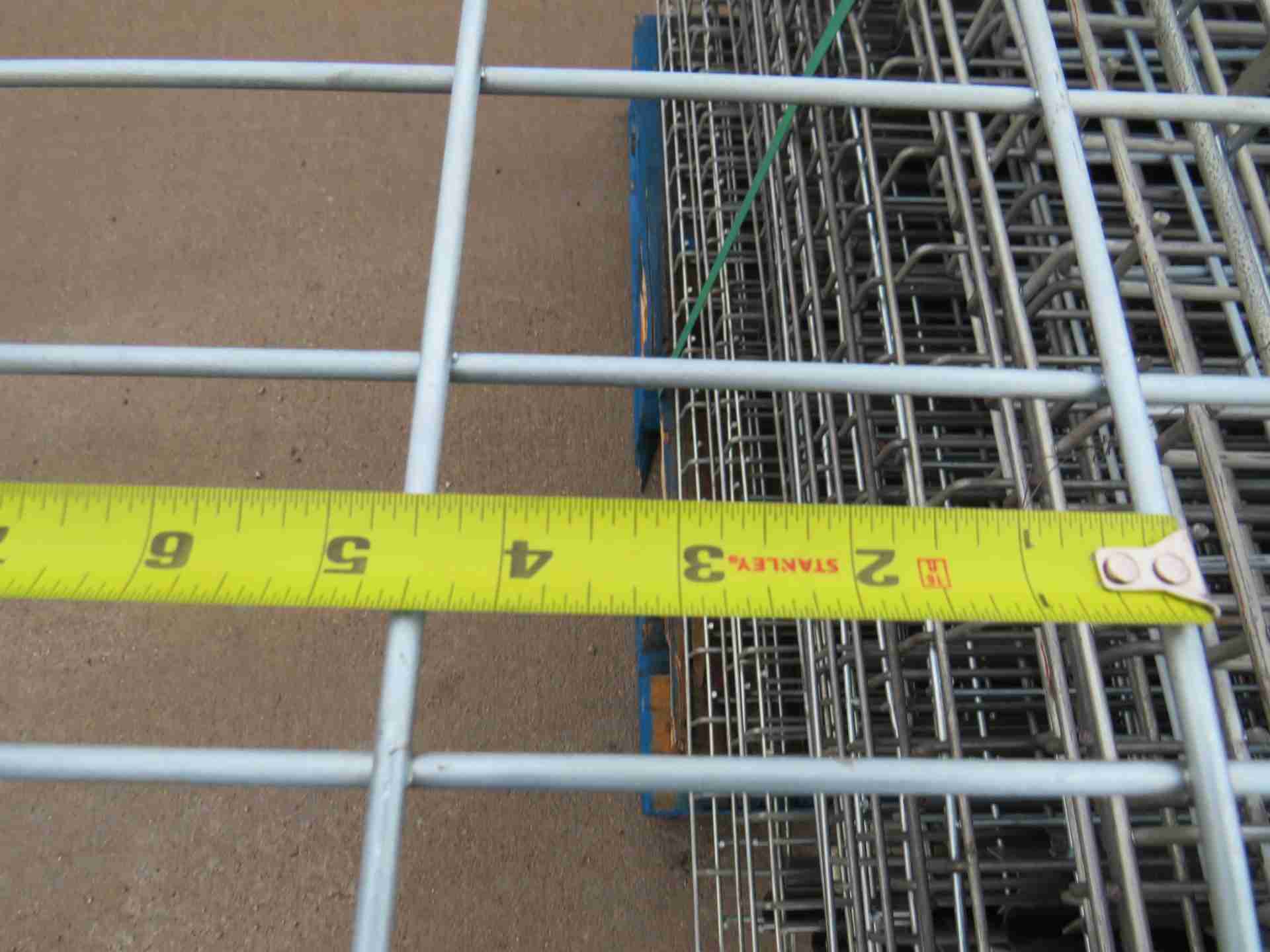
What Are The Best Practices For Maintaining OSHA-Compliant Shelving?
What Are The Best Practices For Maintaining OSHA-Compliant Shelving?
- Regular Inspections: Establish routine inspection schedules to identify issues early and maintain logs for OSHA inspections.
- Load Limits: Adhere to manufacturer specified load capacities to prevent safety hazards and ensure employee awareness through visible weight capacity signs.
- Proper Stocking Techniques: Use effective stocking methods like even stacking and FIFO to enhance compliance and minimize accidents.
- Employee Training: Conduct regular training sessions to empower employees in safety practices and hazard identification.
- Documentation: Keep detailed records of inspections, training, and OSHA correspondence for audit preparedness.
- Safety Strategy: Implementing these best practices not only protects employees but also enhances the business’s reputation and operational efficiency.
- Competitive Advantage: A safe work environment serves as a regulatory requirement and a strategic business advantage.

What Are The Best Practices For Maintaining OSHA-Compliant Shelving?
Can I Find Examples Of Compliant Shelving Setups?
In a world where regulations around safety and compliance are more stringent than ever, businesses must prioritize their shelving setups to avoid costly fines and, worse yet, shut downs. The right shelving solution not only improves efficiency but ensures that you are adhering to the legal requirements of your industry. So, where can you find compliant shelving examples that fit your needs?
Retail and Grocery: Take a look at how leading grocery stores are revamping their aisles. Companies like Walmart and Whole Foods have adopted modular shelving systems that comply with local health regulations while optimizing space. These systems are designed to allow for easy access and reorganization in response to fluctuating inventory needs. Take a stroll through a store; you’ll notice labels that reflect compliance with food safety guidelines. These setups often include features such as removable shelving for easy cleaning and reinforced structures for stability, providing inspiration for your own configuration.
Warehousing: The recent surge in e-commerce has pushed companies like Amazon to adopt advanced shelving setups that balance compliance with rapid order fulfillment. Their use of adjustable shelving units not only maximizes vertical space but ensures that hazardous materials are stored according to regulatory standards. New guidelines around fire safety and material handling mean that your shelving should accommodate stricter distancing and signage. Companies setting up compliant shelving solutions often share their best practices on platforms like LinkedIn and the National Safety Council’s website.
Healthcare and Laboratories: Compliance is non-negotiable in the healthcare industry, and hospitals are increasingly using specialized shelving units designed for sterility and accessibility. For example, look at how pharmaceutical companies like Pfizer implement shelving that meets stringent regulatory specifications for medication storage. Modular designs that withstand rigorous cleaning processes keep environments safe and compliant. Many organizations host virtual seminars or forums discussing these innovations, and it’s worthwhile to participate to gather fresh ideas.
Creative Solutions in Small Businesses: Don’t overlook local artisan shops or small cafes that utilize innovative shelving for compliance. Trending now are repurposed materials that not only reflect the brand’s identity but also adhere to health codes, like biodegradable storage solutions that reduce the carbon footprint. Share your setup photos online and engage with other entrepreneurs in your area—you may be surprised by the collaborative ideas you’ll uncover.
Finding examples of compliant shelving setups has never been easier. By observing industry leaders and participating in relevant discussions, you can ensure your shelving not only meets compliance but also drives efficiency and boosts your bottom line.
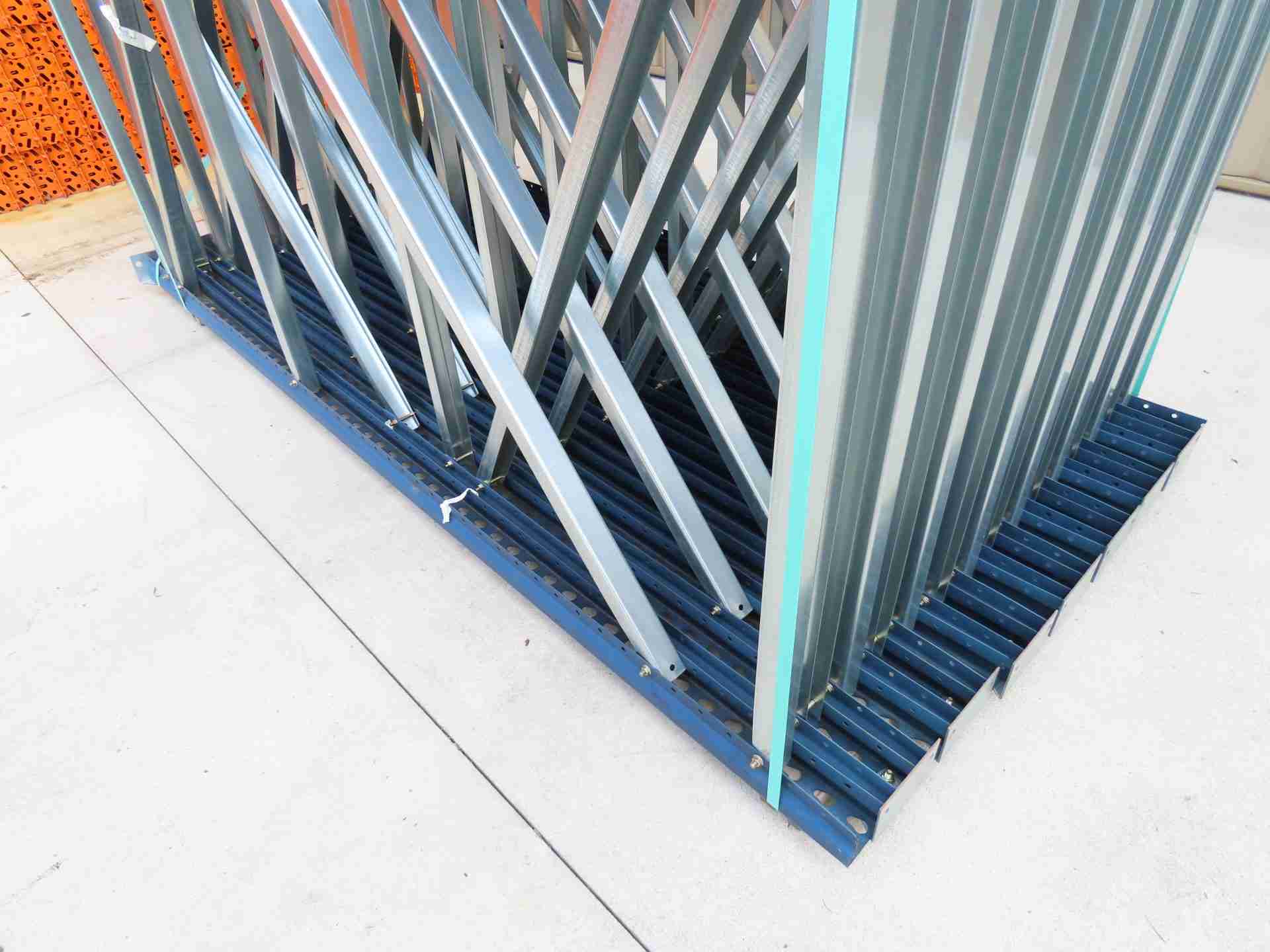
Can I Find Examples Of Compliant Shelving Setups?
Can I Find Examples Of Compliant Shelving Setups?
- Businesses must prioritize compliant shelving setups to avoid fines and shutdowns.
- Retailers like Walmart and Whole Foods use modular shelving systems that comply with health regulations.
- Adjustable shelving units in warehouses, like those at Amazon, balance compliance with rapid fulfillment.
- Healthcare settings use specialized shelving units to maintain sterility and accessibility, meeting rigorous regulatory standards.
- Small businesses are utilizing innovative shelving solutions from repurposed materials that adhere to health codes.
- Engaging with industry leaders and discussions can help find compliant shelving examples that drive efficiency.
- Effective shelving setups can enhance operational efficiency while ensuring legal compliance.
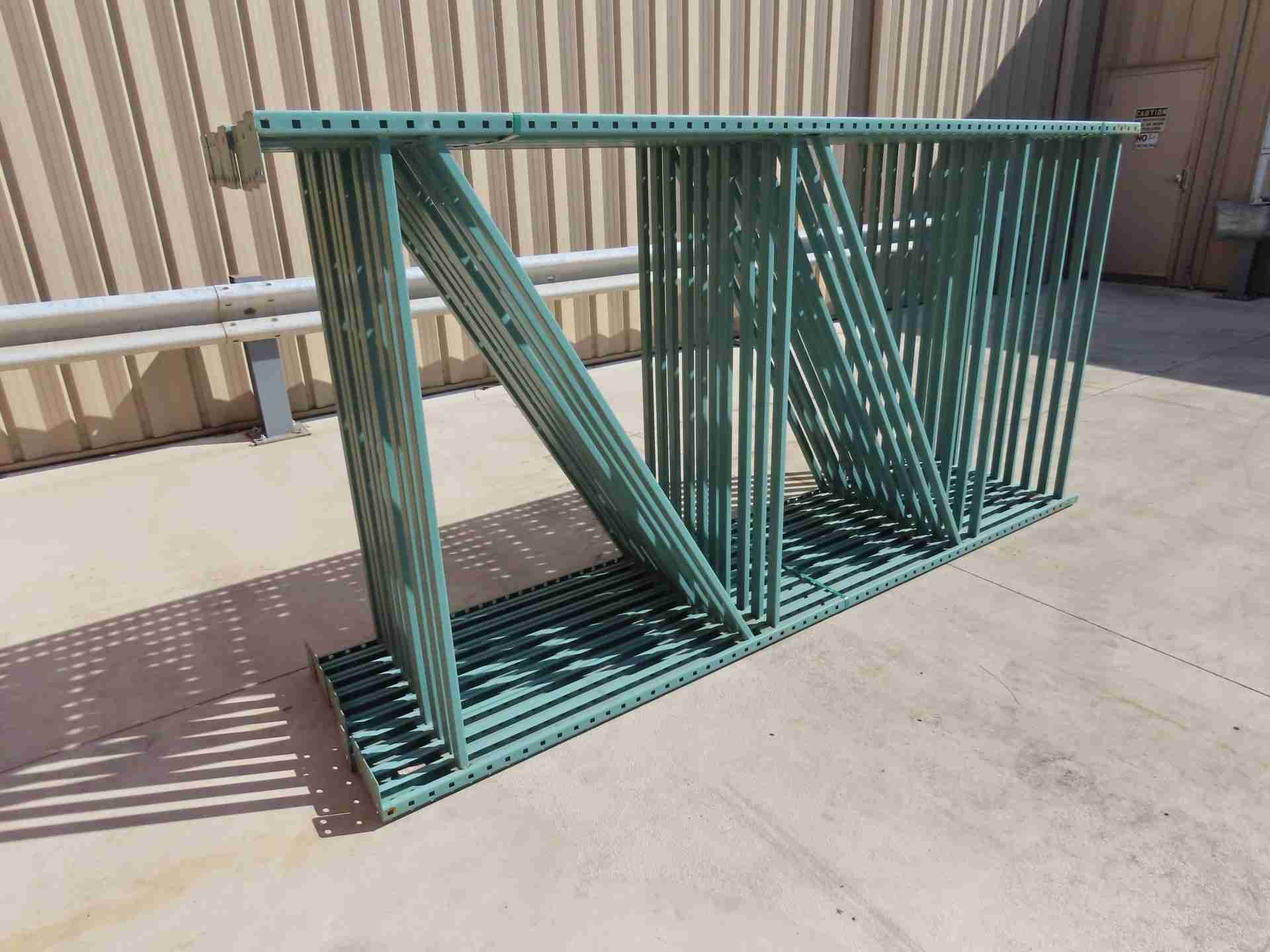
Can I Find Examples Of Compliant Shelving Setups?
How Do OSHA Regulations Address Shelving Materials?
When it comes to maintaining a safe workplace, OSHA regulations play a pivotal role, particularly concerning shelving materials. In warehouses, retail spaces, and manufacturing environments, the proper storage of materials isn’t just a matter of efficiency; it’s a matter of safety, and that’s where OSHA steps in.
OSHA, the Occupational Safety and Health Administration, has established stringent guidelines that dictate how shelving systems should be constructed, utilized, and maintained. The aim? To prevent accidents that can lead to injuries or worse. For example, improper shelving can lead to overloading, which may cause collapses — a risk we’ve seen come to fruition in the unfortunate incident at a major retailer’s distribution center last year when improperly stored materials led to a significant workplace accident, prompting serious scrutiny on their safety practices.
Key regulations are anchored in the General Duty Clause, which mandates that employers maintain a workplace free of recognized hazards. Under this umbrella, OSHA provides specifics on shelving materials, necessitating that systems must be capable of supporting the weight they’re designed to hold without failure. This not only applies to the initial assembly but also the ongoing inspection and maintenance of the shelf units.
Furthermore, OSHA emphasizes the importance of using materials that are non-combustible or designed to withstand specified environmental conditions. Each shelf should be made from durable materials that can handle various weights and temperature fluctuations, especially in warehouses that deal with hazardous materials. Recent attention has been brought to the use of metal over wood for high-capacity shelving; not only is metal more resilient, it also adheres better to fire safety regulations.
Consider the impact of workplace alliances that promote safety. In 2022, OSHA renewed its focus on safety in the warehousing and retail sectors, conducting several surprise inspections that yielded violations specifically related to inadequate shelving strategies. Employers found guilty faced hefty fines and were urged to reevaluate their current systems.
As a proactive measure, companies can conduct regular training sessions that inform employees about the risks associated with shelving materials. Utilizing visual aids or interactive training can significantly enhance understanding and retention among staff. Emphasizing the importance of safety regulations not only helps avoid substantial penalties but also fosters a culture of care—something that washes over into productivity and morale.
Adhering to OSHA regulations on shelving materials isn’t just about compliance; it’s about establishing a foundational ethos of safety in the workplace. Let your shelves support your business responsibly, avoiding the pitfalls of negligence while safeguarding your most valued assets—your employees.
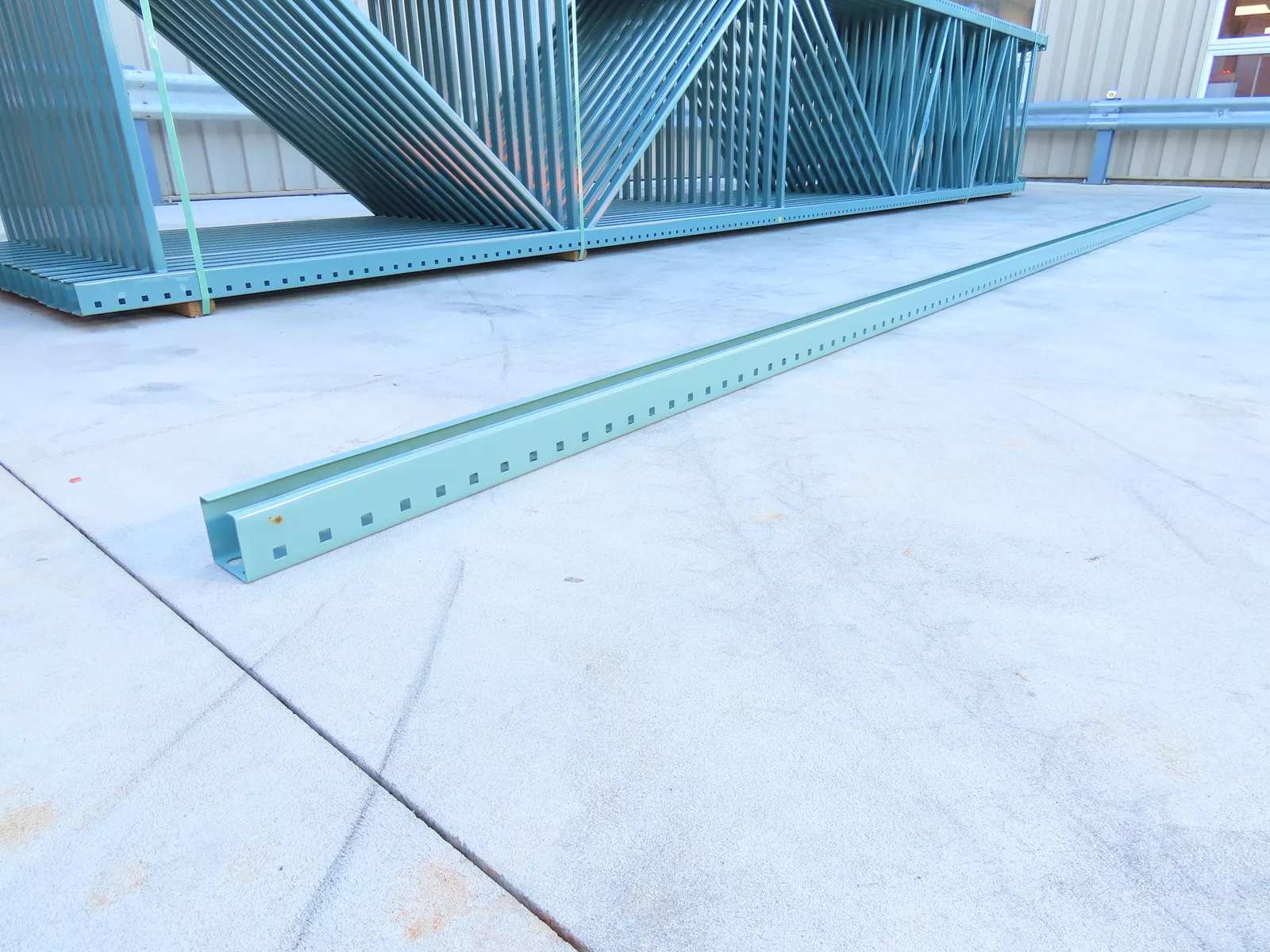
How Do OSHA Regulations Address Shelving Materials?
How Do OSHA Regulations Address Shelving Materials?
- OSHA regulations are crucial for ensuring safety around shelving materials in various workplaces.
- Guidelines dictate construction, utilization, and maintenance of shelving systems to prevent accidents.
- Improper shelving can lead to overloading and collapses, as highlighted by recent incidents in distribution centers.
- The General Duty Clause mandates a workplace free of recognized hazards, applicable to shelving systems.
- OSHA advises using non-combustible and durable materials capable of supporting specified weights and environmental conditions.
- Employers face penalties for violations; recent inspections revealed issues specifically related to shelving practices.
- Regular training and emphasis on safety regulations improve employee awareness and promote a culture of safety.
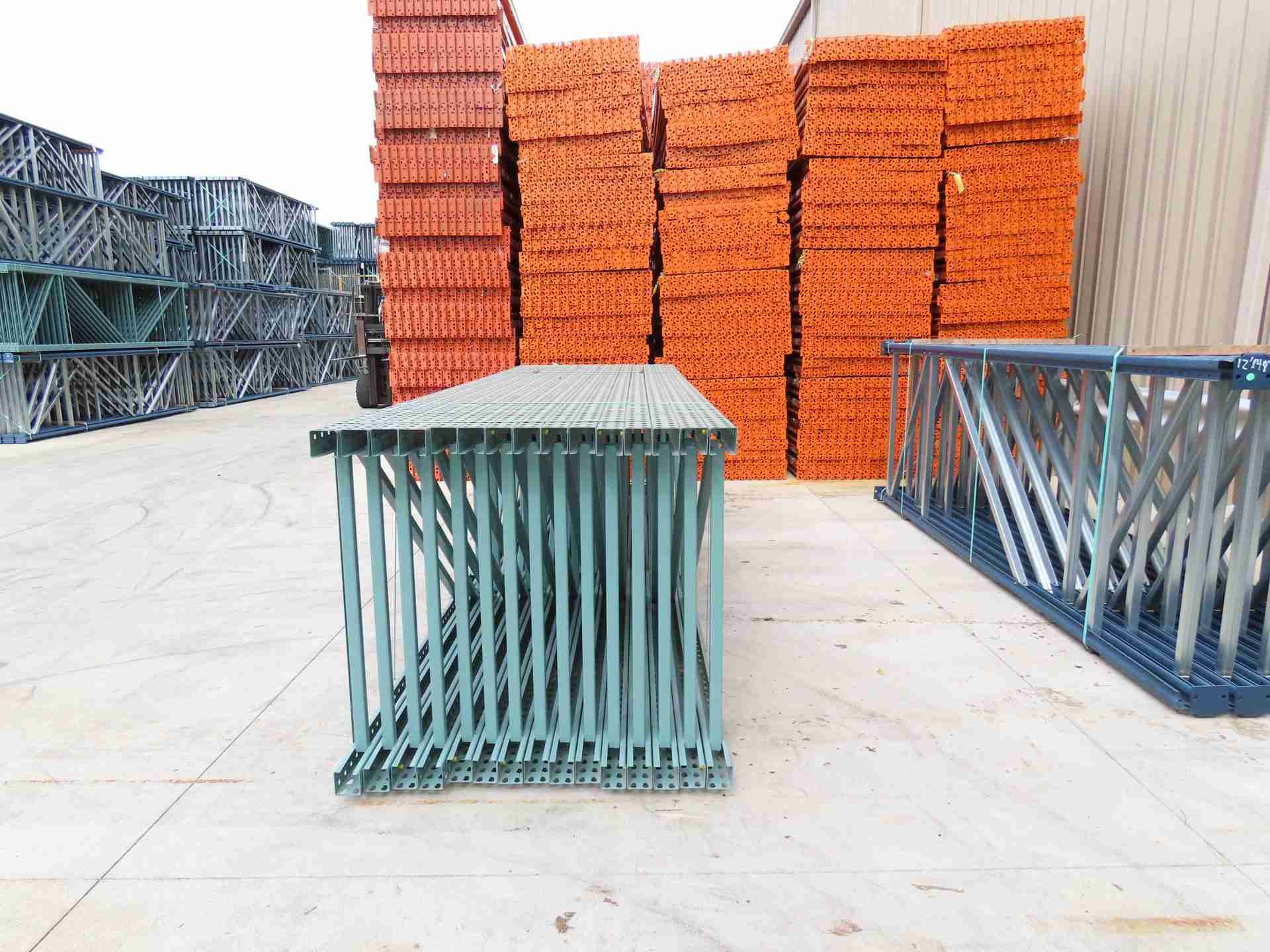
How Do OSHA Regulations Address Shelving Materials?
What Common Shelving Mistakes Lead To OSHA Violations?
When it comes to workplace safety, the layout and integrity of shelving systems can significantly influence your compliance with OSHA regulations. Unbeknownst to many, the seemingly innocuous act of shelving goods improperly can become a gateway to costly violations, operational downtime, and even lawsuits. Avoiding these pitfalls is essential to safeguarding both your staff and your bottom line.
1. Ignoring Load Limits
One of the most common (and dangerous) mistakes is disregarding load limits set forth by the shelving manufacturer. Each shelving unit is engineered to support a specific weight capacity for a reason. This isn’t just a suggestion; exceeding these limits can lead to structural failure, resulting in injuries that could have been easily avoided. For instance, a warehouse on the outskirts of Chicago recently faced hefty fines after a shelf collapsed due to excessive loading. Not only did they suffer financial repercussions, but they also experienced a significant dip in employee morale.
2. Poor Aisle Widths
Designing your storage layout without properly planned aisle widths can lead to a chaotic, potentially hazardous environment. OSHA recommends maintaining clear pathways for safe forklift operation and easy access to emergency exits. If your aisles are too congested with shelving or inventory, employees may find themselves navigating an obstacle course—an accident waiting to happen. A recent incident reported by OSHA in a New York facility highlighted how insufficient aisles led to a serious injury when workers struggled to maneuver around improperly stored items.
3. Inadequate Securing of Shelves
Using shelves that aren’t secured to walls or anchored properly creates an enormous risk, especially in industries prone to seismic activity or when handling heavy goods. The devastating earthquake in Turkey earlier this year reminded us of the essential need for proper anchoring of storage systems. Facilities that failed to comply with anchoring guidelines faced immediate citations. Secure shelving not only protects your inventory but also eliminates a significant hazard to your workforce.
4. Neglecting Regular Inspections
Finally, ignoring routine inspections and maintenance of your shelving units can lead to deteriorating conditions that go unnoticed until it’s too late. Schedule regular audits of your shelving systems to check for any signs of wear and tear. A proactive approach can prevent minor issues from escalating into severe accidents that lead to OSHA violations.
In today’s competitive landscape, ensuring a safe and compliant storage environment is not just a regulatory obligation but a business imperative. By avoiding these common shelving mistakes, you protect your employees and bolster your company’s reputation—setting the stage not just for safety, but for success. Take action now to fortify your shelving practices and stay ahead of the curve.
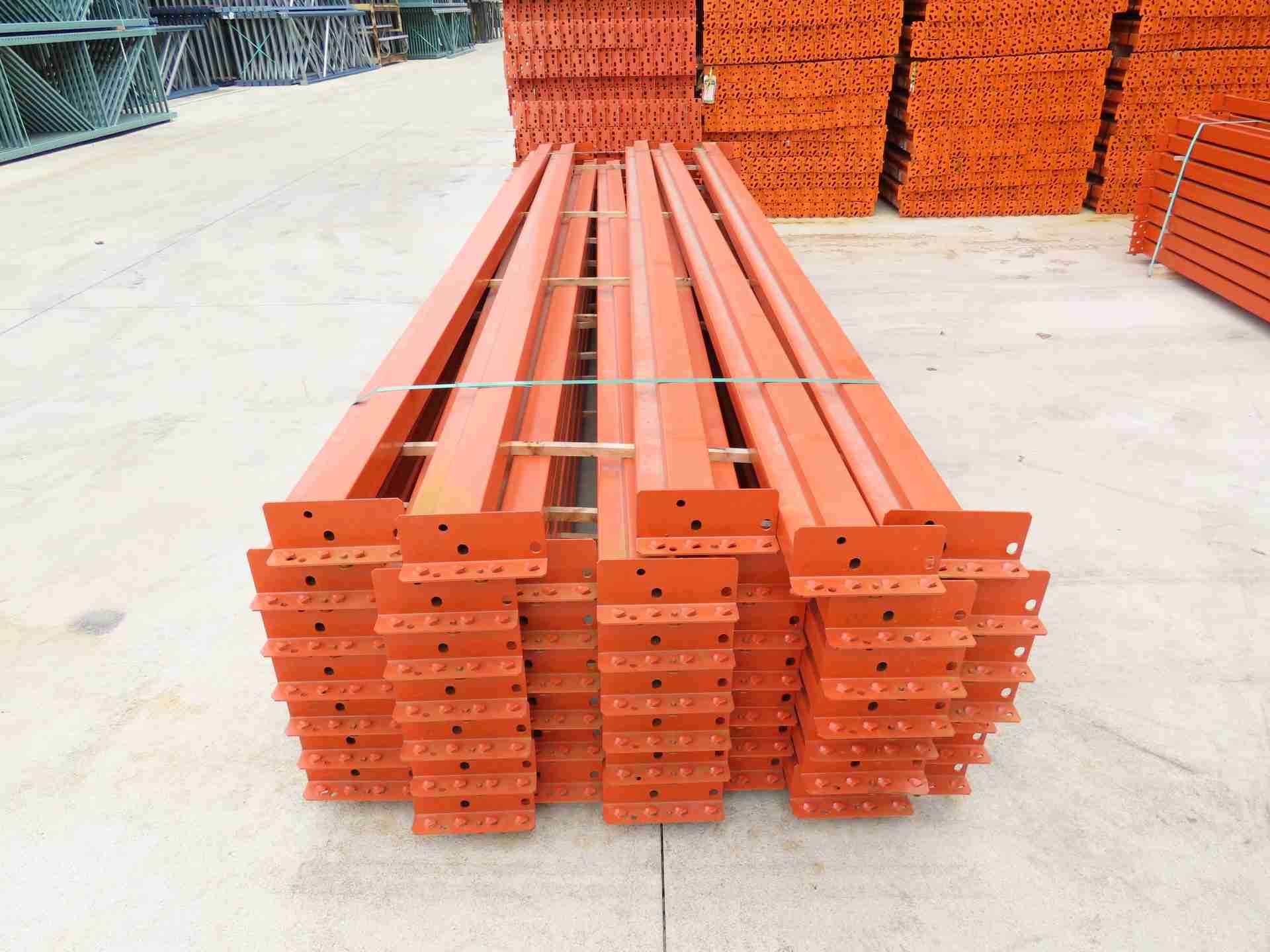
What Common Shelving Mistakes Lead To OSHA Violations?
What Common Shelving Mistakes Lead To OSHA Violations?
- Improper shelving can lead to costly OSHA violations, operational downtime, and lawsuits.
- Ignoring load limits set by shelving manufacturers can cause structural failure and injuries.
- Poorly planned aisle widths create hazardous navigation for employees, risking accidents.
- Inadequately secured shelves pose risks, particularly in seismic areas or with heavy loads.
- Neglecting routine inspections can lead to unnoticed deterioration of shelving units.
- Regular audits can prevent minor issues from escalating into serious accidents.
- Prioritizing safety in shelving practices protects employees and enhances company reputation.

What Common Shelving Mistakes Lead To OSHA Violations?
Conclusion
As we dive deeper into the realm of OSHA regulations and shelving practices, it’s clear that safety and compliance are not merely bureaucratic hurdles—they’re essential pillars that sustain the integrity of your business. While OSHA may not outline explicit regulations solely dedicated to shelving, the implications of neglecting proper shelving practices can be dire. From catastrophic accidents resulting from overloading and structural failures to hefty fines and reputational damage, the stakes are too high to ignore.
Every shelving unit in your workplace isn’t just a storage solution; it’s a reflection of your commitment to safety and operational efficiency. The absence of specific OSHA rules for shelving does not absolve employers from the responsibility of maintaining a safe working environment. Instead, it challenges you to adopt proactive measures, ensuring that every storage system is robust, well-anchored, and compliant with generalized safety protocols.
Imagine a workplace where employees navigate aisles with confidence, knowing that each shelving unit is optimally designed for its load. This environment not only reduces accidents but enhances productivity, igniting a culture of safety that resonates across all levels of your organization. Regular inspections, proper training, and adherence to manufacturer guidelines are not just tasks to be checked off; they represent an investment in your workforce’s well-being and your company’s future.
If you’ve been delaying on ensuring your shelving practices meet safety standards, now is the time to act. The potential consequences of inaction—a hazardous work environment, fines, or worse—are not risks worth taking. For expert guidance and tailored solutions to elevate your shelving systems, contact Arrow Industrial Sales today at (574) 349-6575. Our team is ready to assist you in getting your workspace up to compliance, ensuring that you not only meet but exceed OSHA’s general duty clauses.
Remember, safety isn’t merely about fulfilling regulations—it’s about cultivating a workplace where employees thrive and businesses prosper. Don’t wait for accidents to highlight issues that could have been resolved ahead of time. Make the strategic choice today to prioritize safety, safeguard your reputation, and secure the future of your business!
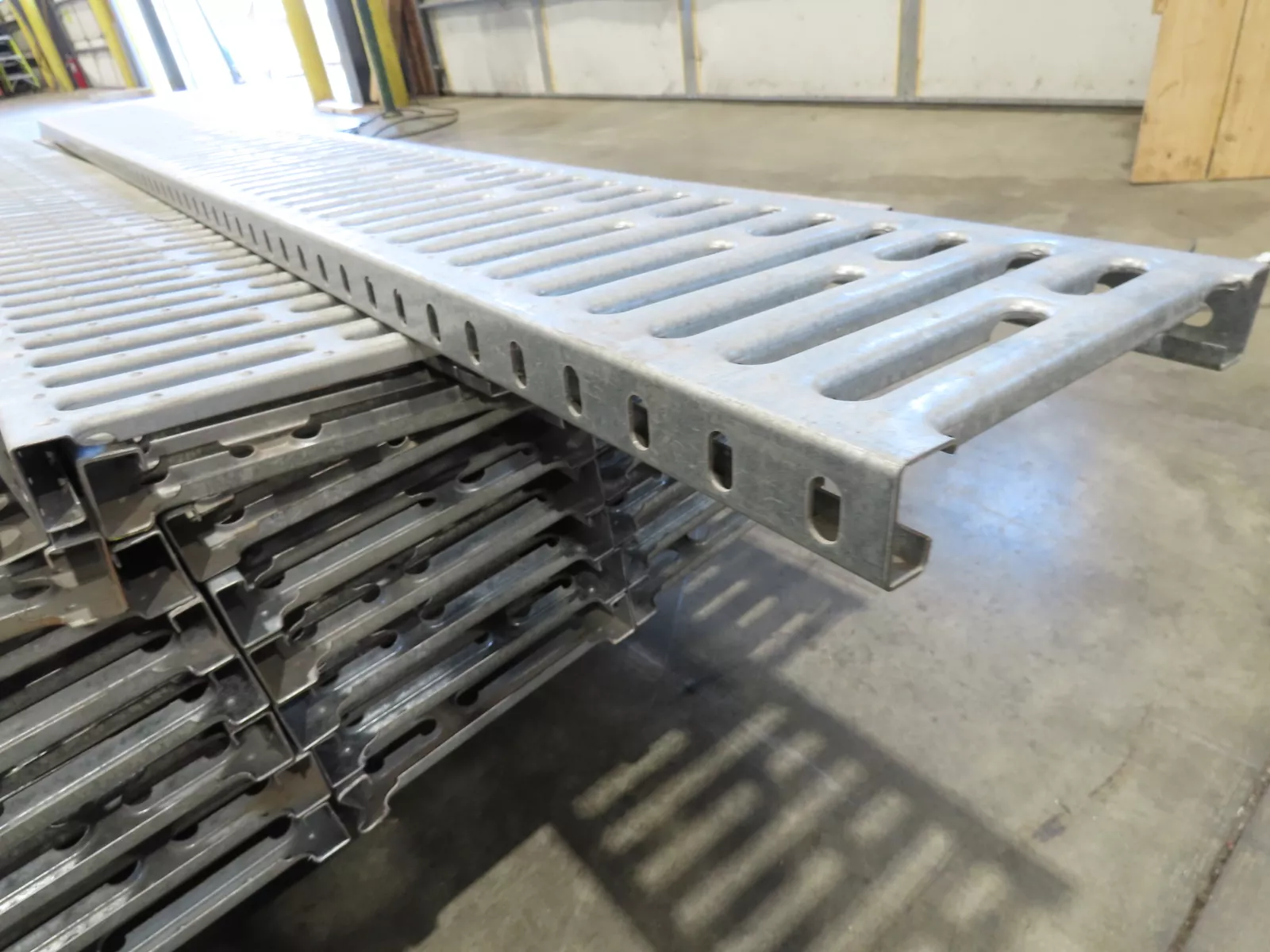
Conclusion
Conclusion:
- OSHA regulations emphasize the importance of safety and compliance as fundamental to business integrity.
- Neglecting proper shelving practices can lead to catastrophic accidents, fines, and reputational damage.
- Every shelving unit reflects a business’s commitment to safety and operational efficiency.
- Employers must maintain a safe working environment despite the lack of specific OSHA shelving rules.
- A well-designed shelving system reduces accidents and boosts productivity, fostering a culture of safety.
- Regular inspections, training, and adherence to guidelines are vital investments in workforce well-being and business future.
- Contact Arrow Industrial Sales for tailored solutions to enhance compliance and safety in your shelving systems.
Conclusion
Other Resources
Other Resources
Here is a list of other resources you can review online to learn more:
- “Warehousing – Overview | Occupational Safety and Health …”
- “Warehousing – Know the Law | Occupational Safety and …”
- “Working safely with pallet racking systems – WorkSafe”
- “Understanding OSHA Requirements for Warehouse Racking”
- “Warehouse Safety”
- “Storage racks”
- “Pallet Racking (Selective Storage Racks)”
- “Warehouse Racking Safety Guidelines: Satisfying OSHA”
Use This Prompt To Get More Resources With Your Favorite Online AI Tool: Please provide me with a list of online articles with their URLs in a bulleted list that I can read regarding whether OSHA Shelving Regulations Exist.

Other Resources
Glossary Terms
Does OSHA Shelving Regulations Exist? – Glossary Of Terms
1. OSHA (Occupational Safety and Health Administration): The U. S. government agency responsible for ensuring safe and healthy working conditions.
2. Shelving: Structures used to support materials, which can be either permanent or temporary installations.
3. Regulation: A rule or directive made and maintained by an authority, such as OSHA, to ensure safety standards.
4. Load Capacity: The maximum weight that a shelving unit can safely support without risking structural failure.
5. Design Standards: Guidelines set forth to ensure that shelving units are built to withstand specific loads and environmental conditions.
6. Installation Guidelines: Instructions provided for the proper placement and assembly of shelving systems to maintain safety.
7. Worker Safety: The practice of ensuring a safe workplace to protect employees from accidents and injuries.
8. Material Handling: The process of safely moving, protecting, and storing materials within a workspace.
9. Vertical Storage: Utilizing upwards space for storage by installing shelves or racks, maximizing floor space.
10. Pallet Racking: A specific type of shelving designed for storing palletized materials, commonly used in warehouses.
11. Inspection: The process of examining shelving and storage structures to ensure compliance with safety regulations.
12. Compliance: Adhering to laws, regulations, standards, and guidelines set by governing bodies, such as OSHA.
13. Safety Factor: A design criterion that provides a margin of safety, ensuring structures can handle unexpected loads.
14. Risk Assessment: The systematic evaluation of potential risks associated with using shelving and storage systems.
15. Moderate Shelves: Shelving units designed for medium loads, suitable for offices or light industrial environments.
16. Heavy-Duty Shelving: Industrial-grade shelving capable of supporting heavy loads, often seen in warehouses and factories.
17. Adjustable Shelving: Shelving that can be modified in height or configuration based on specific storage needs.
18. Structural Integrity: The ability of a storage system to withstand anticipated loads without collapsing or suffering damage.
19. Egress: An exit pathway required for safety, which should not be obstructed by shelving or storage units.
20. Debris Management: The practice of keeping storage areas clean and organized to prevent accidents and ensure safety.
21. Emergency Preparedness: Planning and training for unexpected events, including proper storage practices to avoid hazards.
22. Security Measures: Procedures put in place to ensure that shelving and storage areas are protected from theft or unauthorized access.
23. Safety Data Sheet (SDS): A document that provides safety information about materials stored on shelving, particularly hazardous materials.
24. Overloading: Placing too much weight on a shelving unit, which can lead to structural failure and accidents.
25. Forklift Access: Consideration of machinery used for loading and unloading material, which requires specific shelving planning.
26. Environmental Considerations: Factors regarding how shelving and storage interact with the surrounding environment, including exposure to elements.
27. Workplace Ergonomics: Designing and arranging tools and workspaces to promote efficiency and reduce injury risks, including shelving layouts.
28. Stability: The quality of a shelving unit to remain upright and secure under load conditions.
29. Employee Training: Education provided to workers on safe storage practices and proper usage of shelving units.
30. Hazard Communication: Ensuring that employees are informed about potential hazards associated with materials stored on shelves, in compliance with OSHA’s regulations.
Glossary Of Terms
Other Questions
Does OSHA Shelving Regulations Exist? – Other Questions
If you wish to explore and discover more, consider looking for answers to these questions:
- What are the potential risks associated with inadequate shelving?
- How can I create a safety culture regarding shelving in my workplace?
- What types of training should be implemented for shelving safety?
- How do I choose the right type of shelving for my industry?
- Are there specific materials OSHA recommends for shelving?
- What are the cost implications of non-compliance with OSHA regulations?
- What should I do if I discover my shelving does not meet OSHA standards?
- How often should my employees receive training on shelving safety?
- Are there technology tools available for managing shelving safety compliance?
- What are the common signs that a shelving unit needs inspection or replacement?
- How do recent changes in OSHA regulations affect my current shelving setup?
- What are the penalties for failing to comply with OSHA shelving regulations?
- Can third-party companies assist with shelving compliance audits?
- What documentation is required for OSHA compliance regarding shelving?
- How can I effectively manage inventory to ensure shelving safety?
Other Questions
Checklist
Does OSHA Shelving Regulations Exist? – A Checklist
1. Load Capacity Awareness
_____ Verify the maximum load capacity of each shelving unit.
_____ Regularly assess and document the load being placed on shelves.
_____ Ensure that load limits are visibly marked on shelving units.
2. Proper Installation and Anchoring
_____ Ensure that all shelving units are properly anchored to walls or floors.
_____ Check for compliance with local seismic safety codes, if applicable.
3. Regular Inspections
_____ Schedule routine inspections of shelving units (minimum once a year; more frequently for high-traffic areas).
_____ Look for signs of wear, damage, corrosion, or instability during inspections.
_____ Document inspection results and maintenance performed.
4. Training and Awareness
_____ Provide employee training on safe shelving practices, including weight limits and proper stocking techniques.
_____ Train employees on recognizing hazards related to shelving, such as overloaded or unstable units.
_____ Conduct regular refresher courses and drills.
5. Proper Stocking Techniques
_____ Ensure items are loaded evenly on shelves to prevent tipping.
_____ Place heavier items on lower shelves to maintain stability and reduce risks.
_____ Avoid placing items that extend beyond the shelf edges.
6. Emergency Protocols
_____ Establish and train employees on emergency response protocols related to shelving failures.
_____ Ensure proper first aid procedures are understood and implemented.
7. Documentation and Record Keeping
_____ Maintain records of inspections, training sessions, and any corrective actions taken.
_____ Keep an updated log of shelving inspections for compliance reviews.
8. Compliance and Reporting
_____ Stay informed about current OSHA regulations related to shelving and storage.
_____ Report any incidents related to shelving failures promptly and thoroughly.
9. Material Quality Assessment
_____ Verify that shelving materials comply with OSHA guidelines (e. g. , sturdy metals for industrial use).
_____ Evaluate whether materials used are suitable for the specific loads and environment (consider corrosion resistance).
10. Review Industry-Specific Guidelines
_____ Consult industry-specific standards that may impose additional shelving requirements (such as healthcare or food services).
_____ Adapt shelving practices based on insights from regulatory bodies and industry best practices.
By adhering to this checklist, you can enhance workplace safety, reduce the risk of OSHA violations, and promote a culture of safety within your organization.
Checklist
At RackingWorld, we help guide you through selecting warehouse storage systems and racking.
Be sure to read our other related stories at RackingWorld to learn more about warehouse storage systems.
0 Comments