
Maximizing Order Picking With Cantilever Racking
By Tom Seest
At RackingWorld, we help guide you through selecting warehouse storage systems and racking.
Be sure to read our other related stories at RackingWorld to learn more about warehouse storage systems.
How Can Cantilever Racking Improve Order Picking Efficiency?
In today’s fast-paced warehousing and distribution landscape, efficiency is not just a preference; it’s a necessity. Companies are constantly seeking ways to optimize their operations, and one solution that stands out is cantilever racking. This innovative storage system isn’t just about stowing away items; it’s about reimagining the entire order picking process to drive unparalleled efficiency.
Imagine a bustling warehouse where every second counts. Traditional shelving systems can be limiting, especially when dealing with bulky or irregularly-shaped items like furniture, pipes, or large cartons. Cantilever racking, with its adjustable arms and open design, allows for easy access to these items without the hassle of navigating around conventional shelving. Consider a furniture distribution center: instead of fumbling through rows of standard racking, order pickers can glide through aisles lined with cantilever racks, swiftly retrieving large items that were once cumbersome to handle. This not only expedites the picking process but also reduces the chance of damage—both to the products and the infrastructure itself.
Companies like Amazon are already capitalizing on modern storage solutions, utilizing dynamic systems to meet increasing consumer demands more efficiently. They understand that order accuracy and speed are paramount; any delay can lead to lost sales and diminished customer satisfaction. Implementing cantilever racking is a strategic move to streamline their processes, reducing retrieval times and making it easier to organize inventory.
Moreover, cantilever racking is incredibly adaptable. As businesses evolve, so too do their storage needs. Unlike static shelving, cantilever racking systems can be easily modified to accommodate different product dimensions or seasonal inventory changes. Picture a retailer preparing for a holiday rush: by adjusting the arms of their cantilever racks, they can create tailored spaces that make accessing seasonal inventory a breeze, thus amplifying their picking speed during critical times.
Right now, as many industries face supply chain challenges, the demand for faster and more efficient operations is at an all-time high. It is crucial for businesses to stay ahead of the curve. By investing in cantilever racking, companies not only enhance their storage capabilities but also position themselves to meet customer expectations with agility and precision.
In essence, when it comes to boosting order picking efficiency, cantilever racking stands as a beacon of innovation, merging form and function seamlessly. For businesses ready to elevate their operations, embracing this storage solution isn’t just a good decision; it’s a game changer.

How Can Cantilever Racking Improve Order Picking Efficiency?
How Can Cantilever Racking Improve Order Picking Efficiency?
- Efficiency in warehousing and distribution is essential for modern companies.
- Cantilever racking optimizes the order picking process, enhancing overall efficiency.
- Its adjustable arms and open design facilitate easy access to bulky or irregularly-shaped items.
- Companies like Amazon leverage cantilever racking to improve order accuracy and speed.
- Cantilever racking systems are adaptable, allowing modifications for varying product dimensions and seasonal changes.
- The demand for efficient operations is increasing, particularly due to current supply chain challenges.
- Investing in cantilever racking can significantly improve a business’s storage capabilities and responsiveness to customer needs.

How Can Cantilever Racking Improve Order Picking Efficiency?
Table Of Contents
- How Can Cantilever Racking Improve Order Picking Efficiency?
- How Does Cantilever Racking Affect Order Picking Speed?
- What Are The Benefits Of Using Cantilever Racking?
- How Can Cantilever Racking Optimize Warehouse Space?
- What Types Of Products Are Best Suited For Cantilever Racking?
- How Does Cantilever Racking Reduce Picking Errors?
- What Are The Critical Design Features Of Cantilever Racking?
- How Can Cantilever Racking Facilitate Faster Inventory Management?
- What Are The Safety Considerations For Cantilever Racking Systems?
- How Does Cantilever Racking Impact Labor Costs In Warehouses?
- What Industries Can Benefit Most From Cantilever Racking?
- How Can I Integrate Cantilever Racking Into My Existing Layout?
- What Are Common Challenges When Implementing Cantilever Racking?
- How Can Technology Enhance The Use Of Cantilever Racking?
- What Maintenance Is Required For Cantilever Racking Systems?
- How Can Cantilever Racking Improve Accessibility In Storage?
- Conclusion
- Other Resources
- Glossary Of Terms
- Other Questions
- Checklist
How Does Cantilever Racking Affect Order Picking Speed?
In the fast-paced world of logistics and warehousing, efficiency is paramount. Every moment spent retrieving items from the shelves is time—and money—lost. Enter cantilever racking systems, a revolutionary storage solution that can significantly enhance order picking speed.
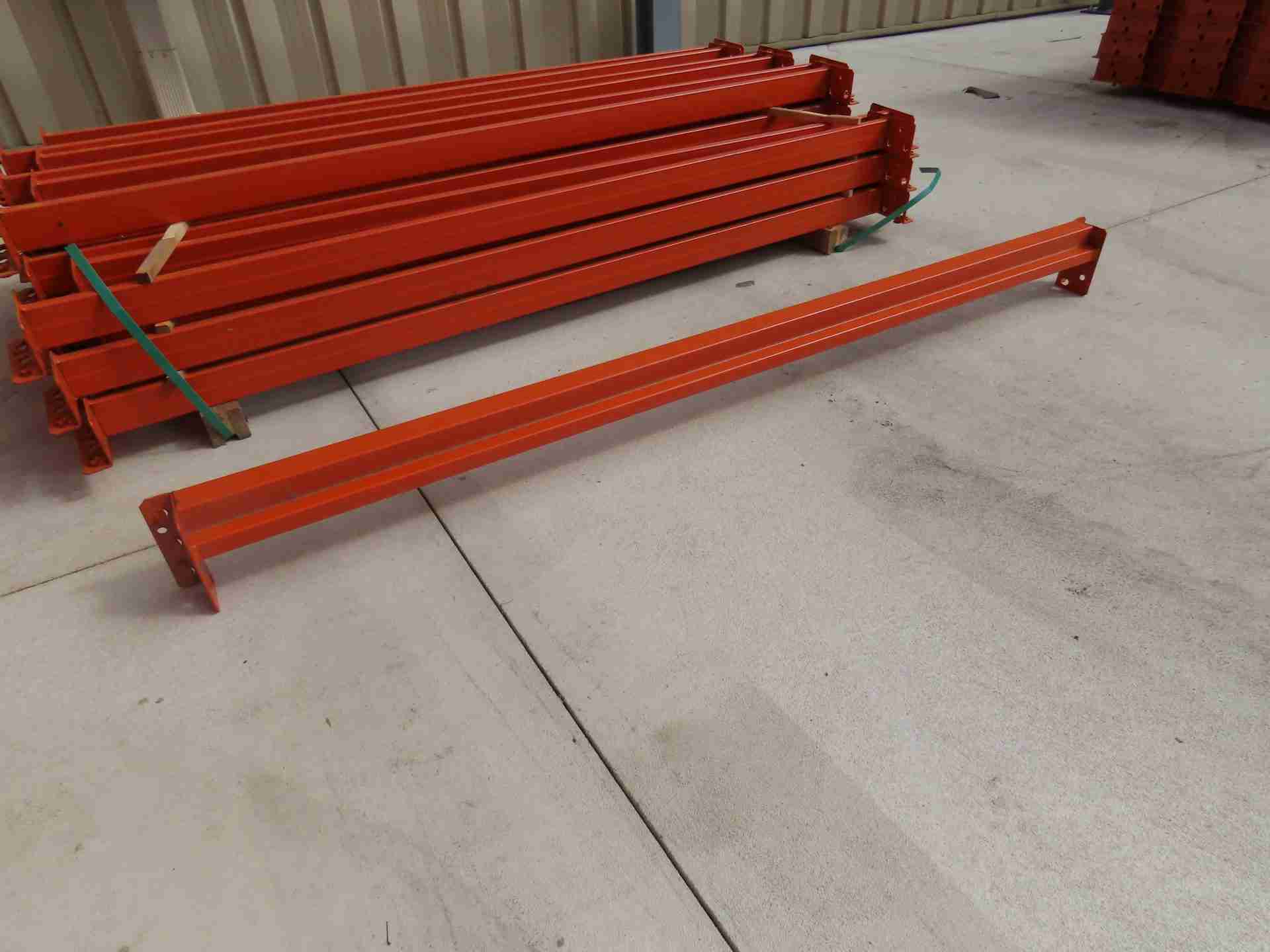
Cantilever racking is designed with a unique structure that allows for easy access to a variety of products, particularly long or bulky items like lumber, pipes, and furniture. Unlike traditional racking systems where products are confined within shelves, cantilever racks provide an open architecture. This design allows workers to maneuver quickly, effectively reducing the time spent searching for products.
Consider a busy home improvement store during peak season. Imagine an employee navigating through aisles lined with conventional racks cluttered with long boards and heavy materials. The inefficiency is palpable; customers wait, and sales dwindle. Now, envision that same scenario with cantilever racking. Workers can glide effortlessly alongside rows of smartly organized materials while eliminating the cumbersome process of shifting and retrieving items congested by fixed shelf barriers. This streamlined access directly translates into faster order picking, leading to happier customers and quicker delivery times.
An example from the manufacturing sector further illustrates this. A recent study by the Warehousing Education and Research Council highlighted that facilities that adopted cantilever racking reported a 25% increase in order picking speed. By promoting worker ease-of-access to stock, these companies not only elevated their operational efficiency but also improved employee morale. When employees can complete their tasks swiftly without unnecessary obstacles, they work with greater satisfaction and reduced fatigue.
In today’s economy, where same-day or next-day deliveries are becoming the standard, the implications of choosing the right storage solutions become abundantly clear. Just this month, major retail chains have announced record sales during their back-to-school promotions, largely attributed to enhancements in their logistics operations. Investing in cantilever racking systems is crucial for maintaining a competitive edge; it allows companies to capitalize on opportunities that faster order fulfillment presents.
Cantilever racking doesn’t just improve order picking speed; it enhances overall warehouse productivity. Businesses that adapt to this modern approach are rewarded with increased efficiency, satisfied customers, and profitability. In a world where time is money, investing in smart, space-saving strategies like cantilever racking pays off in spades. Don’t let inefficiencies hold you back—elevate your operations today!
How Does Cantilever Racking Affect Order Picking Speed?
How Does Cantilever Racking Affect Order Picking Speed?
- Efficiency is critical in logistics and warehousing, with time spent retrieving items translating to lost money.
- Cantilever racking systems provide an effective solution for enhancing order picking speed by allowing easy access to long or bulky items.
- This racking system features an open architecture, enabling quick maneuverability and reducing the time spent searching for products.
- A study from the Warehousing Education and Research Council found that adopting cantilever racking can lead to a 25% increase in order picking speed.
- Improved accessibility not only boosts operational efficiency but also enhances employee morale and reduces fatigue.
- As same-day delivery becomes a standard expectation, effective storage solutions like cantilever racking are vital for maintaining a competitive edge.
- Investing in cantilever racking leads to greater overall warehouse productivity, customer satisfaction, and profitability.

How Does Cantilever Racking Affect Order Picking Speed?
What Are The Benefits Of Using Cantilever Racking?
In today’s fast-paced business environment, efficiency and space optimization aren’t just goals; they are imperatives for success. Enter cantilever racking, the storage solution that can transform your warehouse, increase your bottom line, and give you a competitive edge.
Imagine a bustling construction site that lacks sufficient materials storage. The chaos of unorganized inventory can lead to delays, increased costs, and even loss of contracts. With cantilever racking, those 2x4s, pipes, and bulky materials are stored neatly and precisely. This racking system provides unobstructed access, allowing workers to quickly identify and retrieve what they need without wasting time sifting through disorganized piles. In an era where efficiency is king, this is a game changer.
Consider the current global supply chain challenges that industries are facing. Many companies are rethinking their warehouse setups to be more resilient. Cantilever racking offers flexibility that traditional shelving systems simply can’t match. Available in a variety of heights and arm lengths, this system is designed to accommodate large and awkwardly shaped items. For example, if you’re handling oversized furniture or rolled steel, cantilever racks don’t just hold them—they cradle them, providing optimal support while maximizing vertical space.
Moreover, cantilever racking improves safety in the workplace. With its open design, employees can easily see and access items without the threat of items falling from unlabeled shelves. In industries like manufacturing or shipping, where safety is paramount, the choice to adopt cantilever racks can significantly reduce injuries and accidents.
But the benefits extend beyond immediate operational improvements—consider the long-term financial advantages. Investing in cantilever racking means fewer wasted resources on unnecessary labor and increased capacity for inventory growth. It’s not just about managing today’s needs; it’s a proactive strategy for tomorrow. Companies that utilize cantilever racking often report a decrease in holding costs, as they can store more while occupying less floor space.
In a world where every dollar counts, turning your attention to space management can yield surprising dividends. Companies that ignored this pivotal aspect have often found themselves racing against the clock, trying to adjust mid-crisis. Don’t let your business be one of them. Embrace cantilever racking and watch your operational efficiency soar as your competitors scramble to catch up.
Invest in your future—where intelligent storage solutions lay the foundation for unprecedented growth and peace of mind. The world is changing; so should your warehouse.

What Are The Benefits Of Using Cantilever Racking?
What Are The Benefits Of Using Cantilever Racking?
- Efficiency and space optimization are crucial for success in today’s business environment.
- Cantilever racking offers a transformative storage solution that improves warehouse organization and access.
- This system allows for quick identification and retrieval of materials, enhancing operational efficiency.
- Cantilever racking provides flexibility for large and awkwardly shaped items, supporting various industry needs.
- The open design of cantilever racks improves workplace safety by reducing the risk of items falling.
- Investing in cantilever racking helps reduce holding costs and prepares businesses for future inventory growth.
- Adopting intelligent storage solutions like cantilever racking can result in significant operational and financial benefits.

What Are The Benefits Of Using Cantilever Racking?
How Can Cantilever Racking Optimize Warehouse Space?
In today’s fast-paced supply chain world, the importance of maximizing warehouse space has never been more apparent. With e-commerce booming and supply lines stretching to meet demand, companies are searching for innovative ways to streamline operations and reduce overhead costs. Enter cantilever racking, a game-changing solution for businesses looking to optimize their storage capabilities.
Cantilever racking systems are designed to handle long, bulky, or heavy items that traditional shelving systems simply can’t accommodate. Imagine a warehouse filled with pipes, lumber, or appliances — these items require a unique approach, and cantilever racking is ideal. With its open design, this racking system allows for easy access and efficient storage, which is crucial when managing high volumes of diverse inventory.
Consider a furniture retailer that recently transitioned from conventional shelving to cantilever racking. By reorganizing their warehouse with this versatile system, they were able to increase storage capacity by a remarkable 40%. This change not only made it easier to organize and retrieve bulky items but also reduced the time staff spent searching for products, ultimately enhancing customer satisfaction.
Furthermore, the flexibility of cantilever racking means that it can be easily adjusted to accommodate various product sizes. When a prominent electronics distributor faced the challenge of shifting inventory to meet changing consumer trends — such as the explosive demand for smart home devices — they were able to quickly reconfigure their cantilever racking system to store a greater variety of products. Their response times improved dramatically, allowing them to capitalize on market opportunities without incurring the costs of additional square footage.
Adopting cantilever racking also aligns well with the current emphasis on sustainability within warehousing and logistics. By maximizing vertical space and reducing the need for larger warehouses, businesses can cut down on their energy consumption and carbon footprint. This commitment resonates with today’s eco-conscious consumers, who increasingly prefer to support companies that prioritize environmental responsibility.
In an era where warehouse efficiency directly correlates with profitability, cantilever racking stands out as a smart investment. It not only optimizes storage but also enhances operational workflow, paving the way for businesses to thrive in a continuously evolving marketplace. Whether you are a seasoned warehouse manager or a new entrepreneur, adopting cantilever racking can make a tangible difference in your organizational success — enabling you to do more with less, all while preparing for the future of retail and distribution. Embrace the shift and watch your operational efficiency soar!

How Can Cantilever Racking Optimize Warehouse Space?
How Can Cantilever Racking Optimize Warehouse Space?
- Maximizing warehouse space is crucial in today’s fast-paced supply chain environment.
- Cantilever racking is an innovative solution for optimizing storage capabilities, ideal for long, bulky, or heavy items.
- This system allows for easy access and efficient storage, improving management of diverse inventory.
- A furniture retailer increased their storage capacity by 40% by switching to cantilever racking.
- Cantilever racking can be easily adjusted for various product sizes, allowing quick reconfiguration based on consumer trends.
- Adopting this racking system supports sustainability by maximizing vertical space and reducing energy consumption.
- Cantilever racking enhances operational workflow, making it a sound investment for businesses in a competitive marketplace.

How Can Cantilever Racking Optimize Warehouse Space?
What Types Of Products Are Best Suited For Cantilever Racking?
When optimizing your warehouse or distribution center, choosing the right storage solution is paramount to efficiency and productivity. Enter cantilever racking, a versatile storage system designed for items that require quick access and maximize available space. But not all products fit into this ingenious framework! Understanding what types of items function best within cantilever racking will transform your operational strategy and elevate your bottom line.
First and foremost, oversized and bulky items often reap the most significant benefits from cantilever racking. Think about lumber, pipes, and furniture—products that are notorious for their irregular shapes and substantial lengths. With adjustable arms on the racks, each product can be positioned in an accessible manner while eliminating wasted space typically associated with traditional shelving. For instance, a construction supply company storing various lengths of lumber can stack these materials efficiently, reducing retrieval time and improving workflow.
Similarly, heavy-duty and industrial materials find their home in cantilever racking systems. Steel beams, metal coils, and heavy machinery components thrive on cantilevered shelves where weight distribution is calculated and controlled, allowing for a safer and more organized environment. Consider a manufacturer that needs to store large machinery parts; by using cantilever racks, they can ensure that these items are not just stored, but showcased appropriately, leading to enhanced safety and optimized accessibility.
Fast-paced retail environments also benefit from this storage solution, especially for seasonal goods. Imagine a garden center stocking a diverse range of patio furniture and décor items. Cantilever racking allows for clear visibility and easy access, enabling staff to fulfill customer requests promptly during peak seasons, as seen in the recent uptick in home improvement projects post-pandemic. Inventory turnover becomes smooth and efficient, giving businesses a competitive edge.
Additionally, items that are of varying sizes but share a similarly awkward nature—like automotive parts or recreational equipment—are ideal for cantilever racking. With adjustable arms catering to different lengths and weights, businesses can optimize space while maintaining organization. Companies like auto parts suppliers have begun embracing this system, witnessing a notable decrease in time spent locating items and, as a result, an increase in customer satisfaction.
In summary, cantilever racking is a game-changing solution for businesses handling heavy, bulky, or irregularly shaped products. By effectively utilizing this storage solution, you not only save space but also enhance productivity, which is crucial in today’s fast-paced marketplace. Isn’t it time you reimagined how you manage your inventory? Your efficiency—and ultimately your profits—depend on it!

What Types Of Products Are Best Suited For Cantilever Racking?
What Types Of Products Are Best Suited For Cantilever Racking?
- Cantilever racking is ideal for optimizing warehouse and distribution center efficiency.
- Best suited for oversized and bulky items like lumber, pipes, and furniture.
- Adjustable arms on the racks facilitate accessible positioning and minimize wasted space.
- Heavy-duty industrial materials such as steel beams and machinery components benefit from cantilever racking due to improved weight distribution.
- Fast-paced retail environments can utilize cantilever racking for seasonal goods, ensuring quick access and clear visibility.
- Items of varying sizes, like automotive parts or recreational equipment, are well-suited for cantilever storage, enhancing organization.
- Cantilever racking improves productivity and efficiency, which is essential for staying competitive in the marketplace.

What Types Of Products Are Best Suited For Cantilever Racking?
How Does Cantilever Racking Reduce Picking Errors?
In the fast-paced world of warehousing and distribution, accuracy is king. Companies cannot afford to have their teams waste precious time searching through aisles, sifting through stock, or making costly mistakes during order fulfillment. Enter cantilever racking—a game-changer in material handling that not only promotes efficiency but significantly reduces picking errors.
Cantilever racking consists of horizontal arms extending from vertical columns, allowing for the easy storage and access of long or bulky items. Unlike traditional pallet racking, which can restrict visibility and complicate access, cantilever racks are open and easily navigable, minimizing the risk of mis-picking. Imagine a busy warehouse storing various lengths of lumber or steel piping; a worker can quickly identify which item they need and confidently pull it without obstruction. This streamlined visibility translates to fewer seconds spent looking for items and more time fulfilling orders accurately.
Take, for instance, the recent surge in demand for home improvement supplies following the COVID-19 pandemic. With more people investing in renovations and DIY projects, suppliers who have optimized their warehouse designs, employing cantilever racking, have outperformed competitors caught off guard. Their ability to quickly and accurately pick large quantities of wood or plumbing supplies has cemented their reputation for reliability, reinforcing customer loyalty and driving repeat business.
Furthermore, consider the warehouse implementation of technology alongside cantilever racking systems. Sophisticated inventory management systems combined with cantilever racking can provide real-time data on stock levels and item locations. These systems allow for barcoding or RFID tagging that, when paired with the distinct and accessible layout of cantilever racking, guarantees that employees are selecting the right items every time. A recent industry report highlights that facilities utilizing such integrated systems experience a reduction in picking errors by over 30%, a staggering figure when every error can lead to customer dissatisfaction or financial loss.
Finally, accessibility plays a critical role. Cantilever racks allow for one-sided access, ensuring that items can be retrieved quickly from one central path, further reducing the chances of confusion—a common cause of picking errors. By implementing cantilever racking, warehouses also benefit from the capability to handle fluctuating inventory levels seamlessly, keeping pace with current consumer demands.
Choosing cantilever racking is not just about maximizing space; it’s a strategic investment in accuracy and efficiency. As we move through an increasingly complex supply chain landscape, the warehouses that recognize the value of such innovations will undoubtedly shine brighter, ensuring their customers receive exactly what they expect—every time.

How Does Cantilever Racking Reduce Picking Errors?
How Does Cantilever Racking Reduce Picking Errors?
- In warehousing and distribution, accuracy is crucial to prevent costly mistakes and inefficiencies.
- Cantilever racking improves material handling by providing easy storage and access for long or bulky items.
- This system enhances visibility and minimizes mis-picking compared to traditional pallet racking.
- Companies using cantilever racking have successfully met increased demand during the pandemic for home improvement supplies.
- Integrating technology with cantilever racking allows for better inventory management and reduces picking errors by over 30%.
- Cantilever racks offer one-sided access, streamlining item retrieval and reducing confusion in warehouses.
- Implementing cantilever racking is a strategic investment that drives efficiency and enhances customer satisfaction.

How Does Cantilever Racking Reduce Picking Errors?
What Are The Critical Design Features Of Cantilever Racking?
In today’s fast-paced warehouse environment, the ability to maximize storage while ensuring efficiency is more critical than ever. Cantilever racking has emerged as a game-changing solution for businesses that need to store long, bulky items like pipes, lumber, or furniture. But what exactly makes cantilever racking an ideal choice for these specific needs? Let’s explore the critical design features that set it apart from traditional shelving systems.
First and foremost, the unique arm design of cantilever racking is a standout feature. Unlike conventional racks, cantilever systems use horizontal arms, allowing for easy access to stored items regardless of length. This means no more fiddling around with cumbersome shelves that restrict movement and slow down operations. Imagine a lumber yard where workers can effortlessly retrieve different lengths of wood without the hassle of excessive handling—this streamlined process drastically improves productivity.
Another significant advantage is the height and load adaptability of cantilever racks. These racks can be configured to accommodate various lengths and weights, providing an unmatched level of flexibility. For instance, during the recent supply chain disruptions, many businesses shifted focus to optimizing their storage capabilities to manage growing inventories. Cantilever racking allows companies to adjust their setups quickly, facilitating effective inventory management without major overhauls—an essential feature in an unpredictable market.
Moreover, safety is paramount in any warehousing context, and the robust construction of cantilever racking systems ensures stability and durability. Designed to withstand heavy loads, these racks minimize the risk of collapse, which is crucial for protecting both merchandise and employees. In light of recent workplace safety regulations that have gained traction in various industries, investing in a strong, well-engineered cantilever rack system is not merely a choice; it’s a necessity.
Let’s also consider the versatility of cantilever racking. Many systems come with customizable attachments for securing loads, which means you can easily adapt the racks for specific items, even adding protective features to ensure damage-free storage. Businesses across sectors, from distribution centers to manufacturing plants, have found this adaptability invaluable as they pivot in response to changing consumer demands.
The critical design features of cantilever racking—its arm configuration, height adaptability, robust safety measures, and versatility—make it a superior choice for businesses looking to enhance their storage solutions. As the landscape of warehousing continues to evolve, investing in cantilever racking will not just meet your storage needs; it will propel your operation into a more efficient and competitive future.

What Are The Critical Design Features Of Cantilever Racking?
What Are The Critical Design Features Of Cantilever Racking?
- Cantilever racking is essential for maximizing storage and efficiency in fast-paced warehouse environments.
- The unique arm design provides easy access to long, bulky items without obstructive shelves, boosting productivity.
- Cantilever racks are adaptable in height and load, allowing quick adjustments for various lengths and weights, especially during inventory fluctuations.
- Robust construction ensures stability and durability, minimizing collapse risks and enhancing workplace safety.
- Customizable attachments enhance versatility, enabling the racks to secure different loads and accommodate specific storage needs.
- Businesses across various sectors benefit from cantilever racking’s adaptability to changing consumer demands.
- Overall, cantilever racking offers critical design features that propel warehouse operations toward more efficient and competitive futures.

What Are The Critical Design Features Of Cantilever Racking?
How Can Cantilever Racking Facilitate Faster Inventory Management?
In the robust world of warehousing, fast-paced inventory management isn’t just a luxury; it’s a necessity. As e-commerce continues to boom and demand for rapid fulfillment rises, businesses must optimize their storage solutions. Enter cantilever racking, the unsung hero of modern warehousing. This innovative storage system promises not only to handle bulky items efficiently but also to dramatically streamline inventory management processes.
Imagine a warehouse where bulky materials like lumber, pipes, or furniture require organization. Traditional shelving can impede access and, more crucially, slow down operations. However, cantilever racking solves this knotty problem by providing clear, unobstructed access. This design allows for easy loading and unloading from both sides, resulting in shorter retrieval times. For instance, a company specializing in home construction supplies implemented cantilever racking and reported a stunning 30% reduction in order-picking times — an essential advantage in today’s fast-paced market.
Consider the case of a furniture retailer that recently switched to cantilever racking. With the ability to display its products outwardly, the store not only enhanced its aesthetic appeal but also facilitated easier navigation for staff and customers alike. Employees found it quicker to replenish stock, resulting in a noticeable uptick in sales. As trends evolve, the demand for quick service remains relentless; cantilever racking positions businesses to adapt and thrive.
But that’s not all. In the wake of recent supply chain disruptions—like those seen during the COVID-19 pandemic—companies are reevaluating their inventory strategies. Cantilever racking provides vendors with the flexibility to manage various types of inventory and scale operations according to changing demands. For example, a major distributor of construction materials leveraged cantilever racking to pivot from storing seasonal items to quickly transitioning to in-demand supplies, maintaining service levels despite fluctuations in market needs.
Moreover, integrating this system with automated inventory management software can further enhance efficiency. Real-time tracking of inventory levels means immediate visibility into stock status, enabling informed decision-making at lightning speed. Imagine having instant access to what’s in stock, where it’s located, and how fast you can get it into customers’ hands — that’s the competitive advantage cantilever racking offers.
Cantilever racking is not merely about storage; it’s about creating an agile system that propels business forward. By facilitating faster inventory management, it can transform logistical operations today to meet the ever-evolving demands of tomorrow.

How Can Cantilever Racking Facilitate Faster Inventory Management?
How Can Cantilever Racking Facilitate Faster Inventory Management?
- Fast-paced inventory management is essential in modern warehousing, especially with the rise of e-commerce.
- Cantilever racking efficiently handles bulky items and streamlines inventory management processes.
- This racking system offers clear access for loading and unloading, resulting in shorter retrieval times.
- Businesses like a home construction supply company reported a 30% reduction in order-picking times after implementing cantilever racking.
- The design enhances aesthetic appeal and navigation for retailers, improving stock replenishment and sales.
- Cantilever racking allows companies to flexibly adapt inventory strategies in response to supply chain disruptions.
- Integrating with automated inventory management software provides real-time tracking and enhances operational efficiency.

How Can Cantilever Racking Facilitate Faster Inventory Management?
What Are The Safety Considerations For Cantilever Racking Systems?
When it comes to optimizing storage space in warehouses and distribution centers, cantilever racking systems are a game-changer. However, like any powerful tool, they come with their own set of safety considerations that cannot be overlooked. Ensuring the safety of your employees and your investment is paramount—after all, one costly accident can undermine the best-laid plans for efficiency.
First and foremost, proper design and installation are critical. Your cantilever rack should be designed to accommodate the specific types of loads it will bear. For instance, if you’re dealing with long, bulky items like lumber or pipes, the rack must feature arms that are configured to support these loads adequately without risk of tipping. The recent surge in construction materials demand post-pandemic highlights this need; more businesses are turning to cantilever systems to manage spaces where longer items are involved. Choosing the right height, width, and load capacity not only maximizes space but also elevates safety standards.
Regular inspections are another essential safety consideration. Just as you wouldn’t drive a car without ensuring its brakes are in working order, you shouldn’t rely on your racking systems without routine checks. Arm and column damage can occur without you even realizing it. A recent report from warehouse safety oversight groups indicated that nearly 40% of all warehouse accidents are tied to improperly maintained racking systems. Implementing a proactive inspection schedule can identify issues before they become safety hazards.
Employee training and awareness are equally important. Workers need to be educated about the racks’ functionalities and limitations. For instance, instruct personnel not to overload the cantilever arms beyond their rated capacity, as doing so can lead to catastrophic failure. Alongside training, mark the weight limits clearly to avoid mishaps. The more aware your employees are, the safer the working environment will be.
Finally, it’s vital to have a contingency plan. In the event of a collapse or damage, are your employees trained to respond? Recent supply chain disruptions have illustrated the critical nature of preparedness. Equip your team with knowledge about emergency procedures and ensure they know how to report any safety hazards immediately.
While cantilever racking systems can drastically improve efficiency and space management, neglecting safety considerations can lead to severe consequences. By focusing on design, regular maintenance, employee training, and having a solid contingency plan, you ensure a safer, more productive environment for your entire operation. Remember, safety isn’t just a checkbox—it’s a culture that pays off in operational success.

What Are The Safety Considerations For Cantilever Racking Systems?
What Are The Safety Considerations For Cantilever Racking Systems?
- Cantilever racking systems optimize storage in warehouses but come with safety considerations.
- Proper design and installation are crucial for the specific types of loads being stored.
- Regular inspections are essential to prevent accidents related to improperly maintained systems.
- Training employees on rack functionalities and weight limits enhances safety awareness.
- Contingency plans are vital for responding to collapses or damages swiftly and effectively.
- Focus on safety through design, maintenance, training, and preparedness ensures a productive environment.
- Safety should be part of the workplace culture to enhance operational success.

What Are The Safety Considerations For Cantilever Racking Systems?
How Does Cantilever Racking Impact Labor Costs In Warehouses?
When it comes to maximizing efficiency in a warehouse environment, the layout and storage solutions you choose can dramatically influence your bottom line. One such storage system that has proven to be a game-changer is cantilever racking. If you haven’t already considered integrating this innovative solution, let’s explore how it can help you cut labor costs and elevate operational efficiency.
Cantilever racking, with its sturdy, adjustable arms, is specifically designed for storing bulky or awkward items, such as lumber, pipes, or furniture. This system offers the significant advantage of allowing for easy access to stored items without the hassle of moving other inventory. When your employees can access products without needless delays, time is saved, and flexibility is enhanced—two critical components that ultimately translate to reduced labor costs.
Consider for a moment a real-world scenario. A home improvement retailer recently transitioned to cantilever racking to address their continued challenges with heavy-duty inventory. By reorganizing their warehouse layout to incorporate this racking system, they reported a staggering decrease in the time employees spent retrieving merchandise—reducing retrieval times by over 40%. This enhanced productivity equates to fewer labor hours and ultimately significant savings, allowing for a reallocation of resources toward growth and expansion.
This transformation is not just anecdotal. The emergence of e-commerce giants has forced many businesses to reevaluate their warehouse operations. According to industry reports, businesses that leverage advanced storage solutions like cantilever racking are experiencing increased throughput—meaning they can ship products faster and meet consumer demand without increasing labor costs. In today’s competitive market, efficiency is paramount, especially as consumer expectations continue to rise.
Beyond just accessibility, cantilever racking systems contribute to safety and accuracy. Fewer accidents result from a well-organized storage solution. Training sessions become less time-intensive, reducing the resource allocation for onboarding new employees. These factors cumulatively give you a dual advantage: driving down labor costs while simultaneously boosting operational efficiency and morale.
In summary, cantilever racking isn’t merely a storage solution; it’s a strategic investment that can streamline your operations and translate to labor cost reductions. The smarter your warehouse runs, the more you can reinvest in growing your business. Don’t let outdated storage solutions hold you back; instead, consider a switch to cantilever racking, where every inch and every employee’s minute counts toward your success.

How Does Cantilever Racking Impact Labor Costs In Warehouses?
How Does Cantilever Racking Impact Labor Costs In Warehouses?
- Warehouse layout and storage solutions significantly impact efficiency and bottom line.
- Cantilever racking is ideal for storing bulky or awkward items, offering easy access without moving other inventory.
- Improved access to stored items enhances flexibility and saves time, reducing labor costs.
- A home improvement retailer saw a 40% decrease in retrieval times after switching to cantilever racking.
- Businesses using cantilever racking experience increased throughput, allowing faster shipping and meeting consumer demand.
- Cantilever racking improves workplace safety and reduces training time for new employees.
- Investing in cantilever racking can streamline operations and allow for resource reallocation toward business growth.
How Does Cantilever Racking Impact Labor Costs In Warehouses?
What Industries Can Benefit Most From Cantilever Racking?
In the fast-paced world of modern business, efficiency is king. As companies strive for operational excellence, the right storage solutions become vital not just for maximizing space, but also for enhancing productivity. Enter cantilever racking—an innovative system that offers a unique balance of strength, adaptability, and accessibility. But which industries stand to reap the most significant rewards from integrating this versatile storage solution?
Retail and Warehousing: The Perfect Match
Perhaps the most obvious beneficiaries are retailers and warehouse operators. With the recent surge in e-commerce accelerated by global shifts in shopping behavior, the need for storage that can adapt to varying product sizes—anything from oversized furniture to long pipes—is critical. Cantilever racking systems provide the flexibility to store goods of all shapes and sizes while offering direct access to items without the need for cumbersome shelving. This is particularly advantageous in seasonal retail scenarios where inventory can fluctuate drastically.
Manufacturing: Store It Right
Manufacturers, particularly those involved in construction or metalworking, can leverage cantilever racking for efficient storage of raw materials, such as lumber and steel. For instance, a construction supplier can dramatically reduce retrieval times by utilizing these racks to organize large and heavy items vertically, ensuring that employees can access materials quickly without the need for forklifts or other heavy machinery. The recent push for sustainability in manufacturing further emphasizes the need for organized, efficient workspaces that cantilever racking can foster.
Automotive and Aerospace: Heavy Lifting Made Easy
In industries reliant on heavy parts and components—like automotive and aerospace—cantilever racking is an invaluable tool. These sectors deal with long, cumbersome items which need to be stored securely yet accessibly. Practically, this means a manufacturer of automotive parts could implement cantilever racks to hold lengthy axles or chassis components, significantly decluttering production floors and speeding up assembly operations.
Furniture and Home Goods: A Stylish Solution
Finally, the furniture industry can benefit tremendously from cantilever racking. Retailers can display bulky sofas and tables elegantly, maximizing visual appeal while maintaining organization. The ability to store products horizontally eliminates the risk of scratches and damage, a must in an industry where presentation matters greatly.
No matter your industry, if your operations involve shared characteristics—varied item sizes, high turnover rates, or the need for rapid accessibility—cantilever racking could be your pathway to increased efficiency and competitiveness. It’s time to rethink your storage strategy and lead your industry by example. After all, in a world where every competitive edge counts, the right racking solution is more than just an asset; it’s a game-changer.

What Industries Can Benefit Most From Cantilever Racking?
What Industries Can Benefit Most From Cantilever Racking?
- Efficiency is crucial in modern business, making the right storage solutions vital for productivity.
- Cantilever racking offers a balance of strength, adaptability, and accessibility for businesses.
- Retailers and warehouse operators benefit from cantilever racking due to its flexibility for varied product sizes.
- Manufacturers, especially in construction or metalworking, use cantilever racking for efficient storage of raw materials.
- In automotive and aerospace industries, cantilever racking helps manage heavy components, decluttering production areas.
- The furniture industry can utilize cantilever racking to elegantly display bulky items, minimizing damage risks.
- Cantilever racking is ideal for businesses that face varied item sizes, high turnover, or require quick access to inventory.

What Industries Can Benefit Most From Cantilever Racking?
How Can I Integrate Cantilever Racking Into My Existing Layout?
Integrating cantilever racking into your existing layout can be a game-changing strategy for maximizing your storage capabilities and improving operational efficiency. Imagine transforming your warehouse or retail space into a well-organized powerhouse that better accommodates your inventory needs while freeing up floor space. Let’s explore how to seamlessly incorporate this powerful storage solution.
First, assess your current inventory system. Before diving into the installation process, take the time to analyze the types of materials you store. Cantilever racking excels at handling long, bulky, or awkwardly shaped items—think pipes, lumber, or even furniture. For instance, if your business has evolved to include more long products following the rise of DIY home improvement as popularized in recent social media trends, a cantilever system could provide an effective way to increase your storage density.
Next, measure your available floor space and vertical height. Cantilever racking systems can be customized to fit any area, from warehouse environments to retail setups. For example, if you have an area that’s 20 feet tall but only using conventional racking that maxes out at 10 feet, imagine the additional storage potential you can unlock by utilizing the full height of your facility. In recent months, companies across various industries have faced supply chain issues. By integrating cantilever racks to optimize storage, you can increase capacity and stock more inventory to buffer against these disruptions.
Layout is essential. Start by sketching your existing layout and envision where cantilever racks would fit best. Position the racks for easy access and efficiency, minimizing the need for excessive walking or lifting. One business recently transformed its operational flow by adding cantilever racking alongside its dispatch area, streamlining the process and reducing loading times. Think strategically about traffic flow—this will prevent bottlenecks and ensure a smooth operation.
Don’t forget the importance of safety. With additional weight and height considerations, ensure your team is trained on proper loading techniques and weight limits to avoid workplace accidents. Consider integrating safety features, such as aisle marking and protective barriers, to enhance safety.
Finally, evaluate your technology integration. Utilize software that can track inventory levels within your cantilever system—this will enable you to keep an accurate count of your stock, ensuring you never run short.
By taking these steps, you can effectively integrate cantilever racking into your existing layout and position your business for future growth. The benefits are clear: increased storage, improved organization, and enhanced operational efficiency. Don’t wait—take action today to elevate your storage capabilities!

How Can I Integrate Cantilever Racking Into My Existing Layout?
How Can I Integrate Cantilever Racking Into My Existing Layout?
- Integrating cantilever racking can maximize storage and improve operational efficiency.
- Assess your current inventory to determine if cantilever racking suits your materials, especially long or bulky items.
- Measure available floor space and vertical height to customize cantilever racking for your environment.
- Strategically design the layout for easy access, minimizing walking and lifting while enhancing operational flow.
- Ensure safety by training staff on loading techniques and considering safety features like aisle marking.
- Utilize inventory management software to track levels within the cantilever system for better stock accuracy.
- By following these steps, businesses can enhance storage capabilities and position themselves for growth.

How Can I Integrate Cantilever Racking Into My Existing Layout?
What Are Common Challenges When Implementing Cantilever Racking?
When it comes to optimizing warehouse space, few solutions rival the efficiency of cantilever racking. Designed to handle long, bulky items like lumber, pipes, or furniture, it maximizes vertical space and provides easy access. Yet, as with any system, implementing cantilever racking comes with its fair share of challenges. Understanding these hurdles is crucial to ensuring a successful installation and operation.
1. Design and Layout Planning
A significant challenge begins even before installation—the design and layout of the cantilever racking system. Each warehouse has unique dimensions and storage needs, and if the system is not tailored appropriately, it can lead to inefficiencies. For instance, recent trends indicate that e-commerce businesses are experiencing exponential growth in high-volume inventory. A poorly designed racking system could mean lost time and resources, especially during peak seasons like holiday shopping. Take the 2023 holiday rush: warehouses that failed to properly plan their racking experienced delays in order fulfillment, directly impacting customer satisfaction and sales.
2. Compliance and Safety Regulations
Another challenge lies in navigating the myriad of safety regulations governing warehouse operations. Compliance with OSHA standards is non-negotiable; failure to adhere can lead to penalties and, worse, unsafe working environments. For example, in mid-2023, a well-known retail giant faced scrutiny and fines due to unsafe racking practices. To avoid similar pitfalls, it’s essential to work with safety professionals when designing and implementing your cantilever racking systems. Prioritizing safety from the outset not only protects your employees but also shields your bottom line.
3. Installation Costs
While cantilever racking is an excellent investment, the initial installation costs can be daunting. Budget overruns often occur when unforeseen challenges arise during setup. It’s wise to work with experienced contractors who specialize in racking systems to mitigate these risks. Imagine investing in a state-of-the-art racking system only for installation hiccups to lead to unnecessary expenses. Stretching budgets can delay returns on investment, directly affecting your bottom line.
4. Employee Training
Lastly, even the best cantilever racking system fails without proper training for your staff. Employees need to understand how to load and unload items safely and efficiently. Just last month, a company reported significant losses due to improperly trained staff causing inventory damage. Investing time in comprehensive training pays dividends in safety, efficiency, and loss prevention.
In summary, while cantilever racking presents numerous advantages in warehouse management, navigating its implementation challenges requires foresight and planning. With the right strategy and resources, your cantilever racking system can transform your storage capabilities and propel your business toward greater efficiency and success.

What Are Common Challenges When Implementing Cantilever Racking?
What Are Common Challenges When Implementing Cantilever Racking?
- Cantilever racking is designed for long, bulky items, maximizing vertical space and providing easy access.
- Design and layout planning is crucial; improper planning can lead to inefficiencies, especially during peak seasons.
- Compliance with safety regulations, like OSHA standards, is essential to avoid penalties and ensure a safe working environment.
- Initial installation costs can be high; unforeseen challenges may lead to budget overruns and delays in ROI.
- Working with experienced contractors can help mitigate installation risks and control costs.
- Proper employee training is vital for safe and efficient use of the racking system, as poor training can lead to inventory damage.
- Despite challenges, effective implementation of cantilever racking can enhance storage capabilities and boost business efficiency.

What Are Common Challenges When Implementing Cantilever Racking?
How Can Technology Enhance The Use Of Cantilever Racking?
In today’s fast-paced world, efficiency is not just a benefit; it’s a necessity. As warehouses and storage facilities strive for optimal space utilization and operational effectiveness, cantilever racking systems stand out as a pivotal solution. However, what if you could take that efficiency to an entirely new level? Enter the realm of technology—your secret weapon in enhancing cantilever racking systems.
Imagine using software solutions that cater specifically to your inventory management needs. Advanced warehouse management systems (WMS) can streamline your operations by integrating seamlessly with cantilever racking. These systems utilize scanning technology, barcoding, and RFID to provide real-time tracking of materials stored on these racks. For instance, a recent case study from a leading home improvement retailer demonstrated how implementing RFID technology allowed them to reduce stocktaking time from hours to mere minutes, enhancing accuracy and ensuring that every item had a designated spot.
Mobile applications are also transforming how businesses interact with their cantilever racks. Employees equipped with handheld devices can instantly assess stock levels, identify product locations, and even manage orders directly from the floor. This isn’t just about convenience; it’s about enhancing your workforce’s productivity. A distribution center in California adopted this practice and reported a 25% increase in picking efficiency after integrating mobile tech with their cantilever racking system.
Moreover, the advent of 3D modeling and augmented reality (AR) is revolutionizing warehouse design and management. By simulating the layout of cantilever racks alongside other storage solutions, businesses can optimize space utilization before making costly changes. This cutting-edge technology allows for visualization of potential issues, ensuring that your storage needs are fully met without the risk of overcommitting to unproven configurations.
Notably, as the shift towards e-commerce intensifies, the demand for flexible and scalable storage solutions grows. Companies are reaping the benefits of technology-driven analytics to forecast inventory needs and adjust their cantilever racking systems dynamically. A recent report highlighted that companies deploying predictive analytics experienced a 15% reduction in overstock, proving that data is as essential as the racks themselves.
The intersection of cantilever racking and technology is not merely about keeping pace; it’s about setting the pace. By leveraging tools like WMS, mobile applications, and AR, businesses can transform their storage capabilities, saving time and money while enhancing overall efficiency. Embrace these innovations, and watch your operational performance soar.

How Can Technology Enhance The Use Of Cantilever Racking?
How Can Technology Enhance The Use Of Cantilever Racking?
- Efficiency is crucial for warehouses and storage facilities, with cantilever racking systems as a key solution.
- Advanced warehouse management systems (WMS) enhance cantilever racking through real-time inventory tracking using scanning and RFID technology.
- A case study showed RFID technology reduced stocktaking time from hours to minutes, ensuring accurate inventory placement.
- Mobile applications improve workforce productivity by enabling staff to assess stock levels and manage orders on the go.
- 3D modeling and augmented reality (AR) optimize warehouse design by simulating storage layouts before implementation.
- Companies utilizing technology-driven analytics can forecast inventory needs, leading to a 15% reduction in overstock.
- The integration of technology with cantilever racking systems enhances operational performance, saving time and money.

How Can Technology Enhance The Use Of Cantilever Racking?
What Maintenance Is Required For Cantilever Racking Systems?
Investing in a cantilever racking system can significantly enhance your warehouse’s efficiency. However, like any well-structured asset, it requires diligent and proactive maintenance to ensure its longevity and safety. Understanding the necessary maintenance practices not only protects your investment but also safeguards your workforce.
Routine Inspections: The Backbone of Maintenance
First and foremost, establish a regular inspection schedule. Industry experts recommend conducting thorough inspections at least once a quarter. During these inspections, look for signs of wear and tear, such as rust, bent arms, or structural damage. This is akin to preventive medicine—catching small issues before they escalate into costly repairs. Moreover, consider keeping an inspection log; not only does this foster accountability, but it also aids in identifying patterns over time, allowing for data-driven decision-making.
For instance, the recent uptick in e-commerce demand has pushed many warehouses into overdrive, increasing the strain on storage systems. In this heightened activity, overlooked maintenance can lead to catastrophic failures or halt operations entirely. Recognizing potential issues early will give you an edge in maintaining a smooth operation.
Weight Distribution Monitoring: The Key to Safety
It’s crucial to ensure that loads are evenly distributed across all arms of the cantilever system. Overloading can compromise structural integrity and safety. In the event of a collapse, the consequences are not only financial; they can also disrupt operations and endanger staff. Implement a guideline for maximum weight per arm and train your team to prioritize safety in all loading practices.
Consider introducing digital scales or weight monitoring systems. With advancements in technology, many modern warehouses are integrating IoT devices that automatically notify managers of weight distribution discrepancies, ensuring safety and optimal functionality.
Cleaning and Upkeep: The Simple Yet Effective Solutions
Neglecting cleanliness can lead to hazardous conditions. Dust and debris can accumulate in unexpected ways, affecting not just the racking system but all machinery and equipment in the vicinity. Make it a part of your routine to clean the racking systems. Utilize a simple yet effective approach: employ a team to perform monthly deep cleans, focusing on areas that often get ignored. This is especially vital in environments like food warehouses or manufacturing plants where cleanliness directly impacts regulatory compliance.
Invest in Training: Knowledge is Power
Lastly, invest in regular training sessions for your team on the importance of upkeeping the cantilever systems. Empowering your workforce with knowledge will lead not only to safer practices but also to a culture of responsibility that maximizes operational efficiency.
By integrating regular maintenance practices and focusing on safety, cleanliness, and staff training, you ensure that your cantilever racking system operates as efficiently as possible, keeping pace with today’s fast-evolving warehouse environments.
What Maintenance Is Required For Cantilever Racking Systems?
What Maintenance Is Required For Cantilever Racking Systems?
- Investing in a cantilever racking system enhances warehouse efficiency but requires proactive maintenance for longevity and safety.
- Establish a regular inspection schedule, ideally conducting inspections at least once a quarter to identify wear and tear.
- Maintaining an inspection log promotes accountability and aids in data-driven decision-making.
- Monitor weight distribution to ensure loads are evenly distributed, preventing structural compromise and prioritizing safety.
- Utilize digital scales or IoT devices for automatic notifications of weight distribution discrepancies.
- Implement monthly deep cleaning routines to avoid hazards from dust and debris, crucial for regulatory compliance in sensitive environments.
- Invest in regular training sessions for staff to promote safe practices and a culture of responsibility, enhancing operational efficiency.
What Maintenance Is Required For Cantilever Racking Systems?
How Can Cantilever Racking Improve Accessibility In Storage?
In today’s fast-paced market, businesses are constantly seeking ways to streamline operations and boost efficiency. One of the most impactful solutions for enhancing storage accessibility is the revolutionary cantilever racking system. This often-overlooked storage method not only optimizes space but also makes accessing goods a breeze.
Imagine the clutter of a conventional shelving system. Each time your staff needs to retrieve or store bulky items, they wrestle with cramped spaces or cumbersome forklifts, sinking precious time into a task that should be seamless. Enter cantilever racking. With its open design and adjustable arms, it accommodates items of varying lengths and weights, such as lumber, pipes, or furniture, without the hassle of traditional shelving. This flexible structure allows for direct access from multiple angles, significantly reducing the time workers spend searching for or maneuvering around products.
Consider a recent retail trend: the rise in online ordering and same-day delivery. As businesses scramble to meet burgeoning consumer demands, particularly in the wake of the pandemic, improving warehouse efficiency has never been more critical. A case in point is how many companies are pivoting their operations to meet these challenges. Retail giants like Amazon are investing heavily in advanced storage solutions, where cantilever racks play a central role. By enhancing accessibility to inventory, employees can quickly pick products, ensuring faster delivery times and satisfied customers.
Moreover, cantilever racking systems adapt not only to the kind of inventory but also to the unique needs of any business. Whether you walk into a lumber yard, a warehouse for large appliances, or a manufacturing facility, these systems provide the perfect fit. The customizable design means that businesses can modify the height and width to accommodate diverse products, ensuring that every inch of vertical space is utilized.
But let’s not overlook safety. The streamlined accessibility of cantilever racking minimizes the risk of workplace accidents. Workers can transport materials efficiently and safely, reducing injuries related to lifting awkward items or navigating tight spaces. As OSHA standards tighten and workplace safety remains a hot topic, implementing cantilever racking is a proactive step toward fostering a safer work environment.
In the age of convenience and efficiency, investing in cantilever racking isn’t just a choice—it’s a strategic move toward improving your bottom line while providing a work environment that thrives on accessibility. Don’t just store your products; elevate your operational capacity. Implement cantilever racking and watch your efficiency soar.

How Can Cantilever Racking Improve Accessibility In Storage?
How Can Cantilever Racking Improve Accessibility In Storage?
- Businesses are seeking ways to streamline operations and improve efficiency in a fast-paced market.
- The cantilever racking system optimizes storage space and enhances accessibility to goods.
- Traditional shelving can complicate the retrieval of bulky items, wasting valuable time.
- Cantilever racking features an open design with adjustable arms to accommodate diverse item sizes and weights.
- As online ordering rises, companies like Amazon are investing in advanced storage solutions, including cantilever racks, to improve warehouse efficiency.
- The customizable design of cantilever racking suits various businesses, enhancing space utilization for different products.
- Increased accessibility from cantilever racking reduces workplace accidents, supporting a safer work environment and compliance with OSHA standards.

How Can Cantilever Racking Improve Accessibility In Storage?
Conclusion
In today’s high-pressure industrial landscape, where time is money, the ability to maximize order-picking efficiency could literally be the difference between profit and loss. Enter cantilever racking—a practical yet innovative solution that revolutionizes the way businesses handle storage and inventory management. With its unique design tailored specifically for bulky and irregularly-shaped items, cantilever racking offers unparalleled access, streamlining operations like never before. Forget the chaotic fumbling often associated with traditional shelving; its open structure enhances visibility, allowing employees to retrieve items quickly and safely, thereby slashing picking times and minimizing errors.
Moreover, as businesses adapt to ever-evolving market demands, the adaptability of cantilever racking systems proves crucial. They offer scalable solutions that accommodate various inventory types and sizes, allowing organizations to pivot at a moment’s notice without incurring excessive costs. Imagine the operational agility this brings, especially in industries heavily reliant on fast-paced logistics—such as retail, manufacturing, and distribution—where efficiency equates to competitive advantage.
But it’s not merely about speed; enhancing safety is paramount. With its intuitive design, cantilever racking reduces workplace hazards by facilitating easier access and minimizing the risk of injuries linked to lifting and maneuvering bulky items. This focus on safety not only protects your workforce but also mitigates potential operational disruptions, ensuring uninterrupted workflow and peace of mind.
As global supply chain challenges mount and consumer expectations rise, the urgency to implement intelligent storage solutions has never been greater. The time to act is now! Businesses equipped with cantilever racking systems stand poised to outperform competitors caught unprepared. Don’t let inefficiencies drag down your operation—revolutionize it.
For those ready to take the next step toward optimizing their warehouse operations, Arrow Industrial Sales is here to help. Call us at (574) 349-6575 today for a consultation. Discover how our premium cantilever racking solutions can elevate your efficiency. Invest in your future—don’t let your competitors outpace you while you stand still. Embrace cantilever racking and transform your storage capabilities into a powerhouse of productivity! Your operational success awaits.

Conclusion
Conclusion:
- Cantilever racking is an innovative solution designed for bulky and irregularly-shaped items.
- It enhances order-picking efficiency, potentially impacting profit and loss.
- The open structure of cantilever racking improves visibility and speeds up item retrieval.
- Its adaptable design provides scalable solutions to accommodate various inventory types.
- Cantilever racking enhances workplace safety by reducing lifting-related hazards.
- Implementing cantilever racking helps businesses meet rising consumer expectations and global supply chain challenges.
- Contact Arrow Industrial Sales for premium cantilever racking solutions to optimize warehouse operations.

Conclusion
Other Resources

Other Resources
Here is a list of other resources you can review online to learn more:
- “Picking”
- “The Definitive Guide to Warehousing: Managing …”
- “Picking Shelving”
- “Warehouse & Distribution Science”
- “(PDF) The Future of Warehouse Work: Technological …”
- “Design and Control of Efficient Order Picking Processes”
- “Pallet racking | PDF”
- “Cantilever Racking for Warehouse Management”
- “How can I improve my warehouse picking?”
- “5 Biggest order fulfillment challenges that ecommerce …”
- “LOGISTICS AND WAREHOUSING MANAGEMENT”
- “Future of retail operations: Winning in a digital era”
- “(PDF) Design and Control of Warehouse Order Picking”
- “Internet of Things in Logistics”
- “Amazon | AR Racking Inc”

Other Resources
Glossary Terms
How Can Cantilever Racking Improve Order Picking Efficiency? – Glossary Of Terms
1. Cantilever RackingA type of storage system consisting of vertical columns with arms that extend outward, designed for storing long, bulky, or irregularly shaped items.
2. Order Picking: The process of retrieving items from storage to fulfill customer orders, often involving manual or automated systems.
3. Efficiency: The ability to achieve maximum output with minimum input, often measured in terms of time, cost, or resources in the context of order picking.
4. Inventory Management: The supervision of non-capitalized assets (inventory) and stock items, which ensures that the right products are in the right place at the right time.
5. Accessibility: The ease of reaching stored items, which can significantly impact the speed and efficiency of order picking.
6. Load Capacity: The maximum weight or volume that a specific section of racking can safely support, crucial for selecting the right cantilever system.
7. Space Utilization: How effectively the available storage space is used; cantilever racking can enhance vertical space use by allowing for taller storage.
8. Picking Accuracy: The degree to which the correct items are picked for orders; higher accuracy reduces returns and increases customer satisfaction.
9. SKU (Stock Keeping Unit): A unique identifier for each distinct product and service that can be purchased, important for tracking inventory.
10. Vertical Storage: Storage that maximizes the height of a space by using tall racks, promoting more efficient use of warehouse space.
11. Product Rotation: The practice of moving older items to the front and newer ones to the back, ensuring that products are sold before they expire.
12. Warehouse Layout: The design and arrangement of different areas within a warehouse, which can affect workflow and picking efficiency.
13. Cycle Counting: An inventory auditing process where a small subset of inventory items is counted on a specified day, helping maintain accuracy.
14. Picking Path: The route that a picker takes to retrieve items from storage; optimizing this path can significantly enhance picking speed.
15. Flow Rack: A type of racking system that uses gravity to move products, allowing for dynamic and efficient picking.
16. Batch Picking: The process of picking multiple orders at once, which improves efficiency by reducing the number of trips required to gather items.
17. Load Beam: A horizontal component of cantilever racking that supports the item being stored, facilitating stable storage.
18. Cross-Docking: A practice where incoming goods are directly shipped out to customers with minimal storage time, enhancing overall efficiency.
19. Pallet Racking: A storage system for organizing goods on pallets, which can complement cantilever racks for different item types.
20. Power Equipment: Tools and machines, such as forklifts or pallet jacks, used to move items within the warehouse, facilitating efficient order picking.
21. Safety Standards: Regulations and guidelines to ensure that racking systems are installed and maintained to minimize risks of injury or damage.
22. Labor Management: The process of ensuring that warehouse staff are efficiently utilized, including training and performance monitoring.
23. Receiving Area: The section of a warehouse designated for the intake of new inventory, where items are checked in before being stored.
24. Order Fulfillment: The complete process from receiving an order to delivering the product to the customer, including picking, packing, and shipping.
25. Picking Systems: Various automated or manual solutions that aid in the order picking process, such as voice picking or pick-to-light systems.
26. Return on Investment (ROI): A measure used to evaluate the efficiency of an investment, such as implementing cantilever racking to enhance order picking processes.
27. Flow Rate: The speed at which items move through the picking process, which can be improved by using cantilever racking.
28. Lead Time: The amount of time it takes from receiving an order to the order being shipped, which can be reduced with improved picking efficiency.
29. Ergonomics: The study of designing equipment and processes to fit the capabilities and limitations of the human body, enhancing worker productivity and safety.
30. Throughput: The amount of product or quantity of items that can be processed in a given period, reflecting the overall efficiency of the order picking process.

Glossary Of Terms
Other Questions
How Can Cantilever Racking Improve Order Picking Efficiency? – Other Questions
If you wish to explore and discover more, consider looking for answers to these questions:
- What is cantilever racking and how does it work?
- What are the initial costs associated with installing cantilever racking?
- How does cantilever racking compare to other racking systems?
- What is the typical lifespan of cantilever racking systems?
- Can cantilever racking systems be customized for specific needs?
- What safety features should be included in cantilever racking systems?
- How can companies ensure compliance with safety regulations when using cantilever racking?
- What maintenance practices are critical for cantilever racking systems?
- Are there specific industries that should avoid using cantilever racking?
- What role does technology play in enhancing cantilever racking efficiency?
- How do cantilever racking systems affect overall warehouse layout and design?
- What metrics should be tracked to measure the effectiveness of cantilever racking?
- Is it possible to integrate automated systems with cantilever racking?
- How can employee training improve the utilization of cantilever racking?
- What are the environmental impacts of implementing cantilever racking?

Other Questions
Checklist
How Can Cantilever Racking Improve Order Picking Efficiency? – A Checklist
1. Assess Storage Needs
_____ Identify bulky or irregularly shaped items in your inventory (e. g. , furniture, pipes, lumber).
_____ Evaluate if your current shelving system limits access to these items.
_____ Determine if your business experiences fluctuations in inventory or seasonal demand.
2. Calculate Space Optimization
_____ Measure your current warehouse layout, including ceiling height and available floor space.
_____ Estimate potential increased storage capacity with cantilever racking (aim for a 30-40% increase).
_____ Create a layout plan that allows for optimal traffic flow and minimal downtime.
3. Evaluate Accessibility and Speed
_____ Examine current order picking times and identify bottlenecks in your workflow.
_____ Analyze the impact of traditional shelving on order accuracy and picking speeds.
_____ Explore options for implementing cantilever racking to enhance accessibility.
4. Consider Safety and Compliance
_____ Ensure that your racking systems comply with safety regulations (OSHA guidelines).
_____ Plan for employee training on proper loading techniques and weight limits.
_____ Conduct regular inspections to maintain safety and operational efficacy.
5. Integration of Technology
_____ Investigate warehouse management systems (WMS) that can integrate with cantilever racking.
_____ Evaluate options for using RFID, barcode scanning, or mobile applications for real-time inventory tracking.
_____ Consider the use of augmented reality (AR) for simulating your racking layout before implementation.
6. Plan for Training and Implementation
_____ Develop a training program for employees on the benefits and operation of cantilever racking.
_____ Schedule a timeline for installation and integration into existing structures.
_____ Organize a contingency plan for addressing potential challenges during implementation.
7. Monitor and Maintain
_____ Set up a routine maintenance schedule (e. g. , quarterly inspections) for the racking systems.
_____ Establish a log for documenting maintenance checks and addressing issues promptly.
_____ Train employees to recognize wear and tear and report any concerns immediately.
8. Measure Improvements
_____ Track changes in order picking speed and accuracy after cantilever racking installation.
_____ Analyze labor cost reductions and improved employee morale.
_____ Gather feedback from staff regarding ease of use and operational efficiency.
Conclusion
Using this checklist will enable you to systematically assess how cantilever racking can transform your warehouse efficiency and order picking processes. By leveraging this innovative storage solution, you can not only enhance productivity but also provide a safer and more organized working environment for your employees.

Checklist
At RackingWorld, we help guide you through selecting warehouse storage systems and racking.
Be sure to read our other related stories at RackingWorld to learn more about warehouse storage systems.
0 Comments