
Maximizing Efficiency And Safety In Cantilever Rack Selection
By Tom Seest
At RackingWorld, we help guide you through selecting warehouse storage systems and racking.
Be sure to read our other related stories at RackingWorld to learn more about warehouse storage systems.
What Are Common Mistakes In Cantilever Rack Selection?
What Are Common Mistakes in Cantilever Rack Selection?
Selecting the right cantilever rack for your storage needs is no small feat. Many businesses overlook pivotal details, jeopardizing not only their inventory but also their bottom line. Let’s demystify some common pitfalls that could thwart your operation’s efficiency.
1. Ignoring Load Specifications
Often, businesses hastily choose a rack without thoroughly assessing the intended load. A classic example of this mistake is a construction supply company that opted for cost-effective but inadequate racks. They proceeded to load them with heavy timber, only to experience catastrophic rack failure that damaged not only goods but also put employees at risk. Always ensure that your rack can handle not only the weight but also the dimensional variances of the stored items.
2. Underestimating Environmental Factors
Consider the case of a beverage distribution center that underestimated their climate conditions. They chose a typical warehouse cantilever rack without factoring in humidity and temperature fluctuations. Eventually, the metal components corroded, leading to costly repairs and lost product. It’s crucial to consider the environment where your racks will be stored. If you’re operating in harsher conditions, investing in weather-resistant materials can save you significantly in maintenance costs.
3. Failing to Conduct a Space Assessment
Space is precious. Many companies skip the fundamental step of conducting a space assessment, opting instead for an off-the-shelf solution. A furniture retailer once miscalculated their available space, resulting in a cluttered storage area that limited accessibility and increased time spent on inventory management. Before committing, always measure your space and think about layout optimization to ensure that your rack will fit seamlessly into your operation.
4. Overlooking Safety Standards
Safety should never be secondary to cost. Recent events in warehousing, including the increasing scrutiny on OSHA violations, have highlighted that cutting corners on safety features can be detrimental. An electronics distributor faced serious penalties due to non-compliance with rack safety standards, forcing them to incur both fines and extensive reconfiguration costs. Prioritize racks with built-in safety features such as safety pins and base plates to keep your operation compliant and your employees safe.
5. Not Seeking Professional Guidance
Last but not least, many businesses fail to consult with professionals who specialize in storage solutions. Taking advice from someone without this expertise can lead to poor decisions. Hiring a consultant to evaluate your needs can provide insights that help you make informed decisions, saving you money and, more importantly, headaches down the road.
Avoid these common mistakes, and you’ll not only choose the right cantilever rack but also maximize your operational efficiency and profitability. Remember, when it comes to storage solutions, a penny saved isn’t always a penny earned—insightful selection is where true value lies.

What Are Common Mistakes In Cantilever Rack Selection?
What Are Common Mistakes In Cantilever Rack Selection?
- Ignoring Load Specifications: Businesses sometimes select racks without properly assessing the load, risking catastrophic failures.
- Underestimating Environmental Factors: Failing to consider climate conditions can lead to corrosion and costly repairs; weather-resistant materials may be necessary.
- Failing to Conduct a Space Assessment: Skipping space assessments can result in miscalculations that hinder accessibility and efficiency in storage.
- Overlooking Safety Standards: Cutting corners on safety can lead to compliance issues and hefty fines; prioritize racks with safety features.
- Not Seeking Professional Guidance: Consulting with storage solution experts can prevent poor decisions and save money in the long run.
- Maximizing Operational Efficiency: Avoiding common mistakes in rack selection enhances efficiency and profitability.
- True Value in Insightful Selection: Remember, selecting the right storage solution is more valuable than saving a little on initial costs.

What Are Common Mistakes In Cantilever Rack Selection?
Table Of Contents
- What Are Common Mistakes In Cantilever Rack Selection?
- What Factors Should I Consider When Choosing A Cantilever Rack?
- How Do I Determine The Load Capacity Needed For My Cantilever Rack?
- What Are The Most Common Mistakes In Cantilever Rack Design?
- How Can Improper Rack Selection Affect Warehouse Efficiency?
- What Materials Are Best Suited For Cantilever Racks?
- How Does Height Impact The Stability Of A Cantilever Rack?
- What Are The Safety Regulations For Cantilever Rack Installation?
- How Can I Avoid Overloading My Cantilever Racks?
- What Dimensions Should I Consider For Cantilever Rack Selection?
- What Is The Importance Of Proper Spacing In Cantilever Racks?
- How Do I Ensure Proper Access To Cantilever Racks?
- What Maintenance Is Required For Cantilever Racks?
- How Do I Know If My Cantilever Rack Is Aesthetically Pleasing?
- What Is The Role Of Rack Accessories In Cantilever Rack Systems?
- How Can I Customize My Cantilever Racks For Specific Applications?
- Conclusion
- Other Resources
- Glossary Of Terms
- Other Questions
- Checklist
What Factors Should I Consider When Choosing A Cantilever Rack?
When it comes to maximizing your warehouse or storage facilities, choosing the right cantilever rack is crucial. This choice goes beyond mere aesthetics—it impacts efficiency, safety, and ultimately, your bottom line. Here are critical factors to contemplate when selecting a cantilever rack.
1. Load Capacity: Firstly, you need to understand the weight each rack arm can support. Different materials and designs can hold different loads. For instance, if you’re storing long steel beams or sheet metal—both common in construction—you’ll want a robust rack with a higher weight capacity. A good rule of thumb is always to overestimate your needs; it’s cheaper and safer in the long run.
2. Arm Length and Rack Height: Consider the dimensions of the items you plan to store. A longer arm will accommodate larger items but necessitates a higher investment in space. Conversely, if your warehouse has low ceilings, selecting a high-rack model with shorter arms may maximize your vertical space. If you’re dealing with oversized lumber, for example, an extra-long cantilever arm can significantly improve accessibility.
3. Material and Durability: The construction material of the rack plays a significant role. Would you choose steel for its high durability and resistance to impact, or are you leaning toward a lighter aluminum option for ease of installation? Steel racks may carry a higher upfront cost, but their long-term performance often justifies the investment—especially in high-traffic environments where damage could occur frequently.
4. Configuration Flexibility: In this era of fast-moving market demands, flexibility is paramount. You might require adjustable arms to accommodate various product sizes or the option to reconfigure as your inventory fluctuates. This adaptability can save you substantial time and money, especially when inventory management needs change due to supply chain disruptions, as we’ve seen in recent events.
5. Local Regulations and Safety Standards: Compliance with local regulations isn’t just a bureaucratic hurdle; it’s essential for safety and operational efficiency. Make sure that the cantilever racks you consider meet or exceed local safety standards. Understanding these regulations in your area can also save you from costly fines or potential legal challenges down the line.
6. Manufacturer Reputation and Support: Finally, don’t overlook the importance of choosing a reputable manufacturer. Research customer reviews and seek out companies that offer strong warranties and customer service support. The last thing you want is to be left stranded with faulty equipment in the midst of a booming project.
Choosing a cantilever rack is an investment, and when done correctly, it can revolutionize your operation. Keep these factors in mind to ensure you not only make the right choice but also enhance your business’s overall functionality and profitability.

What Factors Should I Consider When Choosing A Cantilever Rack?
What Factors Should I Consider When Choosing A Cantilever Rack?
- Load Capacity: Understand the weight each rack arm can support; overestimate needs for safety and cost-efficiency.
- Arm Length and Rack Height: Choose dimensions based on stored items; longer arms require higher space investment.
- Material and Durability: Select between steel for durability or aluminum for ease; steel often justifies higher upfront costs in high-traffic areas.
- Configuration Flexibility: Opt for adjustable arms and reconfigurable designs to adapt to inventory changes and market demands.
- Local Regulations and Safety Standards: Ensure compliance with local safety standards to avoid fines and enhance operational efficiency.
- Manufacturer Reputation and Support: Research manufacturers, considering customer reviews and warranty/support offerings.
- Investment Impact: A well-chosen cantilever rack can revolutionize operations and enhance profitability.

What Factors Should I Consider When Choosing A Cantilever Rack?
How Do I Determine The Load Capacity Needed For My Cantilever Rack?
Determining the load capacity needed for your cantilever rack isn’t just a matter of picking a number; it’s about understanding your unique operational demands. Imagine walking into a warehouse where efficiency reigns and every inch of space is optimized—this is the dream we can help you achieve.
First, you need to take an inventory of what you intend to store. Different materials and products come with different weights and sizes. For instance, if you’re storing lumber, think about the weight of a full-length 2×4 compared to an industrial pipeline. A single piece of lumber can weigh around 2.5 pounds per foot, while a piece of steel pipe can weigh up to 20 pounds per foot. This crucial distinction leads us to your first step: calculate the total weight of your inventory.
Next, factor in the way you plan to load and unload the items. If you foresee frequent loading and unloading or using heavy forklifts, consider adding an extra buffer to your load capacity. A situation like this mirrors the recent supply chain challenges faced during the pandemic, where businesses had to adapt quickly to fluctuating inventory levels. Not providing adequate support means risking damages to your inventory or worse, injuries to employees.
Now, let’s think about configuration. Cantilever racks come in single-sided and double-sided designs, which can significantly affect overall load capacity. For example, a double-sided rack might be suitable for a lumber yard that needs easy access from both sides, while a single-sided model could suffice in warehouses with a wall backing for stability, yet requires careful consideration to avoid overload on one side.
Remember that it’s not just about current inventory but also about future growth. Your business is unique, and the demand for your products may increase. Therefore, planning for a load capacity that can accommodate potential expansion within the next few years is strategic.
Lastly, don’t forget about local regulations and industry standards. Manufacturers often provide guidelines on load ratings, but it’s your responsibility to ensure compliance with safety regulations. Contact a professional or a rack manufacturer to help you establish the best practices for your setup.
In summary, determining your cantilever rack’s load capacity takes careful consideration of inventory weight, loading practices, rack design, and future needs. Equip your workspace for success, and transform it into a powerhouse of efficiency and safety!

How Do I Determine The Load Capacity Needed For My Cantilever Rack?
How Do I Determine The Load Capacity Needed For My Cantilever Rack?
- Understanding load capacity for cantilever racks involves analyzing operational demands.
- Inventory assessment is crucial; different materials have varying weights and sizes, affecting total weight calculations.
- Consider frequent loading/unloading and heavy equipment usage when determining load capacity, adding an extra buffer as needed.
- Cantilever rack configurations (single-sided vs. double-sided) impact overall load capacity and accessibility.
- Plan for future growth by considering potential increases in product demand when determining load capacity.
- Ensure compliance with local regulations and industry standards, following guidelines from manufacturers.
- Determining load capacity requires careful consideration of multiple factors to achieve an efficient and safe workspace.

How Do I Determine The Load Capacity Needed For My Cantilever Rack?
What Are The Most Common Mistakes In Cantilever Rack Design?
When it comes to designing an efficient and effective cantilever rack system, many businesses falter by sidestepping the most crucial elements of effective design. It’s not just about creating a system that looks good on paper; it’s about ensuring it performs under pressure—figuratively and literally.
Ignoring Load Specifications
One of the biggest blunders in cantilever rack design is disregarding load specifications. Every rack has a weight capacity that is influenced by factors such as beam and column sizes. For example, many businesses will hastily choose a rack based solely on size without accounting for what it needs to hold. Picture a warehouse storing large barrels: without knowing the weight of those barrels, one could easily end up with a rack that buckles under pressure, causing not just product loss, but severe safety hazards. Just last month, an incident in an industrial warehouse made headlines when a poorly designed rack collapsed, injuring employees and halting operations.
Neglecting Future Growth
Another pitfall is failing to anticipate future growth. Businesses often view their current storage needs in a vacuum, which can lead to costly mistakes down the line. If you’re designing a cantilever rack system that only accommodates your current inventory, you’ll likely find yourself in a tough spot six months later when your business expands. Sustainable design should incorporate the flexibility to add additional shelves or extend the properties of the rack. Consider a company that specialized in seasonal products: during peak periods, stock levels could rise dramatically, requiring an immediate overhaul of the existing system if it was originally designed with no future scalability in mind.
Overlooking Compliance and Safety Standards
Compliance and safety should never sit on the backburner. In the rush to maximize space and efficiency, businesses might overlook local building codes and manufacture specifications necessary for safety compliance. Ignorance in this area can lead to more than just fines—improper racks can result in serious accidents. To illustrate, in 2022, an audit in a shipping facility revealed that improperly rated cantilever racks were in use, prompting a costly recall and redesign.
Underestimating Quality Control
Lastly, never underestimate the importance of quality control. Selecting racks from reputable manufacturers ensures that the materials and design have undergone proper testing and certification. Investing in quality means fewer headaches down the road—including injuries, replacements, and maintenance fees. Remember, cheap is often just a façade for failure.
The mistakes in cantilever rack design may seem innocuous in the planning phase, but neglecting them can significantly impact your operations. Take the time to design wisely and you’ll safeguard your investment and workforce. Avoid these pitfalls, and your approach to cantilever rack design will be more than just a series of beams and shelves—it’ll be a foundation for success.

What Are The Most Common Mistakes In Cantilever Rack Design?
What Are The Most Common Mistakes In Cantilever Rack Design?
- Efficient and effective cantilever rack design is crucial for performance under pressure.
- Ignoring load specifications can lead to dangerous rack failures, causing safety hazards and product loss.
- Failing to anticipate future growth can result in inadequate storage solutions as businesses expand.
- Overlooking compliance with local building codes and safety standards can lead to severe accidents and costly fines.
- Neglecting quality control can result in selecting substandard racks, leading to injuries and increased maintenance costs.
- The planning phase mistakes may seem minor but can significantly impact operations later on.
- Designing wisely and avoiding common pitfalls establishes a strong foundation for success in storage solutions.

What Are The Most Common Mistakes In Cantilever Rack Design?
How Can Improper Rack Selection Affect Warehouse Efficiency?
In the fast-paced world of logistics, the efficiency of your warehouse isn’t just a metric—it’s the lifeblood of your business. One element that can dramatically impact this efficiency is rack selection. Choosing the wrong type of racking can lead to a cascade of complications that stifle productivity and cost businesses dearly.
Imagine a warehouse tasked with managing a constant influx of goods. Suppose the management decides on a selective racking system for standard pallets but faces an overwhelming number of SKUs. They soon discover that, instead of easily accessing their inventory, workers spend invaluable minutes searching through layers of products. This inefficiency can quickly translate into increased labor costs and frustrated employees, not to mention longer lead times for customers—something that can significantly tarnish your brand’s reputation in today’s ultra-competitive market.
Let’s take the recent developments in e-commerce as another example. With online shopping on the rise—reportedly growing by nearly 15% in 2023 alone—warehouses are not only under pressure to keep up with inventory but also to fulfill orders with remarkable speed. Vendors that fail to select the appropriate racking systems may find themselves in a precarious position. Companies using outdated racking methods may experience bottlenecks—disrupting the flow of goods, delaying shipments, and ultimately leading to lost sales. Research shows that poorly organized spaces can reduce efficiency by as much as 30%, equating to substantial revenue losses.
Consider also the safety ramifications of improper rack selection. Overloading a racking system that isn’t designed for heavy stock can lead to catastrophic failures. This not only endangers workers but also incurs costs associated with accidents, damage to machinery, and liability claims. In early 2023, a major retailer faced an incident where a collapsed shelving unit resulted in extensive inventory loss and significant medical expenses, all stemming from improper rack selection.
Choosing the right racking system is crucial, and it extends beyond surface-level analysis. Factors like product types, inventory turnover, and even peak season demands must be considered. By investing time and resources into selecting the appropriate racking solution, warehouses stand to gain increased storage capacity, improved safety, and better employee morale—all of which are critical for maintaining a competitive edge.
In short, proper rack selection is not just an operational choice; it is a strategic business decision that will directly influence your bottom line. Don’t let a small oversight in your racking systems keep you from unlocking your warehouse’s full potential!

How Can Improper Rack Selection Affect Warehouse Efficiency?
How Can Improper Rack Selection Affect Warehouse Efficiency?
- The efficiency of warehouse operations is critical for business success.
- Choosing the wrong racking system can lead to productivity issues and increased costs.
- An overwhelming number of SKUs can complicate inventory access, raising labor costs and hurting brand reputation.
- E-commerce growth requires warehouses to fulfill orders quickly, making proper racking selection essential.
- Poorly organized spaces can reduce efficiency by up to 30%, resulting in significant revenue losses.
- Improper rack selection poses safety risks, leading to potential accidents and financial liabilities.
- Selecting the right racking system involves considering product types and demand patterns for optimal performance.

How Can Improper Rack Selection Affect Warehouse Efficiency?
What Materials Are Best Suited For Cantilever Racks?
In the world of warehousing and inventory management, selecting the right materials for cantilever racks can make a significant difference in performance, durability, and overall efficiency. The right choice not only enhances storage capabilities but also simplifies operations, effectively balancing strength and space.
Steel: The Backbone of Stability
When discussing materials for cantilever racks, steel reigns supreme. Its inherent strength and resilience make it the ideal choice for most businesses, accommodating a wide range of products—from lumber and piping to furniture and appliance components. Cold-rolled or hot-rolled steel is typically favored because of its ability to withstand heavy loads without warping or bending. With the construction industry booming, driven by increased housing demand, investing in heavy-duty steel cantilever racks ensures that your warehouse is equipped to handle higher volumes and heavier items.
Aluminum: The Lightweight Champion
If flexibility and portability are your primary concerns, look no further than aluminum. While it may not hold the same weight capacity as steel, aluminum racks are often much easier to install and relocate. This can be particularly advantageous for businesses that operate in dynamic environments, such as apparel warehouses or seasonal inventory setups. With the rise of e-commerce and rapid shifting in market demands, aluminum cantilever racks are fast becoming a favorite for retailers looking to optimize their space in real-time.
Composite Materials: The New Frontier
For environmentally conscious businesses, composite materials present a compelling option. Combining various materials, composites can offer robustness while significantly reducing weight. As sustainability continues to dominate conversations worldwide—hints of upcoming government policies favoring green practices—embracing composite cantilever racks can set your business apart from competitors stuck in outdated paradigms.
Customization: Tailoring to Your Needs
Whatever material you choose, customization is vital. Modular designs catered to specific products can enhance operational efficiency exponentially. Businesses such as beverage distributors often require different configurations for bulky bottles versus smaller plastic packaging. Investing in adjustable cantilever racks can save costs and time in the long run.
As we move into 2024, the demand for optimized warehouse solutions is on the rise. The materials you choose for your cantilever racks can position your business not just for the present but for a sustainable future. Remember, a well-thought-out investment in your storage solutions today can lead to higher profits and lower inefficiencies tomorrow. Make the right choice and watch your organizational capabilities soar!

What Materials Are Best Suited For Cantilever Racks?
What Materials Are Best Suited For Cantilever Racks?
- Selecting the right materials for cantilever racks enhances performance, durability, and efficiency in warehousing and inventory management.
- Steel is the preferred material due to its strength and ability to accommodate various products while withstanding heavy loads.
- Heavy-duty steel cantilever racks are essential for businesses in the booming construction industry, as they can handle higher volumes and heavier items.
- Aluminum racks offer flexibility and portability, ideal for businesses that operate in dynamic environments, despite having lower weight capacity than steel.
- Composite materials provide a robust, lightweight option for environmentally conscious businesses, aligning with sustainability trends and practices.
- Customization of cantilever racks is crucial for enhancing operational efficiency, allowing businesses to adjust configurations according to specific needs.
- Investing in the right materials for cantilever racks positions businesses for future success and helps maintain profitability while reducing inefficiencies.

What Materials Are Best Suited For Cantilever Racks?
How Does Height Impact The Stability Of A Cantilever Rack?
When it comes to optimizing your storage solutions, height isn’t just a number—it’s a critical factor that can make or break the stability of a cantilever rack system. In the fast-paced world of warehousing and inventory management, where maximizing space is essential, understanding the implications of rack height becomes paramount.
First, let’s dive into the essence of cantilever racks. These innovative storage structures are designed to accommodate long or bulky items such as lumber, pipes, and steel. However, as the height increases, so do the challenges associated with stability. Imagine this: you’re in a bustling distribution center where tall cantilever racks hold multiple levels of merchandise. If these racks aren’t engineered with the correct height-to-load ratio, you’re opening the door to potential disasters: from structural failure to safety hazards.
For instance, in a manufacturing facility that recently expanded its operations, a hasty decision to increase cantilever rack heights without adequate reinforcement led to a significant accident. The result? Injuries, costly downtime, and a tarnished reputation. It’s a stark reminder that height must always be balanced with the design’s structural integrity and loading capacity.
To further illustrate, let’s look at the 2023 developments in warehouse safety regulations. Industry leaders are now advocating for enhanced load monitoring systems to reduce the risks associated with towering cantilever racks. These systems not only ensure that the weight distributed across the height adheres to safety standards but also reinforce the necessity of training staff on safe loading practices as they work to maximize vertical space.
Moreover, the importance of base dimensions cannot be overlooked. A taller rack with a narrow base is akin to a skyscraper built on a shaky foundation. For retailers looking to harness every inch of vertical storage, investing in wider bases or bracing for taller cantilever systems can significantly bolster stability and prevent catastrophic tipping.
Height in a cantilever rack is not merely a dimension but a critical element that must be approached with meticulous planning and execution. As the market continues to evolve—encouraged by recent trends towards e-commerce resurgence and rapid supply chain innovations—making informed decisions regarding height and stability can not only ensure safety but also optimize productivity. Embrace these insights, and watch your storage efficiency soar while keeping your operations grounded!

How Does Height Impact The Stability Of A Cantilever Rack?
How Does Height Impact The Stability Of A Cantilever Rack?
- Height is a critical factor in the stability of cantilever rack systems.
- Cantilever racks are designed for storing long or bulky items like lumber, pipes, and steel.
- Increased height brings challenges related to stability and potential safety hazards.
- Recent incidents highlight the risks of increasing rack height without proper reinforcement.
- Enhanced load monitoring systems are now recommended to ensure safety in tall cantilever racks.
- The base dimensions of cantilever racks are vital; wider bases can improve stability.
- Meticulous planning of height in cantilever racks is essential for safety and productivity optimization.

How Does Height Impact The Stability Of A Cantilever Rack?
What Are The Safety Regulations For Cantilever Rack Installation?
When it comes to the world of warehouse storage solutions, cantilever racks stand out for their versatility and efficiency. However, to maximize their benefits and ensure safety, adherence to safety regulations during installation is paramount. Understanding these guidelines can safeguard your investment and maintain a productive environment.
Understanding Load Ratings
First and foremost, familiarize yourself with the load ratings established by the manufacturer. Each cantilever rack is engineered to support a specific weight, and exceeding this limit can lead to catastrophic failures. For example, if your business has recently expanded its inventory with heavier lumber or larger items, it’s vital to reassess your rack’s load capacity to ensure compliance with regulations set by organizations such as the Occupational Safety and Health Administration (OSHA).
Proper Installation Practices
Installation must adhere to the American National Standards Institute (ANSI) guidelines, which outline best practices for rack design and installation. Proper spacing between arms, ensuring they are level, and confirming that all bolts and brackets are securely fastened are all crucial steps. Misalignment may not seem significant, but just a slight deviation can lead to dangerous conditions. In a high-profile incident last year, a major retailer faced severe operational disruptions when improperly installed racks caused product shifts, leading to both safety hazards and significant financial loss.
Conducting Regular Inspections
Safe operation doesn’t end at installation. Regular inspections and maintenance checks are essential. Establish a routine where trained personnel evaluate the integrity of the racks, looking for signs of wear and tear, such as bent arms or corrosion. By doing so, you not only ensure compliance with safety protocols but also enhance employee confidence, knowing they work in a secure environment.
Employee Training Programs
Investing in employee training programs is another critical aspect of safety compliance. Educate your team on the proper use and best practices of cantilever racks. For instance, engaging staff in a workshop that includes practical demonstrations on loading techniques can drastically reduce the risk of accidents and injuries. When your team understands how to properly handle heavy materials, productivity increases, and so does morale.
Conclusion
In summary, adhering to safety regulations for cantilever rack installation is not just about compliance—it’s about creating a safe and efficient workplace. As businesses continue to navigate supply chain challenges and the effects of recent economic trends, putting safety first is a step towards long-term resilience and operational success. So, maintain your focus on these regulations, and watch your investments flourish.

What Are The Safety Regulations For Cantilever Rack Installation?
What Are The Safety Regulations For Cantilever Rack Installation?
- Cantilever racks offer versatility and efficiency in warehouse storage solutions.
- Understanding manufacturer load ratings is crucial to prevent exceeding weight limits.
- Installation must comply with ANSI guidelines for rack design and safety.
- Regular inspections and maintenance checks are essential for safe operation.
- Employee training programs can enhance safety and productivity when using cantilever racks.
- Adhering to safety regulations contributes to a secure and efficient workplace.
- Focusing on safety ensures long-term resilience and operational success for businesses.

What Are The Safety Regulations For Cantilever Rack Installation?
How Can I Avoid Overloading My Cantilever Racks?
When it comes to managing inventory effectively, cantilever racks are the unsung heroes of warehouse solutions. They provide an efficient way to store long and heavy items, but there’s a fine line between utilizing their capacity and risking structural integrity. Overloading these racks can lead to damaged goods, workplace accidents, and costly downtime. So, how do you avoid the perils of going overboard? Here are actionable strategies that anyone can implement right now.
1. Know Your Load Capacity
The first step in preventing overload is understanding the load capacity of your specific cantilever racks. Manufacturers often provide detailed specifications that outline weight limits. For example, if you have a rack rated for 2,500 pounds, it’s imperative to respect this limit. Ignoring this might tempt you to stack that extra steel beam, but the consequences could be dire. In October 2023, a major logistics company faced a hefty fine when a warehouse incident related to overloaded racks resulted in injuries. Be smart—always check the compliance stickers or manuals before loading.
2. Distribute Weight Evenly
Even if the total weight is within limits, unevenly distributed loads can still spell disaster. Picture this like a seesaw—if one side is loaded heavier, the potential for tipping or failure increases dramatically. Use the guidelines from your manufacturer as a rule of thumb and ensure the weight is spread evenly. A simple practice is to load the heaviest items on the lowest levels to promote uniform weight distribution. Consider integrating color-coded tags for different weight classes to simplify this process.
3. Regular Inspections and Maintenance
Preventive measures are often overlooked. Regularly inspecting your racks can save you a world of trouble. Check for signs of wear and tear, such as bent arms or cracks. Make it a habit to perform these assessments quarterly, or even monthly if you have a high-turnover inventory. A recent industry event highlighted how a commitment to rigorous upkeep prevented a near disaster for a national distributor, bringing home the point that investing time in maintenance can avert costly mishaps.
4. Educate Your Team
Lastly, your workforce should be equally invested in best practices for using cantilever racks. Implement comprehensive training programs to educate staff about weight limits, proper loading techniques, and the importance of following established guidelines. Picture training sessions featuring real-life scenarios and hands-on practice—this approach not only makes learning engaging but also ingrains a culture of safety in your operations.
Avoiding the overload of cantilever racks boils down to a mix of education, diligent monitoring, and respecting load limits. By following these strategies, not only will you protect your investment, but you’ll also create a safer workspace that promotes efficiency and productivity.

How Can I Avoid Overloading My Cantilever Racks?
How Can I Avoid Overloading My Cantilever Racks?
- Cantilever racks are efficient solutions for storing long and heavy items in warehouses.
- Understanding the load capacity of your racks is crucial to prevent overload and related issues.
- Distributing weight evenly is essential; uneven loads can increase the risk of tipping or failure.
- Conduct regular inspections for signs of wear and tear to maintain structural integrity.
- Invest in educating your team about proper loading techniques and safety guidelines.
- Implementing these practices can protect your investment and enhance workplace safety.
- By prioritizing education, monitoring, and load limits, you can improve efficiency and productivity.

How Can I Avoid Overloading My Cantilever Racks?
What Dimensions Should I Consider For Cantilever Rack Selection?
When it comes to selecting the right cantilever rack, the dimensions you consider can make or break your storage efficiency, ultimately impacting your bottom line. So, let’s dive into the crucial dimensions you should focus on to optimize your storage solutions.
Height: The Vertical Advantage
First and foremost, evaluate the height of your storage facility. Tall racks can lead to impressive storage capabilities, but they can also present safety challenges. Consider your product types—if you’re storing long pipes or lumber that requires easy access, a rack height that accommodates these items without requiring excessive lifting or awkward maneuvering is essential. For example, if your warehouse has a ceiling height of 20 feet, a cantilever rack system that offers adjustable heights of around 16 feet can maximize your vertical storage while still ensuring that workers can easily load and unload materials.
Length: The Space Utilization Game
Next, the length of the rack arms plays a crucial role. Longer arms offer more storage space for oversized products, such as furniture or construction materials. However, if you’re working with smaller items, a shorter arm might be more effective—think of bike parts or smaller tools. It’s all about balance. If a retail workspace showcases a range of smaller, diverse items, a cantilever rack with adjustable arms can simplify inventory management. Remember, effective space utilization is not merely about stacking items but organizing them to enhance accessibility.
Depth: Stability Meets Accessibility
Depth is another dimension to factor in. A deeper rack can hold more products, but it can also make retrieval cumbersome. If you regularly need access to a wide variety of items, choose a more shallow rack that allows quicker access to all your stock. In accordance with current supply chain disruptions and inventory challenges many businesses face today, a depth strategy could enhance your ability to pivot quickly with changing demands.
Weight Capacity: The Foundation of Safety
Last but not least, consider the weight capacity of your cantilever rack system. Each arm is rated for specific weights, ensuring safe storage of heavy items. For instance, if you’re storing steel or metal coils, you’ll need robust racks engineered to handle that weight safely. Always err on the side of caution—overloading racks can lead to catastrophic failures.
Understanding and strategically implementing these dimensions in your cantilever rack selection process can streamline operations, enhance safety, and maximize storage efficiency. It’s not just about what you store but how you store it! Invest in the right solutions, and watch your operational costs plummet while productivity soars!

What Dimensions Should I Consider For Cantilever Rack Selection?
What Dimensions Should I Consider For Cantilever Rack Selection?
- Height: Evaluate your storage facility’s height; tall racks enhance storage but may pose safety challenges. Choose heights that accommodate specific product types for easier access.
- Length: The length of rack arms is crucial; longer arms are suitable for oversized products, while shorter arms work better for smaller items. Adjustable arms can simplify inventory management.
- Depth: Consider depth for stability and accessibility. Deeper racks can store more but may complicate retrieval; shallower racks allow quicker access to a variety of items.
- Weight Capacity: Ensure racks have adequate weight capacity for heavy items; each arm is rated for specific loads to maintain safety during storage.
- Storage Efficiency: Selecting appropriate dimensions optimizes storage solutions, impacting overall operational efficiency and costs.
- Safety Considerations: Always prioritize safety by avoiding overloading racks, which could lead to failures.
- Investment in Solutions: Investing in the right cantilever rack systems can reduce operational costs and enhance productivity.

What Dimensions Should I Consider For Cantilever Rack Selection?
What Is The Importance Of Proper Spacing In Cantilever Racks?
In the bustling world of warehousing and inventory management, efficiency is the name of the game. Yet, one often overlooked factor can make or break that efficiency: proper spacing in cantilever racks. You might think that stacking items high and tight will maximize your space, but without the right spacing, you’re inviting trouble that can dangerously impact your bottom line.
Imagine a construction supply company that stacked long steel beams willy-nilly in a cantilever rack, desperate to save space. A few weeks later, they faced a catastrophic collapse due to inadequate spacing, not only damaging inventory but also risking employee safety. Suddenly, a cost-saving tactic became an expensive liability. Proper spacing ensures that products are stored efficiently while enabling risk management—an essential for any savvy business owner.
But why does spacing matter? First, it optimizes accessibility. Products stored too closely together can lead to inefficiencies in retrieval. Warehouse workers waste precious minutes searching for items or struggling to remove one piece without disturbing others. Let’s face it: time is money. For example, a mid-sized furniture retailer recently revamped their cantilever rack system to include adequate spacing, resulting in a 30% increase in picking speed. This efficiency translated into faster customer service and boosted sales, proving that space is more than just about storage—it’s about service.
Furthermore, proper spacing can significantly improve safety standards. Overcrowding leads to hazards, including the risk of toppled items injuring workers. With current regulations tightening around workplace safety, investing in proper spacing isn’t just wise; it may very well be mandatory to avoid hefty fines and legal issues.
And then comes maintenance. When products are stored too closely, it becomes challenging to assess inventory levels, perform a regular count, and maintain stock quality. Think about your fresh produce business. If you stack crates of fruit without proper airflow, what’s the result? Spoilage, waste, and loss of profits. A thoughtful approach to spacing can prevent these issues.
In an age when inventory management technology is evolving rapidly, let’s not forget the basics. Current economic uncertainties remind us that every penny counts; investing in proper cantilever rack spacing is a strategy for climbing above the chaos. Remember, immediate savings today can yield unwanted costs tomorrow. With the right spacing in place, you’ll not only optimize your operations but secure your profit potential for the long haul.

What Is The Importance Of Proper Spacing In Cantilever Racks?
What Is The Importance Of Proper Spacing In Cantilever Racks?
- Efficiency is crucial in warehousing and inventory management.
- Proper spacing in cantilever racks can prevent dangerous inventory collapses and protect employee safety.
- Inadequate spacing can lead to wasted time in item retrieval, as products stored too closely can hinder access.
- Implementing adequate spacing can significantly boost efficiency, as seen with a furniture retailer’s 30% increase in picking speed.
- Proper spacing improves safety standards and helps avoid hazards associated with overcrowded storage.
- Good spacing aids in inventory maintenance, reducing issues like spoilage and waste in perishable goods.
- Investing in appropriate rack spacing is a strategic move that can enhance operations and ensure long-term profitability.

What Is The Importance Of Proper Spacing In Cantilever Racks?
How Do I Ensure Proper Access To Cantilever Racks?
Ensuring proper access to cantilever racks isn’t just a necessity—it’s a game-changer. If you’re storing elongated items like lumber, pipes, or lumber, accessing them efficiently prevents costly delays and unnecessary strain on your workforce. Here’s how to make sure your cantilever racks are as accessible as they are functional.
1. Optimize Layout and Design
The first step involves scrutinizing the layout of your storage area. If your cantilever racks are crammed together without enough aisle space, you’re setting the stage for chaos. For instance, if your warehouse is laid out similarly to the layout seen in various distribution centers during the recent supply chain crunch, look to create wider aisles for easy access. The goal is to create a flow where your team can maneuver forklifts without hesitation—think of it as the difference between a well-choreographed dance and a confused stampede.
2. Consider Height and Reach
Next, think about vertical space. Many companies waste valuable height by not utilizing their racks effectively. You’ve likely seen instances where materials are stacked precariously. Instead, aim for a design where all items can be safely accessed at any height. Install lift assist devices if necessary, and train your staff on best practices for reach. A current event that showcases this is the rise of e-commerce warehouses adapting to new trends—those with vertical designs are outpacing stagnated competitors.
3. Use Quality Materials and Accessories
Investing in quality cantilever racks and accessories plays a direct role in ensuring access. Don’t cut corners—cheap racks can weaken over time, leading to accessibility issues and, worse, safety hazards. Look for racks with adjustable arms and various accessories that cater to your specific inventory needs. Keep in mind that strong racks enhance not just usability but also morale; a safe working environment saves time and fosters an attitude of diligence within your team.
4. Implement Technology
Finally, leverage technology for smart access control. Use inventory management systems that categorize items based on access frequency. For instance, implement an RFID system to track where items are stored. This minimizes search time and prevents chaos in your product retrieval process. Recent advances in augmented reality (AR) can facilitate training employees on effective retrieval techniques, enhancing productivity while averting workplace accidents—something more crucial than ever in today’s labor environment.
Ensuring proper access to cantilever racks involves strategic planning and investment in the right systems. Take the plunge today, enhance your operational workflow, and watch as efficiency skyrockets—your bottom line will thank you!

How Do I Ensure Proper Access To Cantilever Racks?
How Do I Ensure Proper Access To Cantilever Racks?
- Proper access to cantilever racks prevents costly delays and reduces strain on the workforce.
- Optimize the layout and design of your storage area to allow for wider aisles and efficient movement.
- Utilize vertical space effectively to prevent precarious stacking and ensure safe access to all heights.
- Invest in quality cantilever racks and accessories to enhance usability and workplace safety.
- Implement technology such as inventory management systems and RFID to improve access control and minimize search times.
- Leverage augmented reality for employee training on effective retrieval techniques, boosting productivity.
- Strategic planning and investment in systems lead to improved operational workflow and increased efficiency.

How Do I Ensure Proper Access To Cantilever Racks?
What Maintenance Is Required For Cantilever Racks?
When it comes to maximizing storage efficiency in warehouses and distribution centers, cantilever racks stand as a remarkable solution, often hailed for their versatility and strength. However, merely installing these racks is just the beginning. To ensure their longevity and continued performance, regular maintenance is essential. Much like a well-oiled machine, these systems require attention to keep your operation running smoothly and safely.
1. Routine Inspections
Start with a solid inspection program. Consider employing a monthly check where you assess the condition of your cantilever racks, looking for any signs of physical damage, warping, or rust. A simple visual inspection can save you from costly repairs. For instance, during a recent inspection, a warehouse was able to spot an impending failure in their cantilever system right before a significant load was about to be stored, thus preventing a potential safety incident.
2. Load Capacity Monitoring
One of the most crucial aspects of cantilever maintenance is understanding and adhering to load capacities. Each rack is designed to hold a specific weight, and exceeding this limit can lead to catastrophic failures. Regularly audit the types of materials being stored and educate staff on proper loading techniques. This not only protects the equipment but promotes safety for everyone in your warehouse.
3. Structural Integrity Checks
Over time, exposure to heavy loads and environmental factors can compromise the structural integrity of your racks. Look for signs of bowing or bending in the arms. These issues often become more prevalent with heavy items like lumber or piping. In a world reshaped by the pandemic-induced demand for warehouses, ensuring all equipment, including cantilever racks, is in peak condition has never been more urgent.
4. Cleaning and Maintenance of Components
Don’t underestimate the importance of a clean environment. Dust and debris can accumulate and settle in critical areas, impacting both functionality and safety. Implement a quarterly cleaning regime that addresses both the racks themselves and the surrounding workspace. This simple act cultivates a professional environment conducive to productivity.
5. Professional Support and Training
Incorporating a maintenance strategy doesn’t just stop at inspections and clean-ups; consider enlisting professionals for complex assessments and repairs. Training staff on recognizing issues can also enhance safety and prolong the life of the racks. Following best practices ensures that your cantilever racks remain a reliable workhorse for your business.
By committing to these maintenance practices, you’ll turn your cantilever racks from simple storage solutions into powerful assets that drive efficiency and safety in your operation. Remember, a well-maintained rack isn’t just an investment; it’s a strategic advantage in today’s fast-paced marketplace. Don’t wait for a crisis; act now and reap the benefits of proactive maintenance!

What Maintenance Is Required For Cantilever Racks?
What Maintenance Is Required For Cantilever Racks?
- Cantilever racks provide versatile and strong storage solutions for warehouses and distribution centers, but require regular maintenance for optimal performance.
- Implement a solid inspection program with monthly checks to identify physical damage, warping, or rust, preventing costly repairs and safety incidents.
- Monitor load capacities strictly, as exceeding limits can cause catastrophic failures; educate staff on proper loading techniques to ensure safety and equipment protection.
- Conduct structural integrity checks regularly, looking for signs of bowing or bending that may arise from heavy loads and environmental exposure.
- Establish a quarterly cleaning regime to remove dust and debris from racks and workspace, fostering a productive work environment.
- Engage professionals for complex assessments and repairs, and train staff to recognize issues, enhancing safety and prolonging rack lifespan.
- Regular maintenance turns cantilever racks into valuable assets, providing strategic advantages and improving efficiency in the fast-paced marketplace.

What Maintenance Is Required For Cantilever Racks?
How Do I Know If My Cantilever Rack Is Aesthetically Pleasing?
When it comes to the aesthetics of your cantilever rack, it might not be the first thing on your mind, but it should be. The visual appeal of your storage solutions can impact your brand image, employee morale, and even customer perception. So, how do you know if your cantilever rack is aesthetically pleasing? Let’s break it down.
Color and Finish Matter
Firstly, consider the color and finish of your cantilever rack. In contemporary business environments, sleek, powder-coated finishes in shades such as matte black, white, or even bold colors like cobalt blue can evoke a modern, professional feel. For example, many tech companies today prioritize clean, attractive aesthetics in their workspaces, opting for storage solutions that complement their brand colors. If your racks are an eyesore, it might detract from the overall design of your space—think of the last time you visited a sleek office filled with minimalistic furniture and clean lines. A mismatched or rusty cantilever rack would stand out like a sore thumb.
Proportions and Layout
Next, let’s examine proportions and layout. A cantilever rack should not only be functional but should fit well within the space. An oversized rack in a cramped warehouse can create a chaotic atmosphere, detracting from productivity. Conversely, a too-small rack can reduce efficiency and make your storage appear sloppy. Engage in strategic planning—measure your space, consider the height and width of your racks relative to the surroundings, and ensure they’re arranged in a way that is both practical and visually appealing. If your layout invites seamless movement and displays a natural organization, you’re on the right path.
Visual Clutter vs. Order
Finally, think about visual clutter. Aesthetically pleasing racks promote order. Heavy loads shouldn’t be haphazardly stacked; clean, organized displays with proper labeling enhance visual appeal. Consider the recent trend towards decluttering and minimalist design—a philosophy that’s sweeping through households and businesses alike. Just as Marie Kondo emphasizes organizing spaces for joy, your cantilever rack can elicit that same response if designed thoughtfully.
Ensuring that your cantilever rack is aesthetically pleasing is not just about looks; it reflects professionalism and efficiency. Whether you’re in retail, manufacturing, or distribution, making smart choices about your storage solutions can enhance your brand’s image while optimizing your workspace. Don’t overlook the power of visual appeal—your racks could be the silent salesman you never knew you had.

How Do I Know If My Cantilever Rack Is Aesthetically Pleasing?
How Do I Know If My Cantilever Rack Is Aesthetically Pleasing?
- Aesthetics of cantilever racks impact brand image, employee morale, and customer perception.
- Color and finish should be modern and appealing; sleek, powder-coated options enhance workspaces.
- Proportions and layout are crucial for functionality; racks should fit well within the space and not create chaos.
- Strategic planning is needed to ensure proper measurements and arrangements for visual appeal and efficiency.
- Minimize visual clutter with clean, organized displays and proper labeling for better aesthetics.
- Aesthetically pleasing racks reflect professionalism and efficiency in various industries.
- Prioritize visual appeal to enhance your brand’s image and optimize workspace functionality.
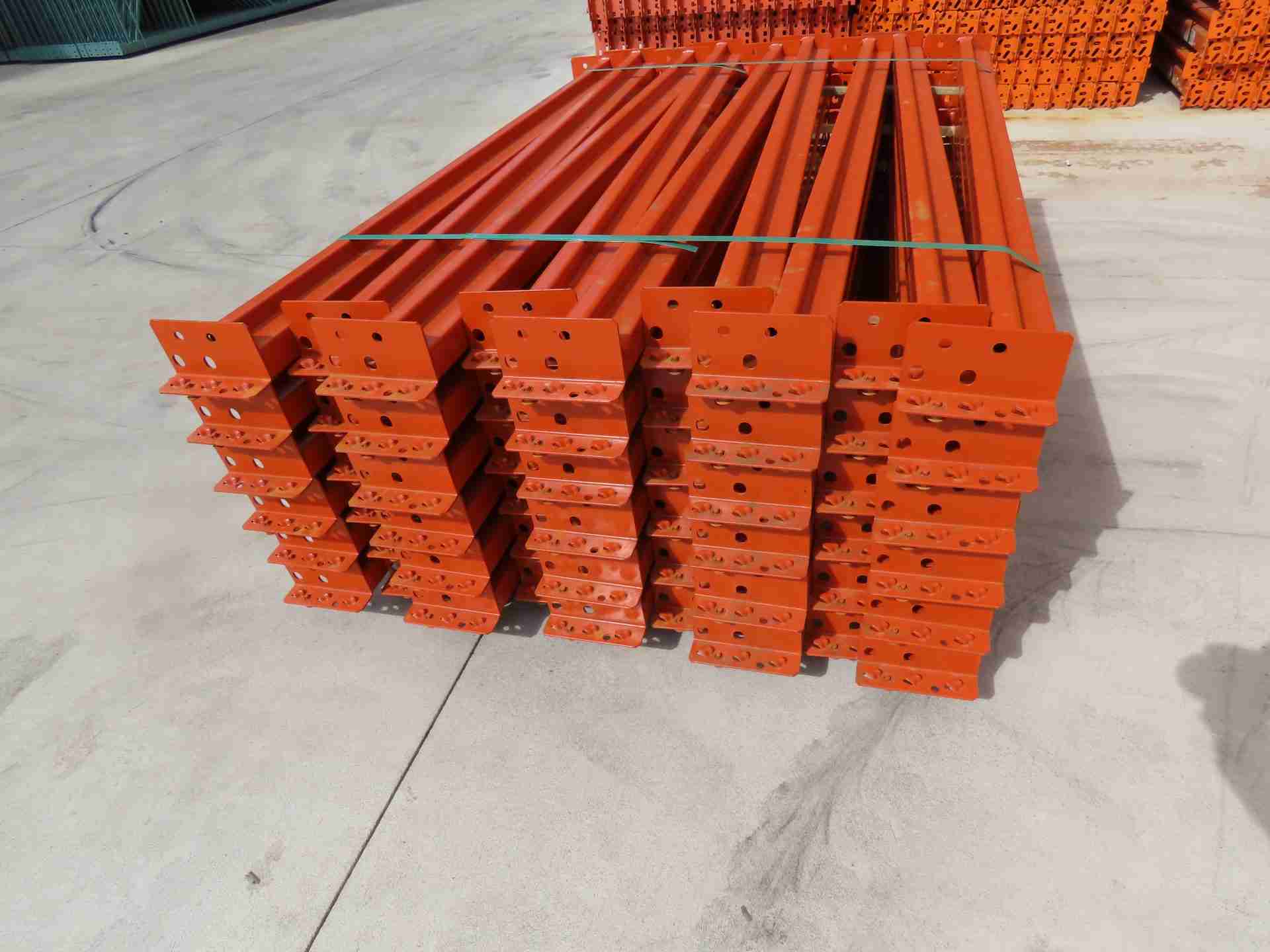
How Do I Know If My Cantilever Rack Is Aesthetically Pleasing?
What Is The Role Of Rack Accessories In Cantilever Rack Systems?
What Is The Role of Rack Accessories in Cantilever Rack Systems?
In the world of warehousing and inventory management, maximizing efficiency and optimizing space are paramount. Enter cantilever rack systems—your powerhouse solution for storing long, bulky items. But before you think about loading these mighty racks with your valuable stock, let’s talk about an often-overlooked aspect: rack accessories.
Let’s face it, the right accessories can transform your basic cantilever rack into a tailored storage solution that maximizes organization and enhances safety. For instance, consider the addition of brace supports. When you’re dealing with heavy loads like lumber or piping, these supports can significantly reduce sway. Imagine being able to stash away construction materials without worrying about items leaning or tipping. Today, as the construction industry rebounds post-pandemic, ensuring your materials are stored safely and efficiently is non-negotiable.
Another essential accessory is the addition of dividers. Ever tried to segregate different categories of inventory on the same rack? It’s a logistical nightmare without the right tools. Dividers enable you to neatly separate items like HVAC components or appliances, facilitating quicker access and inventory management. This is especially pertinent in industries experiencing a surge in demand, such as home improvement and DIY sectors, where organized storage makes all the difference.
Now, let’s pivot to safety—the holy grail of any warehousing operation. Rack accessories like safety straps and netting play a crucial role in keeping your inventory secure. As reports of workplace accidents climb, tailored solutions that ensure the safety of your workforce and stock are no longer just optional—they’re essential. Coating your cantilever racks with anti-slip materials can also amplify this effort, reducing accidents and allowing you to focus on the bottom line, rather than costly workplace mishaps.
Moreover, one of the hottest trends as of late is the rise of vertical storage solutions. Accessory integration, such as rotating racks or mobile shelving, can significantly boost the functionality of cantilever racks. This is particularly relevant in sectors like fashion or retail, where quick inventory turnover and accessibility are key. Imagine having easy access to your seasonal inventory without needing an elaborate setup—rack accessories can facilitate that seamless transition.
In closing, don’t underestimate the role of rack accessories in enhancing your cantilever rack systems. They are not mere add-ons; they’re vital components that elevate your storage solution from functional to extraordinary. In a rapidly evolving marketplace, ensuring your cantilever racks are equipped with the right accessories can lead to increased productivity, safety, and ultimately, profitability. Equip wisely, and watch your operation soar!

What Is The Role Of Rack Accessories In Cantilever Rack Systems?
What Is The Role Of Rack Accessories In Cantilever Rack Systems?
- Cantilever rack systems are essential for efficient storage of long, bulky items in warehousing.
- Rack accessories can enhance organization, safety, and optimize space within storage systems.
- Brace supports help reduce sway for heavy loads, ensuring safe storage of construction materials.
- Dividers allow for better categorization of inventory, improving access and management of items.
- Safety accessories such as straps and netting are crucial for preventing workplace accidents and securing inventory.
- Vertical storage solutions, including rotating racks, enhance functionality and accessibility in industries with high turnover.
- Integrating the right rack accessories can lead to increased productivity, safety, and profitability in operations.

What Is The Role Of Rack Accessories In Cantilever Rack Systems?
How Can I Customize My Cantilever Racks For Specific Applications?
In the ever-evolving landscape of modern warehousing and inventory management, the need for adaptable storage solutions has never been more pressing. Cantilever racks stand out as an unparalleled choice for businesses aiming to maximize their space. But how do you ensure these racks are tailored to meet the specific demands of your operations? Here’s where customization steps in, transforming standard materials into your ideal storage solution.
Understand Your Inventory Needs: What Are You Storing?
Before diving into customization options, assess your inventory critically: Are you storing long, bulky items like lumber and steel pipes, or smaller goods like boxes and supplies? For heavy-duty applications, consider reinforced arms or adjustable heights that cater to the size and weight of your products. For example, companies in the construction industry are increasingly moving to adjustable cantilever racks to accommodate varying lengths of materials – a trend spurred by increased building projects seen in urban areas shifting towards a greener future.
Design Features That Fit Your Workflow
Customization goes beyond merely sizing. Think about the design of the racks themselves. For instance, consider integrating more than standard horizontal arms – you can explore added safety features like mesh back panels to secure lighter products from tipping. A perfect illustration can be found in the retail sector, where stores adapt their cantilevered designs to prioritize accessibility and visibility, enhancing the customer shopping experience amidst the uptick in e-commerce activities.
Consideration of workflow efficiency is key. Designs that allow for easy modifications—such as rapidly changing shelf heights—can pave the way for agile inventory management systems, ensuring that your operation can pivot as market demands fluctuate.
Color and Branding for Distinction
Do not overlook aesthetics! Customization can also include colorful finishes or even branding elements. In a competitive market where first impressions matter significantly, tailored color schemes can enhance brand visibility and aesthetic coherence across your business. This is especially important as companies emerge from the pandemic to rekindle face-to-face interactions with clients — a vibrant, organized warehouse can signal professionalism and commitment to quality.
Real-World Applications Leading the Charge
Take a cue from leaders in efficient storage solutions: a recent report highlighted an increase in the use of specialized cantilever racks in e-commerce warehouses to streamline the picking process. Companies now request advanced materials, like low-maintenance coatings for durability in high-traffic environments.
By customizing cantilever racks, you don’t just improve functionality; you ultimately enhance your bottom line. Get ahead of the competition by investing in a storage solution as unique as your business. Ready to customize? Reach out today, and let’s craft a solution tailored to your specific needs!

How Can I Customize My Cantilever Racks For Specific Applications?
How Can I Customize My Cantilever Racks For Specific Applications?
- The modern warehousing landscape demands adaptable storage solutions, with cantilever racks being a top choice for maximizing space.
- Assess inventory needs critically before customization, considering the types and sizes of items stored.
- Design features should include safety enhancements like mesh back panels and adjustable arms to accommodate shifting inventory types.
- Customization designs should prioritize workflow efficiency for agile inventory management in response to market demands.
- Aesthetics matter; tailored color schemes and branding elements can enhance visibility and professionalism in businesses.
- Recent trends show increased use of cantilever racks in e-commerce to optimize picking processes with advanced materials.
- Customizing cantilever racks boosts functionality and can lead to improved financial performance for businesses.

How Can I Customize My Cantilever Racks For Specific Applications?
Conclusion
Conclusion
In the fast-paced arena of warehousing and inventory management, making informed decisions about cantilever rack selection can mean the difference between operational success and potential hazard. At RackingWorld.com, we’ve dissected the common mistakes in cantilever rack selection—from ignoring load specifications and environmental factors to underestimating the importance of safety standards and proper installation practices. Each of these oversights not only puts your inventory at risk but can also lead to severe financial repercussions and workplace injuries.
But fear not! At Arrow Industrial Sales, we provide you with actionable insights to choose the right cantilever racks tailored to your specific needs. Whether it’s understanding load capacities, gauging space requirements, or prioritizing safety features, we empower you to make smart, well-informed decisions that optimize both safety and efficiency. You can enhance your performance with well-thought-out rack dimensions and configurations, tailored accessories, and a robust maintenance plan.
With the market ever-evolving, it’s essential now more than ever to invest in your storage solutions. By sidestepping common pitfalls and embracing customization, you’re not just safeguarding your assets—you’re also promoting a culture of safety and efficiency in your workspace. The implications are clear: a well-designed cantilever rack system can streamline your operations, which translates into cost savings and improved employee morale.
Whether you’re facing urgent inventory challenges or strategizing for future growth, the time to act is now. Don’t let indecision put your warehousing efficiency on the line. Call Arrow Industrial Sales at (574) 349-6575 for expert guidance tailored specifically to your unique circumstances. Our team is ready to support you with unparalleled service and insight. Remember, the right cantilever rack system isn’t just an investment in storage—it’s an investment in your business’s future.
Don’t wait! Position your business for success and reap the benefits of optimal efficiency today!

Conclusion
Conclusion:
- Choosing the right cantilever racks is crucial for operational success and safety in warehousing.
- Common mistakes in rack selection include neglecting load specifications and safety standards.
- Oversights can lead to financial losses and workplace injuries.
- Arrow Industrial Sales offers insights on selecting cantilever racks based on load capacities and safety features.
- Customizing rack dimensions and implementing a maintenance plan can enhance performance.
- Investing in appropriate storage solutions promotes safety, efficiency, and employee morale.
- Contact Arrow Industrial Sales for expert guidance to improve your warehousing strategies.

Conclusion
Other Resources

Other Resources
Here is a list of other resources you can review online to learn more:
- “Cantilever Rack Storage”
- “Cantilever Rack Systems – Engineered Products”
- “Cantilever Rack Storage”
- “Cantilever Racks”
- “Material Storage Collection – Customizable Ladders & Platforms”
- “Cantilever Rack Suppliers – Storage Rack Manufacturers”
- “Cantilever Racks”
- “https://2023.promatshow.com/directory/download?ref…”
- “warehouse solutions Archives | Toyota MHS”
- “MHI – The Industry That Makes Supply Chains Work”
- “Material Handling Equipment in or near New Jersey”
- “Dictionary of Occupational Safety and Health Terms English”
- “MCO 4450.14 JOINT SERVICE MANUAL (JSM) FOR …”
- “2023 Design Guidelines”

Other Resources
Glossary Terms
What Are Common Mistakes In Cantilever Rack Selection? – Glossary Of Terms
1. Cantilever Rack: A storage system designed for storing long, bulky items like lumber, pipes, and steel bars, supported by vertical columns and horizontal arms.
2. Load Capacity: The maximum weight that a rack can safely support. Overloading can lead to structural failure.
3. Arm Length: The distance from the vertical column to the end of the cantilever arm. Incorrect sizing can affect stability and accessibility.
4. Column Height: The vertical measurement of the cantilever column. Incorrect height selection can limit vertical storage and accessibility.
5. Base Width: The width of the base that stabilizes the cantilever rack. A base that is too narrow may lead to tipping.
6. Material Type: The material used to manufacture the rack (steel, aluminum, etc. ). Choosing the wrong material can affect durability and load capacity.
7. Configuration: The arrangement of the cantilever rack (single-sided vs. double-sided). Incorrect configuration can reduce storage efficiency.
8. Weight Distribution: How weight is spread across the rack. Uneven distribution can lead to rack instability and premature failure.
9. Installation Location: The environment in which the rack is installed (indoors, outdoors, temperature conditions). Poor location choice can lead to damage or corrosion.
10. Clearance: The necessary space above and around the rack for safety and operational efficiency. Insufficient clearance can result in accidents.
11. Accessibility: How easily stored items can be accessed. Poorly designed racks can lead to inefficient retrieval processes.
12. Compatibility: The fit of the rack with existing warehouse systems and equipment (like forklifts). Incompatibility can hinder operations.
13. Building Code Compliance: Adhering to local regulations and standards for storage systems. Non-compliance can result in fines and legal issues.
14. Safety Features: Includes bracing, sway braces, and safety pins that enhance stability. Omitting these features can increase accident risks.
15. Load Barriers: Devices used to prevent items from falling off the cantilever arms. Lack of barriers can lead to safety hazards.
16. Regular Inspections: Routine checks for wear and damage to maintain safety standards. Failing to conduct inspections can lead to unnoticed risks.
17. Inventory Management: The process of organizing and tracking stored items. Poor management can lead to inefficiencies and misplaced items.
18. Manufacturer Specifications: Guidelines provided by the rack manufacturer regarding safe usage. Ignoring these can result in misuse and damage.
19. Weight Ratings: Manufacturer-provided limits for how much weight can be placed on the arms and columns. Non-adherence can cause failure.
20. Environmental Factors: Elements such as humidity, temperature, and exposure affecting material durability. Ignoring these can accelerate wear.
21. Dynamic Load: The effect of moving storage items on the rack, which can induce additional stress. Neglecting this factor can lead to instability.
22. Static Load: The weight applied to the rack when items are static. Misjudging static load capacity can lead to overload situations.
23. Rack Type: Different variations of cantilever racks (e. g. , heavy duty, light duty). Choosing the wrong type can misalign with intended usage.
24. Foundation Support: The base on which the rack system is installed. An inadequate foundation can lead to instability and tipping hazards.
25. Design Overload: When the design fails to account for necessary load support, causing structural failure. This can happen from poor planning.
26. Reduction in Space: Choosing a rack that does not maximize available vertical or horizontal space effectively. This can lead to wasted warehouse space.
27. Assembly Errors: Mistakes made during the setup of the rack system can compromise its integrity and safety. Professional assembly helps avoid these errors.
28. End-of-Life Considerations: Evaluating the rack’s condition and need for replacement over time. Delay in assessment can compromise safety.
29. Cost Analysis: A financial review to ensure budgeting is aligned with quality and safety standards in rack selection. Inadequate funding can lead to poor investment decisions.
30. Expert Consultation: Seeking advice from professionals in warehouse design and racking systems. Relying solely on internal knowledge may lead to selection errors.

Glossary Of Terms
Other Questions
What Are Common Mistakes In Cantilever Rack Selection? – Other Questions
If you wish to explore and discover more, consider looking for answers to these questions:
- What are the key factors to consider when selecting a cantilever rack?
- How do I assess the load capacity required for my cantilever rack?
- What common design mistakes should I avoid when building a cantilever rack system?
- How can improper rack selection affect the overall efficiency of my warehouse?
- What materials are most suitable for different cantilever rack applications?
- How does the height of a cantilever rack influence its stability?
- What safety regulations must I follow during the installation of cantilever racks?
- How can I avoid overloading my cantilever racks effectively?
- What dimensions should I prioritize when selecting a cantilever rack for my facility?
- Why is proper spacing between items in cantilever racks essential?
- What strategies can I implement to ensure proper access to cantilever racks?
- What maintenance practices are necessary for the longevity of cantilever racks?
- How do I determine if my cantilever rack is aesthetically pleasing?
- What role do accessories play in the functionality of cantilever rack systems?
- How can I customize cantilever racks for specific applications or inventory needs?

Other Questions
Checklist
What Are Common Mistakes In Cantilever Rack Selection? – A Checklist
Before Selection
1. Assess Load Specifications
_____ Evaluate the weight and dimensions of the items you plan to store.
_____ Choose racks that can accommodate both the weight and the size of the inventory.
2. Evaluate Environmental Factors
_____ Consider climate conditions (humidity, temperature) in your warehouse.
_____ Choose weather-resistant materials if necessary.
3. Conduct a Space Assessment
_____ Measure available space accurately.
_____ Optimize layout to ensure accessibility and efficiency in storage.
During Selection
4. Prioritize Safety Standards
_____ Ensure racks meet local safety regulations and industry standards.
_____ Choose racks with built-in safety features (safety pins, base plates).
5. Seek Professional Guidance
_____ Consult with professionals in storage solutions to avoid poor decisions.
_____ Consider hiring a consultant for evaluations.
After Selection
6. Understand Load Capacity
_____ Reassess load capacities regularly to ensure compliance with safety standards.
_____ Calculate total weight of inventory and factor in loading and unloading methods.
7. Plan for Future Growth
_____ Choose cantilever racks that allow for expansion or reconfiguration as inventory needs change.
Maintenance
8. Regular Inspections
_____ Schedule frequent inspections to check for signs of wear, damage, or misalignment.
_____ Document findings and address issues promptly.
9. Employee Training
_____ Train staff on load limits, proper loading techniques, and safety protocols.
_____ Implement regular training refreshers to maintain awareness.
Aesthetics and Functionality
10. Optimize Rack Customization
_____ Consider using accessories (brace supports, dividers) to enhance storage.
_____ Customize racks for specific applications suited to your inventory needs.
Final Consideration
11. Emergency Protocols
_____ Develop and communicate emergency protocols related to rack failure or accidents.
_____ Conduct drills to ensure staff are prepared for potential emergencies.
By avoiding these common mistakes and following this checklist, you can ensure a safer and more efficient cantilever rack selection that maximizes your operational productivity.

Checklist
At RackingWorld, we help guide you through selecting warehouse storage systems and racking.
Be sure to read our other related stories at RackingWorld to learn more about warehouse storage systems.
0 Comments