
Maximize Your Space And Efficiency With Smart Stacking
By Tom Seest
At RackingWorld, we help guide you through selecting warehouse storage systems and racking.
Be sure to read our other related stories at RackingWorld to learn more about warehouse storage systems.
You’re Not Actually Saving Space�You’re Just Stacking Wrong
When you look around your living space, consider this: Are you truly maximizing your storage, or are you merely stacking things in arbitrary towers of clutter? We’ve all been there—shoving an old guitar case into a narrow closet, cramming oversized winter coats between flimsy shelves, and thinking, “There! That should save space.” Spoiler alert: it’s not saving space; it’s stacking wrong.
Imagine your home as a well-tuned machine. Each piece, every item, has a role to play in this intricate ballet we call daily life. When you approach your racking system with intention, you’re not just tidying up; you’re creating harmony. It’s not just about fitting everything into a tight spot; it’s about giving every item a purpose, a place, and—dare I say—a little love.
Think about how you feel when a space resonates with order. Your head clears, your heart lights up, and there’s a little less chaos—a little less stress gnawing at your gut. It’s no small feat to create that oasis of calm amidst the storm of life’s demands. But it’s absolutely possible. Proper racking isn’t just a method; it’s a mindset that brings a sense of peace, productivity, and yes, even pride.
Now, let’s use some common sense. Ask yourself, how many times have you resorted to digging through cardboard boxes or re-arranging that same pile of seasonal decorations? Think of the time wasted, the energy spent sifting through disorganization—don’t you deserve better? We all do. Saving space isn’t just a convenience; it’s a way to ensure our environments support us rather than weigh us down.
On an ethical level, consider the broader implications. Each item you keep has a story, a connection to your life. It deserves a proper place, just like you do. When we adequately utilize our space, we foster a clearer connection to what matters most. Plus, the social benefit is undeniable; inviting friends over becomes a proud act of sharing who you are, not a frenzied sprint to hide the chaos.
This isn’t just about saving space. It’s about redefining how we live, seeking efficiency while cultivating joy. So stop stacking wrong. Make the time to invest in your space and, ultimately, in yourself. Being intentional with racking is more than organization; it’s embracing a lifestyle that reflects your values and aspirations.

You’re Not Actually Saving Space�You’re Just Stacking Wrong
You’re Not Actually Saving Space�You’re Just Stacking Wrong
- Maximizing storage involves intentional organization rather than stacking items haphazardly.
- Your home functions best as a cohesive system where every item has a designated purpose.
- A well-organized space can lead to feelings of clarity, reduced stress, and increased calm.
- Proper racking can enhance productivity and instill a sense of pride in your living environment.
- Disorganization can waste time and energy; effective storage solutions support a better quality of life.
- Each item you keep has significance and deserves a proper place, fostering connection and meaning.
- Being intentional with organization reflects your values and enriches your lifestyle.

You’re Not Actually Saving Space�You’re Just Stacking Wrong
Table Of Contents
- You’re Not Actually Saving Space�You’re Just Stacking Wrong
- Is Your Clutter Causing You Stress and Anxiety At Home?
- How Can Effective Stacking Change Your Living Space?
- What Psychological Benefits Come From Decluttering?
- Are You Maximizing Your Storage Solutions According to Expert Advice?
- How Does Uneven Stacking Contribute to Disorganization?
- Conclusion
- Other Resources
- Glossary Of Terms
- Other Questions
- Checklist
Is Your Clutter Causing You Stress and Anxiety At Home?
Look around your home. Is it a sanctuary, or has it become a battleground where clutter reigns? The disarray of everyday life can sneak up on even the most organized among us, leading to a type of stress that quietly racks our nerves and dulls our spirits. You may not realize it, but the clutter can weigh heavily on your mind, linking a chaotic environment to feelings of anxiety and unease.
Imagine stepping into your kitchen, your once-bright dining area now racked with piles of mail, these forgotten items quietly accusing you of procrastination. Each unopened bill, misplaced toy, or dusty knick-knack is a reminder of tasks left undone. Effective as they are at muddling your thoughts, these reminders can ignite the subconscious belief that you’re not doing enough in life. It’s hard to savor your dinner when everything around you feels like a list of failures, looming like storm clouds over your spirit.
Emotionally, that clutter can become an anchor, dragging you into states of overwhelm. You see it every day, and it becomes part of the backdrop of your life, nearly invisible—but still, it’s there, subtly prodding at you, a weight on your heart. When you finally take action and begin that arduous process of decluttering, you’re not just cleaning; you’re reclaiming your mental space. This act of taking control can boost your motivation and invigorate your life.
Rationally speaking, we all know that an organized space can enhance productivity, allowing us more time to do what we love instead of searching for items lost in the chaos. Clean surfaces lead to clear minds, and a renewed home environment can filter into a renewed perspective on life. Your home should reflect your values, not the clutter that distracts you from pursuing your passions.
On an ethical level, consider how your clutter impacts those around you. Is your space affecting your family or friends? A home filled with disorder can inhibit connections with those you care about, stifling conversations and creating barriers rather than bonds.
This isn’t just about tidying up; it’s about living more fully. Each decluttered space clears a path to serenity, allowing you to live with intention. So, let’s get started. One small step at a time, take back your home, one pile, one corner, one moment of clarity at a time. You have the strength to conquer your clutter, and let it go. Your peace of mind is waiting.

Is Your Clutter Causing You Stress and Anxiety At Home?
Is Your Clutter Causing You Stress and Anxiety At Home?
- Assess your home: Is it a sanctuary or cluttered battleground?
- Clutter can lead to stress, anxiety, and feelings of inadequacy.
- Everyday items can serve as reminders of unfinished tasks, affecting your mental state.
- Decluttering isn’t just cleaning; it’s reclaiming mental space and boosting motivation.
- An organized space enhances productivity and allows for more enjoyable activities.
- Clutter can negatively impact relationships, creating barriers rather than connections.
- Start decluttering one small step at a time to achieve peace and clarity in your life.

Is Your Clutter Causing You Stress and Anxiety At Home?
How Can Effective Stacking Change Your Living Space?
Imagine walking into your home and feeling a wave of calm wash over you. That’s the power of effective stacking—a simple yet transformative method that can redefine not just your living space but your peace of mind. It’s not merely about aesthetics; it taps into the very essence of what makes a house a home.
Think about racking—an art form, really—where every item has its place and every place tells a story. When you strategically stack your belongings, you’re not only organizing chaos; you’re creating a narrative. Each box, each book, and each decorative piece holds memories, dreams, and a bit of your identity. You’re crafting an environment that reflects who you are, while simultaneously liberating your mind from clutter. This isn’t just a tidy-up project; it’s a personal revelation.
This process connects deeply with our rational selves. Science has shown that clutter contributes to stress and anxiety, chipping away at our ability to focus and find joy in our spaces. By embracing effective stacking, you’re engaging in a practical approach that fosters clarity and mental well-being. You’ll find that a tidy environment encourages productivity, creativity, and even relaxation. It’s like breathing fresh air after being confined in a stuffy room for too long—refreshing and invigorating.
But it goes further—there’s an ethical component here, too. By organizing your belongings and creating a mindful space, you are fostering a sustainable lifestyle, making conscious choices to value what you own rather than perpetually chasing after more. This isn’t just about your personal space; it’s about setting an example in your community. When your living space reflects intention and care, you inspire others to do the same, creating a ripple effect that can influence how friends, family, and even strangers approach their environments.
Now put yourself in the shoes of someone looking to navigate their personal chaos. You might be surprised to find that effective stacking isn’t just a solution; it’s an invitation. An invitation to reconnect with the things that matter, to clear out what doesn’t serve you, and to make room for new experiences. It’s about fostering connections—not just with your belongings, but with the people who share your space. So go ahead, start stacking—your living space is waiting to tell your story.

How Can Effective Stacking Change Your Living Space?
How Can Effective Stacking Change Your Living Space?
- Effective stacking transforms living spaces and promotes peace of mind.
- Racking items creates a narrative, reflecting personal identity and experiences.
- Clutter can increase stress and anxiety, impacting focus and joy.
- A tidy environment boosts productivity, creativity, and relaxation.
- Organizing belongings supports a sustainable lifestyle and conscious living.
- Mindful spaces can inspire others to make intentional choices in their environments.
- Effective stacking invites reconnection with meaningful belongings and strengthens relationships.

How Can Effective Stacking Change Your Living Space?
What Psychological Benefits Come From Decluttering?
Decluttering isn’t just about emptying drawers; it’s an act of self-liberation that resonates beyond the cluttered corners of your home. When you take the reins and start clearing out what no longer serves you, you’re not just tossing out old magazines or that pair of shoes you never wear—you’re racking your emotional baggage and laying down the weight that was dragging you down.
Think about it: every time you open a closet and see chaos, it’s a reminder of unresolved decisions and mental clutter. That’s the emotional toll of indecision—of holding onto things that no longer define you. By letting go, you’re giving yourself permission to move forward. The space you create isn’t just physical; it’s a mental oasis where new ideas can bloom. When you take a systematic approach to decluttering, your mind begins to mirror that order, allowing clarity to flourish.
Rationally speaking, the benefits are numerous. A clean space leads to increased focus and productivity. Studies show that individuals in decluttered environments demonstrate better concentration and less stress. Imagine being able to sit down to work with a clear view, unimpeded by chaos. It’s a simple shift that can lead to big payoffs—both personally and professionally. You’re not just organizing your belongings; you’re optimizing your life.
Ethically, decluttering taps into our innate desire for simplicity and authenticity. In a world where social media constantly bombards us with the latest trends and unattainable ideals, taking a step back and embracing minimalism can be an act of rebellion. It’s a way of saying “no” to excess and “yes” to what genuinely matters. You’re fostering an environment where meaningful connections can thrive, both with yourself and the people around you.
And let’s not forget the ripple effect. When you share your decluttering journey—whether through a conversation with a friend or a post on social media—you inspire others to embark on their own path. It builds a sense of community, fostering trust and connection. People relate to the struggle of managing life’s distractions, and when you take action, you empower others to do the same.
So roll up those sleeves, face that clutter head-on, and get rid of the things that don’t bring joy or purpose. This is your life; make space for what truly matters.

What Psychological Benefits Come From Decluttering?
What Psychological Benefits Come From Decluttering?
- Decluttering serves as an act of self-liberation, impacting both your home and mental state.
- Clearing out items helps address emotional baggage and unresolved decisions that contribute to mental clutter.
- A decluttered environment creates a mental oasis, fostering clarity and new ideas.
- Clean spaces enhance focus and productivity, leading to better concentration and reduced stress.
- Embracing minimalism can be a rebellion against societal pressures for excess and helps prioritize what truly matters.
- Sharing your decluttering journey can inspire others and build a sense of community and connection.
- Taking action to declutter allows you to make space for joy and purpose in your life.

What Psychological Benefits Come From Decluttering?
Are You Maximizing Your Storage Solutions According to Expert Advice?
When you walk into a cluttered garage, it can feel like the weight of the world is pressing down on your chest. Take a moment to breathe and ask yourself: is this really how I want my space to look? Or perhaps, more importantly, is this an accurate reflection of how I want to live? Racking systems can transform that chaos into order, enabling you to not just reclaim your space, but to reclaim your life.
Imagine every tool, every seasonal item, and every memory neatly stacked and organized. The visual satisfaction alone is enough to spark joy, but the deeper benefits run far wider. Having an efficient storage solution doesn’t just free up physical space; it frees up mental space. You’ll invest less time searching for things you need, creating time that can be spent on what truly matters—family, hobbies, perhaps even a moment of stillness. Think of it as scrapping the dead weight so you can focus on what uplifts and inspires.
Yet, beyond the emotional relief, consider the ethics of our consumption. Many of us tend to hold onto items because we feel guilty about wasting them or fear missing out on a potential need. By implementing effective racking and storage solutions, you lay the groundwork for intentional living. You can distinguish between what is necessary and what is simply collecting dust, enabling others by donating items you no longer need.
Now, let’s talk expertise. Storage solutions aren’t just for the DIY enthusiast; even the average homeowner can benefit from expert advice. Whether you’re considering adjustable racking systems or specialized bins, those who’ve dedicated their careers to this craft can guide you to build a solution tailored not only to your space but to your lifestyle. This is not just about aesthetics; it’s about improving your life’s functionality and flow.
Walking into an organized space—with tools neatly racked, sporting goods safely tucked away, and memories at your fingertips—instills pride. Your home becomes a sanctuary, reflecting not just who you are but how you aspire to live. So, as you stand amidst the maze of your stuff, take that first step. Make the call, seek the advice, and transform your space. You owe it to yourself.
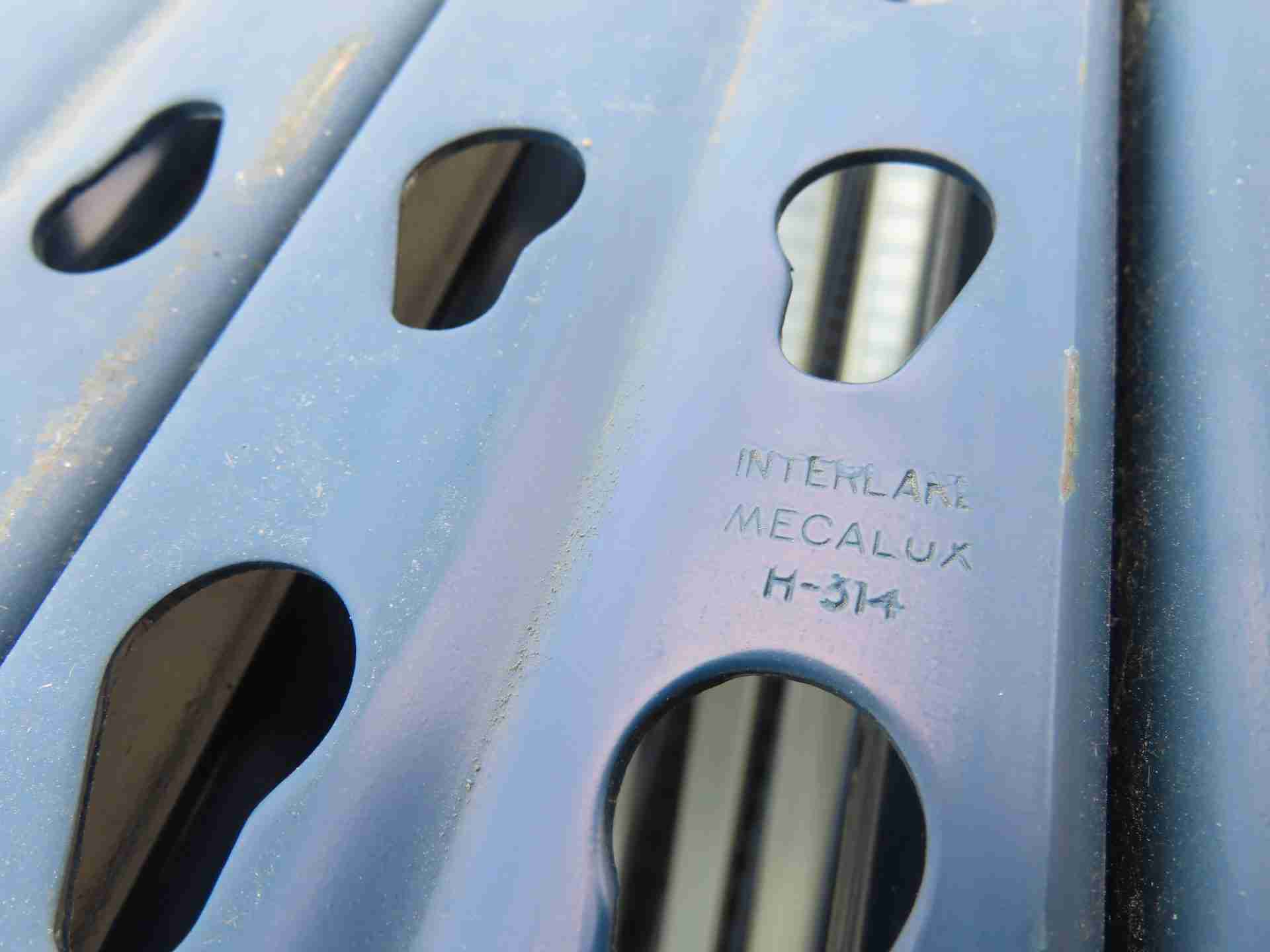
Are You Maximizing Your Storage Solutions According to Expert Advice?
Are You Maximizing Your Storage Solutions According to Expert Advice?
- Cluttered spaces can overwhelm; reflect on their impact on your life.
- Racking systems can help transform chaos into order, reclaiming both space and life.
- Organized storage enhances visual satisfaction and creates mental clarity.
- Efficient storage solutions save time and allow focus on what truly matters.
- Intentional living is encouraged by distinguishing between necessary items and those that collect dust.
- Expert advice can tailor storage solutions to individual spaces and lifestyles, benefiting even average homeowners.
- An organized home reflects your identity and aspirations, turning your space into a sanctuary.

Are You Maximizing Your Storage Solutions According to Expert Advice?
How Does Uneven Stacking Contribute to Disorganization?
When we think about disorganization in our lives, we often overlook the small things—the little decisions that pile up like unruly stacks of paper, or, say, racking systems stuffed to the brim with mismatched bins and containers. It’s in those uneven stacks where chaos blooms. Imagine opening a storage unit or a closet—and instead of finding neatly categorized items, you’re met with a bumpy, haphazard landscape that gives you a mild headache just looking at it. That’s not just a problem for your space; it seeps into your daily routine and mindset.
At its core, uneven stacking is more than a physical issue; it’s an emotional burden. When you open a drawer and see a jumbled mess, it greets you with a wave of frustration that can color your entire day. You start to feel like you’re wading through molasses instead of moving forward. It’s a loss of control that gnaws at you—you’re not just dealing with disorganization; you’re wrestling with a sense of inadequacy. On the other hand, imagine the confidence of flipping open a drawer and finding everything exactly where it needs to be. The contrast is stark, and the implications considerable.
Rationally speaking, disorganization stems from a simple lack of structure. The science behind efficient racking practices shows that systems designed for optimal storage don’t just save time—they also save you money. Every minute spent sifting through clutter is a minute you could be using to create, innovate, or spend with loved ones. That’s time lost; and in today’s fast-paced world, who can afford that?
Ethically, we have a responsibility to the spaces we inhabit and the tools we use. Clutter doesn’t just affect us. If your workspace is disheveled, it can disrupt coworkers, friends, and family. Imagine inviting someone into a messy room; what does that say about you? It sends a message—consciously or subconsciously—that orderliness isn’t a priority.
Socially, think about how we connect. Sharing a space that’s chaotic can drive a wedge between us and those we care about. It’s harder to bond over creativity when chaos reigns. Conversely, organizing our environment can foster connection. It’s not just about a tidy space; it’s about the shared experience of harmony and productivity.
So, let’s confront the truth: uneven stacking is a thief—not a petty one, but a grand larcenist of time, clarity, and joy. It’s time to take action, reclaim our space, and, ultimately, our lives.

How Does Uneven Stacking Contribute to Disorganization?
How Does Uneven Stacking Contribute to Disorganization?
- Disorganization often stems from overlooked small decisions and cluttered spaces.
- Uneven stacking leads to emotional burdens and feelings of frustration and inadequacy.
- Rational disorganization results from a lack of structured systems for organization.
- Clutter causes time loss, hindering creativity and quality time with loved ones.
- Ethically, a disorganized space impacts not just the individual but also those around them.
- Socially, chaotic environments can disrupt connections and hinder collaboration.
- Uneven stacking robs us of time, clarity, and joy, highlighting the need for action.

How Does Uneven Stacking Contribute to Disorganization?
Conclusion
Your home is more than just four walls; it’s a reflection of who you are and what you value. If you take a moment to glance around, can you say it’s a sanctuary of calm and clarity? Or has it become a patchwork of chaos, filled with clutter that weighs on your mind and spirit? For many, the clutter creeps in unnoticed, turning our living spaces into stress triggers rather than tranquil retreats. Each misplaced item isn’t just a nuisance; it’s a reminder of unfinished tasks and disorganization that perpetuates anxiety.
When you begin to embrace effective stacking, what you’re really doing is reclaiming control over your environment. It’s not just a practical endeavor; it’s an emotional journey that can free you and provide a sense of empowerment. Imagine walking into a space where everything has its place. This isn’t merely about aesthetics; it’s about clarity and purpose. Each item should tell a story and serve a function, contributing to a more harmonious life rather than cluttering it.
Think logically: how much time have you lost rummaging through chaotic piles, searching for things you don’t even remember owning? It’s more than just time; it’s energy and joy siphoned off from pursuing what truly matters in your life. By opting for effective storage solutions, you’re not just organizing the physical; you’re elevating your mental state, fostering productivity and peace.
On an ethical level, consider the emotional weight of your belongings. Each item has a narrative, representing choices made and memories cherished. Ensuring that every piece has a designated spot allows for a clearer, more intentional approach to your life. Moreover, when your space reflects order and care, it’s not just an invitation to yourself but also to others. You present an open and welcoming environment, encouraging connections and shared experiences rather than distractions driven by disarray.
The act of stacking and organization also extends beyond personal benefit. By taking charge of your space, you set a profound example for those around you. It becomes a ripple effect where your friends and family are motivated to re-think their own clutter, cultivating a sense of community and shared purpose.
So, as you look around, recognize that you have the power to transform not just your space, but your very life. Start small, be intentional, and embrace the beauty of a well-stacked home. Your journey toward clarity and purpose begins with that first step—take it today.

Conclusion
Conclusion:
- Your home reflects your identity, values, and can either be a sanctuary or a source of stress.
- Clutter can increase anxiety, turning living spaces into chaos instead of tranquil retreats.
- Embracing effective stacking is about reclaiming control and embarking on an emotional journey towards empowerment.
- Each item in your space should serve a purpose and contribute to harmony, rather than clutter.
- Effective storage solutions save not just time but also energy and joy, enhancing your overall mental state.
- A well-organized space fosters community and connection, inspiring others to rethink their own clutter.
- You have the power to transform your environment and life; start small and embrace the journey toward clarity.

Conclusion
Other Resources

Other Resources
Here is a list of other resources you can review online to learn more:
- Cantilever Racking Specialists – Get the Right Racks
- Warehousing and Fulfillment
- Storage Equipment Manufacturers’ Association
- Warehouse Racking Systems: Beginner’s Guide to Rack Systems
- IIWS Inc. Rack Installation Illinois & Rack Repairs Illinois
- Chicago Pallet Racking
- WERC
- What is Selective Pallet Racking
- Interlake
- Heavy-Duty Cantilever Storage Racks
- RMI
- National Safety Council
- CA Wire
- Used Pallet Rack for Sale in Illinois – American Surplus
- Selective Pallet Racking Systems
- Selective Racking
- Warehouse Racking Layout: The Ultimate Guide – Conger
- Pallet Racking systems in Illinois and Great Lakes
- Teardrop Uprights
Use This Prompt To Get More Resources With Your Favorite Online AI Tool: Please provide me with a list of online articles with their URLs in a bulleted list that I can read regarding You’re Not Actually Saving Space�You’re Just Stacking Wrong

Other Resources
Glossary Terms
You’re Not Actually Saving Space�You’re Just Stacking Wrong – Glossary Of Terms
1. Clutter: A collection of items that are disorganized, creating a sense of chaos rather than order.
2. Organization: The action of arranging items systematically to enhance space efficiency and accessibility.
3. Vertical Space: The use of height in storage, maximizing the area from floor to ceiling for better utilization.
4. Stacking: The method of placing items on top of each other to save space but can lead to inefficiency if done improperly.
5. Accessibility: The ease with which items can be reached and utilized, impacting the functionality of a space.
6. Storage Solutions: Various methods or products designed to help store items effectively and efficiently.
7. Overcrowding: The condition of having too many items in a space, which can lead to chaos and inefficiency.
8. Decluttering: The process of removing unnecessary items to create a more organized environment.
9. Categorization: Organizing items into specific groups or categories for easier access and management.
10. Labeling: The act of tagging items or storage areas to identify their contents and enhance organization.
11. Minimalism: A lifestyle that focuses on reducing excess possessions to prioritize experiences and essential items.
12. Efficiency: The ability to achieve maximum productivity with minimum wasted effort or expense in space usage.
13. Utility: The practicality and usefulness of items and whether they serve a purpose in the organized space.
14. Space Planning: The strategic arrangement of furniture and items within a space to enhance usability and flow.
15. Layering: A technique used in stacking where items are arranged in layers to improve visibility and access.
16. FIFO (First In, First Out): An inventory management method where the oldest items are used or removed first.
17. Space Optimization: Techniques used to make the most of available space, improving functionality and accessibility.
18. Visual Clarity: The ability to see and identify items in a cluttered space, which can affect efficiency in locating them.
19. Tendency to Hoard: A behavioral pattern where individuals accumulate items beyond what is necessary, often causing clutter.
20. Upcycling: The process of repurposing unused or discarded objects into something useful or of higher quality.
21. Storage Bins: Containers used for organizing and storing items, often labeled for easy identification.
22. Feng Shui: An ancient practice that emphasizes arranging your space to promote harmony and positive energy.
23. Practicality: Refers to how well items function in a given space and their relevance to daily activities.
24. Micro-organizing: A detailed and systematic method of organizing smaller items to maximize space efficiency.
25. Workspace: The area designated for carrying out tasks, often requiring careful organization to enhance productivity.
26. Rotating Stock: A method of organizing where items are regularly moved or rotated to prevent stagnation and disorganization.
27. Compartmentalization: Dividing space into sections to organize items more efficiently, enhancing accessibility.
28. Sustainability: Practices that promote the efficient use of resources, often achieved through effective organization and storage.
29. Entropy: The measure of disorder in a space, which can increase if organization practices are not maintained.
30. Ergonomics: The study of designing spaces and tools for efficient and safe human interaction, affecting organization and workflow.

Glossary Of Terms
Other Questions
You’re Not Actually Saving Space�You’re Just Stacking Wrong – Other Questions
If you wish to explore and discover more, consider looking for answers to these questions:
- What are some effective techniques for proper stacking?
- How can I assess the current state of my storage solutions?
- What are the signs that my clutter is affecting my mental health?
- Can effective stacking improve my productivity at work?
- What types of storage solutions are considered the best for small spaces?
- How do I maintain an organized space once I’ve decluttered?
- What psychological effects can arise from an organized living environment?
- How can I overcome emotional attachment to items I no longer need?
- What are the environmental benefits of decluttering and donating items?
- How do my stacking habits influence my family or household dynamics?
- What expert advice is available for those starting their decluttering journey?
- Are there any common mistakes people make when organizing their space?
- How long does it typically take to see the benefits of decluttering?
- What strategies can I use to motivate myself to start decluttering?
- How can I create a functional racking system tailored to my lifestyle?

Other Questions
Checklist
You’re Not Actually Saving Space�You’re Just Stacking Wrong – A Checklist
Smart Stacking Checklist: Maximize Your Space and Efficiency
Emotional Appeals
_____ Visualize serenity: Imagine how a decluttered space will feel and the emotional relief it brings.
_____ Celebrate progress: Acknowledge small wins in your organization journey to fuel motivation.
_____ Create a personal narrative: Reflect on how each item tells a story about who you are and what you value.
Rational Appeals
_____ Assess current efficiency: Evaluate how much time is spent searching for items in a cluttered space.
_____ Consider productivity gains: Recognize the potential increase in focus and creativity from a well-organized environment.
_____ Measure emotional impact: Note the correlation between an organized space and reduced stress levels.
Ethical Appeals
_____ Reflect on consumption: Consider the implications of keeping items and their environmental impact.
_____ Make intentional choices: Decide what to keep, donate, or discard, fostering a responsible relationship with your belongings.
_____ Evaluate your impact on others: How does your space affect family and friends? Strive for a space that fosters connection.
Authority Appeals
_____ Seek expert guidance: Research expert advice on effective stacking and organization techniques.
_____ Follow proven methods: Implement scientifically-backed strategies for decluttering and organizing your space.
_____ Consider tools and systems: Utilize recommended storage solutions that suit your unique lifestyle.
Narrative Appeals
_____ Write your story: Document the process of transforming your space and how it reflects your journey.
_____ Share your experience: Talk about your progress with friends or on social media to inspire others.
_____ Create a vision board: Illustrate what your ideal organized space looks like to keep motivation high.
Social Appeals
_____ Foster connection: Invite friends over to share your transformed, organized space.
_____ Encourage collaboration: Team up with family members or friends for a decluttering session.
_____ Build a community: Join local groups or online forums focused on organization and share tips and experiences.
Action Steps
_____ Start small: Tackle one area at a time, breaking the process into manageable steps.
_____ Develop a routine: Establish regular decluttering sessions to maintain an organized home.
_____ Reflect and adapt: Regularly review your stacking systems and adjust them as needed for optimal efficiency.

Checklist
At RackingWorld, we help guide you through selecting warehouse storage systems and racking.
Be sure to read our other related stories at RackingWorld to learn more about warehouse storage systems.
0 Comments