
Maximizing Your Equipment Efficiency With Local Racks
By Tom Seest
At RackingWorld, we help guide you through selecting warehouse storage systems and racking.
Be sure to read our other related stories at RackingWorld to learn more about warehouse storage systems.
Will Locally Sourced Racks Work with Your Existing Setup?
When you’re scaling your warehousing solutions, an undeniable question arises: will your new locally sourced racks mesh seamlessly with your existing setup? The quick answer is: absolutely, provided you take a few strategic steps. Consider the benefits of integrating locally sourced pallet racking into your operations, and how it can elevate efficiency while maintaining harmony with your current infrastructure.
First and foremost, let’s examine compatibility. Many local suppliers offer a range of pallet racking options that can either match or complement your existing systems. For instance, if you currently utilize standard selective racking configurations, you’ll find that many local manufacturers can provide racks that fit perfectly into your operational puzzle. This can be particularly beneficial during turbulent times, such as ongoing supply chain disruptions faced by many businesses today. By sourcing locally, you mitigate long lead times and shipping constraints—allowing you to stay agile in a rapidly evolving marketplace.
Imagine you run a flourishing e-commerce business that relies on fast inventory turnover. Upgrading your pallet racking to locally sourced models can enable quick, customizable solutions tailored to your setup. A regional supplier may provide flexibility in design, letting you expand vertical space or adjust aisle widths to improve picking efficiency without extensive retrofitting. This flexibility could be the difference between a streamlined operation and a logistical headache.
Moreover, consider the sustainability aspect. Using locally sourced racks means reduced carbon footprints compared to importing racks from overseas. In an era where consumers increasingly prioritize eco-friendliness, your business can shine by showcasing your commitment to local sourcing and environmental responsibility. In fact, many businesses are leveraging sustainable practices in response to current events, such as heightened awareness around climate change and resource scarcity. By choosing local, you position yourself not just as a savvy manager, but as a responsible community leader.
Still, a word of caution: always assess the quality of the locally sourced pallets before integrating them into your existing systems. Research reviews, ask for recommendations, and even see if you can visit their facilities. Finding a supplier with robust quality assurance can secure your decision to switch, keeping your warehouse efficient and safe.
In summary, by opting for locally sourced pallet racking, you can forge stronger connections with your infrastructure, enhance operational efficiency, and contribute to sustainable practices—all crucial elements in today’s dynamic marketplace. Don’t just upgrade; elevate your entire warehousing experience.
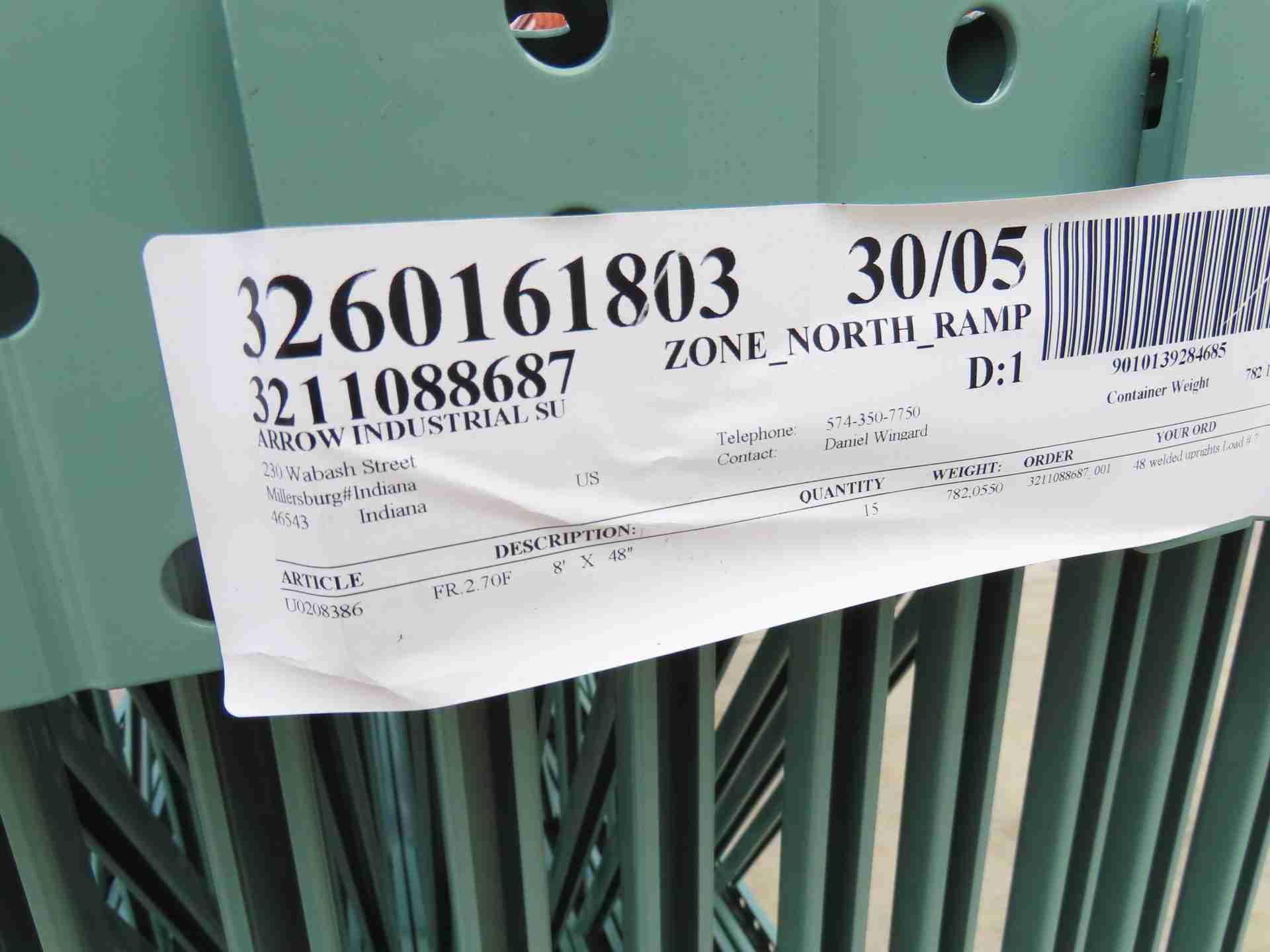
Will Locally Sourced Racks Work with Your Existing Setup?
Will Locally Sourced Racks Work with Your Existing Setup?
- Ensure compatibility: Choose locally sourced pallet racking that matches or complements existing systems.
- Local suppliers offer options: Many provide racks that fit perfectly into standard selective racking configurations.
- Mitigate supply chain issues: Sourcing locally reduces lead times and shipping constraints for greater agility.
- Customization for e-commerce: Local suppliers offer flexibility in design for quick adjustments to improve efficiency.
- Support sustainability: Using local racks reduces carbon footprints and promotes eco-friendly practices.
- Assess quality carefully: Research suppliers, read reviews, and visit facilities to ensure robust quality assurance.
- Enhance overall experience: Local sourcing strengthens infrastructure connections and elevates warehouse operations.

Will Locally Sourced Racks Work with Your Existing Setup?
Table Of Contents
- Will Locally Sourced Racks Work with Your Existing Setup?
- Will Locally Sourced Racks Fit My Current Equipment Setup?
- How Can I Determine The Compatibility Of Locally Sourced Racks?
- What Are The Benefits Of Using Locally Sourced Racks?
- Are There Specific Measurements I Need For My Existing Setup?
- How Do Locally Sourced Racks Compare To Pre-Manufactured Options?
- What Materials Should I Consider For Locally Sourced Racks?
- Conclusion
- Other Resources
- Glossary Of Terms
- Other Questions
- Checklist
Will Locally Sourced Racks Fit My Current Equipment Setup?
When it comes to optimizing your warehouse or storage facility, one question that looms large is: “Will locally sourced racks fit my current equipment setup?” The answer is a resounding yes—provided you approach the selection process with strategy and foresight. The burgeoning trend towards locally sourced pallet racking gives businesses the chance to streamline operations while supporting regional economies.
Consider this: With supply chains more volatile than ever, think about the advantage of tapping into local suppliers. Instead of relying on long lead times and fluctuating import costs, you can secure high-quality pallet racking systems that are readily available. Local suppliers not only minimize transportation emissions but can often provide tailored solutions that fit your unique needs. This means you get racks that are designed for your specific type of equipment—whether it’s forklifts, hand trucks, or automated systems—ensuring a seamless workflow without compatibility hassles.
For example, imagine a restaurant supply distributor looking to upgrade their storage solutions. By sourcing locally, they might invest in adjustable pallet racking that can adapt to the various sizes of their kitchen equipment and food supplies. Plus, the ability to collaborate with local manufacturers can facilitate customizations—like adding specific safety features or adjusting the height of the racks to align with existing loading equipment.
Moreover, as industries shift towards sustainability, investing in locally sourced pallet racking aligns with evolving consumer expectations. In recent months, many businesses have recognized the need to become more eco-conscious, not just in their product offerings but throughout their operational choices. Choosing local racks contributes to a greener business model, which can be an attractive selling point for today’s environmentally aware consumers.
Another critical consideration is compatibility. Before making any purchase, take stock of your existing equipment dimensions. This includes the height, width, and weight capacity required for your operations. A miscalculation here can lead to downtime and inflated costs. A local supplier can assist in this regard, offering insights and expertise during your selection process—guidance that a faceless online order simply can’t match.
Embracing locally sourced pallet racking isn’t merely a procurement decision; it’s a strategy that enhances your operational efficiencies, aligns with contemporary market trends, and fortifies community ties. Equip your operations with confidence, knowing that supporting local businesses is just as crucial as getting your fit right.
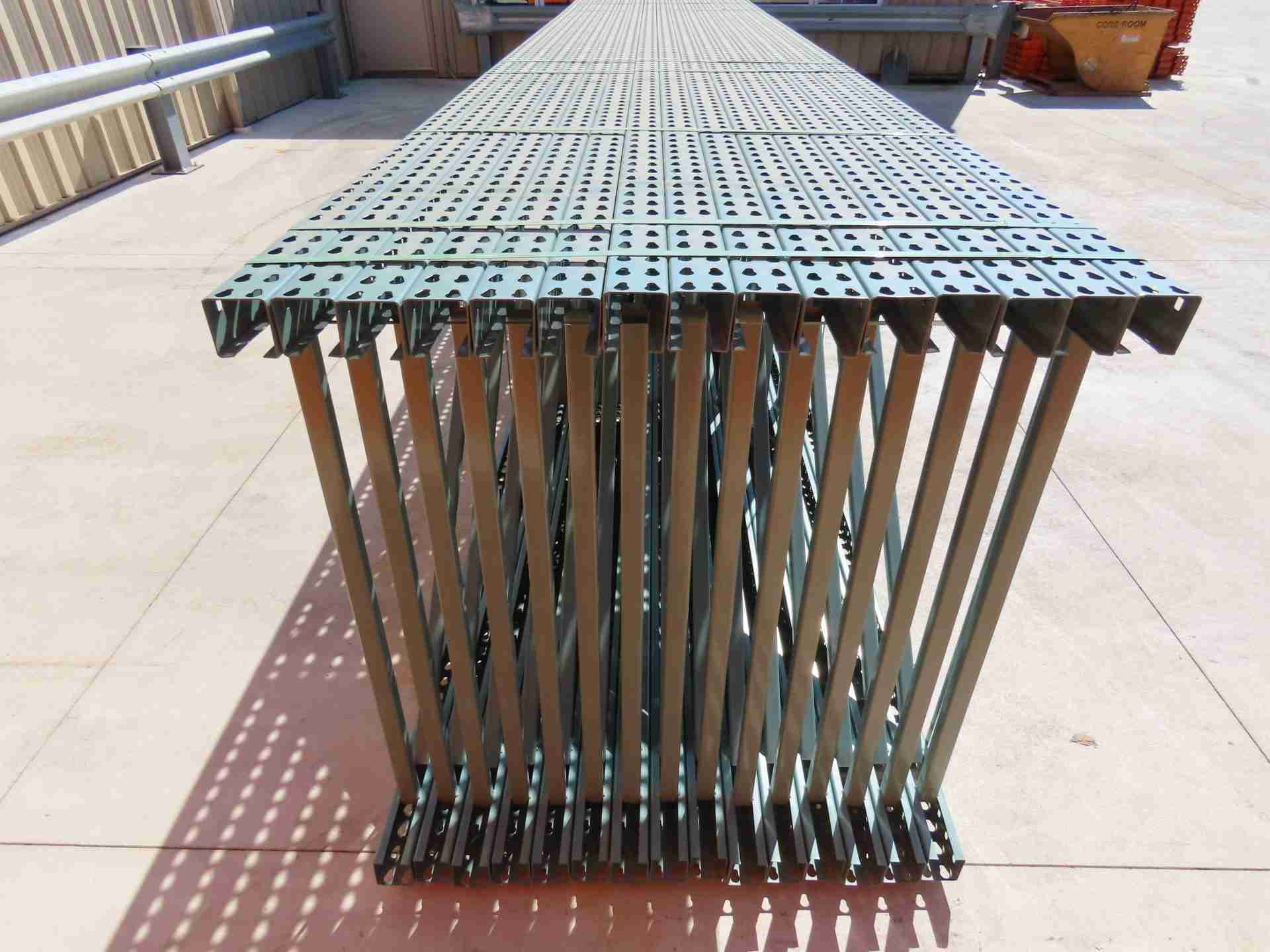
Will Locally Sourced Racks Fit My Current Equipment Setup?
Will Locally Sourced Racks Fit My Current Equipment Setup?
- Locally sourced racks are compatible with existing equipment setups when selected strategically.
- Choosing local suppliers helps streamline operations while reducing long lead times and import costs.
- Local pallet racking minimizes transportation emissions and allows for tailored solutions to meet specific needs.
- Adjustable pallet racking can adapt to diverse sizes of equipment for various operational scenarios.
- Investing in local racking supports sustainability and meets the evolving eco-conscious expectations of consumers.
- Compatibility with existing equipment dimensions is essential to avoid downtime and inflated costs.
- Working with local suppliers provides valuable insights and personalized service not available through online orders.
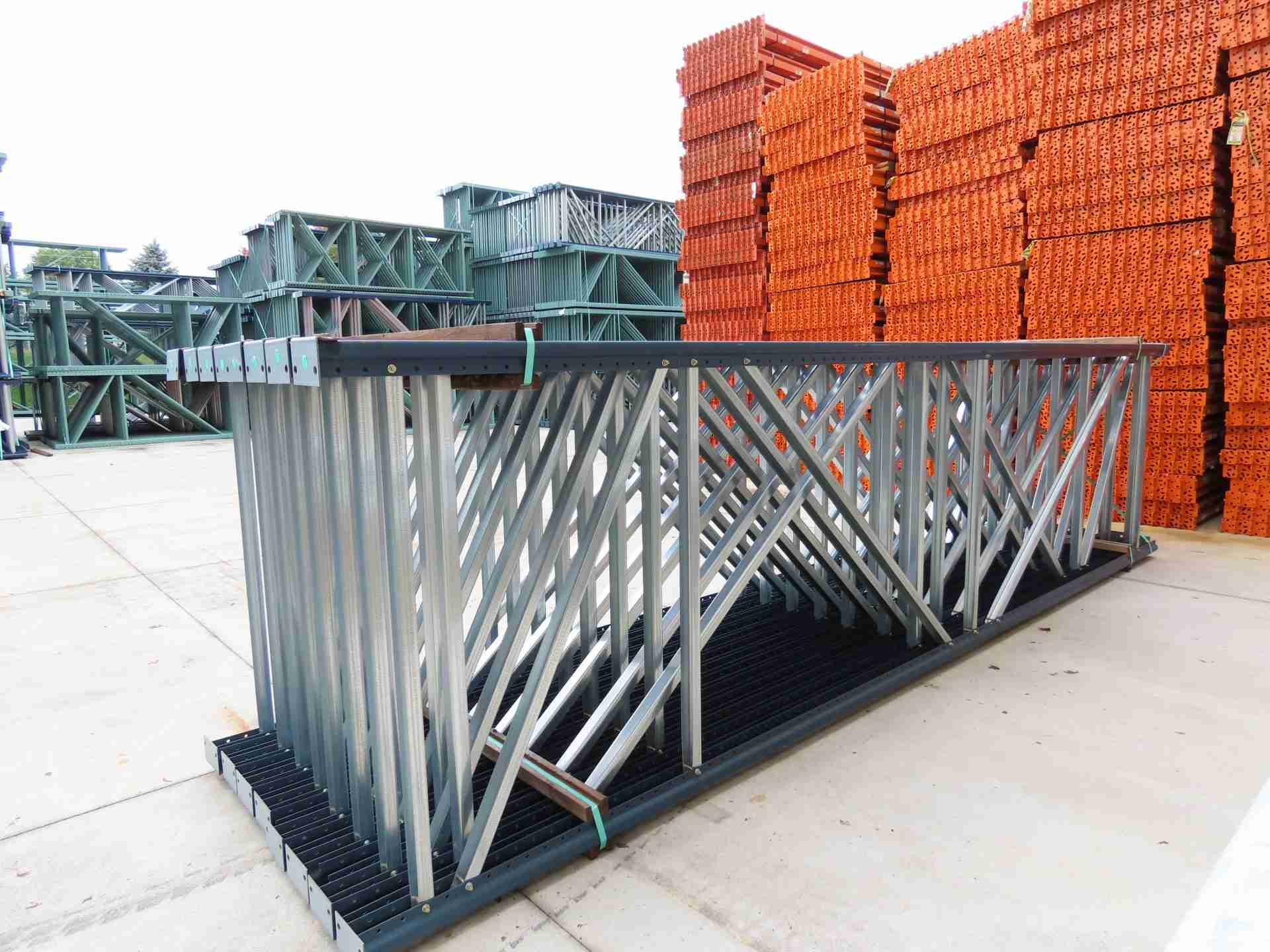
Will Locally Sourced Racks Fit My Current Equipment Setup?
How Can I Determine The Compatibility Of Locally Sourced Racks?
When it comes to warehouse efficiency, one often-overlooked aspect is the compatibility of pallet racking systems. Choosing locally sourced racks offers a myriad of benefits, including faster delivery times and the support of local businesses. However, before finalizing your purchase, it’s crucial to evaluate how well these racks will integrate into your existing setup.
First and foremost, assess the specifications of the pallet racking. Measure your warehouse’s available space to determine the height, width, and depth that will accommodate your needs. For instance, if you have pallets that are particularly tall or bulky, source racks that can handle those dimensions without compromising safety. Local suppliers often provide customizable options that are tailored to popular dimensions based on supply chain trends, something you might not get from larger manufacturers.
Next, consider the load capacity. Each pallet racking system comes with a manufacturer’s rating, indicating how much weight it can safely support. Don’t just take their word for it—make comparisons with similar products from other suppliers. According to findings from a recent industry analysis, warehouses across the country are increasingly prioritizing safety standards in their storage solutions, providing an opportunity to leverage this trend to your advantage. Ensure that the locally sourced racks you’re considering not only meet but exceed these standards.
Then, explore the materials and construction techniques used in the racks. Are they coated with rust-resistant paint to withstand your environment? Steel racks, when sourced sustainably from local manufacturers, can provide a robust solution that stands the test of time. During the recent shift towards sustainability, many local manufacturers have adopted eco-friendly production practices that can enhance your brand reputation while also meeting compliance standards.
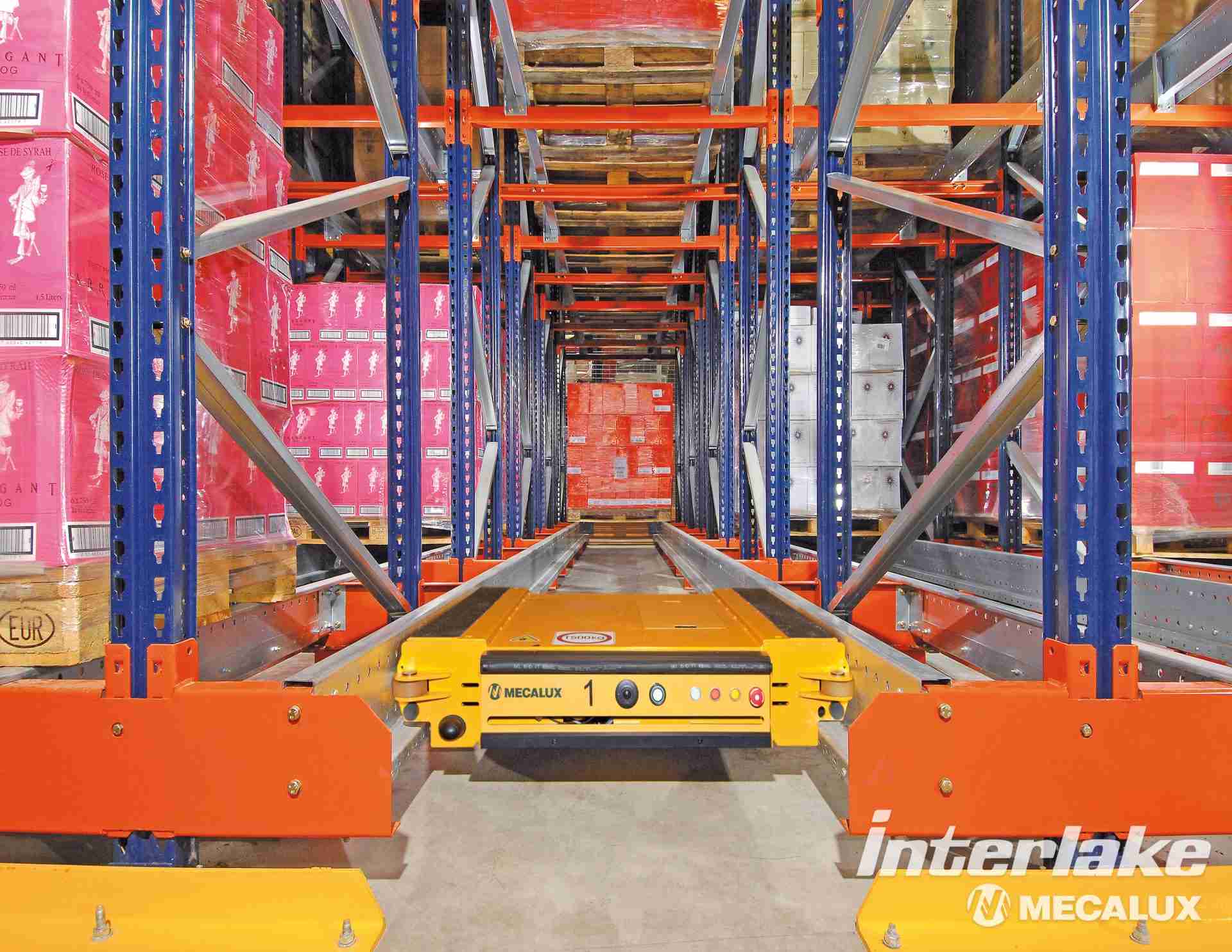
Lastly, consider compatibility with your current technology and processes. Do the local racks mesh well with your material handling equipment? Whether you’re using forklifts or pallet jacks, ensure that the dimensions and layout of the racks won’t create bottlenecks in your logistical workflow. A progressive warehouse in the Midwest recently faced operational hurdles when their imported racks didn’t align with their automated systems, reinforcing the importance of careful compatibility assessment.
Determining the compatibility of locally sourced pallet racking hinges on comprehensive evaluations of size, load capacity, materials, and technological integration. In doing so, you can craft a storage solution that not only enhances your operational efficiency but also strengthens your commitment to supporting local businesses.

How Can I Determine The Compatibility Of Locally Sourced Racks?
How Can I Determine The Compatibility Of Locally Sourced Racks?
- Compatibility of pallet racking systems is crucial for warehouse efficiency.
- Choosing locally sourced racks offers benefits like faster delivery and supporting local businesses.
- Measure available warehouse space to ensure the chosen racks fit in terms of height, width, and depth.
- Check the load capacity ratings of racks and compare them with similar products from other suppliers.
- Explore the materials used; look for durable and rust-resistant options from local manufacturers.
- Ensure compatibility with current technology and processes to prevent operational bottlenecks.
- Comprehensive evaluation of size, load capacity, materials, and technology enhances efficiency and supports local sourcing.
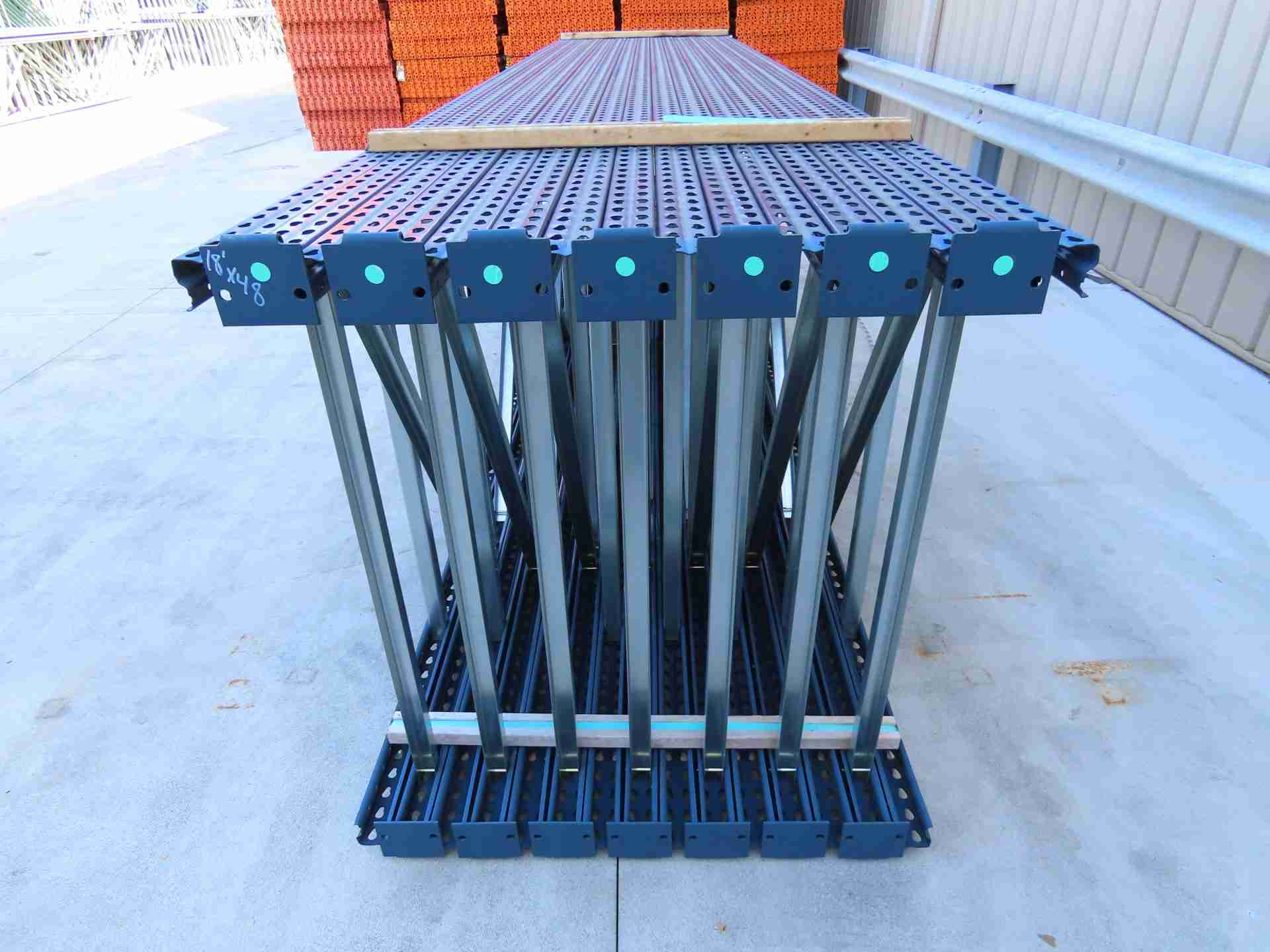
How Can I Determine The Compatibility Of Locally Sourced Racks?
What Are The Benefits Of Using Locally Sourced Racks?
In today’s competitive marketplace, businesses are consistently on the lookout for innovative ways to enhance efficiency, reduce costs, and improve sustainability. One often overlooked opportunity lies in the adoption of locally sourced pallet racking systems. You might be asking yourself, why is this significant? The answer is simple yet powerful.
Boosting Your Bottom Line
First and foremost, sourcing pallet racking locally can significantly reduce shipping costs. Imagine saving on freight charges and minimizing lead times by selecting a supplier just a few miles away. This strategic choice not only results in direct financial benefits but also enhances your operational agility. In a world where supply chain disruptions have become the norm, having a dependable local supplier can ensure you have the equipment you need, precisely when you need it.
For instance, consider the recent challenges many manufacturers faced due to global shipping delays. Companies that had established relationships with local racking suppliers found that they could pivot more quickly, keeping their operations running smoothly while their competitors battled supply chain frustrations.
Sustainability Matters
Another compelling reason to go local is sustainability. Increasingly, consumers are prioritizing eco-conscious brands, and aligning your business with sustainable practices can prove advantageous. Locally sourced pallet racking requires significantly less energy for transportation, which means a smaller carbon footprint for your operations. By promoting your commitment to sustainability, you can resonate more effectively with today’s environmentally aware customer base.
A great example is a chain of supermarkets that recently switched to locally sourced racks. Not only did they enhance their operational efficiency, but they also leveraged their commitment to local suppliers in their marketing campaigns, creating a positive brand image that resonated with their community-focused clientele.
Quality and Customization
Let’s not overlook quality. Local suppliers often provide more personalized service and flexibility in design. When you work with a nearby manufacturer, you have the opportunity to collaborate directly, ensuring the pallet racking systems are tailored to your unique needs. This level of customization can lead to improved safety standards and optimized storage solutions, ultimately boosting productivity.
The decision to use locally sourced pallet racking systems is not merely an operational one; it’s a strategic move that can yield financial, environmental, and quality-driven rewards. In an era where every advantage counts, consider the myriad opportunities awaiting you right in your backyard. Embrace local sourcing and watch your business thrive!
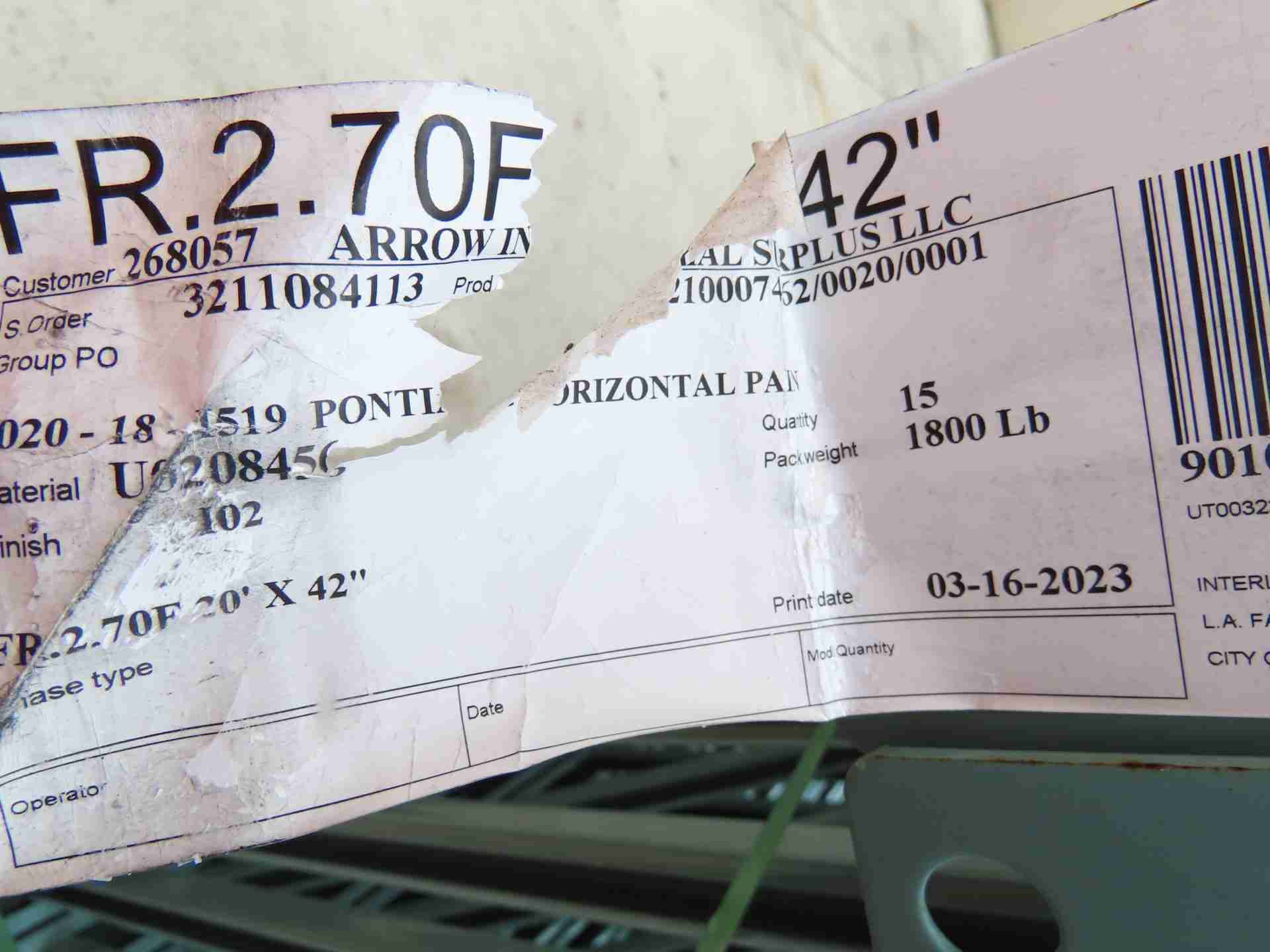
What Are The Benefits Of Using Locally Sourced Racks?
What Are The Benefits Of Using Locally Sourced Racks?
- Businesses are seeking innovative ways to enhance efficiency, reduce costs, and improve sustainability.
- Locally sourced pallet racking systems can significantly lower shipping costs and minimize lead times.
- Establishing relationships with local suppliers enhances operational agility and mitigates supply chain disruptions.
- Choosing local suppliers aligns with consumer demand for eco-conscious brands, contributing to sustainability efforts.
- Locally sourced racking requires less energy for transportation, lowering the carbon footprint of operations.
- Local suppliers offer personalized service and flexibility, enabling customized solutions that improve safety and productivity.
- Transitioning to locally sourced pallet racking is a strategic decision with financial, environmental, and quality benefits.
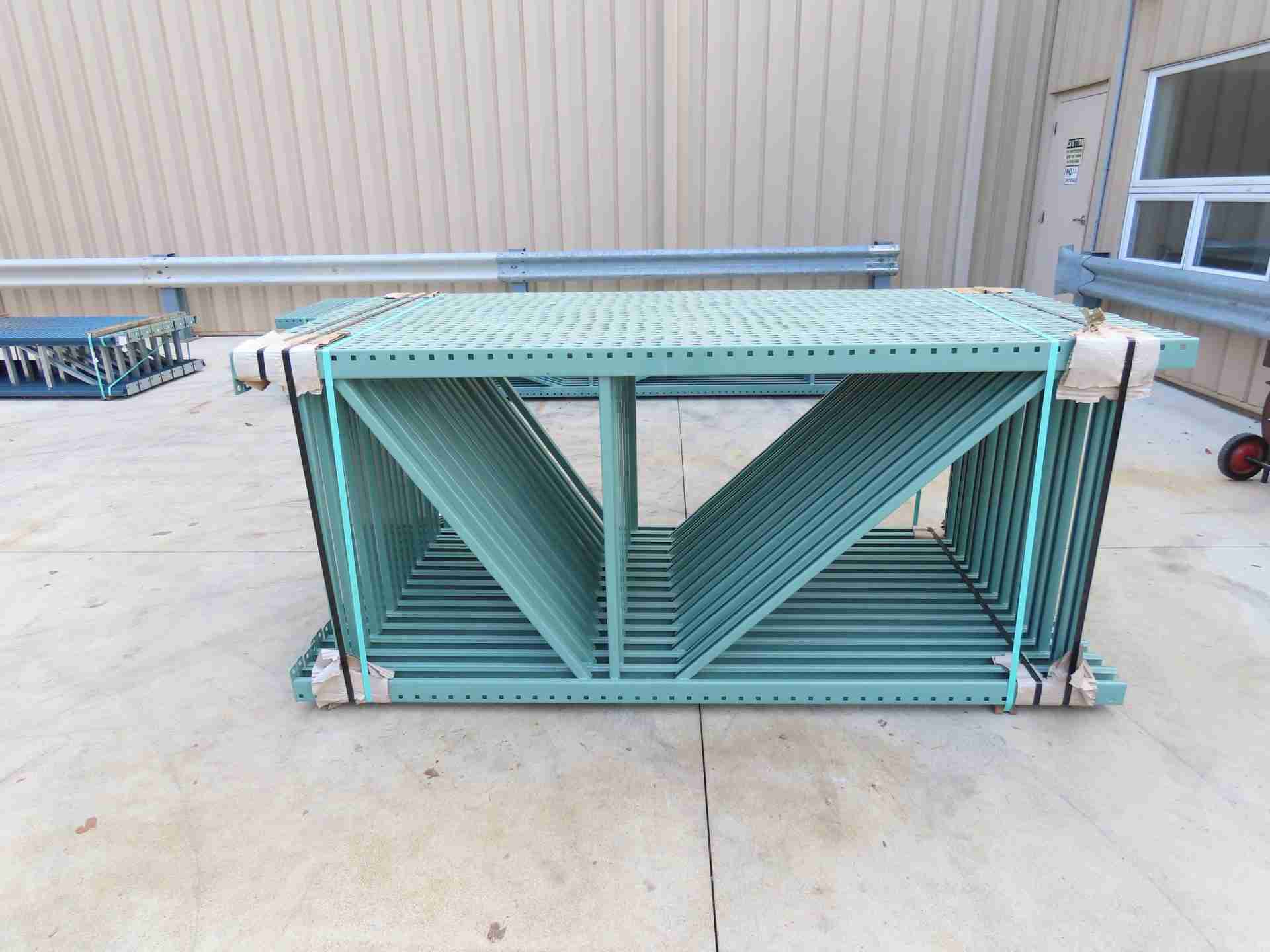
What Are The Benefits Of Using Locally Sourced Racks?
Are There Specific Measurements I Need For My Existing Setup?
When it comes to optimizing your storage capabilities, particularly with pallet racking systems, precise measurements are your best allies. The effectiveness of your pallet racking setup relies heavily on understanding not only the dimensions of your warehouse but also the needs of your inventory. Just imagine transforming an underutilized space into a well-oiled machine of productivity, all by paying attention to the right measurements.
First, let’s consider height and vertical space. With the recent shifts in supply chain dynamics, as companies rethink their logistics strategies in a post-pandemic world, maximizing vertical storage has never been more crucial. Measure the height of your warehouse ceiling and subtract the necessary clearance for safety and operation. For instance, if your warehouse boasts a ceiling height of 20 feet and you need 3 feet of clearance, you can efficiently utilize up to 17 feet with your pallet racking.
Next, the width and depth of the racking come into play. This starts with your existing flooring conditions. Is your warehouse accommodating heavy-duty equipment? Measurements such as aisle widths become critical here. The standard recommendation is at least 12 feet between racks, allowing optimal maneuverability for forklifts. On a recent visit to a distribution center that adopted a new racking layout, they benefited from increasing their aisle width, which not only improved safety but also cut down the time taken for retrieval by 15%.
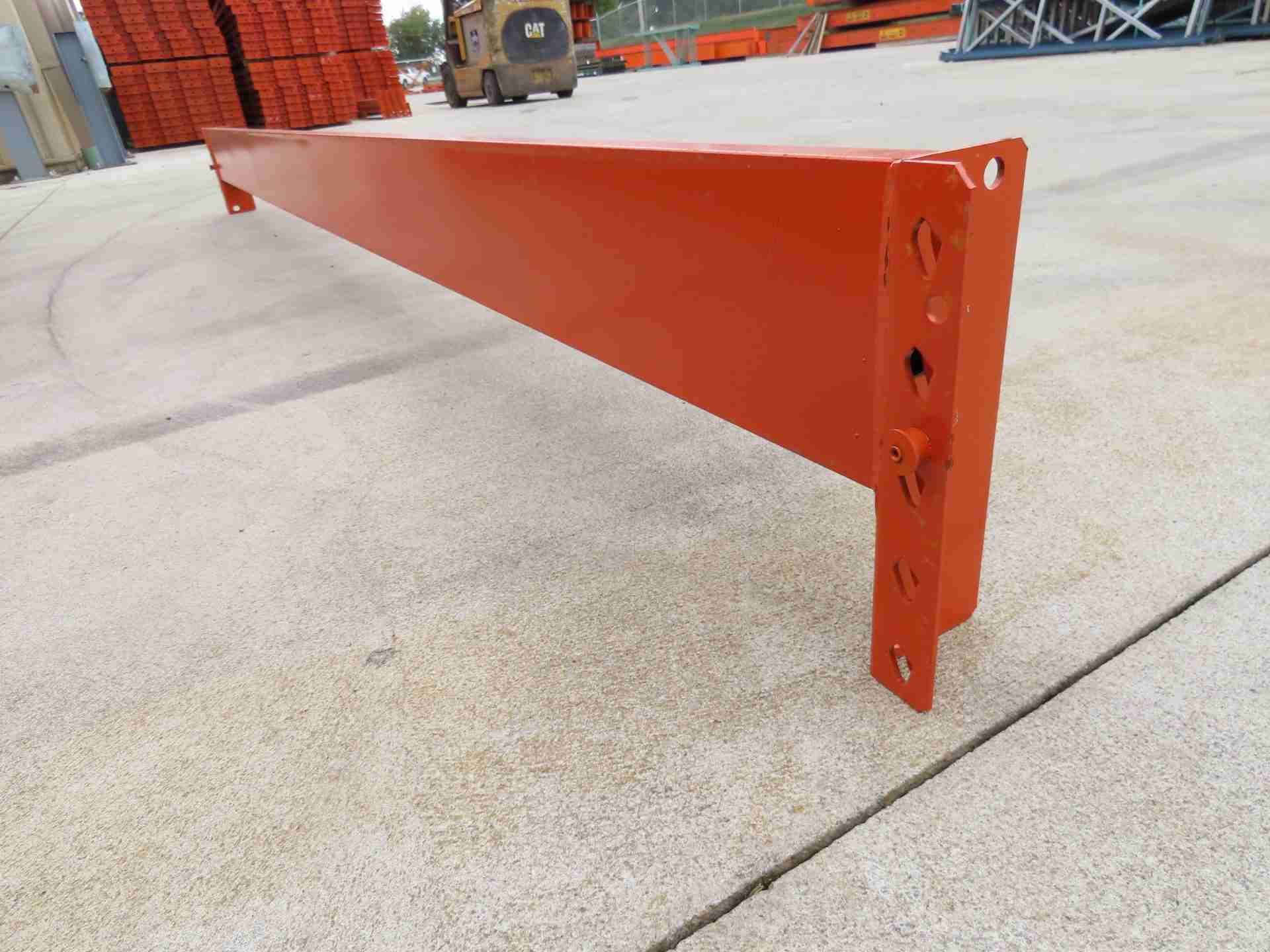
Now, let’s transition to weight capacity. Each pallet racking system has a specified capacity that directly correlates to the measurements of both the beams and uprights. Evaluate the weight of your inventory—are you storing boxes of lightweight products, or do you have pallets filled with industrial equipment? Neglecting to account for weight distribution can lead to catastrophic failures. Keep in mind the alarming reports coming out of warehouse outages lately, often tied to racking systems overloaded beyond their capabilities.
Lastly, consider the layout and flow of your operations. The right measurements can enhance workflow efficiency. For example, if you’re employing a First-In-First-Out (FIFO) strategy, the measurements of your racking system need to support easy access from receiving to shipping areas, reducing bottlenecks in the process.
The bottom line? Taking the time to measure accurately, right down to every inch, ensures that your pallet racking system aligns with your operational goals and scales as your business evolves. Ignoring these details is a surefire way to leave productivity on the table. Take your measurements seriously—they are the foundation upon which your warehouse efficiency is built.
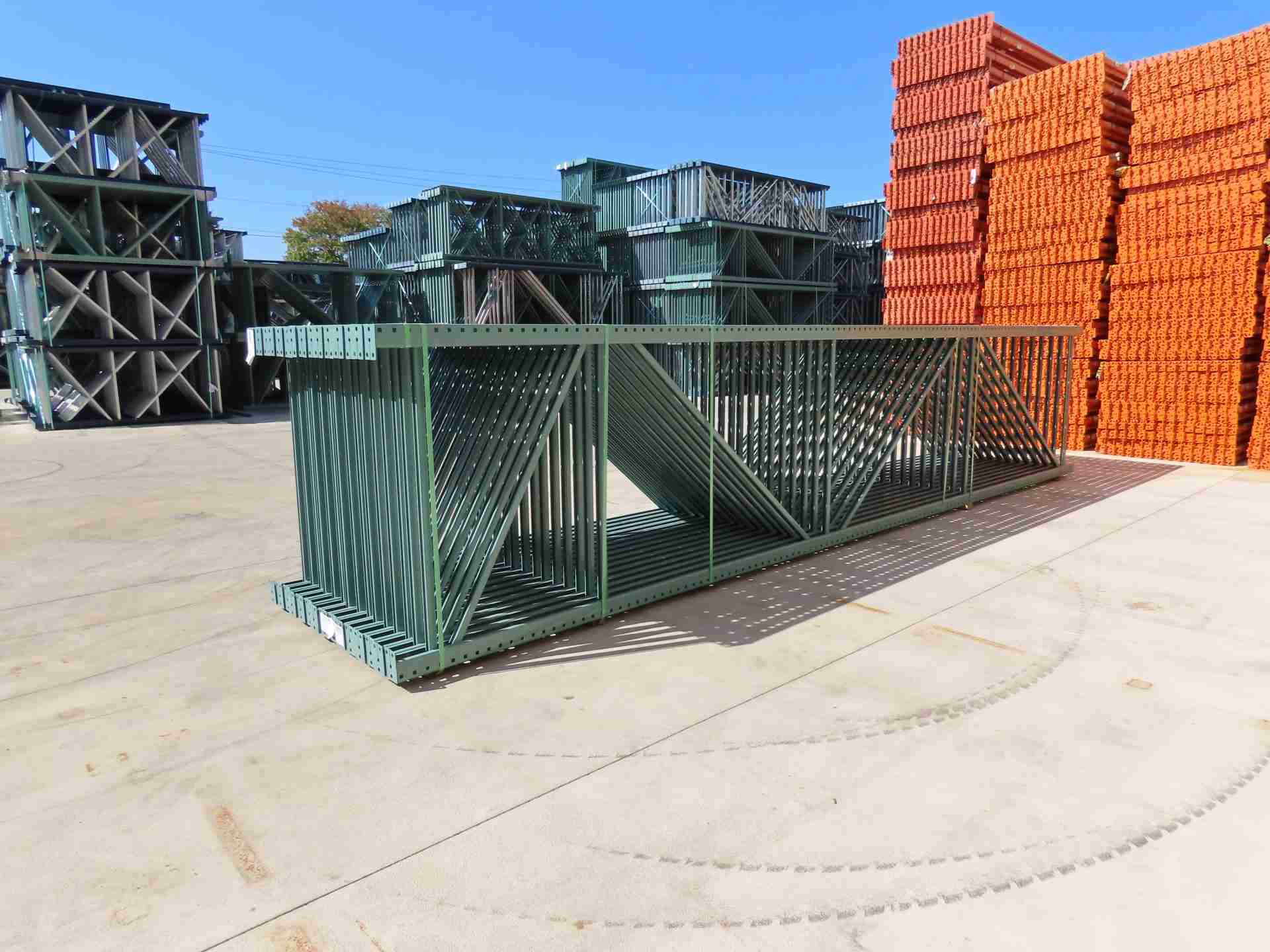
Are There Specific Measurements I Need For My Existing Setup?
Are There Specific Measurements I Need For My Existing Setup?
- Precise measurements are essential for optimizing pallet racking systems and overall storage capabilities.
- Understanding warehouse dimensions and inventory needs is crucial for effective pallet racking setup.
- Maximizing vertical storage space is vital, especially in the post-pandemic logistics landscape.
- Aisle widths should be at least 12 feet to allow optimal maneuverability for forklifts and improve safety.
- The weight capacity of racking systems must be aligned with the weight of inventory to avoid catastrophic failures.
- The layout and flow of operations should support efficient access and minimize bottlenecks, especially with FIFO strategies.
- Accurate measurements directly contribute to warehouse efficiency, aligning with operational goals as businesses evolve.

Are There Specific Measurements I Need For My Existing Setup?
How Do Locally Sourced Racks Compare To Pre-Manufactured Options?
When it comes to optimizing warehouse space, pallet racking systems stand at the forefront of logistical efficiency. As businesses grapple with escalating shipping costs and the ongoing supply chain hiccups from the pandemic, the conversation around sourcing has shifted from cost to locality.
Locally sourced racks offer a unique edge that pre-manufactured options often can’t match. Take, for instance, a local manufacturer who can deliver pallet racking tailored to your specifications. This adaptability means you can design the system that aligns perfectly with your warehouse layout, rather than forcing a pre-manufactured solution to fit. Imagine trying to fit a square peg in a round hole—sure, you could shove it in there, but wouldn’t it be easier to have the right shape from the get-go?
Consider the success stories coming from businesses that have opted for local fabricators amid present supply chain challenges. A regional furniture distributor recently switched to locally sourced pallet racking after facing delays and quality issues with international suppliers. As a result, not only did their pallets fit seamlessly in their storage area, but they also enjoyed faster turnaround times and reduced shipping costs, which is a win-win in today’s economy.
Moreover, when you’re dealing with a local vendor, customer service elevates significantly. Say you experience a hiccup with your newly installed racking system. Instead of navigating through layers of customer support and waiting weeks for a response, a quick call to your local supplier can have a technician on-site in record time. This local touch isn’t just about efficiency; it builds a relationship, fostering trust that pre-manufactured options simply don’t provide.
There’s also the increasing consumer preference for sustainability. Locally sourced pallet racking can often be made from recycled or sustainably sourced materials, resonating with an audience that prioritizes green practices. This trend isn’t just a marketing gimmick; brands committed to sustainability are seeing significant boosts in customer loyalty and engagement.
Lastly, think about the impact of supporting local economies. Every rack purchased from a local supplier contributes to job creation and stimulates economic growth within your community. With events like “Shop Local” gaining momentum, businesses have a chance to align themselves with a growing movement.
While pre-manufactured options have their place, the flexibility, support, sustainability, and community impact of locally sourced pallet racking solutions offer compelling advantages that your operation can tap into today.

How Do Locally Sourced Racks Compare To Pre-Manufactured Options?
How Do Locally Sourced Racks Compare To Pre-Manufactured Options?
- Pallet racking systems are crucial for optimizing warehouse space amidst rising shipping costs and supply chain challenges.
- Locally sourced racks can be customized to fit specific warehouse layouts, unlike pre-manufactured options.
- Businesses have reported success in switching to local fabricators, resulting in better fit, faster turnaround, and lower shipping costs.
- Using local vendors enhances customer service, allowing for quick resolutions and building trust.
- Locally sourced racks often use recycled or sustainably sourced materials, appealing to eco-conscious consumers.
- Purchasing from local suppliers supports job creation and stimulates community economic growth.
- While pre-manufactured options are available, locally sourced solutions offer superior flexibility and community benefits.
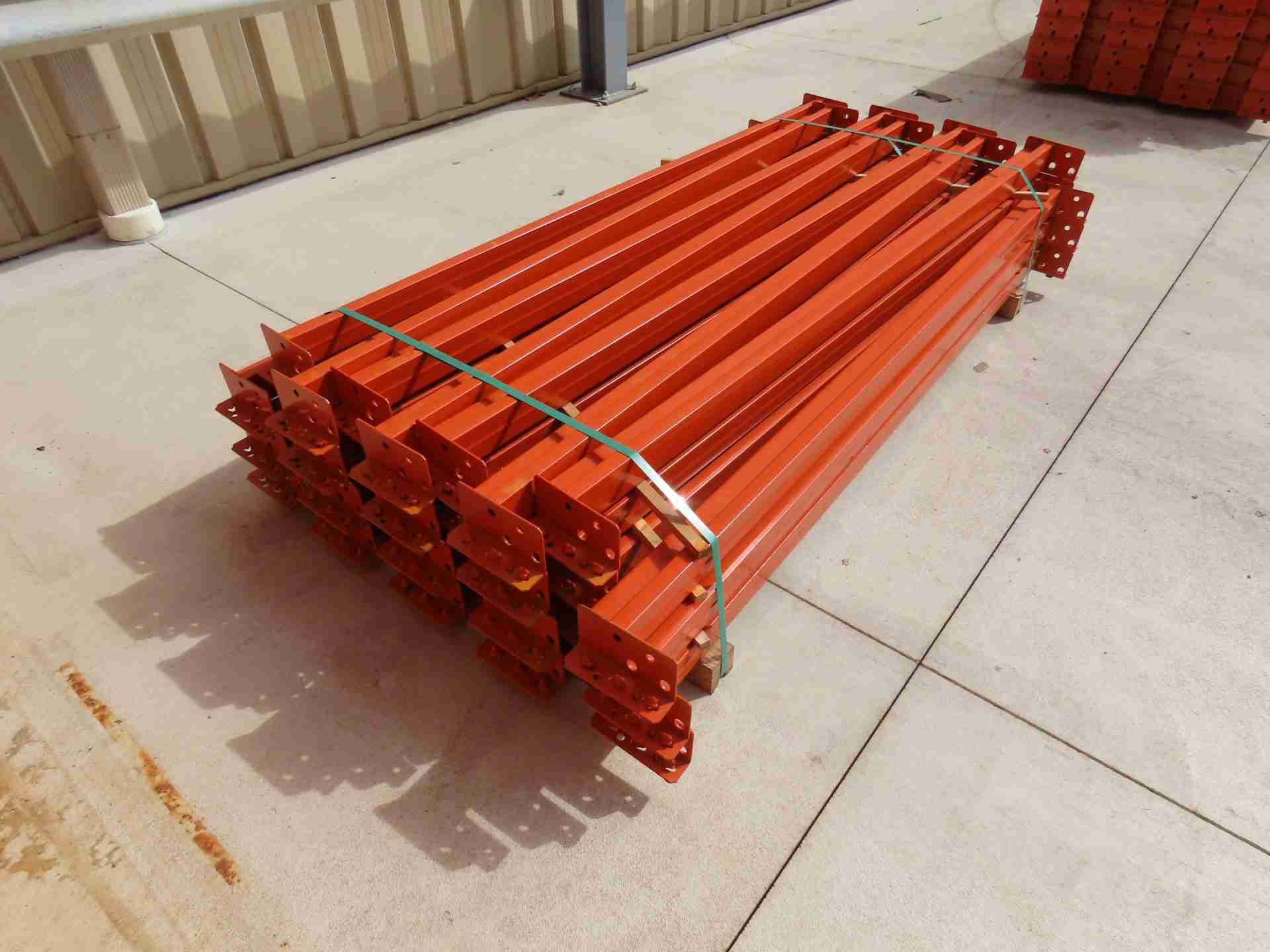
How Do Locally Sourced Racks Compare To Pre-Manufactured Options?
What Materials Should I Consider For Locally Sourced Racks?
When it comes to optimizing your storage space with locally sourced racks, the materials you choose can spell the difference between success and failure. Think about pallet racking, a staple in warehouses and businesses for good reason. Not only do these systems maximize vertical storage, but they also enhance efficiency and accessibility. In today’s market, where supply chain constraints roam free, relying on locally sourced materials offers a host of benefits.
Wood: One option that often flies under the radar is wood. It’s both sustainable and easily sourced from local lumber mills. For instance, reclaimed wood is gaining traction due to its rustic appeal and eco-friendly charm. Businesses looking to enhance their aesthetic can create striking, custom designs that speak volumes about their brand identity. In a time when consumers are increasingly leaning toward environmentally conscious businesses, a wooden pallet rack made from reclaimed materials can provide that competitive edge.
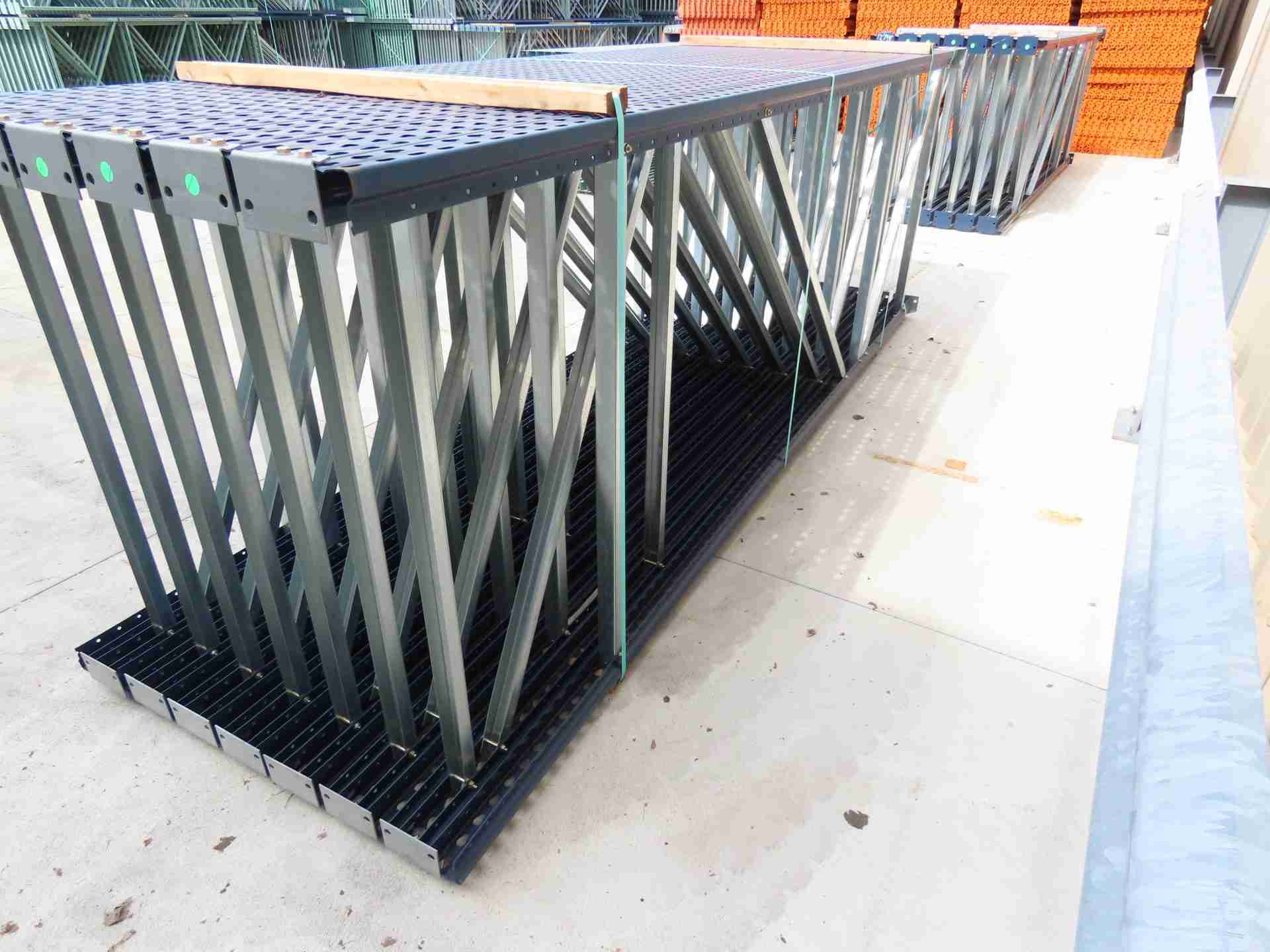
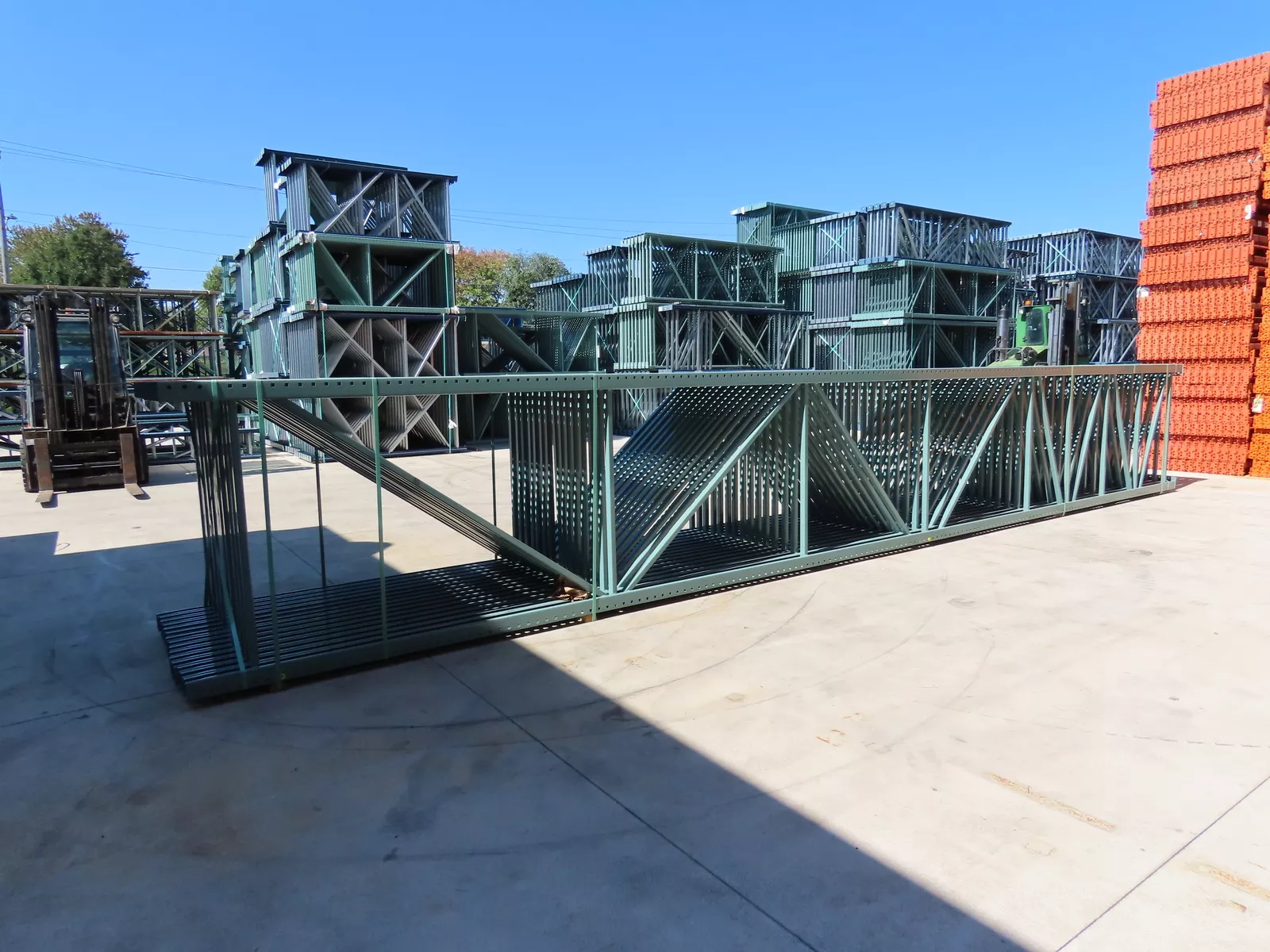
Metal: If durability is your primary concern, metal racks remain an unbeatable choice. Steel pallet racking, particularly, boasts strength for heavy-duty applications. Sourcing steel from local fabricators not only supports community business but also reduces transportation costs, which can be a significant line item in your budget. Local metal shops are often more flexible than larger manufacturers when it comes to customization, allowing you to design racks that fit your specifications perfectly.
Plastic: Don’t overlook plastic as a potential material for your racks, especially for storage in high-moisture environments like food processing or outdoor gardening. Locally sourced plastic provides a cost-effective alternative to wood or metal while ensuring a lightweight structure that won’t warp or rust. The surge in the demand for sustainable materials has left room for innovative solutions, such as recycled plastic pallet racking, which echoes current consumer trends favoring sustainability.
Hybrid Materials: Finally, consider racks that combine materials for maximum utility. Hybrid systems, which integrate metal and wood or plastic, can be particularly effective in warehouses with diverse storage needs. Such versatility can keep your operations agile, adapting to changes — a timely consideration in our fast-moving commercial landscape.
No matter which materials you choose for your locally sourced racks, remember this: It’s not just about the space you save. It’s about crafting an experience that mirrors the aspirations of today’s conscious consumer. By investing wisely in locally sourced materials for your pallet racking systems, you position yourself not just as a provider of goods, but as a steward of your community and the environment.
What Materials Should I Consider For Locally Sourced Racks?
What Materials Should I Consider For Locally Sourced Racks?
- Choosing the right materials for locally sourced racks can significantly impact storage space optimization.
- Pallet racking maximizes vertical storage and enhances efficiency and accessibility.
- Wood is a sustainable option; reclaimed wood offers aesthetic appeal and eco-friendly advantages.
- Metal racks, particularly steel, provide unmatched durability and support heavy-duty applications.
- Local fabrication of metal racks can reduce transportation costs and allow for better customization.
- Plastic is a lightweight, cost-effective alternative that works well in high-moisture environments.
- Hybrid racks combining materials like metal and wood or plastic offer versatility for diverse storage needs.
What Materials Should I Consider For Locally Sourced Racks?
Conclusion
In the evolving landscape of warehousing, the question of how to optimize storage systems while ensuring current setups remain efficient is paramount. At Arrow Industrial Sales, we understand the critical nature of this inquiry—“Will locally sourced racks work with my existing setup?” The answer is a powerful, definitive yes! By integrating locally sourced pallet racking, not only can you enhance compatibility with existing equipment, but you also seize the opportunity to drive operational efficiency and sustainability.
Think about it: by selecting racks from local suppliers, businesses can mitigate common pain points such as long lead times and costly shipping fees. As freight costs continue to fluctuate, sourcing locally allows you to maintain agility and responsiveness, which are essential in today’s market. Consider a scenario where your e-commerce operations hinge on quick inventory turnover—having a local partner means you can rapidly customize solutions to fit your unique needs, ensuring your operations continue to flow without a hitch.
Moreover, the sustainability aspect of choosing local cannot be overstated. In a world where consumers are increasingly eco-conscious, embracing locally sourced racks strengthens your brand’s commitment to environmentally responsible practices. This not only boosts your brand’s image but also resonates with a customer base that values community engagement and local support.
But the benefits don’t stop there. Local suppliers often provide a degree of customization that larger manufacturers can’t match. This personalized service fosters stronger relationships and opens doors to tailored solutions, safeguarding both the quality and functionality of your racking systems.
As you embark on this transformative journey of integrating locally sourced racks, it’s crucial to assess existing dimensions, weight capacities, and compatibility with current technology. By asking the right questions and working closely with knowledgeable suppliers, you’ll secure an investment that fundamentally elevates your business’s operational capabilities.
In today’s competitive landscape, the decision to choose locally sourced pallet racking is not just a procurement strategy; it is a transformative move towards enhancing efficiency, supporting local economies, and championing sustainability. Don’t let this opportunity pass you by—connect with Arrow Industrial Sales at (574) 349-6575 today to learn how you can begin this journey and take your warehousing operations to new heights. The time to act is now; your ideal warehouse solution is just a call away!

Conclusion
Conclusion:
- Optimizing storage systems is crucial for effective warehousing.
- Locally sourced racks integrate well with existing setups, enhancing compatibility.
- Choosing local suppliers mitigates long lead times and reduces shipping costs.
- Sourcing locally improves agility and responsiveness in a fluctuating freight market.
- Emphasizing local sourcing supports sustainability and enhances brand image.
- Local suppliers offer customization and personalized service, fostering strong relationships.
- Assess existing needs and consult knowledgeable suppliers for a successful integration of locally sourced racks.
Conclusion
Other Resources

Other Resources
Here is a list of other resources you can review online to learn more:
- Pallet Racking systems in Illinois and Great Lakes
- Cantilever Rack Configuration & Installation: A Comprehensive Guide – BMH
- Selective Pallet Racking Systems – Container Systems
- What is Selective Pallet Racking
- Warehouse Racks, Warehouse Racking in Stock – ULINE
- Used Pallet Rack for Sale in Illinois – American Surplus
- Warehousing Education and Research Council: https://www.werc.org/
- Interlake Mecalux
- Warehouse Storage Racking in Illinois
- Rack Manufacturers Institute
Use This Prompt To Get More Resources With Your Favorite Online AI Tool: Please provide me with a list of online articles with their URLs in a bulleted list that I can read regarding Will Locally Sourced Racks Work with Your Existing Setup?
Other Resources
Glossary Terms
Will Locally Sourced Racks Work with Your Existing Setup? – Glossary Of Terms
1. Locally Sourced: Products or materials obtained from nearby suppliers or manufacturers, reducing transportation emissions and supporting local economies.
2. Racks: Structures designed to hold, support, or store items, often used in warehouses, homes, or businesses for organization.
3. Setup: The arrangement or configuration of equipment, furniture, or systems in a particular space to meet specific needs.
4. Compatibility: The ability of different systems, components, or products to work together without conflict or the need for modification.
5. Weight Capacity: The maximum weight that a rack can safely hold without risk of failure or collapse.
6. Dimensions: The measurements of an object, including height, width, and depth, critical for ensuring a proper fit in existing layouts.
7. Customization: Modifying or adapting a product to meet specific requirements or preferences.
8. Materials: The substances used to construct racks, such as metal, wood, plastic, or composite, which can affect durability and aesthetics.
9. Support Brackets: Components used to reinforce and stabilize racks, ensuring they can hold heavy items securely.
10. Integration: The process of combining new components or products with existing systems to work seamlessly together.
11. Ergonomics: The study of people’s efficiency in their working environment, often influencing the design and placement of racks for ease of use.
12. Modular Design: A design approach that allows individual sections or pieces to be easily assembled, reconfigured, or expanded as needed.
13. Durability: The ability of a rack to withstand wear, pressure, or damage, which impacts its longevity and performance.
14. Installation: The process of setting up and assembling racks within a specific environment, which may require tools and expertise.
15. Standards Compliance: Adherence to industry guidelines or regulations ensuring safety, reliability, and performance of storage solutions.
16. Load Distribution: The even spread of weight across a rack, which is crucial for maintaining stability and preventing localized stress.
17. Aesthetics: The visual appeal of racks, including color, finish, and style, which can affect their integration into existing setups.
18. Versatility: The ability of racks to serve multiple purposes or accommodate different types of items within a setup.
19. Space Optimization: The practice of arranging items to make the best use of available space, which can influence rack selection.
20. Storage Solutions: Various methods and systems for organizing and storing items efficiently, of which racks are a common element.
21. Customization Options: Features that allow buyers to tailor racks to meet specific requirements, enhancing functionality and fit.
22. Retrofitting: The process of adding new technology or features to existing systems, such as modifying a current setup to accommodate new racks.
23. Manufacturer Specifications: Detailed information provided by the producer of a rack, outlining its features, limitations, and installation guidelines.
24. Safety Guidelines: Recommendations that ensure safe usage and installation of storage solutions, pertinent for both users and environments.
25. Accessibility: The ease with which items stored on racks can be reached, affecting overall functionality in a workspace.
26. Static vs. Dynamic Storage: Static storage refers to racks that do not move, whereas dynamic storage systems incorporate features like sliding mechanisms for easier access.
27. Assembly Instructions: Step-by-step guidelines provided for building or installing racks, fundamental for proper setup.
28. Clearance Space: The area required around a rack for safe access and operation, often a key factor in final placement.
29. Cost-Benefit Analysis: A method of assessing the financial benefits and drawbacks of investing in new racks versus keeping existing systems.
30. Supplier Options: Various local vendors or manufacturers from which racks can be purchased, playing a crucial role in sourcing decisions.

Glossary Of Terms
Other Questions
Will Locally Sourced Racks Work with Your Existing Setup? – Other Questions
If you wish to explore and discover more, consider looking for answers to these questions:
- What are the typical costs associated with locally sourced racks?
- How do I find local suppliers for pallet racking systems?
- What types of local materials are commonly used in rack manufacturing?
- What are the common customization options available for locally sourced racks?
- How do locally sourced racks compare in terms of longevity and durability?
- What safety standards should I be aware of when selecting pallet racking?
- Are there industry certifications for locally sourced racking systems?
- How can I assess the reputation of a local rack supplier?
- What are the potential downsides of using locally sourced racks?
- How do local sourcing practices impact inventory management?
- What specific features should I look for in pallets if I’m sourcing locally?
- Can locally sourced racks be integrated with automated systems?
- What are the environmental benefits of sourcing racks locally?
- How can I ensure that my locally sourced racks are compliant with industry regulations?
- Are there any case studies or testimonials regarding the use of locally sourced racks?
Other Questions
Checklist
Will Locally Sourced Racks Work with Your Existing Setup? – A Checklist
Checklist for Integrating Locally Sourced Racks with Your Existing Setup
Before You Purchase
1. Assess Compatibility
_____ Verify the pallet racking type currently in use (e. g. , selective, drive-in, etc. ).
_____ Ensure your local supplier offers compatible rack configurations.
2. Measure Your Space
_____ Measure warehouse dimensions: height, width, and depth.
_____ Ensure adequate clearance for safety and operations.
3. Consider Load Capacity
_____ Evaluate the weight of your inventory.
_____ Verify that the chosen racks meet or exceed necessary load ratings.
4. Evaluate Local Supplier Quality
_____ Research local suppliers, read reviews, and ask for recommendations.
_____ Visit facilities if possible to inspect quality and craftsmanship.
5. Ensure Material Suitability
_____ Determine the best materials for your environment (wood, metal, plastic, hybrid).
_____ Assess materials for weight capacity, durability, and sustainability.
Integration Process
6. Plan for Customization
_____ Discuss customization options with your supplier to align with specific needs.
_____ Consider safety features and adjustments like height and aisle widths.
7. Check Technological Compatibility
_____ Ensure the new racks are compatible with existing equipment (forklifts, pallet jacks).
_____ Review workflows to identify any potential bottlenecks.
8. Confirm Delivery and Setup
_____ Check lead times and delivery logistics with local suppliers.
_____ Plan for installation, including any required modifications to existing setups.
Sustainability and Community Impact
9. Emphasize Local Sourcing Benefits
_____ Highlight the reduced carbon footprint of locally sourced racks.
_____ Engage with local manufacturers to support community growth.
10. Market Your Commitment
_____ Communicate your commitment to sustainability and local sourcing in your marketing efforts.
_____ Position your business as a community leader by promoting both economic and environmental benefits.
Maintenance and Future Considerations
11. Establish Quality Assurance
_____ Set up a periodic inspection routine to ensure rack safety and integrity.
_____ Maintain communication with your supplier for any potential issues.
12. Plan for Future Changes
_____ Stay flexible with your setup to adapt to future growth or changes in inventory.
_____ Consider additional local suppliers for future needs or expansions.
By utilizing this checklist, you can streamline the process of integrating locally sourced racks into your existing equipment and maximize both efficiency and sustainability in your operations.

Checklist
At RackingWorld, we help guide you through selecting warehouse storage systems and racking.
Be sure to read our other related stories at RackingWorld to learn more about warehouse storage systems.
0 Comments