
Securing Sustainable Suppliers For Your Future Racks
By Tom Seest
At RackingWorld, we help guide you through selecting warehouse storage systems and racking.
Be sure to read our other related stories at RackingWorld to learn more about warehouse storage systems.
Will Local Suppliers Support Your Future Rack Needs?
In today’s fast-paced world, where supply chains are more unpredictable than ever, understanding whether your local suppliers can support your future rack needs is more critical than it’s ever been. Businesses must ask: are your current partners equipped to meet anticipated demand, to maintain quality, and adapt to the economic climate? Knowing that, let’s dive into the value of local suppliers when it comes to pallet racking.
Imagine this: you’re managing a bustling warehouse, and the demand for your products spikes. You need pallet racking solutions that not only boost storage capacity but also adapt quickly to your changing needs. This is where local suppliers shine. They often provide a level of flexibility that larger, national companies can’t match. When you require additional racks or modifications, local providers can offer prompt service, ensuring minimal downtime.
Consider the recent surge in e-commerce. Businesses like yours have seen unprecedented growth, and this trend demands more efficient warehousing solutions. Local suppliers are often more attuned to regional market demands and can customize pallet racking solutions tailored specifically for your operations. For instance, a local company might recognize the trend towards smaller, more frequent deliveries and suggest adjustable pallet racking systems that accommodate fluctuating inventory levels.
Let’s not overlook the financial aspects. Working with local suppliers can often mean lower shipping costs and shorter lead times. Imagine needing a new rack configuration yesterday; a local supplier can potentially deliver the necessary components instantly, while a distant supplier may leave you waiting for weeks. This agility can significantly reduce your operating costs, allowing you to reinvest those savings into other areas of your business.
In light of recent global supply chain disruptions—like those experienced during the pandemic—the importance of having reliable partners cannot be stressed enough. Local suppliers often have their procurement networks well established, which can help mitigate the impact of future shortages. By fostering these local relationships, you not only support your operational strategies but also the local economy, creating a win-win situation.
Scrutinizing your supply chain options is essential for the future of your business. Will local suppliers support your pallet racking needs? They have the ability to provide the quick, customized solutions you require in a tumultuous market. By leveraging these local relationships, you position your business for sustainable growth and adaptability in an evolving landscape. Don’t settle for less—partner with those who are invested in your success.
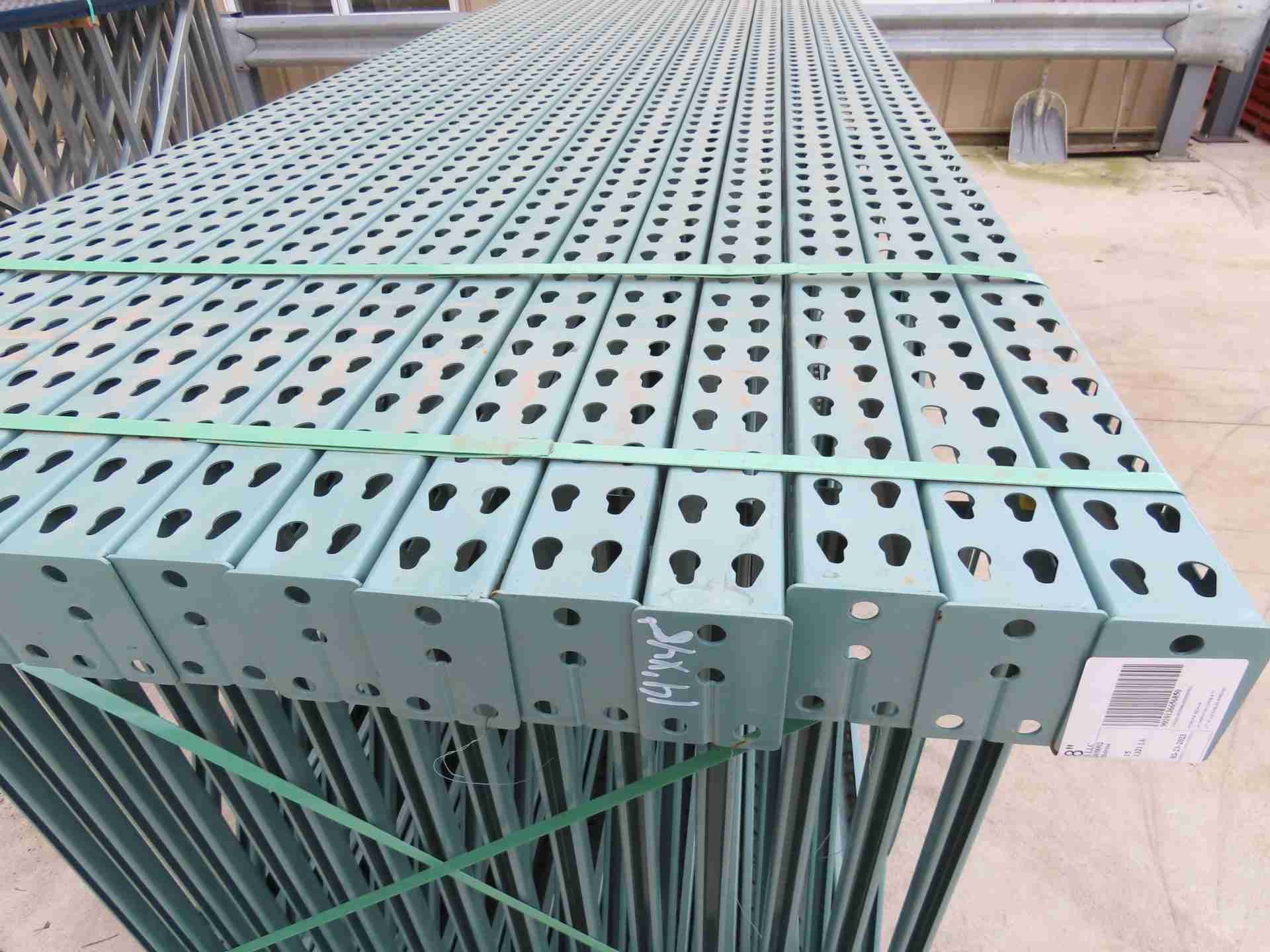
Will Local Suppliers Support Your Future Rack Needs?
Will Local Suppliers Support Your Future Rack Needs?
- Understanding local supplier capabilities is critical in today’s unpredictable supply chains.
- Local suppliers offer flexibility and quick responses to changing pallet racking needs.
- E-commerce growth drives demand for efficient, customized warehousing solutions from local providers.
- Working with local suppliers often results in lower shipping costs and shorter lead times.
- Local supplier networks help mitigate the impact of supply chain disruptions.
- Partnering with local suppliers supports operational strategies and the local economy.
- Leveraging local relationships positions businesses for sustainable growth and adaptability.
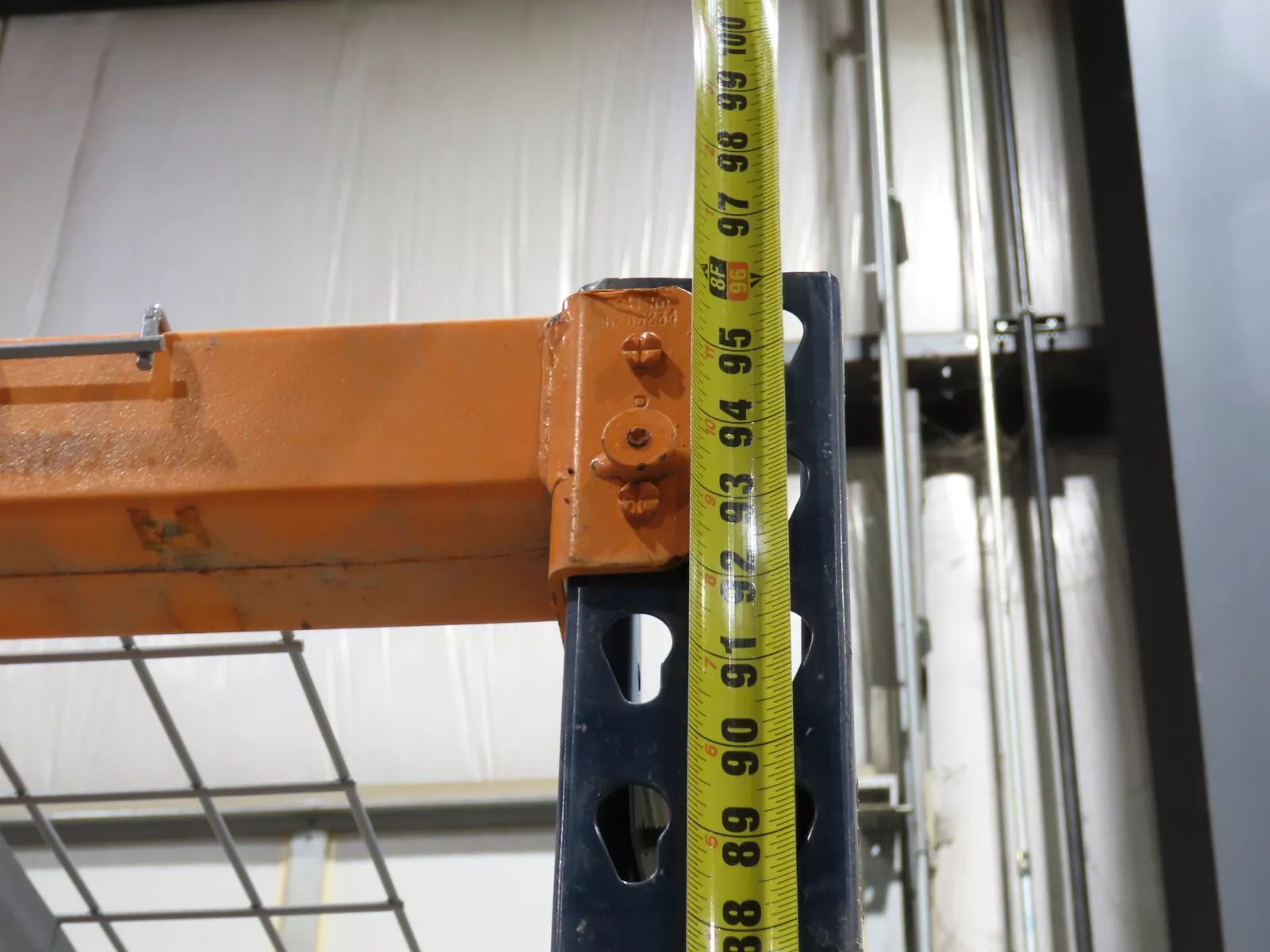
Will Local Suppliers Support Your Future Rack Needs?
Table Of Contents
- Will Local Suppliers Support Your Future Rack Needs?
- How Reliable Are Local Suppliers For Rack Availability?
- Can Local Suppliers Provide Customized Rack Solutions?
- What Factors Should You Consider When Choosing A Local Supplier?
- How Do Local Suppliers Compare To National Brands For Racks?
- What Are The Benefits Of Using Local Suppliers For Rack Needs?
- How Can You Assess The Quality Of Racks From Local Suppliers?
- Conclusion
- Other Resources
- Glossary Of Terms
- Other Questions
- Checklist
How Reliable Are Local Suppliers For Rack Availability?
In today’s fast-paced market, businesses increasingly depend on their local suppliers for pallet racking solutions that cater to their unique storage needs. But how reliable are these suppliers when it comes to rack availability? The answer often lies in their ability to adapt to changing industry demands and maintain flexible inventory levels.
Consider the ongoing disruption in global supply chains, which has left many manufacturers scrambling to meet their customers’ needs. Local suppliers, unlike larger distance suppliers, have a nimbleness that can provide a significant advantage during these times of uncertainty. A local supplier can respond quickly to fluctuations in demand, whether due to an uptick in e-commerce or seasonal inventory shifts. By favoring local partnerships, businesses can ensure they are always equipped with the best pallet racking solutions available.
For instance, look at the recent trend in warehousing and logistics spurred by the COVID-19 pandemic. Many businesses faced unprecedented challenges in sourcing necessary equipment to optimize their operations. Local suppliers who had built reliable relationships with regional manufacturers were able to secure pallet racking supplies faster than their distant counterparts. They didn’t just meet demand; they capitalized on market opportunities, thus cementing their status as trusted partners.
However, not all local suppliers are created equal. It’s crucial to vet potential partners for reliability. Look for suppliers who consistently maintain a robust inventory and who clearly communicate their lead times and ordering processes. A prime example of a reliable local supplier is a small family-owned business that specializes in custom pallet racking solutions. They have established a strong reputation for not only delivering high-quality racks on time but also offering personalized service that large suppliers often overlook.
Additionally, local suppliers are more likely to be aware of the latest trends and regulations affecting the pallet racking industry. For example, with the recent emphasis on sustainability and eco-friendly materials, local suppliers who stay ahead of these shifts can provide the most innovative and compliant solutions.
While the reliability of local suppliers for rack availability may vary, aligning your business with proactive, community-centered suppliers can offer remarkable benefits. They’ll not only meet immediate pallet racking needs but also position your operations for future growth as market conditions evolve. As the business landscape continues to shift, let your local suppliers be the keystone in your logistics strategy.
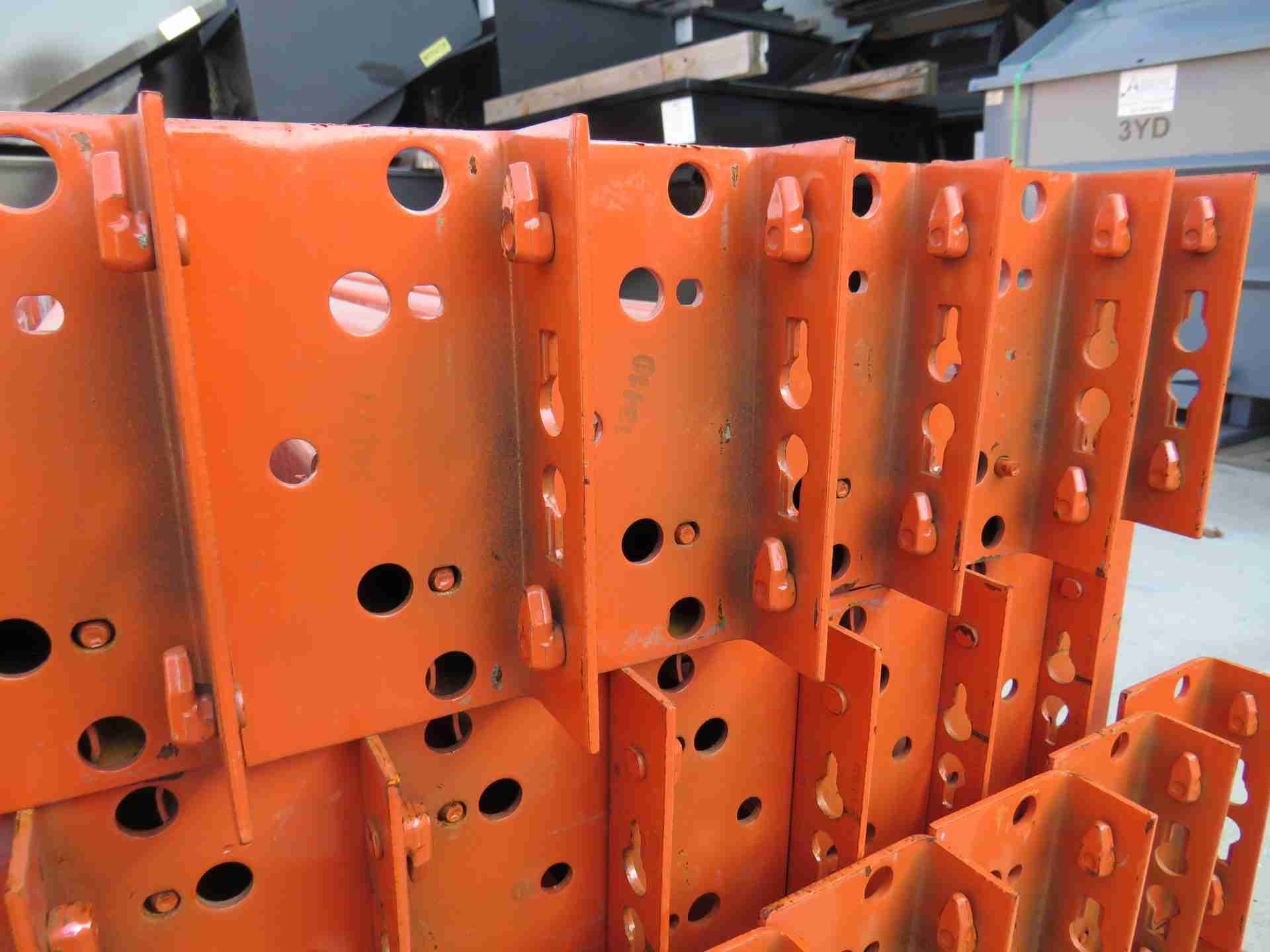
How Reliable Are Local Suppliers For Rack Availability?
How Reliable Are Local Suppliers For Rack Availability?
- Businesses increasingly rely on local suppliers for tailored pallet racking solutions.
- Local suppliers show greater adaptability to changing industry demands and flexible inventory levels.
- Ongoing global supply chain disruptions have affected many manufacturers, but local suppliers can respond quickly to demand changes.
- During the COVID-19 pandemic, local suppliers with strong regional relationships secured pallet racking supplies faster than distant suppliers.
- It’s essential to vet local suppliers for reliability, focusing on those with robust inventories and clear communication.
- Local suppliers are often more informed about current trends and regulations, enabling them to offer innovative and compliant solutions.
- Aligning with proactive local suppliers can meet immediate needs while positioning businesses for future growth.
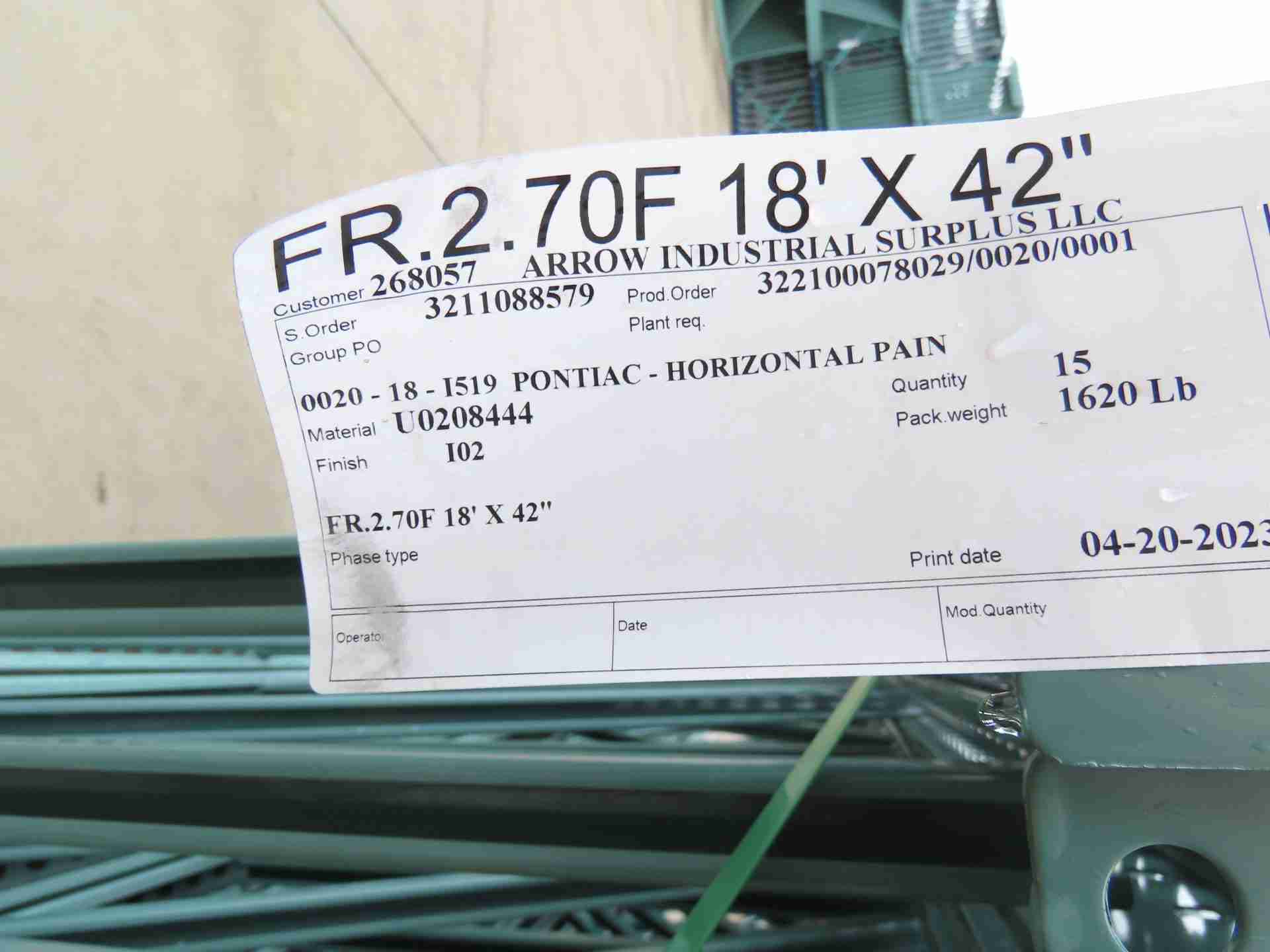
How Reliable Are Local Suppliers For Rack Availability?
Can Local Suppliers Provide Customized Rack Solutions?
In an increasingly competitive market, businesses are constantly seeking ways to optimize their operations and improve efficiency. One key area that often goes overlooked is warehouse storage solutions—specifically, the potential of local suppliers to provide customized rack solutions, such as pallet racking systems. With logistics and supply chain management becoming more critical than ever, partnering with local suppliers for tailored racking can empower your business to adapt quickly and effectively.
Consider a local supplier specializing in pallet racking systems. Unlike national retailers with rigid product lines, local vendors offer the flexibility to design and implement customized solutions that fit your specific space and operational needs. For example, if you run a niche e-commerce business that ships perishable goods, a local supplier can create a climate-controlled racking system designed for optimal airflow and visibility. The ability to collaborate closely with a supplier who understands your unique challenges can lead to innovative solutions that larger, impersonal companies often fail to deliver.
Recent events have further underlined the importance of local sourcing. Amid global supply chain disruptions caused by the pandemic, businesses have learned the hard way that relying solely on distant suppliers can lead to delays and lost revenue. However, local suppliers of pallet racking have shown resilience, often having a better grasp of regional demands and challenges. If you need an immediate supply of racking components, local suppliers are also likely to have stock on hand, eliminating the lengthy lead times associated with international shipments.
Moreover, embracing the local advantage creates opportunities for community support and economic growth. By investing in local suppliers, businesses are not just improving their operational prowess; they are contributing to the local economy and fostering relationships with trusted partners. Picture a local manufacturer of pallet racking who can quickly respond to your feedback and make real-time adjustments, allowing for more agile inventory management that can adapt to seasonal fluctuations or unexpected increases in demand.
Local suppliers offer a viable path for customized pallet racking solutions. The benefits of tailored design, quick turnaround times, and community engagement can provide your company with a competitive edge. So, why settle for a one-size-fits-all approach? Partner with a local supplier and transform your warehouse into a finely tuned operation ready to meet the challenges of today’s fast-paced market. The right solutions are just a conversation away!

Can Local Suppliers Provide Customized Rack Solutions?
Can Local Suppliers Provide Customized Rack Solutions?
- Businesses are seeking ways to optimize operations and improve efficiency in a competitive market.
- Local suppliers offer customized rack solutions, such as pallet racking systems, tailored to specific needs.
- Collaborating with local suppliers allows for innovative solutions that address unique business challenges.
- The pandemic highlighted the risks of relying on distant suppliers, as local suppliers showed resilience and better understanding of regional demands.
- Local suppliers often have readily available stock, reducing lead times compared to international shipments.
- Investing in local suppliers supports the community and fosters agile inventory management for businesses.
- Partnering with local vendors can provide a competitive edge with tailored designs, quick turnarounds, and improved community engagement.
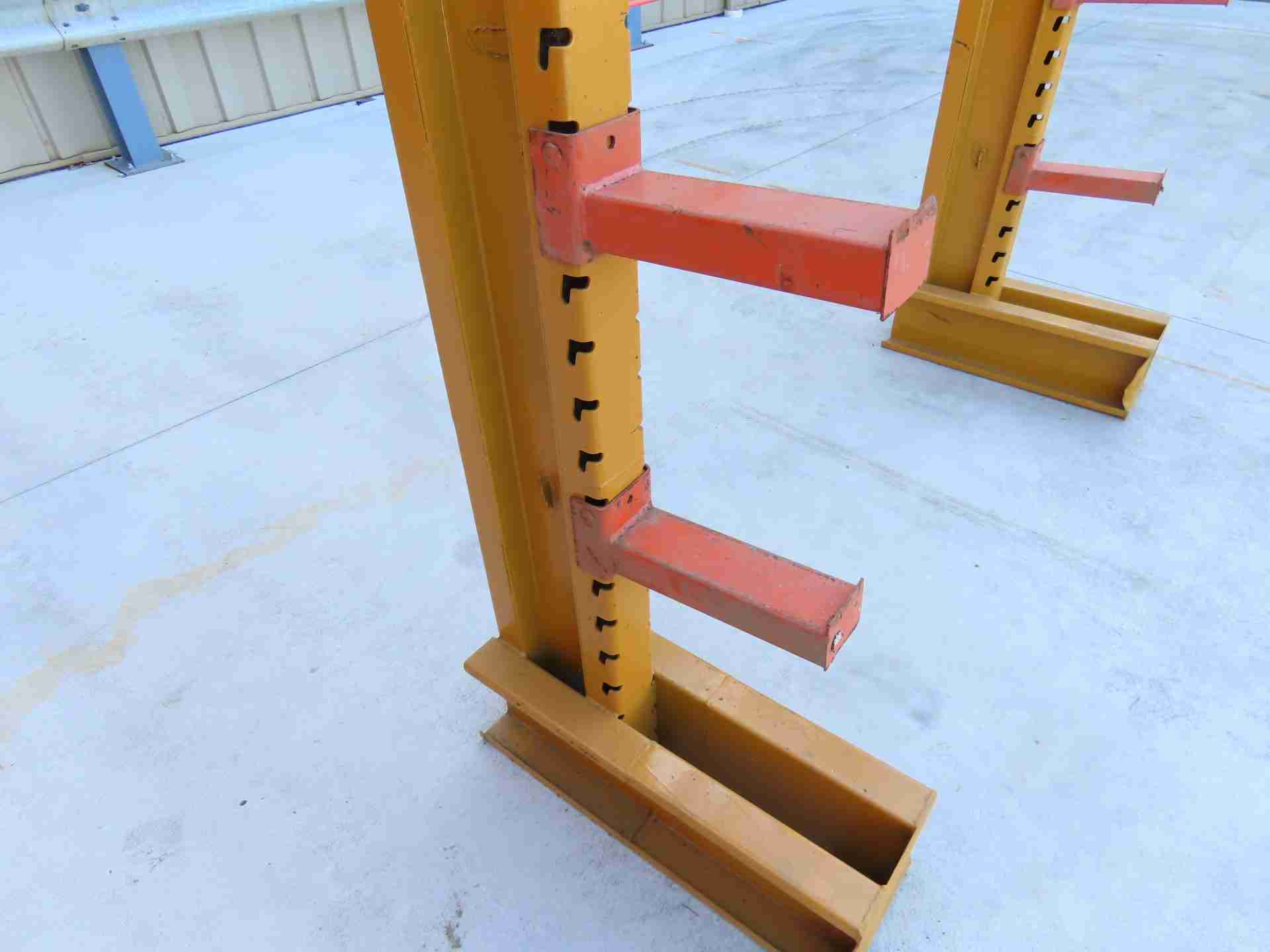
Can Local Suppliers Provide Customized Rack Solutions?
What Factors Should You Consider When Choosing A Local Supplier?
When it comes to choosing a local supplier, the stakes are higher than just price. For business owners, selecting the right supplier can mean the difference between streamlined operations and chaos. Whether you need essential materials like pallet racking for your warehouse or nuanced services that impact your product delivery, here are critical factors to consider.
Quality and Reliability: First and foremost, understand the importance of quality. A local supplier may provide low prices, but if their products fall short, such as flimsy pallet racking that doesn’t hold up under the weight of your inventory, you’ll face costly disruptions. Ask potential suppliers for samples, case studies, or testimonials. A recent survey showed that 78% of businesses cited unreliable suppliers as a critical reason for operational delays.
Proximity and Logistics: Secondly, consider the geographical advantage that local suppliers bring. A supplier located nearby can drastically reduce shipping times and costs. For instance, if you’re stocking up on pallet racking, a local supplier can get them to your location within hours rather than days. In a world where delivery times are getting shorter—exemplified by companies like Amazon—having a local partner can give you that competitive edge.
Financial Stability: You also want to assess the financial health of your prospective supplier. A financially stable supplier is less likely to run into issues that could affect their ability to deliver timely. With current market volatility affecting supply chains worldwide, businesses that partner with financially sound suppliers can insulate themselves from unforeseen disruptions.
Customer Support and Communication: In the realm of customer service, a local supplier can offer personalized attention. You can build a strong relationship with a supplier who understands your needs and is only a phone call away. Consider their responsiveness as an indicator of future interactions. Tardiness in responses might mirror how they handle crises when they arise.
Sustainability Practices: Lastly, in today’s environmentally-conscious market, it’s paramount to consider the sustainability practices of your supplier. Companies with green certifications or sustainable practices in their operations can enhance your brand’s reputation while also contributing to the greater good. With the latest environmental regulations tightening, ensuring your local supplier aligns with these standards is more critical than ever.
Choosing a local supplier is about more than just the bottom line. You want a partner you can rely on, one who supports your operational strengths, enhances your logistics, and aligns with both your quality and sustainability goals. Examine these factors closely, and you’ll find that the right local supplier can be the backbone of your business’s success.
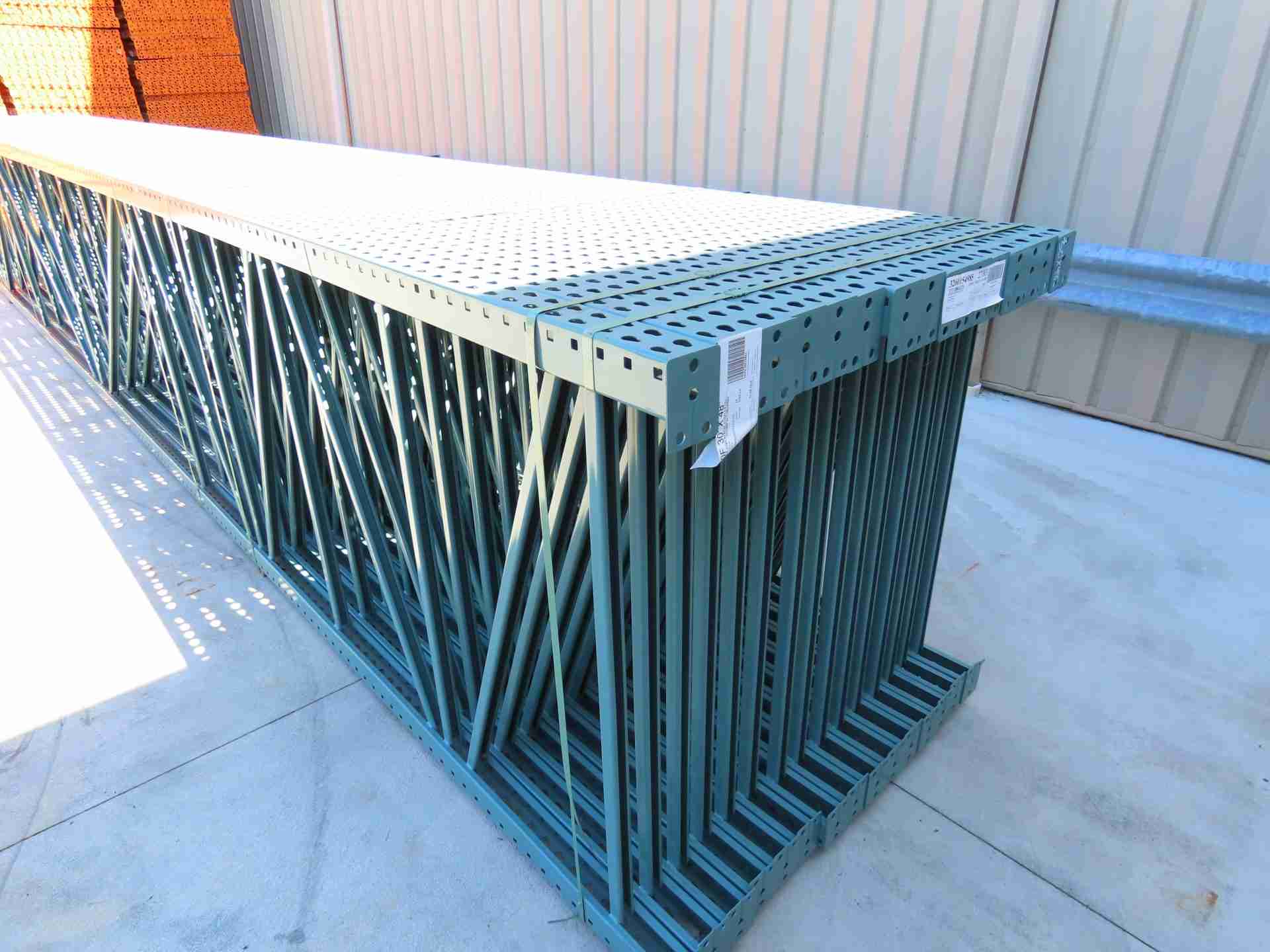
What Factors Should You Consider When Choosing A Local Supplier?
What Factors Should You Consider When Choosing A Local Supplier?
- Quality and Reliability: Prioritize high-quality products to avoid costly disruptions, such as unreliable pallet racking. Request samples and testimonials to assess potential suppliers.
- Proximity and Logistics: Local suppliers can reduce shipping times and costs, providing a competitive edge by ensuring faster delivery.
- Financial Stability: A financially sound supplier is less likely to face delivery issues, helping businesses mitigate risks amid market volatility.
- Customer Support and Communication: Strong relationships and personalized attention from local suppliers are crucial for effective communication and crisis management.
- Sustainability Practices: Consider suppliers’ environmentally-friendly practices; aligning with sustainability goals can enhance brand reputation and comply with regulations.
- Partnership Focus: Selecting a local supplier should focus on reliability and support for operations, not just cost savings.
- Overall Impact: The right local supplier is integral to business success, influencing logistics, quality, and sustainability.

What Factors Should You Consider When Choosing A Local Supplier?
How Do Local Suppliers Compare To National Brands For Racks?
When it comes to choosing the right racks for your business, the decision between local suppliers and national brands can feel overwhelming. Each option offers distinct advantages and drawbacks, particularly in categories like pallet racking. While national brands often promote themselves with a polished image and extensive distribution networks, local suppliers bring unique attributes that can lead to unexpected benefits.
Let’s start with national brands. They typically offer a wide array of pallet racking systems that might seem appealing due to their varied styles and standardized pricing structures. National brands often leverage economies of scale, which may allow them to provide lower average prices on their products. Their marketing is slick and their reputations are often built on years of extensive advertising reach, leading to a sense of trust among their audience. However, it’s essential to consider the nuances here—a lower price may not always equate to greater value. National suppliers may lack personalized service and frequently employ generic solutions, leaving you to navigate the complexities of your specific needs alone.
In contrast, local suppliers often deliver a personal touch that national brands struggle to replicate. Local businesses understand the landscape of your community—and they know the specific requirements of operations similar to yours. For example, if you’re in the retail sector, a local supplier can offer tailored pallet racking solutions based on the space limitations and customer flow unique to your area. Moreover, they can adapt quickly to your evolving needs, providing a level of responsiveness that national suppliers often can’t match.
Additionally, supporting local suppliers often leads to a more sustainable business model. When you patronize a local vendor, the money stays within the community, fostering economic growth and creating local jobs in a time when small businesses are increasingly under pressure.
Recent events like supply chain disruptions have highlighted the vulnerabilities of relying solely on national brands. Businesses that partnered with local suppliers often found themselves better equipped to navigate these challenges, receiving timely support and adaptable solutions. In the face of uncertainty, having a reliable local supplier can mean the difference between stagnation and growth.
While national brands may offer broad appeal and a plethora of options, the personalized service, community engagement, and adaptability of local suppliers can provide an edge that aligns perfectly with the unique needs of your business’s pallet racking requirements. Don’t just settle; choose wisely.
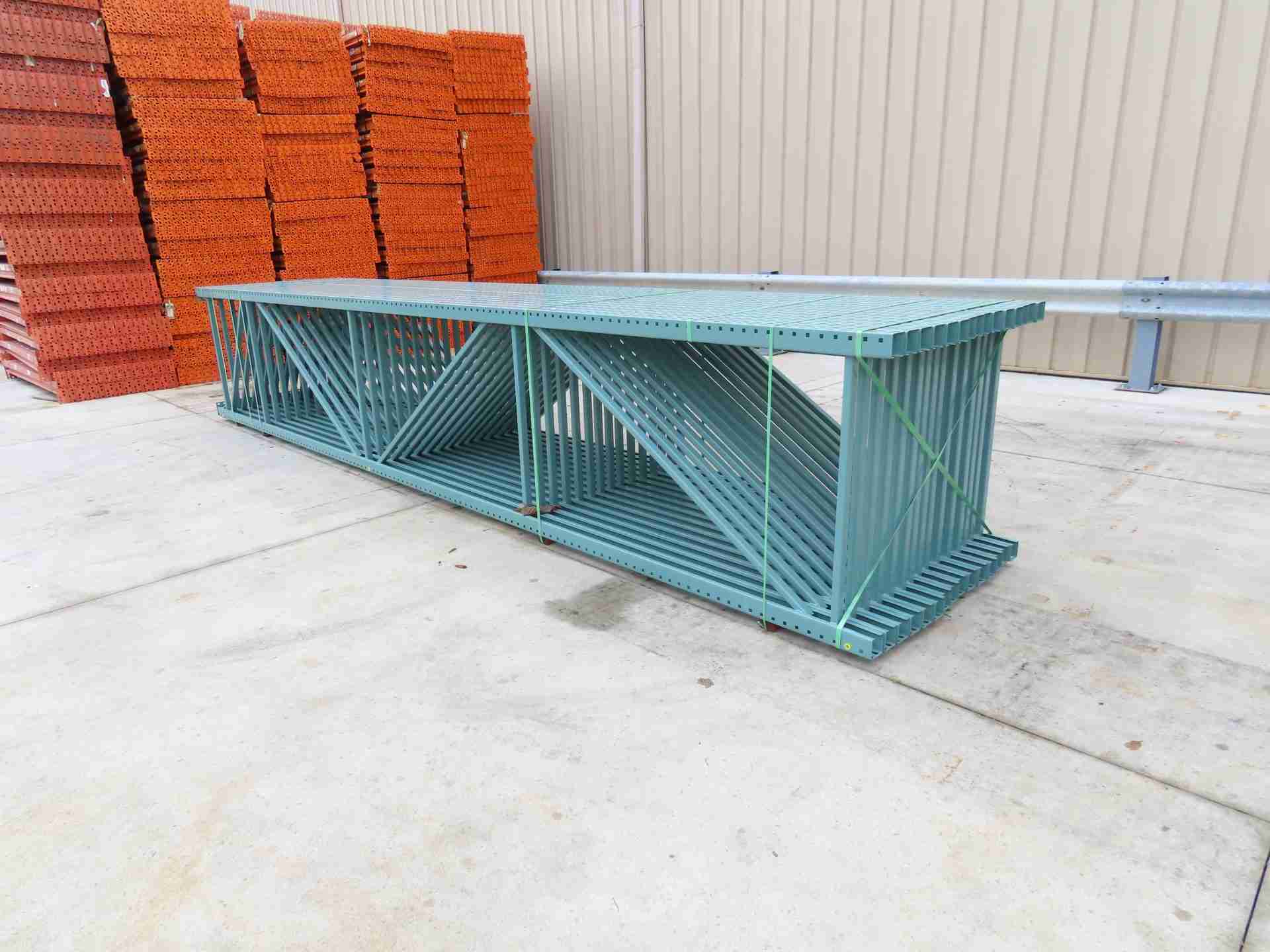
How Do Local Suppliers Compare To National Brands For Racks?
How Do Local Suppliers Compare To National Brands For Racks?
- The choice between local suppliers and national brands for pallet racking can be overwhelming.
- National brands provide extensive product variety and lower average prices due to economies of scale, but may lack personalized service.
- Local suppliers offer a personal touch and tailored solutions based on community-specific requirements.
- Local vendors can adapt quickly to evolving business needs, providing a level of responsiveness national suppliers may lack.
- Supporting local suppliers contributes to sustainable economic growth and job creation within the community.
- Recent supply chain disruptions have shown the advantages of partnering with local suppliers for timely support and adaptable solutions.
- The personalized service and community engagement of local suppliers can align better with your business’s unique pallet racking needs.
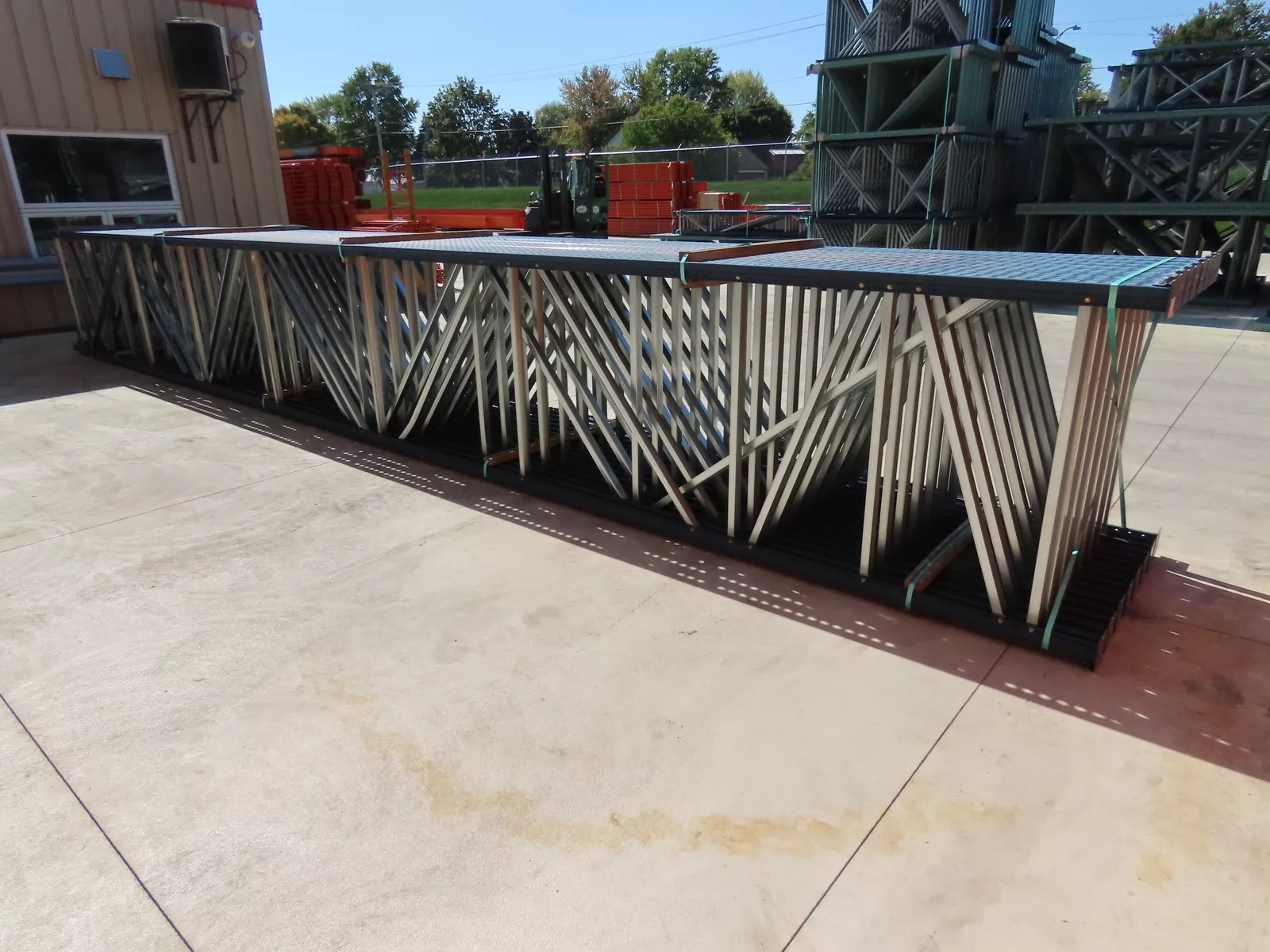
How Do Local Suppliers Compare To National Brands For Racks?
What Are The Benefits Of Using Local Suppliers For Rack Needs?
In today’s fast-paced business landscape, choice is abundant. Yet, when it comes to selecting suppliers for pallet racking solutions, a local partner can provide invaluable advantages that extend far beyond simply supporting your community. Understanding the benefits of using local suppliers for your rack needs can set your business up for success—not just in savings, but in efficiency and reliability.
Firstly, let’s talk about accessibility. Local suppliers offer immediate support and ease of communication that larger, distant distributors simply cannot match. Picture this: your warehouse encounters a sudden surge in inventory due to a booming e-commerce season—like the recent uptick in online shopping during the back-to-school season. That’s when having a local supplier makes all the difference. You can make that quick call, have a face-to-face conversation, and receive stock within days instead of weeks. With local suppliers, you gain speed and flexibility—critical factors in maintaining your operational edge.
Moreover, local suppliers often understand the specific needs and regulations of your region, allowing for tailored solutions that align perfectly with your operations. For instance, if you require a custom configuration of pallet racking to optimize your storage space, a local supplier can come by, assess your floor plan, and provide a personalized solution that considers not just the products you store but also the peculiarities of your logistics. A recent example is how many businesses in the Midwest adapted their warehouse layouts amidst supply chain disruptions. By working with local suppliers, they adapted their pallet racking systems on-the-fly to accommodate changing demand.
Additionally, fostering relationships with local suppliers can lead to enhanced service agreements that involve on-site consultations and installation. Unlike larger suppliers with higher turnover rates for their staff, local businesses often develop long-standing relationships, which leads to dedicated service and accountability. This not only builds trust but can also yield future cost savings through negotiated terms based on commitment and loyalty.
Lastly, let’s not ignore the sustainability angle. Choosing local suppliers significantly reduces the carbon footprint associated with transportation. As businesses increasingly pivot toward environmentally friendly practices, this local-first approach aligns with broader sustainability goals, which have become a centerpiece of current discussions in our economy.
When evaluating your pallet racking needs, consider the myriad benefits of local suppliers. They bring speed, personalized service, expert knowledge, and a commitment to sustainability, all of which form a solid foundation for your operational success. In a world where relationships matter, local suppliers could be your strategic advantage.
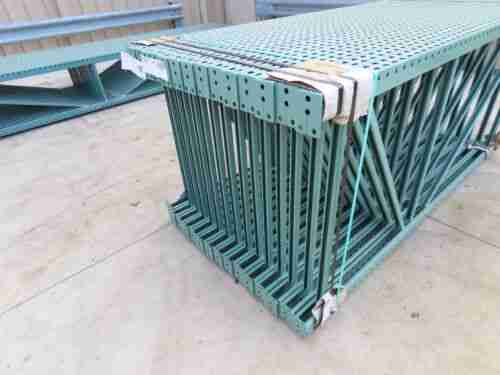
What Are The Benefits Of Using Local Suppliers For Rack Needs?
What Are The Benefits Of Using Local Suppliers For Rack Needs?
- Local partners for pallet racking solutions offer advantages beyond community support.
- Accessibility allows for immediate support and ease of communication with local suppliers.
- Local suppliers provide quick responses, which is crucial during bursts in inventory demands.
- They understand regional needs and regulations, allowing for tailored storage solutions.
- Building relationships with local suppliers enhances service agreements and accountability.
- Choosing local reduces transportation-related carbon footprints, supporting sustainability efforts.
- Local suppliers offer speed, personalized service, and expert knowledge, benefiting operational success.
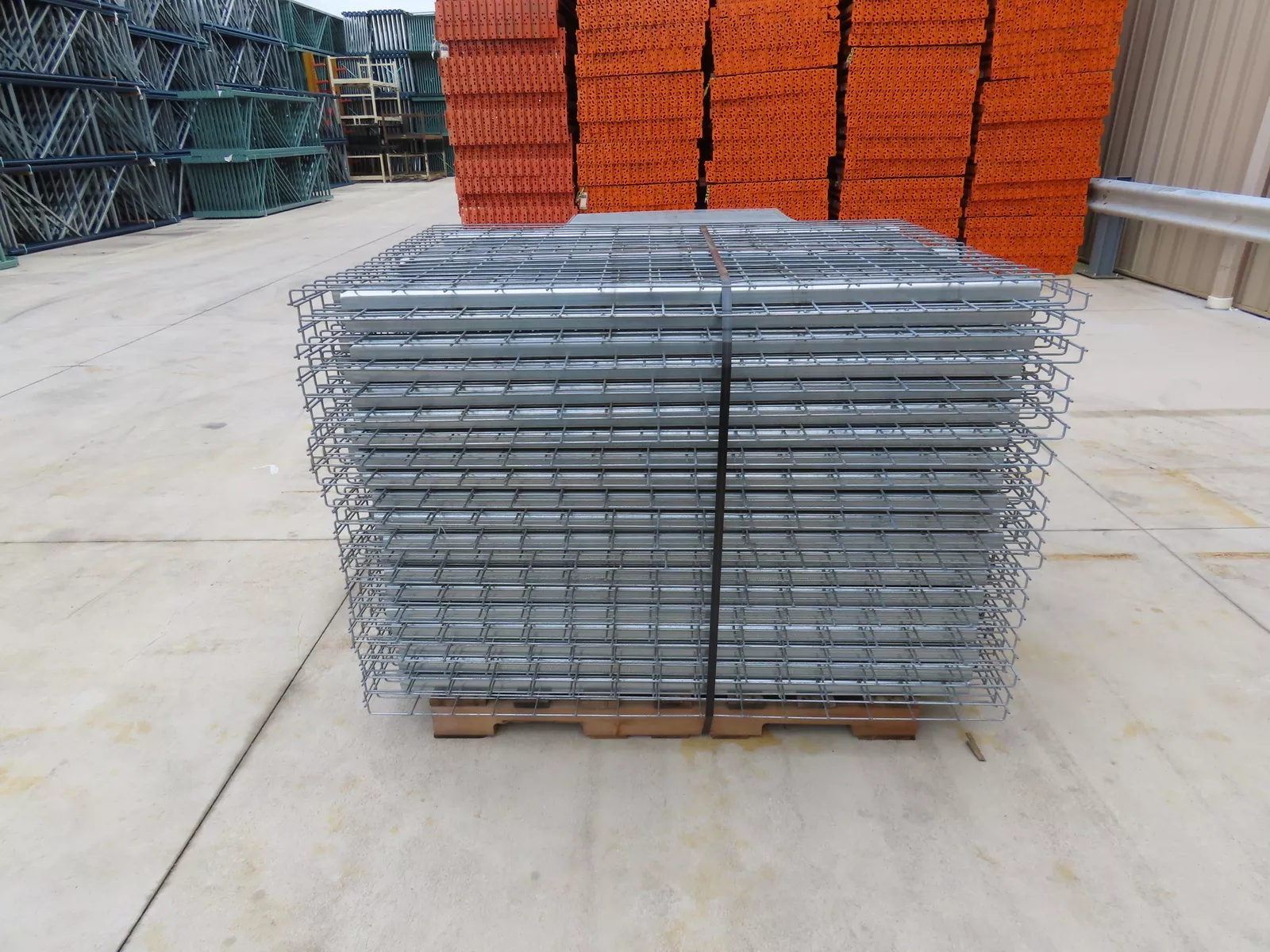
What Are The Benefits Of Using Local Suppliers For Rack Needs?
How Can You Assess The Quality Of Racks From Local Suppliers?
When investing in warehouse solutions, particularly pallet racking, the stakes are high. The right rack isn’t merely a structure; it’s the backbone of your operations, influencing efficiency, safety, and profitability. Choosing a local supplier can evoke a sense of trust, but how do you ensure that the quality of their racks measures up to your expectations? Here’s a foolproof framework.
1. Evaluate Material Quality
The first step in your assessment is understanding the materials used in constructing the pallet racking. Do your due diligence—check if the racks are made from high-grade steel, which is essential for durability under heavy loads. Recent supply chain disruptions have highlighted issues with substandard materials in various industries, so always ask for specifications related to load capacities and manufacturing standards. A supplier who can confidently share this information is often one you can trust.
2. Inspect the Design
Not all racks are created equal. A proven method to assess quality is to evaluate the design of their pallet racking systems. Look for features that enhance stability and safety, such as adjustable beam heights and reinforced joints. For instance, look for designs that comply with OSHA standards, which ensure that the racks can endure rigorous use. If a supplier can show you past project examples or client testimonials highlighting their racks’ performance in demanding environments, that speaks volumes.
3. Check Compliance with Safety Standards
In today’s heightened regulatory landscape, assurance of compliance with safety standards is non-negotiable. Verify if the local supplier’s racks meet ANSI and RMI regulations. Labels and certifications should be visible on their products. With current events underscoring the importance of safety—have you noticed the increased focus on warehouse accidents highlighted recently in the news?—this becomes an even more urgent matter.
4. Request Testimonials and Case Studies
Don’t just take what your supplier says at face value. Ask for testimonials and case studies from other businesses that have successfully utilized the supplier’s pallet racking systems. If they’ve helped companies in your industry solve logistical challenges, you’re not just buying a product; you’re investing in a partnership that can contribute to your growth.
5. Evaluate Customer Support
Finally, assess the provider’s post-purchase support. Quality doesn’t stop at the installation phase. A strong local supplier should offer ongoing support, from maintenance tips to troubleshooting. Ask about their process for handling repairs or replacements—after all, a robust warranty is a clear indicator of a confident supplier.
Assessing the quality of racks from local suppliers requires careful scrutiny of materials, design, safety compliance, real-world results, and customer service. By implementing these strategies, you’ll ensure that your investment in pallet racking pays off—unleashing the full potential of your warehouse space.
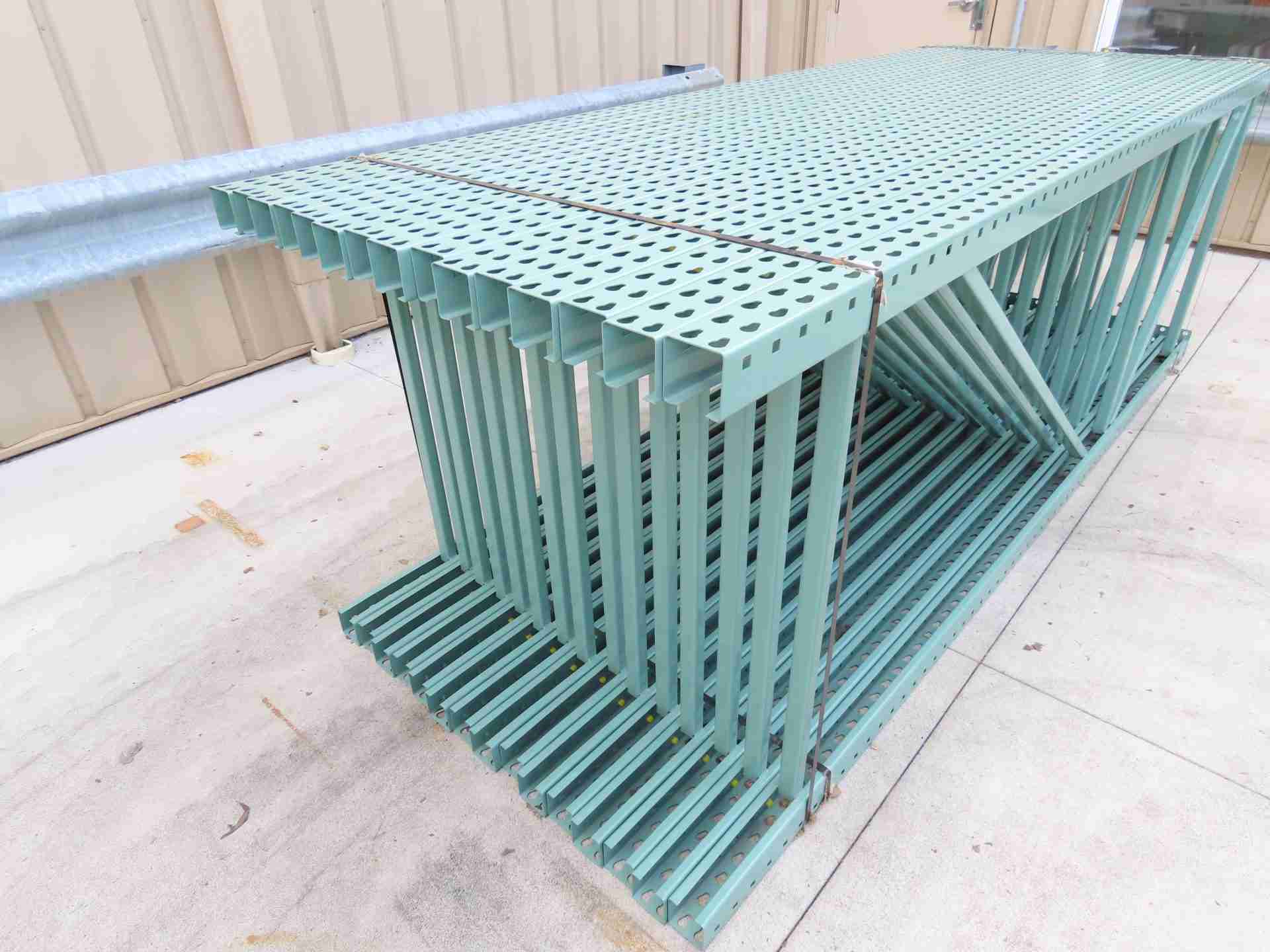
How Can You Assess The Quality Of Racks From Local Suppliers?
How Can You Assess The Quality Of Racks From Local Suppliers?
- Material Quality: Understand the materials used in pallet racking, prioritizing high-grade steel for durability.
- Design Inspection: Evaluate design features like adjustable beam heights and reinforced joints for stability and safety.
- Safety Standards Compliance: Verify that racks meet ANSI and RMI regulations, ensuring visible labels and certifications.
- Request Testimonials: Seek testimonials and case studies from other businesses to assess the supplier’s previous successes.
- Customer Support: Evaluate the provider’s post-purchase support and warranty for ongoing maintenance and troubleshooting.
- Supplier Trust: Choosing a local supplier can build trust, but ensure their quality meets your operational expectations.
- Investment Assurance: Careful scrutiny of materials, design, compliance, results, and service ensures a worthwhile investment in pallet racking.
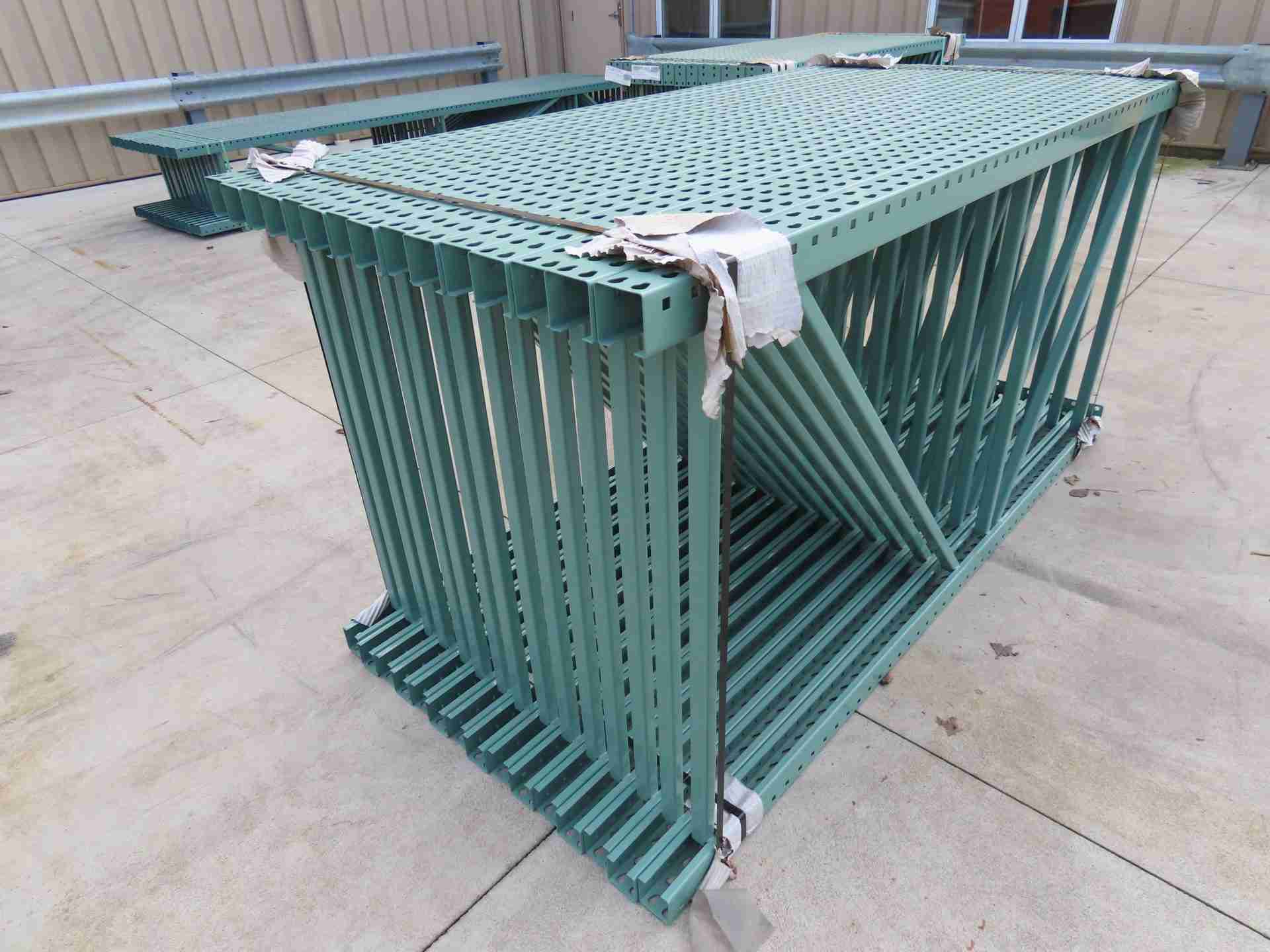
How Can You Assess The Quality Of Racks From Local Suppliers?
Conclusion
In an era defined by rapid change and unpredictable global supply chains, the importance of reliable local suppliers for your pallet racking needs cannot be overstated. As we’ve explored, these local partners offer not just convenience but also the agility and personalized service that larger national brands often lack. Choosing a local supplier isn’t merely a transactional decision; it’s a strategic action that positions your business for resilience, efficiency, and long-term growth.
When you opt for local sourcing, speed and responsiveness are at your fingertips. Imagine facing a surge in inventory demand and realizing that your go-to supplier can have critical racking components delivered to you with the urgency you require. With local suppliers, you don’t have to wait weeks for a solution; you gain access to quick turnaround times that keep your operations flowing smoothly and your profits intact.
Customization is another hallmark where local suppliers excel. They tailor solutions that fit the unique contours of your business, not the other way around. By collaborating with a supplier who understands the specific challenges you face, you can implement innovative storage solutions that enhance both functionality and user-maneuverability in your warehouse. From climate-controlled systems to bespoke designs, the potential is vast.
Financially, working with local suppliers delivers an array of advantages. Lower shipping costs, reduced lead times, and the economic support of your community form a trifecta of benefits that amplify your bottom line. Businesses focused on sustainability will find that choosing local suppliers not only aids in reducing their carbon footprint but also aligns them with increasingly eco-conscious market expectations.
However, it is vital to meticulously vet potential partners to ensure they embody reliability and quality. Ask the right questions, request testimonials, and examine their inventory capabilities. Ensure they comply with the latest industry safety standards, and seek their commitment to ongoing customer support post-purchase.
Ultimately, fostering relationships with local suppliers elevates your operational strategy, turning challenges into opportunities and positioning your business for sustained adaptability. Don’t just settle for generic solutions or lengthy lead times—commit to building a partnership that fuels your growth and success.
Take action today! Contact Arrow Industrial Sales at (574) 349-6575 to explore customized pallet racking solutions and secure the local support you need for your future expansion. Time is of the essence when it comes to evolving market demands; make your move now!
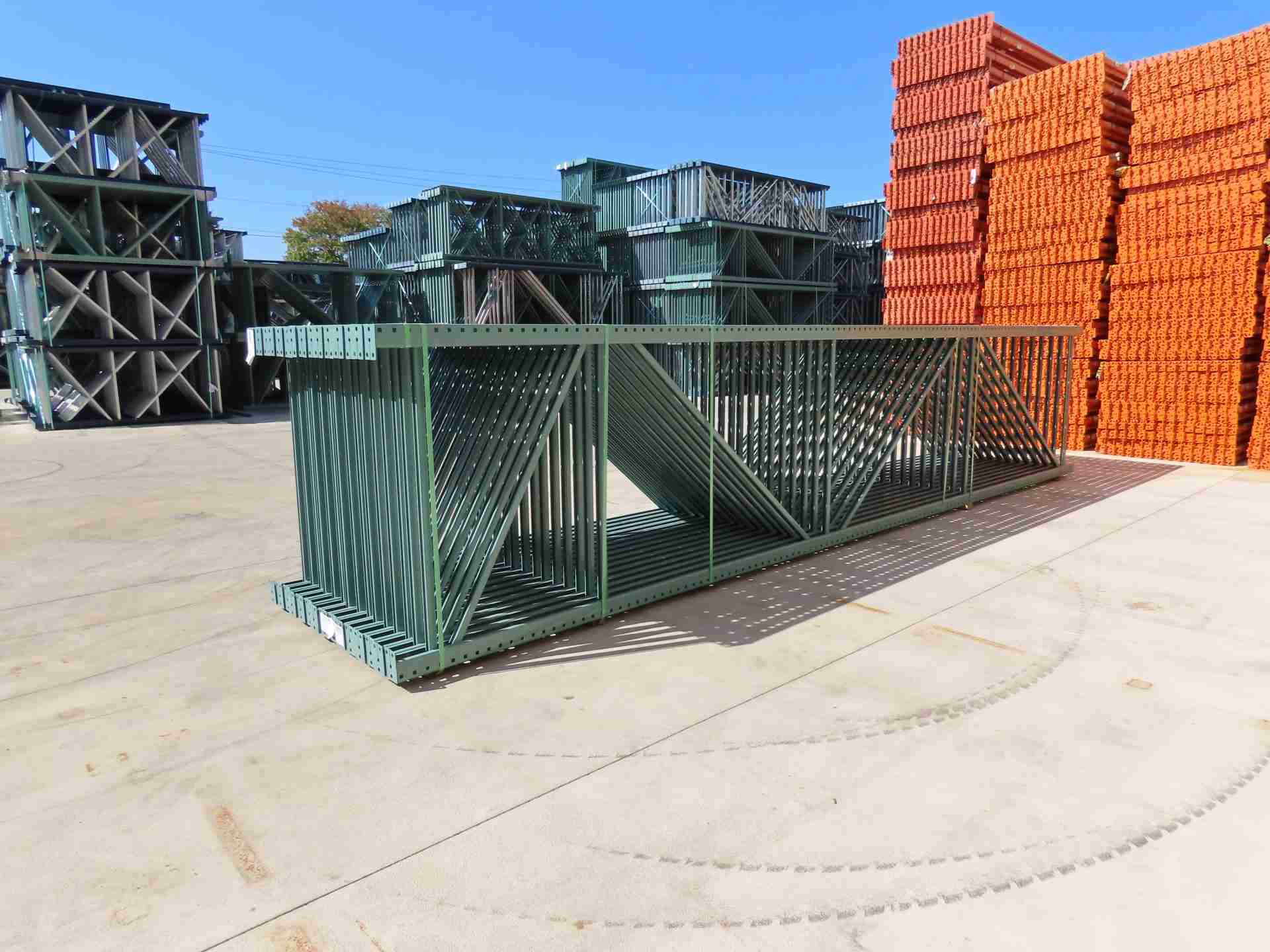
Conclusion
Conclusion:
- Local rack suppliers provide reliable, agile, and personalized service compared to larger national brands.
- Choosing local sourcing enhances resilience and efficiency in response to inventory demand.
- Local suppliers offer quick turnaround times, ensuring smoother operations and better profit margins.
- Customization from local partners allows for tailored storage solutions that meet specific business needs.
- Financial benefits include lower shipping costs, reduced lead times, and positive community impact.
- It’s essential to vet potential suppliers thoroughly for reliability, safety compliance, and ongoing support.
- Building relationships with local suppliers positions businesses for growth and adaptability in changing markets.

Conclusion
Other Resources

Other Resources
Here is a list of other resources you can review online to learn more:
- Warehouse Racking Chicago, IL
- Pallet Racking systems in Illinois and Great Lakes
- Pallet Racks, Pallet Racking, Pallet Shelves in Stock – ULINE
- Warehouse Automation
- ASSP
- What is Cantilever Racking? – AK Material Handling Systems
- Material Handling Industry
- Illinois Pallet Racking – WPRP
- Bradford Systems
Use This Prompt To Get More Resources With Your Favorite Online AI Tool: Please provide me with a list of online articles with their URLs in a bulleted list that I can read regarding Will Local Suppliers Support Your Future Rack Needs?

Other Resources
Glossary Terms
Will Local Suppliers Support Your Future Rack Needs? – Glossary Of Terms
1. Rack: A framework or stand that supports goods or equipment, typically used in warehouses or storage spaces.
2. Local Supplier: A business that sells goods or services to customers within a specific region or locality.
3. Supply Chain: A network between a company and its suppliers to produce and distribute a specific product.
4. Inventory Management: The process of overseeing and controlling the ordering, storage, and use of a company’s inventory.
5. Lead Time: The amount of time between the initiation of a process and its completion, important in anticipating future rack needs.
6. Capacity Planning: The process of determining the production capacity needed by an organization to meet changing demands for its products.
7. Just-in-Time (JIT): An inventory strategy that aligns raw-material orders with production schedules to reduce waste.
8. Supplier Reliability: The consistency with which a supplier delivers quality products on time.
9. Cost Analysis: The process of reviewing the various costs associated with purchasing and maintaining equipment like racks.
10. Customization: Modifying racks to meet specific needs or requirements of a business, making local suppliers vital to this process.
11. Bulk Ordering: Purchasing large quantities of racks or components, often at a discounted rate, to meet future demands.
12. Logistics: The detailed coordination of complex operations involving people, facilities, and supplies, relevant for supplier selection.
13. Quality Assurance: Systems and processes in place to ensure that the racks supplied meet predetermined quality standards.
14. Scalability: The ability of a business to expand its operations and increase capacity as demand grows, essential for rack planning.
15. Lean Manufacturing: A methodology aimed at minimizing waste within manufacturing systems, impacting how racks are produced and utilized.
16. Supplier Diversity: The practice of engaging diverse suppliers, providing opportunities for small and underrepresented businesses.
17. Sourcing Strategy: A plan that outlines how a business will procure its supplies and materials, including racks.
18. Compliance: Adherence to laws, regulations, and industry standards that can affect the design and installation of racks.
19. Purchase Order: A formal request issued to a supplier to deliver specific goods or services, including racks.
20. Contract Negotiation: The discussion and agreement on terms between a buyer and supplier to finalize a purchase agreement.
21. Capacity Utilization: The extent to which an enterprise uses its installed productive capacity, relevant when assessing rack needs.
22. Supplier Performance Metrics: Criteria used to evaluate the efficiency and effectiveness of a supplier’s service delivery.
23. Stockout: A situation where a business runs out of inventory, which can disrupt operations and emphasize the need for reliable local suppliers.
24. Fulfillment Services: Operations that help businesses manage the logistics and supply chain aspects of process order fulfillment, important when working with local suppliers.
25. Freight Costs: The charges associated with transporting goods, which can influence the decision to work with local suppliers.
26. Warehouse Management System (WMS): Software that helps manage warehouse operations, including the use of racks for inventory storage.
27. Risk Assessment: The process of identifying and analyzing potential issues that could negatively impact decision-making regarding suppliers.
28. Sustainable Practices: Approaches that promote environmental stewardship, which might influence supplier selection and rack manufacturing.
29. Return on Investment (ROI): A performance measure used to evaluate the efficiency of an investment, relevant when considering new racks.
30. Market Trends: Patterns or shifts in consumer demand that can affect future planning for rack needs and supplier partnerships.
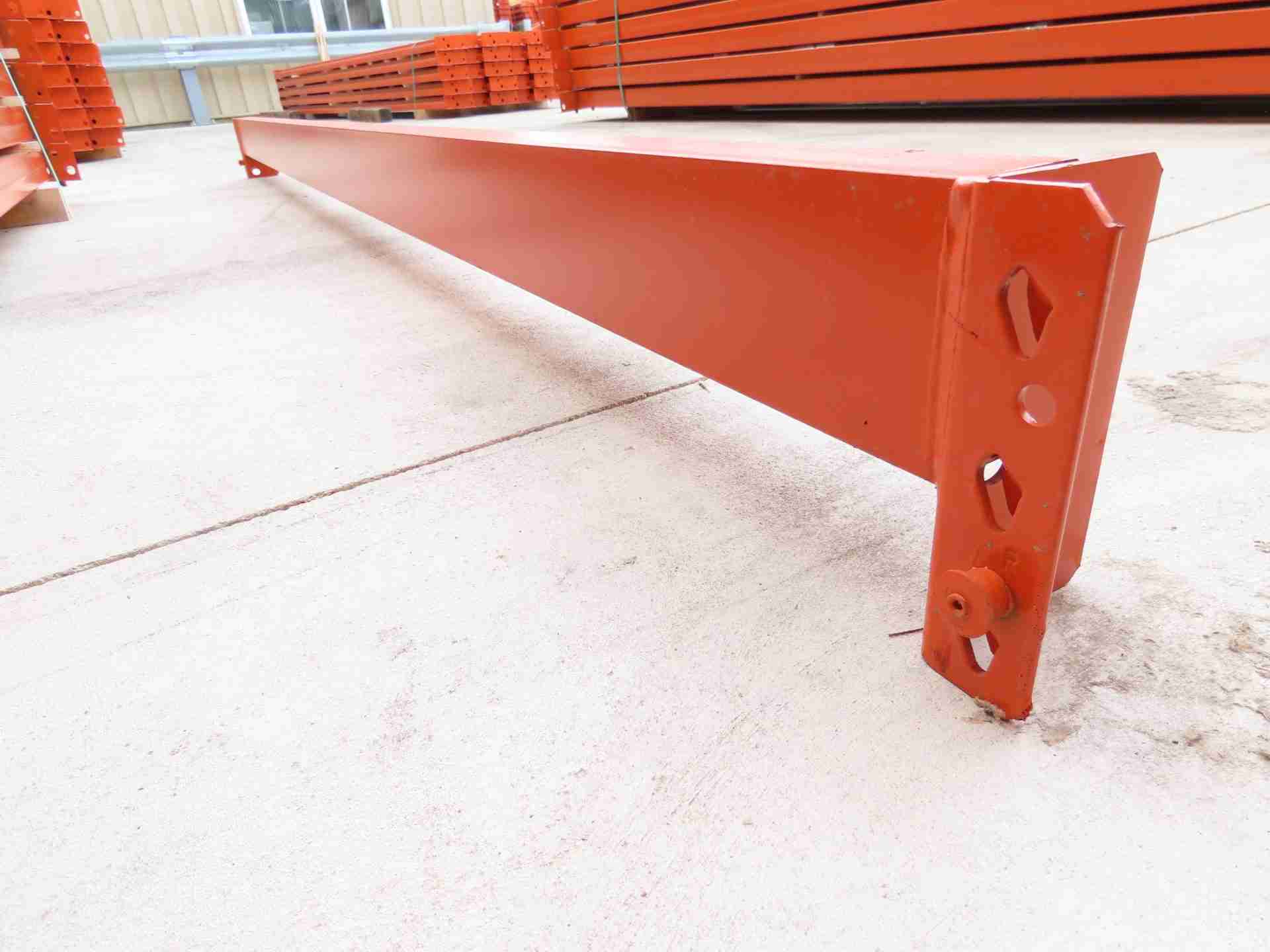
Glossary Of Terms
Other Questions
Will Local Suppliers Support Your Future Rack Needs? – Other Questions
If you wish to explore and discover more, consider looking for answers to these questions:
- What specific services do local suppliers provide for pallet racking solutions?
- How can I evaluate if a local supplier is financially stable?
- What is the typical turnaround time for local suppliers compared to national brands?
- Are there specific industries that benefit more from local suppliers for rack needs?
- How do local suppliers handle custom orders and modifications?
- What are some common challenges businesses face when working with local suppliers?
- What is the impact of local sourcing on the environment compared to national sourcing?
- How can businesses build strong relationships with local suppliers?
- What should I look for in the customer support of a local supplier?
- What are the risks of relying solely on local suppliers for rack needs?
- How can I ensure compliance with safety regulations when purchasing racks from local suppliers?
- What strategies can I use to negotiate better terms with local suppliers?

Other Questions
Checklist
Will Local Suppliers Support Your Future Rack Needs? – A Checklist
1. Evaluate Supplier Reliability
_____ Check if suppliers can maintain flexible inventory levels.
_____ Assess their response times to fluctuations in demand.
_____ Verify their established procurement networks.
2. Consider Quality and Performance
_____ Investigate the material quality of racks (e. g. , high-grade steel).
_____ Review design features that enhance stability and safety.
_____ Ensure compliance with safety standards (e. g. , ANSI, RMI).
3. Assess Customization Capabilities
_____ Inquire if they can provide tailored rack solutions based on your unique needs.
_____ Discuss past projects and customization examples relevant to your industry.
4. Analyze Cost and Financial Stability
_____ Compare shipping costs and lead times with potential suppliers.
_____ Evaluate the financial health of the supplier to gauge long-term reliability.
5. Investigate Customer Support and Communication
_____ Assess their availability for ongoing support and customer service.
_____ Evaluate responsiveness and clarity in communications.
_____ Request information about warranties and after-purchase support.
6. Review Local Market Knowledge
_____ Ensure they are attuned to regional market demands and regulations.
_____ Check if they stay informed about current industry trends and sustainability practices.
7. Gain Insights from Reviews and Testimonials
_____ Ask for case studies highlighting successful collaborations.
_____ Collect testimonials from other businesses in your industry.
8. Determine Sustainability Practices
_____ Investigate if they utilize eco-friendly materials and sustainable practices.
_____ Ensure that their operations align with current environmental regulations.
9. Consider Accessibility and Ease of Communication
_____ Evaluate the geographical proximity of the supplier to your operations.
_____ Confirm ease of access for consultations and on-site assessments.
10. Build Long-term Relationships
_____ Discuss opportunities for on-site consultations and personalized service agreements.
_____ Consider the potential benefits of loyalty agreements with local suppliers.
By using this checklist, you can make informed decisions when selecting local suppliers for your pallet racking needs, ensuring better reliability, quality, and customization for your operations.
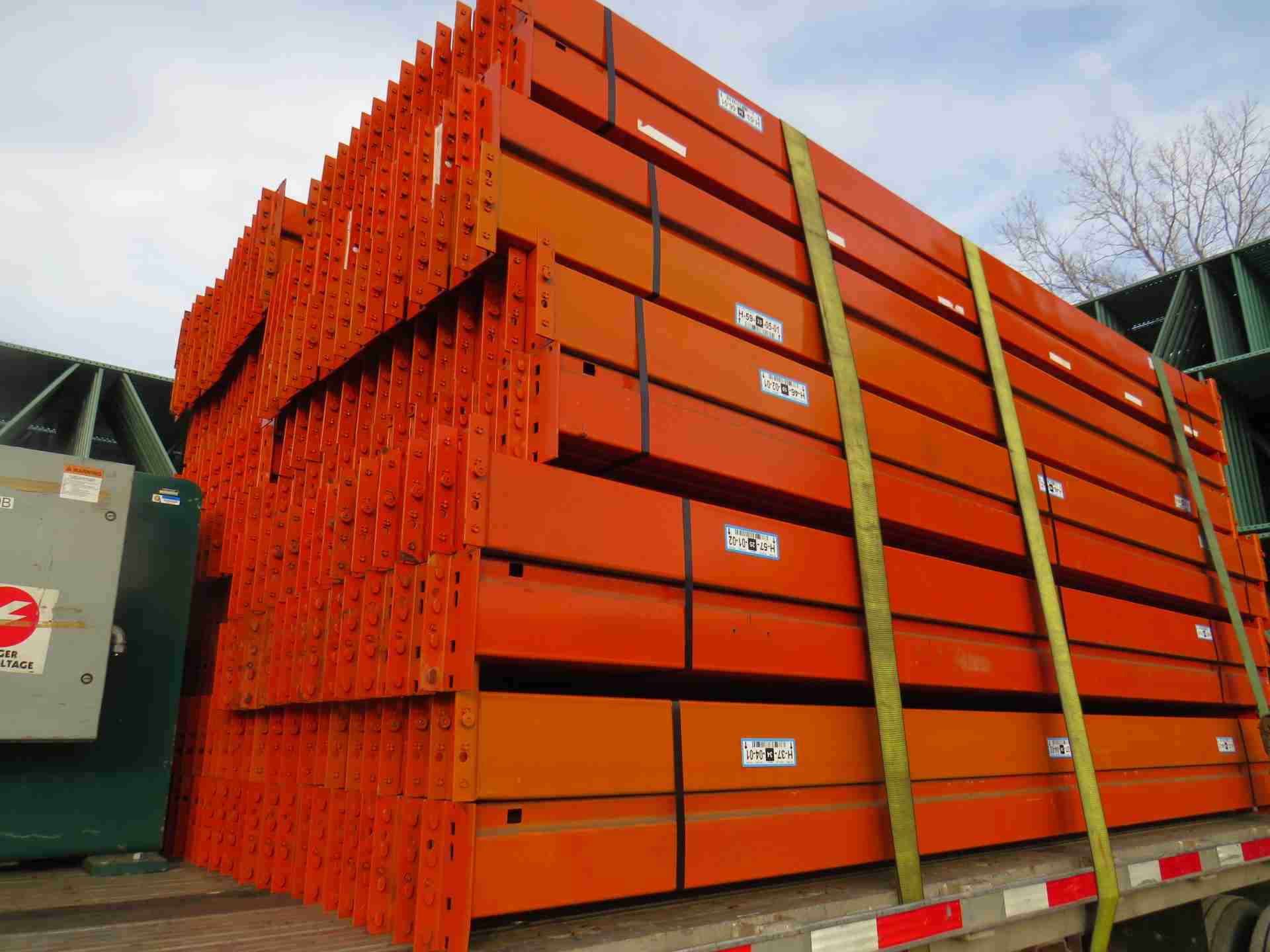
Checklist
At RackingWorld, we help guide you through selecting warehouse storage systems and racking.
Be sure to read our other related stories at RackingWorld to learn more about warehouse storage systems.
0 Comments