
Transforming Spaces: The Heartfelt Link Between Storage And Accuracy
By Tom Seest
At RackingWorld, we help guide you through selecting warehouse storage systems and racking.
Be sure to read our other related stories at RackingWorld to learn more about warehouse storage systems.
Why Storage Design Impacts Inventory Accuracy
When it comes to storage design, one thing becomes crystal clear: how we set up our space can make or break our inventory accuracy. Let’s face it; no one wants to be that warehouse owner stumbling over misplaced pallets or hunting down items that vanished into thin air. A well-thought-out racking system isn’t just about efficiency; it’s about trust. It’s trust in your operations, your team, and even in the products you deliver. Good storage design speaks to the heart of your business, making folks feel confident that what they’re tracking is spot-on.
Imagine stepping into a well-organized warehouse where smooth paths and clear labels guide you. That’s not just good for the pocketbook; it’s a breath of fresh air for the gut too. Employees can work with ease, cutting down on stress and frustration. When everyone knows where everything lives—thanks to a solid racking system—it’s like a well-conducted symphony. This enhances not only the flow of work but also fosters a sense of teamwork. When the crew isn’t wasting time looking for products, they’re striving toward common goals, pushing the whole business forward.
Let’s not overlook the ethical side here. Accurate inventory means fewer mistaken orders and less waste, which feels right. Customers expect to get what they order when they order it. And when you can promise them that, you cultivate loyalty. They see a company that respects their time and money, and that’s a relationship worth building. Moreover, from a practical standpoint, an effective storage design backed by reliable racking systems keeps everything sorted, allowing for better management of stock levels and preventing costly overstocking or shortages.
Stories from the floor tell us that when folks take the time to design their storage adequately, bad surprises are minimized. Being organized is not only good for business; it’s a habit that inspires action. You can’t ignore the data, either. A business that invests in intuitive storage solutions sees tangible improvements in inventory accuracy, leading to the kind of metrics that can make an owner smile.
Ultimately, the right storage design isn’t just a nice-to-have; it’s essential for creating a thriving workplace where everyone wins—from your employees to your customers. Make the best of your racking systems, and watch the confidence grow, right from the foundation up.
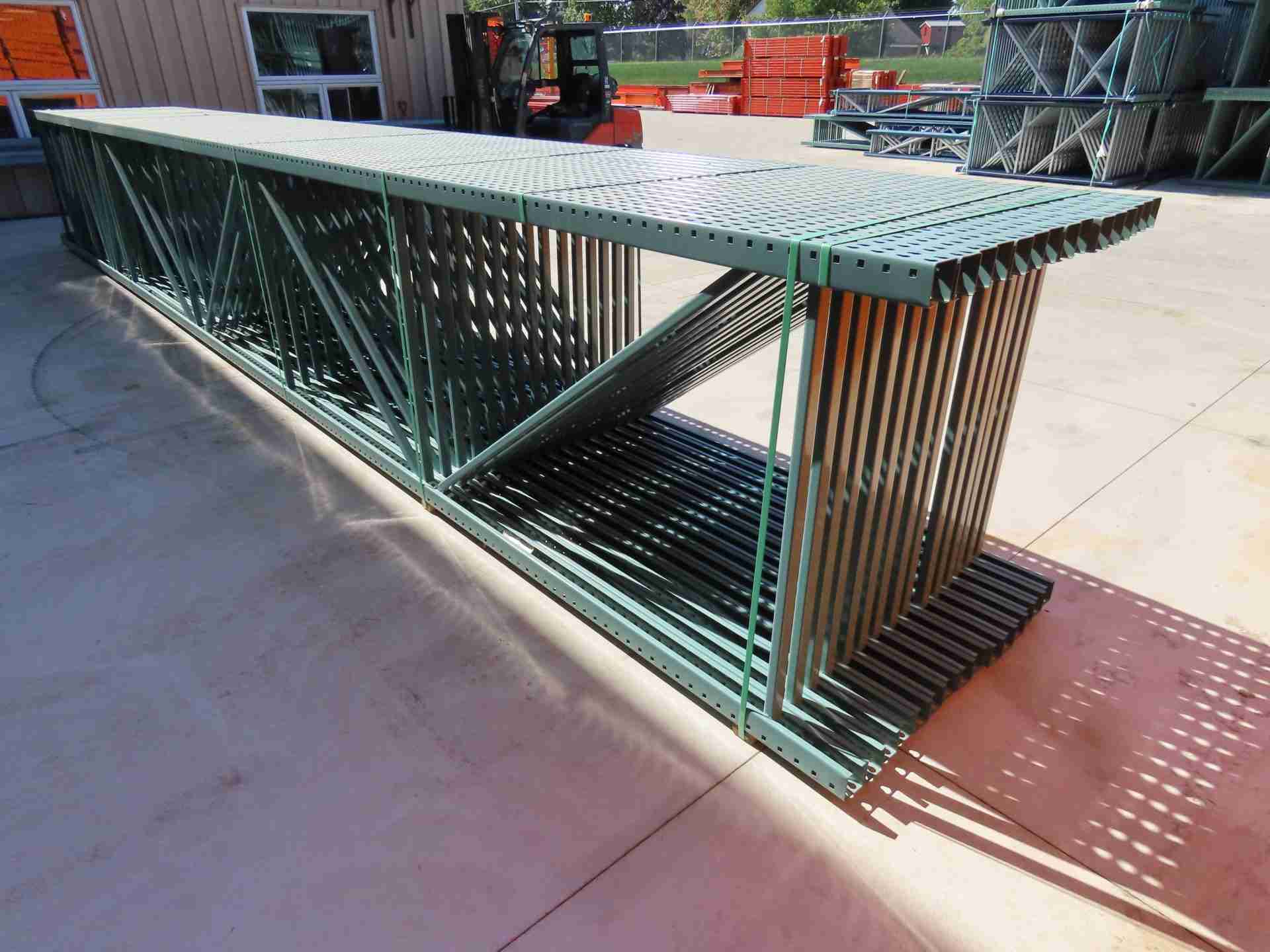
Why Storage Design Impacts Inventory Accuracy
Why Storage Design Impacts Inventory Accuracy
- Proper storage design is crucial for inventory accuracy.
- A well-structured racking system builds trust in operations, teams, and products.
- Organized warehouses enhance efficiency and reduce employee stress.
- Clear systems promote teamwork and focus on common goals.
- Accurate inventory minimizes mistaken orders and fosters customer loyalty.
- Effective storage design aids in managing stock levels, preventing overstocking and shortages.
- Investing in intuitive storage solutions improves inventory metrics and overall business performance.
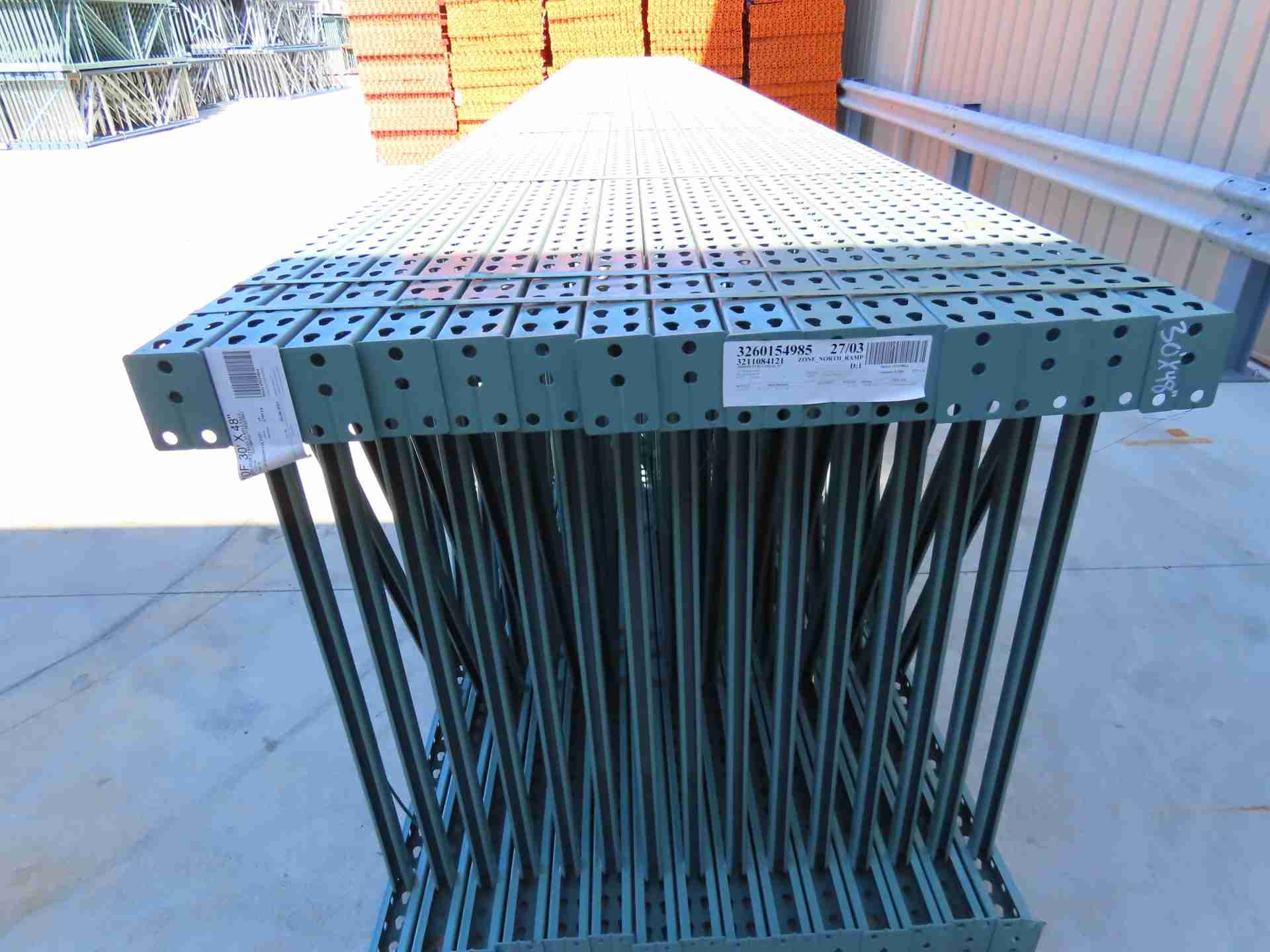
Why Storage Design Impacts Inventory Accuracy
Table Of Contents
- Why Storage Design Impacts Inventory Accuracy
- Why Does Storage Layout Affect Inventory Errors?
- How Can Design Reduce Stock Discrepancies?
- Is Your Storage Setup Hindering Accurate Counts?
- What Role Does Organization Play In Inventory Management?
- How Does Storage Design Influence Work Efficiency?
- Can Poor Design Lead to Costly Inventory Mistakes?
- Conclusion
- Other Resources
- Glossary Of Terms
- Other Questions
- Checklist
Why Does Storage Layout Affect Inventory Errors?
Storage layout plays a crucial role in managing inventory errors, and it’s a lesson learned through the sweat of hard work and experience. Picture a bustling warehouse, the kind where every inch counts and each aisle tells a story. The arrangement of goods isn’t just a matter of convenience; it’s about the heart of your operation. When items are stored in racking systems that are easy to navigate, mistakes are reduced. Workers can find what they need when they need it without second-guessing themselves. This simple clarity can cut down on the frustration and chaos that lead to errors.
Think about it. Every time a product is scanned or counted, it’s not just a number. It represents hours of labor, dedication, and sometimes even a little sweat and blood. When the layout is optimized, the workforce feels empowered. They can instinctively reach for what they need, knowing that the layout is designed to support them, not hinder them. This connection between worker and environment fosters a sense of pride and responsibility, reducing the chance of mistakes that can occur when employees feel rushed or confused.
From a rational standpoint, a smart storage layout aids in inventory accuracy. When items are categorized and placed logically within the racking systems, it diminishes the chances of misplaced goods, leading to fewer discrepancies. It’s not just about reducing errors; it’s about cultivating a culture that values precision and reliability. Employees can take ownership of their tasks, ensuring the integrity of the inventory, and that leads to trust with customers and within the workplace.
Ethically, investing in a well-thought-out storage layout is about valuing people. It acknowledges the hard truth that efficient workflows can make or break a business. When everyone—from management to the front-line workers—understands that a clear storage path is essential, it creates a bond of respect and teamwork. Everyone plays a part in ensuring success, and a well-designed space reinforces that shared goal.
Moreover, there’s a narrative in every warehouse. When new hires witness an organized system in action, they glean the values of efficiency and orderliness. They see a culture built on hard work, and it inspires them to maintain that legacy. Simply put, when your space works for the people using it, it reflects a commitment to excellence, fostering a sense of community that resonates on every level. That’s why storage layout isn’t just logistics—it’s about trust, clarity, and collaboration.

Why Does Storage Layout Affect Inventory Errors?
Why Does Storage Layout Affect Inventory Errors?
- Storage layout is essential for managing inventory errors and reflects hard-earned experience.
- An organized warehouse layout enhances navigation, reducing mistakes and frustration for workers.
- Optimized layouts empower employees to work efficiently, fostering pride and responsibility.
- A logical categorization of items improves inventory accuracy and reduces discrepancies.
- Investing in a thoughtful storage design values people and promotes teamwork and respect.
- New hires benefit from witnessing an organized system, reinforcing a culture of efficiency and legacy.
- Effective storage layout is fundamental to trust, clarity, and collaboration within the workplace.
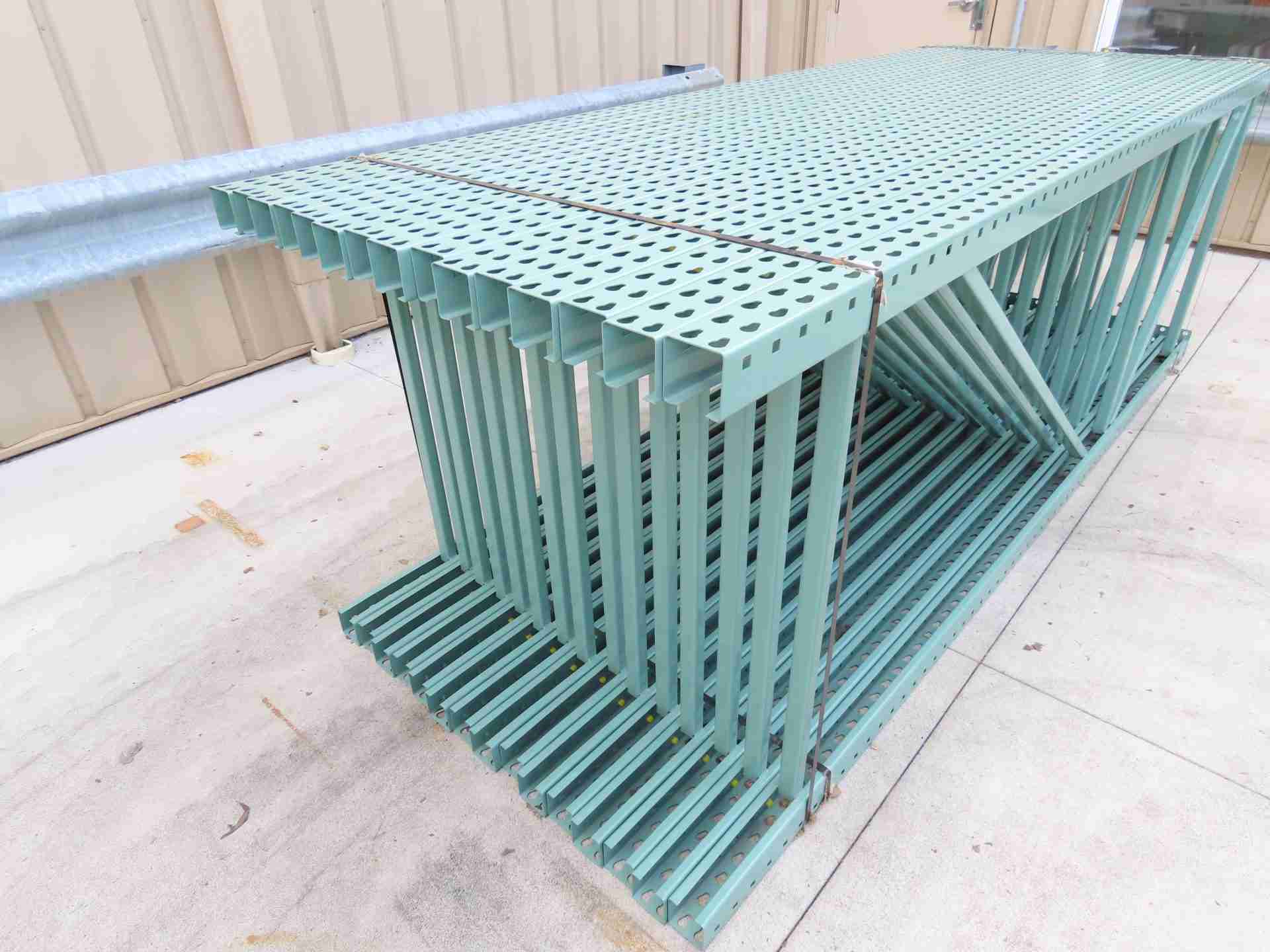
Why Does Storage Layout Affect Inventory Errors?
How Can Design Reduce Stock Discrepancies?
In the bustling world of inventory management, one key player stands out: design. When it comes to reducing stock discrepancies, thoughtful design isn’t just about aesthetics; it’s about creating an efficient, reliable system that speaks to the needs of workers on the ground. Think of racking systems, the backbone of any warehouse. A well-designed racking system doesn’t just organize products; it minimizes confusion and streamlines access, reducing the chances of errors that can cause discrepancies.
Imagine a warehouse where every item has a designated spot, where the racking systems are intuitive and easy to navigate. Workers can easily find what they need, reducing the frantic scouring that leads to misplaced stock. With clear labeling and a logical layout, every piece of inventory sings in harmony. This approachable design fosters a sense of pride among employees, knowing they’re part of a winning team that values efficiency and accuracy.
Now, let’s connect the dots. When discrepancies hit, it’s not just numbers on a paper. It’s lost time, frustrated workers, and unsatisfied customers. Ethically, we owe it to our teams to provide them with tools that empower them, not hinder them. A racking system that is well designed shows that we trust our workers to do their best, equipping them with what they need to succeed. This act of faith goes a long way, building a stronger company culture where every employee feels valued.
Take a moment to think about the stories behind the numbers. A family counting on prompt deliveries for their small business, a mom trying to secure the best price for her child’s needs. When designers prioritize functionality alongside empathy, they aren’t just reducing stock discrepancies; they’re building relationships. Connecting with the human experience adds a layer of responsibility, reminding us that our designs have real repercussions in the world outside the warehouse.
Furthermore, when we talk about authority in design, it’s rooted in experience. Designers who have walked the warehouse floor understand firsthand the frustrations that come with a poorly organized space. Their insights lead to sensible solutions, like adjustable racking systems that adapt to the evolving needs of the business. This adaptability ensures longevity and resilience, appealing to the gut instinct of any operator who knows that flexibility is key to survival in a dynamic market.
Investing in thoughtful, pragmatic design not only smoothens operations but also creates ripple effects that resonate beyond the warehouse walls. When stock discrepancies dwindle, trust is built with clients, loyalty is cultivated, and a reputation for excellence is forged. It’s about more than just avoiding mistakes; it’s about crafting a future where efficiency meets empathy, supporting each worker as they play their critical part in the greater story.
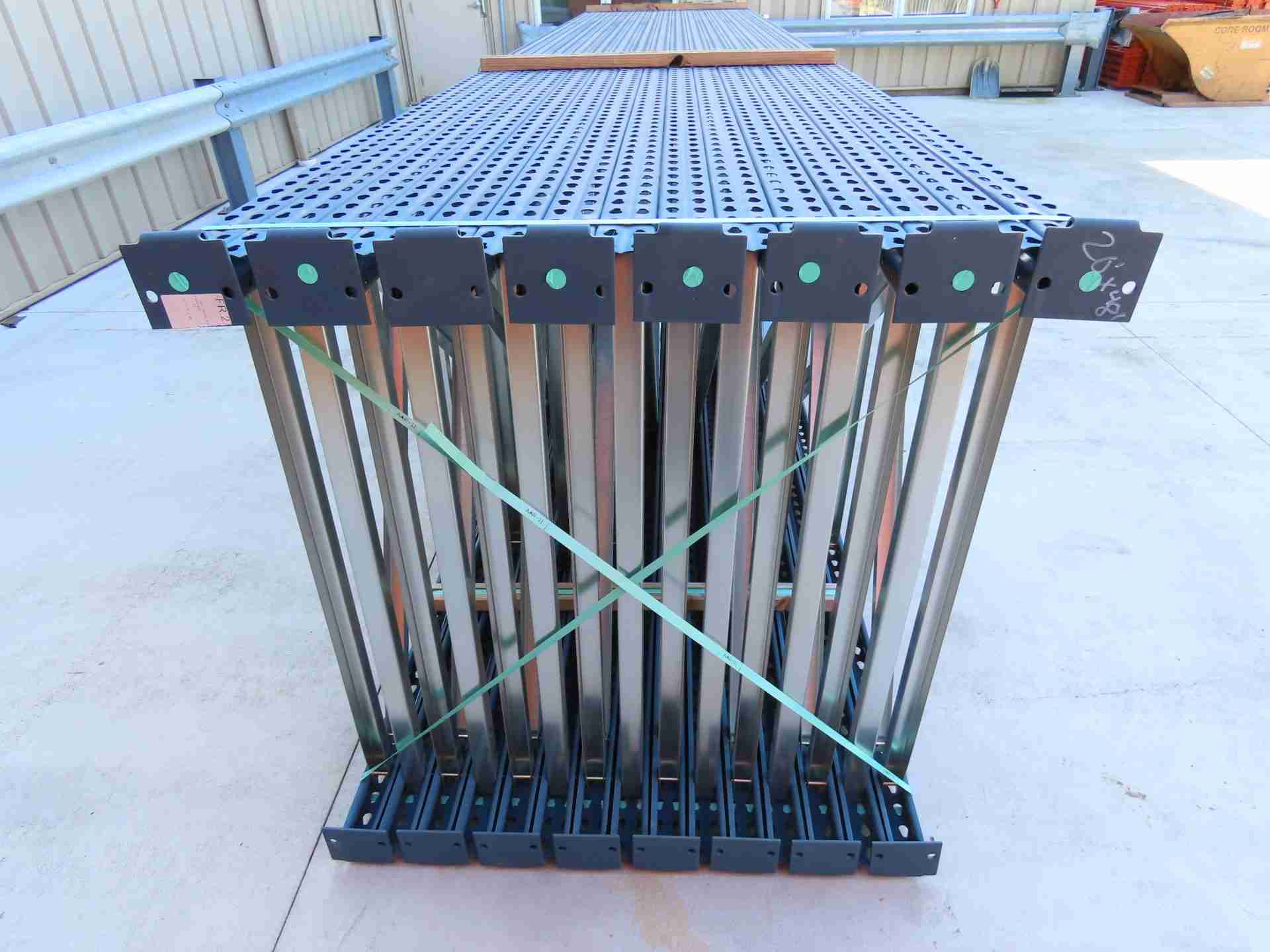
How Can Design Reduce Stock Discrepancies?
How Can Design Reduce Stock Discrepancies?
- Thoughtful design in inventory management enhances efficiency and reliability, focused on workers’ needs.
- Well-designed racking systems minimize confusion, streamline access, and reduce stock discrepancies.
- A clear layout and labeling help workers quickly locate items, fostering pride in their work.
- Addressing discrepancies is crucial to avoid lost time and customer dissatisfaction; ethical responsibility lies in equipping workers with effective tools.
- Designers who understand the warehouse environment can create adaptable solutions, ensuring longevity and resilience in operations.
- Investing in design has broader impacts, building trust with clients and cultivating loyalty.
- A future where efficiency meets empathy allows workers to contribute meaningfully to the company’s success.

How Can Design Reduce Stock Discrepancies?
Is Your Storage Setup Hindering Accurate Counts?
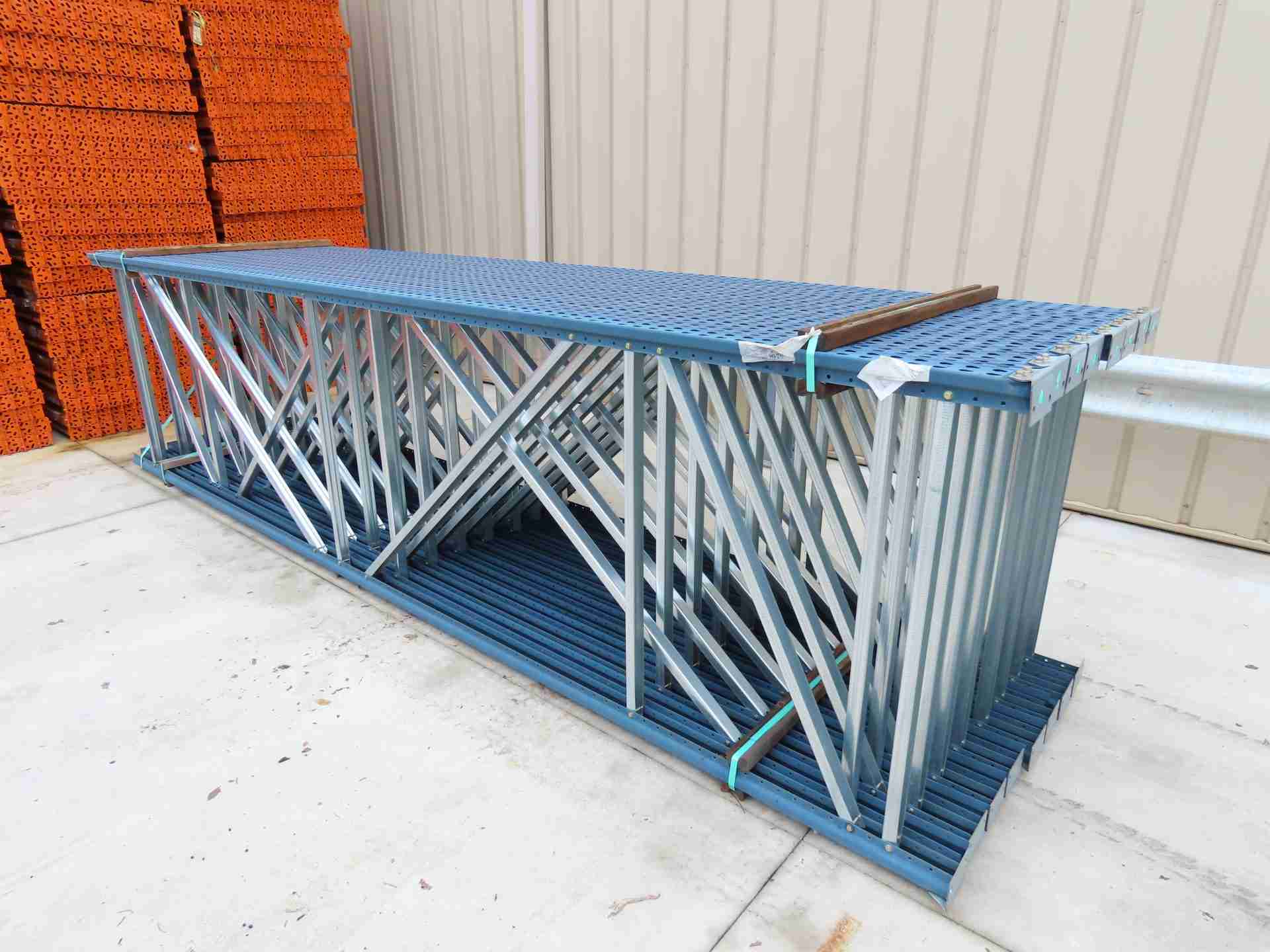
Imagine walking into your warehouse and facing shelves packed to the brim, boxes stacked precariously high, and products crammed into every corner. You might feel a sense of pride in how much you’ve managed to store, but take a moment to consider—how often do you miscount? Racking systems designed for efficiency can quickly become your greatest frustration when items are out of place or obscured. It’s like hunting for a needle in a haystack, and with each wrong count, you risk not just your inventory accuracy but the trust of your clients and team.
Stocktaking can feel like an endless uphill battle when your storage isn’t optimized. It’s easy to brush off inaccurate counts as part of the job. But those errors add up, impacting your bottom line. Each miscount is a missed opportunity, a ripple effect that can lead to dissatisfied customers and a strained relationship with your suppliers. The core of any successful business lies in its ability to know what it has—this isn’t just about inventory; it’s about stewardship. You’re not just managing things; you’re managing trust. When you can’t deliver what your customer wants, you’re not just hurting numbers; you’re hurting reputations.
But it doesn’t have to be that way. Think of the satisfaction that comes from a well-organized space. When racking systems are strategically aligned, everything has its place, and you can find what you need at a moment’s notice. A streamlined process not only saves time but also fosters camaraderie within your team, as everyone knows where to go and what to do. The feeling of a job well done is contagious, creating a culture of responsibility and teamwork.
Take a step back and evaluate your storage setup. Are your racking systems pulling their weight, or are they contributing to the chaos? Investing in a better organization might seem daunting, but the return on that investment is immense. Don’t let disarray hinder your operations. You’re not just counting products; you’re building a foundation for efficiency and reliability. With each item properly placed, you’re not just enhancing your inventory; you’re demonstrating your commitment to excellence. Turn those heartaches into triumphs; after all, every count should tell a story of accuracy and accountability.
Is Your Storage Setup Hindering Accurate Counts?
Is Your Storage Setup Hindering Accurate Counts?
- Overstuffed warehouses can lead to inventory miscounts and frustration.
- Inaccurate stock counts impact financial performance and customer relationships.
- Effective inventory management is crucial for maintaining trust with clients and suppliers.
- Optimal storage organization enhances efficiency and teamwork within the workforce.
- Evaluating racking systems can identify areas that contribute to operational chaos.
- Investing in organization improves overall business reliability and commitment to quality.
- Accurate inventory management serves as a foundation for accountability and operational success.

Is Your Storage Setup Hindering Accurate Counts?
What Role Does Organization Play In Inventory Management?
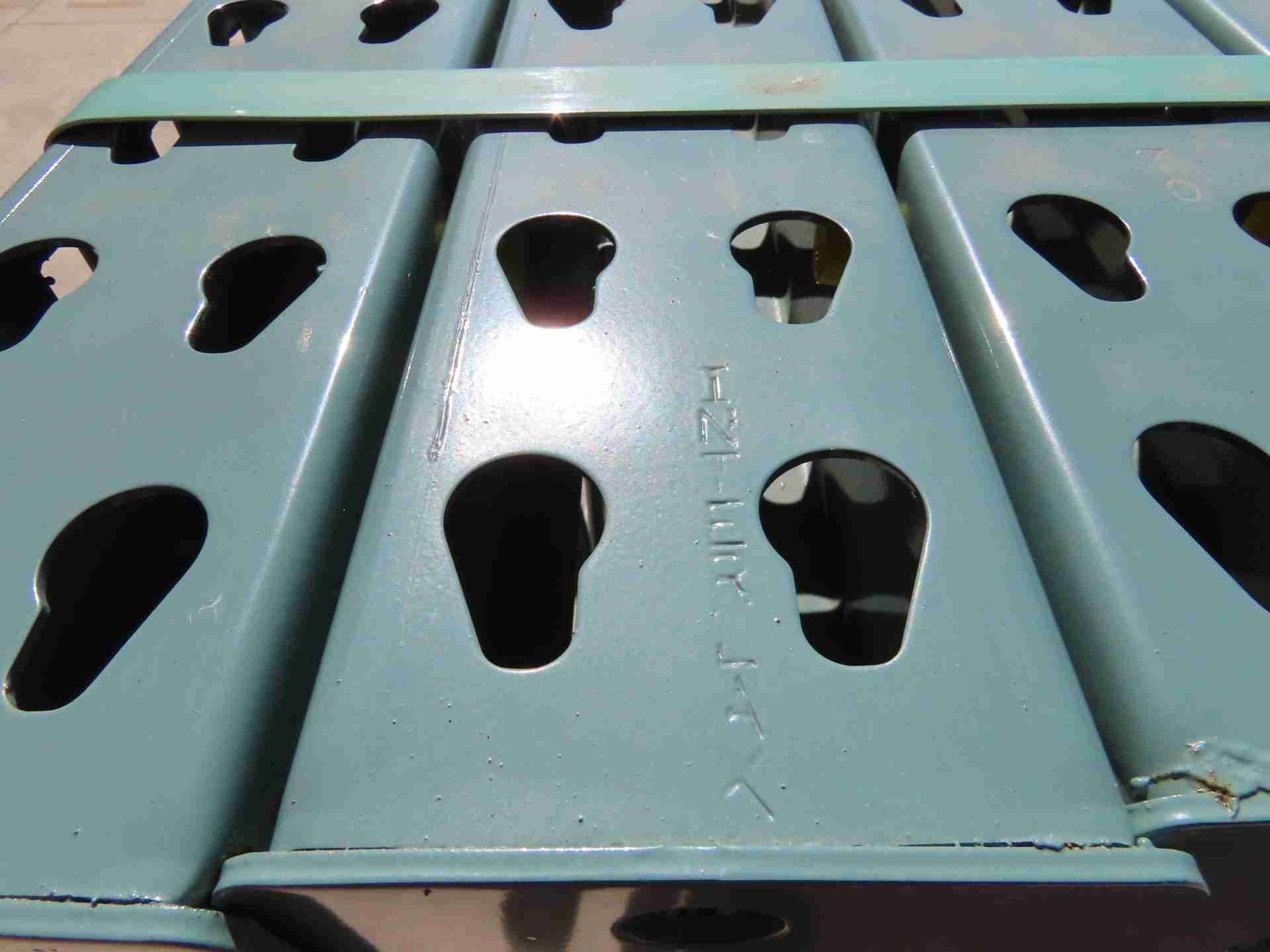
In the world of inventory management, organization isn’t just a fancy term; it’s the backbone that supports the entire operation. Picture a well-structured warehouse where each item has its place, and every racking system is designed for efficiency. This isn’t just neatness—it’s about maximizing space, reducing labor, and minimizing mistakes. When you step into a well-organized inventory space, you feel the pulse of an efficient system that knows how to work hard and smart.
Think about the times when you’ve had to search high and low for that one missing part or product. Frustrating, right? An organized inventory streamlines the process. This isn’t merely a matter of convenience; it can be the difference between closing a sale and disappointing a customer. By keeping products neatly arranged, tracked, and available, businesses set themselves up to meet demands swiftly and effectively. It’s a level of preparation that speaks volumes about the commitment to service and reliability.
From a financial standpoint, good organization directly affects the bottom line. Efficient racking systems reduce storage costs and make finding items quicker, which can save payroll hours and improve operational flow. When inventory is clearly labeled and categorized, the risk of overstocking or stockouts diminishes. This isn’t just smart business; it’s responsible stewardship of resources. Every dollar saved is a dollar that can be reinvested in growth or better service.
Then there’s the ethical dimension. Maintaining an organized inventory reflects a respect for your vendor relationships and ensures that you’re operating transparently. When businesses show they can manage their products well, suppliers and customers alike trust them more. That trust fosters a sense of community, where everyone involved feels valued and recognized.
And let’s not forget the power of stories in this process. Consider a small business that struggled to keep up with orders because their inventory was a chaotic jumble. After reorganizing their space and implementing efficient racking systems, they turned their situation around. Not only did they boost their sales, but they also created a more satisfying workplace, where employees took pride in their environment.
Organization in inventory management isn’t just about keeping things in order; it’s about building relationships, ensuring trust, and empowering everyone involved. It’s where heart meets head, and the result is a thriving operation rooted in reliability and excellence.
What Role Does Organization Play In Inventory Management?
What Role Does Organization Play In Inventory Management?
- Organization is essential for effective inventory management, maximizing space and reducing errors.
- A well-structured warehouse enhances efficiency, making it easier to find items.
- Streamlined inventory processes can significantly impact sales and customer satisfaction.
- Effective organization lowers storage costs and minimizes the risks of overstocking or stockouts.
- An organized inventory fosters trust with vendors and customers, promoting transparency.
- Reorganizing inventory can transform operations and contribute to employee satisfaction.
- Good inventory management builds relationships and reflects a commitment to service and excellence.

What Role Does Organization Play In Inventory Management?
How Does Storage Design Influence Work Efficiency?
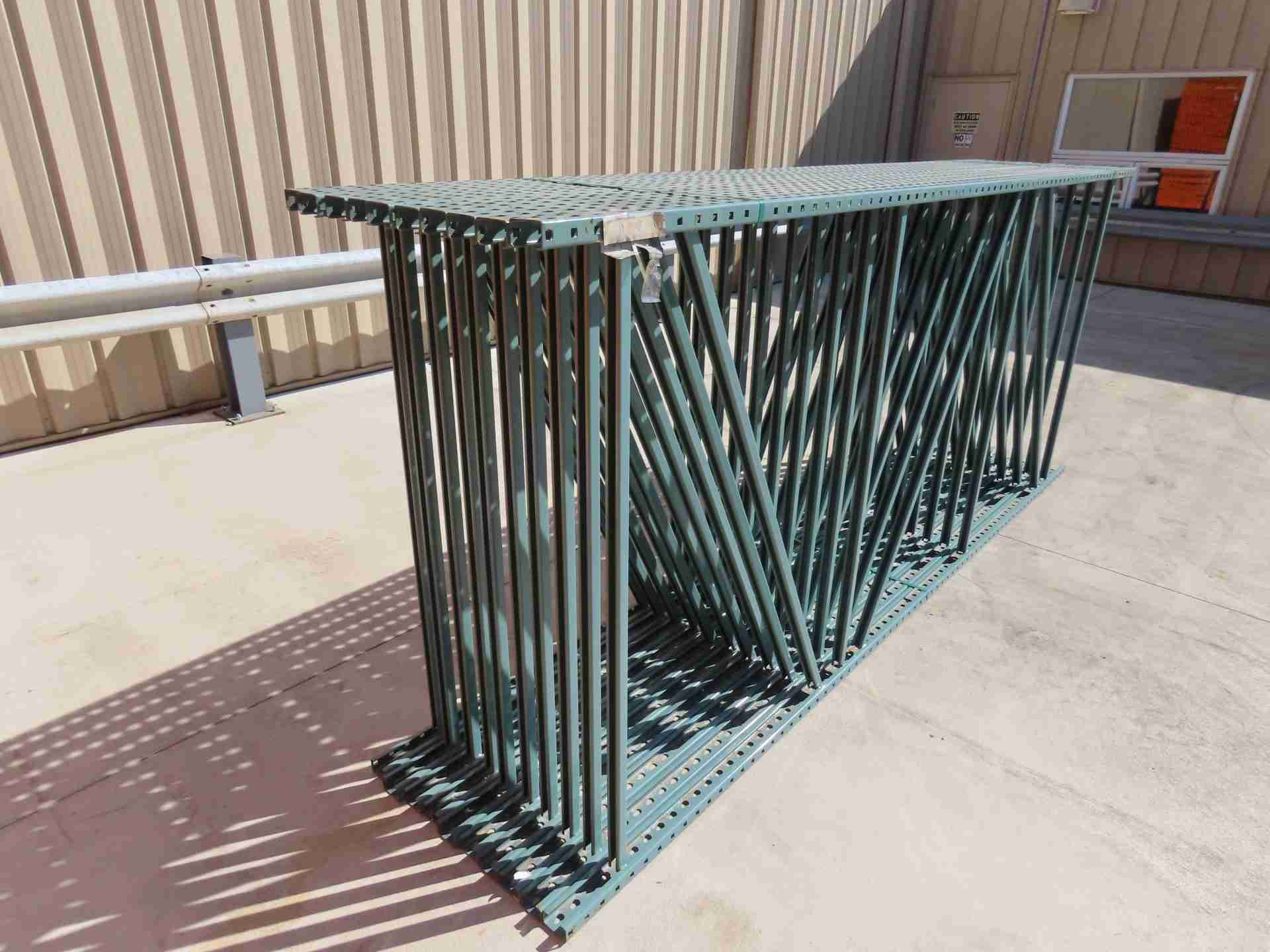
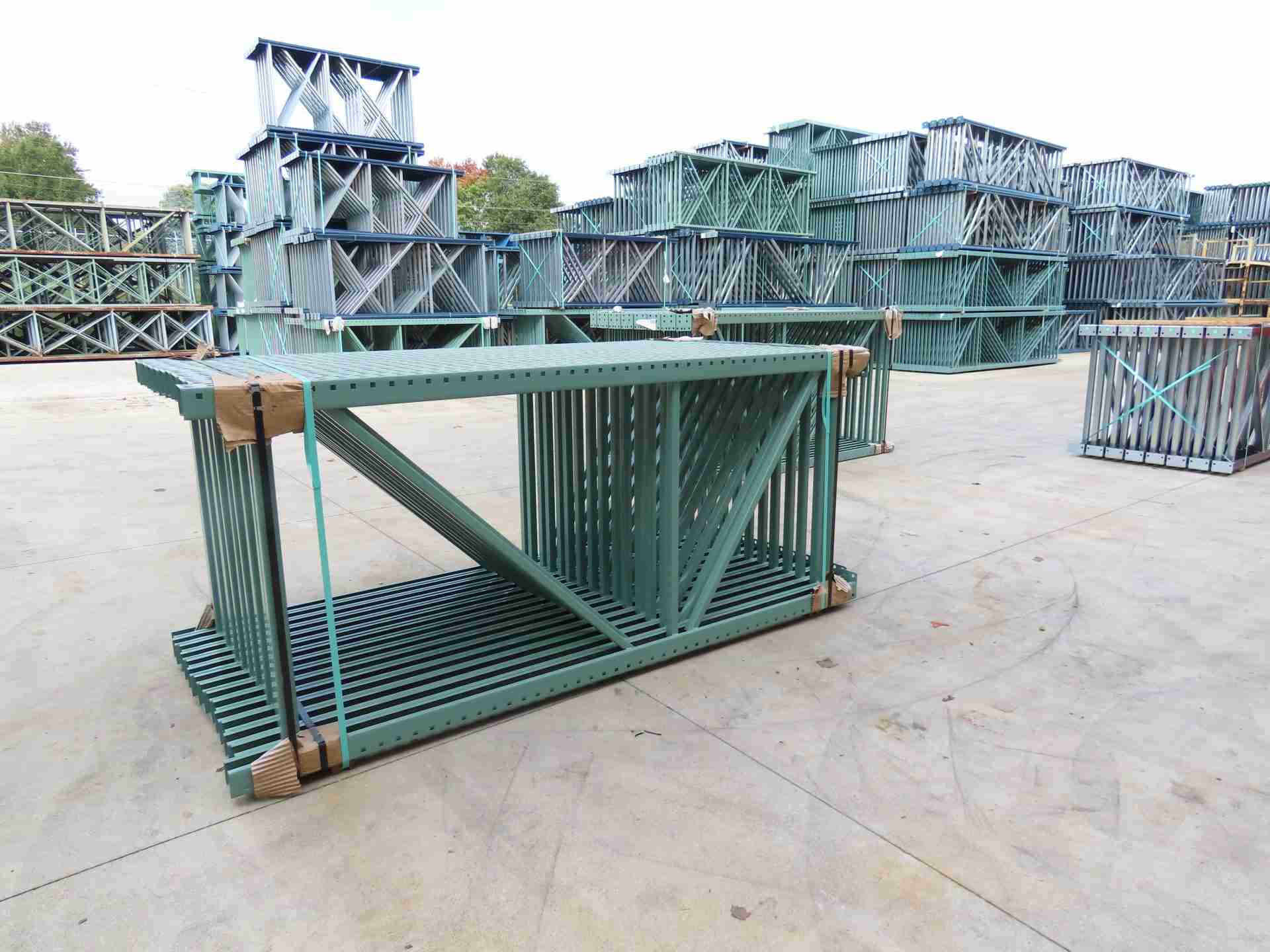
Storage design isn’t just about keeping items off the floor; it’s about creating an environment where efficiency can thrive. Picture a busy warehouse. You walk in, and what do you see? Rows of neatly organized racking systems that stretch toward the ceiling, each shelf holding tools and materials ready for action. This isn’t just a pretty sight—it’s a setup built to make work faster and easier. When everything has a designated space, it cuts down on the time wasted searching for items. The right racking systems allow workers to access equipment without digging through piles of clutter. This streamlined process fosters a sense of flow, where everyone is moving at a productive pace, contributing to a shared goal.
Think about how a well-designed storage area can impact morale. When employees feel that their workspace is ordered and functional, it boosts their confidence. They can spend their energy on the tasks at hand rather than battling chaos. This isn’t just a matter of efficiency; it’s about cultivating a work environment that respects their time and effort. Every tool in its place means less frustration and more focus on delivering quality work—a win for both the individual and the company.
There’s also an ethical element to consider. Implementing efficient storage designs isn’t just good for business; it’s good for the community as well. When workers can perform their jobs effectively, it leads to better products and services. It’s about taking pride in the work done and the environment it’s done in. Companies that invest in solid storage solutions demonstrate their commitment to their employees’ welfare, fostering loyalty and a positive workplace culture.
Now let’s talk about experience. Folks in the field know that not all storage designs are created equal. Some racking systems just don’t hold up under pressure. By choosing quality over quantity, businesses can avoid the frustration that comes from a workspace that doesn’t deliver. Workers relate to this firsthand; they’ve felt the struggle of inefficient spaces and the relief that comes when things finally click.
The design of storage systems is intimately tied to how well a team can operate. It’s not just about aesthetics but about creating a functional, efficient, and ethical workspace that inspires trust, confidence, and action. The right approach to storage can make the difference between simply getting the job done or excelling and truly thriving.
How Does Storage Design Influence Work Efficiency?
How Does Storage Design Influence Work Efficiency?
- Storage design enhances efficiency by creating organized environments.
- Neatly arranged racking systems enable quick access to tools and materials.
- A well-ordered workspace improves employee morale and productivity.
- Efficient storage reduces frustration and allows focus on quality work.
- Investing in storage solutions reflects a company’s commitment to employee welfare.
- Quality storage designs are essential for operational effectiveness in the workplace.
- Proper storage fosters a positive culture and enhances community pride in work.
How Does Storage Design Influence Work Efficiency?
Can Poor Design Lead to Costly Inventory Mistakes?
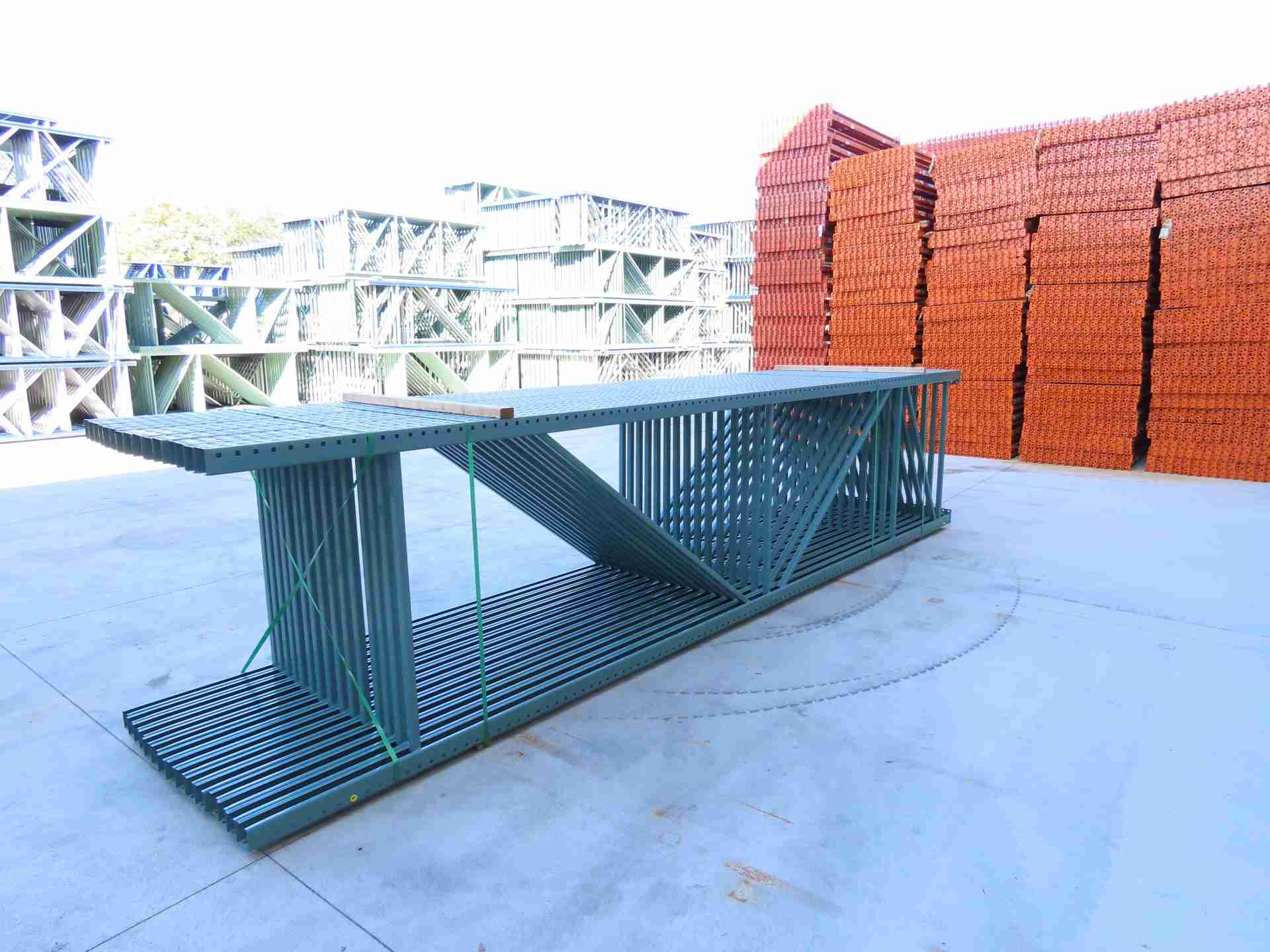
In the world of logistics and inventory management, the simplest mistakes can lead to staggering costs, and often, the root of those blunders lies in poor design. Many of us have witnessed firsthand how a racking system that seems adequate on paper can turn into a nightmare in practice. Imagine a warehouse with towering shelves, overflowing with products but organized like a jigsaw puzzle – frustrating and inefficient. It’s not just about aesthetics; it’s about creating a functional space where your team can do their jobs without unnecessary roadblocks.
When a job’s done right, employees feel confident. They know where everything is and can retrieve items swiftly, cutting down on time wasted searching for misplaced stock. But with poorly designed racking systems, that confidence erodes. A misplaced item here or a missed pick there can snowball into missed deadlines and unsatisfied customers. It’s not just inventory on the line; it’s reputation. The truth is, we’re all fuels for a larger engine. If one cog—your inventory—fails, it can put the whole operation at risk.
Think of the financial weight of keeping dead stock because a racking system didn’t accommodate efficient flow. The money wasted on products that sit idle in hard-to-reach corners could have been reinvested elsewhere. Ethically, we owe it to our teams to provide them with the tools and environment they need to succeed. A well-designed racking system is more than just equipment; it’s a commitment to excellence that fosters pride among employees.
Let’s face it: every warehouse manager has a story. Stories about time spent wrestling with cluttered aisles or handpicking items only to discover they were never logged properly. By focusing on smart design and listening to the voices of those who work in the trenches, we can create spaces that not only function effectively but resonate with a sense of pride and efficiency.
This isn’t just about the numbers on a spreadsheet; it’s about human experience. When we design with intention, we inspire every person on the floor. It’s the difference between chaos and smooth sailing. So, when considering your racking systems, ask yourself: is the design working for you or against you? Making educated decisions now can save heaps down the line, and trust me, your bottom line will thank you.
Can Poor Design Lead to Costly Inventory Mistakes?
Can Poor Design Lead to Costly Inventory Mistakes?
- Simple mistakes in logistics and inventory management can incur significant costs, often due to poor design.
- A racking system that appears adequate may lead to inefficiencies and frustration in warehouse operations.
- Effective design increases employee confidence and reduces time spent searching for misplaced items.
- Poorly designed systems can impact deadlines and customer satisfaction, affecting overall reputation.
- Dead stock from inefficient racking leads to financial waste, preventing reinvestment opportunities.
- Providing a well-designed environment is a commitment to team success and fosters employee pride.
- Intentional design significantly enhances the operational experience, distinguishing chaos from efficiency.
Can Poor Design Lead to Costly Inventory Mistakes?
Conclusion
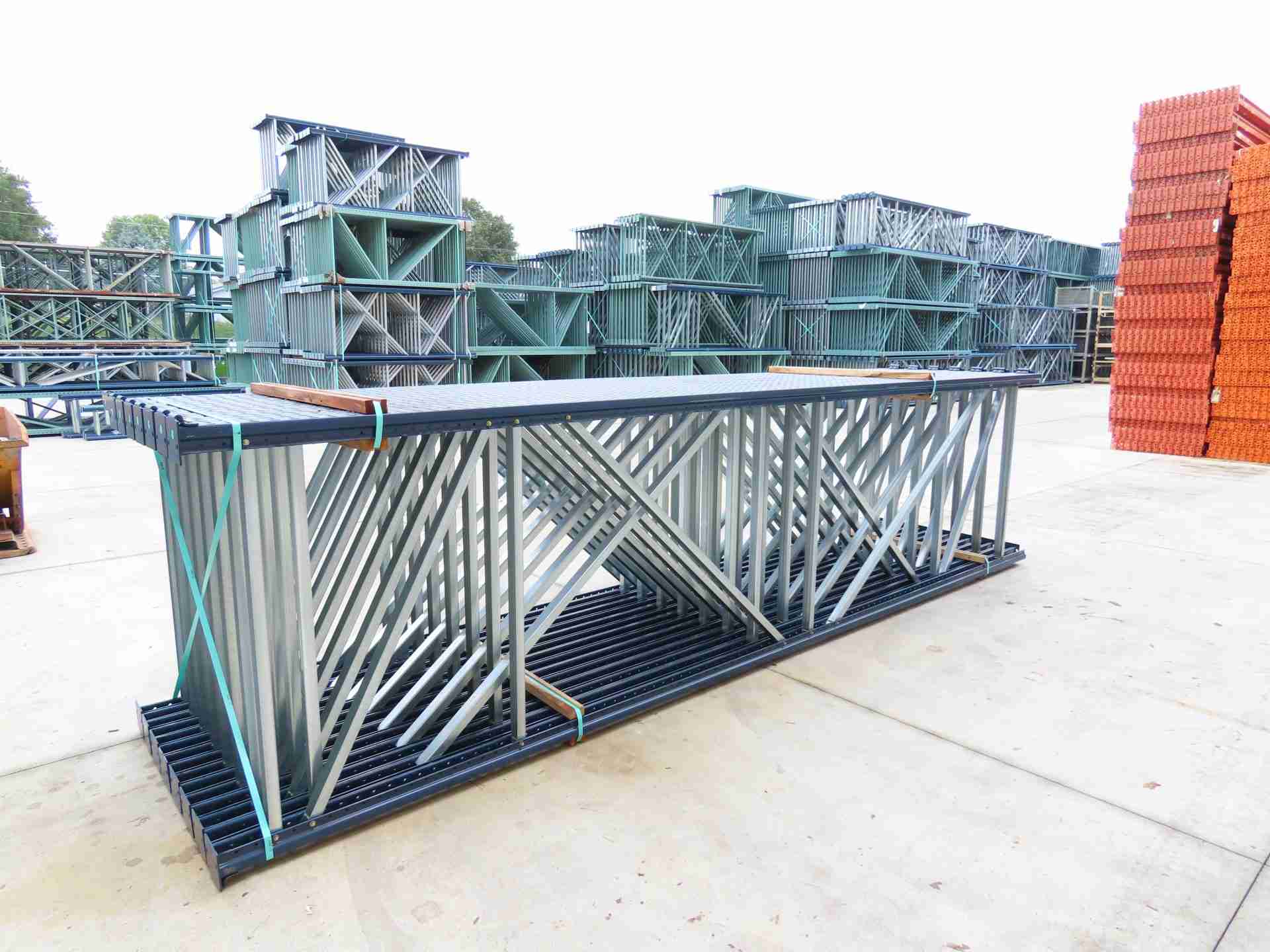
Storage design is more than just an operational concern; it’s the heartbeat of inventory management that impacts accuracy, efficiency, and ultimately, success. A well-structured storage setup turns chaos into order, transforming warehouses into environments where products are easily accessible and where employees can move seamlessly from task to task. Picture a smooth-operating space where everything has its place. Instead of frantic searching for misplaced items, workers can find what they need quickly, enhancing morale and fostering a sense of pride.
This isn’t just a matter of aesthetics; it’s about creating trust. Every item is a representation of the hard work and dedication that goes into fulfilling orders accurately. Well-designed storage systems cultivate an atmosphere where employees feel empowered, minimizing errors and maximizing productivity. When inventory is organized logically, everyone from the warehouse team to management benefits; operations flow more naturally, and goals are met with ease and efficiency.
The ethical implications of smart storage design cannot be overlooked. Accurate inventory means fewer mistakes, which translates into happier customers and stronger vendor relationships. This respect for resources and commitments builds a culture of reliability, where people know that their time and money are valued. The impact ripples outwards, enhancing brand loyalty and reinforcing a reputation built on trust.
Furthermore, the human element in this narrative is critical. Workers know when they are supported by their environment; they take ownership of their tasks, leading to fewer discrepancies and a healthier workplace dynamic. Stories from the ground tell us that a thoughtful layout isn’t just a practical necessity but a commitment to fostering a strong team atmosphere.
Investing in good design leads to operational resilience. In a world where the slightest oversight can cost dearly, using thoughtful storage solutions prevents costly errors and inefficiencies. It’s about cultivating a workspace that respects both employees and customers, ensuring that the delivery of products aligns with expectations.
Ultimately, storing products efficiently isn’t just a logistical challenge but a chance to convey values of excellence and accountability. When storage spaces function as they should, they don’t just reflect the mastery of inventory management; they embody a commitment to serving the needs of everyone involved, paving the way for sustained success in the long run.
Conclusion
Conclusion:
- Storage design is crucial for inventory management, impacting accuracy, efficiency, and success.
- A well-structured setup enhances accessibility and facilitates smoother operations within the warehouse.
- Organized storage fosters employee morale and pride by reducing frantic searching for items.
- Effective systems build trust and empower employees, minimizing errors and maximizing productivity.
- Accurate inventory enhances customer satisfaction and strengthens vendor relationships.
- Good design encourages a positive workplace dynamic, supporting employee ownership of tasks.
- Investing in effective storage solutions leads to operational resilience and reflects a commitment to accountability.
Conclusion
Other Resources

Other Resources
Here is a list of other resources you can review online to learn more:
- Material Handling Safety
- Warehouse Racking Layout: The Ultimate Guide – Conger
- What is Cantilever Racking? – AK Material Handling Systems
- Pallet Racking 101: A Comprehensive Guide & Options Explained
- Warehouse Racking Chicago, IL
- Bradford Systems
- Interlake Mecalux
- Total Warehouse
- Used Teardrop Pallet Rack – American Surplus
- Material Handling Industry
- Pallet Racking systems in Illinois and Great Lakes
- Arrow Industrial Sales
- Warehousing and Fulfillment
- Warehousing Education and Research Council: https://www.werc.org/
- Selective Pallet Racking Systems – Container Systems
- Cantilever Rack Guide: Ordering Cantilever Racking
- Warehouse Racking System: Powerful Guide to Optimise, 2024
- Illinois
- Cantilever Racks Chicago
Use This Prompt To Get More Resources With Your Favorite Online AI Tool: Please provide me with a list of online articles with their URLs in a bulleted list that I can read regarding Why Storage Design Impacts Inventory Accuracy

Other Resources
Glossary Terms
Why Storage Design Impacts Inventory Accuracy – Glossary Of Terms
1. Inventory Accuracy: The degree to which the recorded inventory matches the actual inventory on hand.
2. Storage Design: The arrangement and organization of physical space used for storing inventory.
3. Warehouse Management: The process of efficiently overseeing the storage, movement, and tracking of goods within a warehouse.
4. SKU (Stock Keeping Unit): A unique identifier for each distinct product and service that can be purchased.
5. Stockout: A situation where inventory is depleted, leading to unavailability of a product.
6. Replenishment: The process of restocking or refilling inventory to maintain optimal levels.
7. Layout Optimization: The arrangement of storage facilities to maximize space and efficiency.
8. FIFO (First In, First Out): An inventory management strategy where the oldest stock is sold or used first.
9. LIFO (Last In, First Out): An inventory management method where the most recently produced items are sold first.
10. Inventory Turnover: A ratio that indicates how often inventory is sold and replaced over a period.
11. Cycle Counting: A practice where a subset of inventory is counted on a specific day to maintain accuracy.
12. Demand Forecasting: The process of estimating future customer demand for products.
13. Layout Flow: The direct path goods take during receiving, storing, and shipping processes within a warehouse.
14. Pallet Racking: A storage system that uses horizontal rows to store pallets of inventory.
15. Bin Location: Specific designated areas within storage facilities assigned for items.
16. Lead Time: The time it takes from placing an order until it is received and ready for use.
17. Overhead Storage: Utilizing vertical space for storing items, often above eye level.
18. ABC Analysis: A categorization method that divides inventory into three categories (A, B, and C) based on value and turnover.
19. Buffer Stock: Extra inventory held to prevent stockouts during fluctuations in demand.
20. Just-In-Time (JIT): An inventory strategy that aligns production and inventory management with demand to reduce holding costs.
21. Cross-Docking: A practice of unloading products from inbound deliveries directly onto outbound trucks with minimal storage time.
22. Slotting: The process of determining the most efficient placement of items within a warehouse to enhance picking efficiency.
23. Quality Control: Procedures used to ensure that the inventory meets predefined standards and specifications.
24. Handling Costs: Expenses related to the physical handling of materials, including labor and equipment costs.
25. Inventory Management System: Software or tools used to track inventory levels, orders, sales, and deliveries.
26. Returns Processing: The management of items returned by customers, including restocking or disposal.
27. Serialization: The process of assigning a unique serial number to each product for tracking and compliance.
28. Traceability: The ability to track the history, application, or location of an inventory item.
29. Inventory Shrinkage: The loss of inventory due to theft, damage, errors, or misplacement.
30. Safety Stock: Extra inventory kept on hand to mitigate risks of stockouts due to unpredictable demand or supply chain disruptions.

Glossary Of Terms
Other Questions
Why Storage Design Impacts Inventory Accuracy – Other Questions
If you wish to explore and discover more, consider looking for answers to these questions:
- What specific metrics should I track to measure inventory accuracy improvement after redesigning storage?
- How do I calculate the ROI for investing in new racking systems or storage redesign?
- What are the typical upfront and ongoing costs of different racking systems (pallet racks, shelving, ASRS)?
- Which storage designs work best for different product types (bulk, small parts, fragile, hazardous)?
- How do picking methods (batch, zone, wave, pick-to-light) interact with storage layout choices?
- When is it worth automating storage (conveyors, ASRS, robots) versus optimizing manual racking?
- How do barcode, RFID, and other tagging technologies compare for improving accuracy in various environments?
- What are best practices for labeling, signage, and location numbering to reduce mis-picks?
- How often should cycle counts or full physical inventories be scheduled based on layout and volume?
- What are the most common human errors introduced by poor storage design, and how can design mitigate them?
- How does slotting optimization improve accuracy and throughput, and how often should it be revisited?
- How do lighting, visibility, and aisle width affect count accuracy and employee safety?
- What load limits and safety regulations must be considered when selecting and installing racking?
- How can storage design minimize product damage and shrinkage?
- What training programs are effective to help staff adapt to a redesigned storage system?
- How should layout changes be phased to avoid major disruption to operations?
- What integration is required between physical storage changes and warehouse management systems (WMS)?
- How do you migrate location data and SKUs in a WMS when reconfiguring storage?
- What KPIs should leadership review to confirm storage design is improving accuracy and efficiency?
- How do seasonal inventory fluctuations affect optimal storage design?
- What considerations are needed for storing perishable or temperature-sensitive goods in racking systems?
- How do you manage returns and reverse logistics within a storage layout to prevent inventory errors?
- What design choices support first-expiry-first-out (FEFO) or first-in-first-out (FIFO) workflows?
- How can cross-docking or flow-through areas be incorporated to reduce inventory handling errors?
- What are typical retrofit options if my current building footprint limits redesign choices?
- How do you choose vendors for racking, labeling, and automation—what questions should you ask them?
- What maintenance schedules and inspections are required to keep racking safe and accurate over time?
- How does storage design affect ergonomics and worker fatigue, and what are the benefits of ergonomic design?
- How can security measures (access control, cameras, audits) be integrated into storage design to prevent theft?
- What are common implementation pitfalls and how do other warehouses avoid them?
- How should space utilization be measured and optimized (vertical vs. horizontal tradeoffs)?
- How do multi-user or shared facilities (3PLs) design storage to maintain inventory accuracy for multiple clients?
- What role do floor markings, traffic flows, and material handling equipment routes play in reducing errors?
- How do you design for scalability if product mix or volume is expected to change quickly?
- What data analysis techniques can reveal layout-related root causes of inventory discrepancies?
- How should emergency access, fire codes, and evacuation routes influence rack placement?
- What labeling and data standards (GS1, SKU conventions) improve interoperability and accuracy?
- How long does it typically take to realize measurable inventory-accuracy gains after redesign?
- Are there case studies or benchmarks for businesses similar to mine that show expected accuracy improvements?
- How should storage design support auditing and compliance requirements for regulated products?

Other Questions
Checklist
Why Storage Design Impacts Inventory Accuracy – A Checklist
Layout and Flow
✅______ Aisle widths match equipment turning radii; no choke points or blind spots
✅______ One-way travel and pedestrian lanes marked where appropriate
✅______ Receiving, putaway, picking, packing, and shipping clearly separated
✅______ Fast-mover SKUs placed closest to shipping/packing
✅______ Staging areas sized and floor-marked for peak volumes
✅______ Cross-docking paths defined and unobstructed
Racking and Storage Systems
✅______ Rack types match SKU profiles (pallet rack, carton flow, bin shelving, cantilever)
✅______ Adjustable beams/shelves; slot sizes fit case/inner/unit dimensions
✅______ Forward pick vs reserve locations defined and documented
✅______ Load capacities posted; pallets fit with safe overhang/clearances
✅______ Bay/level/position labels present and scannable at the point of work
✅______ Vertical space utilized safely; top-level pick faces minimized
✅______ Damaged racks flagged and repaired; no temporary fixes in use
Location Naming and Labeling
✅______ Standard schema (zone–aisle–bay–level–position) used consistently
✅______ Labels durable, readable from operating distance, and scannable
✅______ Aisle/floor markers visible; zone color-coding applied
✅______ Check-digits or verification codes in place for high-density areas
✅______ SOP for creating, changing, and retiring locations is enforced
Slotting and Organization
✅______ Each SKU has one primary pick location (exceptions documented)
✅______ Look-alike items and variants separated to prevent mis-picks
✅______ FIFO/FEFO supported by layout, signage, and process
✅______ Min/max levels set for all forward pick locations
✅______ Oversize, hazardous, or high-value items segregated and secured
✅______ Mixed-SKU pallets minimized and labeled distinctly
Receiving and Putaway
✅______ ASNs used to pre-receive and validate quantities/IDs
✅______ QC/inspection area defined; nonconformances quarantined
✅______ Directed putaway rules (family zoning, velocity, proximity) configured
✅______ Exceptions (shorts, overages, substitutions) resolved same day
✅______ Inbound labeling standardized to warehouse format
Picking and Replenishment
✅______ Pick paths optimized to reduce backtracking and travel
✅______ Replenishment triggered by min levels and completed before pick waves
✅______ Scan validation or check-digits required at pick confirmation
✅______ Batch/zone/wave methods matched to SKU velocity and order profiles
✅______ Kitting and value-added services have dedicated, labeled areas
Counting and Controls
✅______ Cycle counting program in place and prioritized by ABC velocity
✅______ Variances above threshold trigger root-cause analysis and corrective action
✅______ Bin audits after moves, consolidations, or resets
✅______ Daily reconciliation between physical and system inventory
✅______ Returns and damages processed in a separate, controlled workflow
Visibility and Access
✅______ All forward pick items visible without moving other SKUs
✅______ No locations blocked by overhanging pallets or clutter
✅______ Adequate lighting at pick faces and scan points
✅______ Mobile device/printer stations positioned for minimal travel
Housekeeping (5S)
✅______ Sort: Obsolete items and empty packaging removed promptly
✅______ Set in order: Tools, totes, carts, and printers have fixed homes
✅______ Shine: Floors, racks, scan surfaces, and labels clean and legible
✅______ Standardize: Visual standards posted and consistent across zones
✅______ Sustain: Routine audits with scorecards and follow-up actions
Workforce and Training
✅______ Onboarding covers location schema, scanning, and error prevention
✅______ Cross-training reduces single-point dependencies
✅______ Standard work instructions current and accessible at stations
✅______ Feedback loop from floor to design/engineering owners is active
✅______ Team metrics posted; wins and lessons learned shared regularly
Flexibility and Continuous Improvement
✅______ Modular racks and adjustable slots support seasonality and growth
✅______ Overflow and peak plans defined (temporary locations labeled)
✅______ Quarterly re-slotting based on velocity, cube, and order patterns
✅______ Pilots conducted before large-scale layout changes
✅______ Change log maintained for location/rack/layout updates
Performance and Customer Impact Metrics
✅______ Inventory accuracy (percent)
✅______ Mis-pick/mis-ship rate
✅______ Order fill rate/OTIF
✅______ Cycle count coverage and variance value
✅______ Time to locate item (seconds) and search incidents
✅______ Lines picked per labor hour
✅______ Shrink as a percentage of inventory
✅______ Replenishment compliance (percent on-time, in-full)
✅______ Customer claims tied back to root cause in storage/process
Quick Win Checks
✅______ Top 20 fast-movers audited for best placement and label quality
✅______ Ten most common errors mapped to a storage or labeling cause
✅______ High-risk look-alike SKUs flagged and separated today
✅______ One congested aisle or process step relieved with a simple move
✅______ Daily “find time” sampled and posted to drive improvement

Checklist
At RackingWorld, we help guide you through selecting warehouse storage systems and racking.
Be sure to read our other related stories at RackingWorld to learn more about warehouse storage systems.
0 Comments