
Unlocking Potential: The Hidden Barriers Preventing Warehouse Growth
By Tom Seest
At RackingWorld, we help guide you through selecting warehouse storage systems and racking.
Be sure to read our other related stories at RackingWorld to learn more about warehouse storage systems.
Why Some Warehouses Can’t Grow Past $10M
Many warehouses find themselves stuck at the $10 million mark, and it often boils down to a mix of emotional, rational, and ethical challenges that can trap even the most determined operators. Picture a warehouse full of potential – the floor buzzing with activity, products moving in and out, the hum of machinery in the background. Yet, there’s a ceiling, often made of invisible barriers that seem insurmountable.
The first hurdle is a mindset shaped by familiarity. Owners get comfortable with their racking systems and operational methods, believing that what got them this far will suffice for the next stage. That simplicity can become a trap; the fear of change and the burden of responsibility loom large, making even the smallest updates seem daunting. Decisions are made not just with spreadsheets but with gut feelings rooted in years of hard work and past experiences. The challenge, though, is that sticking to the status quo often means losing out on new opportunities that could propel growth.
Rationally, many warehouses struggle with scaling due to outdated technology or insufficient infrastructure. Investing in new racking systems may seem like a splurge at first, but inaction can lead to stagnation. The math is simple – inefficient operations drain resources and energy. Yet, the reluctance to invest in modern systems doesn’t just stall growth; it fosters frustration among employees. A disengaged workforce can’t drive the business forward. This is where ethical leadership comes into play.
Leaders who commit to growth not only improve their bottom line but also inspire trust and loyalty among their teams. It’s about cultivating an environment where employees feel valued and part of the journey. When staff members understand the company’s vision and see tangible investments in their work environment, they’re more likely to engage.
Social norms within the industry can also play a role. If the prevailing mindset in a region or sector favors maintaining the current state, individual warehouses may hesitate to break out of the pack. But connecting with peers who have successfully scaled can shift perspectives. Sharing success stories and battle scars fosters a sense of community and trust.
Breaking through that $10 million barrier starts with a willingness to embrace change. It’s about betting on the future rather than resting in the comfort of what’s familiar. Listen to the heart, think with the head, and trust the gut; that’s the path to growth.

Why Some Warehouses Can’t Grow Past $10M
Why Some Warehouses Can’t Grow Past $10M
- Many warehouses stagnate around the $10 million mark due to emotional, rational, and ethical challenges.
- Owners often remain comfortable with familiar systems, making change seem daunting, which can trap potential growth.
- Outdated technology and insufficient infrastructure hinder scaling efforts, leading to resource and energy wastage.
- Investing in modern systems is essential; reluctance can cause employee disengagement, affecting business progress.
- Ethical leadership fosters trust and loyalty by valuing and involving employees in the company’s vision and growth.
- Industry social norms can discourage change, but networking with successful peers can provide inspiration and community.
- Embracing change is vital for breaking the $10 million barrier, focusing on future growth over past comforts.

Why Some Warehouses Can’t Grow Past $10M
Table Of Contents
- Why Some Warehouses Can’t Grow Past $10M
- What Barriers Prevent Warehouse Growth Beyond $10M?
- How Can Leadership Impact Warehouse Success?
- Are Inefficient Processes Hindering Growth In Your Warehouse?
- How Does Employee Morale Affect Warehouse Productivity?
- What Role Does Technology Play In Warehouse Scalability?
- Are You Leveraging Data Analytics Effectively?
- Conclusion
- Other Resources
- Glossary Of Terms
- Other Questions
- Checklist
What Barriers Prevent Warehouse Growth Beyond $10M?
When a warehouse hits the $10 million mark, it’s like reaching the summit of a solid hill; the view is great, but the challenge of climbing higher looms large. Many get stuck, often due to a mix of emotional, rational, and practical barriers. It’s not just about metrics and spreadsheets; it’s about the people driving those numbers.
First, let’s talk about the numbers. No one likes feeling stretched thin, and as orders pile up, so do inefficiencies, affecting everything from worker morale to delivery times. Implementing advanced racking systems can help optimize space and streamline processes, but the initial cost and complexity often leave managers hesitant. It’s easy to keep doing what works, but that can trap a warehouse in a stagnant cycle. To break the cycle, owners must not only embrace change but also communicate the vision clearly to the team.
Emotion plays a massive part here. Many warehouse workers are dedicated and take pride in their work. They’ve put in the hours and understand the ins and outs of the operation better than anyone. Yet, when they see the leadership hesitant to innovate or invest in technology, it gnaws at their confidence. Workers want to feel part of a story that’s more than just cents and dollars. They seek acknowledgment that their input matters, especially when it comes to decisions impacting their day-to-day tasks.
Rational arguments about growth commonly overlook the human element. If a facility is going to expand beyond that $10 million threshold, it needs to prioritize the social aspect of change. Building a strong team that trusts one another fosters resilience. Employees who feel connected to the mission are more likely to advocate for new strategies, even suggesting improvements to things like racking systems that could lead to greater efficiency.
Moreover, it’s essential to adopt an ethical approach toward growth. Leaders must weigh the benefits of expanding their operations against the impact it has on their workers and the community. Companies that abide by ethical principles not only retain trust but also attract talented workers, who see their values reflected in their employer.
Taking all these elements into account isn’t just business; it’s a path to a thriving warehouse. To move past the plateau, a warehouse must not only prepare its operations for growth but also nurture its most valuable asset—its people. The journey upward requires a blend of heart, common sense, and an unwavering belief in collective potential.

What Barriers Prevent Warehouse Growth Beyond $10M?
What Barriers Prevent Warehouse Growth Beyond $10M?
- Reaching the $10 million mark in a warehouse presents both achievements and challenges for growth.
- Emotional, rational, and practical barriers often hinder progress beyond this threshold.
- Increased orders lead to inefficiencies affecting worker morale and delivery times.
- Advanced racking systems can optimize operations, but may face resistance due to initial costs and complexity.
- Workers seek acknowledgment and want to be part of a narrative beyond financial metrics.
- Building a strong, trusting team is crucial for fostering resilience and advocating for innovation.
- An ethical approach to growth enhances trust and attracts talent, ensuring the welfare of both employees and the community.

What Barriers Prevent Warehouse Growth Beyond $10M?
How Can Leadership Impact Warehouse Success?
Leadership in a warehouse setting isn’t just about giving orders; it’s about building a culture that drives success from the ground up. When a leader steps into a role, they’re not just managing operations—they’re crafting an environment where everyone feels valued and invested in the workflow. This is especially true in a place filled with racking systems that demand organization, efficiency, and a keen eye for detail.
Imagine a warehouse where the leader rolls up their sleeves alongside the team, everyone working together to keep the racking systems in order. This kind of hands-on approach doesn’t just foster respect; it builds a sense of belonging. Employees are more likely to take ownership of their work when they see their leader actively participating in the daily grind. It reinforces the idea that every role, from the pickers to the stockers, is crucial for success.
Every day, these employees encounter challenges—tight deadlines, heavy loads, and unruly inventory. When leaders communicate openly about what’s going on, it empowers the team. Rationality comes into play: understanding the logistics of warehouse operations, showing how every decision impacts productivity and morale. A leader who shares their vision and listens to feedback creates a collaborative atmosphere. When workers feel heard, their dedication to the job deepens.
Ethically, it’s important for leaders to uphold values that prioritize safety and well-being. When leaders advocate for the proper usage of equipment and promote a culture of training on racking systems, they demonstrate a commitment to their team’s health. This approach doesn’t just make for a safer workplace; it cultivates trust. Each team member knows their leader prioritizes their welfare.
Narrative is also integral to effective leadership. Sharing stories of past successes and lessons learned can inspire employees to strive for excellence. It’s not about lofty ideals but about relatable anecdotes that resonate. When leaders speak from personal experience about long days and hard work, it humanizes them and connects with the team on a deeper level.
Finally, leveraging social connections within the workforce encourages camaraderie. A solid team bond makes the tough days easier. Leaders who understand the importance of community will find that on days when the racking systems are near capacity or when workloads surge, their crew is ready to tackle challenges together. By leading from the heart, head, and gut, warehouse leaders can cultivate a winning environment that pushes beyond metrics and targets, fostering a true sense of pride in their work.

How Can Leadership Impact Warehouse Success?
How Can Leadership Impact Warehouse Success?
- Leadership in warehouses involves building a culture that promotes success and employee investment.
- A hands-on approach fosters respect and belonging among team members.
- Leaders empower their teams by communicating openly about challenges and logistics.
- Prioritizing safety and training develops trust and emphasizes employee well-being.
- Sharing personal stories and experiences inspires excellence and deepens connections.
- Encouraging social connections among employees builds camaraderie and resilience.
- Effective leadership cultivates a winning environment that values teamwork over mere metrics.

How Can Leadership Impact Warehouse Success?
Are Inefficient Processes Hindering Growth In Your Warehouse?
Inefficient processes in warehouses often feel like a weight hanging over your team, slowing everything down. Picture this: a bustling warehouse with products stacked high in racking systems, but when orders come in, panic ensues. Teammates scramble, searching for items in disorganized aisles. Frustration mounts as time ticks away, and what should be a streamlined operation turns into chaos. Each minute wasted is an opportunity lost, not just for profits but for the morale of every person working hard to keep things moving.
In this fast-paced world, efficiency isn’t just about getting things done; it’s about building trust within your team and with your customers. Who can have confidence in a service that stumbles under the weight of inefficiency? If your warehouse is drowning in outdated processes, it may not just be the bottom line affected; it could jeopardize relationships with clients who depend on timely deliveries. We’ve all heard the stories of orders that went out late because of a simple mix-up. It hits hard when you realize that these blunders stem from a failure to manage systems adeptly.
But let’s not just focus on the negatives. There’s a way out—an opportunity to transform your operations. By investing in effective racking systems and utilizing space efficiently, you can reclaim valuable floor space and make picking and packing easier for your team. Imagine walking through your warehouse where everything has its place, making it easy for everyone to find what they need without tearing apart an entire aisle. This isn’t just good for business; it fosters a sense of pride among your workers. When people see how their contributions matter in a well-ordered environment, it sparks a collective desire to strive for excellence.
Moreover, embracing better technologies and practices not only makes sense financially but ethically as well. Workers want to feel like they’re part of a well-oiled machine, not cogs in a broken one. Inefficiencies can lead to burnout and dissatisfaction, while smooth operations lead to job fulfillment. As leaders, we owe it to them to create a work culture that prioritizes efficiency and respect.
Your warehouse can be a beacon of reliability, a source of pride for everyone involved. So, do a gut check. Is it time to strip away the processes that hinder and begin building one that thrives? The people who work in your warehouse, the customers who rely on it—everyone stands to gain when you choose the path of efficiency. The choice is yours, and the time is now.
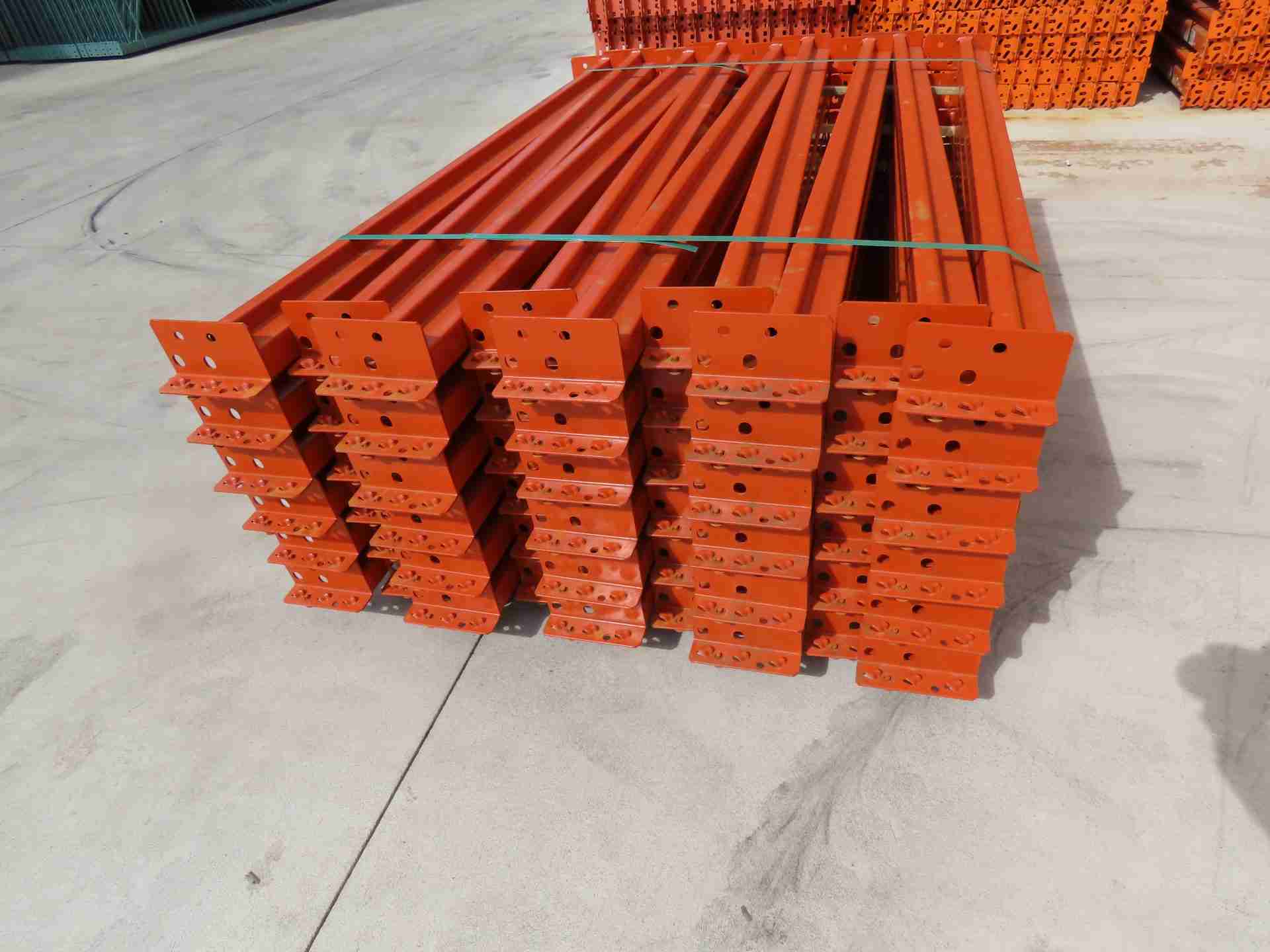
Are Inefficient Processes Hindering Growth In Your Warehouse?
Are Inefficient Processes Hindering Growth In Your Warehouse?
- Inefficient warehouse processes hinder team productivity and morale.
- Disorganization leads to chaos and lost opportunities during order fulfillment.
- Efficiency builds trust within teams and with customers.
- Outdated processes jeopardize timely deliveries and client relationships.
- Investing in effective racking systems enhances operations and workspace utilization.
- Improved technologies promote worker satisfaction and reduce burnout.
- Cultivating a culture of efficiency benefits everyone involved in warehouse operations.

Are Inefficient Processes Hindering Growth In Your Warehouse?
How Does Employee Morale Affect Warehouse Productivity?
Employee morale plays a pivotal role in the productivity of any warehouse. In the fast-paced world of logistics and storage, where every second counts, the connection between a motivated workforce and efficient operations can’t be overstated. When workers feel valued and appreciated, they don’t just clock in and out; they put their hearts into their tasks, pushing the entire operation forward.
Take for instance a team that handles racking systems. These aren’t just metal frameworks; they hold the heavy lifting of a business’s success. When employees feel good about their workplace, they take pride in maintaining and optimizing these systems, ensuring all goods are stored safely and efficiently. A cohesive team, driven by high morale, collaborates effectively, communicating needs and addressing issues before they escalate. They innovate on the fly, finding better ways to utilize space or improve workflows because they are not only engaged but also invested in their job’s outcomes.
On a rational level, the numbers speak for themselves. High morale translates into lower turnover rates. Replacing a worker costs money and time; every employee lost is knowledge and experience walking out the door. When people are happy and committed, they stick around, building a skilled workforce that knows the ins and outs of the racking systems and the products they handle. This collective experience not only boosts efficiency but also cultivates a culture of mentorship where seasoned workers pass on their expertise to newcomers.
Beyond the metrics, there’s an ethical obligation to care for the people who keep the warehouse running. A positive environment fosters trust and loyalty, creating a sense of belonging. Workers who feel supported are not just numbers on a payroll but an essential part of the team. When employees understand their contributions matter, the emotional investment leads to fewer mistakes and accidents, which means safer working conditions for everyone.
As the momentum builds, the whole warehouse benefits. A motivated team is infectious; positivity spreads like wildfire. When people work together well, it creates a culture where everyone feels they are in it together, striving for excellence. The dedication reflected in each task, whether it’s loading a truck or organizing the racking systems, holds the promise of a brighter future for the operation, making every effort count, and every person matter.

How Does Employee Morale Affect Warehouse Productivity?
How Does Employee Morale Affect Warehouse Productivity?
- Employee morale is crucial for warehouse productivity, enhancing efficiency in logistics and storage.
- Motivated workers take pride in their tasks, leading to better maintenance of racking systems and overall operations.
- A cohesive team with high morale collaborates effectively, addressing issues proactively and innovating workflows.
- High morale results in lower turnover rates, retaining knowledge and expertise within the workforce.
- A supportive work environment fosters trust and loyalty, creating a sense of belonging among employees.
- Invested employees lead to fewer mistakes and safer working conditions, enhancing overall operational safety.
- A motivated workforce cultivates a positive culture, contributing to a brighter future for the warehouse operation.
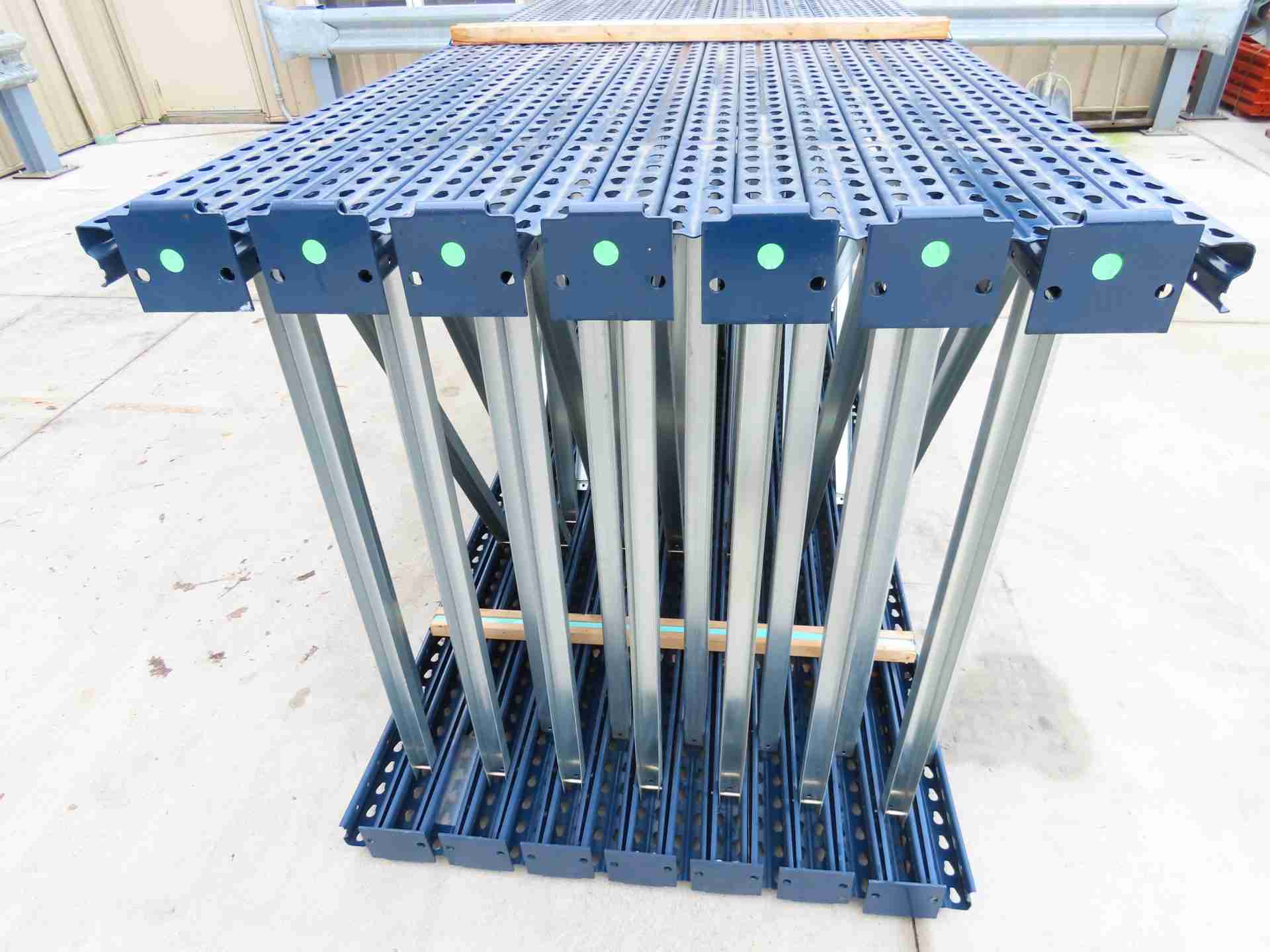
How Does Employee Morale Affect Warehouse Productivity?
What Role Does Technology Play In Warehouse Scalability?
In the bustling realm of warehousing, where every inch counts and every second matters, technology emerges as the silent partner that transforms dreams of scalability into tangible reality. Picture a warehouse like a well-oiled machine; each part is essential. Racking systems, the backbone of storage solutions, ensure that products don’t just sit idle, but are ready to be moved with efficiency. Investing in state-of-the-art racking systems means not just stacking goods higher but optimizing the entire space, allowing for faster retrieval and less downtime.
Yet, this isn’t merely about pushing buttons or setting up software. It’s about rethinking how we handle our products and flows. Technology, in its myriad forms—like inventory management software or automated picking systems—pivots the entire structure of operations. This adaptation is crucial for businesses looking to grow, keeping them agile and responsive. Imagine the weight lifted off your shoulders when you know that data is being processed in real-time, helping you make informed decisions on-the-fly, preventing bottlenecks before they occur.
Moreover, embracing technology fosters a workplace culture where employees feel empowered. Workers who embrace tools that simplify their tasks—whether that be mobile scanning devices or robotics—experience a drop in stress levels and an increase in job satisfaction. This human aspect is vital; scalable success isn’t just about figures and outputs. It’s about creating an environment where people can thrive, feel valued, and take pride in their contributions. Trust builds between management and employees, driving everyone toward a common goal.
On an ethical level, technology provides a more sustainable approach to warehousing. By optimizing space and minimizing waste, businesses can contribute to environmental responsibility. The stories of warehouses reducing their carbon footprints thanks to smarter operations resonate with consumers and stakeholders alike, enhancing brand reputation.
Nothing speaks louder than results. Companies that have harnessed the power of technology in their racking systems often find themselves with a competitive edge. They can flexibly scale operations up or down, meeting market demands without the fear of being caught off guard. This adaptability not only secures their position in the market but also builds community trust. Stakeholders are more likely to align with businesses that show they can grow—responsibly and efficiently.
Technology isn’t just a tool; it’s the lifeblood of scalability. It reshapes the path to success in warehousing, where every choice impacts the workforce, the environment, and the bottom line. Embracing it isn’t just wise; it’s essential for those who dare to grow.

What Role Does Technology Play In Warehouse Scalability?
What Role Does Technology Play In Warehouse Scalability?
- Technology transforms warehousing by enhancing scalability and efficiency.
- State-of-the-art racking systems optimize storage and retrieval while minimizing downtime.
- Adopting technology requires rethinking product handling and operational flows.
- Real-time data processing aids in informed decision-making and prevents bottlenecks.
- Technology empowers workers, reducing stress and increasing job satisfaction.
- Sustainable practices through technology enhance brand reputation and environmental responsibility.
- Companies leveraging technology gain a competitive edge, adapting to market demands effectively.

What Role Does Technology Play In Warehouse Scalability?
Are You Leveraging Data Analytics Effectively?
When we talk about data analytics, it’s easy to get lost in the jargon and lofty ideas. But let’s strip it back to basics: data analytics is like a well-built racking system in a warehouse. If you set it up right, you can see exactly what you have, where it is, and how efficiently everything is running. This isn’t just about numbers and charts; it’s about making your life easier and your business more profitable. Just like those racking systems that organize tools and materials, analytics helps sort through the chaos of data to find clarity.
Think of the times you’ve made decisions based on gut feelings. Now imagine having data backing you up. When you dive into data analytics, you’re not just guessing and hoping for the best. You’re taking informed steps, seeing trends, understanding your customers’ needs, and responding like a pro. This isn’t a luxury anymore; it’s a necessity. The businesses thriving today leverage their data to stay ahead of the competition, and if you want to stay in the game, you’ve got to adapt.
However, analytics isn’t just about profits; it’s also about ethics. How you handle data speaks volumes about your integrity. Trust is earned when you transparently use customer data to enhance their experience, not exploit it. Being upfront about your data practices builds loyalty and keeps customers coming back. It’s a chance to show that your business is more than just a bottom line—it’s about people, community, and respect.
We’re all familiar with the power of a good story. In a world saturated with information, narratives cut through the noise. When you harness data analytics, you can craft your own stories—about your business’s journey, successes, and challenges. Share these stories with your team and customers. Let them engage with the insights you’ve gathered, drawing them closer to your brand.
At the end of the day, implementing data analytics is about connection. It’s about understanding not just the ‘what’ but the ‘why’ behind your operations. A well-utilized racking system doesn’t just hold items; it holds potential. Similarly, effective data analytics opens doors to innovation, improved efficiency, and growth. Embrace this power, and you’ll not only find success but create a legacy that resonates.
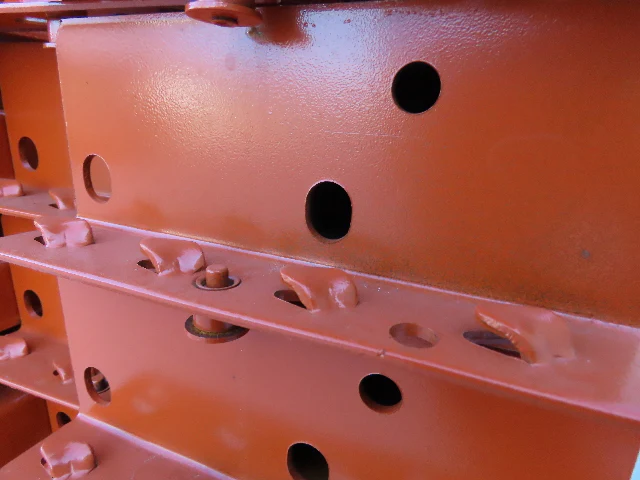
Are You Leveraging Data Analytics Effectively?
Are You Leveraging Data Analytics Effectively?
- Data analytics simplifies understanding and managing operations, akin to an organized racking system in a warehouse.
- It transforms decision-making from guesswork to informed choices using data trends and customer insights.
- Businesses utilizing data analytics gain a competitive edge and adapt to changing market conditions.
- Ethical data usage builds trust and customer loyalty, emphasizing the importance of transparent practices.
- Data analytics enables storytelling, allowing businesses to communicate their journey and engage customers more effectively.
- Implementing data analytics fosters connections by revealing the ‘why’ behind operations, leading to potential growth.
- Embracing data analytics not only drives success but also creates a lasting legacy in the business landscape.

Are You Leveraging Data Analytics Effectively?
Conclusion
In the demanding landscape of warehousing, many businesses find themselves plateaued at the $10 million threshold, grappling with a complex mix of emotional, rational, and ethical barriers. The warehouse often embodies untapped potential—busy floors, bustling machinery, yet an invisible ceiling stunting growth. Comfort with established methods can create a mental trap, where owners hold fast to familiar racking systems and operational routines, afraid to embrace change. However, this reluctance can cost opportunities that drive progress.
As warehouses contend with outdated technologies and insufficient infrastructure, decision-makers must recognize that investments aren’t merely expenses but vital steps towards enhanced efficiency. The reluctance to update technology doesn’t just stagnate growth; it can erode workforce morale, leading to disengagement. Employees who see real commitment to improvement feel valued and connected, directly contributing to a positive workplace culture. Ethical leadership plays a crucial role here; by fostering an inclusive environment, leaders can guide their teams towards shared goals, reaping rewards for both the organization and its people.
Fostering community within the industry can be transformative. When businesses share stories of effective scaling, they can inspire others to break free from the prevailing mindset of complacency. It’s essential to visualize growth as a collective journey rather than a solitary endeavor. Embracing change means gathering insights from experiences, both positive and challenging, forging a path beyond the $10 million barrier.
Moreover, how technology is embraced can signify a warehouse’s commitment to scalability. Innovative tools streamline operations and empower employees, creating satisfaction and a sense of ownership. This forward-thinking approach doesn’t just optimize logistics; it resonates ethically, aligning business practices with community responsibility, which is increasingly important in today’s marketplace.
At the heart of it all lies employee morale. When workers feel appreciated and part of the narrative, it enhances productivity. They invest emotionally, advocating for better processes and yielding a ripple effect that boosts organizational efficiency. Ultimately, breaking through growth barriers takes commitment, a willingness to invest in relationships and technology, and a dedication to nurturing the workforce. By choosing to move forward with heart, common sense, and collective belief, warehouses can turn potential into performance, inviting everyone to participate in the transformative journey ahead.

Conclusion
Conclusion:
- Many businesses struggle to grow beyond the $10 million mark due to emotional, rational, and ethical barriers.
- Warehouses often represent untapped potential, with established methods creating a mental trap for owners.
- Investing in technology is essential for enhancing efficiency and improving workforce morale.
- Ethical leadership fosters an inclusive environment that aligns teams and encourages shared goals.
- Community sharing of scaling experiences can inspire others to overcome complacency and visualize growth collectively.
- Embracing innovative tools signifies commitment to scalability and aligns business practices with community responsibilities.
- Employee appreciation and engagement directly enhance productivity and contribute to organizational efficiency.
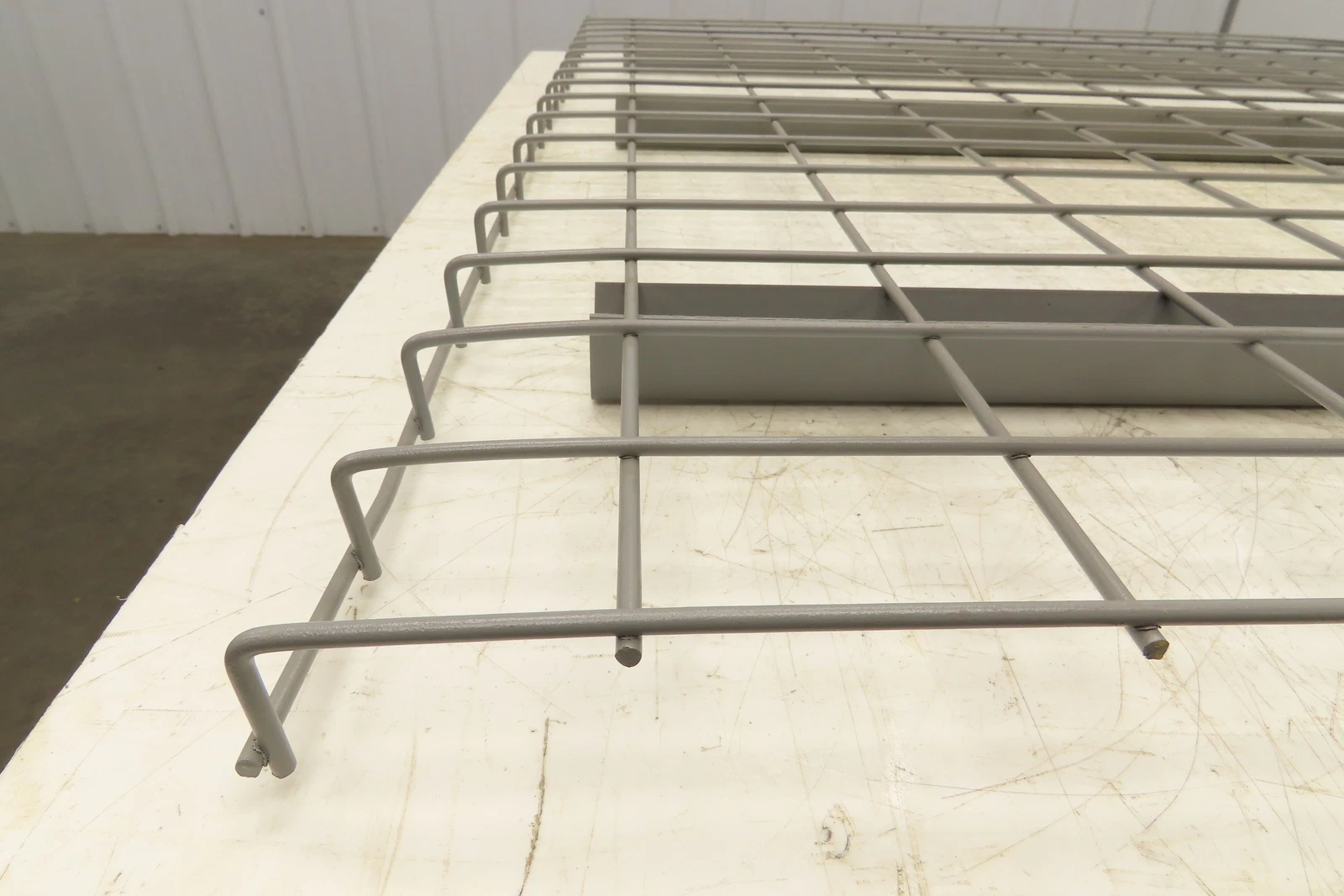
Conclusion
Other Resources

Other Resources
Here is a list of other resources you can review online to learn more:
- Illinois Pallet Racking – Storage Solutions
- Cantilever Rack Configuration & Installation: A Comprehensive Guide – BMH
- IIWS Inc. Rack Installation Illinois & Rack Repairs Illinois
- What is Selective Pallet Racking
- Cantilever Racking Specialists – Get the Right Racks
- Teardrop Industrial Shelving Rack
- Warehousing and Fulfillment
- Selective Pallet Racking Systems – Container Systems
- Used Pallet Rack for Sale in Illinois – American Surplus
- Overhead Lifting
- Selective Pallet Racking Systems
- The Ultimate Pallet Racking Guide – Speedrack West
- Selective Racking
- Teardrop Uprights
- Selective Rack – Raymond West
- American Society of Safety Professionals
- Iowa Illinois Warehouse Racking
- Logic Material Handling
- Warehouse Storage Racks
- International Warehouse Logistics Association
Use This Prompt To Get More Resources With Your Favorite Online AI Tool: Please provide me with a list of online articles with their URLs in a bulleted list that I can read regarding Why Some Warehouses Can’t Grow Past $10M

Other Resources
Glossary Terms
Why Some Warehouses Can’t Grow Past $10M – Glossary Of Terms
1. Capacity: The maximum volume of goods a warehouse can store and manage effectively.
2. Scalability: The ability to increase storage space or operations without significant changes in cost or efficiency.
3. Integration: The process of combining various systems or technologies for improved warehouse operations.
4. Inventory Management: The practice of overseeing and controlling the ordering, storage, and use of goods.
5. Automation: The use of technology to perform tasks with minimal human intervention, enhancing efficiency.
6. Distribution Channels: The paths through which products flow from the manufacturer to the consumer.
7. Labor Costs: The expenses related to employing workers for warehouse operations.
8. Technology Adoption: The incorporation of new technologies into warehouse practices to boost productivity.
9. Space Utilization: The effective use of storage space to maximize capacity and efficiency.
10. Location: The geographical placement of a warehouse, influencing operational costs and logistics.
11. Supply Chain: The entire system of production, processing, and distribution of goods.
12. Order Fulfillment: The complete process of receiving, processing, and delivering orders to customers.
13. Lead Time: The time taken from receiving an order to its fulfillment and delivery.
14. Risk Management: The identification and assessment of potential risks threatening warehouse operations.
15. Compliance: Adhering to laws, regulations, and industry standards in warehouse management.
16. Product Variety: The range of different products stored and handled within a warehouse.
17. Workflow Optimization: The process of improving the efficiency and effectiveness of warehouse operations.
18. Data Analytics: The analysis of data to inform decision-making and improve operational performance.
19. Vendor Relationships: The connections and agreements with suppliers that affect inventory flow.
20. Transportation Costs: Expenses associated with moving goods to and from the warehouse.
21. Customization: The ability to tailor services and processes to meet specific customer needs.
22. Storage Systems: The frameworks and methods used for storing products in a warehouse.
23. Inventory Turnover: A metric showing how often inventory is sold and replaced over a period.
24. Safety Standards: Regulations and best practices that ensure the safe operation of warehouse facilities.
25. Customer Expectations: The demands and preferences of clients regarding product delivery and service.
26. Seasonal Demand: Fluctuations in inventory requirements based on seasonal buying patterns.
27. Reorder Point: The inventory level at which new stock must be ordered to prevent stockouts.
28. Facility Layout: The arrangement of physical spaces within a warehouse for optimal flow and efficiency.
29. Continuous Improvement: Ongoing efforts to enhance warehouse processes and performance.
30. Capital Investment: The funds allocated for acquiring and upgrading warehouse assets and infrastructure.

Glossary Of Terms
Other Questions
Why Some Warehouses Can’t Grow Past $10M – Other Questions
If you wish to explore and discover more, consider looking for answers to these questions:
- What specific metrics indicate a warehouse is ready to scale beyond $10M?
- How do you calculate the ROI for investing in new racking systems or automation?
- What are the most cost-effective racking upgrades for mid‑sized warehouses?
- How long does it typically take to implement new racking systems or warehouse technology?
- What are common hidden costs associated with scaling a warehouse?
- How can leaders get employee buy‑in for major operational changes?
- What change‑management steps minimize disruption during upgrades?
- Which technologies deliver the fastest productivity gains for warehouses under $10M?
- How do you choose between upgrading processes versus hiring more staff?
- What training programs work best to upskill existing warehouse workers?
- How can smaller warehouses compete with larger, more automated operations?
- What financing options are available for capital investments in warehousing?
- How do you measure the impact of morale on throughput and error rates?
- What KPIs should leaders track while scaling operations?
- How do you pilot automation or analytics projects with minimal risk?
- What are the most common legal, safety, or regulatory hurdles when expanding capacity?
- How should inventory management change as order volume grows?
- What vendor selection criteria matter most for racking and warehouse tech providers?
- How can data analytics be integrated with existing warehouse management systems?
- What data governance and privacy issues should warehouses consider?
- How do you forecast staffing needs during rapid growth phases?
- What strategies reduce employee turnover in warehouse roles?
- How can warehouses optimize floor space without expensive expansion?
- When is it better to outsource to a 3PL versus investing internally?
- What are realistic timelines and milestones for moving past the $10M plateau?
- How do you create a budget and timeline for phased upgrades?
- What case studies or real‑world examples show successful scaling past $10M?
- How should communication between leadership and front‑line staff be structured during change?
- What risks come with rapid scaling and how can they be mitigated?
- How do sustainability and environmental concerns factor into scaling decisions?

Other Questions
Checklist
Why Some Warehouses Can’t Grow Past $10M – A Checklist
Mindset and Vision
✅______ Leadership openly commits to change instead of preserving the status quo
✅______ A clear, shared vision for growth beyond $10M is communicated to all teams
✅______ Outdated practices are identified and intentionally sunset
✅______ Benchmarking extends beyond local norms; peers who have scaled are consulted
✅______ Lessons and success stories from other operators are actively shared internally
Leadership and Culture
✅______ Leaders are visible, hands-on, and model desired behaviors
✅______ Two-way communication routines exist (stand-ups, feedback loops, floor walks)
✅______ Recognition of improvements and contributions is consistent and specific
✅______ Ethical decisions balance profit, people, and community impact
✅______ Safety and training on equipment and racking are continuously reinforced
✅______ Team camaraderie is built through cross-training and peer mentorship
✅______ Leaders share relatable stories that connect daily work to the mission
People and Morale
✅______ Employee engagement is measured regularly and actions follow results
✅______ Turnover, absenteeism, and overtime are tracked and addressed
✅______ Clear development paths and upskilling opportunities exist
✅______ Frontline input shapes process and technology decisions
✅______ Workloads and schedules are managed to prevent burnout
✅______ Psychological safety enables employees to surface issues early
Processes and Flow
✅______ Standard work exists for receiving, putaway, picking, packing, and shipping
✅______ Slotting and layout minimize travel and reflect demand patterns
✅______ Order accuracy and cycle time KPIs are visible and improving
✅______ Bottlenecks are mapped and resolved with continuous improvement
✅______ 5S/visual management is in place; locations are labeled and accurate
✅______ Preventive maintenance for racking and equipment is on schedule
Technology and Infrastructure
✅______ Racking systems match SKU profile, velocity, and growth plans
✅______ WMS/inventory systems provide real-time visibility and traceability
✅______ Mobile scanning, automation, or assisted picking are used where ROI positive
✅______ Data is captured at each handoff to enable root cause analysis
✅______ Space utilization is measured and improved regularly
✅______ Investment decisions consider total cost of ownership and payback
✅______ Sustainability is considered (space optimization, energy, waste reduction)
Data and Decision-Making
✅______ KPIs are defined (e.g., OTIF, pick accuracy, UPH/LPH, dock-to-stock, cost-to-serve)
✅______ Dashboards are reviewed on a set cadence to drive concrete actions
✅______ Experiments and pilots are run and measured before scaling changes
✅______ Data quality and governance are defined; privacy is transparent and ethical
✅______ Decisions combine data insights with operator input
Customer and Market
✅______ Service levels and SLAs are defined and consistently met
✅______ Root causes for late or incorrect orders are rapidly addressed
✅______ Customer feedback loops inform operational improvements
✅______ Capacity plans support peaks without degrading service
Financial Readiness
✅______ A staged growth budget covers infrastructure, technology, and training
✅______ ROI models exist for major upgrades (racking, WMS, automation)
✅______ Unit economics (cost per order/line/pallet) are tracked and improved
✅______ Cash flow and funding can support transition periods
Change Management
✅______ Written rollout plans include training, communications, and adoption milestones
✅______ Superusers and champions are identified for each shift and function
✅______ Success metrics and timelines are defined for every change
✅______ Wins are communicated to build momentum and trust
Scale Triggers and Risk Readiness
✅______ Clear thresholds trigger layout, staffing, or technology upgrades
✅______ Contingency plans cover surges, outages, and supply disruptions
✅______ Supplier and carrier capacities align with projected growth

Checklist
At RackingWorld, we help guide you through selecting warehouse storage systems and racking.
Be sure to read our other related stories at RackingWorld to learn more about warehouse storage systems.
0 Comments