
Unlocking Sustainable Success: The Heart Of Scalable Warehousing
By Tom Seest
At RackingWorld, we help guide you through selecting warehouse storage systems and racking.
Be sure to read our other related stories at RackingWorld to learn more about warehouse storage systems.
Why Scalable Warehouses Win Long-Term
Imagine walking into a warehouse where every inch of space is maximized, where efficiency greets you at the door, and where racking systems stand tall, ready to support the weight of the business ahead. In an age where adaptability is the name of the game, scalable warehouses rise to the challenge with a hard-earned reputation. They don’t just store products; they create a sense of security and reliability, allowing businesses to grow without the constant fear of running out of space.
When a company invests in a scalable warehouse, it’s not just about boxes and shelves; it’s about laying a solid foundation for the future. Picture a family-owned business that started with a few products and now sees demand soaring. A smart investment in scalable racking systems ensures they don’t get crushed under their success but rather build their dreams brick by brick. This isn’t just good business—it’s ethical stewardship. It’s about being responsible, locking in the trust that customers and employees place in you.
The practical side of scalable warehouses is as compelling as the emotional pull. With a keen focus on optimizing workflows, these spaces cut down unnecessary movements and wasted time. Workers can find what they need quickly, reducing frustration and fostering a stronger team spirit. As the crew learns to navigate these spaces with ease, camaraderie grows, transforming the warehouse floor into a bustling hive of productivity where everyone plays a crucial part.
It’s a symbiotic relationship—when the warehouse thrives, so do the people within it. Businesses equipped with scalable solutions stand out in a crowded marketplace. They are the companies that customers learn to rely on, the ones that grow their reputations meticulously over the years. The community recognizes these heroes of logistics, and as word spreads, the warehouse becomes a beacon for partnerships and opportunities.
Scalable warehouses aren’t just structures filled with stock; they are dynamic environments that adapt, evolve, and respond to the needs of the business landscape. They are built on grit and determination, echoing the very values that define hard-working individuals. So, as industries pivot and change, those who invest wisely in scalable warehousing not only secure their spot in the market but also weave themselves into the fabric of a community that values growth and resilience.

Why Scalable Warehouses Win Long-Term
Why Scalable Warehouses Win Long-Term
- Scalable warehouses maximize space and efficiency, supporting business growth.
- Investment in scalable warehouses lays a solid foundation for the future.
- These warehouses create reliability, reducing the fear of running out of space.
- Optimized workflows cut down on movements and wasted time, enhancing productivity.
- Camaraderie grows among workers as they navigate efficient spaces together.
- Businesses with scalable solutions gain trust and recognition in the marketplace.
- Dynamic environments of scalable warehouses adapt to the changing business landscape.

Why Scalable Warehouses Win Long-Term
Table Of Contents
- Why Scalable Warehouses Win Long-Term
- What Are the Key Benefits Of Scalable Warehouses for Growth?
- How Do Scalable Warehouses Reduce Operational Costs?
- Can Scalable Warehouses Adapt to Market Fluctuations Effectively?
- What Role Does Technology Play In Warehouse Scalability?
- How Can Scalable Warehouses Enhance Customer Satisfaction?
- What Are the Ethical Implications Of Scalable Warehouse Practices?
- Conclusion
- Other Resources
- Glossary Of Terms
- Other Questions
- Checklist
What Are the Key Benefits Of Scalable Warehouses for Growth?
Scalable warehouses are not just about steel and concrete; they’re the backbone of a thriving operation. Picture a bustling workshop—each piece humming in harmony, ready to adapt and grow. When a business expands, so do its needs. Scalable warehouses provide the necessary flexibility to keep pace with this growth, ensuring that you’re not left scrambling when demand spikes.
First off, let’s talk about efficiency. With the right racking systems in place, you can optimize space, making every inch count. This isn’t just about fitting more in; it’s about having the right items at your fingertips, so you avoid the frustrating delays that can cost time and money. In a world where customers expect speed, an efficient warehouse is worth its weight in gold. Efficiency leads to quicker turnover, allowing you to keep customer satisfaction high.
Now, consider the heart of the operation. A scalable warehouse fosters a sense of security for your team. They know that the business is built for longevity and growth. It’s about creating an environment where everyone feels part of the journey, sharing in the success as the company expands. When workers see their company investing in scalable solutions, it builds trust. They know that they have the tools to do their jobs well, which leads to better morale and retention.
From a rational standpoint, investing in a scalable warehouse is simply smart business. The operational costs might seem daunting at first, but when you weigh that against the potential for growth and increased revenue, it’s a no-brainer. A well-planned warehouse can adapt to market changes, meaning you don’t have to constantly reinvest in new spaces or systems. It’s a long-term strategy that pays dividends down the line.
Ethically, there’s something to be said for responsible growth. A scalable approach means you’re not overextending yourself. You’re building a foundation that can sustain expansion without cutting corners. This can resonate with customers, too—people appreciate businesses that prioritize sustainability and smart practices.
Lastly, there’s the community aspect. Scalable warehouses empower local businesses. By enlarging operations, those businesses contribute to local economies, creating jobs and fostering a sense of pride within the community. It’s a cycle of growth that benefits everyone involved. Scalable warehouses aren’t just structures; they’re vital components in the story of growth—one that speaks to the heart, head, and gut of every worker, business owner, and community member.

What Are the Key Benefits Of Scalable Warehouses for Growth?
What Are the Key Benefits Of Scalable Warehouses for Growth?
- Scalable warehouses are essential for business growth, providing flexibility during demand spikes.
- Efficient racking systems optimize space and reduce costly delays, enhancing customer satisfaction.
- They foster job security and trust among employees, improving morale and retention.
- Investing in scalable solutions is a strategic business decision that accommodates future growth.
- A scalable approach supports responsible growth without overextending resources, appealing to ethical consumerism.
- Scalable warehouses contribute to local economies by creating jobs and enhancing community pride.
- They are integral to the growth narrative of businesses, impacting workers, owners, and communities positively.

What Are the Key Benefits Of Scalable Warehouses for Growth?
How Do Scalable Warehouses Reduce Operational Costs?
In today’s fast-paced world, businesses are constantly seeking ways to trim costs and boost efficiency. One of the unsung heroes in this quest is the scalable warehouse, a powerful tool that can transform operations while keeping budgets in check. Think about it—the more effectively a warehouse operates, the more profit that flows back into the hands of those doing the hard work.
The heart of a scalable warehouse beats through innovative racking systems. These aren’t just shelves; they’re the backbone that optimizes storage space and enhances accessibility. Imagine a racking system that allows you to store more products in less space. This kind of efficiency not only saves square footage but also minimizes the time workers spend searching for items. Less time means more productivity, and more productivity relates directly to cost savings.
On a rational level, let’s take a hard look at the figures. Businesses that invest in scalable solutions typically see a reduction in labor costs, inventory costs, and operational overheads. When racking systems are designed for flexibility, they adapt to changing inventory needs, allowing companies to scale up or down without the hefty price tag of permanent changes. This adaptability is key—especially when market demands fluctuate. As inventories evolve, having a dynamic racking solution means you’re always prepared, making your financial footing much more stable.
From an ethical standpoint, embracing scalable warehouses not only reflects a commitment to resource management but also showcases responsibility towards your workforce. By streamlining operations, workers face fewer frustrations—less time wrestling with cluttered aisles or inefficient systems. Instead, they can focus on what truly matters: delivering quality service to customers. This employee engagement fosters loyalty and boosts morale, creating a team that feels valued and empowered.
Narratively, consider this: an owner of a small manufacturing business recalls a time when his warehouse operations felt like a game of Tetris—always trying to make pieces fit but never quite succeeding. After transitioning to a modern racking system, he saw not just a significant drop in expenses, but also a renewed spirit within his team. The connection between what happens on the warehouse floor and the success of a business is palpable.
Socially, as more companies adopt these practices, there’s a sense of community shared among businesses striving to operate more responsibly. When leaders choose scalable warehousing, they aren’t just investing in their own profitability—they’re setting a standard in their industry, encouraging others to follow suit. It becomes a collective effort, emphasizing the power of collaboration and shared success.
A scalable warehouse isn’t just a space; it’s a mindset that resonates across the operational spectrum, offering a foundation for companies to thrive in a complex market. When every square foot can be utilized efficiently, and every dollar saved contributes to growth, it’s a win for everyone involved.

How Do Scalable Warehouses Reduce Operational Costs?
How Do Scalable Warehouses Reduce Operational Costs?
- Scalable warehouses help businesses reduce costs and increase efficiency.
- Innovative racking systems optimize storage space and improve accessibility.
- Effective racking reduces labor and inventory costs while enhancing productivity.
- Flexibility in racking allows companies to adjust to changing inventory needs without significant costs.
- Streamlined operations lead to improved employee satisfaction and morale.
- Adopting scalable warehouses fosters a sense of community and sets industry standards.
- A scalable warehouse embodies a mindset that supports operational success and growth.

How Do Scalable Warehouses Reduce Operational Costs?
Can Scalable Warehouses Adapt to Market Fluctuations Effectively?
In the ever-changing landscape of supply and demand, scalable warehouses stand as a backbone for many businesses, but they must adapt swiftly to market fluctuations. Picture this: a robust racking system, holding a myriad of products, suddenly faces a surge in demand due to trend shifts. The ability to recalibrate operations and optimize space can make or break a company. When times are tough, and goods are piling up, the heart of a warehouse beats to the rhythm of efficiency and flexibility.
Racking systems are not just steel frameworks; they represent the labor of countless hands that have built, stocked, and managed inventory. Behind every shelf, there is a story of hard work, late nights, and the determination to keep things running smoothly. When the market changes, the need to be agile becomes paramount. Imagine the pride in a warehouse team that can pivot on a dime, reconfiguring aisles to accommodate new inventory while still keeping the operation slick and efficient.
The rational side of it is equally compelling: a scalable warehouse can’t afford to sit back. It needs to crunch the numbers, forecasting trends and recalibrating resources. Smart technology and data analytics are essential tools in this modern toolbox. These systems allow businesses to predict fluctuations and align inventory levels accordingly, ensuring that they’re not just reacting, but pro-actively managing their operations. With the right strategies, the warehouse can morph into a fluid entity—not just a static space, but a dynamic player in the market.
Ethically speaking, this adaptability speaks to a deeper commitment to employees and customers alike. A warehouse that adjusts to trends isn’t just safeguarding its own interests; it’s protecting the livelihoods of those working within its walls and ensuring that customers receive what they need, when they need it. The trust built here cultivates loyalty—not just for the brand, but for the industry.
When considerin’ the stories of hard-knocked realism from the trenches, it’s clear that scalable warehouses must wear many hats. They need to be resourceful, embody integrity, and communicate transparently with stakeholders. The power lies in collaboration; sharing insights across teams can elevate a business beyond mere survival to a place of thriving resilience. It’s all about community—how these structures serve not only market needs but also strengthen the fabric of local economies, enabling everyone to flourish together in times of uncertainty.

Can Scalable Warehouses Adapt to Market Fluctuations Effectively?
Can Scalable Warehouses Adapt to Market Fluctuations Effectively?
- Scalable warehouses are essential for businesses, requiring adaptability to market fluctuations.
- Racking systems symbolize hard work and the importance of efficiency in inventory management.
- Agility is crucial for warehouse teams to accommodate demand shifts effectively.
- Data analytics and smart technology are vital for forecasting trends and resource management.
- Adapting to market changes safeguards employee livelihoods and enhances customer satisfaction.
- Successful warehouses foster collaboration and transparency among stakeholders for resilience.
- These facilities contribute to local economies, promoting community growth and stability.

Can Scalable Warehouses Adapt to Market Fluctuations Effectively?
What Role Does Technology Play In Warehouse Scalability?
In today’s fast-paced world, warehouses are the backbone of any successful supply chain, and technology is the muscle that helps them grow and adapt. When you think about scaling a warehouse, envision a well-oiled machine, where every part works in sync. Imagine hundreds of racking systems that can be adjusted and expanded as per the needs of the business. It’s like a dance, where efficiency and speed lead the choreography.
Technology breathes life into this dance. Automation solutions, like conveyor systems and robotic picking, drastically reduce the time it takes to fulfill orders. They don’t just save time; they also allow workers to focus on critical tasks that require human insight. That’s where the heart of the workforce lies—their experience and intuition, which technology can’t replicate. When a worker sees the warehouse buzzing with automated systems, they feel a renewed sense of purpose, knowing they can contribute their skills in ways that machines simply can’t.
Racking systems exemplify this balance. They’re not just metal and plastic; they represent the flexibility that businesses need to adapt to changing demands. Advanced racking technologies can be adjusted quickly to accommodate various products and inventory levels, leading to more efficient space usage. Think of all those dollars saved: less waste, more productivity, and happier customers. This isn’t just rational thinking; it’s a profound realization that efficiency drives profitability, creating a ripple effect that benefits everyone involved.
Ethically, investing in scalable technology fosters a culture of innovation and trust. Companies that prioritize modern solutions signal to their employees that they value their well-being by minimizing arduous tasks. This can lead to better morale—workers are more likely to feel proud of being part of an organization that embraces change for the better.
As these systems grow, so does the sense of community. Teams come together to tackle challenges, sharing stories of success and lessons learned. It’s this shared experience that builds strong bonds among employees, reinforcing a workplace culture where everyone feels part of something bigger.
When technology is embraced in scaling warehouses, it brings a sense of excitement and possibility. Employers and employees alike can look forward to a future with decreased workloads and increased satisfaction, proving that with the right tools and mindset, growth is not only achievable, but also enjoyable.

What Role Does Technology Play In Warehouse Scalability?
What Role Does Technology Play In Warehouse Scalability?
- Warehouses are essential to successful supply chains, with technology facilitating growth and adaptation.
- Scaling warehouses involves synchronization of systems, such as adjustable racking to meet business needs.
- Automation solutions, like conveyor systems and robotic picking, enhance efficiency and allow workers to focus on critical tasks.
- Advanced racking technology offers flexibility and efficient space usage, contributing to cost savings and increased productivity.
- Investing in scalable technology promotes a culture of innovation, trust, and improved employee morale.
- Collaboration among employees strengthens workplace culture and builds a sense of community.
- Embracing technology leads to reduced workloads and greater job satisfaction, making growth achievable and enjoyable.
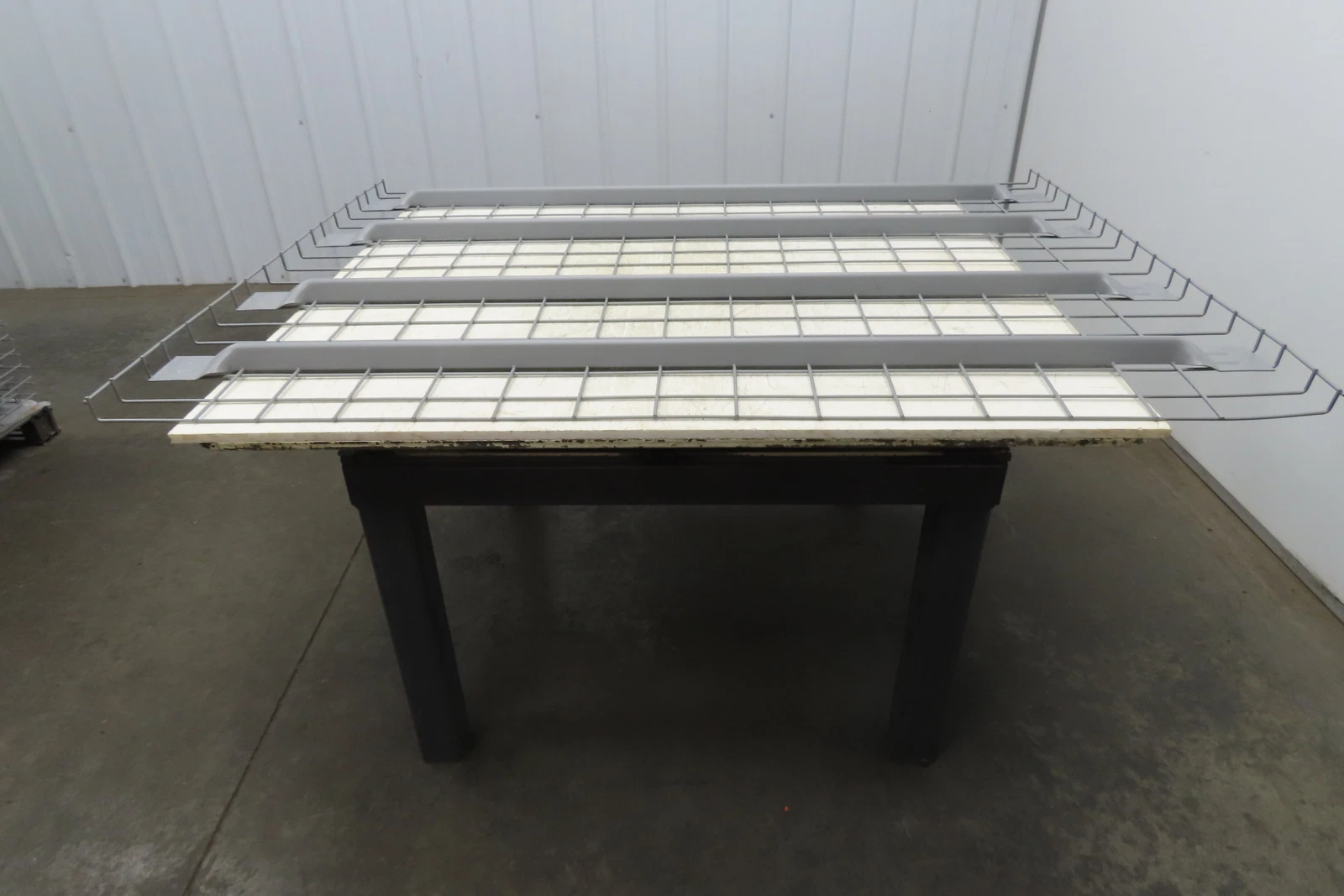
What Role Does Technology Play In Warehouse Scalability?
How Can Scalable Warehouses Enhance Customer Satisfaction?
In today’s fast-paced world, where customers crave efficiency, scalable warehouses can be the backbone of extraordinary service. Picture this: a warehouse humming with activity, every inch utilized to maximize efficiency. When racking systems are optimized, they don’t just organize products; they organize promises—the promise of getting what you ordered, right when you need it. It’s not just about spaces filled; it’s about reliability.
Imagine walking into a shop, maybe it’s that grocery store where you usually buy your morning coffee. One day, you find the shelves bare, your favorite brand missing. Frustration sets in. You not only walk out empty-handed but also carry a sense of disappointment. Scalable warehouses can tackle this problem head-on. By using racking systems that adapt to changing needs, they ensure that popular items are always in stock. This means fewer empty shelves, happier customers, and the assurance that they’ll return again and again.
On the flip side, consider the other side of the operation. The hard-working warehouse staff, grappling with cramped aisles and disorganized backrooms. A well-designed, scalable warehouse can transform that chaos into a systematic process where workers glide through tasks, picking orders with ease. When employees are empowered with the right tools and a streamlined environment, they are more motivated, and that enthusiasm reflects in the service they provide.
The ethical aspect of scalable warehouses is equally compelling. When products are efficiently stored and managed, waste decreases. This conscientious approach toward resources not only benefits the business’s bottom line but also the planet. Consumers today care about where their goods come from. Knowing that a company operates with sustainability in mind can build lasting trust and loyalty.
Moreover, there’s the human side—a story to relate to. Think about small business owners relying on these warehouses to deliver their goods swiftly. They, too, have families to feed, dreams to achieve, and a community to support. When these warehouses thrive, it’s not just businesses that flourish; it’s livelihoods, community bonds, and a shared future.
Scalable warehouses are not merely places for goods; they’re vital community resources that enhance customer satisfaction. With the right racking systems and a commitment to continuous improvement, they foster an environment where everyone—from the warehouse worker to the average customer—feels valued and cared for.

How Can Scalable Warehouses Enhance Customer Satisfaction?
How Can Scalable Warehouses Enhance Customer Satisfaction?
- Scalable warehouses enhance service efficiency by optimizing racking systems.
- Efficient storage ensures popular items are always in stock, reducing customer disappointment.
- Well-designed warehouses improve work conditions for employees, enhancing motivation and service quality.
- Efficient operations lead to reduced waste, benefiting both business profitability and the environment.
- Building trust through sustainable practices aligns with consumer values, fostering loyalty.
- Scalable warehouses support small businesses, contributing to community growth and economic stability.
- They serve as vital resources that elevate customer satisfaction and foster care for all involved.

How Can Scalable Warehouses Enhance Customer Satisfaction?
What Are the Ethical Implications Of Scalable Warehouse Practices?
In the world of logistics and distribution, scalable warehouse practices are more than just a means to boost efficiency; they reflect our values and ethics as a society. Racking systems, the backbone of these warehouses, serve not just a functional purpose but also symbolize a commitment to responsible and equitable practices. When we think about how we stack, store, and manage goods, it’s essential to consider the broader impact on workers, the environment, and the community.
First, let’s talk about the folks who spend their days navigating these racking systems. They’re not just numbers; they’re mothers, fathers, and neighbors. Every choice we make in scaling up warehouse operations affects their working conditions. Are we investing in ergonomic solutions that take care of their health, or are we simply squeezing more productivity out of them? A warehouse that prioritizes its workers not only fosters loyalty and reduces turnover but also creates an atmosphere where people feel valued. Remember, happy workers lead to happy customers.
On the gut level, we need to question whether our practices contribute to overconsumption and waste. As we ramp up operations, it’s easy to lose sight of sustainability. Eco-friendly racking systems and energy-efficient practices are not just trendy buzzwords; they’re necessities. A warehouse that recognizes its environmental footprint helps build a community that cares. When we make choices rooted in sustainability, we’re investing in a future that our children can inherit—a place where they can live, work, and thrive without the shackles of rampant consumerism.
Rationally speaking, the effective use of scalable warehouse practices can lead to cost savings that benefit everyone involved—from manufacturers, who can offer better prices, to consumers, who gain access to affordable products. But this doesn’t mean the ends justify the means. It’s vital to establish standards that prioritize ethical sourcing and fair labor practices within the supply chain, ensuring that every person involved receives fair treatment and compensation.
Ultimately, the social implications of our decisions ripple outward. When businesses adopt scalable practices that are built on trust and ethical considerations, they strengthen community bonds. A warehouse that operates with integrity, transparency, and empathy becomes a pillar in its area, demonstrating that profitability and ethical responsibility can coexist. This connection fosters a stronger social fabric, inspiring us all to participate in building a better, more equitable world, one racking system at a time.

What Are the Ethical Implications Of Scalable Warehouse Practices?
What Are the Ethical Implications Of Scalable Warehouse Practices?
- Scalable warehouse practices reflect societal values and ethics, boosting efficiency.
- Racking systems symbolize commitment to responsible and equitable practices.
- Worker welfare is crucial; investments in ergonomics improve health and loyalty.
- Sustainability is essential; eco-friendly practices mitigate overconsumption and waste.
- Effective practices can lead to cost savings for manufacturers and consumers.
- Maintaining ethical sourcing and fair labor standards ensures equitable treatment.
- Trust-based practices foster community bonds and demonstrate profitability alongside responsibility.

What Are the Ethical Implications Of Scalable Warehouse Practices?
Conclusion
Scalable warehouses stand at the forefront of operational success, embodying a principle as old as time: adaptability. They are not just spaces for storage but vital structures that support growth and resilience. When a business opts for a scalable warehouse, it lays down roots for future expansion, creating an environment that fosters both employee confidence and organizational trust. The heart of a scalable warehouse beats strongest in its ability to keep pace with increased demand, ensuring no business is left scrambling when customers come knocking.
Efficiency reigns supreme in these dynamic spaces. Workers glide through streamlined processes, thanks to well-placed racking systems that maximize every inch. This design reduces frustration and wasted time, contributing not only to operational savings but also to heightened morale. Team members feel empowered, knowing their efforts in a well-organized environment lead to productive outcomes. The mutual growth of the warehouse and its workforce becomes a cornerstone of the company’s success.
Financially, investing in scalable warehouses is a sound business strategy. The upfront costs may raise eyebrows, but the long-term benefits far outweigh initial investments. Companies that adapt their warehouse operations to shifting market demands can pivot quickly, safeguarding their financial health while securing their competitive edge. This thoughtful planning not only reflects smart business practices but underscores an ethical commitment to responsible growth.
Furthermore, the community impact of scalable warehouses cannot be overstated. These facilities contribute to local economies by creating jobs and enhancing services for surrounding businesses. They harness a sense of shared success, making local partnerships flourish. A warehouse that thrives is a beacon for the community, fostering a spirit of collaboration and growth.
As we unpack the ethical implications of warehouse scalability, it becomes clear that these practices are interwoven with the fabric of society. Responsible management of resources, fairness for workers, and sustainable practices contribute to a collective welfare that benefits everyone involved. Happy employees yield happy customers, and businesses honoring their commitments will foster loyalty that extends beyond the sale.
The narrative of scalable warehouses isn’t just about numbers and efficiency; it’s about people. It’s about creating a space where workers feel valued, community ties strengthen, and business success is built on a foundation of trust and responsibility. Investing in scalable warehousing means investing in a future where growth is celebrated, sustainability is prioritized, and every hand involved in the process feels a sense of pride and purpose.

Conclusion
Conclusion:
- Scalable warehouses prioritize adaptability, supporting business growth and resilience.
- They create an environment that fosters employee confidence and organizational trust.
- Efficiency is maximized with streamlined processes and optimal racking systems.
- Investing in scalable warehouses offers significant long-term financial benefits despite initial costs.
- These warehouses contribute positively to local economies by creating jobs and enhancing community services.
- Responsible resource management and sustainable practices enhance collective welfare within society.
- Creating a supportive workspace contributes to employee satisfaction, community ties, and overall business success.

Conclusion
Other Resources

Other Resources
Here is a list of other resources you can review online to learn more:
- Teardrop Uprights
- Mustang Material Handling
- Teardrop Racks – Pallet Rack World
- Storage Equipment Manufacturers’ Association
- BMH Equipment LLC
- MHI
- Cantilever Racking Specialists – Get the Right Racks
- Shipping Boxes, Packaging Materials, Pallet Racking
- Warehouse Racks, Warehouse Racking in Stock – ULINE
- Illinois
- Warehouse Automation
- Warehouse Racking System: Powerful Guide to Optimise, 2024
- Warehouse Storage Racking in Illinois
- The Complete Pallet Rack Guide – Simply Rack
- Cantilever Rack Guide: Ordering Cantilever Racking
- Interlake Mecalux
- Selective Racking
- What is Cantilever Racking? – AK Material Handling Systems
- Storage Equipment Manufacturers Association
- Heavy-Duty Cantilever Storage Racks
Use This Prompt To Get More Resources With Your Favorite Online AI Tool: Please provide me with a list of online articles with their URLs in a bulleted list that I can read regarding Why Scalable Warehouses Win Long-Term

Other Resources
Glossary Terms
Why Scalable Warehouses Win Long-Term – Glossary Of Terms
1. Scalability: The capacity of a warehouse to efficiently handle an increasing volume of goods and services.
2. Automation: The use of technology to perform tasks with minimal human intervention, improving efficiency and accuracy.
3. Inventory Management: The process of overseeing stock levels, orders, and storage to optimize warehouse operations.
4. Data Analytics: The analysis of complex data sets to draw actionable insights for decision-making and strategy development.
5. Fulfillment: The process of receiving, processing, and delivering orders to customers.
6. Warehouse Management System (WMS): Software solutions that aid in managing day-to-day warehouse operations.
7. Lean Principles: Operational strategies focused on maximizing efficiency and minimizing waste.
8. Cross-Docking: A logistics practice where products are directly transferred from inbound to outbound transport with minimal storage time.
9. Demand Forecasting: The use of historical data and analytics to predict future customer demand for products.
10. Flexible Staffing: Adjusting the workforce size based on seasonal or fluctuating demand in warehouse operations.
11. Geographic Information Systems (GIS): Technology used to analyze and visualize spatial data related to warehouse locations and logistics.
12. Last-Mile Delivery: The final step of the delivery process where goods reach the end customer.
13. Supply Chain Optimization: Streamlining operations across the entire supply chain to enhance efficiency and reduce costs.
14. Return on Investment (ROI): A measure of the profitability of an investment, especially regarding operational improvements in a warehouse.
15. Just-In-Time (JIT) Inventory: A strategy that aligns inventory orders with production schedules to reduce holding costs.
16. Cold Storage: Facilities designed to store perishable goods at regulated temperatures for preservation.
17. Safety Stock: Extra inventory held to prevent stockouts during unexpected demand surges or supply chain disruptions.
18. Palletization: The process of loading goods onto pallets for easier handling and transport.
19. Order Picking: The process of retrieving goods from inventory to fulfill customer orders.
20. Real-Time Tracking: The ability to monitor the location and status of goods throughout the supply chain in real-time.
21. Consolidation: The process of combining shipments from multiple suppliers or orders to optimize transportation efficiency.
22. Space Utilization: The efficient use of warehouse space to maximize storage capacity and operational effectiveness.
23. SKU (Stock Keeping Unit): A unique identifier for each distinct product or item in inventory.
24. 3PL (Third-Party Logistics): Outsourcing logistics and supply chain management functions to independent providers.
25. RFID (Radio-Frequency Identification): Technology that uses electromagnetic fields to automatically identify and track tags attached to objects.
26. E-commerce Fulfillment: The process of delivering products sold online, including warehousing and shipping.
27. Work-In-Progress (WIP): Inventory that is in the production process but not yet finished goods for sale.
28. Lead Time: The time it takes from placing an order to delivering a product.
29. Ergonomics: The study of people’s efficiency in their working environment, especially to improve safety and productivity in warehouses.
30. Multi-Channel Distribution: Utilizing various channels to sell and distribute products, such as online, retail, and wholesale.

Glossary Of Terms
Other Questions
Why Scalable Warehouses Win Long-Term – Other Questions
If you wish to explore and discover more, consider looking for answers to these questions:
- What exactly defines a “scalable” warehouse versus a traditional warehouse?
- How do I assess whether my business needs a scalable warehouse now or later?
- What types of racking systems are available and which suit different product mixes?
- What is the typical cost breakdown for implementing scalable racking and infrastructure?
- How long does it usually take to achieve payback or ROI from a scalability investment?
- What financing or leasing options exist for warehouse scalability projects?
- How can an existing facility be retrofitted to become scalable without major downtime?
- How disruptive is installation and reconfiguration to daily operations?
- What metrics and KPIs should I track to measure scalability benefits (e.g., pick time, throughput)?
- How do scalable warehouses impact labor requirements and workforce roles?
- What training and change-management programs are needed for staff?
- What safety standards, regulations, and certifications apply to scalable racking systems?
- How do maintenance costs and life-cycle requirements compare to traditional systems?
- How does automation (robots, conveyors) integrate with scalable racking, and what are the costs?
- Which software systems (WMS, ERP, analytics) are essential to support scalability?
- How do I ensure compatibility between new scalability tech and legacy systems?
- What are the best practices for forecasting and capacity planning in scalable warehouses?
- How do scalable warehouses handle seasonal spikes and rapid demand fluctuations?
- When is it better to expand an existing facility versus opening a new one?
- What are the trade-offs between owning a scalable warehouse and using 3PL or shared-space providers?
- How do scalable practices affect inventory carrying costs and turnover?
- How can scalable warehouses support omnichannel and e‑commerce fulfillment models?
- What security measures and loss-prevention strategies are needed as density increases?
- How do scalable warehouses manage perishable or temperature-controlled inventory?
- Can scalable systems safely store hazardous or regulated materials, and what special requirements apply?
- What environmental and energy-efficiency gains are realistic, and how are they measured?
- How can warehouses pursue sustainability certifications (e.g., LEED) while scaling?
- What common implementation pitfalls should be avoided in scalability projects?
- How do you select reliable suppliers, integrators, and installers for racking and automation?
- Are there industry benchmarks or case studies showing measurable benefits from scalable warehouses?
- How does increased scalability affect insurance, liability, and regulatory compliance?
- What are the contingency and business-continuity plans for disasters or supply-chain disruptions?
- How does scalability influence lead times, order accuracy, and customer satisfaction metrics?
- How are returns and reverse logistics handled in a scalable warehouse design?
- What data analytics or predictive tools best support dynamic reconfiguration and demand forecasting?
- How do you calculate total cost of ownership (TCO) for scalable warehouse solutions?
- What are the social and community impacts of warehouse expansion (jobs, traffic, local economy)?
- How can scalable warehouses support circular-economy practices like reuse and recycling?
- Are there legal, zoning, or permitting hurdles unique to increasing warehouse density or automation?

Other Questions
Checklist
Why Scalable Warehouses Win Long-Term – A Checklist
Strategy and Capacity Planning
✅______ Defined 12–36-month growth scenarios and capacity targets
✅______ Mapped SKU proliferation and product mix changes over time
✅______ Established surge and peak-season playbooks with clear triggers
✅______ Aligned warehouse strategy with the customer promise (speed, accuracy, cost)
✅______ Created a phased expansion plan for space, systems, and staffing
Space Optimization and Racking
✅______ Audited current space utilization and vertical clearances
✅______ Selected a modular racking mix (e.g., selective, flow, push-back) for flexibility
✅______ Standardized rack dimensions, beams, and decking for fast reconfiguration
✅______ Optimized aisle widths and slotting with fast movers near pick/pack
✅______ Planned mezzanines or vertical expansion to delay new facility spend
Flow and Process Design
✅______ Mapped end-to-end material flow to eliminate backtracking and congestion
✅______ Separated inbound, storage, picking, packing, and shipping zones
✅______ Implemented clear putaway, replenishment, and pick-path rules
✅______ Consolidated touches with batch, wave, and zone picking where appropriate
✅______ Established dock-to-stock and order cycle time targets
Technology Enablement
✅______ Implemented or upgraded WMS/WES integrated with ERP
✅______ Deployed barcode/RFID for real-time inventory accuracy
✅______ Enabled slotting optimization and workload balancing tools
✅______ Assessed automation (AMRs, conveyors, goods-to-person) with ROI thresholds
✅______ Built dashboards for live KPIs and alerts
Cost and Productivity Management
✅______ Tracked cost per order, storage cost per unit, and labor $/unit
✅______ Increased picks per labor hour by reducing travel time
✅______ Reduced inventory carrying costs via improved forecasting and replenishment
✅______ Standardized labor metrics and engineered work methods
✅______ Set maintenance and lifecycle plans for racks and equipment
Adaptability to Market Fluctuations
✅______ Established demand sensing with a frequent forecast refresh cadence
✅______ Created rapid re-slotting and reconfiguration SOPs
✅______ Defined buffer strategies for priority SKUs and critical components
✅______ Built contingency capacity (overflow space, 3PL, pop-up nodes)
✅______ Implemented SKU rationalization to focus on high-value items
Customer Experience
✅______ Set service-level targets (OTIF, fill rate, order accuracy)
✅______ Prioritized fast movers and promotional SKUs in accessible locations
✅______ Streamlined returns handling and refurbishment processes
✅______ Enabled proactive customer communication on delays or substitutions
✅______ Monitored customer feedback to drive continuous improvement
Workforce and Culture
✅______ Invested in ergonomic workstations and task design
✅______ Cross-trained teams for flexible staffing across functions
✅______ Established clear change-management communication for upgrades
✅______ Implemented recognition and development pathways tied to KPIs
✅______ Created feedback loops to capture frontline improvement ideas
Sustainability and Ethical Practices
✅______ Reduced waste through right-sized packaging and reuse programs
✅______ Selected energy-efficient equipment and lighting
✅______ Chose durable, responsibly sourced racking and materials
✅______ Measured environmental impact (energy per order, waste diversion)
✅______ Ensured fair labor standards across the supply chain
Partnerships and Community
✅______ Coordinated with suppliers on VMI/EDI to stabilize flows
✅______ Built 3PL/transport partnerships for scalable capacity
✅______ Supported local hiring and workforce development initiatives
✅______ Shared best practices with regional business networks
✅______ Tracked community impact metrics (jobs, spend, engagement)
Governance, Metrics, and Continuous Improvement
✅______ Defined core KPIs (OTIF, inventory accuracy, dock-to-stock, UPH, utilization rate)
✅______ Scheduled regular KPI reviews and root-cause problem-solving
✅______ Maintained SOPs, change control, and an audit cadence
✅______ Ran cycle counting with targets for accuracy and variance resolution
✅______ Kept a prioritized Kaizen backlog with owners and deadlines
Financial Planning
✅______ Modeled TCO and payback for racking, technology, and automation
✅______ Phased CapEx with stage gates tied to volume thresholds
✅______ Compared lease vs. buy and 3PL vs. in-house scenarios
✅______ Budgeted for maintenance, training, and upgrades
✅______ Monitored variance to plan and adjusted investments accordingly
Implementation Roadmap
✅______ Piloted new layouts and technology in a controlled area
✅______ Trained teams and validated SOPs before full rollout
✅______ Executed phased go-lives with contingency plans
✅______ Conducted post-implementation reviews and stabilized performance
✅______ Documented lessons learned for the next scaling step

Checklist
At RackingWorld, we help guide you through selecting warehouse storage systems and racking.
Be sure to read our other related stories at RackingWorld to learn more about warehouse storage systems.
0 Comments