
Unlock Efficiency: The Hidden Costs Of Disorganized Pallet Systems
By Tom Seest
At RackingWorld, we help guide you through selecting warehouse storage systems and racking.
Be sure to read our other related stories at RackingWorld to learn more about warehouse storage systems.
Why Random Pallet Placement Fails
In warehouses bustling with activity, the idea of random pallet placement might seem like a carefree approach. “Why not just drop pallets where there’s space?” some might say. But that’s where the trouble begins. Without a thoughtful system in place, chaos reigns. Racking systems aren’t just metallic frames; they’re the backbone of efficient operations. They offer structure and predictability in a world that thrives on organization. When pallets are placed randomly, it’s like tossing tools into a toolbox without thought. You know you’ll eventually find what you need, but good luck finding it when you’re in a hurry.
Consider the impact on your team. When your workers are sprinting across the warehouse in search of a specific pallet, it’s not just a waste of time; it’s an exercise in frustration. The heart sinks a little each time someone shouts, “Where’s that pallet?”, while others stand around, puzzled. This isn’t just about efficiency; it’s about morale. A well-organized space fosters a kinship among workers, turning mundane tasks into a well-tuned machine. Folks start feeling like they’re part of something greater when they know where to find everything, reducing stress and increasing productivity.
From a rational standpoint, consistency leads to better decision-making. When racking systems are utilized correctly, it becomes simpler to anticipate inventory needs and manage stock levels. This is not just smart business—it’s essential. Think about the money wasted on mismanaged inventory. Random placements can lead to overstocking some areas while others sit bare, draining profits and hindering growth. A reliable system helps build trust with suppliers and customers alike. When deliveries are timely and accurate, confidence in your operations grows.
Ethically, we have a responsibility to our teams. Providing a safe working environment means more than just proper equipment; it means ensuring clarity and ease of operations. Allowing randomness in pallet placement can lead to accidents and injuries, as workers navigate cluttered pathways, risking life and limb for the sake of inefficiency.
Finally, stories matter. Remember that warehouse operator who shared how a well-structured racking system turned their daily routine from chaos into order? They recalled the transformation from constant confusion to smooth sailing, boosting customer satisfaction and their sense of pride. A well-considered approach to pallet placement isn’t just a theory; it’s a proven strategy that breathes life into operations. Investing in organized racking systems creates a culture of respect for work, fostering an environment where everyone thrives together.

Why Random Pallet Placement Fails
Why Random Pallet Placement Fails
- Random pallet placement appears easy but creates operational chaos.
- Racking systems provide necessary organization and structure in warehouses.
- A disorganized environment negatively affects team morale and productivity.
- Consistent pallet placement enhances decision-making and inventory management.
- Mismanaged inventory from random placement wastes money and affects growth.
- Prioritizing a safe working environment is crucial to prevent accidents.
- A well-structured racking system improves overall efficiency and employee satisfaction.

Why Random Pallet Placement Fails
Table Of Contents
- Why Random Pallet Placement Fails
- Why Does Random Pallet Placement Lead to Inefficiencies?
- How Can Chaos In Pallet Placement Impact Workflow?
- What Are the Hidden Costs Of Random Pallet Placement?
- Is There an Emotional Toll on Employees Due to Disorganization?
- How Does Random Pallet Placement Affect Inventory Accuracy?
- What Ethical Considerations Arise From Poor Pallet Organization?
- Conclusion
- Other Resources
- Glossary Of Terms
- Other Questions
- Checklist
Why Does Random Pallet Placement Lead to Inefficiencies?
Random pallet placement might seem like a quick way to store goods, but it opens the door to a host of inefficiencies that can hit hard when you least expect it. Imagine workers frantically searching for items in a chaotic warehouse—it’s a sight that can wear on the spirit and drain resources. This scattered approach disrupts the flow of operations, affecting everything from time management to the bottom line. Each minute spent hunting down a misplaced pallet is a minute that could have been spent adding value elsewhere.
Racking systems are designed for organization and efficiency, but when pallets are tossed around like autumn leaves, they violate the very purpose of that structure. A well-planned racking system is like a carefully laid-out blueprint that guides workers through a maze of inventory. Without adherence to an organized system, employees are left to play a guessing game about where to find the items they need. That confusion can lead to frustrations, decreased morale, and even mistakes that cost more than just time—think lost sales or unhappy customers.
Let’s talk about ethics. Every business has a responsibility to its employees and customers to run smoothly and efficiently. By neglecting to implement a strategic pallet placement system, you’re essentially asking workers to operate in a state of disarray. That’s not just impractical; it’s unfair. Workers deserve an environment where they can succeed and contribute effectively, without battling against a randomly stacked warehouse.
Look at it from a big-picture perspective. When businesses prioritize proper pallet placement, they’re investing not just in efficiency, but in trust and reliability. Imagine a scenario where deliveries arrive on time, inventory is accounted for, and workers leave each day feeling productive rather than frustrated. That’s the kind of environment that breeds loyalty and inspires excellence.
Embracing a strategic approach to pallet placement is about ensuring your operation runs like a well-oiled machine. It fosters teamwork and communication, leading to a more cohesive workplace. By committing to order and structure, you inspire confidence in your processes and your people, all while laying a foundation for sustainable growth. So, let’s put a stop to the randomness and turn things around—because everyone deserves to thrive in a space that respects their effort and maximizes efficiency.
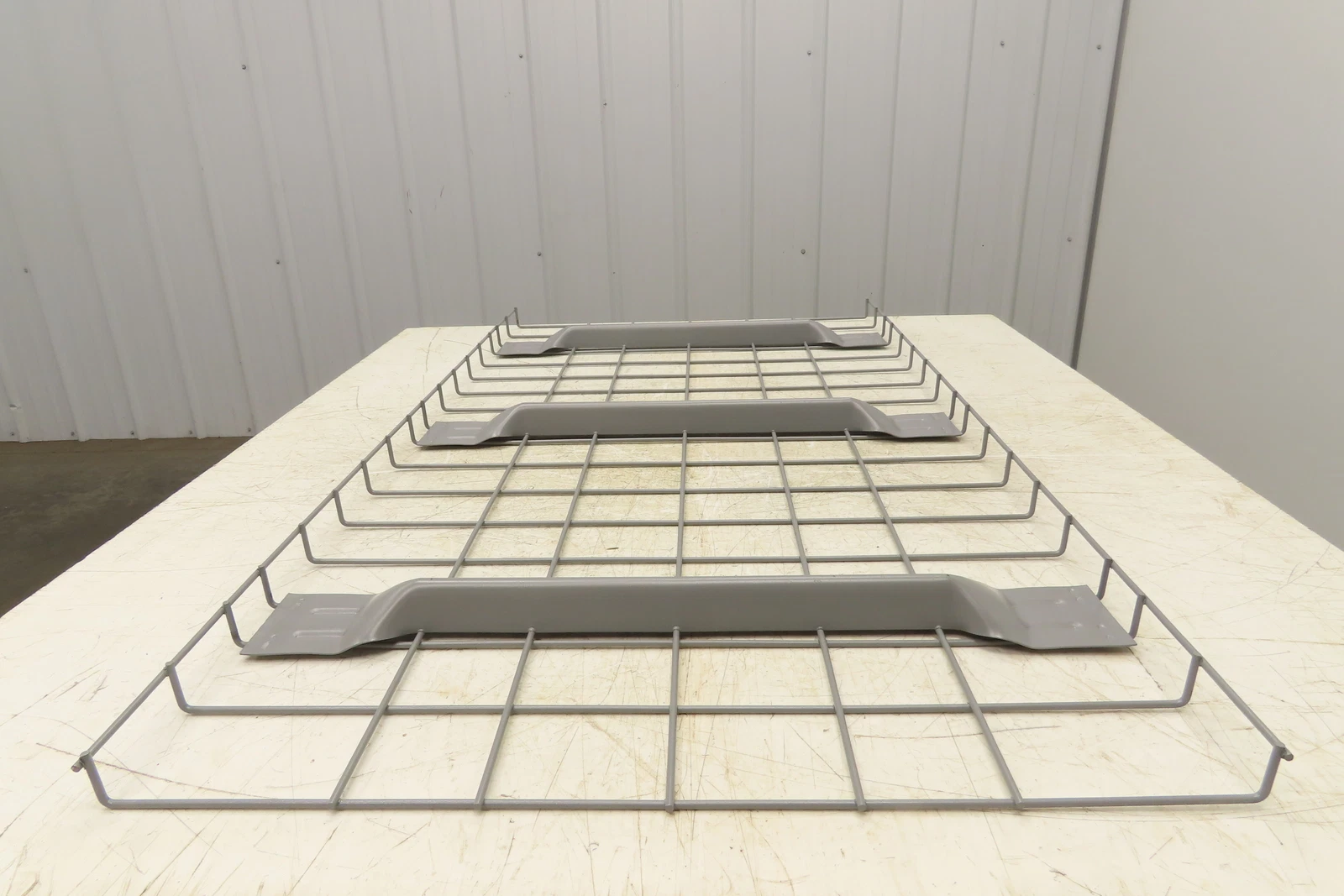
Why Does Random Pallet Placement Lead to Inefficiencies?
Why Does Random Pallet Placement Lead to Inefficiencies?
- Random pallet placement can lead to significant inefficiencies in warehouse operations.
- A disorganized warehouse results in time wasted searching for misplaced items, affecting productivity and profits.
- Racking systems require adherence to maintain organization, and chaos undermines their purpose.
- Confusion in locating items can lead to decreased employee morale and costly mistakes.
- Businesses have an ethical responsibility to provide a structured environment for workers and customers.
- Proper pallet placement builds trust and reliability, improving overall workplace efficiency.
- A strategic approach fosters teamwork, confidence, and sustainable growth in operations.

Why Does Random Pallet Placement Lead to Inefficiencies?
How Can Chaos In Pallet Placement Impact Workflow?
When it comes to managing a warehouse, the layout and organization can either make the job a breeze or turn it into a chaotic nightmare. Imagine stepping into a space where pallet placement resembles a game of Jenga—far from efficient and teetering on collapse. This kind of disarray doesn’t just lead to frustration; it undermines the very foundation of your workflow. Inefficient racking systems overflow with misplaced pallets, making even the simplest task feel like a Herculean effort.
Picture a typical day: you’ve got orders to fulfill, deadlines looming, and the clock is ticking. You stride into the warehouse, only to face a maze of jumbled pallets. Each product is out of reach, labeled incorrectly, or worse—completely lost in the shuffle. The sinking feeling in your gut grows as you realize that productivity isn’t just hampered; it’s practically grinding to a halt. The time wasted searching for essential items means longer shift hours and, ultimately, a hit to morale and trust among the team.
Rationally speaking, a well-organized pallet flow maximizes efficiency. When products are placed in an intuitive order, your team can quickly retrieve items without wasting precious minutes. This isn’t just about speed; it’s about reducing stress and improving the quality of life at work. Imagine knowing exactly where to find what you need, leading to smoother operations and enhanced teamwork.
Ethically, we owe it to our teams to create a safe and effective work environment. Chaos in pallet placement can lead to accidents, injuries, and increased turnover—issues that weigh on everyone’s shoulders. By investing in better racking systems, you’re not just organizing products; you’re demonstrating a commitment to safety and well-being.
Moreover, there’s a profound social aspect to this. A well-structured warehouse fosters camaraderie and communication. Teams bond over shared goals and collective efforts to keep things running smoothly. When pallets are placed with care, everyone feels more connected to the work at hand.
Stories abound of warehouses that turned their chaos into structure, transforming not just workflows but workplace culture. It takes a little time and effort initially, but the payoff is a functional space where productivity soars and employees feel valued and engaged. With a deliberate focus on organized pallet placement, the chaos can give way to harmony, resulting in a thriving work environment for all involved.

How Can Chaos In Pallet Placement Impact Workflow?
How Can Chaos In Pallet Placement Impact Workflow?
- Warehouse layout and organization are crucial for efficiency.
- Pallet disarray leads to frustration and workflow disruption.
- Inefficient racking causes delays and affects team morale.
- A well-organized pallet flow improves retrieval speed and reduces stress.
- Safe work environments are essential to prevent accidents and turnover.
- Structured warehouses enhance teamwork and communication.
- Investing time in organization leads to increased productivity and employee satisfaction.

How Can Chaos In Pallet Placement Impact Workflow?
What Are the Hidden Costs Of Random Pallet Placement?
In the hustle and bustle of a warehouse, it’s easy to overlook the impact of random pallet placement. It may seem harmless at first glance, but the repercussions stretch far beyond disorganization. Think of your racking systems, designed for efficiency and easy access. When pallets are tossed anywhere they can fit, those systems become fortresses of frustration instead of well-orchestrated pathways. Time spent searching for products or navigating around obstacles eats away at productivity, much like a slow leak drains your truck’s fuel tank on a long haul.
The emotional weight of this inefficiency adds up. Workers who feel overwhelmed by clutter are not only less productive; they’re more prone to stress and burnout. It’s hard to stay motivated when you’re fighting through a maze of half-filled pallets and misplaced items. For many in the industry, this isn’t just about moving products; it’s about pride in one’s work and the desire to keep things running smoothly. The sight of a disorganized warehouse can gnaw at the gut, leading to a collective sense of frustration that ripples through a team.
Rationally, the hidden costs reflect on the bottom line. Excess time spent locating shipments translates to lost resources, which, in turn, affects your profitability. If your team spends thirty minutes a shift searching for misfiled products, that’s hundreds of hours lost to the ether over months. It’s not just the direct expenses; it’s also the knock-on effects—delayed deliveries, customer complaints, and the tarnishing of a once-great reputation.
Ethically, maintaining an organized space is about respect—for the workers, the product, and the customers. Efforts to simplify processes show that you care about everyone’s time and safety. Right down to the nitty-gritty, ensuring a safe workplace helps prevent accidents, injuries, and all the complications that come with them. A well-thought-out racking system can turn chaos into clarity, helping everyone do their jobs better.
Finally, there’s the narrative we tell ourselves in blue-collar environments. We’re all in this together, striving for a smarter, more efficient way to work. When the racking systems are utilized properly, it paves the way for an atmosphere that champions collaboration and respect. Embracing organized pallet placement isn’t just a smart move; it’s the kind of choice that builds a trustworthy work environment, inspires action, and fosters collective pride in a job well done.

What Are the Hidden Costs Of Random Pallet Placement?
What Are the Hidden Costs Of Random Pallet Placement?
- Random pallet placement leads to inefficiency and disorganization in warehouses.
- Pallets placed carelessly create obstacles, increasing time spent searching for products.
- Workers experience stress and burnout due to cluttered environments, affecting morale.
- Hidden costs from inefficiencies impact profitability, leading to lost resources and time.
- Disorganization can result in delayed deliveries, customer complaints, and damage to reputation.
- Maintaining organization shows respect for workers and customers, promoting safety and efficiency.
- Proper use of racking systems fosters collaboration, inspires action, and builds pride in work.

What Are the Hidden Costs Of Random Pallet Placement?
Is There an Emotional Toll on Employees Due to Disorganization?
In the hustle and bustle of everyday work, disorganization can creep into a workplace like a slow leak in a tire. At first, it’s just a minor nuisance—misplaced files, a cluttered desk, or a backup of orders in a racking system. But over time, as the chaos starts to pile up, the emotional toll begins to show. Imagine the frustration of searching for a crucial document buried under a mountain of paperwork or the anxiety of dealing with late deliveries because the inventory is in shambles. These everyday struggles wear down both mental fortitude and morale.
Disorganization doesn’t just disrupt workflow; it deepens the disconnect between employees and their roles. People take pride in their work, and when they feel overwhelmed by the clutter and confusion, that pride erodes. It’s about more than just being tidy; it’s about being able to do your job well. Employees want to feel a sense of accomplishment at the end of the day, not just the lingering feeling of being squeezed under a pile of tasks left undone.
When your work environment mirrors a chaotic racking system, it can make you second-guess your capabilities and even your worth within the company. This can lead to a pervasive sense of helplessness, as staff members feel like they’re fumbling in the dark. The emotional toll is hidden beneath the surface, but it’s real. Stress, anxiety, and disengagement can simmer below the surface like an unseen engine, gradually affecting productivity and the bottom line.
Moreover, disorganization doesn’t just impact individual employees; it’s a chain reaction. When one person is swamped and disheartened, it affects the team dynamics. Teamwork gets strained, and collaboration falters, leaving folks feeling isolated rather than part of a united front. The workplace should foster community, not a sense of solitude amid the clutter.
To turn this narrative around, it’s crucial for management to address the issue head-on. Providing employees with the right tools to organize and manage their tasks not only empowers them but also rebuilds morale. Investing in effective systems and processes, whether that’s restructuring physical spaces or implementing digital solutions, shows employees that they matter. It’s an acknowledgment that they’re not just cogs in a machine but vital parts of a greater whole. When people feel supported, they rise to the occasion, transforming a chaotic work environment into a well-oiled machine that everyone can trust and rely on.

Is There an Emotional Toll on Employees Due to Disorganization?
Is There an Emotional Toll on Employees Due to Disorganization?
- Disorganization in the workplace initially causes minor nuisances but can escalate into significant emotional and productivity issues.
- Frustration from searching for misplaced documents and dealing with inefficiencies leads to mental strain and decreased morale.
- A cluttered environment erodes employees’ pride in their work, impacting their sense of accomplishment.
- Disorganization contributes to feelings of helplessness and self-doubt among staff, affecting their overall productivity.
- The negative effects extend beyond individuals, straining team dynamics and reducing collaboration.
- Management must take proactive steps to address disorganization by providing the right tools and processes.
- Investing in effective organizational systems fosters a supportive work culture and enhances overall employee performance.

Is There an Emotional Toll on Employees Due to Disorganization?
How Does Random Pallet Placement Affect Inventory Accuracy?
In the world of inventory management, how does random pallet placement impact accuracy? It’s a question that tickles the mind and pulls at the heartstrings of anyone who has ever wrestled with a chaotic warehouse. When you think about it, every misplaced box or pallet can stir a whirlwind of stress and frustration for the folks on the floor. Imagine a worker, weary from the day, searching fruitlessly for a product, only to find it isn’t where it should be. It’s not just about finding items; it’s about trust—the trust our customers place in us to deliver what they need, when they need it.
Random pallet placement may save time in the moment, giving a sense of flexibility. But down the line, this approach can lead to serious headaches. The authority on inventory accuracy—those data-driven experts—remind us that systems, like effective racking systems, can cut down confusion. Implementation of structured layouts immediately resonates with those who’ve felt the chaos of disarray. It’s the ethics of efficiency, where workers feel valued instead of frustrated, fostering a workplace where everyone can own their role.
There’s a narrative in every product that moves through those aisles. Every item has a story—who packed it, who needs it, and why it matters. When pallets are randomly placed, it’s like losing chapters of a vital tale. Suddenly, every hiccup in the picking process doesn’t just become a delay; it’s a story untold, a need unmet. Conversely, a thoughtfully organized warehouse brings a sense of belonging to the workforce. Workers bond over shared successes, cheer when orders go out on time, and sigh in relief when they find the right product the first time.
The social appeal of a tight-knit team that communicates effectively can’t be overstated. Strengthening connections within a company fosters accountability, and a shared vision of what a flawlessly run operation looks like can inspire pride in work. When everyone’s on the same page, and inventory accuracy soars, it resonates deeply—turning a warehouse into a well-oiled machine. This grounded approach, filled with hard-earned wisdom, is where trust forms. With improved accuracy, we not only delight our customers but also remind ourselves that at its core, inventory management isn’t just about products; it’s about people.

How Does Random Pallet Placement Affect Inventory Accuracy?
How Does Random Pallet Placement Affect Inventory Accuracy?
- Random pallet placement can cause stress and frustration among warehouse workers.
- Accurate inventory management relies on trust from customers for timely deliveries.
- While random placement may provide short-term flexibility, it can lead to long-term complications.
- Structured layouts and effective racking systems help reduce confusion and improve efficiency.
- Every product’s journey tells a story, which can be disrupted by disorganized placement.
- A well-organized warehouse fosters teamwork, communication, and accountability among staff.
- Improving inventory accuracy enhances customer satisfaction and underscores the human aspect of management.

How Does Random Pallet Placement Affect Inventory Accuracy?
What Ethical Considerations Arise From Poor Pallet Organization?
When it comes to pallet organization, the stakes are high, and the ethical implications can ripple through a business like a stone thrown into a pond. Imagine walking into a warehouse where racking systems are cluttered with haphazardly stacked pallets. The chaos doesn’t just cloud the work environment; it can endanger lives. Workers navigating these treacherous aisles risk injury from improperly stored goods. This isn’t just about organization; it’s about a moral duty to protect those on the front lines who keep our supply chains moving.
From a rational standpoint, the inefficiencies caused by poor pallet organization can lead to significant financial losses. Time is wasted searching for items buried under misplaced pallets. Mistakes happen—incorrect orders get shipped, and returns pile up, creating a headache that could’ve been easily avoided. It’s not just lost profit; it’s lost trust from clients and colleagues. In a world where reliability is currency, every cluttered stack of pallets chips away at a company’s reputation.
Ethically, businesses have a responsibility to foster a safe, efficient environment. This means implementing systems that prioritize worker safety and streamline operations. When management ignores these basic principles, it not only hampers productivity but also sends a message: that profit trumps people. Such practices can lead to high turnover rates, damaging the community that forms in the workplace. Those racking systems that hold pallets should symbolize both order and care for every worker who relies on them.
Moreover, there’s a narrative here that resonates with anyone who’s ever spent a sweaty day in a warehouse. We’ve all known that moment of panic when we spot a pallet tipping over or hear the crunch of mishandled goods. It’s not just a personal story of near-disaster; it represents the shared experiences of many. The need for proper organization is simple: it’s about respecting hard work and fostering a culture where everyone feels valued.
Through understanding these ethical considerations, we can inspire trust and confidence in our workplace. When we make pallet organization a priority, we’re not just keeping a clean warehouse; we’re strengthening our commitments to safety, efficiency, and respect for one another. It’s high time we recognize that in the world of logistics, every pallet matters. Let’s keep them organized—for the sake of our workers, our business, and the communities that rely on us.

What Ethical Considerations Arise From Poor Pallet Organization?
What Ethical Considerations Arise From Poor Pallet Organization?
- Pallet organization has significant ethical implications in a business environment.
- Poor organization can endanger workers’ safety and increase injury risks.
- Inefficiencies from disorganized pallets lead to financial losses and damaged reputations.
- Businesses have a moral responsibility to prioritize worker safety and operational efficiency.
- Ignoring basic organizational principles can increase turnover rates and harm workplace community.
- Proper pallet management fosters a culture of respect and values hard work among employees.
- Effective pallet organization promotes safety, efficiency, and trust within the business and its community.

What Ethical Considerations Arise From Poor Pallet Organization?
Conclusion
In the fast-paced environment of a warehouse, the casual attitude toward random pallet placement can quickly lead to disorder—an outcome that impacts not just efficiency, but the spirit and productivity of the team. A disorganized racking system subverts the very principle of organization, much like a cluttered toolbox that makes finding the right tool feel like climbing a mountain. Workers running around in search of misplaced pallets experience heightened stress and frustration, resulting in a workplace that feels chaotic and discouraging instead of cooperative and efficient. The sense of pride in their work diminishes, morale plummets, and the shared camaraderie among team members is compromised.
Beyond just feelings, the rational implications are significant. Mismanaged inventory due to random placements means some areas overflow while others are bare—an inefficient use of resources that drains profits and hinders growth. Timely and accurate deliveries become a challenge when employees wrestle with disarray. Building trust with suppliers and customers hinges on efficiency and organization. A reliable racking system fosters improved inventory management, essential for making informed decisions and cultivating strong partnerships.
Ethically, there’s a responsibility to create a safe work environment. Chaos in pallet organization opens the door to accidents, risking the well-being of the very workers vital to company operations. It’s about more than avoiding injury; it’s about respect for those who labor daily under stress and confusion.
Stories from the floor illustrate transformations from chaos to order, unveiling the power of organized systems. Employees thrive when their workspace is clear and orderly, allowing them to focus on their tasks without the weight of disorganization bearing down on them. This cultural shift fosters teamwork and a sense of belonging among workers, as they rally around shared goals to improve efficiency.
Ultimately, the hidden costs of neglecting organizational principles extend beyond immediate inefficiencies. Companies must recognize this as an ethical obligation, creating an environment where workers can excel without the complexities of chaos. By investing in effective pallet placement, organizations champion both productivity and the dignity of their workforce. It is this commitment to order that transforms a warehouse into a thriving ecosystem, where every pallet serves its purpose, supporting the smooth operation essential for lasting success.

Conclusion
Conclusion:
- Disorganized pallet placement can lead to chaos, impacting efficiency and team spirit.
- A cluttered racking system increases worker stress and frustration, reducing morale and camaraderie.
- Random placements result in mismanaged inventory, causing inefficiency and profit loss.
- Reliable organization is crucial for timely deliveries and maintaining trust with suppliers and customers.
- Safety is compromised in chaotic environments, posing risks to workers’ well-being.
- Workplace transformations from chaos to order enhance focus, teamwork, and a sense of belonging.
- Investing in effective pallet placement fosters productivity and upholds the dignity of the workforce.

Conclusion
Other Resources

Other Resources
Here is a list of other resources you can review online to learn more:
- Pallet Racking systems in Illinois, Great Lakes
- Pallet Racking systems in Illinois and Great Lakes
- Teardrop Uprights
- Selective Racking
- National Safety Council
- Selective Pallet Racking Systems – Container Systems
- BMH
- Heavy-Duty Cantilever Storage Racks
- Warehouse Storage Racking in Illinois
- Rack Manufacturers Institute
- Teardrop Racks – Pallet Rack World
- Illinois Pallet Racking – WPRP
- Selective Rack – Raymond West
- SEMA
- Used Pallet Rack for Sale in Illinois – American Surplus
- Interlake
- Teardrop Pallet Rack – Ridg-U-Rak
- Storage Equipment Manufacturers Association
- Selective Racking
- Intro to Warehouse Racks & Warehouse Racking Systems – ShipBob
Use This Prompt To Get More Resources With Your Favorite Online AI Tool: Please provide me with a list of online articles with their URLs in a bulleted list that I can read regarding Why Random Pallet Placement Fails

Other Resources
Glossary Terms
Why Random Pallet Placement Fails – Glossary Of Terms
1. Allocation: The distribution of items to specific locations within a storage system.
2. Efficiency: The ability to achieve maximum productivity with minimum wasted effort or expense.
3. Inventory: The goods and materials a business holds for the purpose of resale or production.
4. Pallet: A flat structure used to support goods in a stable manner while being moved or stored.
5. Randomization: The process of making item placement unpredictable to avoid patterns.
6. SKU: Stock Keeping Unit, a unique identifier for each distinct item in inventory.
7. Optimization: The action of making the best or most effective use of resources.
8. Supply Chain: The network between a company and its suppliers to produce and distribute a specific product.
9. Warehouse Management: The process of overseeing the storage and movement of goods within a warehouse.
10. Stockout: A situation where the inventory of a particular SKU is exhausted.
11. Replenishment: The act of refilling stock levels to prevent shortages.
12. Location Accuracy: The precision with which items are stored in predefined locations.
13. Picking Efficiency: The speed and accuracy with which items are collected from inventory.
14. Fulfillment: The process of delivering the ordered goods to customers.
15. Lead Time: The time taken between initiating a process and the completion of that process.
16. Aisle: A passageway in a warehouse used for the movement of people and equipment.
17. Layout: The arrangement of physical facilities and storage space within a warehouse.
18. Cycle Count: A periodic counting procedure to verify inventory accuracy.
19. Labor Cost: The total of all expenses related to the workforce involved in warehouse operations.
20. Cross-Docking: A logistics practice where incoming goods are directly transferred to outbound vehicles.
21. SKU Proliferation: The increase in the number of unique products offered by a company, complicating inventory management.
22. Integration: The process of combining various components or systems for efficient operation.
23. Visibility: The ability to track inventory and order statuses throughout the supply chain.
24. Automation: The use of technology to perform tasks with minimal human intervention.
25. Demand Forecasting: The process of estimating future customer demand for products.
26. Safety Stock: Inventory kept on hand to prevent stockouts due to variability in demand or supply.
27. Picking Errors: Mistakes made during the order fulfillment process, leading to incorrect items being sent.
28. Consolidation: The process of accumulating similar items into a single location to improve efficiency.
29. Tracking Systems: Technologies used to monitor and manage inventory flow.
30. Inventory Turnover: A measure of how often inventory is sold and replaced within a specific period.

Glossary Of Terms
Other Questions
Why Random Pallet Placement Fails – Other Questions
If you wish to explore and discover more, consider looking for answers to these questions:
- What are the most common causes of random pallet placement in warehouses?
- How much time is typically lost per shift due to random pallet placement?
- What measurable KPIs are affected by disorganized pallet systems?
- How does random placement impact order accuracy and fill rates?
- What is the estimated annual financial cost of poor pallet organization for a mid-size warehouse?
- How does pallet misplacement contribute to safety incidents and injury rates?
- What types of accidents are most likely to result from disorganized racking?
- How does pallet placement affect forklift traffic flow and congestion?
- What slotting strategies (e.g., FIFO, LIFO, ABC) work best to prevent random placement?
- How can a warehouse assess its current pallet-placement efficiency?
- What are the first steps to transition from random placement to an organized racking system?
- What technologies (WMS, barcode, RFID, voice picking) best support organized pallet placement?
- How costly and disruptive is implementing a warehouse management system?
- What are quick wins that deliver immediate improvement in pallet organization?
- How should inventory be reclassified or re-slottted to reduce random placement?
- What training and change-management practices help staff adopt new placement systems?
- How frequently should pallet locations be audited or cycle-counted to maintain accuracy?
- What is the recommended signage and labeling standard to reduce placement errors?
- How do different pallet types, sizes, and loads affect racking decisions?
- What considerations determine optimal aisle widths and rack heights for safe placement?
- How does seasonal variability or promotional surges affect pallet placement strategies?
- What are best practices for cross-docking and temporary storage to avoid long-term chaos?
- How can automation (conveyors, AS/RS, AGVs) reduce random placement issues?
- What ROI timeline is realistic after investing in organized racking and systems?
- Which metrics should be tracked to demonstrate ROI and operational improvement?
- How do returns and damaged goods complicate pallet organization, and how should they be handled?
- What regulatory or insurance requirements relate to pallet storage and racking safety?
- How can ergonomics be improved through better pallet placement to reduce worker fatigue?
- What are common resistance points among staff, and how can management address them?
- How should emergency access and egress be factored into pallet placement plans?
- What maintenance practices keep racking systems safe and effective over time?
- Are there industry-specific pallet placement considerations (e.g., food, pharma, cold storage)?
- How do companies measure and maintain culture change toward organization and accountability?
- Can case studies or before/after examples be provided to illustrate successful implementations?
- What checklist should be used when selecting vendors for racking, WMS, or automation solutions?
- How do you scale an organized pallet-placement system as warehouse operations grow?

Other Questions
Checklist
Why Random Pallet Placement Fails – A Checklist
Strategy and Layout
✅______ Storage zones defined by SKU velocity, size/weight, and hazard class
✅______ Fixed, unique location IDs assigned to every slot; no random placements
✅______ Clear, one-way pick/putaway paths mapped and posted
✅______ Aisle widths meet standards; egress and fire lanes marked and unobstructed
✅______ Staging areas defined for receiving, putaway, picking, and shipping
Racking and Safety
✅______ Rack load ratings posted and respected; beam levels set consistently
✅______ Scheduled rack inspections; damage and repair log maintained
✅______ Rack/end-of-aisle guards and column protection installed where needed
✅______ Pallet standards enforced (condition, size, overhang, wrap, height)
✅______ No storage in travel lanes, under sprinklers, or in emergency access zones
Receiving and Putaway
✅______ Standard receiving SOP followed; labels applied at the dock
✅______ Dock-to-stock target time set and tracked (goal: ____ hours)
✅______ System-directed putaway rules configured (ABC, size, FIFO/FEFO)
✅______ Overflow/exception process defined with temporary, tracked locations
✅______ Quarantine/hold zones segregated and clearly marked
Labeling and Identification
✅______ Location labels/barcodes readable at working distance
✅______ Pallet labels include SKU, lot/serial, quantity, date, rotation code
✅______ Color coding or signage differentiates zones and hazards
✅______ Damaged/missing labels replaced immediately
Inventory Accuracy and Rotation
✅______ Cycle counting program in place with ABC frequencies
✅______ Root-cause analysis performed on variances; corrective actions tracked
✅______ FIFO/FEFO rules enforced at pick face and in reserve
✅______ Zero ‘ghost’ locations; system matches physical at all times
Picking and Replenishment
✅______ Fast movers slotted in golden zone to minimize travel and lifts
✅______ Min/max levels set; replenishment triggers and cutoffs defined
✅______ No commingling of SKUs in a single location without system control
✅______ Order staging lanes labeled by route/priority; dwell time limits set
Housekeeping and 5S
✅______ Daily 5S sweep schedule posted; responsibilities assigned
✅______ Empty pallets, dunnage, and trash removed promptly
✅______ Standard parking for MHE and tools; visual cues in place
✅______ Spills and obstructions addressed immediately
Workforce and Culture
✅______ Training completed on layout, WMS/scanners, safety, and SOPs
✅______ Refresher and new-hire training cadence documented
✅______ Feedback loop active (standups, suggestion board, issue log)
✅______ Recognition for accuracy, safety, and on-time performance
Systems and Data
✅______ WMS enforces directed putaway and real-time transactions
✅______ Mobile scanning or RFID used for receive, move, pick, and count
✅______ KPI dashboard live: pick accuracy, dock-to-stock, OTIF, travel time, inventory accuracy, near-miss rate
✅______ Audit trail for location changes and overrides
Audits and Continuous Improvement
✅______ Weekly location audits and housekeeping checks
✅______ Monthly slotting review for velocity/seasonality changes
✅______ Post-incident and variance reviews documented
✅______ Quarterly policy/SOP review and update
Cost and Customer Impact
✅______ Labor hours and overtime tracked before/after changes
✅______ Customer complaints/returns monitored for accuracy/timeliness
✅______ OTIF and order cycle time targets defined and met
✅______ Supplier compliance measured at receiving
Ethics and Compliance
✅______ Safety talks held regularly; incident/near-miss reporting encouraged
✅______ Egress, fire code, and ADA compliance verified
✅______ Clear accountability for safety and organization at each level
✅______ Accessible, current SOPs for all critical processes
Go/No-Go Standards (Fill Targets)
✅______ Location accuracy ≥ ____%
✅______ Pick accuracy ≥ ____%
✅______ Dock-to-stock time ≤ ____ hours for ____% of receipts
✅______ No pallets stored in aisles or blocking egress (0 violations)
✅______ All pallets and locations labeled and scannable (100% compliance)
✅______ All on-shift workers trained and certified for their tasks (100% compliance)

Checklist
At RackingWorld, we help guide you through selecting warehouse storage systems and racking.
Be sure to read our other related stories at RackingWorld to learn more about warehouse storage systems.
0 Comments