
Uncover The Hidden Costs: When Growth Turns To Burden
By Tom Seest
At RackingWorld, we help guide you through selecting warehouse storage systems and racking.
Be sure to read our other related stories at RackingWorld to learn more about warehouse storage systems.
Why Expanding Your Building Is Often a Mistake
When it comes to growing a business, the idea of expanding your building can feel like the right move. It’s like putting a new coat of paint on an old barn—you hope it makes everything shine. But sometimes, what seems like a quick fix can lead to bigger headaches down the road.
Take a moment to step back and consider the fundamentals. Just because you have more space doesn’t mean you’ll be more efficient. In fact, without a solid plan, expanding can create racking systems that clutter your operations and lead to chaos rather than order. You may think that a bigger building will draw in more customers or allow for more inventory, but too often, it can trap you in a financial bind. New debts, higher maintenance costs, and increased overhead can quickly turn that shiny new structure into a money pit.
Trust in experience tells us that growth shouldn’t solely be about size; it should be about smart, sustainable choices. Ask yourself, is it easier to manage a smaller, more efficient operation, or to juggle the complications that come with expansion? Sometimes, it’s the businesses that focus on refining their processes and their current space that thrive the most.
Consider the stories of those who jumped into expansion too hastily. They had grand visions—new equipment, more employees, expanded offerings—but many ended up surprised by unexpected costs and complications. Their dreams became nightmares, leading to late nights spent pouring over spreadsheets instead of spending time with family. This is a red flag—what good is a bigger building if you’re sacrificing your quality of life?
From an ethical standpoint, it’s crucial to weigh the long-term implications of expansion on your team and your community. Hiring more people might seem like a win, but if you can’t sustain those jobs or support your current staff, you’re left with broken promises and a tarnished reputation. Your business is part of a larger social fabric; you have a responsibility to your community and your employees to build wisely.
It’s about finding the right balance. Sometimes, the best course of action isn’t expanding at all, but rather investing in what you already have. Reassess, refine, and grow from the inside out. Recognize that bigger is not always better, and solidify your foundation before adding more layers.

Why Expanding Your Building Is Often a Mistake
Why Expanding Your Building Is Often a Mistake
- Expanding a business building may seem beneficial but can lead to unexpected problems.
- More space doesn’t guarantee efficiency; poor planning can result in chaos.
- Expansion can create financial burdens, including new debts and increased maintenance costs.
- Smart growth focuses on sustainable choices rather than just increasing size.
- Hasty expansions often result in unanticipated costs that affect personal and family time.
- Consider the long-term impact of expansion on employees and the community.
- Prioritizing internal growth and process refinement may be more effective than physical expansion.
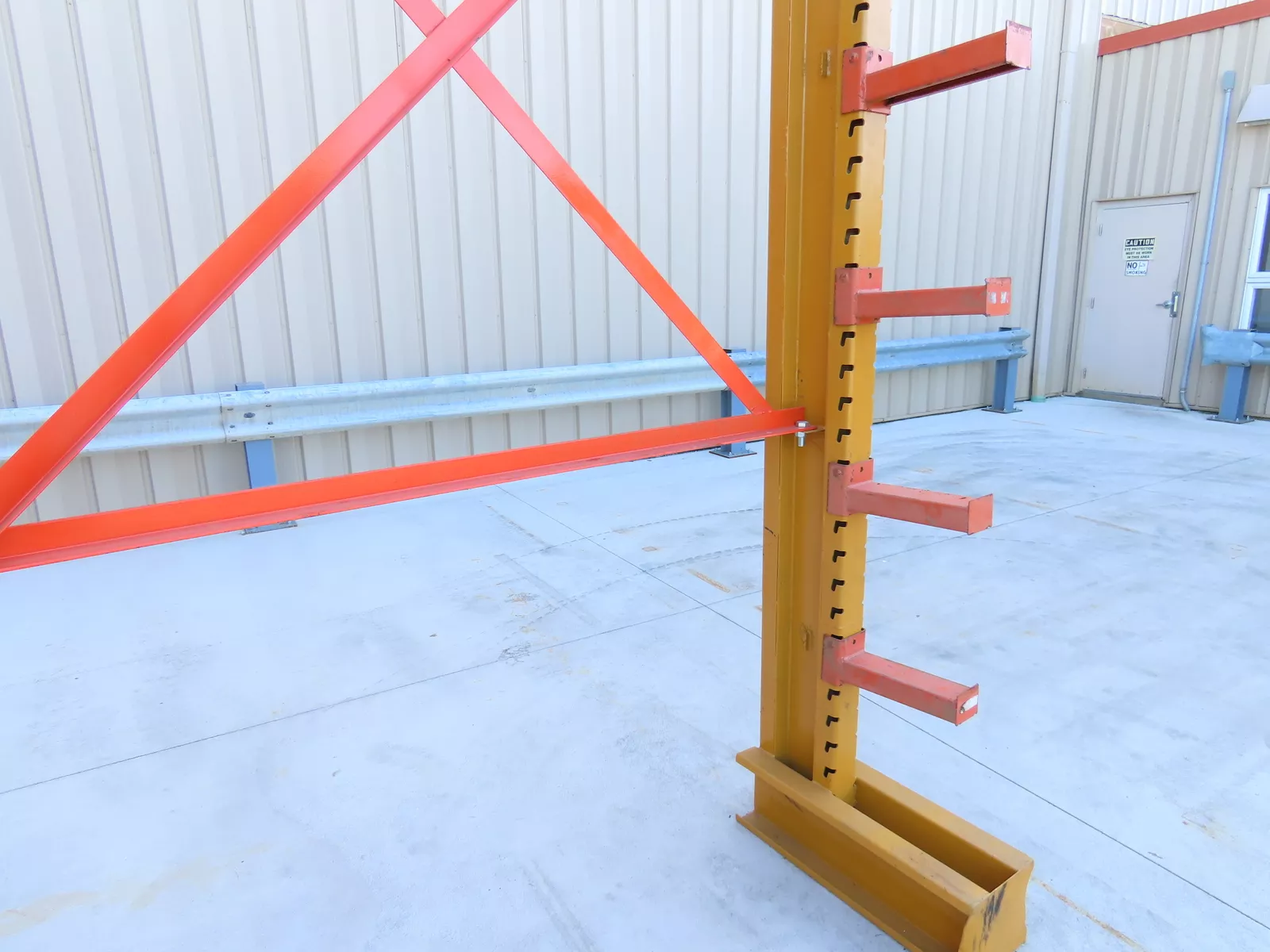
Why Expanding Your Building Is Often a Mistake
Table Of Contents
- Why Expanding Your Building Is Often a Mistake
- Why Do Expansions Often Lead to Unforeseen Financial Strain?
- What Hidden Costs Are Overlooked In Construction Projects?
- How Does Building Expansion Affect Employee Productivity?
- What Are the Emotional Impacts Of a Cramped Workspace?
- Can Expansion Lead to a Decline In Company Culture?
- How Do Neighboring Businesses React to Your Expansion?
- Conclusion
- Other Resources
- Glossary Of Terms
- Other Questions
- Checklist
Why Do Expansions Often Lead to Unforeseen Financial Strain?
When a business decides to expand, it’s often fueled by dreams of growth, success, and a better tomorrow. But expanding isn’t just about more space or new products; it’s a gamble that can lead to unforeseen financial strain if you’re not careful. Think about it: Imagine a small warehouse jam-packed with racking systems, buzzing with activity as orders fly out the door. It looks thriving from the outside, but behind the scenes, costs are stacking up like those very shelves.
First off, there’s the upfront investment. Racking systems and new equipment don’t come cheap. When you’re upgrading your operations, it’s easy to underestimate the financial burden that comes with it. You might think, “We’ll make it back in no time,” but the reality can be harsher. Cash flow can get tight before profits start rolling in. That delayed gratification can cause sleepless nights as the bills pile up, built on hope and sweat.
Then there’s the workforce. Hiring new employees can feel like a breath of fresh air. It adds to the strength and spirit of the team, but onboarding costs and training can quickly drain your resources. New hires need time to acclimate, and until they hit their stride, the strain on productivity and profit margins can be palpable. It’s not just numbers on a spreadsheet; it’s lives affected, families relying on the stability of that paycheck.
And let’s not forget the unexpected hiccups. Equipment might break down or shipments might get delayed, pushing timelines back and causing chaos in the plans. Those racking systems you thought would streamline everything? They can become bottlenecks if not managed correctly. Each setback weighs heavy, not just financially but emotionally; there’s pride in building something that quickly shifts to worry over maintaining it.
Navigating expansion isn’t just about the balance sheet; it’s about the fabric of the community and the relationships built within it. When businesses grow, they impact families and the local economy, creating jobs and fostering a sense of belonging—if done right. Conversations around the water cooler, a helping hand offered to a colleague, or a shared laugh during a tough day remind us that it’s all interconnected.
Ultimately, expansion should be a journey of growth, not just in numbers but in resilience and relationships. While the road may be fraught with challenges, with careful planning and community support, businesses can rise to meet them, turning potential strain into strength, one carefully placed rack at a time.

Why Do Expansions Often Lead to Unforeseen Financial Strain?
Why Do Expansions Often Lead to Unforeseen Financial Strain?
- Business expansion is driven by growth aspirations but involves financial risks.
- Upfront investments for equipment and racking systems can be underestimated.
- Cash flow issues often arise before profits begin to materialize, leading to stress.
- Hiring new employees incurs onboarding and training costs, affecting productivity.
- Unexpected issues like equipment breakdowns and shipment delays can disrupt plans.
- Expansion impacts local communities by creating jobs and fostering relationships.
- Successful expansion requires careful planning and community support for resilience.
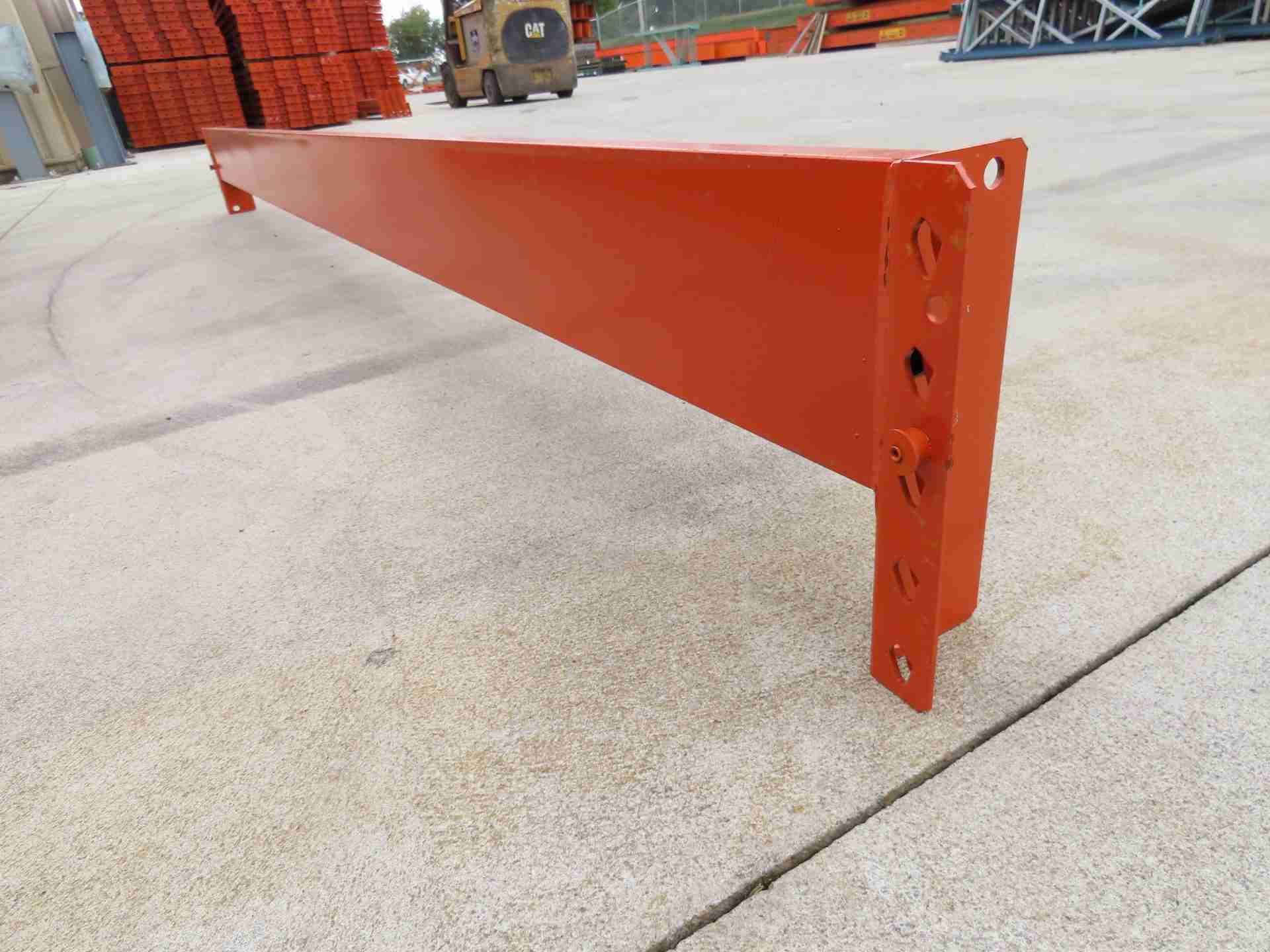
Why Do Expansions Often Lead to Unforeseen Financial Strain?
What Hidden Costs Are Overlooked In Construction Projects?
When you’re deep in the trenches of a construction project, it’s easy to focus on the big-ticket items—the materials, the labor, the equipment. But if you’ve been around the block a few times, you know that it’s the hidden costs that can sneak up on you and blow your budget out of the water. Let’s take a closer look at some of these overlooked expenses, with the hope of equipping you for the road ahead.
One of the many hidden costs comes in the form of racking systems. They may seem like just another line item in your inventory, but the truth is, improper planning can lead to not just financial waste but operational hiccups down the line. The installation might look simple, but if the racking isn’t designed to accommodate future growth or changes in inventory, you’re looking at a potential need for costly adjustments or a complete overhaul later on. Picture this: you’ve laid down your funds on top-shelf racking systems, only to find they don’t fit your evolving needs. That’s a gut punch.
Then there’s the impact of timelines. Delays can seem minor, but they add layers of expense that can snowball. Every day your project lingers, costs add up—whether it’s extended labor hours, equipment rental fees, or even penalties from delays. This isn’t just a matter of numbers; it’s the hardworking folks who depend on timely completion to put bread on their tables. Your team’s morale can take a hit from the stress of a project that just won’t quit.
Don’t forget about compliance and regulatory requirements. The need for inspections and permits can add hidden costs, especially if something slips through the cracks. It’s easy to brush these off until they come knocking at your door, often with a hefty fine attached. Being proactive means avoiding the reactive pit that can drag your project and your reputation down.
Lastly, think of the community impact. Projects aren’t just metal and concrete; they play a role in people’s lives. A smoother project means less disruption in the neighborhoods surrounding the site, fostering goodwill and trust.
By keeping an eye on these unseen expenses, you not only protect your bottom line but also uphold your commitment to quality, integrity, and community. Awareness and communication go a long way in preventing those hidden costs from becoming your undoing. Prioritize the plan, involve your team, and ensure every penny counts.

What Hidden Costs Are Overlooked In Construction Projects?
What Hidden Costs Are Overlooked In Construction Projects?
- Hidden costs in construction can significantly impact budgets.
- Racking systems require careful planning to avoid financial waste and operational issues.
- Improperly designed racking may necessitate costly adjustments later.
- Project delays can lead to increased expenses, including extended labor and rental fees.
- Compliance and regulatory requirements can incur hidden costs if not properly managed.
- Community impact should be considered to maintain goodwill and trust.
- Awareness and communication are essential in preventing hidden costs from affecting the project.

What Hidden Costs Are Overlooked In Construction Projects?
How Does Building Expansion Affect Employee Productivity?
When a company decides to expand its building, it’s not just about adding square footage; it’s about changing the pulse of the workplace. New racking systems, larger break rooms, and even more natural light can transform not just the space, but the very atmosphere where employees spend their days. Picture this: a cramped warehouse where employees shuffle around, bumping into each other, struggling to find supplies in disorganized stacks. Now envision that same space after an expansion—well-organized, with racking systems designed for efficiency, each item easy to locate and grab. It’s like upgrading from a horse-drawn carriage to a high-speed train.
The impact on productivity is tangible. It’s not just about how much more room there is; it’s about how that space is utilized. A well-planned expansion fosters teamwork and communication. When people can move freely and find what they need without hassle, they’re more likely to collaborate effectively. They feel a sense of ownership over their environment and are proud to work in a space that reflects the company’s commitment to growth and success. This emotional connection strengthens trust between employees and management, building a community that’s invested in collective achievements.
Moreover, ethical considerations come into play. When companies expand thoughtfully, they show they value their workforce’s well-being. Employees see that their comfort and productivity matter; they’re not just cogs in a machine. This fosters loyalty and can lead to lower turnover rates, saving the business time and money in training new hires. It’s a cycle: a more engaged, happy workforce contributes to a healthier bottom line.
Bringing in experts to design efficient racking systems, optimize workflow, and ensure safety are crucial steps in this process. This investment demonstrates a commitment to excellence, appealing to the rational mind of employees who appreciate structure and guidance. They trust that their needs have been thought through and that the company is serious about its mission.
Expanding a building isn’t just about bricks and mortar; it’s about the stories that unfold within those walls. Every added square foot holds the promise of potential, engagement, and improvement. When employees see a tangible effort to enhance their workplace, they’re not just working hard; they’re working inspired. Their hands build a future that’s not only productive but also rooted in respect for the people who make the company thrive.

How Does Building Expansion Affect Employee Productivity?
How Does Building Expansion Affect Employee Productivity?
- Building expansion impacts the workplace atmosphere beyond mere square footage.
- New racking systems and improved organization enhance efficiency and accessibility.
- Increased space utilization fosters teamwork and effective collaboration.
- Employees develop a sense of ownership and pride in a thoughtfully designed environment.
- Ethical expansion reflects company commitment to employee well-being, fostering loyalty.
- Investing in design and workflow optimization builds trust and demonstrates excellence.
- Enhanced workplaces inspire employees, contributing to a productive and respected culture.

How Does Building Expansion Affect Employee Productivity?
What Are the Emotional Impacts Of a Cramped Workspace?
A cramped workspace can feel like being stuck in a tight corner with no way out, a sensation that seeps into the soul and grinds away at your mood. When you’re working elbow-to-elbow with colleagues, personal space becomes a luxury that’s hard to come by. This closeness isn’t just about physical proximity; it’s like wearing a too-tight shirt that restricts the ability to breathe freely. The walls seem to close in, impacting not just productivity but also mental well-being.
It’s easy to dismiss the emotional fallout of a cramped environment, but let’s break it down. Think about the frustration of navigating racking systems stacked to the ceiling, the constant risk of bumping into someone while trying to maneuver your way out. This lack of room can lead to tension and irritability—a simmering pot that can boil over when the pressure is high. Over time, that stress doesn’t just stay at work; it often spills over into personal life, altering relationships and diminishing the joy in everyday activities.
From an emotional standpoint, people thrive when they feel safe and at ease in their surroundings. A confined space can trigger feelings of anxiety and overwhelm, impacting focus and creativity. In this contained environment, the joy of collaboration is often replaced by a sense of competition for space and resources. It can feel like a game of musical chairs, where the music stops, and no one can find a seat. And that shared experience can create a knot of camaraderie, yes, but it can also breed discontent and frustration, leading to a toxic work culture.
Ethically, businesses have a responsibility to create environments that support their employees’ mental health. Think of a workspace not just as a physical location but as a backdrop for human experience—where well-being should flourish. Leaders need to recognize that investing in a little extra space isn’t just about comfort; it’s about fostering productivity, engagement, and satisfaction.
Relatable stories resonate strongly. Picture this: a team crammed together, trying to brainstorm ideas for the next big project. Instead of vibrant energy, there’s a palpable sense of weariness, as creativity gets choked by the confines of the workspace. By addressing these conditions head-on and rethinking how spaces are arranged, we can transform not just the work environment but also the emotional landscape of the team, inspiring trust and confidence.
We all deserve a little room to breathe. A workplace that fosters both collaboration and personal space allows us to show up fully, ready to tackle challenges, nurture connections, and ultimately, thrive.
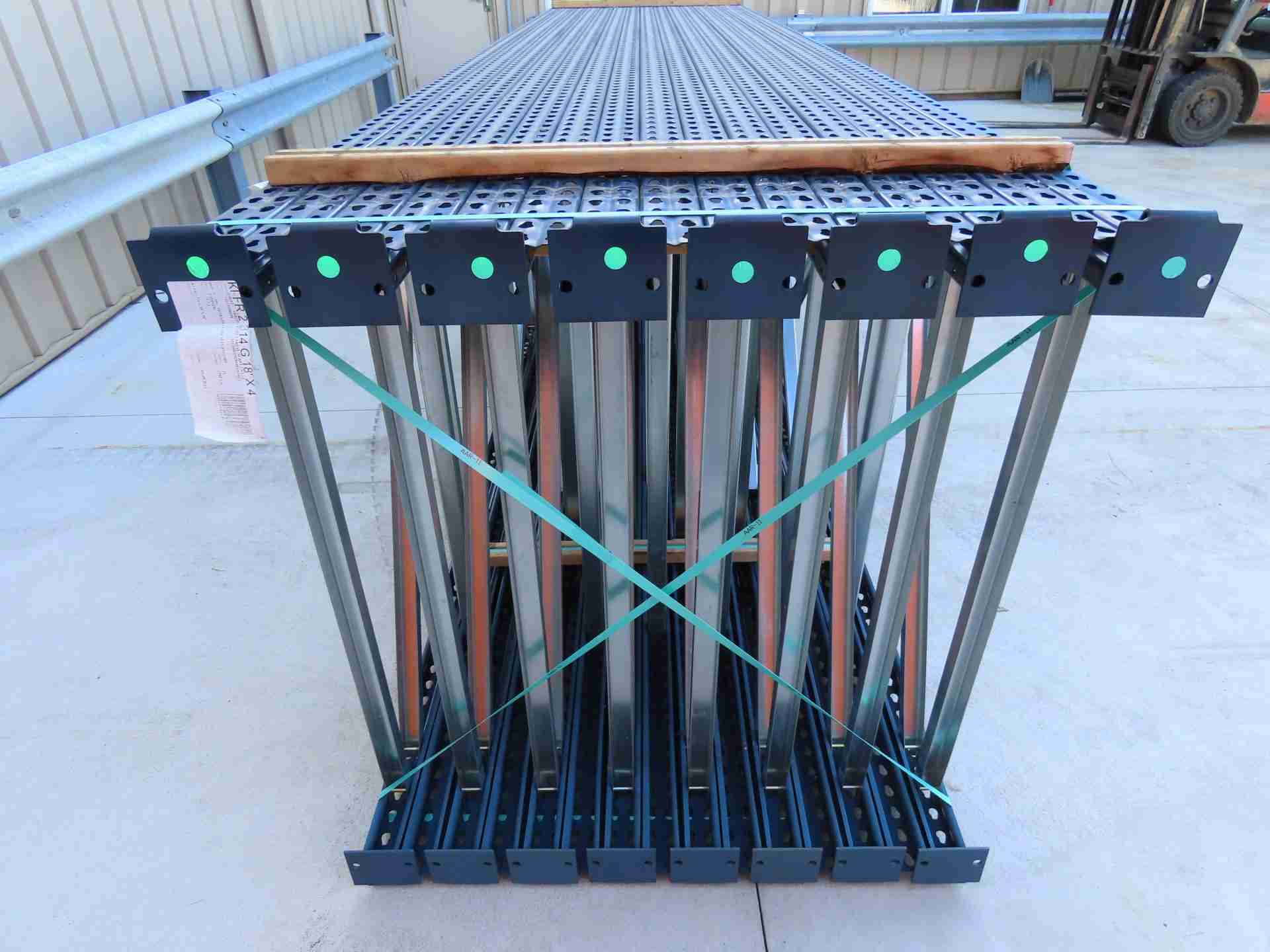
What Are the Emotional Impacts Of a Cramped Workspace?
What Are the Emotional Impacts Of a Cramped Workspace?
- A cramped workspace negatively impacts mood and productivity.
- Close proximity to colleagues reduces personal space, leading to discomfort.
- Navigating tight areas can cause frustration and stress, affecting mental well-being.
- Confined spaces can trigger anxiety, reducing focus and creativity.
- Lack of space fosters competition rather than collaboration, resulting in a toxic environment.
- Businesses should prioritize mental health by creating supportive workspaces.
- Investing in space can enhance productivity, engagement, and overall satisfaction.

What Are the Emotional Impacts Of a Cramped Workspace?
Can Expansion Lead to a Decline In Company Culture?
Expansion often sounds like the golden ticket to success, yet it can be a double-edged sword when it comes to maintaining a company’s culture. Picture a once-tight-knit group, each person aligning like the racking systems in a well-organized warehouse, supporting one another as they stack products high. But as the business grows, it’s easy to become the proverbial tower of Babel—more chaos than cohesion. This isn’t just about numbers on a balance sheet; it’s about the heartbeat of the company, the connections that make employees feel valued and engaged.
When a company expands, it brings in new faces, new ideas, and often a new way of doing things. While diversity can fuel innovation, it can also lead to silos, where employees start to feel isolated instead of part of a greater purpose. The heart of the culture, built on shared values and trust, can begin to fray. Employees start thinking, “When did we become just a number?” This isn’t just a loss of camaraderie; it can lead to diminished morale and productivity.
From a rational standpoint, it’s vital to remember that culture isn’t a static asset that can be placed on a shelf. It’s a living, breathing entity that requires constant nurturing. As old-timers remember the days of unity, newcomers might feel like they’re on the outside looking in, leading to disengagement. Leaders face the ethical responsibility to bridge these divides, ensuring every player knows their role, not just in the assembly line of tasks but in the fabric of the company itself.
Effective communication is crucial—taking the time to tell stories about where the company came from and where it’s headed can ground employees amidst the whirlwind of change. It’s in these shared stories that trust is born, where employees feel a part of something bigger than themselves. Think of it like a sturdy racking system that keeps everything in line and prevents things from toppling over.
Whether you’re expanding a small workshop or a large corporation, never underestimate the power of connection. Building a company culture that withstands expansion involves open doors, honest conversations, and a genuine acknowledgment of everyone’s contributions. Grounding your approach in humility and hands-on effort fosters a sense of belonging that transcends walls and boundaries, ensuring that growth doesn’t come at the cost of your culture.
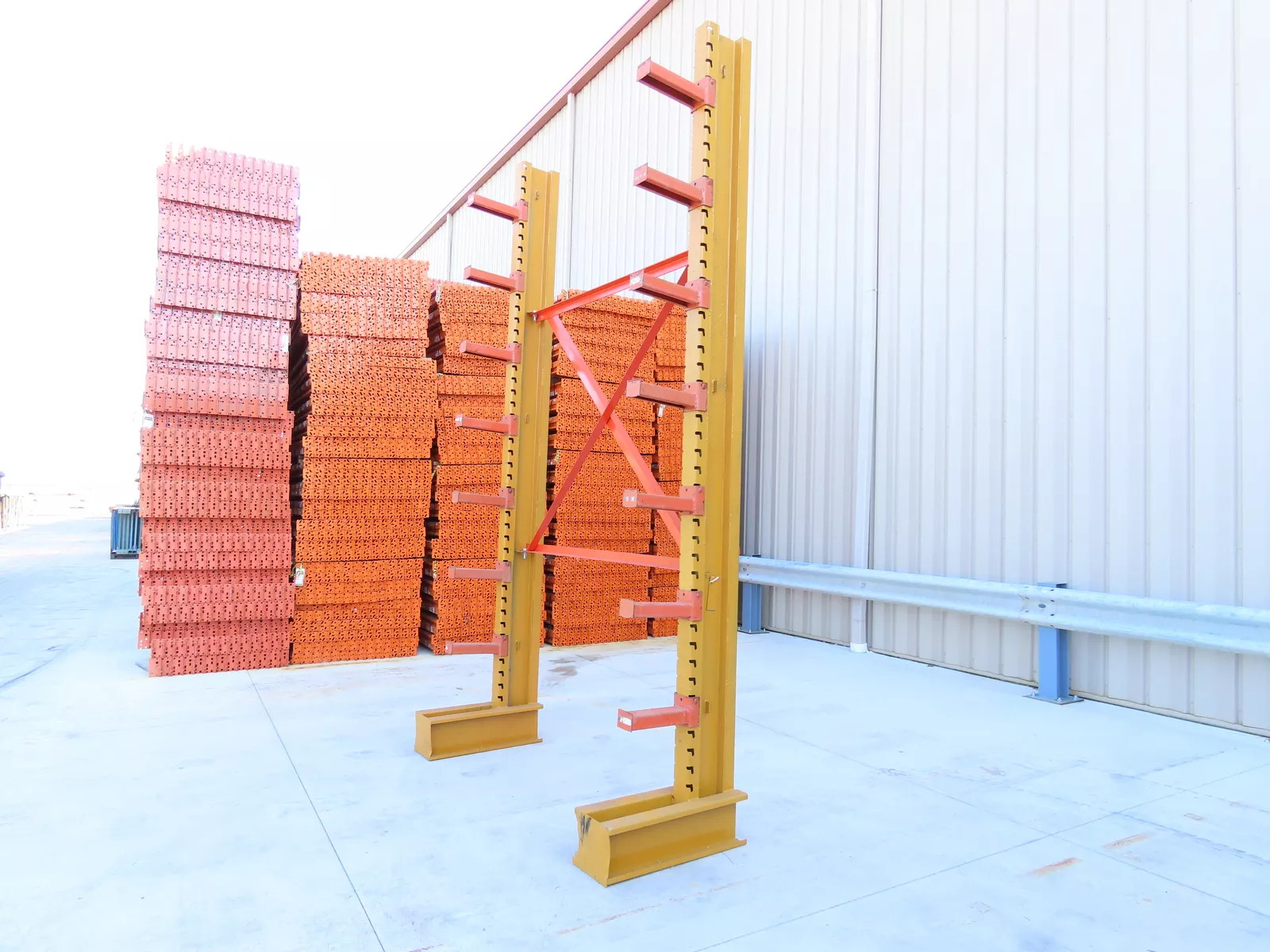
Can Expansion Lead to a Decline In Company Culture?
Can Expansion Lead to a Decline In Company Culture?
- Expansion can jeopardize a company’s culture, turning cohesion into chaos.
- New additions to the team may lead to isolation and the formation of silos.
- Culture is a dynamic entity that requires ongoing attention and nurturing.
- Long-term employees may feel nostalgia for past unity, while newcomers can feel excluded.
- Leaders have a responsibility to connect employees and clarify their roles in the company.
- Effective communication, including storytelling, is essential to build trust and belonging.
- Creating a resilient culture during expansion involves open dialogue and recognition of contributions.

Can Expansion Lead to a Decline In Company Culture?
How Do Neighboring Businesses React to Your Expansion?
When a business decides to expand, it can feel like a seismic shift, not just for the company, but for all those neighboring businesses. Imagine a local diner expanding its seating or a hardware store adding a new racking system to improve inventory flow. It’s a moment of excitement, but it’s also one that demands sensitivity and awareness of how these changes ripple through the community.
On one hand, neighboring businesses might feel a surge of inspiration. Watching a fellow entrepreneur take that leap can ignite a spark of ambition. It’s a reminder that growth is possible, and it encourages others to think about their own potential for expansion or improvement. That’s the heart of local commerce—people supporting each other, sharing dreams over morning coffee, or during a quick chat while stocking shelves.
However, it’s not uncommon for some in the neighborhood to react with skepticism. Will the expansion mean more traffic, more noise, or less parking? Concerns about changes in the local atmosphere can crop up, as each business owner weighs the potential impact on their own trade. A hardware store adding racking systems for more efficient space usage might benefit shoppers in the long run, but the immediate effects could feel overwhelming. Here’s where clear communication becomes crucial. Engaging with neighbors early in the process, sharing plans, and inviting feedback fosters a sense of community. It shows you’re aware of their concerns, ultimately building trust.
Ethically, transparency in addressing how the expansion will affect the community sets a strong precedent. It’s not just about increasing profits; it’s about nurturing and developing the local economy. Engaging in dialogues at community meetings or social gatherings can soften any apprehensions. When your neighbors see you as someone committed to their well-being as much as your own, feelings of camaraderie flourish.
Ultimately, the success of your expansion hinges on these relationships. By inviting dialogue and being genuinely invested in the community’s welfare, you turn potential adversaries into allies. Local businesses can band together, lifting each other up rather than competing against each other. That shared sense of purpose can transform how everyone experiences growth—the kind that strengthens the roots of the entire neighborhood.

How Do Neighboring Businesses React to Your Expansion?
How Do Neighboring Businesses React to Your Expansion?
- Business expansion can significantly impact neighboring businesses and the local community.
- Expansions can inspire other entrepreneurs to consider their growth potential.
- Neighboring businesses may express skepticism regarding increased traffic, noise, or parking issues.
- Clear communication and early engagement with neighbors are essential to address concerns.
- Transparency about expansion effects fosters trust and community support.
- Building relationships can convert potential adversaries into allies among local businesses.
- A shared purpose among businesses enhances the overall growth and strength of the neighborhood.
How Do Neighboring Businesses React to Your Expansion?
Conclusion
Expansion in business often seems like a straightforward path to growth, but it can easily lead to unexpected pitfalls. While the allure of a larger space may appear promising, it’s essential to consider the hidden costs and complexities that come with such decisions. Rather than merely increasing the square footage, businesses should focus on enhancing efficiency and refining operations within their existing footprint. A bigger building doesn’t guarantee more customers or greater productivity; in fact, it can complicate logistics, create clutter, and result in bloated expenses.
Stories abound of entrepreneurs who rushed into expansions with grand visions, only to find themselves overwhelmed by mounting costs and operational challenges. They traded their aspirations for financial strain, losing precious family time while battling spreadsheets of worry. This underscores the importance of evaluating the long-term implications of any growth strategy, not just for the business but also for its employees and the surrounding community. Businesses owe it to their teams and neighborhoods to make sound, ethical decisions that emphasize sustainability rather than rapid expansion.
Investing time in optimizing current resources often proves more beneficial than jumping into a larger space. Ignoring the emotional and social impacts of a cramped work environment can lead to a decline in morale and productivity. Employees thrive in workplaces that allow for collaboration and comfort. Expansion shouldn’t just be about volume; it should enhance the overall workplace culture and emotional wellbeing. Effective communication and intentional design can create environments that uplift and inspire.
As businesses consider expansion, they must also recognize their role in the broader community. Engaging with neighboring enterprises and addressing concerns fosters a sense of unity and mutual support. Expansion isn’t just about discovering more revenue; it’s about nurturing relationships and ensuring that growth benefits not just the company but the entire surrounding ecosystem.
Ultimately, the true measure of success lies in balancing ambition with wisdom. By focusing on strengthening current operations, enhancing employee experiences, and maintaining ethical standards, businesses can achieve growth that resonates deeply and sustainably across all levels—from the personal to the communal. The journey of growth is best navigated with humility, where every action taken reverberates with the understanding that true expansion starts from within.

Conclusion
Conclusion:
- Expansion can lead to unexpected pitfalls despite initial allure.
- Businesses should prioritize efficiency and refining operations over merely increasing space.
- Bigger buildings do not guarantee more customers or productivity, and can complicate logistics.
- Entrepreneurs often face financial strain and operational challenges due to rushed expansions.
- Growth strategies must consider long-term implications for employees and the community.
- Optimizing current resources can be more beneficial than pursuing larger spaces.
- Successful expansion involves balancing ambition with ethical considerations and community engagement.

Conclusion
Other Resources

Other Resources
Here is a list of other resources you can review online to learn more:
- Teardrop Pallet Rack – Ridg-U-Rak
- Logic Material Handling
- BMH Equipment LLC
- Material Handling Safety
- WERC
- Used Pallet Rack for Sale in Illinois – American Surplus
- Interlake
- Pallet Racking systems in Illinois and Great Lakes
- American Society of Safety Professionals
- Total Warehouse
- SEMA
- IIWS Inc. Rack Installation Illinois & Rack Repairs Illinois
- Chicago Pallet Racking
- IIWS Inc. Rack Installation Illinois & Rack Repairs Illinois
- Cantilever Rack Configuration & Installation: A Comprehensive Guide – BMH
- Storage Equipment Manufacturers Association
- The Ultimate Pallet Racking Guide – Speedrack West
- Arrow Industrial Sales
- Interlake Mecalux
- Warehouse Automation
Use This Prompt To Get More Resources With Your Favorite Online AI Tool: Please provide me with a list of online articles with their URLs in a bulleted list that I can read regarding Why Expanding Your Building Is Often a Mistake
Other Resources
Glossary Terms
Why Expanding Your Building Is Often a Mistake – Glossary Of Terms
1. Expansion: The act of increasing the physical size or capacity of a building.
2. Cost-Benefit Analysis: A systematic approach to evaluating the financial implications of expansion versus renovation.
3. Zoning Laws: Regulations governing land use and building size, which can affect expansion plans.
4. Permits: Official approvals required to undertake construction or modification of a building.
5. Site Limitations: Physical constraints of the property that may hinder expansion efforts.
6. Market Demand: The need for space that can influence the decision to expand or not.
7. Return on Investment (ROI): A measure of the profitability of an expansion project.
8. Building Codes: Standards that ensure safety and compliance in construction, potentially complicating expansion.
9. Neighborhood Impact: How building expansion affects surrounding properties and communities.
10. Timeline: The projected schedule for completion, which can extend significantly during expansion projects.
11. Disruption: Temporary inconveniences caused by construction activities, impacting current operations.
12. Financing: Securing funds for an expansion can be challenging and may strain resources.
13. Space Utilization: The effectiveness of currently used space, which may diminish the need for expansion.
14. Resale Value: The potential increase or decrease in the property’s market value following an expansion.
15. Architectural Integrity: The original design and style of a building that may be compromised by alterations.
16. Environmental Impact: The effect of expansion on local ecosystems and sustainability.
17. Overextension: The risk of stretching resources too thin to manage an expansion effectively.
18. Planning Committee: A group responsible for reviewing and approving proposed building modifications.
19. Construction Delays: Unforeseen issues that can push back the timeline of expansion projects.
20. Historical Preservation: Laws and practices that protect older buildings from unwanted alterations.
21. Infrastructure: The underlying facilities and services that support a building, which may require upgrades during expansion.
22. Neighborhood Cohesion: The sense of community that can be disrupted by significant changes in building size.
23. Tax Implications: Financial consequences of property expansion that could affect the owner’s budget.
24. Adaptive Reuse: The process of repurposing existing buildings rather than expanding.
25. Lease Agreements: Contracts that may limit the ability to modify or expand a property.
26. Contractor Selection: Choosing a construction company, which can significantly influence project success.
27. Community Opposition: Resistance from local residents against expanding a building.
28. Temporary Relocation: Moving tenants or operations during the expansion process, which can disrupt business.
29. Future Flexibility: The potential to adapt spaces for changing needs without major expansion.
30. Strategic Planning: Long-term goals and objectives that should guide decisions on building expansion.
Glossary Of Terms
Other Questions
Why Expanding Your Building Is Often a Mistake – Other Questions
If you wish to explore and discover more, consider looking for answers to these questions:
- Should we expand at all, or are there better alternatives to support growth?
- What specific metrics should we use to decide whether expansion is justified?
- How do we perform a realistic ROI and payback-period analysis for expansion?
- What are the full upfront and ongoing costs (construction, racking, permits, utilities, insurance, taxes, maintenance)?
- How will expansion impact our cash flow and working capital needs during and after the project?
- What financing options are available and what are their costs and covenants?
- Should we lease, buy, or build new space—and what are the pros and cons of each?
- How reliable are our demand forecasts, and what happens if demand does not materialize?
- Can we scale operations through process improvements, technology, or outsourcing instead of physical expansion?
- How will expansion affect day-to-day operations and customer service during construction?
- What contingency budget should we set aside for delays, change orders, and unexpected site conditions?
- How long will the project take from planning to full operation, including permits and inspections?
- What hidden costs do contractors, subcontracts, and coordination typically add?
- What permits, zoning changes, or regulatory approvals are required and what are their timelines and fees?
- How will expansion change our tax liabilities, depreciation, and accounting treatment?
- What additional insurance coverage or higher premiums will be required?
- How will expansion affect utilities capacity (power, HVAC, water, sewer) and related upgrade costs?
- What are the safety, accessibility (ADA), and building-code implications of the new layout?
- How should warehouse layout and racking be designed to maximize efficiency and future flexibility?
- Are the chosen racking systems compatible with current and future inventory profiles and equipment?
- What are the lifecycle and replacement costs of racking, conveyor systems, and major equipment?
- How much productivity improvement can we realistically expect from additional space?
- What are the likely effects on employee morale, engagement, and turnover?
- What training and onboarding costs will new hires require, and how long until they are productive?
- How can we protect and transfer company culture during and after expansion?
- What communication and change-management plans are needed for employees and stakeholders?
- How will neighboring businesses, residents, and local authorities respond to the expansion?
- What community outreach or mitigation measures should we undertake to maintain good relations?
- Will expansion increase traffic, parking demand, noise, or environmental impact—and how to mitigate these?
- How will supply-chain and logistics be affected, including inbound/outbound flows and shipping costs?
- Should we consider third-party logistics (3PL) or distributon partnerships instead of building more space?
- What IT, communications, security, and automation investments are needed for the larger facility?
- How will expansion change inventory carrying costs, turnover rates, and warehousing KPIs?
- Which KPIs should we track before, during, and after expansion to measure success?
- What are the environmental and sustainability implications, and are there incentives for green building?
- What exit strategies exist if the expansion proves unsustainable (subleasing, sell, repurpose)?
- How will expansion affect contractual obligations to employees, suppliers, and lenders?
- What legal and liability risks increase with expansion and how can they be mitigated?
- How do interest-rate changes and macroeconomic risk affect the viability of the expansion?
- Who should lead the project internally, and when is it worth hiring external consultants or project managers?
- Are there case studies or examples of similar businesses that succeeded or failed at expansion, and what lessons can we learn?
- What is a realistic risk register for the project and how will we monitor and respond to risks?
- How will we maintain business continuity and minimize disruption to customers during construction?
- What benchmarks or pilot tests can we run to validate assumptions before committing to full expansion?
Other Questions
Checklist
Why Expanding Your Building Is Often a Mistake – A Checklist
Purpose and Problem Definition
✅______ We have documented the exact problems we’re trying to solve (e.g., lead times, congestion, mis-picks, safety incidents).
✅______ We validated the constraint with data (throughput, space utilization %, travel time studies).
✅______ We conducted root-cause analysis (e.g., 5 Whys) to ensure space is the true constraint.
Alternatives to Physical Expansion
✅______ We evaluated process improvements (Lean/5S, standard work, visual management).
✅______ We optimized layout and material flow before adding space.
✅______ We completed inventory rationalization (ABC analysis, dead stock purge, pack-size changes).
✅______ We improved slotting and racking configuration (vertical utilization, mezzanines, aisle widths, pick paths).
✅______ We assessed tech upgrades (WMS, scanners, labeling, cycle counting, replenishment rules).
✅______ We considered staffing and schedule changes (staggered shifts, cross-training, overtime modeling).
✅______ We evaluated flexible capacity options (3PL overflow, short-term lease, drop-ship, VMI).
✅______ We quantified the ROI of each alternative vs. building expansion.
Financial Due Diligence
✅______ We built a full TCO model: land/build, racking/MHE, IT, design/engineering, permits/fees, utilities, taxes, insurance, security, furnishings.
✅______ We included soft costs: legal, financing/closing, interest during construction, change orders, escalation, commissioning.
✅______ We modeled staffing costs: hiring, onboarding, training, ramp-up productivity, benefits, turnover buffer.
✅______ We stress-tested cash flow (base, downside, severe downside) for delays, rate hikes, cost overruns, demand dips.
✅______ We confirmed break-even, payback, NPV/IRR, and debt service coverage meet thresholds under downside cases.
✅______ We budgeted contingency (10–20% of project cost) and protected working capital (inventory and accounts receivable impact).
✅______ We identified exit and mitigation options (sublease, resale, phased build).
Compliance, Safety, and Risk
✅______ Zoning, land-use, and permit requirements confirmed (planning, building, fire marshal).
✅______ Racking engineered for load, seismic, and fire code; sprinkler and ESFR compatibility verified.
✅______ Egress, ADA, signage, and life-safety plans approved.
✅______ Environmental and stormwater obligations addressed.
✅______ OSHA risk assessment completed; safety zones and traffic plans defined.
✅______ Insurance and bonding updated for construction and operations.
✅______ Business continuity plan covers cutover, downtime, and supply disruptions.
Operational Readiness
✅______ Future-state process maps and SOPs completed.
✅______ Detailed racking specs, slotting plan, and material flow finalized.
✅______ Equipment and MHE capacity validated (forklifts, chargers, docks, conveyors).
✅______ IT/WMS/network infrastructure designed, tested, and integrated.
✅______ Commissioning, acceptance criteria, and training plans set.
✅______ Transition and cutover plan minimizes downtime and preserves service levels.
✅______ Maintenance plans and spare parts strategy in place.
People, Culture, and Well-Being
✅______ Employee input gathered on pain points, layout, and amenities.
✅______ Ergonomics, lighting, climate, noise, and break areas designed to improve well-being.
✅______ Training and onboarding timelines budgeted for new processes and equipment.
✅______ Clear communication plan to preserve culture and shared values through growth.
✅______ Staffing aligns with seasonality, and commute and parking needs are addressed.
✅______ Remote and hybrid options and desk sharing evaluated where applicable.
Community and Neighbor Impact
✅______ Neighbor outreach completed; feedback incorporated.
✅______ Traffic, parking, noise, and operating hours mitigation plans documented.
✅______ Construction disruption plan and contact channel established.
✅______ Local hiring and community benefit commitments considered and communicated.
Vendor and Project Controls
✅______ Competitive bids obtained with apples-to-apples scope.
✅______ Contract type and risk allocation clear (fixed-price vs. cost-plus).
✅______ Milestones, critical path, and penalties/incentives defined.
✅______ Warranties, performance bonds, and service agreements secured.
✅______ Single point of accountability for integration and schedule adherence.
Decision Gates (Go/No-Go)
✅______ All permits and approvals secured.
✅______ Financing closed; covenants and DSCR satisfied under downside case.
✅______ Customer demand validated (orders, LOIs, and forecasts).
✅______ ROI and payback meet hurdle under base and downside scenarios.
✅______ Contingency funds reserved; executive and stakeholder sign-offs complete.
Post-Expansion Success Metrics
✅______ Target KPIs set: throughput, pick accuracy, on-time ship, labor productivity, space utilization, inventory turns, safety incidents, employee satisfaction and turnover, customer Net Promoter Score (NPS).
✅______ 30/60/90-day reviews scheduled with corrective action triggers.
✅______ Continuous improvement cadence established.
Stop-Checks Before You Build
✅______ If process and layout fixes deliver ≥70–80% of needed capacity, expansion is deferred.
✅______ If the downside case violates cash, DSCR, or culture and safety standards, expansion is halted.
✅______ If community or compliance risks remain unresolved, expansion is paused.

Checklist
At RackingWorld, we help guide you through selecting warehouse storage systems and racking.
Be sure to read our other related stories at RackingWorld to learn more about warehouse storage systems.
0 Comments