
Finding Trustworthy Local Pallet Racking Suppliers
By Tom Seest
At RackingWorld, we help guide you through selecting warehouse storage systems and racking.
Be sure to read our other related stories at RackingWorld to learn more about warehouse storage systems.
Who Vouches for Local Pallet Racking Suppliers?
In the competitive realm of warehousing and logistics, choosing the right pallet racking suppliers can be a game-changer. The efficiency of your operations hinges on your ability to store and access goods seamlessly, and the integrity of your pallet racking system is paramount. So the question arises: who vouches for local pallet racking suppliers? The answer lies in a blend of industry reputation, social proof, and local connections.
First, let’s talk about reputation. Local suppliers often rely on their standing within the community to gain and retain clients. Word of mouth is a potent tool; satisfied customers are likely to sing praises about a supplier’s reliability and quality. For instance, if you’re in the Chicago area, you might hear retailers rave about a supplier like “Chicago Rack Solutions,” which has built a loyal client base through exceptional service and innovative designs. Their racking systems don’t just meet regulatory standards; they often exceed them, ensuring safety and maximizing storage potential.
But don’t just take their word for it. Dive into online reviews and testimonials. Platforms like Google Reviews or industry-specific forums can illuminate the experiences of other businesses. As recent trends reveal, companies that prioritize transparency in customer feedback tend to build more trust. In today’s socially connected environment, it’s not uncommon to find even local suppliers making their client testimonials available on social media platforms, showcasing successful installations and happy customers. Consider “Warehouse Pros,” a provider that uses before-and-after scenarios on their Instagram to demonstrate real-world transformations facilitated by their pallet racking solutions.
Moreover, look to industry recognition. Local suppliers who are recognized with awards or certifications, such as those from the Material Handling Industry (MHI), are putting their quality on display. Such accolades often serve as a reliable endorsement. Recently, during the annual MHI conference, attendees spoke highly of numerous suppliers who showcased sustainable pallet racking designs. This not only highlights innovation but also addresses a growing trend in eco-conscious warehousing.
Lastly, don’t underestimate the power of connections. Networking events and trade shows provide fertile ground for firsthand recommendations. When you can speak directly to others in your industry about their experiences with specific suppliers, you’re gaining invaluable insights.
In summary, while the realm of pallet racking may seem straightforward, the choice of local suppliers goes deep. Look for those who back their offerings with testimonials, industry recognition, and a solid reputation. The voices of satisfied customers combined with proven expertise can guide you toward making the best choice for your storage needs.
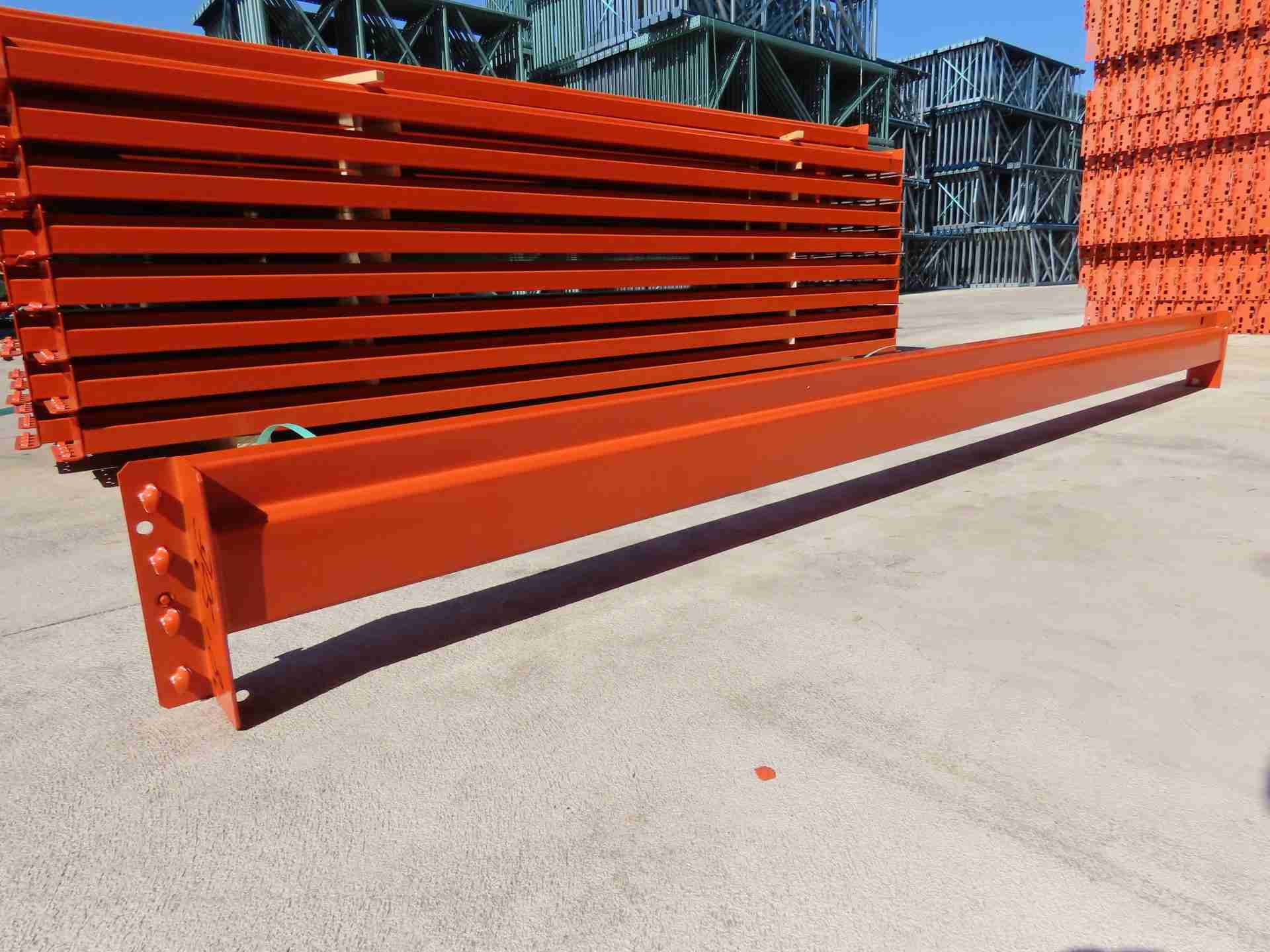
Who Vouches for Local Pallet Racking Suppliers?
Who Vouches for Local Pallet Racking Suppliers?
- Choosing the right pallet racking suppliers is crucial for efficient warehousing and logistics operations.
- Local suppliers rely on community reputation and word of mouth to attract and retain clients.
- Online reviews and testimonials are valuable resources for assessing supplier reliability and quality.
- Awards or certifications from organizations like the Material Handling Industry (MHI) indicate supplier quality.
- Industry recognition reflects innovation, as seen in sustainable pallet racking designs showcased at MHI conferences.
- Networking events and trade shows provide opportunities for firsthand supplier recommendations.
- Consider testimonials, industry recognition, and reputation when choosing local pallet racking suppliers.
Who Vouches for Local Pallet Racking Suppliers?
Table Of Contents
- Who Vouches for Local Pallet Racking Suppliers?
- What Are The Key Factors To Consider When Choosing A Supplier?
- How Can I Verify The Reputation Of A Pallet Racking Supplier?
- What Online Resources Can Help Me Find Credible Suppliers?
- Are There Industry Certifications That Indicate Supplier Quality?
- How Can Customer Reviews Impact My Choice Of Supplier?
- What Questions Should I Ask A Potential Racking Supplier?
- How Do I Know If A Supplier Meets Safety Standards?
- Conclusion
- Other Resources
- Glossary Of Terms
- Other Questions
- Checklist
What Are The Key Factors To Consider When Choosing A Supplier?
When it comes to selecting a supplier, businesses must approach the decision with the same strategic mindset that they apply to winning over their customers. The right supplier doesn’t just deliver products—they become an integral partner in your operations. With recent trends in supply chain disruptions highlighted by the COVID-19 pandemic and geopolitical tensions, the stakes are higher than ever. Here’s a guide that walks you through the essential factors to consider.
Quality and Reliability: Quality of product is paramount. Can the supplier consistently provide high-quality materials? For instance, consider companies offering Pallet Racking. You wouldn’t just look for any provider; you’d want one whose racks can withstand heavy loads without faltering. Look for suppliers that have certifications or adhere to industry standards. Testimonials and case studies can also offer insights into their reliability. Recently, in light of increasing e-commerce demands, companies have reported a surge in orders for robust storage solutions, reinforcing the need for dependable suppliers.
Price and Payment Terms: While you don’t want to compromise on quality, pricing plays a crucial role. Is the supplier’s pricing competitive? Analyze if their payment terms align with your cash flow. For example, shorter payment terms could disrupt your capital management. Additionally, during times of inflation, such as we’ve seen recently, an adaptable pricing strategy from your supplier can ensure that you aren’t caught off-guard by sudden price increases.
Flexibility and Scalability: The ability to adapt to market changes is vital. Can your supplier scale with you? Many organizations experienced unexpected growth during recent global shifts, putting pressure on their logistics and storage solutions. If you require more pallet racking, your supplier should be able to fulfill increased orders without hiccups. Supplier flexibility can be a game-changer, especially when rapid market shifts become the norm.
Communication and Support: Responsiveness can make or break a partnership. When you’re facing issues—say, a delay in shipment—does your supplier have a customer support team that’s quick to resolve problems? The suppliers you want to collaborate with should provide clear lines of communication and keep you informed every step of the way, ensuring you aren’t left in the dark.
Sustainability and Ethical Practices: Lastly, consider the supplier’s values. In today’s world, consumers are increasingly concerned about the environmental impact of the products they use. Select suppliers who demonstrate a commitment to sustainable practices, such as using eco-friendly materials or maintaining ethical labor standards.
By meticulously evaluating these factors before choosing a supplier, you can forge partnerships that not only enhance your business operations but also position you for unprecedented growth in an unpredictable market landscape.
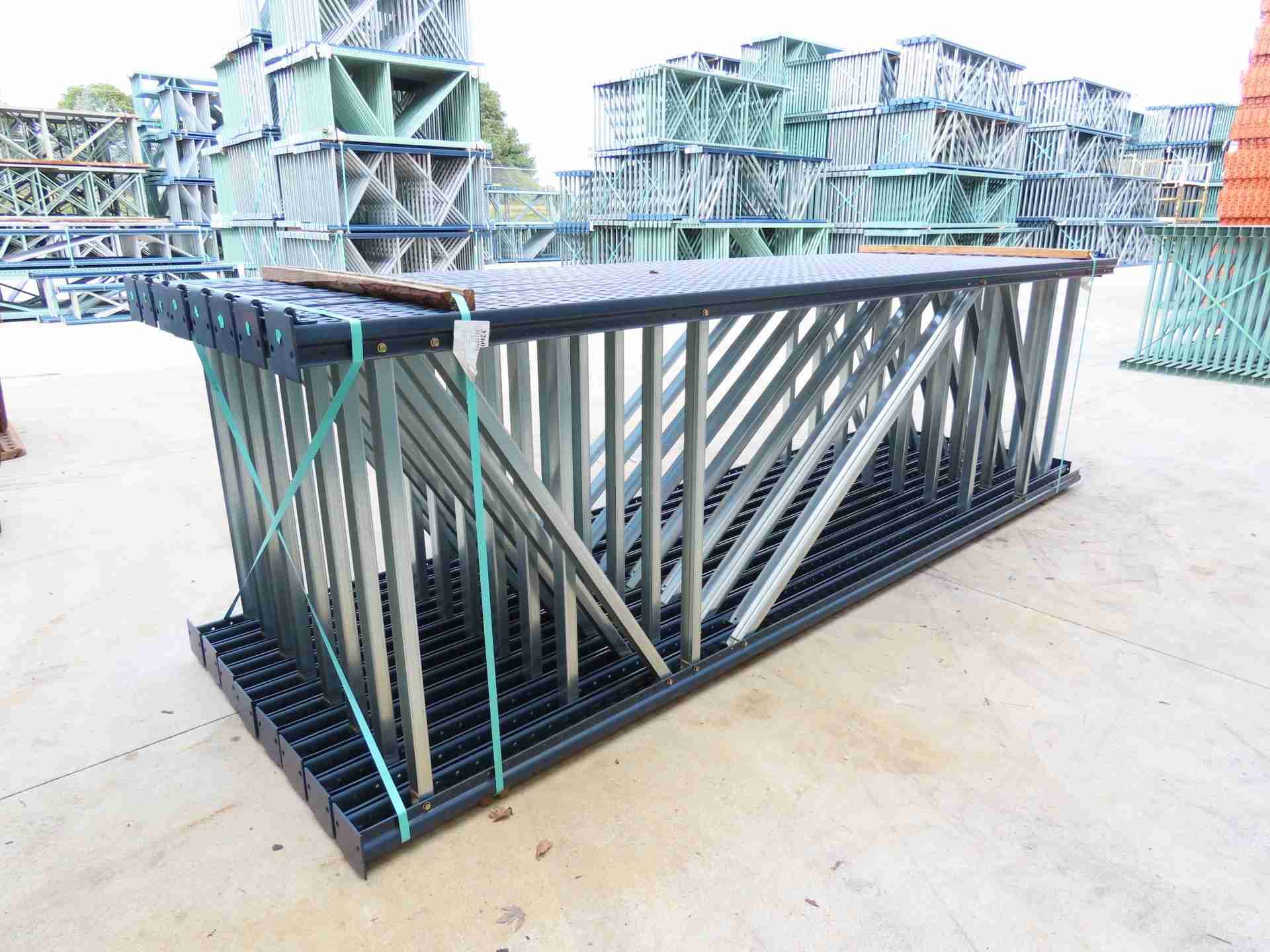
What Are The Key Factors To Consider When Choosing A Supplier?
What Are The Key Factors To Consider When Choosing A Supplier?
- Strategic Selection: Choose suppliers with a strategic mindset similar to customer acquisition, as they become integral partners.
- Quality and Reliability: Ensure suppliers provide high-quality products consistently, verified through certifications and testimonials.
- Price and Payment Terms: Analyze competitive pricing and payment terms, ensuring they align with your cash flow needs, particularly during inflation.
- Flexibility and Scalability: Look for suppliers who can adapt to market changes and scale their offerings to meet increased demand.
- Communication and Support: Choose suppliers with responsive customer support and clear communication to quickly address issues.
- Sustainability and Ethical Practices: Consider suppliers who commit to environmental sustainability and ethical labor standards.
- Long-Term Partnerships: Meticulously evaluate these factors to forge partnerships that enhance operations and foster growth.
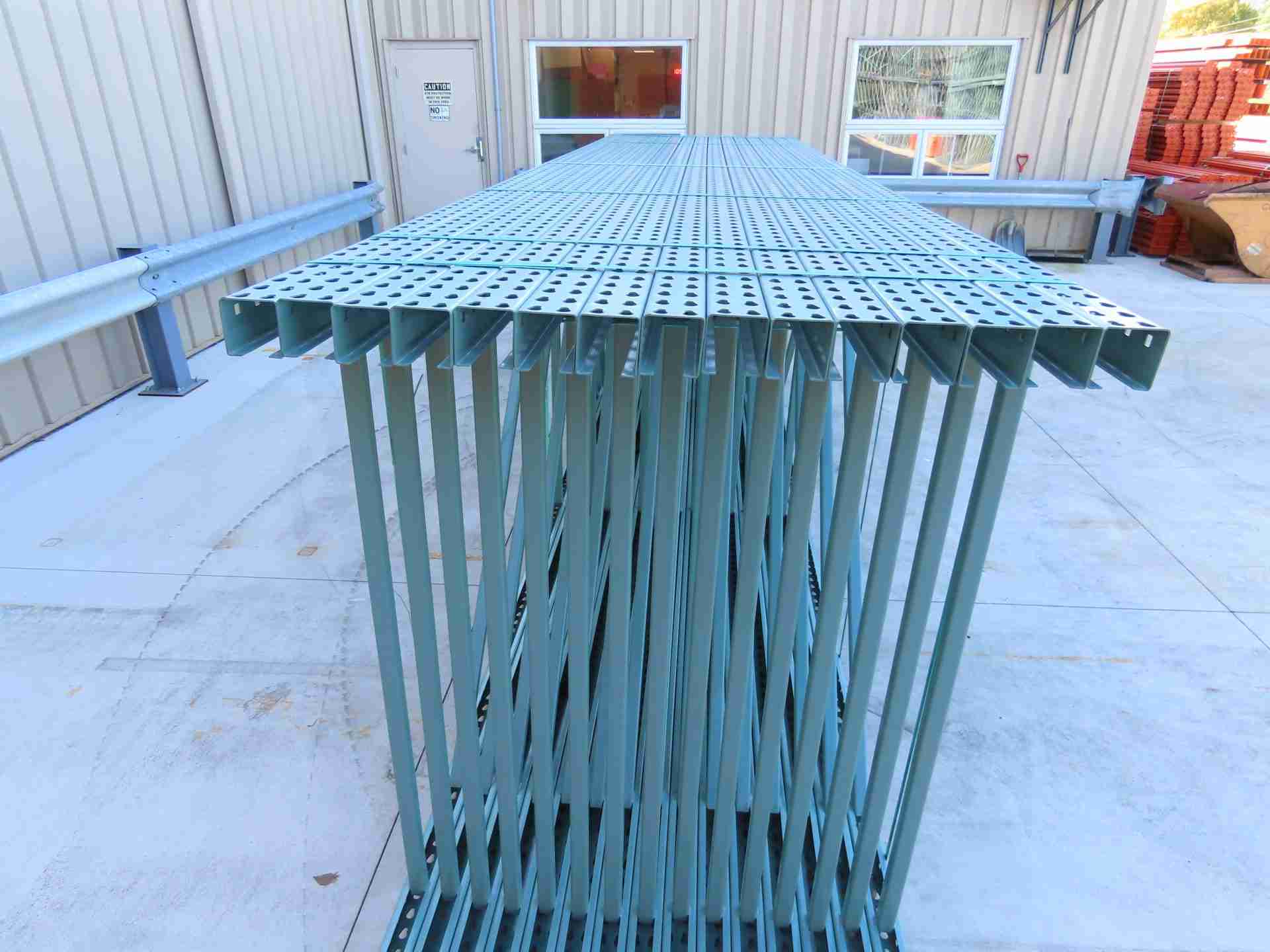
What Are The Key Factors To Consider When Choosing A Supplier?
How Can I Verify The Reputation Of A Pallet Racking Supplier?
When you’re navigating the vast world of pallet racking, the stakes are high. Selecting the right supplier isn’t just a transaction; it’s a strategic partnership that can significantly influence your business’s efficiency and safety. But how do you ensure you’re working with a reputable company? This process is equal parts detective work and savvy marketing.
Research Online Reviews
Start by diving into online reviews. Platforms like Google, Yelp, and even industry-specific forums can offer a treasure trove of insights. Look for suppliers that consistently receive high ratings and positive comments. Pay attention to how they handle negative feedback. A supplier that responds promptly and professionally to complaints demonstrates a commitment to customer satisfaction. For instance, if you come across a pallet racking supplier receiving consistent praise for their responsive service and high-quality products, take note! That’s a key indicator of reliability.
Ask for References
Don’t hesitate to ask prospective suppliers for references. A reputable pallet racking supplier should be willing to share case studies or contact information for satisfied clients. If possible, reach out to these references to inquire about their experiences. Were they happy with the installation and ongoing support? Did the pallet racking meet their specific needs? For example, a distribution center that transformed its storage capacity through an efficient pallet racking system can provide invaluable insights into a supplier’s capabilities.
Investigate Industry Affiliations
Examine the supplier’s affiliations within the industry. Membership in organizations such as the Material Handling Industry (MHI) or the Rack Manufacturers Institute (RMI) can lend credibility to a pallet racking supplier. These memberships often require adherence to strict quality standards and safety protocols, ensuring that the supplier is committed to excellence.
Stay Updated on Market Trends
Being informed about current events and trends in material handling can also be advantageous. For instance, with recent shifts in e-commerce and subsequent storage needs, suppliers adapting their offerings to meet demand showcase innovation and agility. Following industry news through reputable sources can highlight key players who are making waves in the pallet racking space.
Evaluate Customer Service
Finally, put their customer service to the test. Reach out with inquiries—how diligent and knowledgeable are they? A supplier eager to answer your questions and provide expert advice is one you can trust. After all, the quality of service you receive can significantly impact your experience during installation and beyond.
By combining these strategies, you can confidently verify the reputation of a pallet racking supplier, ensuring you choose a partner that will support your business’s growth and safety for years to come.
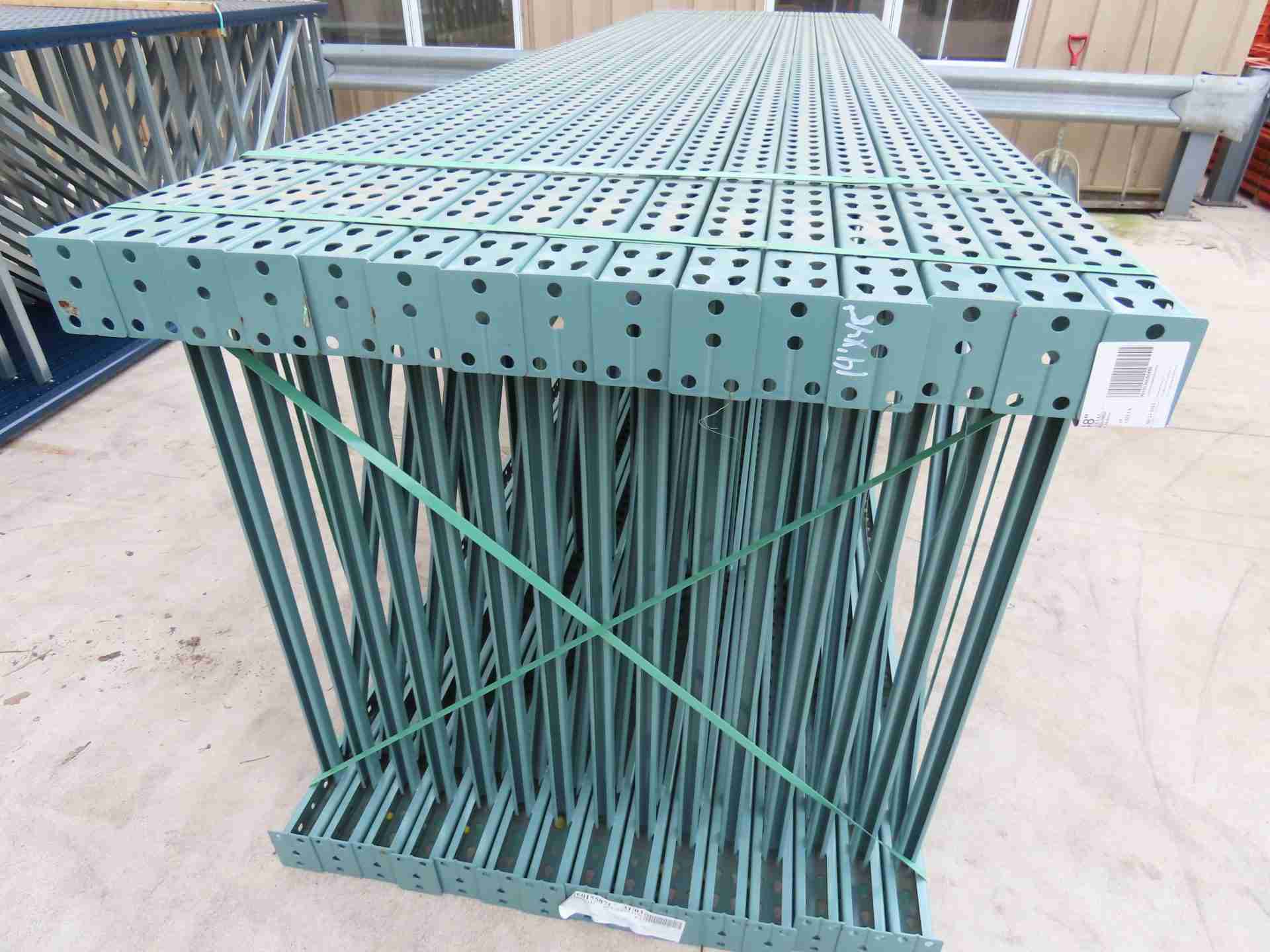
How Can I Verify The Reputation Of A Pallet Racking Supplier?
How Can I Verify The Reputation Of A Pallet Racking Supplier?
- Selecting a pallet racking supplier is a strategic partnership that affects business efficiency and safety.
- Research online reviews on platforms like Google and Yelp to find suppliers with high ratings and positive feedback.
- Ask prospective suppliers for references and verify their reliability through contact with previous clients.
- Investigate suppliers’ affiliations with industry organizations like MHI or RMI for credibility and adherence to quality standards.
- Stay informed about market trends, especially in response to changes in e-commerce, to identify innovative suppliers.
- Evaluate customer service by inquiring about their products and support to gauge their knowledge and responsiveness.
- Using these strategies, you can confidently select a reputable supplier that supports your business growth and safety.
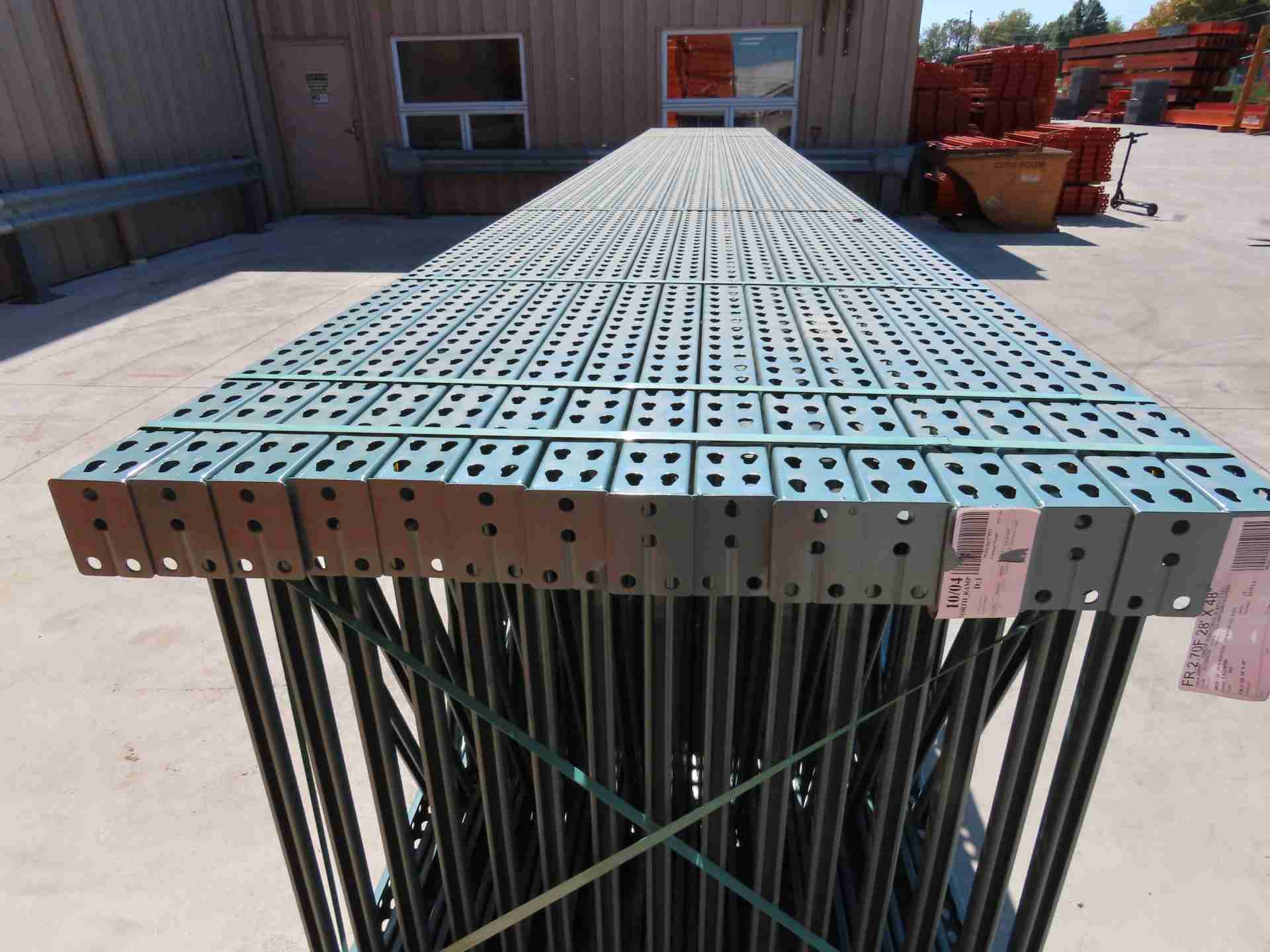
How Can I Verify The Reputation Of A Pallet Racking Supplier?
What Online Resources Can Help Me Find Credible Suppliers?
Finding credible suppliers can feel like searching for a needle in a haystack, especially in today’s fast-paced market. But fear not! With the right online resources, you can streamline your search and connect with dependable partners who understand your business needs.
First and foremost, industry-specific directories like ThomasNet and Dun & Bradstreet are invaluable. These platforms allow you to access extensive databases filled with suppliers from various sectors, including those specializing in heavy-duty equipment like pallet racking. Imagine trying to grow your inventory when the racks holding it up are sub-par! High-quality suppliers can ensure your pallet racking needs are met with durable products that support your overall operations.
Trade shows and expos have shifted online, allowing you to participate in global events from the comfort of your office. Websites like ExpoGroups offer virtual expos where you can meet suppliers face-to-face—albeit digitally. Many suppliers showcase their latest innovations, including robust pallet racking systems that can significantly enhance your warehouse efficiency. Leveraging these events to ask questions directly can provide clarity that emails simply cannot offer.
Don’t underestimate the power of social media! LinkedIn, for example, is more than just a networking platform; it’s a treasure trove of business relationships. Join groups focused on your industry and engage with suppliers who have a track record of success. By connecting with industry professionals, you can glean insights into trusted vendors, especially for niche products such as pallet racking systems tailored to specific storage needs.
Websites like Alibaba and Global Sources can be beneficial for businesses looking to import goods. While it’s necessary to exercise caution and perform due diligence, these platforms often have supplier ratings and reviews that can guide your selection process. If you’re seeking a cost-effective pallet racking solution, international suppliers might offer competitive pricing that can fit your budget—provided you verify their credibility through reviews and communication.
Lastly, consider engaging with sector-specific forums and discussion boards. Websites like Reddit and Quora have robust communities where business owners share experiences about various suppliers. Search threads related to pallet racking and you’ll find real testimonies that can lead you to reputable partners who won’t compromise on quality.
Leveraging these online resources can transform your supplier search from a daunting task into a strategic advantage. By prioritizing credible suppliers with proven track records, you’ll ensure your business stays ahead of the competition.
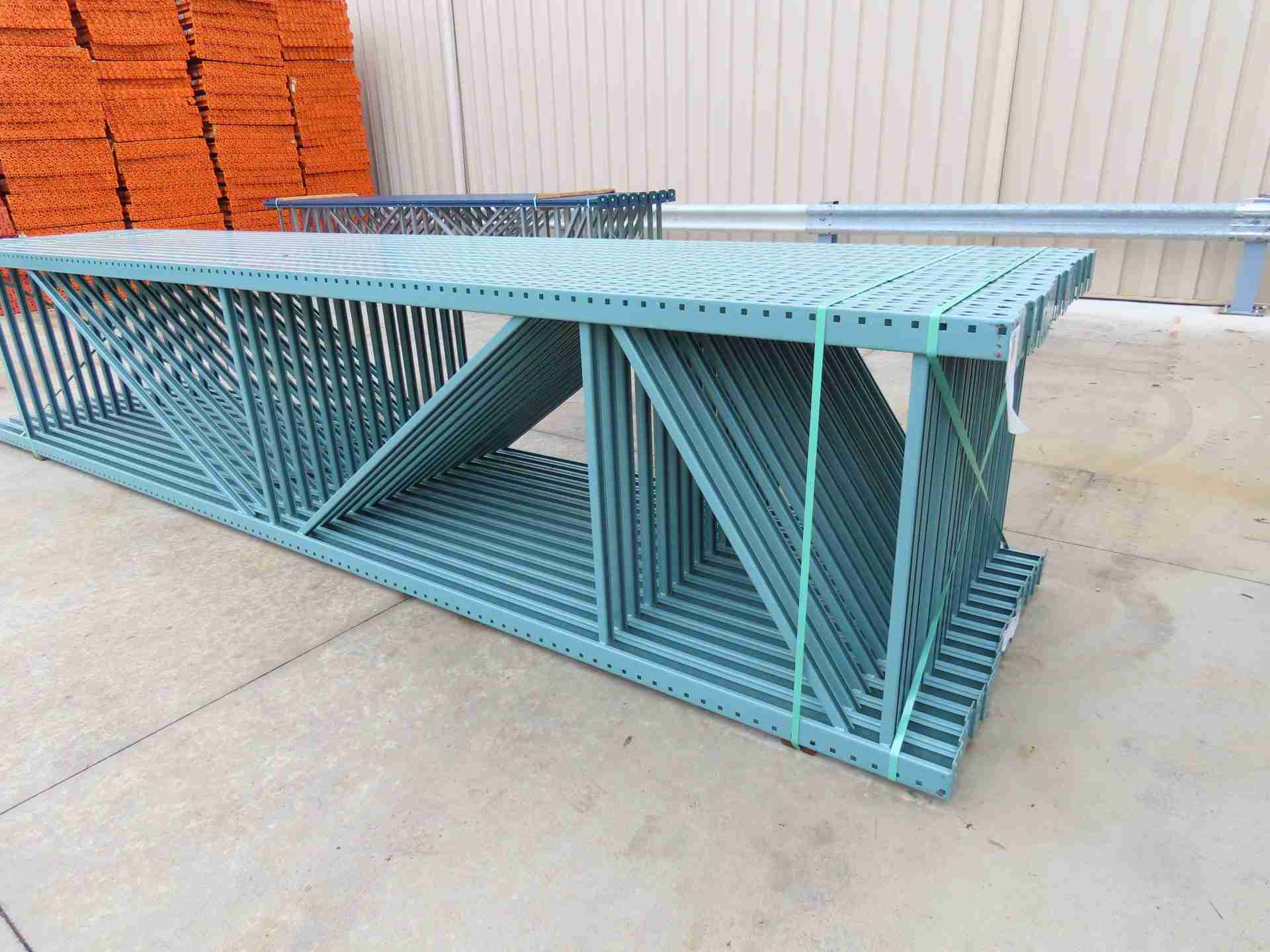
What Online Resources Can Help Me Find Credible Suppliers?
What Online Resources Can Help Me Find Credible Suppliers?
- Finding credible suppliers in today’s fast-paced market can be challenging.
- Industry-specific directories like ThomasNet and Dun & Bradstreet provide extensive databases of suppliers.
- Virtual trade shows and expos allow for direct communication with suppliers and showcasing innovations.
- Social media platforms, especially LinkedIn, can be valuable for networking and gaining insights into trusted vendors.
- Websites such as Alibaba and Global Sources help in finding international suppliers, but caution and due diligence are essential.
- Engaging with sector-specific forums like Reddit and Quora can reveal experiences with various suppliers.
- Utilizing these online resources can turn the supplier search into a strategic advantage for your business.
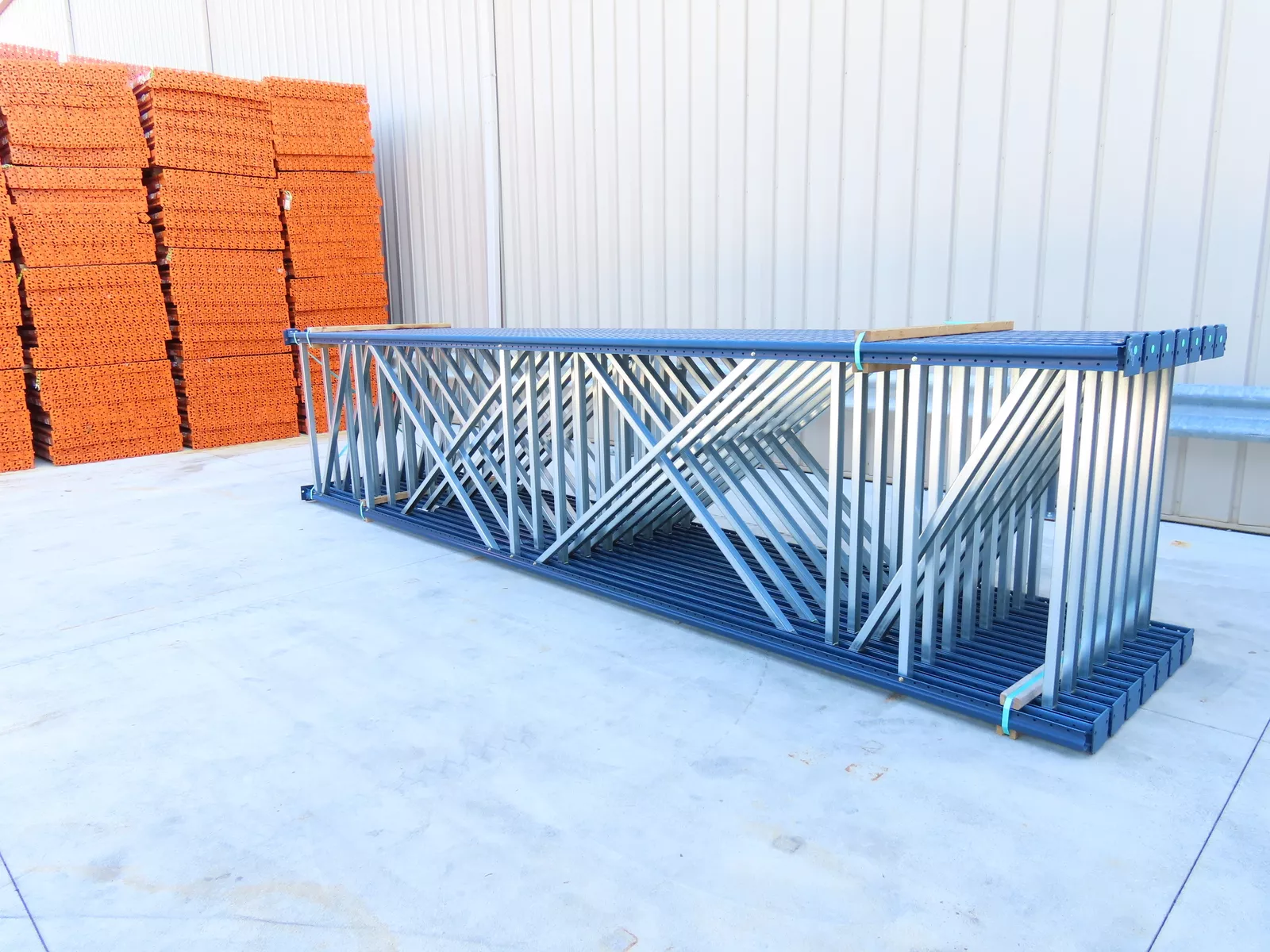
What Online Resources Can Help Me Find Credible Suppliers?
Are There Industry Certifications That Indicate Supplier Quality?
In today’s competitive landscape, selecting high-quality suppliers can mean the difference between your business thriving or merely surviving. One key indicator of a supplier’s commitment to quality is their industry certifications. These certifications serve as powerful endorsements, showcasing not only compliance with industry standards but also a dedication to excellence in their processes and products.
For instance, consider the ISO 9001 certification, a globally recognized standard that stipulates quality management systems. Suppliers with ISO 9001 certification have undergone rigorous assessments, ensuring they consistently meet customer and regulatory requirements. In the world of manufacturing and warehouse management, suppliers of essential materials, such as pallet racking systems, should ideally hold this certification. A supplier providing pallet racking without this certification might be cutting corners, putting your entire operation at risk.
Another critical certification is the ANSI (American National Standards Institute) mark, which contains set guidelines for specific products, including storage and handling equipment like pallet racking systems. When selecting a supplier, it’s vital to ask if they meet ANSI standards—this ensures that their products are safe, reliable, and have been tested against high benchmarks. Recent news stories have highlighted several warehouse accidents related to subpar racking systems, underscoring the importance of ensuring that suppliers adhere to recognized standards.
Furthermore, for suppliers dealing with food safety or hazardous materials, compliance with HACCP (Hazard Analysis Critical Control Point) certification is non-negotiable. This certification ensures that suppliers have identified potential hazards in their processes and have proactive systems in place to mitigate them. Imagine relying on a supplier for pallet racking used in a food distribution center—if they lack HACCP certification, the risk of contamination could sink your reputation overnight.
Let’s not overlook supplier sustainability certifications such as the Sustainability Excellence Award from the Institute for Supply Management. In today’s market, consumers are increasingly favoring eco-friendly practices. A supplier with this certification showcasing their commitment to sustainable sourcing and production processes could influence your brand image positively.
As businesses navigate the complexities of supplier selection, industry certifications can help ensure that you partner with organizations that prioritize quality and safety. By demanding these certifications from your suppliers—especially when it comes to critical infrastructure like pallet racking systems—you are taking a resolute step towards safeguarding your operations and enhancing your brand’s reputation in the marketplace. Always verify certifications and don’t hesitate to ask for documentation—your business deserves nothing less than the best.
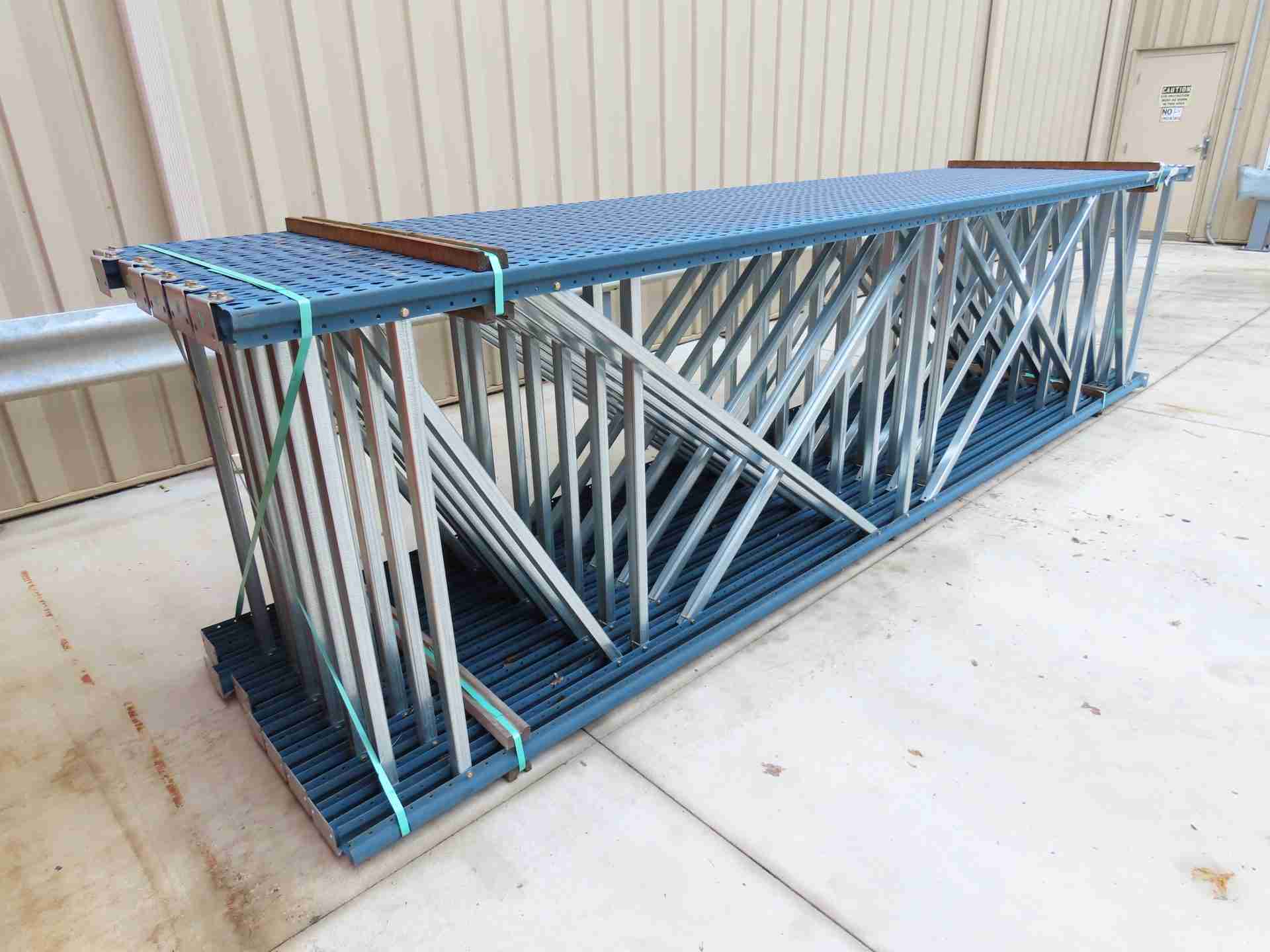
Are There Industry Certifications That Indicate Supplier Quality?
Are There Industry Certifications That Indicate Supplier Quality?
- Selecting high-quality suppliers is crucial for business success.
- Industry certifications are key indicators of a supplier’s commitment to quality.
- ISO 9001 certification ensures suppliers meet strict quality management standards.
- ANSI certification indicates compliance with safety guidelines for products like pallet racking systems.
- HACCP certification is essential for suppliers handling food safety or hazardous materials.
- Sustainability certifications can enhance a brand’s image and align with consumer preferences.
- Always verify supplier certifications and request documentation to ensure quality and safety.
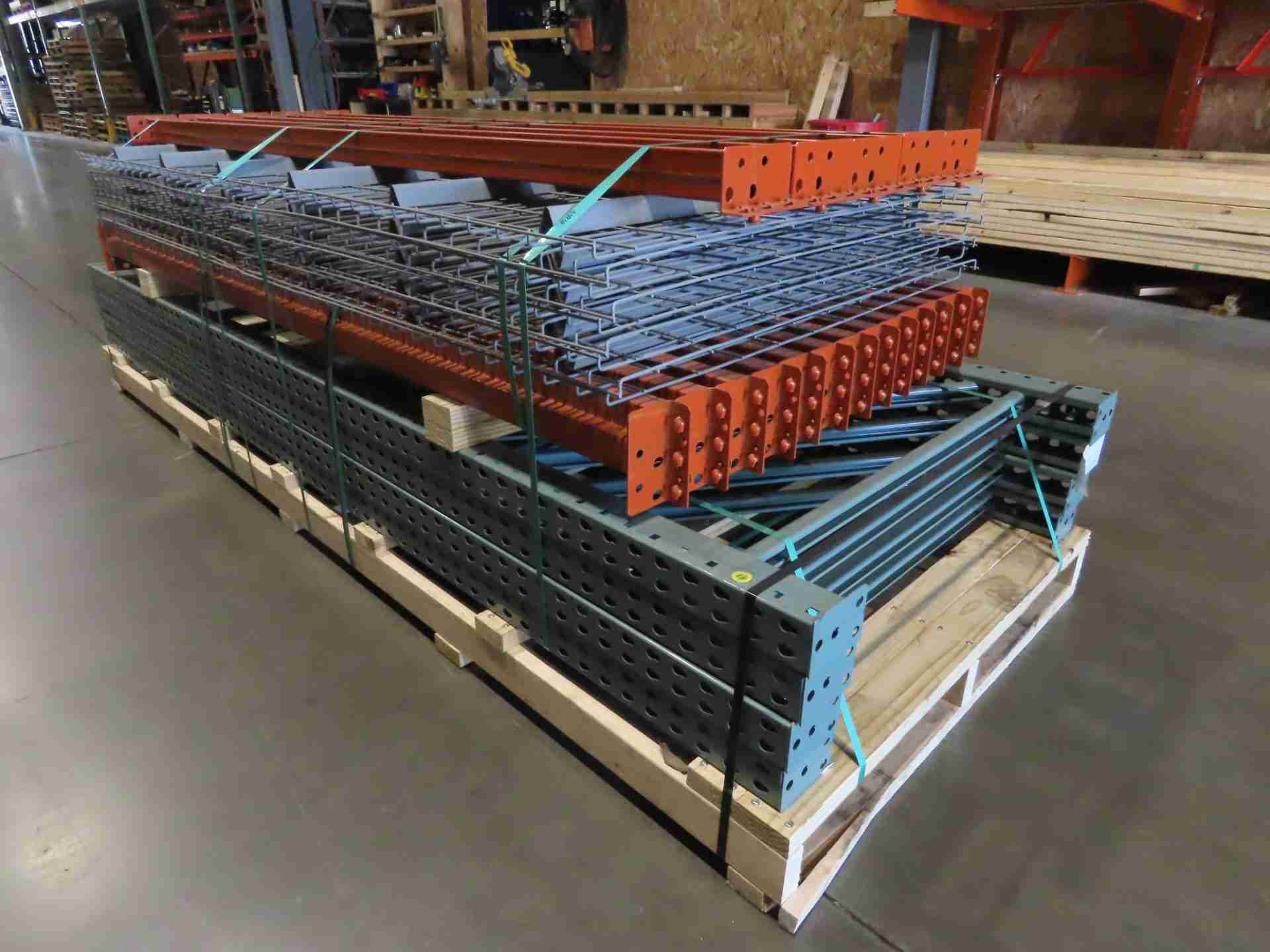
Are There Industry Certifications That Indicate Supplier Quality?
How Can Customer Reviews Impact My Choice Of Supplier?
In today’s fast-paced marketplace, the power of customer reviews cannot be overstated. Whether you’re looking for pallet racking systems for your warehouse or a reliable supplier for your retail business, the insights gleaned from customer feedback can make or break your choice.
Consider the current surge in e-commerce, accelerated by the pandemic. Companies are scrambling to optimize their logistics, and robust pallet racking systems have become essential. Imagine you’re faced with two suppliers offering similar products. Supplier A has a stellar rating and numerous positive reviews, while Supplier B is buried in criticisms and low ratings. Where would you place your hard-earned cash?
Customer reviews provide a real-world barometer of reliability and quality. When potential customers share their experiences—whether regarding delivery timeliness, product quality, or customer service—they construct a narrative about that supplier. For instance, if you discover testimonials emphasizing how Supplier A’s pallet racking not only met but exceeded expectations in durability and load capacity, it becomes an attractive choice. Conversely, if Supplier B receives complaints about flimsy racks and a lack of responsive support, it’s wise to steer clear.
Furthermore, today’s customer reviews are accessible across numerous platforms. Social media, Google, and specialized supply chain forums provide a wealth of information. When reviewing suppliers, look for consistency in their customer feedback. If numerous reviewers appreciate the same effective solution or express satisfaction with after-sales service, it signals reliability. A recent case study highlighted a logistics company that saved thousands by switching to a supplier with better-reviewed pallet racking due to a decrease in product failure rates and minimal disruptions.
But sometimes, it’s not just the positive reviews you should pay attention to. Negative reviews, when addressed appropriately, can shatter misconceptions about suppliers. For example, if a potential supplier openly acknowledges past issues with pallet racking and demonstrates a commitment to correcting these concerns, it may show a level of integrity and responsibility worth considering.
Your choice of supplier is more than just a transactional relationship; it’s a strategic decision. Embrace customer reviews as a crucial tool in your supplier selection arsenal. By weeding out the subpar options and honing in on those with glowing feedback, you pave the way for operational success and exceptional returns. Remember, in the age of information, a little due diligence can go a long way toward securing a reliable partner for your business needs.
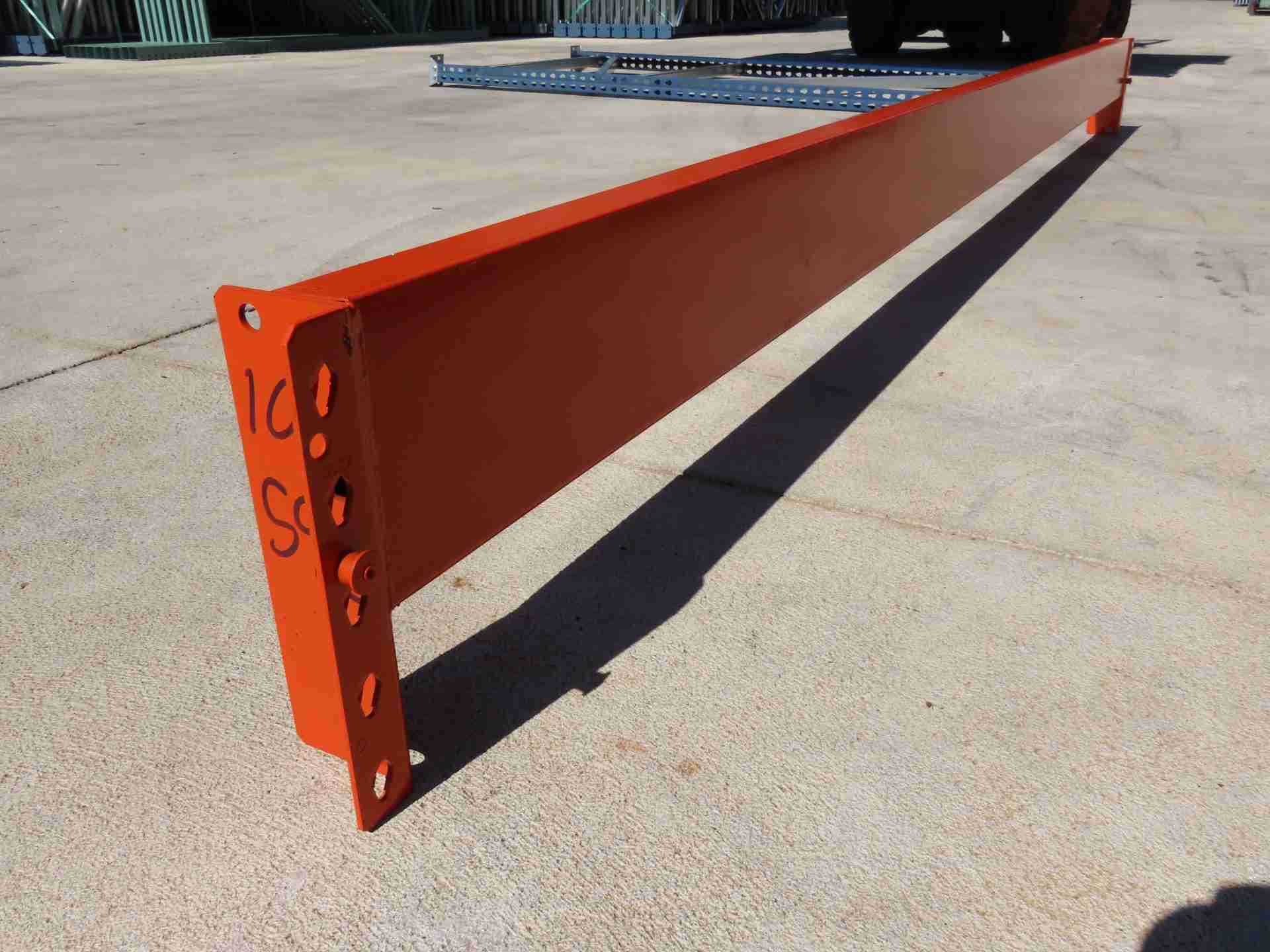
How Can Customer Reviews Impact My Choice Of Supplier?
How Can Customer Reviews Impact My Choice Of Supplier?
- Customer reviews play a crucial role in decision-making for suppliers in today’s fast-paced marketplace.
- The surge in e-commerce has heightened the importance of reliable logistics and pallet racking systems.
- Choosing suppliers based on robust customer feedback can significantly impact operational success.
- Positive reviews indicate reliability and quality, whereas negative reviews may highlight potential issues.
- Reviewing customer feedback across multiple platforms can provide a comprehensive view of a supplier’s reputation.
- Addressing negative reviews shows a supplier’s commitment to improvement and integrity.
- Your choice of supplier should be seen as a strategic decision, impacting overall business success.
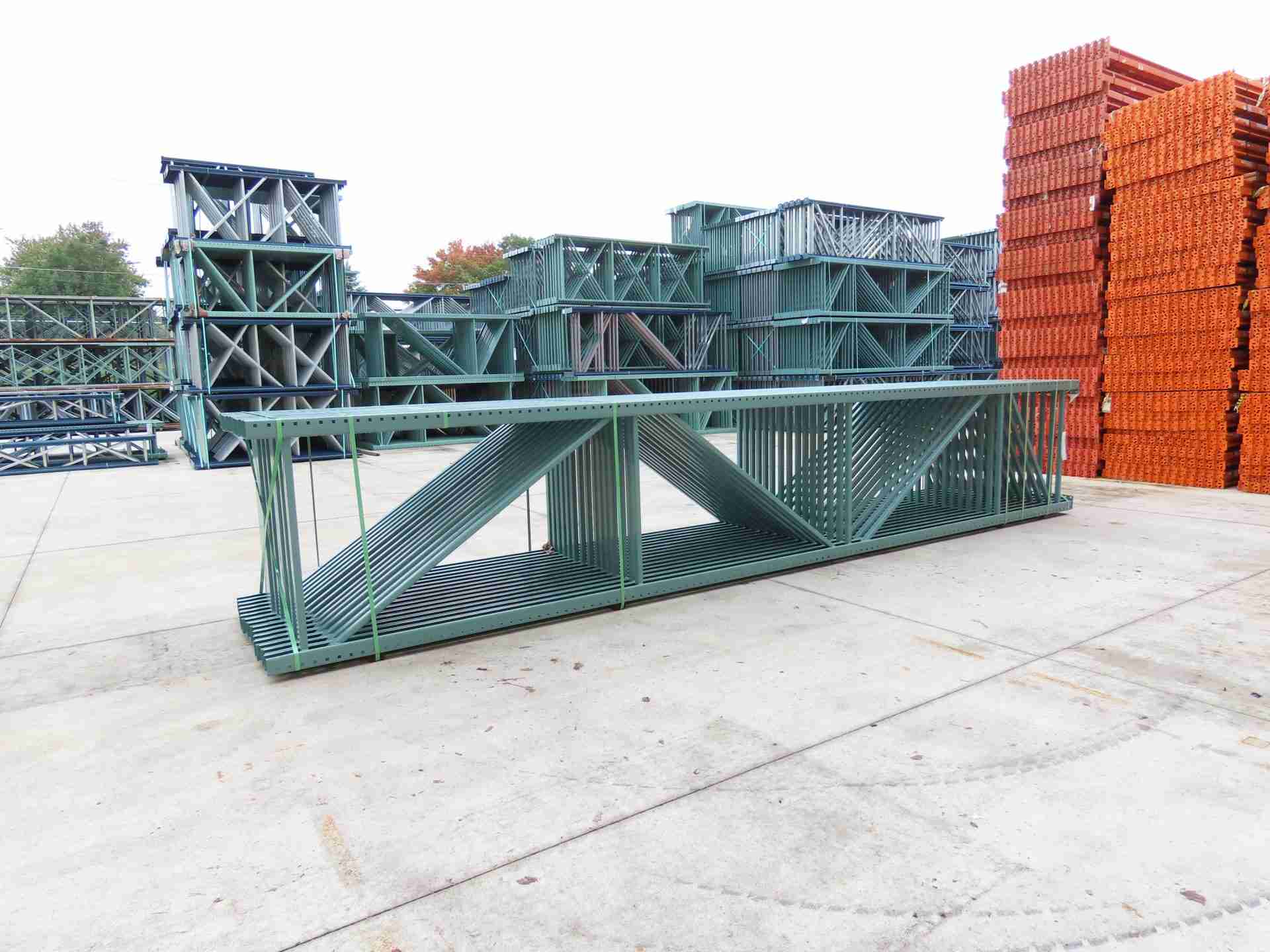
How Can Customer Reviews Impact My Choice Of Supplier?
What Questions Should I Ask A Potential Racking Supplier?
When it comes to selecting a potential racking supplier, knowledge is power. Asking the right questions not only sets the stage for a successful partnership but also safeguards your investment in vital infrastructure. Think of your racking system as the backbone of your operations; without the right support, you could find yourself in a precarious situation. Here’s a strategic list of inquiries that will help you make an informed choice.
1. What are your safety certifications?
Safety should be your top priority, especially given that workplace safety regulations are continually evolving. A reputable supplier of pallet racking should have certifications from recognized safety organizations. Ask for documentation on their compliance with OSHA standards and any recent inspections, which is particularly relevant in the wake of heightened safety scrutiny after recent warehouse accidents reported across the industry.
2. Can you provide case studies or references?
A track record speaks volumes. Request examples of previous projects they’ve completed. This is not just about seeing pretty pictures; choose specific case studies that relate to your industry. If they’ve successfully supplied pallet racking systems to companies of a similar size and scope, you’ll glean insights into their reliability and customer service.
3. What is your warranty policy?
A solid warranty reflects a supplier’s confidence in their product. Ask if their pallet racking systems come with long-term warranties, what those warranties cover, and what the process looks like for filing a claim. In today’s economic climate, where supply chain issues are rampant, having a reliable safety net can save you a lot of headaches down the line.
4. What customization options do you offer?
Every business is unique, and your storage solutions should be tailored to fit your specific needs. Inquire about the flexibility of their pallet racking systems. Can they accommodate various load sizes, dimensions, and configurations? In these uncertain times, flexibility is essential; the last thing you want is a one-size-fits-all solution that doesn’t work for your inventory.
5. How do you handle installation and support?
The best products in the world won’t do you any good if they’re not installed correctly. Ask them about their installation services and post-installation support. How quickly do they respond to service issues? A robust support system will give you peace of mind and keep your operations running smoothly.
Choosing the right racking supplier is more than just a transactional decision; it’s a strategic partnership. By asking these targeted questions, you position your business to thrive today and scale for tomorrow. Remember, the right questions lead to the right answers, and in the world of pallet racking, that could make all the difference.
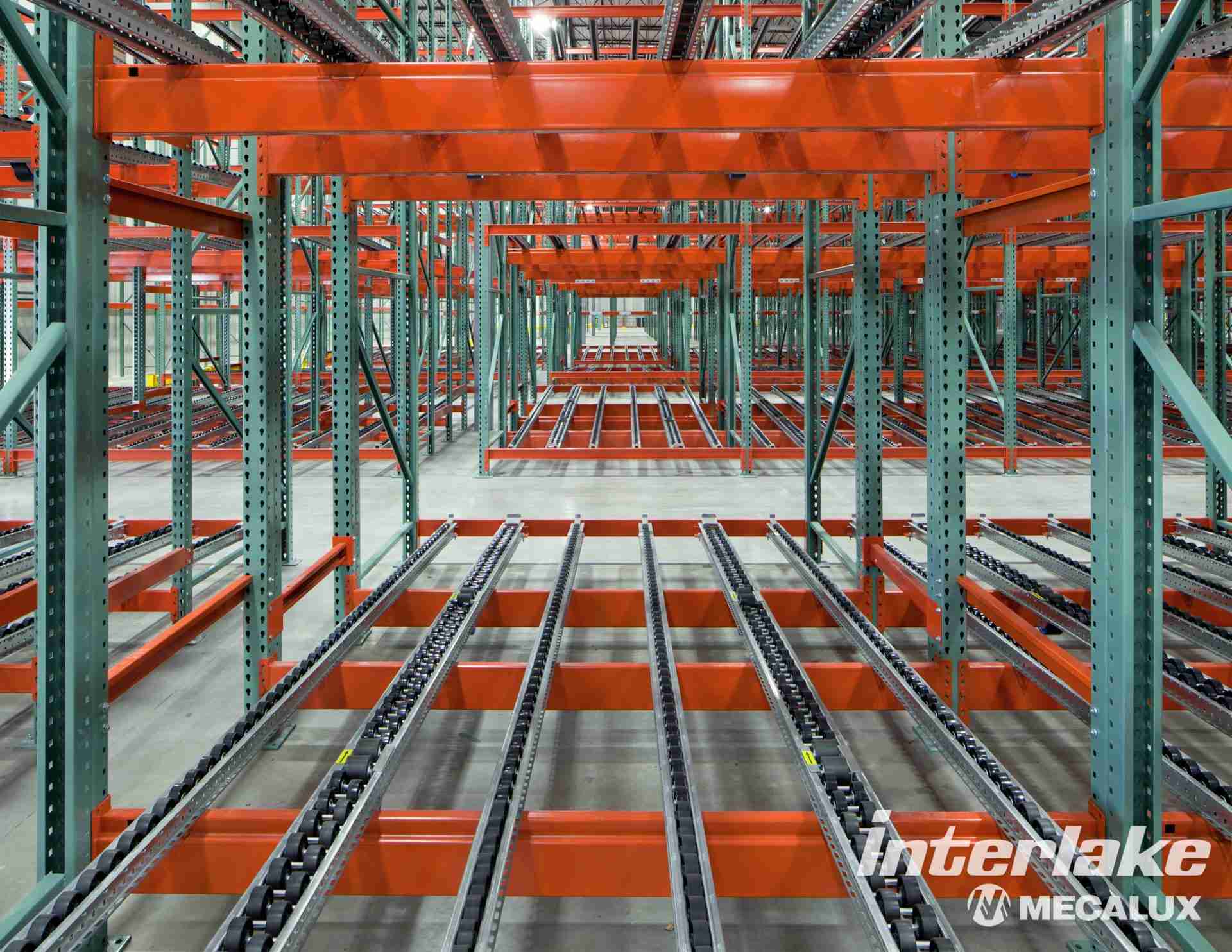
What Questions Should I Ask A Potential Racking Supplier?
What Questions Should I Ask A Potential Racking Supplier?
- Knowledge is essential when selecting a racking supplier to ensure a successful partnership and protect your investment.
- Inquire about the supplier’s safety certifications and compliance with evolving workplace safety regulations, especially OSHA standards.
- Request case studies or references to assess the supplier’s reliability and past performance in your industry.
- Understand the warranty policy, which reflects the supplier’s confidence in their products and is crucial for protection against supply chain issues.
- Ask about customization options to ensure the racking system meets your specific storage needs and accommodates various load sizes.
- Determine how the supplier handles installation and support to ensure correct setup and prompt response to service issues.
- Choosing a racking supplier is a strategic partnership; the right inquiries can lead to successful outcomes for your business.
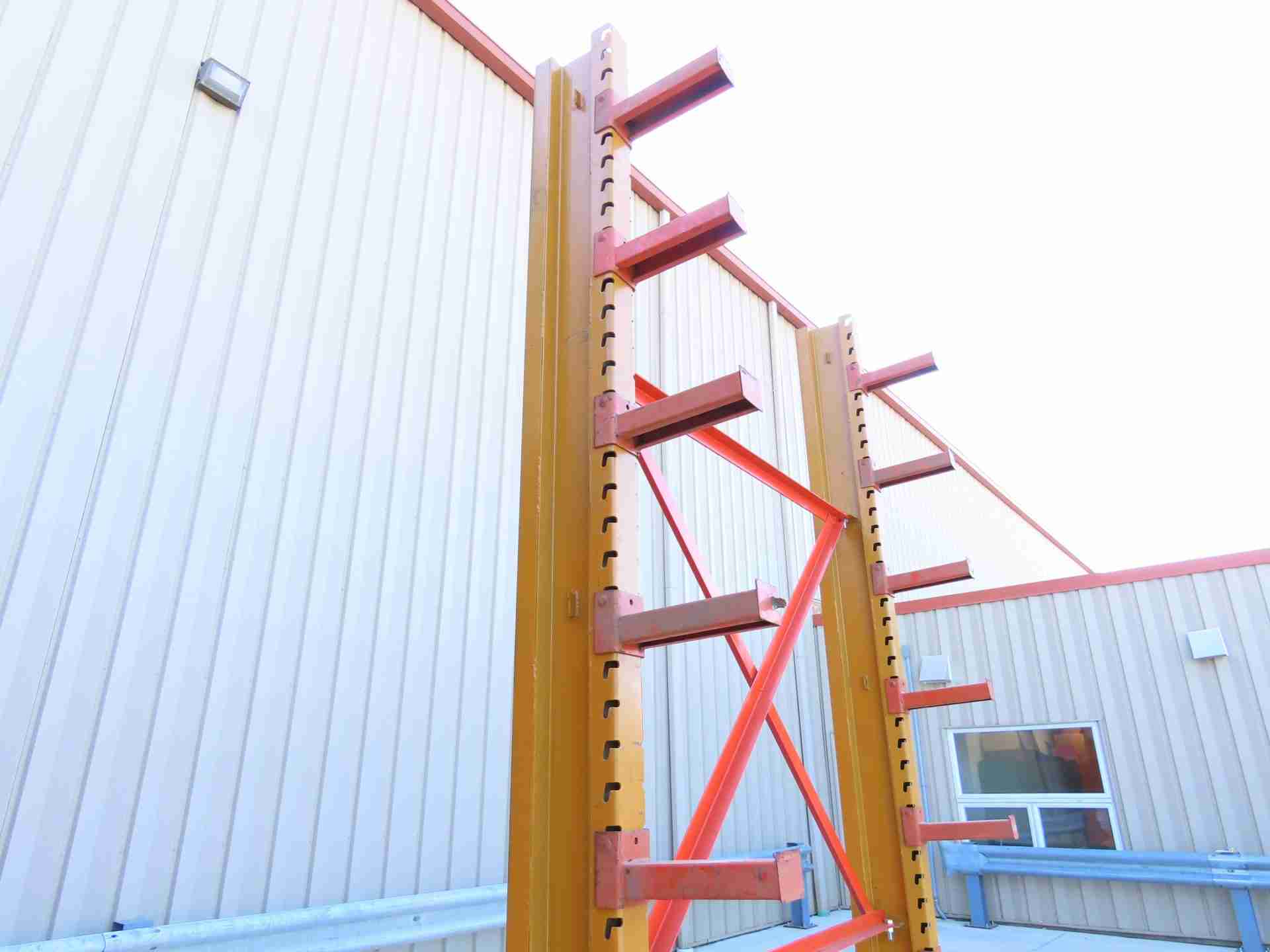
What Questions Should I Ask A Potential Racking Supplier?
How Do I Know If A Supplier Meets Safety Standards?
When it comes to ensuring your supply chain remains safe and compliant, knowing how to vet suppliers is paramount. Whether you’re sourcing materials for pallet racking systems in your warehouse or components for a larger manufacturing process, safety standards should be a non-negotiable aspect of your supplier evaluation.
First, you need to dive deep into documentation. A reputable supplier should readily provide certifications that demonstrate compliance with safety standards relevant to pallet racking and material handling. Look for certifications such as ANSI, ASTM, or ISO standards. These metrics quantify a supplier’s commitment to safety and are crucial in building a robust supply chain. For example, a supplier with ISO 9001 certification signifies they maintain a quality management system that reduces risks, thus enhancing safety.
Next, conduct an on-site audit. Don’t just rely on paperwork, especially with the rise in supply chain disruptions due to global events like the COVID-19 pandemic. A physical inspection allows you to gauge the supplier’s adherence to safety protocols first-hand. Are they following best practices for pallet racking assembly and maintenance? Are their workers trained on safety procedures? A walk-through can often reveal potential hazards and compliance issues that documents might gloss over.
It’s also essential to check their incident history. Call upon your supply chain colleagues or industry forums to gain insights about the supplier’s past safety incidents. A supplier with a track record of safety violations or recalls—like some well-documented cases in the food and automotive sectors—can spell disaster for your business. The fallout can be staggering, leading to loss of reputation, fines, or worse, injury to employees.
Moreover, leverage technology. In today’s digital landscape, the best suppliers often use software that tracks compliance and safety metrics in real time. If your supplier can demonstrate that they use such technology to monitor safety inspections on their pallet racking systems, they are likely aiming to prevent accidents proactively.
Finally, listen to your instincts. If something feels off about a supplier’s commitment to safety, don’t hesitate to pursue alternatives. In spring 2023, headlines made waves about disregard for safety in supply chains following incidents of equipment failures that led to major recalls. Don’t wait until an incident leaves you scrambling. When the stakes are high, your choice of supplier should reflect your own standards of safety and accountability.
By being diligent in evaluating your suppliers, you enhance your operational integrity, protect your assets, and ultimately ensure the safety of your workforce. After all, a well-chosen supplier isn’t just part of your supply chain—they’re part of your commitment to excellence.

How Do I Know If A Supplier Meets Safety Standards?
How Do I Know If A Supplier Meets Safety Standards?
- Vetting suppliers is crucial for maintaining a safe and compliant supply chain.
- Request certifications like ANSI, ASTM, or ISO to verify supplier adherence to safety standards.
- Conduct on-site audits to assess supplier compliance with safety protocols beyond paperwork.
- Check the supplier’s incident history to identify any past safety violations or recalls.
- Utilize technology that tracks compliance and safety metrics in real time for better oversight.
- Trust your instincts; if a supplier seems lacking in safety commitment, explore alternatives.
- Thorough supplier evaluation enhances operational integrity and protects workforce safety.
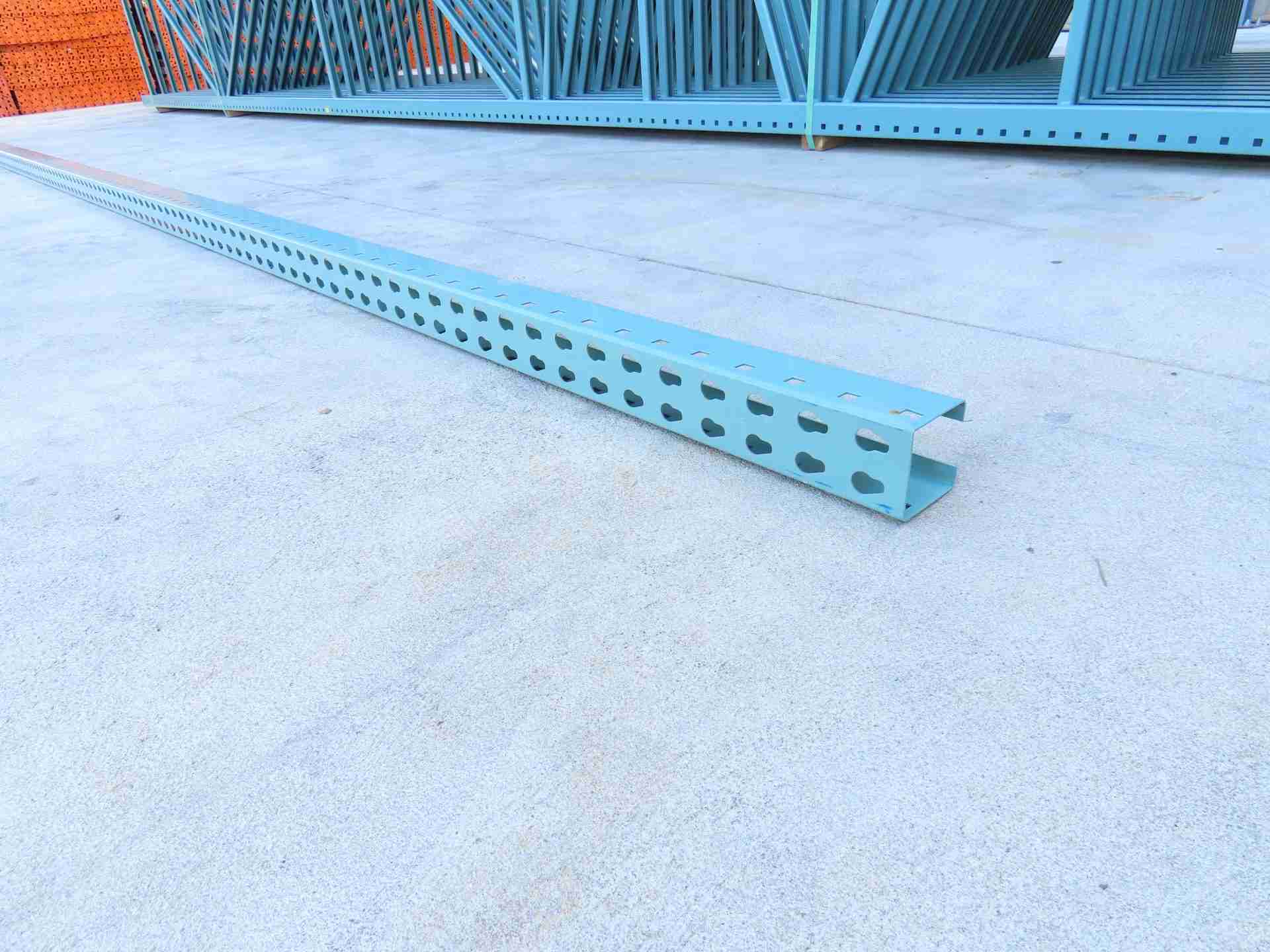
How Do I Know If A Supplier Meets Safety Standards?
Conclusion
At Arrow Industrial Sales, the pursuit of superior pallet racking solutions isn’t merely about securing products; it’s about forging robust partnerships that underpin your operational efficiency and organizational success. The journey to finding trustworthy local pallet racking suppliers can be daunting, but it’s vital in ensuring that your warehousing capabilities meet the demands of modern logistics and e-commerce.
As highlighted in the extensive exploration of supplier selection, it is imperative to anchor your decision on a trifecta of reputation, certifications, and support. Your ideal supplier should not only boast commendable testimonials from satisfied clients but should also possess industry certifications such as ISO 9001 or ANSI, reflecting their unwavering commitment to safety and quality standards. Harnessing online reviews, industry affiliations, and feedback from peers can easily enhance the integrity and reliability of your supplier search.
Additionally, understanding the key factors such as quality, flexibility, and sustainability will set you on a path toward optimizing your supply chain. Suppliers who demonstrate responsiveness and proactive communication are invaluable, ensuring your needs are addressed swiftly—especially critical during times of disruption.
The stakes are high; choosing the wrong supplier could lead to operational setbacks and financial losses. This is where immediate action can make all the difference. Don’t settle for mediocrity or risk your operational integrity with subpar vendors. Now is the time to take charge. Call Arrow Industrial Sales today at (574) 349-6575 to explore our top-tier pallet racking solutions and solidify the future of your logistics.
Remember, your supply chain is the backbone of your operations, and partnering with the right supplier can be the game-changing move that enhances safety and efficiency. Don’t delay— secure your success with Arrow Industrial Sales and elevate your warehouse capabilities to new heights before your competition gets there first!
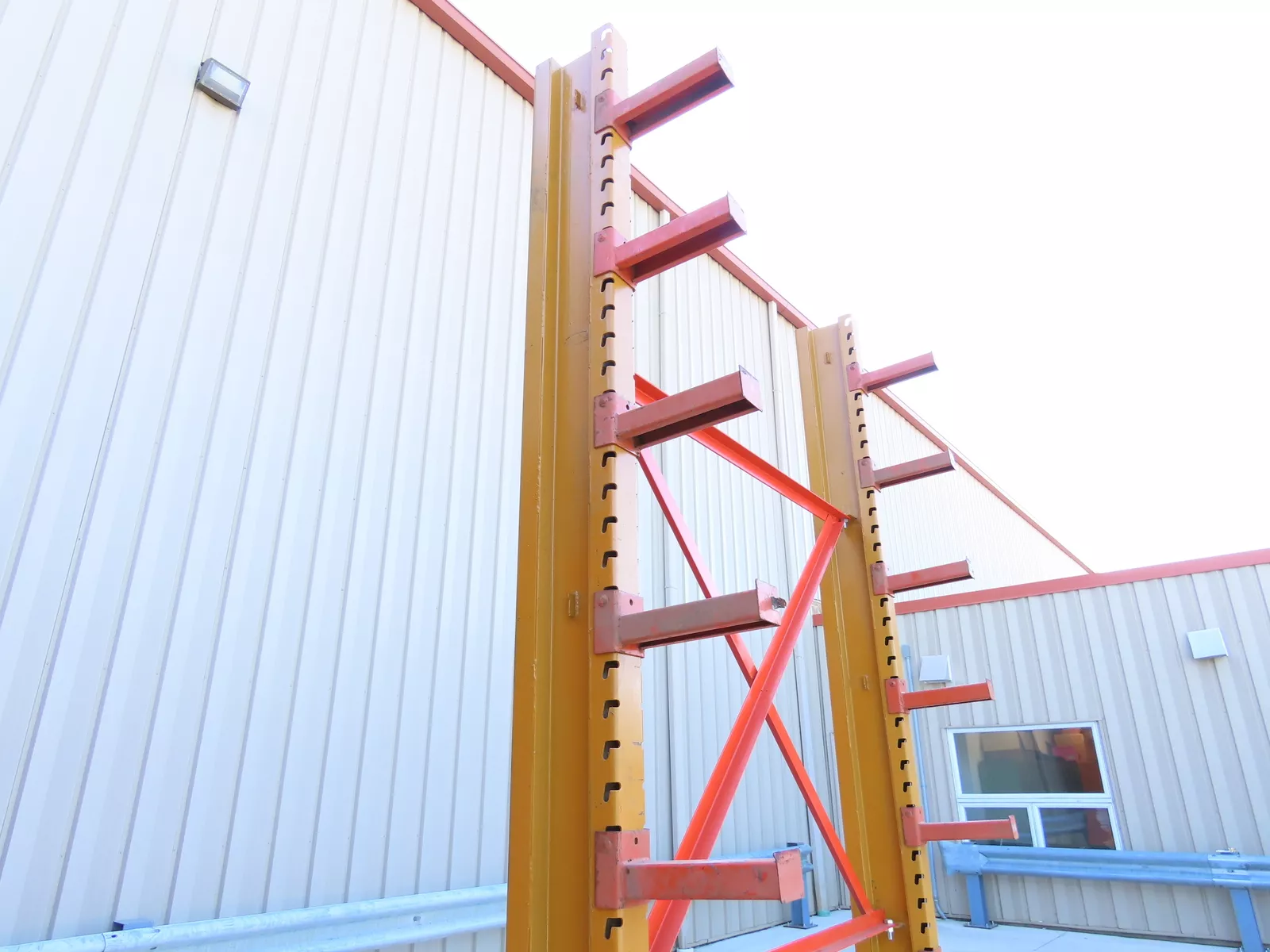
Conclusion
Conclusion:
- Arrow Industrial Sales focuses on providing superior pallet racking solutions to enhance operational efficiency and success.
- Finding trustworthy local pallet racking suppliers is essential for modern logistics and e-commerce demands.
- When selecting a supplier, prioritize their reputation, certifications (like ISO 9001 or ANSI), and support offered.
- Utilize online reviews, industry affiliations, and peer feedback to validate supplier reliability.
- Key factors such as quality, flexibility, and sustainability are crucial for optimizing the supply chain.
- Responsive suppliers who communicate proactively can mitigate risks during disruptions.
- Contact Arrow Industrial Sales at (574) 349-6575 for top-tier pallet racking solutions to ensure operational integrity and success.
Conclusion
Other Resources
Other Resources
Here is a list of other resources you can review online to learn more:
- Teardrop Pallet Rack – Ridg-U-Rak
- Pallet Racking systems in Illinois and Great Lakes
- Warehouse Racking Layout: The Ultimate Guide – Conger
- Selective Pallet Racking Systems
- Cantilever Racks Chicago
- Chicago Pallet Racking
- American Surplus
- Cantilever Rack Configuration & Installation: A Comprehensive Guide – BMH
- Wolter
- IIWS Inc. Rack Installation Illinois & Rack Repairs Illinois
Use This Prompt To Get More Resources With Your Favorite Online AI Tool: Please provide me with a list of online articles with their URLs in a bulleted list that I can read regarding Who Vouches for Local Pallet Racking Suppliers?
Other Resources
Glossary Terms
Who Vouches for Local Pallet Racking Suppliers? – Glossary Of Terms
1. Accreditation: Recognition bestowed upon a business by an official body ensuring it meets certain quality standards.
2. Certification: A formal acknowledgment that a supplier has met specific criteria related to product quality or safety.
3. Distributor: An intermediary entity that purchases products from manufacturers and sells them to retailers or end-users.
4. Endorsement: A public declaration of support or approval for a supplier, typically from a reputable organization or individual.
5. Inspection: The process of examining products and facilities to ensure compliance with safety and quality standards.
6. Manufacturer: The company or entity that produces pallet racking systems and related storage solutions.
7. Peer Recommendations: Suggestions or endorsements from industry colleagues or businesses that have previously worked with a supplier.
8. Quality Assurance: A systematic process to ensure that products meet specified quality standards throughout their production.
9. Reputation: The general opinion regarding a supplier based on their past performance, reliability, and quality of service.
10. Referrals: Recommendations provided by satisfied customers or industry professionals, helping to identify trustworthy suppliers.
11. Reviews: Assessments and ratings given by customers based on their experiences with a supplier’s products or services.
12. Safety Standards: Regulations and guidelines to ensure that pallet racking systems are safe for use in various environments.
13. Service Level Agreement (SLA): A contract that defines the expected service quality and responsibilities between the supplier and the customer.
14. Supplier Audits: Evaluations conducted to examine a supplier’s processes, products, and services to verify compliance with standards.
15. Testimonials: Written or spoken statements by customers affirming the quality of a supplier’s products or services.
16. Trade Associations: Organizations that represent businesses in a particular industry, offering a network of trusted suppliers and resources.
17. Warranty: A guarantee offered by a supplier concerning the condition of their products, which outlines terms for repair or replacement.
18. Local Supplier: A business that operates in proximity to the customer, often providing quick service and reduced shipping costs.
19. Reliability: The degree to which a supplier consistently meets deadlines and quality expectations set by customers.
20. Safety Compliance: Adherence to regulations and standards concerning the safety measures required for pallet racking systems.
21. After-Sales Support: Assistance provided to customers after the purchase of a product, including installation, warranty claims, and maintenance.
22. Competitor Analysis: The process of evaluating the strengths and weaknesses of other suppliers to identify unique selling propositions.
23. Local Regulations: Laws and guidelines that govern the operation and safety of pallet racking systems in a specific region or jurisdiction.
24. Inventory Management: The supervision of non-capitalized assets, or inventory, including the handling of pallet racking, to maximize efficiency.
25. Pricing Transparency: Clarity in the cost structure of products and services, allowing customers to understand what they are paying for.
26. Supplier Network: A group of interconnected suppliers that work together, often leading to better product availability and pricing.
27. Industry Standards: Established criteria that dictate how pallet racking systems should be designed, manufactured, and installed.
28. Product Line: The range of products offered by a supplier, which may include different types and sizes of pallet racking systems.
29. Return on Investment (ROI): A performance measure used to evaluate the efficiency of an investment in pallet racking based on the expected returns.
30. Customer Satisfaction: A measure of how products and services supplied meet or exceed the expectations of customers, influencing repeat business.
Glossary Of Terms
Other Questions
Who Vouches for Local Pallet Racking Suppliers? – Other Questions
If you wish to explore and discover more, consider looking for answers to these questions:
- What are the most common issues faced when using pallet racking systems?
- How can I assess the durability of pallet racking systems?
- What are the signs of a reliable pallet racking supplier?
- How do I find suppliers that specialize in custom pallet racking solutions?
- What is the average lead time for receiving pallet racking after placing an order?
- What maintenance is required for pallet racking systems?
- How can I compare prices between different pallet racking suppliers effectively?
- What are the latest trends in pallet racking technology?
- How does the supplier handle warranty claims and what is the typical turnaround time?
- What factors influence the pricing of pallet racking systems?
- Are there any common misconceptions about pallet racking suppliers?
- How can I ensure that a supplier’s racking systems are compliant with local regulations?
- What types of pallet racking systems are best suited for my industry?
- How can customer service from a supplier impact my business operations?
- What steps can I take if a supplier fails to meet my expectations?
Other Questions
Checklist
Who Vouches for Local Pallet Racking Suppliers? – A Checklist
Checklist for Evaluating Local Pallet Racking Suppliers
Title: Essential Checklist for Selecting Trustworthy Local Pallet Racking Suppliers
1. Assess Supplier Reputation
_____ Check for positive online reviews on platforms like Google, Yelp, and industry-specific forums.
_____ Look for mentions of the supplier in community discussions or local business publications.
_____ Review and analyze testimonials on the supplier’s website and social media.
_____ Inquire about the supplier’s longstanding relationships within the community.
2. Verify Certifications and Compliance
_____ Request documentation for key certifications (e. g. , ISO 9001, ANSI).
_____ Confirm adherence to industry standards relevant to pallet racking systems.
_____ Check if supplier has safety certifications and any recent inspection reports.
3. Explore Quality and Reliability
_____ Ask about the materials used in their racking systems—do they meet quality standards?
_____ Review case studies or references from previous clients to assess reliability.
_____ Ensure they offer robust warranty policies and understand the claims process.
4. Evaluate Customer Service and Support
_____ Test responsiveness by reaching out with inquiries before selecting a supplier.
_____ Ask about post-installation support—how quickly do they address service issues?
_____ Confirm availability of a customer support team during business hours.
5. Understand Pricing and Payment Terms
_____ Compare pricing with other suppliers to ensure competitiveness.
_____ Analyze payment terms to make sure they align with your cash flow needs.
_____ Inquire about potential price adjustments and their impact on future orders.
6. Check Flexibility and Scalability
_____ Determine if the supplier can scale with your business needs (e. g. , increased inventory).
_____ Ask about customization options for varying load sizes and configurations.
_____ Evaluate their ability to adapt quickly to market demand changes.
7. Research Industry Recognition
_____ Inquire about any recent awards or recognitions from authoritative organizations.
_____ Review supplier’s participation in industry conferences or trade shows.
_____ Check for memberships in industry groups like Material Handling Industry (MHI).
8. Investigate Market Insights
_____ Stay updated on current trends affecting pallet racking and warehousing.
_____ Consistently check news articles, forums, and expert opinions on suppliers.
_____ Engage with industry professionals through social networks like LinkedIn.
9. Conduct On-Site Audits (if possible)
_____ Schedule a visit to inspect the facilities and observe their operations.
_____ Verify that safety protocols are being followed during the assembly and maintenance of racking systems.
10. Gather Feedback within Your Network
_____ Ask connections or colleagues for their experiences with potential suppliers.
_____ Attend industry networking events to glean first-hand recommendations from peers.
Conclusion:
Using this checklist will help streamline your decision-making process and ensure you choose a reliable local pallet racking supplier that aligns with your business needs and standards.
Checklist
At RackingWorld, we help guide you through selecting warehouse storage systems and racking.
Be sure to read our other related stories at RackingWorld to learn more about warehouse storage systems.
0 Comments