
Pallet Rack Training Experts: Ensuring Your Team’s Success
By Tom Seest
At RackingWorld, we help guide you through selecting warehouse storage systems and racking.
Be sure to read our other related stories at RackingWorld to learn more about warehouse storage systems.
Who Trains Your Team on New Pallet Rack Systems?
When investing in new pallet racking systems, one question often gets overlooked in the excitement of upgrading your warehouse—the training of your team. Effective training is not just an afterthought; it’s the backbone of ensuring that your new system operates efficiently and safely. In a rapidly evolving market where logistics and supply chain efficiency are critical, having a well-trained workforce can make the difference between seamless operations and costly mistakes.
Think about it: you wouldn’t install a state-of-the-art pallet racking system and let your employees figure it out on their own, would you? This is akin to handing a teenager the keys to a brand-new sports car without a lesson in safe driving first. Proper training ensures that your team understands not only how to utilize the new equipment but also the safety protocols that prevent accidents and maximize productivity.
Consider the current trend toward automation in warehouses, especially in light of the supply shortages from recent global events. As companies pivot to meet these challenges, the need for skilled employees to handle complex pallet racking configurations alongside robotics becomes paramount. Investing in comprehensive training programs that cover both the mechanical and operational aspects of the new systems reflects a commitment to employee safety and operational excellence.
So, who should be responsible for this training? The ideal solution is a combination of internal and external resources. Your employees should have a foundational understanding of pallet racking systems, which can be cultivated through dedicated training sessions led by knowledgeable in-house professionals. This fosters a sense of ownership and accountability among the staff.
However, don’t overlook the value of enlisting external experts. Partnering with the very manufacturers of your pallet racking systems can elevate your training program. These experts can provide specialized insight and hands-on demonstrations tailored to your unique warehouse layout. For example, if you’ve recently adopted a selective racking system, having the manufacturer conduct a walkthrough can highlight nuances that may not be immediately evident to your team.
Finally, remember that training isn’t a one-time event. Continuous education and periodic refreshers can help your team stay abreast of current practices, ensuring that they utilize your pallet racking to its full potential. In a sector where efficiency and safety are non-negotiable, training isn’t just an expense; it’s a smart investment in the future of your operations. Make the decision today—not just for better pallet racking, but for a more capable and confident workforce.
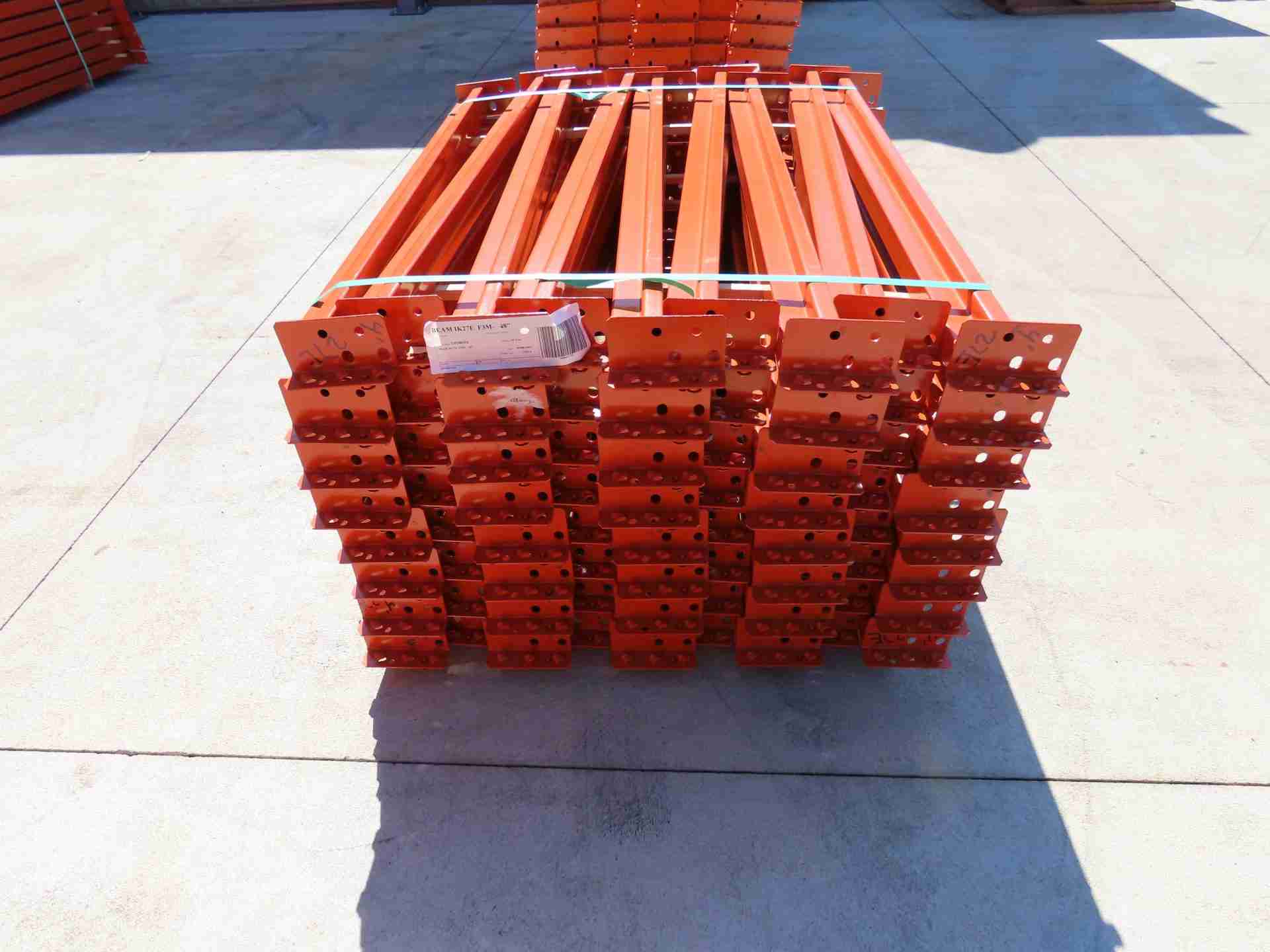
Who Trains Your Team on New Pallet Rack Systems?
Who Trains Your Team on New Pallet Rack Systems?
- Investing in new pallet racking systems requires effective team training to ensure efficient and safe operation.
- Proper training prevents costly mistakes and enhances productivity by ensuring understanding of safety protocols.
- With the trend toward warehouse automation, skilled employees are essential to handle complex racking and robotics.
- Training should incorporate both internal resources and external experts, including manufacturers, for specialized insights.
- Internal training fosters ownership and accountability among staff members for the new pallet racking systems.
- Training is an ongoing process, requiring continuous education and periodic refreshers to maintain operational excellence.
- Investing in training is a strategic decision that enhances workforce capability and confidence in utilizing pallet racking.

Who Trains Your Team on New Pallet Rack Systems?
Table Of Contents
- Who Trains Your Team on New Pallet Rack Systems?
- Who Needs Training On New Pallet Rack Systems?
- What Are The Benefits Of Proper Training?
- How Often Should Training Be Conducted?
- Who Provides Training For Pallet Rack Systems?
- What Qualifications Should Trainers Have?
- What Topics Are Covered In Pallet Rack Training?
- Conclusion
- Other Resources
- Glossary Of Terms
- Other Questions
- Checklist
Who Needs Training On New Pallet Rack Systems?
In the fast-paced world of logistics and warehousing, understanding the ins and outs of pallet racking systems is critical. But who exactly needs training on these essential structures? The answer is broader than you might think. From warehouse managers to forklift operators, the stakes are high when it comes to effective utilization and safety.
Warehouse Managers and Supervisors are the first on the list. These individuals are responsible for overseeing daily operations and ensuring that inventory is stored efficiently. A recent survey showed that 40% of warehousing accidents were directly linked to improper pallet racking use. Training in the latest pallet racking systems can dramatically reduce these incidents, leading to smoother operations and lesser downtime. Imagine a warehouse manager confidently directing operations, knowing they’ve equipped their team with the expertise needed to avoid costly mistakes.
Forklift Operators also play a crucial role in the health of your pallet racking system. These operators must navigate the aisles, placing and retrieving pallets efficiently. Without proper training on the specifics of the new pallet racking layouts, operators may struggle with navigating these tight spaces, leading to damage to both inventory and equipment. This not only incurs financial losses but can also slow down throughput in an already competitive landscape.
Moreover, Warehouse Staff who handle picking and packing must understand the principles behind effective pallet racking. Whether it’s selecting the right pallets for specific inventory sizes or understanding how weight distribution affects racking systems, their knowledge directly impacts productivity and safety. A well-trained staff can tackle rotation and space management effortlessly, ensuring optimal storage use.
The need for trained personnel isn’t just a one-time requirement; it’s an ongoing process. With new pallet racking technologies emerging, keeping your entire team updated is vital. For instance, recent advancements like automated racking systems demand enhanced skills from those who manage them.
Finally, let’s not forget about Safety Inspectors. Proper training in pallet racking systems ensures that inspections are thorough and effective, thus complying with governmental regulations. With recent policy changes regarding warehouse safety standards—prompted by high-profile accidents in the industry—having trained inspectors can protect your business’s reputation and bottom line.
Whether you’re a manager, operator, or staff member, training in new pallet racking systems is not just beneficial; it’s essential. Investing in this training today can yield tremendous returns in productivity, safety, and operational efficiency. Don’t get left behind in a world where knowledge is king.

Who Needs Training On New Pallet Rack Systems?
Who Needs Training On New Pallet Rack Systems?
- Importance of Training: Understanding pallet racking systems is vital in logistics and warehousing for safe and efficient operations.
- Warehouse Managers and Supervisors: They oversee operations and need training to reduce accidents linked to improper pallet use, which constitute 40% of warehouse accidents.
- Forklift Operators: Proper training helps operators navigate tight spaces safely, minimizing damage to inventory and equipment.
- Warehouse Staff: Knowledge of pallet racking principles enhances productivity and safety in picking and packing processes.
- Ongoing Training Necessity: As new technologies emerge, continuous training for all personnel is essential to keep up with industry standards.
- Safety Inspectors: Adequate training ensures thorough inspections and compliance with updated warehouse safety regulations.
- Overall Benefit: Investing in pallet racking training boosts productivity, safety, and operational efficiency across the organization.

Who Needs Training On New Pallet Rack Systems?
What Are The Benefits Of Proper Training?
In today’s fast-paced marketplace, businesses are constantly seeking competitive advantages, and one of the most impactful ways to achieve this is through proper training. Investing in employee development isn’t just a nice-to-have; it’s a must-have. Proper training can lead to a more efficient workforce, and as we navigate an increasingly complex landscape—whether in warehouse management or beyond—it becomes evident that the benefits are manifold.
Consider the world of logistics. With the rise of e-commerce giants like Amazon continuously reshaping customer expectations, companies are forced to refine their operations. This is where proper training shines. Take pallet racking systems, for example—a cornerstone of warehouse efficiency. Employees trained in the proper assembly, loading, and safety protocols related to these systems can help organizations maximize space, minimize accidents, and drastically enhance productivity. When team members understand the nuances of pallet racking—from weight distribution to aisle clearance—they can quickly adapt to changing inventory demands, avoiding costly mistakes.
But let’s dig deeper. A well-structured training program doesn’t just serve to equip employees with technical knowledge. It instills a culture of continuous improvement. In fact, according to a recent study by Deloitte, businesses that prioritize employee training regularly outperform their competitors by a significant margin. For instance, during recent supply chain disruptions caused by global events, organizations with robust training protocols were nimble enough to pivot and implement new processes efficiently, while others floundered.
Moreover, proper training enhances employee morale. When staff members feel competent and confident in their roles, they are more likely to be engaged and invested in their work. This is critical as businesses grapple with workforce retention in a competitive job market. A company that champions ongoing education is often perceived as an employer of choice. Furthermore, consider those companies that embraced training on the latest safety protocols during the COVID-19 pandemic. They not only safeguarded employees’ health but also built loyalty through a demonstrated commitment to their team’s well-being.
Finally, let’s not forget compliance issues. In industries that involve heavy machinery, proper training ensures that businesses adhere to regulations, thus reducing the risks of fines and legal challenges. Think of it this way: investing in training mitigates risk while simultaneously boosting your bottom line.
In summary, the benefits of proper training are clear. From fostering a highly efficient workforce to crafting a loyal employee base, it’s not merely an operational expense—it’s an investment in the future. As the landscape continues to evolve, isn’t it time to advance your team through proper training? Your business may just depend on it.

What Are The Benefits Of Proper Training?
What Are The Benefits Of Proper Training?
- Investing in proper employee training is essential for gaining a competitive advantage in today’s fast-paced marketplace.
- Effective training leads to a more efficient workforce and helps organizations navigate complex operational challenges.
- In logistics, trained employees improve warehouse efficiency by mastering pallet racking systems and safety protocols.
- Fostering a culture of continuous improvement through structured training programs helps businesses outperform competitors.
- Proper training enhances employee morale, leading to higher engagement and retention in a competitive job market.
- Training on safety protocols, especially during crises like the COVID-19 pandemic, builds employee loyalty and commitment.
- Investing in training reduces compliance risks and legal challenges, making it a strategic investment for future success.

What Are The Benefits Of Proper Training?
How Often Should Training Be Conducted?
In today’s fast-paced business environment, the frequency of training isn’t just a formality—it’s an essential strategy for maintaining operational efficiency and achieving a competitive edge. Let’s face it, we live in a world where knowledge becomes outdated quicker than the shelf life of a perishable item. So, how often should businesses engage in training sessions?
Begin with the foundational principle of your company’s core activities. Take, for instance, a manufacturing facility that utilizes pallet racking systems. These structures aren’t merely storage solutions; they represent a pivotal aspect of your supply chain management. Regular training ensures that all staff members are well-versed in the correct handling, loading, and unloading techniques. Imagine a scenario where improper handling of products leads to a catastrophic failure of the pallet racking, which could cause product loss and injury. The solution? Regular training sessions—at least quarterly—are vital.
Now, consider the implications of the current labor market. With the growth of e-commerce and supply chain innovations, warehouse and logistics companies face unprecedented turnover rates. The average tenure of a warehouse employee fluctuates, making ongoing training not just beneficial but necessary. Cohesive teams that are on the same page about operational protocols and safety guidelines won’t just reduce accidents—they’ll save your bottom line.
In addition, the increase in technology adoption necessitates frequent training. For example, if you’re integrating new software to manage your pallet racking inventory, training must occur immediately and continuously. A one-and-done training seminar won’t cut it. Employees will need refresher courses monthly to sharpen their skills and enhance their proficiency with the new tools.
Furthermore, don’t overlook the significance of compliance training. With regulations ever-evolving, especially in health and safety sectors, your organization must adapt. Regular updates and training sessions ensure compliance and mitigate the risk of hefty fines or legal ramifications.
Let’s not forget the soft skills, too. In an era where effective communication can determine the success of a business, investing in team-building and customer service training bi-annually can foster a stronger workplace culture and improve your brand’s reputation.
Ultimately, the frequency of training should reflect both your industry’s dynamics and the evolving skill sets required in today’s marketplace. By implementing consistent, strategic training practices—particularly in areas such as the management of pallet racking systems—you empower your workforce and drive your business towards sustained success.

How Often Should Training Be Conducted?
How Often Should Training Be Conducted?
- Training is essential for maintaining operational efficiency and gaining a competitive edge in today’s fast-paced business environment.
- Regular training sessions, especially for handling equipment like pallet racking systems, are necessary to prevent accidents and product loss.
- The high turnover rates in the labor market, particularly in warehouse and logistics sectors, make ongoing training critical for cohesive team performance.
- With the integration of new technologies, frequent training (e.g., monthly refresher courses) is required to enhance employee proficiency.
- Compliance training is vital due to evolving regulations; regular updates help mitigate legal risks and fines.
- Investing in soft skills training, such as team-building and customer service, can strengthen workplace culture and improve brand reputation.
- The frequency of training should be aligned with industry dynamics and evolving skill requirements to drive sustained business success.

How Often Should Training Be Conducted?
Who Provides Training For Pallet Rack Systems?
In the world of logistics and warehousing, pallet racking is the backbone of efficient storage solutions. However, investing in advanced pallet racking systems isn’t enough. Proper training is crucial to maximize their potential and ensure the safety of your workforce. So, who provides this essential training? Let’s explore.
Manufacturers and Distributors: Leading manufacturers of pallet racking systems, such as Steel King and UNARCO, often offer specialized training sessions. These sessions cover everything from assembly to safety protocols and maintenance. For instance, Steel King recently launched an online training module to help warehouses navigate the complexities of their racking systems. This initiative aligns perfectly with the rising demand for compliant and efficient use of storage solutions, especially in light of recent regulations aimed at warehouse safety.
Industry Associations: Organizations like the Material Handling Industry (MHI) frequently hold workshops and webinars on best practices in pallet racking and system management. Their emphasis on education addresses both the technical dimensions and operational strategies necessary for optimizing space and increasing productivity. With the current supply chain disruptions, understanding how to efficiently utilize pallet racking systems can set your business apart from competitors.
Third-Party Training Providers: Companies dedicated to warehouse safety and operational excellence, such as SafetyStore, offer tailored onsite training programs. These providers are invaluable, especially when you consider rising concerns over workplace accidents. For example, a recent report highlighted that inadequate training in pallet racking systems contributed to numerous safety incidents. Third-party trainers not only ensure adherence to safety standards but also foster a culture of accountability among employees.
Internal Teams: Don’t overlook the potential of your internal resources. Many businesses are now investing in their own training teams, equipping them with expert knowledge on pallet racking systems. This approach not only saves costs but also fosters a deeper internal understanding of the specific systems your warehouse uses. Internal trainers can customize the curriculum to address unique challenges faced in your operations.
Online Learning Platforms: In the age of digital transformation, platforms like Coursera and LinkedIn Learning are now offering courses on logistics and warehouse management, including pallet racking training. With flexibility and accessibility as key attributes, these courses enable staff to upskill at their own pace, making sure that everyone—from warehouse associates to management—is equipped with the knowledge to utilize pallet racking systems effectively.
Whether through manufacturers, industry groups, third-party providers, internal teams, or online platforms, the availability of training for pallet racking systems is abundant. Investing in proper training not only enhances operational efficiency but also significantly minimizes risks, positioning your business for success in an increasingly competitive landscape.

Who Provides Training For Pallet Rack Systems?
Who Provides Training For Pallet Rack Systems?
- Pallet racking is essential for efficient storage in logistics and warehousing.
- Proper training is necessary to maximize the potential of pallet racking systems and ensure workplace safety.
- Manufacturers like Steel King and UNARCO provide specialized training on assembly, safety protocols, and system maintenance.
- Industry associations such as MHI offer workshops and webinars focusing on best practices and operational strategies for pallet racking.
- Third-party training providers like SafetyStore conduct onsite training, ensuring adherence to safety standards and promoting accountability.
- Many businesses are developing internal training teams to customize training based on specific warehouse needs.
- Online platforms, including Coursera and LinkedIn Learning, offer flexible courses on pallet racking and warehouse management.

Who Provides Training For Pallet Rack Systems?
What Qualifications Should Trainers Have?
When it comes to hiring trainers, especially in specialized fields like warehouse management and industrial operations, credentials matter. You wouldn’t trust someone without a license to fly a plane. So why would you settle for less when it comes to training your team? Let’s dive into the essential qualifications that separate the wheat from the chaff in today’s competitive landscape.
Educational Background: A trainer should have a solid educational foundation, ideally with a degree relevant to the field they are teaching. For instance, someone training staff on effective pallet racking systems should have a background in logistics, supply chain management, or industrial engineering. A degree not only equips them with knowledge but also lends credibility to their training. So, if your trainer shows up with a degree in gender studies instead of industrial safety, it’s time to rethink your choice.
Certifications: Certifications from reputable organizations can be a game changer. For example, look for trainers certified in OSHA standards if they are instructing on safety practices related to pallet racking. These professionals have demonstrated their commitment to industry standards and best practices—making them invaluable in reducing hazards and improving efficiency in warehouse operations.
Real-World Experience: Credentials are one thing, but hands-on experience takes the cake. Trainers who have spent years in the field can provide insights that theory alone cannot offer. For example, a trainer with years of experience working in a bustling warehouse environment is more likely to understand the nuances of pallet racking than someone who has always taught from a textbook. They can share real-life stories, challenges they faced, and how they effectively resolved them, enriching the learning experience.
Proven Track Record: Look for trainers who can quantify their success. Do they have testimonials or data showcasing a decrease in accident rates due to their safety training? Did a past client report increased efficiency in their operations after implementing a pallet racking system they designed or instructed on? Results speak volumes in the world of training.
Staying Current: In an ever-evolving industry, trainers must stay abreast of current trends and technologies. Recent shifts in the economy, spurred by global supply chain disruptions, show us that agility and adapting to new systems—like advanced pallet racking solutions—are more critical than ever. Trainers should not only know these changes but embrace them, ensuring your team remains competitive in the marketplace.
When hiring a trainer, ensure they possess a blend of these qualifications. Your organization’s success in operations—whether it’s sales, safety, or efficiency—depends heavily on the quality of instruction your team receives. Make the wise choice and invest in qualified trainers today; it’s a decision that pays dividends in performance tomorrow.

What Qualifications Should Trainers Have?
What Qualifications Should Trainers Have?
- Importance of Credentials: Hiring qualified trainers with appropriate credentials is crucial in specialized fields like warehouse management.
- Educational Background: Trainers should have relevant degrees, such as logistics or industrial engineering, to ensure credibility and knowledge in their training.
- Certifications: Look for trainers certified by reputable organizations, like OSHA, to guarantee their expertise in industry standards and best practices.
- Real-World Experience: Hands-on experience in the field enriches training, allowing trainers to provide real-life insights beyond theoretical knowledge.
- Proven Track Record: Successful trainers should provide testimonials or data that demonstrate measurable improvements in safety and efficiency due to their training.
- Staying Current: Trainers must stay updated on industry trends and technologies to keep teams competitive and equipped with the latest knowledge.
- Invest in Qualified Trainers: The overall success of your organization’s operations depends on the quality of instruction, making it essential to choose well-qualified trainers.

What Qualifications Should Trainers Have?
What Topics Are Covered In Pallet Rack Training?
In today’s fast-paced warehouse environments, effective organization and safety are paramount. That’s where Pallet Racking comes into play, serving as the backbone of inventory storage solutions. But, without proper knowledge and training, even the best systems can become liabilities. This is where Pallet Rack Training steps in, providing essential insights into maximizing safety and efficiency in your storage areas.
Foundational Concepts of Pallet Racking
Pallet Rack Training begins with the base fundamentals of pallet racking systems. Trainees learn about various types of racking options, including selective, drive-in, and push back racks. Each type has its unique benefits, and understanding these can significantly affect storage density and retrieval speed. For instance, in current supply chain fluctuations, companies utilizing drive-in racking can adapt more quickly to seasonal changes by optimizing storage space without compromising safety.
Safety Protocols and Compliance
Safety is a top priority in any warehouse setting. A significant portion of Pallet Rack Training focuses on safety protocols. Employees are taught to identify potential hazards, such as overloading racks or improper stacking of pallets. With OSHA regulations evolving, staying up-to-date with compliance standards is more crucial than ever. Consider the recent rise in workplace safety audits; organizations investing in thorough training are less likely to face costly penalties.
Load Management Techniques
Understanding how to manage load is crucial in pallet racking systems. A key topic covered is load capacities, ensuring employees recognize maximum weight limits for different racking systems. Moreover, trainees are instructed on how to distribute weight evenly and avoid creating dangerous tipping hazards. For example, recent industrial accidents highlight that a small misjudgment in load placement can lead to significant injuries and losses. Enhanced training can reduce these risks considerably.
Best Practices for Maintenance
Pallet racking isn’t set-it-and-forget-it. Regular maintenance and inspections are necessary to prolong the life of the racks and ensure safety. Training sessions cover best practices for maintaining racking integrity, including the signs of wear and when to perform repairs. In light of the increasing stressors on supply chains worldwide, keeping your warehouse operations smooth and safe has never been more essential.
Real-World Applications and Case Studies
Lastly, Pallet Rack Training incorporates practical applications and case studies, helping trainees see how the principles apply in real-world settings. For instance, during workshops, teams may analyze successful companies that have leveraged efficient pallet racking strategies to navigate challenges, such as the recent freight disruptions caused by global events.
In a world where efficiency and safety are crucial, investing in comprehensive Pallet Rack Training could be your ticket to success. Don’t leave your operations to chance; empower your workforce with knowledge and equip your facility for optimal performance.

What Topics Are Covered In Pallet Rack Training?
What Topics Are Covered In Pallet Rack Training?
- Effective organization and safety are critical in fast-paced warehouse environments, with Pallet Racking being vital for inventory storage solutions.
- Pallet Rack Training covers foundational concepts of various racking types such as selective, drive-in, and push back racks, impacting storage density and retrieval speed.
- Emphasis on safety protocols includes hazard identification and compliance with evolving OSHA regulations to prevent costly penalties from safety audits.
- Training includes load management techniques, ensuring employees are aware of maximum weight limits and proper weight distribution to prevent hazards.
- Regular maintenance and inspections are necessary; training provides best practices for maintaining racking integrity and safety.
- Real-world applications and case studies illustrate how efficient pallet racking strategies can address challenges in the supply chain.
- Investing in comprehensive Pallet Rack Training enhances workforce knowledge and equips facilities for optimal performance and safety.

What Topics Are Covered In Pallet Rack Training?
Conclusion
In the bustling landscape of logistics and warehouse management, one critical aspect often gets lost in the shuffle: the training of your team on new pallet racking systems. The moment you invest in sophisticated storage solutions, the focus should pivot to ensuring your workforce is adept at navigating these systems. Think of it as investing in a high-performance vehicle—without the right driver’s education, your investment is at great risk of failure.
The importance of not only implementing advanced pallet racking but also ensuring your employees are trained to use it cannot be overstated. A trained workforce reduces the likelihood of accidents—40% of warehouse incidents arise from improper pallet rack use—and enhances operational efficiency, leading to significant savings and productivity gains. Warehouse managers and forklift operators alike must possess comprehensive knowledge about load management, safety protocols, and the intricacies of their specific racking systems. Continuous training is not merely beneficial; it is imperative, especially as new technologies emerge and industry regulations evolve.
Investing in ongoing training fosters a culture of safety and efficiency, elevating employee morale and retention in an increasingly competitive job market. Teams that receive regular training are more competent, more engaged, and ultimately more likely to contribute positively to your bottom line. The undeniable fact is that organizations prioritizing training outperform their counterparts, especially in the face of supply chain disruptions.
Now, who should facilitate this essential training? Collaborating with manufacturers, industry associations, and third-party experts can provide a holistic approach to skill development. Internal trainers who understand your unique operational challenges can tailor programs specifically for your team.
The best part? The resources for this crucial training are readily available. Online platforms offer flexible options for upskilling, and specialized training providers bring invaluable hands-on experience to your facility. Don’t hesitate in making this strategic investment; approach your pallet racking endeavors with a commitment to training, not merely as an expense, but as a significant investment in your operations.
Are you ready to turn your pallet racking system into a powerhouse of efficiency? The clock is ticking. Call Arrow Industrial Sales at (574) 349-6575. Don’t wait for costly mistakes; empower your team today and secure your competitive edge in tomorrow’s fast-paced market. Time is of the essence—act now and set the standard for excellence in your field!
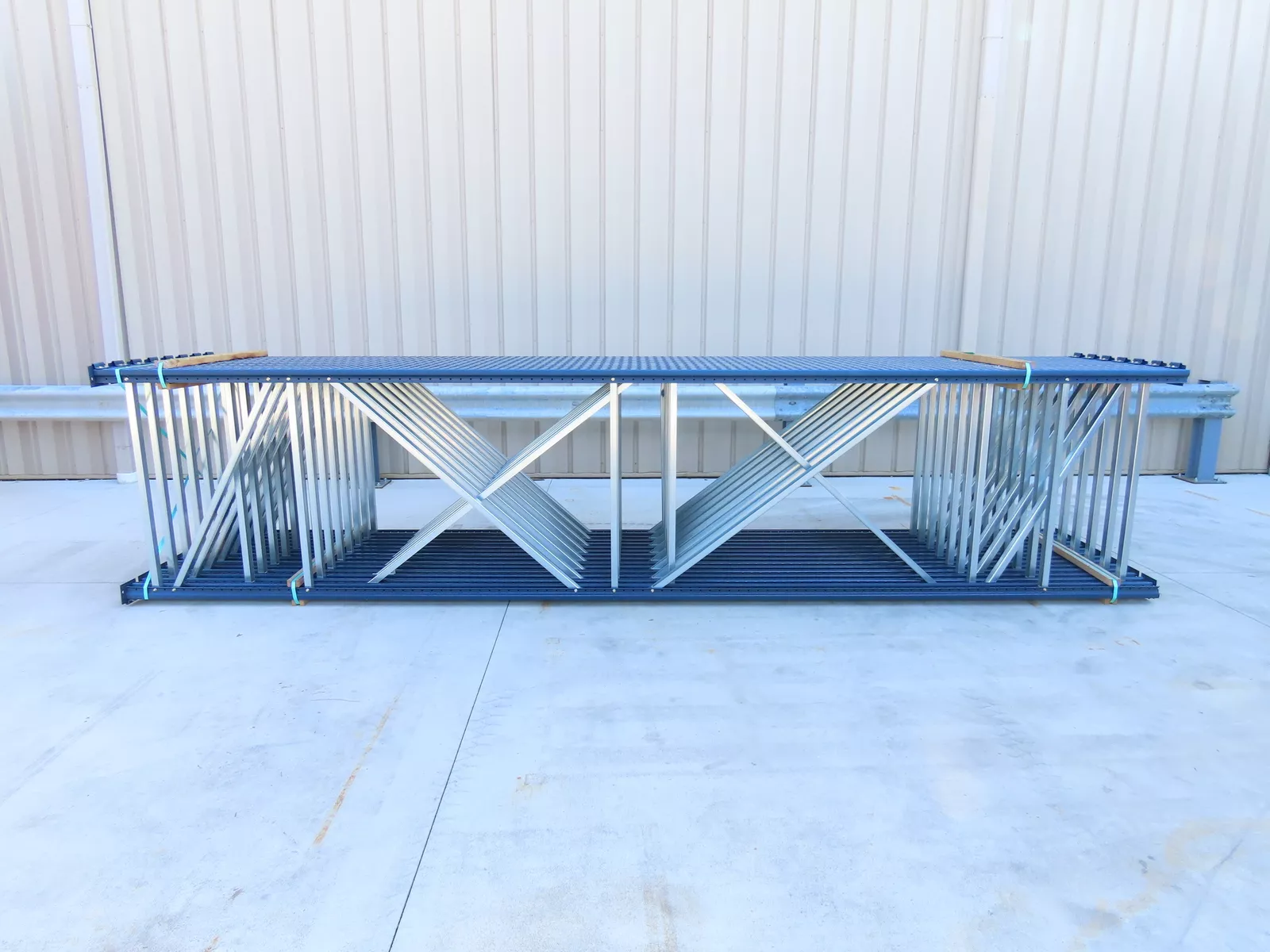
Conclusion
Conclusion:
- Training on new pallet racking systems is critical for effective warehouse operations.
- Improper pallet rack use accounts for 40% of warehouse incidents, highlighting the need for trained staff.
- Knowledge of load management, safety protocols, and specific racking systems is essential for workers.
- Ongoing training cultivates a culture of safety, efficiency, and employee retention.
- Companies prioritizing training outperform competitors, especially during supply chain disruptions.
- Collaborate with manufacturers, industry associations, and internal trainers for tailored training programs.
- Utilize readily available online resources and specialized training providers for skill development.

Conclusion
Other Resources

Other Resources
Here is a list of other resources you can review online to learn more:
- Teardrop Industrial Shelving Rack
- Interlake
- Selective Pallet Racking Systems
- ASSP
- BMH Equipment LLC
- Warehouse Racks, Warehouse Racking in Stock – ULINE
- Chicago Pallet Racking
- Warehousing Education and Research Council: https://www.werc.org/
- Mustang Material Handling
- Illinois Pallet Racking – WPRP
Use This Prompt To Get More Resources With Your Favorite Online AI Tool: Please provide me with a list of online articles with their URLs in a bulleted list that I can read regarding Who Trains Your Team on New Pallet Rack Systems?

Other Resources
Glossary Terms
Who Trains Your Team on New Pallet Rack Systems? – Glossary Of Terms
1. Pallet Rack: A structured system designed for the storage of goods on pallets, typically used in warehouses.
2. Training Program: An organized series of sessions designed to teach staff about operational procedures, equipment, and safety protocols.
3. Load Capacity: The maximum weight that a pallet rack can safely hold, typically detailed by the manufacturer.
4. Safety Regulations: Legal requirements and industry standards that govern the safe use of storage systems, including pallet racks.
5. Installation Training: A practice-focused course on how to properly assemble and set up pallet rack systems.
6. Heavy Equipment Training: Education on safely operating machinery that may be used in conjunction with pallet rack systems, such as forklifts.
7. OSHA Standards: Guidelines set by the Occupational Safety and Health Administration that govern workplace safety and equipment use.
8. Forklift Training: Instruction on how to operate forklifts safely and effectively, especially in areas around pallet racks.
9. Rack Inspection: The process of examining pallet racks for structural integrity, load-bearing capacity, and wear and tear.
10. Inventory Management: Techniques and systems used to manage stocked items, which can be facilitated by effective pallet racking.
11. Material Handling: The movement, protection, storage, and control of materials and products throughout the manufacturing and distribution process.
12. Pallet Types: Different kinds of pallets (e. g. , wood, plastic, metal) used in conjunction with pallet rack systems.
13. Ergonomics: The study of people’s efficiency in their working environment, crucial for designing spaces around pallet racking.
14. Warehouse Layout: The planned arrangement of storage systems like pallet racks within a warehouse to optimize space and workflow.
15. End-user Training: Instruction aimed at the employees who will be directly handling and using the pallet rack systems.
16. Compliance Training: Guidance on adhering to legal and safety requirements for using pallet racks to avoid fines and accidents.
17. Hands-on Training: Practical, real-world experience provided to employees on the operation of new pallet rack systems.
18. Team Collaboration: The process of facilitating teamwork and communication among staff during the training on pallet rack systems.
19. Best Practices: The most efficient and effective methods for using and maintaining pallet rack systems.
20. Refresher Course: A training session designed to update employees on safety protocols and best practices after initial training.
21. Lifting Techniques: Proper methods for safely lifting and placing items on pallet racks to prevent injury and damage.
22. Operational Efficiency: A measure of how effectively a business utilizes its resources, including training on pallet racks to streamline processes.
23. Warehouse Management System (WMS): Software that aids in the management of warehouse operations, including the use of pallet racks.
24. Load Distribution: The even spread of weight across a pallet rack to prevent overloading and structural failure.
25. Training Manual: A written guide provided during training sessions outlining procedures, safety measures, and equipment details.
26. Emergency Procedures: Established protocols for responding to accidents or incidents involving pallet rack systems.
27. Personal Protective Equipment (PPE): Safety gear worn by employees during training and operation of pallet racking systems.
28. Rack Design: The architectural and structural considerations involved in creating a pallet rack system to maximize space and safety.
29. Equipment Operators: Employees specifically trained to manage machinery involved in loading and unloading pallets from racks.
30. Feedback Mechanism: A structured process for gathering employee input on the training program to improve future sessions and practices.
Glossary Of Terms
Other Questions
Who Trains Your Team on New Pallet Rack Systems? – Other Questions
If you wish to explore and discover more, consider looking for answers to these questions:
- What is the cost of pallet rack training programs?
- Are there online courses available for pallet rack training?
- How long does pallet rack training typically take?
- What are the legal requirements for pallet rack training?
- What are common mistakes made in pallet rack operation?
- How do you evaluate the effectiveness of pallet rack training?
- What advancements in pallet rack systems should trainers be aware of?
- How do different warehouse layouts affect pallet rack training needs?
- What role does technology play in pallet rack training?
- How can a company create a culture of continuous learning regarding pallet racking?
- What are the signs that your team needs refresher training on pallet racks?
- How can businesses measure the return on investment (ROI) for pallet racking training?
- Are there certifications available for individuals who complete pallet rack training?
- What emergency procedures should be covered in pallet rack training?
- How do varying pallet sizes impact training requirements?

Other Questions
Checklist
Who Trains Your Team on New Pallet Rack Systems? – A Checklist
1. Identify Training Needs
_____ Determine which roles require training (e. g. , Warehouse Managers, Forklift Operators, General Warehouse Staff, Safety Inspectors).
_____ Assess the current knowledge level of your employees regarding pallet rack systems.
2. Select Training Providers
_____ Choose from qualified sources:
_____ Manufacturers and Distributors (e. g. , Steel King, UNARCO)
_____ Industry Associations (e. g. , Material Handling Industry)
_____ Third-Party Training Providers
_____ Internal Training Teams
_____ Online Learning Platforms (e. g. , Coursera, LinkedIn Learning)
3. Develop a Training Program
_____ Outline the foundational concepts of pallet racking.
_____ Cover different types of racking systems (e. g. , selective, drive-in, push-back).
_____ Include safety protocols and compliance requirements.
_____ Incorporate load management techniques and best practices for maintenance.
_____ Add real-world applications and case studies for practical understanding.
4. Schedule Training Sessions
_____ Determine the frequency of training (e. g. , quarterly sessions, monthly refreshers).
_____ Plan for ongoing educational opportunities as technologies evolve.
5. Measure Trainer Qualifications
_____ Verify trainers’ educational background related to logistics or industrial safety.
_____ Check for relevant certifications (e. g. , OSHA standards).
_____ Ensure trainers have real-world experience and a proven track record of success.
_____ Confirm that trainers stay updated with industry trends and advancements.
6. Implement Training
_____ Conduct initial training sessions for designated staff.
_____ Ensure hands-on demonstrations and practical applications during training.
7. Evaluate Training Effectiveness
_____ Collect feedback from participants to assess the clarity and relevance of the training.
_____ Monitor performance metrics to evaluate improvements in efficiency and safety post-training.
_____ Adjust future training programs based on feedback and results.
8. Establish a Culture of Continuous Learning
_____ Foster an environment that encourages ongoing education and development.
_____ Keep track of new safety regulations and industry trends that require updates to training content.
By following this checklist, you’ll ensure that your team is well-prepared to operate new pallet racking systems efficiently and safely, ultimately leading to improved productivity in your warehouse operations.

Checklist
At RackingWorld, we help guide you through selecting warehouse storage systems and racking.
Be sure to read our other related stories at RackingWorld to learn more about warehouse storage systems.
0 Comments